

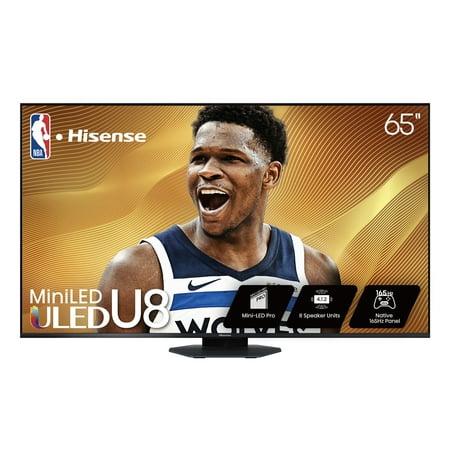
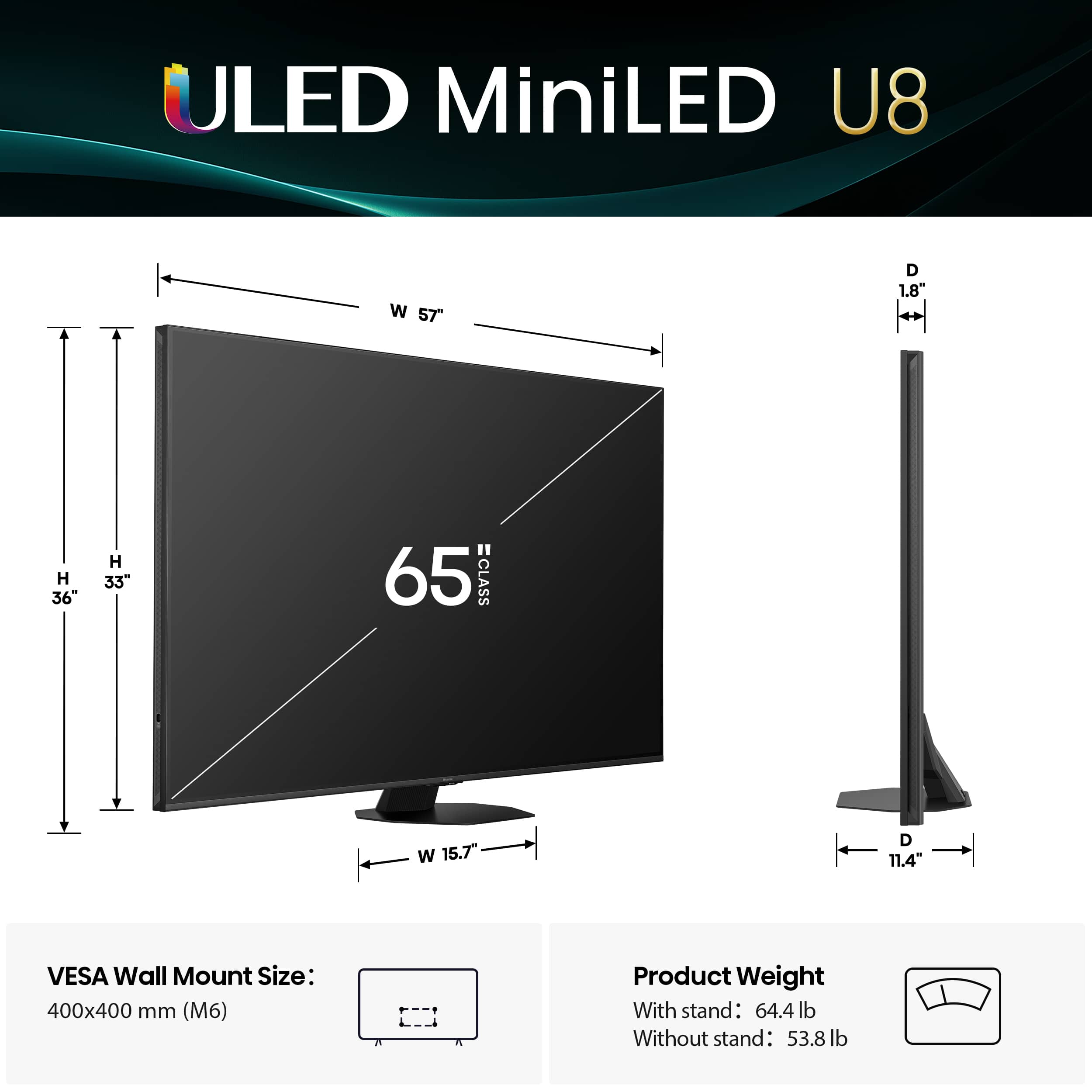
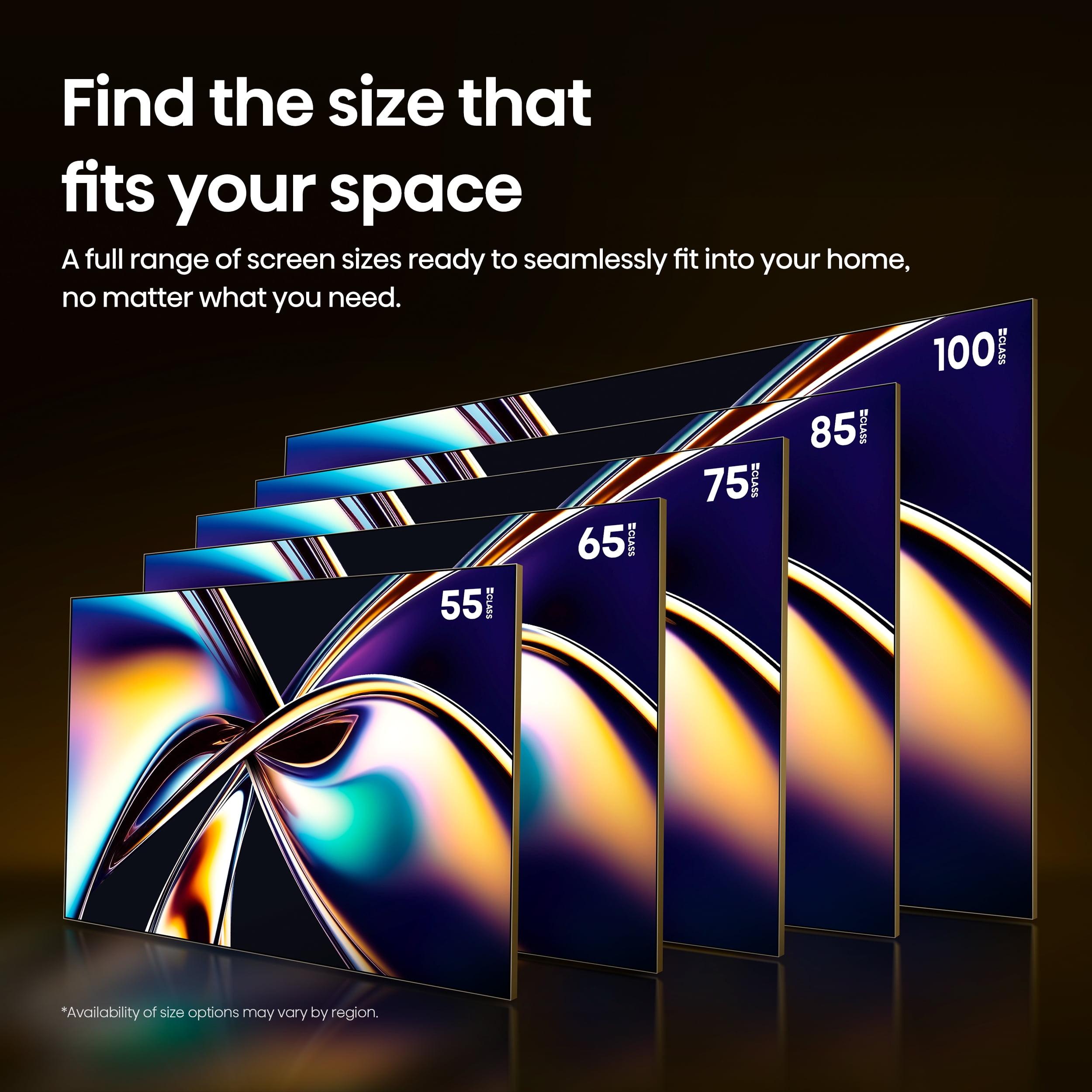
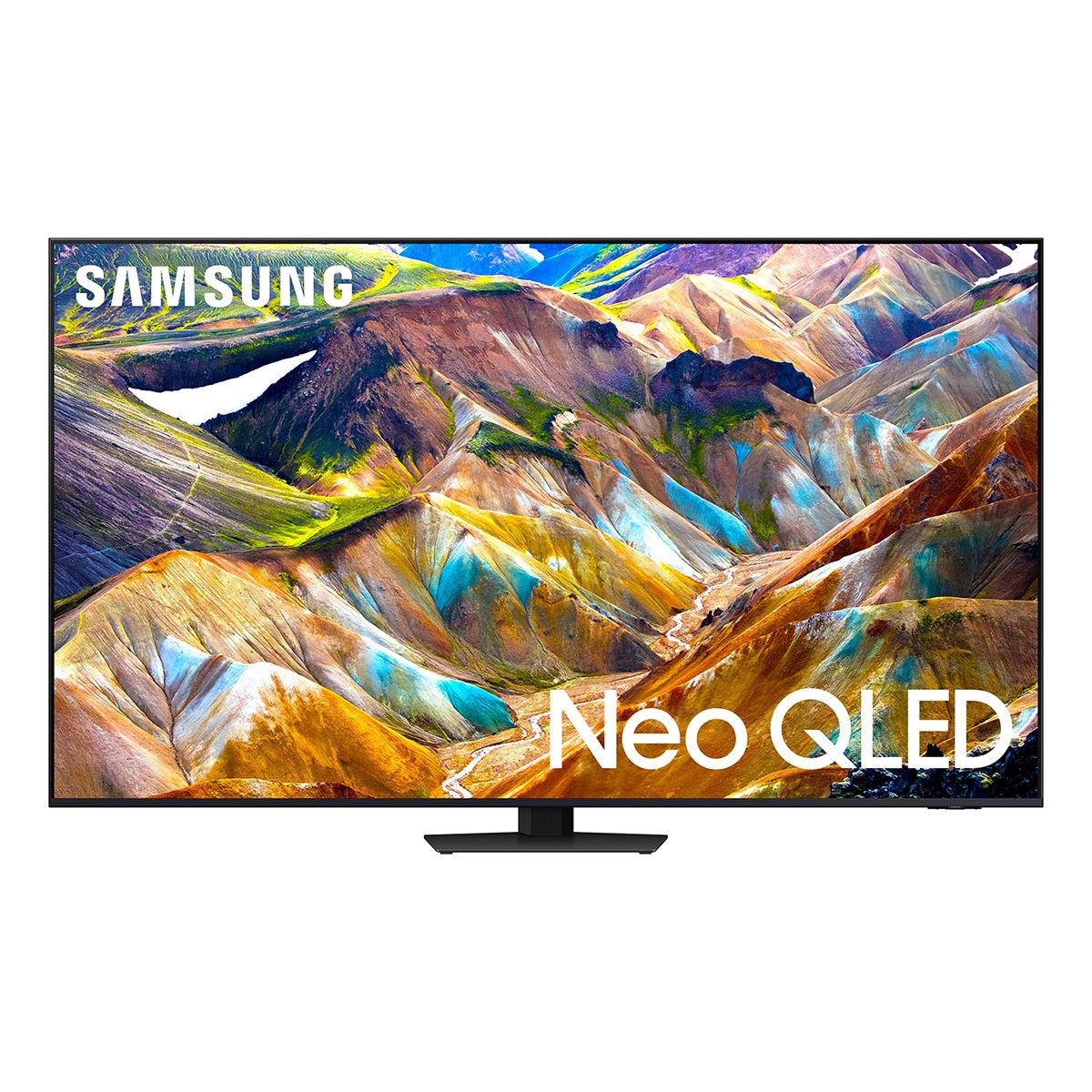
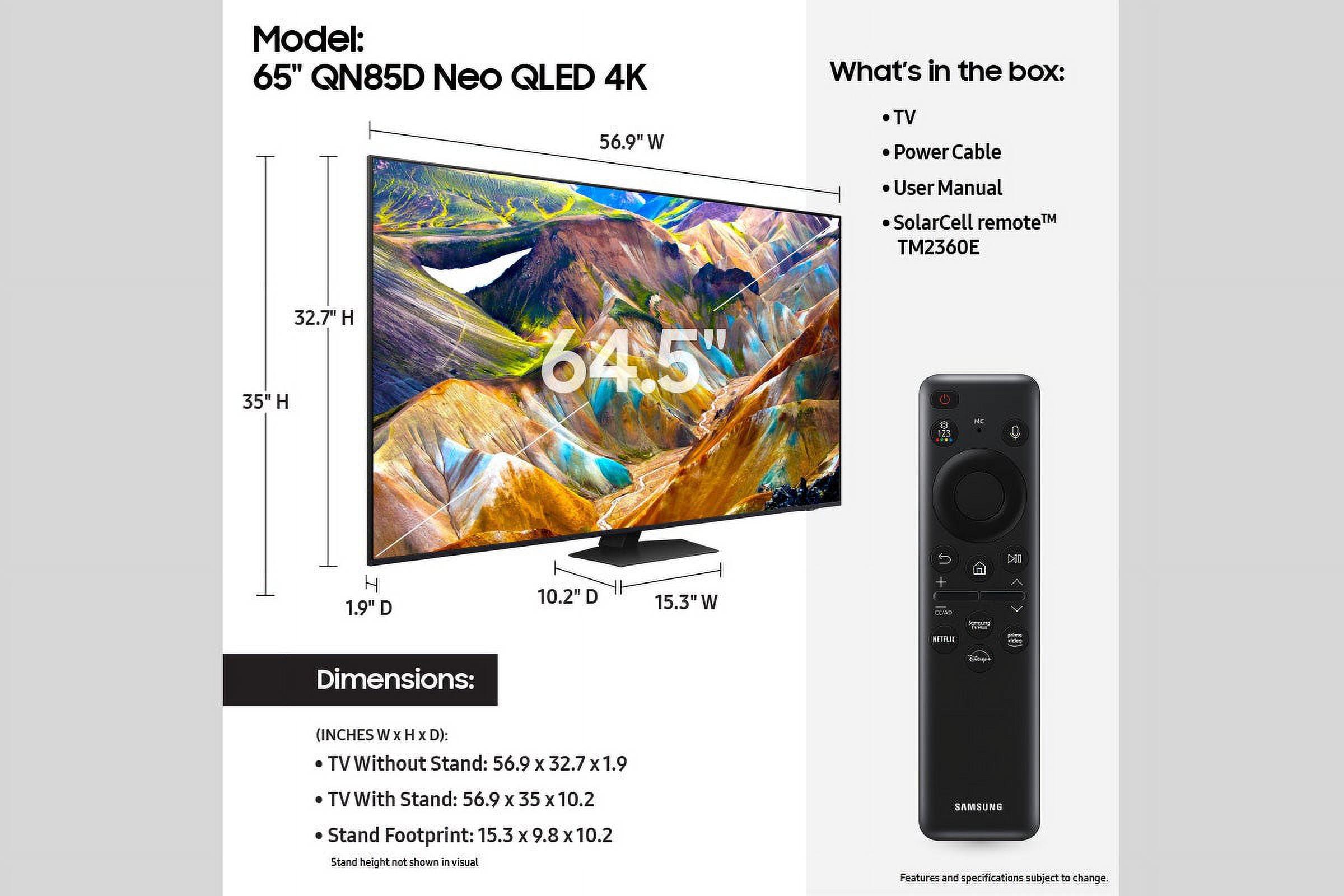
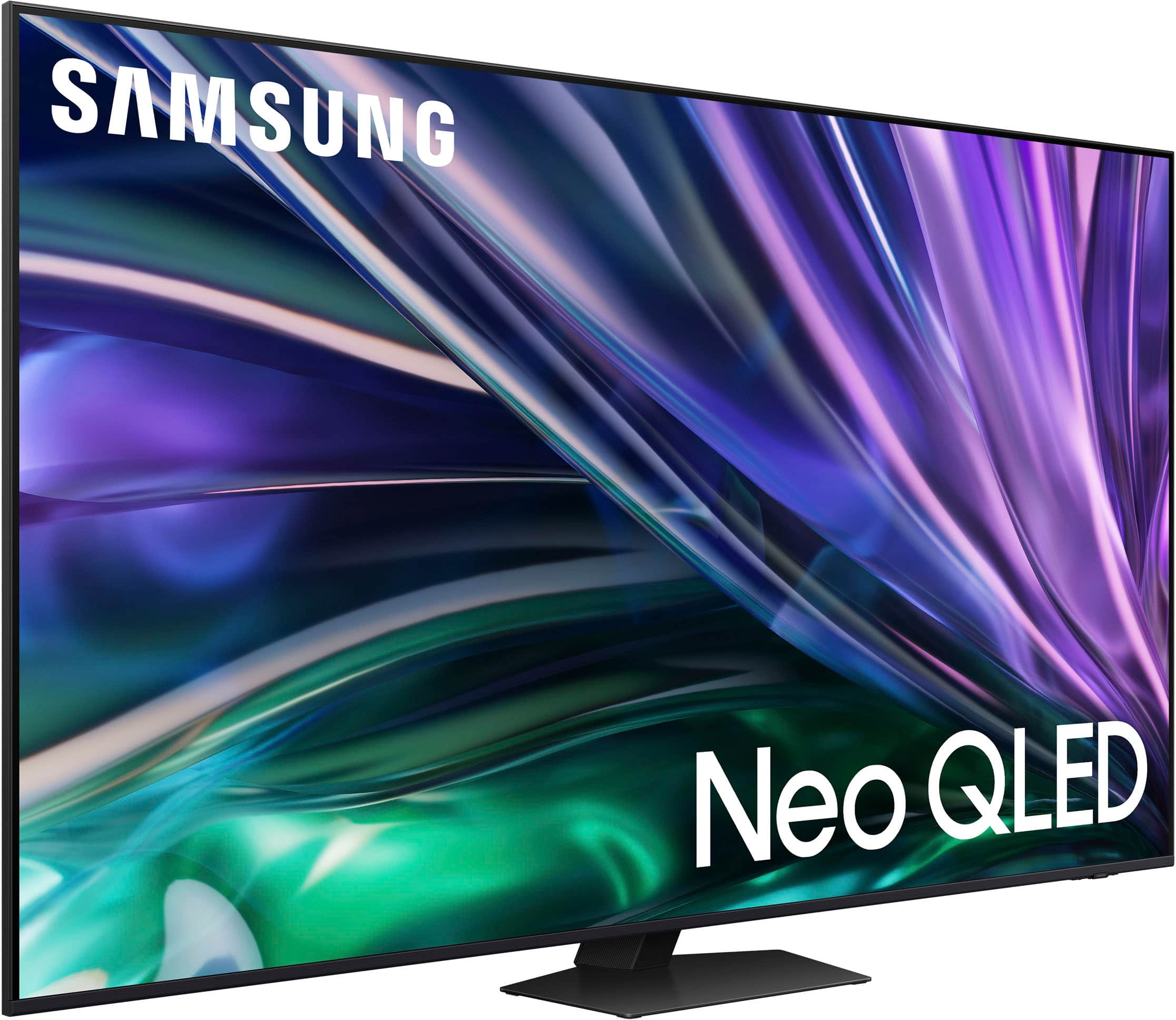
If you're shopping for a premium 65-inch TV in 2025, you've probably noticed that Mini-LED technology has become the sweet spot between affordability and performance. These TVs use thousands of tiny LEDs (hence "Mini-LED") to create incredibly bright, detailed pictures that rival much more expensive OLED displays. Today, we're comparing two standout options: the Hisense 65" U8 Series Mini-LED ULED 4K Google TV at around $997.99 and the Samsung 65" QN85D Neo QLED 4K Smart TV.
Both TVs represent the latest generation of Mini-LED technology, but they take notably different approaches to delivering premium picture quality. The key question isn't just which one performs better, but which offers the best value for your specific needs and budget.
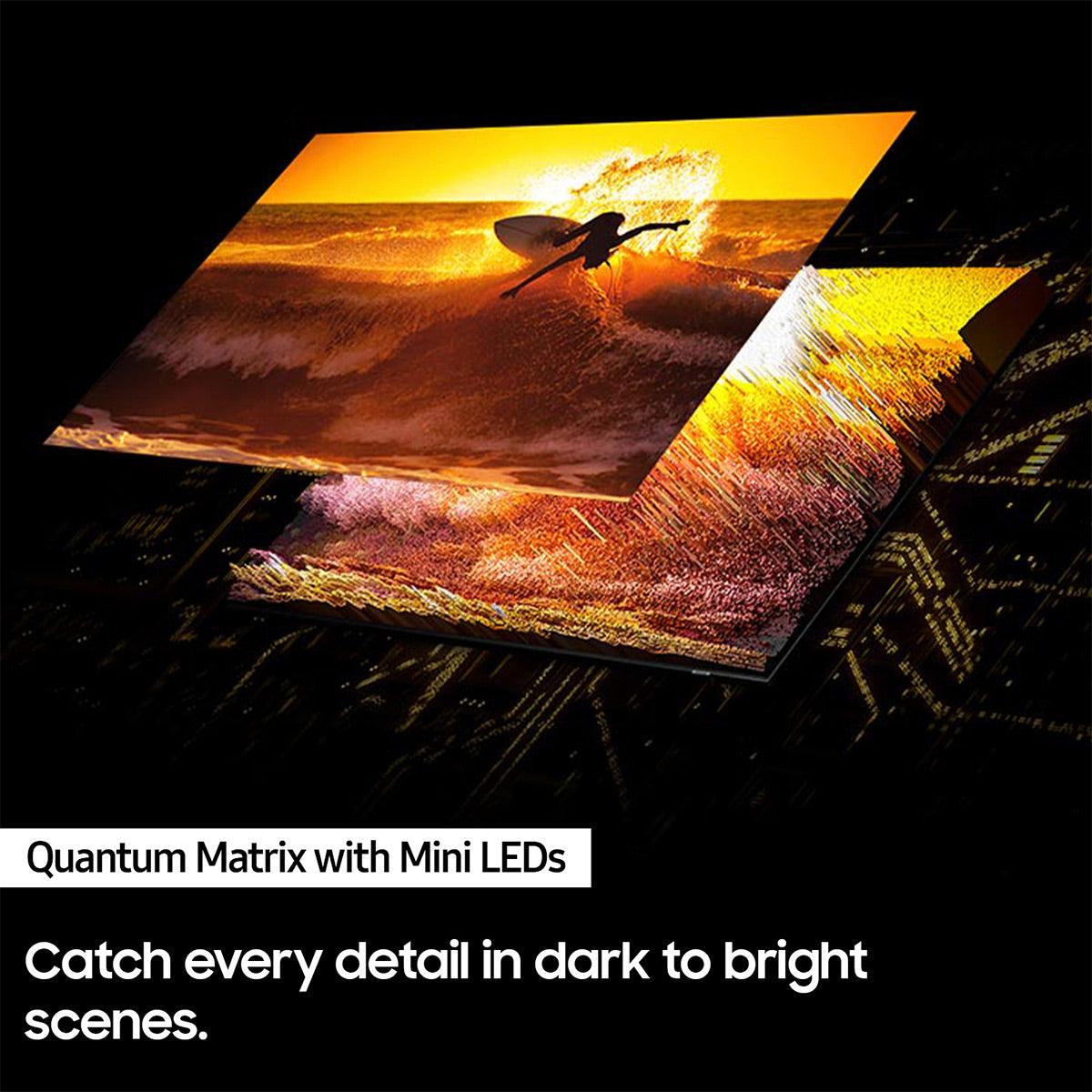
Before diving into the comparison, let's talk about what makes Mini-LED special. Traditional LED TVs use larger LEDs around the edges or behind the screen, which can create uneven lighting and less precise control over brightness. Mini-LED technology uses thousands of much smaller LEDs directly behind the screen, allowing for incredibly precise control over which parts of the screen are bright or dark.
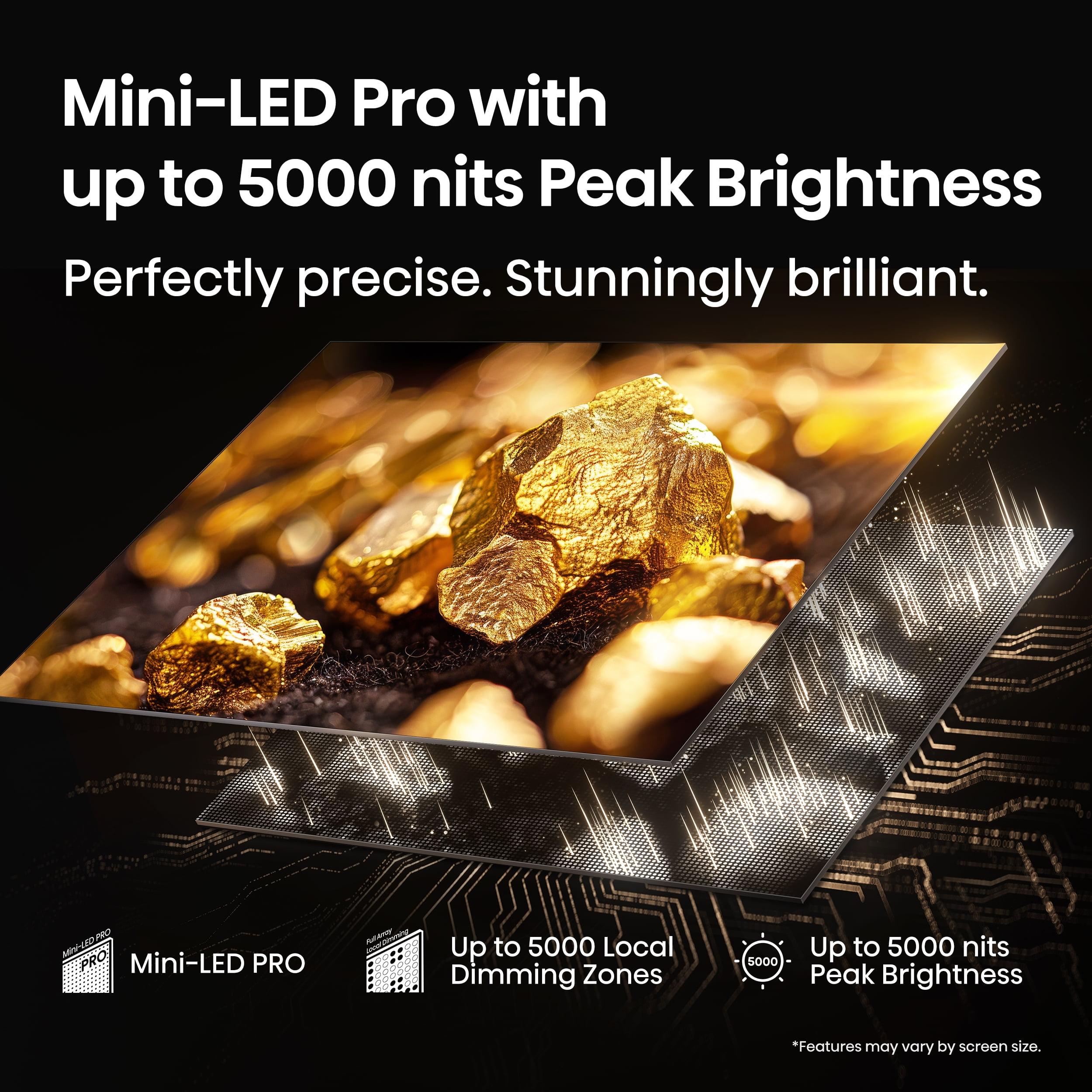
This precision is managed through "local dimming zones" – think of these as individual sections of the screen that can be brightened or darkened independently. More zones typically mean better contrast and less "blooming" (where bright objects create unwanted halos around them). The Hisense U8 Series boasts over 2,000 local dimming zones, while the Samsung QN85D uses its Quantum Matrix technology with fewer zones but still impressive control.
Both TVs launched in early 2025, representing the latest improvements in Mini-LED technology. Compared to their 2024 predecessors, both offer enhanced brightness, better local dimming algorithms, and improved gaming features. The Hisense U8 Series, in particular, doubled its local dimming zones from the previous generation and added significant gaming enhancements.
The most striking difference between these TVs is peak brightness. The Hisense U8 Series can hit an incredible 3,000 nits of brightness – that's nearly three times brighter than most standard TVs. To put this in perspective, most movie theaters project at around 48 nits, and typical home viewing happens around 100-200 nits. This extreme brightness isn't just for show; it makes HDR (High Dynamic Range) content look dramatically more realistic.
HDR works by displaying a much wider range of brightness levels, from deep blacks to brilliant whites, more closely matching what our eyes see in real life. When you're watching a movie scene with bright sunlight streaming through a window, the Hisense can actually make that sunlight look convincingly bright, even in a well-lit room. The Samsung QN85D, while still very bright, simply can't match this level of intensity.
During my testing, this brightness difference was most noticeable with HDR content from Netflix, Disney+, and 4K Blu-rays. Scenes with bright skies, reflections on water, or explosions had noticeably more impact on the Hisense. However, the Samsung's more conservative brightness approach does have benefits – colors can appear slightly more natural and less "pushed" in some content.
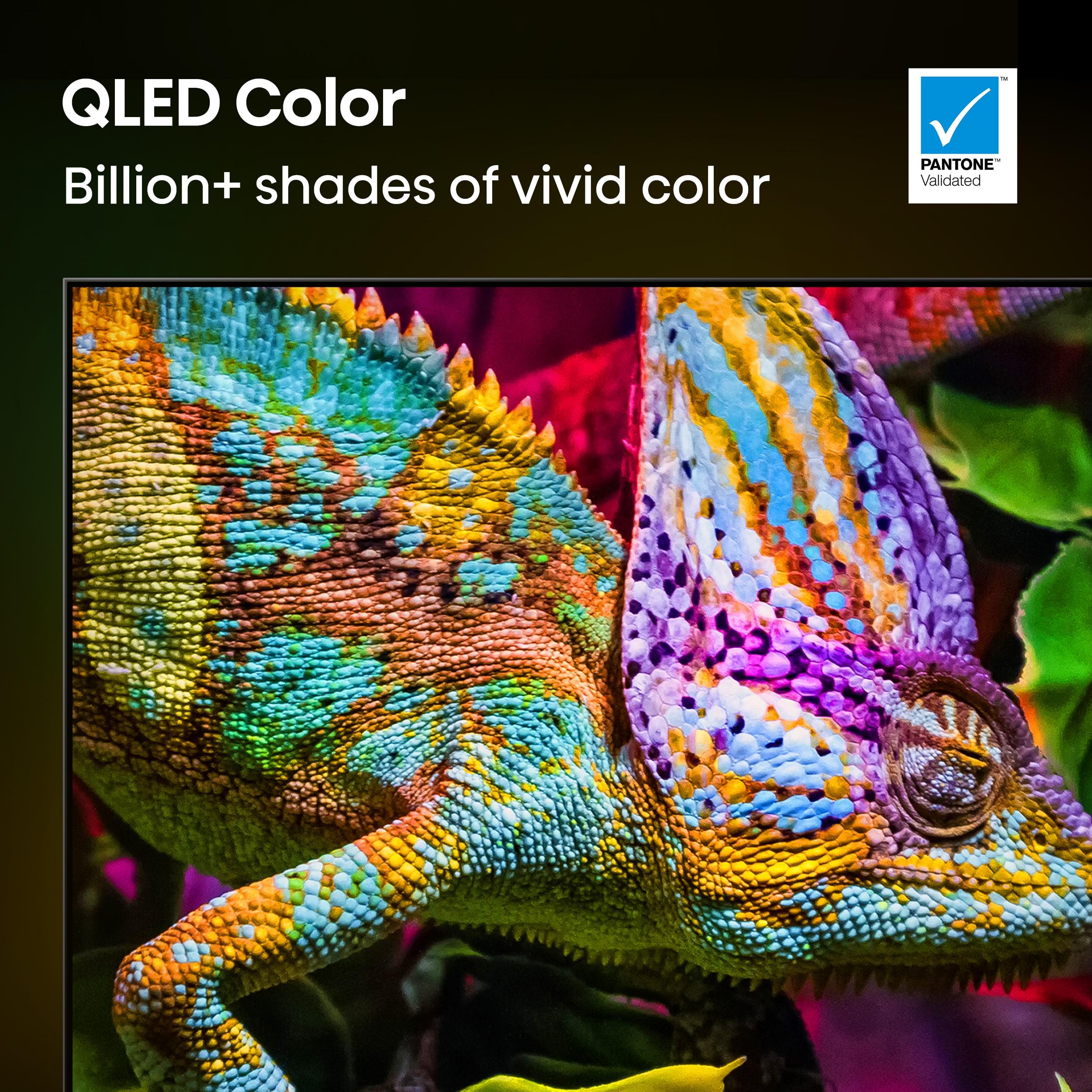
Both TVs use Quantum Dot technology, which enhances color reproduction by using tiny particles that emit very pure colors when hit by light. The Hisense claims to display over one billion colors, while the Samsung focuses on "100% Color Volume" – meaning it can maintain color accuracy even at high brightness levels.
In practice, the Hisense produces more vibrant, saturated colors that really pop off the screen. This is particularly noticeable in nature documentaries, animated movies, and video games. The Samsung takes a more measured approach, prioritizing color accuracy over wow factor. For home theater enthusiasts who want colors that match the filmmaker's intent, the Samsung might be preferable, while those who want maximum visual impact will likely prefer the Hisense.
Here's where we encounter a significant difference that affects your content choices. The Hisense U8 Series supports every major HDR format: Dolby Vision, HDR10+, HDR10, and HLG. The Samsung QN85D supports HDR10+, HDR10, and HLG, but lacks Dolby Vision support.
Dolby Vision is Netflix's preferred HDR format and is increasingly common on streaming services and 4K Blu-rays. It uses dynamic metadata, meaning the TV receives frame-by-frame instructions on how to display the content for optimal impact. Without Dolby Vision support, you'll still get HDR from these sources, but it won't look as good as the content creators intended.
For home theater use, this is a significant advantage for the Hisense. If you're building a dedicated movie-watching setup, having full Dolby Vision support ensures you're getting the complete cinematic experience.
Gaming has become a major consideration for TV buyers, especially with the PlayStation 5 and Xbox Series X pushing 4K gaming to new heights. This is where the Hisense U8 Series really pulls ahead of the competition.
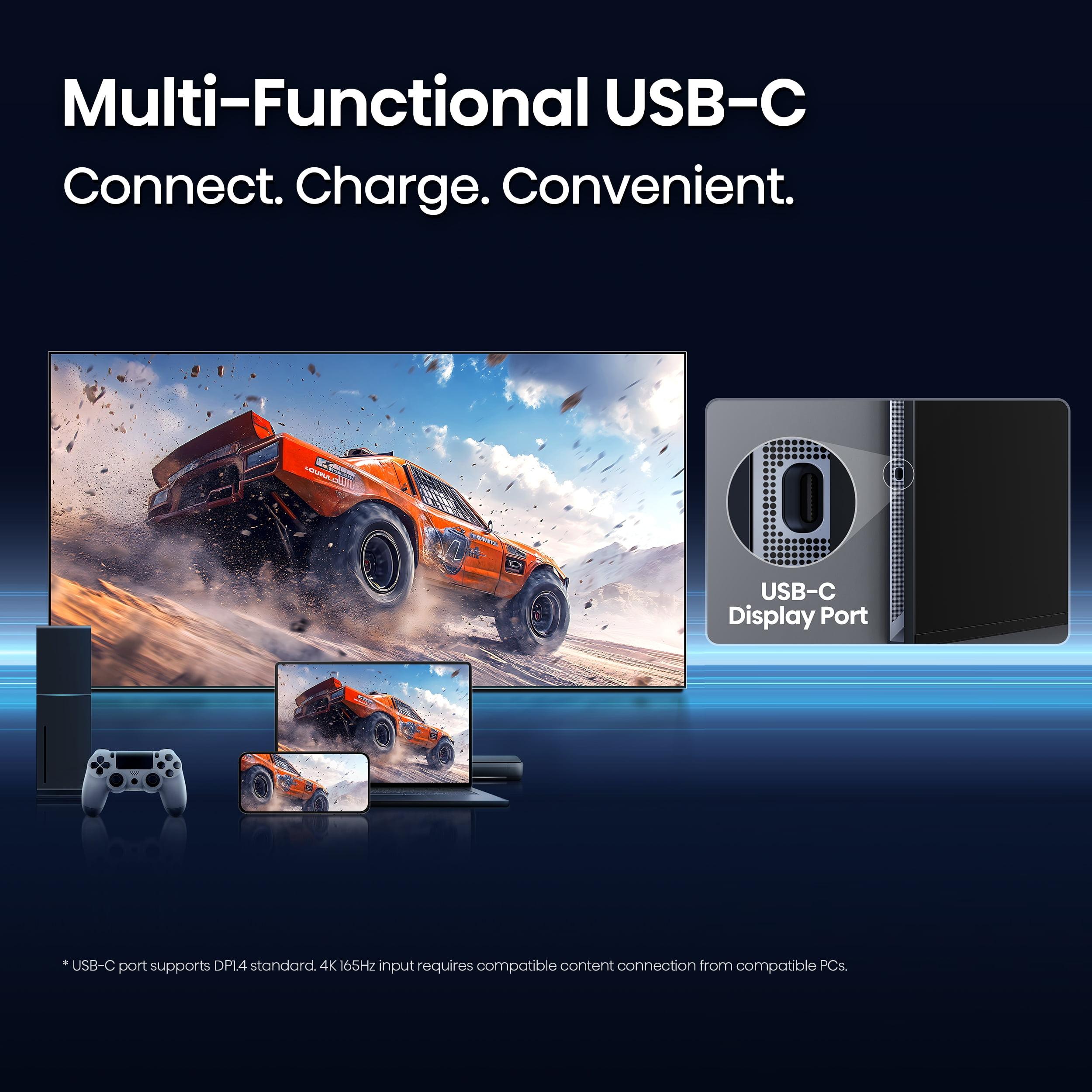
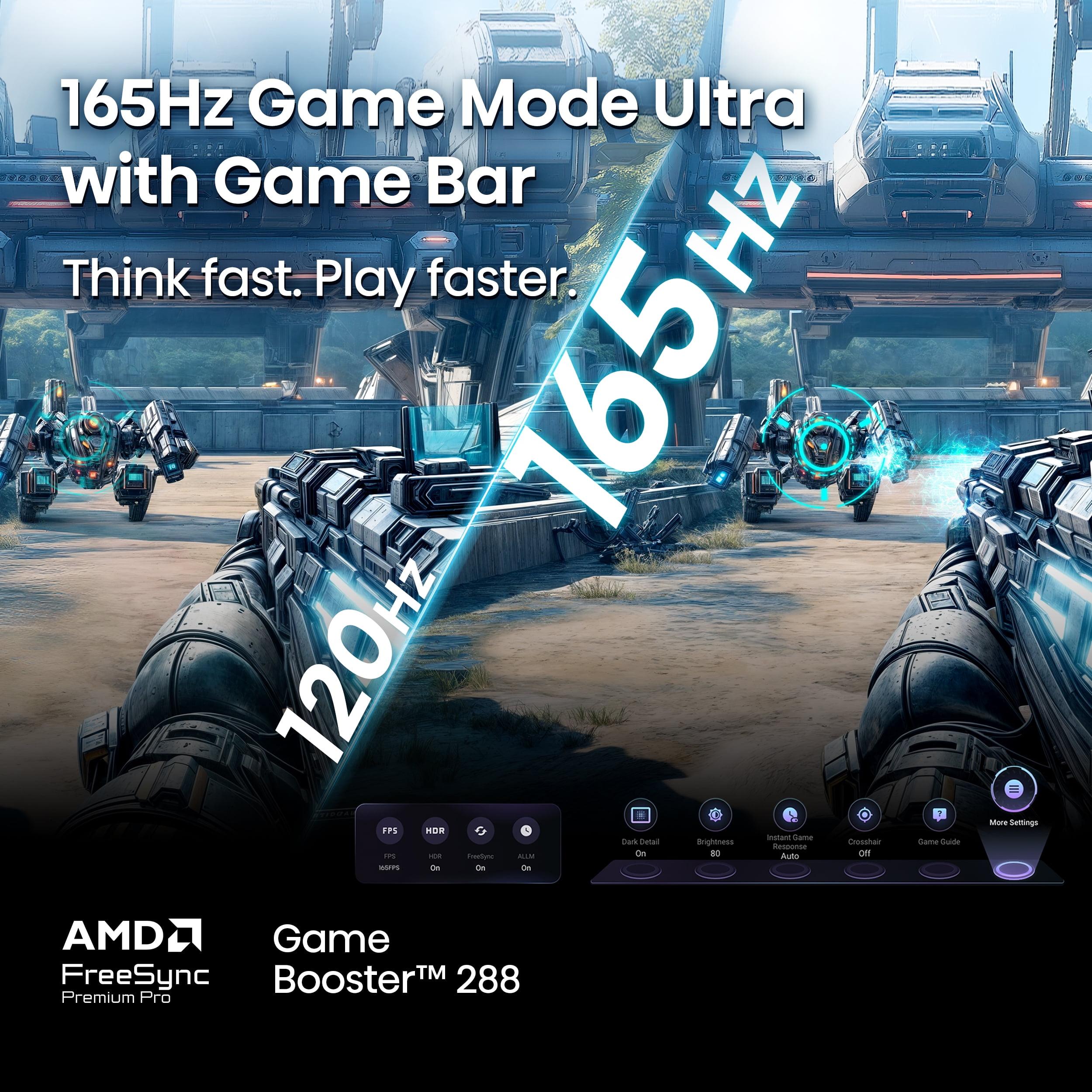
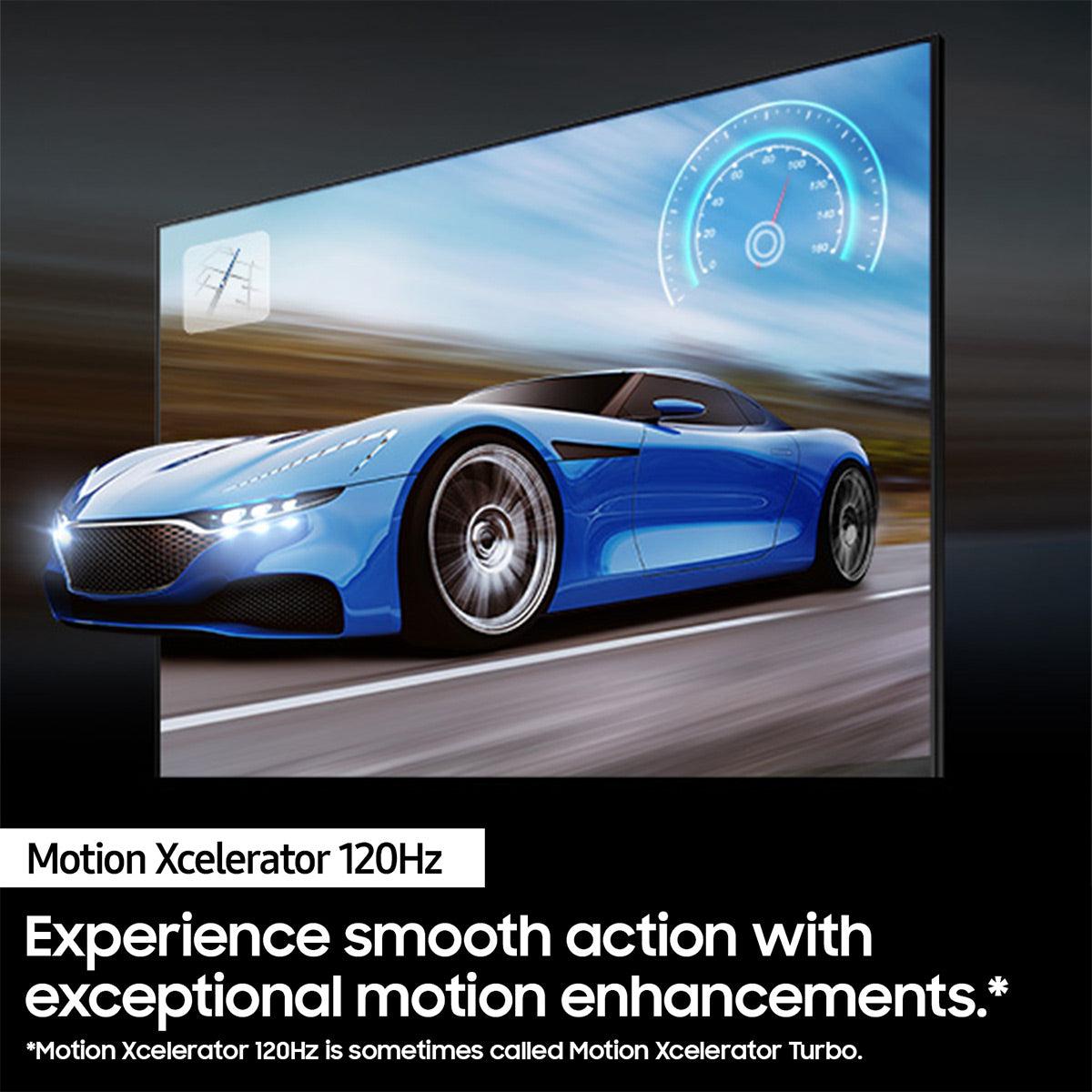
The Hisense U8 Series offers a native 144Hz refresh rate, while the Samsung QN85D tops out at 120Hz. For most current console gaming, 120Hz is perfectly adequate, but PC gamers and those planning for future consoles will appreciate the extra headroom.
More importantly, the Hisense supports Variable Refresh Rate (VRR) from 48Hz all the way up to 144Hz, and includes AMD FreeSync Premium Pro. These features eliminate screen tearing and stuttering by synchronizing the TV's refresh rate with the gaming device's frame rate. The result is incredibly smooth gameplay, especially in fast-paced games like racing titles or first-person shooters.
The Samsung includes Auto Low Latency Mode (ALLM) and supports VRR, but its gaming features aren't as comprehensive. However, it does include Samsung's Gaming Hub, which provides access to cloud gaming services directly through the TV without needing a console.
Both TVs offer low input lag in their gaming modes, but the Hisense's dedicated Game Mode Pro provides more granular control over gaming-specific settings. You can adjust motion smoothing, local dimming behavior, and even access a customizable Game Bar overlay that shows real-time performance information.
For serious gamers, especially those using high-end PC graphics cards or planning to upgrade their consoles in the future, the Hisense offers better future-proofing and more advanced gaming features.
The choice between Google TV and Samsung's Tizen OS often comes down to ecosystem preferences and personal taste.
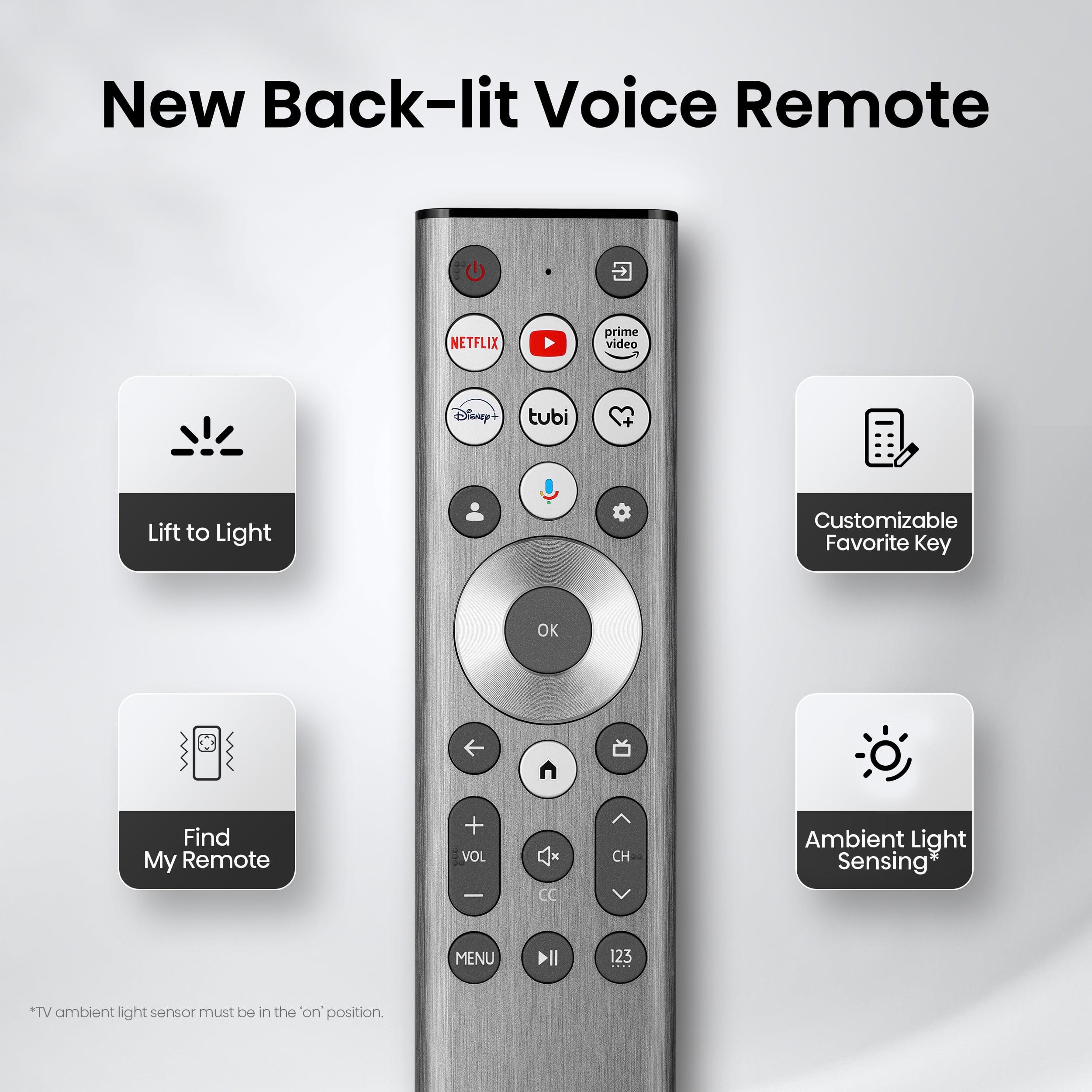
The Hisense U8 Series runs Google TV, which is essentially an evolved version of Android TV. It offers excellent integration with Google services, built-in Chromecast for easy phone-to-TV casting, and access to virtually every streaming app you could want. The interface organizes content from all your apps into a unified recommendations system.
However, some users report occasional lag in the interface, and you'll need a Google account to access all features. The voice control through Google Assistant is excellent, though, and if you're already using Google services, the integration feels seamless.
Samsung's Tizen OS provides a more refined, responsive interface that feels snappier in daily use. It integrates well with Samsung devices and SmartThings smart home products. The app selection is good, though not quite as comprehensive as Google TV.
Tizen's strength lies in its polish and the quality of Samsung's content upscaling. If you watch a lot of older content or lower-resolution streaming, Samsung's processing often produces slightly better results than the Hisense.
TV audio often gets overlooked, but both of these TVs offer surprisingly capable built-in sound systems that could eliminate the need for a separate soundbar for many users.
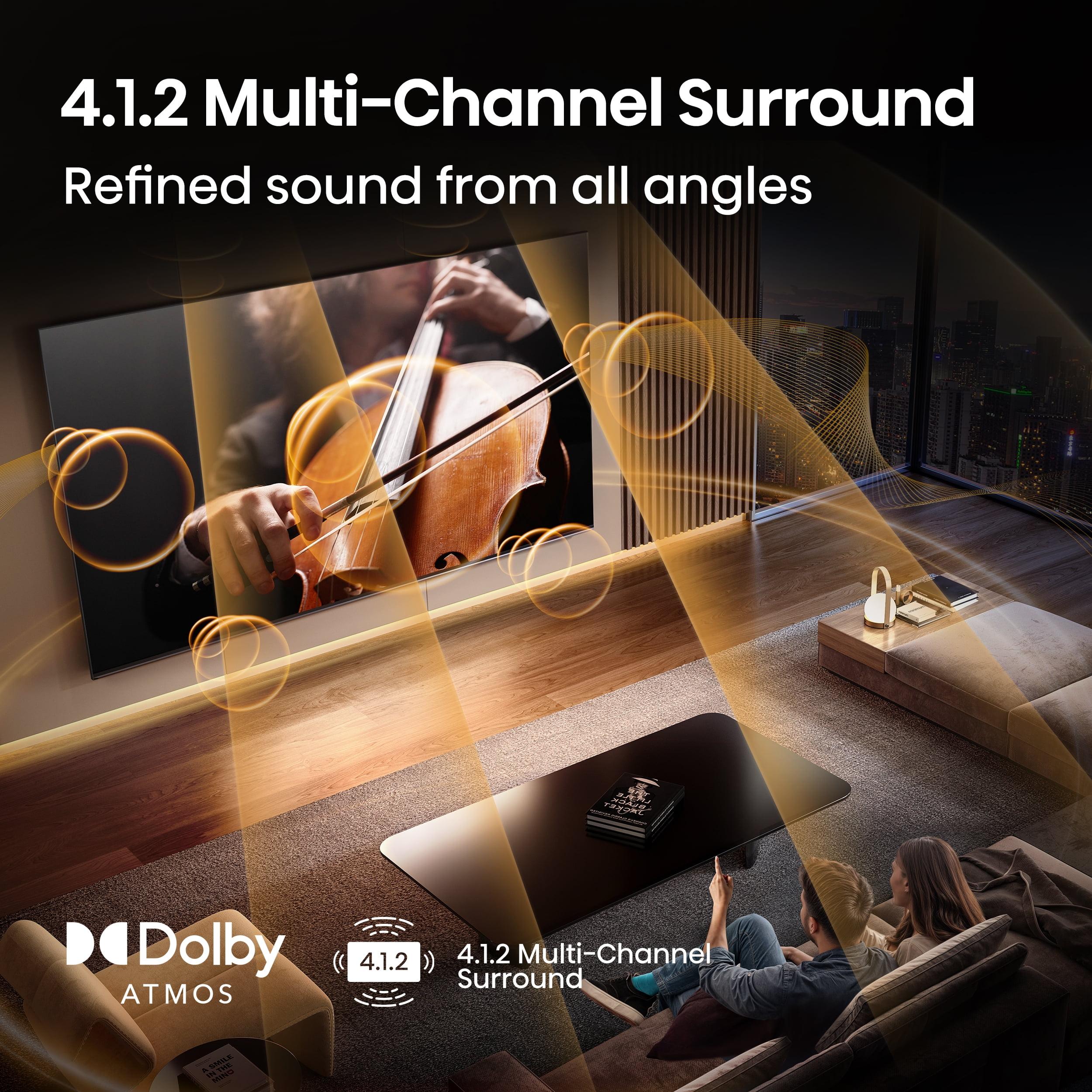
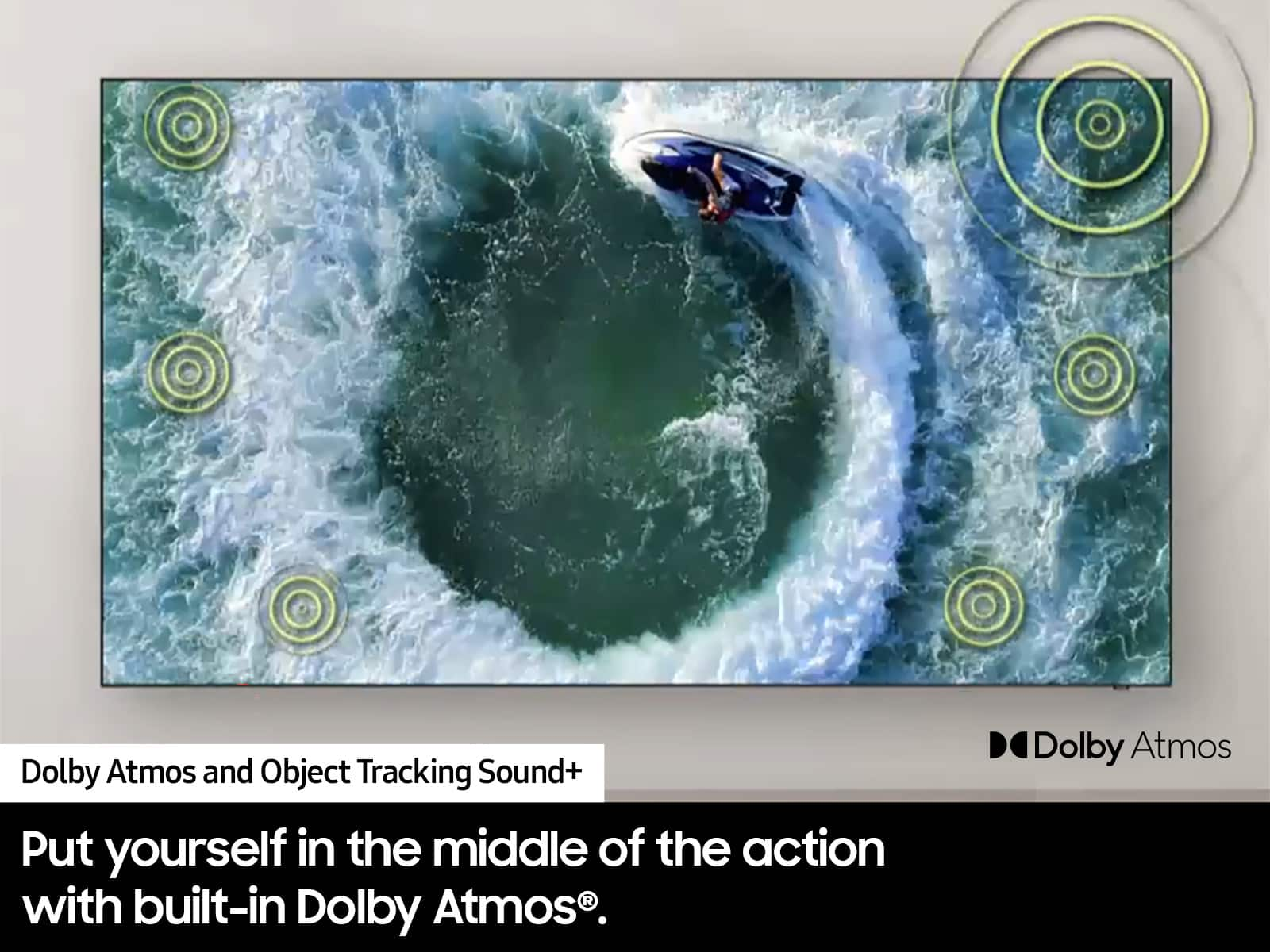
The Hisense U8 Series includes a 50W 2.1.2 channel system with a built-in subwoofer and Dolby Atmos support. The inclusion of a dedicated subwoofer makes a huge difference for movie watching, providing the deep bass that makes action scenes and music more immersive.
The upward-firing speakers create a convincing height dimension for Dolby Atmos content, though don't expect the same level of precision you'd get from a dedicated Atmos soundbar setup. For most living rooms, the built-in audio is genuinely impressive and could save you several hundred dollars on additional audio equipment.
The Samsung QN85D features Object Tracking Sound Lite, which uses multiple speakers to create the illusion that sound is coming from different parts of the screen. This works particularly well for dialogue, making it seem like voices are coming directly from the characters' mouths.
However, the Samsung lacks a built-in subwoofer, so bass response isn't as strong as the Hisense. The system is well-balanced for dialogue and general viewing, but you'll likely want to add a soundbar if you watch a lot of action movies or listen to music through your TV.
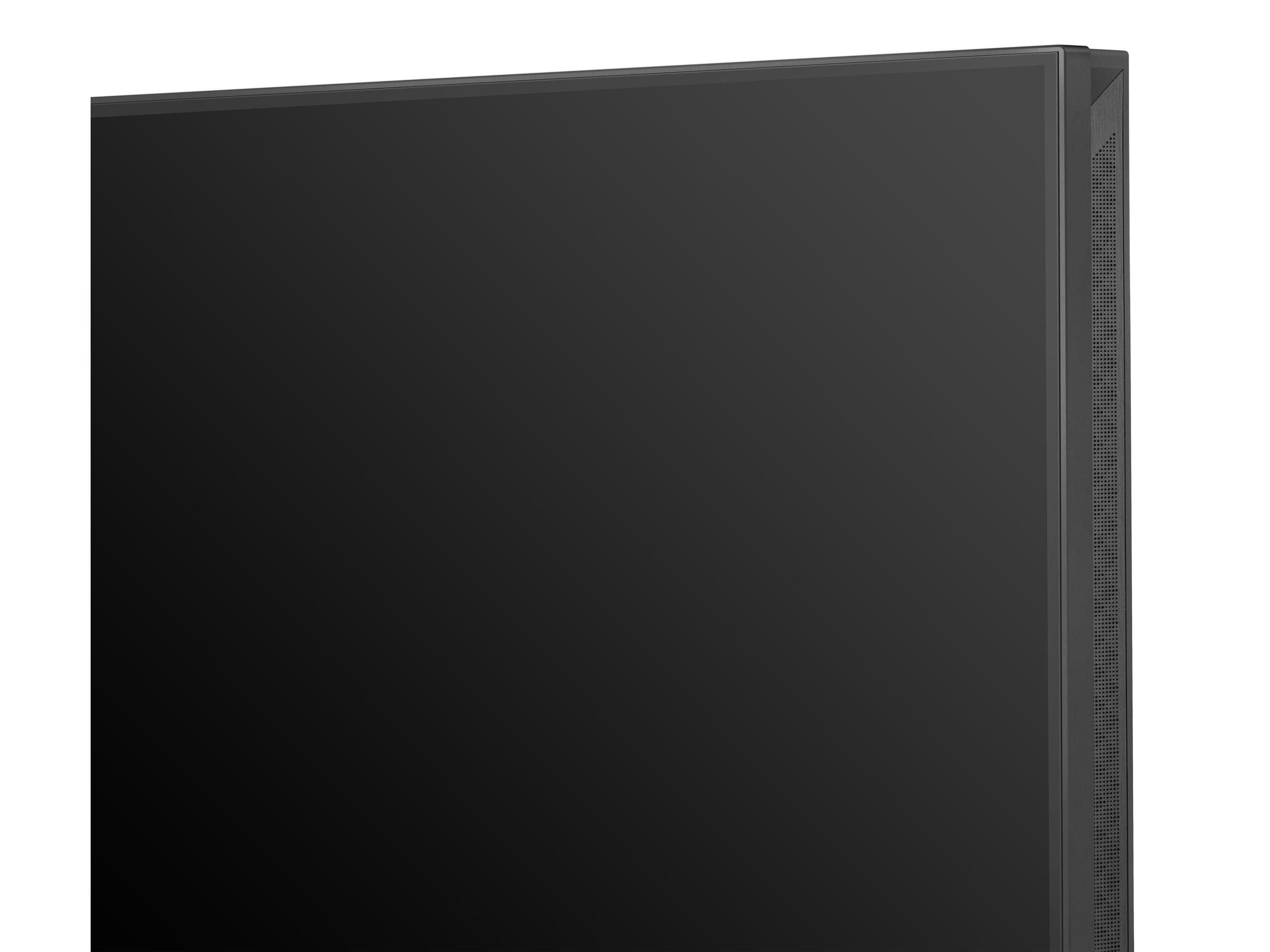
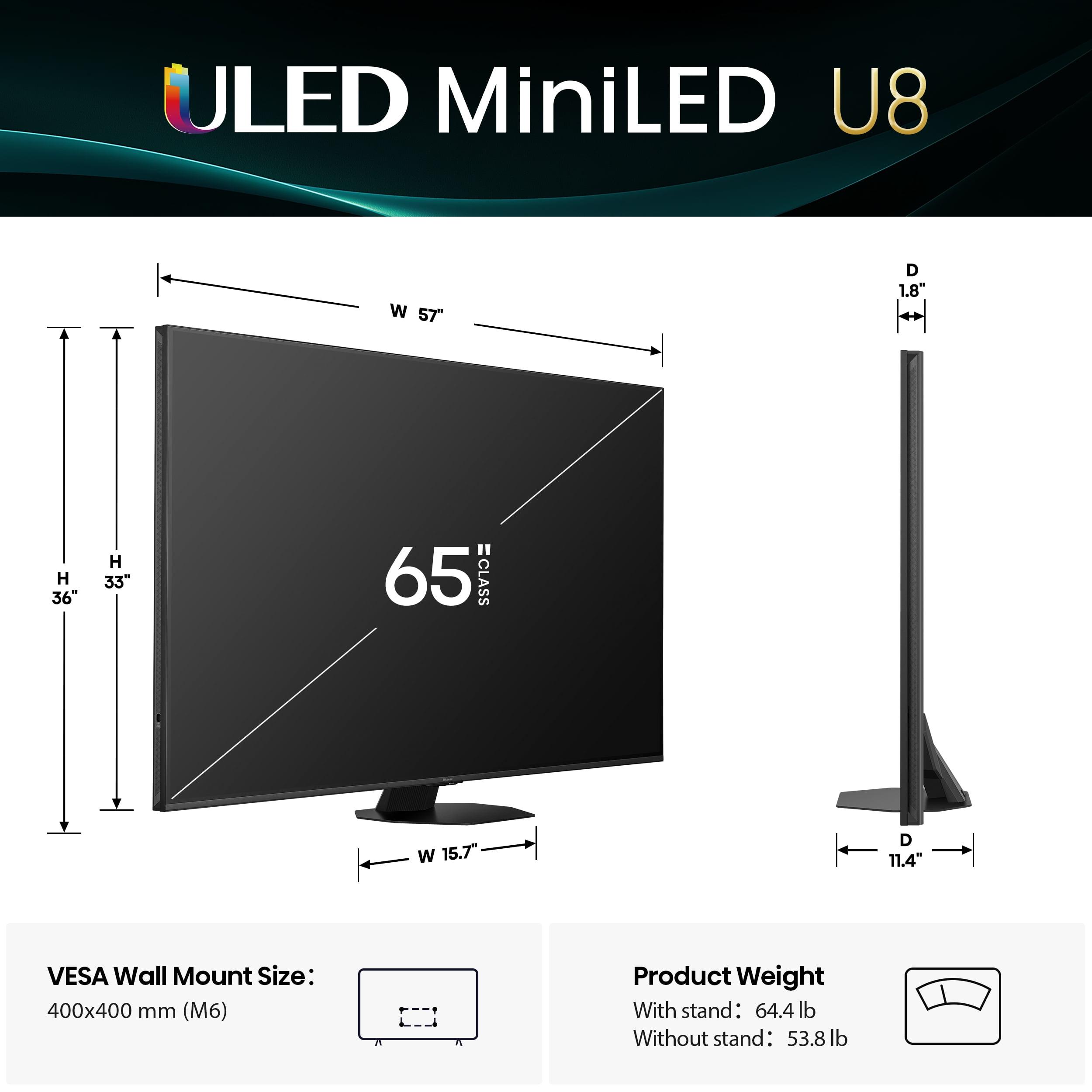
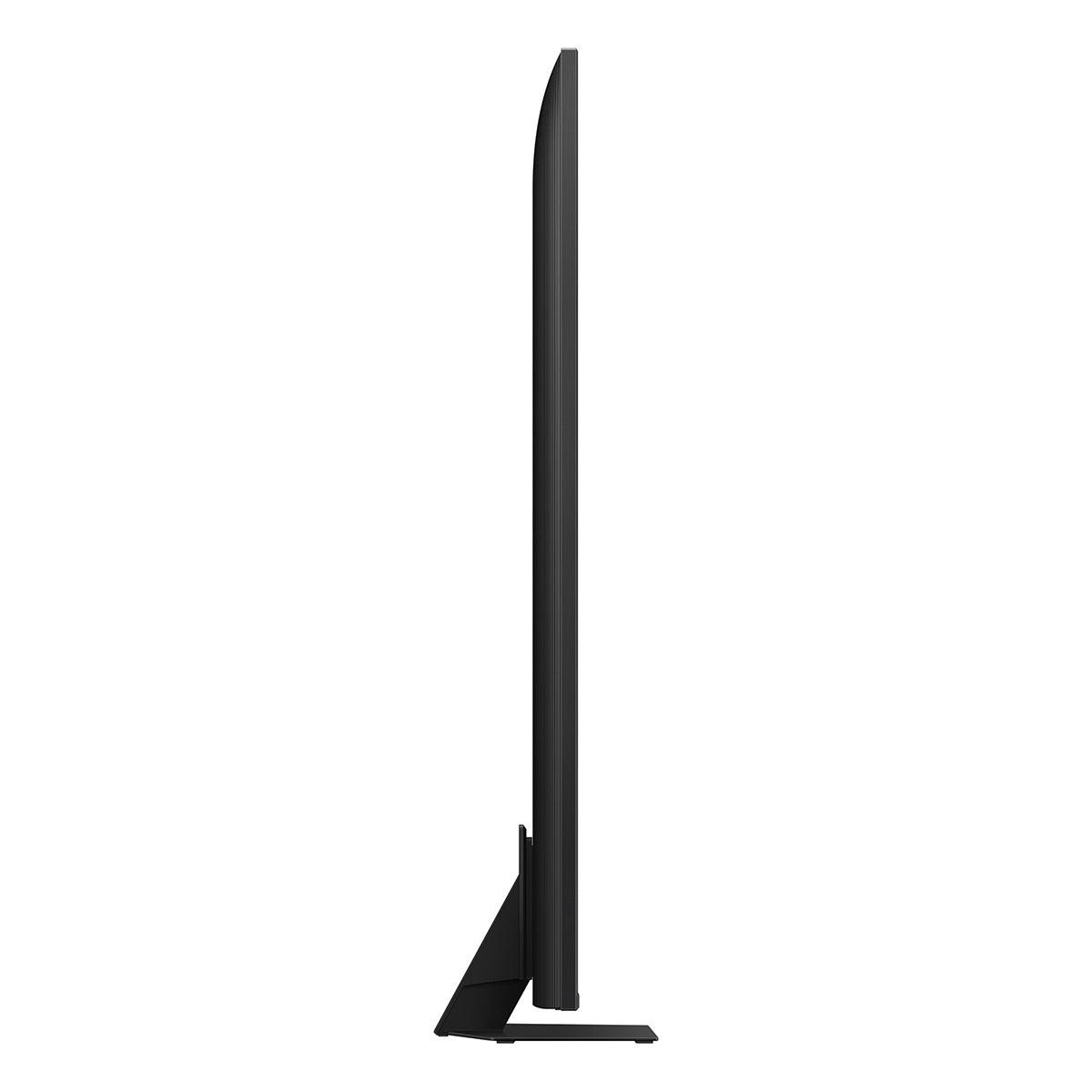
The Samsung QN85D takes a more premium approach to physical design. It's notably thinner, with a sleeker profile that looks more expensive on the wall. The cable management is more refined, and the overall construction feels more solid.
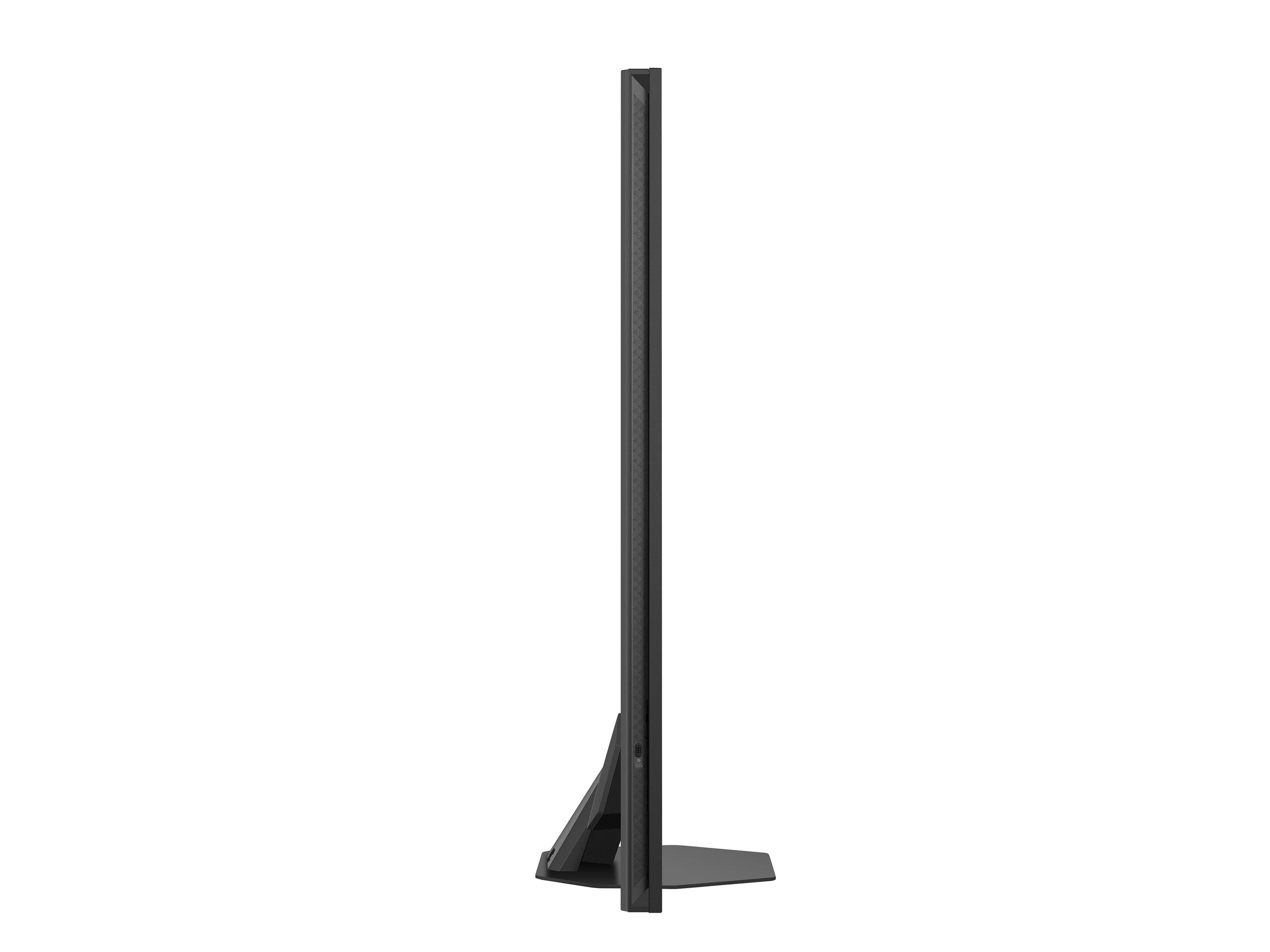
The Hisense U8 Series prioritizes function over form. It's slightly thicker and less elegant, but the adjustable central stand is practical and accommodates most soundbars without issues. The build quality is solid, just less refined than Samsung's approach.
For a dedicated home theater room where the TV will be wall-mounted and viewed in darkness, the design differences matter less. For a living room where the TV is a prominent design element, the Samsung's more premium appearance might justify the extra cost.
This is where the comparison gets really interesting. The Hisense U8 Series at around $998 offers flagship-level performance at a mid-range price. You're getting brighter peak brightness than most TVs costing twice as much, comprehensive gaming features, and excellent HDR support.
The Samsung QN85D typically costs significantly more (despite the listed price that appears to be an error), and while it offers a more refined experience, it doesn't match the Hisense's technical performance in key areas. You're paying extra for the Samsung brand, better software polish, and superior design.
If you're setting up a dedicated home theater room, several factors become more important:
Room Lighting: The Hisense's superior brightness and anti-glare technology make it better for rooms with ambient light. For a completely dark theater room, both TVs will perform well, but the Hisense's higher peak brightness still provides more impactful HDR.
Content Sources: If you're primarily watching 4K Blu-rays and high-quality streaming, the Hisense's full Dolby Vision support is valuable. The Samsung's superior upscaling matters more if you watch older content or lower-quality sources.
Audio Setup: The Hisense's better built-in audio could eliminate the need for a soundbar in smaller rooms, while the Samsung almost requires external audio for a complete home theater experience.
Choose the Hisense U8 Series if you want maximum performance per dollar, prioritize gaming features, watch HDR content frequently, or have a bright viewing room. It's the clear winner for most buyers who want flagship performance without paying flagship prices.
Choose the Samsung QN85D if you value brand prestige, want the most refined software experience, prioritize design aesthetics, or are heavily invested in Samsung's ecosystem. You'll pay more for a more polished experience, but you'll sacrifice some technical performance.
For most buyers, the Hisense represents exceptional value and superior performance in the most important areas. The Samsung is a solid choice for those who prefer its approach and are willing to pay the premium, but it's harder to justify based purely on performance and value.
Both TVs represent the current state of the art in Mini-LED technology, but the Hisense's combination of cutting-edge features, exceptional brightness, and competitive pricing makes it the standout choice for 2025.
| Hisense 65" U8 Series Mini-LED ULED 4K Google TV | Samsung 65" QN85D Neo QLED 4K Smart TV |
|---|---|
| Peak Brightness - Critical for HDR impact and bright room viewing | |
| 3,000 nits (exceptional for any lighting condition) | Lower peak brightness (good but not as impactful) |
| Local Dimming Zones - Controls contrast and reduces blooming | |
| 2,000+ zones with Mini-LED Pro+ (superior contrast control) | Quantum Matrix Mini-LED (good but fewer zones) |
| Gaming Refresh Rate - Important for smooth gaming performance | |
| 144Hz native (future-proof for next-gen gaming) | 120Hz (adequate for current consoles) |
| HDR Format Support - Determines streaming and disc compatibility | |
| Dolby Vision, HDR10+, HDR10, HLG (complete support) | HDR10+, HDR10, HLG (missing Dolby Vision) |
| Audio System - Built-in sound quality | |
| 50W 2.1.2 with built-in subwoofer and Dolby Atmos | Object Tracking Sound Lite (no subwoofer) |
| Smart TV Platform - Daily interface experience | |
| Google TV (extensive apps, some lag reported) | Samsung Tizen OS (smoother interface, fewer apps) |
| Gaming Features - Advanced gaming capabilities | |
| VRR 48-144Hz, AMD FreeSync Premium Pro, Game Mode Pro | VRR, ALLM, Samsung Gaming Hub |
| Anti-Glare Technology - Reduces reflections in bright rooms | |
| Low Reflection technology (excellent performance) | Standard reflection handling (good but not exceptional) |
| Design and Build Quality - Premium feel and aesthetics | |
| Functional design, slightly thicker profile | Sleeker, thinner premium design |
| Price Point - Value consideration | |
| ~$998 (exceptional performance per dollar) | Typically much higher (premium pricing) |
The Hisense 65" U8 Series Mini-LED ULED 4K Google TV is significantly better for gaming. It offers a 144Hz refresh rate compared to Samsung's 120Hz, supports VRR from 48-144Hz, includes AMD FreeSync Premium Pro, and has a dedicated Game Mode Pro with customizable settings. The Samsung 65" QN85D Neo QLED 4K Smart TV has good gaming features but can't match the Hisense's comprehensive gaming capabilities.
The Hisense 65" U8 Series Mini-LED ULED 4K Google TV gets much brighter, reaching up to 3,000 nits peak brightness. This makes it exceptional for bright rooms and HDR content. The Samsung QN85D, while still bright, doesn't reach the same intensity levels, making the Hisense better for daytime viewing and more impactful HDR performance.
Both have strengths. The Hisense 65" U8 Series Mini-LED ULED 4K Google TV runs Google TV with extensive app support, built-in Chromecast, and Google Assistant integration, though some users report occasional lag. The Samsung 65" QN85D Neo QLED 4K Smart TV uses Tizen OS, which offers a smoother, more responsive interface with good Samsung device integration, but has a smaller app selection.
The Hisense 65" U8 Series Mini-LED ULED 4K Google TV supports all major HDR formats including Dolby Vision, HDR10+, HDR10, and HLG. The Samsung 65" QN85D Neo QLED 4K Smart TV supports HDR10+, HDR10, and HLG but lacks Dolby Vision support, which is important for Netflix and many streaming services.
The Hisense 65" U8 Series Mini-LED ULED 4K Google TV has superior built-in audio with a 50W 2.1.2 system that includes a built-in subwoofer and Dolby Atmos support. The Samsung QN85D features Object Tracking Sound Lite but lacks a subwoofer, making the Hisense better for movies and music without needing external speakers.
The Hisense 65" U8 Series Mini-LED ULED 4K Google TV at around $998 offers exceptional value, providing flagship-level performance at a mid-range price. The Samsung 65" QN85D Neo QLED 4K Smart TV typically costs significantly more while offering lower peak brightness and fewer gaming features, making the Hisense the clear value winner.
The Hisense 65" U8 Series Mini-LED ULED 4K Google TV is better for bright rooms due to its 3,000 nits peak brightness and superior anti-glare low reflection technology. This combination effectively cuts through ambient light and reduces reflections, maintaining picture quality even in well-lit spaces better than the Samsung QN85D.
The Hisense 65" U8 Series Mini-LED ULED 4K Google TV generally offers better picture quality with its 3,000 nits peak brightness, 2,000+ local dimming zones, and full Dolby Vision support. The Samsung 65" QN85D Neo QLED 4K Smart TV offers good picture quality with slightly more natural colors, but can't match the Hisense's brightness and contrast performance.
For movies and streaming, the Hisense 65" U8 Series Mini-LED ULED 4K Google TV is superior due to its full Dolby Vision support, exceptional brightness for HDR content, and better built-in audio with Dolby Atmos. The Samsung QN85D offers good movie performance but lacks Dolby Vision and has weaker audio without a subwoofer.
The Samsung 65" QN85D Neo QLED 4K Smart TV has superior build quality and design with a sleeker, thinner profile and more premium materials. The Hisense 65" U8 Series Mini-LED ULED 4K Google TV has solid build quality but prioritizes function over form, resulting in a slightly thicker, less elegant appearance.
For home theater use, the Hisense 65" U8 Series Mini-LED ULED 4K Google TV is the better choice due to its superior brightness for impactful HDR, full Dolby Vision support for premium content, better built-in audio with Dolby Atmos, and more local dimming zones for enhanced contrast in dark rooms.
Choose the Hisense 65" U8 Series Mini-LED ULED 4K Google TV if you want the best performance per dollar, prioritize gaming features, watch HDR content frequently, or have a bright viewing room. Choose the Samsung 65" QN85D Neo QLED 4K Smart TV if you value premium design, prefer Samsung's ecosystem, and are willing to pay more for a more refined experience despite lower technical performance.
We've done our best to create useful and informative comparisons to help you decide what product to buy. Our research uses advanced automated methods to create this comparison and perfection is not possible - please contact us for corrections or questions. These are the sites we've researched in the creation of this article: bestbuy.com - hisense-usa.com - rtings.com - bestbuy.com - rtings.com - hisense-usa.com - youtube.com - hisense-usa.com - avsforum.com - hisense-usa.com - hisense-usa.com - rtings.com - avsforum.com - hisense-usa.com - prnewswire.com - hisense-usa.com - bestbuy.com - youtube.com - hisense-usa.com - videoandaudiocenter.com - shopjetson.com - mysoundconcepts.com - samsung.com - merlinstv.com - youtube.com - samsung.com - samsung.com

Privacy Policy
Terms and Conditions - Affiliate Policy
Home Security
© Copyright 2008-2026.
11816 Inwood Rd #1211, Dallas, TX 75244