

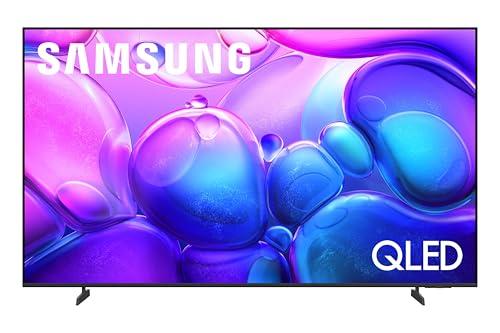
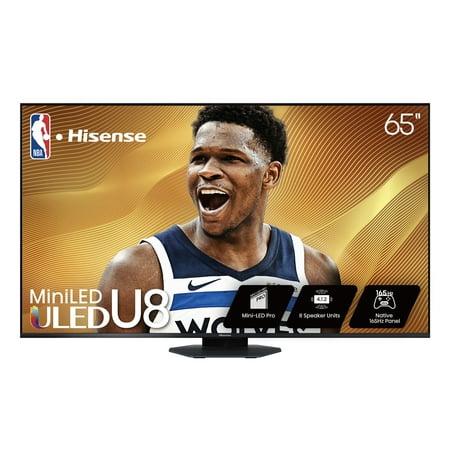
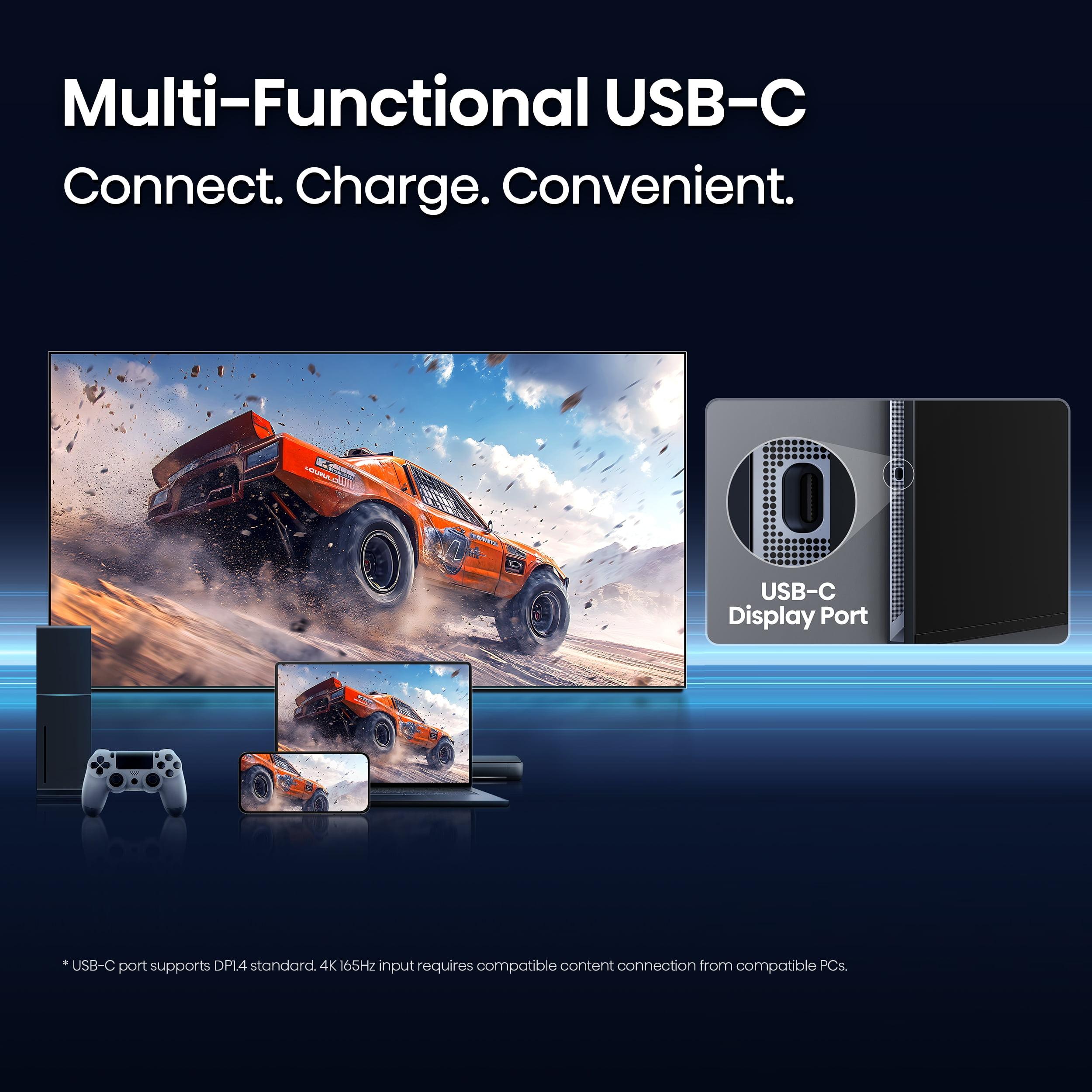
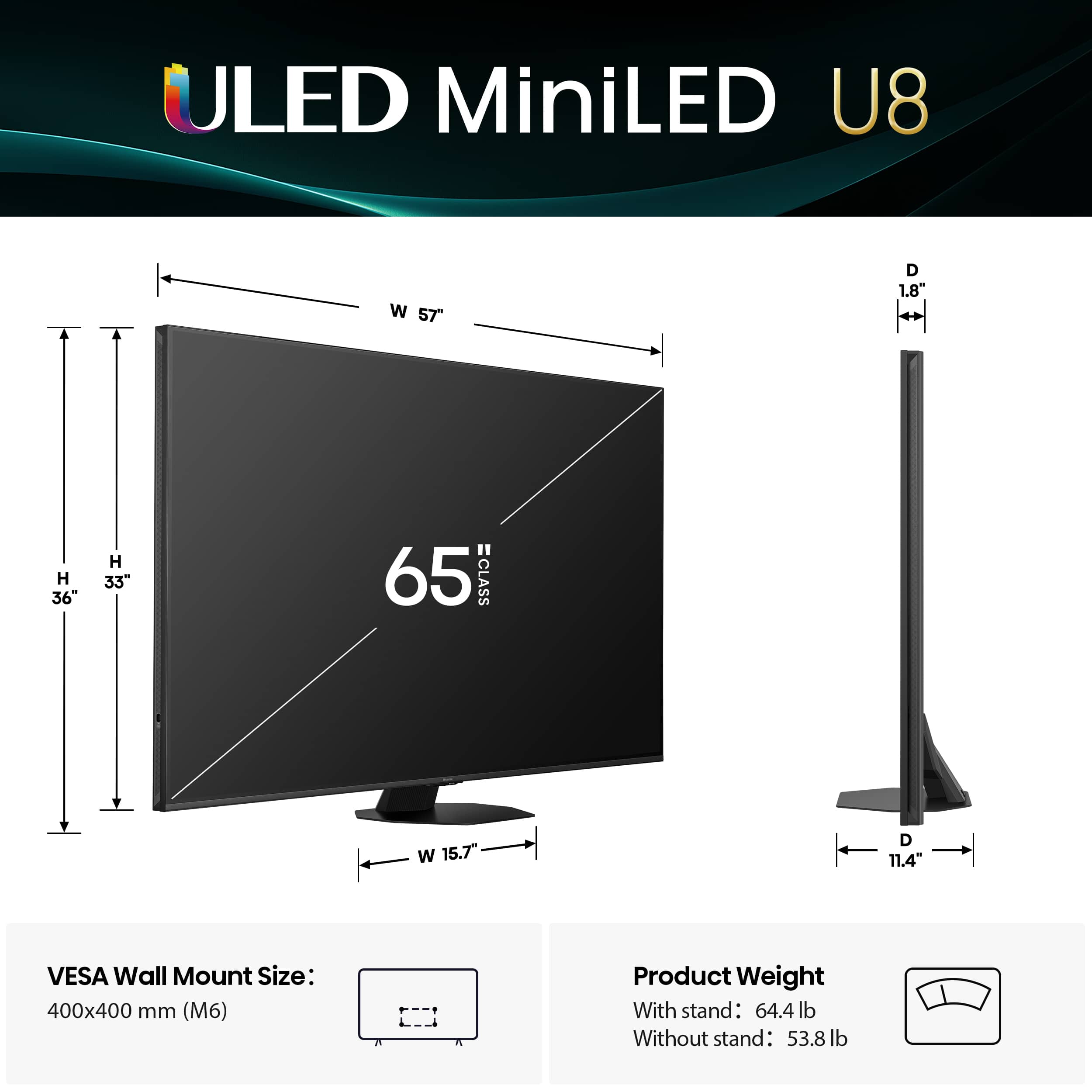
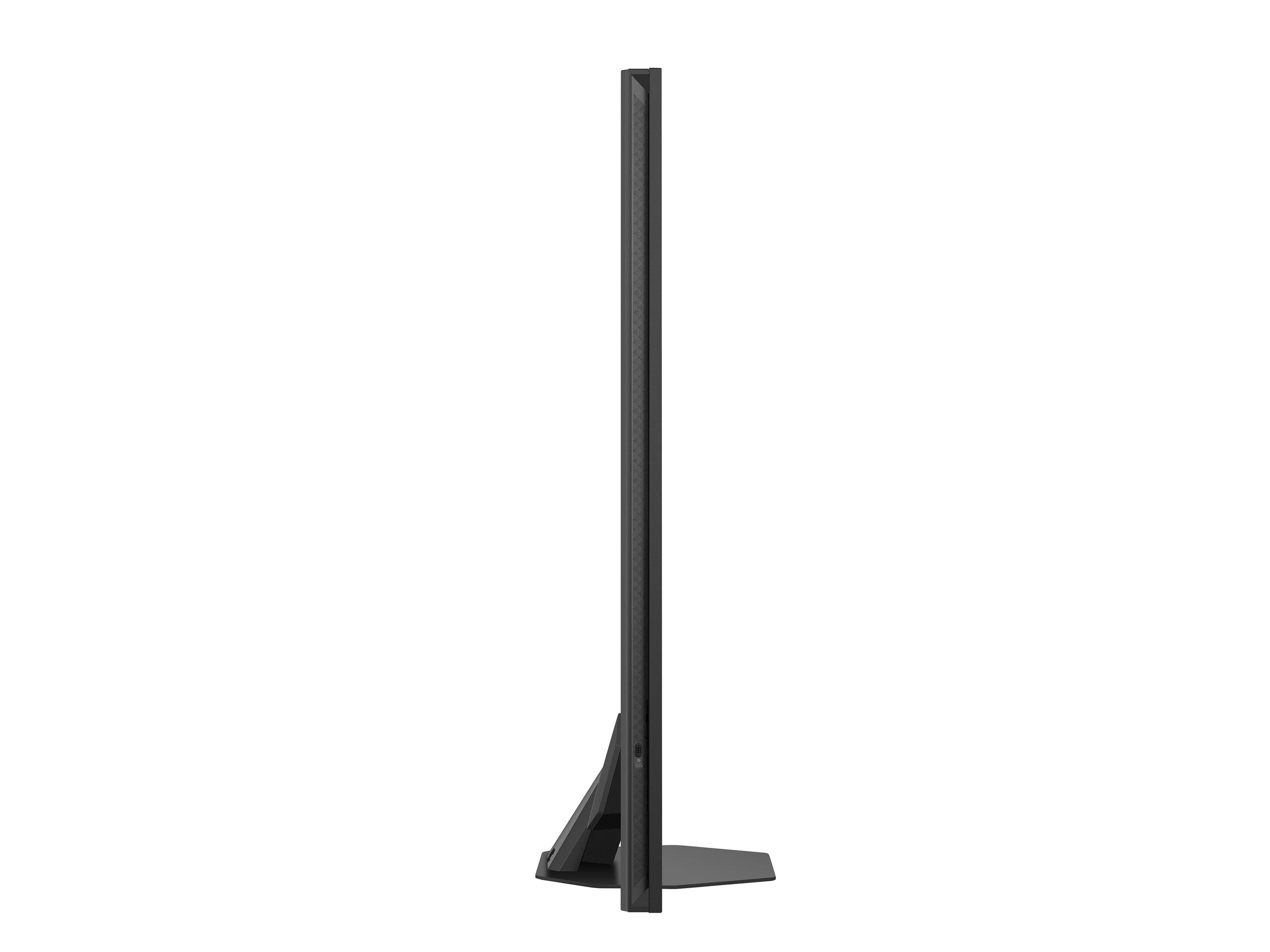
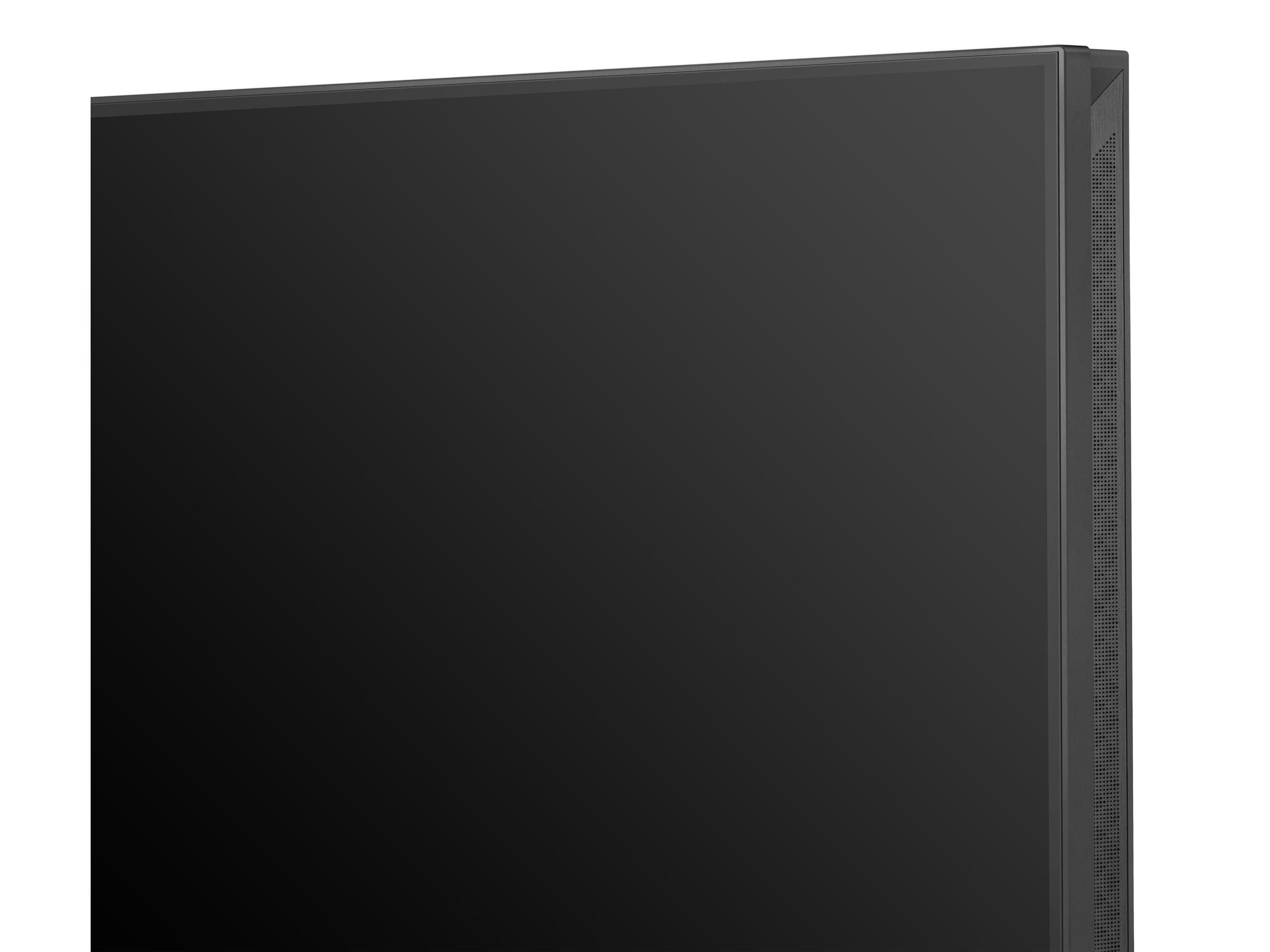
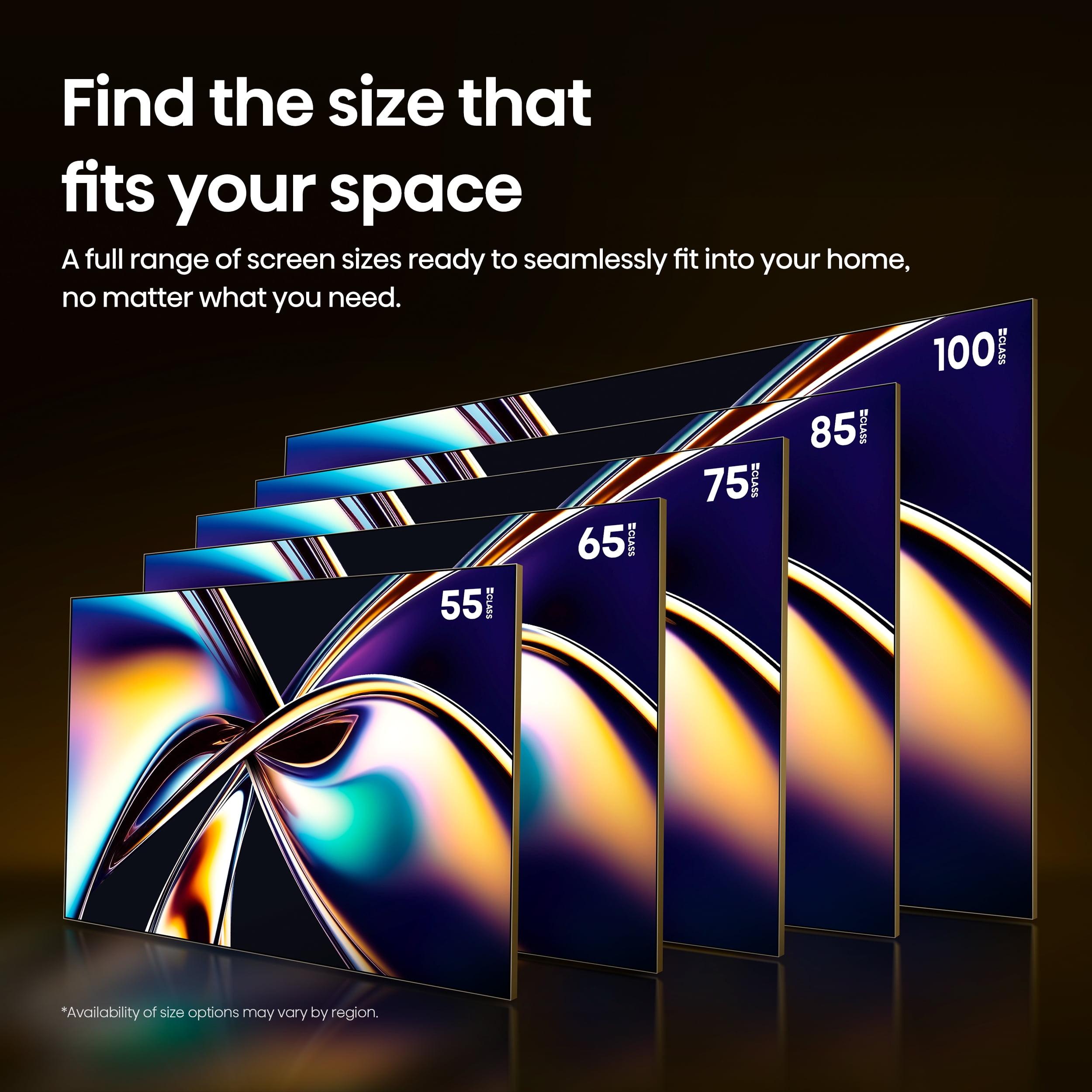
Shopping for a new TV in 2025 means navigating an increasingly complex landscape of display technologies, smart features, and gaming capabilities. Two models that frequently appear in buyer considerations are the Samsung 75" Q6F Series 2025 and the Hisense 65" U8 Series Mini-LED, though they represent very different approaches to the modern TV experience.
The fundamental question isn't just which TV is better—it's which one better serves your specific needs and budget. At the time of writing, these TVs sit in different price tiers, with the Samsung Q6F positioning as an affordable large-screen option while the Hisense U8 commands a premium for advanced display technology in a smaller package.
Modern TVs have evolved far beyond simple displays. They're entertainment hubs that handle streaming, gaming, smart home control, and cinematic experiences. The key technologies that separate basic from premium TVs include local dimming (controlling brightness in specific screen areas), peak brightness levels (measured in nits), quantum dot color enhancement, and advanced processors that optimize picture quality in real-time.
Both the Samsung Q6F and Hisense U8 arrived in 2025 with significant improvements over their predecessors. Samsung refined their entry-level QLED formula while maintaining aggressive pricing, while Hisense pushed Mini-LED technology further into mainstream pricing territory. Understanding these technological approaches helps explain why these TVs perform so differently despite both being marketed as premium options.
The most significant difference between these TVs lies in their backlighting technology—the system that illuminates the LCD panel to create the image you see.
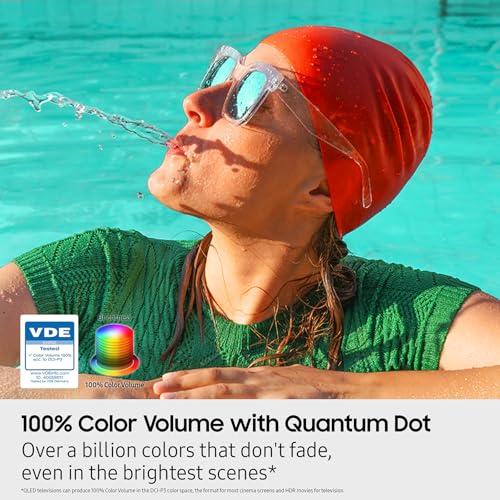
The Samsung Q6F uses direct-lit backlighting, where LED lights are positioned behind the entire panel. This is enhanced with quantum dots—microscopic particles that improve color accuracy and volume when light passes through them. Samsung calls this "Quantum Dot technology," and it genuinely produces more vibrant colors than standard LED TVs. However, the Q6F lacks sophisticated local dimming, relying instead on what Samsung terms "UHD Dimming," which provides basic contrast control across broader screen zones.
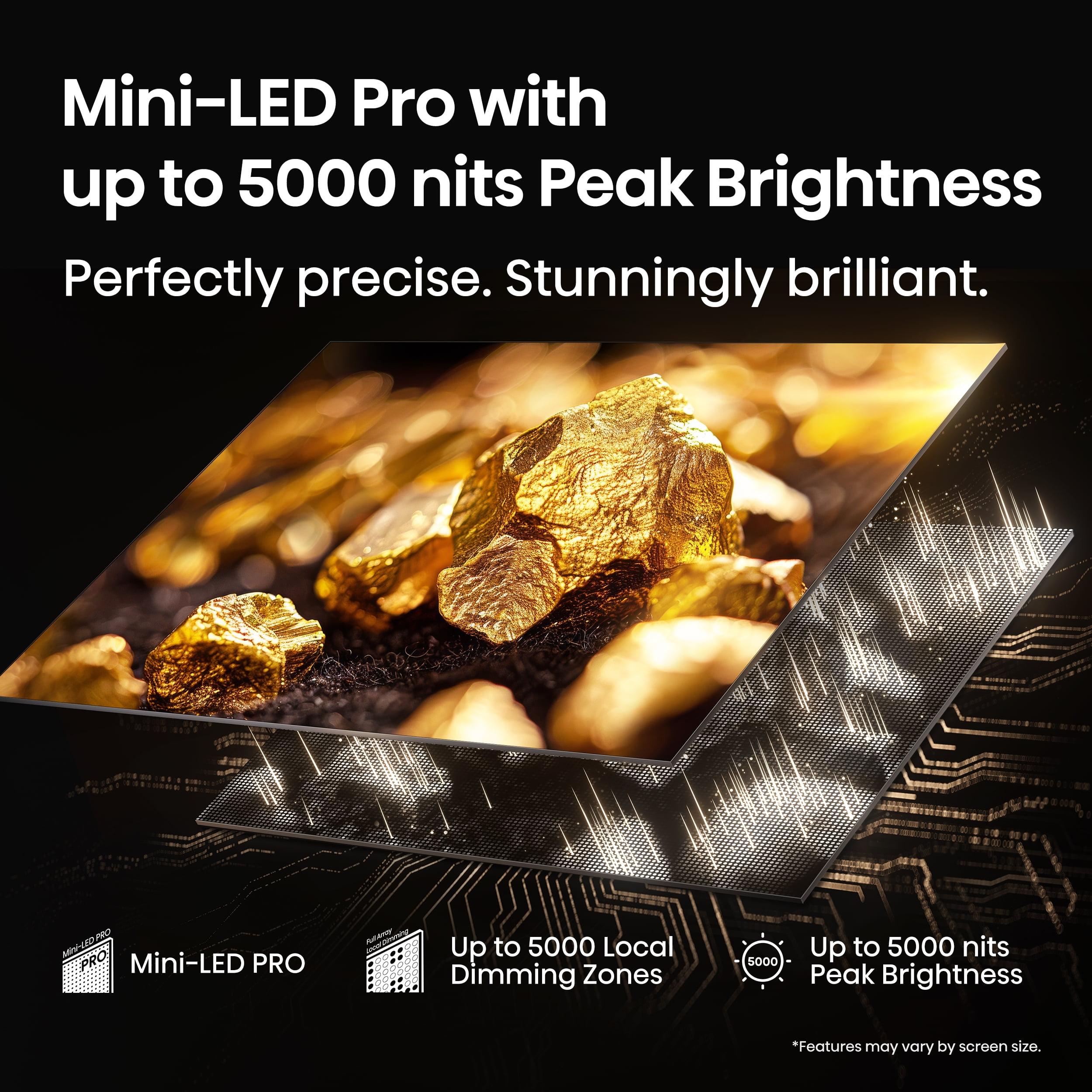
In contrast, the Hisense U8 employs Mini-LED technology—a more advanced approach using thousands of tiny LEDs as backlights. These Mini-LEDs can be controlled in over 2000 individual zones through "Full Array Local Dimming Pro." This means the TV can make specific parts of the screen very bright while keeping adjacent areas completely dark, creating dramatically better contrast than what the Samsung Q6F can achieve.
Think of it this way: if you're watching a scene with bright stars against a dark sky, the Hisense U8 can make those stars blazingly bright while keeping the surrounding space truly black. The Samsung Q6F, lacking precise local dimming, would have to compromise—either dimming the stars or lightening the dark sky areas.
Peak brightness represents perhaps the most dramatic performance gap between these TVs. The Hisense U8 reaches up to 3000 nits in bright areas—a specification that puts it in premium TV territory. For context, most entry-level TVs produce 300-600 nits, while movie theaters typically display around 48 nits.
This brightness advantage isn't just about numbers. High peak brightness enables true HDR (High Dynamic Range) performance, where bright objects like sunlight, fire, or reflections can appear genuinely bright while maintaining detail in darker areas. When watching HDR content from Netflix, Disney+, or Ultra HD Blu-rays, the difference is immediately apparent.
The Samsung Q6F operates at significantly lower brightness levels—typical for entry-level models. While it supports HDR10+ and Samsung's "Quantum HDR," the limited brightness means HDR content won't deliver the dramatic impact intended by content creators. You'll still see improved colors and some contrast enhancement, but bright highlights won't pop with the intensity that makes HDR compelling.
For rooms with substantial natural light, this brightness difference becomes crucial. The Hisense U8 can overcome glare and maintain image quality during daytime viewing, while the Samsung Q6F may appear washed out in bright conditions.
Gaming capabilities have become increasingly important as PlayStation 5, Xbox Series X, and PC gaming demand more from displays. Here, the performance gap between these TVs is substantial.
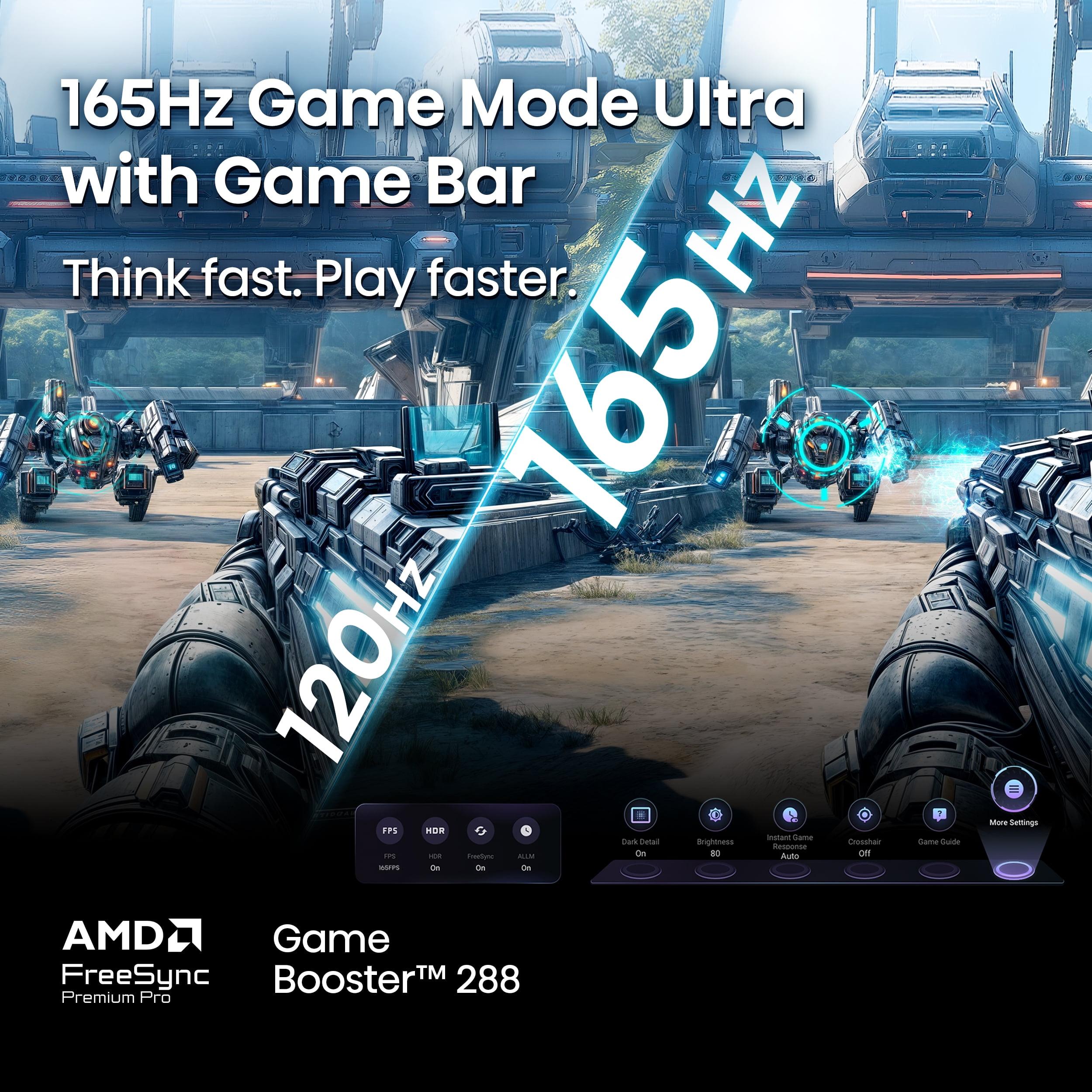
The Hisense U8 delivers a comprehensive gaming feature set with its native 144Hz refresh rate, Variable Refresh Rate (VRR) support from 48Hz to 144Hz, and AMD FreeSync Premium Pro certification. VRR synchronizes the TV's refresh rate with your gaming device's frame rate, eliminating screen tearing and stuttering. The 144Hz capability means smoother motion in fast-paced games, particularly beneficial for competitive gaming and racing titles.
The Samsung Q6F supports basic gaming features including Auto Low Latency Mode (ALLM) and some VRR functionality, but it's limited to 60Hz refresh rates. For casual gaming, this remains perfectly adequate. The TV includes Samsung's Gaming Hub, which provides easy access to cloud gaming services and console integration.
If gaming is a priority—especially with next-gen consoles or PC gaming—the Hisense U8 offers capabilities that will remain relevant for years. The Samsung Q6F handles current gaming needs but lacks future-proofing for emerging gaming standards.
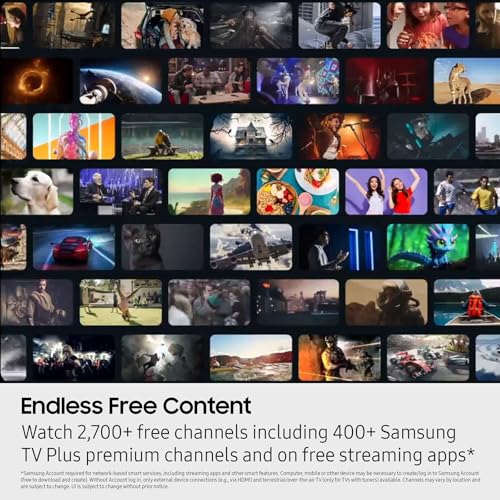
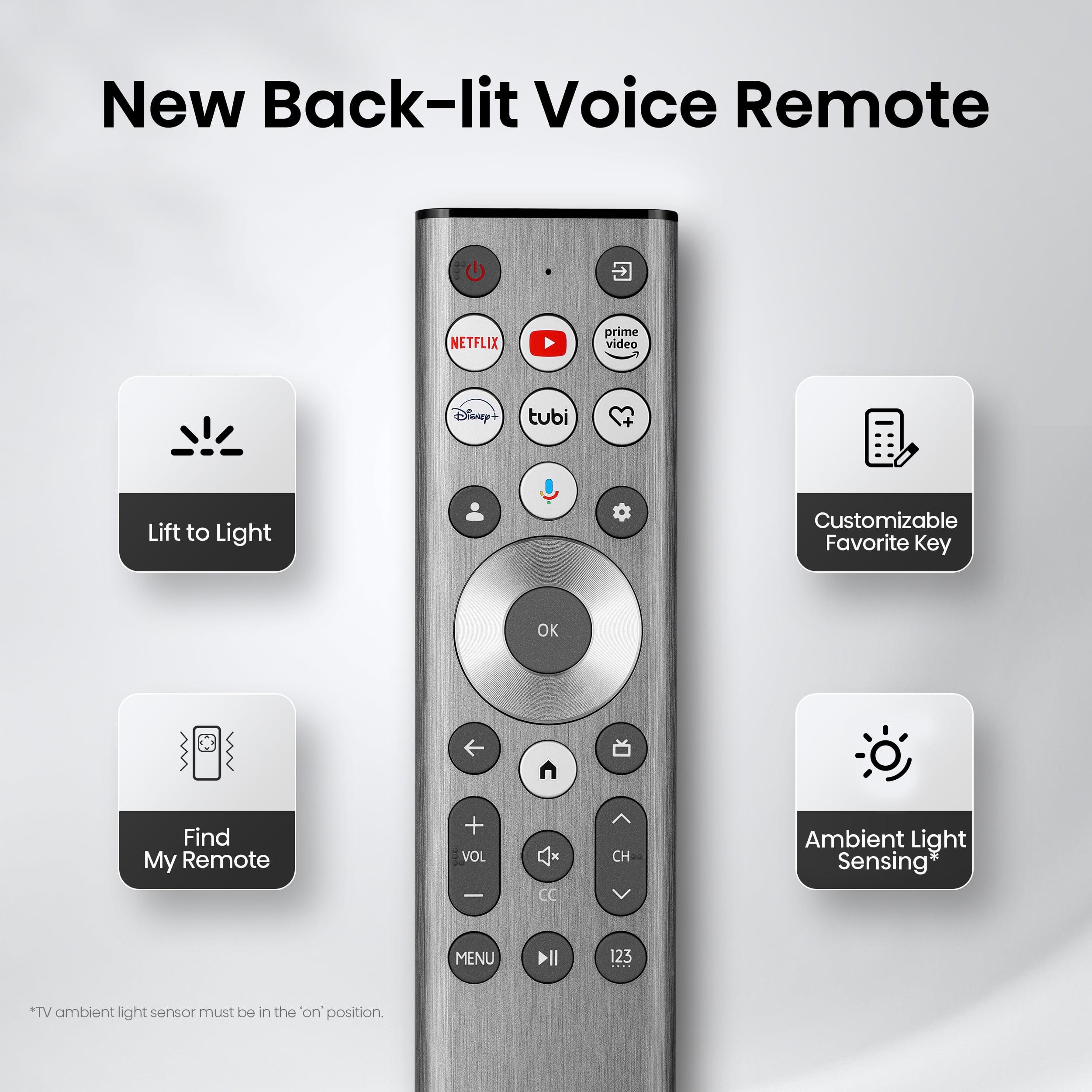
Both TVs run mature, capable smart TV platforms, but with different strengths. The Samsung Q6F uses Tizen OS, Samsung's proprietary platform that integrates seamlessly with Samsung smartphones, soundbars, and smart home devices. Samsung TV Plus provides access to over 1200 free streaming channels, and the platform receives regular updates with new features.
The Hisense U8 runs Google TV, offering deeper integration with Google services and broader Android app compatibility. If you're heavily invested in Google's ecosystem—using Gmail, Google Photos, Chromecast, or Google Home devices—this integration provides significant convenience.
Platform choice often comes down to existing ecosystem preference rather than inherent superiority. Both provide access to major streaming services, voice control, and smart features. Samsung's platform tends toward stability and polish, while Google TV offers more customization and app flexibility.
Audio represents another area where these TVs take different approaches. The Samsung Q6F includes a 20W 2-channel system with Object Tracking Sound Lite, which attempts to make audio follow on-screen action. It also supports Q-Symphony, allowing Samsung soundbars to work in harmony with the TV's speakers.
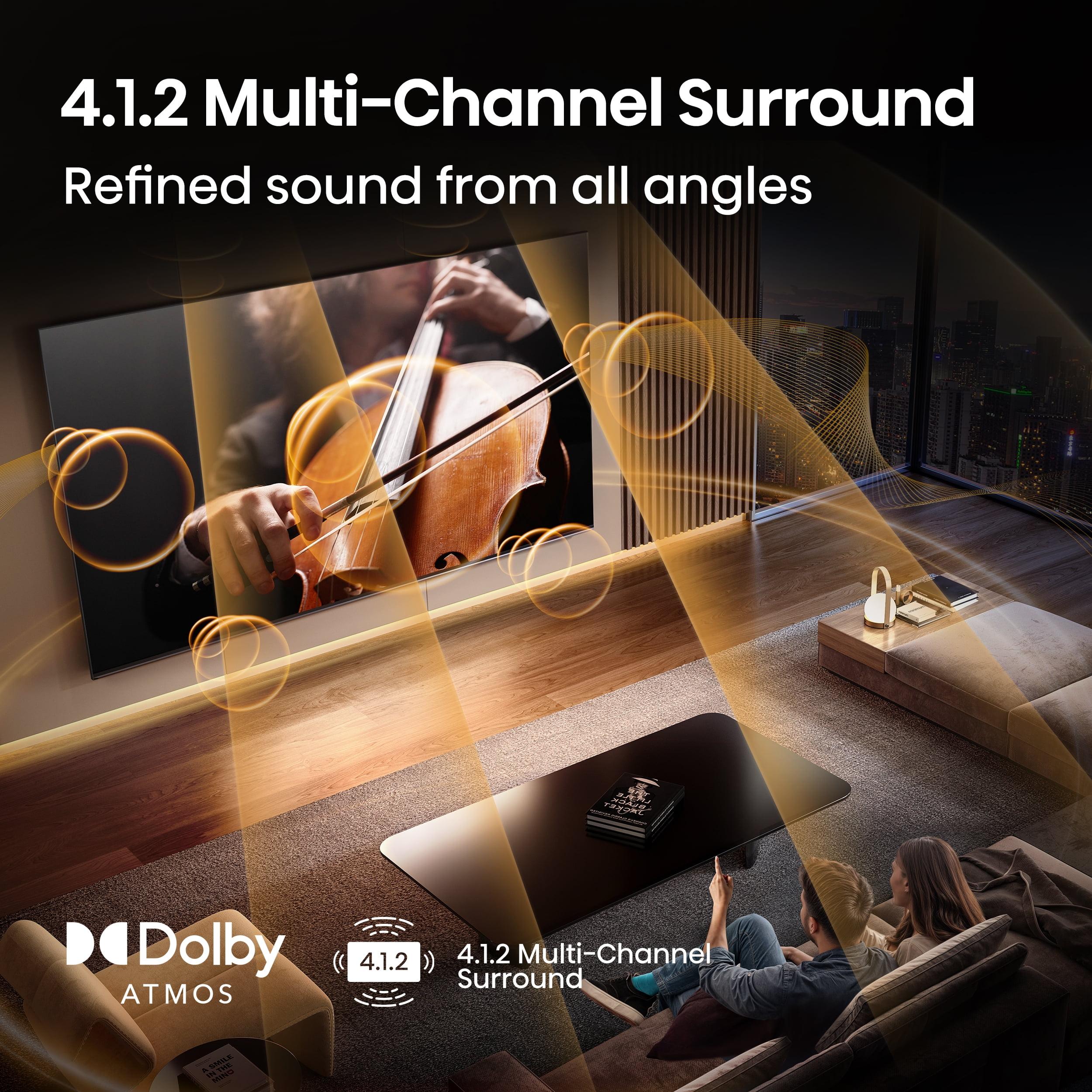
The Hisense U8 provides a more substantial 50W 2.1.2 channel system with dedicated subwoofers and Dolby Atmos support. The upward-firing speakers create a more immersive soundstage, particularly noticeable in action movies and gaming.
While both TVs benefit from external audio systems for serious home theater setups, the Hisense U8 reduces the immediate need for additional speakers. If you're planning to add a soundbar eventually, the Samsung Q6F's basic audio becomes less relevant to the buying decision.
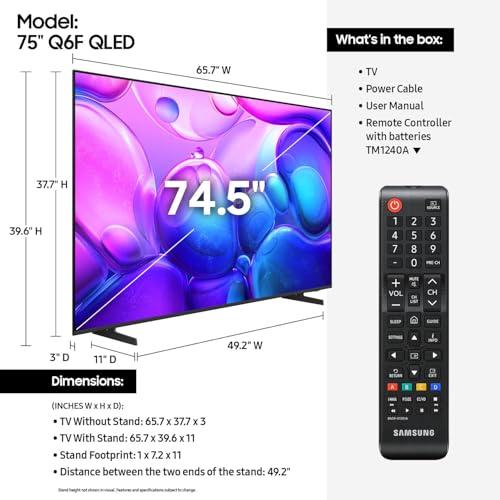
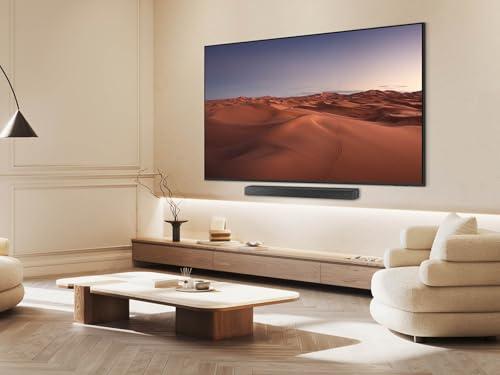
At the time of writing, the price difference between these TVs reflects their different market positions. The Samsung Q6F costs significantly less while providing 36% more screen area than the Hisense U8. This creates a fundamental value question: do you prioritize screen size or picture quality?
The Samsung Q6F delivers approximately $9.31 per inch of screen area, making it compelling for buyers who want the largest possible display within budget constraints. For casual viewing—streaming shows, news, sports—in controlled lighting conditions, the size advantage can outweigh picture quality limitations.
The Hisense U8 costs more per inch but delivers dramatically superior technology. The Mini-LED backlighting, higher brightness, and advanced features position it closer to OLED performance levels while maintaining the brightness advantages of LED technology.
Your viewing environment significantly influences which TV will perform better. The Samsung Q6F works well in rooms with controlled lighting, moderate viewing distances, and primarily straight-on seating arrangements. Its anti-glare treatment helps somewhat with reflections, but the limited brightness means bright rooms can wash out the image.
The Hisense U8 excels in challenging environments. Its high peak brightness and anti-glare technology maintain image quality even in rooms with large windows or bright overhead lighting. However, both TVs share QLED's limitation of narrow viewing angles—colors and brightness degrade when viewed from the side, unlike OLED displays.
For dedicated home theater setups with controlled lighting, both TVs can deliver satisfying experiences, though the Hisense U8's superior contrast and HDR performance create more cinematic impact.
Consider how these TVs will serve you over a 5-7 year ownership period. The Samsung Q6F provides solid basic performance that will remain adequate for standard viewing needs. Its smart platform receives regular updates, and Samsung's track record suggests good long-term support.
The Hisense U8 offers more future-proofing through its advanced gaming features, higher brightness capability, and superior HDR performance. As content creators continue pushing HDR boundaries and gaming technology advances, these features become increasingly valuable.
Hisense has improved their reputation for software support and build quality significantly in recent years, though Samsung still maintains an edge in long-term reliability and service network coverage.
The decision between these TVs ultimately depends on your priorities, viewing habits, and budget flexibility.
Choose the Samsung Q6F if you're maximizing screen size within a budget, primarily watch content in controlled lighting, prefer Samsung's ecosystem integration, or don't prioritize advanced gaming features. It's an excellent choice for families wanting a large, capable smart TV without premium pricing.
The Hisense U8 makes sense if picture quality matters more than screen size, you regularly watch HDR content, game seriously with modern consoles or PCs, or need a TV that performs well in bright rooms. Despite the smaller screen, you're getting technology typically found in much more expensive displays.
For most buyers, I'd recommend considering viewing distance alongside these factors. If you sit 8-10 feet from your TV, the Hisense U8's 65" screen provides adequate size while delivering superior picture quality. Closer seating distances favor the Samsung Q6F's larger display, while further distances make the picture quality differences more apparent.
Both represent solid value within their respective market segments. The Samsung Q6F maximizes size and basic smart features for the money, while the Hisense U8 delivers premium display technology at a more accessible price point than traditional flagship models. Your choice should align with whether you prioritize immediate size impact or long-term picture quality satisfaction.
| Samsung 75-Inch QLED Q6F Series 2025 Smart TV | Hisense 65" U8 Series Mini-LED ULED 4K Google TV |
|---|---|
| Screen Size - Bigger isn't always better, but viewing distance matters | |
| 75 inches (36% more screen area) | 65 inches (premium tech in smaller package) |
| Display Technology - The foundation of picture quality | |
| Direct-lit QLED with basic local dimming | Mini-LED with 2000+ local dimming zones |
| Peak Brightness - Critical for HDR impact and bright room viewing | |
| Limited brightness (typical entry-level) | Up to 3000 nits (premium TV territory) |
| Gaming Features - Future-proofing for next-gen consoles | |
| 60Hz, basic VRR, Auto Game Mode | 144Hz native, VRR 48-144Hz, FreeSync Premium Pro |
| Processor - Affects upscaling and smart features | |
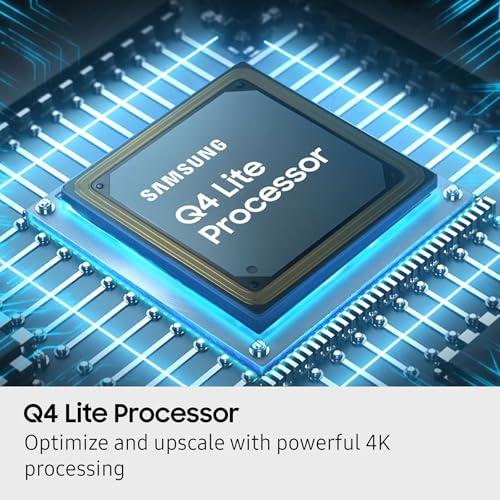
| Q4 Lite (basic upscaling) | Hi-View AI Engine PRO (advanced processing) |
| HDR Support - Better contrast and color in premium content | |
| HDR10+, Quantum HDR (limited by brightness) | Dolby Vision, HDR10+, HDR10 (true HDR impact) |
| Audio System - Built-in sound quality | |
| 20W 2-channel with OTS Lite | 50W 2.1.2 multi-channel with Dolby Atmos |
| Smart Platform - App ecosystem and updates | |
| Samsung Tizen OS (1200+ free channels) | Google TV (broader Android app support) |
| Local Dimming Zones - Controls contrast and black levels | |
| UHD Dimming (basic zones) | Full Array Local Dimming Pro (2000+ zones) |
| Anti-Glare Technology - Performance in bright rooms | |
| Basic anti-reflective coating | Low Reflection Pro technology |
| Refresh Rate - Smoothness for sports and gaming | |
| 60Hz (adequate for most content) | 144Hz native (excellent for gaming) |
| Color Technology - Vibrancy and accuracy | |
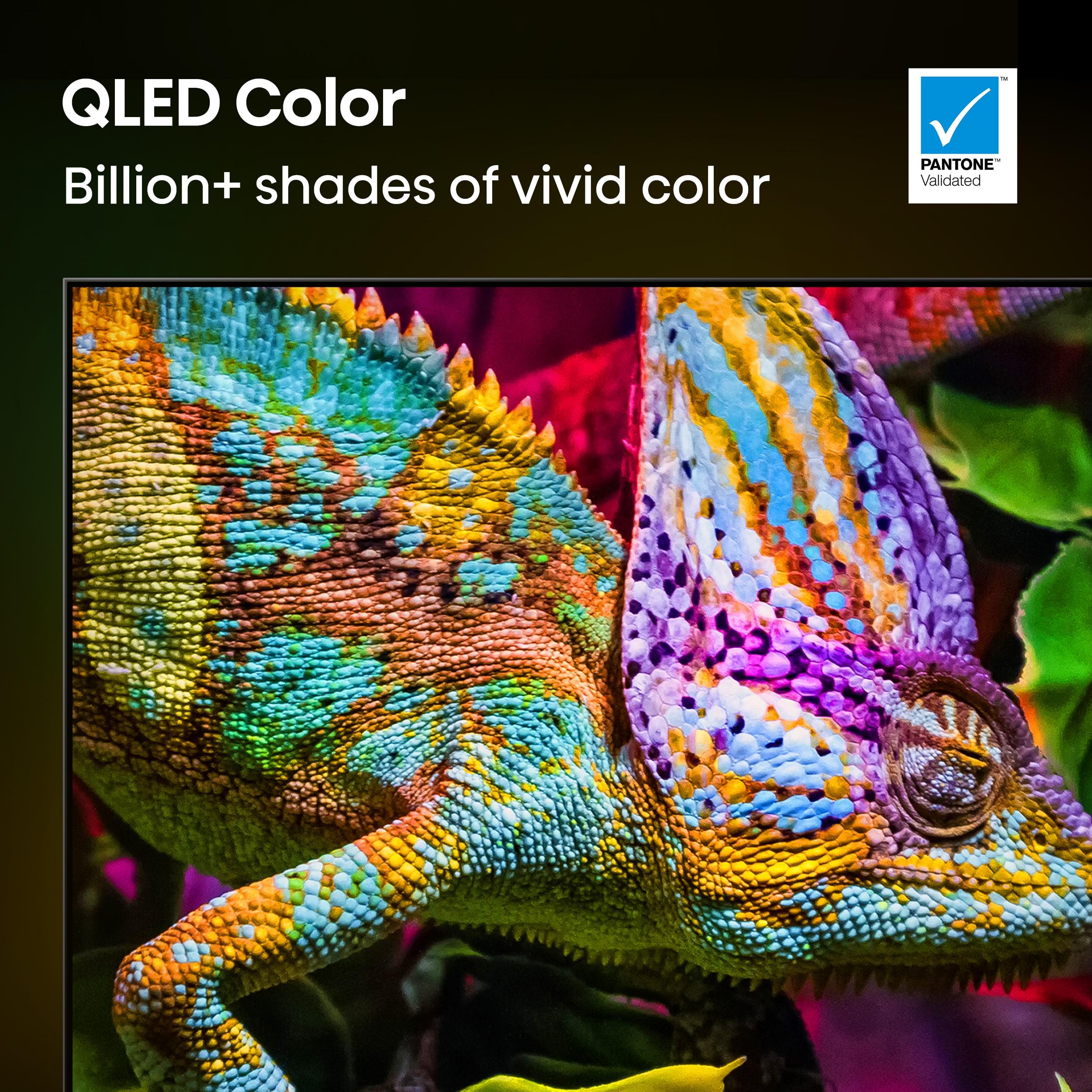
| Quantum Dot (100% color volume claim) | QLED Quantum Dot (Pantone validated) |
| Warranty Coverage - Peace of mind for expensive purchase | |
| Standard 1-year warranty | 2-year warranty (double industry standard) |
| Best For - Primary use case recommendation | |
| Large screen priority, budget-conscious, casual viewing | Picture quality priority, gaming, bright rooms, home theater |
The Hisense U8 Series Mini-LED delivers superior picture quality with its Mini-LED backlighting technology, 2000+ local dimming zones, and peak brightness up to 3000 nits. The Samsung Q6F uses basic direct-lit QLED with limited local dimming, resulting in less contrast control and lower brightness. For home theater setups, the Hisense U8 provides more cinematic impact with deeper blacks and brighter highlights.
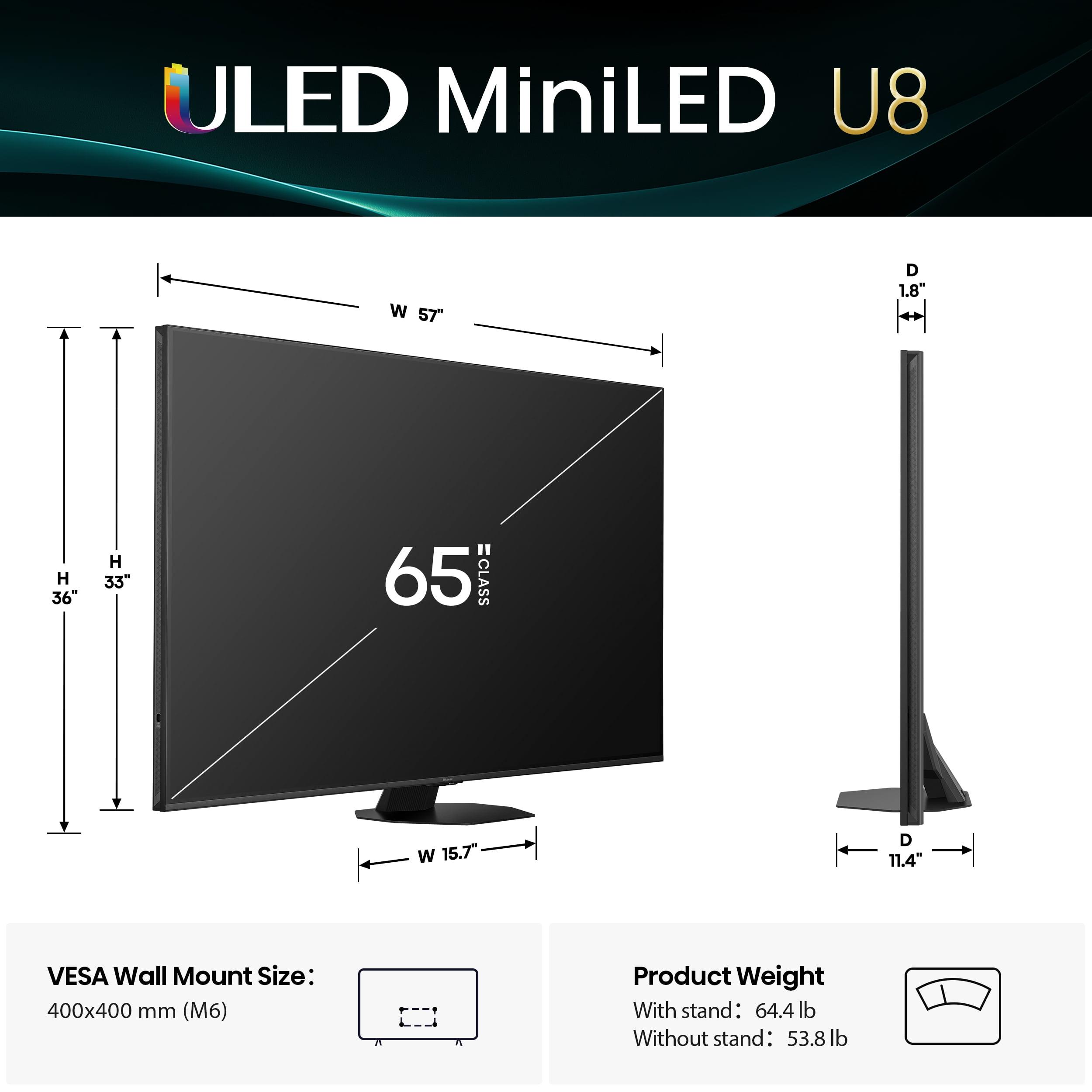
The Samsung 75-Inch QLED Q6F offers a 75-inch display, while the Hisense U8 Series comes in a 65-inch size. This means the Samsung Q6F provides 36% more screen area, making it better for larger rooms or viewers who prioritize maximum screen size over advanced picture technology.
The Hisense U8 Series Mini-LED is significantly better for gaming with its 144Hz native refresh rate, Variable Refresh Rate (VRR) support from 48-144Hz, and AMD FreeSync Premium Pro certification. The Samsung Q6F offers basic gaming features like Auto Game Mode and limited VRR but is restricted to 60Hz, making it adequate for casual gaming but not ideal for competitive or next-gen console gaming.
The Samsung Q6F runs Tizen OS with Samsung TV Plus offering 1200+ free channels and seamless integration with Samsung devices. The Hisense U8 uses Google TV, providing broader Android app compatibility and deeper Google ecosystem integration. Both platforms are mature and capable, with the choice often depending on your existing device ecosystem.
The Hisense U8 Series performs much better in bright rooms thanks to its peak brightness of up to 3000 nits and anti-glare Low Reflection Pro technology. The Samsung Q6F has limited brightness output and may appear washed out in rooms with significant natural light, making it better suited for controlled lighting environments.
The Hisense U8 Mini-LED offers superior built-in audio with a 50W 2.1.2 multi-channel system including Dolby Atmos and dedicated subwoofers. The Samsung Q6F features a basic 20W 2-channel system with Object Tracking Sound Lite. For home theater use, the Hisense U8 reduces the immediate need for external speakers.
Value depends on your priorities. The Samsung Q6F offers more screen area at a lower price point, making it excellent value for size-focused buyers. The Hisense U8 costs more but delivers premium display technology typically found in much more expensive TVs, offering better long-term value for picture quality enthusiasts.
The Hisense U8 Series provides superior HDR performance with support for Dolby Vision, HDR10+, and the brightness needed for true HDR impact. The Samsung Q6F supports HDR10+ and Quantum HDR but lacks the peak brightness necessary for dramatic HDR effects, limiting the visual impact of premium HDR content.
For dedicated home theater use, the Hisense U8 Mini-LED is the clear winner with its superior contrast control, higher peak brightness, Dolby Vision support, and immersive Dolby Atmos audio. The precise local dimming creates the deep blacks and bright highlights essential for cinematic experiences. The Samsung Q6F can work in home theaters but lacks the contrast performance for premium movie watching.
The key difference is backlighting technology. The Samsung Q6F uses direct-lit QLED with basic local dimming, while the Hisense U8 employs advanced Mini-LED technology with over 2000 individual dimming zones. This gives the Hisense U8 dramatically better contrast control, brightness, and overall picture quality.
Both TVs should provide years of reliable service, but the Hisense U8 Series offers better future-proofing with advanced gaming features, superior HDR capabilities, and premium display technology. The Samsung Q6F will remain adequate for basic viewing needs but may feel outdated sooner as content and gaming standards continue advancing.
Choose the Samsung 75-Inch Q6F if you prioritize screen size, have a limited budget, mainly watch content in controlled lighting, and don't need advanced gaming features. Select the Hisense U8 Mini-LED if picture quality matters more than size, you watch HDR content regularly, game with modern consoles, need bright room performance, or want a TV that will remain impressive for years to come.
We've done our best to create useful and informative comparisons to help you decide what product to buy. Our research uses advanced automated methods to create this comparison and perfection is not possible - please contact us for corrections or questions. These are the sites we've researched in the creation of this article: youtube.com - rtings.com - cnet.com - youtube.com - rtings.com - samsung.com - bestbuy.com - samsung.com - samsung.com - bestbuy.com - manuals.plus - arrowassociatedstores.com - samsung.com - samsung.com - samsung.com - flatpanelshd.com - device.report - bestbuy.com - hisense-usa.com - rtings.com - bestbuy.com - rtings.com - hisense-usa.com - youtube.com - hisense-usa.com - avsforum.com - hisense-usa.com - hisense-usa.com - rtings.com - avsforum.com - hisense-usa.com - prnewswire.com - hisense-usa.com - bestbuy.com - youtube.com - hisense-usa.com

Privacy Policy
Terms and Conditions - Affiliate Policy
Home Security
© Copyright 2008-2026.
11816 Inwood Rd #1211, Dallas, TX 75244