

![LG B5 Series OLED 65" 4K Smart TV 2025[1][7][9]](https://images.hometheaterreview.com/htr-stateless/2025/07/31238cd0-lg-b5-series-oled-65-4k-smart-tv-2025179.jpg)
![LG B5 Series OLED 65" 4K Smart TV 2025[1][7][9]](https://images.hometheaterreview.com/htr-stateless/2025/07/3368ce40-25ef-4d07-b442-bb0af89e3a29.jpg)
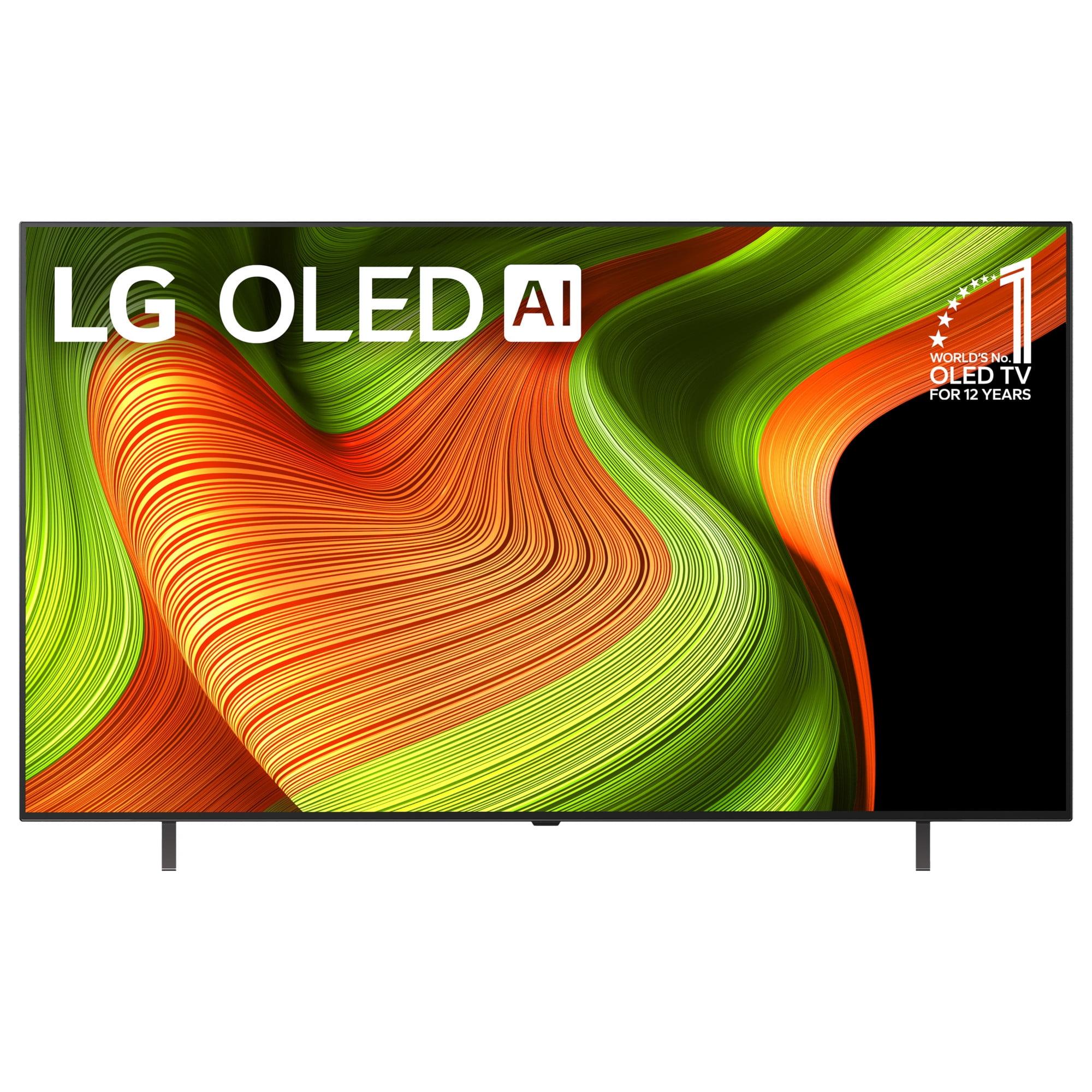
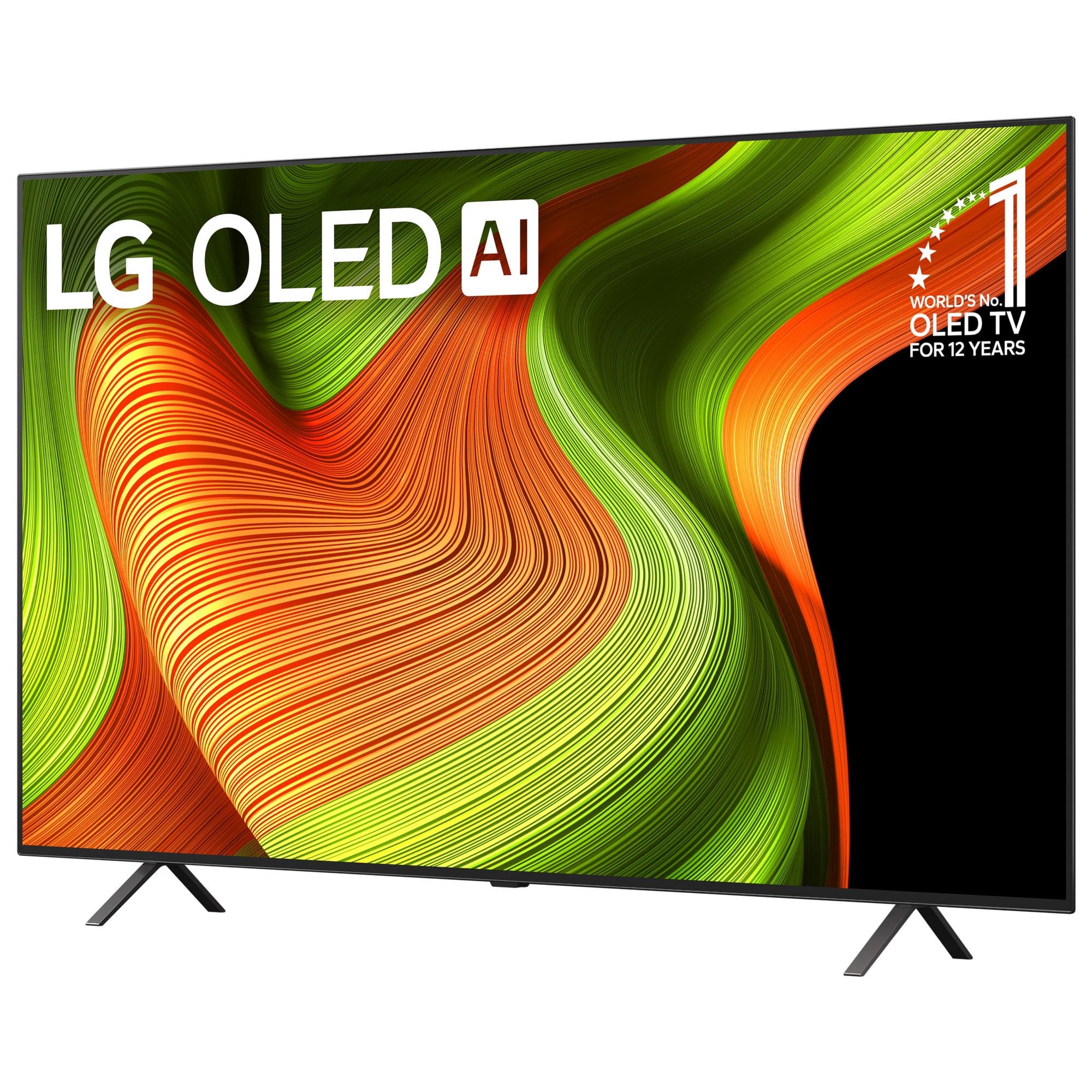
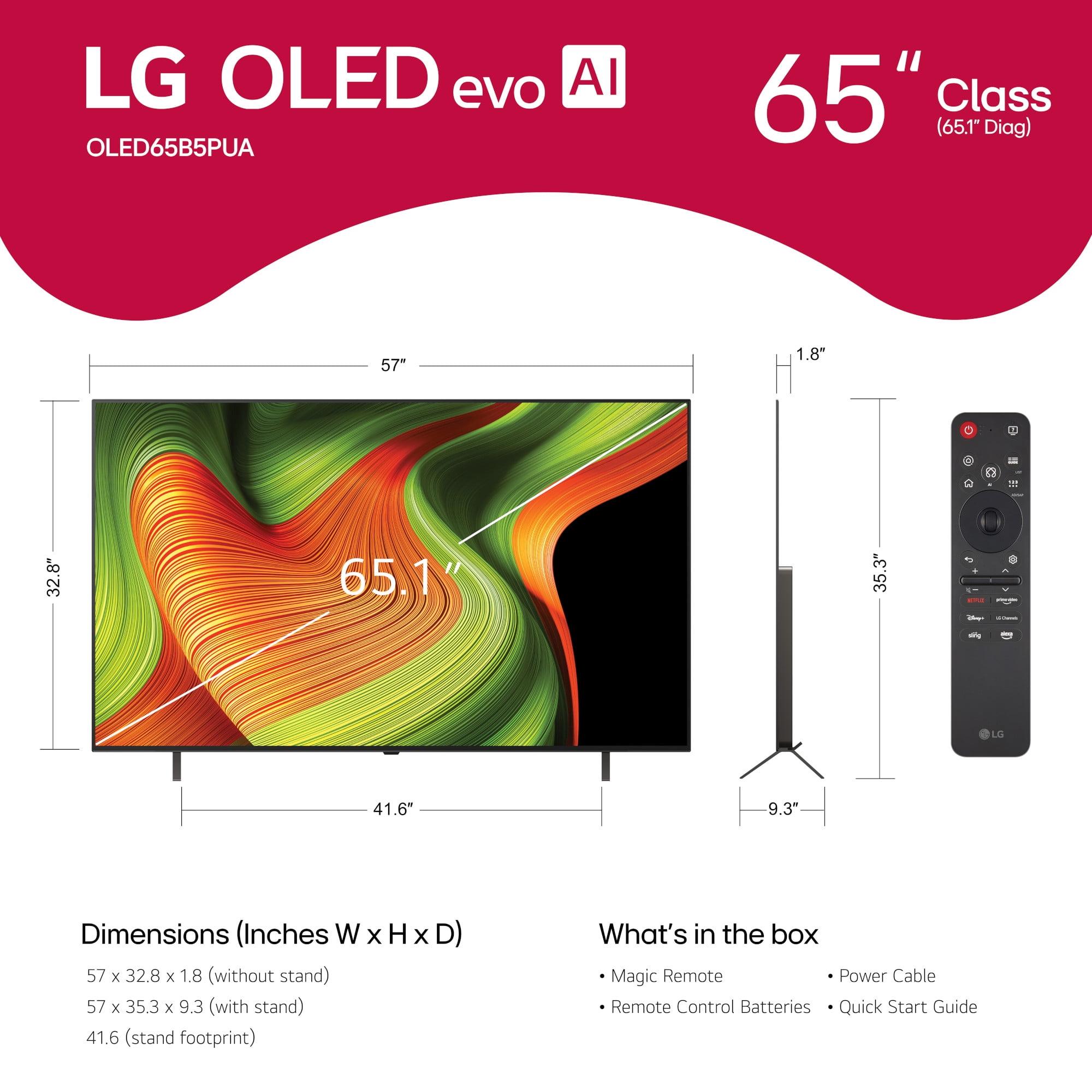
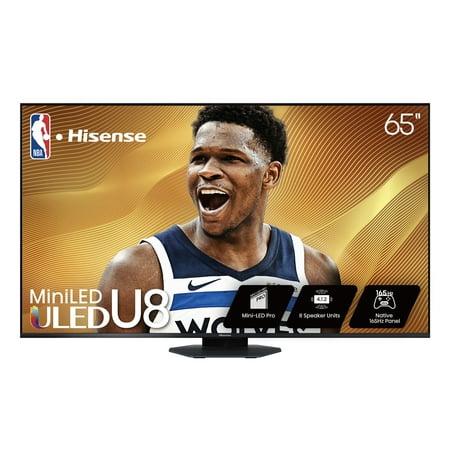
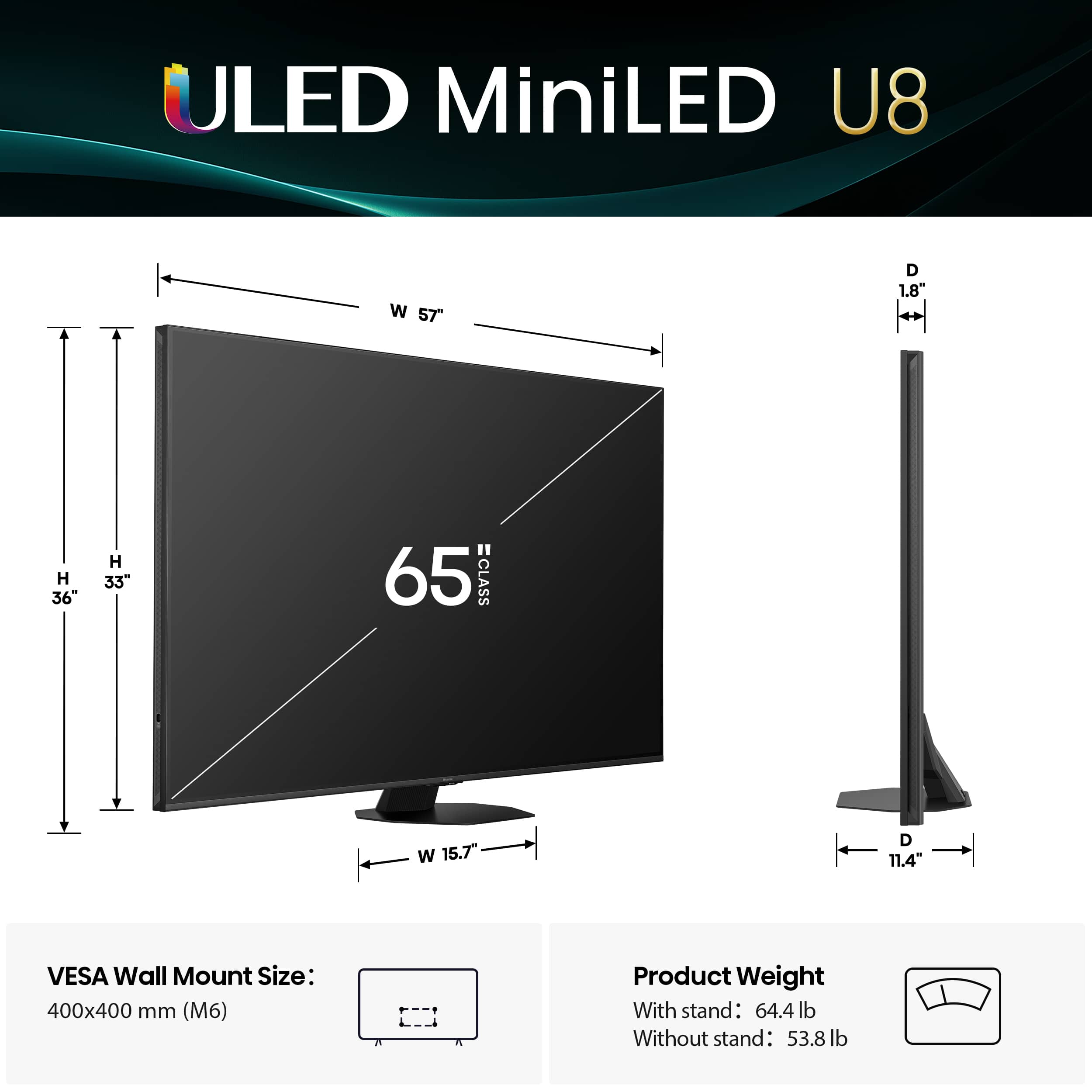
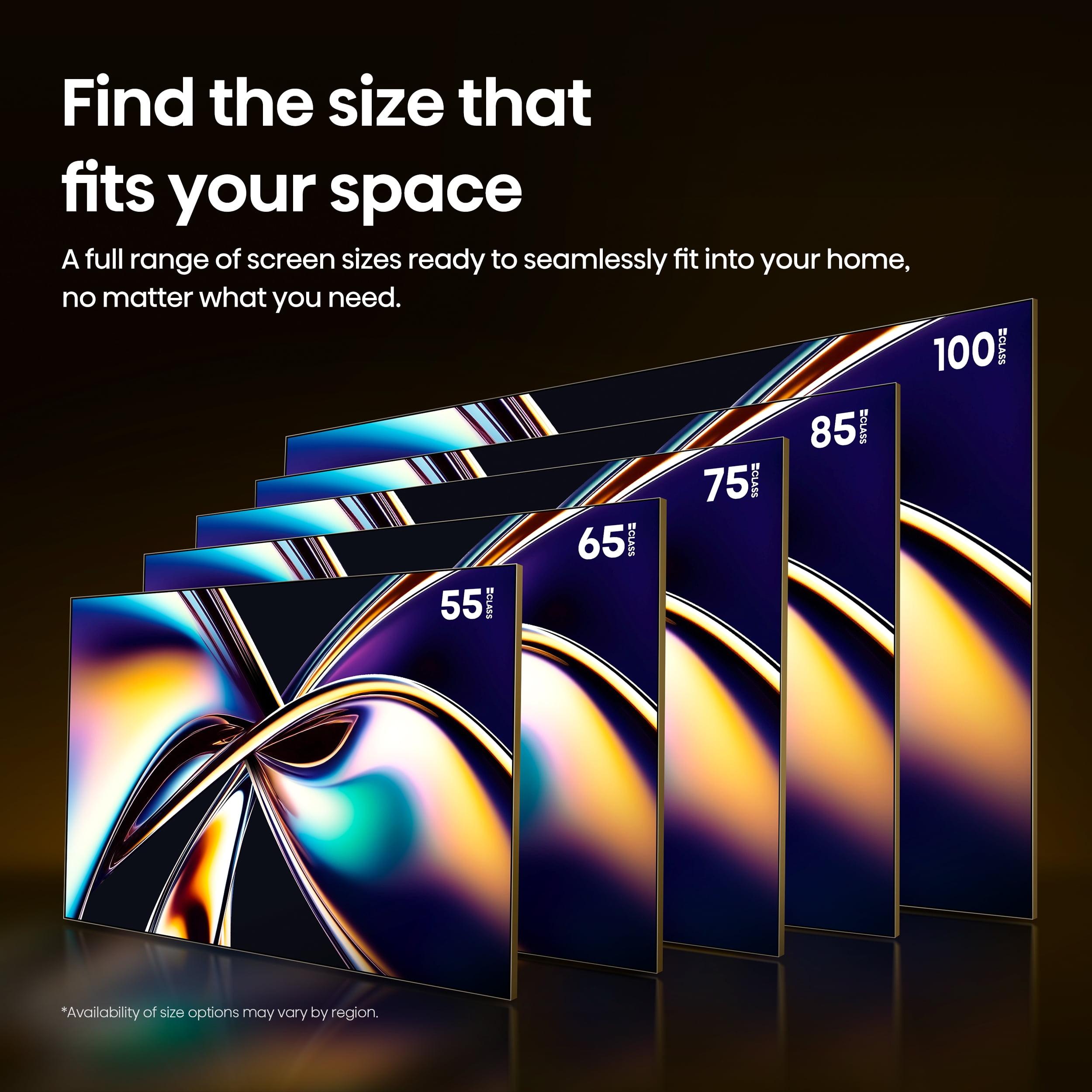
Choosing a new TV can feel overwhelming, especially when you're looking at premium 65-inch models that cost well over $1,000. The good news? The current TV market has essentially boiled down to two excellent technologies that each excel in different ways. Today, we're comparing the Hisense 65" U8 Series Mini-LED ULED 4K Google TV at $997.99 with the LG B5 Series OLED 65" 4K Smart TV 2025 at $1,699.99.
Both TVs represent the sweet spot for home entertainment – large enough to create that cinematic experience without requiring a mansion-sized living room. But they take completely different approaches to creating great picture quality, and understanding these differences will help you make the right choice for your home.
Before diving into specifics, let's understand what we're dealing with. The TV industry has essentially split into two camps: Mini-LED (which is what the Hisense uses) and OLED (which powers the LG). Think of it like comparing a really sophisticated flashlight system versus thousands of tiny candles that can individually turn on and off.
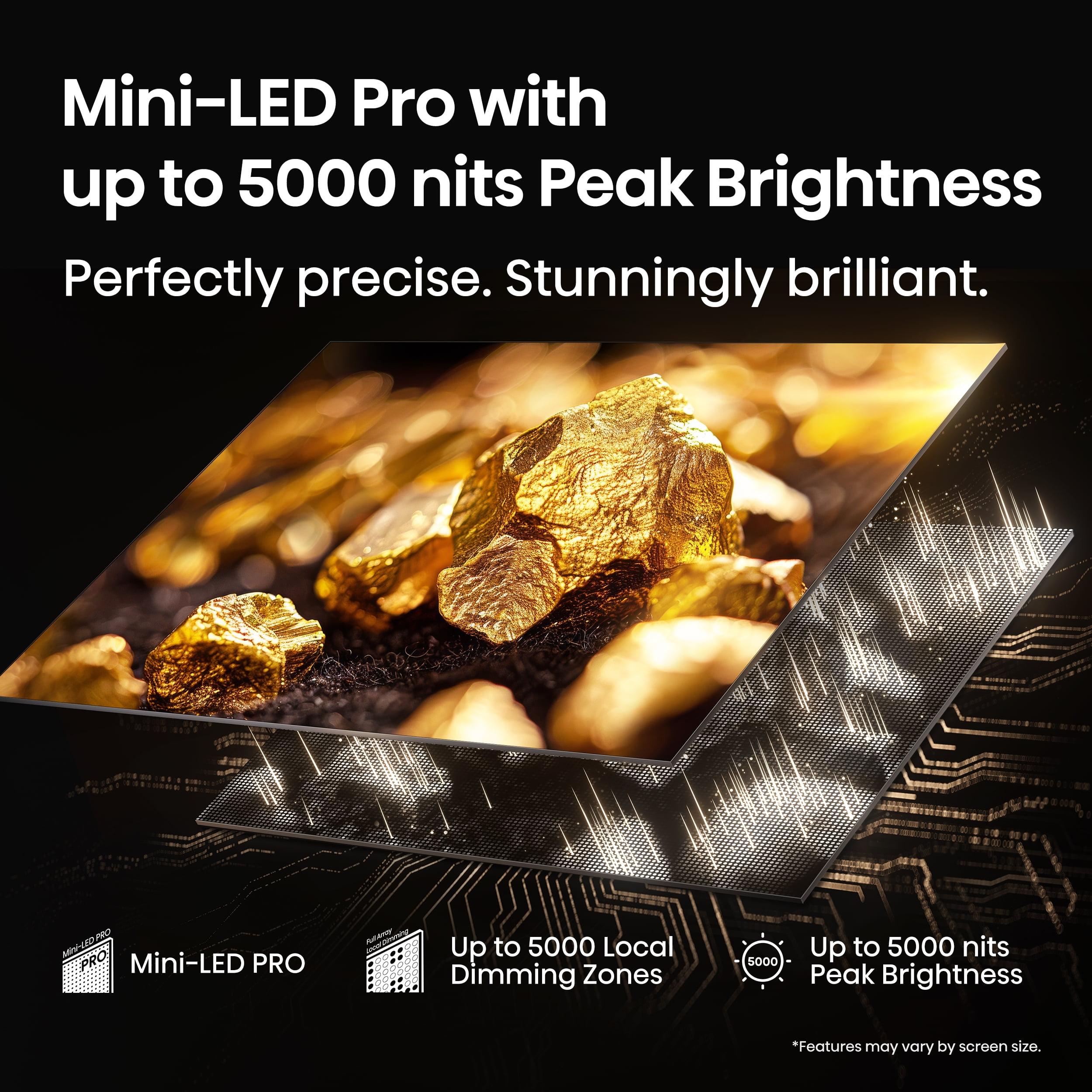
Mini-LED technology, like what's in the Hisense U8 Series, uses thousands of tiny LED lights behind a traditional LCD panel. These LEDs are grouped into zones – the U8 Series has over 2,000 zones – and each zone can brighten or dim independently. This creates what's called "local dimming," where the TV can make parts of the screen really bright while keeping other parts dark. It's like having a grid of dimmer switches across your entire screen.
OLED technology in the LG B5 Series works completely differently. Each pixel is essentially its own tiny light source that can turn completely on or completely off. No backlight needed. When an OLED pixel needs to show black, it simply turns off entirely, creating what's called "perfect black." It's elegant in its simplicity, but it comes with its own trade-offs.
The Hisense U8 Series represents their 2024/2025 model year refresh, building on years of Mini-LED development. Hisense has been aggressively improving their local dimming algorithms and brightness capabilities – this latest version doubles the local dimming zones compared to previous generations and reaches up to 3,000 nits of peak brightness. That's genuinely impressive for a TV under $1,000.
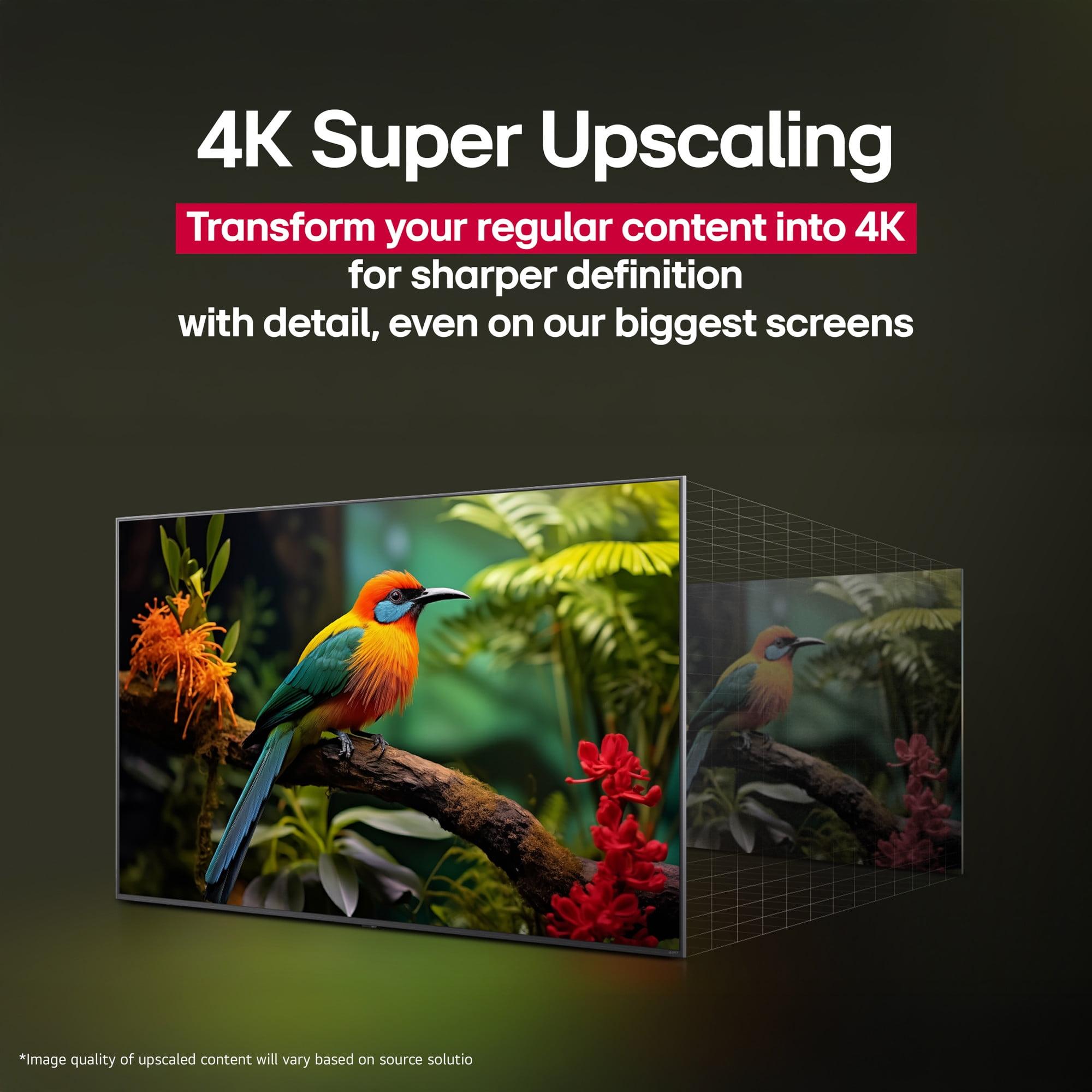
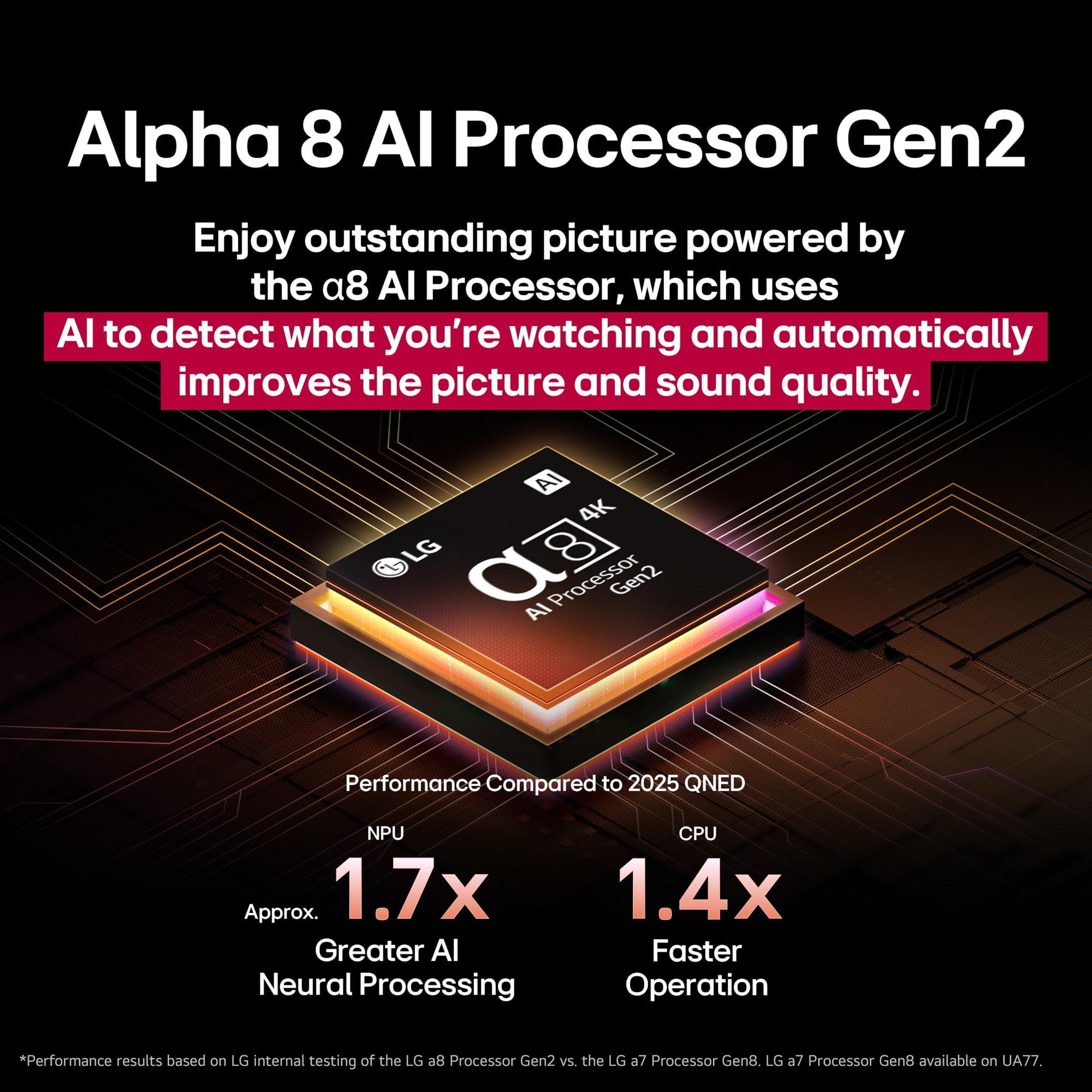
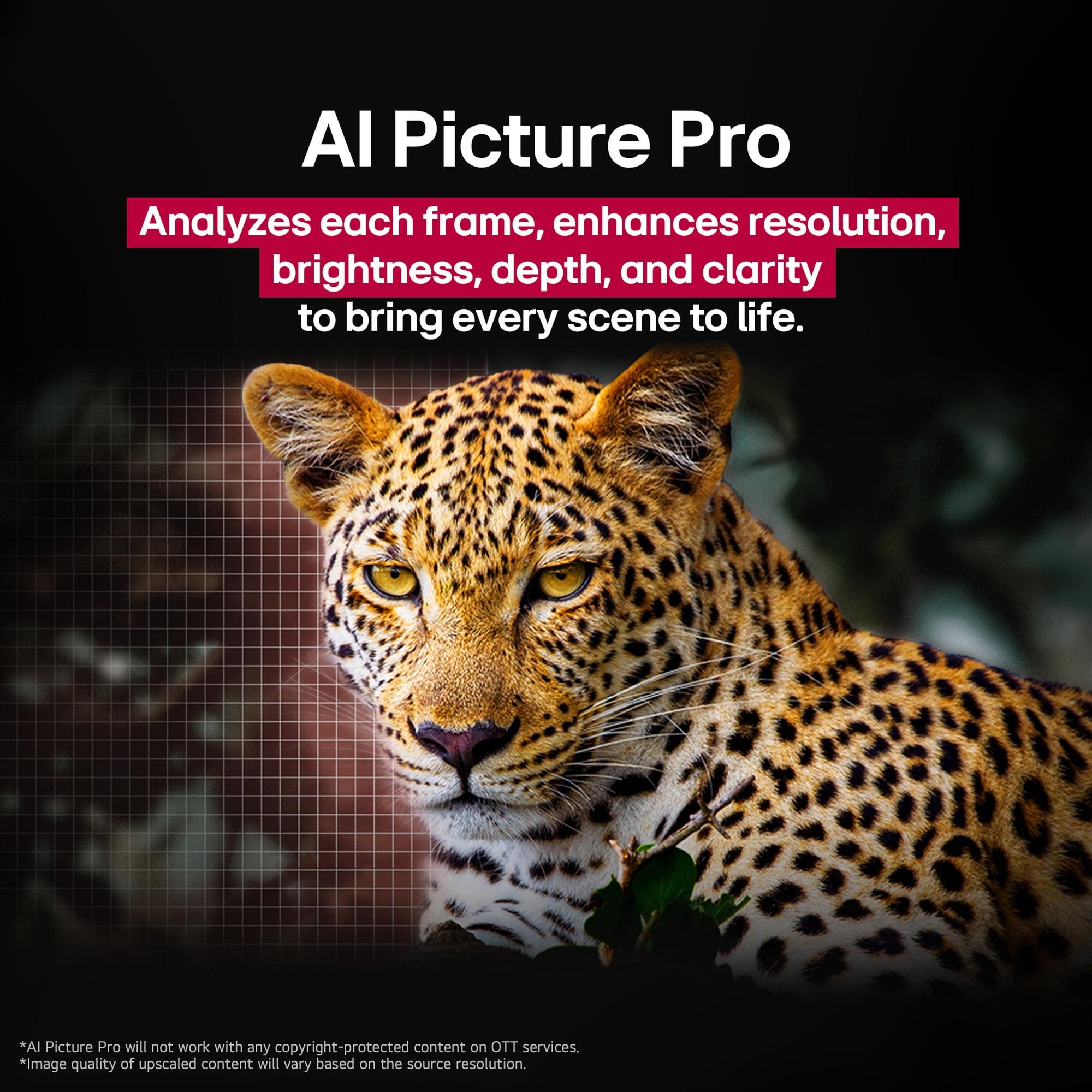
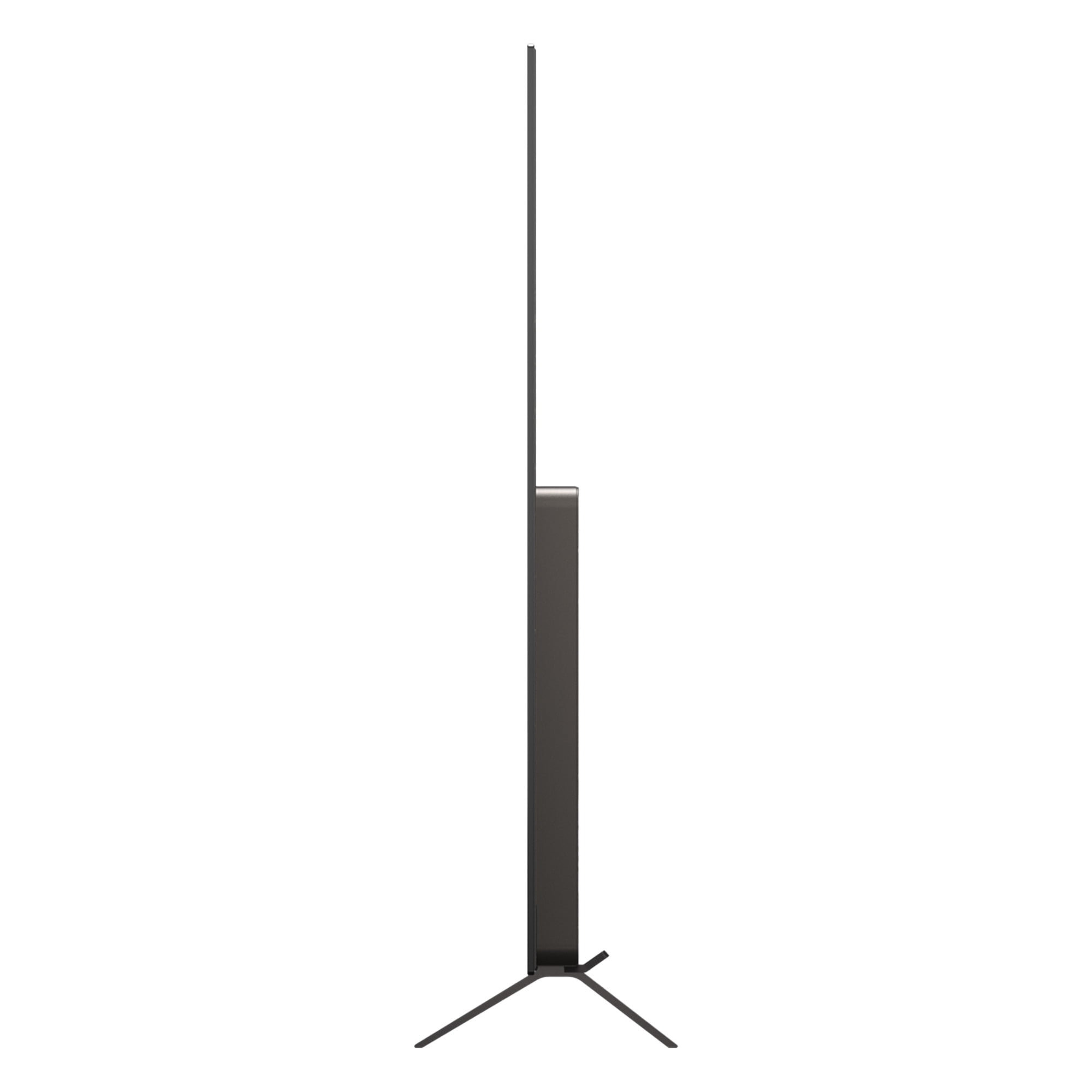
The LG B5 Series OLED launched in late 2024 as LG's entry-level OLED for 2025. While it doesn't get LG's latest "Brightness Booster Ultimate" panel (that's reserved for their higher-end models), it does feature their new α8 AI Processor Gen2, which is 1.4 times faster than the previous generation. LG has been working hard to address OLED's traditional brightness limitations, and while the B5 isn't their brightest OLED, it's still a significant step forward from OLEDs just a few years ago.
Here's where these TVs diverge most dramatically. The Hisense U8 Series can hit 3,000 nits of peak brightness – that's blindingly bright in the best possible way. To put this in perspective, a typical sunny day outside measures about 100,000 nits, while most TVs a few years ago struggled to reach 400 nits. This extreme brightness makes HDR (High Dynamic Range) content genuinely spectacular. When you're watching something like "Top Gun: Maverick" and the sun reflects off the aircraft canopy, the Hisense can recreate that eye-searing brightness that makes you squint just like you would in real life.
The LG B5 OLED, on the other hand, tops out at much lower brightness levels – probably around 600-800 nits for typical content. This might sound like a major disadvantage, but here's the thing: OLED's strength isn't about getting blindingly bright, it's about contrast. Because OLED pixels can turn completely off, the difference between the darkest dark and the brightest bright feels more dramatic than the numbers suggest.
I've spent time with both types of displays, and the difference is like comparing a bright summer day (Mini-LED) to a perfectly clear night sky (OLED). Both can be breathtaking, but in completely different ways.
This is where OLED traditionally dominates, and the LG B5 is no exception. When an OLED pixel needs to display black, it simply turns off. No light whatsoever. This creates what we call "infinite contrast" – the mathematical difference between complete darkness and any amount of light is technically infinite.
The Hisense U8 Series gets remarkably close with its 2,000+ local dimming zones, but it's still a backlit display. This means you might occasionally see "blooming" – a subtle halo effect around bright objects in dark scenes. It's like having a flashlight behind a piece of paper; even with sophisticated dimming, some light can leak around the edges.
In practical terms, this means the LG B5 will make dark movie scenes look more natural and immersive. Think about watching "The Dark Knight" – those shadowy Gotham scenes will have deeper, more convincing blacks on the OLED. The Hisense will still look great, but you might notice that the "blacks" are actually very dark grays.
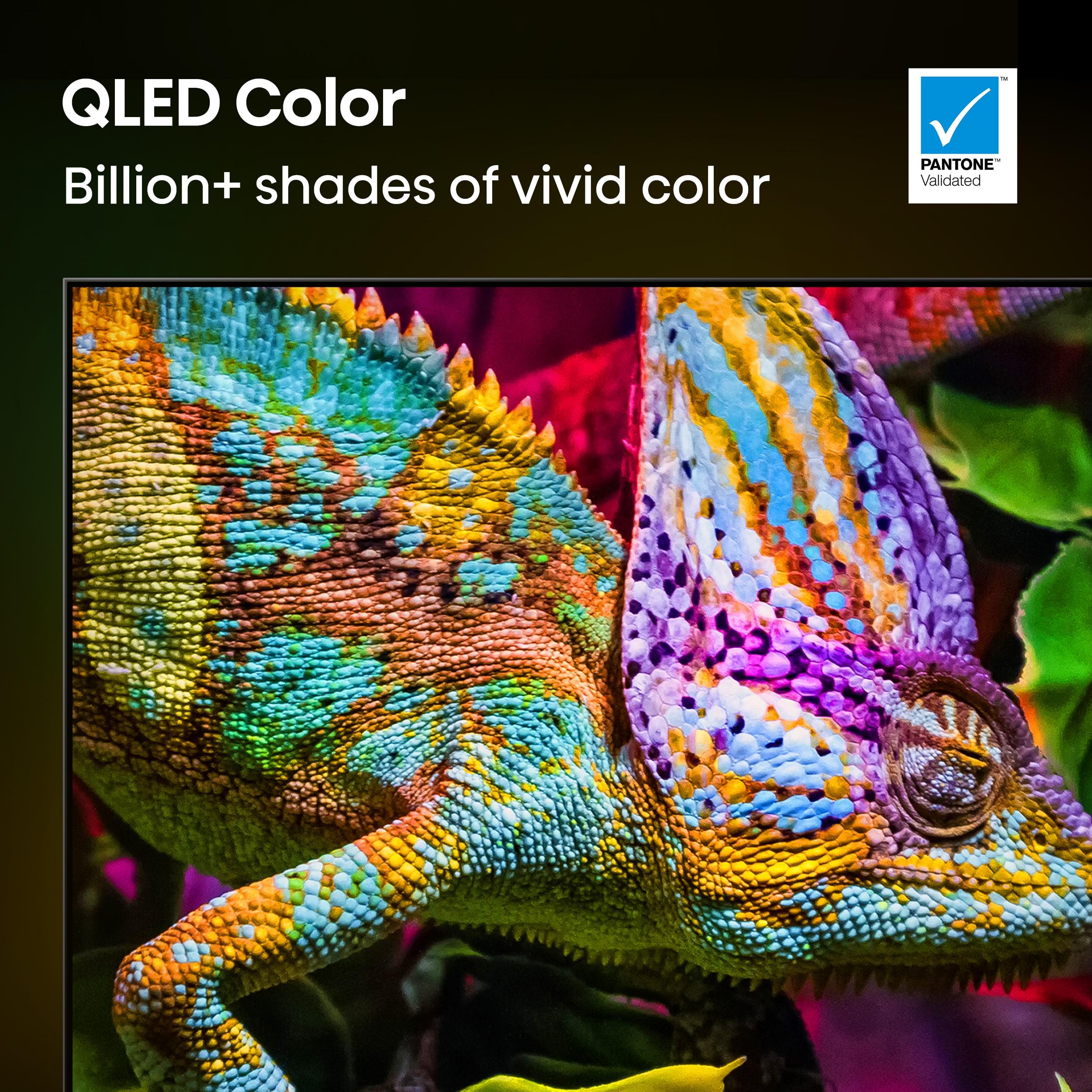
Both TVs support what's called "wide color gamut," meaning they can display more colors than older TVs. The Hisense uses Quantum Dot technology, which creates incredibly vibrant, saturated colors. Sometimes these colors can feel almost too intense – like the saturation slider got turned up too high on a photo. It's eye-catching and impressive, but not always natural-looking.
The LG B5 OLED tends toward more accurate, natural colors out of the box. Skin tones look more realistic, and the overall color balance feels more like what you'd see in a professional movie theater. This comes down to LG's years of experience with OLED calibration and their focus on color accuracy over pure vibrancy.
Gaming has become a crucial consideration for modern TVs, and both of these models take it seriously.
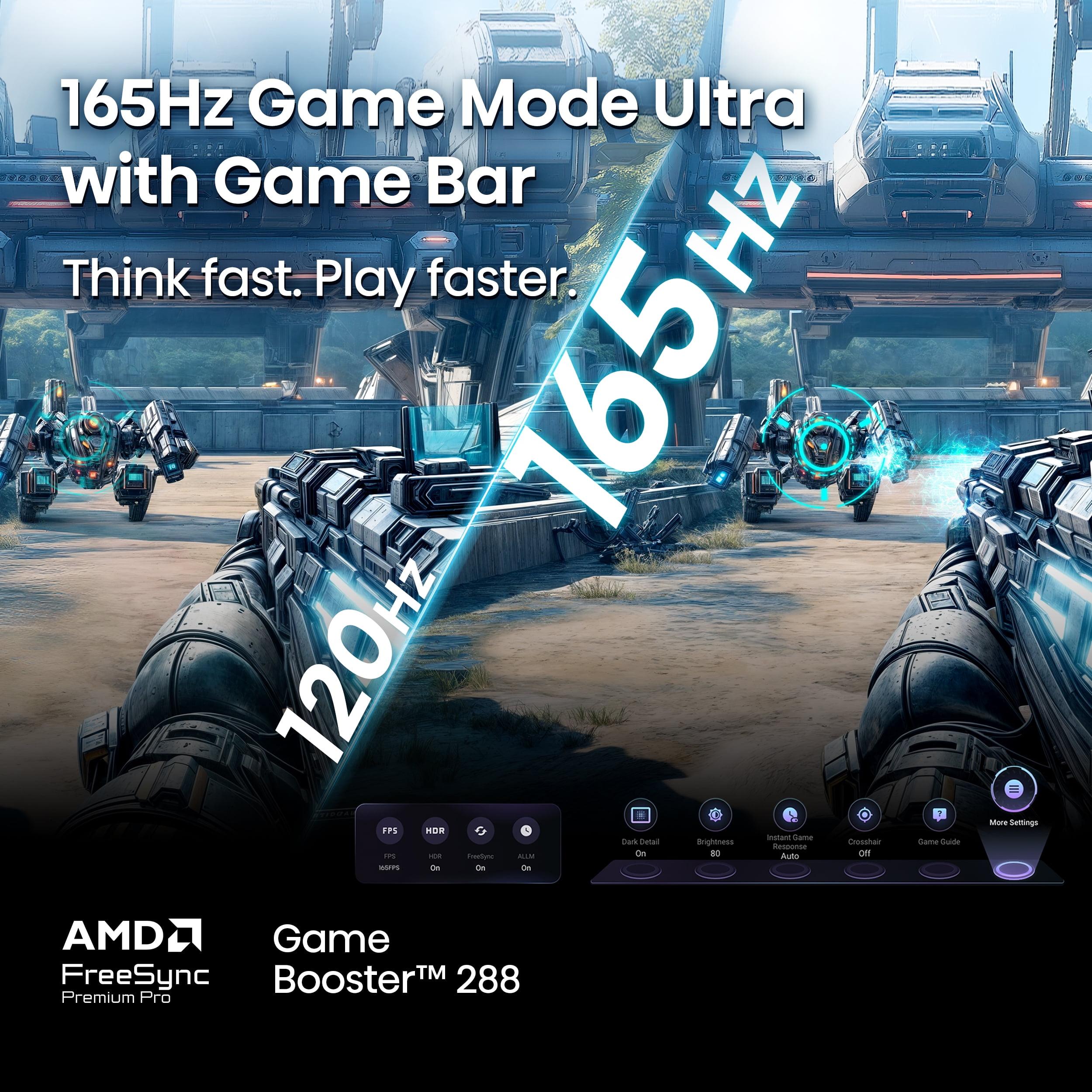
The Hisense U8 Series offers a native 144Hz refresh rate with Variable Refresh Rate (VRR) support ranging from 48Hz to 144Hz. This is particularly future-focused – while current gaming consoles like the PlayStation 5 and Xbox Series X are limited to 120Hz, PC gaming and future console generations might take advantage of that extra headroom. The TV also supports AMD FreeSync Premium Pro, which eliminates screen tearing and stuttering during fast-paced gaming.
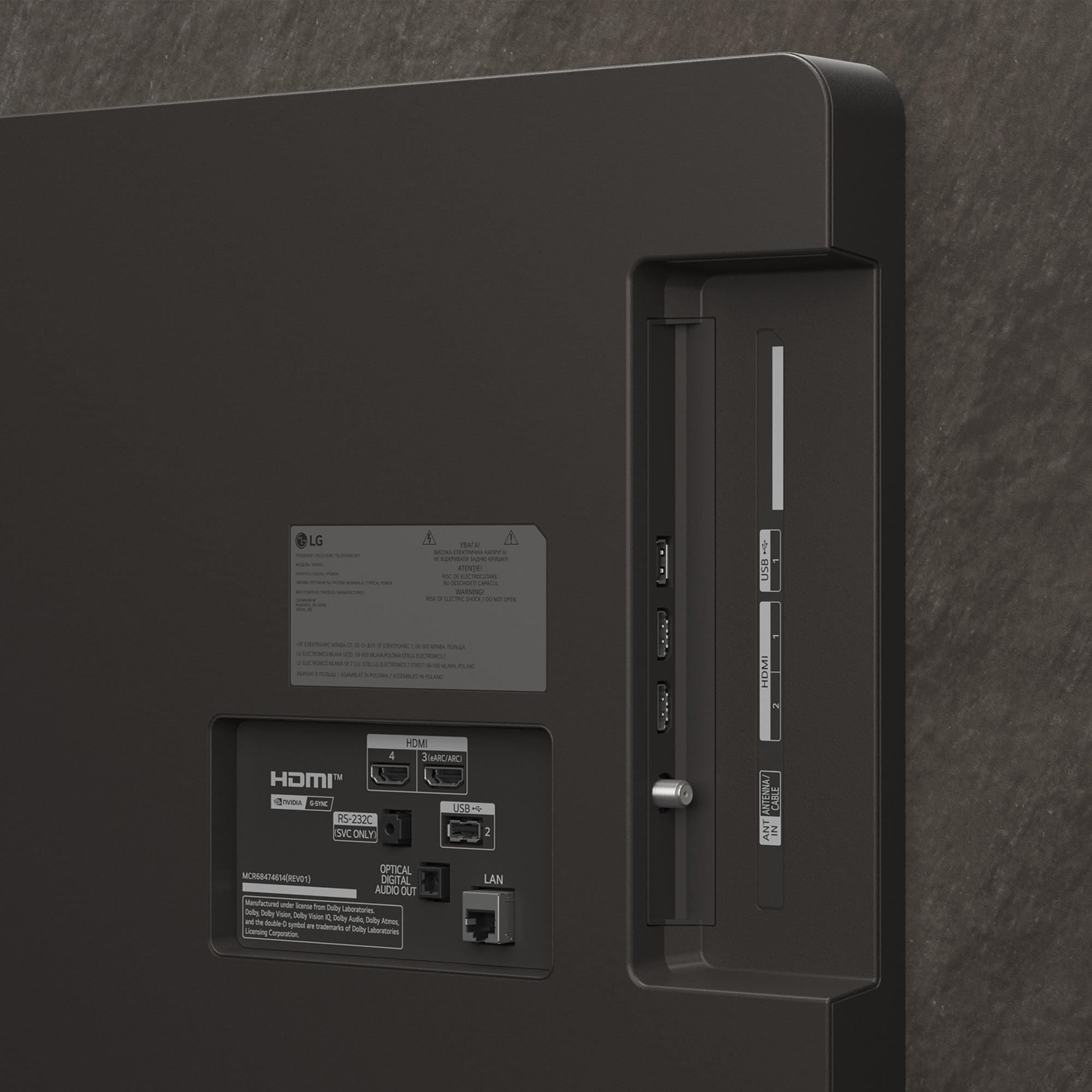
The LG B5 OLED counters with a 120Hz refresh rate and an incredibly impressive 0.1ms response time. For context, that's faster than the time it takes for your brain to process what you're seeing. This ultra-low response time makes it exceptional for competitive gaming, especially fighting games or first-person shooters where every millisecond counts. The B5 also supports both NVIDIA G-Sync and AMD FreeSync Premium, making it compatible with virtually any gaming setup.
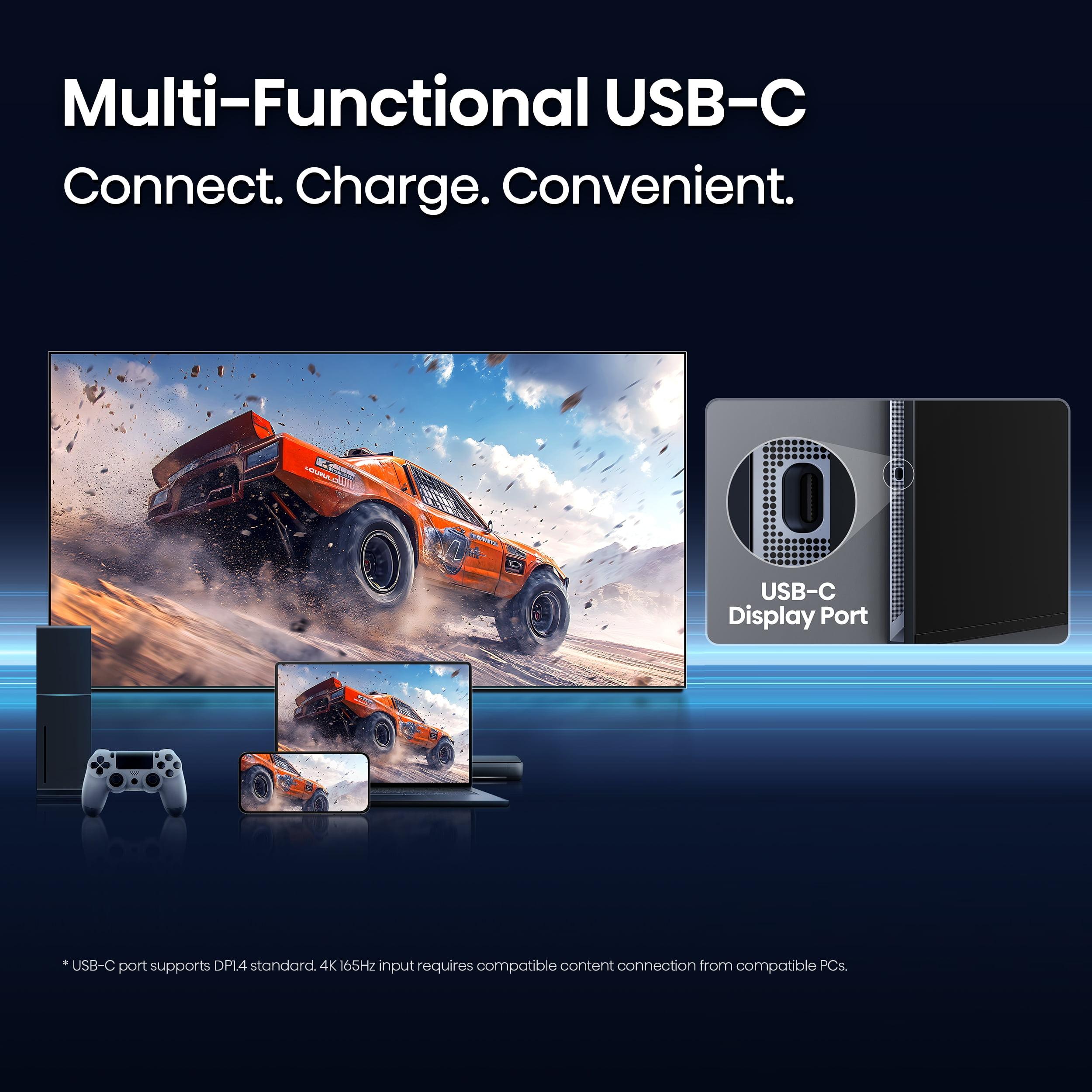
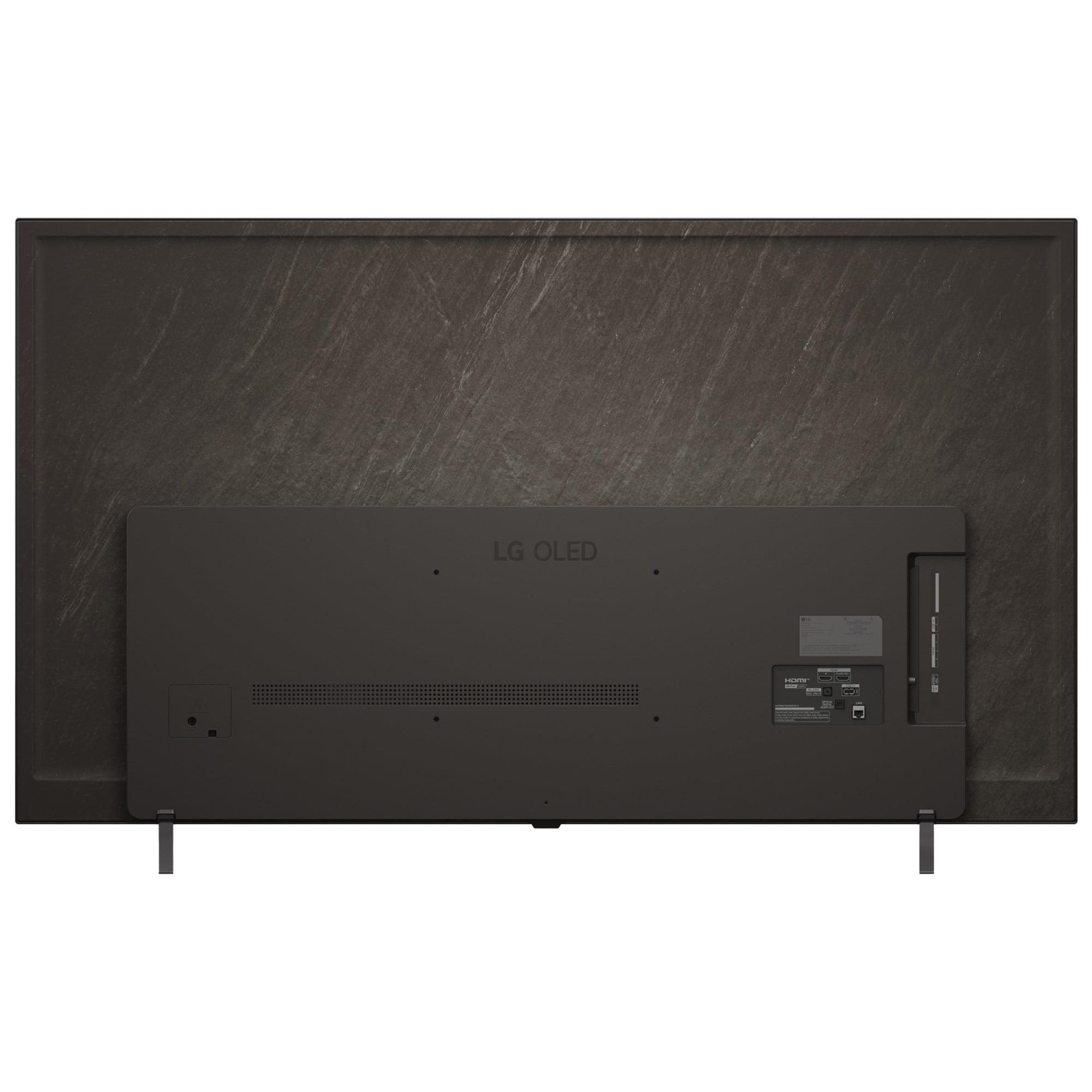
From a gaming perspective, both TVs include all four HDMI 2.1 ports, which means you can connect multiple next-gen consoles or a high-end PC without worrying about bandwidth limitations. Both also support Auto Low Latency Mode (ALLM), which automatically switches to game mode when it detects a gaming signal.
This is where personal preference plays a big role. The Hisense runs Google TV, which is essentially Android TV with a more polished interface. If you're already invested in the Google ecosystem with Gmail, Google Photos, and Google Assistant, this integration feels seamless. The interface is clean, recommendations are generally helpful, and app support is extensive.
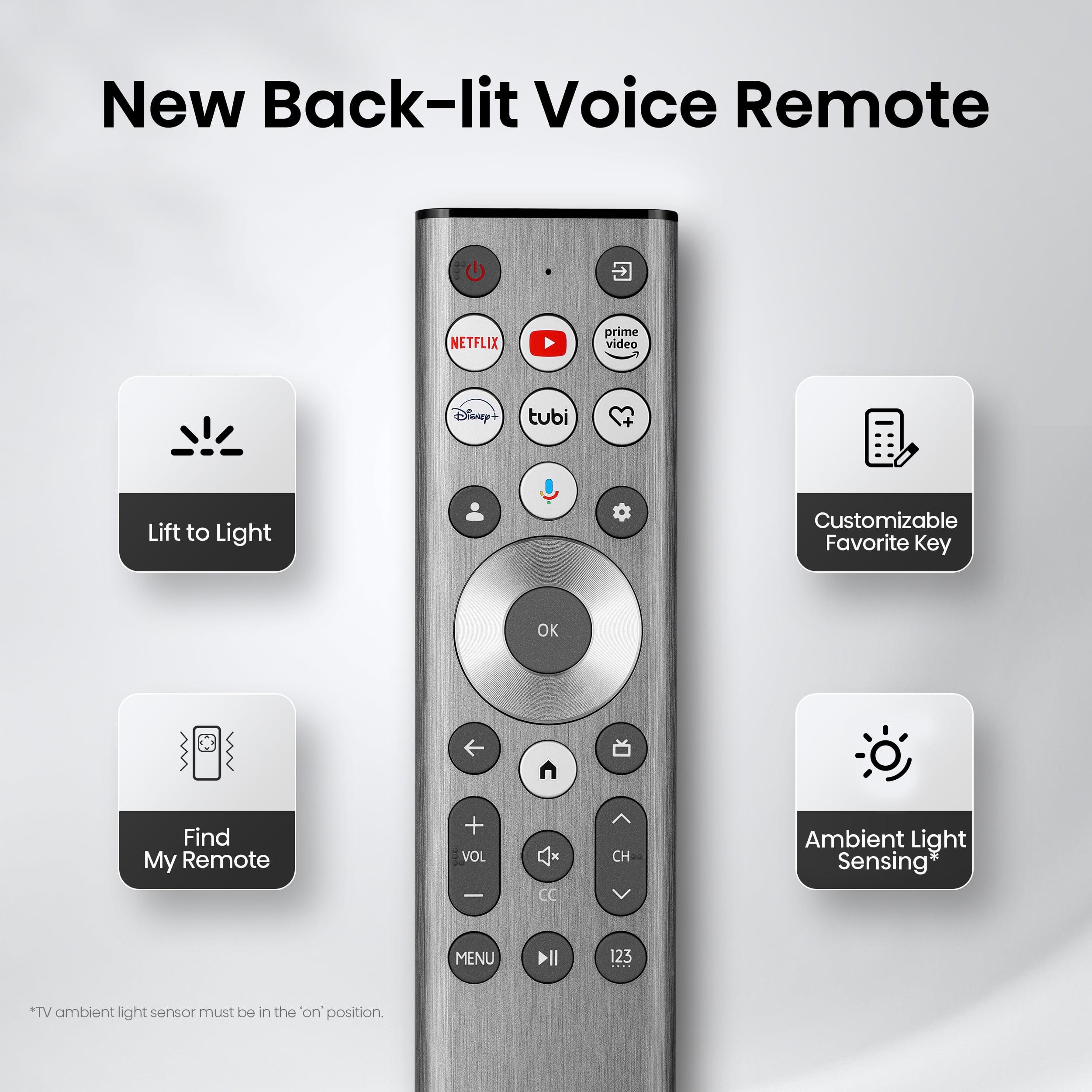
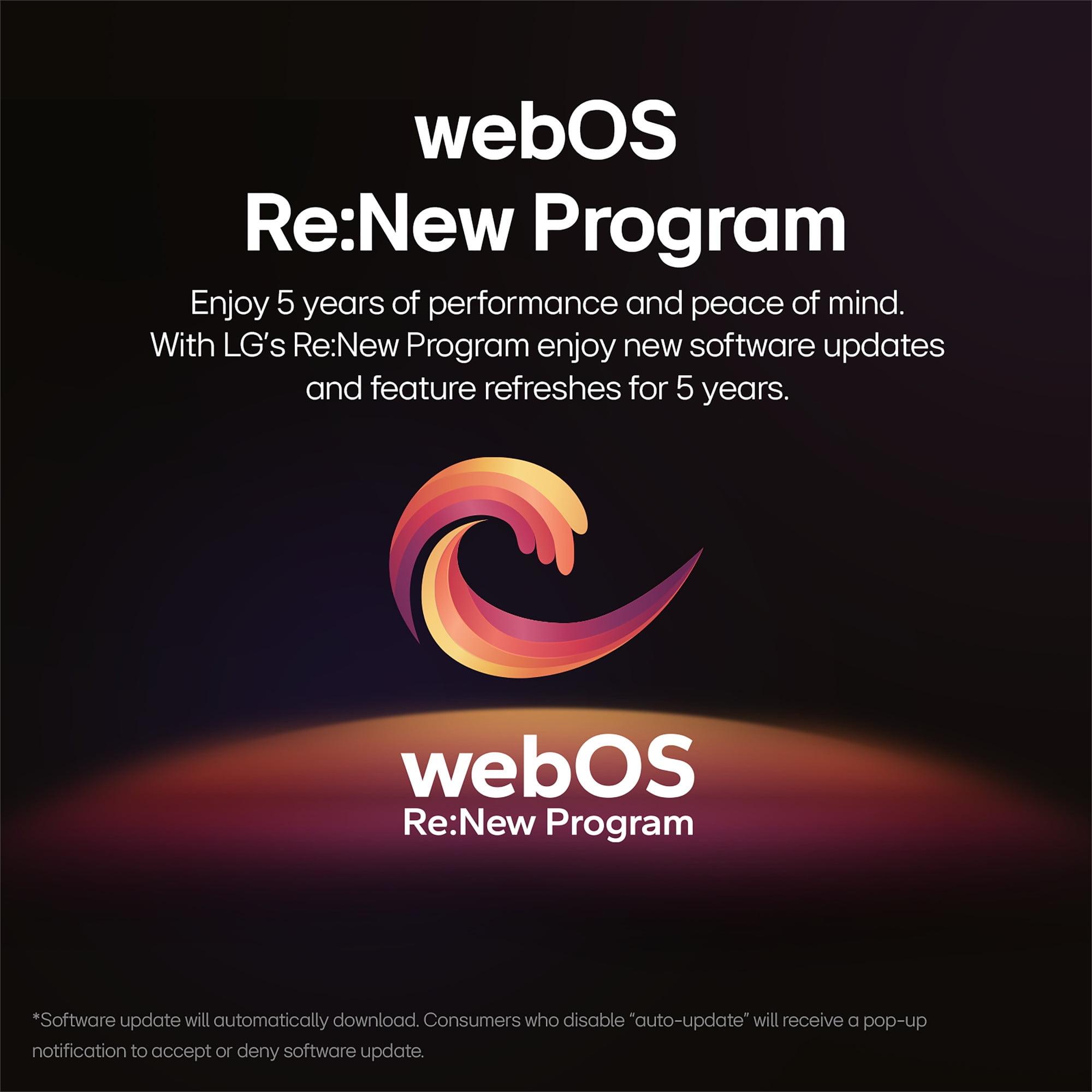
The LG B5 uses webOS 25, LG's proprietary smart TV platform. WebOS has earned a reputation for being fast, intuitive, and visually appealing. The "Magic Remote" included with LG TVs acts like a computer mouse, letting you point and click on interface elements. LG also promises five years of software updates through their webOS Re:New program, which is genuinely impressive for long-term value.
Both platforms handle all the major streaming services you'd expect – Netflix, Disney+, Amazon Prime, YouTube, and so on. The real difference comes down to interface preferences and ecosystem integration.
TV audio has improved dramatically in recent years, and both of these models prove that point.
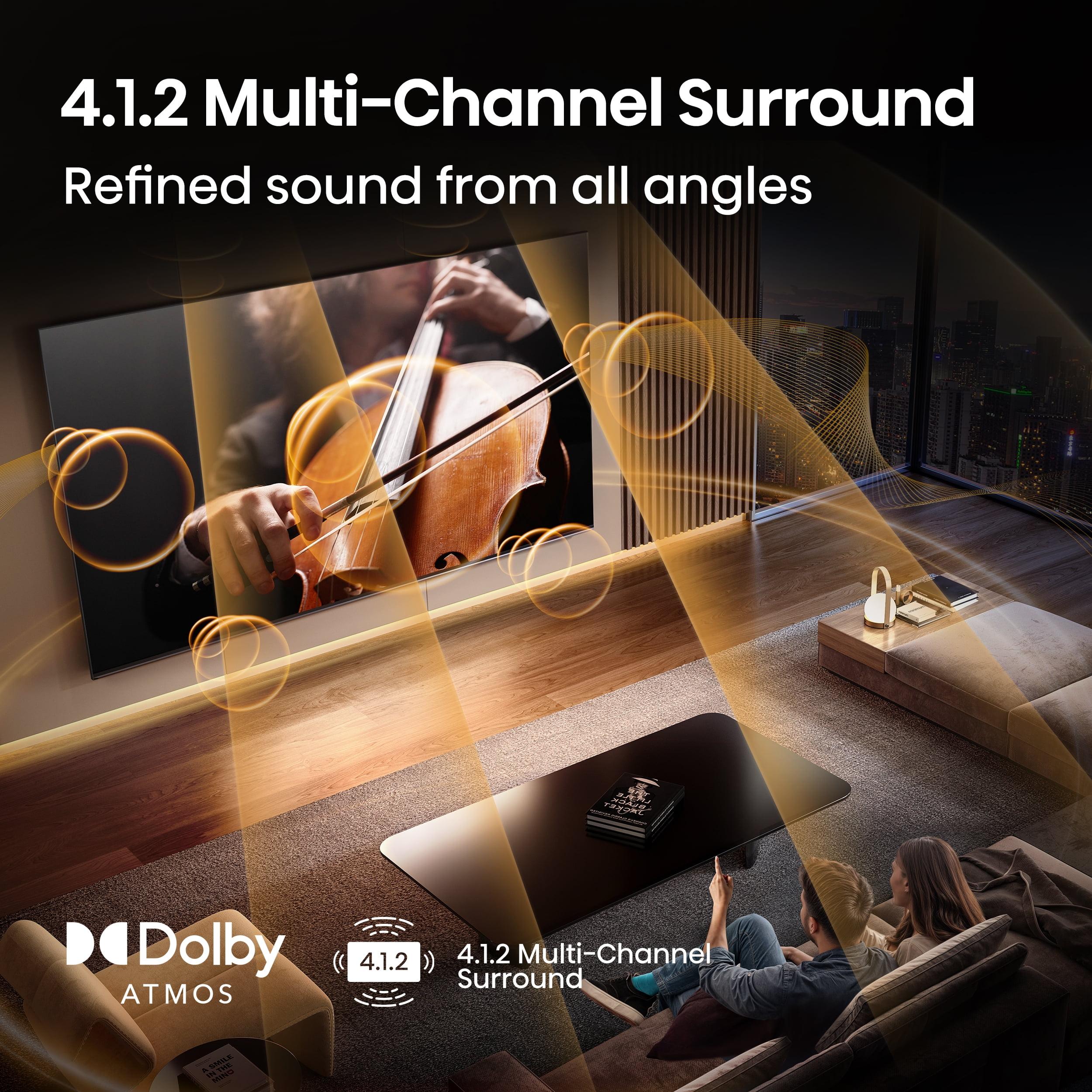
The Hisense U8 Series includes a 50W 2.1.2 channel sound system with Dolby Atmos support and a built-in subwoofer. This is genuinely impressive for integrated TV speakers. The sound has actual depth and bass response, which might reduce your need for a separate soundbar. The audio is clear enough for dialogue and punchy enough for action scenes.
The LG B5 OLED also supports Dolby Atmos, but like most OLED TVs, its slim profile limits speaker size. The audio quality is decent but not exceptional. If you're planning to use a soundbar or surround sound system anyway, this won't matter much. But if you prefer to keep things simple with just the TV's built-in speakers, the Hisense has a clear advantage.
If you're building a dedicated home theater setup, several factors become crucial.
Room Lighting: This is perhaps the most important consideration. If your theater room has good light control with blackout curtains or no windows, the LG B5 OLED will provide a more cinematic experience with its perfect blacks and accurate colors. However, if you have ambient light from windows or prefer to watch with some lights on, the Hisense U8 Series' superior brightness will maintain picture quality better.
Seating Arrangement: The LG B5 OLED maintains consistent picture quality when viewed from side angles, making it better for wider seating arrangements. The Hisense performs best when viewed straight-on, so it's ideal for more focused, theater-style seating.
Content Type: If you primarily watch movies and TV shows, the OLED's superior contrast and color accuracy will enhance the cinematic experience. If you watch a mix of content including sports, news, and HDR movies, the Hisense's brightness and vibrant colors might be more versatile.
The $700 price difference between these TVs represents different value philosophies.
The Hisense U8 Series at $997.99 offers exceptional value by delivering near-flagship performance at a mid-range price. You're getting premium Mini-LED technology, extensive gaming features, solid smart TV capabilities, and impressive audio – all for under $1,000. The 2-year warranty (double the industry standard) adds extra peace of mind.
The LG B5 OLED at $1,699.99 represents the premium entry point into OLED technology. You're paying more for superior picture quality in key areas, a more refined overall experience, and the reputation that comes with LG's OLED expertise. The higher price also brings long-term software support and proven reliability.
After spending time with both technologies, here's how I'd approach this decision:
Choose the Hisense U8 Series if:
Choose the LG B5 OLED if:
Both TVs represent excellent choices that will satisfy most viewers. The Hisense U8 Series delivers remarkable performance for its price point, while the LG B5 OLED provides the superior picture quality that OLED is known for. Your room, budget, and viewing preferences will ultimately determine which technology serves you better.
The good news? Either choice will provide a significant upgrade over older TV technology and years of viewing enjoyment. The current generation of premium TVs has reached a level of performance that would have been considered reference-quality just a few years ago, making this a great time to upgrade your home entertainment setup.
| Hisense 65" U8 Series Mini-LED ULED 4K Google TV | LG B5 Series OLED 65" 4K Smart TV 2025 |
|---|---|
| Price - $700 difference represents significant value consideration | |
| $997.99 | $1,699.99 |
| Display Technology - Fundamental difference affecting all picture quality aspects | |
| Mini-LED with 2,000+ local dimming zones | Self-emissive OLED pixels |
| Peak Brightness - Critical for HDR impact and bright room viewing | |
| Up to 3,000 nits (excellent for daytime use) | ~600-800 nits (moderate, best in dark rooms) |
| Black Levels - Determines contrast and dark scene quality | |
| Very deep blacks with minimal blooming | Perfect blacks with infinite contrast |
| Refresh Rate - Important for gaming and smooth motion | |
| 144Hz native (future-proofed for next-gen gaming) | 120Hz native (ideal for current consoles) |
| Gaming Response Time - Critical for competitive gaming | |
| Low input lag in game mode | 0.1ms response time (industry-leading) |
| Gaming Features - Modern console and PC compatibility | |
| AMD FreeSync Premium Pro, VRR 48-144Hz, Game Mode Pro | NVIDIA G-Sync, AMD FreeSync Premium, VRR, Game Dashboard |
| Smart TV Platform - Daily user experience and app ecosystem | |
| Google TV (Android-based with Google integration) | webOS 25 (5-year update commitment) |
| Audio System - Built-in sound quality and external audio needs | |
| 50W 2.1.2 Dolby Atmos with subwoofer (strong for TV speakers) | Dolby Atmos support (decent but benefits from soundbar) |
| Viewing Angles - Important for multi-person viewing | |
| Good center viewing, color shifts off-axis | Excellent wide viewing angles |
| Color Accuracy - Natural vs vivid color reproduction | |
| Quantum Dot vibrant colors (sometimes oversaturated) | Accurate, natural colors out-of-box |
| HDR Support - Premium content compatibility | |
| Dolby Vision, HDR10, HDR10+, HLG | Dolby Vision, HDR10, HLG |
| Warranty - Long-term value protection | |
| 2 years (double industry standard) | Standard 1 year |
| Best Use Case - Ideal viewing scenarios | |
| Bright rooms, HDR enthusiasts, budget-conscious buyers | Dark rooms, movie lovers, premium picture quality seekers |
The Hisense 65" U8 Series Mini-LED is significantly better for bright rooms with its 3,000 nits peak brightness and anti-glare technology. The LG B5 Series OLED produces only 600-800 nits and can struggle with reflections in well-lit spaces, making it better suited for darker viewing environments.
The Hisense U8 Series costs $997.99 while the LG B5 OLED is priced at $1,699.99, making the Hisense $700 cheaper. This represents excellent value for Mini-LED technology versus paying premium pricing for entry-level OLED.
Picture quality depends on your priorities. The LG B5 OLED offers perfect blacks, infinite contrast, and more accurate colors. The Hisense U8 Series provides much brighter images with vibrant colors and impressive HDR performance. OLED excels in dark rooms while Mini-LED performs better in bright conditions.
Both TVs excel at gaming but differently. The Hisense U8 Series offers 144Hz refresh rate with VRR and AMD FreeSync Premium Pro, future-proofing for next-gen gaming. The LG B5 OLED provides 120Hz with ultra-fast 0.1ms response time, NVIDIA G-Sync, and AMD FreeSync Premium, making it ideal for competitive gaming.
For movies, the LG B5 OLED typically provides a more cinematic experience with perfect blacks, accurate colors, and excellent contrast in dark scenes. The Hisense U8 Series delivers more impactful HDR highlights and works better if you watch movies with ambient lighting.
The Hisense U8 Series has superior built-in audio with a 50W 2.1.2 Dolby Atmos system including a subwoofer. The LG B5 OLED offers decent Dolby Atmos sound but its thin design limits speaker performance, making it more likely to benefit from an external soundbar.
Both offer excellent smart features but different approaches. The Hisense U8 Series runs Google TV with seamless Android integration and extensive app support. The LG B5 OLED uses webOS 25 with intuitive interface, Magic Remote, and promises 5 years of software updates.
The LG B5 OLED maintains consistent picture quality when viewed from side angles, making it better for wider seating arrangements. The Hisense U8 Series performs best when viewed straight-on, with some color and contrast degradation at extreme angles.
Both excel at HDR but differently. The Hisense U8 Series delivers more impactful HDR highlights with extreme brightness that makes bright scenes truly spectacular. The LG B5 OLED provides more nuanced HDR with perfect shadow detail and accurate tone mapping, creating a more natural HDR experience.
The LG B5 OLED has potential for burn-in if static images are displayed for extended periods, though modern OLEDs have protective features. The Hisense U8 Series uses traditional LCD technology with no burn-in risk, making it worry-free for gaming, news channels, or any content with static elements.
The Hisense U8 Series at $997.99 offers exceptional value with premium Mini-LED technology, extensive gaming features, and solid performance for under $1,000. The LG B5 OLED at $1,699.99 provides superior picture quality in key areas but costs significantly more for the OLED experience.
For dedicated home theaters with controlled lighting, the LG B5 OLED provides the most cinematic experience with perfect blacks and accurate colors. For multipurpose rooms or theaters with ambient light, the Hisense U8 Series offers better brightness and HDR impact while delivering excellent value for a premium viewing experience.
We've done our best to create useful and informative comparisons to help you decide what product to buy. Our research uses advanced automated methods to create this comparison and perfection is not possible - please contact us for corrections or questions. These are the sites we've researched in the creation of this article: bestbuy.com - hisense-usa.com - rtings.com - bestbuy.com - rtings.com - hisense-usa.com - youtube.com - hisense-usa.com - avsforum.com - hisense-usa.com - hisense-usa.com - rtings.com - avsforum.com - hisense-usa.com - prnewswire.com - hisense-usa.com - bestbuy.com - youtube.com - hisense-usa.com - eftm.com - bestbuy.com - rtings.com - youtube.com - rtings.com - tomsguide.com - youtube.com - nationalproductreview.com.au - lg.com - manchesterbrothers.com - avsforum.com - lg.com - lg.com - lg.com - lg.com - retailspecs.com - american-homeappliance.com - perpichtv.com

Privacy Policy
Terms and Conditions - Affiliate Policy
Home Security
© Copyright 2008-2026.
11816 Inwood Rd #1211, Dallas, TX 75244