


If you're shopping for a premium 65-inch TV, you've probably noticed that the landscape has dramatically improved in recent years. Gone are the days when you had to choose between bright LED TVs with poor blacks or dim OLED displays that cost a fortune. Enter Mini-LED technology – a game-changing approach that uses thousands of tiny LEDs behind the screen to deliver both brilliant brightness and deep blacks that rival much more expensive displays.
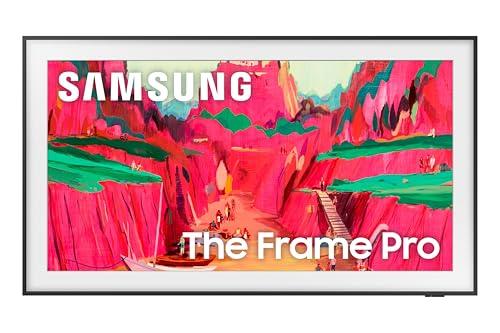
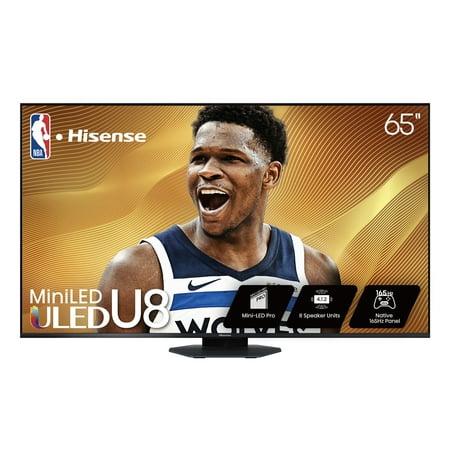
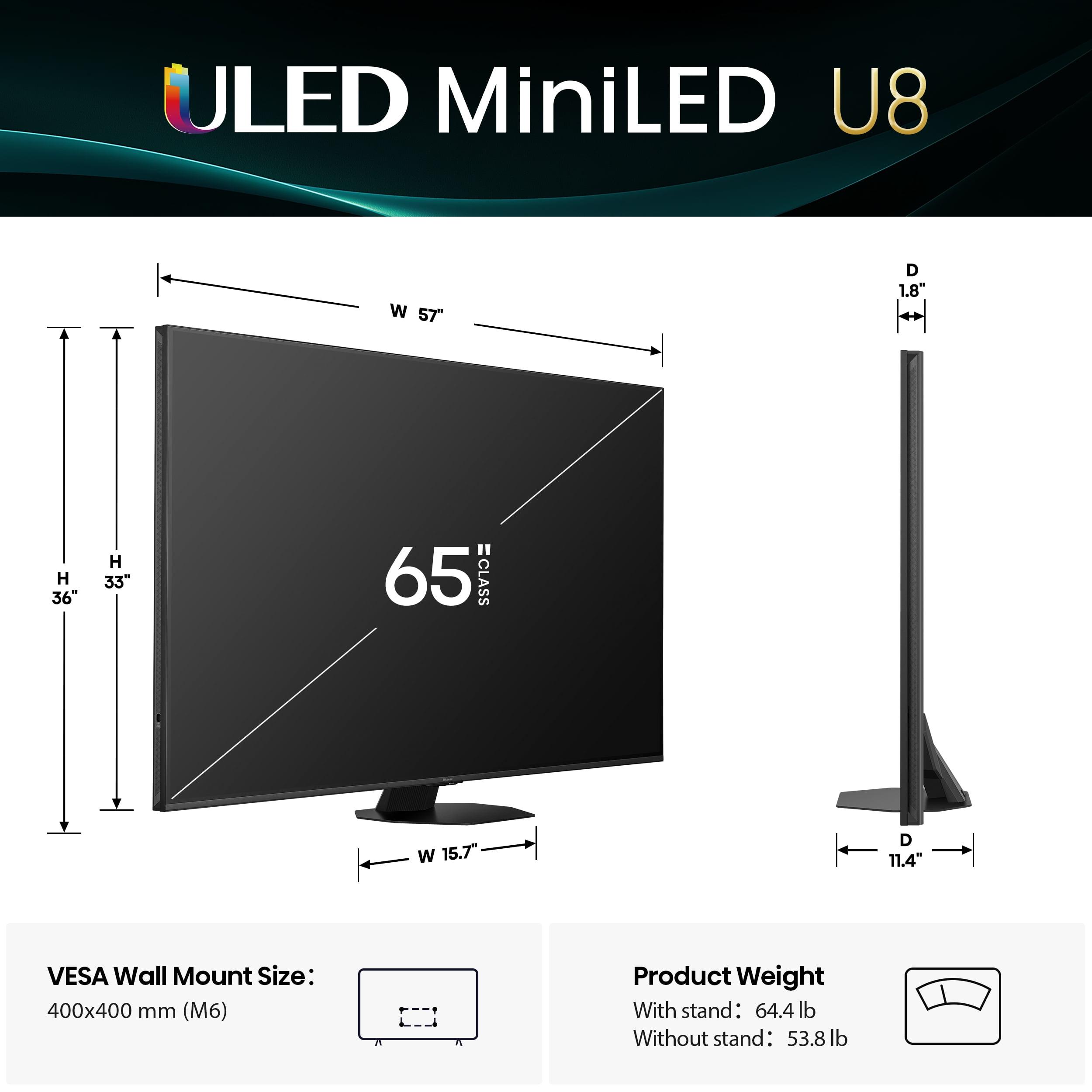
Today we're comparing two standout models that represent very different philosophies in this exciting category: the Samsung 65" The Frame Pro 4K Neo QLED Smart TV 2025 and the Hisense 65" U8 Series Mini-LED ULED 4K Google TV. Both use Mini-LED backlighting, but they couldn't be more different in their approach to what a modern TV should be.
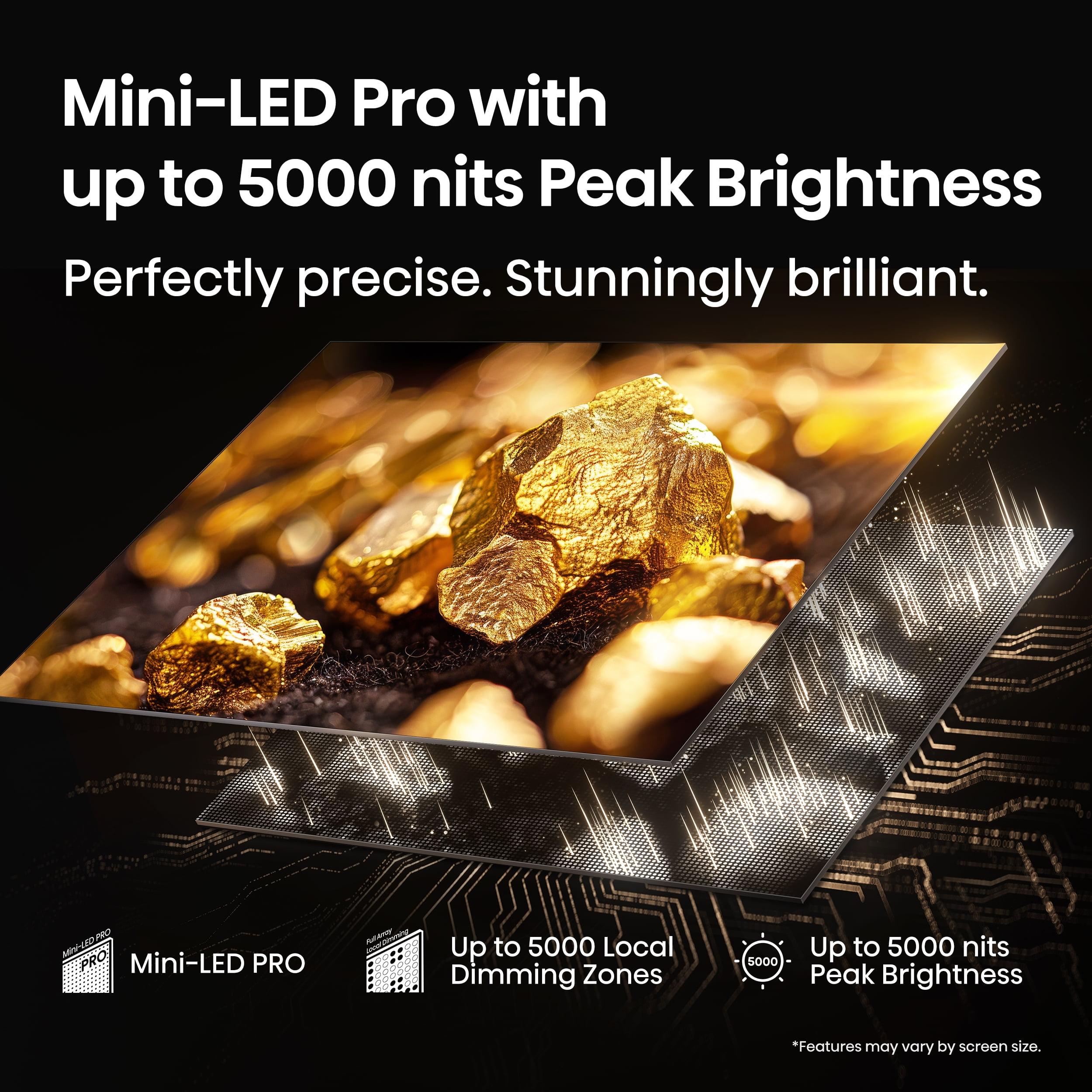
Before diving into the comparison, it's worth understanding what Mini-LED technology actually does. Traditional LED TVs use strips of LEDs around the edges of the screen, which creates uneven lighting and poor contrast. Mini-LED displays pack thousands of tiny LEDs directly behind the screen, divided into hundreds or thousands of "zones" that can dim independently. This means when you're watching a movie with a starry night sky, the LEDs behind the black parts of the screen can turn completely off while the stars remain brilliantly bright.
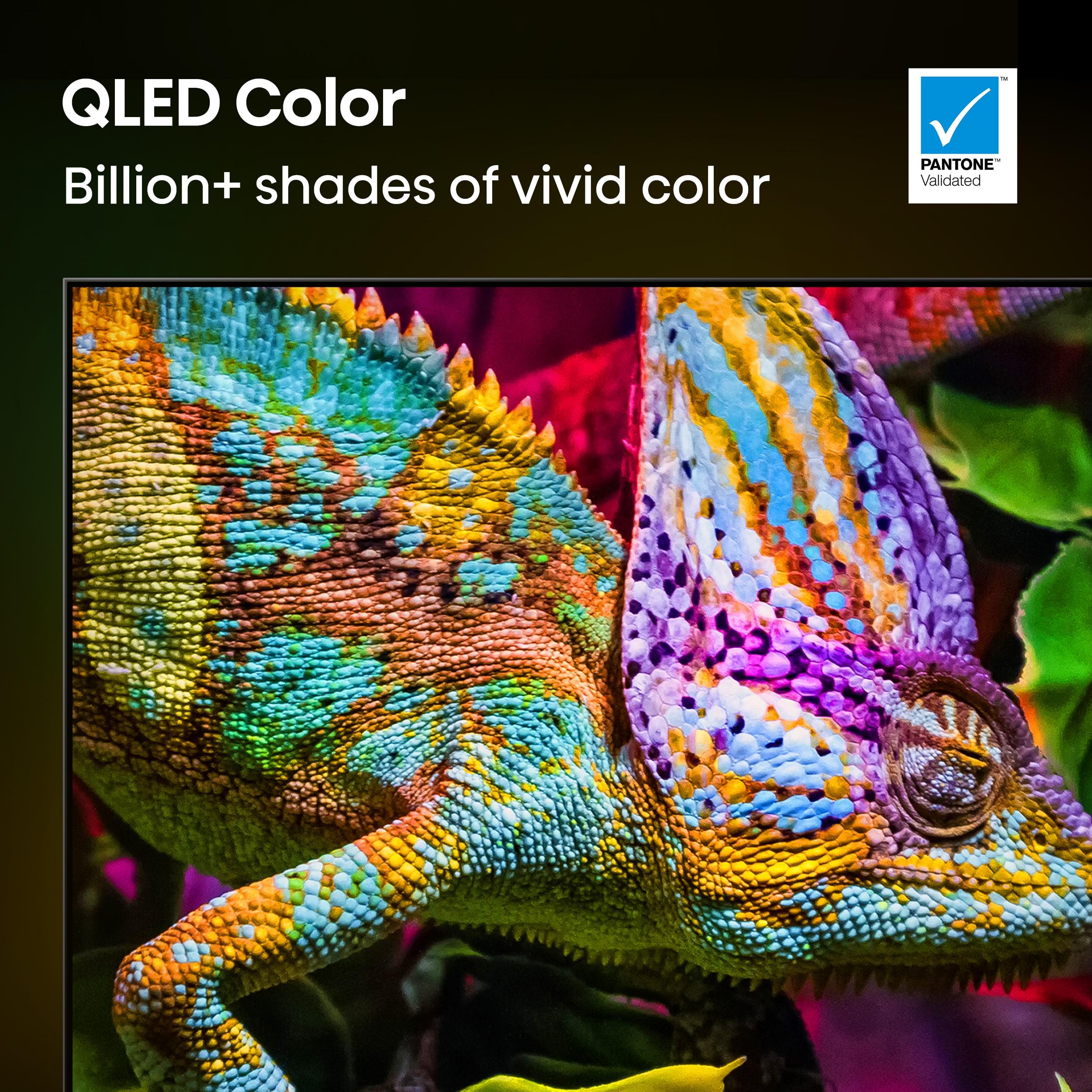
Both TVs also use Quantum Dot technology, which is essentially a layer of microscopic crystals that convert LED light into incredibly pure, vibrant colors. Think of it as a color filter that makes everything more vivid and lifelike than traditional displays.
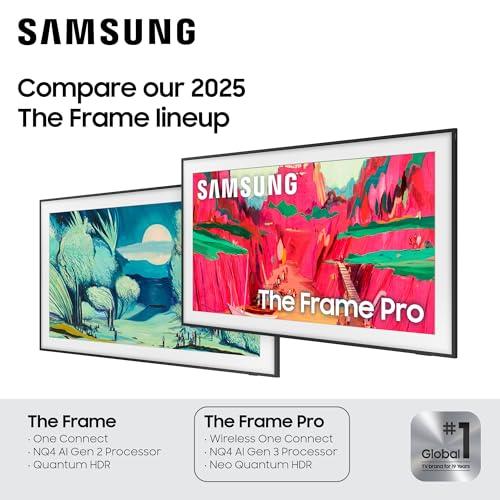
The Samsung Frame Pro launched in 2025 as a major upgrade to Samsung's popular lifestyle TV series, while the Hisense U8 Series represents Hisense's continued push into premium territory with their latest generation of gaming and home theater-focused displays. At the time of writing, the Samsung typically commands a premium price reflecting its unique features, while the Hisense offers flagship performance at a more competitive price point.
Here's where these TVs diverge most dramatically. The Hisense U8 absolutely dominates in raw brightness, reaching up to 3,000 nits compared to the Frame Pro's approximately 1,000 nits. To put this in perspective, a bright sunny day outdoors measures about 100,000 nits, while your typical living room lamp creates maybe 10-50 nits. So 3,000 nits is genuinely eye-searing bright.
This brightness advantage isn't just about bragging rights. HDR (High Dynamic Range) content – which includes most modern movies and shows on Netflix, Disney+, and other streaming services – is specifically mastered to take advantage of these extreme brightness levels. When watching something like "Dune" or "Blade Runner 2049," the Hisense U8's ability to display brilliant explosions, gleaming metal surfaces, and blazing suns creates a more immersive and impactful viewing experience.
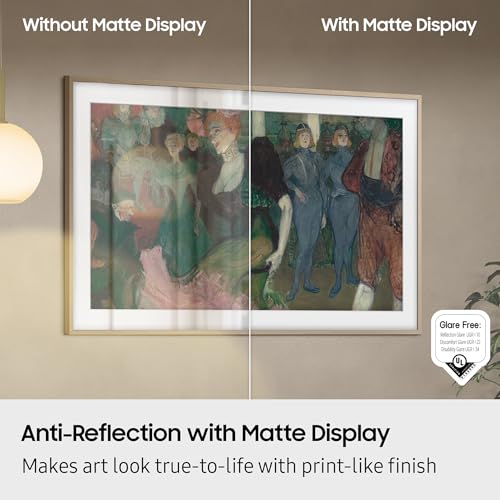
The Frame Pro, while significantly dimmer, still delivers impressive HDR performance that's more than adequate for most content. Where it truly excels is in its approach to ambient lighting. The matte anti-glare coating is remarkably effective – I've found that even with bright windows directly behind the viewer, the screen remains clearly visible without the distracting reflections that plague most TVs.
Both TVs use full-array local dimming, but the Hisense U8 implements it more effectively. With over 2,000 local dimming zones compared to the fewer zones in the Frame Pro, the Hisense can create more precise contrast between light and dark areas. This translates to deeper blacks in movies, better shadow detail in dark scenes, and less "blooming" – that annoying halo effect you sometimes see around bright objects against dark backgrounds.
The Samsung Frame Pro has improved significantly over previous Frame models in this regard, but still can't match dedicated home theater displays. Dark scenes in movies like "The Batman" or "Game of Thrones" will look more washed out compared to the Hisense U8.
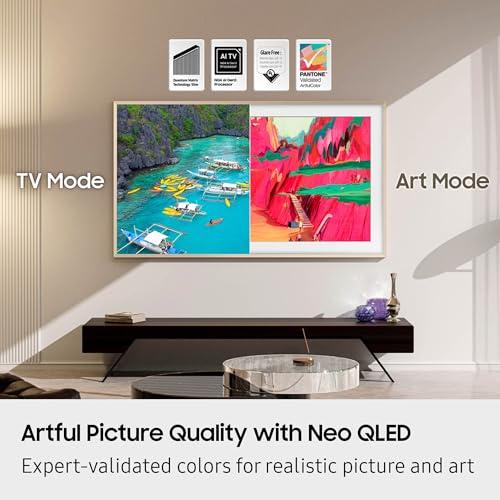
Both displays excel in color reproduction, though they take different approaches. The Hisense U8 focuses on color volume – the ability to display vibrant colors at high brightness levels. This creates more impactful, dynamic images that really pop off the screen. The Samsung Frame Pro emphasizes color accuracy, with professional calibration options and Pantone validation that ensures artwork and photos look true to life.
For most viewers, both approaches work wonderfully. The Hisense creates more "wow factor" moments, while the Samsung provides more natural, lifelike reproduction that's easier on the eyes during extended viewing sessions.
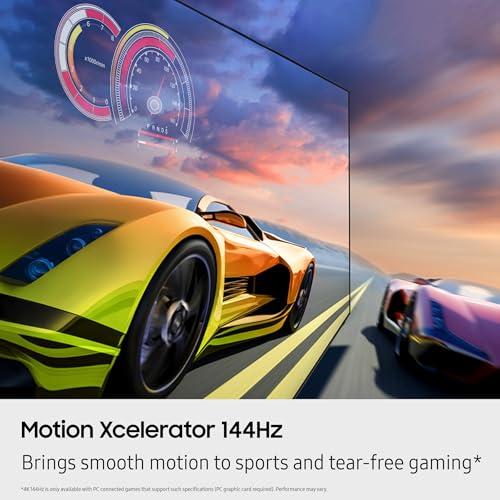
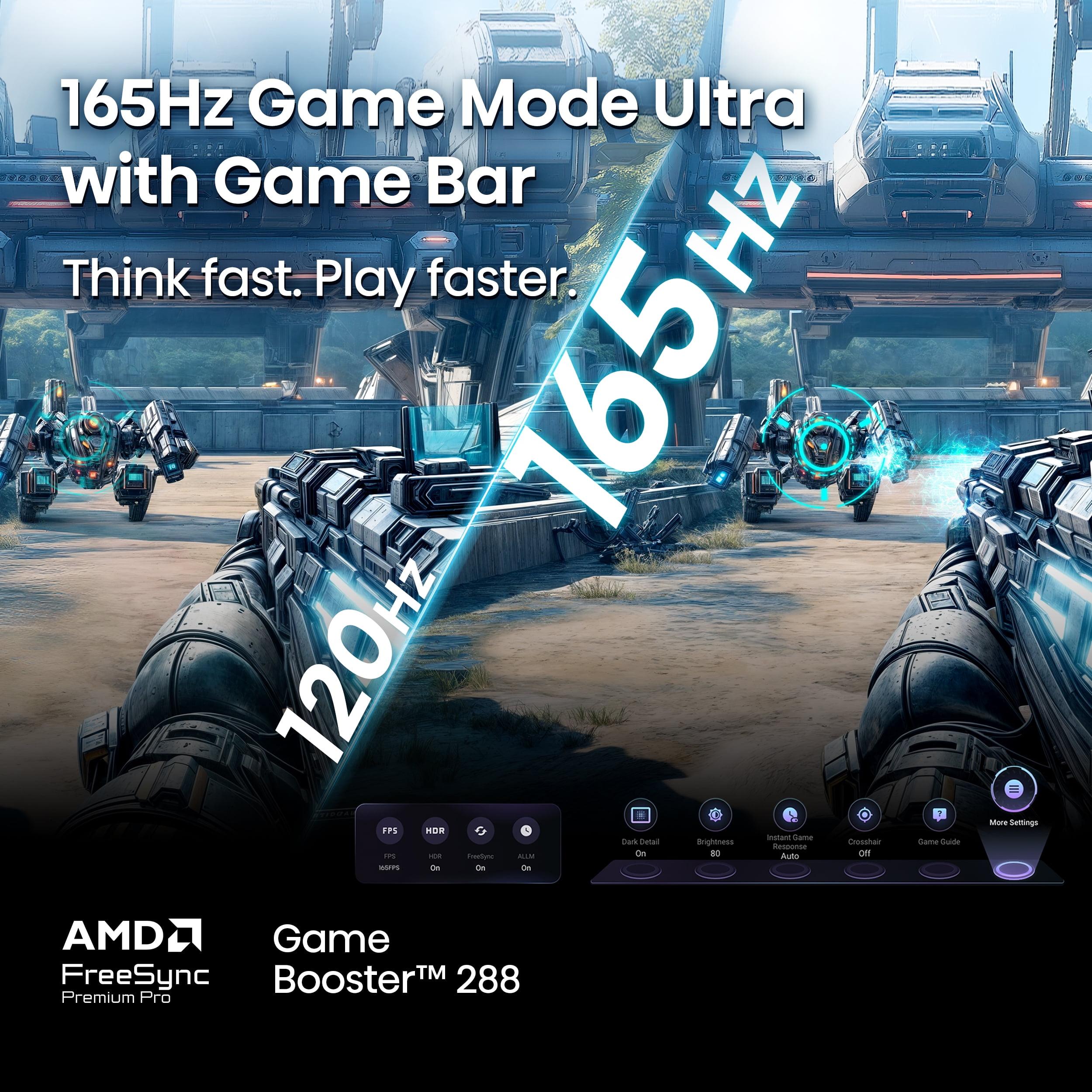
Gaming has become a crucial consideration for modern TV buyers, especially with PlayStation 5 and Xbox Series X pushing 4K gaming at high frame rates. Both TVs support 144Hz refresh rates and Variable Refresh Rate (VRR) technology, which eliminates screen tearing by synchronizing the display's refresh rate with your gaming console's output.
However, the Hisense U8 is clearly designed with gamers in mind. Input lag – the delay between pressing a button and seeing the action on screen – is significantly lower on the Hisense. For competitive gaming, this difference is crucial. Playing fast-paced games like "Call of Duty" or "Rocket League" feels more responsive and precise on the Hisense U8.
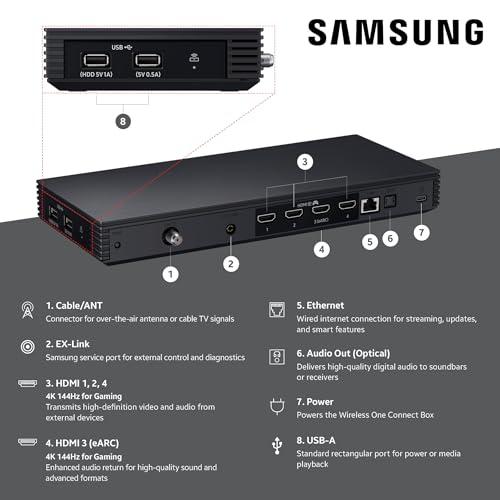
The Samsung Frame Pro faces a unique challenge due to its wireless One Connect Box, which adds processing delay. Samsung does include a micro HDMI port directly on the TV for low-latency gaming, but this defeats the purpose of the wireless design. If gaming is a priority, the Hisense U8 is the clear winner.
Both TVs include gaming-specific features like Auto Low Latency Mode (which automatically switches to the fastest settings when it detects a gaming console) and support for features like Dolby Vision Gaming, which improves HDR performance in compatible games.
This is perhaps the most important distinction between these TVs, and it's where personal preference really matters.
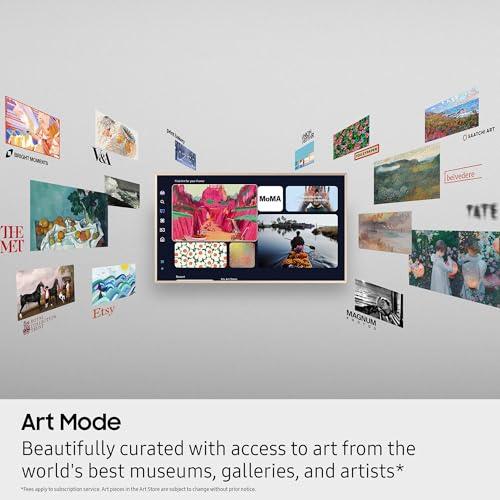
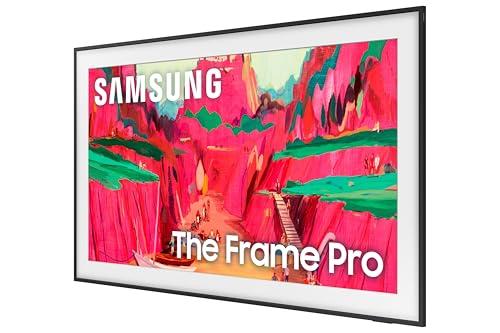
The Samsung Frame Pro isn't just a TV – it's a lifestyle statement. When you're not watching content, it transforms into a digital art display, showing everything from classic paintings to contemporary photography. The matte screen coating makes displayed artwork look remarkably like real prints, eliminating the glossy "digital screen" appearance that gives away most TVs.
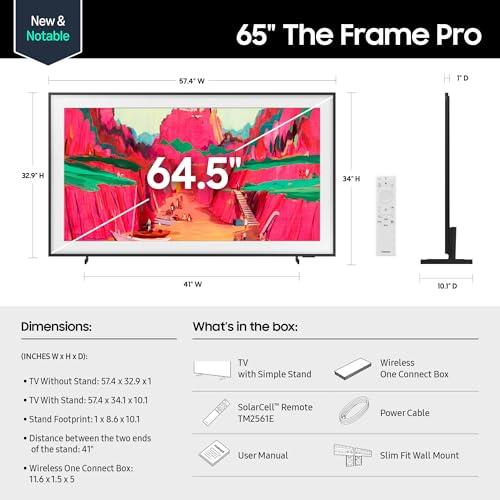
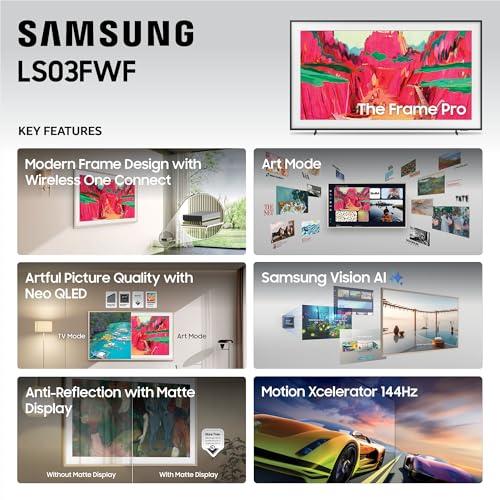
The wireless One Connect Box is genuinely revolutionary. All your cables – power, HDMI, ethernet – connect to a box that can be placed up to 33 feet away from the TV. This means the only thing on your wall is a slim, picture-frame-like display with no visible cables whatsoever. For wall-mounted installations in living rooms, this creates an incredibly clean, minimalist aesthetic.
Customizable bezels allow you to match the TV to your décor, choosing from various wood, metal, and fabric finishes that make it look like actual framed artwork. The attention to detail is impressive – even the remote is designed to look like a minimalist art gallery piece.
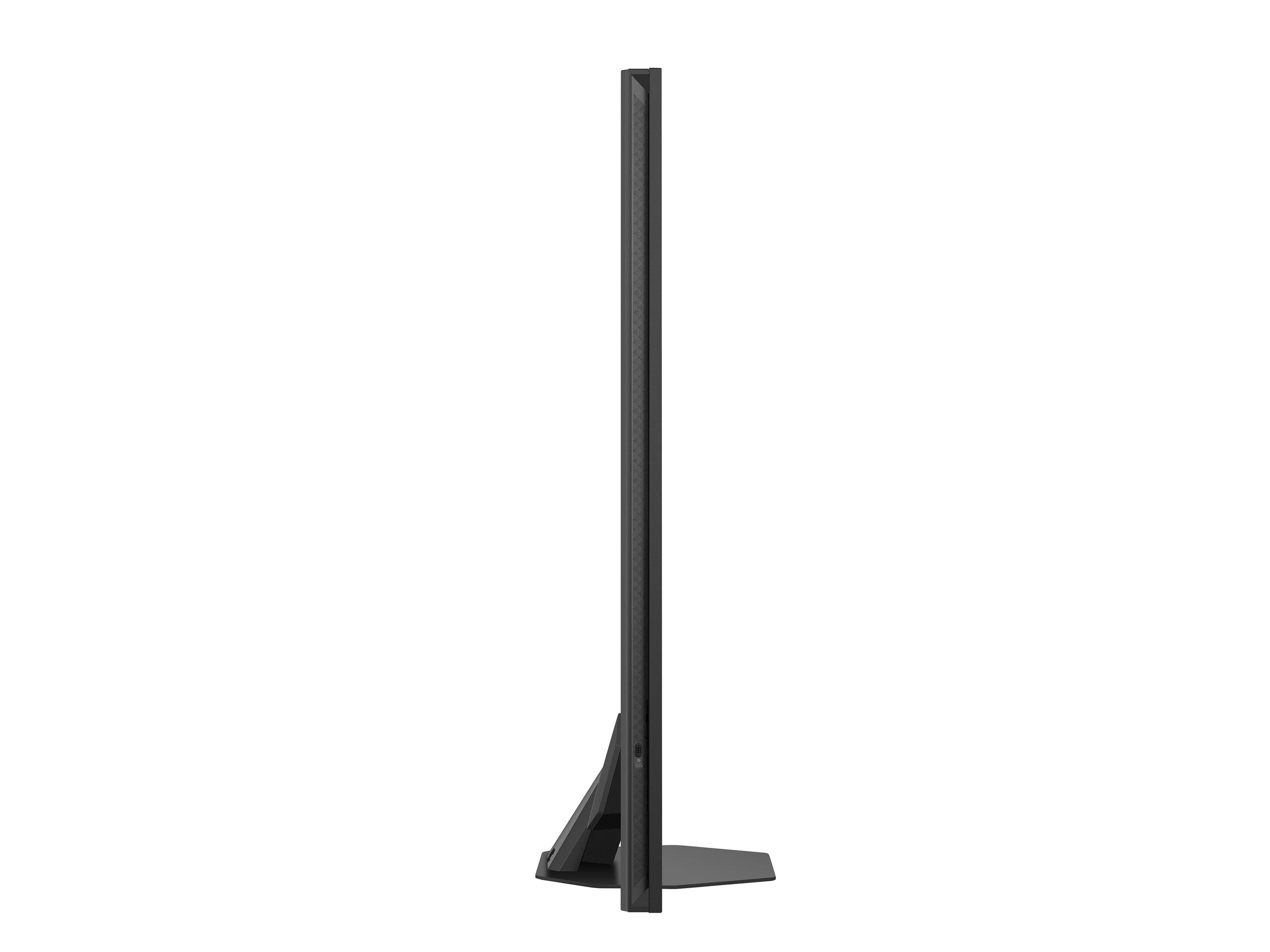
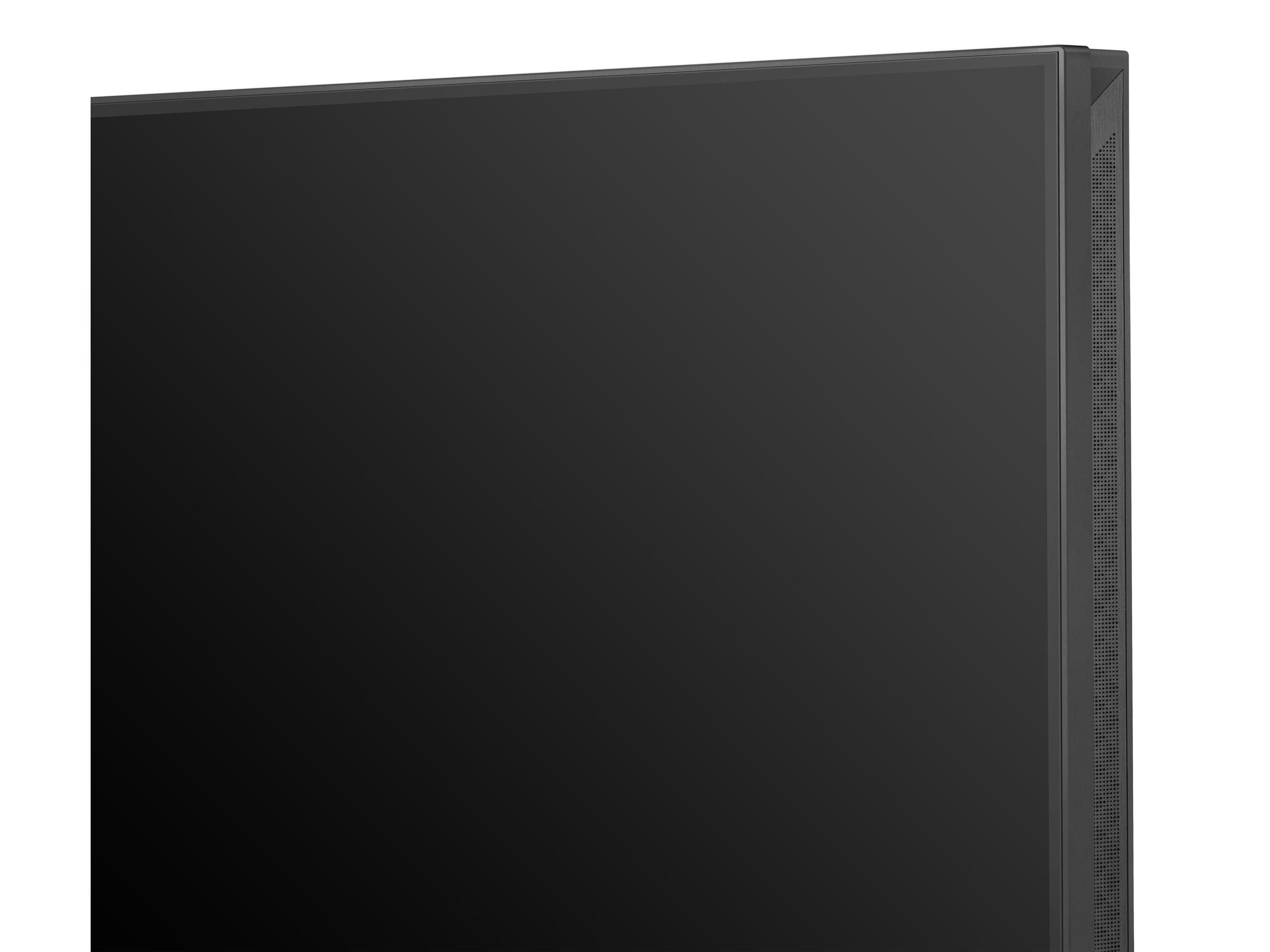
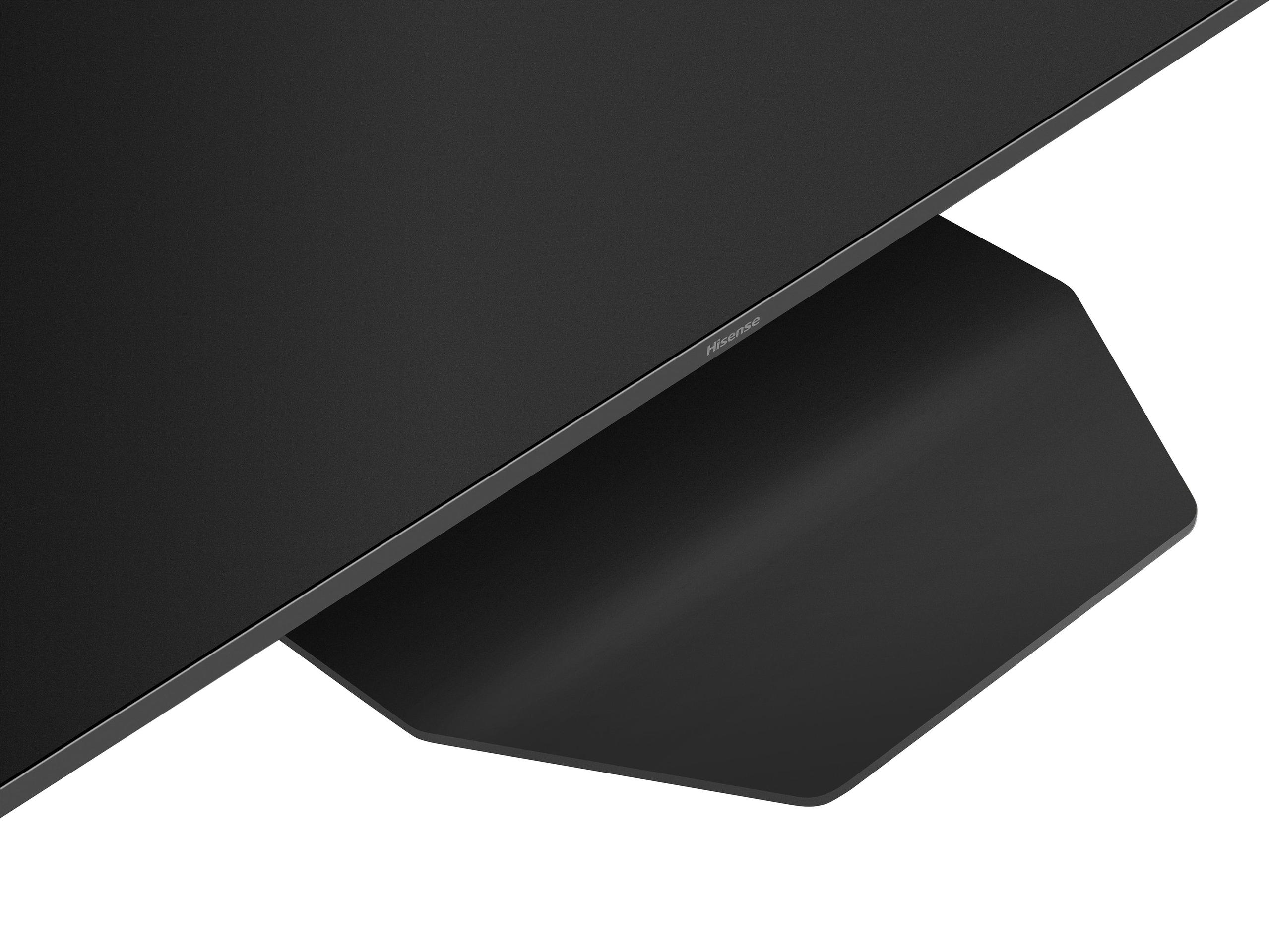
The Hisense U8 takes a more traditional approach, focusing purely on delivering the best possible viewing experience. The design is sleek and modern without trying to disguise what it is – a high-performance television. The thin bezels and premium build quality look great in any entertainment setup, but this TV makes no attempt to blend invisibly into your living space.
What it lacks in lifestyle integration, it makes up for in pure performance optimization. Every aspect of the design serves the goal of better picture and sound quality, from the robust local dimming implementation to the more powerful built-in audio system.
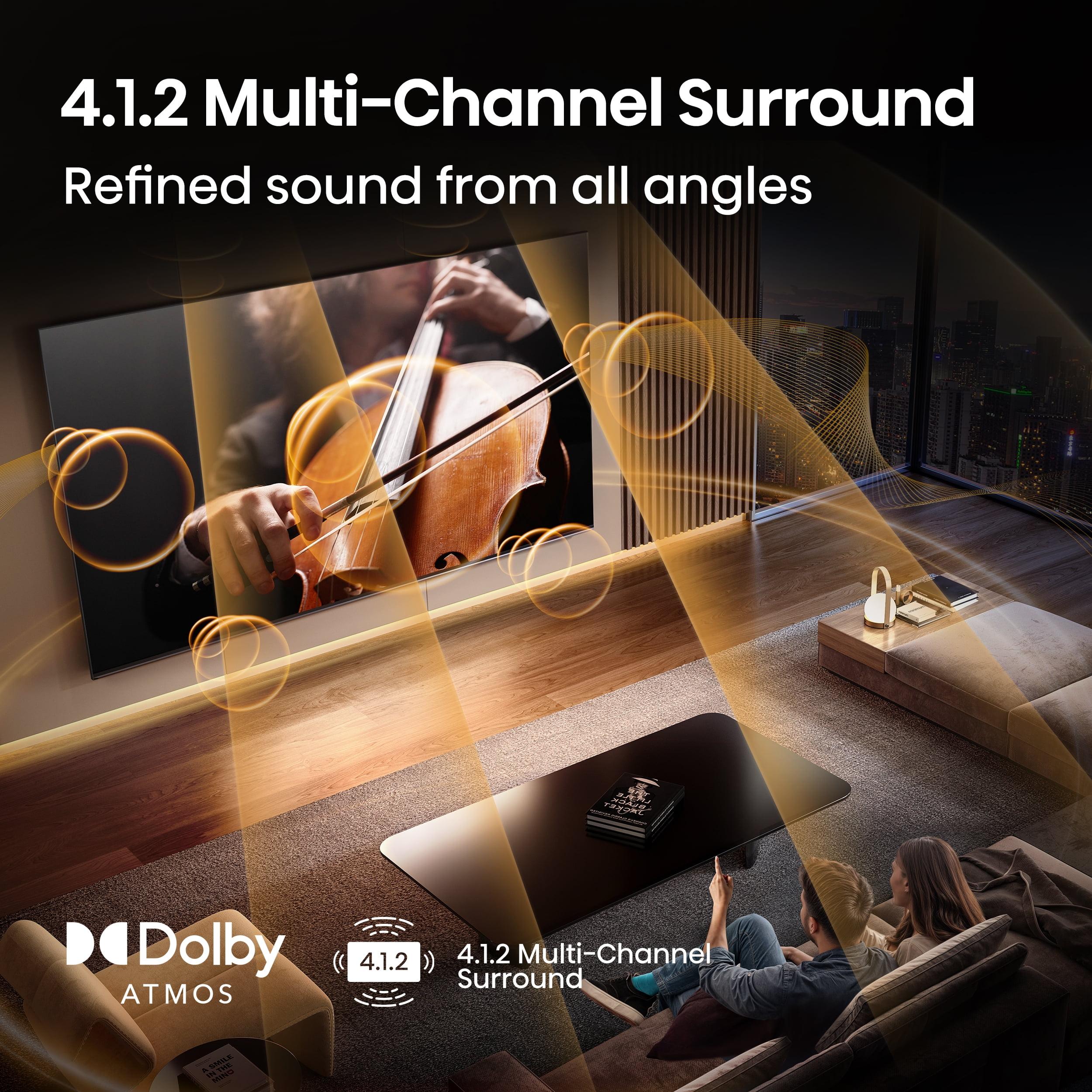
The Hisense U8 includes a more robust audio system with 50 watts of power spread across a 2.1.2 channel configuration. This means you get left and right speakers, a built-in subwoofer for bass, and upward-firing drivers that bounce sound off your ceiling for a more immersive Dolby Atmos experience. For a built-in TV sound system, it's genuinely impressive and can handle most viewing situations without requiring a separate soundbar.
The Samsung Frame Pro includes a 40-watt 2.0.2 system that's designed more for integration than power. The Object Tracking Sound technology tries to make audio follow action across the screen, and it supports Q-Symphony, which allows Samsung soundbars to work in harmony with the TV's built-in speakers. The audio quality is good but clearly designed with the expectation that serious listeners will add external audio equipment.
For most users, the Hisense U8 provides a more complete out-of-the-box experience, while the Frame Pro is better suited for integration into more sophisticated audio setups.
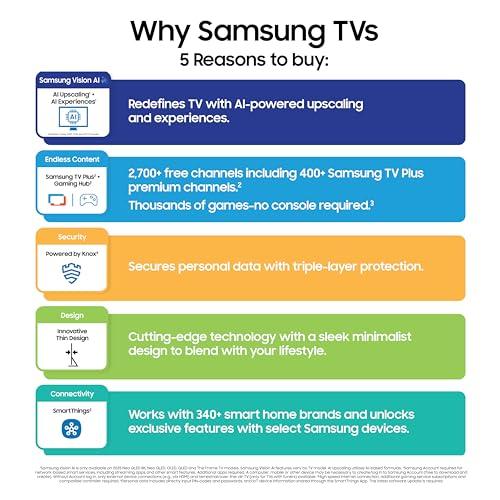
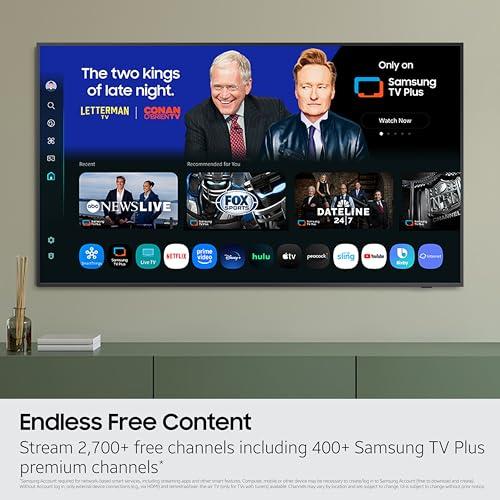
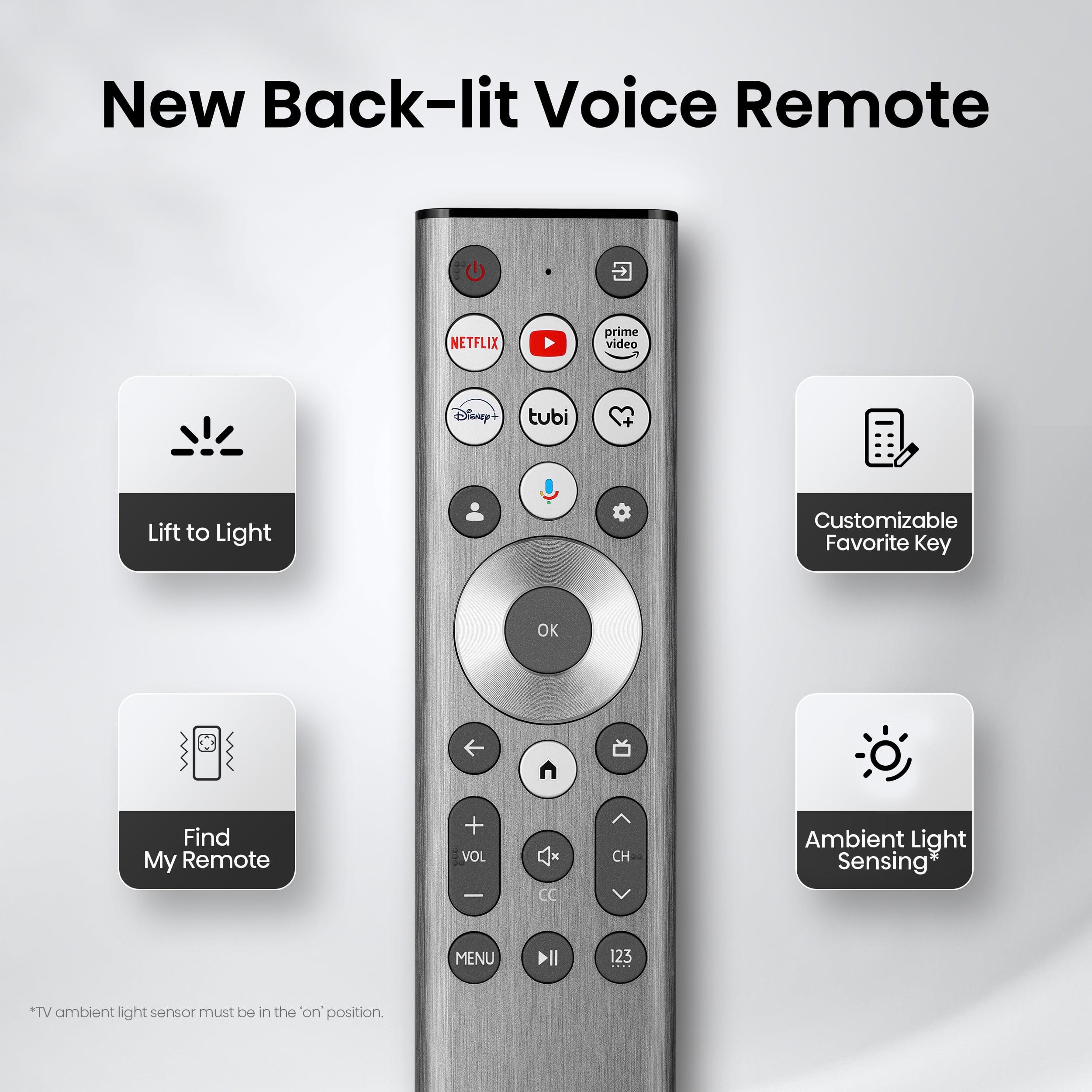
Both platforms offer excellent app selection and performance, but they feel quite different in daily use. Samsung's Tizen platform on the Frame Pro feels more polished and integrated, especially if you're already using Samsung phones or other Samsung smart home devices. The interface is clean and intuitive, with excellent voice control through both Alexa and Samsung's Bixby.
Google TV on the Hisense U8 offers superior content discovery and recommendation engines. It's particularly good at surfacing content across different streaming services and integrating with Google's ecosystem. The "Hey Google" voice control is also more capable for general queries and smart home control.
Both platforms handle streaming apps flawlessly and support all the major services you'd expect. The choice often comes down to which ecosystem you're already invested in.
For dedicated home theater use, the Hisense U8 is the more natural choice. Its superior brightness and contrast make it better suited for dark room viewing where you want maximum impact from movies and TV shows. The more powerful audio system also provides a more cinema-like experience without additional equipment.
However, the Samsung Frame Pro's matte screen coating can be advantageous even in home theater settings if you can't achieve complete light control. Rooms with some ambient lighting will benefit from the reduced reflections, though you'll sacrifice some contrast in very dark scenes.
The Hisense U8 also includes future-proofing features like NEXTGEN TV ATSC 3.0 support, which will eventually enable 4K over-the-air broadcasts – something that could become important for sports viewing in the coming years.
At the time of writing, the Hisense U8 typically offers more raw performance per dollar, delivering flagship-level picture quality, gaming features, and audio at a more accessible price point. For viewers who prioritize the best possible viewing experience and don't need the lifestyle features, it's difficult to argue against the value proposition.
The Samsung Frame Pro commands a premium for its unique features – the wireless connectivity, Art Mode, and lifestyle integration. Whether this premium is justified depends entirely on how much you value these distinctive capabilities. For the right user in the right room, these features genuinely transform how you interact with and perceive your TV.
The choice between these TVs ultimately comes down to what you value most in your viewing experience.
Choose the Samsung Frame Pro if you want a TV that enhances your living space even when it's not in use. If you appreciate great design, need completely wireless installation, frequently watch TV in bright rooms, or love the idea of displaying art when you're not watching content, the premium price becomes easier to justify. It's also the better choice if you're already invested in Samsung's ecosystem or prioritize the most advanced anti-glare technology.
Go with the Hisense U8 if picture quality and performance are your primary concerns. It's the clear winner for gaming, delivers more impactful HDR experiences, provides better value for pure performance, and includes more powerful built-in audio. It's also the better choice for dedicated home theater setups where maximum brightness and contrast matter most.
Consider your room setup carefully. The Frame Pro excels in bright, multi-purpose living spaces where it needs to compete with natural light and serve multiple roles. The Hisense U8 is better suited for environments where viewing performance takes priority over aesthetic integration.
Both TVs represent the current state-of-the-art in Mini-LED technology, just optimized for very different priorities. The "best" choice depends entirely on how you plan to use your TV and what aspects of the viewing experience matter most to you. Either way, you're getting technology that would have been considered flagship just a few years ago, now at more accessible prices thanks to increased competition and manufacturing improvements.
| Samsung 65" The Frame Pro 4K Neo QLED Smart TV 2025 | Hisense 65" U8 Series Mini-LED ULED 4K Google TV |
|---|---|
| Peak Brightness - Critical for HDR impact and bright room viewing | |
| ~1,000 nits (good for most content, excellent with anti-glare) | Up to 3,000 nits (exceptional HDR performance, overpowers room lighting) |
| Local Dimming Zones - Controls contrast and black levels | |
| Fewer zones with basic implementation | 2,000+ zones with advanced Full Array Pro (superior contrast) |
| Anti-Glare Technology - Essential for bright living rooms | |
| Matte display coating (virtually eliminates reflections) | Low reflection technology (reduces but doesn't eliminate glare) |
| Gaming Input Lag - Crucial for competitive gaming | |
| Higher lag due to wireless processing (micro HDMI backup available) | Low input lag optimized for gaming (better for serious gamers) |
| Refresh Rate - Smooth motion for gaming and sports | |
| 144Hz with VRR support | Native 144Hz with VRR and FreeSync Premium Pro |
| Wireless Connectivity - Unique installation advantage | |
| Wireless One Connect Box up to 33 feet (completely cable-free wall mount) | Traditional wired connections only |
| Art Mode - Lifestyle integration when not watching TV | |
| Full Art Mode with 3,000+ artworks from Samsung Art Store | Not available (traditional TV design) |
| Built-in Audio System - Determines if you need a soundbar | |
| 40W 2.0.2 system with Object Tracking Sound | 50W 2.1.2 system with Dolby Atmos and built-in subwoofer |
| Smart TV Platform - App selection and user experience | |
| Samsung Tizen with Alexa and Bixby integration | Google TV with superior content discovery and "Hey Google" |
| Design Philosophy - How it fits in your living space | |
| Lifestyle-focused with customizable bezels and gallery aesthetic | Performance-focused traditional TV design with thin bezels |
| HDR Format Support - Compatibility with premium content | |
| HDR10, HDR10+, but no Dolby Vision support | Dolby Vision, HDR10, HDR10+, HLG (more comprehensive support) |
| Future-Proofing Features - Long-term value considerations | |
| Wi-Fi 7, Samsung ecosystem integration | NEXTGEN TV ATSC 3.0, Wi-Fi 6E |
| Warranty Coverage - Peace of mind protection | |
| Standard Samsung warranty | 2-year warranty (double industry standard) |
The Hisense U8 Series delivers superior picture quality for traditional viewing with up to 3,000 nits peak brightness and over 2,000 local dimming zones, creating deeper blacks and more vibrant HDR content. The Samsung Frame Pro offers excellent picture quality with better anti-glare performance thanks to its matte coating, making it ideal for bright rooms. For home theater use, the Hisense U8 provides more cinematic impact.
The Hisense U8 Series is significantly better for gaming, offering lower input lag, native 144Hz refresh rate, and gaming-optimized features like FreeSync Premium Pro. While the Samsung Frame Pro supports 144Hz and VRR, its wireless One Connect Box adds latency that can affect competitive gaming performance, though it does include a direct micro HDMI port as backup.
The Hisense U8 Series is dramatically brighter, reaching up to 3,000 nits compared to the Samsung Frame Pro's approximately 1,000 nits. This makes the Hisense U8 better for HDR content and very bright rooms, though the Frame Pro's matte anti-glare coating compensates for lower brightness in many lighting conditions.
The fundamental difference is design philosophy: the Samsung Frame Pro is a lifestyle TV that doubles as digital art with wireless connectivity and gallery aesthetics, while the Hisense U8 Series is a performance-focused TV optimized for picture quality, gaming, and traditional home theater use. The Frame Pro prioritizes living space integration, while the U8 maximizes viewing performance.
Both offer excellent smart features but with different strengths. The Samsung Frame Pro runs Tizen OS with strong Samsung ecosystem integration, Alexa and Bixby support, plus unique Art Mode features. The Hisense U8 Series uses Google TV with superior content discovery and "Hey Google" integration. Choice depends on your preferred ecosystem and whether you value the Frame Pro's art display capabilities.
The Samsung Frame Pro commands a premium for its unique lifestyle features - wireless One Connect Box, Art Mode, matte anti-glare display, and customizable bezels. If these features align with your needs and aesthetics matter significantly, the premium is justified. The Hisense U8 Series offers better pure performance value, delivering flagship picture quality at a more competitive price point.
The Samsung Frame Pro excels in bright rooms due to its matte anti-glare coating that virtually eliminates reflections, even with windows directly behind viewers. While the Hisense U8 Series is much brighter and can overpower some ambient light, it still suffers from reflections on its glossy screen. For consistently bright living spaces, the Frame Pro provides better usability.
The Hisense U8 Series has superior built-in audio with a 50W 2.1.2 system including Dolby Atmos and a built-in subwoofer, providing room-filling sound that may eliminate the need for a soundbar. The Samsung Frame Pro features a 40W 2.0.2 system with Object Tracking Sound, which is good but clearly designed expecting users to add external audio for serious listening.
The Hisense U8 Series supports more HDR formats including Dolby Vision, HDR10, HDR10+, and HLG, providing broader compatibility with premium content. The Samsung Frame Pro supports HDR10 and HDR10+ but lacks Dolby Vision support, which is increasingly common on streaming platforms. For maximum HDR compatibility, the U8 has the advantage.
Both TVs can be wall-mounted, but the Samsung Frame Pro offers a superior wall-mounting experience with its wireless One Connect Box, eliminating all visible cables for a clean gallery look. The Hisense U8 Series requires traditional cable management for wall mounting. If wall aesthetics are important, the Frame Pro's wireless design is unmatched.
For dedicated movie watching, the Hisense U8 Series provides a more cinematic experience with superior brightness, contrast, deeper blacks, and more impactful HDR performance. Its support for Dolby Vision also enhances many streaming movies. The Samsung Frame Pro offers good movie performance but prioritizes versatility and living room integration over pure cinematic impact.
Choose the Samsung Frame Pro if you want a TV that enhances your living space aesthetically, need wireless installation, frequently watch in bright conditions, or love the art display concept. Select the Hisense U8 Series if picture quality and performance are priorities, you're a serious gamer, want better value for premium features, or prefer traditional home theater optimization over lifestyle integration.
We've done our best to create useful and informative comparisons to help you decide what product to buy. Our research uses advanced automated methods to create this comparison and perfection is not possible - please contact us for corrections or questions. These are the sites we've researched in the creation of this article: tomsguide.com - youtube.com - smarthomesounds.co.uk - images.samsung.com - rtings.com - samsung.com - bestbuy.com - bestbuy.com - businessinsider.com - dentonstv.com - samsung.com - flatpanelshd.com - samsung.com - jefflynch.com - youtube.com - costco.com - bestbuy.com - hisense-usa.com - rtings.com - bestbuy.com - rtings.com - hisense-usa.com - youtube.com - hisense-usa.com - avsforum.com - hisense-usa.com - hisense-usa.com - rtings.com - avsforum.com - hisense-usa.com - prnewswire.com - hisense-usa.com - bestbuy.com - youtube.com - hisense-usa.com

Privacy Policy
Terms and Conditions - Affiliate Policy
Home Security
© Copyright 2008-2026.
11816 Inwood Rd #1211, Dallas, TX 75244