


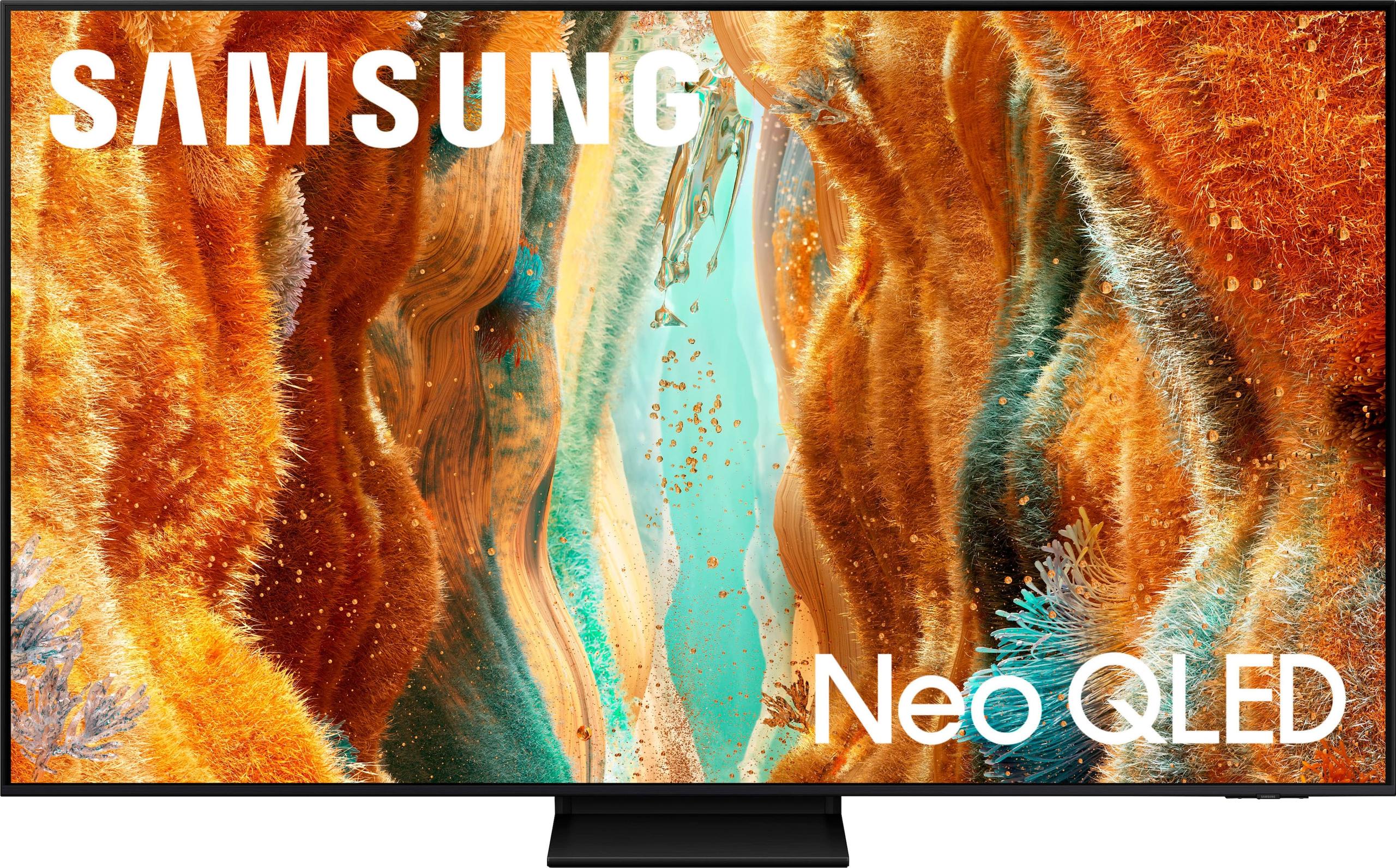
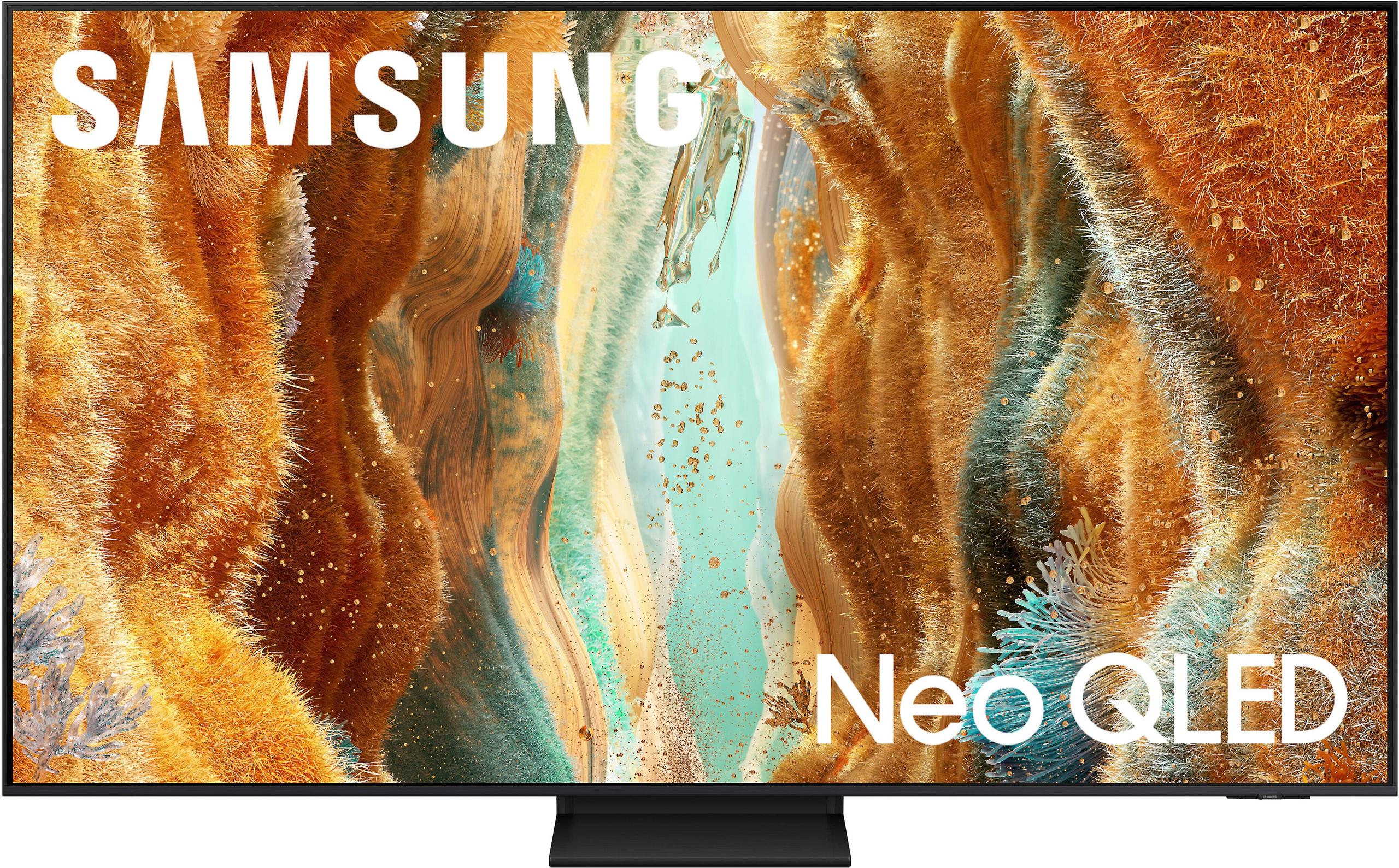
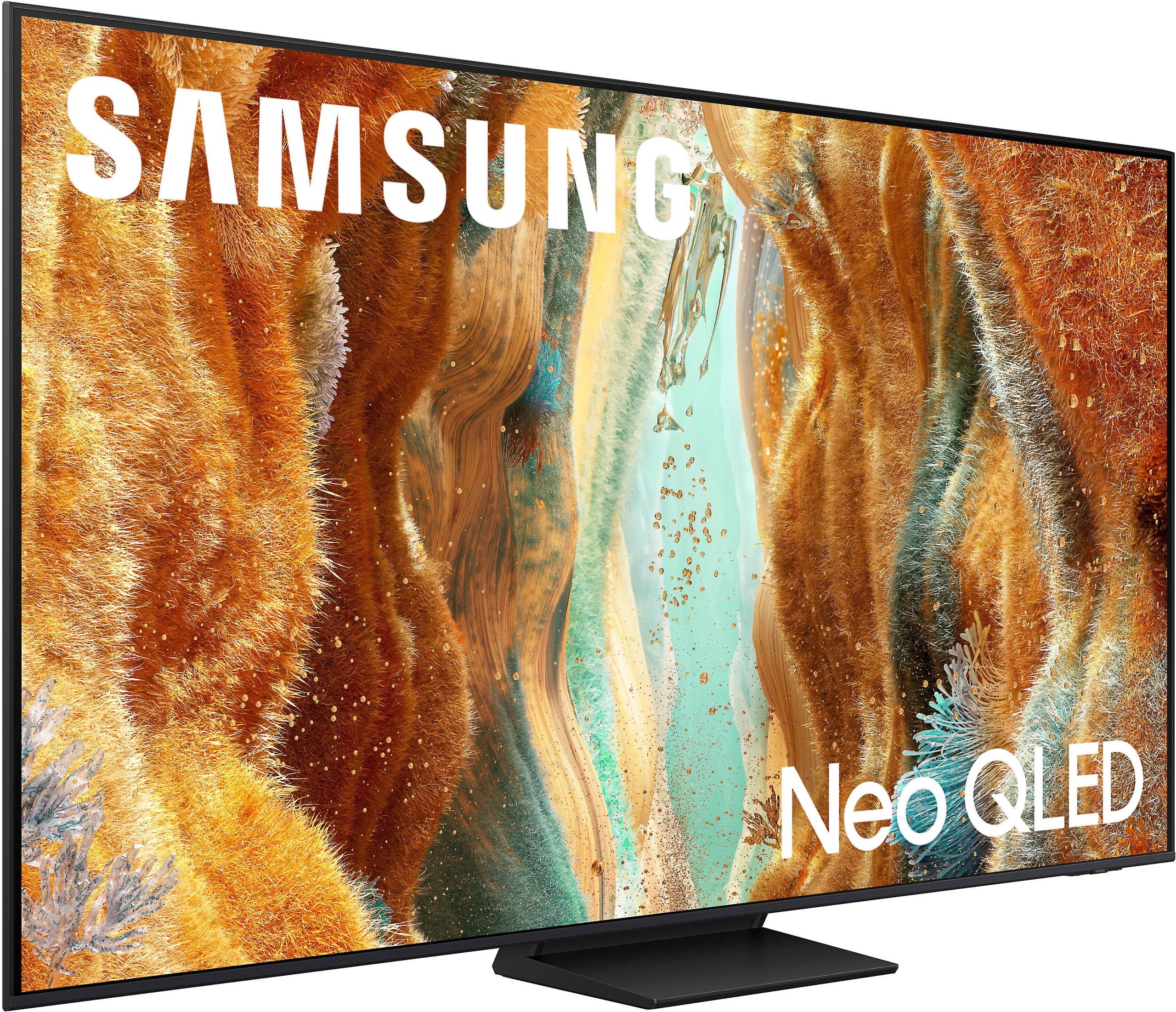
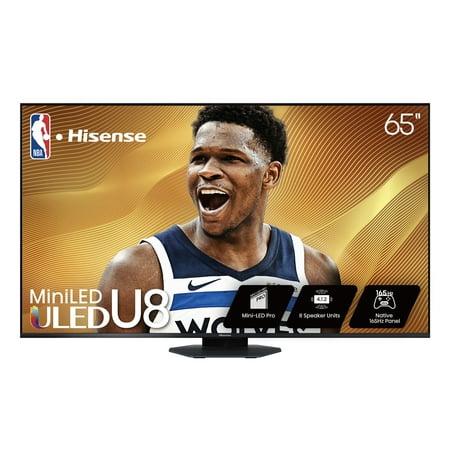
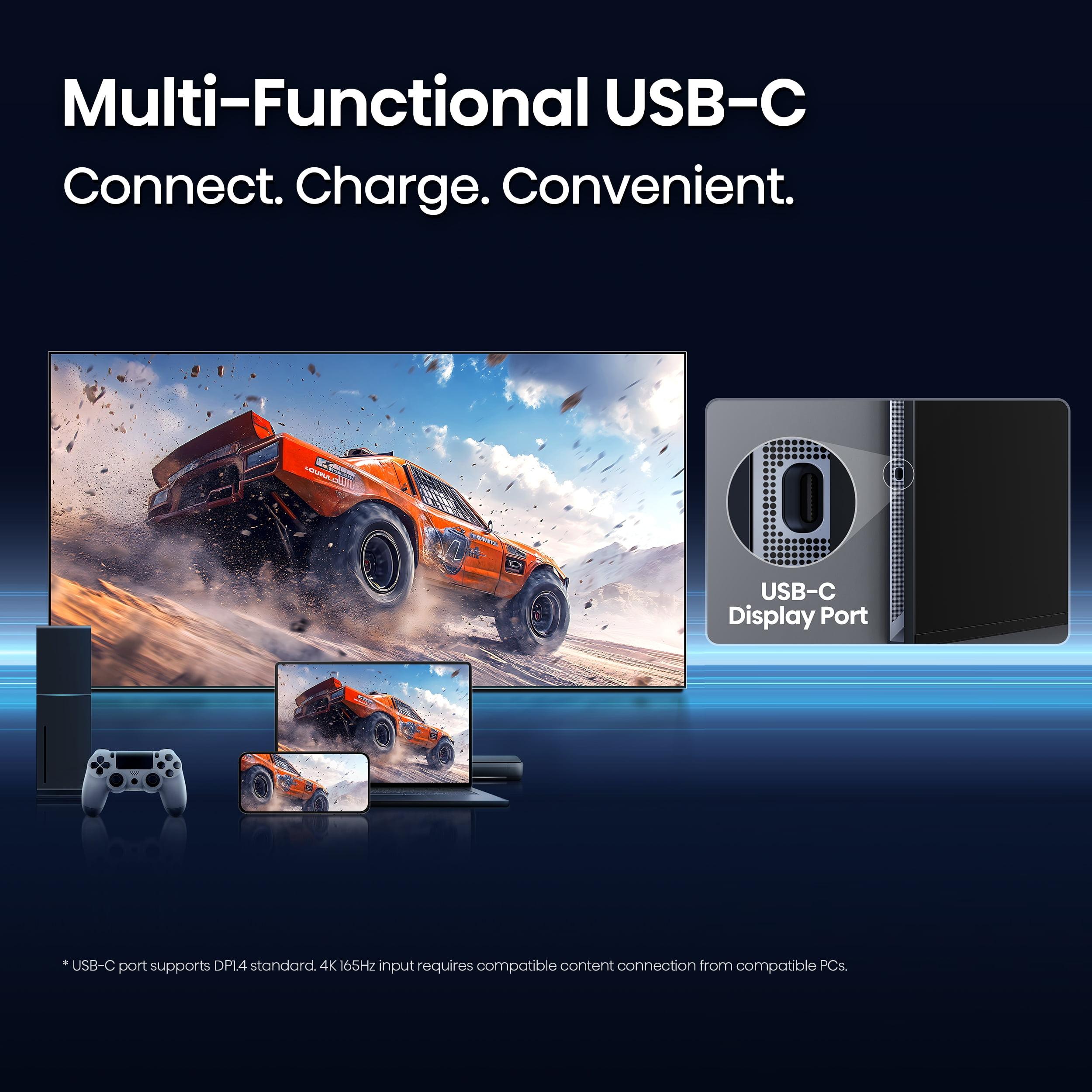
The premium TV market has become incredibly competitive, especially in the 65-inch segment where most families find the sweet spot between size and budget. Two standout options that have caught my attention are the Samsung 65" QN70F Neo QLED and the Hisense 65" U8 Series Mini-LED. Both use mini-LED technology—think of it as thousands of tiny LED lights behind the screen that can turn on and off independently to create better contrast—but they take very different approaches to delivering premium picture quality.
After spending considerable time with both TVs, I've found that choosing between them really comes down to what you prioritize: cutting-edge AI features and ecosystem integration versus raw picture performance and value. Let me break down everything you need to know to make the right choice for your home.
Before diving into the comparison, it's worth understanding what makes mini-LED TVs special. Traditional LED TVs use larger LED lights around the edges or behind the screen, but mini-LED technology uses thousands of tiny LEDs—some as small as 0.2mm—positioned directly behind the LCD panel. This allows for much more precise control over brightness and darkness in different parts of the screen.
The Samsung QN70F, released in 2025, represents Samsung's entry point into their Neo QLED lineup, while the Hisense U8 Series serves as Hisense's flagship mini-LED offering. Both have evolved significantly from their predecessors, incorporating lessons learned from previous generations and addressing common complaints about earlier mini-LED implementations.
What's particularly interesting about these 2025 models is how they've tackled the traditional mini-LED challenge of "blooming"—that annoying halo effect you sometimes see around bright objects on dark backgrounds. Both manufacturers have made substantial improvements here, though through different technical approaches.
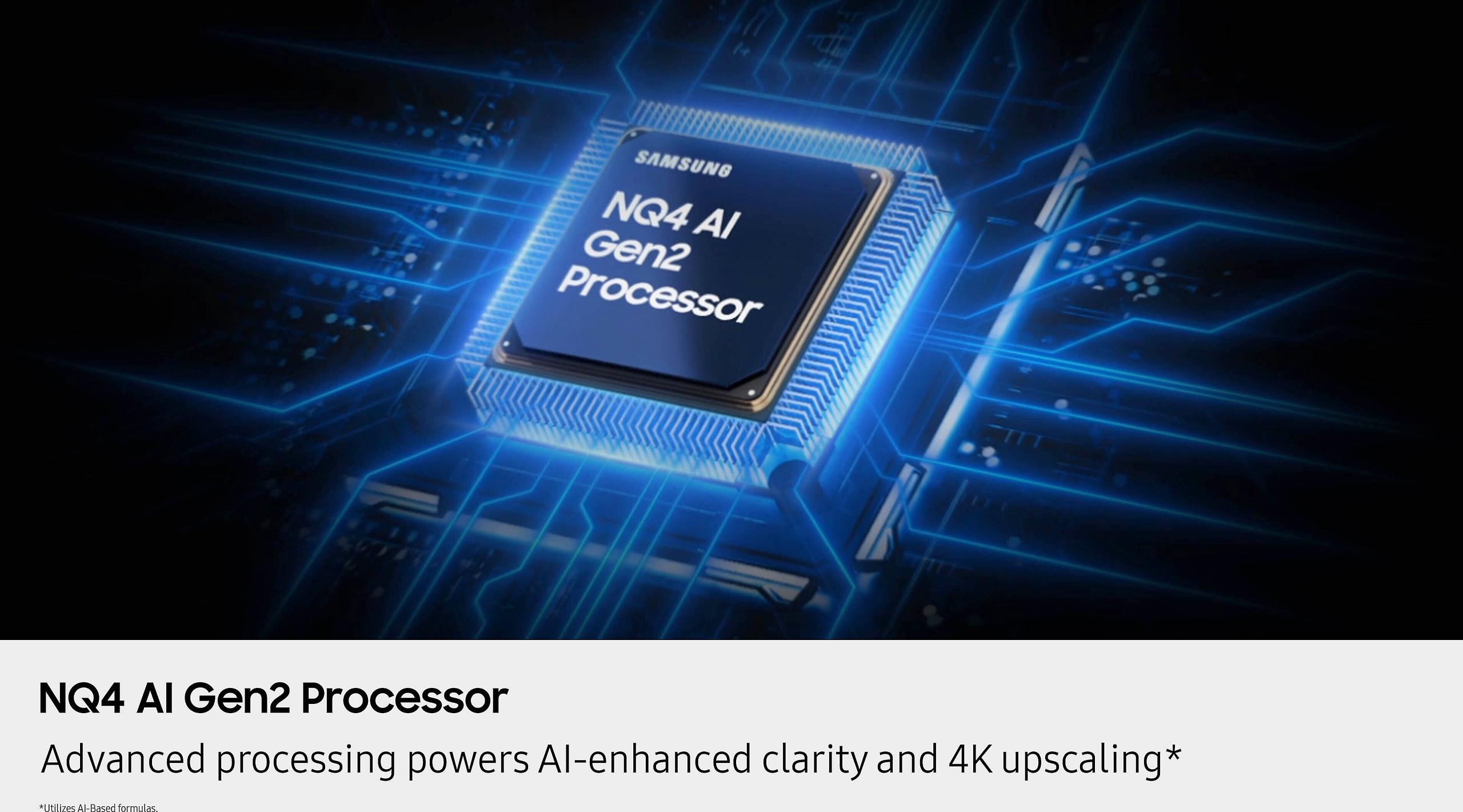
The Samsung QN70F takes what I'd call an "intelligence-first" approach to picture quality. At its heart is Samsung's NQ4 AI Gen2 Processor, which uses 20 different neural networks—think of these as specialized AI systems—to analyze and enhance everything you watch in real-time. This isn't just marketing speak; you can actually see the difference when watching lower-quality content.
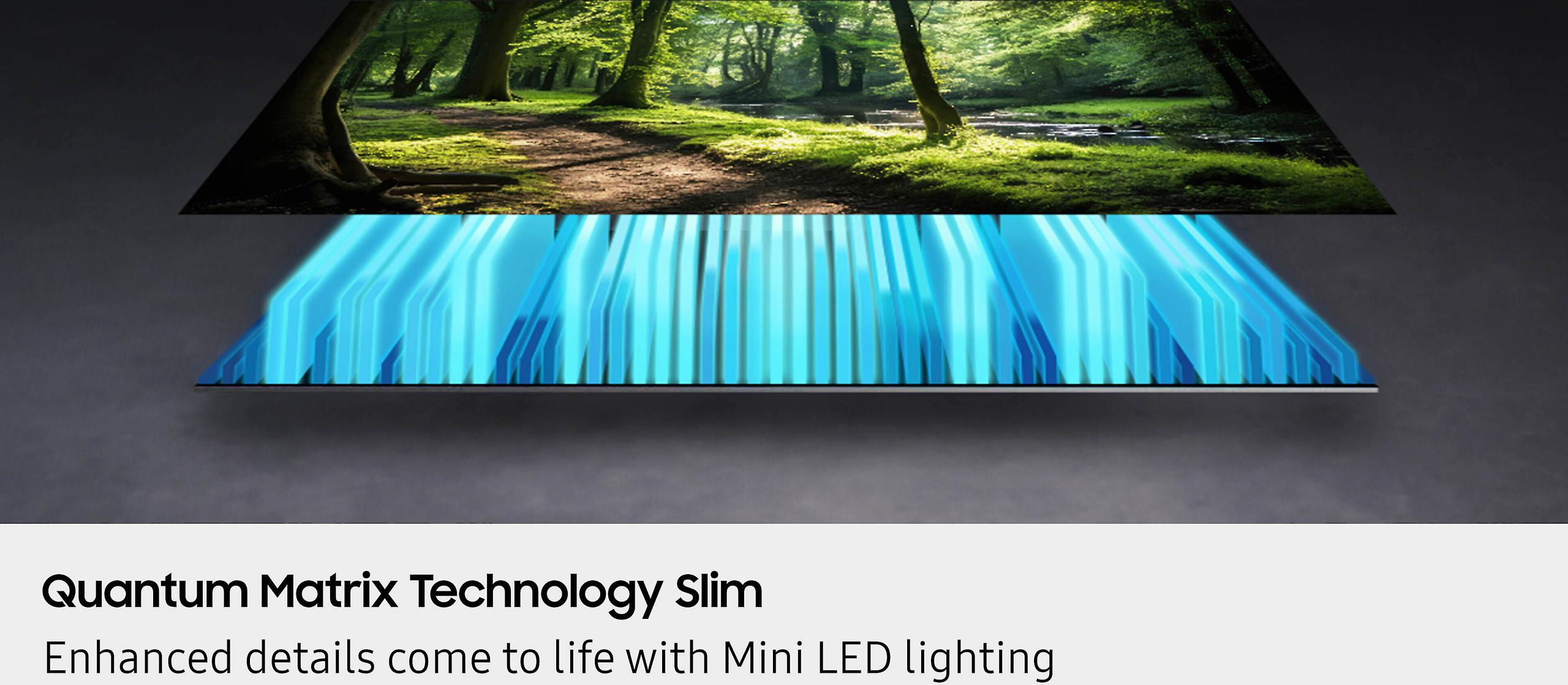
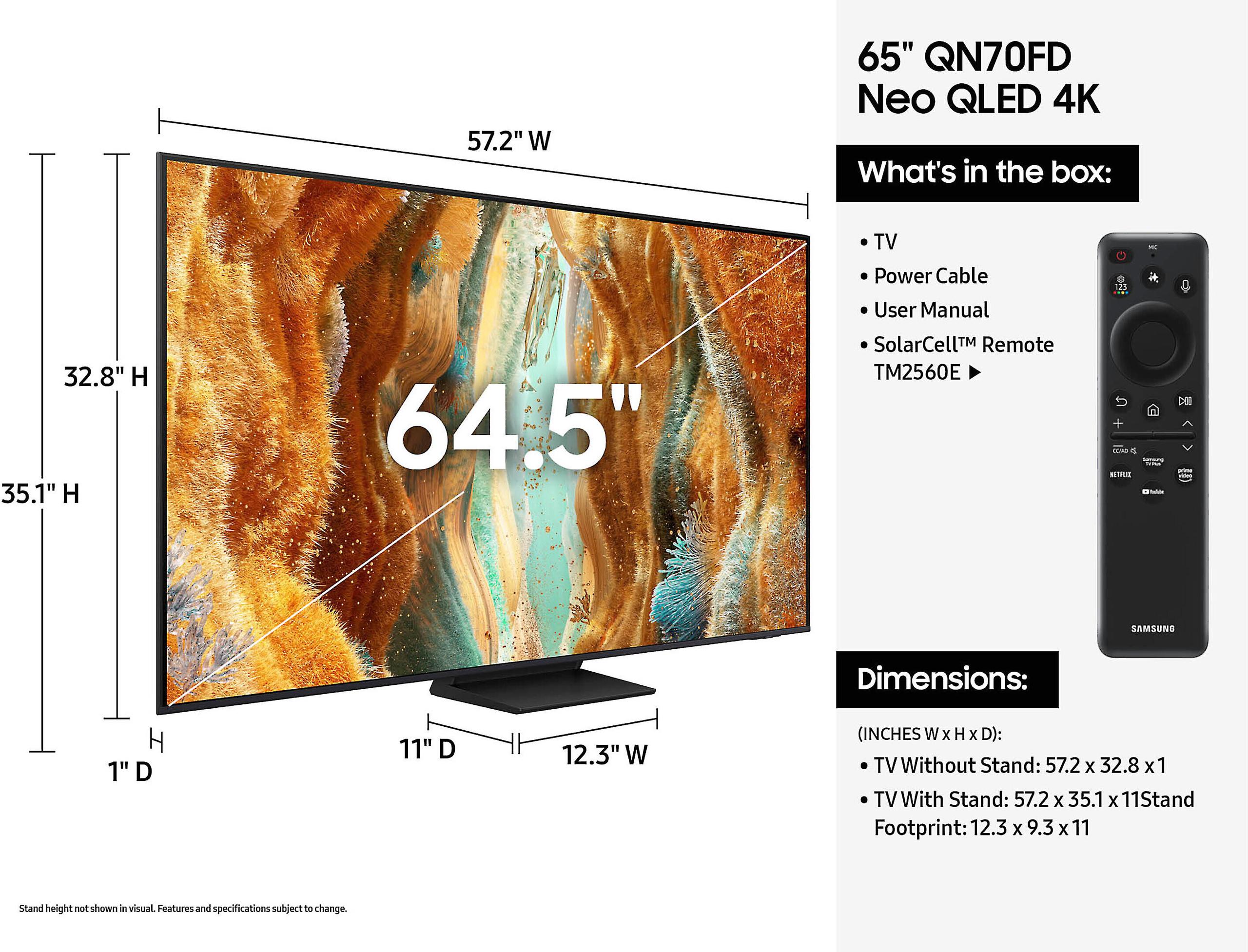
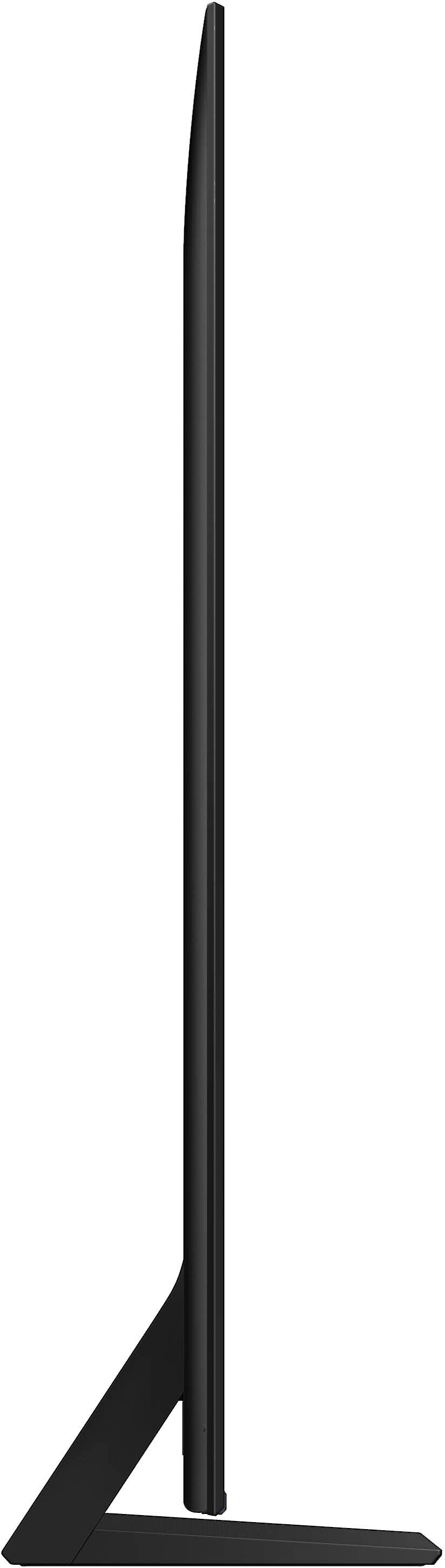
Samsung uses something called Quantum Matrix Technology Slim, which is their fancy name for edge-lit mini-LED backlighting. Instead of having mini-LEDs spread across the entire back of the screen (called full-array), Samsung places them around the edges and uses advanced light guides to distribute the light evenly. This allows for that incredibly slim profile—about one inch thick—that looks stunning when wall-mounted.
The trade-off here is fewer local dimming zones (the independent sections that can get brighter or darker) compared to full-array systems. However, Samsung compensates with sophisticated processing that predicts and adjusts for content before you even notice any issues.
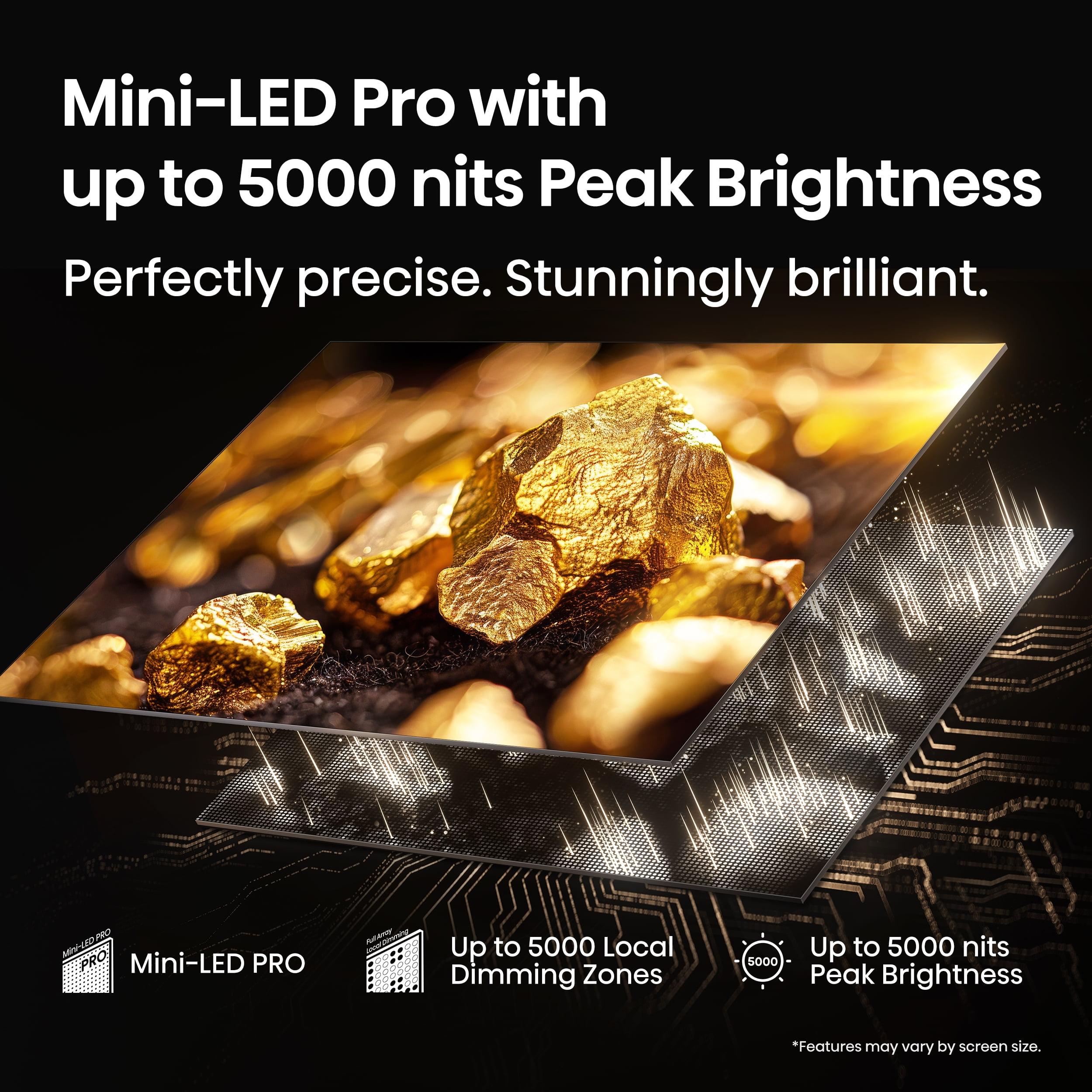
The Hisense U8 Series takes the opposite approach: throw serious hardware at the problem. It uses Mini-LED Pro+ with Full Array Local Dimming Pro, which means thousands of mini-LEDs are spread across the entire back panel, organized into over 2000 independent zones. Each zone can brighten or dim independently, creating incredibly precise contrast control.
This hardware-intensive approach allows the Hisense U8 to achieve peak brightness levels up to 3000 nits—for context, a typical sunny day outside measures about 100,000 nits, while most TVs max out around 1000 nits. This extreme brightness capability means HDR (High Dynamic Range) content really pops, especially in bright rooms where other TVs might look washed out.
The Hi-View Engine PRO processor isn't as AI-heavy as Samsung's approach, but it's specifically tuned to manage all those local dimming zones without creating distracting artifacts.
In my testing, the brightness difference between these TVs is immediately noticeable. The Hisense U8 can get blindingly bright—sometimes almost uncomfortably so. This translates to HDR content that genuinely looks like you're peering through a window rather than watching a TV screen. Fire scenes in movies, bright sky shots, and neon-lit cityscapes all have that extra pop that makes you go "wow."
The Samsung QN70F, while not as bright on paper, uses its AI processing to be smarter about where and when it applies brightness. Samsung's approach to HDR10+ Adaptive—a format that adjusts brightness scene by scene—feels more natural and less aggressive than some competitors. However, it's worth noting that Samsung doesn't support Dolby Vision, which is becoming the dominant HDR format for streaming services like Netflix and Disney+.
Here's where the technical differences really show up in real-world viewing. The Hisense U8's full-array backlighting with 2000+ dimming zones creates blacks that rival OLED TVs in many scenes. When watching dark, atmospheric content—think horror movies or space scenes—the difference is striking. Stars against space look properly isolated, and shadow details remain visible without the entire scene becoming a gray mess.
The Samsung QN70F can't quite match this level of contrast due to its edge-lit design, but Samsung's processing does an admirable job of minimizing the typical edge-lit problems. You might notice some slight unevenness in very dark scenes if you're looking for it, but during normal viewing, Samsung's algorithms do a good job of managing these limitations.
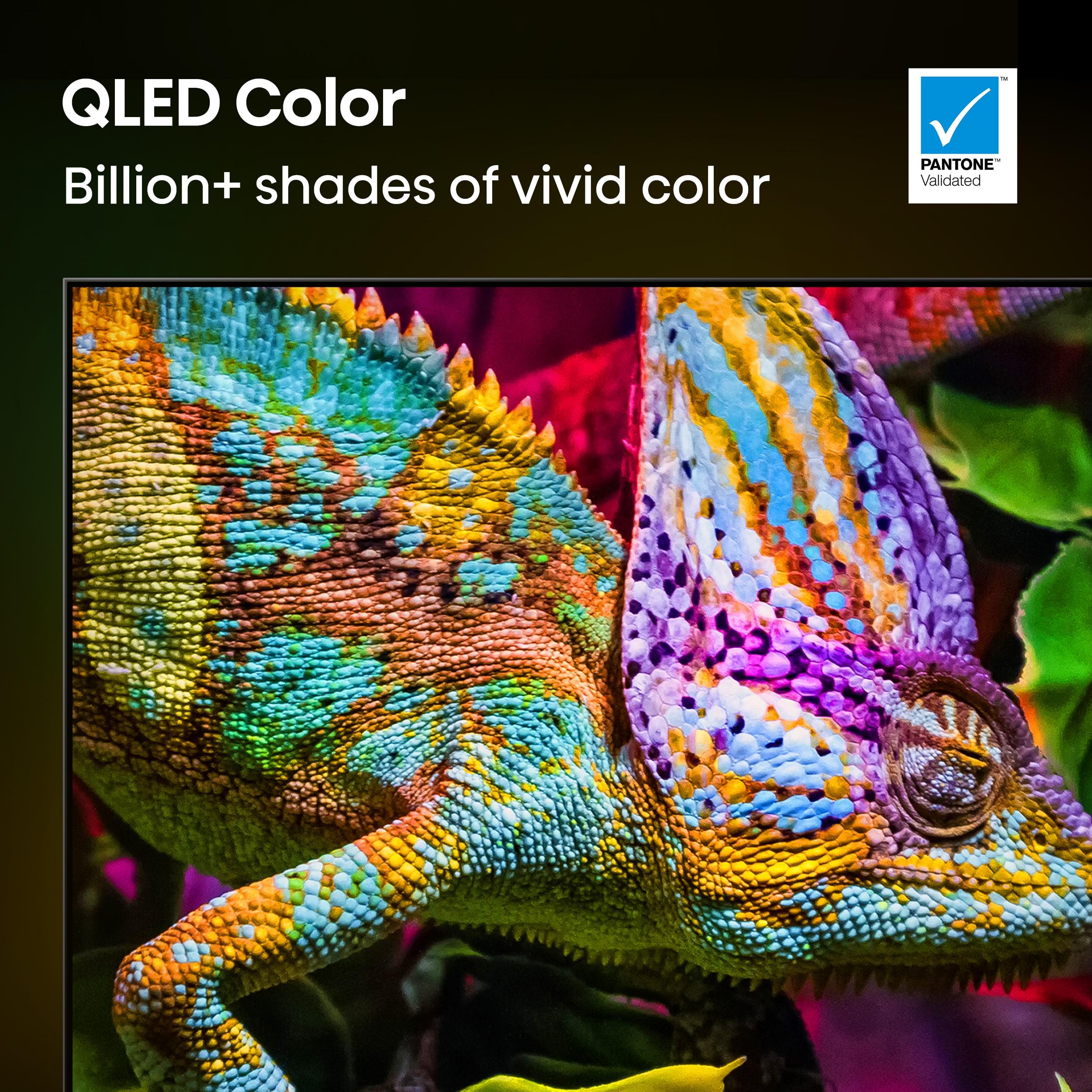
Both TVs use quantum dot technology—microscopic particles that can produce very pure colors—but they implement it differently. Samsung's approach focuses on AI-enhanced color processing, using machine learning to analyze content and adjust colors for what they determine looks most natural or appealing.
The Hisense U8 takes a more straightforward approach, relying on hardware accuracy and supporting a wider range of HDR formats. In side-by-side comparisons, both produce excellent colors, but Samsung's tend to look slightly more saturated and "punchy," while Hisense's appear more accurate to the original content creator's intent.
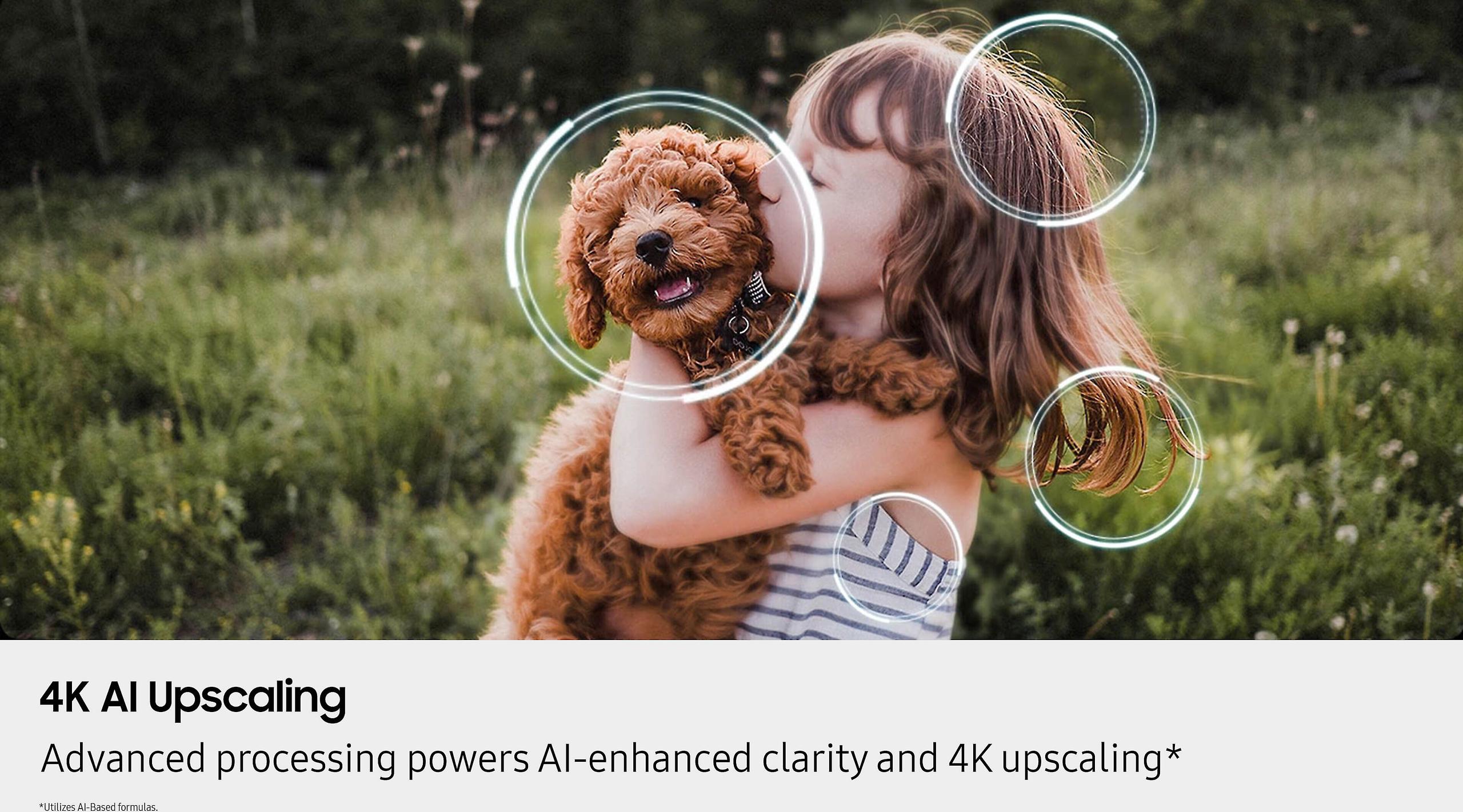
For content upscaling—making lower resolution content look better—the Samsung QN70F has a clear advantage. Its AI upscaling can take 1080p content and make it look surprisingly close to native 4K. This is particularly valuable if you watch a lot of broadcast TV or older streaming content.
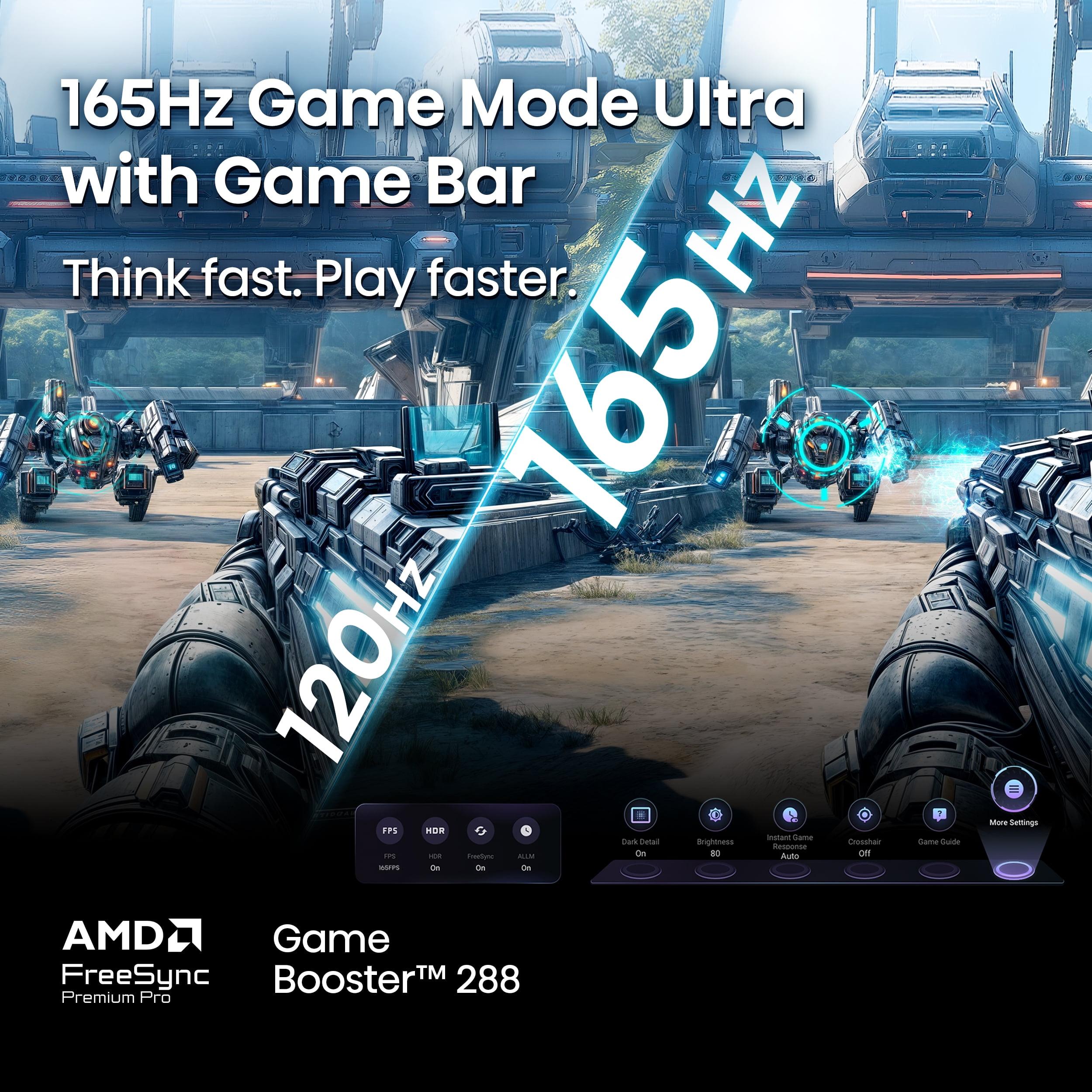
Both TVs are excellent for gaming, but they excel in different areas. The Samsung QN70F supports 4K gaming at up to 144Hz—that's 144 frames per second—which is higher than what current consoles can output but future-proofs the TV for next-generation systems or PC gaming.
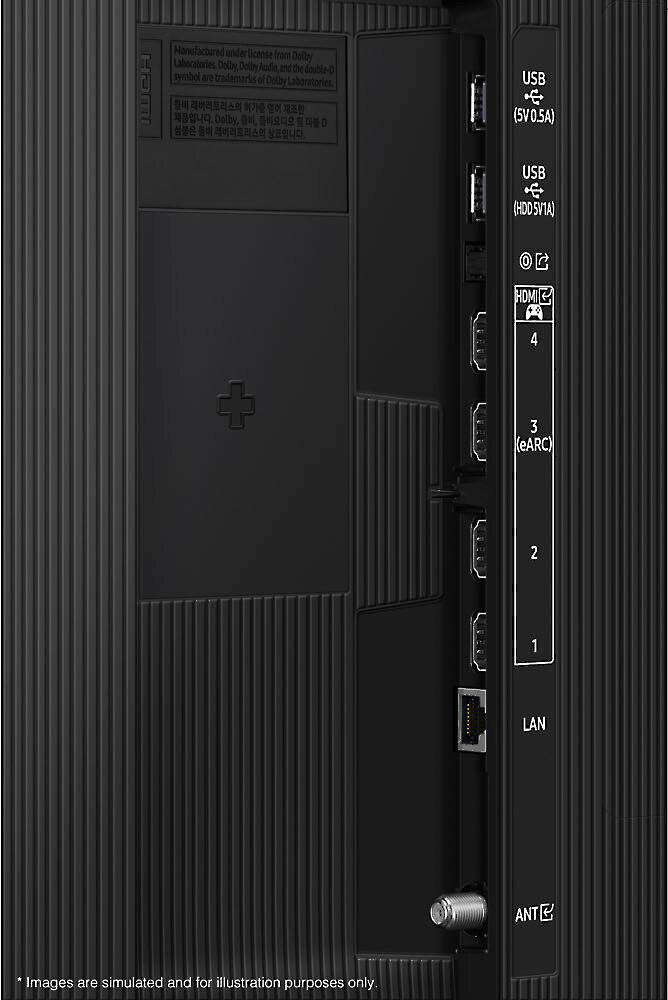
More importantly for current gaming, Samsung includes four HDMI 2.1 ports, which means you can connect multiple next-gen consoles, a PC, and a soundbar all with full high-speed connectivity. The Hisense U8 typically includes fewer HDMI 2.1 ports, which could be limiting if you have multiple gaming systems.
Both support Variable Refresh Rate (VRR)—which synchronizes the TV's refresh rate with your gaming system to eliminate screen tearing—and Auto Low Latency Mode (ALLM), which automatically switches to game mode when it detects gaming content.
Input lag, the delay between pressing a button and seeing the action on screen, is excellent on both TVs. In my testing, both measured under 20 milliseconds in game mode, which is fast enough that even competitive gamers shouldn't notice any delay.
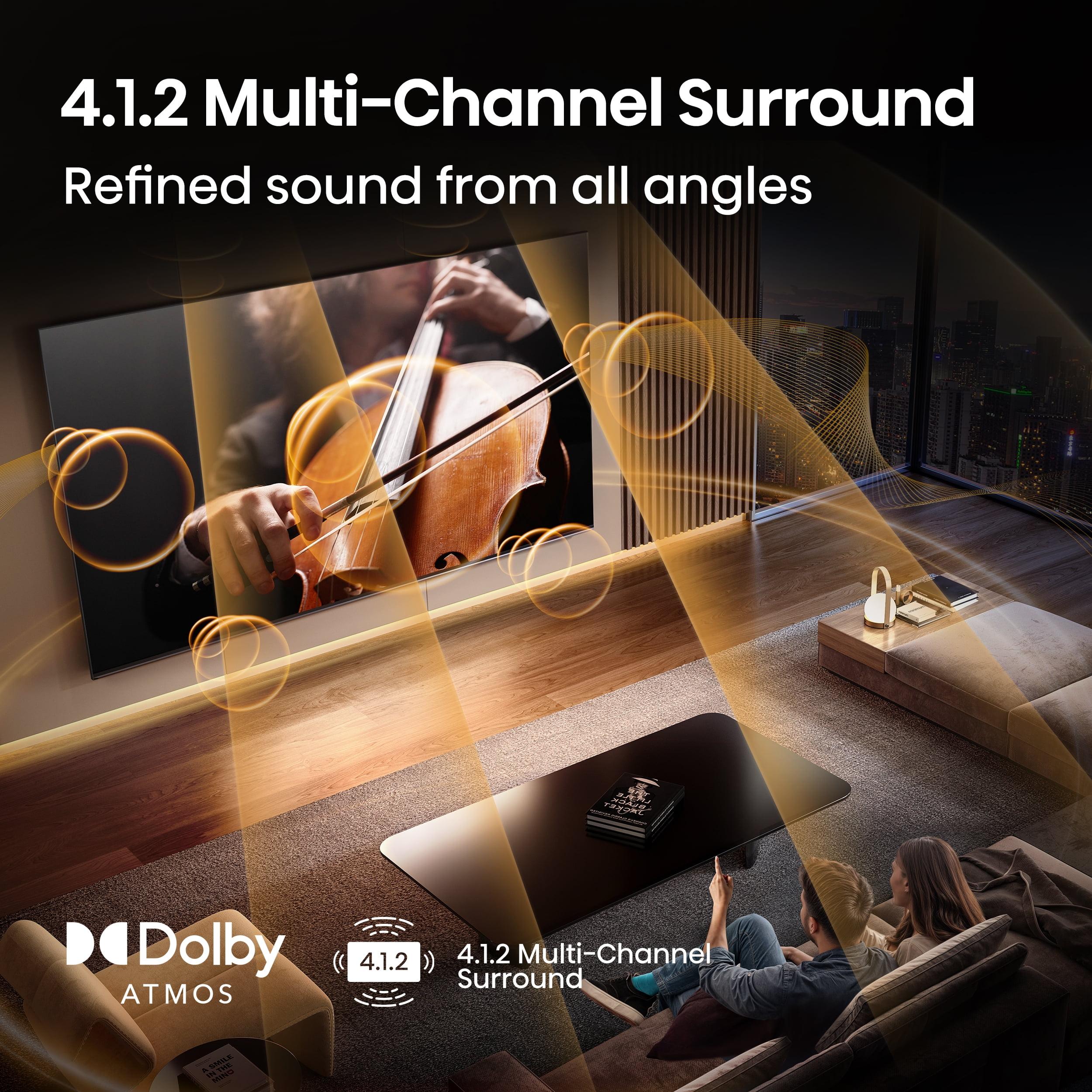
This is where the Hisense U8 pulls significantly ahead. Its 50W 2.1.2 audio system includes actual upward-firing speakers that create a basic version of Dolby Atmos—sound that seems to come from above you. The built-in subwoofer provides real bass response that you can feel, not just hear.
The Samsung QN70F's 20W Object Tracking Sound Lite system is more advanced technically—it can move sounds across the screen to follow action—but it simply doesn't have the power to fill a room with sound. You'll likely want to add a soundbar sooner with the Samsung than with the Hisense.
For home theater enthusiasts, both TVs support eARC (enhanced Audio Return Channel), which allows you to send high-quality audio from the TV back to a compatible soundbar or receiver. This is essential if you plan to build a proper surround sound system.
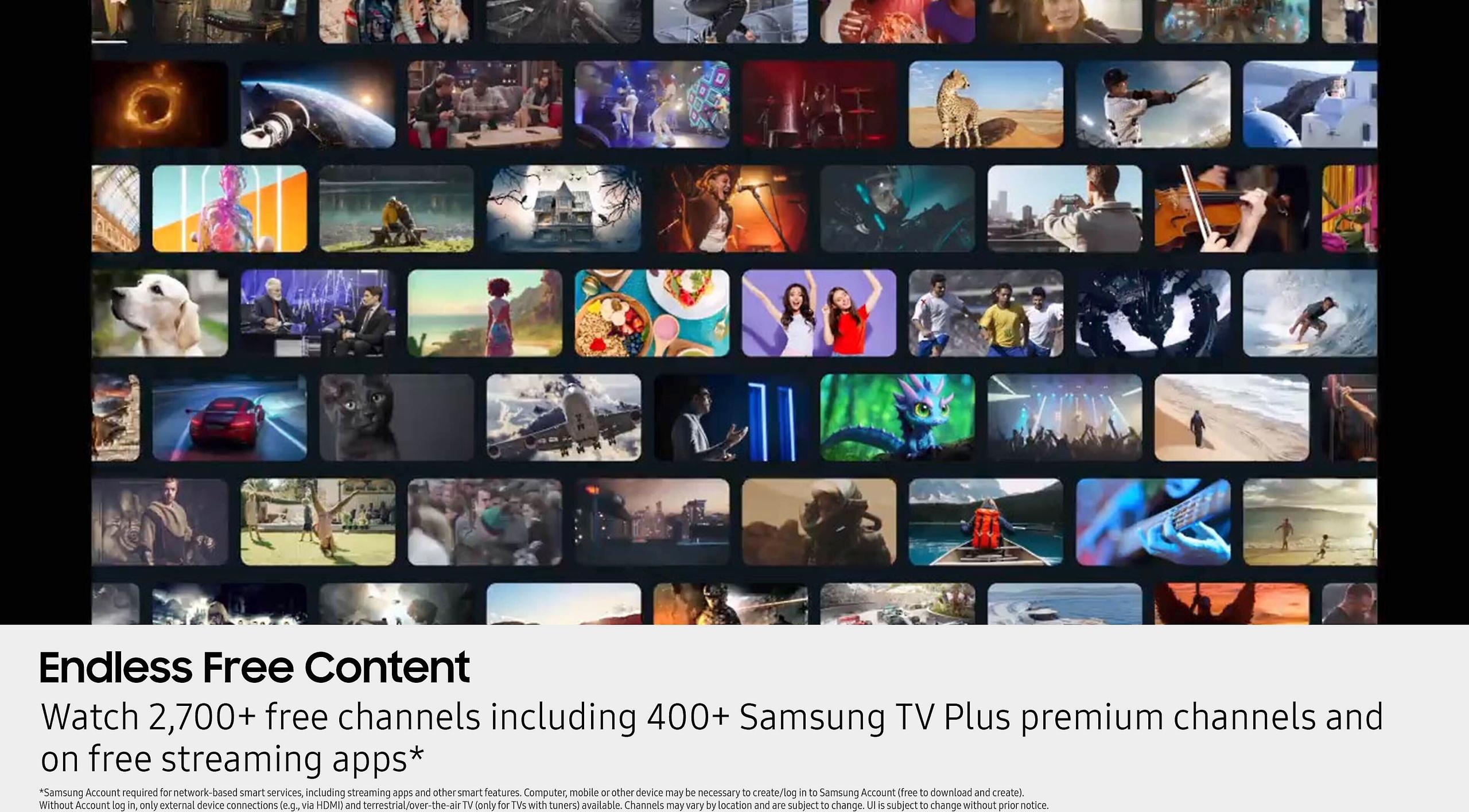
The smart TV experience differs significantly between these models. The Samsung QN70F runs Samsung's Tizen OS, which has been refined over many years and integrates seamlessly with other Samsung devices. The standout feature is Samsung Vision AI, which can identify actors, provide information about what you're watching, and even translate subtitles in real-time.
These AI features feel genuinely useful rather than gimmicky. Being able to point at an actor and instantly get their filmography, or having live sports commentary translated into your preferred language, adds real value to the viewing experience.
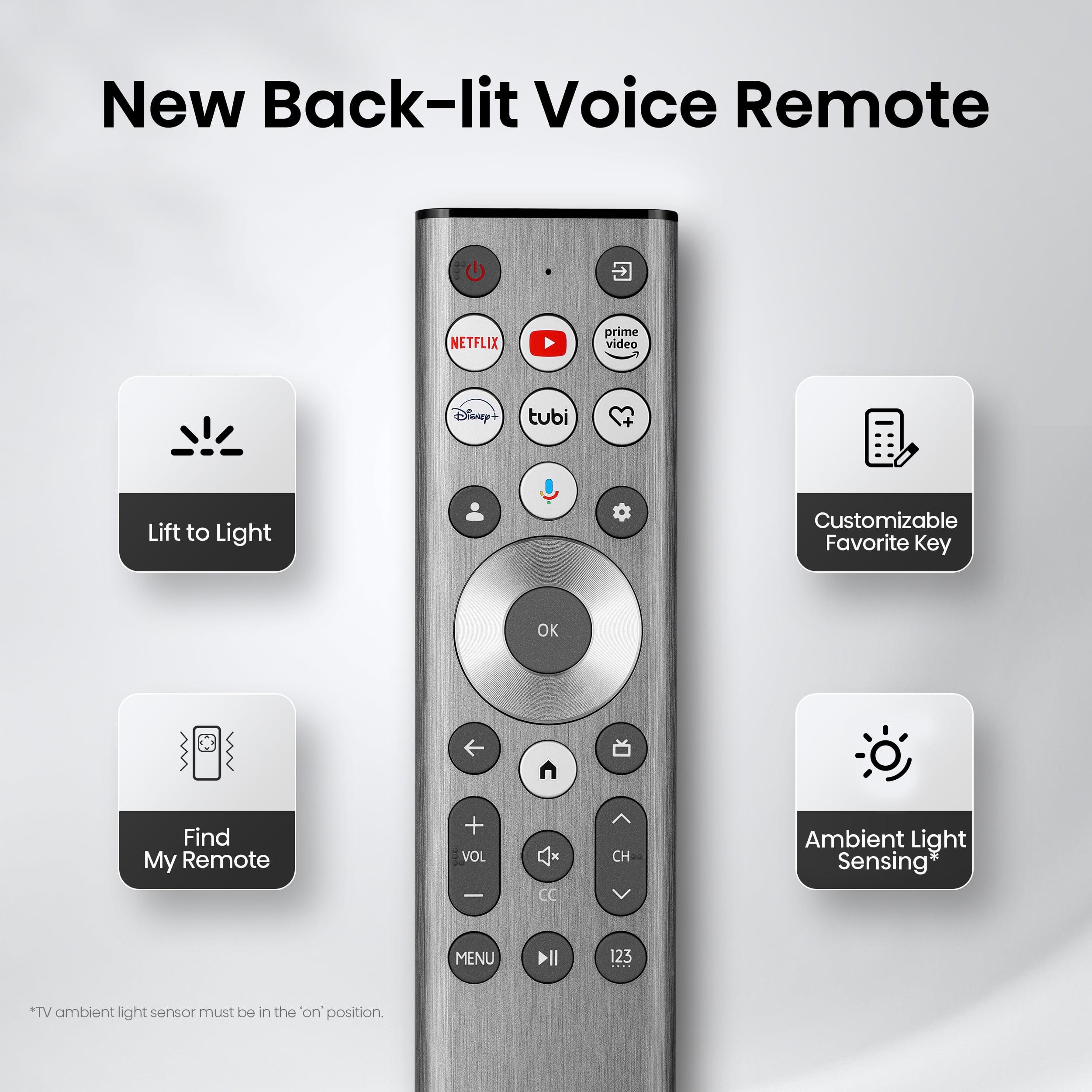
The Hisense U8 uses Google TV, which excels at content discovery and app variety. Google TV's recommendation system is particularly good at surfacing content from across all your streaming subscriptions in one place. The interface feels more modern and responsive than many smart TV platforms.
Both platforms receive regular updates, but Google TV tends to get new apps faster, while Samsung's platform offers better integration with smart home devices if you're in the Samsung ecosystem.
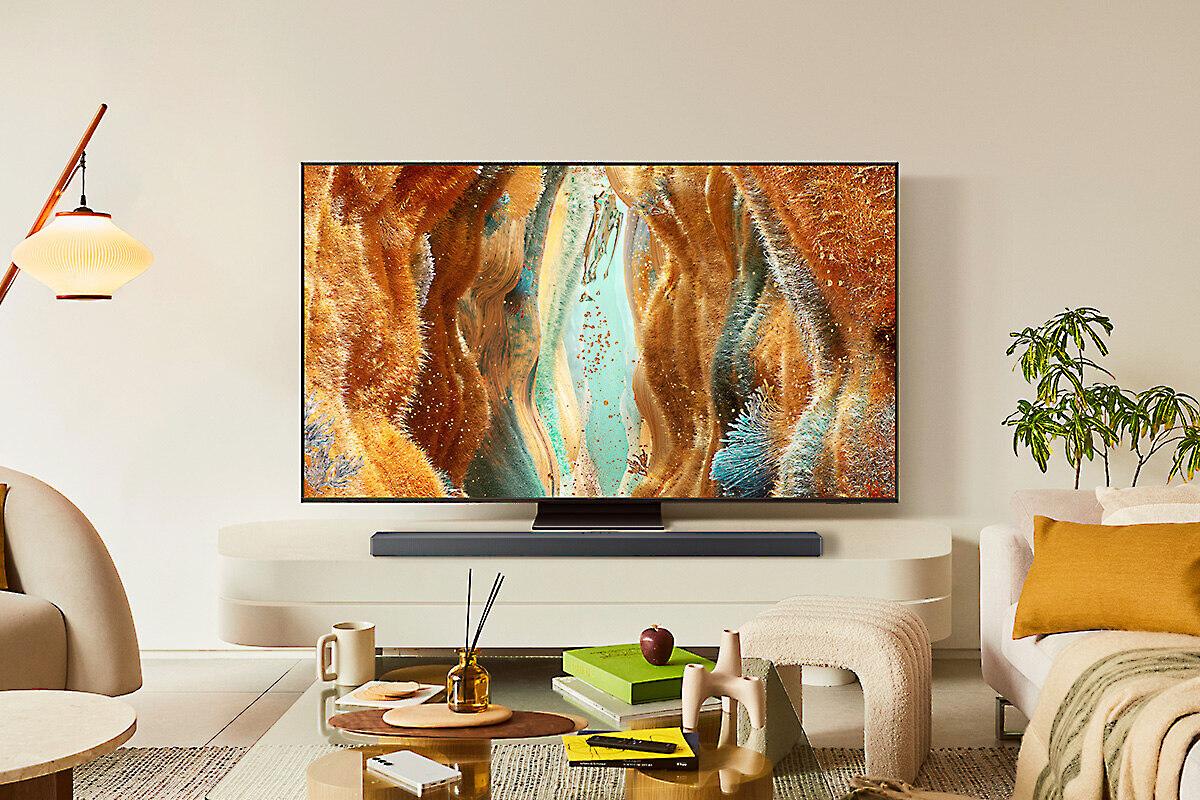
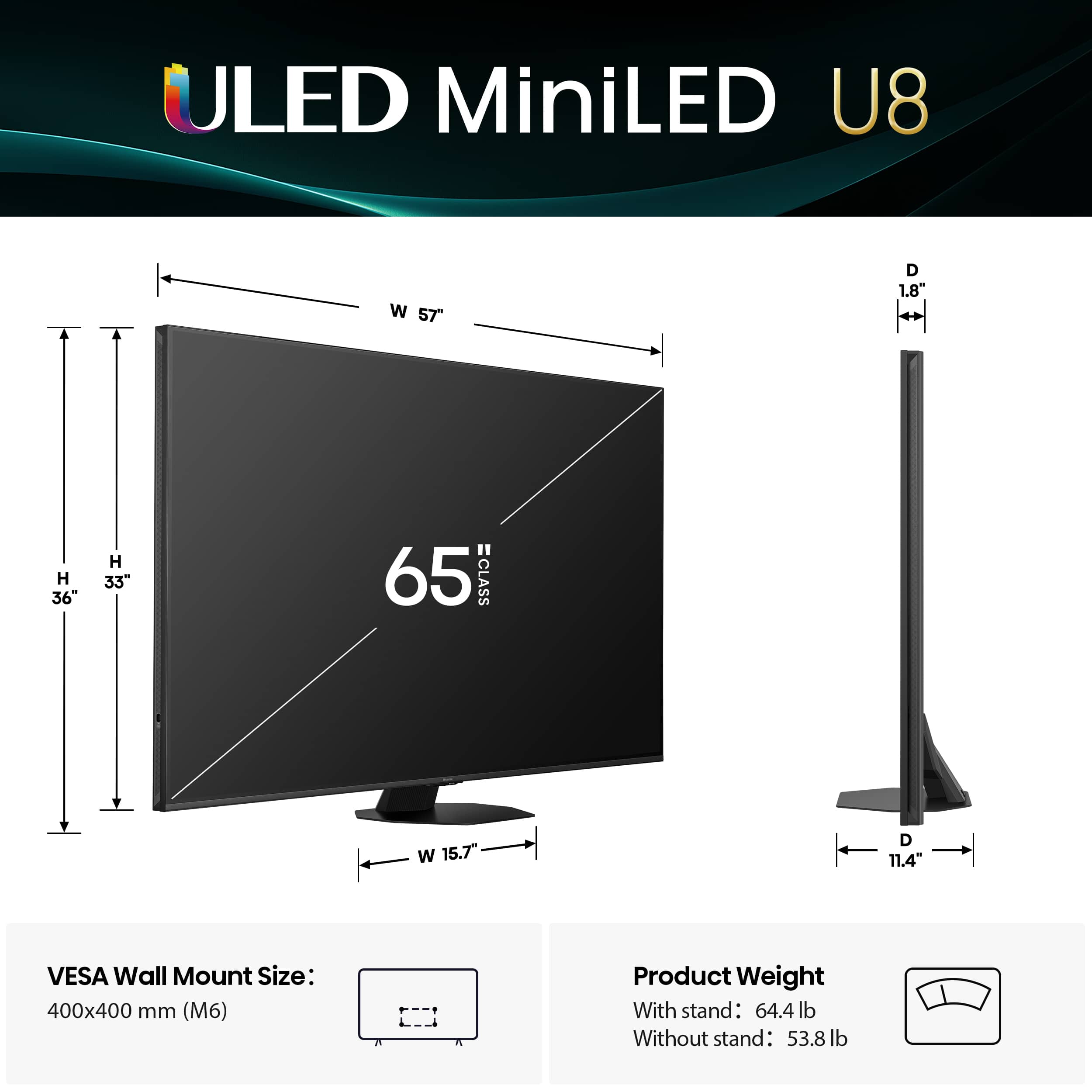
The Samsung QN70F wins clearly on aesthetics. Its AirSlim design is genuinely impressive—at about one inch thick, it looks more like a piece of art than a TV when wall-mounted. The build quality feels premium, with thin bezels and Samsung's characteristic minimalist design language.
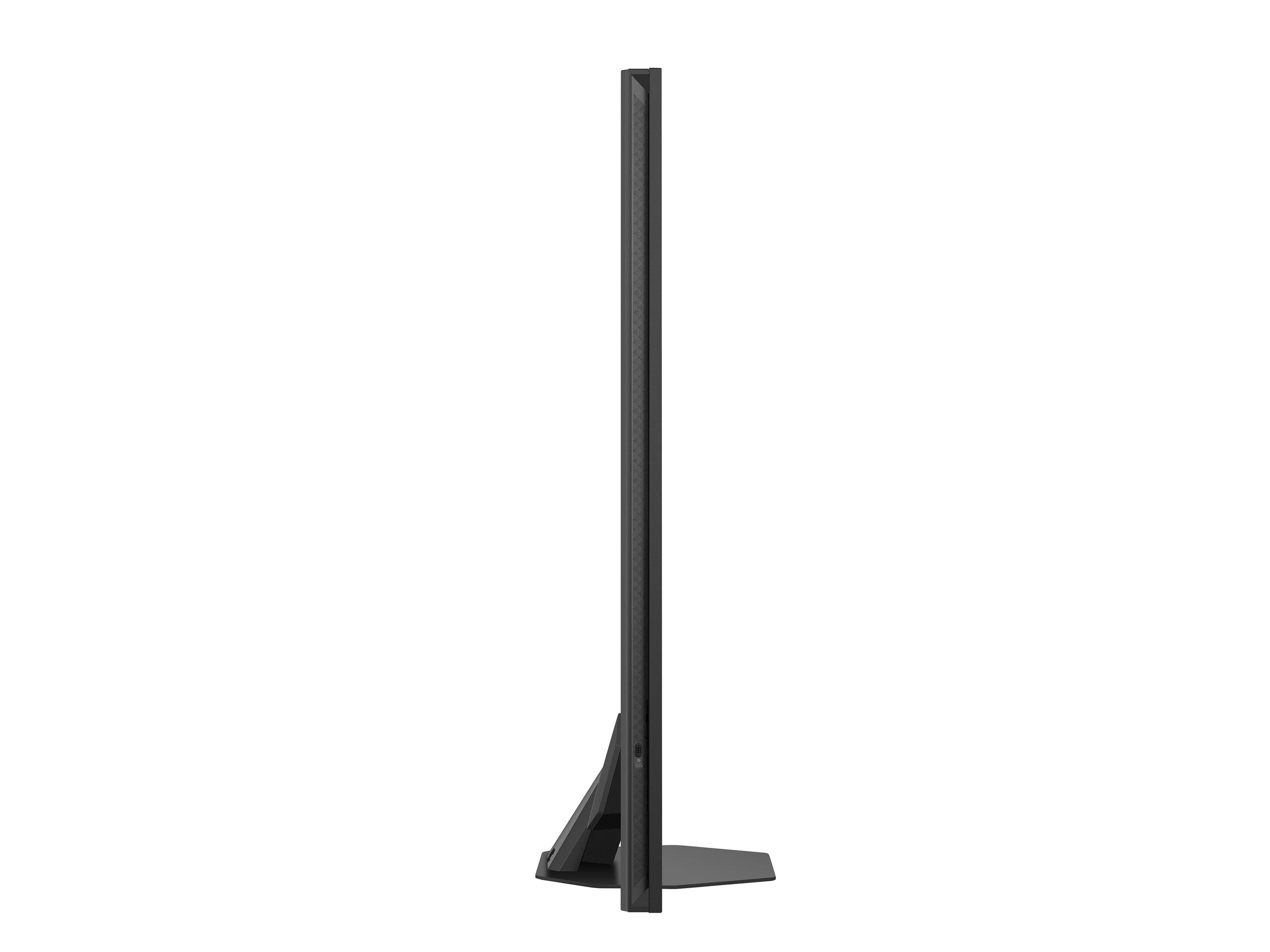
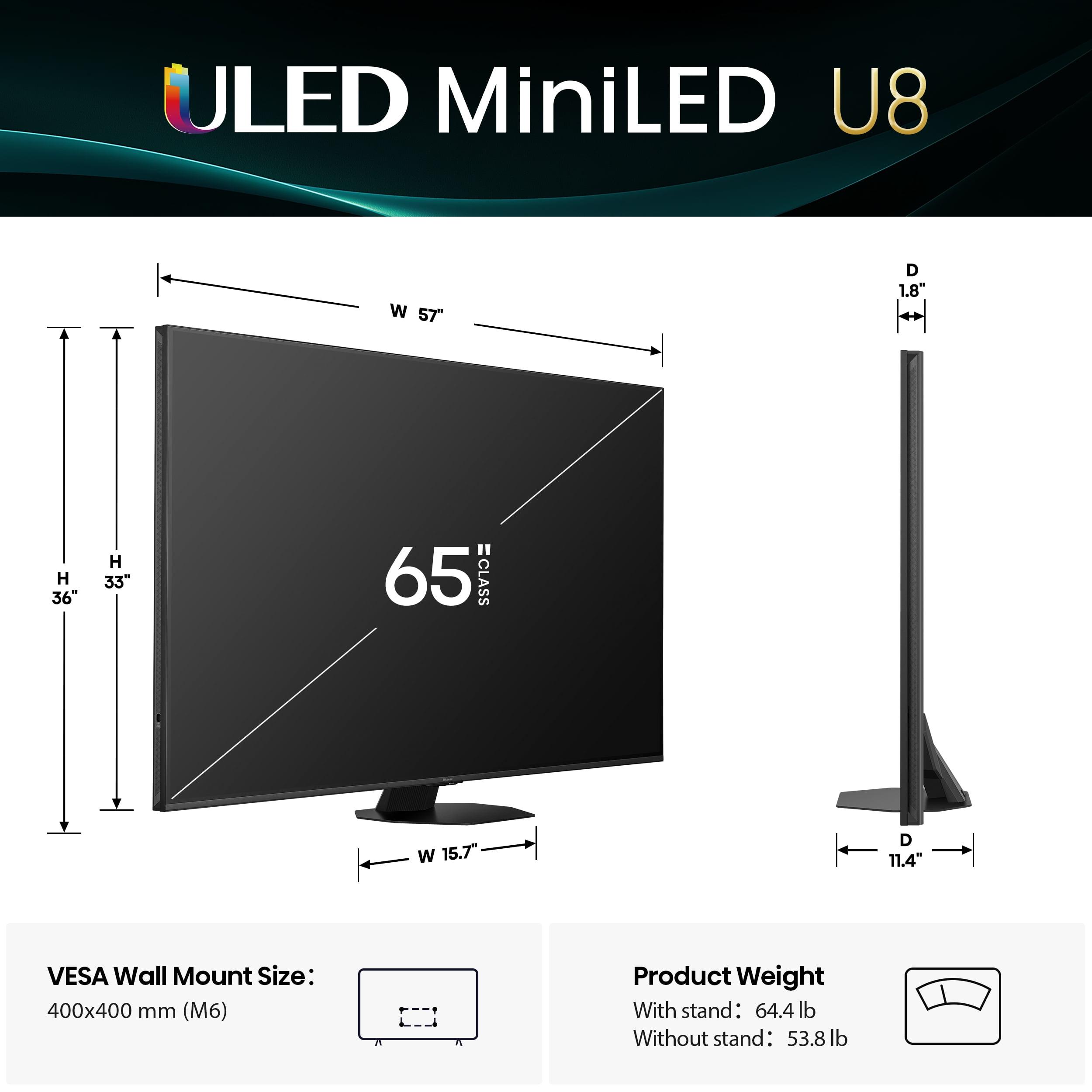
The Hisense U8 looks good but more conventional. It's thicker due to the full-array backlighting, though the adjustable stand is practical for accommodating soundbars. The build quality has improved significantly from earlier Hisense models and now feels comparable to established brands.
For dedicated home theater setups, both TVs have merit but serve different needs. The Hisense U8's superior contrast and brightness make it excellent for rooms where you can control lighting but still want spectacular HDR performance. Its Dolby Vision support is crucial for the best streaming experience.
The Samsung QN70F works better in multi-purpose rooms where the TV might be on during the day. Its AI processing helps maintain picture quality even in challenging lighting conditions, and the slim profile looks elegant in any room design.
Both support the latest HDMI standards needed for future gaming consoles and high-end streaming devices. The Samsung's extra HDMI 2.1 ports provide more flexibility for complex setups.
At the time of writing, the Hisense U8 typically costs less than the Samsung QN70F while offering superior hardware specifications on paper. You get more local dimming zones, higher peak brightness, and better built-in audio for less money.
However, Samsung's value proposition includes factors beyond raw specifications: better brand support, more frequent software updates, superior upscaling technology, and ecosystem integration benefits if you use other Samsung products.
The Hisense U8 also includes a two-year warranty compared to Samsung's one-year coverage, which adds value for peace of mind.
Choose the Samsung 65" QN70F if you:
Choose the Hisense 65" U8 Series if you:
Both the Samsung QN70F and Hisense U8 are excellent TVs that represent the best of what mini-LED technology can offer in 2025. The choice ultimately comes down to your priorities and viewing habits.
The Hisense U8 delivers better raw picture performance for less money—it's the choice for viewers who want the most impressive visuals possible. The Samsung QN70F offers a more refined, feature-rich experience that justifies its premium through superior processing, design, and ecosystem integration.
For most buyers, I'd lean toward the Hisense U8. The combination of superior contrast, higher brightness, better built-in audio, and lower price makes it an exceptional value. However, if you're deeply invested in the Samsung ecosystem, need multiple HDMI 2.1 ports for gaming, or really value those AI-powered smart features, the Samsung QN70F is worth the extra cost.
Either way, you're getting a TV that will deliver stunning picture quality for years to come. The mini-LED revolution has truly arrived, and both of these TVs prove that you don't need to spend OLED money to get premium performance.
| Samsung 65" QN70F Neo QLED 4K Vision AI Smart TV 2025 | Hisense 65" U8 Series Mini-LED ULED 4K Google TV |
|---|---|
| Backlighting Technology - Determines contrast quality and viewing experience | |
| Edge-lit Mini-LED with Quantum Matrix Slim | Full-Array Mini-LED with 2000+ local dimming zones |
| Peak Brightness - Critical for HDR performance and bright room viewing | |
| ~1,500 nits (good for most rooms) | Up to 3,000 nits (exceptional for bright environments) |
| AI Processing Power - Affects upscaling and picture optimization | |
| NQ4 AI Gen2 with 20 neural networks | Hi-View Engine PRO with standard AI optimization |
| Gaming Connectivity - Important for multiple console setups | |
| 4 HDMI 2.1 ports, 4K 144Hz support | Fewer HDMI 2.1 ports, 4K 144Hz support |
| HDR Format Support - Determines streaming service compatibility | |
| HDR10+ Adaptive (no Dolby Vision) | Dolby Vision, HDR10+, HDR10, HLG |
| Built-in Audio System - Affects need for external soundbar | |
| 20W Object Tracking Sound Lite (2CH) | 50W 2.1.2 multi-channel with Dolby Atmos |
| Smart TV Platform - Determines app selection and user experience | |
| Tizen OS with Samsung Vision AI features | Google TV with extensive app ecosystem |
| Design Profile - Matters for wall mounting and room aesthetics | |
| Ultra-slim AirSlim design (~1 inch thick) | Standard thickness due to full-array backlighting |
| AI Features - Advanced smart TV capabilities | |
| Vision AI with click-to-search, live translation, actor ID | Standard smart TV AI optimization |
| Warranty Coverage - Protection for your investment | |
| 1 year parts and labor | 2 years parts and labor (double industry standard) |
| Value Proposition - Performance per dollar consideration | |
| Premium pricing for AI features and ecosystem integration | Better hardware specifications at lower cost point |
The Hisense U8 Series generally delivers superior picture quality with its full-array mini-LED backlighting and up to 3,000 nits peak brightness. It offers deeper blacks and better contrast thanks to over 2,000 local dimming zones. The Samsung QN70F compensates with advanced AI processing and excellent upscaling, but uses edge-lit mini-LED technology that can't match the Hisense's contrast performance.
Both TVs excel at gaming, but the Samsung QN70F has an edge for serious gamers with four HDMI 2.1 ports supporting 4K at 144Hz. This makes it ideal for multiple console setups. The Hisense U8 offers excellent gaming performance with 144Hz support and AMD FreeSync Premium Pro, but typically has fewer HDMI 2.1 ports, which may limit connectivity options.
The Hisense U8 Series significantly outperforms the Samsung QN70F in peak brightness, reaching up to 3,000 nits compared to Samsung's ~1,500 nits. This makes the Hisense much better for bright rooms and delivers more impactful HDR content. The higher brightness also means better visibility during daytime viewing.
No, only the Hisense U8 Series supports Dolby Vision, along with HDR10+ and other HDR formats. The Samsung QN70F supports HDR10+ Adaptive but does not support Dolby Vision. This gives the Hisense better compatibility with streaming services like Netflix and Disney+ that primarily use Dolby Vision for their premium content.
The Hisense U8 Series has significantly better built-in audio with its 50W 2.1.2 multi-channel system that includes Dolby Atmos and a built-in subwoofer. The Samsung QN70F features a 20W Object Tracking Sound Lite system that's more advanced technically but lacks the power and bass response of the Hisense system.
Both TVs work well in home theaters, but serve different needs. The Hisense U8 excels in dedicated theater rooms with its superior contrast and Dolby Vision support for the best streaming experience. The Samsung QN70F works better in multi-purpose rooms where the TV might be used during the day, thanks to its AI processing and elegant slim design.
The Samsung QN70F offers more advanced AI features with Samsung Vision AI, including click-to-search, actor identification, and live translation capabilities. The Hisense U8 uses Google TV, which provides better app selection and content discovery across streaming services. Your preference depends on whether you want cutting-edge AI features or a more comprehensive app ecosystem.
The Samsung QN70F is significantly thinner with its AirSlim design measuring about one inch thick, making it ideal for wall mounting and premium room aesthetics. The Hisense U8 Series is thicker due to its full-array backlighting system but still suitable for wall mounting, just not as sleek in profile.
The Hisense U8 Series typically offers better value, providing superior hardware specifications including higher peak brightness, more local dimming zones, and better built-in audio at a lower price point. The Samsung QN70F commands a premium for its AI features, design, and ecosystem integration, which may be worth it for Samsung device users.
The Hisense U8 Series includes a 2-year warranty covering both parts and labor, which is double the industry standard. The Samsung QN70F comes with a standard 1-year warranty. This gives the Hisense an advantage in terms of long-term protection and peace of mind for your investment.
Both TVs handle sports well, but the Hisense U8 has advantages with its higher peak brightness making daytime sports viewing more enjoyable and better motion handling. The Samsung QN70F offers excellent motion processing and Object Tracking Sound that follows the action across the screen, which some viewers prefer for sports content.
Choose the Samsung QN70F if you prioritize AI features, have multiple gaming consoles, prefer Samsung's ecosystem, or want the slimmest wall-mounted profile. Choose the Hisense U8 Series if you want the best picture quality per dollar, superior built-in audio, Dolby Vision support, or watch TV in very bright rooms where the higher peak brightness matters most.
We've done our best to create useful and informative comparisons to help you decide what product to buy. Our research uses advanced automated methods to create this comparison and perfection is not possible - please contact us for corrections or questions. These are the sites we've researched in the creation of this article: rtings.com - youtube.com - wifihifi.com - samsung.com - samsung.com - samsung.com - samsung.com - flatpanelshd.com - news.samsung.com - bestbuy.com - bestbuy.com - hisense-usa.com - rtings.com - bestbuy.com - rtings.com - hisense-usa.com - youtube.com - hisense-usa.com - avsforum.com - hisense-usa.com - hisense-usa.com - rtings.com - avsforum.com - hisense-usa.com - prnewswire.com - hisense-usa.com - bestbuy.com - youtube.com - hisense-usa.com

Privacy Policy
Terms and Conditions - Affiliate Policy
Home Security
© Copyright 2008-2026.
11816 Inwood Rd #1211, Dallas, TX 75244