

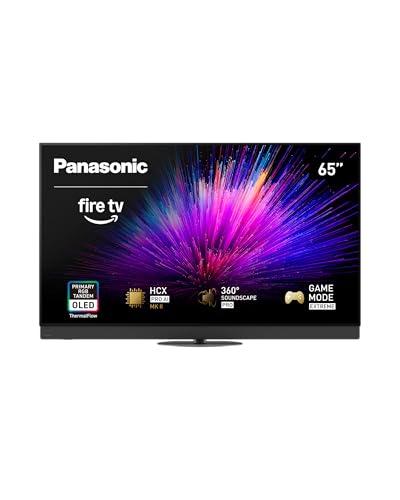
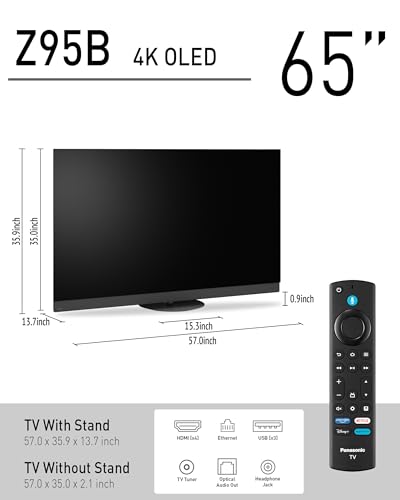
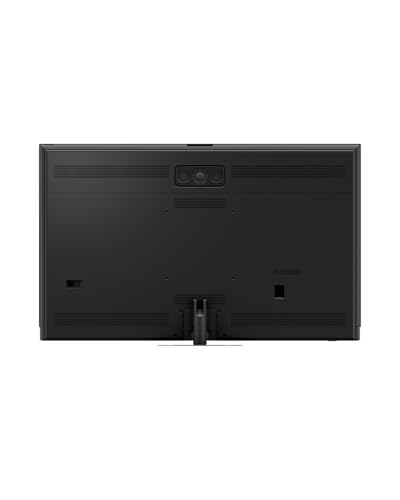
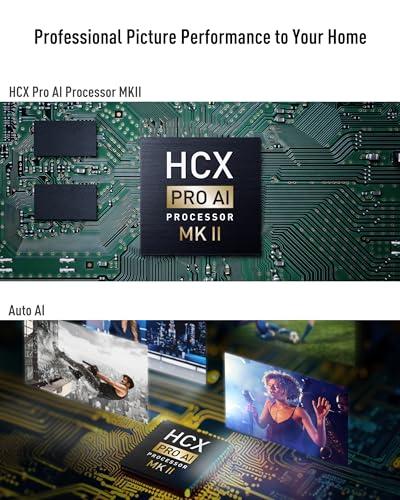
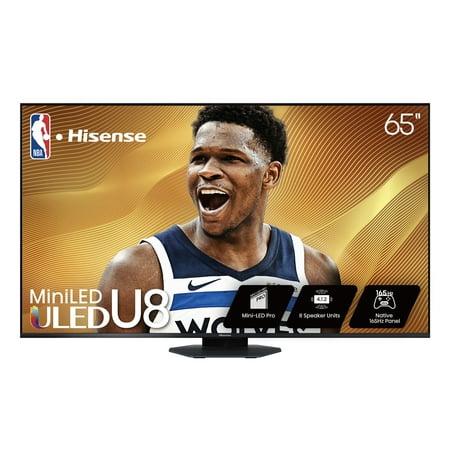
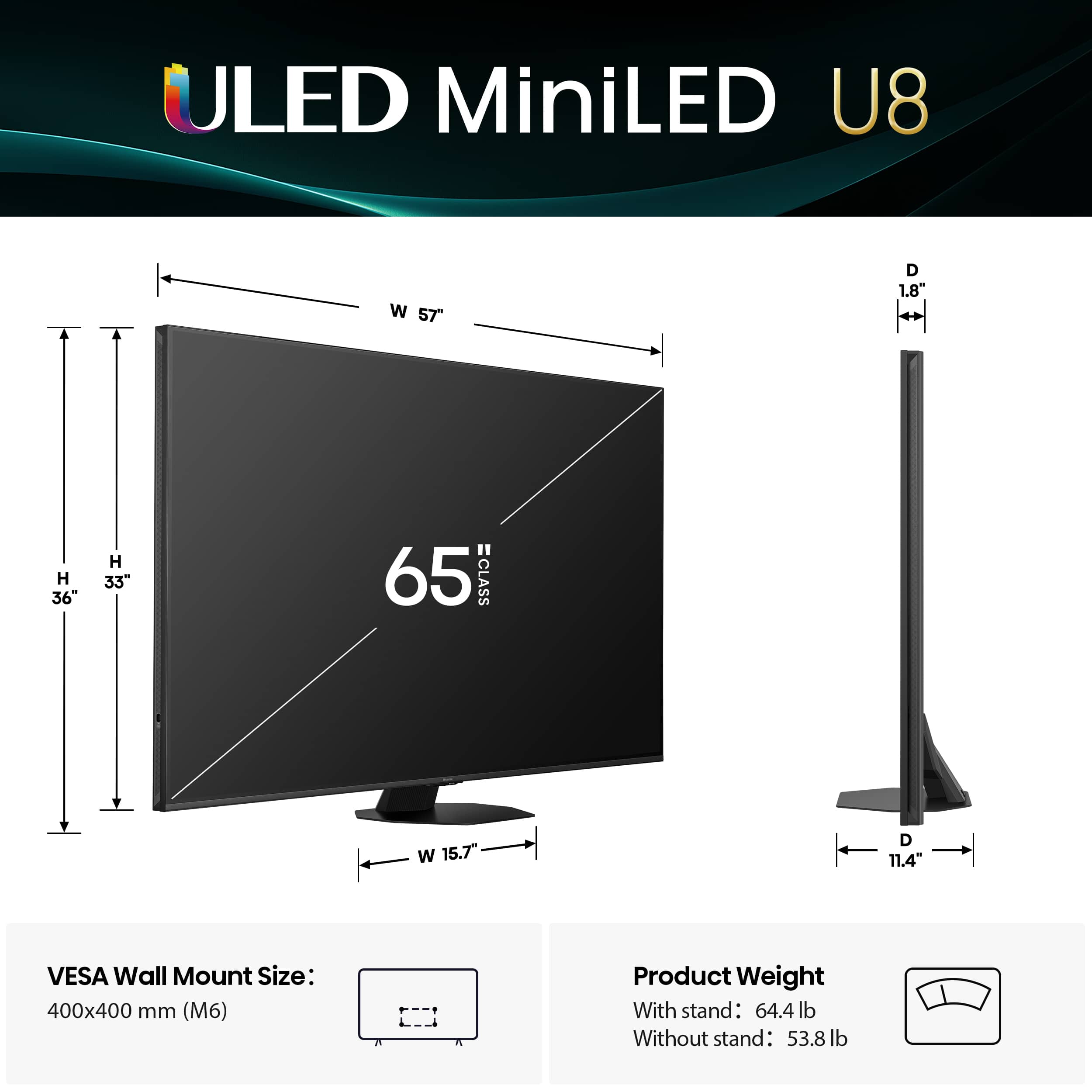
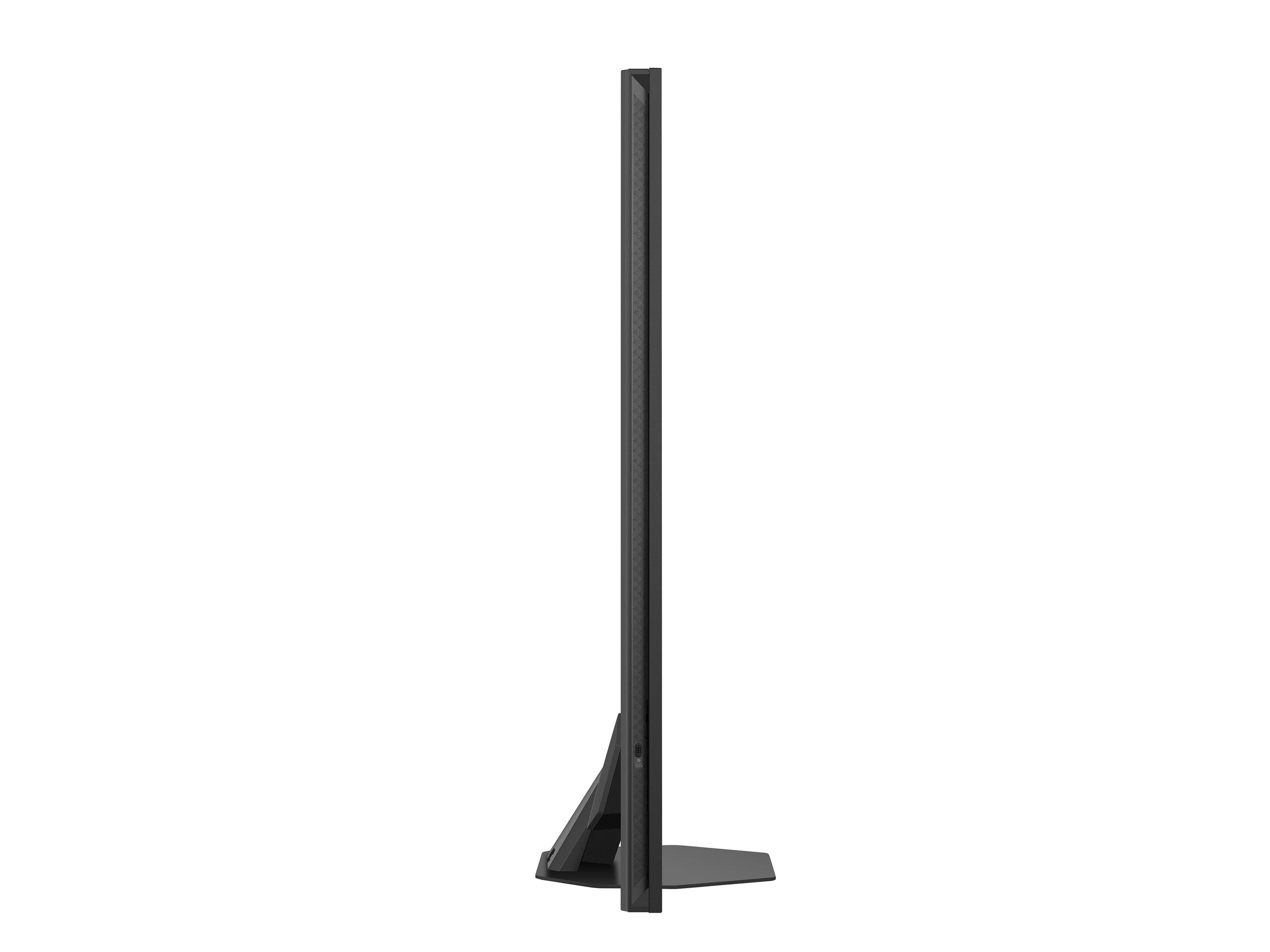
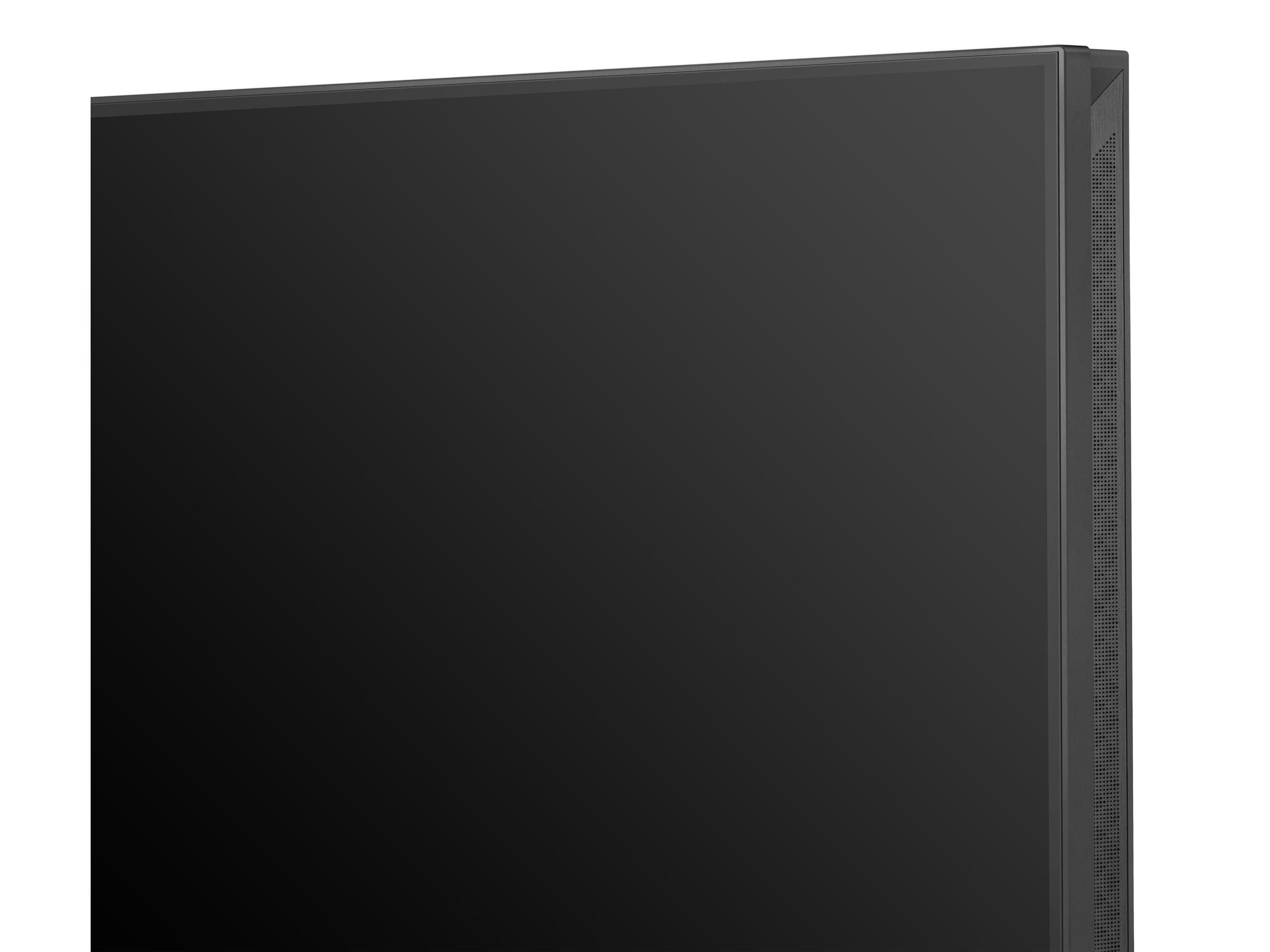
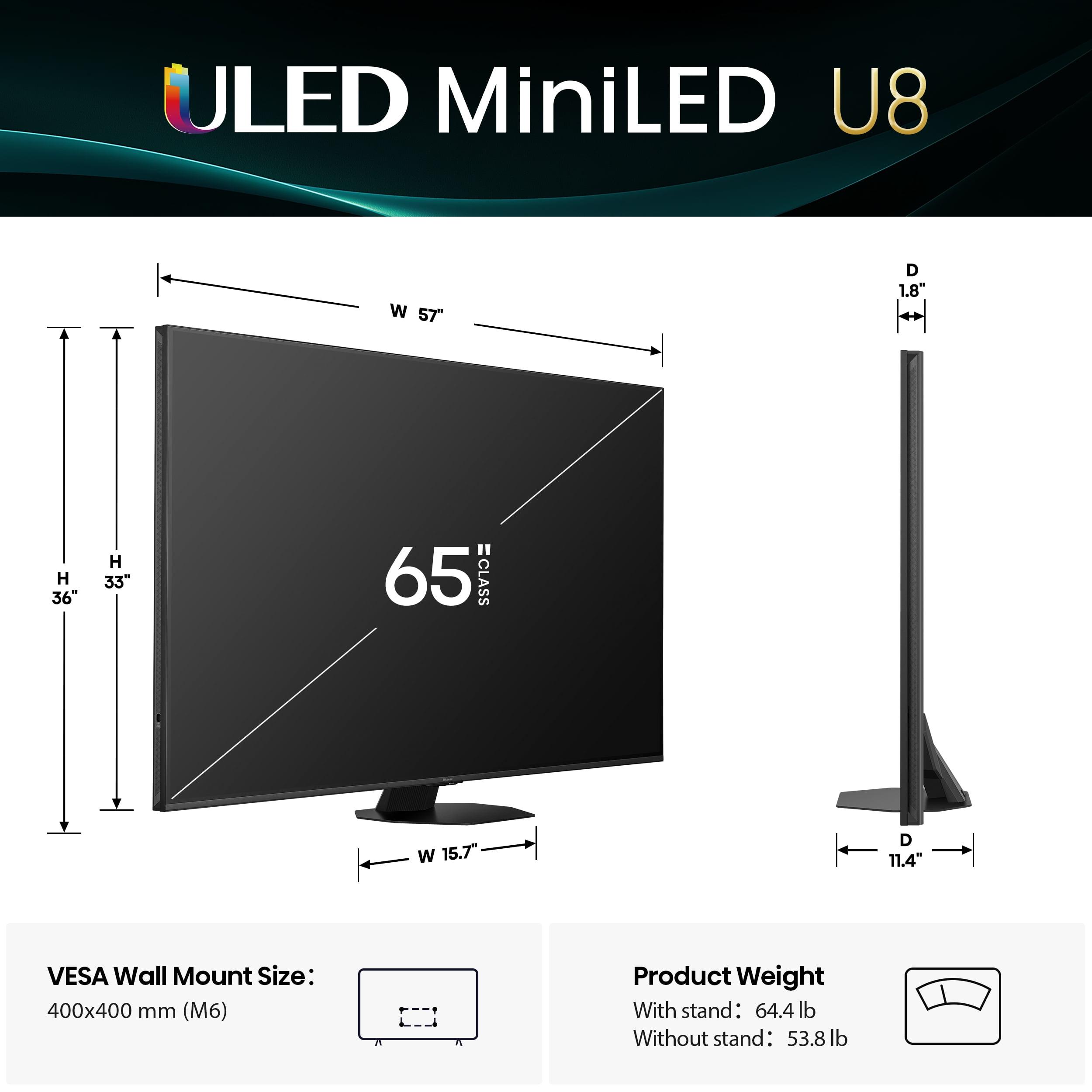
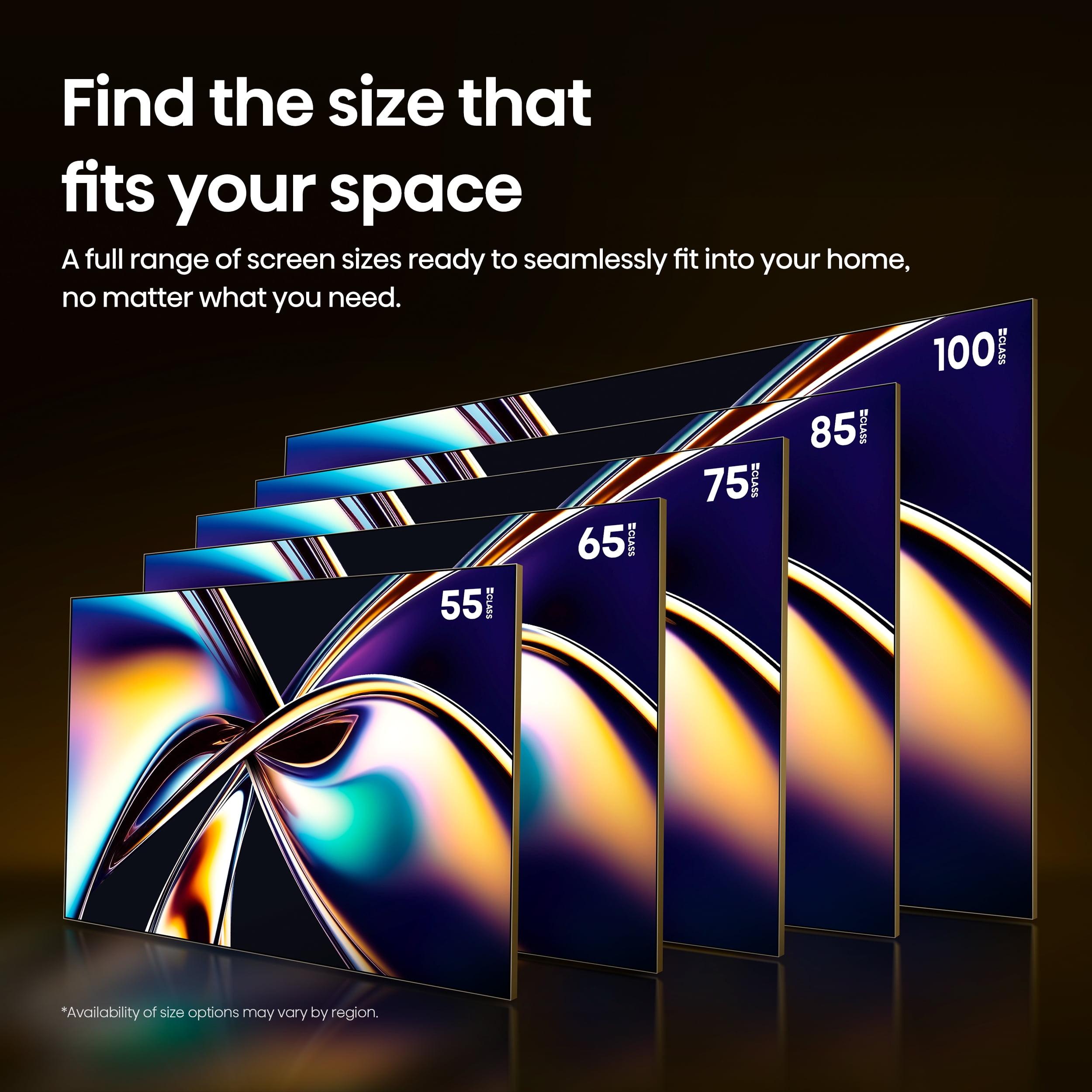
When you're shopping for a premium 65-inch TV, you're essentially choosing between two fundamentally different philosophies about how to create an amazing picture. The Panasonic Z95B Series 65" OLED represents the cutting edge of self-emitting pixel technology, while the Hisense 65" U8 Series Mini-LED showcases how traditional LCD displays have evolved to compete with OLED performance at a fraction of the cost.
Released in 2025, both TVs incorporate the latest advances in their respective technologies. The Panasonic Z95B features a brand-new Primary RGB Tandem OLED panel – essentially a four-layer stack that dramatically improves brightness and color volume over previous OLED generations. Meanwhile, the Hisense U8 leverages Mini-LED Pro+ technology with over 2000 local dimming zones, representing a massive leap forward in LCD contrast performance.
Understanding these technologies isn't just about specs – it's about knowing which approach works better for your specific viewing environment and preferences.
The fundamental distinction between these TVs lies in how they create light and control darkness. OLED technology uses organic compounds that emit their own light when electricity passes through them. Each pixel can turn completely on or completely off independently – think of it like having 8.3 million tiny light bulbs that you can control individually.
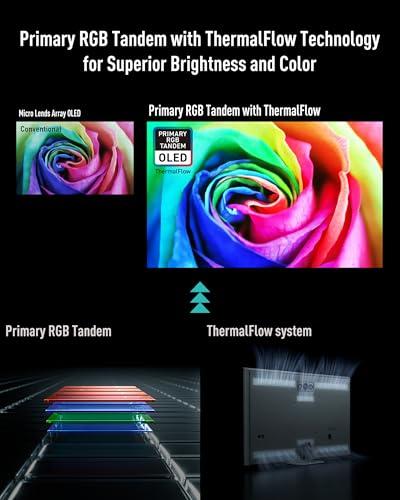
The Panasonic Z95B's Primary RGB Tandem panel takes this concept further by stacking four OLED layers (one red, one green, and two blue) to increase light output while maintaining those perfect blacks. It's like upgrading from regular light bulbs to high-efficiency LEDs while keeping the same precise control.
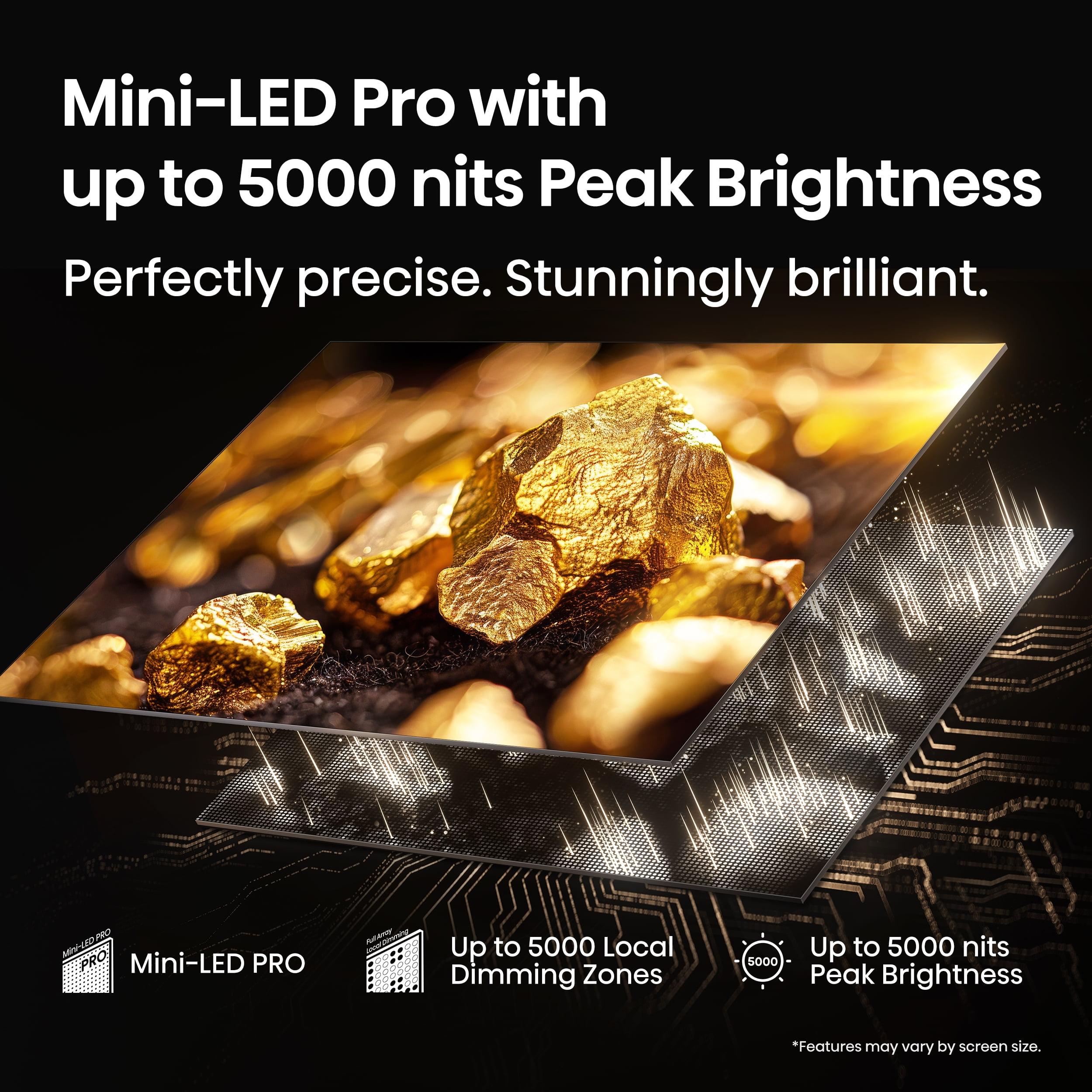
Mini-LED technology takes a different approach. The Hisense U8 places thousands of tiny LEDs behind an LCD panel, divided into over 2000 zones that can be dimmed or brightened independently. While it can't turn individual pixels completely off like OLED, it can make large areas nearly black while keeping other areas extremely bright. Imagine having a massive grid of dimmable lights behind a stained glass window – you can create dramatic contrasts, though not with pixel-perfect precision.
This is where the technology difference becomes most apparent in real-world viewing. The Panasonic Z95B achieves what's called "infinite contrast" because its pixels can turn completely off, producing true black. When you're watching a space movie with stars against the void of space, those dark areas are actually emitting zero light. This creates an incredibly immersive cinematic experience that's particularly stunning in dark rooms.
The Hisense U8 can't match this pixel-level control, but its 2000+ local dimming zones create impressively deep blacks for LCD technology. In practice, this means excellent contrast in most content, though you might notice subtle "blooming" – a slight glow around bright objects in very dark scenes. For most viewers, this Mini-LED performance gets remarkably close to OLED quality while delivering other advantages.
Based on professional reviews and user feedback, the OLED advantage in black levels is most noticeable when watching movies in completely dark rooms. In typical living room lighting, both TVs deliver excellent contrast that most viewers find satisfying.
Here's where the Hisense U8 fights back aggressively. With peak brightness reaching 3000 nits, this TV can make HDR content absolutely pop with brilliant highlights and stunning detail in bright scenes. To put this in perspective, a typical LCD TV might reach 400-600 nits, while older OLED TVs topped out around 800 nits. This massive brightness advantage means HDR movies and shows look spectacular even in bright living rooms with windows.
The Panasonic Z95B's Tandem OLED technology represents a major brightness improvement over previous OLED generations, though it still falls short of Mini-LED peak brightness. However, OLED's ability to display bright highlights directly next to perfect blacks creates a perceived contrast that can feel more dramatic than raw brightness numbers suggest.
For home theater enthusiasts who watch movies in dedicated dark rooms, the OLED's approach often feels more cinematic. For families watching TV during the day in bright living rooms, the Mini-LED's brightness advantage becomes crucial for maintaining picture quality.
The Panasonic Z95B includes something unique – support for both HDR10+ and Dolby Vision IQ, making it the only OLED TV in the US market with dual dynamic HDR support. This matters because different streaming services and disc formats use different HDR technologies. Having both ensures you get the best possible picture regardless of your content source.
The TV also includes professional calibration support through ISFccc and Calman systems, plus Filmmaker Mode for watching movies exactly as directors intended. These features appeal to serious videophiles who want reference-quality accuracy.
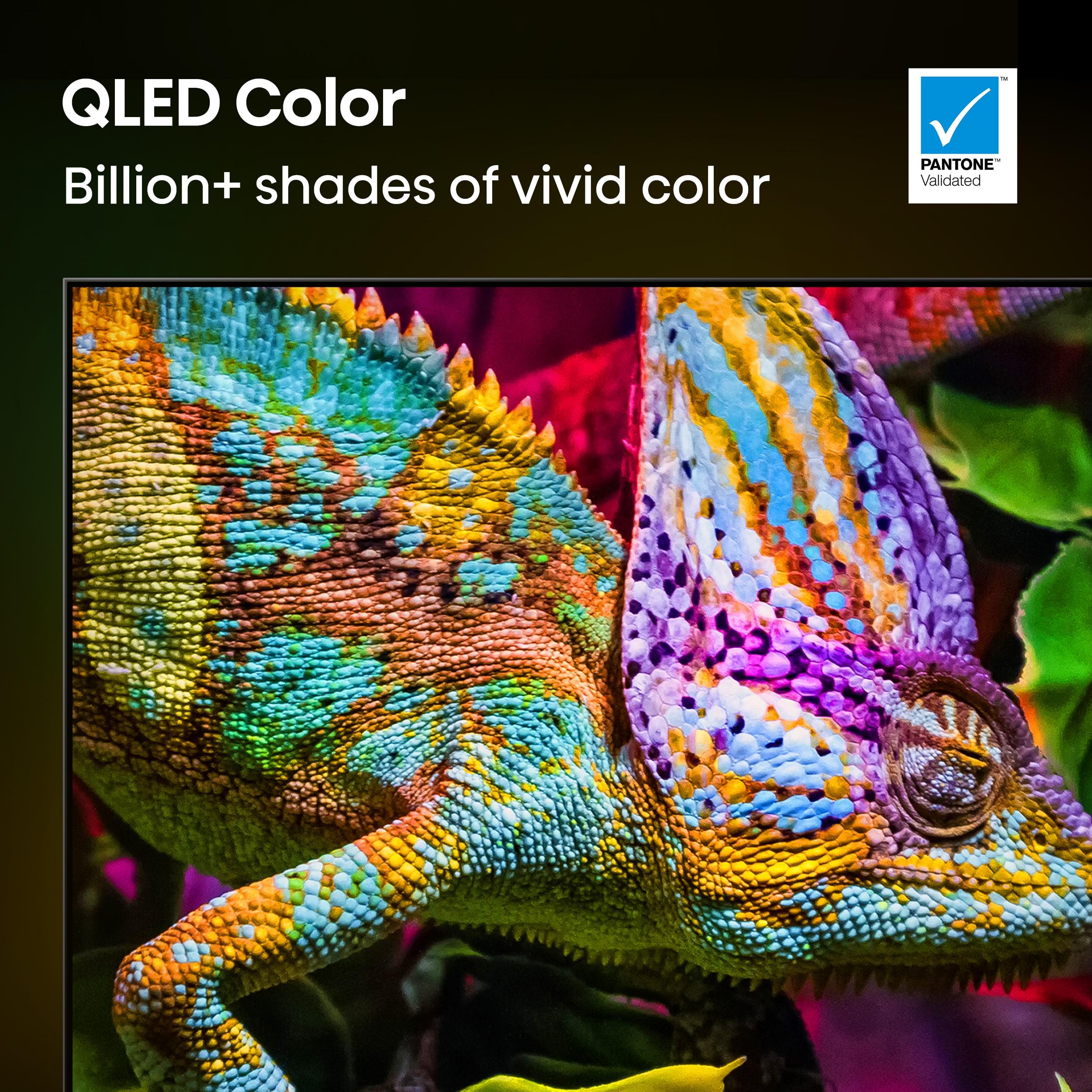
The Hisense U8 uses Quantum Dot technology to produce over a billion colors with excellent vibrancy and saturation. While it may not match the Panasonic's professional calibration capabilities, it delivers wonderfully vibrant colors that most viewers will find stunning, particularly for sports and bright, colorful content.
OLED technology maintains consistent picture quality from virtually any viewing angle – a fundamental advantage of self-emitting pixels. The Panasonic Z95B looks essentially identical whether you're sitting directly in front or off to the side.
The Hisense U8, like all LCD-based TVs, has more limited optimal viewing angles. Colors and brightness fade somewhat when viewed from the sides. This isn't necessarily a deal-breaker – many families sit primarily in front of their TV – but it's worth considering for wide seating arrangements or wall mounting situations.
Both TVs target serious gamers with comprehensive HDMI 2.1 feature sets, but they deliver different experiences based on their underlying display technologies.
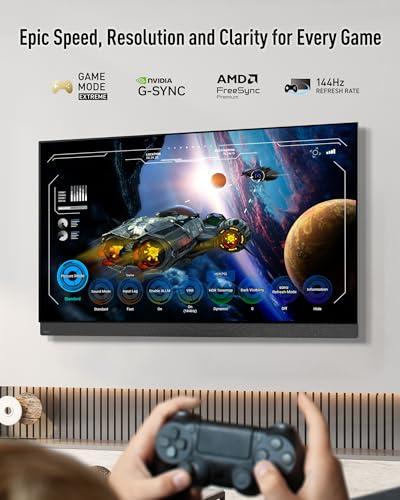
The Panasonic Z95B offers a 144Hz native refresh rate with OLED's instantaneous pixel response times. This combination eliminates motion blur and ghosting completely – when a character moves quickly across the screen, you see crisp motion without any trailing artifacts. The TV includes two HDMI 2.1 ports supporting 4K@144Hz with Variable Refresh Rate (VRR), which synchronizes the TV's display rate with your console or PC's frame rate for smoother gameplay.
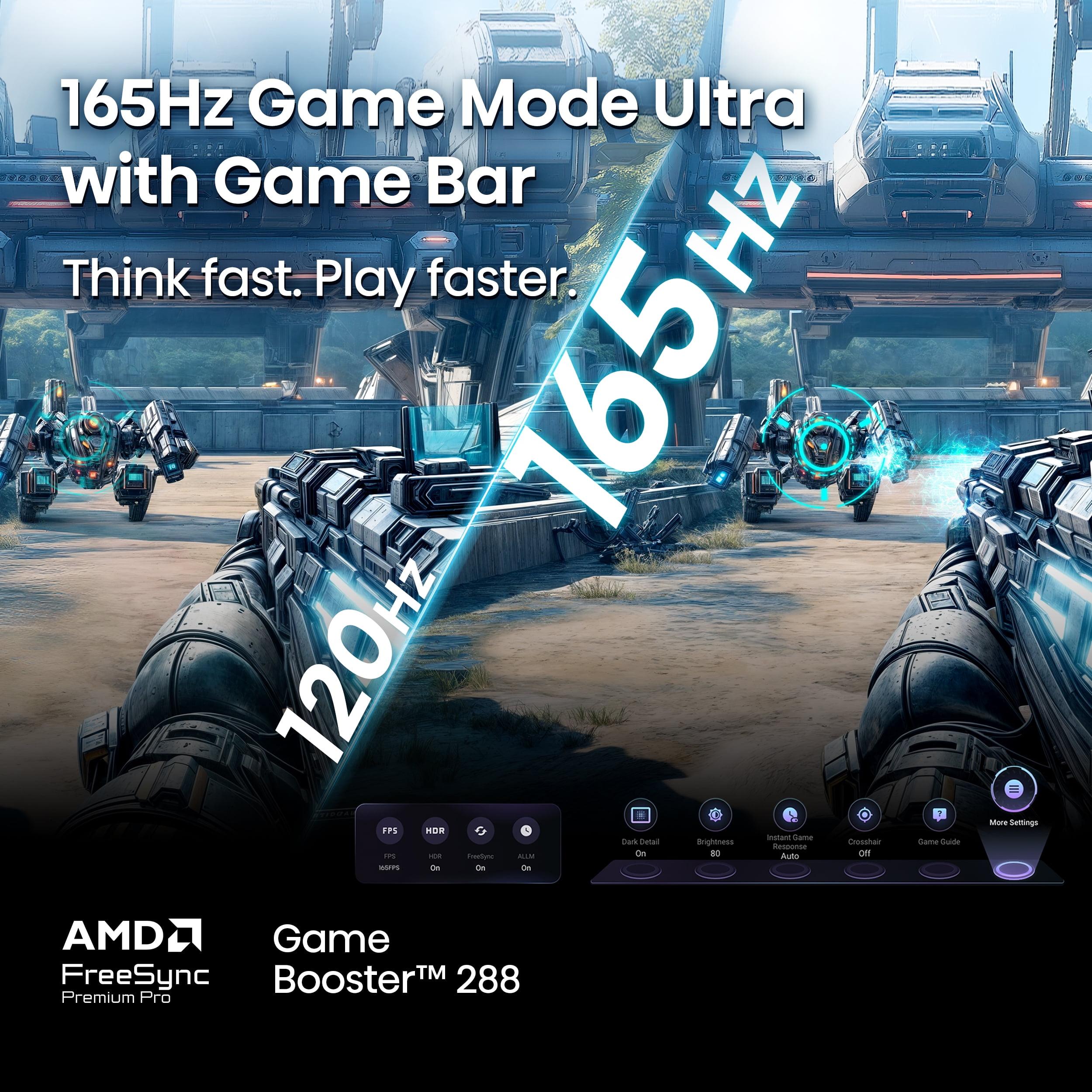
The Hisense U8 counters with an even higher 165Hz refresh rate in some models, plus excellent response times for LCD technology. Importantly, it allows simultaneous use of local dimming and VRR features – some competing TVs force you to choose between them.
For competitive gaming, both TVs deliver ultra-low input lag in their dedicated game modes. The OLED's perfect blacks enhance atmospheric games and movies, while the Mini-LED's superior brightness benefits HDR gaming and any gaming in bright rooms.
Gaming preferences often come down to room environment: dark room gaming favors OLED's perfect blacks and infinite contrast, while bright room gaming benefits from Mini-LED's superior brightness and anti-glare properties.
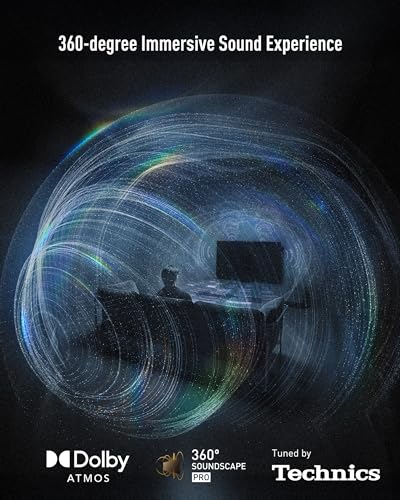
This is where the Panasonic Z95B establishes a commanding advantage that significantly impacts its overall value proposition. The TV features a completely redesigned audio system with a 5.1.2 channel Dolby Atmos configuration producing 170 watts of power.
This isn't typical TV audio. The system includes up-firing drivers positioned wider apart for improved spaciousness, side-firing speakers, and built-in subwoofers. Panasonic's 360 Soundscape Pro technology, tuned by Technics, creates an immersive three-dimensional soundstage that rivals dedicated soundbars.
Professional reviews consistently highlight this audio system as exceptional for integrated TV speakers. Many users report being genuinely surprised by the depth and immersion, with some deciding against purchasing separate audio equipment.
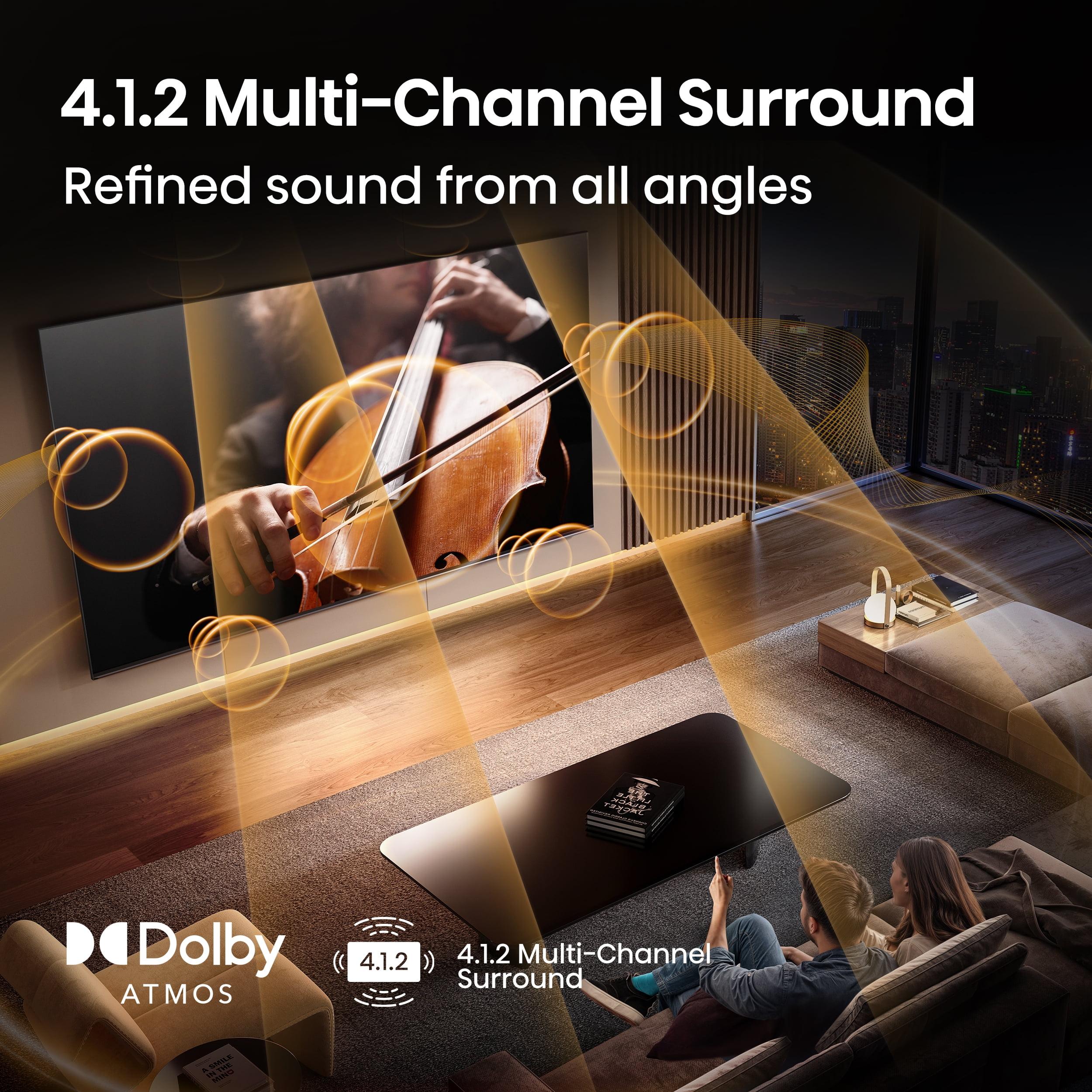
The Hisense U8's 50-watt 2.1.2 channel system with Dolby Atmos is certainly above average for TV speakers and includes a built-in subwoofer, but it operates in a different league compared to the Panasonic's audiophile-level implementation.
For home theater enthusiasts, this audio difference is substantial. If you're planning to buy a soundbar anyway, it's less relevant. But if you prefer integrated solutions or want to minimize living room clutter, the Panasonic's superior audio becomes a major value consideration.
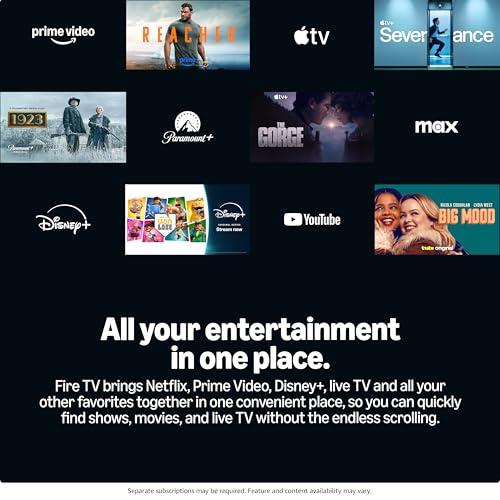
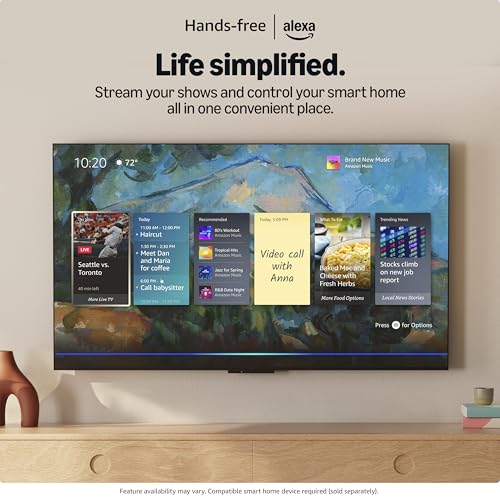
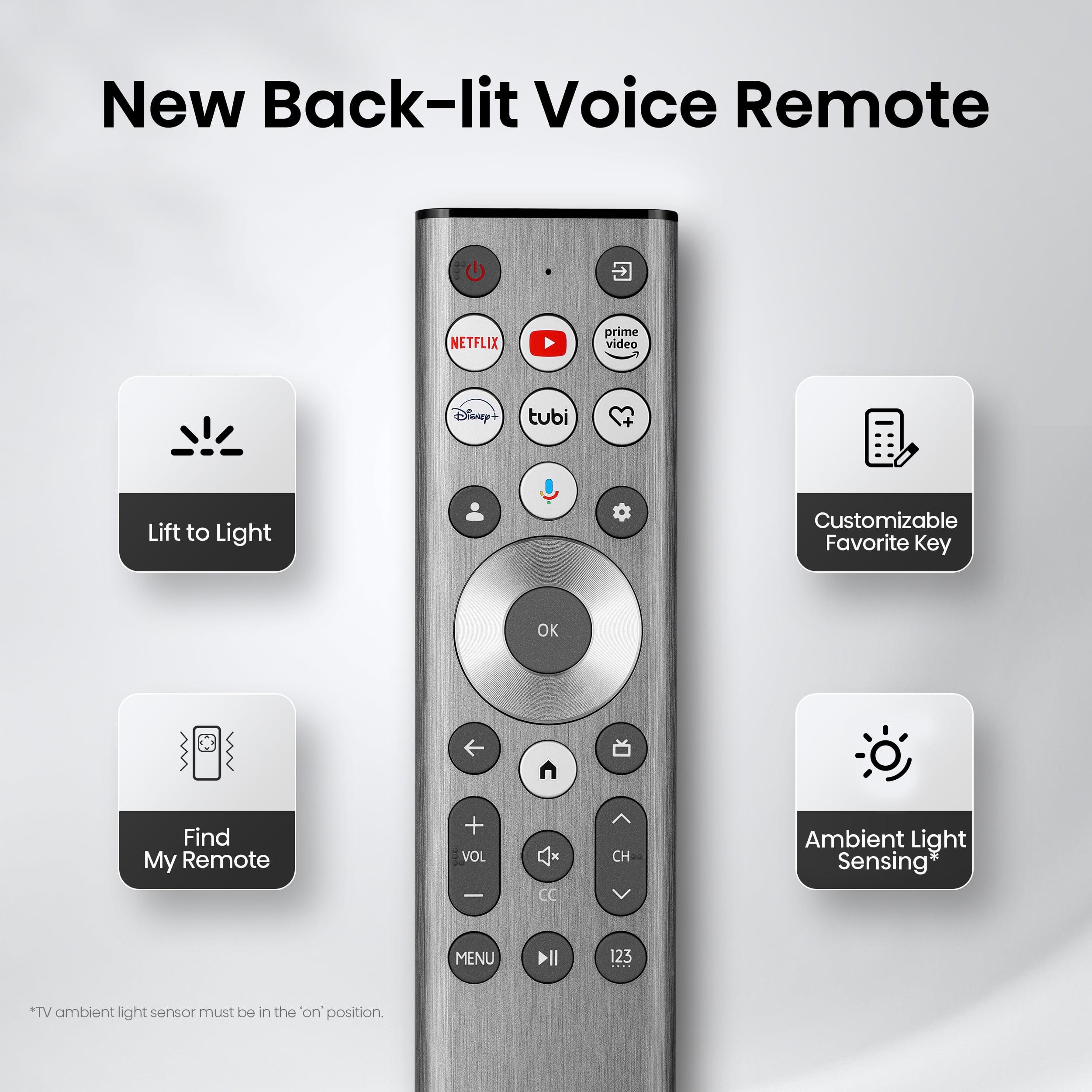
The Panasonic Z95B runs Fire TV OS with Alexa integration, offering a content-forward interface that merges live TV, streaming services, and recommendations into a unified experience. The platform includes extensive app support and seamless integration with Amazon's ecosystem.
The Hisense U8 uses Google TV, providing a different approach with Google Assistant integration, Chromecast built-in functionality, and personalized recommendations across services. Some users prefer Google's interface and its integration with Google services and smart home devices.
Both platforms are mature and capable, with the choice often coming down to personal preference and existing ecosystem investments. Fire TV appeals to Amazon Prime Video users and Alexa smart home setups, while Google TV integrates better with Android phones and Google services.
At the time of writing, these TVs represent dramatically different value propositions. The Hisense U8 typically costs roughly one-third the price of the Panasonic Z95B, making it an exceptional value for premium TV technology.
The Hisense delivers Mini-LED performance, high peak brightness, comprehensive gaming features, and smart capabilities at a price point that makes premium TV technology accessible to mainstream buyers. Its 2-year warranty (double the industry standard) adds additional value and peace of mind.
The Panasonic Z95B's premium pricing reflects cutting-edge OLED technology, superior audio engineering, dual HDR format support, and flagship build quality. When you factor in the potential cost savings from not needing a soundbar ($300-800+), the total ownership equation becomes more complex.
This pricing differential isn't just about profit margins – it reflects fundamental differences in manufacturing costs, technology maturity, and target markets. OLED panels require more expensive materials and complex manufacturing processes, while Mini-LED leverages more established LCD production with enhanced backlighting.
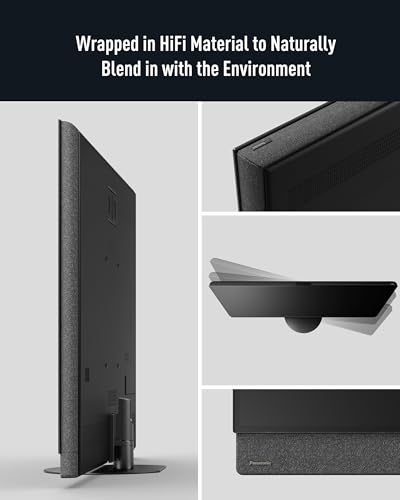
The Panasonic Z95B's Primary RGB Tandem OLED technology represents a genuine breakthrough in OLED brightness and efficiency. The four-layer structure increases light output by approximately 40% while expanding color volume beyond traditional OLED capabilities. Panasonic's ThermalFlow cooling system, inspired by aerodynamic design, manages heat dissipation to maintain peak performance.
The Hisense U8's Mini-LED Pro+ implementation showcases how LCD technology has evolved. With over 2000 local dimming zones and peak brightness reaching 3000 nits, it achieves contrast performance that approaches OLED quality while maintaining LCD's brightness advantages.
Both TVs include future-proofing features like HDMI 2.1 bandwidth and advanced gaming support. The Hisense adds NEXTGEN TV ATSC 3.0 tuner support for future broadcast standards.
For dedicated home theater rooms with controlled lighting, the Panasonic Z95B excels with its perfect blacks, infinite contrast, and exceptional built-in audio system. The combination creates a truly cinematic experience that rivals commercial theaters.
The TV's support for both HDR10+ and Dolby Vision ensures optimal performance regardless of content source, while professional calibration capabilities allow fine-tuning for reference-quality accuracy.
For family rooms with ambient lighting, the Hisense U8's superior brightness and anti-glare properties maintain excellent picture quality in challenging lighting conditions. Its outstanding value proposition allows budget allocation for other home theater components.
Choose the Panasonic Z95B if you prioritize absolute picture quality and plan to use the TV primarily in dark or controlled lighting environments. The exceptional built-in audio system makes it particularly appealing if you prefer integrated solutions over separate soundbars. Serious movie enthusiasts who want professional-level calibration capabilities and dual HDR format support will appreciate its reference-quality performance.
Choose the Hisense U8 if you want premium TV technology at outstanding value pricing. Its superior brightness excels in bright living rooms, while comprehensive gaming features appeal to serious gamers. The exceptional price-to-performance ratio makes it ideal for buyers who want flagship features without flagship pricing.
The choice ultimately depends on your viewing environment, budget priorities, and feature preferences. Both represent excellent options within their respective market segments, offering different approaches to achieving premium TV performance. At the time of writing, these TVs showcase how display technology continues evolving, with OLED pushing toward brighter, more colorful performance while Mini-LED approaches OLED-like contrast at more accessible prices.
| Panasonic Z95B Series 65" OLED 4K Smart Fire TV | Hisense 65" U8 Series Mini-LED ULED 4K Google TV |
|---|---|
| Display Technology - Determines black levels, viewing angles, and overall picture character | |
| Primary RGB Tandem OLED (4-layer self-emitting pixels) | Mini-LED Pro+ with 2000+ local dimming zones |
| Peak Brightness - Critical for HDR impact and bright room viewing | |
| Enhanced OLED brightness with ThermalFlow cooling (improved over previous OLED) | Up to 3000 nits (excellent for daytime viewing and bright rooms) |
| Black Levels - Most important for dark room movie watching | |
| Perfect blacks with infinite contrast (pixels turn completely off) | Deep blacks with minimal blooming (excellent for LCD technology) |
| HDR Format Support - Determines compatibility with streaming services and discs | |
| HDR10+, Dolby Vision IQ, HDR10, HLG (only OLED with both dynamic formats) | Dolby Vision, HDR10, HDR10+, HLG |
| Gaming Performance - Refresh rate and response time for console/PC gaming | |
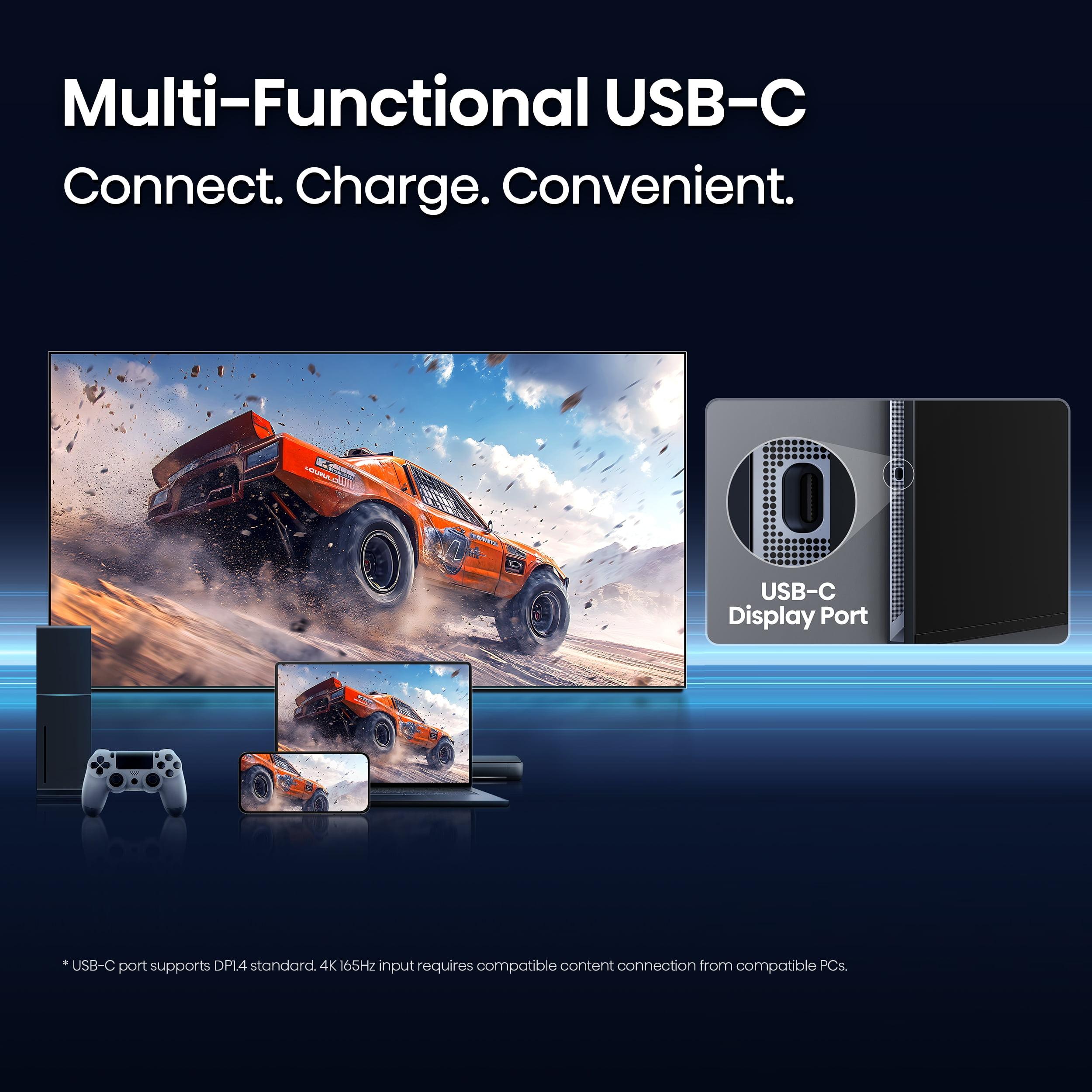
| 144Hz native, instant pixel response, 2x HDMI 2.1 ports | 144Hz-165Hz (model dependent), excellent LCD response times |
| Built-in Audio System - Can eliminate need for separate soundbar | |
| 5.1.2 channel Dolby Atmos, 170W, tuned by Technics (rivals dedicated soundbars) | 2.1.2 channel Dolby Atmos, 50W with subwoofer (above average TV speakers) |
| Viewing Angles - Important for wide seating arrangements | |
| Excellent from any angle (OLED advantage) | Limited optimal viewing cone (typical LCD limitation) |
| Smart TV Platform - Different ecosystems and interface preferences | |
| Fire TV OS with Alexa integration | Google TV with Google Assistant and Chromecast |
| Professional Features - For videophiles and calibration enthusiasts | |
| ISFccc, Calman calibration, Filmmaker Mode, Prime Video Calibrated Mode | Standard picture modes without professional calibration tools |
| Warranty Coverage - Peace of mind and manufacturer confidence | |
| Standard 1-year warranty | 2-year warranty (double industry standard) |
| Value Proposition - Performance relative to investment | |
| Premium OLED technology with flagship audio at luxury pricing | Exceptional Mini-LED performance at roughly 1/3 the cost |
The Panasonic Z95B OLED is significantly better for dark room viewing due to its perfect black levels and infinite contrast ratio. OLED pixels can turn completely off, creating true blacks that make movies look incredibly cinematic in dark environments. The Hisense U8 Mini-LED offers excellent contrast for LCD technology but cannot match OLED's pixel-level control.
The Hisense U8 Mini-LED gets much brighter with peak brightness up to 3000 nits, making it excellent for bright living rooms with lots of windows. The Panasonic Z95B OLED has improved brightness over previous OLED generations but still falls short of Mini-LED peak brightness levels, making it better suited for controlled lighting environments.
OLED technology in the Panasonic Z95B uses self-emitting pixels that can turn completely on or off individually, creating perfect blacks and infinite contrast. Mini-LED technology in the Hisense U8 uses thousands of tiny LEDs behind an LCD panel with local dimming zones to achieve deep blacks while maintaining superior brightness compared to traditional LCD TVs.
The Panasonic Z95B OLED has dramatically superior built-in audio with a 5.1.2 channel Dolby Atmos system producing 170 watts, tuned by Technics. This system rivals dedicated soundbars and can eliminate the need for external audio. The Hisense U8 has above-average TV speakers with a 2.1.2 system and 50 watts, but doesn't approach the Panasonic's audiophile-level performance.
Both TVs excel for gaming with modern features. The Panasonic Z95B offers 144Hz refresh rate with instant OLED pixel response and two HDMI 2.1 ports. The Hisense U8 provides up to 165Hz refresh rate with excellent LCD response times. Both support VRR, low input lag, and next-gen console features, with the choice depending on whether you prefer OLED's perfect blacks or Mini-LED's higher brightness.
The Panasonic Z95B uses Fire TV OS with Alexa integration, offering excellent app selection and Amazon ecosystem integration. The Hisense U8 runs Google TV with Google Assistant and Chromecast built-in. Both platforms are mature and capable, with the choice often coming down to personal preference and existing smart home ecosystems.
The Hisense U8 Mini-LED offers exceptional value, delivering premium Mini-LED technology, high brightness, and comprehensive features at roughly one-third the cost of premium OLED alternatives. The Panasonic Z95B commands premium pricing for cutting-edge OLED technology and superior audio, but represents excellent value when you factor in potentially not needing a separate soundbar.
The Panasonic Z95B OLED maintains consistent picture quality from virtually any viewing angle due to OLED's self-emitting pixel technology. The Hisense U8 Mini-LED has more limited optimal viewing angles typical of LCD panels, with some color and brightness degradation when viewed from the sides, though this may not matter for centered seating arrangements.
The Panasonic Z95B OLED uniquely supports both HDR10+ and Dolby Vision IQ, making it the only OLED TV in the US market with dual dynamic HDR support. This ensures optimal performance regardless of content source. The Hisense U8 supports Dolby Vision, HDR10, HDR10+, and HLG, covering most HDR content but without the dual dynamic format advantage.
Both TVs work well for home theater, but in different ways. The Panasonic Z95B OLED excels in dedicated dark home theater rooms with its perfect blacks, infinite contrast, and exceptional built-in audio system that can replace a soundbar. The Hisense U8 works better for bright family rooms and offers outstanding value for home theater setups where you plan to add separate audio equipment.
Both TVs handle motion well but differently. The Panasonic Z95B OLED has instantaneous pixel response times that completely eliminate motion blur and ghosting. The Hisense U8 offers excellent motion handling for LCD technology with higher peak brightness that makes sports content pop in bright rooms. The choice depends on your viewing environment and whether you prioritize perfect motion clarity or bright, vivid sports content.
The Hisense U8 Mini-LED includes a 2-year warranty, which is double the industry standard and demonstrates manufacturer confidence in build quality. The Panasonic Z95B OLED comes with a standard 1-year warranty typical of premium OLED TVs. The extended warranty on the Hisense U8 adds extra value and peace of mind for buyers.
We've done our best to create useful and informative comparisons to help you decide what product to buy. Our research uses advanced automated methods to create this comparison and perfection is not possible - please contact us for corrections or questions. These are the sites we've researched in the creation of this article: rtings.com - whathifi.com - techradar.com - tomsguide.com - youtube.com - youtube.com - youtube.com - avsforum.com - bestbuy.com - manuals.plus - na.panasonic.com - panasonic.com - displayspecifications.com - valueelectronics.com - flatpanelshd.com - valueelectronics.com - displayspecifications.com - flatpanelshd.com - bestbuy.com - hisense-usa.com - rtings.com - bestbuy.com - rtings.com - hisense-usa.com - youtube.com - hisense-usa.com - avsforum.com - hisense-usa.com - hisense-usa.com - rtings.com - avsforum.com - hisense-usa.com - prnewswire.com - hisense-usa.com - bestbuy.com - youtube.com - hisense-usa.com

Privacy Policy
Terms and Conditions - Affiliate Policy
Home Security
© Copyright 2008-2026.
11816 Inwood Rd #1211, Dallas, TX 75244