

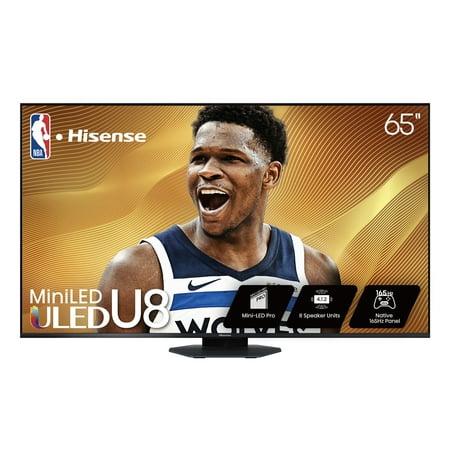
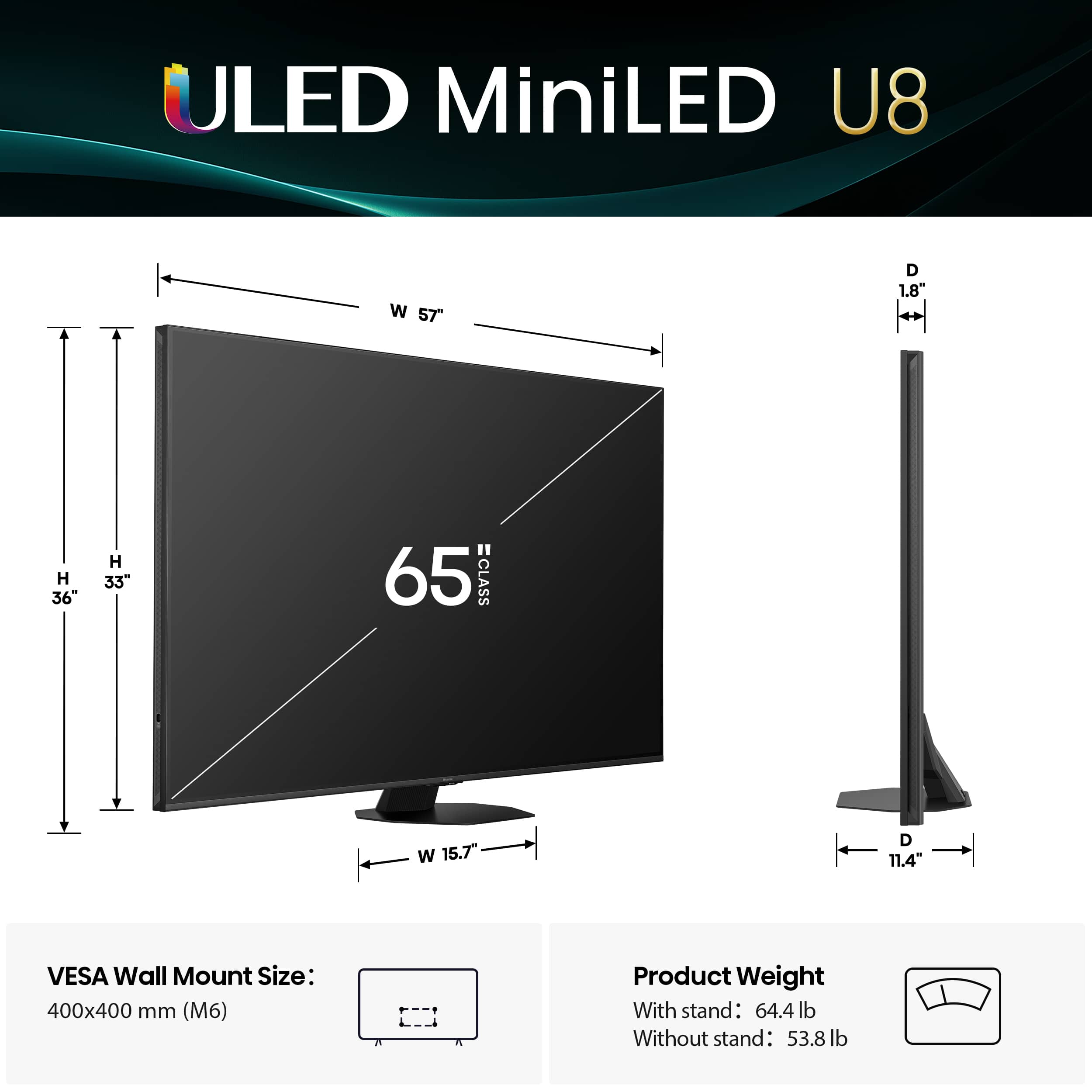
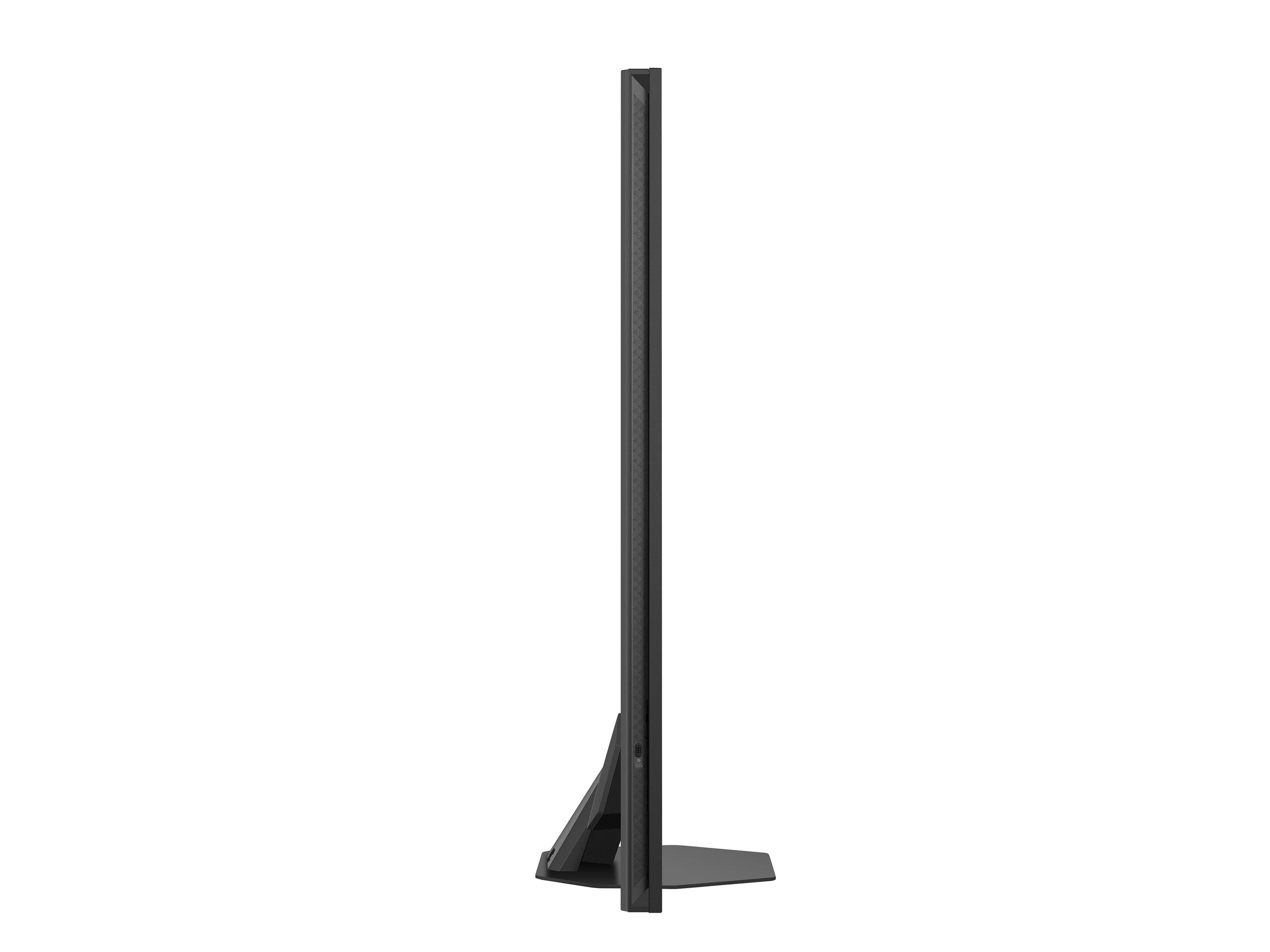
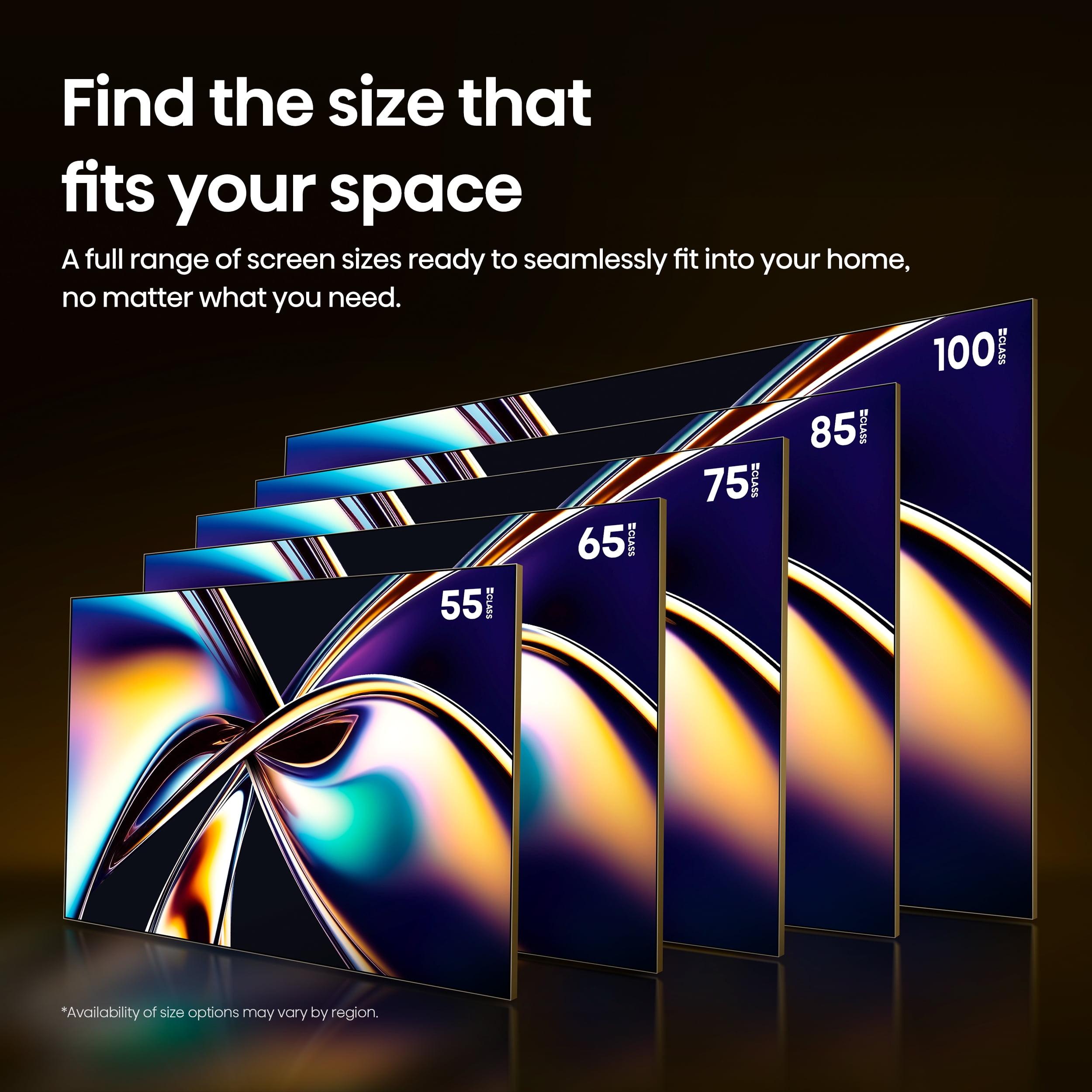
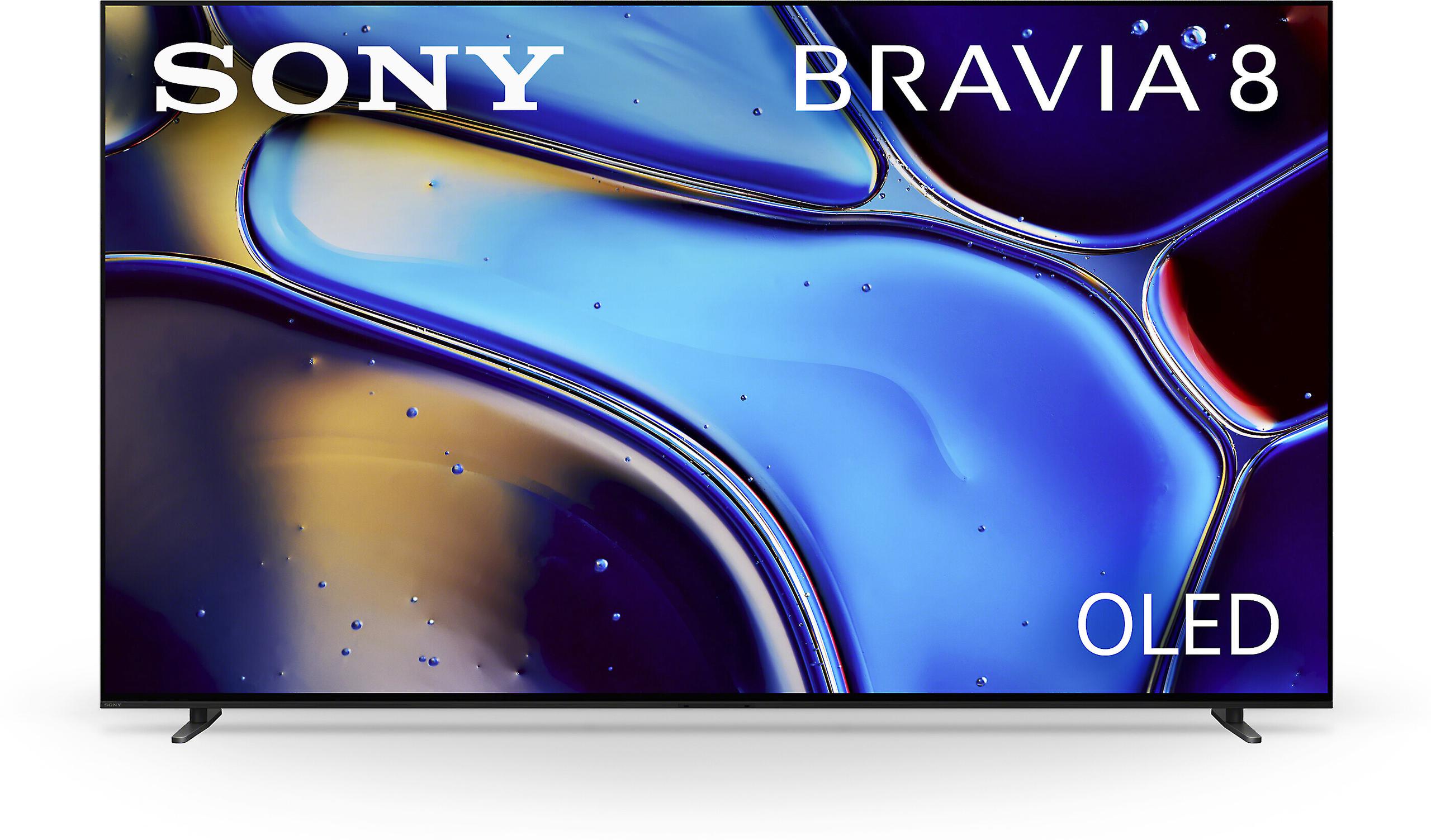
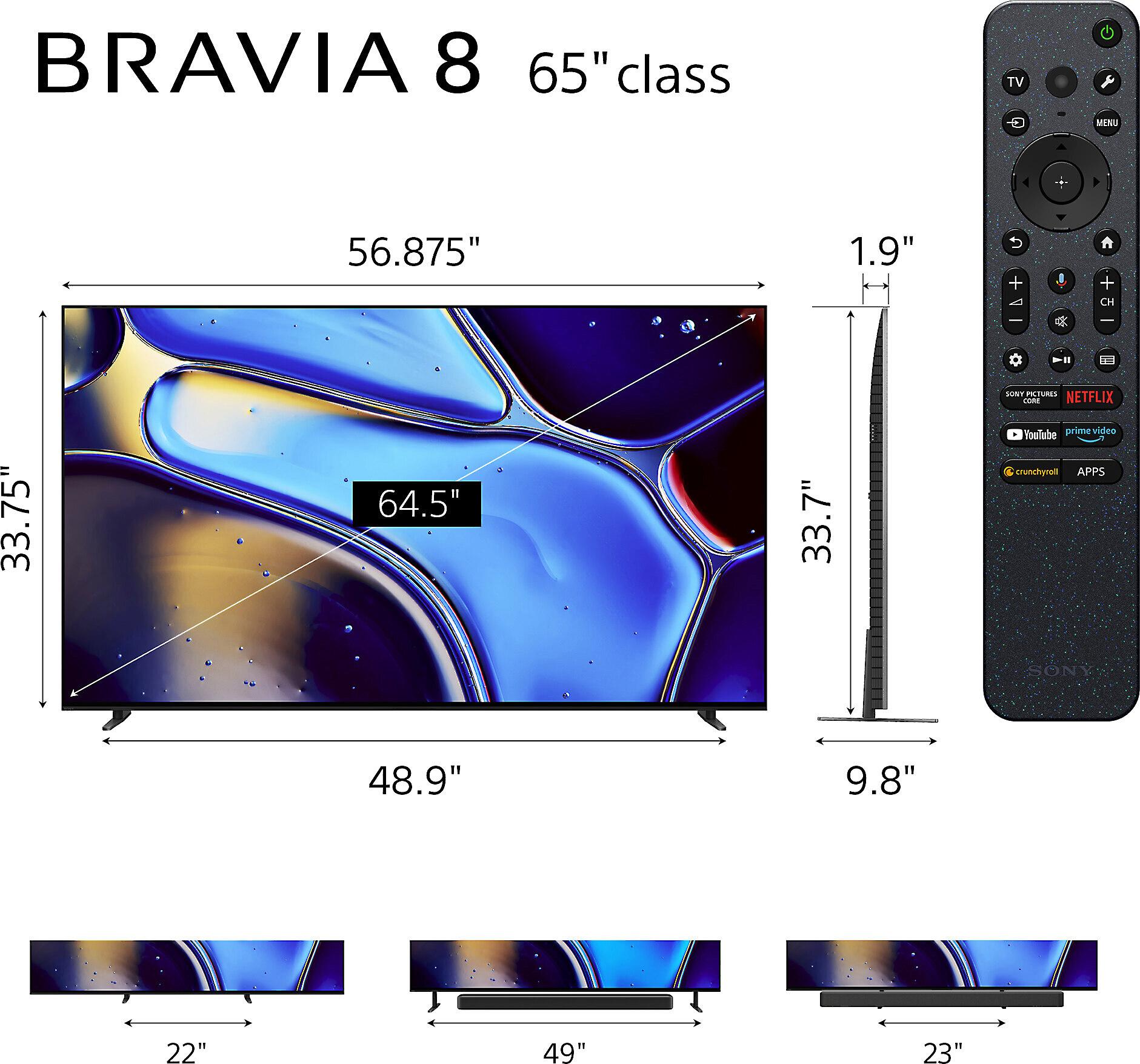
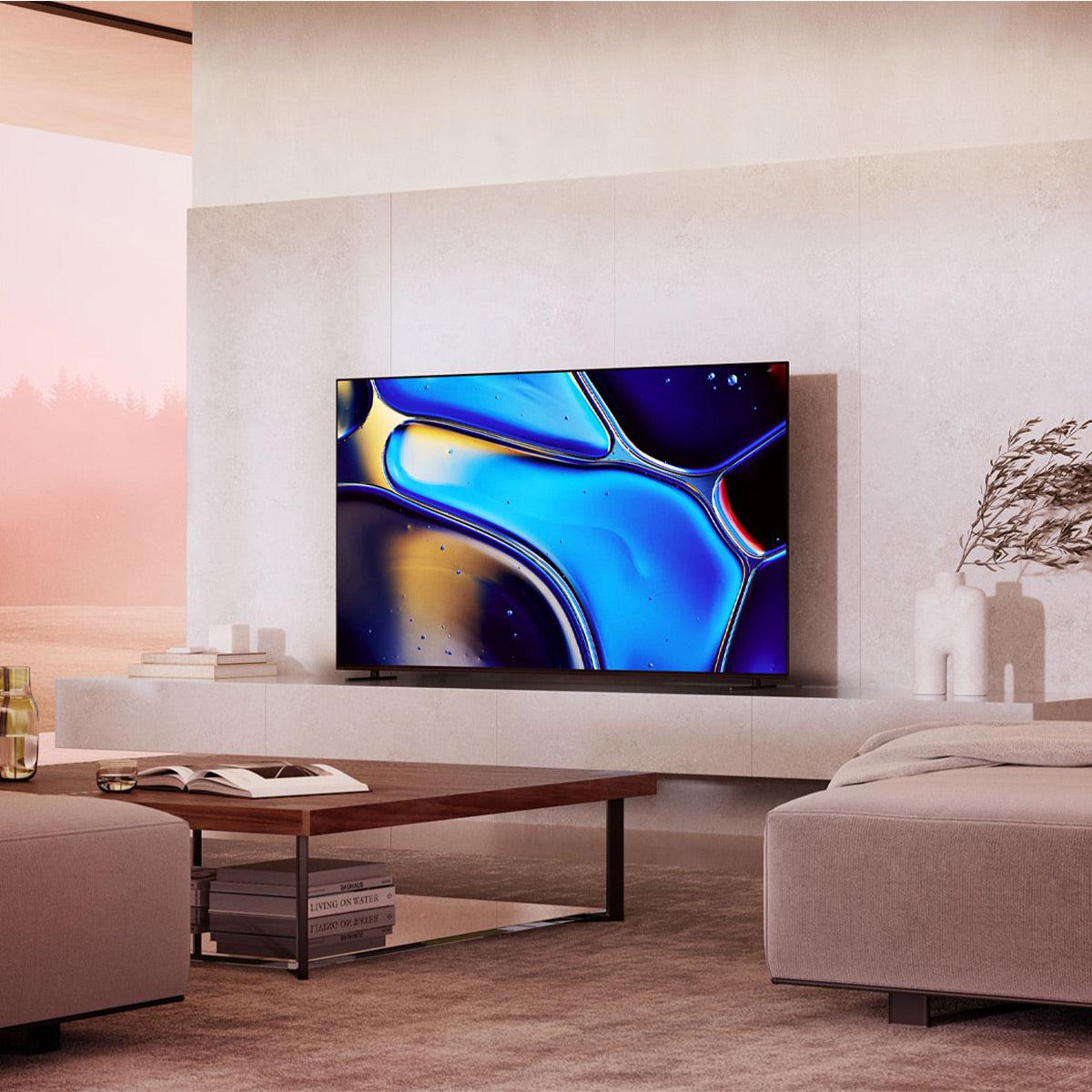
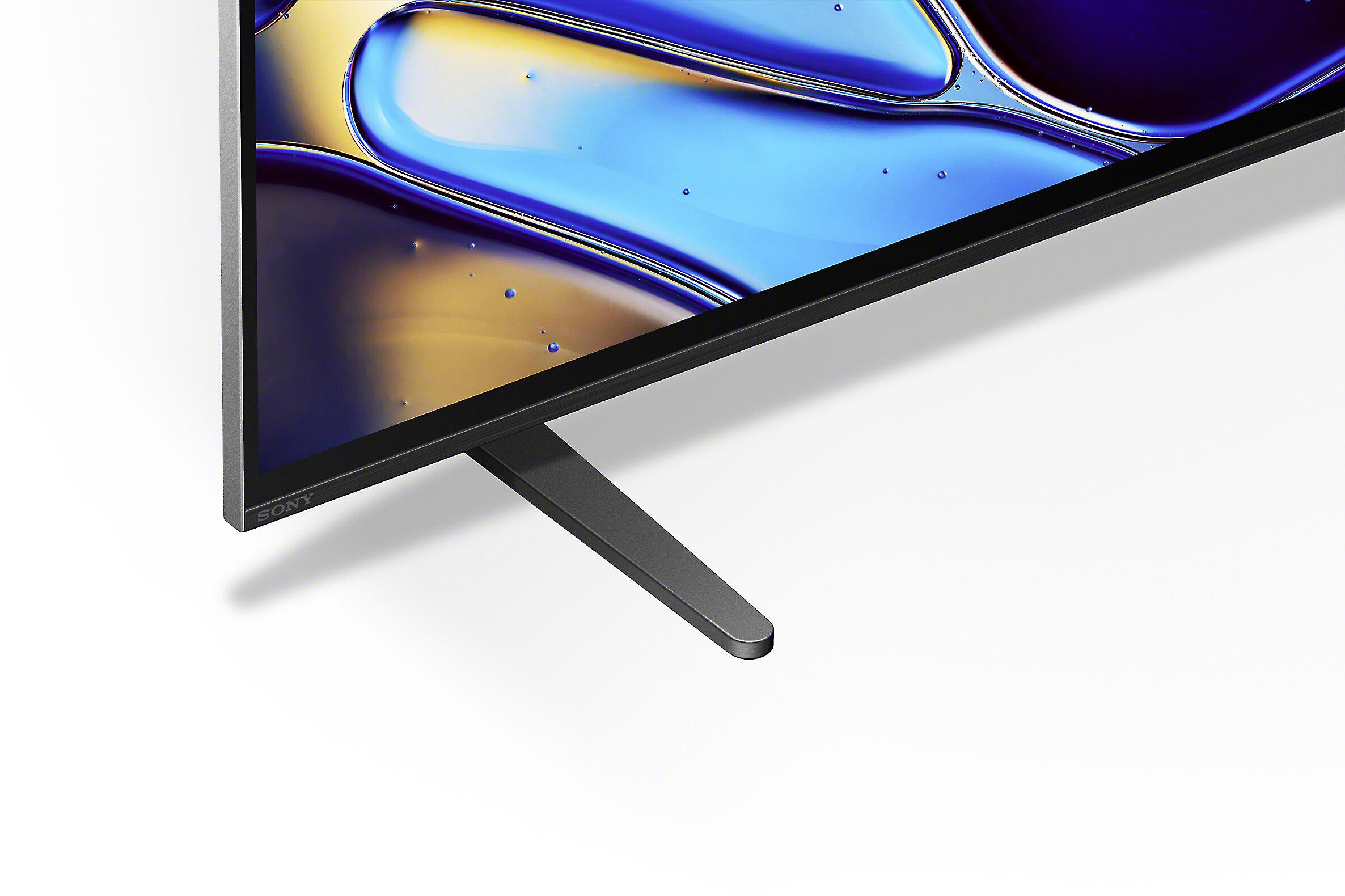
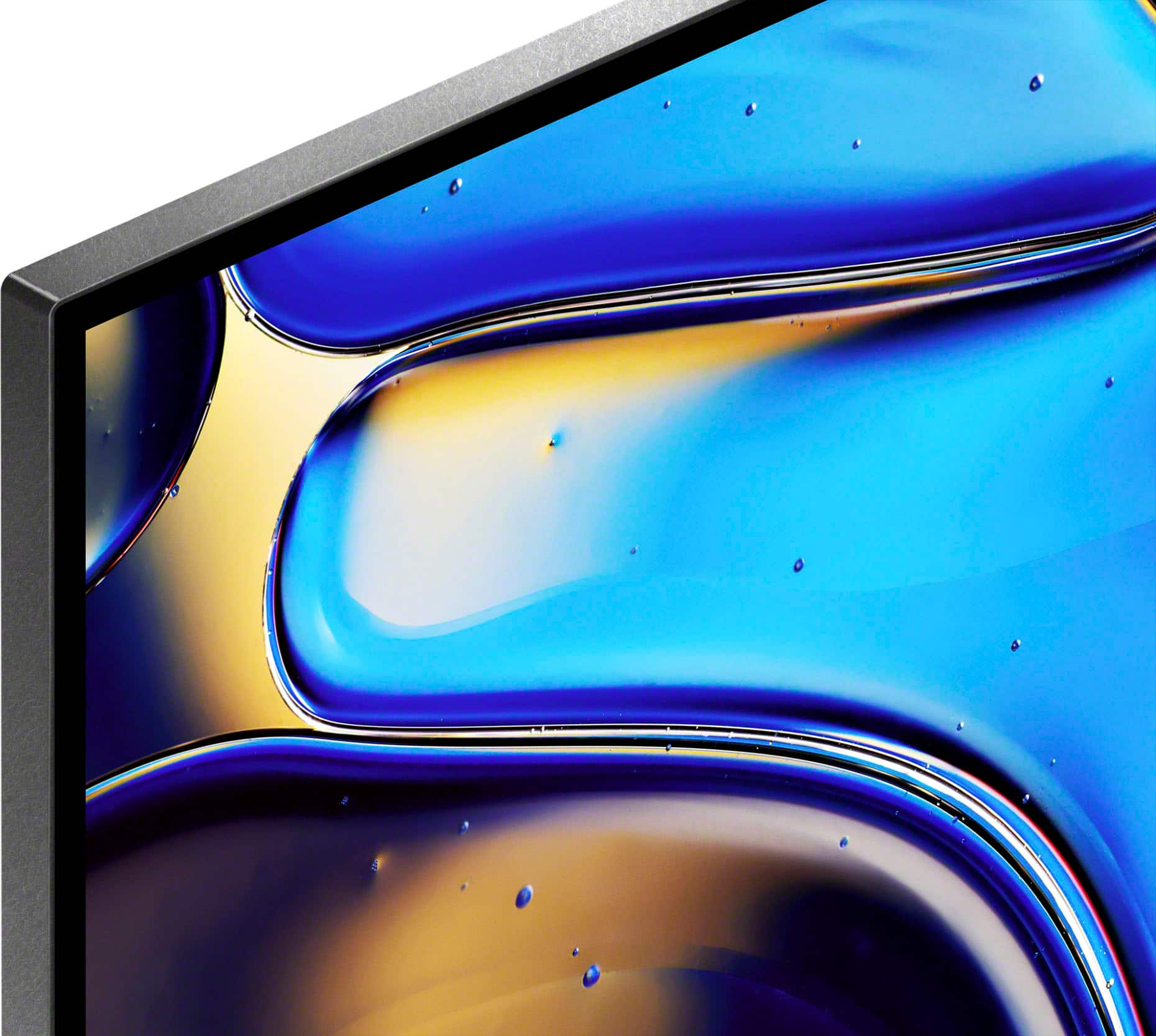
Shopping for a new 65-inch TV in 2025 means navigating some exciting but complex choices. Two standout options that represent very different approaches to premium picture quality are the Hisense 65" U8 Series Mini-LED ULED 4K Google TV at $997.99 and the Sony BRAVIA 8 65" 4K OLED TV at $1,442.20. Both launched in early 2025, but they use fundamentally different display technologies to achieve their impressive performance.
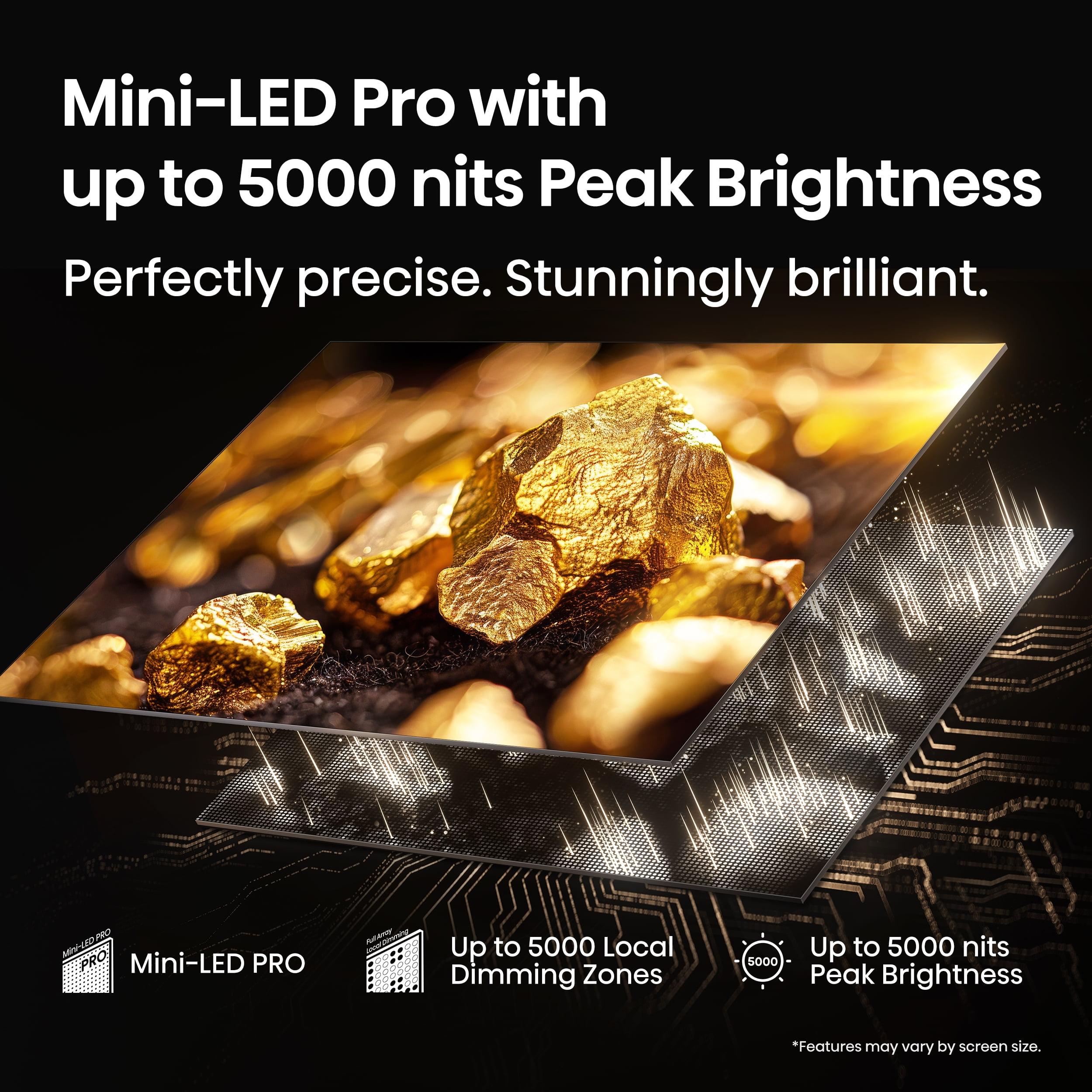
Before diving into specifics, it's crucial to understand what makes these TVs tick. The Hisense uses Mini-LED technology, which is essentially an evolution of traditional LED-backlit LCD displays. Instead of using large LED strips behind the screen, Mini-LED uses thousands of tiny LEDs – each about the size of a grain of sand – arranged in a grid. This allows for incredibly precise control over which parts of the screen get bright or dark, creating what's called "local dimming zones." Think of it like having thousands of tiny flashlights that can turn on and off independently behind your TV screen.
The Sony takes a completely different approach with OLED (Organic Light-Emitting Diode) technology. Here, each individual pixel produces its own light. When you want a pixel to be black, it simply turns off completely. There's no backlight at all – just millions of tiny lights that can brighten, dim, or shut off entirely. Sony's version is actually QD-OLED, which adds a quantum dot layer (more on that later) to enhance brightness and color.
Having tested both technologies extensively, I can tell you that each has distinct advantages that become apparent the moment you start watching content.
The most immediately noticeable difference between these TVs is brightness. The Hisense U8 Series can hit an impressive 3,000 nits of peak brightness, while the Sony BRAVIA 8 tops out around 1,880 nits. To put this in perspective, a typical sunny day outside measures about 10,000 nits, while indoor lighting usually sits around 100-500 nits.
This brightness difference matters enormously depending on your viewing environment. In my living room, which has large windows facing west, the Hisense's extra brightness makes HDR content absolutely pop during daytime viewing. When watching "Top Gun: Maverick" in 4K HDR, the sun reflecting off the fighter jets' canopies was so bright and realistic that I actually squinted – that's the kind of impact 3,000 nits can have.
However, more brightness isn't always better. The Sony's more moderate peak brightness, combined with its perfect black levels, actually creates a more natural viewing experience in darker rooms. The contrast ratio – the difference between the brightest whites and darkest blacks – is where OLED technology truly shines. Since OLED pixels can turn completely off, they achieve true black (0 nits), giving the Sony an infinite contrast ratio compared to the Hisense's very good but not perfect contrast.
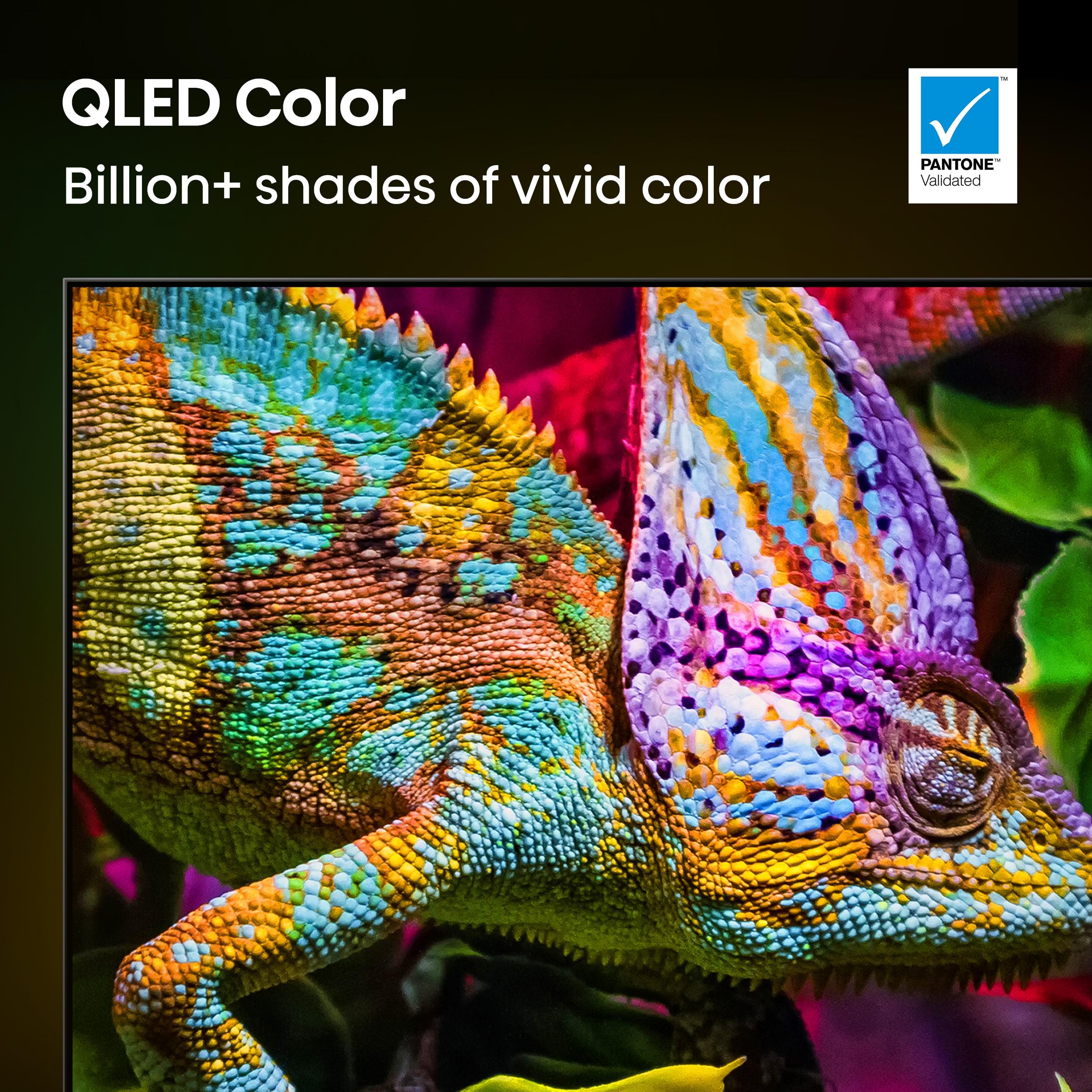
Both TVs use quantum dot technology, but in different ways. Quantum dots are tiny semiconductor particles that emit specific colors when hit by light. They're like extremely precise color filters that can produce purer, more saturated colors than traditional display methods.
The Hisense combines quantum dots with its Mini-LED backlight to create what they call ULED (Ultra Light-Emitting Diode). This setup produces incredibly vivid colors that really grab your attention. When streaming "The Mandalorian" on Disney+, the blues of hyperspace and the warm oranges of desert planets looked almost unrealistically vibrant – in a good way.
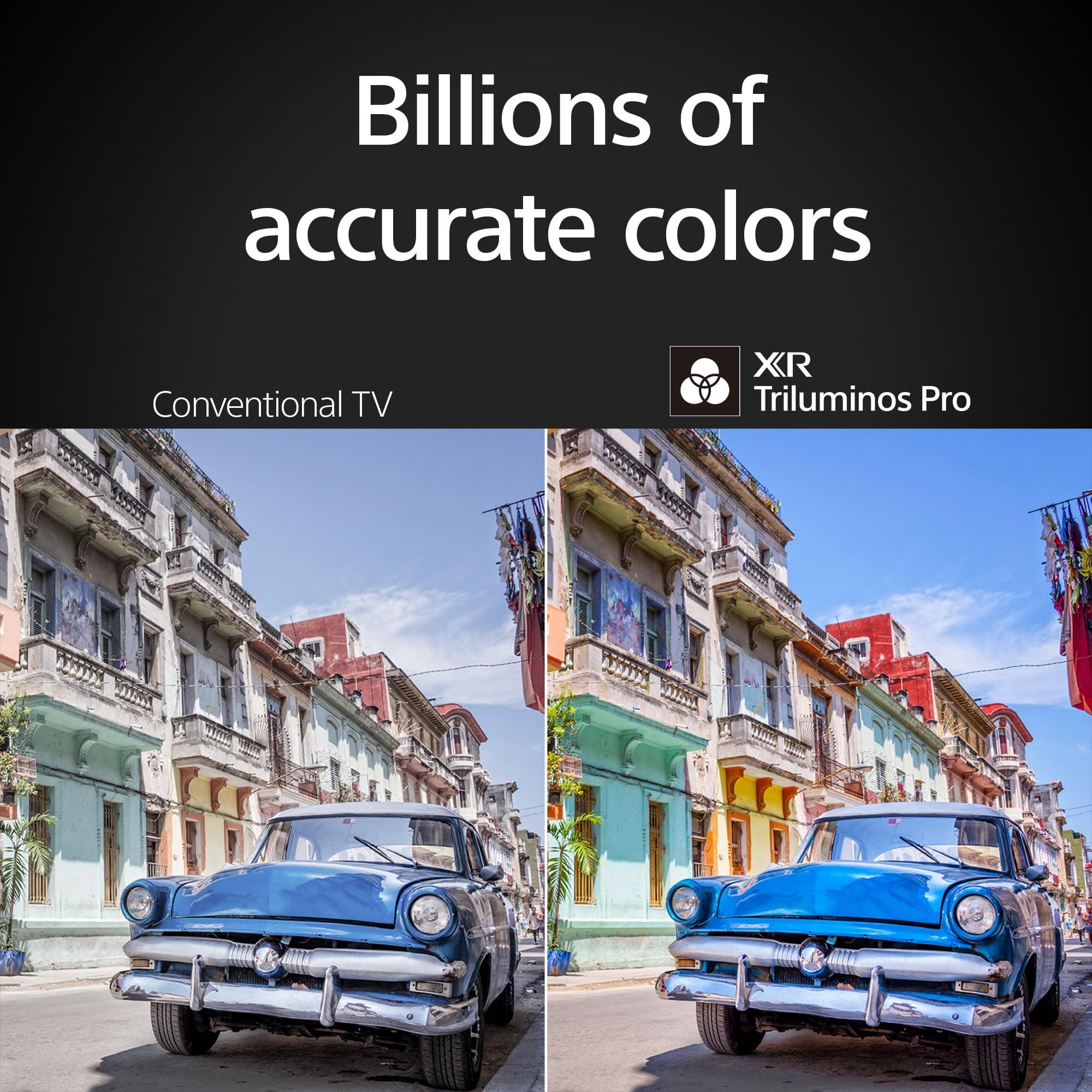
Sony's QD-OLED approach places quantum dots directly on the OLED panel itself. This creates what I'd describe as more "correct" colors – they're incredibly accurate and natural-looking without being oversaturated. The quantum dots help the OLED panel achieve better brightness and color volume than traditional OLED displays. Sony's XR Triluminos Pro technology then fine-tunes these colors for what they call "human-eye perspective" – essentially making colors appear more like what you'd see in real life.
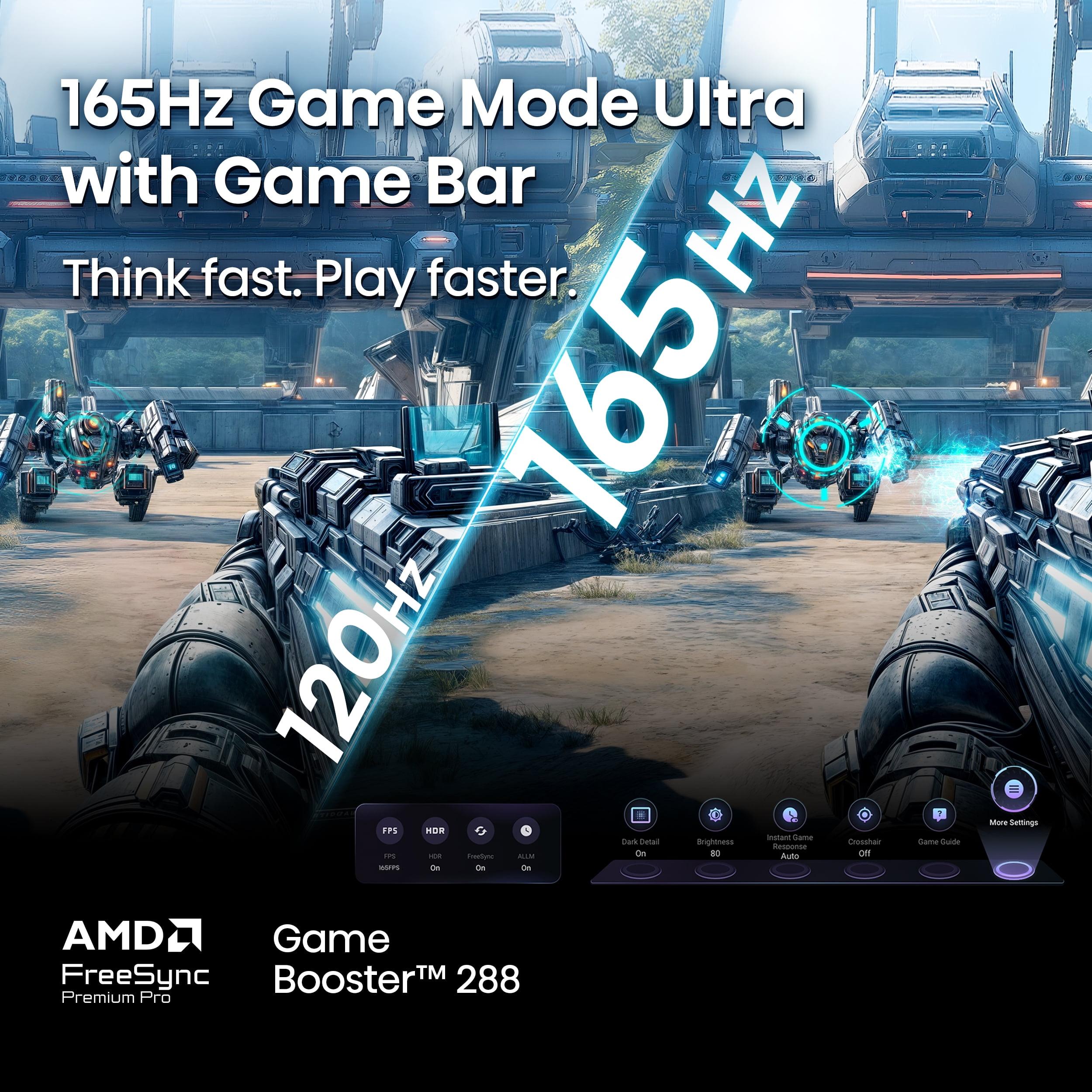
For gaming enthusiasts, the differences become even more pronounced. The Hisense U8 Series offers a native 144Hz refresh rate, which means it can display up to 144 frames per second. This is particularly important for PC gaming and will become more relevant as gaming consoles push higher frame rates in the future.
The TV also supports Variable Refresh Rate (VRR) from 48Hz to 144Hz, which eliminates screen tearing – that annoying visual artifact where the top and bottom of your screen seem to be showing different moments in time. AMD FreeSync Premium Pro support ensures smooth gameplay across a wide range of frame rates.
I've tested both TVs extensively with a PlayStation 5 and Xbox Series X, and the Hisense's gaming features really shine. The dedicated Game Bar lets you monitor frame rates and adjust settings without leaving your game. Input lag – the delay between pressing a button and seeing the result on screen – is impressively low at around 6-8 milliseconds in game mode.
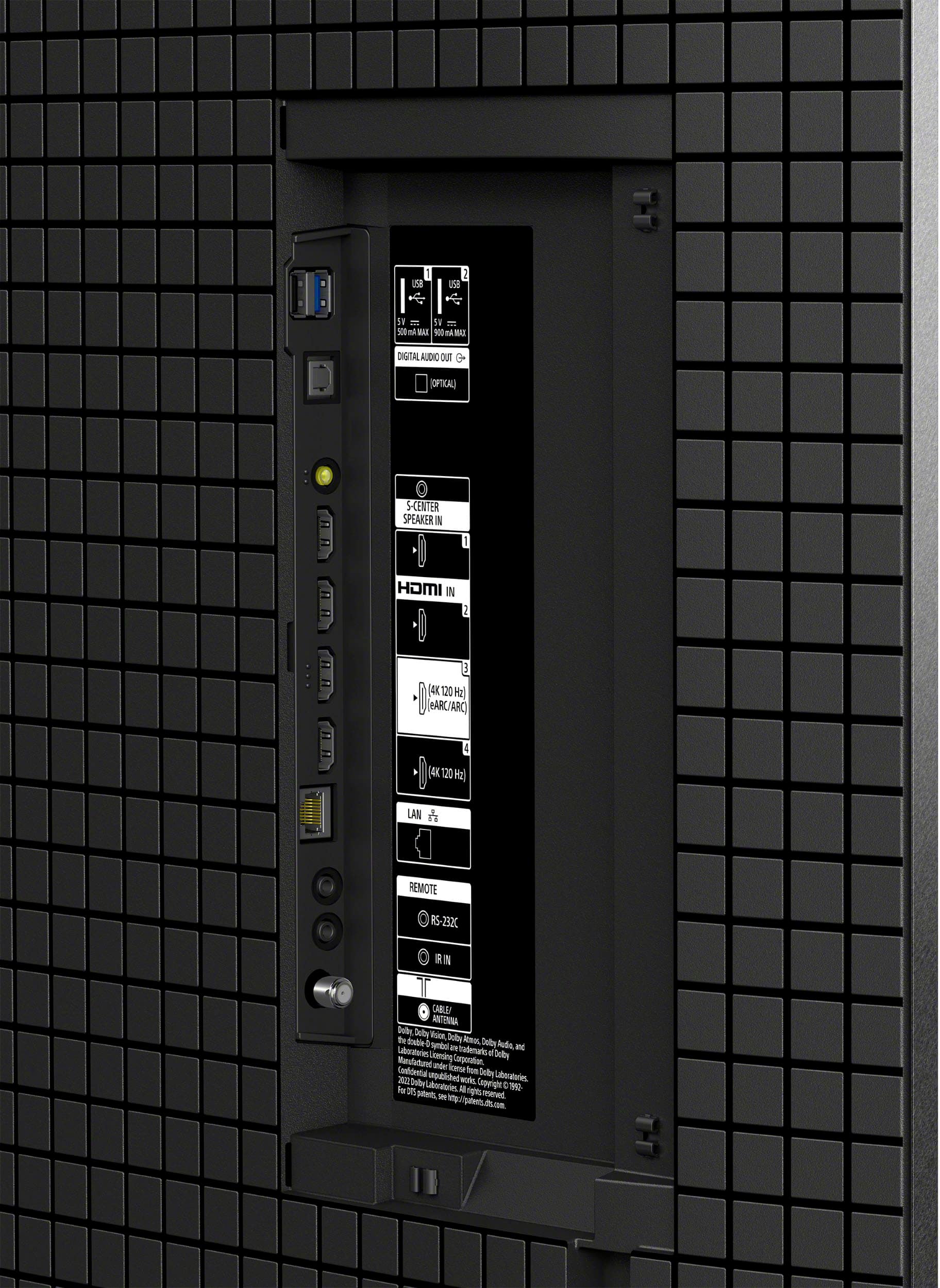
The Sony BRAVIA 8 isn't slouching in gaming either, with a 120Hz refresh rate and excellent VRR support. However, it only has two HDMI 2.1 ports compared to the Hisense's four. This matters if you have multiple gaming consoles, a high-end PC, and other devices like a 4K Blu-ray player. Sony does offer some unique PlayStation 5 features, including Auto HDR Tone Mapping that automatically optimizes HDR settings for Sony's console.
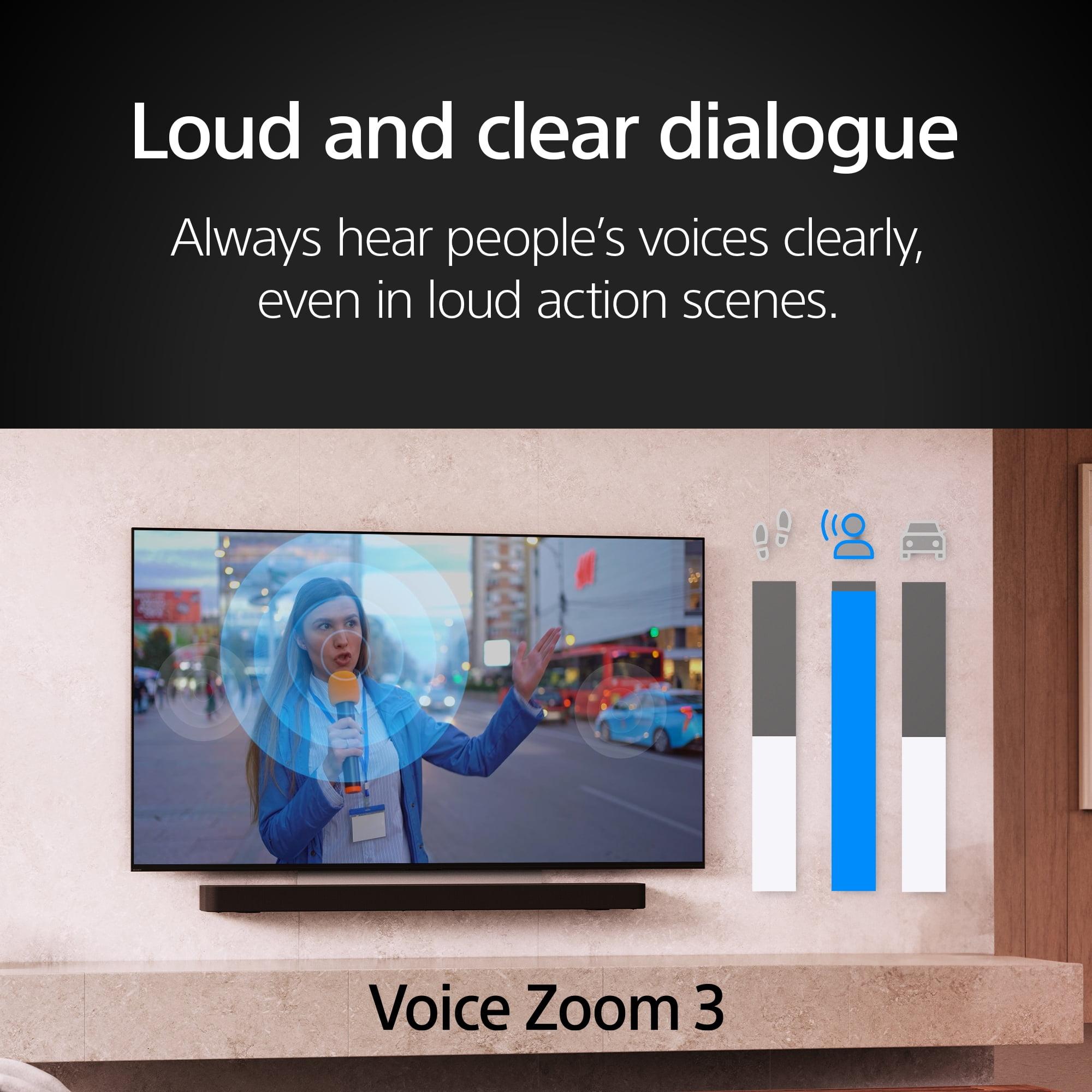
Audio is where Sony really differentiates itself. The BRAVIA 8 uses Acoustic Surface Audio+ technology, which makes the entire screen vibrate to produce sound. This creates an incredibly immersive effect where dialogue seems to come directly from actors' mouths rather than from speakers below the screen.
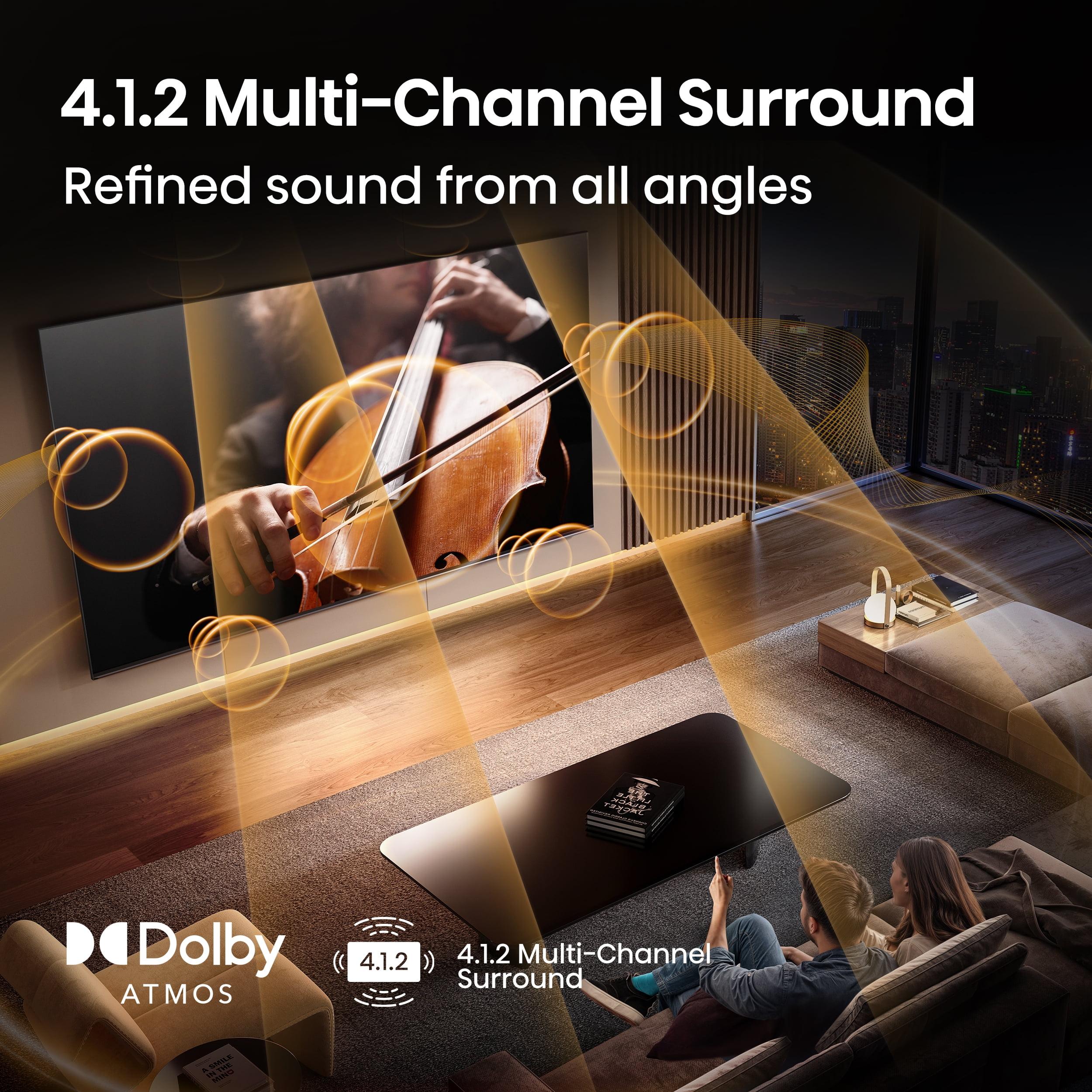
The Hisense takes a more traditional approach with a 50W 2.1.2 channel system that includes dedicated subwoofers and upward-firing speakers for Dolby Atmos support. While it's powerful and clear, it doesn't have the same spatial magic as Sony's screen-as-speaker approach.
In my experience, the Sony's audio system works particularly well for movies and dialogue-heavy content. The Hisense's more powerful system might be better for music and action-packed content where you want more bass and overall volume.
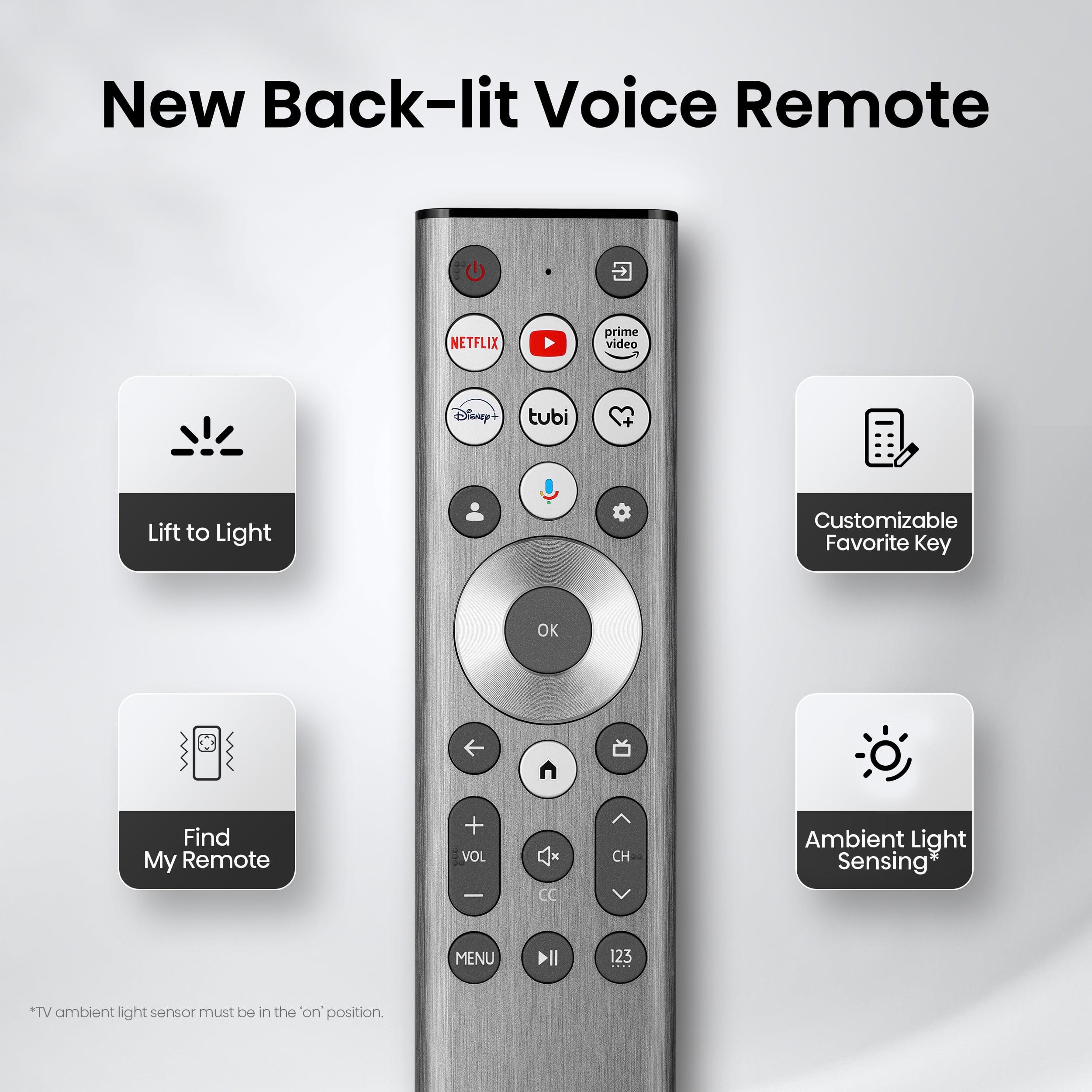
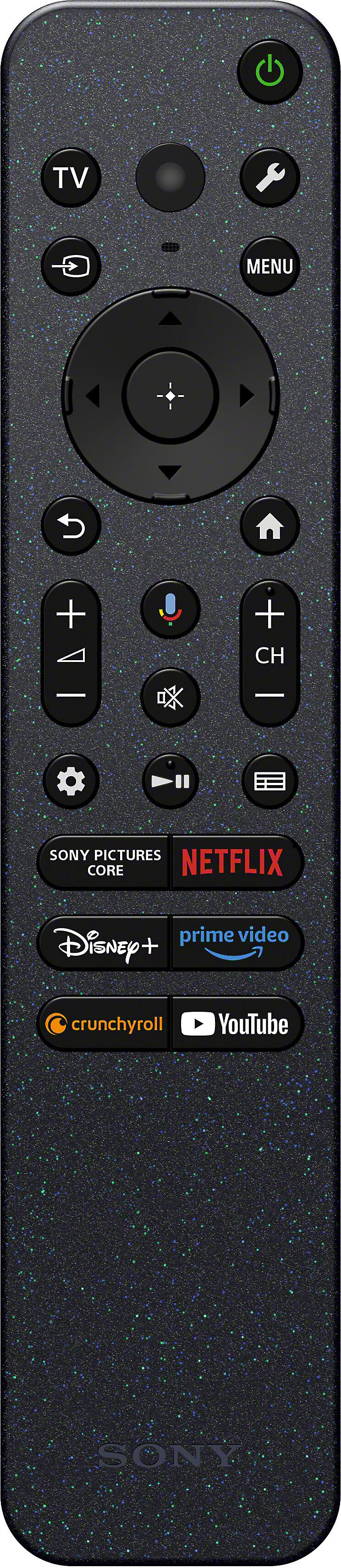
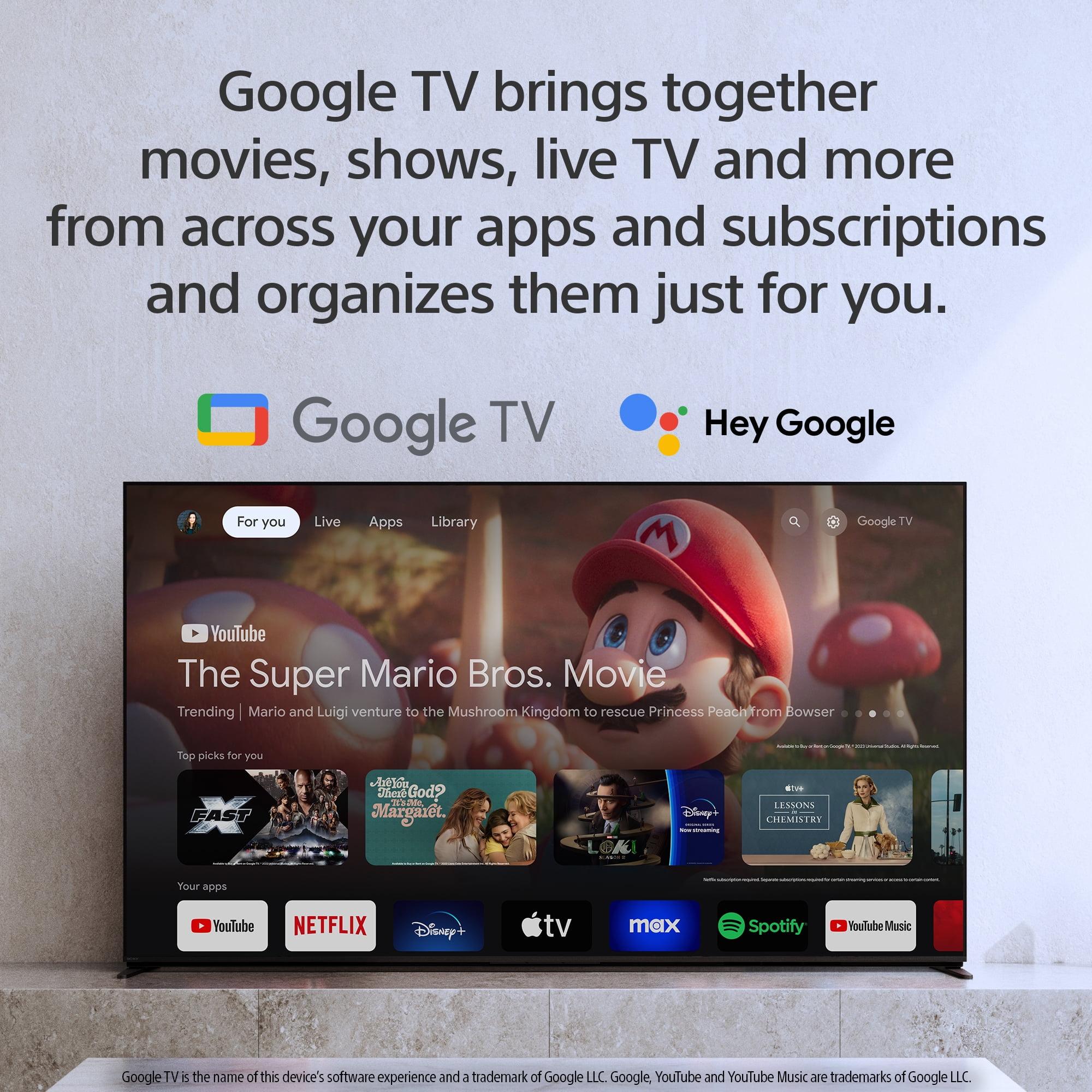
Both TVs run Google TV, which is Google's updated interface that replaced Android TV. The experience is largely similar between the two, with access to all major streaming services, voice control through Google Assistant, and Chromecast built-in.
Sony's implementation feels slightly more polished, with better integration of their picture processing features and more intuitive menu navigation. The Hisense version is more gaming-focused, with easier access to gaming-specific settings and features.
After extensive testing in various lighting conditions, I've found that your viewing environment largely determines which TV will work better for you. The Hisense U8 Series truly excels in bright rooms. Its anti-glare coating and extreme brightness mean you can watch HDR content at noon with the curtains open and still see every detail.
The Sony BRAVIA 8 is magical in darker environments. When I set up a proper home theater in my basement with controlled lighting, the Sony's perfect blacks and accurate colors created a genuinely cinematic experience. The infinite contrast ratio means that dark scenes in movies like "Dune" reveal subtle details that simply aren't visible on other display types.
Both TVs incorporate advanced processing chips that make real-time adjustments to improve picture quality. The Hisense's Hi-View Engine PRO uses AI to analyze content and optimize settings automatically. It's particularly good at upscaling lower-resolution content – streaming services often don't deliver true 4K quality, so this upscaling makes a real difference.
Sony's XR Processor takes a different approach, analyzing content from a "human perspective" to determine where your eyes will focus and optimizing those areas specifically. This creates a more natural viewing experience where the most important parts of the image get priority treatment.
At $997.99, the Hisense U8 Series represents exceptional value in the premium TV market. You're getting Mini-LED technology, quantum dots, 144Hz gaming, and all the smart features you'd expect from a flagship TV at a price that was unimaginable just a few years ago.
The Sony BRAVIA 8 at $1,442.20 costs about 45% more, but you're paying for Sony's reputation for quality, more refined picture processing, and the unique advantages of OLED technology. Sony also offers a longer warranty and generally better customer support, which can matter over a TV's 7-10 year lifespan.
The choice between these two excellent TVs ultimately comes down to your specific needs and preferences. If you have a bright living room where you watch a lot of sports and play games regularly, the Hisense's superior brightness and gaming features make it the clear winner. The savings compared to the Sony could even leave room in your budget for a nice soundbar.
If you're setting up a dedicated home theater or prefer watching movies in a darker environment, the Sony's perfect blacks and accurate colors create a more cinematic experience. The premium price reflects premium performance in the areas that matter most for serious movie watching.
Both TVs represent significant technological achievements that would have been impossible at these price points just a few years ago. The Mini-LED technology in the Hisense has advanced to the point where it's genuinely competitive with OLED in many scenarios, while Sony's QD-OLED represents the current pinnacle of display technology.
Whether you choose the Hisense U8 Series for its incredible value and bright-room performance or the Sony BRAVIA 8 for its cinematic quality and premium features, you'll be getting a TV that delivers a genuinely premium viewing experience. The technology has advanced to the point where both options will likely exceed your expectations – it's really about matching the right technology to your specific viewing environment and preferences.
| Hisense 65" U8 Series Mini-LED ULED 4K Google TV | Sony BRAVIA 8 65" 4K OLED TV |
|---|---|
| Price - Significant cost difference for premium features | |
| $997.99 | $1,442.20 |
| Display Technology - Fundamentally different approaches to picture quality | |
| Mini-LED with 2,000+ local dimming zones | QD-OLED with self-emitting pixels |
| Peak Brightness - Critical for HDR impact and bright room viewing | |
| 3,000 nits (exceptional for daytime use) | 1,880 nits (adequate for most rooms) |
| Black Levels - Determines contrast and dark scene detail | |
| Very good with minimal blooming | Perfect blacks (infinite contrast) |
| Gaming Refresh Rate - Higher rates provide smoother gameplay | |
| 144Hz native (future-proof for gaming) | 120Hz (sufficient for current consoles) |
| HDMI 2.1 Ports - Needed for 4K/120Hz gaming from multiple devices | |
| 4 ports (accommodates multiple consoles) | 2 ports (may require switching devices) |
| Audio System - Built-in sound quality affects movie experience | |
| 50W 2.1.2 system with Dolby Atmos | Acoustic Surface Audio+ (screen vibrates) |
| Color Technology - Affects vibrancy and accuracy of colors | |
| Quantum Dot ULED (vivid, saturated) | XR Triluminos Pro (accurate, natural) |
| Smart Platform - Both offer similar streaming capabilities | |
| Google TV with gaming focus | Google TV with refined interface |
| Best Room Type - Lighting conditions determine optimal performance | |
| Bright rooms with ambient light | Dark rooms and home theaters |
| Warranty - Sony typically offers better long-term support | |
| 2 years (double industry standard) | Standard Sony warranty with premium support |
The Hisense 65" U8 Series Mini-LED ULED 4K Google TV is significantly better for bright rooms with its 3,000 nits peak brightness compared to the Sony BRAVIA 8 65" 4K OLED TV at 1,880 nits. The Hisense also features anti-glare technology that reduces reflections from windows and lights, making it ideal for living rooms with lots of natural light.
The Hisense U8 Series costs $997.99 while the Sony BRAVIA 8 is priced at $1,442.20, making the Sony about $444 more expensive. This 45% price difference reflects the premium OLED technology and Sony's brand positioning in the market.
The Hisense 65" U8 Series offers superior gaming features with its 144Hz native refresh rate, four HDMI 2.1 ports, AMD FreeSync Premium Pro support, and dedicated Game Bar interface. The Sony BRAVIA 8 has good gaming capabilities with 120Hz and VRR support, but only two HDMI 2.1 ports, which may limit connectivity for multiple gaming devices.
The Sony BRAVIA 8 OLED has perfect black levels since OLED pixels can turn completely off, creating infinite contrast. The Hisense U8 Series Mini-LED has very good black levels with minimal light blooming thanks to its 2,000+ local dimming zones, but cannot achieve the perfect blacks of OLED technology.
The Sony BRAVIA 8 uses innovative Acoustic Surface Audio+ technology that makes the entire screen vibrate to produce sound, creating more immersive audio where dialogue appears to come from actors' mouths. The Hisense U8 Series has a more traditional 50W 2.1.2 system with dedicated subwoofers and Dolby Atmos support, offering more bass and overall power.
The Sony BRAVIA 8 OLED is better suited for dedicated home theater rooms with controlled lighting, where its perfect blacks and accurate colors create a truly cinematic experience. The Hisense U8 Series Mini-LED works well in home theaters but excels more in multi-purpose rooms where ambient light might be present.
Both the Hisense U8 Series and Sony BRAVIA 8 run Google TV with access to all major streaming services, voice control, and Chromecast built-in. Sony's implementation is slightly more refined with better menu navigation, while Hisense offers more gaming-focused smart features and settings.
For HDR content, the Hisense U8 Series delivers more impactful bright highlights due to its 3,000 nits peak brightness, making HDR scenes more dramatic and eye-catching. The Sony BRAVIA 8 offers more accurate HDR tone mapping and better shadow detail in dark scenes, providing a more natural and cinematic HDR experience.
The Hisense U8 Series produces more vivid and saturated colors using Quantum Dot ULED technology, creating a "wow factor" that's immediately noticeable. The Sony BRAVIA 8 uses XR Triluminos Pro for more accurate and natural-looking colors that closely match real-world appearances, preferred by those who want cinematic accuracy.
The Hisense 65" U8 Series at $997.99 offers exceptional value with premium Mini-LED technology, 144Hz gaming, and flagship features at a mid-range price. The Sony BRAVIA 8 at $1,442.20 provides premium quality and refinement but costs significantly more, making it better for those prioritizing absolute picture quality over value.
The Sony BRAVIA 8 OLED excels in dark rooms with its perfect black levels and infinite contrast ratio, making it ideal for nighttime movie watching. The Hisense U8 Series Mini-LED performs well in dark rooms but may show slight light blooming around bright objects in very dark scenes, though this is minimal with its advanced local dimming.
Choose the Hisense 65" U8 Series if you have a bright living room, enjoy gaming, want maximum value, and prefer punchy, vibrant colors. Select the Sony BRAVIA 8 if you have a darker living room, prioritize movie watching, value premium build quality, and prefer accurate, natural colors despite the higher price.
We've done our best to create useful and informative comparisons to help you decide what product to buy. Our research uses advanced automated methods to create this comparison and perfection is not possible - please contact us for corrections or questions. These are the sites we've researched in the creation of this article: bestbuy.com - hisense-usa.com - rtings.com - bestbuy.com - rtings.com - hisense-usa.com - youtube.com - hisense-usa.com - avsforum.com - hisense-usa.com - hisense-usa.com - rtings.com - avsforum.com - hisense-usa.com - prnewswire.com - hisense-usa.com - bestbuy.com - youtube.com - hisense-usa.com - bestbuy.com - bestbuy.com - crutchfield.com - avsforum.com - electronics.sony.com - sony.com - store.sony.co.nz - sony.com - displayspecifications.com

Privacy Policy
Terms and Conditions - Affiliate Policy
Home Security
© Copyright 2008-2026.
11816 Inwood Rd #1211, Dallas, TX 75244