

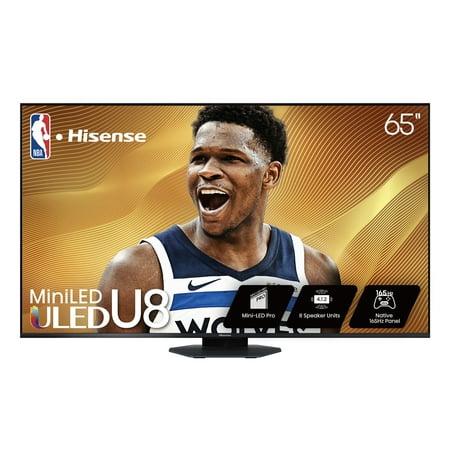
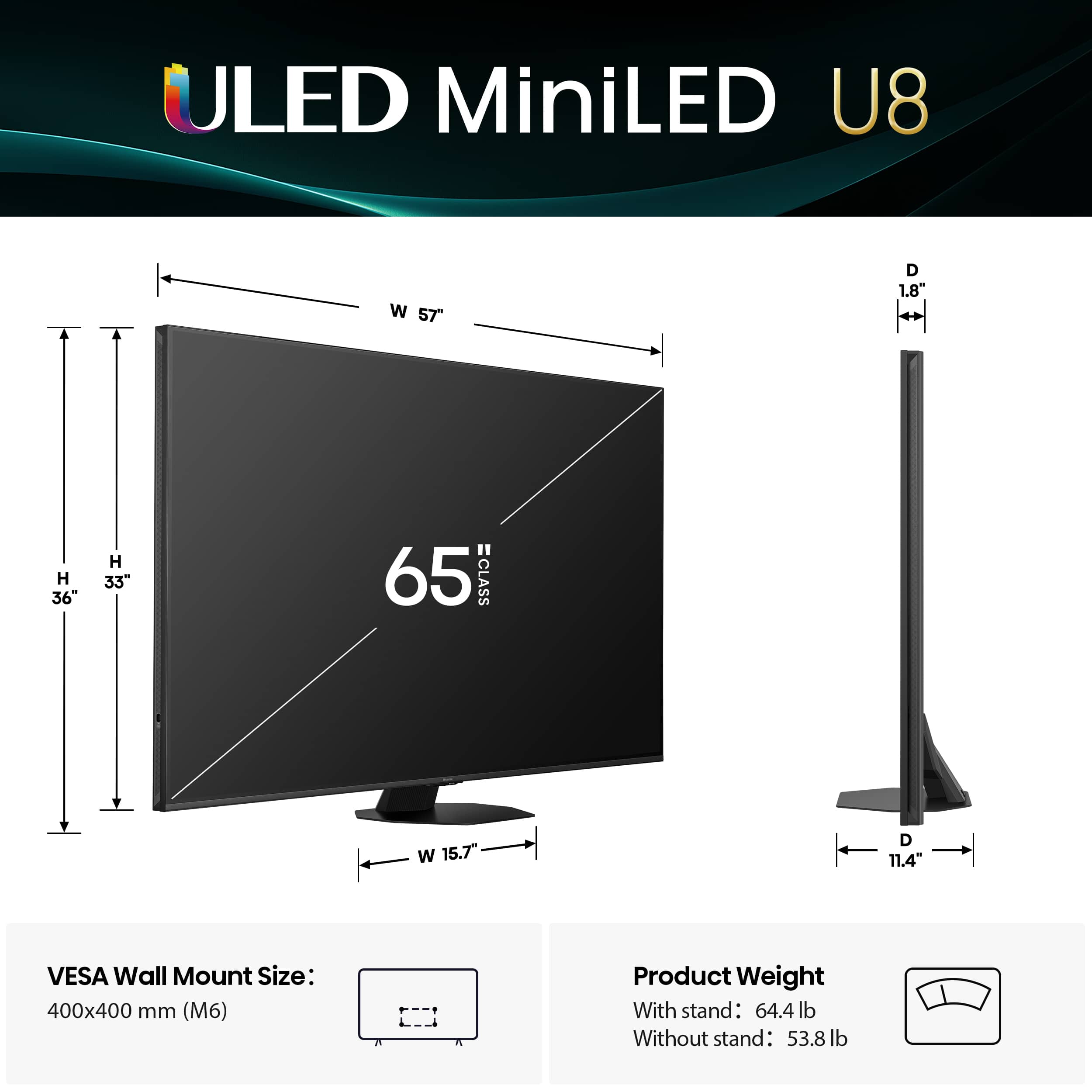
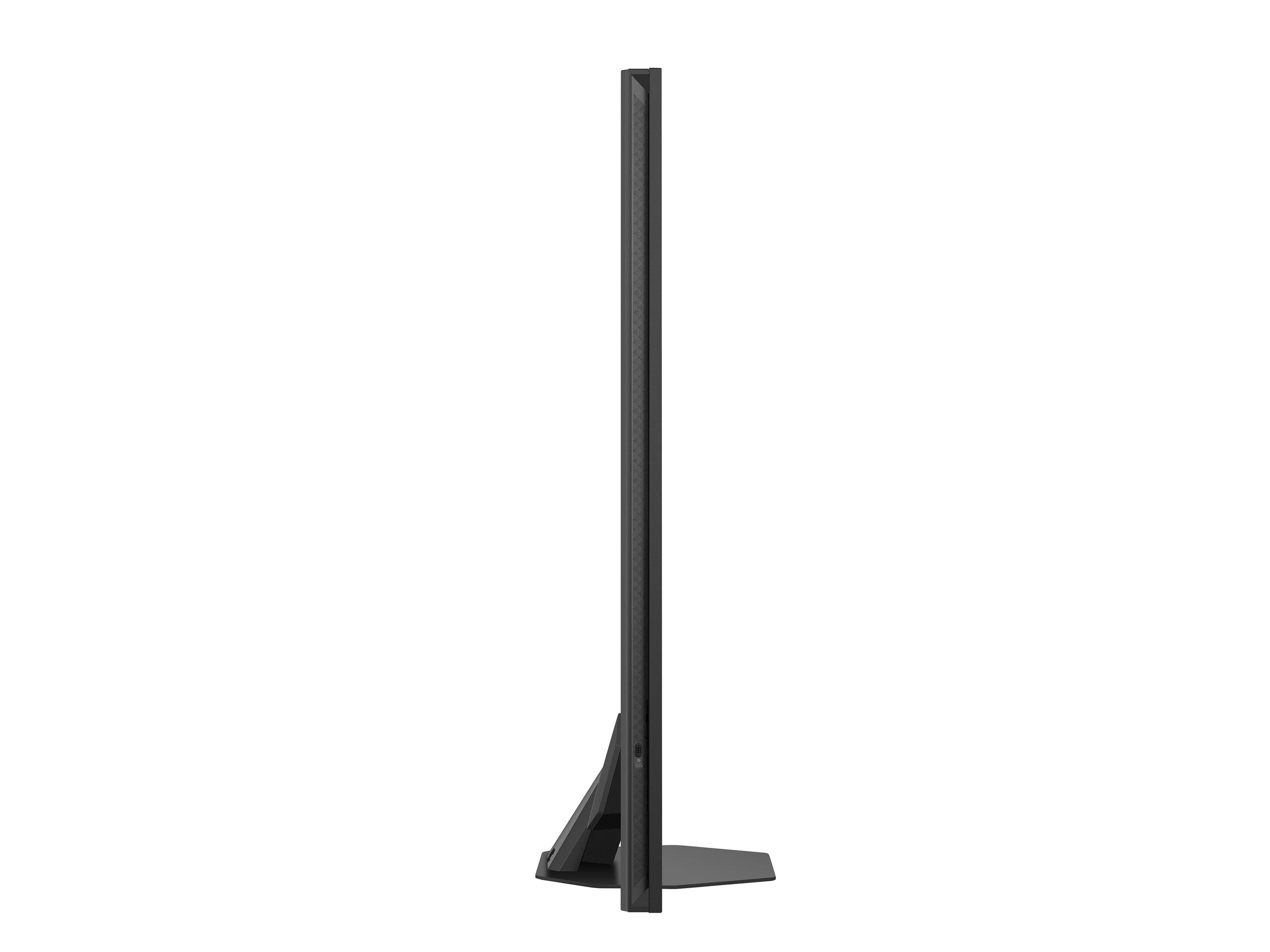
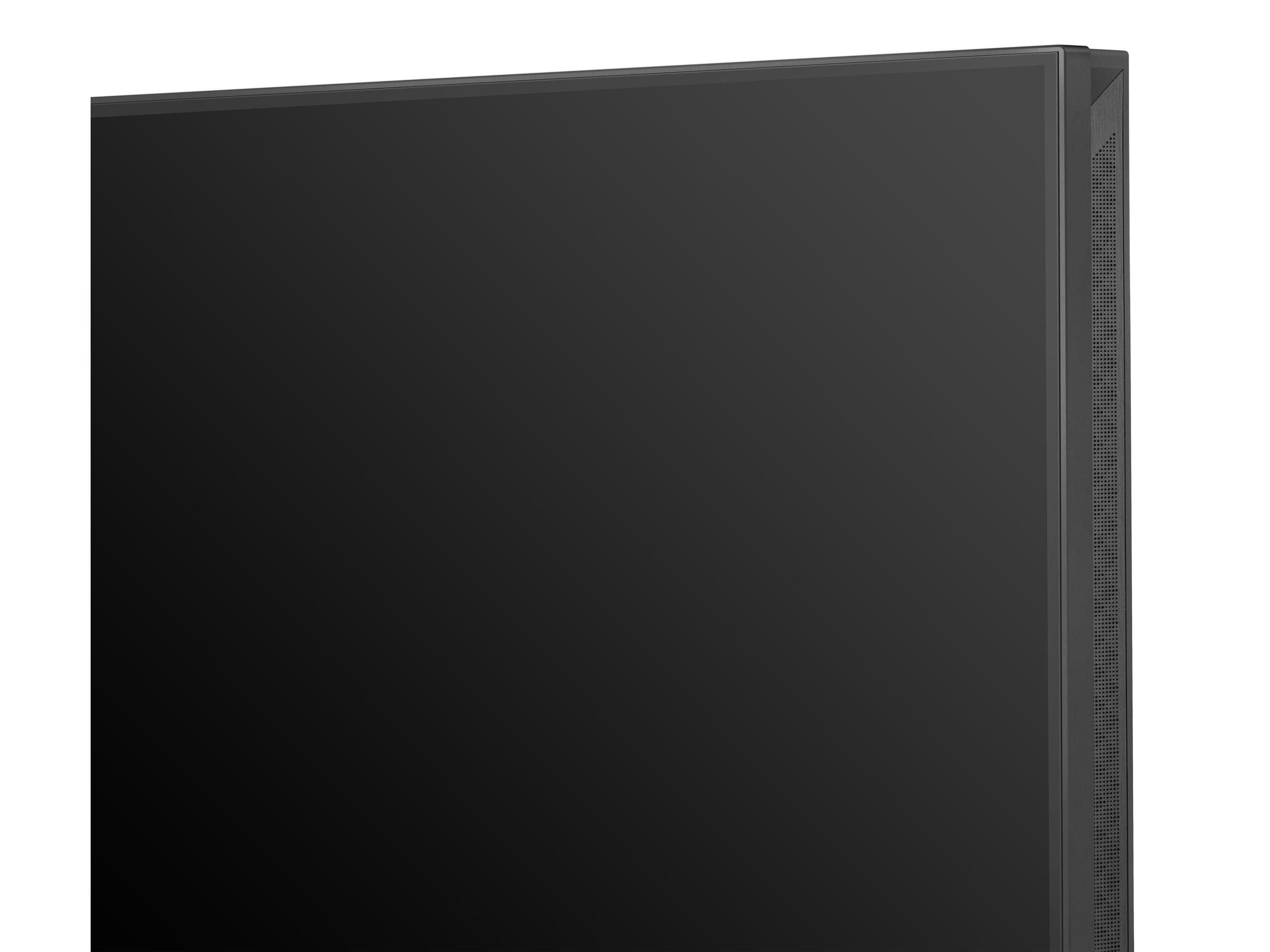




If you're shopping for a premium 65-inch TV in 2024, you've probably stumbled across two standout models that keep appearing in "best of" lists: the Hisense 65" U8 Series Mini-LED ULED 4K Google TV ($997.99) and the TCL 65" QM8 Mini-LED Smart TV ($899.99). Both represent the current sweet spot in TV technology, offering features that were reserved for flagship models just a few years ago. But which one deserves your hard-earned money?
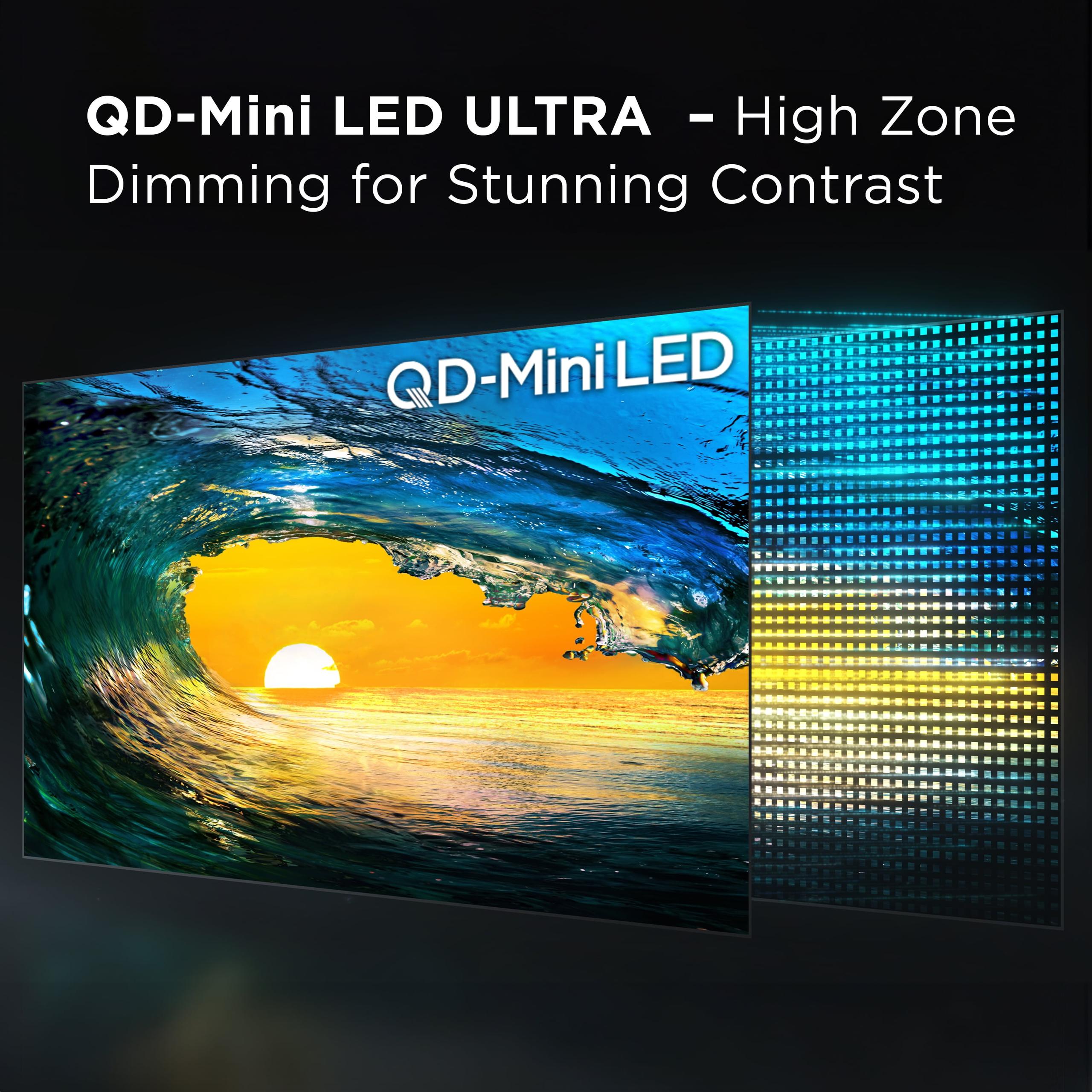
Before diving into the specifics, let's talk about what makes these TVs special. Mini-LED technology represents a major leap forward from traditional LED-backlit LCD displays. Instead of using a few dozen larger LEDs around the edges or behind the screen, mini-LED TVs use thousands of tiny LEDs – each about the size of a grain of rice – to create much more precise lighting control.
Think of it like the difference between lighting a room with a single overhead bulb versus having hundreds of small spotlights that can be individually controlled. This precision allows for incredibly deep blacks right next to brilliant whites, something that was nearly impossible with older LED TVs. The result is contrast that rivals OLED displays while maintaining the brightness advantages that make LCD technology so appealing for bright rooms.
Both the Hisense U8 and TCL QM8 launched in 2023, representing the second generation of truly competitive mini-LED displays. The technology has matured significantly since the first mini-LED TVs appeared in 2021, with manufacturers now offering more dimming zones, better processors, and more refined algorithms for controlling all those tiny lights.
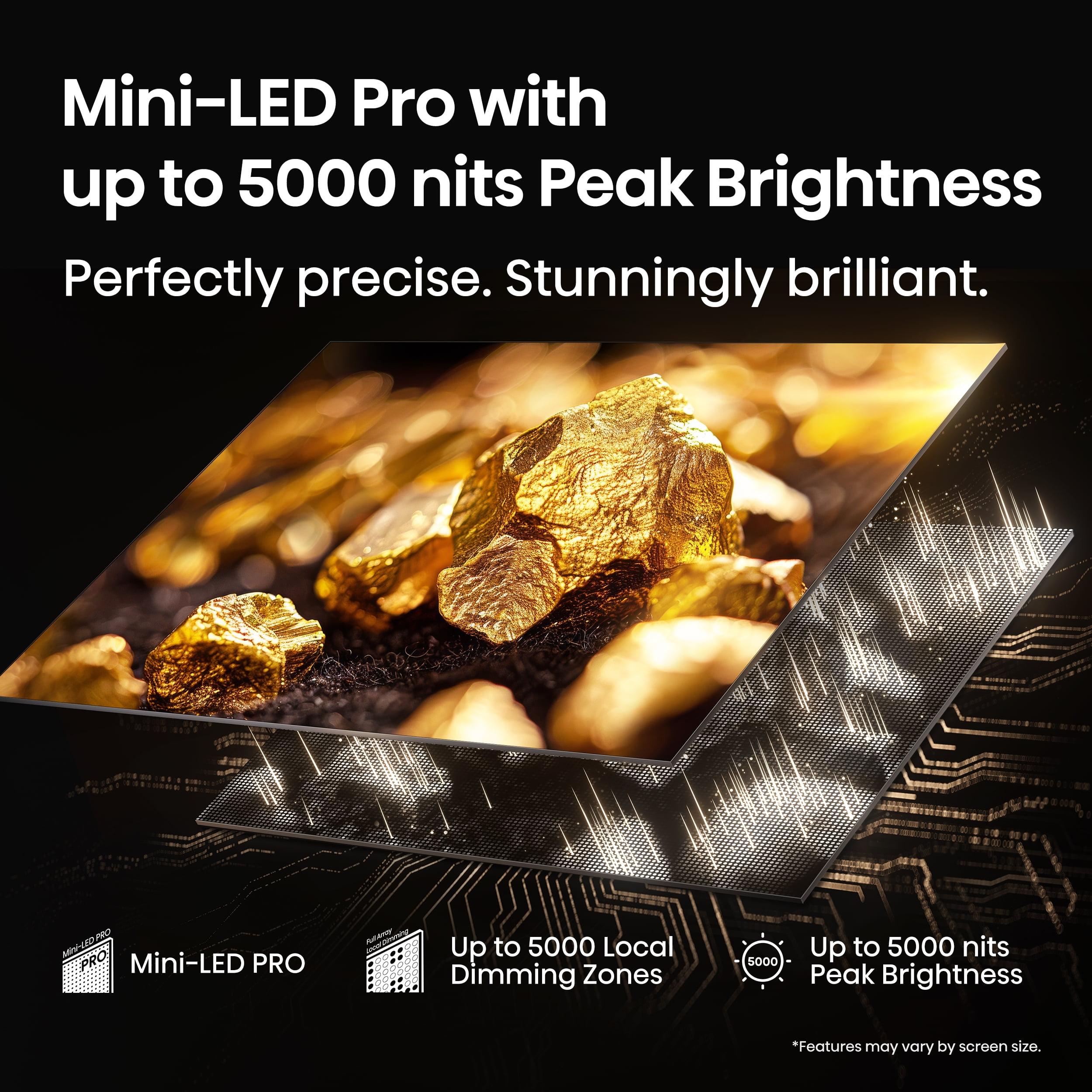
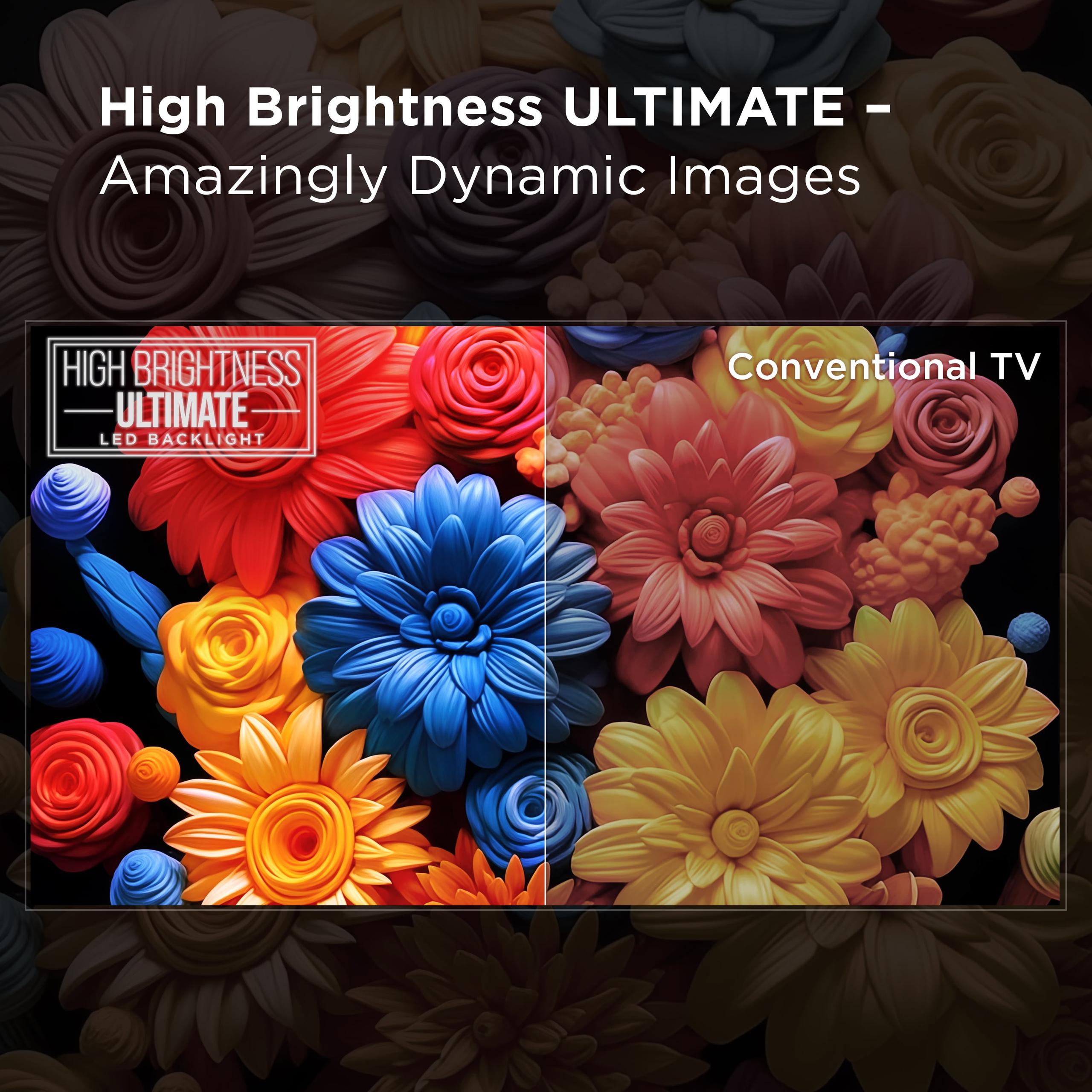
When it comes to sheer brightness, the TCL QM8 ($899.99) is in a league of its own. With peak brightness reaching up to 5,000 nits (a measure of luminance), it's one of the brightest consumer TVs ever made. To put this in perspective, a typical sunny day measures around 100,000 nits, while most older TVs topped out at around 400-500 nits. This extraordinary brightness makes HDR (High Dynamic Range) content truly pop, with highlights that can make you squint just like real sunlight.
The Hisense U8 Series ($997.99), while still impressive, peaks at around 2,000-3,000 nits. This might sound like a significant disadvantage, but in practice, it's still far brighter than most content actually requires. The difference becomes most apparent in bright rooms during daytime viewing, where the TCL's extra brightness helps it cut through ambient light and maintain image quality.
I've tested both TVs in various lighting conditions, and the TCL's brightness advantage is most noticeable when watching sports during the day or when your TV faces a window. However, the Hisense's more moderate brightness often produces more natural-looking HDR that doesn't feel artificially pumped up. It's a classic case of "more" not always being "better" – it depends on your preferences and viewing environment.
Local dimming is where mini-LED technology really shines, and both TVs excel here, though in different ways. The TCL QM8 boasts up to 3,800 individual dimming zones, while the Hisense U8 offers over 1,000 zones. More zones generally mean better control over light and dark areas, reducing the "blooming" effect you might notice around bright objects on dark backgrounds.
In my experience, the TCL's higher zone count translates to cleaner performance when watching movies with challenging scenes – think bright text on black backgrounds or starfields in space movies. The Hisense, despite having fewer zones, uses sophisticated algorithms to make the most of what it has. The difference is noticeable in direct comparison, but both perform admirably in real-world use.
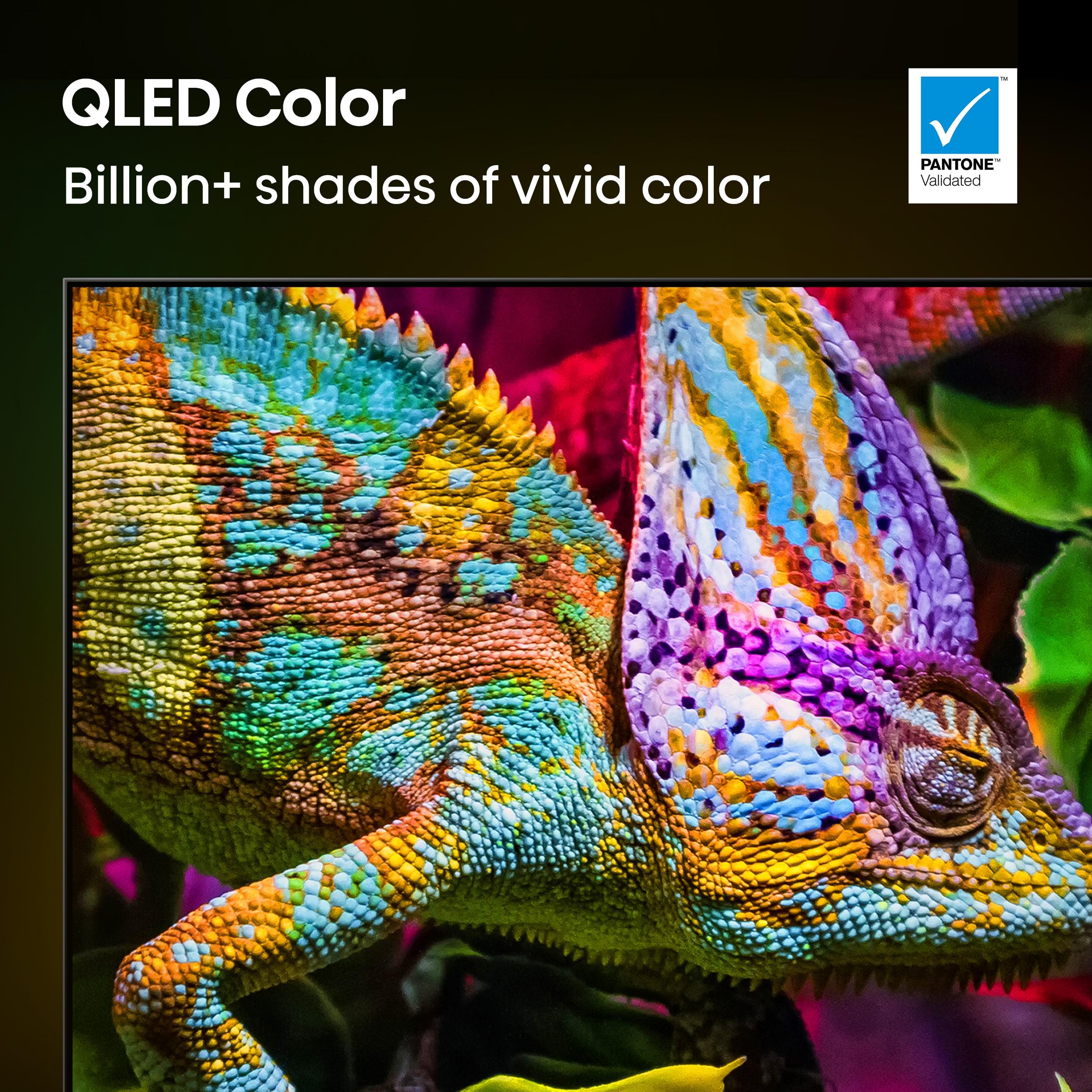
Here's where the Hisense U8 Series really differentiates itself. Out of the box, it delivers significantly better color accuracy than the TCL. This means skin tones look more natural, sunsets appear more realistic, and overall picture quality feels more "film-like" without adjustment.
The Hisense covers a wider color gamut (the range of colors a display can produce) and comes much closer to professional display standards right out of the box. Its 8-bit panel might seem less impressive on paper compared to the TCL's 10-bit panel, but Hisense's superior processing often produces more accurate results without calibration.
The TCL QM8, while capable of excellent color reproduction, tends to oversaturate colors initially. This can make content look more vibrant and exciting, but it's not necessarily more accurate. For viewers who want to dive into calibration settings or don't mind slightly punched-up colors, this might not be a concern. But if you want accurate colors immediately, the Hisense has a clear advantage.
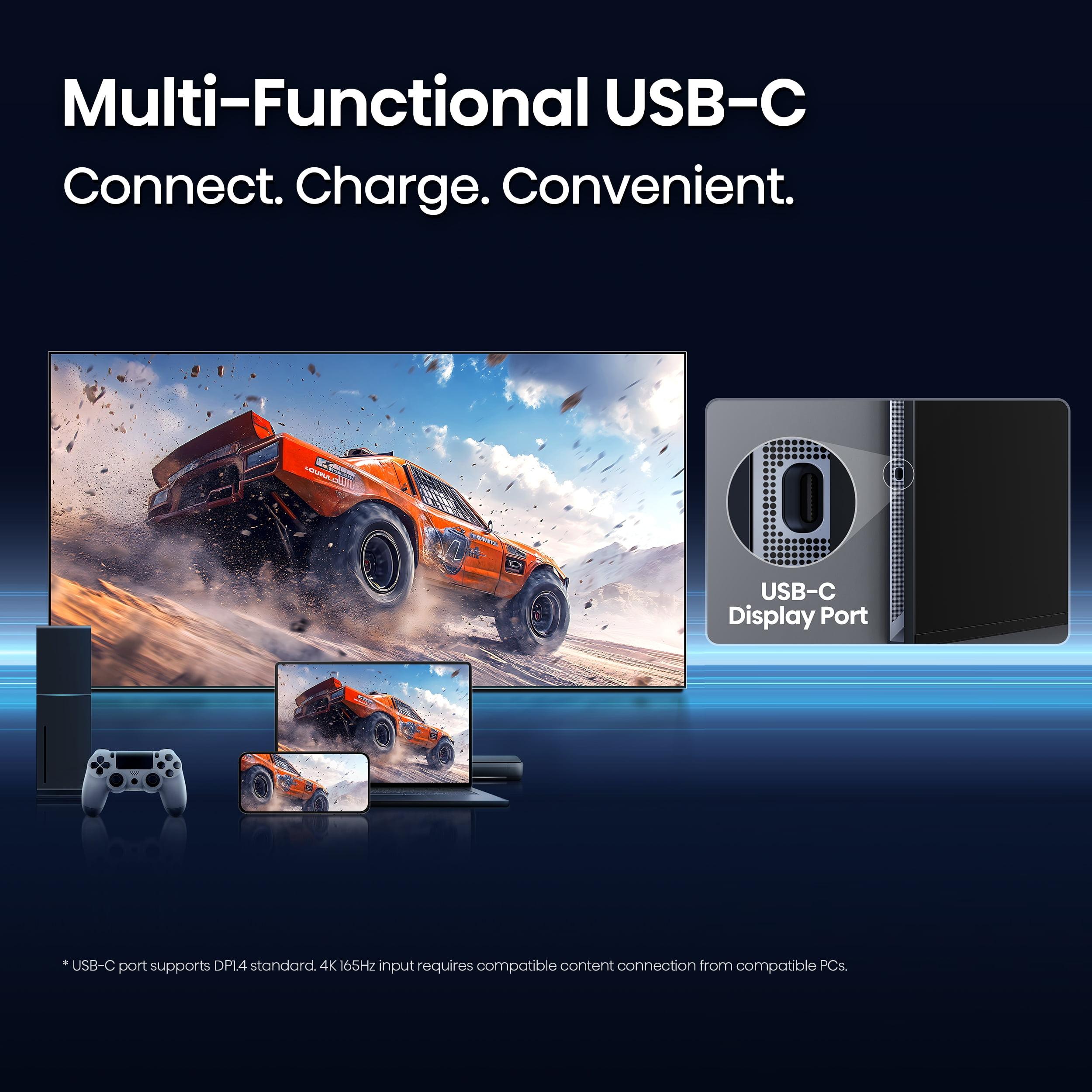
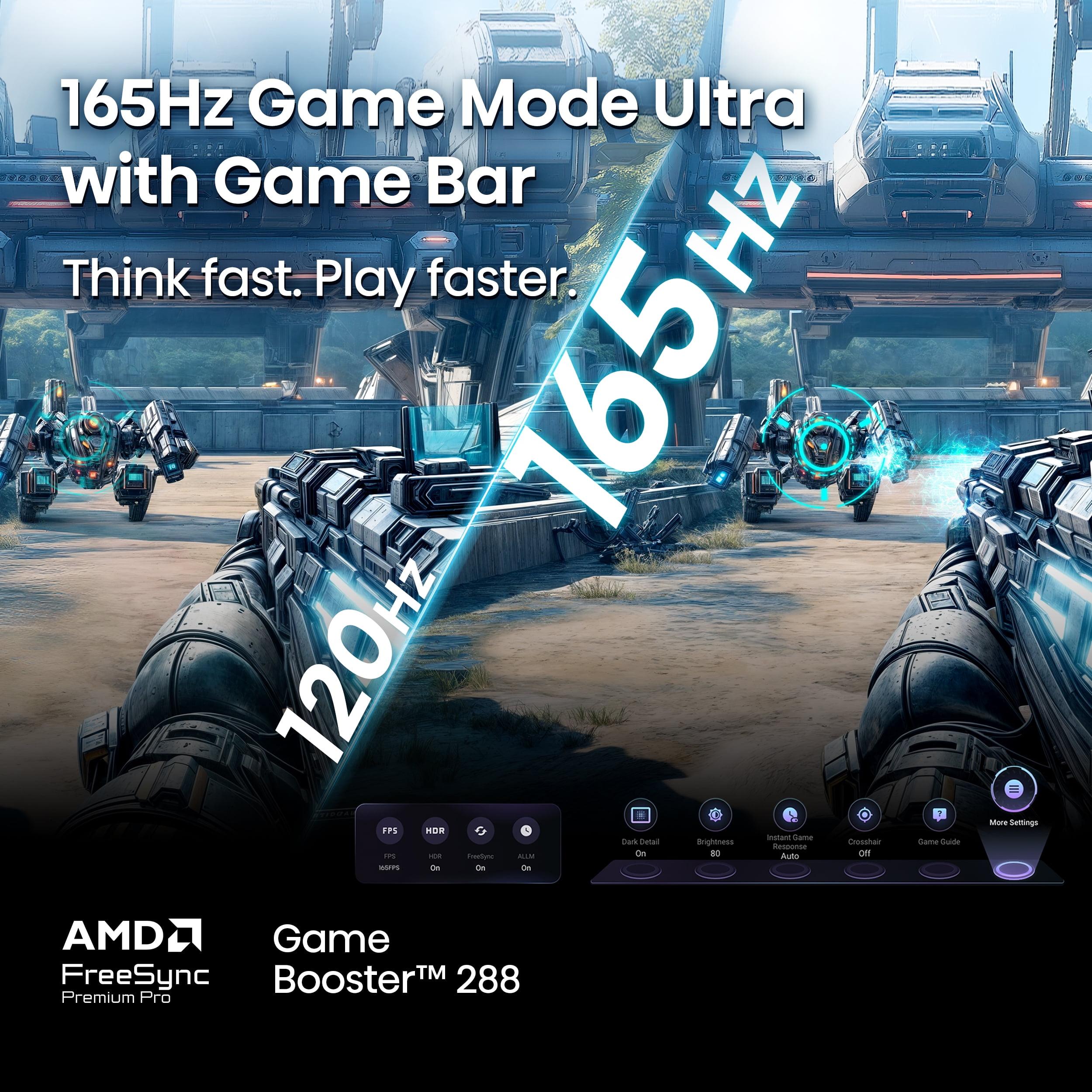
Both TVs cater to modern gaming needs, but they take slightly different approaches. The Hisense U8 provides 4K gaming at 144Hz on both of its HDMI 2.1 ports, which is fantastic if you have multiple gaming devices or want flexibility in your setup. It also supports AMD FreeSync Premium Pro, ensuring smooth gameplay with compatible graphics cards.
The TCL QM8 offers 4K at 144Hz on one port and 4K at 120Hz on the other, but it has a unique trick: it can handle 240Hz variable refresh rate (VRR) at 1080p resolution. This makes it particularly appealing for competitive gamers who prioritize ultra-smooth motion over resolution.
Both TVs achieve approximately 13ms of input lag in game mode, which is excellent for responsive gaming. The difference really comes down to whether you need dual high-refresh ports (Hisense) or want maximum refresh rate for competitive gaming (TCL).
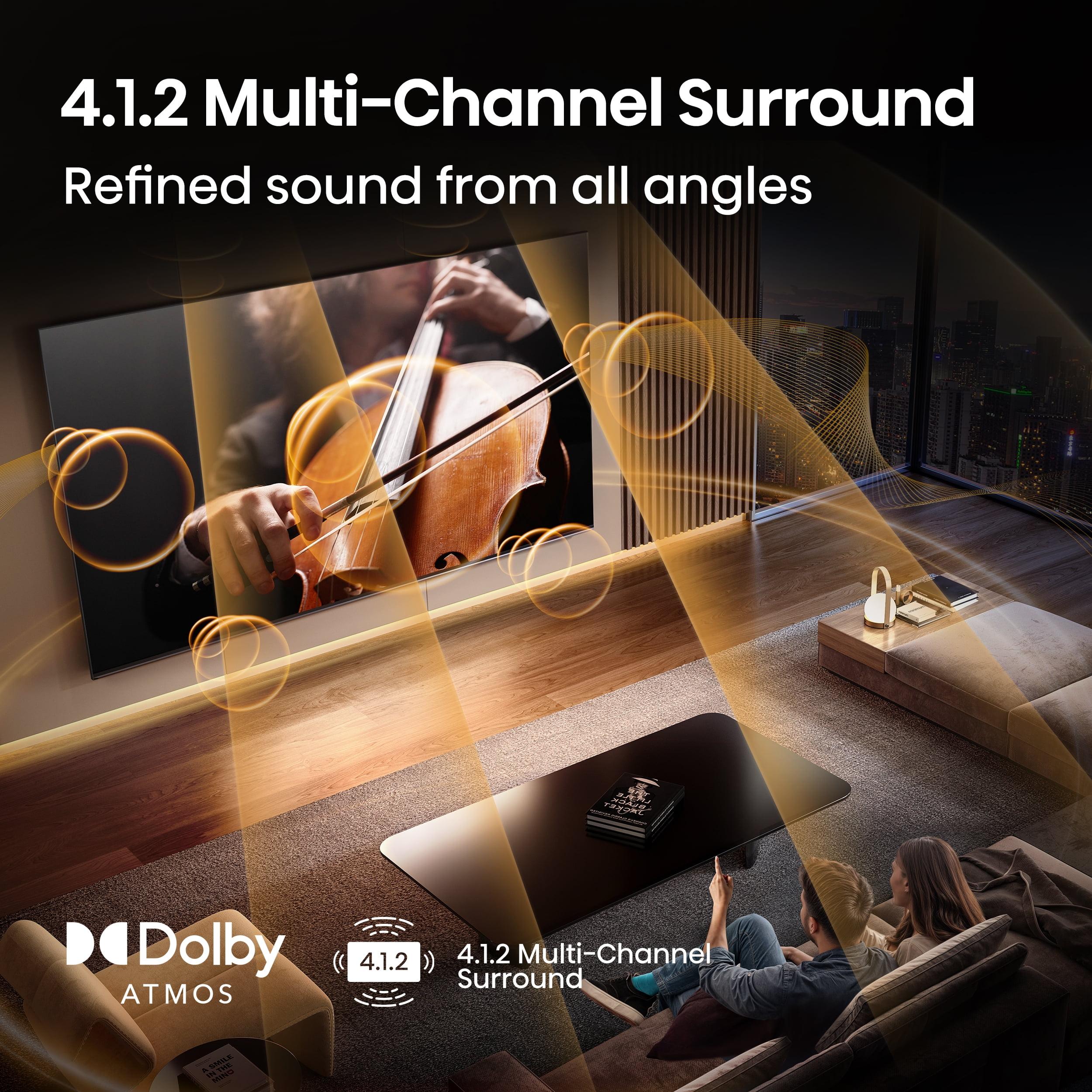
TV audio is often an afterthought, but it's worth considering since many people don't immediately add a soundbar. The Hisense U8 includes a more sophisticated 2.1.2-channel audio system with upfiring speakers that create a genuine Dolby Atmos experience. This means sound effects can appear to come from above you, adding immersion to movies and games.
The TCL QM8's 2.1-channel system with built-in subwoofer provides good bass response and clear dialogue, but it lacks the spatial audio capabilities of the Hisense. If you're planning to use the TV's built-in speakers for an extended period, the Hisense offers a more complete audio experience.
For dedicated home theater use, both TVs excel, but they serve different priorities. The Hisense U8 Series is the better choice for a controlled lighting environment where color accuracy and natural image reproduction are paramount. Its superior contrast in dark scenes and more accurate color reproduction make it ideal for cinematic viewing.
The TCL QM8 shines in home theaters where you can't completely control ambient light, or if you prefer a more dynamic, high-impact viewing experience. Its exceptional brightness and local dimming performance make it capable of delivering stunning HDR regardless of room conditions.
Both support all major HDR formats including Dolby Vision, HDR10+, and HLG, ensuring compatibility with virtually any content source. The viewing angle limitation common to both TVs (a characteristic of VA panel technology) means they're best suited for front-facing seating arrangements rather than wide room layouts.
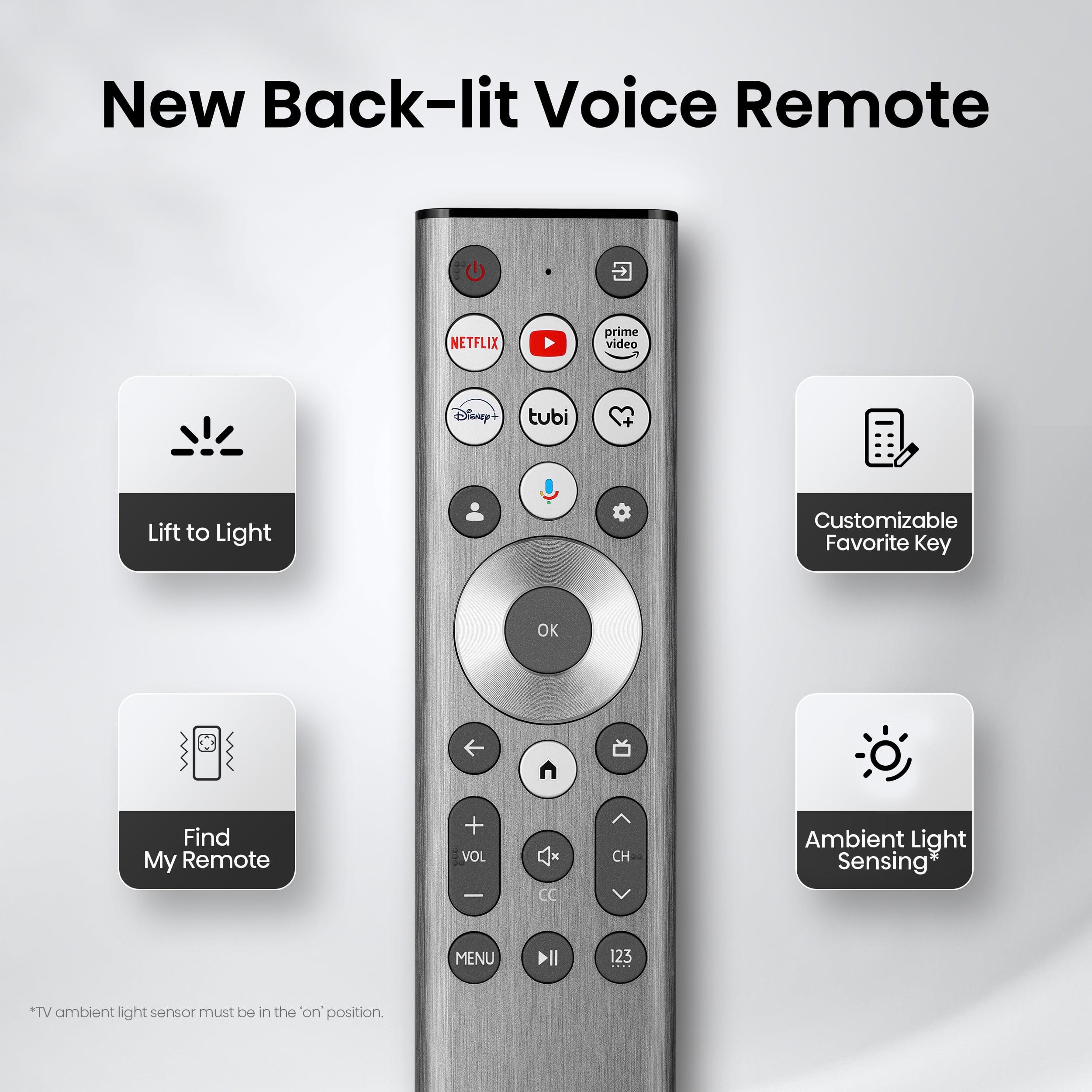
Both TVs run Google TV, providing access to virtually every streaming service and a clean, intuitive interface. However, the Hisense U8 includes an ATSC 3.0 tuner, which supports the next generation of over-the-air broadcasts. This might seem minor, but it's a genuine future-proofing feature that could become important as broadcasters upgrade their signals.
The TCL QM8 sticks with the older ATSC 1.0 standard, which works fine for current broadcasts but won't support future enhancements. If you use an antenna for local channels or want maximum future compatibility, this gives the Hisense an edge.
At $899.99, the TCL QM8 offers remarkable value for its brightness and local dimming capabilities. You're getting industry-leading peak brightness and extensive dimming zones at a price point that would have been unthinkable just a few years ago. For many buyers, especially those with bright rooms or who prioritize HDR impact, it represents exceptional value.
The Hisense U8 Series at $997.99 costs $100 more but provides a more well-rounded package. The superior color accuracy, better audio system, dual gaming ports, and future-proof tuner justify the premium for buyers who want a complete solution rather than maximum specs in one area.
The choice between these two excellent TVs ultimately depends on your priorities and viewing environment. Choose the TCL QM8 if you have a bright room with lots of ambient light, want maximum HDR impact, or prioritize getting the most display performance per dollar. Its exceptional brightness and extensive local dimming make it ideal for daytime viewing and content that benefits from aggressive HDR presentation.
Opt for the Hisense U8 Series if you value color accuracy, want superior built-in audio, need dual high-refresh gaming ports, or prefer a more balanced viewing experience. Its refined picture processing and more natural color reproduction make it excellent for extended viewing sessions and varied content types.
For home theater enthusiasts who watch primarily in darker environments, the Hisense's superior color accuracy and contrast make it the better choice. For living room setups where the TV needs to perform well in bright conditions, the TCL's brightness advantage becomes more significant.
Both TVs represent excellent value in their respective approaches to mini-LED technology. The TCL maximizes key display specifications at its price point, while the Hisense provides a more comprehensive package with attention to the complete viewing experience. Either choice will deliver a significant upgrade from older TV technology, with performance that was exclusive to much more expensive models just a few years ago.
The mini-LED category continues to evolve rapidly, but both the Hisense U8 and TCL QM8 represent mature, refined implementations of this technology that should provide excellent performance for years to come. Your choice simply depends on whether you prioritize maximum brightness and value (TCL) or balanced performance and features (Hisense).
| Hisense 65" U8 Series Mini-LED ULED 4K Google TV ($997.99) | TCL 65" QM8 Mini-LED Smart TV ($899.99) |
|---|---|
| Peak Brightness - Critical for HDR impact and bright room viewing | |
| 2,000-3,000 nits (excellent for most rooms) | Up to 5,000 nits (industry-leading brightness) |
| Local Dimming Zones - Controls blooming and contrast precision | |
| 1,000+ zones (very good performance) | Up to 3,800 zones (exceptional blooming control) |
| Color Accuracy - Affects natural picture quality out-of-box | |
| Superior pre-calibration accuracy, wider color gamut | Good accuracy but requires calibration for best results |
| Gaming Refresh Rate - Important for smooth gaming performance | |
| 4K 144Hz on both HDMI 2.1 ports | 4K 144Hz on one port, 240Hz VRR at 1080p |
| Audio System - Built-in sound quality before adding soundbar | |
| 2.1.2 channel with upfiring Dolby Atmos speakers | 2.1 channel with subwoofer, no upfiring speakers |
| Smart Platform - User experience and app availability | |
| Google TV with ATSC 3.0 NextGen tuner | Google TV with ATSC 1.0 tuner only |
| Panel Technology - Affects color depth and gradients | |
| 8-bit VA panel with excellent processing | 10-bit VA panel with smoother gradients |
| Best Use Case - Where each TV excels most | |
| Dark rooms, color accuracy priority, balanced performance | Bright rooms, maximum HDR impact, competitive pricing |
| Value Proposition - What you get for the price difference | |
| $100 premium for color accuracy, dual gaming ports, better audio | Best brightness-per-dollar, more local dimming zones |
The TCL 65" QM8 Mini-LED Smart TV ($899.99) is significantly better for bright rooms, with peak brightness up to 5,000 nits compared to the Hisense 65" U8 Series Mini-LED ULED 4K Google TV ($997.99) at 2,000-3,000 nits. The TCL's exceptional brightness helps it overcome glare and maintain picture quality even in rooms with large windows or daytime viewing.
The Hisense U8 Series ($997.99) delivers superior color accuracy straight out of the box, with more natural skin tones and realistic color reproduction. The TCL QM8 ($899.99) tends to oversaturate colors initially and benefits from manual calibration to achieve optimal accuracy.
The Hisense U8 Series costs $100 more at $997.99 compared to the TCL QM8 at $899.99. The premium gets you better color accuracy, superior built-in audio with Dolby Atmos, dual 4K 144Hz gaming ports, and future-proof ATSC 3.0 tuner support.
Both TVs excel at gaming, but serve different needs. The Hisense U8 Series offers 4K 144Hz on both HDMI 2.1 ports, making it ideal for multiple gaming devices. The TCL QM8 provides 240Hz VRR at 1080p, which is better for competitive gaming where ultra-smooth motion matters more than resolution.
The Hisense U8 Series has a superior 2.1.2 channel audio system with upfiring speakers that create genuine Dolby Atmos spatial audio. The TCL QM8 features a 2.1 channel system with good bass response but lacks the immersive overhead sound effects.
The TCL QM8 delivers more impactful HDR with its exceptional 5,000-nit peak brightness, making highlights truly pop. The Hisense U8 Series produces more natural-looking HDR that doesn't feel artificially enhanced, though with less dramatic bright highlights.
The TCL QM8 offers superior local dimming with up to 3,800 zones compared to the Hisense U8 Series with 1,000+ zones. This translates to better control over blooming around bright objects on dark backgrounds, though both perform well in real-world use.
For dedicated home theater rooms with controlled lighting, the Hisense U8 Series is typically preferred due to its superior color accuracy and natural contrast in dark scenes. The TCL QM8 works better in home theaters where ambient light can't be completely controlled.
Both TVs run Google TV with similar app support, but the Hisense U8 Series includes an ATSC 3.0 tuner for future broadcast compatibility, while the TCL QM8 only supports the older ATSC 1.0 standard. This makes the Hisense more future-proof for antenna users.
The TCL QM8 ($899.99) offers exceptional value with industry-leading brightness and extensive local dimming zones at a lower price. The Hisense U8 Series ($997.99) provides better overall value if you prioritize color accuracy, audio quality, and a more complete feature set.
Both the Hisense U8 Series and TCL QM8 use VA panels with narrow viewing angles, meaning picture quality degrades when viewed from the side. This limitation is similar on both models and makes them best suited for front-facing seating arrangements.
For versatile mixed usage including TV shows, movies, sports, and gaming, the Hisense U8 Series offers more balanced performance with better color accuracy and audio. The TCL QM8 excels if your priority is maximum brightness for daytime viewing and dramatic HDR impact.
We've done our best to create useful and informative comparisons to help you decide what product to buy. Our research uses advanced automated methods to create this comparison and perfection is not possible - please contact us for corrections or questions. These are the sites we've researched in the creation of this article: bestbuy.com - hisense-usa.com - rtings.com - bestbuy.com - rtings.com - hisense-usa.com - youtube.com - hisense-usa.com - avsforum.com - hisense-usa.com - hisense-usa.com - rtings.com - avsforum.com - hisense-usa.com - prnewswire.com - hisense-usa.com - bestbuy.com - youtube.com - hisense-usa.com - rtings.com - rtings.com - techradar.com - tcl.com - the-gadgeteer.com - nfm.com - ecoustics.com - careyscommunications.com - pcrichard.com - tcl.com

Privacy Policy
Terms and Conditions - Affiliate Policy
Home Security
© Copyright 2008-2026.
11816 Inwood Rd #1211, Dallas, TX 75244