

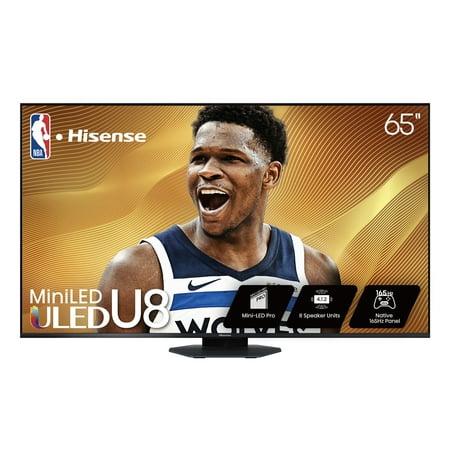
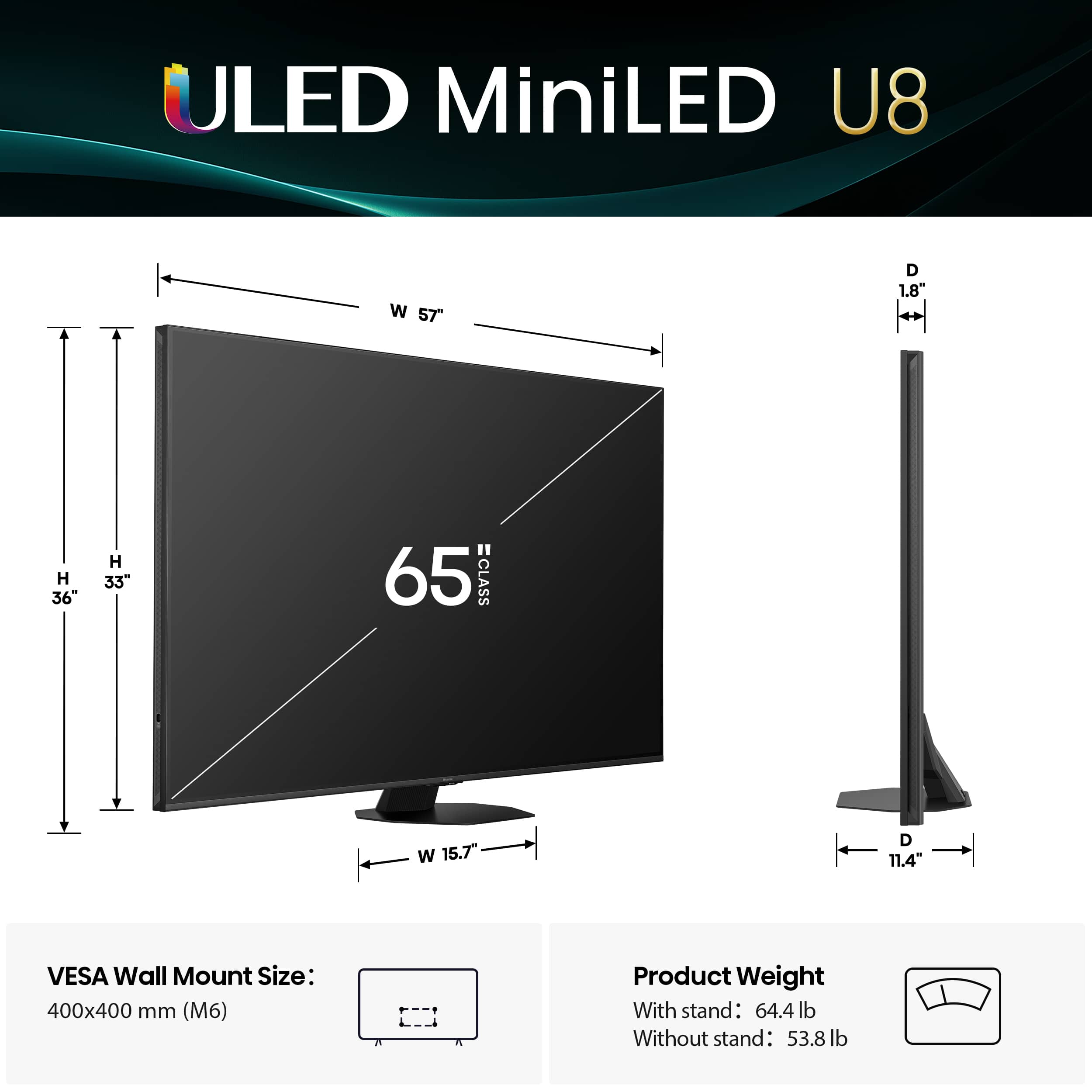
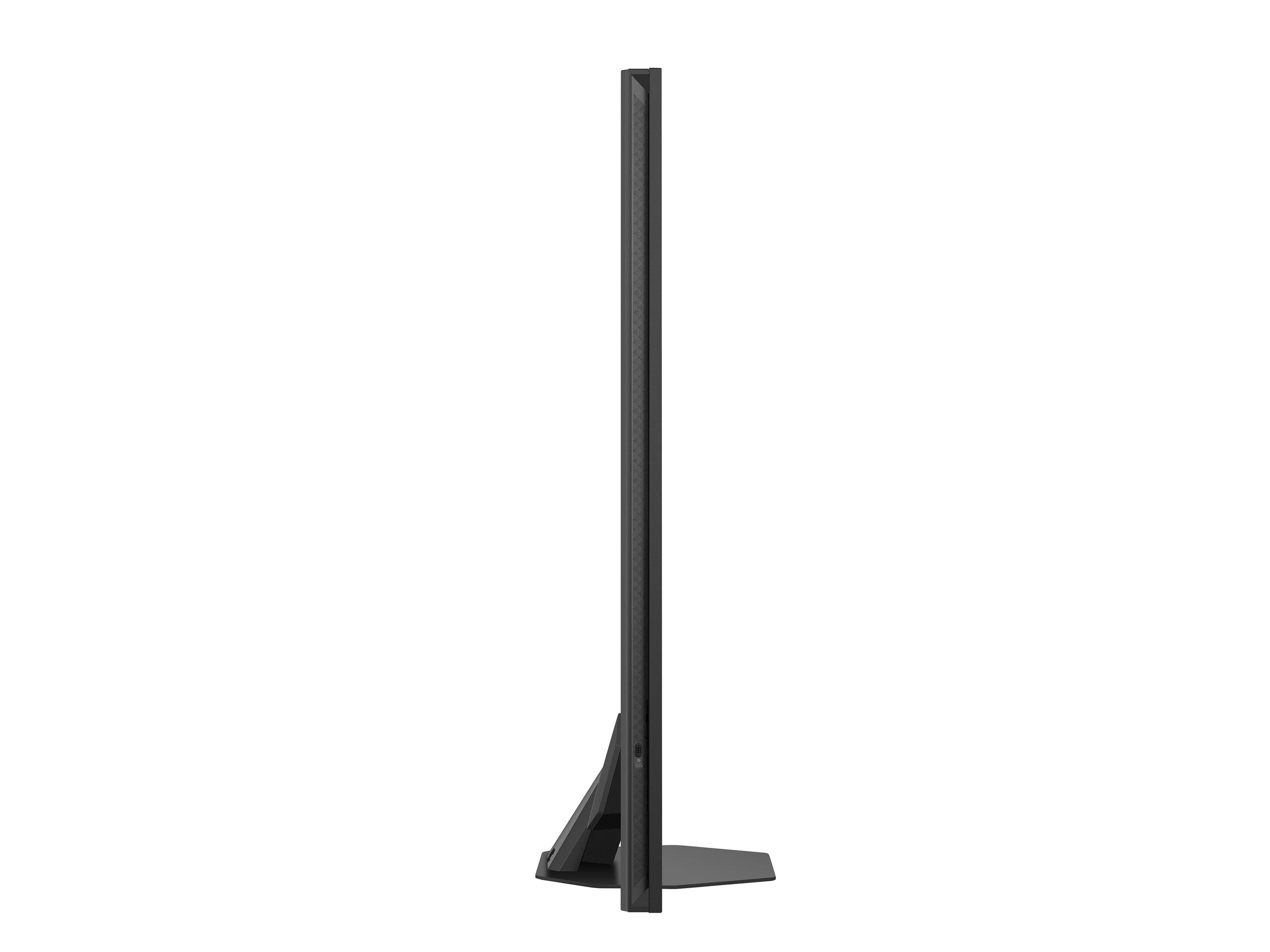
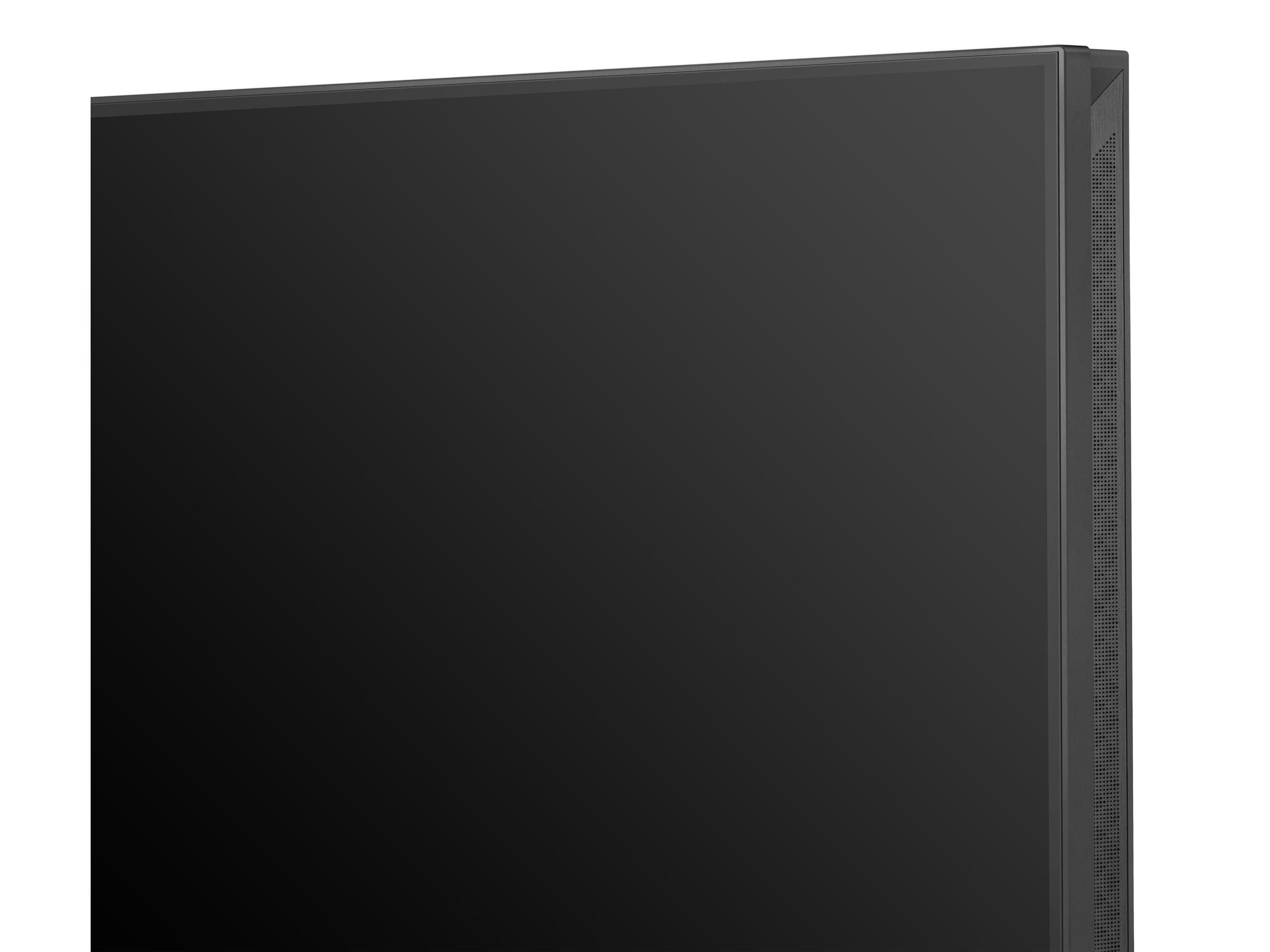
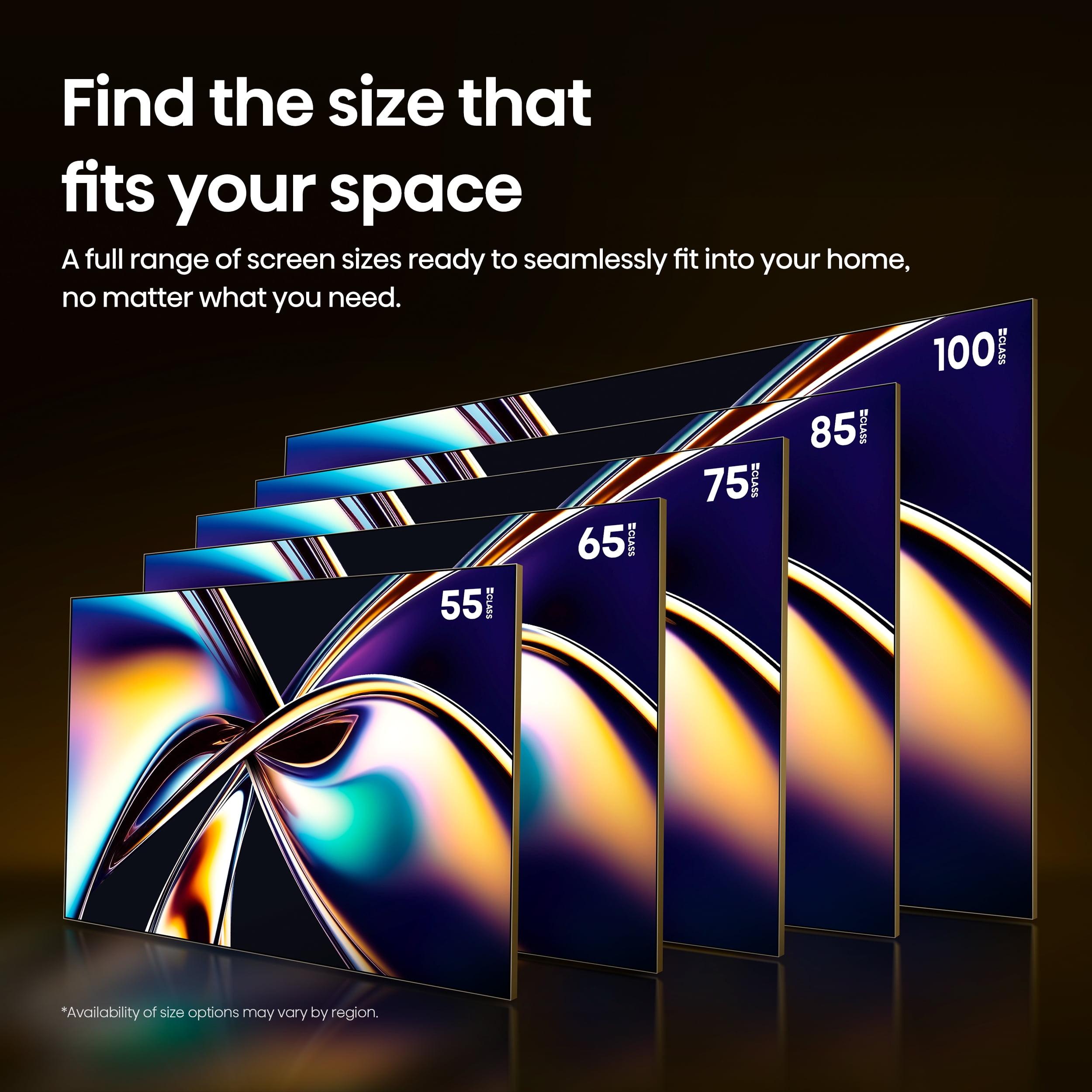
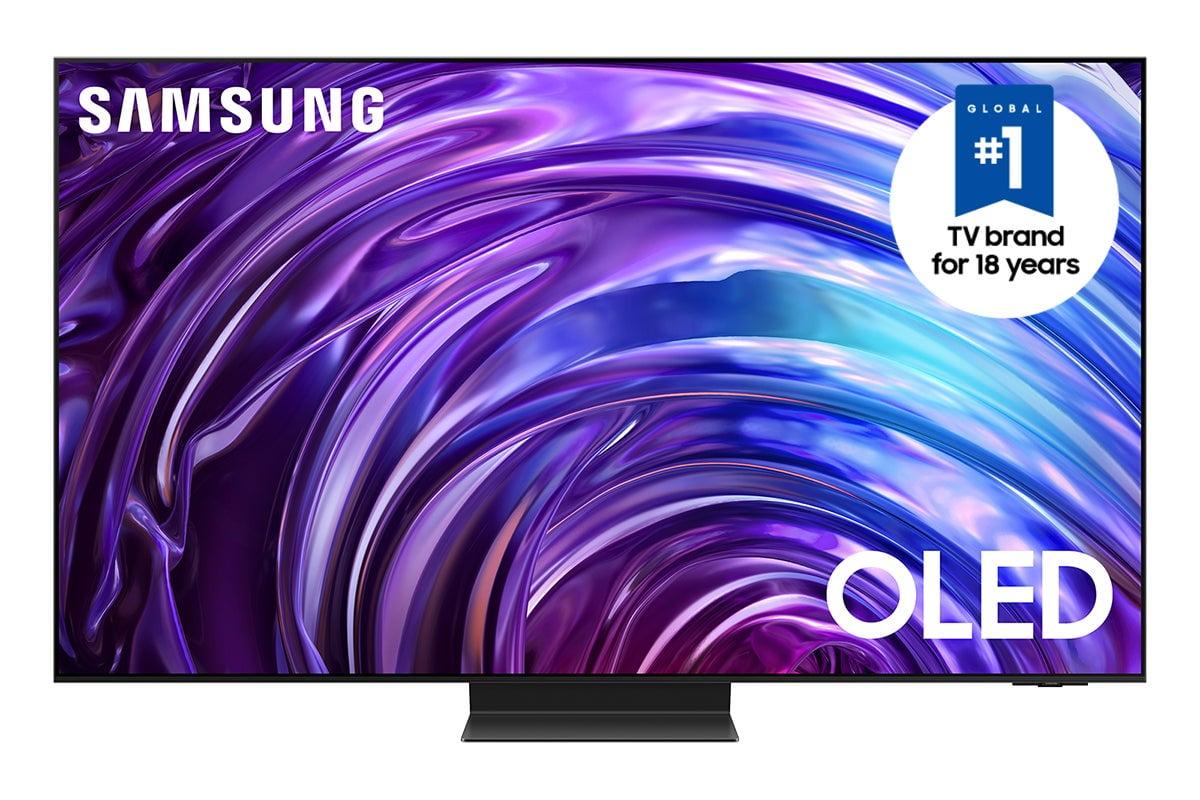
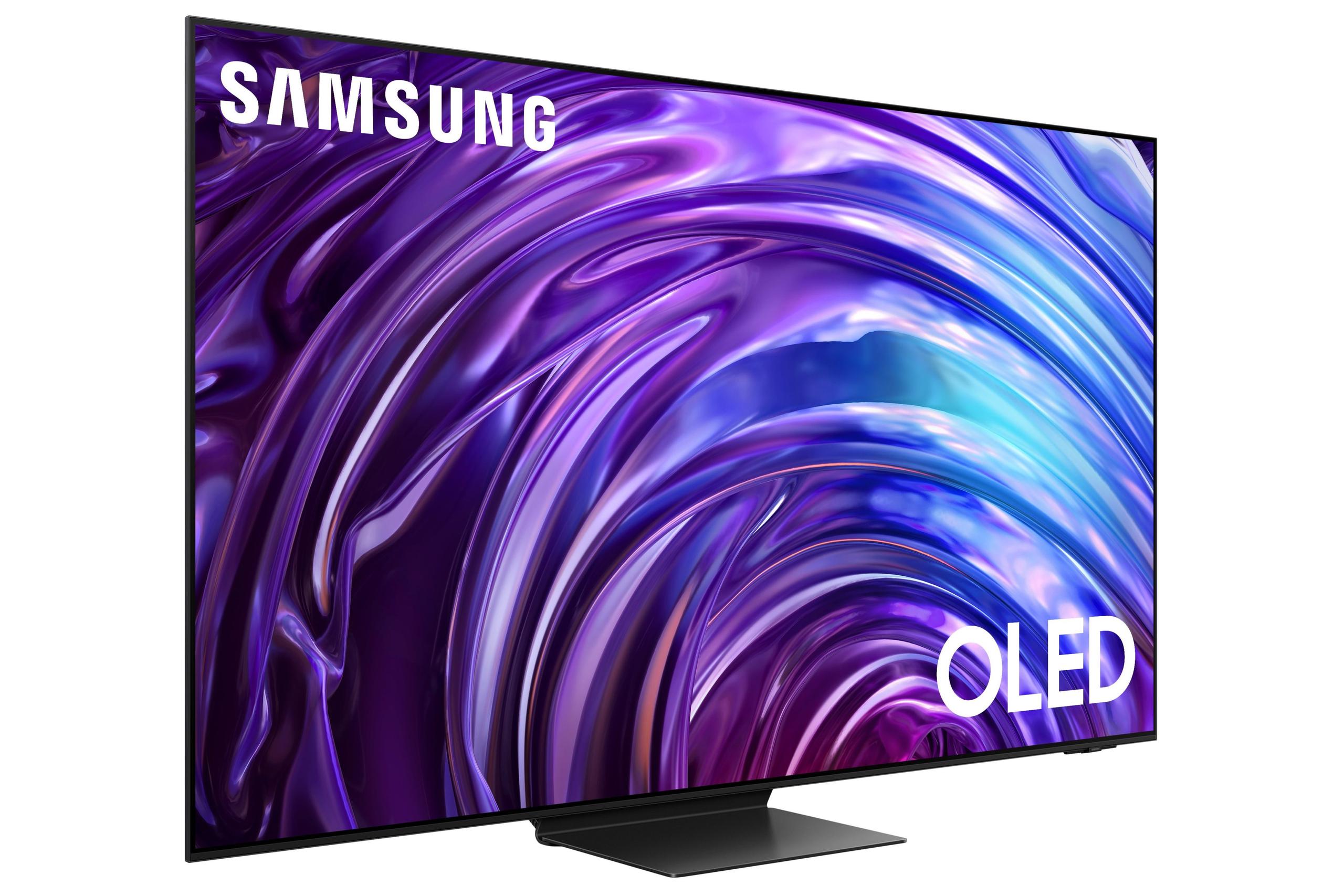
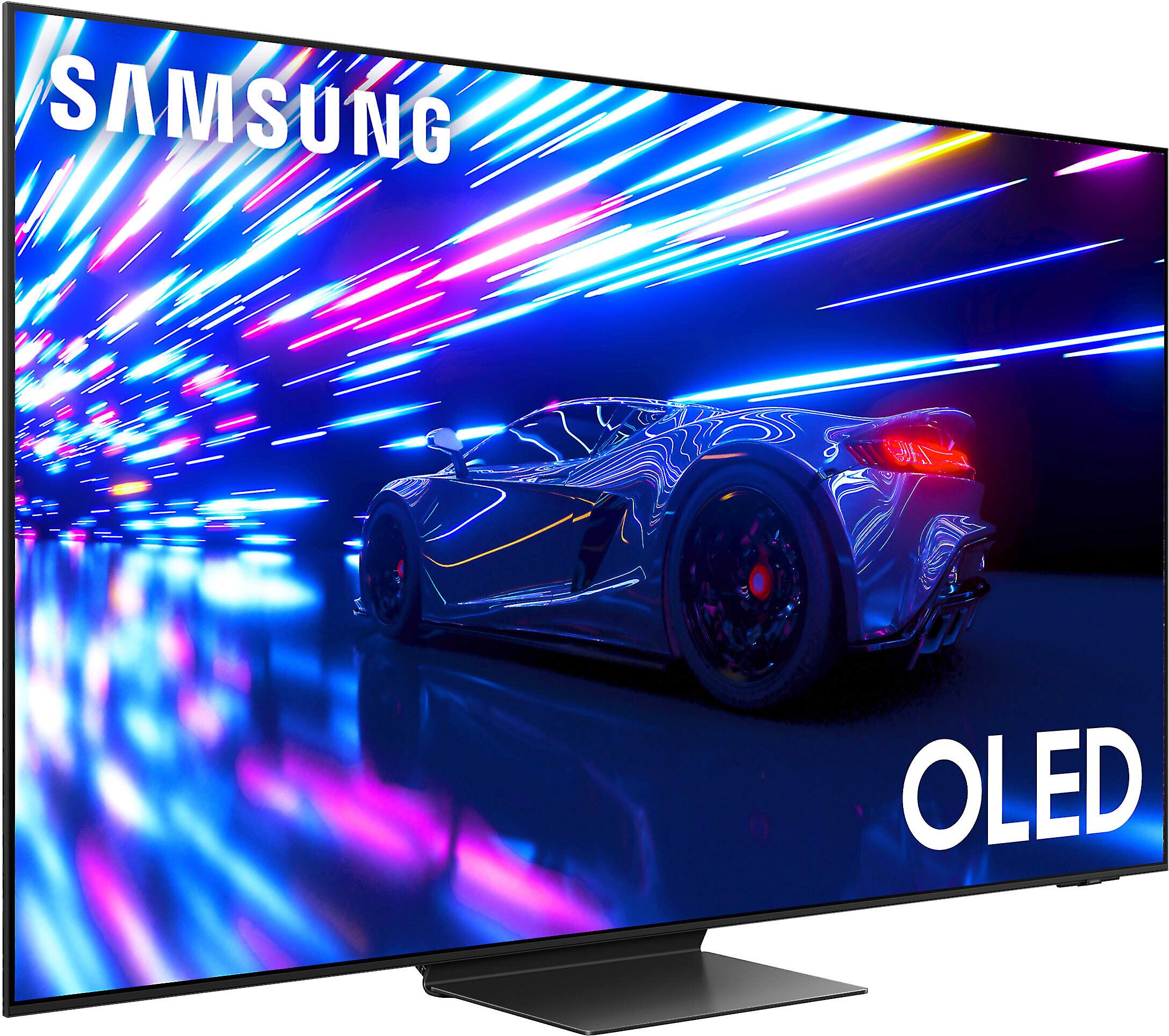
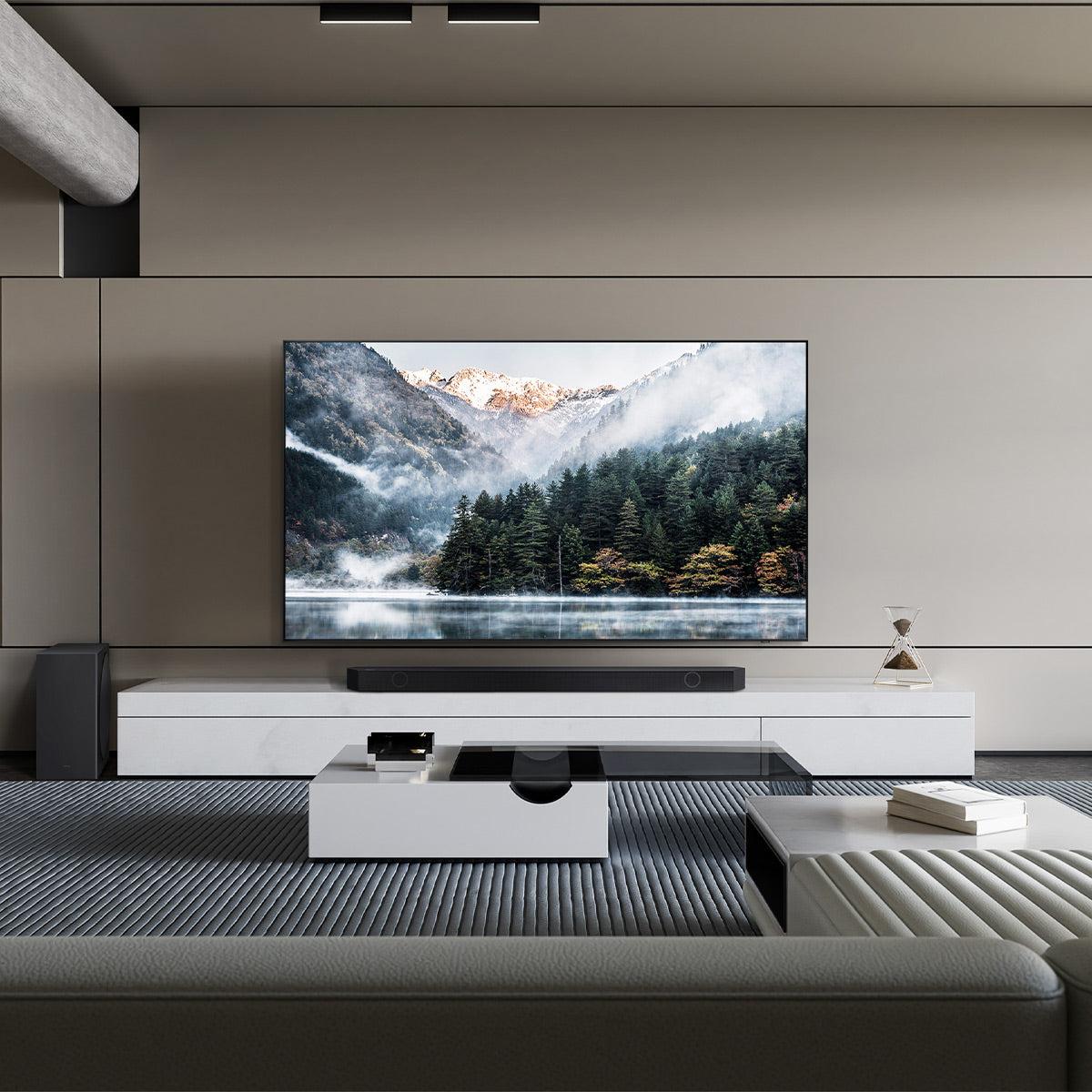
Shopping for a premium 65-inch TV can feel overwhelming, especially when you're comparing two fundamentally different display technologies. The Hisense 65" U8 Series Mini-LED ULED 4K Google TV at $997.99 and the Samsung 65" S95D 4K OLED Smart TV at $1,499.97 represent two compelling approaches to delivering exceptional picture quality, but they achieve it in completely different ways.
Both TVs launched in 2024 and showcase the latest advances in their respective display technologies. The timing is particularly interesting because we're seeing Mini-LED technology mature to the point where it's genuinely challenging OLED's dominance in premium TV segments – something that seemed impossible just a few years ago.
The 65-inch size hits a sweet spot for most living rooms, offering that cinematic experience without overwhelming smaller spaces. When you're investing in a premium TV, you're essentially choosing between two philosophical approaches to picture quality.
The first consideration is display technology. Think of Mini-LED as using thousands of tiny, precisely controlled LED lights behind a traditional LCD screen enhanced with quantum dots (microscopic particles that convert light into pure colors). OLED, on the other hand, uses pixels that generate their own light and can turn completely off for perfect blacks.
Your room environment plays a crucial role here. If you're dealing with large windows or bright overhead lights, the approach that handles ambient light better will dramatically impact your viewing experience. For dedicated home theaters or basement setups, different priorities emerge.
Performance characteristics like HDR (High Dynamic Range – basically the difference between the brightest whites and darkest blacks), color accuracy, and motion handling separate good TVs from great ones. Gaming performance has also become increasingly important as console capabilities advance.
Finally, there's the value equation. Premium doesn't always mean most expensive – sometimes it means getting flagship features at a more accessible price point.
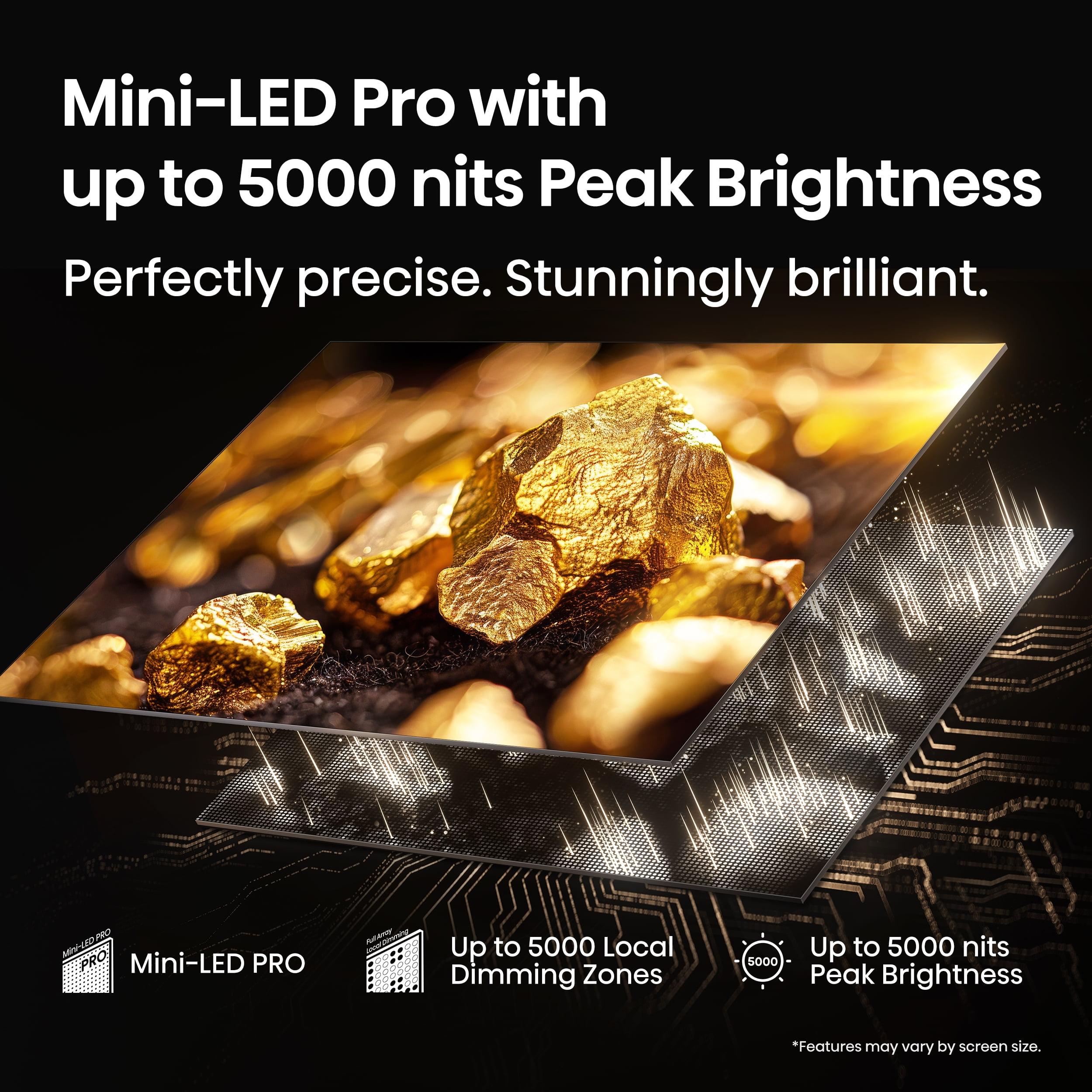
The Hisense U8 Series represents the current pinnacle of Mini-LED technology. Instead of using a few dozen LED lights like traditional LCD TVs, it employs thousands of tiny LEDs arranged behind the screen. These are organized into over 2,000 local dimming zones – think of each zone as a neighborhood of LEDs that can brighten or dim independently.
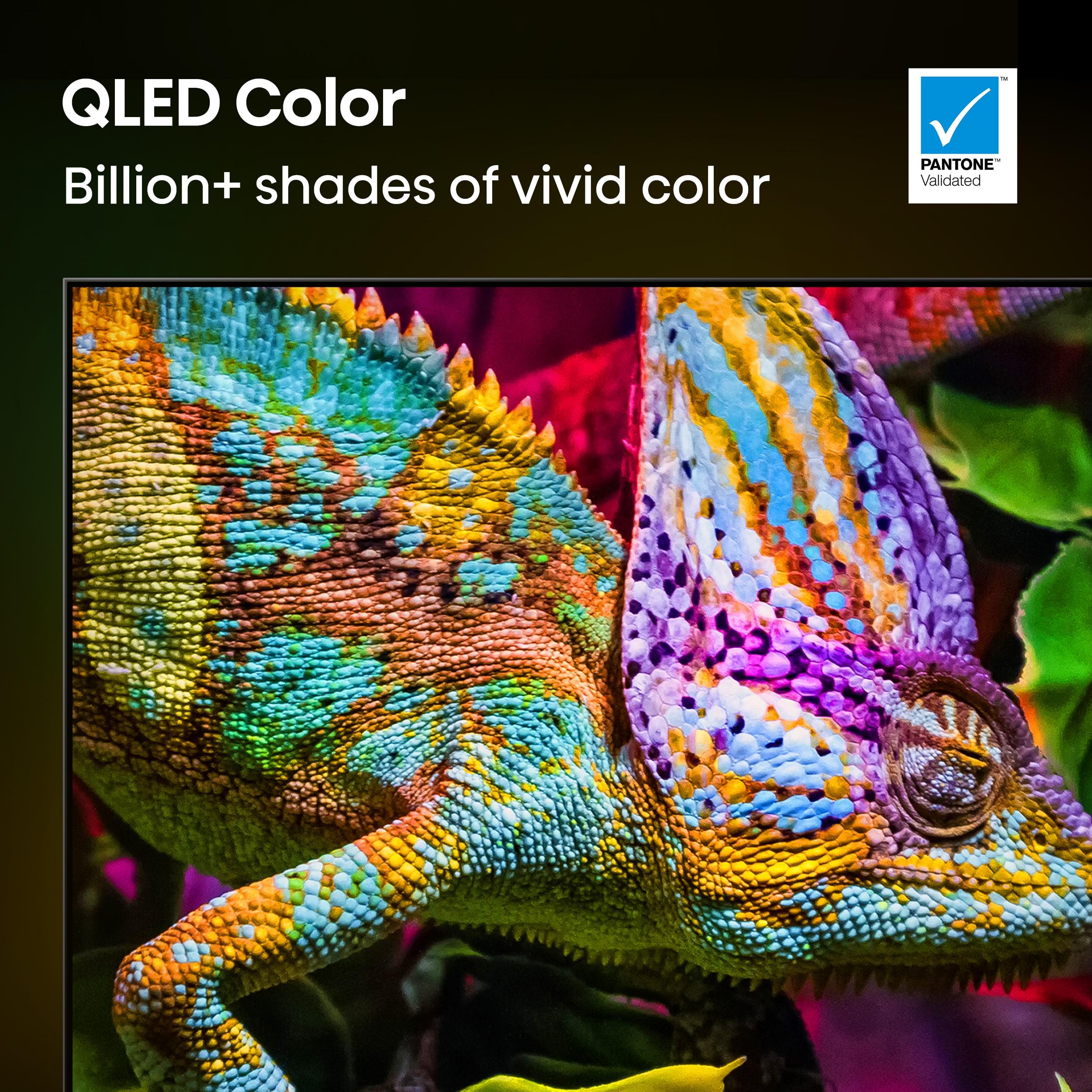
This approach allows the TV to achieve remarkable brightness levels up to 3,000 nits. To put that in perspective, a typical sunny day measures around 1,000 nits, so this TV can actually appear brighter than daylight in your living room. The quantum dot layer adds another level of sophistication, converting the LED light into incredibly pure colors across over a billion different shades.
The Full Array Local Dimming Pro system means when you're watching a movie with a bright explosion against a dark night sky, the TV can make those bright areas intensely luminous while keeping the dark areas genuinely dark. It's not perfect – you might notice some slight "blooming" where bright objects seem to have a subtle halo in very dark scenes – but it's remarkably close to perfect blacks.
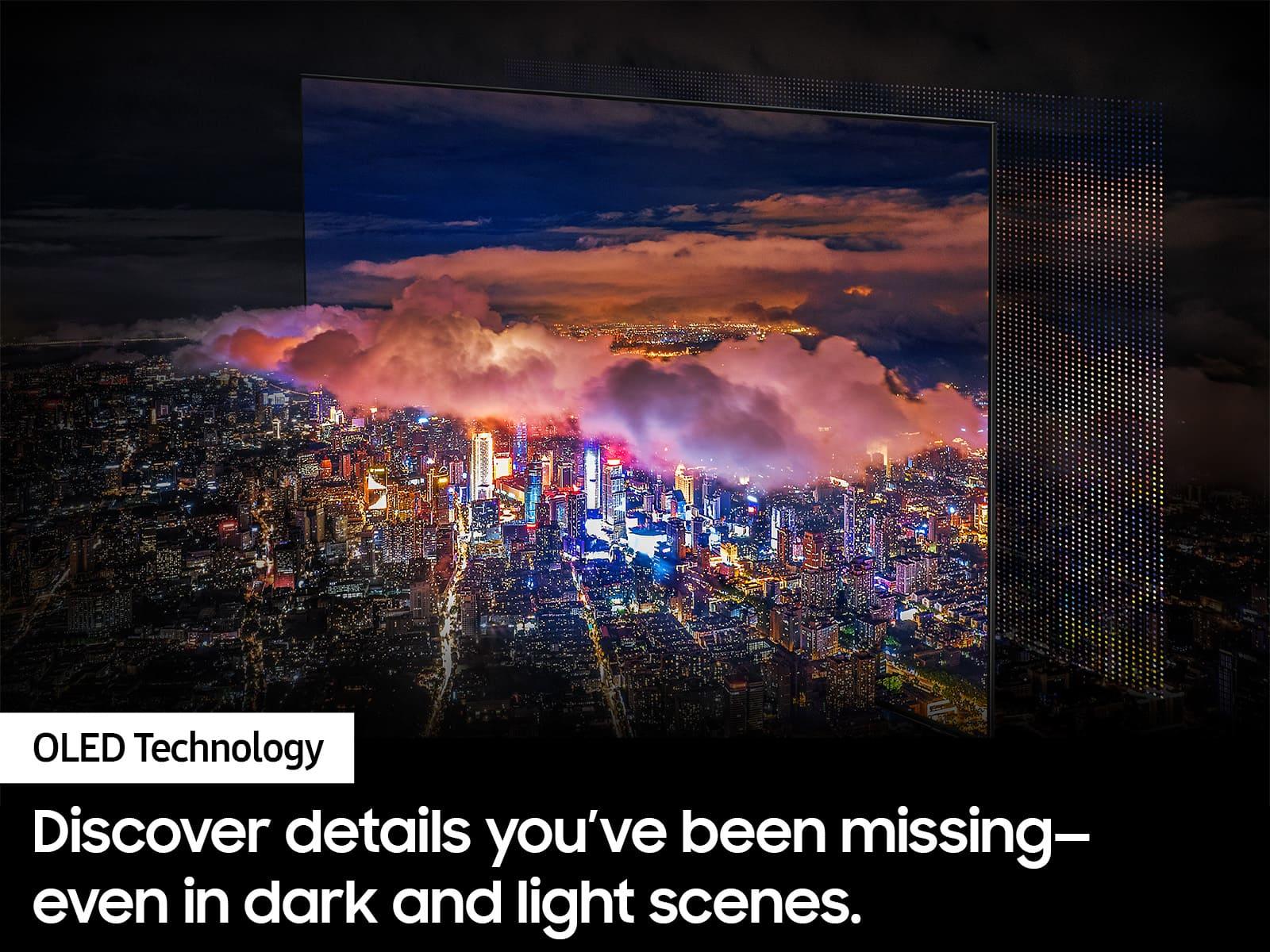
The Samsung S95D takes a completely different approach with its QD-OLED technology. Each pixel is essentially a tiny light bulb that can produce its own light and color, or turn completely off. When a pixel is off, it produces absolutely no light – creating true black that's impossible with any backlit display.
This self-emitting approach means infinite contrast ratio (the difference between the brightest and darkest parts of the image). When you're watching a space movie, those black areas of space are genuinely black, not the dark gray you might see on lesser TVs.
The quantum dot enhancement in this OLED panel provides exceptionally vibrant colors that pop off the screen. Colors appear more saturated and punchy compared to traditional OLED panels, though some viewers find this can occasionally look oversaturated with certain content.
Brightness and HDR Performance
In bright rooms, the Hisense U8 Series has a clear advantage. That 3,000-nit peak brightness isn't just a specification – it translates to HDR content that maintains its impact even with lights on or curtains open. I've noticed that HDR movies on bright Mini-LED displays maintain that "wow factor" during daytime viewing in ways that dimmer displays simply can't match.
The Samsung S95D, while plenty bright for most situations, peaks at lower brightness levels. However, it compensates with superior HDR tone mapping – the process of translating the wide brightness range of HDR content to what the display can actually show. Samsung's processing tends to preserve more shadow detail and create more natural-looking HDR images, even if they're not as aggressively bright.
Black Levels and Contrast
This is where the fundamental technology differences really show. The Samsung S95D's perfect blacks create an almost three-dimensional viewing experience. When characters move from brightly lit scenes to dark environments, the transition feels more natural and immersive.
The Hisense U8 Series gets remarkably close – closer than any LCD TV I've tested – but physics still applies. Those thousands of mini-LEDs create excellent blacks with minimal blooming, but you might notice subtle lighting in what should be completely black areas during very dark scenes.
For home theater use, this difference becomes more pronounced. In a completely dark room, the OLED's perfect blacks help create that "floating in space" feeling where the TV's bezels seem to disappear. The Mini-LED still looks excellent, but the illusion isn't quite as complete.
Color Accuracy and Reproduction
Both TVs excel here, but with different philosophies. The Hisense U8 Series tends toward more natural, accurate colors out of the box. Skin tones look realistic, and the overall color palette feels true to life. The quantum dot technology enables incredibly wide color gamuts while maintaining accuracy.
The Samsung S95D produces more vibrant, saturated colors that many viewers find more engaging. Movies look more cinematic, and animated content appears especially striking. However, some purists might find certain colors slightly oversaturated compared to the original content.
Refresh Rates and Responsiveness
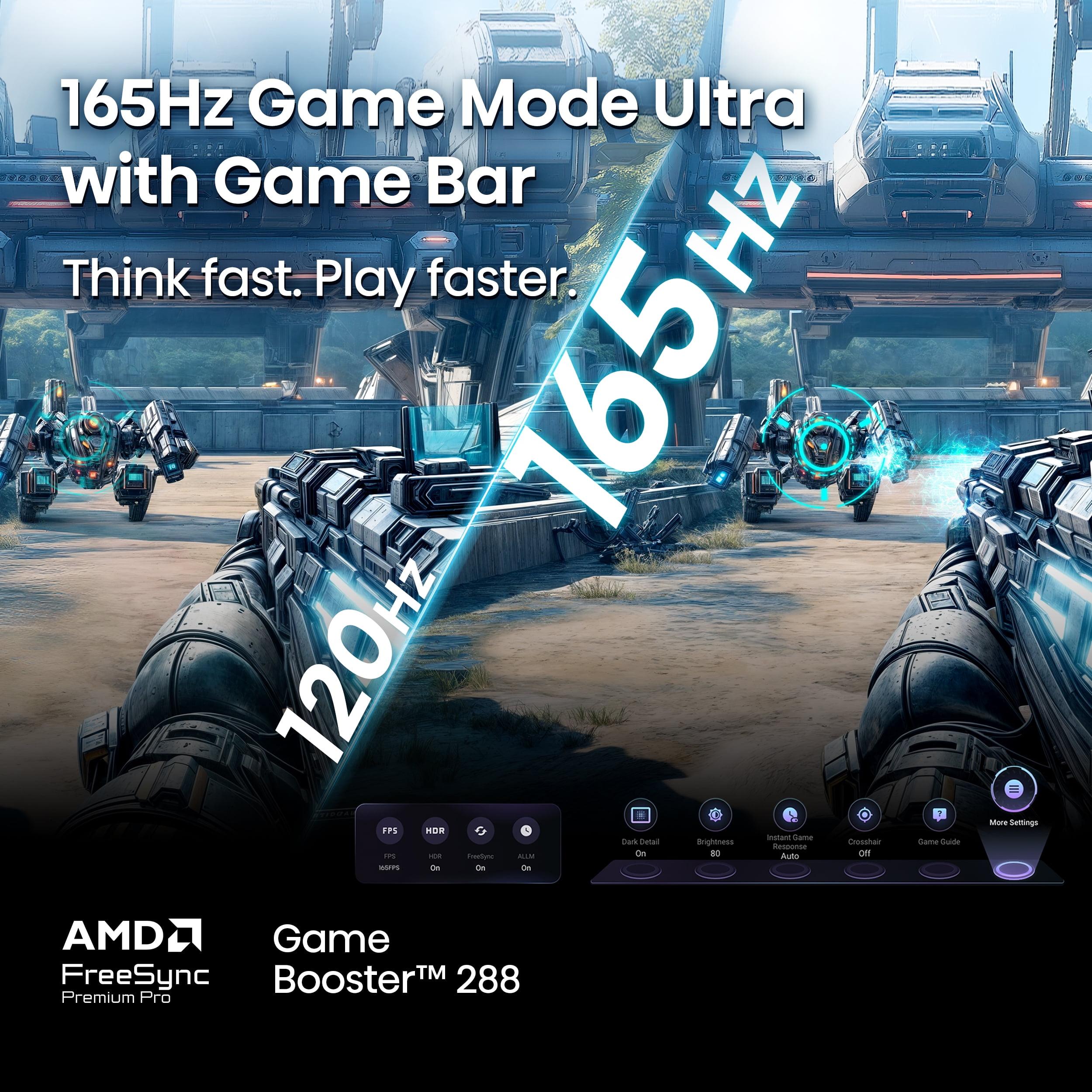
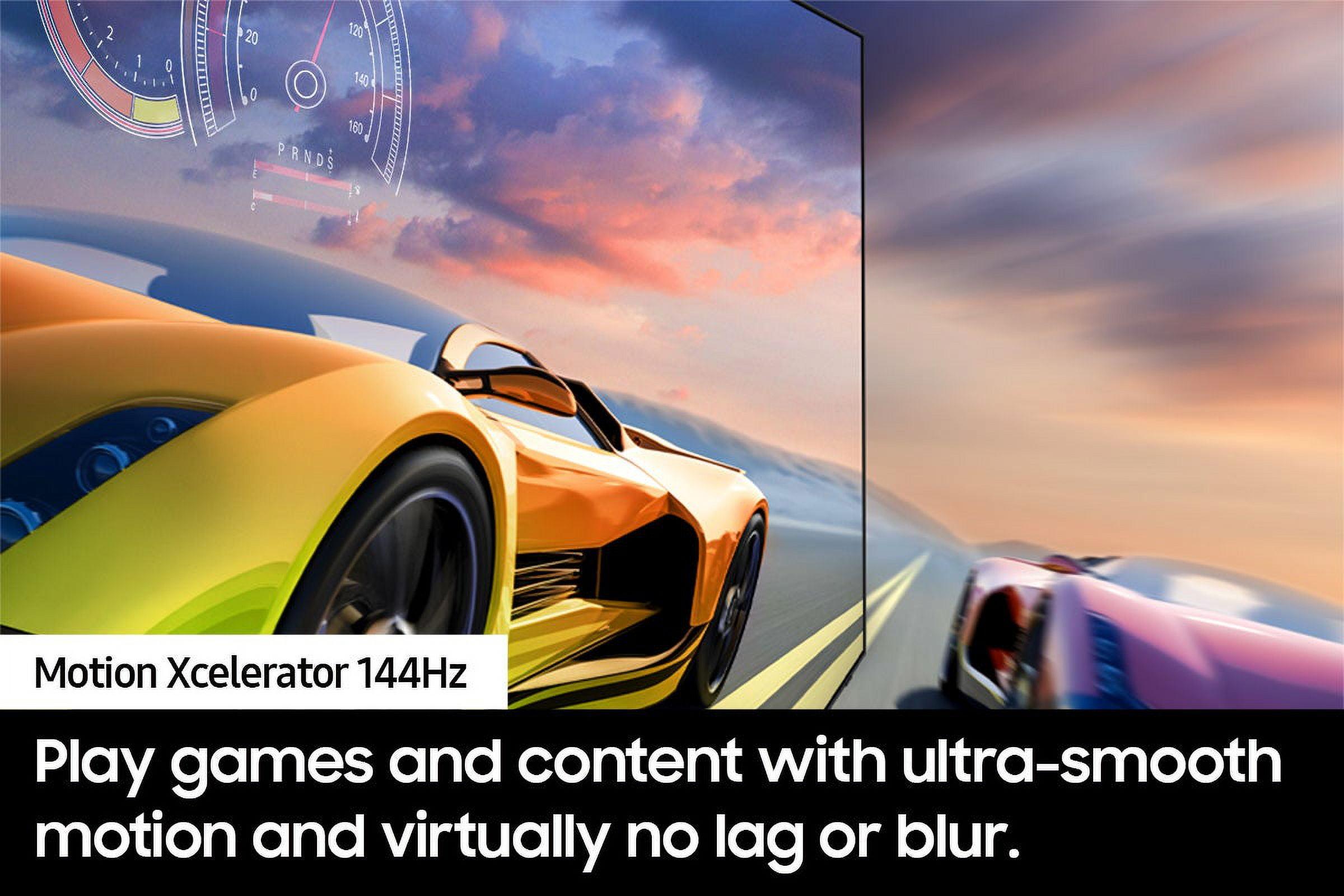
The Hisense U8 Series offers a native 144Hz refresh rate, which means it can display up to 144 frames per second for incredibly smooth motion. This makes it particularly appealing for PC gaming or future console capabilities. The AMD FreeSync Premium Pro support eliminates screen tearing – those horizontal lines that can appear during fast motion in games.
The Samsung S95D features 120Hz refresh rate with 144Hz processing capabilities. While technically lower, the ~9ms input lag (the delay between your controller input and on-screen response) is exceptionally low. For competitive gaming, this responsiveness can make a meaningful difference.
Variable Refresh Rate and Gaming Features
Both TVs support VRR (Variable Refresh Rate), which allows the TV to match the frame rate output of your gaming console or PC. This prevents stuttering and creates smoother gameplay. The Hisense includes a customizable Game Bar that appears on-screen, letting you adjust settings without leaving your game.
The Samsung's Game Mode automatically optimizes picture settings for gaming while maintaining excellent image quality. The lower input lag makes it particularly well-suited for competitive gaming where every millisecond matters.
Hisense U8 Series Audio
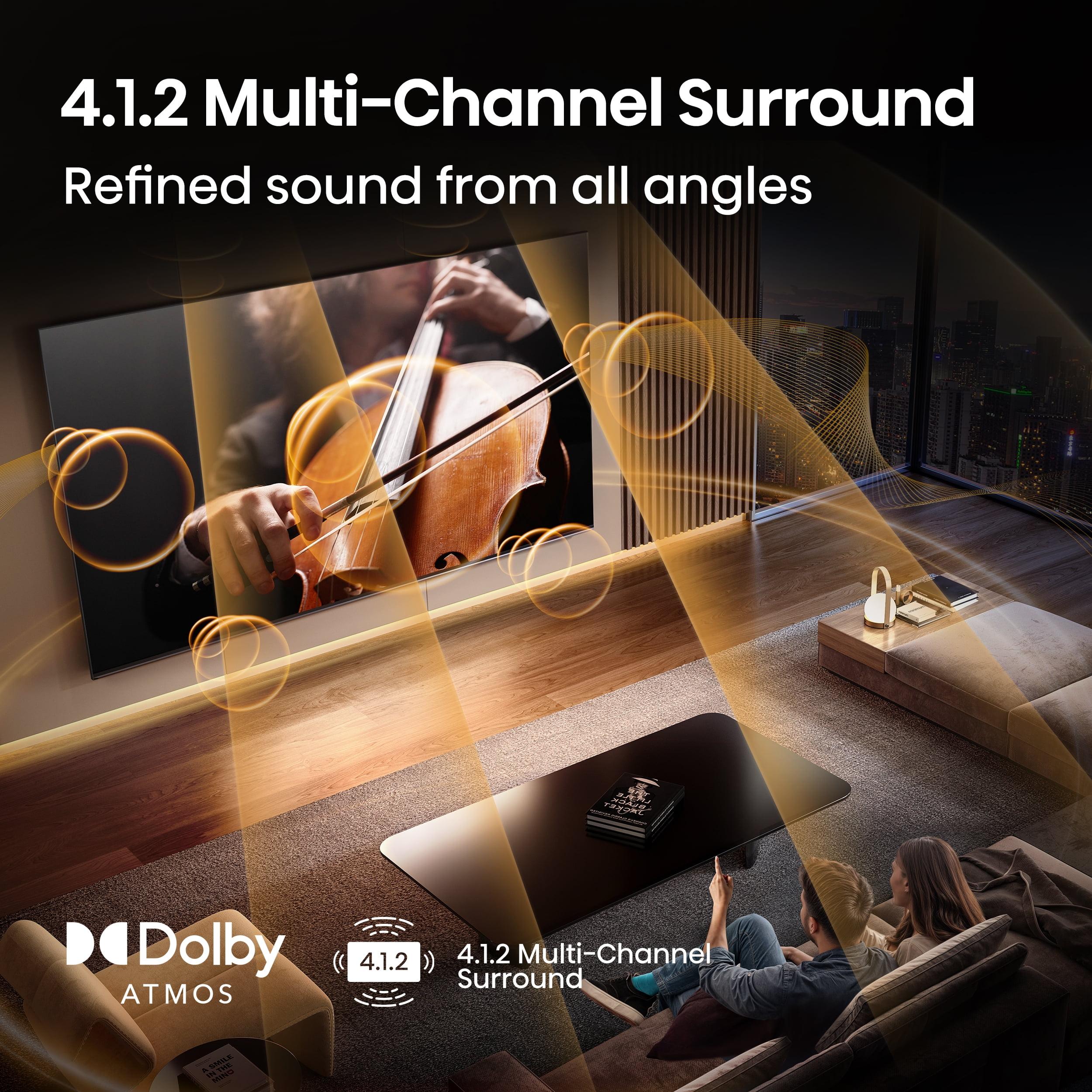
The 50W 2.1.2 channel system includes something many TVs lack: a built-in subwoofer. This means you get actual bass response without needing external speakers. The Dolby Atmos support creates height effects using upward-firing speakers, making helicopter sounds seem to fly overhead.
For many users, this built-in audio system eliminates the immediate need for a soundbar, saving both money and setup complexity. The sound quality is genuinely impressive for integrated TV speakers.
Samsung S95D Audio
The 4.2.2 channel system with Object Tracking Sound+ creates an immersive audio experience where sounds appear to come from their corresponding locations on screen. When a car drives from left to right, the audio follows precisely. However, without a built-in subwoofer, bass response is more limited.
This system excels at dialogue clarity and spatial audio effects but will likely benefit from a dedicated soundbar for full-range audio performance.
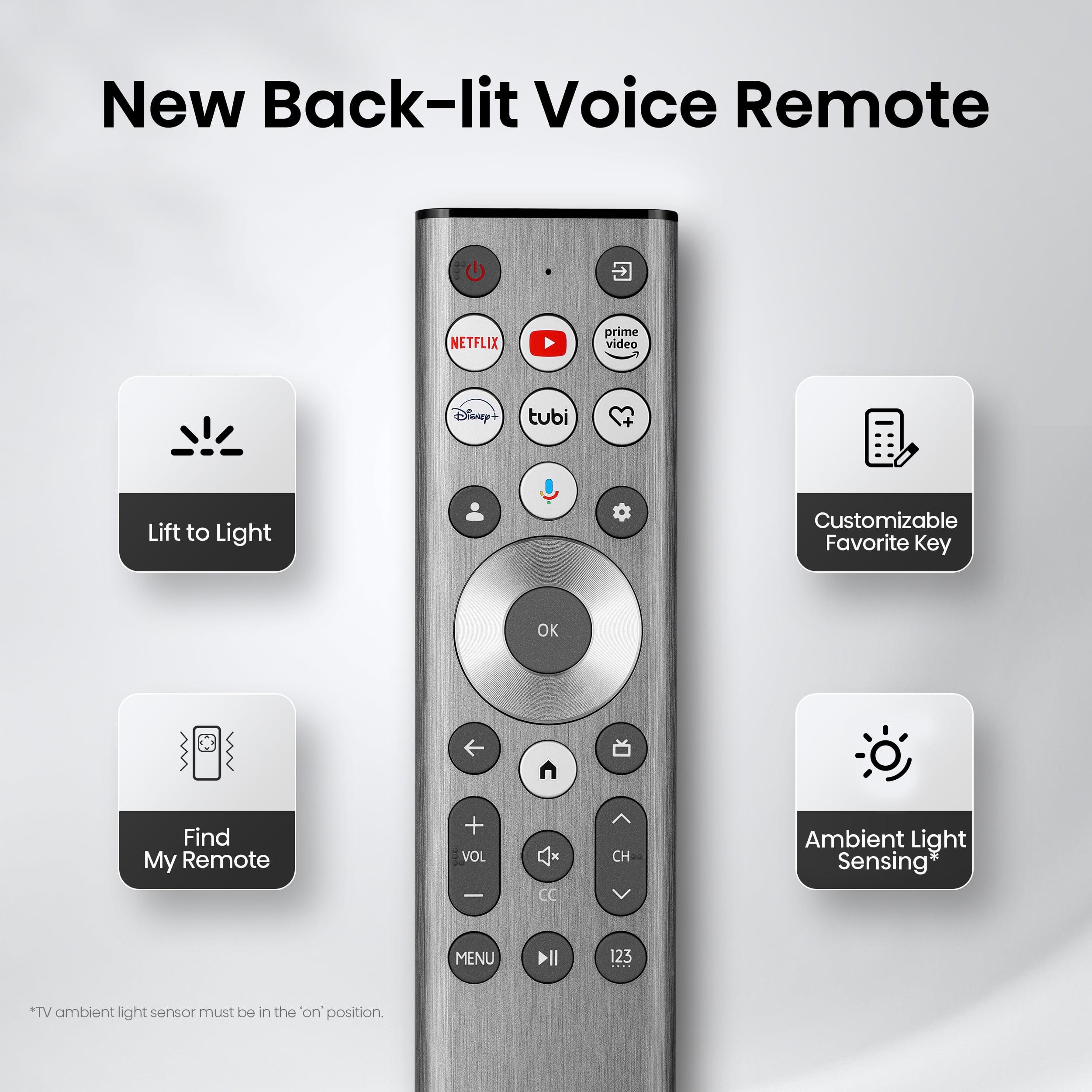
The Hisense U8 Series runs Google TV, which offers extensive app support and seamless integration with Google services. Voice control through Google Assistant feels natural, and the interface learns your viewing preferences over time. The platform receives regular updates and supports virtually every streaming service.
The Samsung S95D uses Tizen OS, which many consider more polished and responsive. The interface feels snappier, and Samsung's ecosystem integration works particularly well if you have other Samsung devices. However, app support, while comprehensive, isn't quite as extensive as Google TV.
The Hisense includes Wi-Fi 6E for faster wireless performance and an ATSC 3.0 tuner for next-generation over-the-air broadcasts. These features provide better future-proofing for evolving broadcast standards.
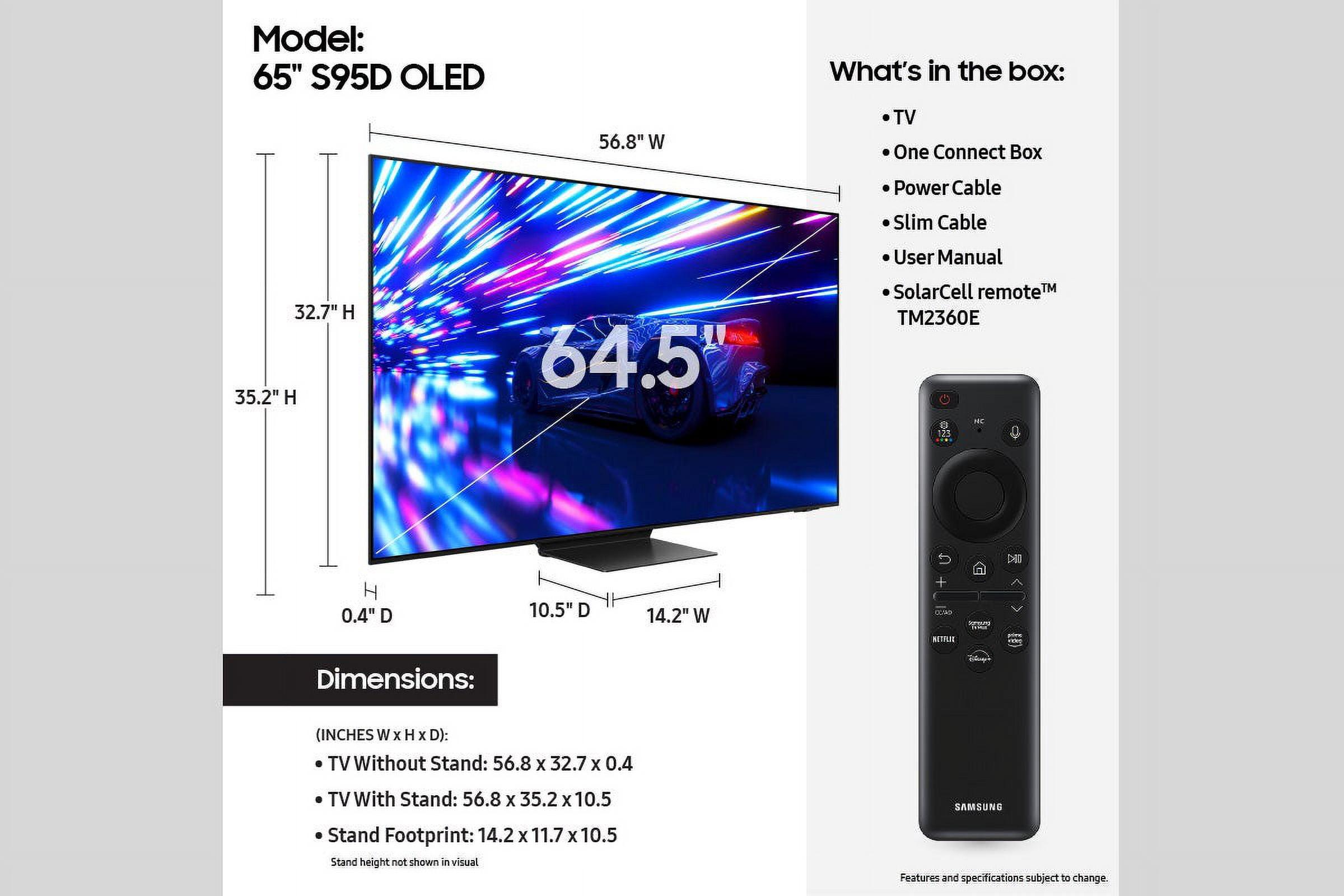
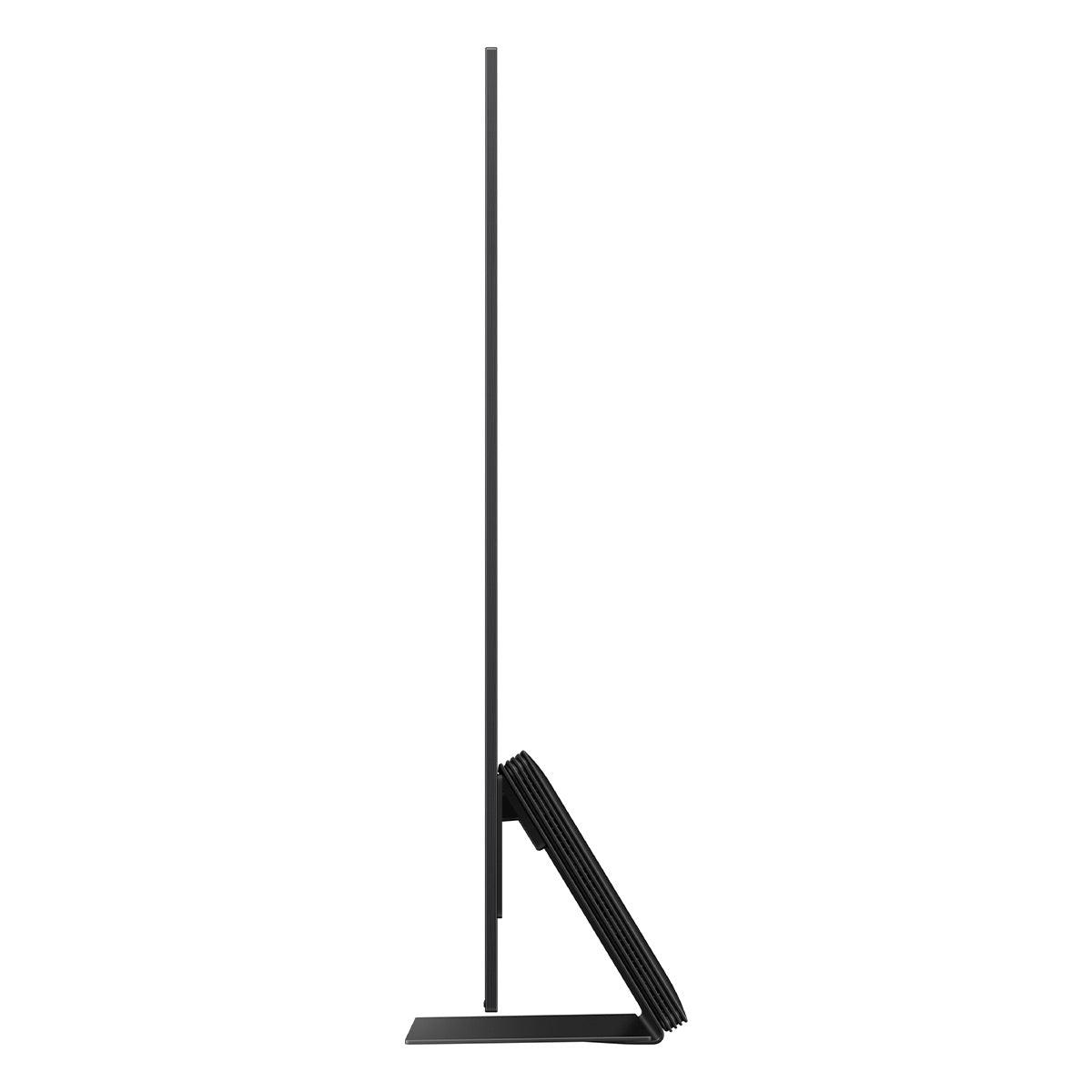
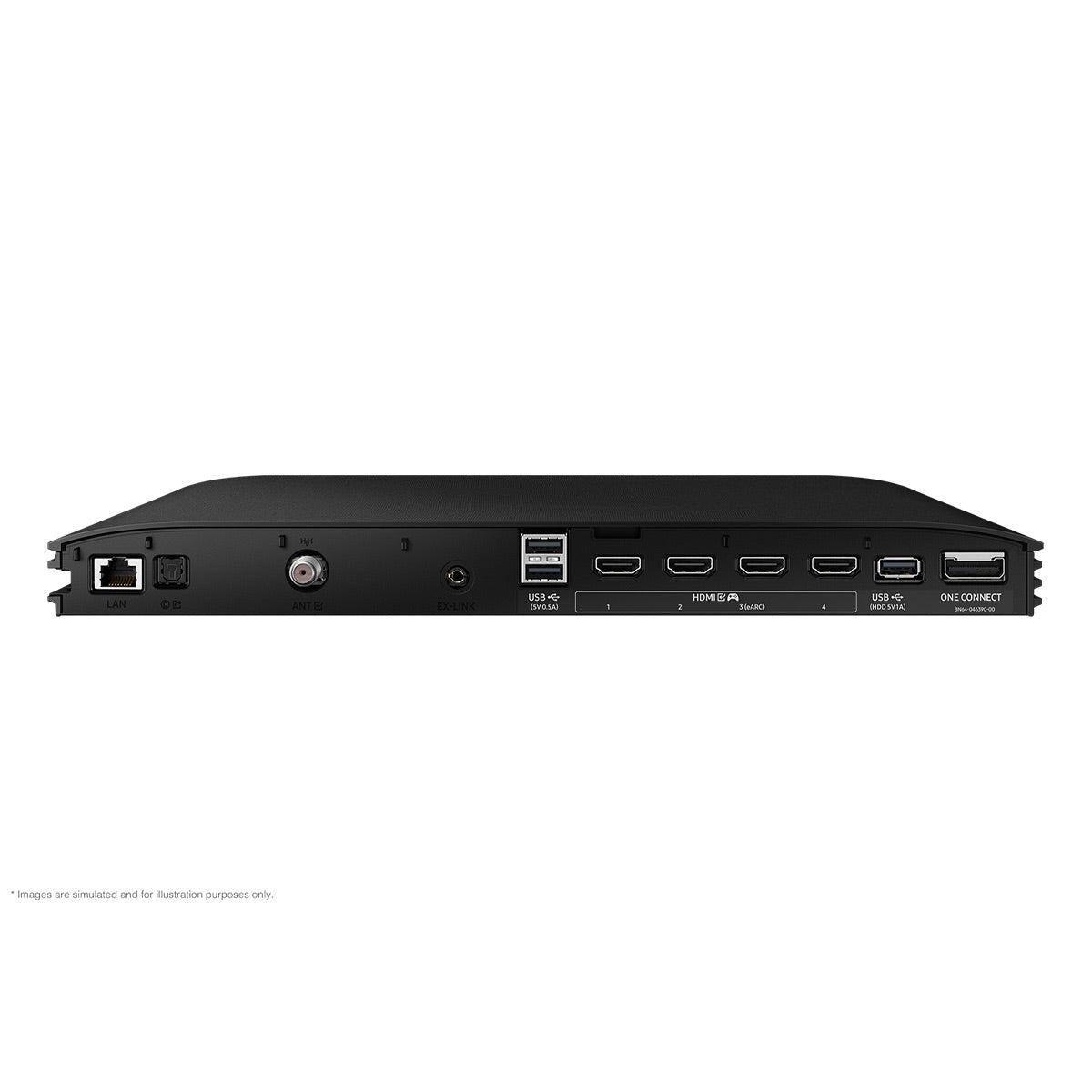
The Samsung's One Connect Box design houses all inputs externally, making the TV panel incredibly thin while simplifying cable management. This approach looks cleaner but adds complexity during setup.
If your TV faces windows or you frequently watch during daytime, the Hisense U8 Series' superior brightness makes it the clear choice. That 3,000-nit peak brightness maintains HDR impact even in challenging lighting conditions. The anti-glare coating further reduces reflections, keeping the picture clear and vibrant.
For dark, controlled environments, the Samsung S95D's perfect blacks create a more immersive cinematic experience. The infinite contrast ratio makes dark scenes in movies appear more realistic, and the overall image seems to float in space rather than being displayed on a screen.
Both TVs excel for gaming, but with different strengths. The Hisense's 144Hz refresh rate and AMD FreeSync support make it ideal for high-frame-rate PC gaming. The Samsung's lower input lag benefits competitive console gaming where responsiveness matters most.
The Hisense U8 Series delivers roughly 85% of the Samsung's picture quality at 65% of the price. For buyers seeking premium features without flagship pricing, it represents exceptional value.
Since their 2024 releases, both TVs have received firmware updates that have improved performance. The Hisense has seen improvements in motion handling and color accuracy through software updates. Samsung has enhanced the S95D's gaming features and added support for additional HDR formats.
These ongoing improvements highlight how modern TVs continue evolving after purchase, making the initial choice even more important since you'll live with the underlying hardware for years.
Your budget is around $1,000 but you want premium features that compete with much more expensive TVs. You primarily watch TV during daytime or in bright rooms where that exceptional brightness will make a real difference. You're a gamer who wants native 144Hz refresh rates and extensive gaming features. You value having quality built-in audio with actual bass response.
You have a $1,500+ budget and prioritize absolute picture quality above all else. You primarily watch in dark or controlled lighting environments where perfect blacks will create the most immersive experience. You want the lowest possible input lag for competitive gaming. You value premium design and are willing to pay for incremental improvements in picture quality.
The Hisense 65" U8 Series represents incredible value, delivering near-flagship performance at a significantly lower price point. Its superior brightness makes it more versatile for various room conditions, while the comprehensive feature set satisfies most users' needs.
The Samsung 65" S95D provides the ultimate viewing experience for those willing to pay premium pricing. Its perfect blacks and exceptional contrast create a more cinematic experience, particularly in dedicated home theater environments.
Both TVs will deliver years of exceptional viewing experiences. Your choice should ultimately depend on your budget, room lighting conditions, and whether you prioritize maximum brightness versatility or perfect black levels and contrast. Either way, you'll be getting a genuinely premium TV that showcases the best of current display technology.
| Hisense 65" U8 Series Mini-LED ULED 4K Google TV | Samsung 65" S95D 4K OLED Smart TV |
|---|---|
| Price - Major cost difference for incremental picture quality improvement | |
| $997.99 | $1,499.97 |
| Display Technology - Fundamental difference affecting brightness, blacks, and longevity | |
| Mini-LED ULED with Quantum Dots | QD-OLED (Self-emitting pixels) |
| Peak Brightness - Critical for HDR impact in bright rooms | |
| 3,000 nits (excellent for daytime viewing) | Lower peak brightness but superior tone mapping |
| Black Levels - Affects contrast and dark scene detail | |
| Excellent blacks with minimal blooming | Perfect blacks with infinite contrast |
| Local Dimming Zones - Controls precision of light and dark areas | |
| 2,000+ zones for precise backlight control | Pixel-level control (8.3 million zones) |
| Gaming Refresh Rate - Smoothness for high-frame gaming | |
| 144Hz native (ideal for PC gaming) | 120Hz with 144Hz processing |
| Gaming Input Lag - Responsiveness for competitive gaming | |
| Low latency with AMD FreeSync Premium Pro | ~9ms (exceptionally low for competitive play) |
| HDR Format Support - Compatibility with streaming content | |
| Dolby Vision, HDR10+, HDR10, HLG | HDR10+, HDR10, HLG (no Dolby Vision) |
| Built-in Audio - Sound quality without external speakers | |
| 50W 2.1.2 with built-in subwoofer | 4.2.2 with Object Tracking Sound+ (no subwoofer) |
| Smart TV Platform - App support and user experience | |
| Google TV (extensive app support) | Tizen OS (more polished interface) |
| Burn-in Risk - Long-term durability concern | |
| No burn-in risk (LCD technology) | Potential burn-in with static content |
| Best Room Environment - Optimal viewing conditions | |
| Bright rooms with ambient light | Dark rooms and home theaters |
| Warranty - Protection and support | |
| 2 years (double industry standard) | Standard Samsung warranty |
The Hisense 65" U8 Series Mini-LED ULED 4K Google TV is significantly better for bright rooms. With 3,000 nits peak brightness and anti-glare technology, it maintains excellent picture quality even with windows open or lights on. The Samsung 65" S95D 4K OLED Smart TV is better suited for darker environments where its perfect blacks can shine.
The Hisense U8 Series costs $997.99, while the Samsung S95D is priced at $1,499.97. That's about a $500 difference, with the Hisense offering premium features at a more accessible price point.
Both TVs excel for gaming but in different ways. The Hisense U8 Series offers 144Hz native refresh rate with AMD FreeSync Premium Pro, making it ideal for high-frame-rate PC gaming. The Samsung S95D provides ~9ms input lag, which is exceptional for competitive console gaming where responsiveness matters most.
The Hisense U8 Series supports Dolby Vision, HDR10+, HDR10, and HLG - covering all major HDR formats. The Samsung S95D supports HDR10+, HDR10, and HLG but notably lacks Dolby Vision support, which could matter for Netflix and Apple TV+ content.
For dedicated home theaters with controlled lighting, the Samsung S95D is superior. Its perfect blacks and infinite contrast create a more cinematic experience in dark rooms. The Hisense U8 Series is excellent but works better in multi-purpose living rooms with ambient light.
The Samsung S95D OLED delivers perfect blacks and infinite contrast since pixels can turn completely off. The Hisense U8 Mini-LED gets very close to OLED quality with excellent blacks and superior brightness, but may show slight blooming in very dark scenes.
The Hisense U8 Series includes a built-in subwoofer in its 50W 2.1.2 system, providing actual bass response. The Samsung S95D offers 4.2.2 channels with Object Tracking Sound+ for spatial audio but lacks a subwoofer, so external speakers may be needed for full-range sound.
The Hisense U8 Series has no burn-in risk since it uses LCD technology with LED backlighting. The Samsung S95D uses OLED technology, which can potentially experience burn-in with static content displayed for extended periods, though this is rare with normal viewing habits.
The Hisense U8 Series at $997.99 offers exceptional value, delivering about 85% of flagship performance at 65% of the price. The Samsung S95D at $1,499.97 provides premium picture quality but at a significant price premium for incremental improvements.
The Hisense U8 Series runs Google TV, offering extensive app support and Google Assistant integration. The Samsung S95D uses Tizen OS, which is generally considered more polished and responsive but with slightly less comprehensive app support.
The Hisense U8 Series excels for sports and daytime viewing due to its superior brightness and excellent motion handling. The high brightness maintains picture quality even in well-lit rooms, while the 144Hz refresh rate ensures smooth motion during fast-paced sports.
Choose the Samsung S95D OLED if you primarily watch in dark or controlled lighting and want the absolute best contrast and blacks. Choose the Hisense U8 Mini-LED if you watch in varied lighting conditions, want better value, or prioritize high brightness for daytime viewing.
We've done our best to create useful and informative comparisons to help you decide what product to buy. Our research uses advanced automated methods to create this comparison and perfection is not possible - please contact us for corrections or questions. These are the sites we've researched in the creation of this article: bestbuy.com - hisense-usa.com - rtings.com - bestbuy.com - rtings.com - hisense-usa.com - youtube.com - hisense-usa.com - avsforum.com - hisense-usa.com - hisense-usa.com - rtings.com - avsforum.com - hisense-usa.com - prnewswire.com - hisense-usa.com - bestbuy.com - youtube.com - hisense-usa.com - techradar.com - videoandaudiocenter.com - avsforum.com - cnet.com - abt.com - merlinstv.com - nfm.com - rtings.com - flintsfurniture.com - samsung.com - bestbuy.com - displayspecifications.com

Privacy Policy
Terms and Conditions - Affiliate Policy
Home Security
© Copyright 2008-2026.
11816 Inwood Rd #1211, Dallas, TX 75244