

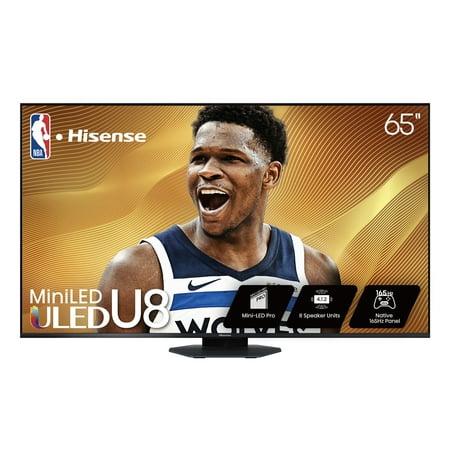
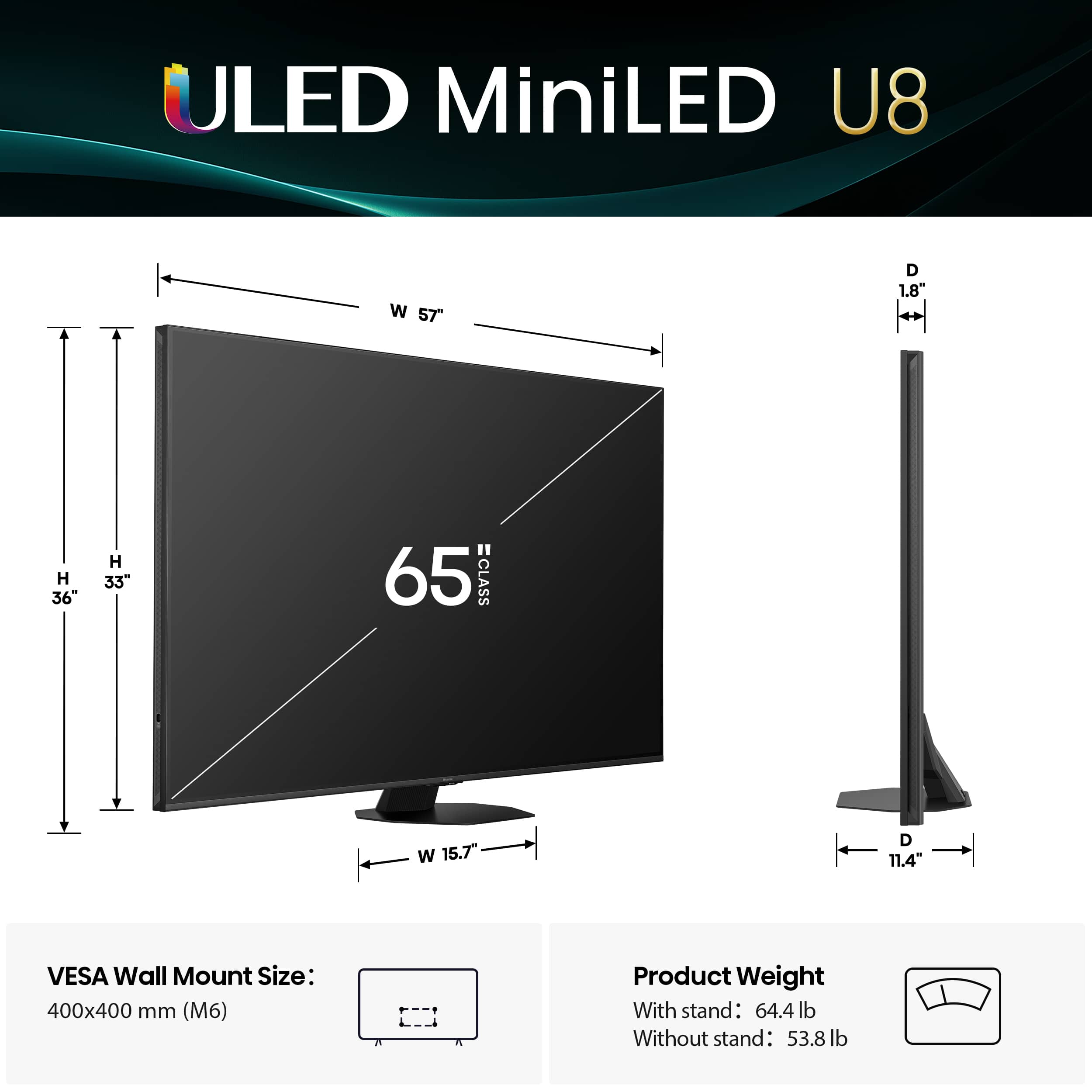
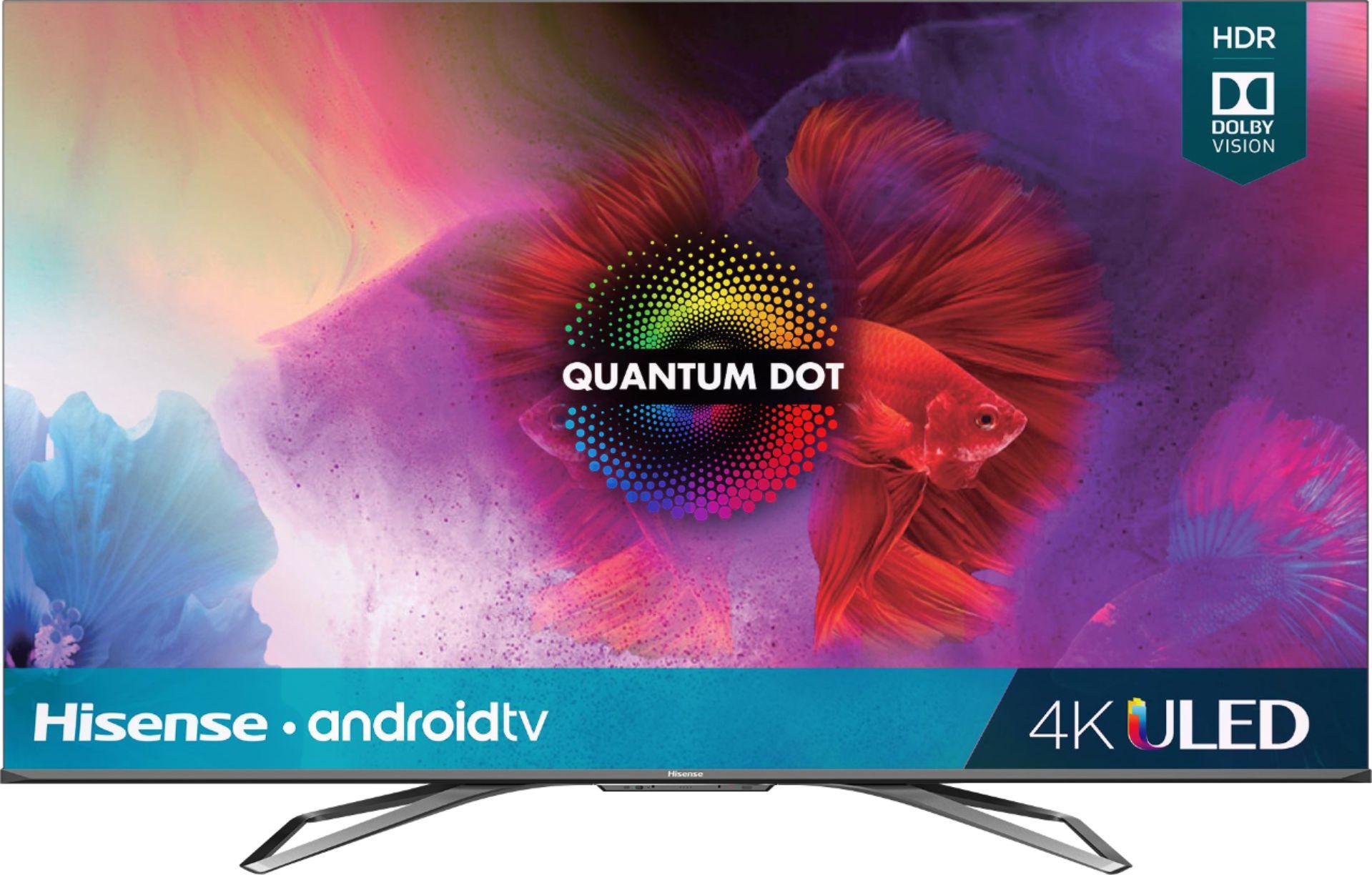
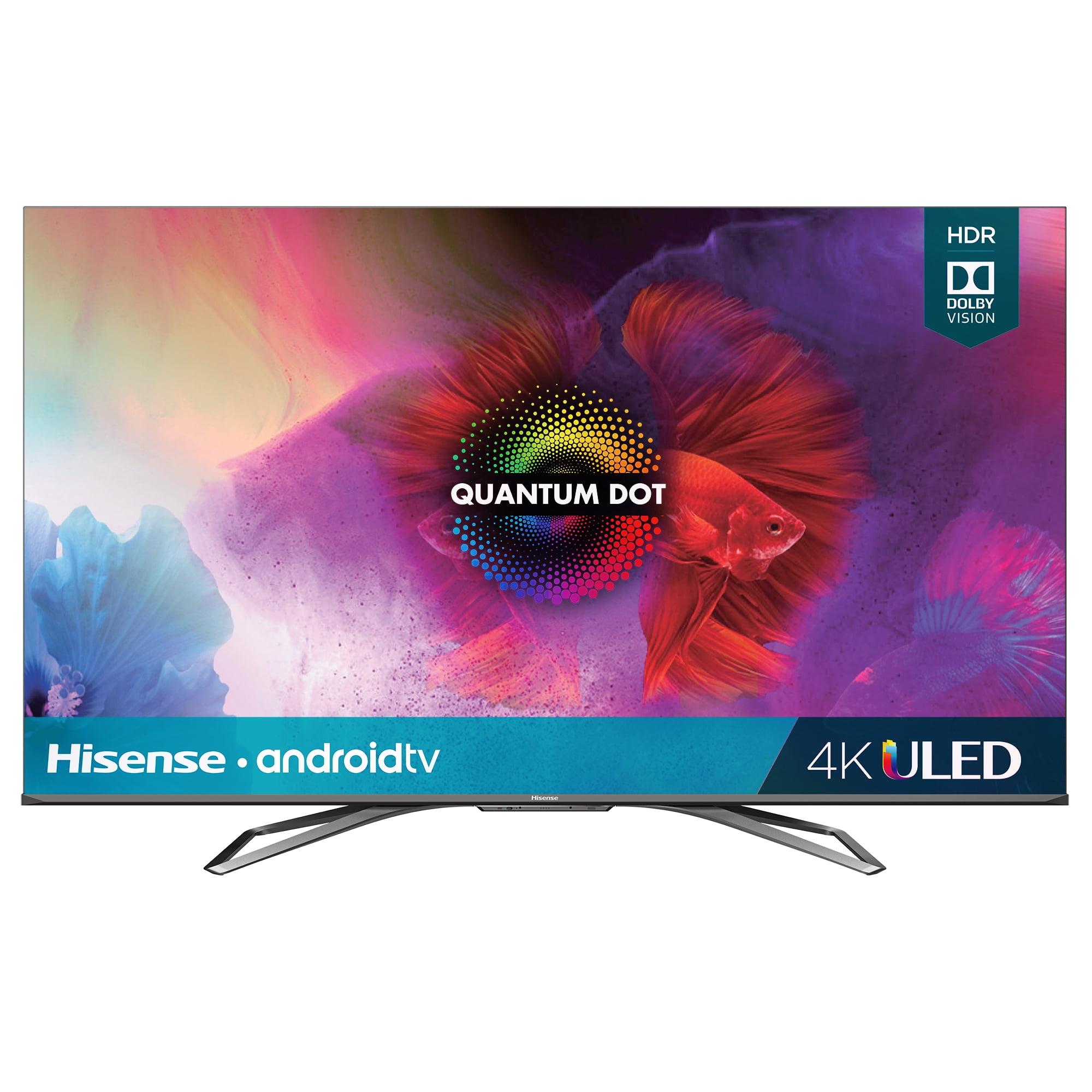
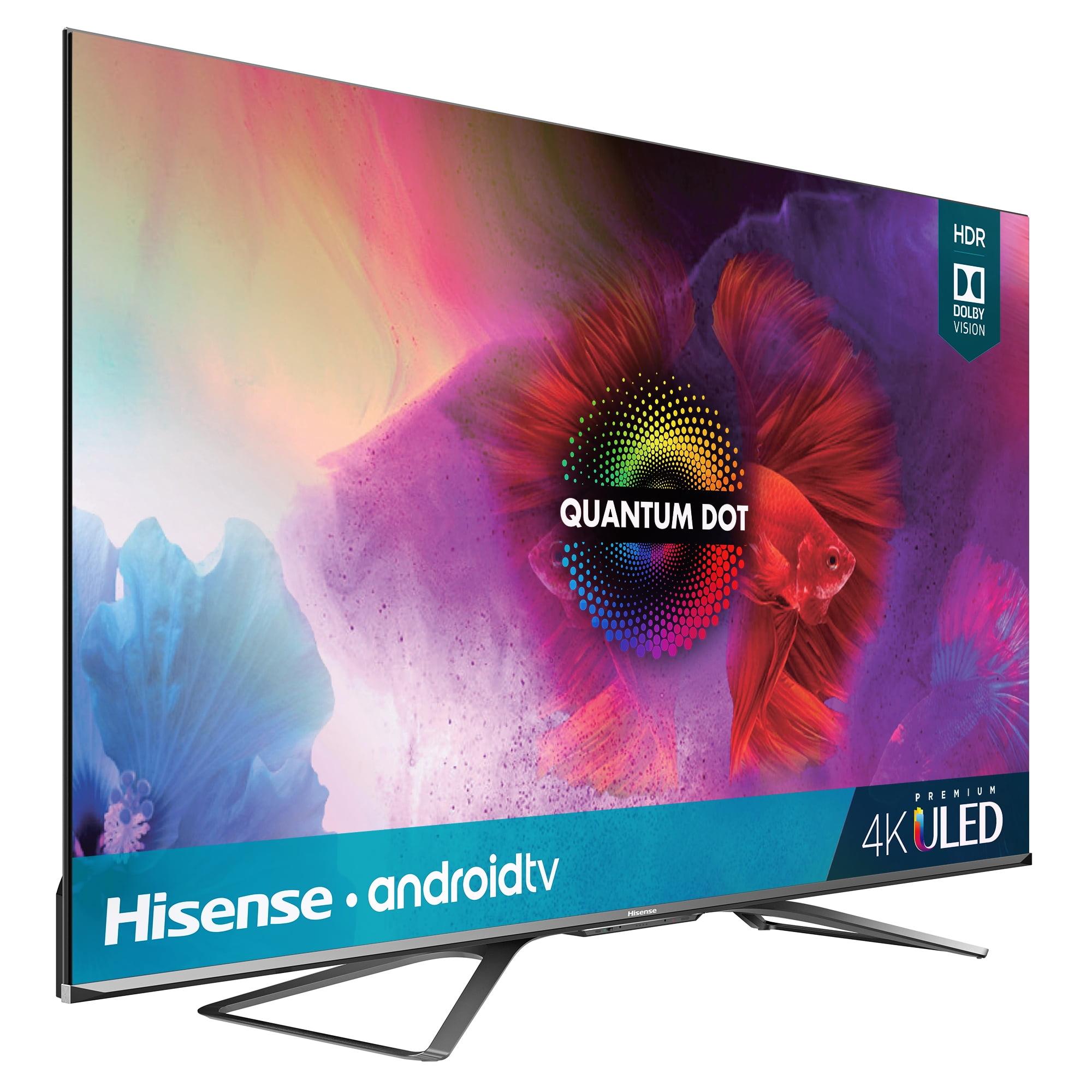

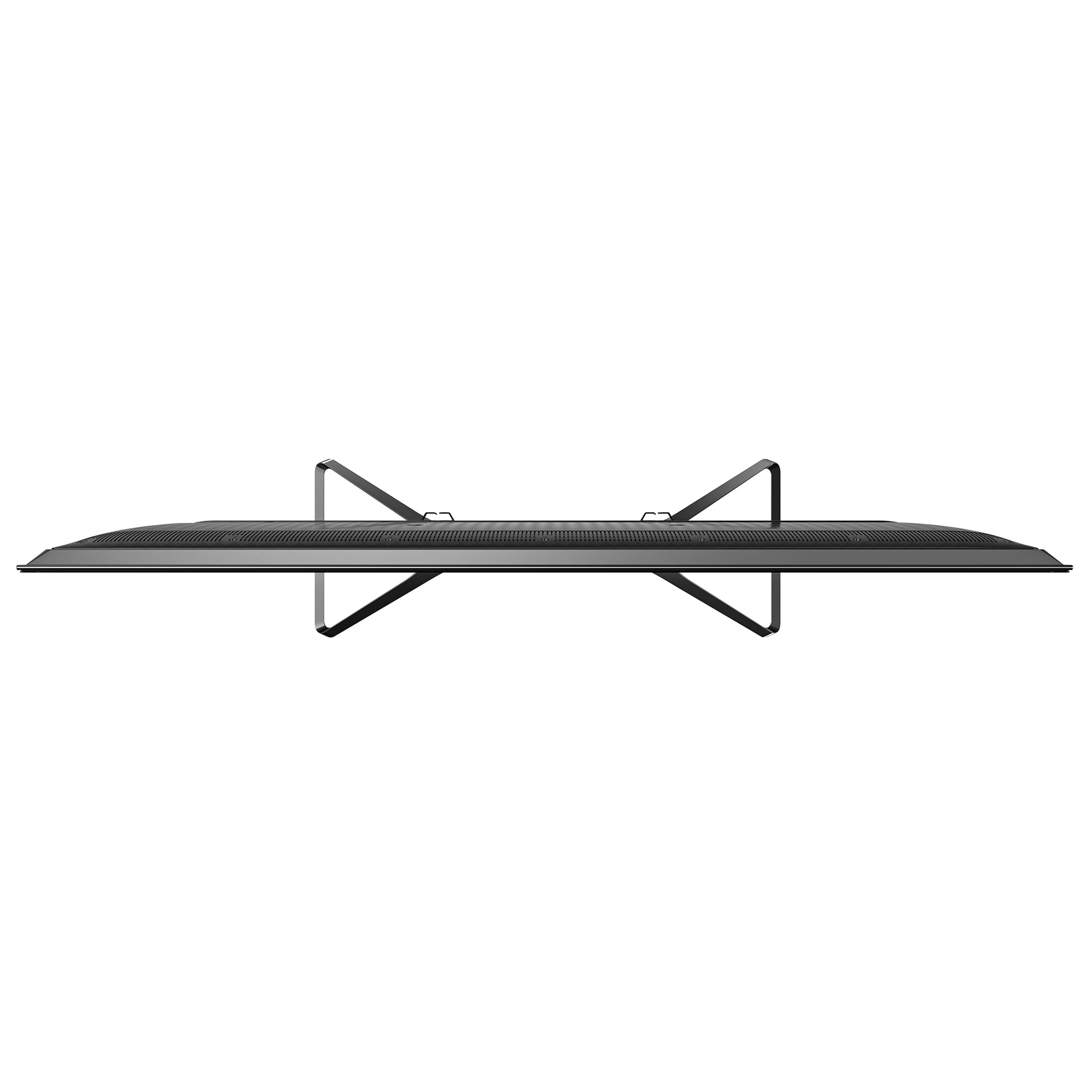
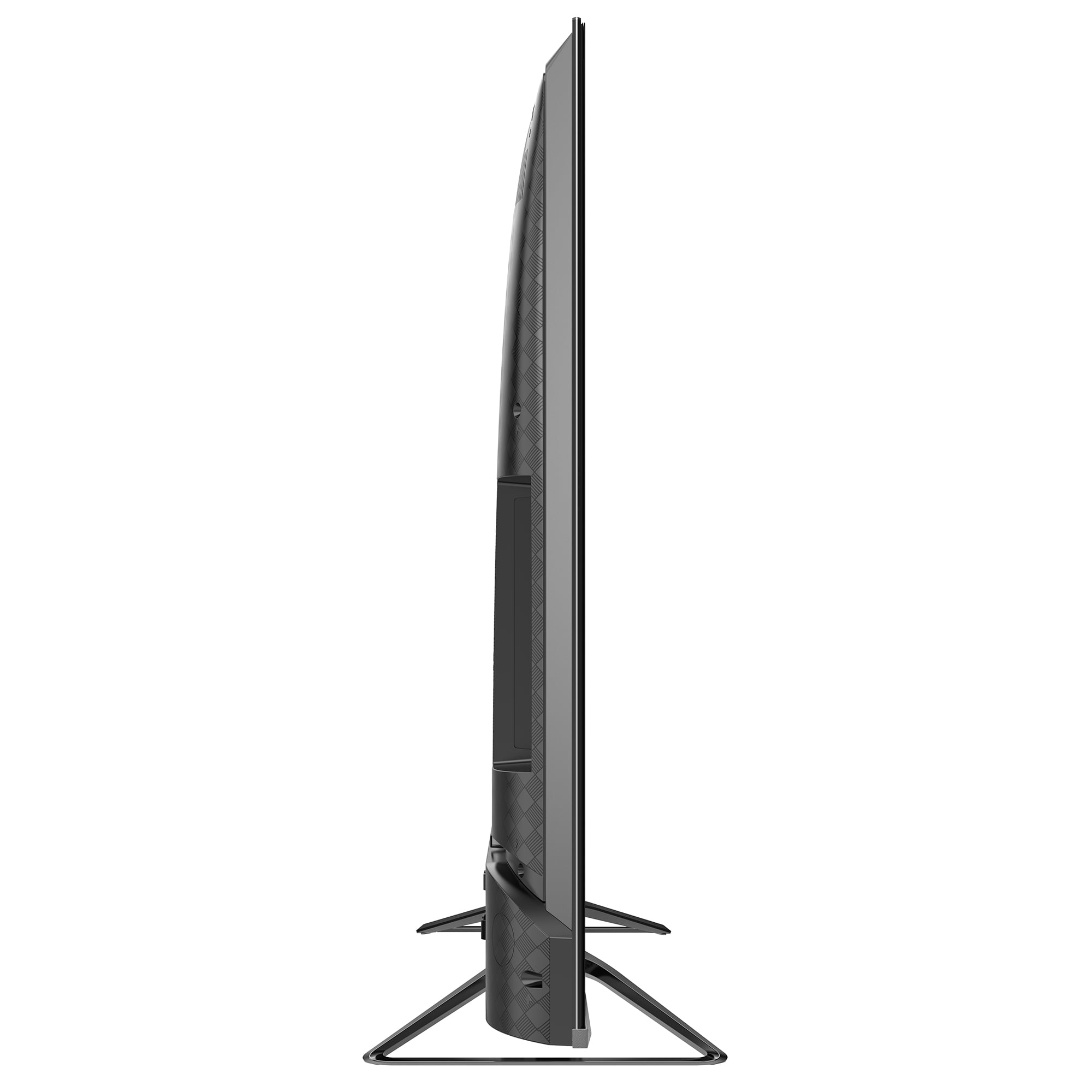
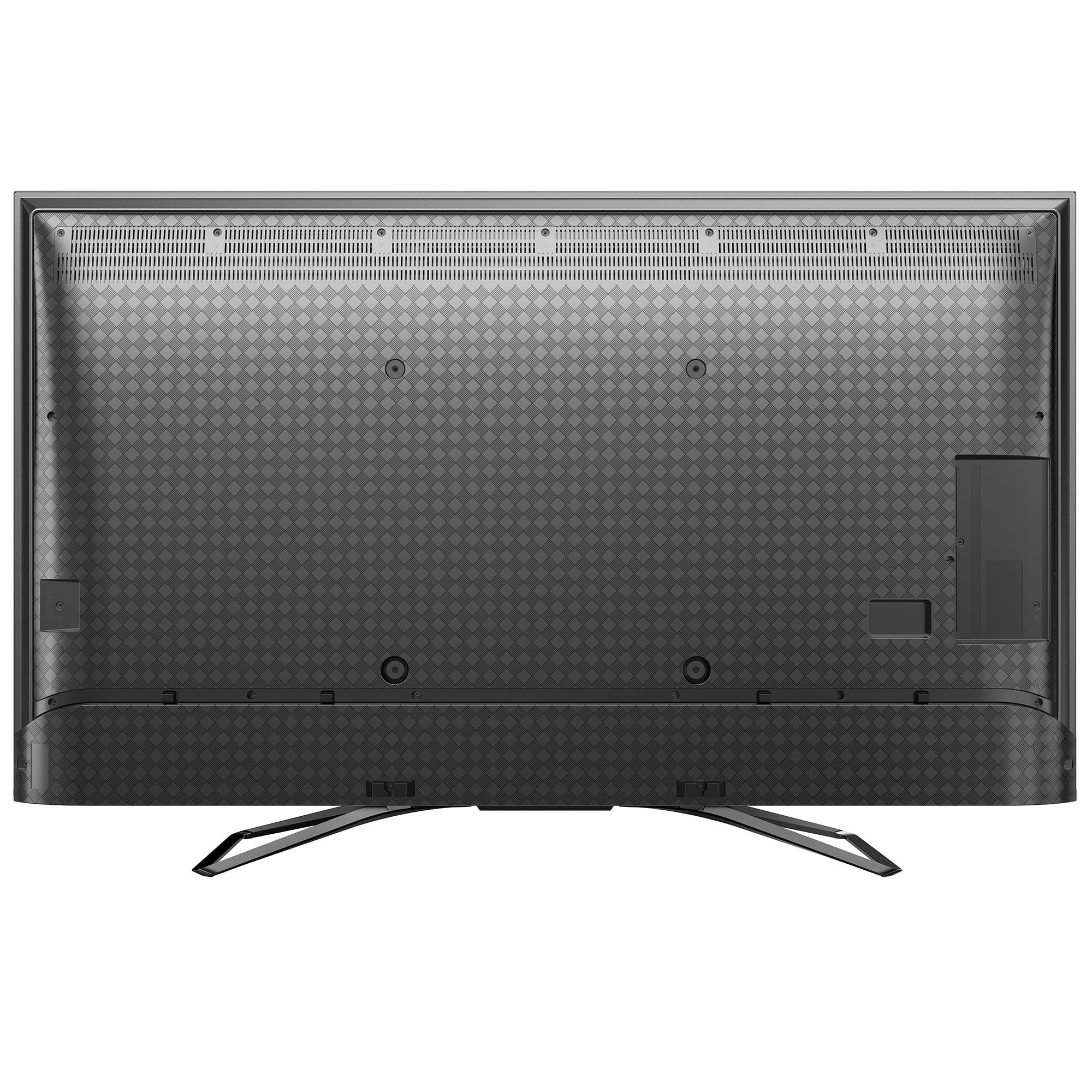
Shopping for a new TV can feel overwhelming, especially when you're looking at two models from the same brand that seem similar on the surface. Today, we're diving deep into two Hisense 65-inch TVs that represent different generations of the company's premium offerings: the Hisense 65" U8 Series Mini-LED ULED 4K Google TV and the Hisense 65" H9G Quantum Series 4K UHD Smart Android TV. While both promise excellent picture quality, their differences reveal important lessons about TV technology evolution and what really matters when choosing your next display.
Before we jump into the specifics, let's talk about what actually matters when you're shopping for a TV. Picture quality sits at the top of the list - this includes how bright the screen can get, how deep the blacks appear, and how accurately colors are reproduced. Smart features have become increasingly important too, since most of us spend more time streaming Netflix than watching cable TV. Gaming performance has exploded in importance, especially with the PlayStation 5 and Xbox Series X pushing 4K gaming at high refresh rates.
Then there's the often-overlooked factor of reliability. A TV is a significant investment that you'll hopefully use for many years, so build quality and long-term support matter more than flashy marketing claims. Audio quality, while often secondary to picture quality, can make or break your viewing experience if you're not planning to invest in a separate sound system.
Both TVs launched in 2020, but they represent different approaches to premium TV technology. The H9G Quantum Series hit the market in June 2020 at around $1,400, positioning itself as Hisense's flagship offering. The U8 Series followed shortly after, incorporating newer Mini-LED technology that was just becoming mainstream in consumer TVs.
What's fascinating is how TV technology has evolved since their release. The early 2020s marked a turning point where manufacturers began moving away from traditional LED backlighting toward Mini-LED systems. This shift happened because consumers demanded better HDR performance - the ability to display both incredibly bright highlights and deep, dark shadows simultaneously. Traditional LED TVs struggled with this because they had limited control over their backlighting zones.
The U8 Series arrived at the perfect time to capitalize on this Mini-LED revolution, while the H9G represented the peak of what traditional LED technology could achieve. Today, the U8 Series costs $997.99, while the H9G is priced at $1,252.81 - a pricing reversal that tells us everything we need to know about which technology won the battle.
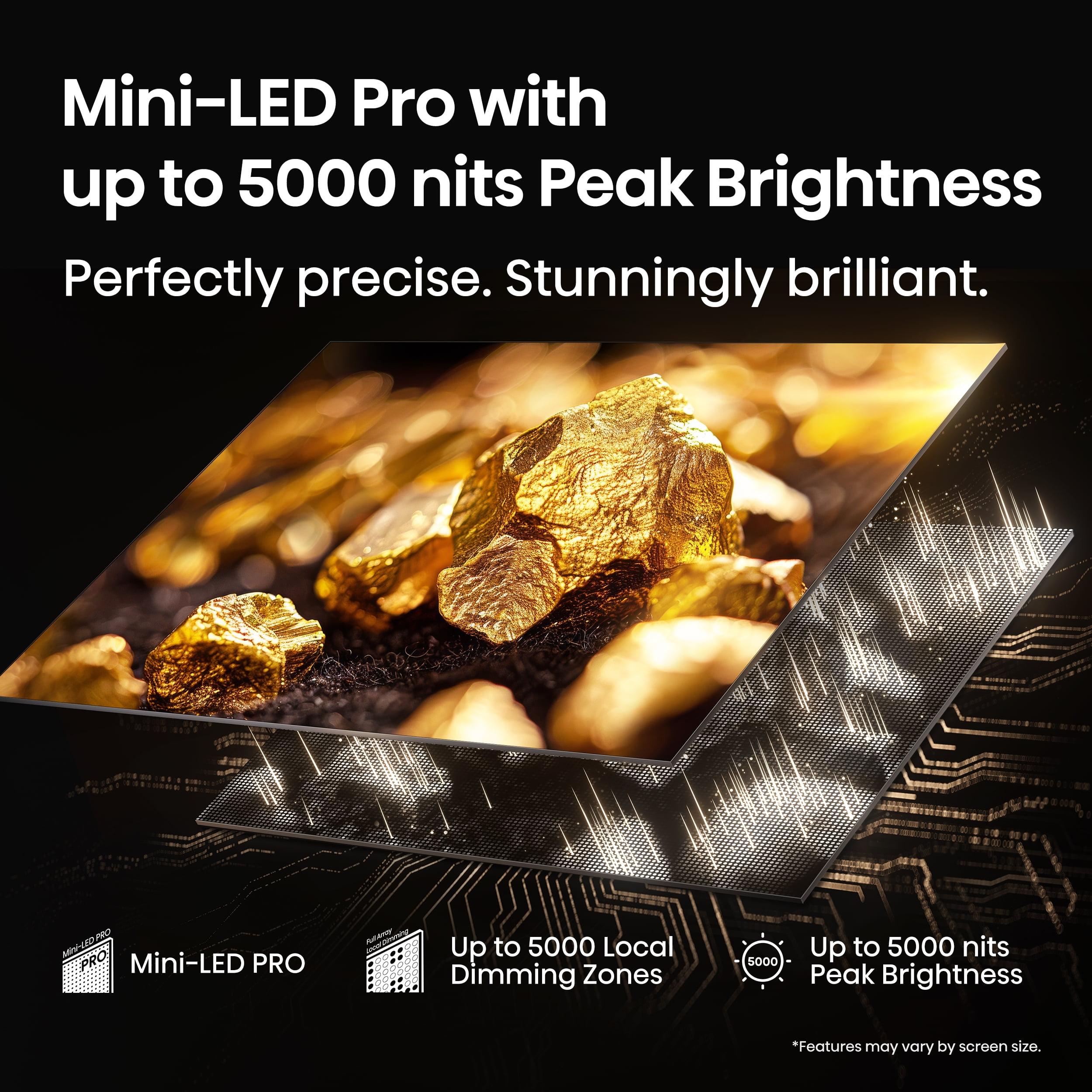
Let's start with the most important difference: how these TVs actually display images. The U8 Series uses Mini-LED Pro+ backlighting with over 2,000 local dimming zones, while the H9G relies on traditional full-array LED backlighting with 132 zones. To understand why this matters, imagine trying to light a detailed painting with either 132 light bulbs or 2,000 tiny LEDs - the more precise control you have, the better you can highlight important details while keeping unwanted areas dark.
Local dimming zones are essentially sections of the backlight that can be independently controlled. When you're watching a movie with a night scene, the TV can dim the zones behind dark areas while keeping bright zones active for stars or streetlights. With 15 times more zones, the U8 Series can create much more precise contrast patterns, reducing the "blooming" effect where bright objects seem to glow into dark areas around them.
The brightness difference is equally dramatic. The U8 Series reaches up to 3,000 nits of peak brightness, while the H9G tops out at 1,000 nits. A nit is simply a unit of measurement for luminance - to put this in perspective, a typical indoor room is around 100 nits, while direct sunlight can be over 100,000 nits. For HDR content, which is designed to take advantage of these brightness extremes, the U8 Series can display much more realistic-looking bright scenes like explosions, sunsets, or shiny surfaces.
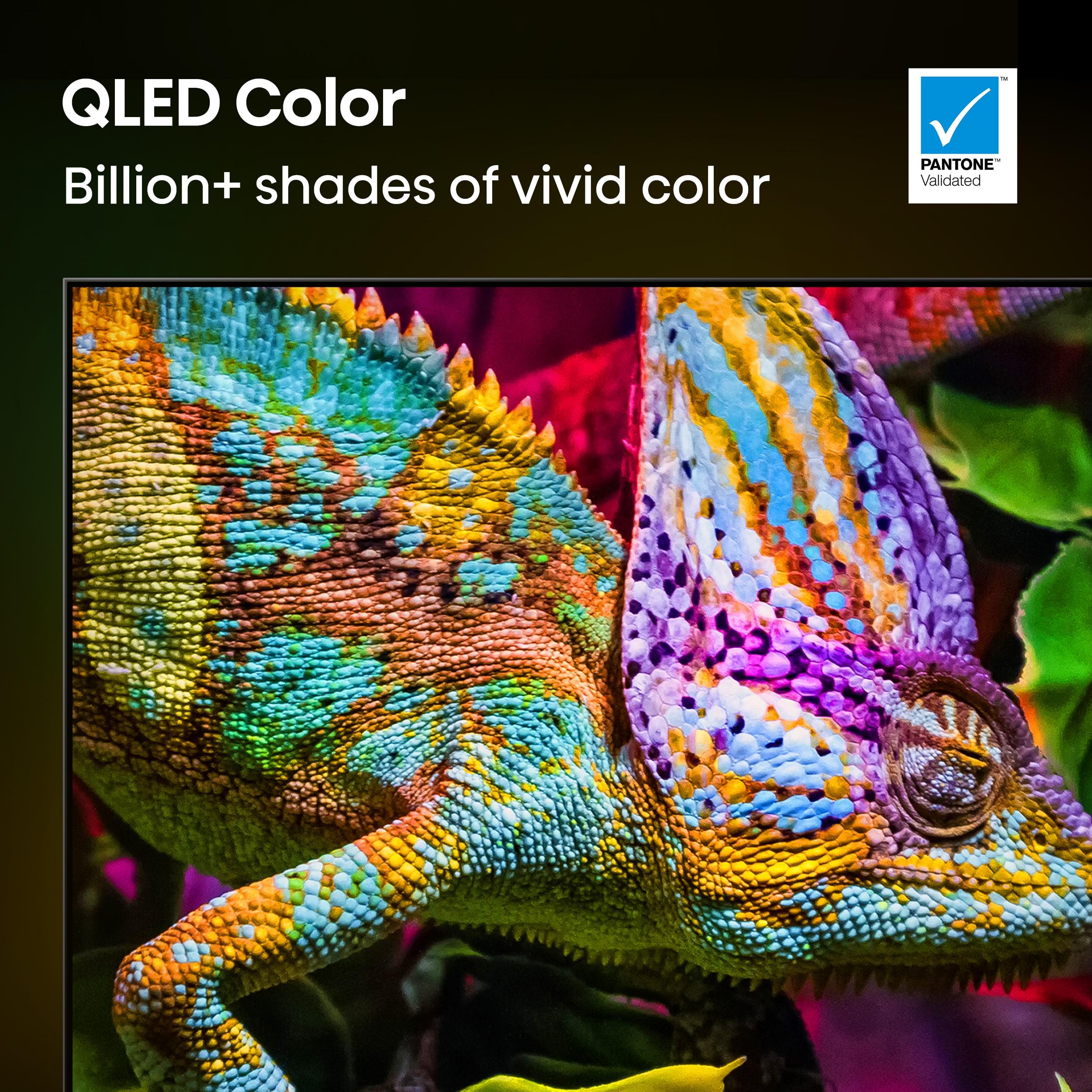
Both TVs use Quantum Dot technology for color reproduction, but the U8 Series has refined this further. Quantum Dots are microscopic crystals that emit pure colors when hit by light, allowing for more accurate and vibrant color reproduction than traditional phosphors. The newer implementation in the U8 Series delivers over a billion color combinations with improved accuracy, particularly for natural skin tones - something I've noticed makes a significant difference when watching dramatic content or sports.
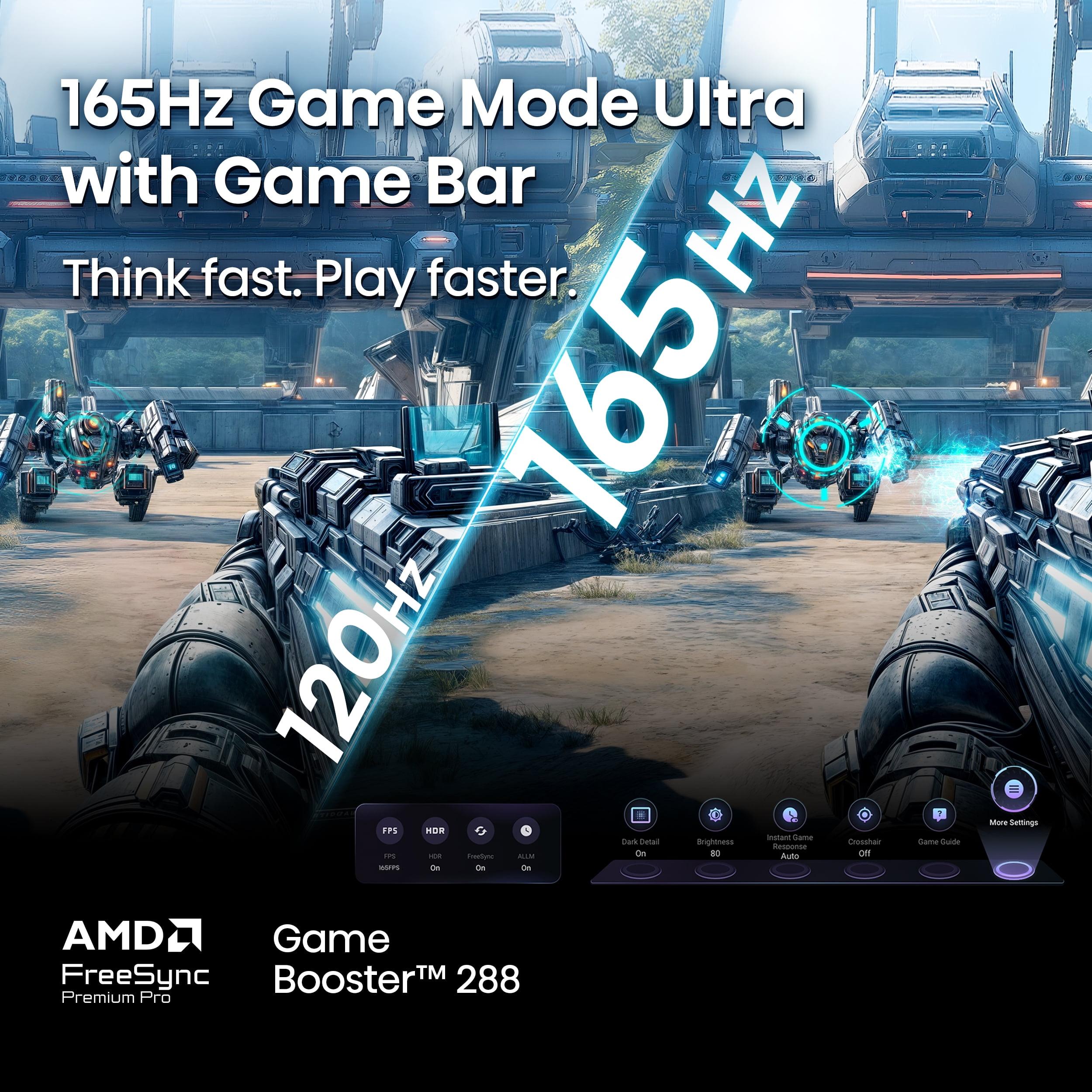
Gaming performance has become a crucial differentiator in modern TVs, and this is where the generational gap between these models becomes most apparent. The U8 Series supports 144Hz variable refresh rate (VRR) with AMD FreeSync Premium Pro, while the H9G is limited to 120Hz without VRR support.
Variable refresh rate technology allows the TV to synchronize its refresh rate with your gaming console or PC's frame rate output. This eliminates screen tearing - that annoying visual glitch where you see parts of two different frames at once - and reduces input lag. Think of it like having a conversation where both people speak at exactly the same pace versus one person constantly interrupting the other.
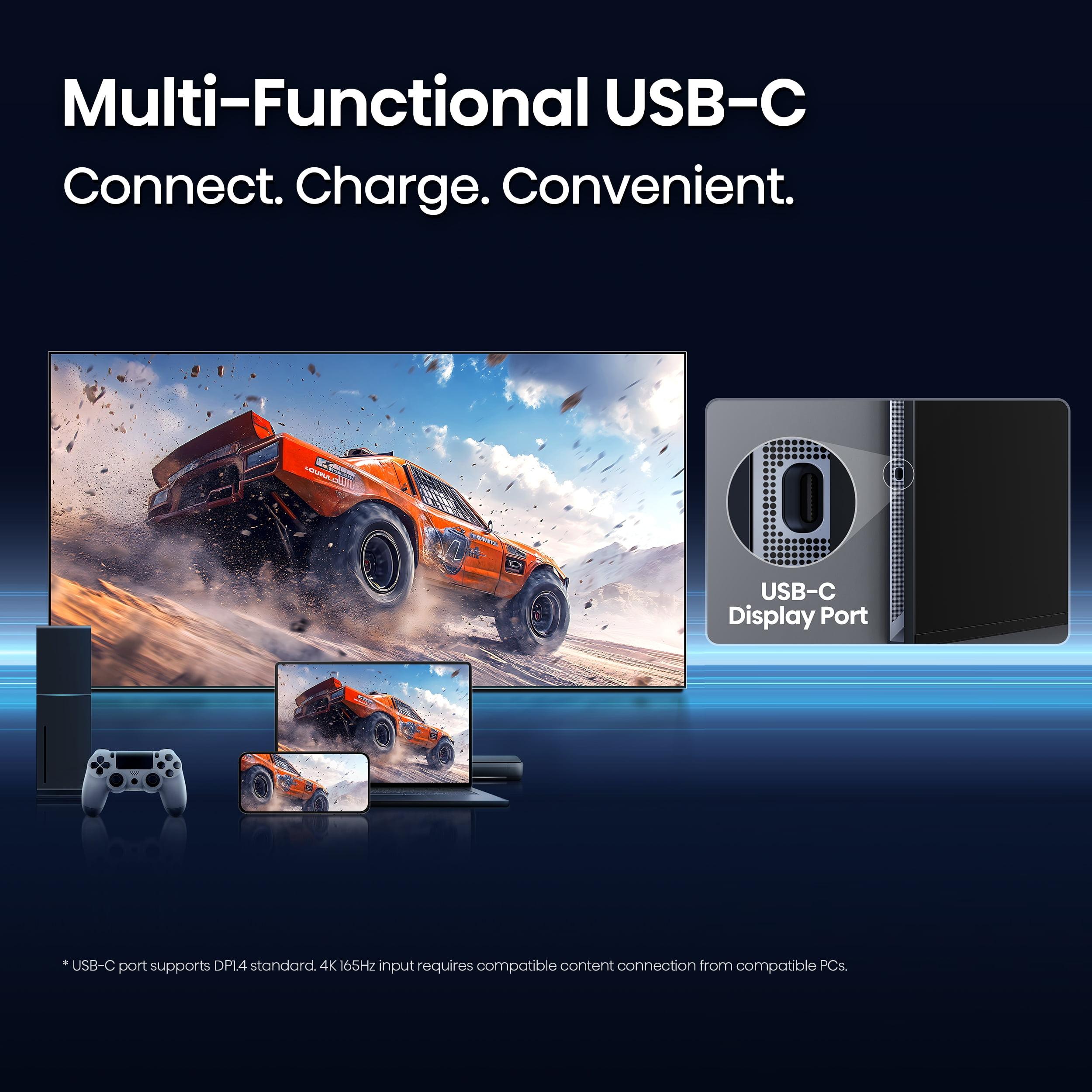
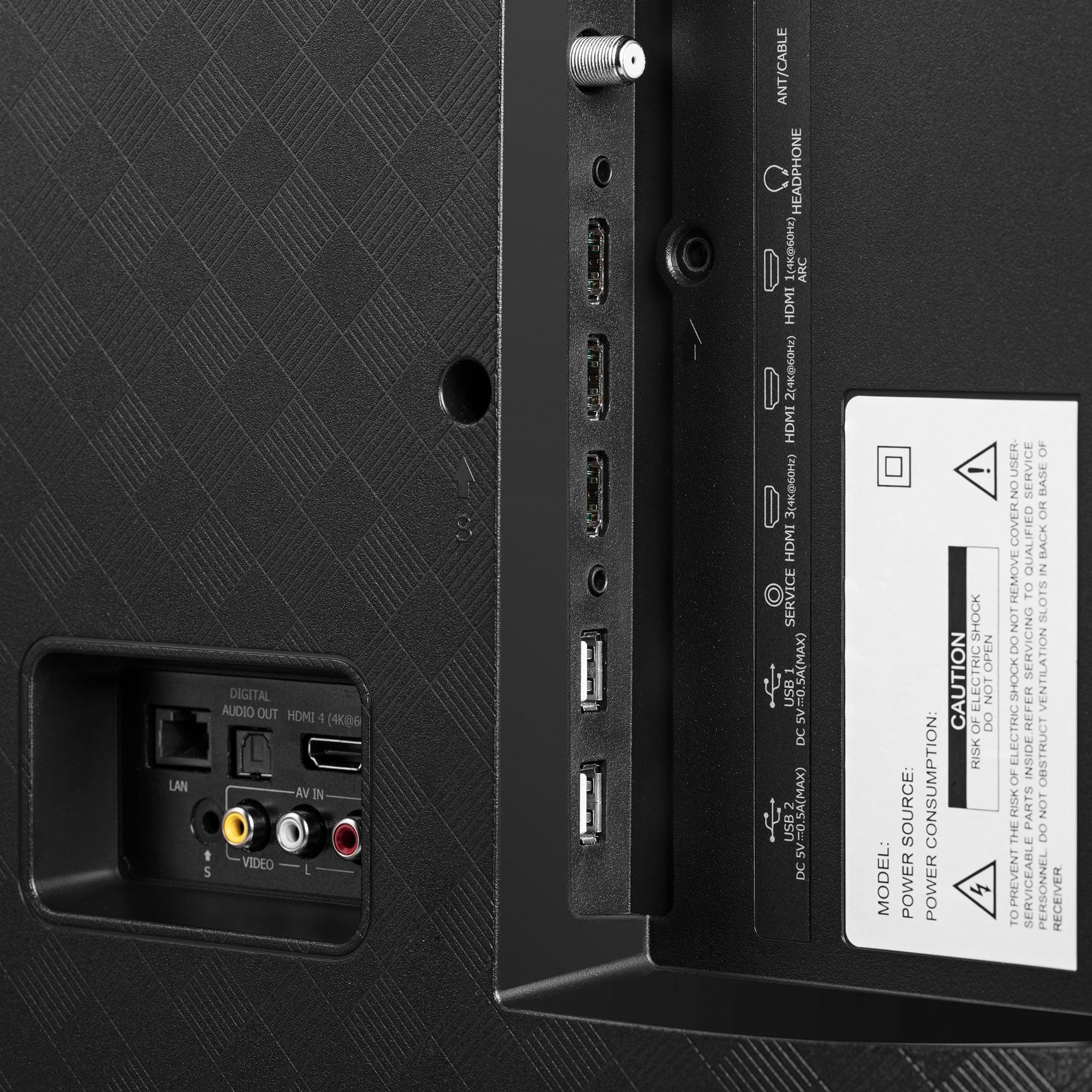
The U8 Series also includes HDMI 2.1 connectivity, which is essential for taking full advantage of PlayStation 5 and Xbox Series X capabilities. HDMI 2.1 supports higher bandwidth, allowing for 4K gaming at 120Hz or higher refresh rates. The H9G's HDMI 2.0 ports create a bottleneck that limits these next-generation gaming features.
For serious gamers, the U8 Series offers Game Mode Pro, which optimizes picture settings specifically for gaming while maintaining low input lag. Input lag is the delay between when you press a controller button and when the action appears on screen - even a few milliseconds can be the difference between victory and defeat in competitive gaming.
The smart TV platform is something you'll interact with every single day, so the difference between Google TV on the U8 Series and Android TV on the H9G matters more than you might think. Google TV represents Google's newer approach to content discovery and organization, while Android TV was their previous-generation platform.
Google TV learns your viewing habits and suggests content from across different streaming services on a unified home screen. Instead of opening Netflix to see what's new, then switching to Disney+ to check there, Google TV aggregates recommendations from all your subscribed services in one place. The interface feels more intuitive and less cluttered than the older Android TV system.
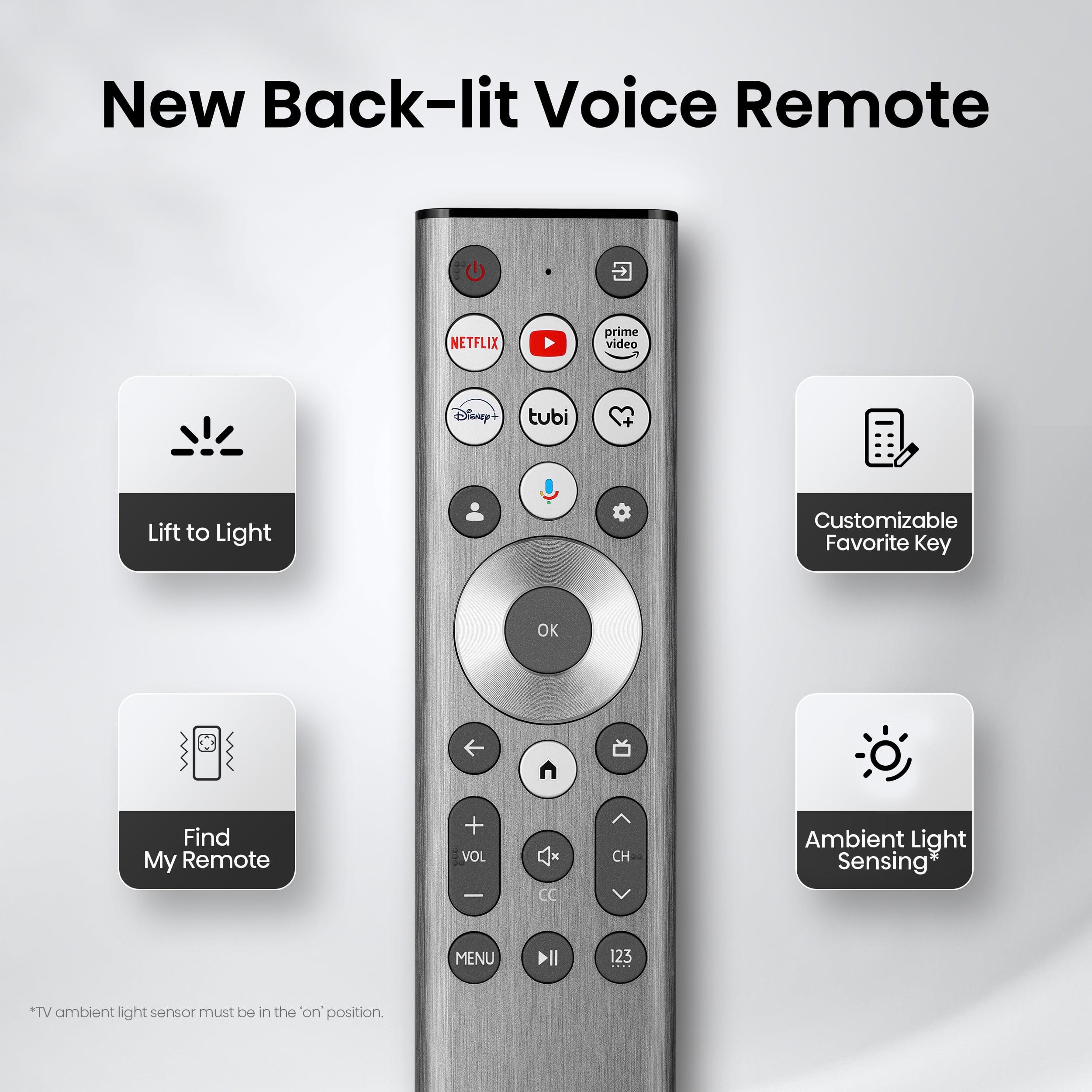
Both platforms include Google Assistant voice control, but the U8 Series has enhanced integration with improved voice recognition and faster response times. In my experience, voice control has become increasingly useful for searching across multiple streaming services simultaneously - something that's particularly handy when you're trying to find a specific movie but can't remember which service has it.
The U8 Series also includes Chromecast built-in, allowing you to cast content from your phone or tablet directly to the TV. While the H9G technically supports this too, the newer implementation is more stable and supports higher quality streaming.
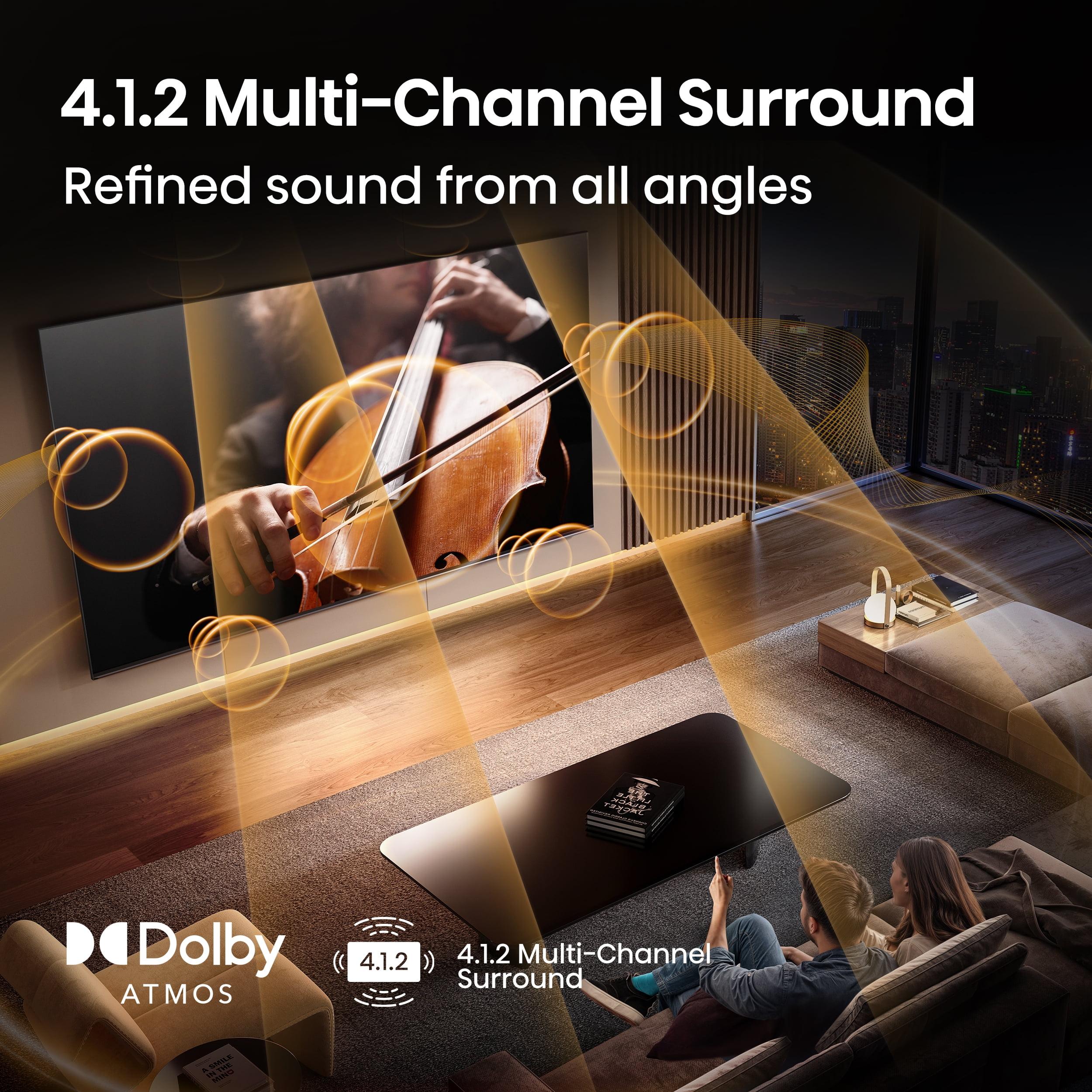
Built-in TV audio has improved significantly in recent years, and these models showcase that evolution. The U8 Series features a 50W 2.1.2 multi-channel system with Dolby Atmos, while the H9G includes a 20W system (2 x 10W) with Dolby Atmos support.
Dolby Atmos is an audio technology that creates three-dimensional soundscapes by bouncing sound off your ceiling and walls. The "2.1.2" designation means the U8 Series has two main speakers, one subwoofer, and two upward-firing speakers for that height dimension. This creates a more immersive experience where you can hear helicopters flying overhead or rain falling around you.
The 2.5x power difference translates to noticeably fuller sound with better bass response. While neither TV will replace a dedicated home theater system, the U8 Series provides respectable audio quality for casual viewing. If you're planning a home theater setup, both TVs support audio passthrough to external sound systems, but the U8 Series offers more advanced audio processing options.
Here's where things get serious. The H9G has documented reliability issues that potential buyers need to understand. Multiple user reports and a class action lawsuit filed in 2024 highlight problems with the SK hynix chip, which can cause boot loops and completely brick the TV. When a TV gets "bricked," it becomes as useful as a brick - completely non-functional.
These failures typically occur within the first two years of ownership, often just after the warranty expires. More concerning is that Hisense's response to these issues has been inadequate, with many customers receiving little to no support for what appears to be a manufacturing defect.
The U8 Series doesn't have widespread reports of similar issues, and Hisense has improved their quality control processes since the H9G's problematic launch. This reliability difference alone makes the U8 Series a safer long-term investment.
If you're building a dedicated home theater, both TVs have merit, but the U8 Series edges ahead in several key areas. The dramatically higher peak brightness makes it excellent for rooms with some ambient light, while the superior local dimming helps maintain the deep blacks crucial for cinematic viewing.
The U8 Series' wider color gamut and improved color accuracy become particularly noticeable with high-quality 4K Blu-ray content. The difference is subtle but meaningful - skin tones look more natural, and colors appear more lifelike rather than artificially saturated.
For a home theater, the U8 Series' improved motion handling also matters. The TV does an excellent job with 24fps film content, maintaining the cinematic feel without introducing unwanted smoothing effects that can make movies look like soap operas.
Here's where the comparison becomes straightforward: the U8 Series at $997.99 delivers superior technology at a lower price than the H9G at $1,252.81. This isn't just about saving money - it's about getting objectively better performance for less.
The U8 Series represents the evolution of TV technology, incorporating Mini-LED backlighting that was expensive and rare when the H9G launched. Now that this technology has matured and become more affordable to manufacture, consumers benefit from premium features at mainstream prices.
The reliability concerns with the H9G make its higher price even harder to justify. When you're spending over $1,000 on a TV, you expect it to last many years. The documented failure rates and poor customer support response make the H9G a risky purchase, regardless of its picture quality capabilities.
For most buyers, the choice is clear: the U8 Series offers better technology, superior performance, and greater reliability at a lower price point. The Mini-LED backlighting alone represents a significant upgrade in picture quality, while the gaming features future-proof your investment for next-generation consoles.
The only scenario where I'd consider the H9G is if you found it heavily discounted - we're talking under $700 - and needed a secondary TV for a bedroom or basement where reliability is less critical. Even then, the U8 Series' superior picture quality and lower current price make it the smarter choice.
If you're building a home theater, the U8 Series' combination of high brightness, precise local dimming, and excellent color accuracy provides a more cinematic experience. The improved audio system is a bonus, though serious home theater enthusiasts will likely invest in a separate sound system regardless.
The gaming advantages of the U8 Series are particularly compelling if you own or plan to buy a PlayStation 5 or Xbox Series X. The 144Hz VRR support and HDMI 2.1 connectivity ensure you can take full advantage of these consoles' capabilities both now and in the future.
In the end, the Hisense 65" U8 Series Mini-LED ULED 4K Google TV represents exceptional value in today's TV market. It delivers flagship-level performance at a competitive price point, while the H9G feels like yesterday's technology at tomorrow's prices. For your next TV purchase, the U8 Series is the clear winner on both performance and value.
| Hisense 65" U8 Series Mini-LED ULED 4K Google TV | Hisense 65" H9G Quantum Series 4K UHD Smart Android TV |
|---|---|
| Current Price - Direct cost comparison | |
| $997.99 | $1,252.81 |
| Backlight Technology - Core display technology that affects contrast and brightness | |
| Mini-LED Pro+ with 2000+ local dimming zones | Full Array LED with 132 local dimming zones |
| Peak Brightness - Critical for HDR performance and bright room viewing | |
| Up to 3,000 nits (exceptional HDR performance) | Up to 1,000 nits (good but limited HDR) |
| Gaming Refresh Rate - Essential for smooth gaming on modern consoles | |
| 144Hz VRR with AMD FreeSync Premium Pro | 120Hz native, no VRR support |
| HDMI Connectivity - Future-proofing for next-gen gaming | |
| HDMI 2.1 (supports 4K at 120Hz+) | HDMI 2.0 (limited to 4K at 60Hz) |
| Smart TV Platform - Daily user experience and app ecosystem | |
| Google TV (latest version with improved interface) | Android TV (older version, less intuitive) |
| Audio System - Built-in sound quality | |
| 50W 2.1.2 multi-channel with Dolby Atmos | 20W (2 x 10W) with Dolby Atmos |
| HDR Format Support - Compatibility with premium content | |
| Dolby Vision, HDR10+, HDR10, HLG | Dolby Vision, HDR10, HLG |
| Reliability Track Record - Long-term ownership considerations | |
| No widespread failure reports | Known SK hynix chip failures, class action lawsuit |
| Color Technology - Display accuracy and vibrancy | |
| Quantum Dot with 1B+ colors, improved accuracy | Quantum Dot with wide color gamut |
| Anti-Glare Technology - Performance in bright rooms | |
| Low Reflection technology included | Standard anti-glare coating |
| Warranty Coverage - Manufacturer support | |
| 2 years (double industry standard) | Standard 1 year warranty |
The Hisense 65" U8 Series Mini-LED ULED 4K Google TV is the better value at $997.99 compared to the Hisense 65" H9G Quantum Series 4K UHD Smart Android TV at $1,252.81. The U8 Series offers superior Mini-LED technology, 3x brighter peak brightness, and better gaming features for $255 less.
The Hisense 65" U8 Series is significantly better for gaming. It supports 144Hz VRR with AMD FreeSync Premium Pro and HDMI 2.1 connectivity, making it ideal for PlayStation 5 and Xbox Series X. The H9G is limited to 120Hz without VRR support and only has HDMI 2.0 ports.
The Hisense 65" U8 Series has superior audio with a 50W 2.1.2 multi-channel system including upward-firing speakers for Dolby Atmos. The H9G only has 20W speakers (2 x 10W), providing less powerful and less immersive sound.
The U8 Series is better for home theater use due to its superior Mini-LED backlighting, higher peak brightness, and better contrast ratio. The 2000+ local dimming zones provide deeper blacks and more precise lighting control, which is crucial for cinematic viewing in dark rooms.
The Hisense 65" U8 Series is likely to last longer due to better build quality and no known widespread defects. It also comes with a 2-year warranty (double the industry standard). The H9G has documented failure issues that typically occur within the first two years of ownership.
Only consider the H9G if it's heavily discounted below $700. Even then, the U8 Series at $997.99 is usually the better choice due to superior technology, better reliability, and longer-term value. The reliability concerns make the H9G risky even at lower prices.
We've done our best to create useful and informative comparisons to help you decide what product to buy. Our research uses advanced automated methods to create this comparison and perfection is not possible - please contact us for corrections or questions. These are the sites we've researched in the creation of this article: bestbuy.com - hisense-usa.com - rtings.com - bestbuy.com - rtings.com - hisense-usa.com - youtube.com - hisense-usa.com - avsforum.com - hisense-usa.com - hisense-usa.com - rtings.com - avsforum.com - hisense-usa.com - prnewswire.com - hisense-usa.com - bestbuy.com - youtube.com - hisense-usa.com - rtings.com - bestbuy.com - techradar.com - youtube.com - digitaltrends.com - assets.hisense-usa.com - bestbuy.com - youtube.com - bestbuy.com

Privacy Policy
Terms and Conditions - Affiliate Policy
Home Security
© Copyright 2008-2026.
11816 Inwood Rd #1211, Dallas, TX 75244