

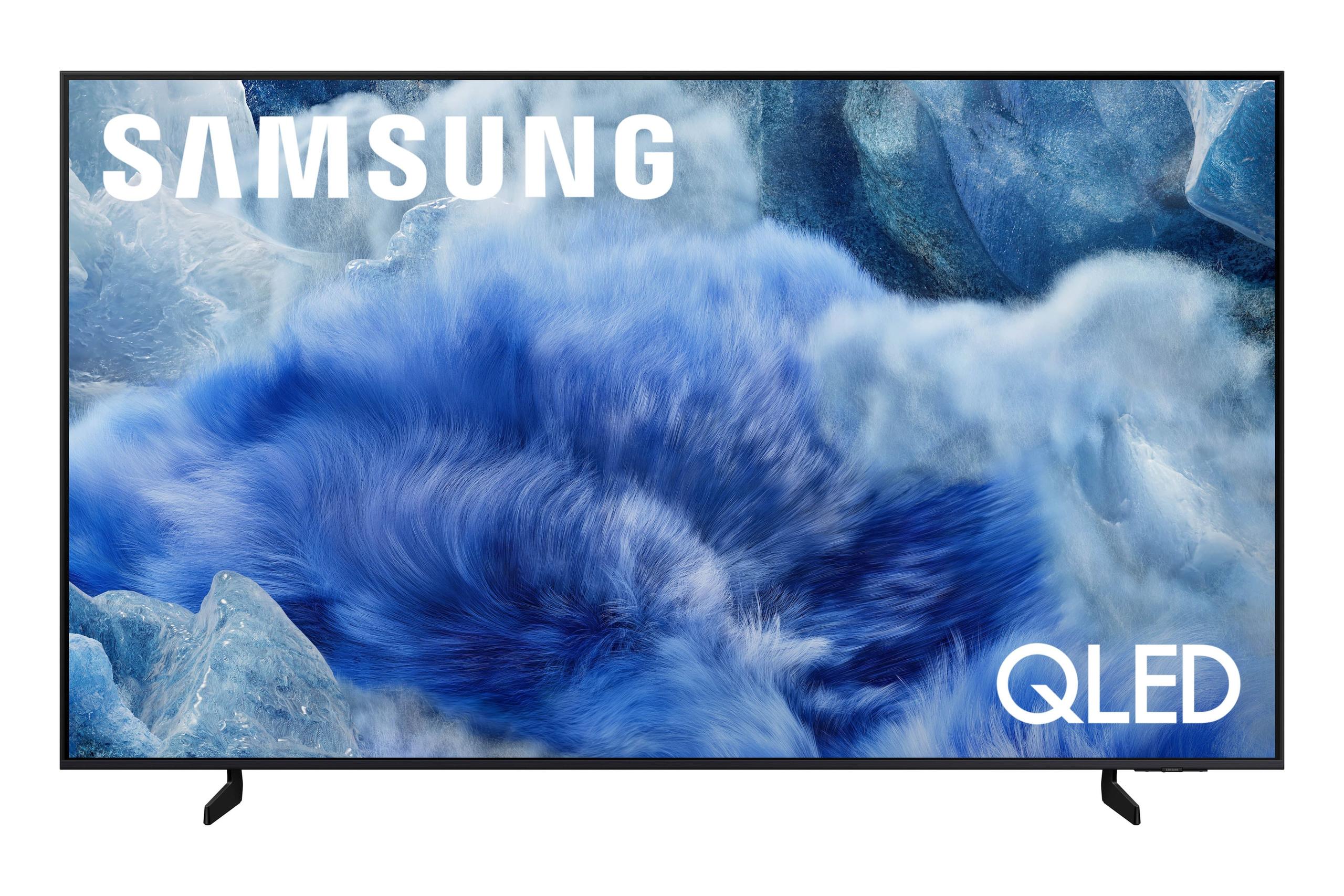
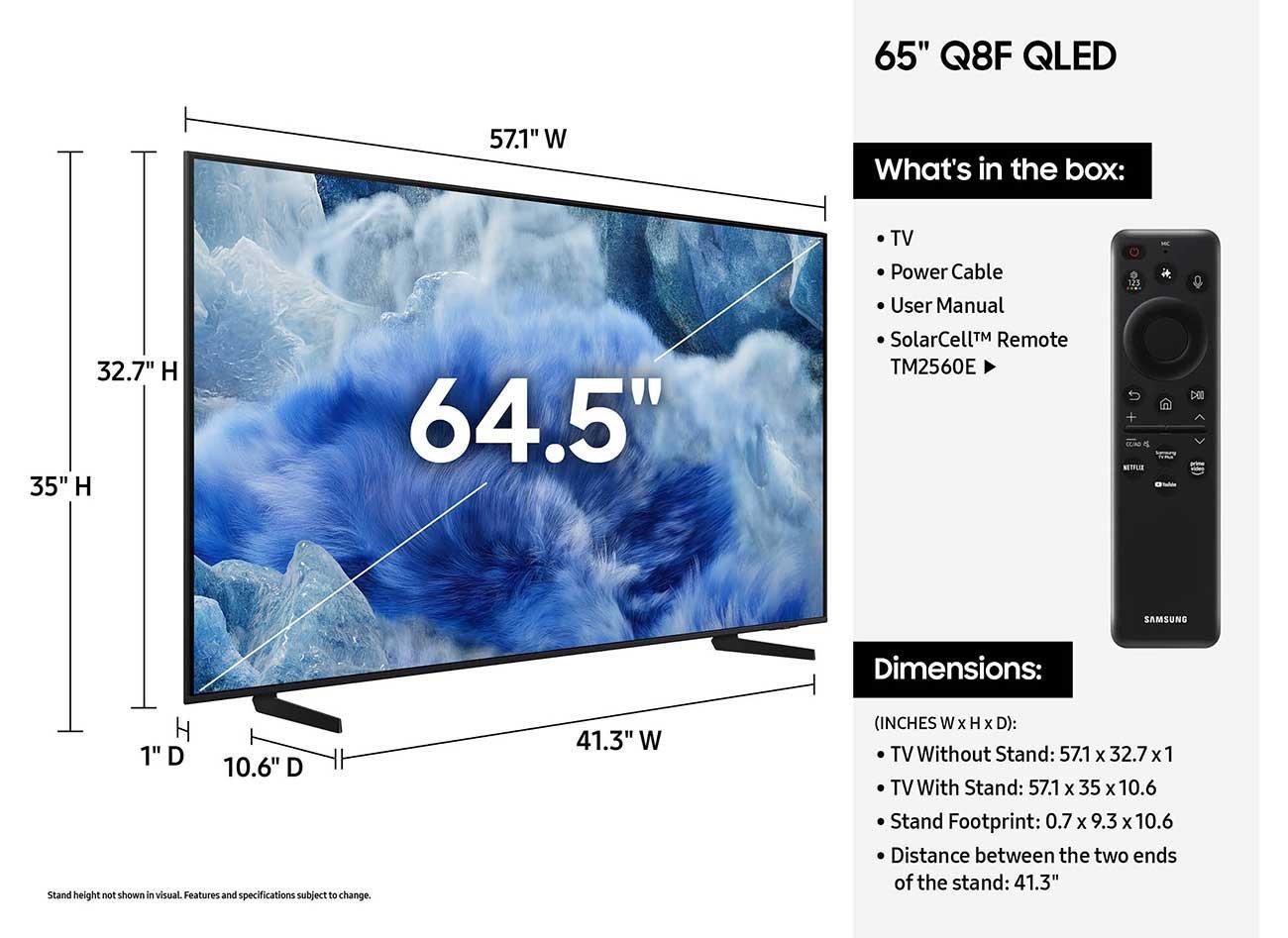
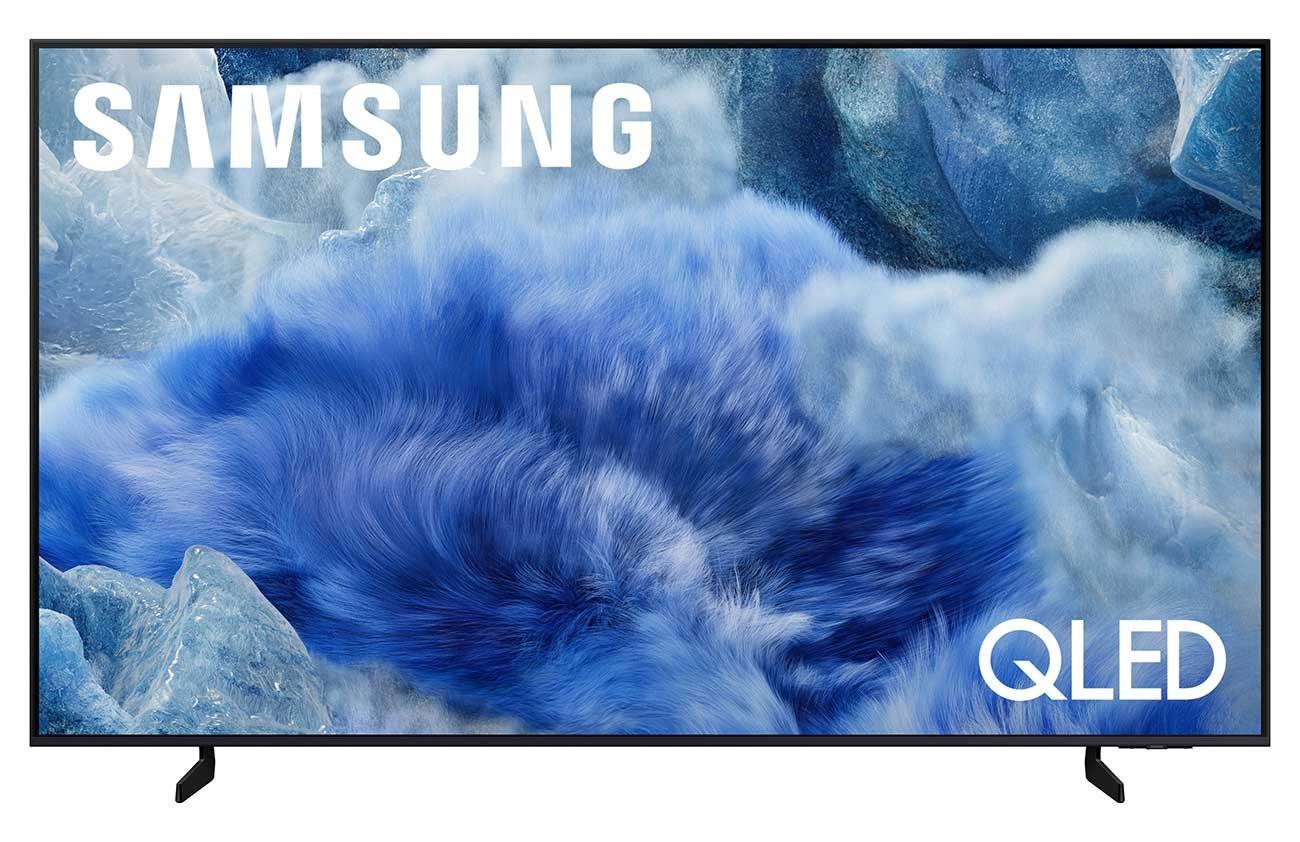
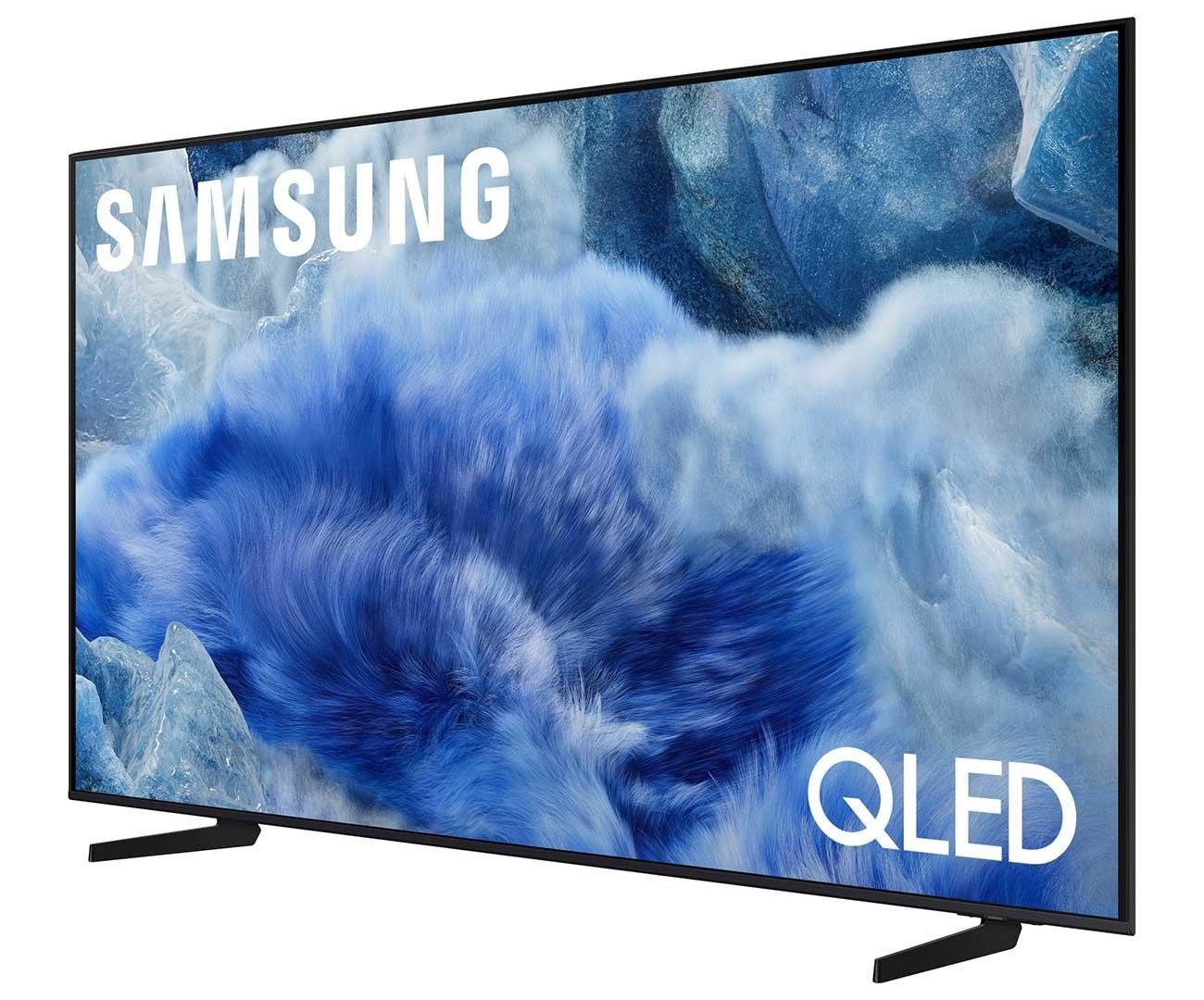
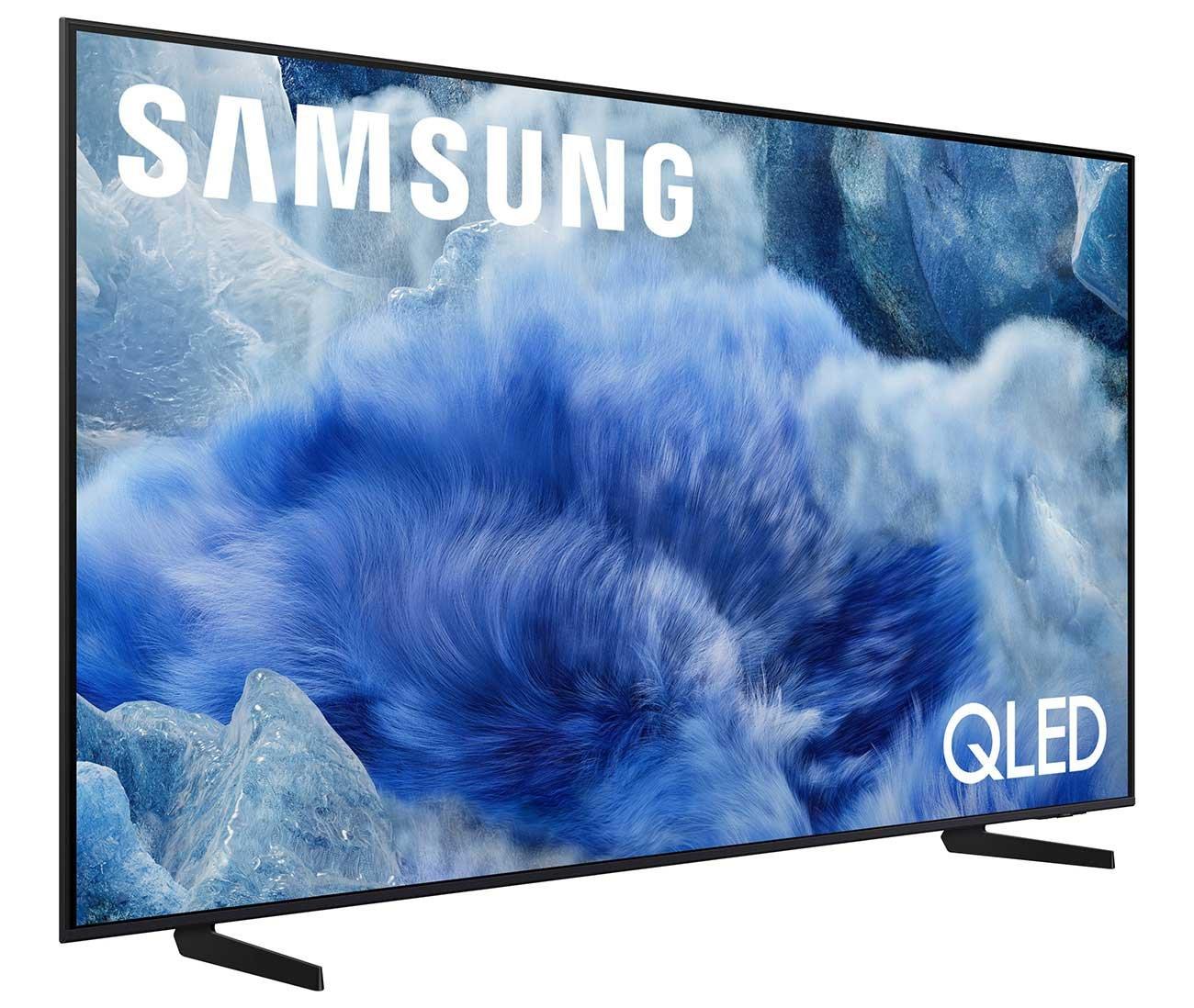
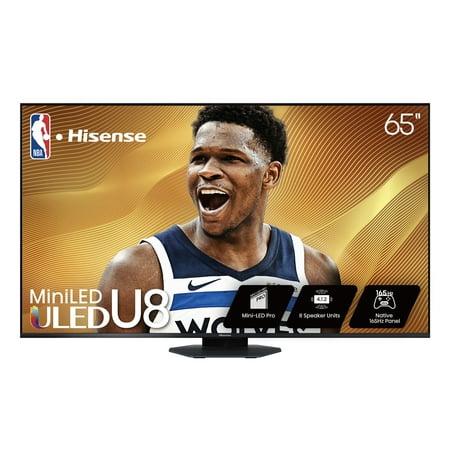
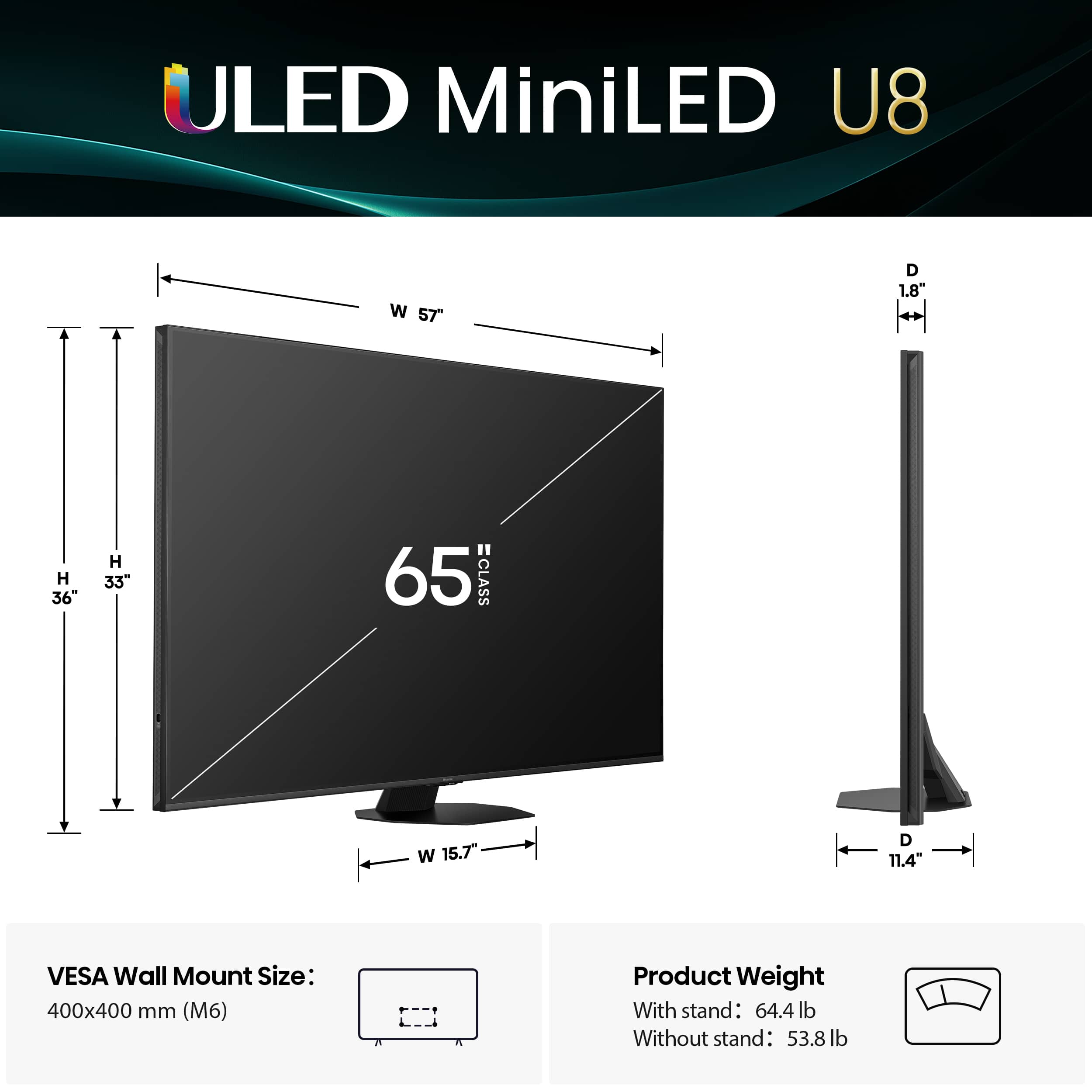
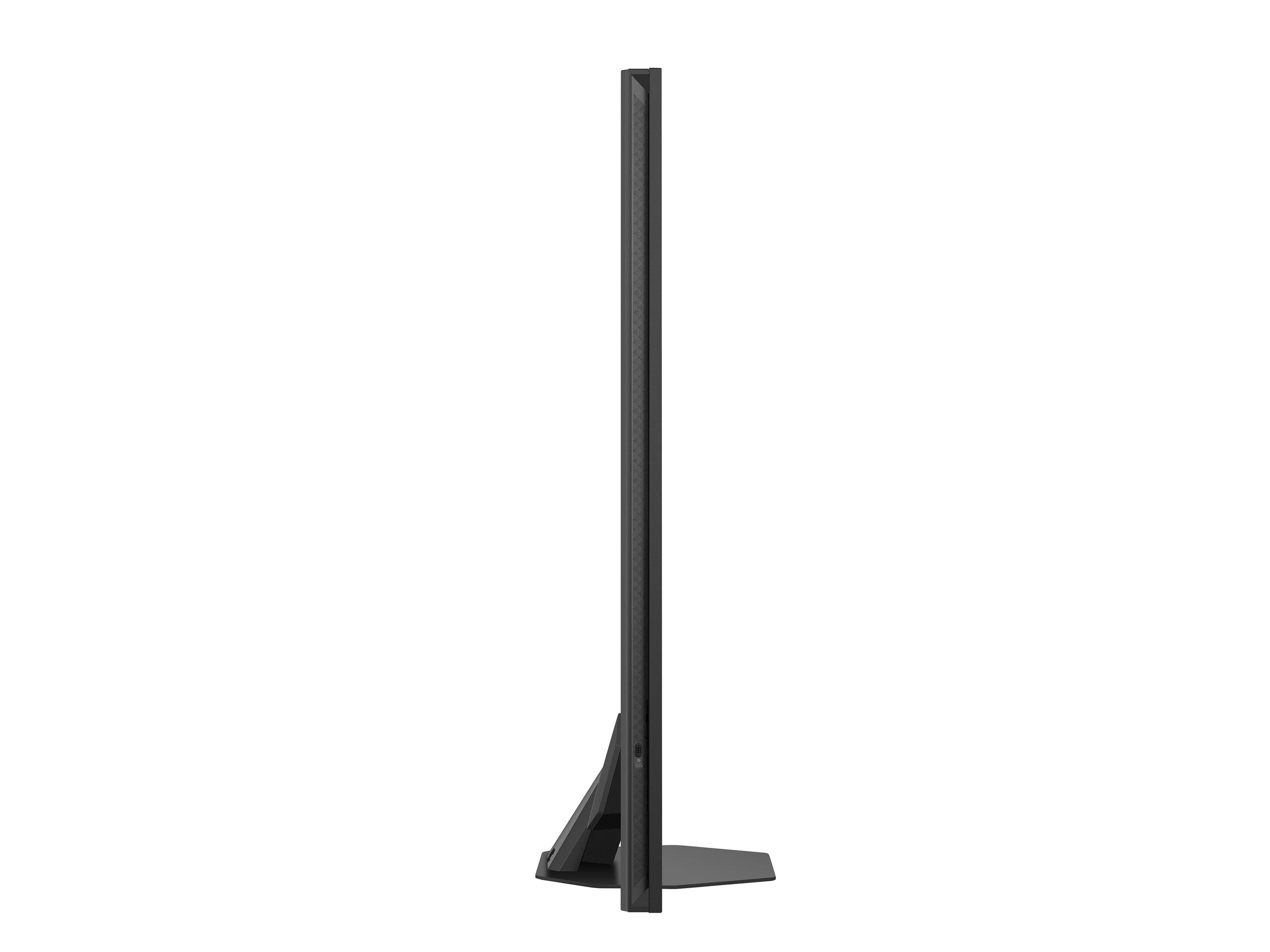
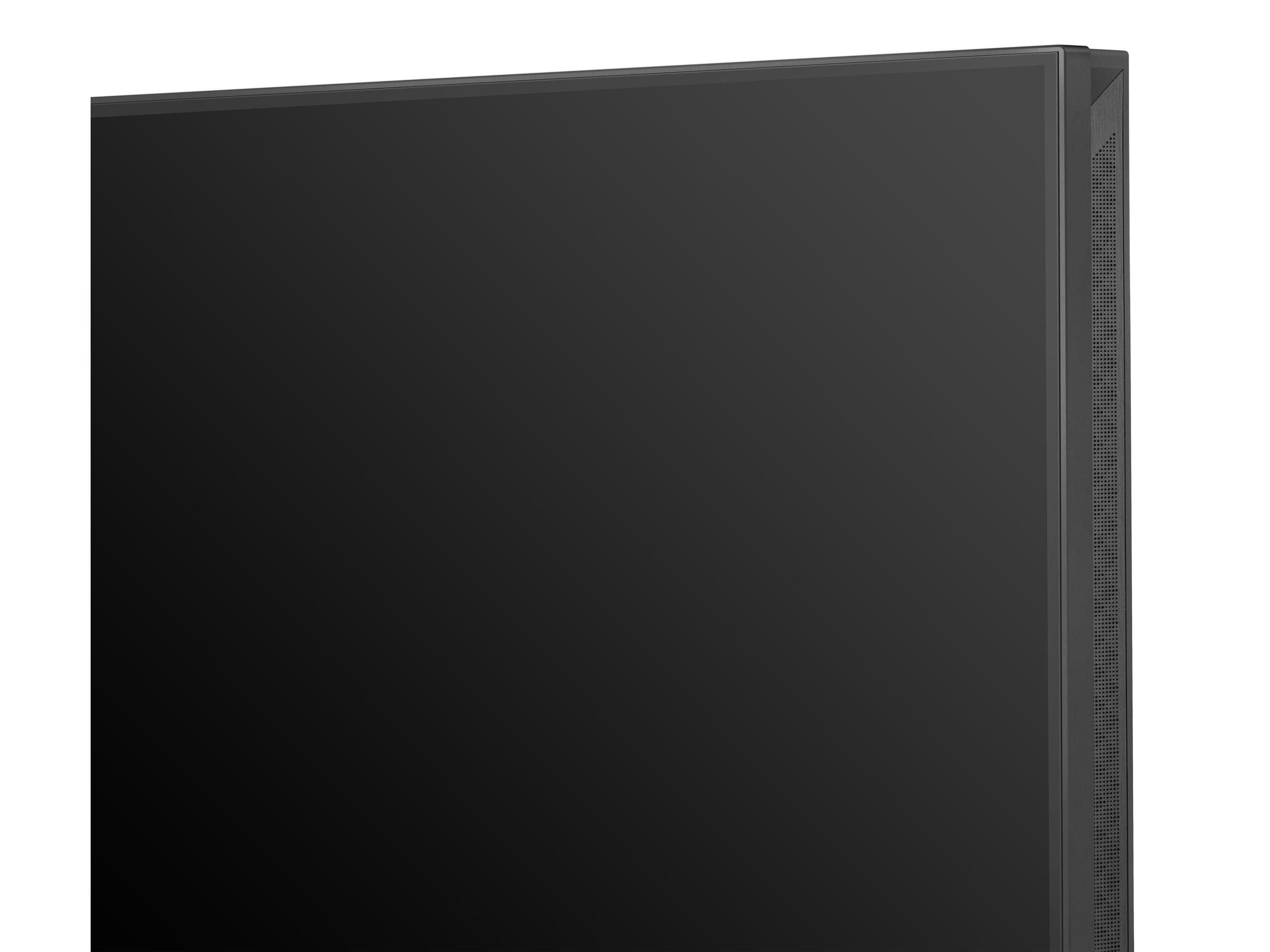
If you're shopping for a premium 65-inch TV in 2025, you've probably noticed that the landscape has become incredibly competitive. Two standout models that keep appearing in discussions are the Samsung 65" QN8F Series QLED 4K Vision AI Smart TV and the Hisense 65" U8 Series Mini-LED ULED 4K Google TV. Both represent the cutting edge of what LCD-based displays can achieve, but they take notably different approaches to delivering that premium experience.
Understanding premium QLED TVs means grasping what separates them from basic LCD displays. These TVs use quantum dot technology—tiny semiconductor particles that emit pure colors when hit by light—combined with sophisticated backlighting systems to compete directly with OLED displays. The key difference is that QLEDs can get much brighter than OLEDs while maintaining excellent color accuracy, making them particularly appealing for bright rooms or anyone who wants that "wow factor" from HDR content.
Both the Samsung QN8F and Hisense U8 launched in 2025, representing significant improvements over their predecessors. Samsung's 2025 model introduces their Vision AI technology, which uses artificial intelligence to analyze and optimize content in real-time. This builds on their established Neo QLED foundation but adds smarter processing that adapts to what you're actually watching.
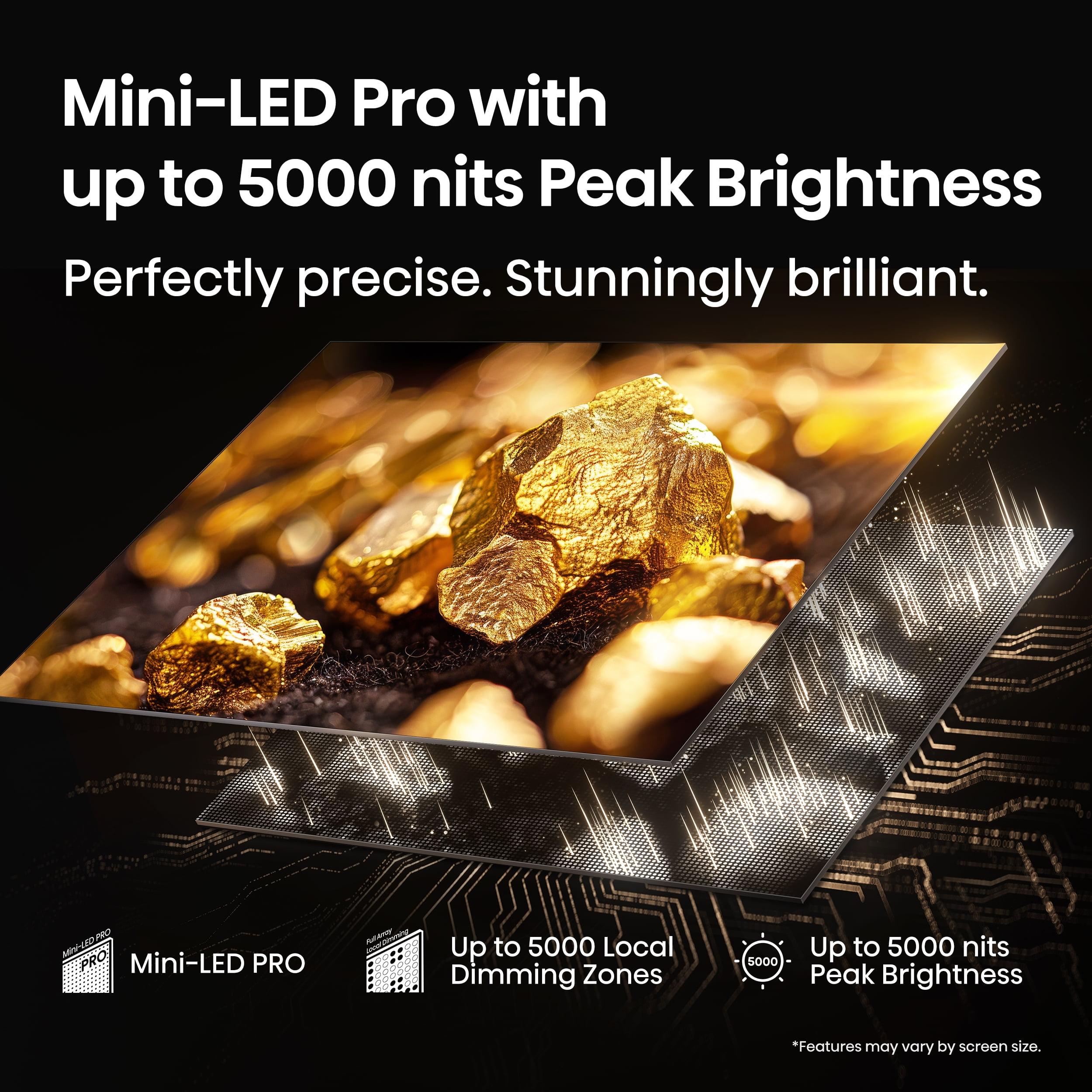
The Hisense U8, meanwhile, represents a major leap forward in Mini-LED technology. Where previous generations might have had hundreds of local dimming zones (the individually controlled sections of backlighting), this model pushes past 2,000 zones. That's a game-changer for contrast performance, allowing the TV to create much more precise light and dark areas simultaneously on screen.
What's particularly interesting is how both companies have focused on AI enhancement this generation. The Samsung QN8F uses its Q4 AI Processor to upscale content and optimize settings, while the Hisense U8 employs its Hi-View Engine PRO for similar real-time adjustments. This represents the industry's recognition that most content we watch isn't filmed in perfect conditions for our specific viewing environment.
The most significant difference between these TVs lies in their backlighting approaches. The Samsung QN8F uses Neo QLED technology with Quantum Matrix Mini-LED backlighting. Think of this as having thousands of tiny LED lights behind the screen, each capable of independent brightness control. Samsung's Dual LED system adds another layer by using LEDs of different color temperatures to improve accuracy.
The Hisense U8 takes this concept further with Mini-LED Pro+ technology and over 2,000 local dimming zones. To understand why this matters, imagine trying to display a scene with bright stars against a dark sky. More dimming zones mean the TV can make the stars brilliant while keeping the surrounding sky truly black, without the "blooming" effect where bright objects create halos of light around them.
In practical terms, the Hisense's superior zone count translates to noticeably better contrast in challenging scenes. When I watch movies with mixed lighting—think a character's face lit by candlelight in an otherwise dark room—the Hisense U8 maintains better separation between the bright and dark elements.
Peak brightness is another crucial differentiator. The Samsung QN8F reaches approximately 1,500 nits, which is quite respectable for HDR content. However, the Hisense U8 pushes up to 3,000 nits—literally twice as bright. This isn't just about making things blindingly bright; it's about having the headroom to display HDR content as the creators intended, with highlights that truly pop against darker elements.
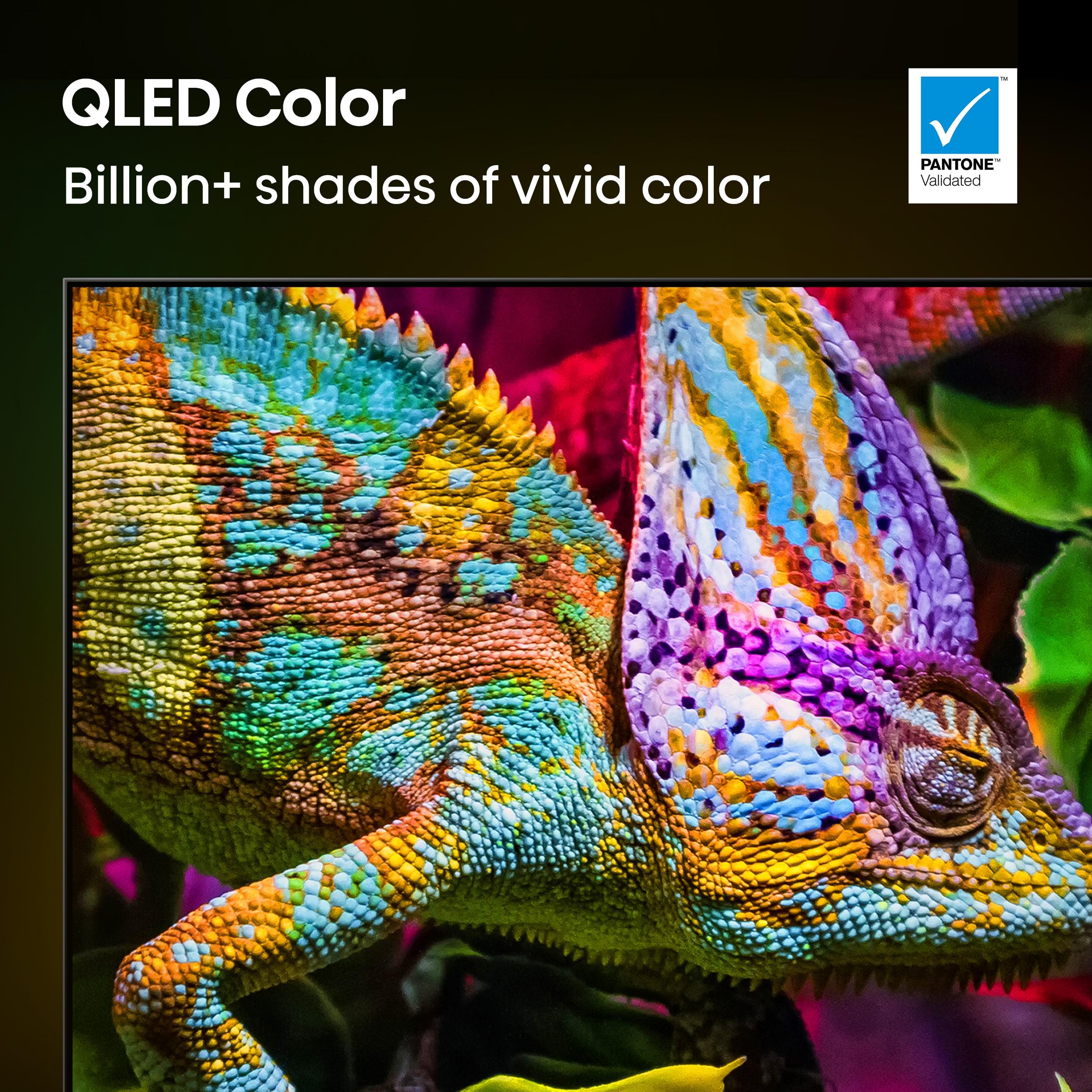
Color reproduction on both TVs benefits from quantum dot technology, delivering over one billion distinct colors. However, their approaches differ meaningfully. The Samsung QN8F's Dual LED system helps maintain color accuracy across different brightness levels by mixing warmer and cooler LED sources as needed.
The Hisense U8 leverages its superior brightness capability to display more vibrant colors, particularly in HDR content. When watching nature documentaries with brilliant sunsets or coral reefs, the extra brightness headroom allows colors to appear more saturated and lifelike without becoming oversaturated or artificial-looking.
For HDR support, there's a significant practical difference. The Samsung QN8F supports HDR10+ Adaptive, which can dynamically optimize HDR content scene by scene. However, most streaming services haven't widely adopted HDR10+. The Hisense U8 supports Dolby Vision, which Netflix, Disney+, Apple TV+, and other major services use extensively. This means you'll actually get enhanced HDR more often with the Hisense.
Processing power affects how well each TV handles the content you actually watch. Samsung's Q4 AI Processor excels at upscaling lower-resolution content—cable TV, older movies, or streaming content that isn't 4K. The AI analyzes each frame and intelligently adds detail and reduces compression artifacts. If you watch a lot of cable TV or older content, this can make a noticeable difference.
The Hisense U8's Hi-View Engine PRO provides solid upscaling but focuses more on optimizing the display's inherent strengths rather than creating new detail. It's particularly effective at managing the Mini-LED backlighting for optimal contrast in every scene.
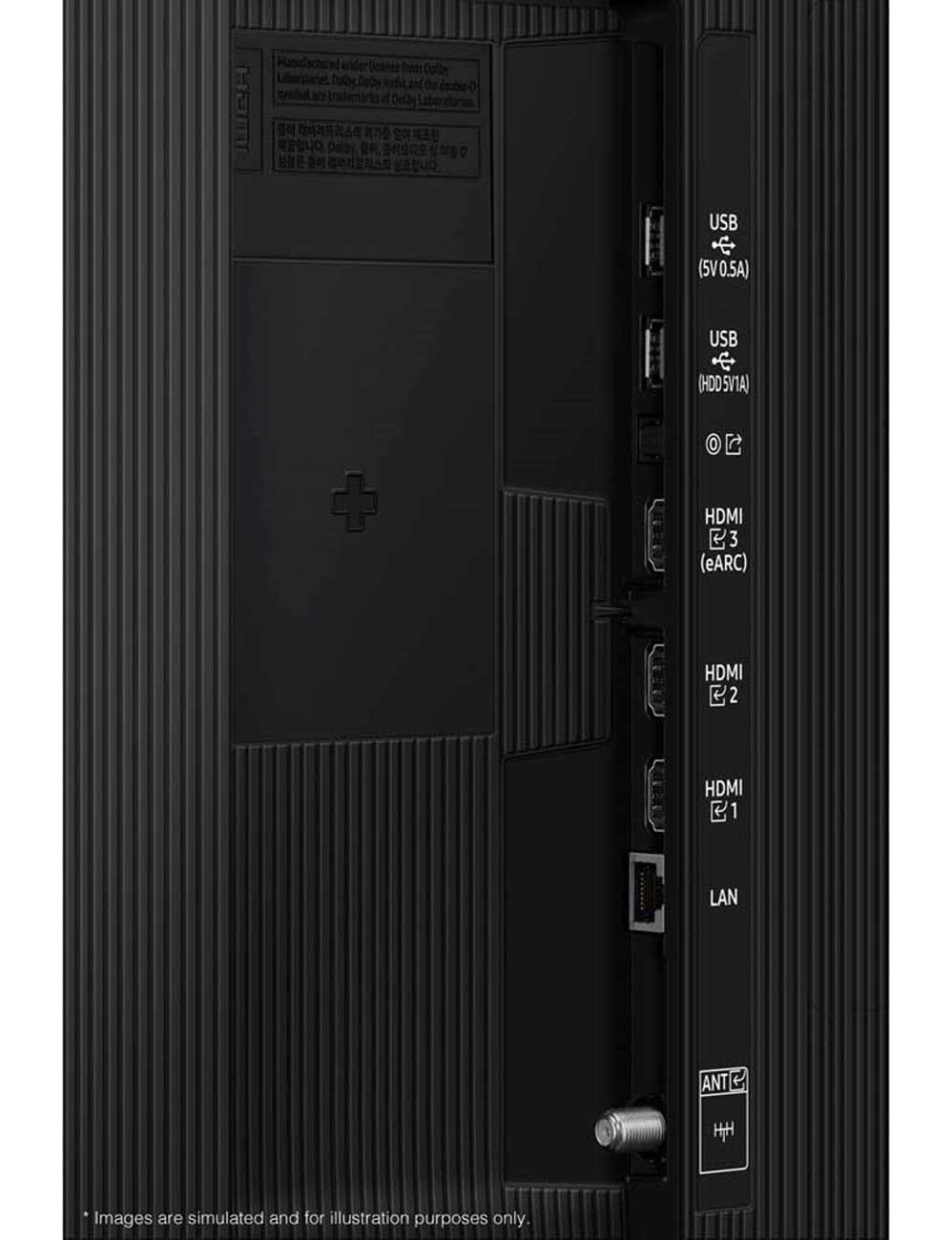
Both TVs cater to serious gamers, but with different strengths. The Samsung QN8F offers a 144Hz refresh rate with Motion Xcelerator 144Hz processing. For competitive gaming or high-end PC gaming, this higher refresh rate can provide smoother motion and reduced input lag. Samsung typically includes multiple HDMI 2.1 ports that can handle 4K at these higher refresh rates simultaneously.
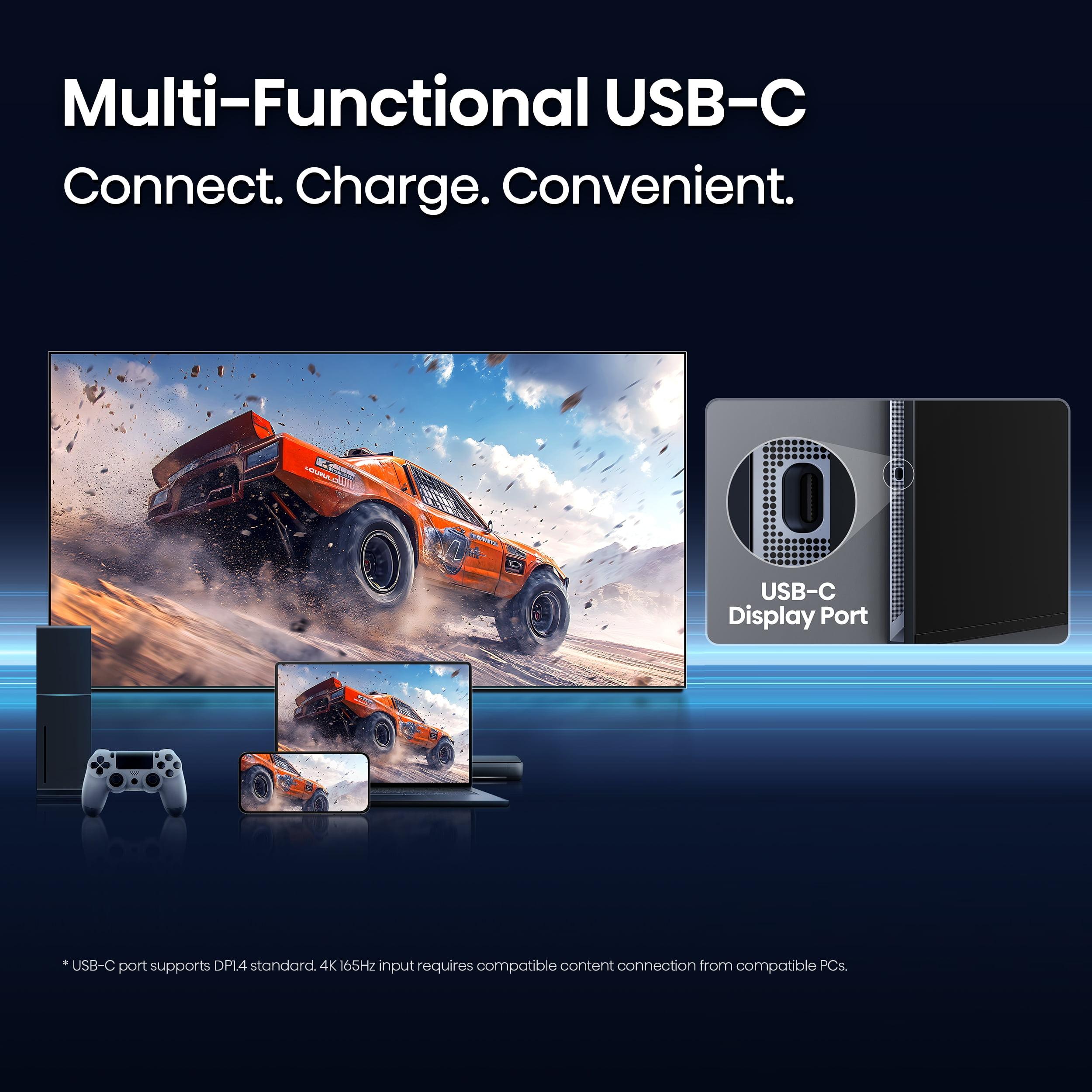
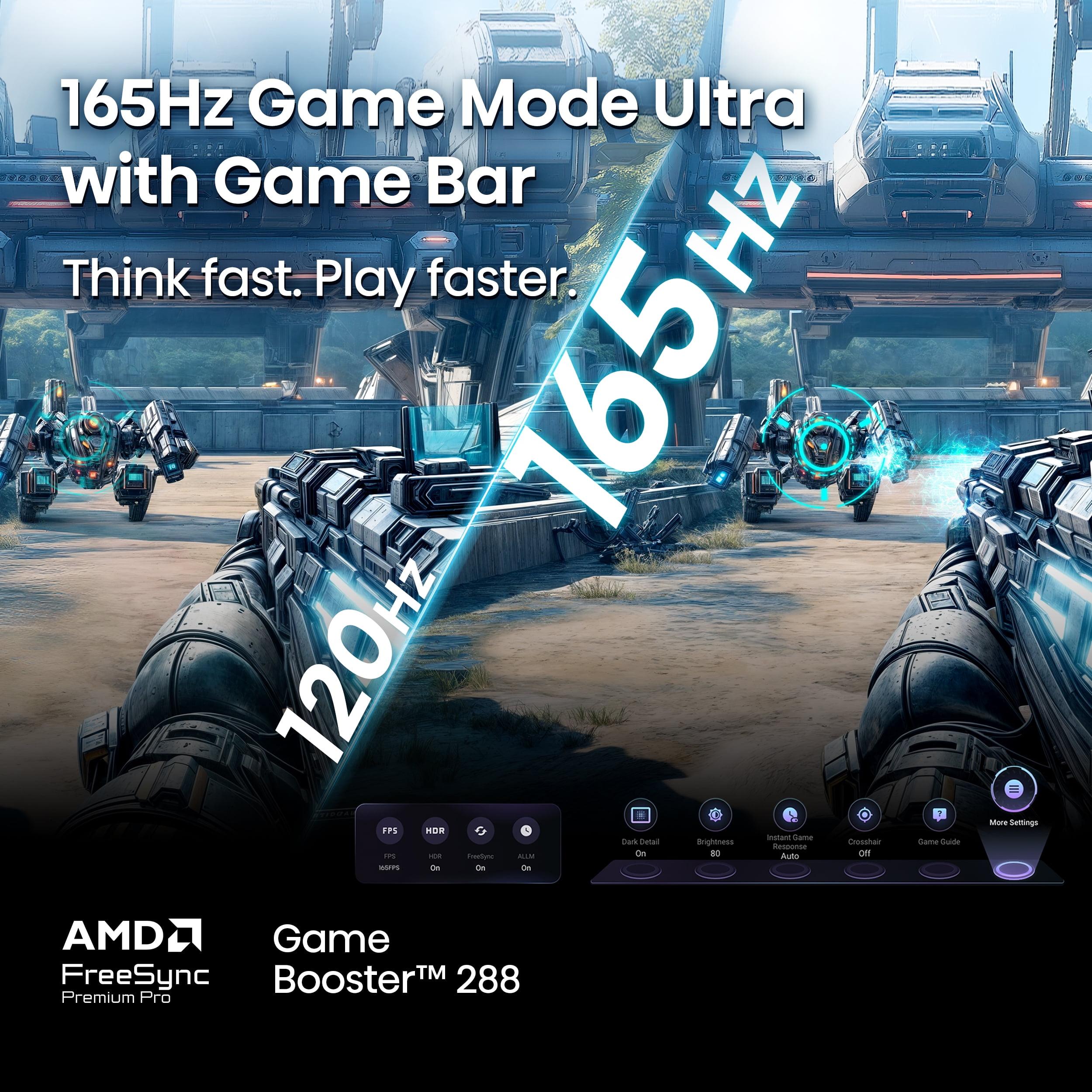
The Hisense U8 provides a native 144Hz panel (some configurations reach 165Hz) with AMD FreeSync Premium Pro support. Variable Refresh Rate (VRR) synchronizes the TV's refresh rate with your gaming device's output, eliminating screen tearing and stuttering. The Game Mode Pro offers customizable settings accessible through an on-screen gaming menu, making adjustments quick during gameplay.
In practice, both TVs deliver excellent gaming experiences. The choice often comes down to your specific setup—if you're running multiple high-end gaming devices simultaneously, the Samsung QN8F's processing optimization might give you a slight edge. For most gamers, the Hisense U8's combination of high refresh rates and superior contrast will provide a more visually impressive experience.
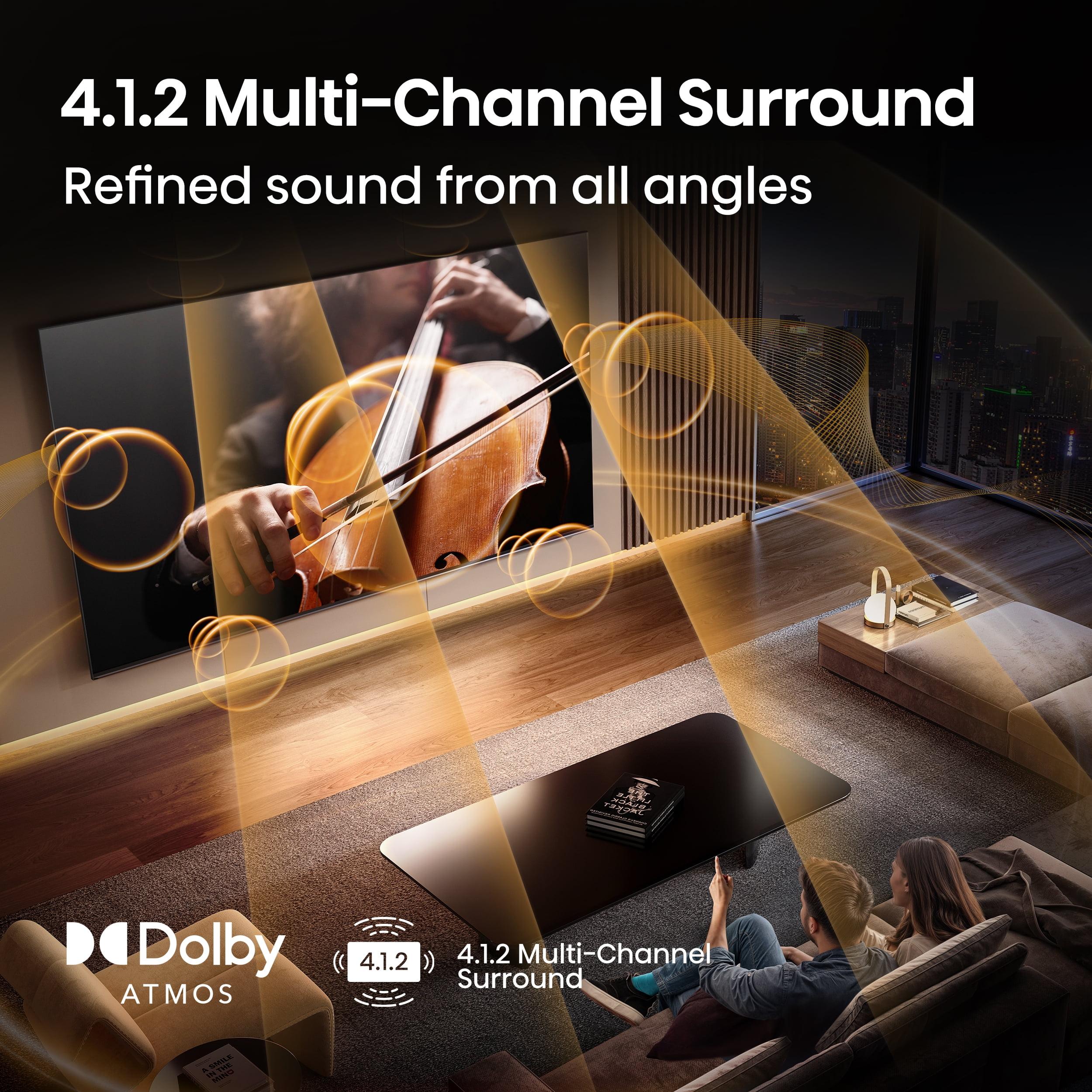
This is where the Hisense U8 takes a commanding lead. Its 50W 2.1.2 channel audio system includes upward-firing speakers for Dolby Atmos support and a built-in subwoofer. The result is genuinely immersive audio that most viewers can enjoy without immediately needing a separate soundbar.
The Samsung QN8F's 20W 2CH system, while enhanced by Object Tracking Sound Lite technology, simply can't match the power and dimensionality of the Hisense's audio setup. Samsung's Q-Symphony feature allows seamless integration with Samsung soundbars, which is excellent if you're planning that upgrade, but the built-in speakers alone won't satisfy most users seeking a premium audio experience.
For home theater enthusiasts, this difference is particularly significant. The Hisense U8's audio system provides genuine surround sound effects and meaningful bass response that enhances both movies and gaming without additional equipment.
The platform choice significantly impacts daily usability. The Samsung QN8F runs Tizen, Samsung's proprietary smart TV operating system. Tizen offers excellent integration with Samsung devices—your phone can seamlessly cast content, and Samsung's Bixby voice assistant provides sophisticated control. The 2025 model introduces Generative Wallpaper, where AI creates custom wallpapers based on keywords you provide, turning your TV into dynamic art when not in use.
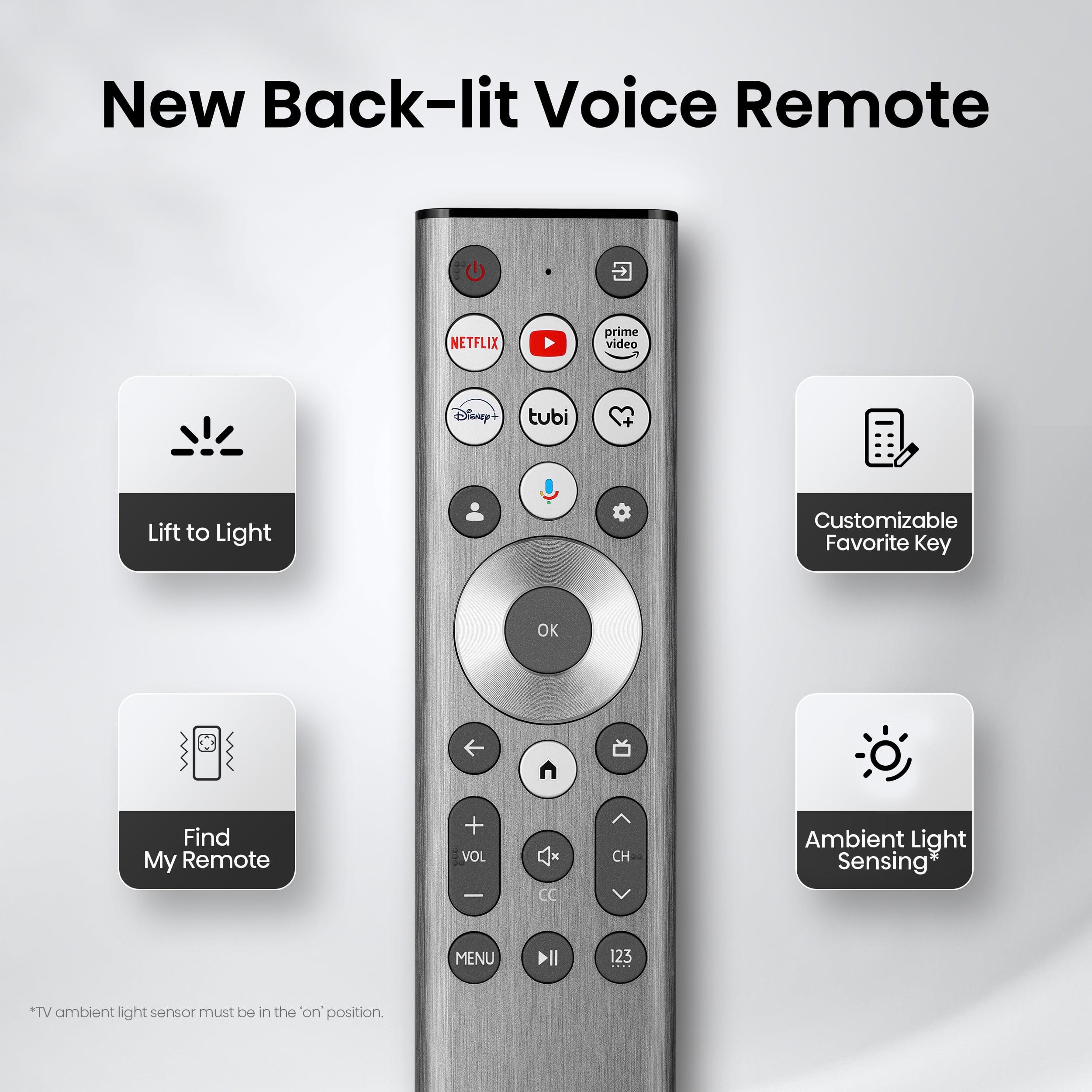
The Hisense U8 uses Google TV, which provides superior app selection and content discovery. Google's recommendation engine analyzes your viewing habits across different services to suggest relevant content. The "Hey Google" voice control integrates naturally with other Google services and smart home devices.
In my experience, Google TV feels more intuitive for content discovery, while Tizen offers better ecosystem integration if you're invested in Samsung products. Both platforms receive regular updates, though Samsung typically provides longer support lifecycles.
For dedicated home theater setups, several factors become crucial. The Hisense U8's superior brightness and contrast make it exceptional for rooms with some ambient light, while its built-in Dolby Atmos audio reduces the immediate need for external speakers.
However, viewing angles favor neither TV significantly—both use VA panels that lose contrast when viewed from extreme side angles. For home theaters where seating is primarily centered, this isn't problematic, but it's worth considering for rooms with wide seating arrangements.
The Samsung QN8F's AI Mode provides quick access to optimized settings for different content types, which is convenient for home theater enthusiasts who prefer not to manually adjust settings. Its Vision AI technology automatically optimizes based on room lighting and content, reducing the need for constant tweaking.
At the time of writing, these TVs are priced very competitively with each other, with the Hisense U8 commanding a slight premium—typically around 5-10% more than the Samsung QN8F. Given the significantly superior brightness, contrast control, and audio performance, the Hisense represents exceptional value for the additional cost.
Reliability considerations favor Samsung historically, with more consistent quality control and longer software support lifecycles. However, Hisense has significantly improved their quality control and offers a 2-year warranty compared to Samsung's typical 1-year coverage, demonstrating confidence in their product.
The Samsung QN8F makes the most sense if you prioritize ecosystem integration, superior upscaling of non-4K content, and established brand reliability. It's particularly appealing if you already own Samsung devices or plan to add a Samsung soundbar. The advanced gaming features also make it attractive for competitive gamers who need every possible advantage.
The Hisense U8 is the clear choice for anyone prioritizing pure picture quality and value. Its superior brightness, contrast, and built-in audio make it exceptional for most viewing scenarios. The Dolby Vision support ensures better compatibility with streaming services, and the longer warranty provides additional peace of mind.
For home theater enthusiasts specifically, I'd lean toward the Hisense U8. The combination of superior brightness for HDR content, excellent contrast for movie watching, and built-in Dolby Atmos audio creates a more complete entertainment experience without immediately requiring additional equipment.
Ultimately, both TVs represent excellent choices in the premium QLED category. The Samsung QN8F offers refinement and ecosystem integration, while the Hisense U8 delivers superior performance per dollar. Your choice should align with your specific priorities: ecosystem integration and brand preference, or maximum performance and value.
The TV market in 2025 has reached a point where even the "runner-up" choice will deliver an exceptional viewing experience. Both of these TVs will satisfy most users for years to come, making either selection a sound investment in your home entertainment setup.
| Samsung 65" QN8F Series QLED 4K Vision AI Smart TV 2025 | Hisense 65" U8 Series Mini-LED ULED 4K Google TV |
|---|---|
| Peak Brightness - Critical for HDR impact and bright room viewing | |
| ~1,500 nits (good for most rooms) | Up to 3,000 nits (exceptional for any lighting condition) |
| Local Dimming Zones - Controls contrast and eliminates blooming around bright objects | |
| Supreme UHD Dimming (exact count unspecified, likely 500-1000 zones) | 2,000+ zones (significantly better contrast control) |
| HDR Format Support - Determines compatibility with streaming services | |
| HDR10+ Adaptive (limited streaming support) | Dolby Vision + HDR10/HDR10+ (widely supported by Netflix, Disney+) |
| Gaming Refresh Rate - Smoothness for competitive gaming | |
| 144Hz with Motion Xcelerator 144Hz | Native 144Hz (up to 165Hz in some configs) with VRR 48-144Hz |
| Audio System - Eliminates need for immediate soundbar purchase | |
| 20W 2CH with Object Tracking Sound Lite | 50W 2.1.2 with Dolby Atmos and built-in subwoofer |
| Smart Platform - Daily usability and app ecosystem | |
| Tizen OS with enhanced Bixby and Samsung ecosystem integration | Google TV with superior content discovery and broader app selection |
| AI Processing - Upscaling quality for non-4K content | |
| Q4 AI Processor with 4K AI Upscaling (excellent for cable TV) | Hi-View Engine PRO with AI enhancements (good overall optimization) |
| Anti-Glare Technology - Viewing comfort in bright environments | |
| Standard QLED panel | Anti-Glare Low Reflection technology |
| Gaming Features - Console and PC gaming optimization | |
| Multiple HDMI 2.1 ports, AI Auto Game Mode, advanced VRR | AMD FreeSync Premium Pro, Game Mode Pro with customizable settings |
| Warranty Coverage - Long-term protection and manufacturer confidence | |
| 1 Year (standard industry coverage) | 2 Years (double industry standard) |
| Unique 2025 Features - Latest tech innovations | |
| Vision AI optimization, Generative AI Wallpaper | Mini-LED Pro+ backlighting, Wi-Fi 6E, NEXTGEN TV ATSC 3.0 |
The Hisense 65" U8 Series Mini-LED ULED 4K Google TV is significantly brighter, reaching up to 3,000 nits compared to the Samsung 65" QN8F Series QLED 4K Vision AI Smart TV 2025's 1,500 nits. This makes the Hisense U8 much better for bright rooms with lots of windows or ambient lighting, while the Samsung works well in moderately lit spaces.
The Hisense 65" U8 Series Mini-LED ULED 4K Google TV delivers superior contrast with over 2,000 local dimming zones compared to the Samsung 65" QN8F Series's fewer zones. This means deeper blacks and less blooming around bright objects, making it excellent for home theater movie watching in dark rooms.
The Samsung 65" QN8F Series QLED 4K Vision AI Smart TV 2025 uses Tizen OS, which integrates well with Samsung devices, while the Hisense 65" U8 Series runs Google TV with superior content discovery and broader app selection. Google TV is generally considered more intuitive for finding new content across streaming services.
Both TVs offer excellent gaming performance with 144Hz refresh rates and HDMI 2.1 support. The Samsung 65" QN8F Series may have a slight edge with multiple HDMI 2.1 ports and advanced processing, while the Hisense 65" U8 Series features AMD FreeSync Premium Pro and customizable Game Mode Pro settings.
The Hisense 65" U8 Series Mini-LED ULED 4K Google TV has a powerful 50W 2.1.2 audio system with Dolby Atmos that many users find adequate without a soundbar. The Samsung 65" QN8F Series has a basic 20W 2CH system that typically benefits from adding a soundbar for better audio quality.
The Hisense 65" U8 Series supports Dolby Vision, HDR10, HDR10+, and HLG, providing better compatibility with streaming services like Netflix and Disney+. The Samsung 65" QN8F Series QLED 4K Vision AI Smart TV 2025 supports HDR10+ Adaptive but lacks Dolby Vision, which limits streaming HDR content options.
The Samsung 65" QN8F Series excels at upscaling with its Q4 AI Processor, making cable TV and older movies look significantly better. The Hisense 65" U8 Series Mini-LED ULED 4K Google TV provides good upscaling but Samsung generally has superior AI processing for improving lower-resolution content.
The Hisense 65" U8 Series typically offers better performance per dollar with superior brightness, contrast, audio, and a 2-year warranty. While the Samsung 65" QN8F Series QLED 4K Vision AI Smart TV 2025 costs slightly less, the Hisense provides significantly more features and performance for a small price premium.
The Samsung 65" QN8F Series historically offers more consistent quality control and longer software support, though it comes with a standard 1-year warranty. The Hisense 65" U8 Series Mini-LED ULED 4K Google TV has improved reliability significantly and includes a 2-year warranty, showing manufacturer confidence in build quality.
The Hisense 65" U8 Series is generally better for home theaters due to its superior brightness for HDR content, excellent contrast with 2,000+ dimming zones, and built-in Dolby Atmos audio. The Samsung 65" QN8F Series QLED 4K Vision AI Smart TV 2025 works well too but typically requires additional audio equipment for the full home theater experience.
The Hisense 65" U8 Series Mini-LED ULED 4K Google TV features Anti-Glare Low Reflection technology that reduces reflections and maintains image quality in bright environments. The Samsung 65" QN8F Series has standard QLED anti-reflective properties but doesn't specifically emphasize advanced anti-glare features.
Choose the Samsung 65" QN8F Series QLED 4K Vision AI Smart TV 2025 if you prioritize Samsung ecosystem integration, superior upscaling, and established brand reliability. Choose the Hisense 65" U8 Series Mini-LED ULED 4K Google TV if you want the best picture quality, brightness, built-in audio, and overall value for your money.
We've done our best to create useful and informative comparisons to help you decide what product to buy. Our research uses advanced automated methods to create this comparison and perfection is not possible - please contact us for corrections or questions. These are the sites we've researched in the creation of this article: bestbuy.com - samsung.com - rtings.com - youtube.com - samsung.com - pcrichard.com - abt.com - images.samsung.com - cnet.com - news.samsung.com - samsung.com - bestbuy.com - bestbuy.com - hisense-usa.com - rtings.com - bestbuy.com - rtings.com - hisense-usa.com - youtube.com - hisense-usa.com - avsforum.com - hisense-usa.com - hisense-usa.com - rtings.com - avsforum.com - hisense-usa.com - prnewswire.com - hisense-usa.com - bestbuy.com - youtube.com - hisense-usa.com

Privacy Policy
Terms and Conditions - Affiliate Policy
Home Security
© Copyright 2008-2026.
11816 Inwood Rd #1211, Dallas, TX 75244