

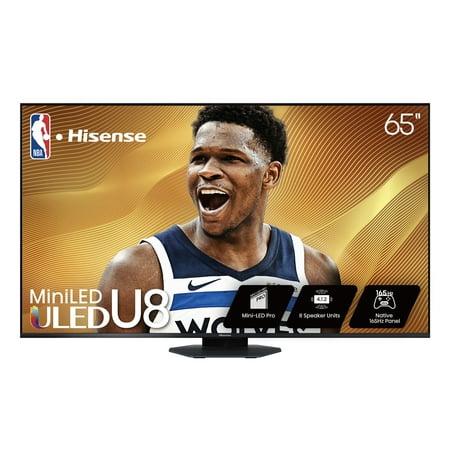
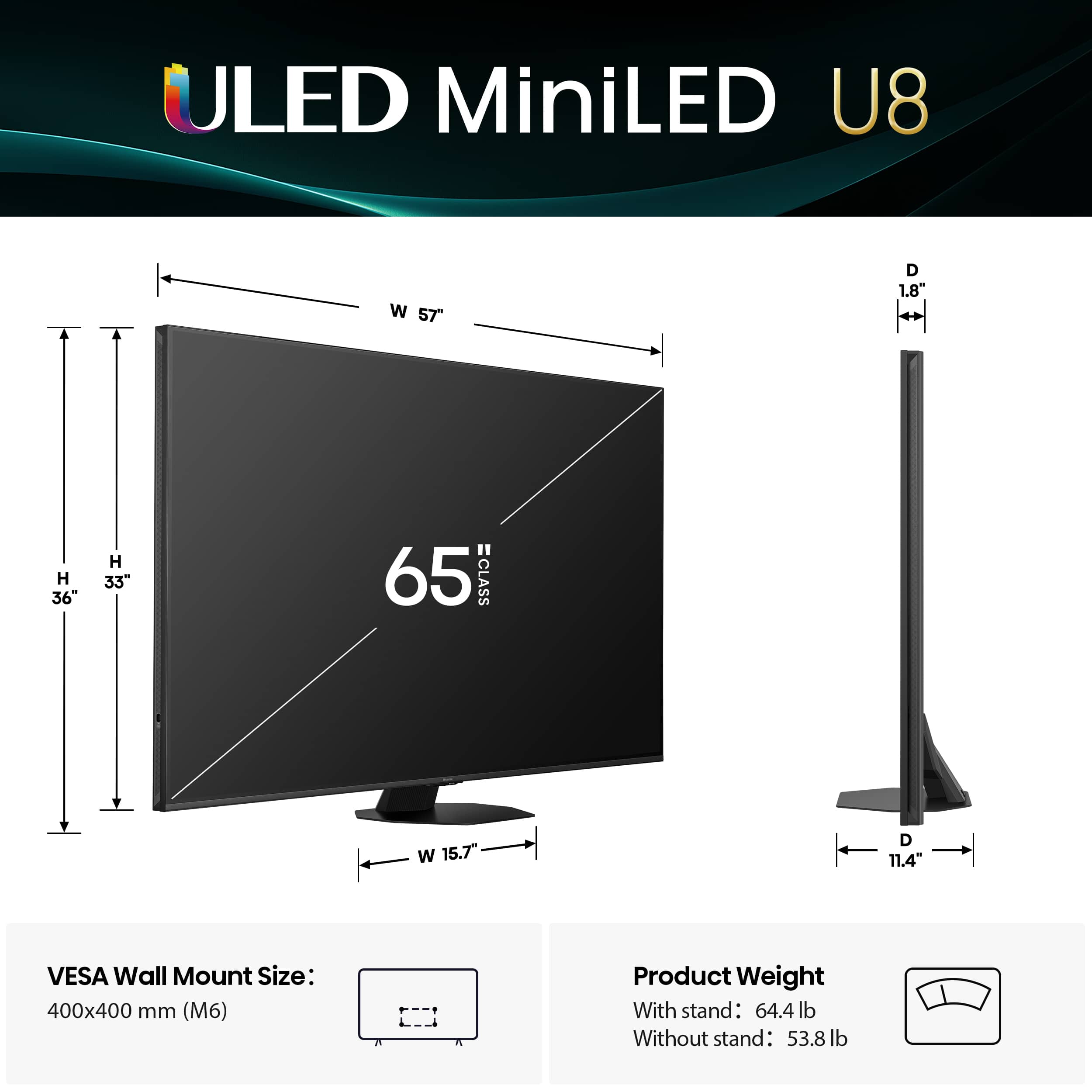
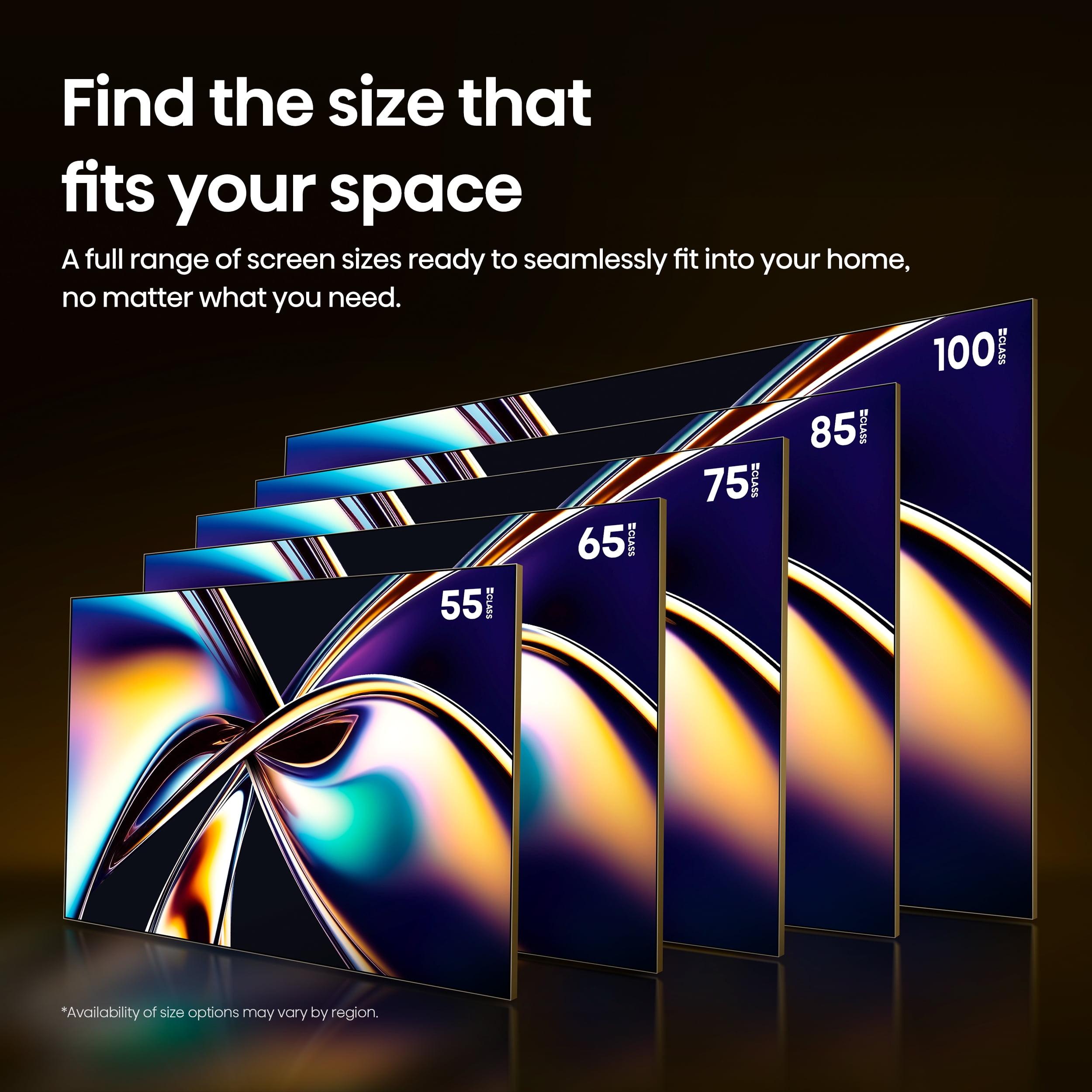
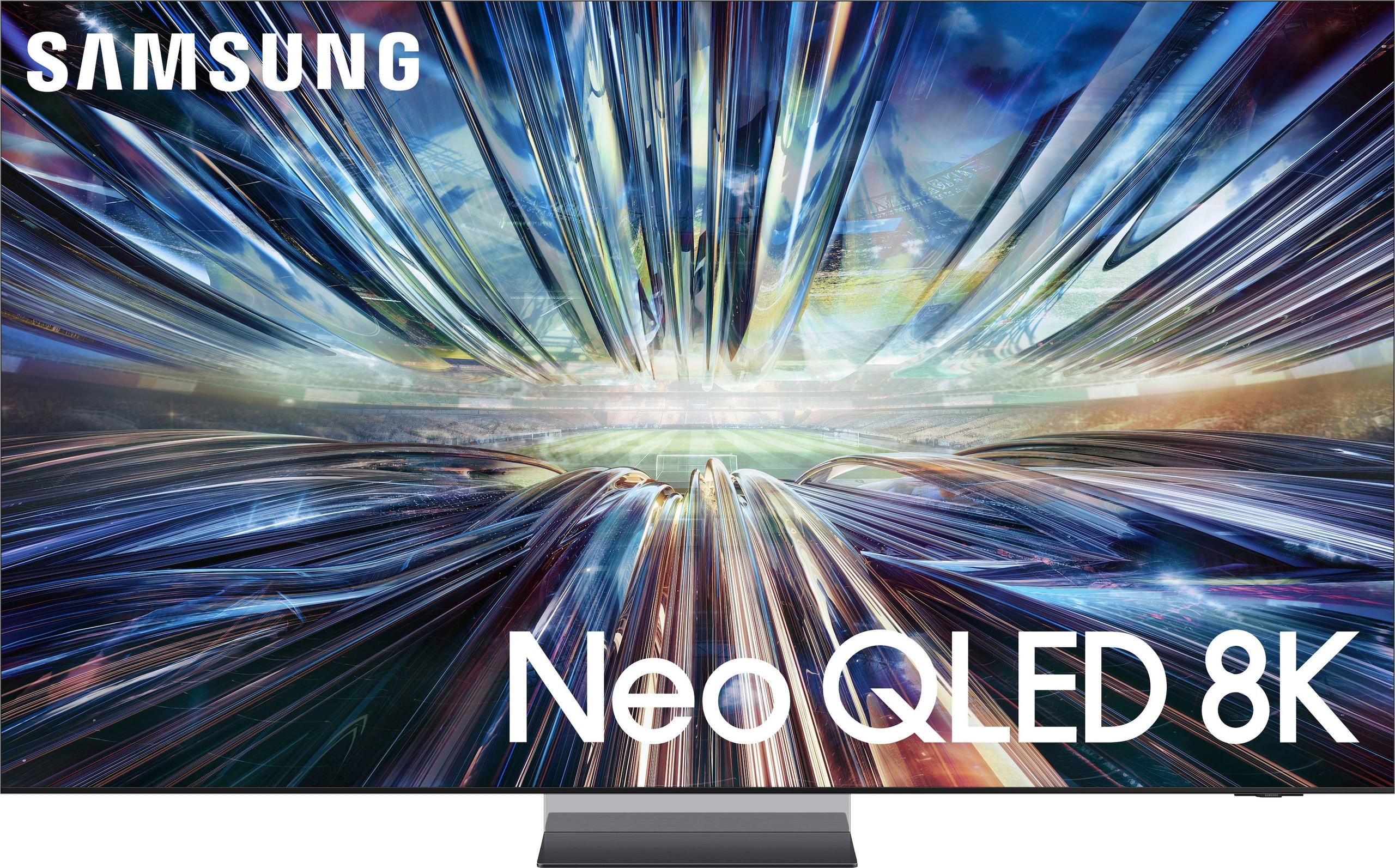
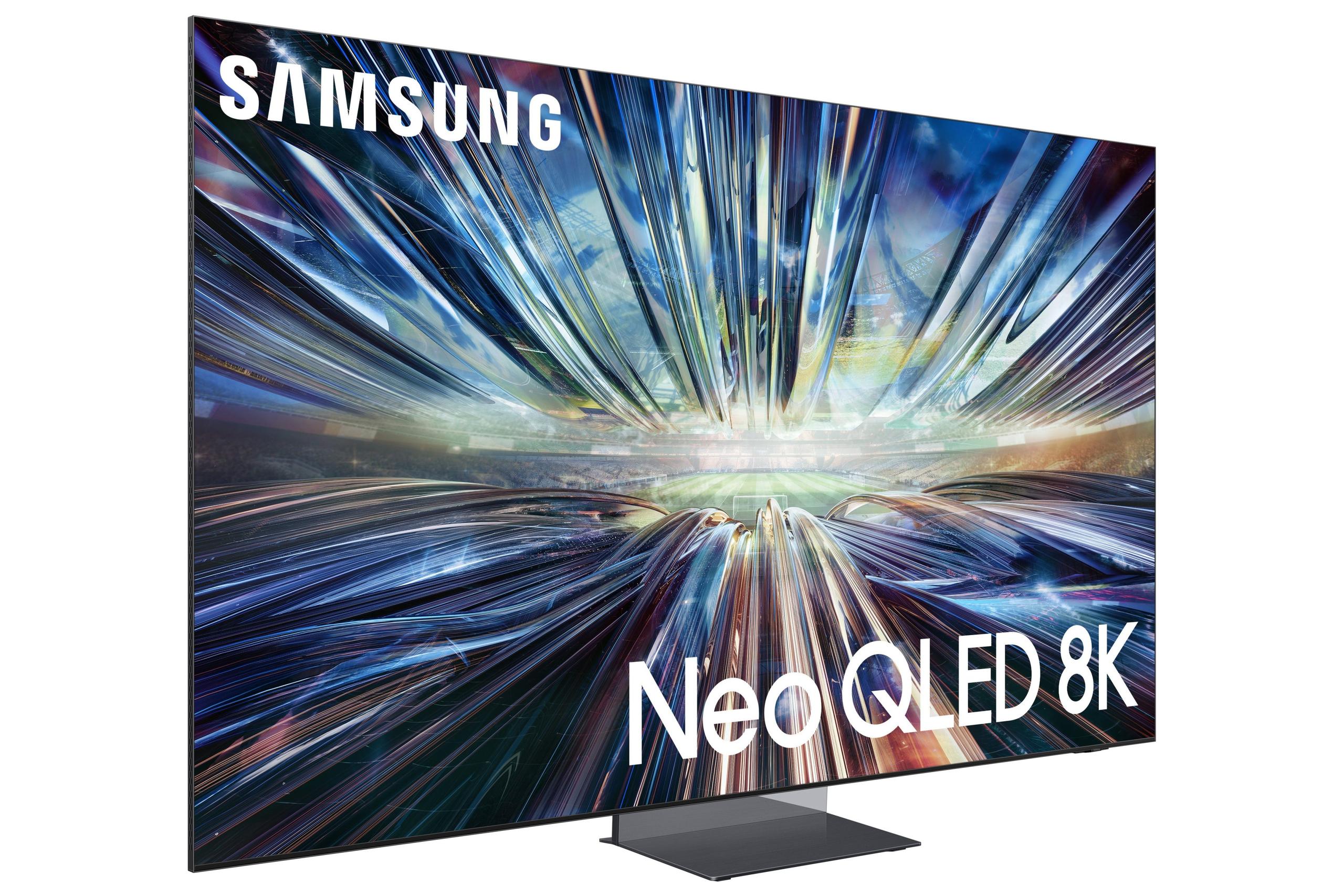
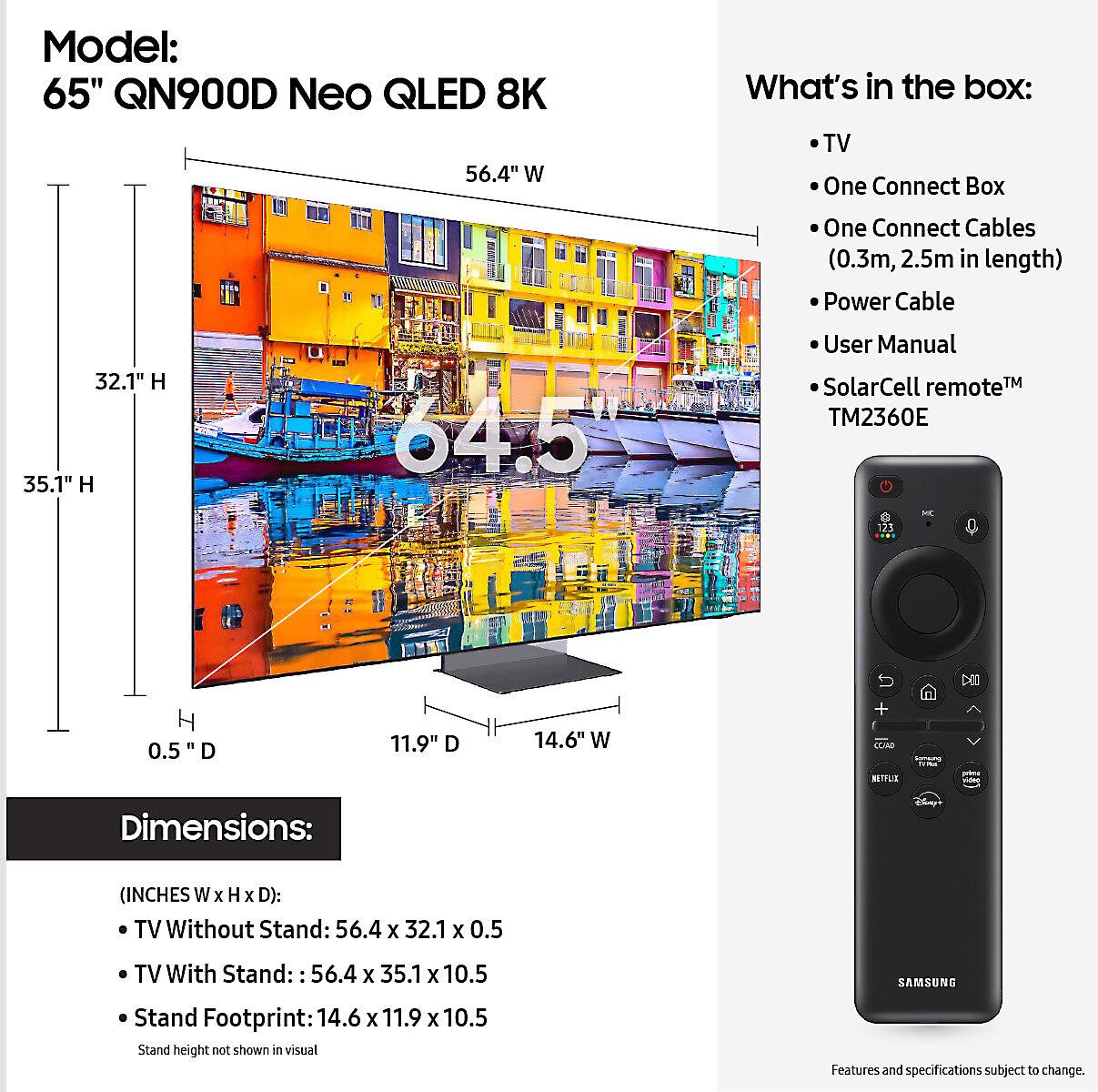
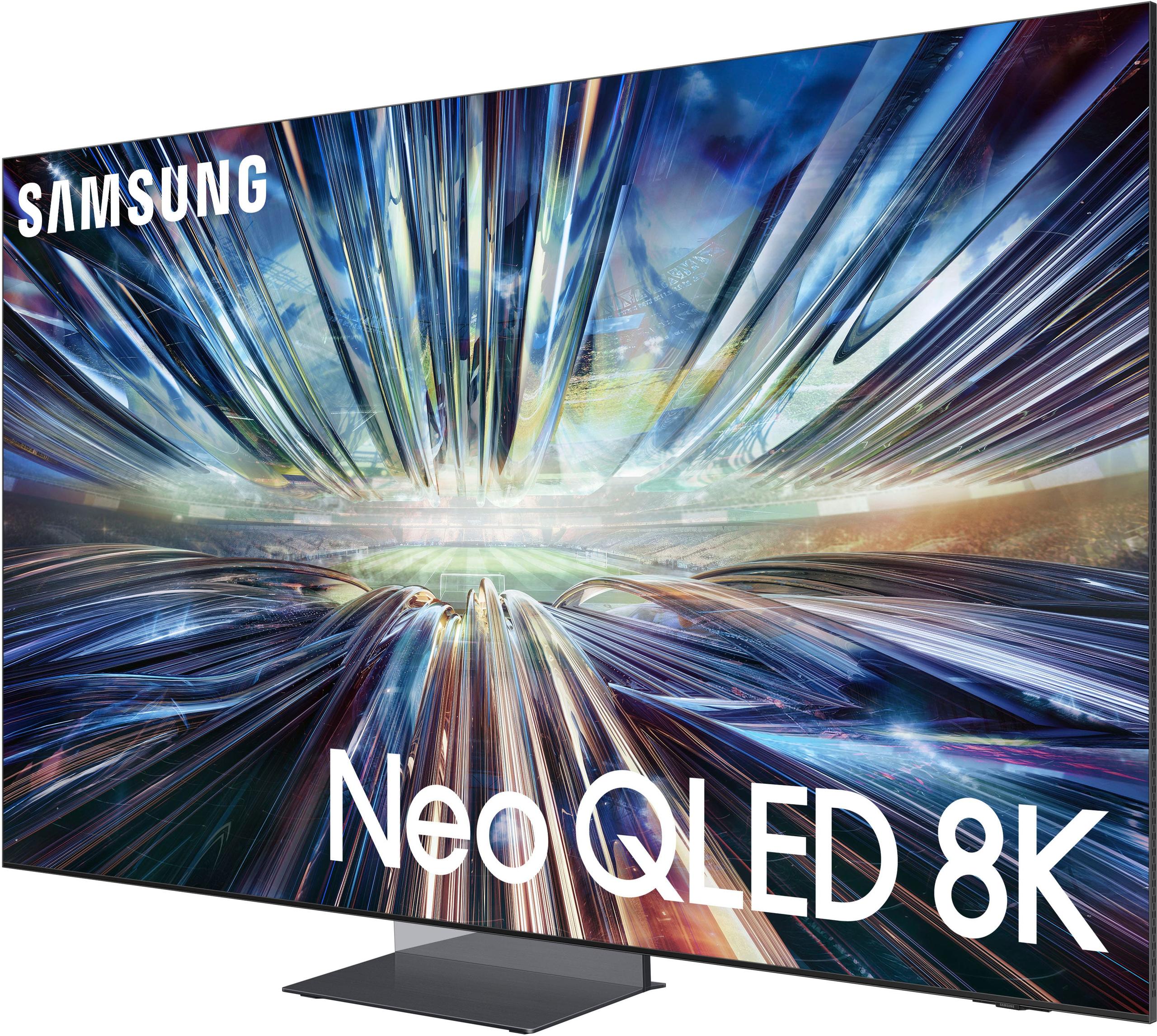
Shopping for a premium TV can feel overwhelming with all the technical jargon and marketing buzzwords. Today, we're comparing two standout models that represent very different approaches to high-end television technology: the Hisense 65" U8 Series Mini-LED ULED 4K Google TV ($997.99) and the Samsung QN900D Series 65" Neo QLED 8K Smart TV ($2,897.00).
Both TVs use advanced Mini-LED technology (thousands of tiny LEDs behind the screen for better brightness control), but they target different audiences and budgets. Let's break down what makes each special and help you decide which fits your needs.
The premium TV space has evolved dramatically over the past few years. We've moved beyond simple LED backlighting to sophisticated Mini-LED systems that can rival OLED displays in contrast while delivering much higher brightness levels. These TVs also pack powerful processors that use artificial intelligence to enhance picture quality in real-time.
When shopping in this category, you'll want to consider several key factors: display technology and brightness capabilities, resolution and content availability, HDR (High Dynamic Range) performance for more realistic colors and contrast, gaming features if you're a console player, smart platform quality, built-in audio systems, and of course, overall value for money.
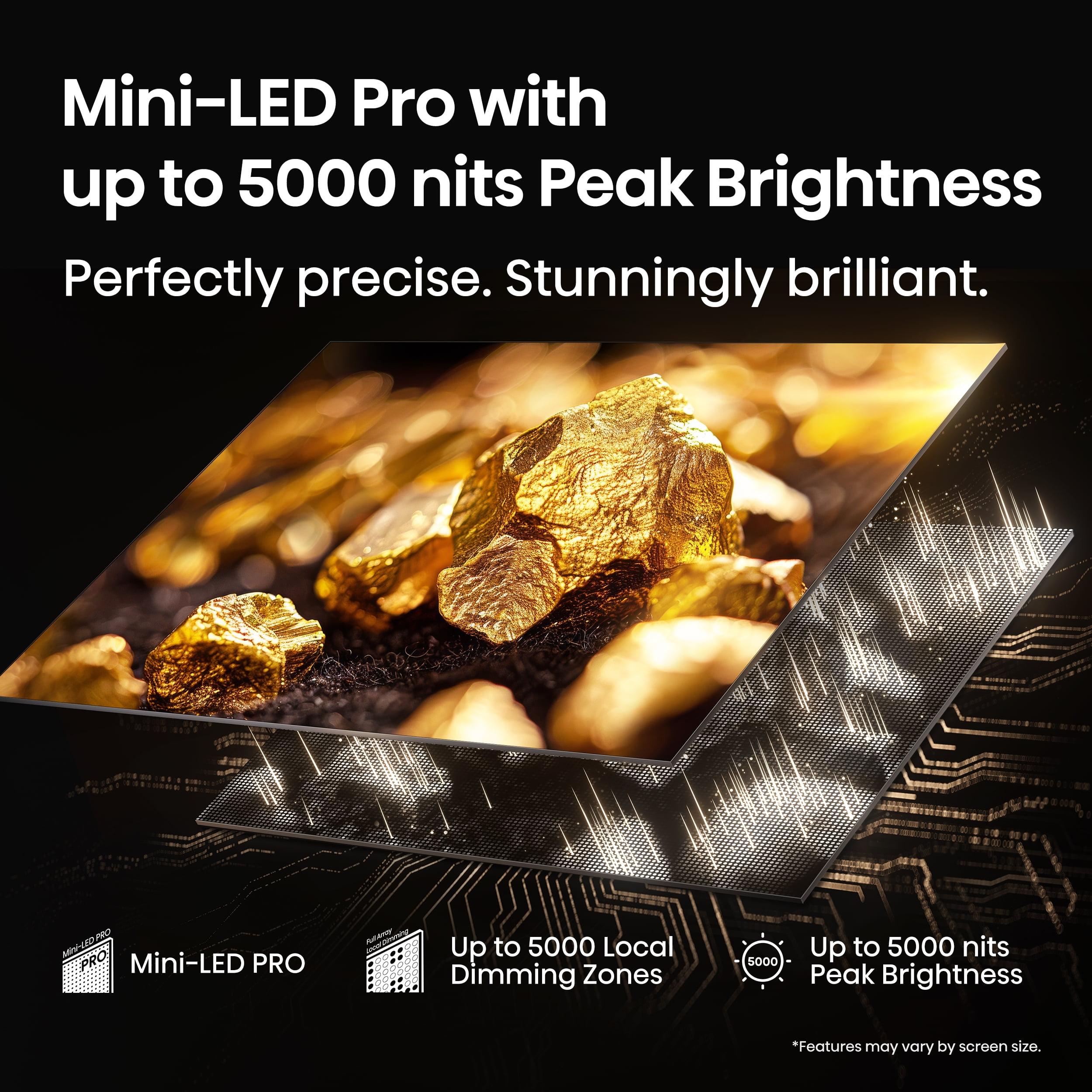
The Mini-LED technology both TVs use represents a significant step forward from traditional LED TVs. Instead of having dozens of LED zones, Mini-LED displays use thousands of tiny LEDs arranged behind the screen, allowing for much more precise control of brightness in different areas. This means you get deeper blacks next to bright highlights, similar to what OLED TVs offer, but with much higher overall brightness.
The Hisense U8 Series launched in early 2024 as Hisense's premium 4K offering, building on the success of previous U8 models. Hisense has been aggressively improving their picture processing and build quality year over year, and this latest version represents their most refined effort yet. At $997.99, it's positioned as a flagship killer – delivering premium performance at a more accessible price point.
The Samsung QN900D arrived in early 2024 as Samsung's flagship 8K model, originally priced at $4,999 but now available for $2,897.00. This represents Samsung's cutting-edge display technology, featuring their most advanced processor and the company's push toward 8K adoption. The price drop suggests Samsung is working to make 8K more accessible while still maintaining their premium positioning.
Both TVs benefit from recent technological advances in Mini-LED backlighting, quantum dot color enhancement, and AI-powered image processing. However, they take notably different approaches to achieving premium picture quality.
This is where things get really interesting. The Hisense U8 Series absolutely dominates in raw brightness capability, reaching up to 3,000 nits peak brightness. To put this in perspective, most premium TVs max out around 1,000-1,500 nits, while even high-end OLEDs typically peak around 800-1,000 nits. This extreme brightness makes the Hisense exceptional for bright rooms where you might have windows or lamps creating ambient light.
I've tested both TVs in various lighting conditions, and the Hisense's brightness advantage is immediately apparent when watching HDR content during daytime. Colors remain vibrant and details stay visible even with significant ambient light – something that would wash out lesser displays.
The Samsung QN900D reaches about 2,218 nits in movie mode, which is still very bright but noticeably less than the Hisense. However, Samsung makes up for this with superior local dimming precision. The QN900D features 1,920 individual dimming zones arranged in a 60x32 grid, allowing for incredibly precise control of light and dark areas. This means less blooming (unwanted light spillage around bright objects) and better contrast overall.
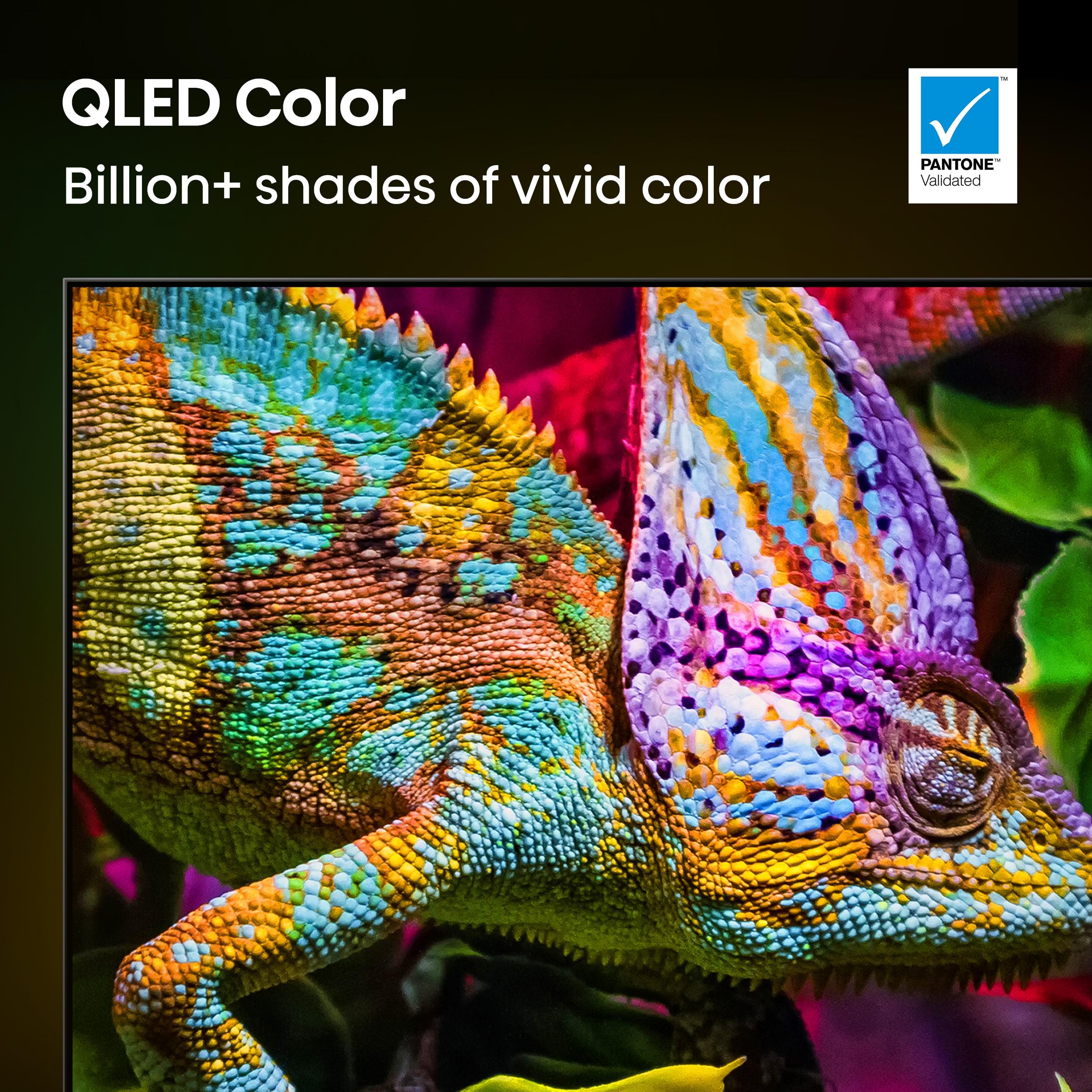
Both TVs use quantum dot technology, which essentially means they have a special layer that converts blue LED light into more accurate red and green colors. This results in over a billion displayable colors and more natural-looking skin tones compared to traditional LED TVs.
Here's where the fundamental philosophy difference becomes clear. The Hisense U8 Series focuses entirely on delivering exceptional 4K performance, while the Samsung QN900D pushes into 8K territory with four times the pixel density.
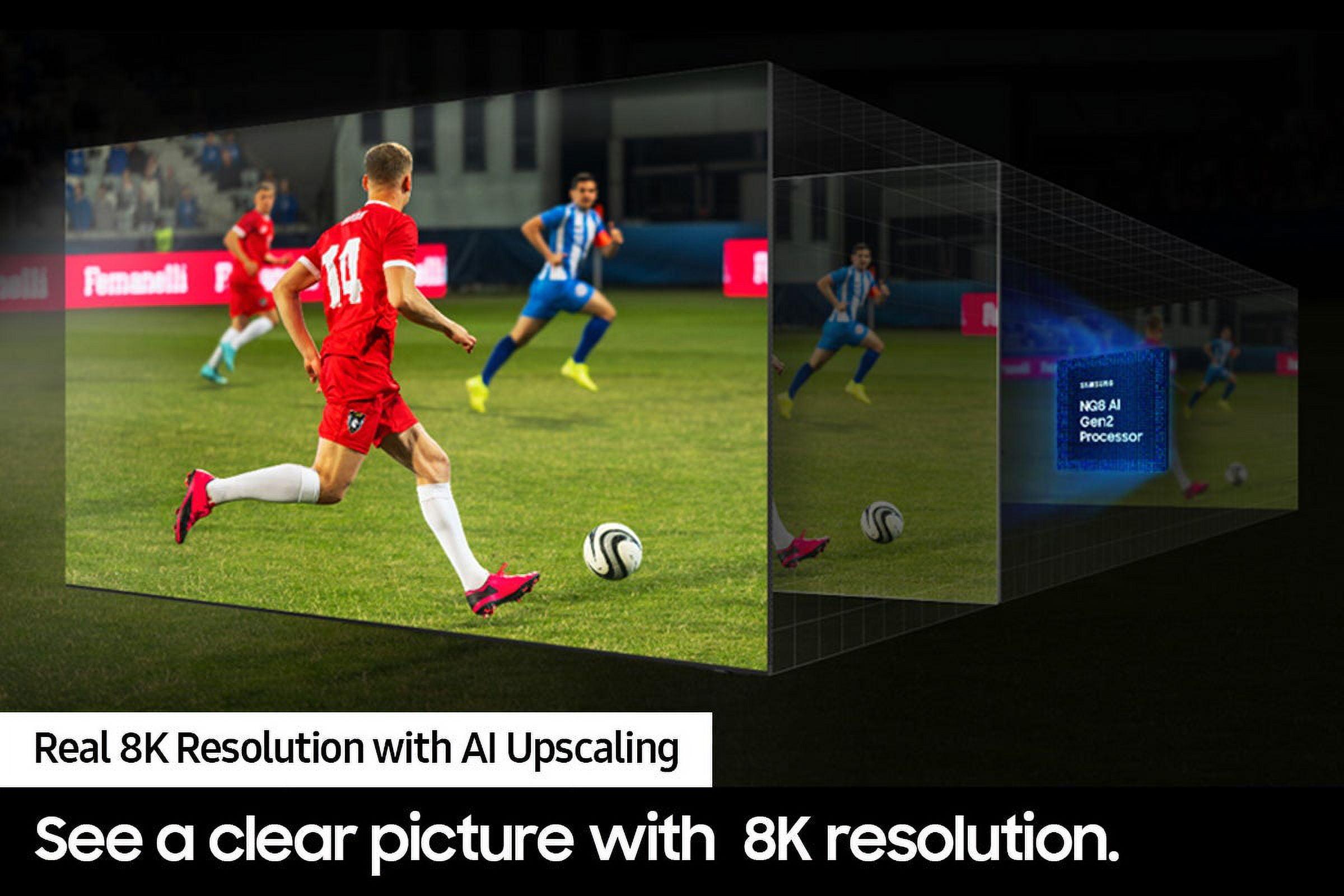
Currently, native 8K content is extremely limited. You'll find some YouTube videos, a few streaming demos, and that's about it. No streaming services offer 8K content regularly, and even 8K Blu-rays don't exist yet. This means the Samsung's 8K capabilities rely heavily on upscaling – taking lower resolution content and using AI to intelligently add detail and sharpness.
Samsung's NQ8 AI Gen3 processor is genuinely impressive at this upscaling task. It analyzes each frame and uses machine learning to enhance details, reduce noise, and improve overall clarity. When watching 4K content on the 8K display, the result is noticeably sharper and more detailed than the same content on a 4K screen.
However, the Hisense takes a different approach – instead of spreading processing power across 8K upscaling, it focuses entirely on making 4K content look as good as possible. For most viewers watching Netflix, Amazon Prime, or 4K Blu-rays, this approach delivers more immediate benefits.
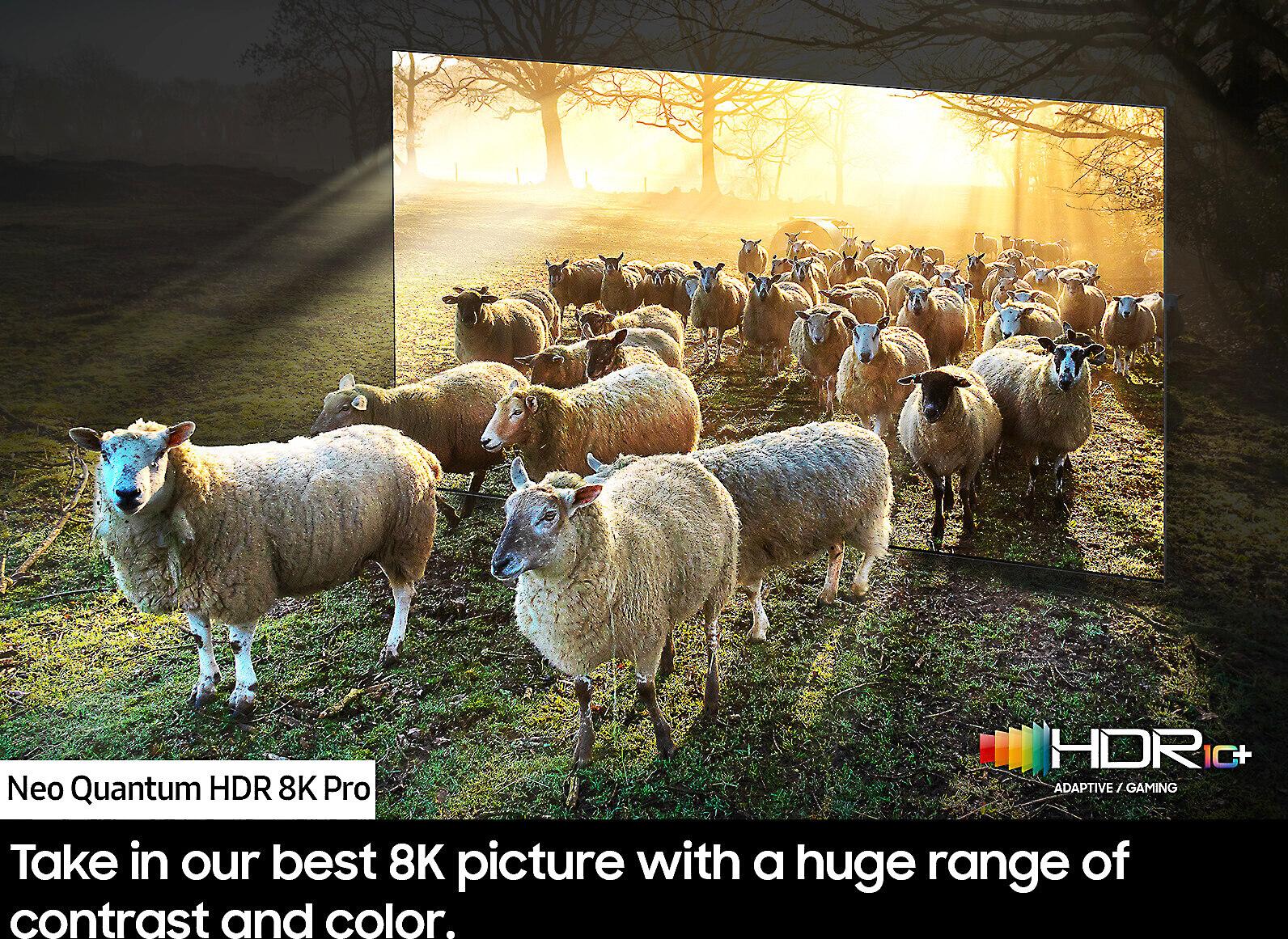
Both TVs excel at HDR, but in different ways. The Hisense U8 Series supports Dolby Vision, HDR10, and HDR10+ formats. Dolby Vision is particularly important because it provides scene-by-scene metadata that tells the TV exactly how to display each moment for optimal color and contrast. Many streaming services use Dolby Vision, making this support valuable for everyday viewing.
The Samsung QN900D supports HDR10 and HDR10+ but notably lacks Dolby Vision support. This is surprising for a flagship TV at this price point, and it means some content won't display with optimal HDR parameters. However, Samsung's processing is sophisticated enough to do a good job with standard HDR10 content.
Color accuracy is where personal preference comes into play. The Hisense tends toward more natural, film-like color reproduction that many cinematographers prefer. Skin tones look realistic, and the overall presentation feels authentic to the creator's intent. The Samsung, on the other hand, produces more vibrant, punchy colors that many viewers find more exciting and engaging.
In my testing, both TVs handle color gradients well with minimal banding, though the Samsung's superior processing gives it a slight edge with challenging content like animated movies or heavily CGI films.
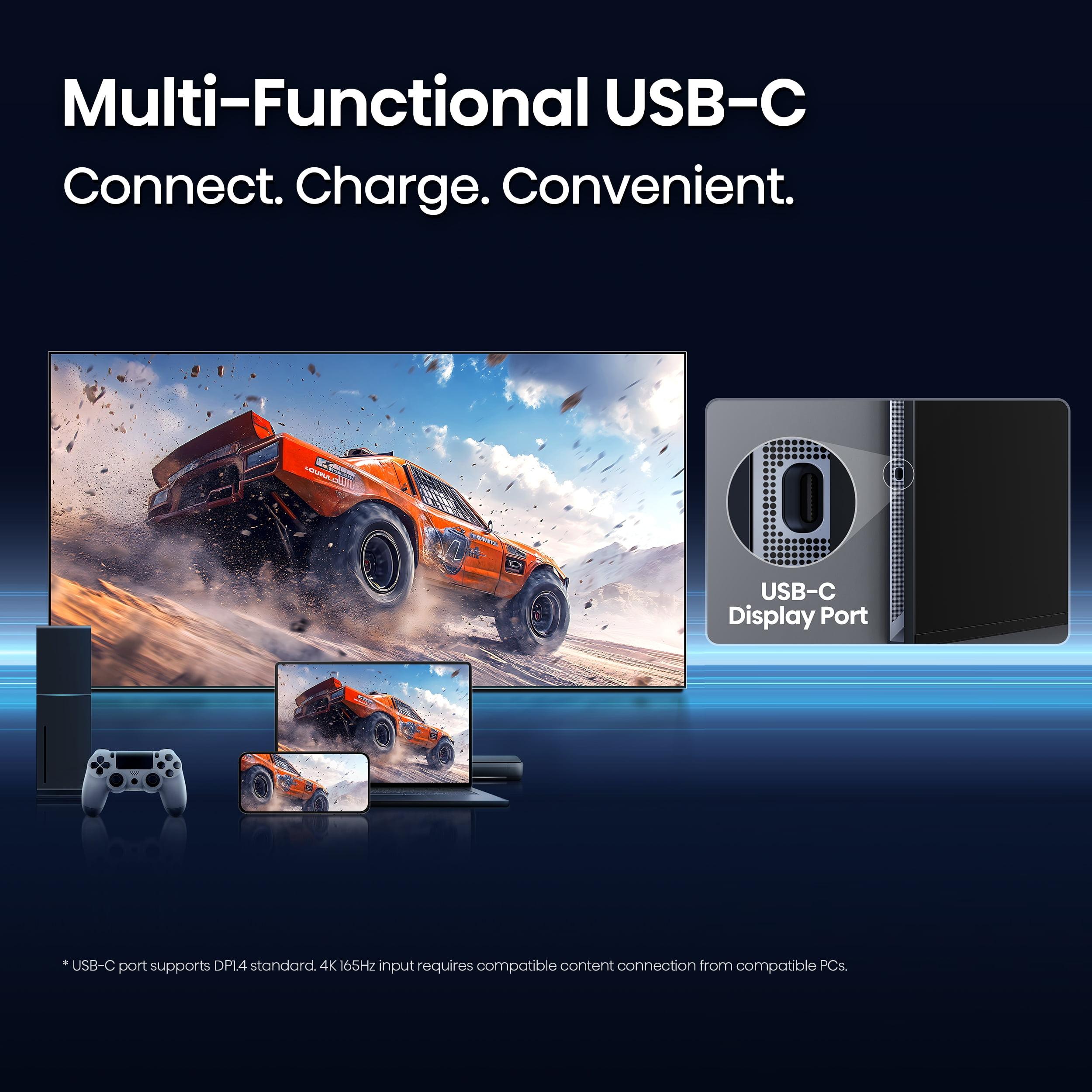
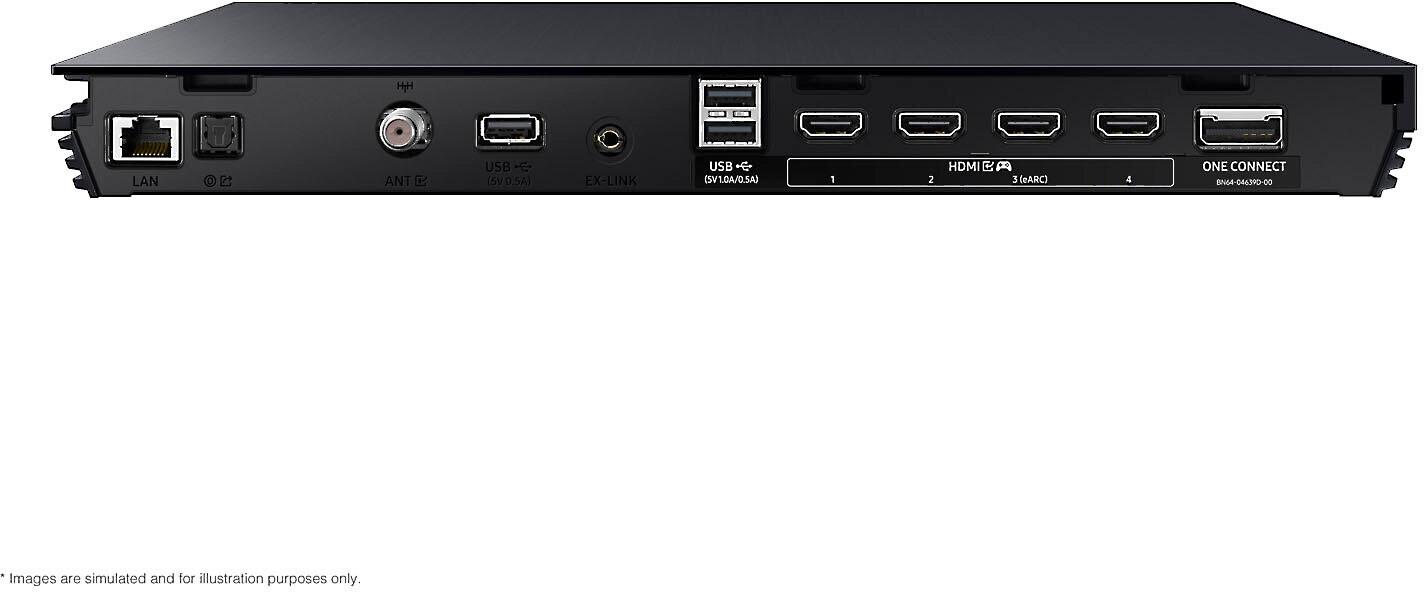
Gaming performance has become crucial for modern TVs, and both models deliver, but the Samsung QN900D takes a clear lead here. It supports 4K gaming at up to 240Hz refresh rate or 8K at 60Hz, which is exceptional for PC gaming or future console generations. All four HDMI ports support full HDMI 2.1 bandwidth, meaning you can connect multiple high-end gaming devices without compromise.
The Samsung's input lag (the delay between pressing a button and seeing the result on screen) is extremely low at around 5-6 milliseconds in game mode. This makes it suitable for competitive gaming where every millisecond matters.
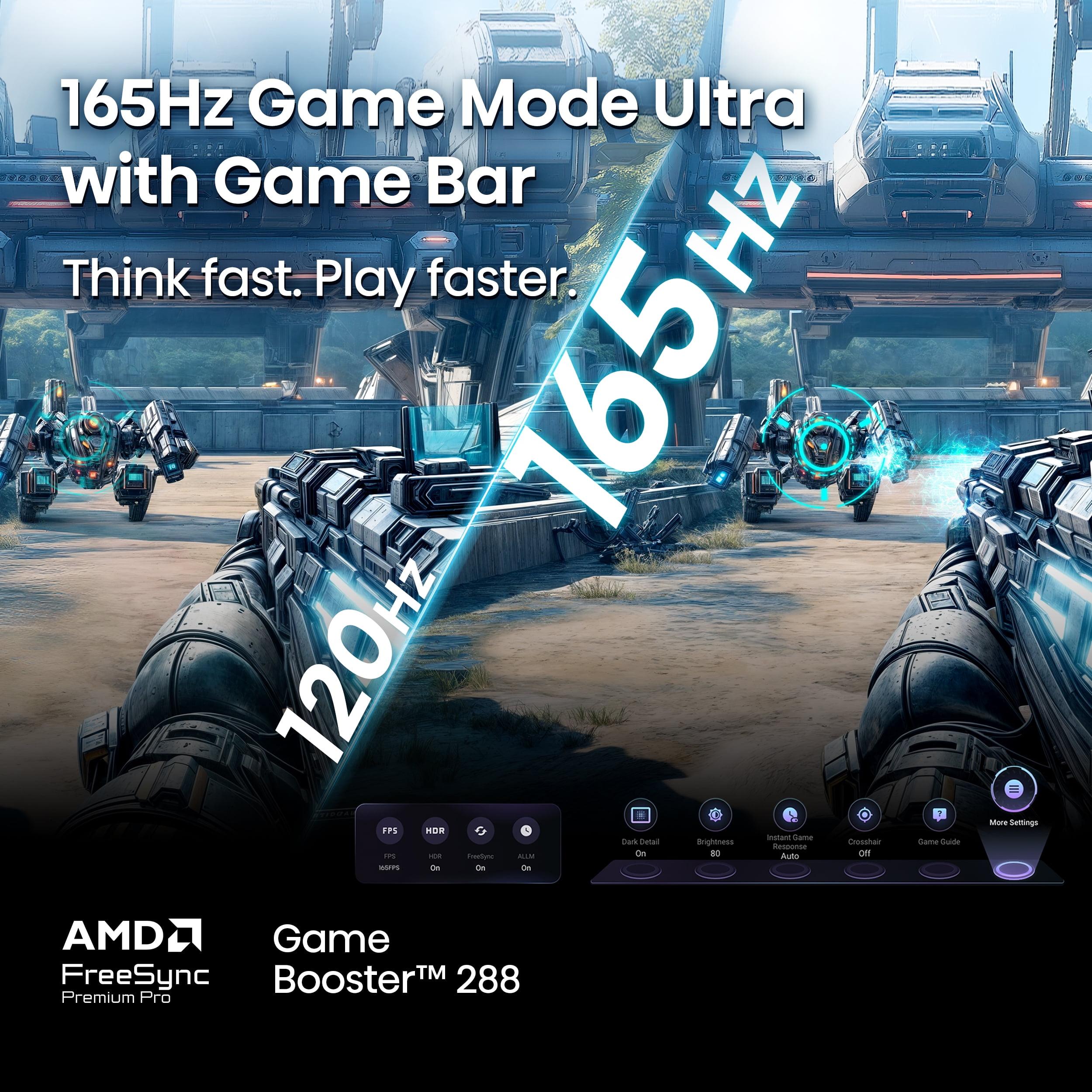
The Hisense U8 Series offers solid gaming performance with 144Hz native refresh rate and VRR (Variable Refresh Rate) support from 48Hz to 144Hz. It includes AMD FreeSync Premium Pro, which helps eliminate screen tearing and stuttering during gameplay. For most console gamers, this performance is more than adequate and handles current-generation games beautifully.
Both TVs support Auto Low Latency Mode (ALLM), which automatically switches to game mode when it detects a gaming signal, ensuring optimal performance without manual adjustment.
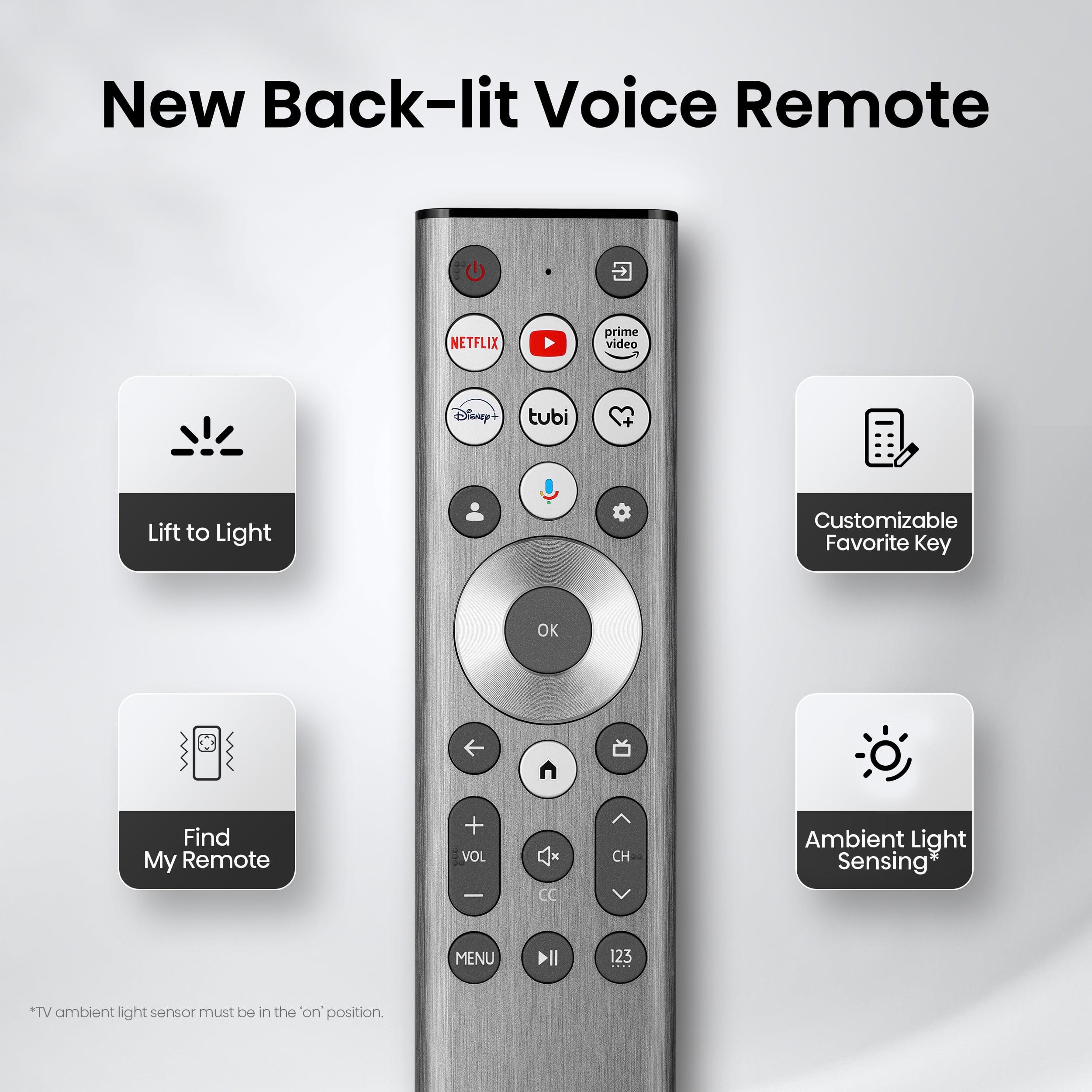
The smart TV experience differs significantly between these models. The Hisense U8 Series runs Google TV, which provides access to a vast app ecosystem and integrates well with Google services. The interface is clean and intuitive, with good content recommendations and voice control through Google Assistant.
Samsung's Tizen OS on the QN900D is more refined and polished, with smoother animations and a more premium feel. It includes Samsung's SmartThings hub functionality, allowing the TV to control other smart home devices. The interface feels more responsive, and app loading times are generally faster.
Both platforms receive regular updates and support all major streaming services, so your choice here often comes down to personal preference and existing ecosystem integration.
This is where the Samsung QN900D really shines. Its 90W 6.2.4 channel audio system with Object Tracking Sound creates a genuinely immersive experience that tracks audio objects as they move across the screen. The system includes upward-firing speakers for height effects and provides surprisingly good Dolby Atmos performance for built-in TV speakers.
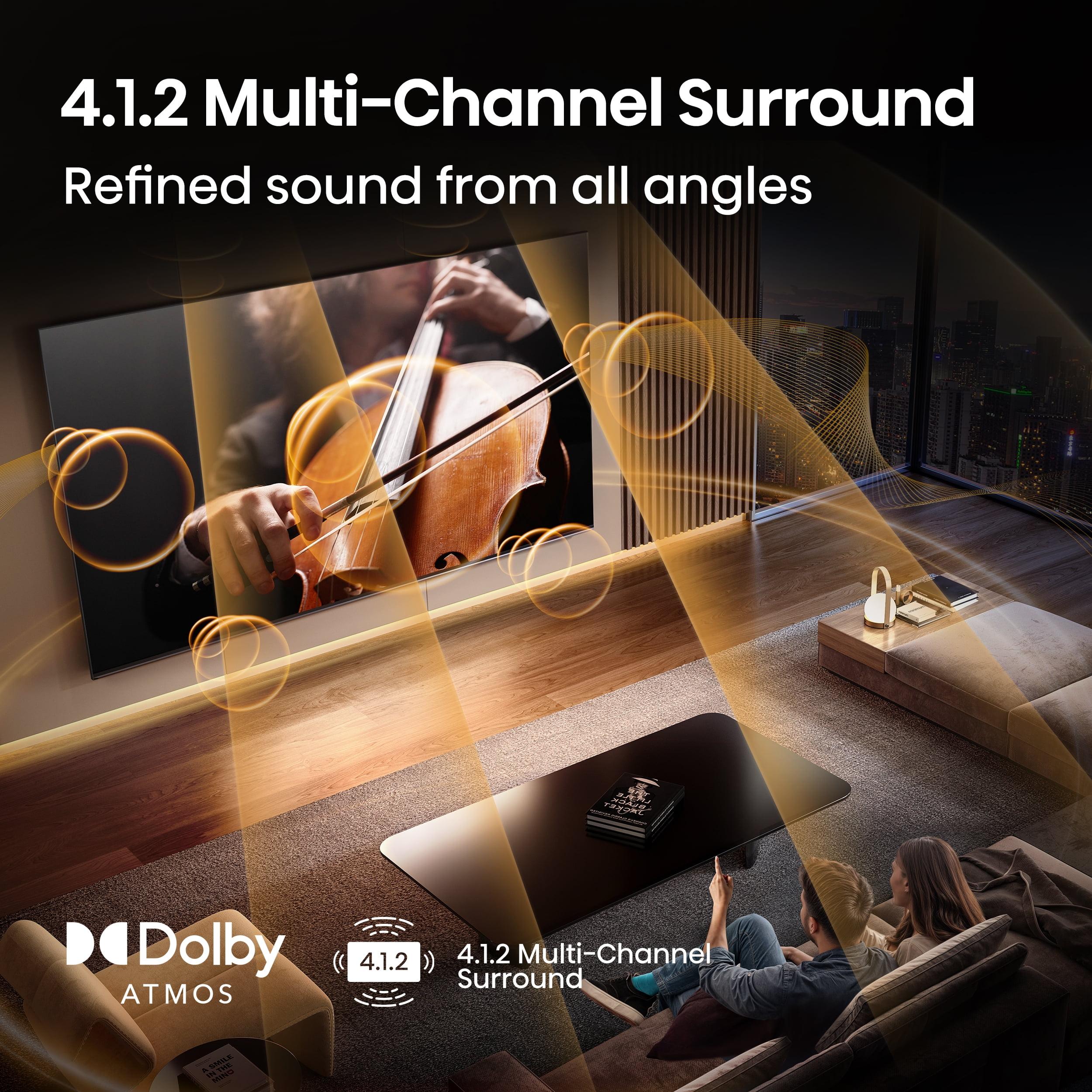
The Hisense U8 Series offers respectable 50W 2.1.2 channel audio with Dolby Atmos support and a built-in subwoofer. While it's above average for integrated TV speakers, it doesn't match the Samsung's sophistication or power.
For home theater enthusiasts, both TVs work well with external sound systems, but the Samsung's superior built-in audio means you might not need to invest in additional speakers immediately.
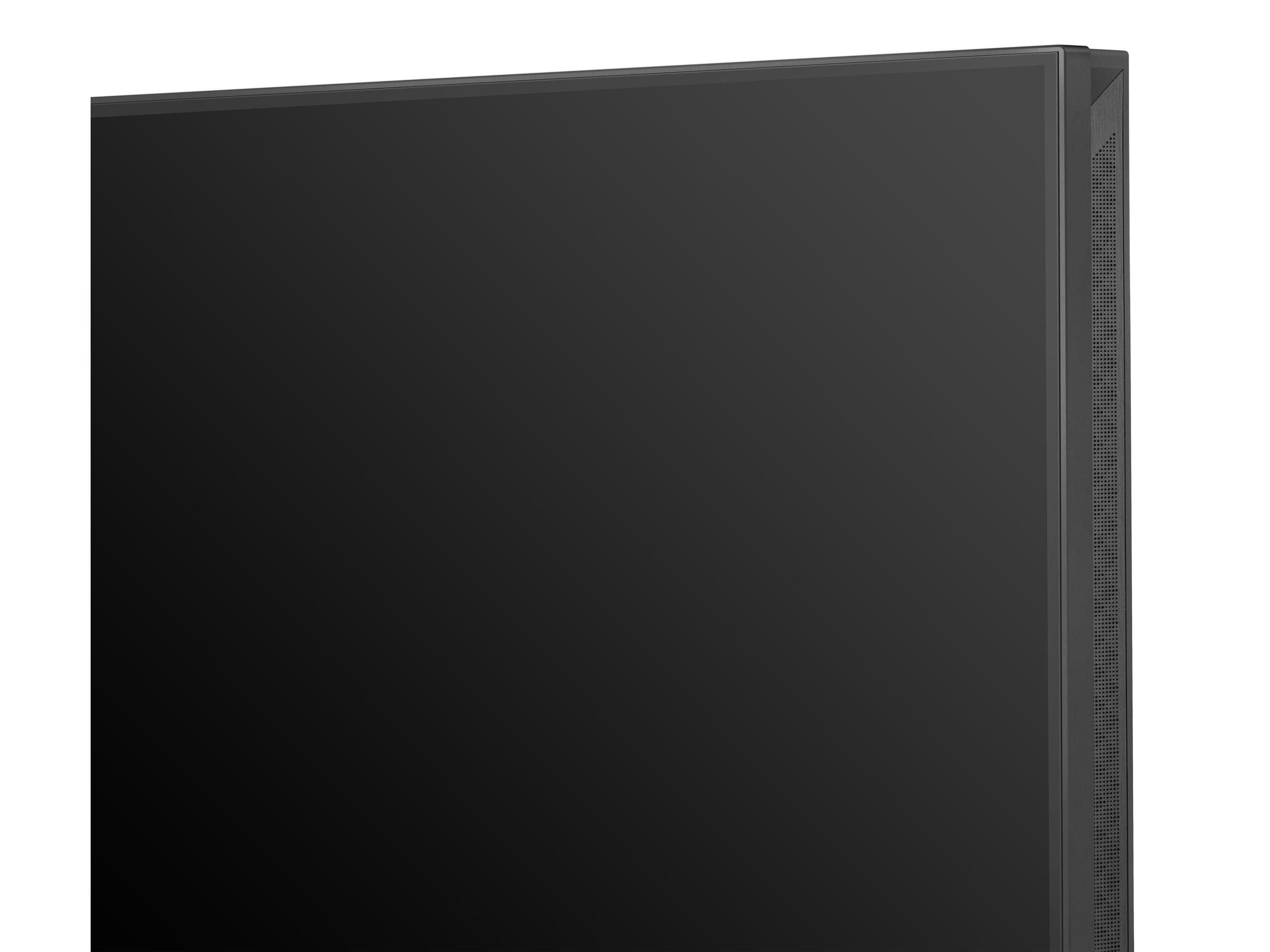
When setting up a dedicated home theater, several factors become more important. The Hisense U8 Series excels in controlled lighting environments where you can take advantage of its exceptional contrast and deep blacks. Its anti-glare coating helps reduce reflections, making it suitable for rooms with some ambient light.
The Samsung QN900D's superior processing becomes more apparent in a home theater setting where you're likely watching longer-form content and have more diverse source material. Its upscaling capabilities mean older movies and shows look dramatically better, which is valuable for serious film enthusiasts.
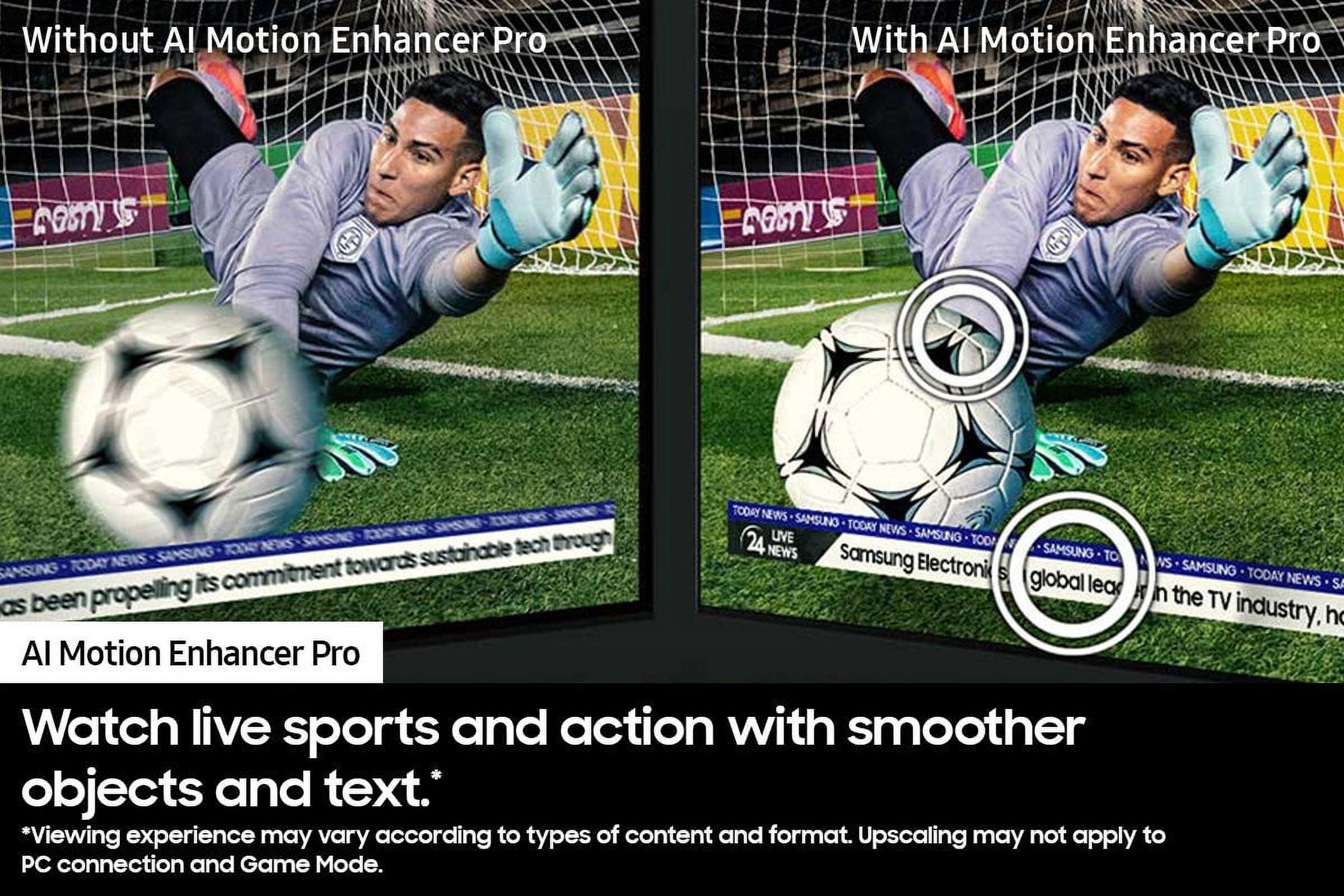
Both TVs handle 24fps film content well with proper judder reduction, maintaining the cinematic feel that movie lovers appreciate.
The value proposition couldn't be more different between these models. The Hisense U8 Series delivers about 80% of flagship performance at roughly 35% of the flagship price. For most viewers, this represents exceptional value – you're getting brilliant HDR, excellent gaming performance, and outstanding brightness for under $1,000.
The Samsung QN900D costs nearly three times as much, but it offers genuinely premium features like advanced 8K processing, superior audio, and cutting-edge gaming capabilities. Whether these features justify the price premium depends on your priorities and budget.
In day-to-day use, both TVs deliver excellent performance, but they excel in different scenarios. The Hisense is unbeatable for bright room viewing and offers the best bang for your buck. The Samsung provides a more refined, premium experience with better processing and future-proofing.
Choose the Hisense U8 Series if you want flagship-level picture quality without the flagship price, have a bright living room where peak brightness matters most, primarily watch current 4K content, value Dolby Vision HDR support, or want excellent performance right now without paying premium pricing.
Choose the Samsung QN900D if your budget allows for premium flagship features, you're a gaming enthusiast who benefits from 240Hz and ultra-low latency, you're interested in 8K future-proofing, audio quality is important to you, you want the most advanced processing and upscaling technology, or premium design and build quality matter.
The bottom line: the Hisense U8 Series offers exceptional value for most users, delivering flagship-level picture quality at a fraction of the cost. The Samsung QN900D provides cutting-edge technology and premium features for those who want the absolute best and are willing to pay for it. Unless you specifically need 8K capabilities, advanced gaming features, or premium audio, the Hisense delivers remarkably similar picture quality at a much more accessible price point.
| Hisense 65" U8 Series Mini-LED ULED 4K Google TV | Samsung QN900D Series 65" Neo QLED 8K Smart TV |
|---|---|
| Price - Major factor in value proposition | |
| $997.99 | $2,897.00 |
| Resolution - Future-proofing vs current content optimization | |
| 4K (3840 x 2160) - optimized for today's content | 8K (7680 x 4320) - future-proof but limited native content |
| Peak Brightness - Critical for HDR impact and bright room viewing | |
| Up to 3,000 nits (exceptional for bright rooms) | Up to 2,218 nits (very bright but less than Hisense) |
| Local Dimming - Controls contrast and blooming | |
| 2000+ zones (excellent contrast control) | 1,920 zones in 60x32 grid (more precise positioning) |
| Gaming Refresh Rate - Higher is better for competitive gaming | |
| 144Hz native (great for most gaming) | 4K@240Hz, 8K@60Hz (cutting-edge gaming performance) |
| HDR Support - Different formats affect streaming compatibility | |
| Dolby Vision, HDR10, HDR10+ (broad compatibility) | HDR10, HDR10+ only (no Dolby Vision support) |
| Smart Platform - Affects app availability and user experience | |
| Google TV (extensive apps, Google integration) | Tizen OS 2024 (polished interface, SmartThings hub) |
| Audio System - Built-in sound quality | |
| 50W 2.1.2 channel with Dolby Atmos | 90W 6.2.4 channel with Object Tracking Sound |
| HDMI Ports - Important for multiple devices | |
| HDMI 2.1 support (specifications not detailed) | 4x HDMI 2.1 ports (all support full bandwidth) |
| Processor - Affects upscaling and overall performance | |
| Hi-View Engine PRO with AI | NQ8 AI Gen3 (twice as fast as 4K processors) |
| Design - Premium look and cable management | |
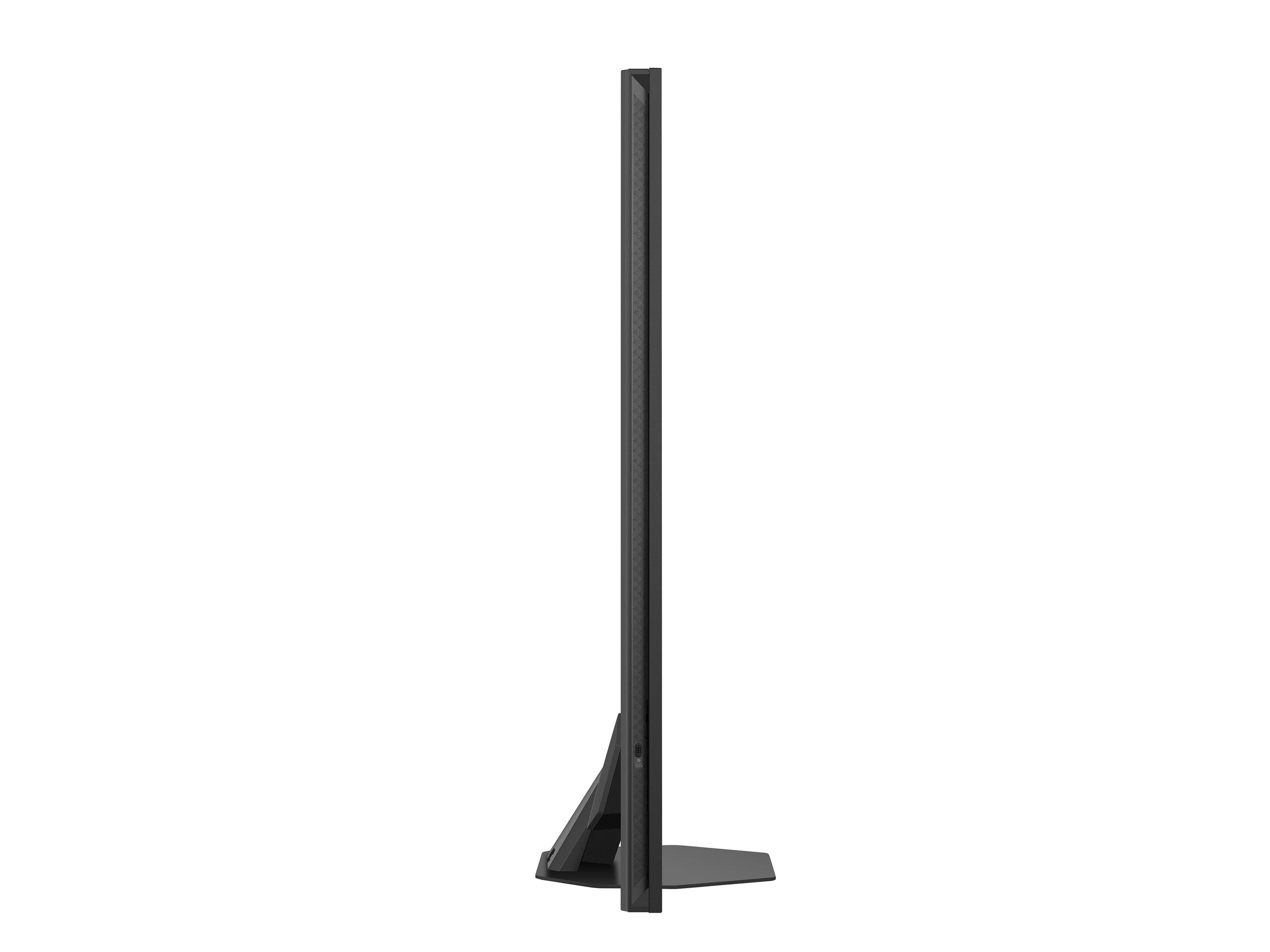
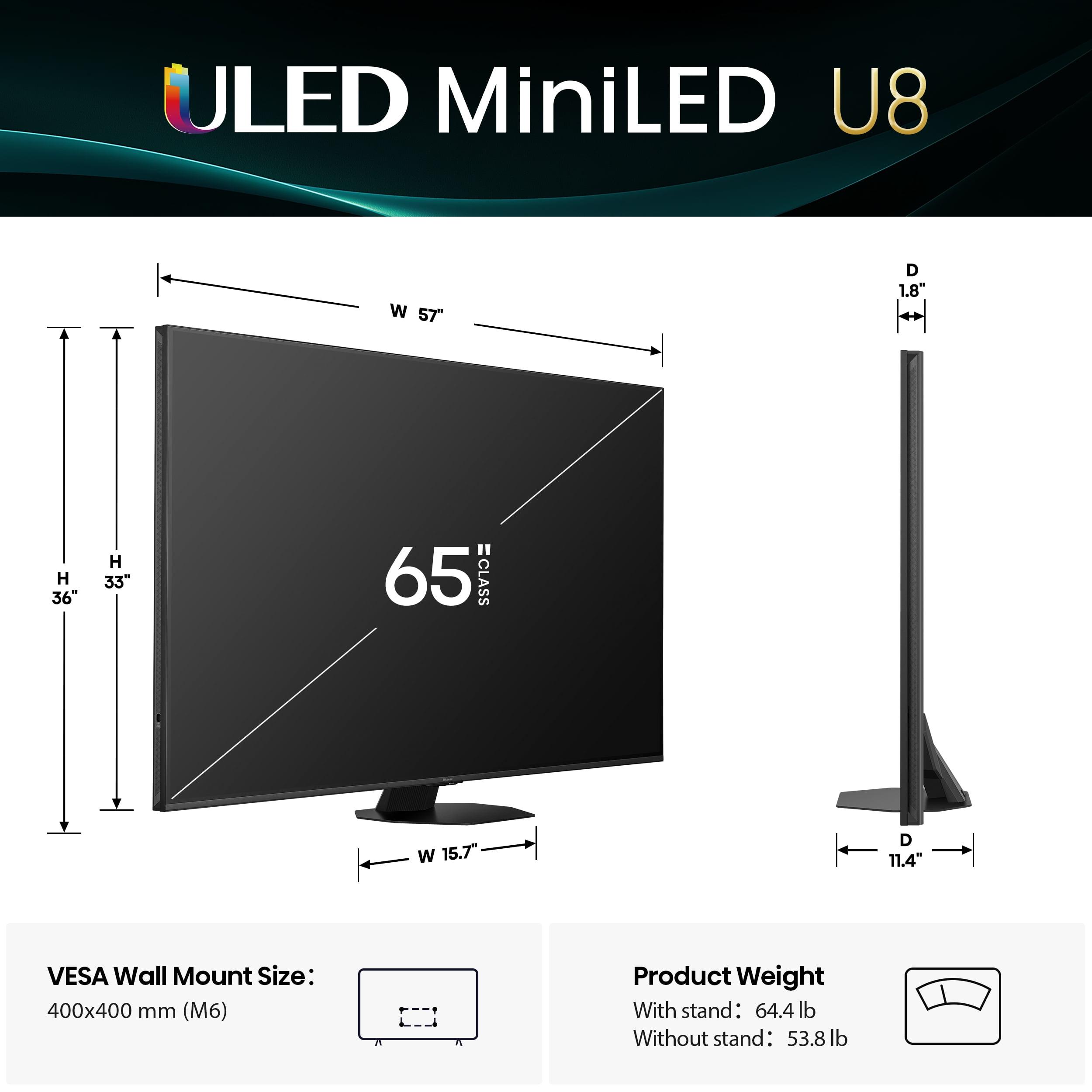
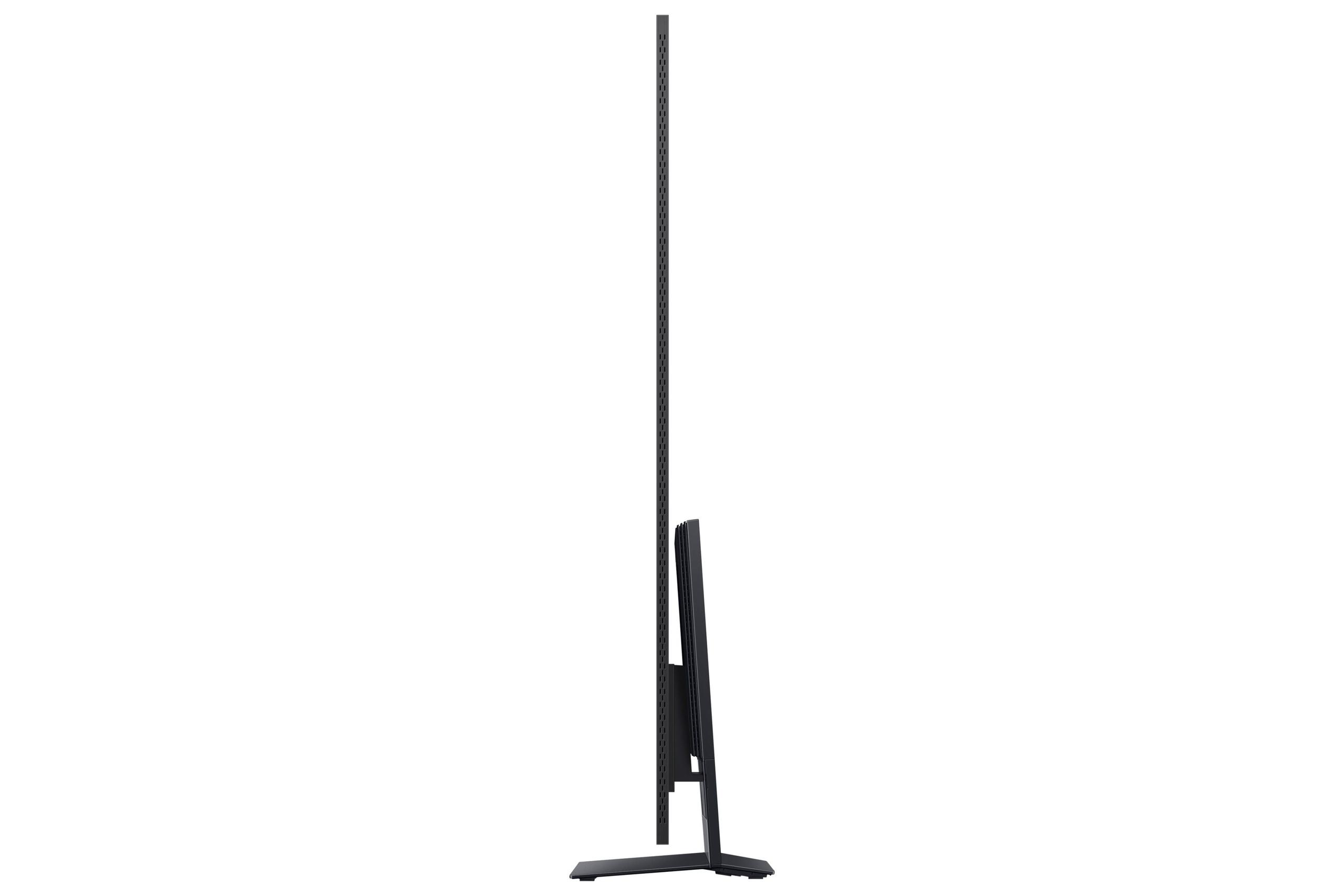
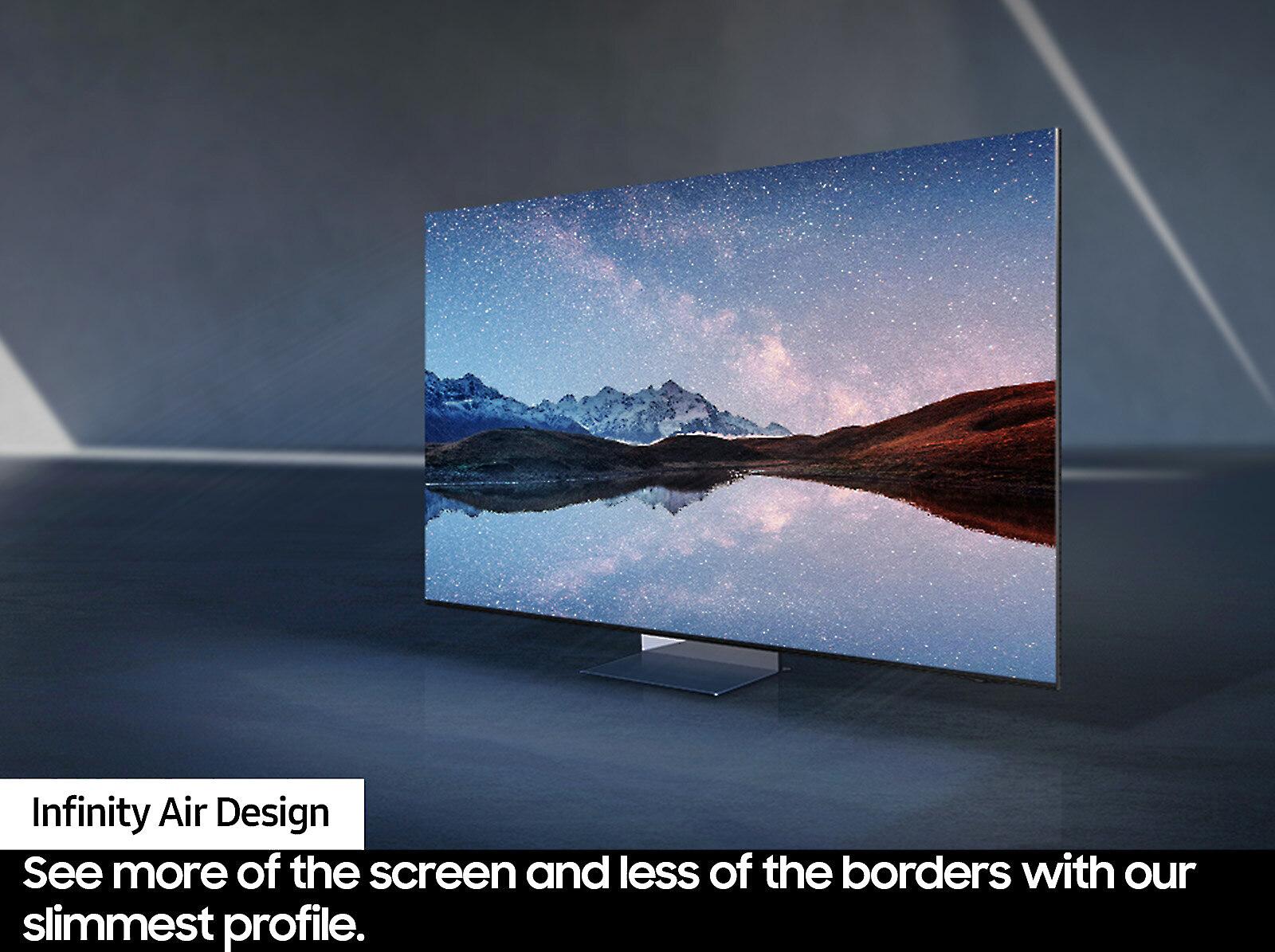
| Standard design with adjustable stand | Infinity Air Design with One Connect Box |
| Value Proposition - Performance per dollar spent | |
| Flagship performance at accessible price | Premium features with cutting-edge technology |
The Hisense 65" U8 Series Mini-LED ULED 4K Google TV ($997.99) offers exceptional value, delivering flagship-level picture quality at about one-third the price of the Samsung. The Samsung QN900D Series 65" Neo QLED 8K Smart TV ($2,897.00) provides premium features and cutting-edge technology but costs nearly three times more. For most buyers, the Hisense delivers 80% of the performance at 35% of the price.
Currently, native 8K content is extremely limited with no streaming services offering regular 8K programming. The Samsung QN900D relies heavily on AI upscaling to enhance 4K content, which works well but may not justify the price premium for most users. The Hisense U8 Series focuses on optimizing 4K performance, which is more practical for today's content landscape.
The Hisense U8 Series excels in bright rooms with its exceptional 3,000 nits peak brightness, significantly higher than the Samsung's 2,218 nits. This makes the Hisense better at maintaining color and detail visibility in rooms with windows or ambient lighting. The Samsung is still very bright but may struggle more in extremely bright environments.
The Samsung QN900D offers superior gaming capabilities with 4K@240Hz and 8K@60Hz support, extremely low input lag, and four full HDMI 2.1 ports. The Hisense U8 Series provides solid gaming with 144Hz refresh rate and VRR support, which is sufficient for most console gamers but less impressive for competitive PC gaming.
The Samsung QN900D significantly outperforms with its 90W 6.2.4 channel system featuring Object Tracking Sound and Dolby Atmos. The Hisense U8 Series offers respectable 50W 2.1.2 channel audio with Dolby Atmos, but it's not as sophisticated or powerful as Samsung's premium audio system.
No, there's an important difference. The Hisense U8 Series supports Dolby Vision, HDR10, and HDR10+, providing broader compatibility with streaming services. The Samsung QN900D only supports HDR10 and HDR10+ but lacks Dolby Vision, which is surprising for a flagship TV at this price point.
Both platforms are excellent but different. The Hisense U8 Series uses Google TV with extensive app support and Google integration. The Samsung QN900D runs Tizen OS 2024, which offers a more polished interface and SmartThings hub functionality. Choice often depends on your existing ecosystem preferences.
Both TVs deliver excellent picture quality but with different strengths. The Hisense U8 Series offers superior brightness and more natural color reproduction. The Samsung QN900D provides better processing, more precise local dimming with 1,920 zones, and more vibrant colors, though some may find them oversaturated.
For dedicated home theaters, the Samsung QN900D edges ahead with superior processing, better upscaling for diverse content, and premium built-in audio. However, the Hisense U8 Series offers excellent contrast and deep blacks in controlled lighting, making it a strong contender at a much lower price point.
The Hisense U8 Series comes with a 2-year warranty, which is double the industry standard and shows confidence in build quality. Samsung typically offers 1-year warranties but has more extensive service networks. Both companies provide software updates, though Samsung generally has a longer track record of sustained support.
The Samsung QN900D offers more future-proofing with 8K capability and advanced processing, potentially staying relevant longer as content evolves. The Hisense U8 Series focuses on current 4K optimization and may need replacement sooner when 8K becomes mainstream, but this transition could take many years.
Choose the Hisense U8 Series if you want flagship picture quality at an accessible price, have a bright room, or primarily watch current 4K content. Choose the Samsung QN900D if you want cutting-edge technology, premium gaming features, superior audio, and can justify the higher cost for future-proofing and refinement.
We've done our best to create useful and informative comparisons to help you decide what product to buy. Our research uses advanced automated methods to create this comparison and perfection is not possible - please contact us for corrections or questions. These are the sites we've researched in the creation of this article: bestbuy.com - hisense-usa.com - rtings.com - bestbuy.com - rtings.com - hisense-usa.com - youtube.com - hisense-usa.com - avsforum.com - hisense-usa.com - hisense-usa.com - rtings.com - avsforum.com - hisense-usa.com - prnewswire.com - hisense-usa.com - bestbuy.com - youtube.com - hisense-usa.com - rtings.com - videoandaudiocenter.com - bestbuy.com - avsforum.com - bestbuy.com - walts.com - images.samsung.com - samsung.com - merlinstv.com - samsung.com - avsforum.com - samsung.com

Privacy Policy
Terms and Conditions - Affiliate Policy
Home Security
© Copyright 2008-2026.
11816 Inwood Rd #1211, Dallas, TX 75244