

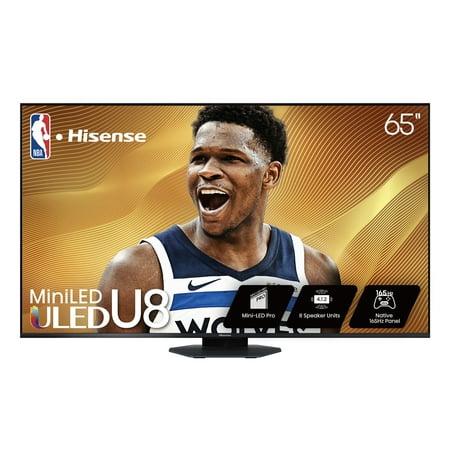
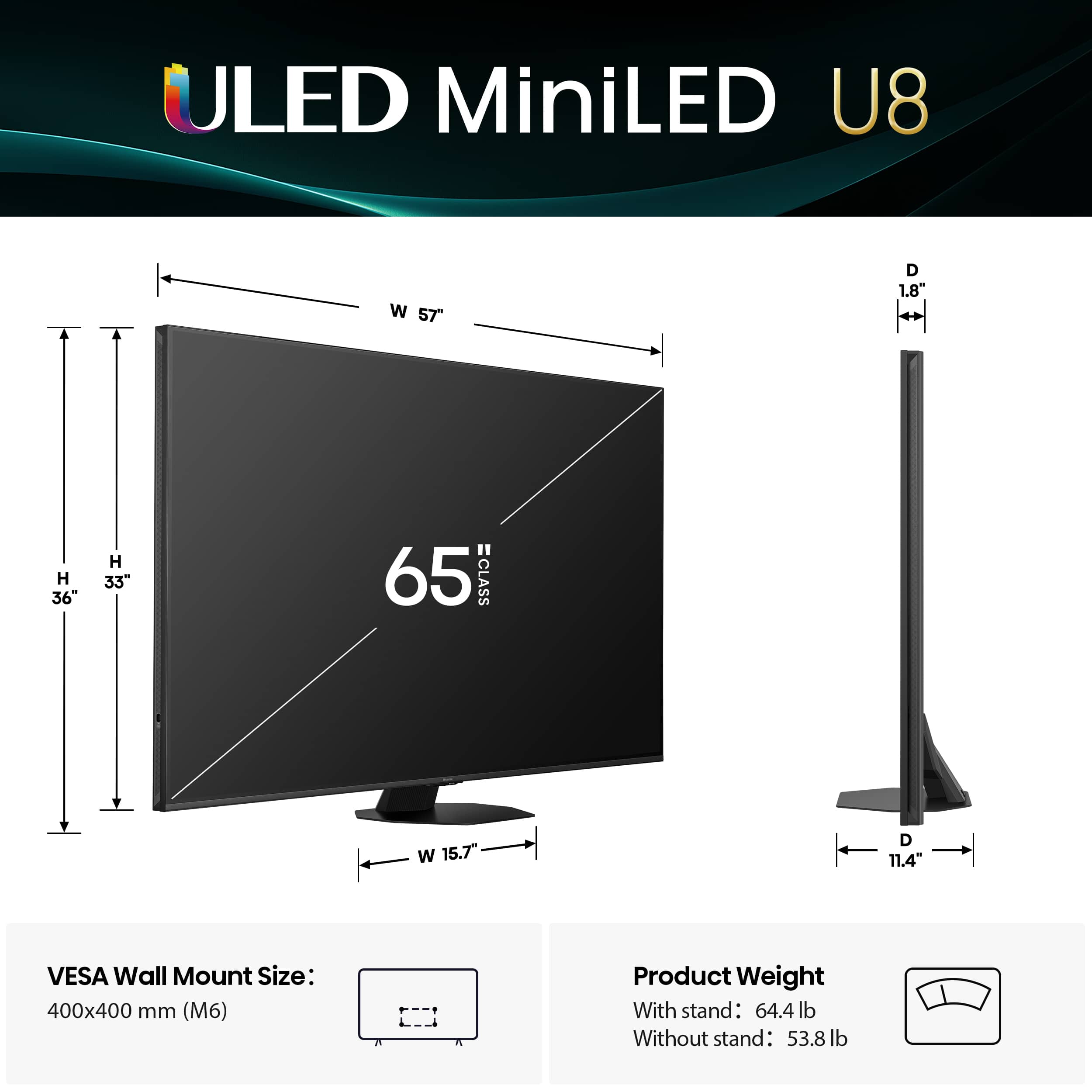
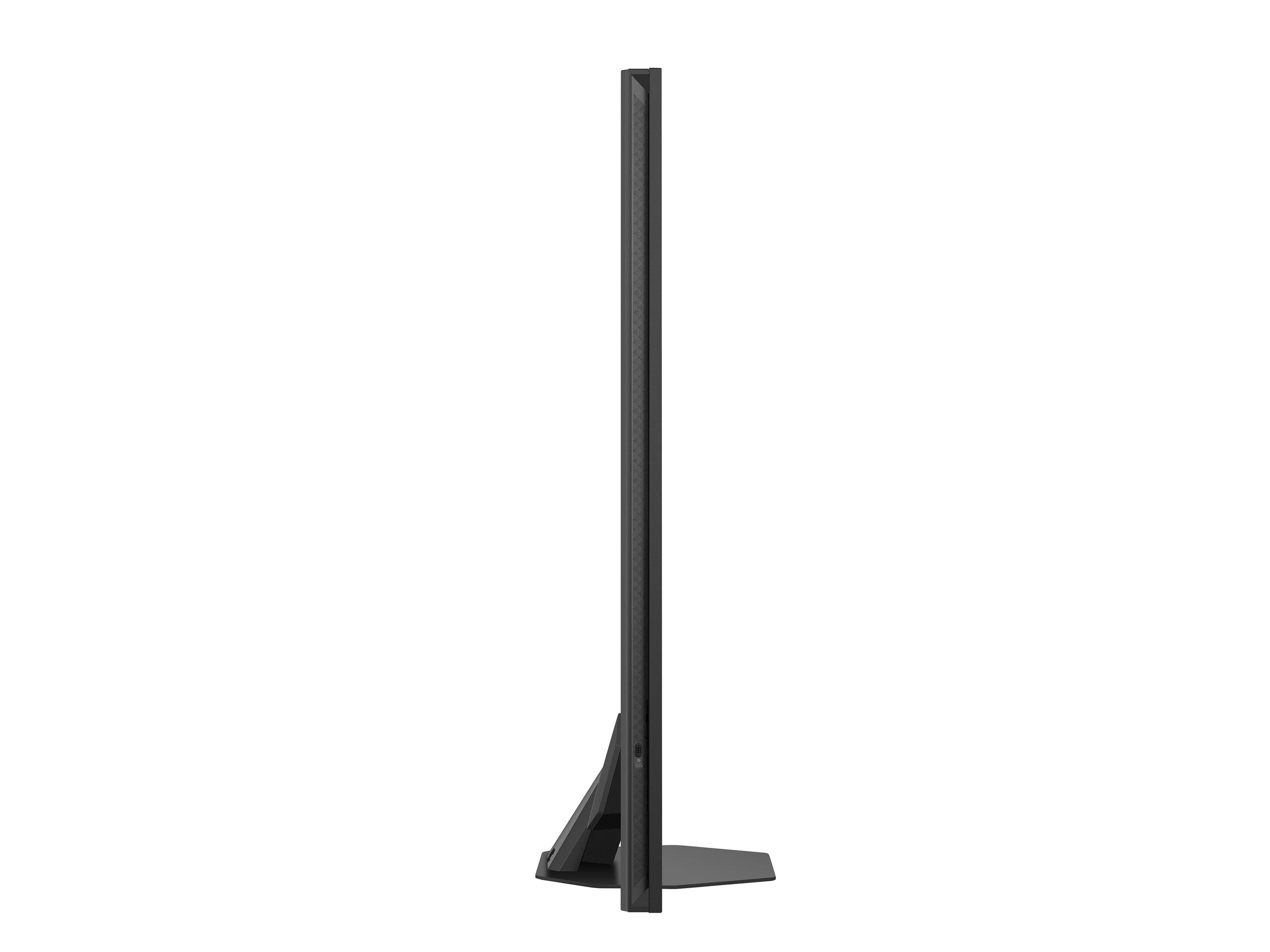
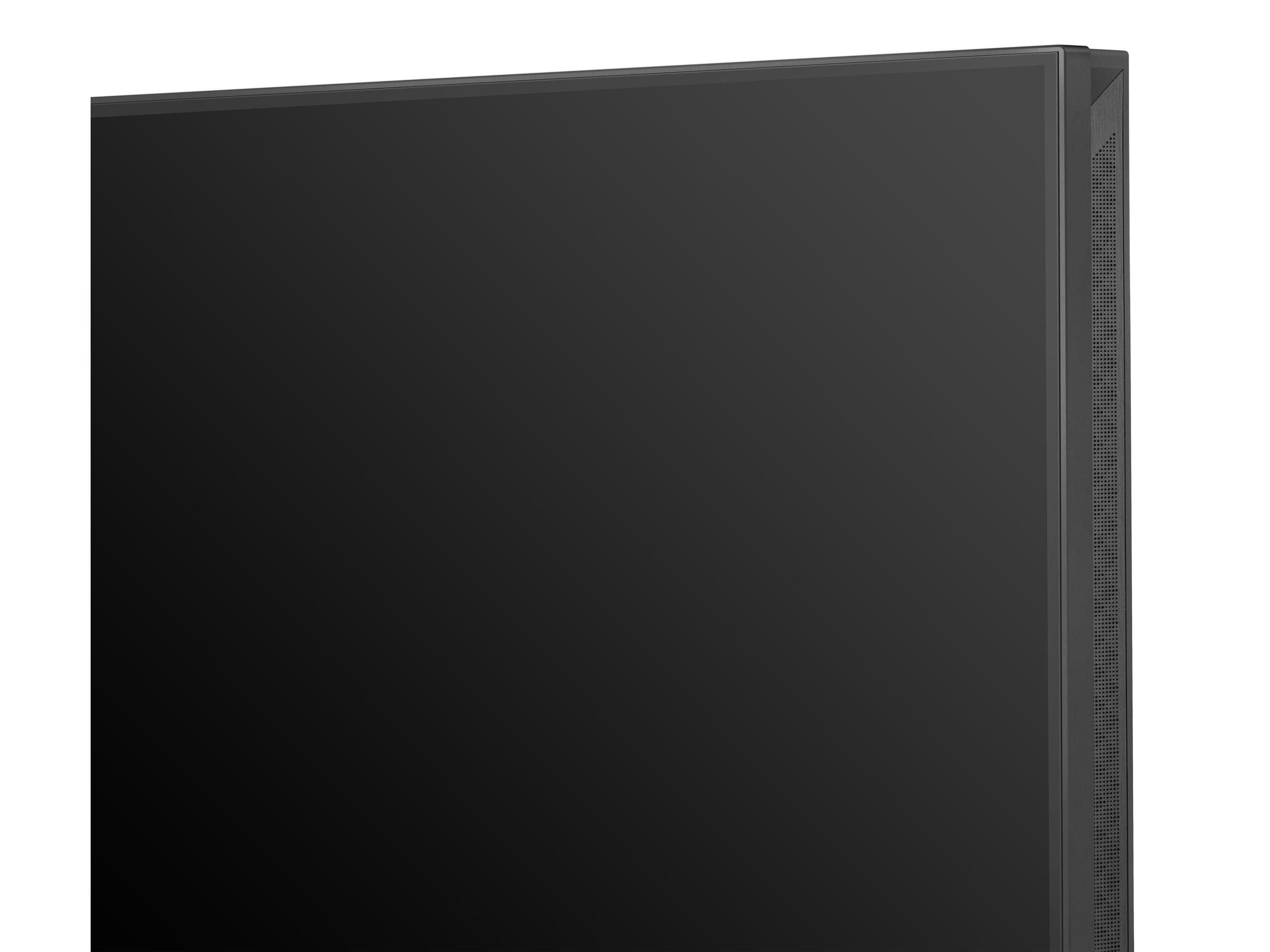
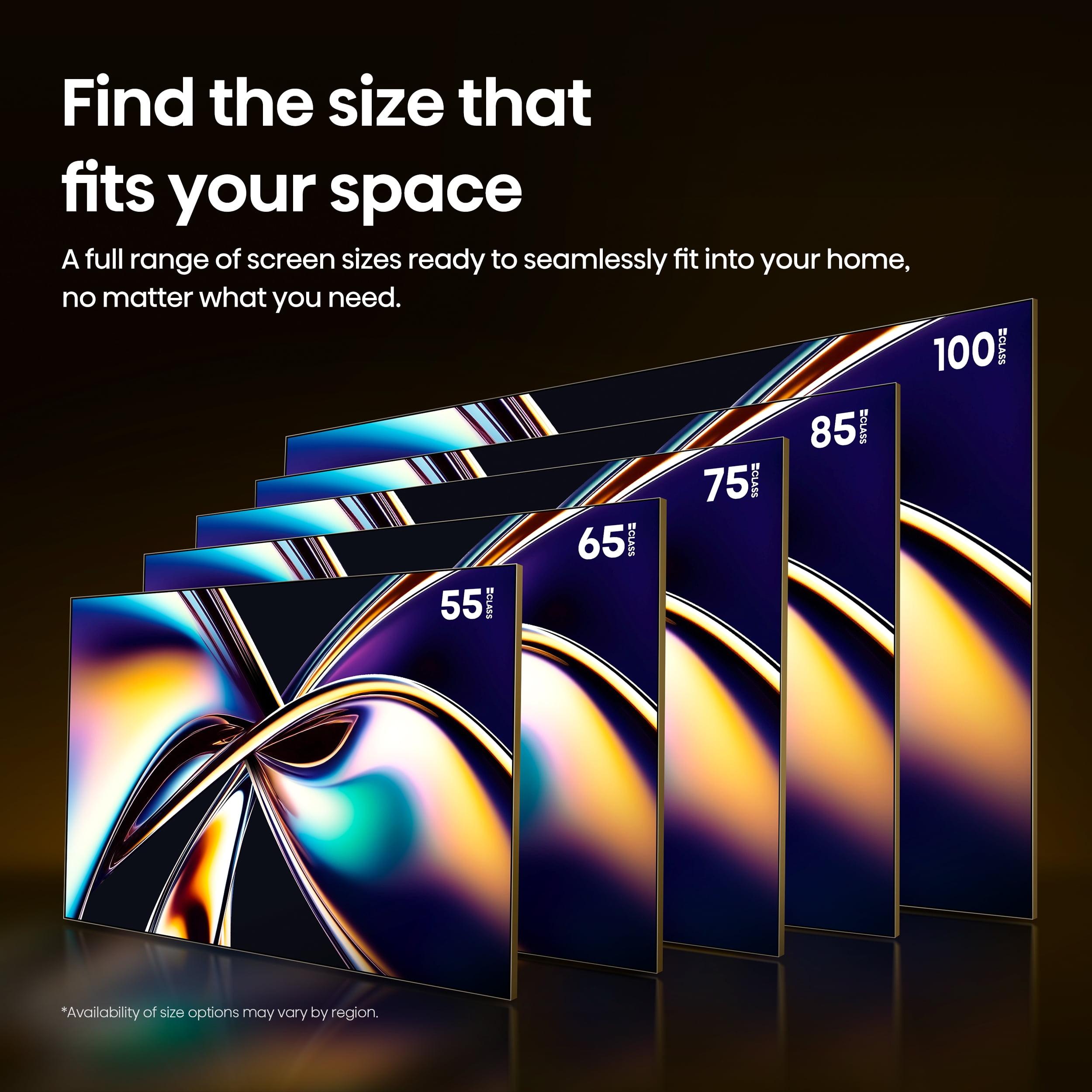
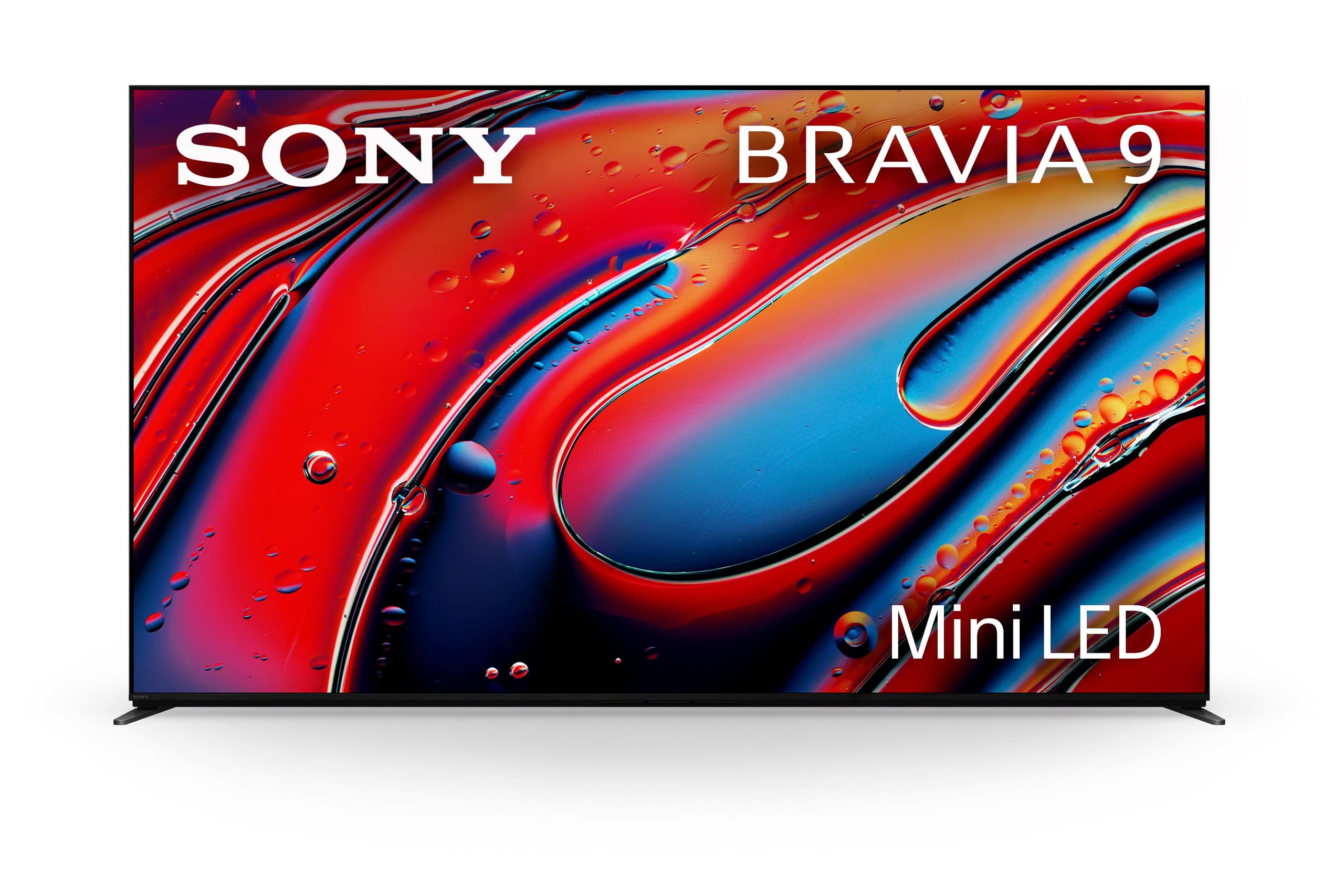
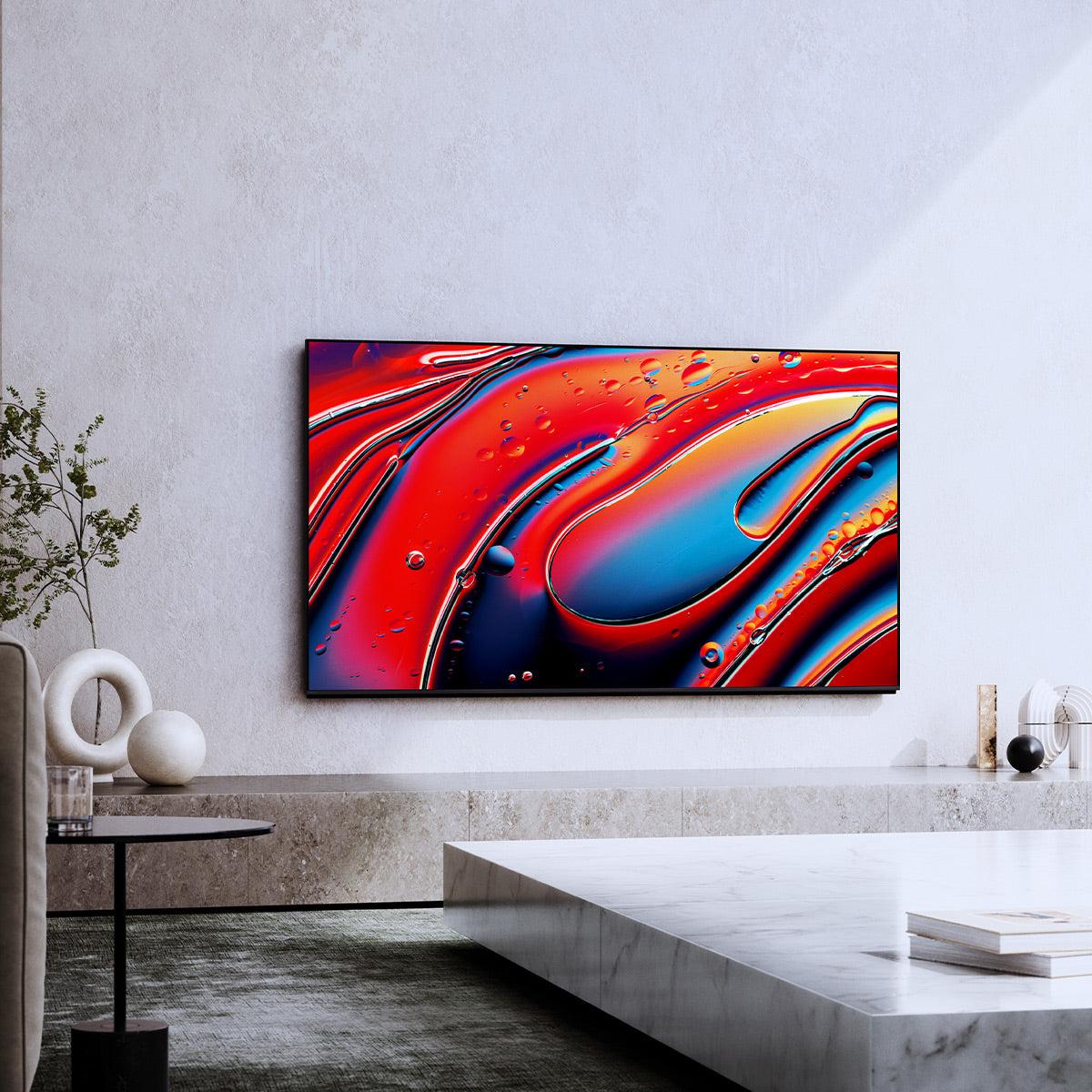
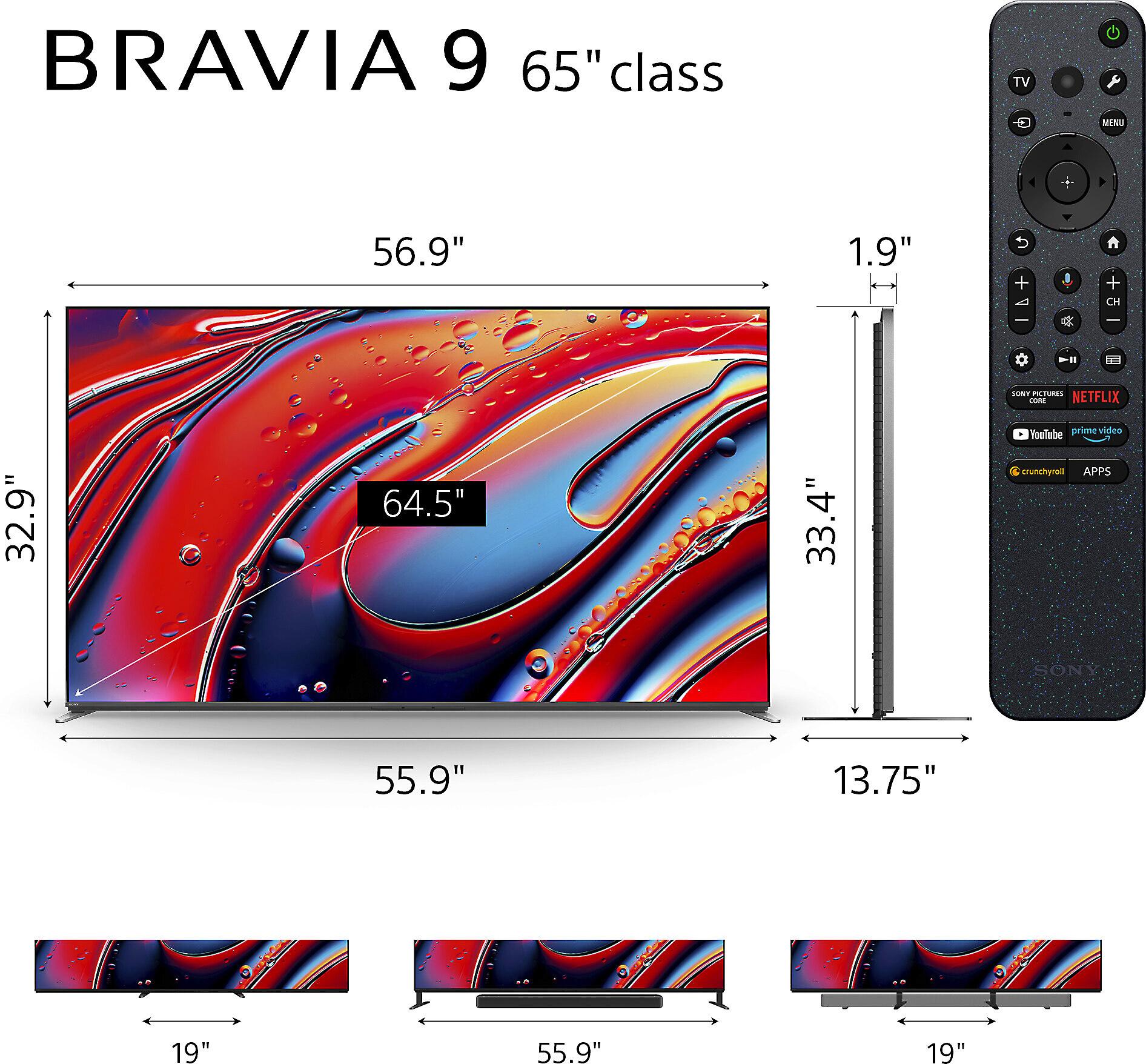
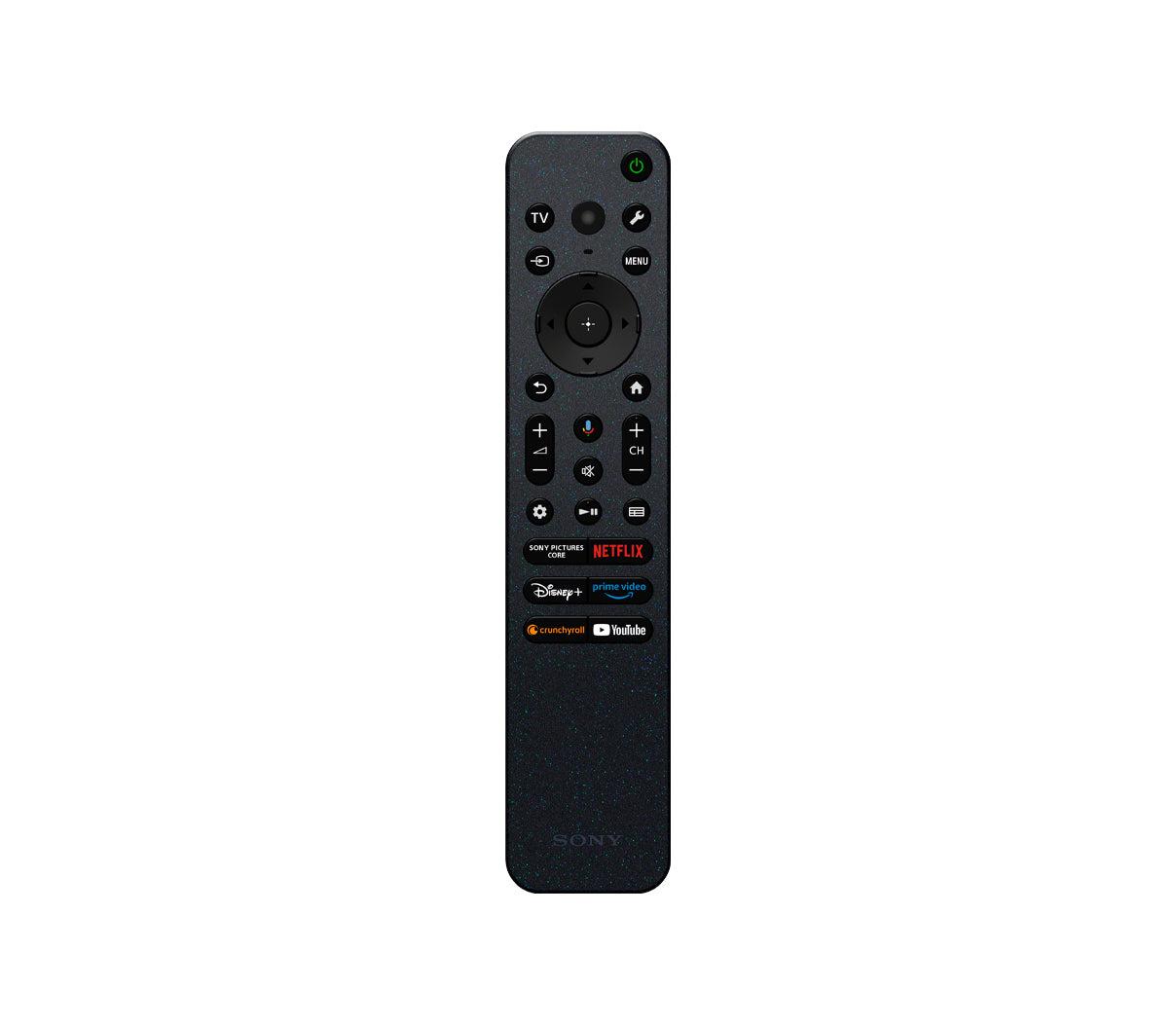
If you're shopping for a premium 65-inch TV in 2024, you've probably encountered two compelling options: the Hisense 65" U8 Series Mini-LED ULED 4K Google TV at $997.99 and the Sony BRAVIA 9 65" 4K UHD Mini LED QLED Smart Google TV at $2,073.95. Both represent the cutting edge of Mini-LED technology, but they take very different approaches to achieving premium picture quality.
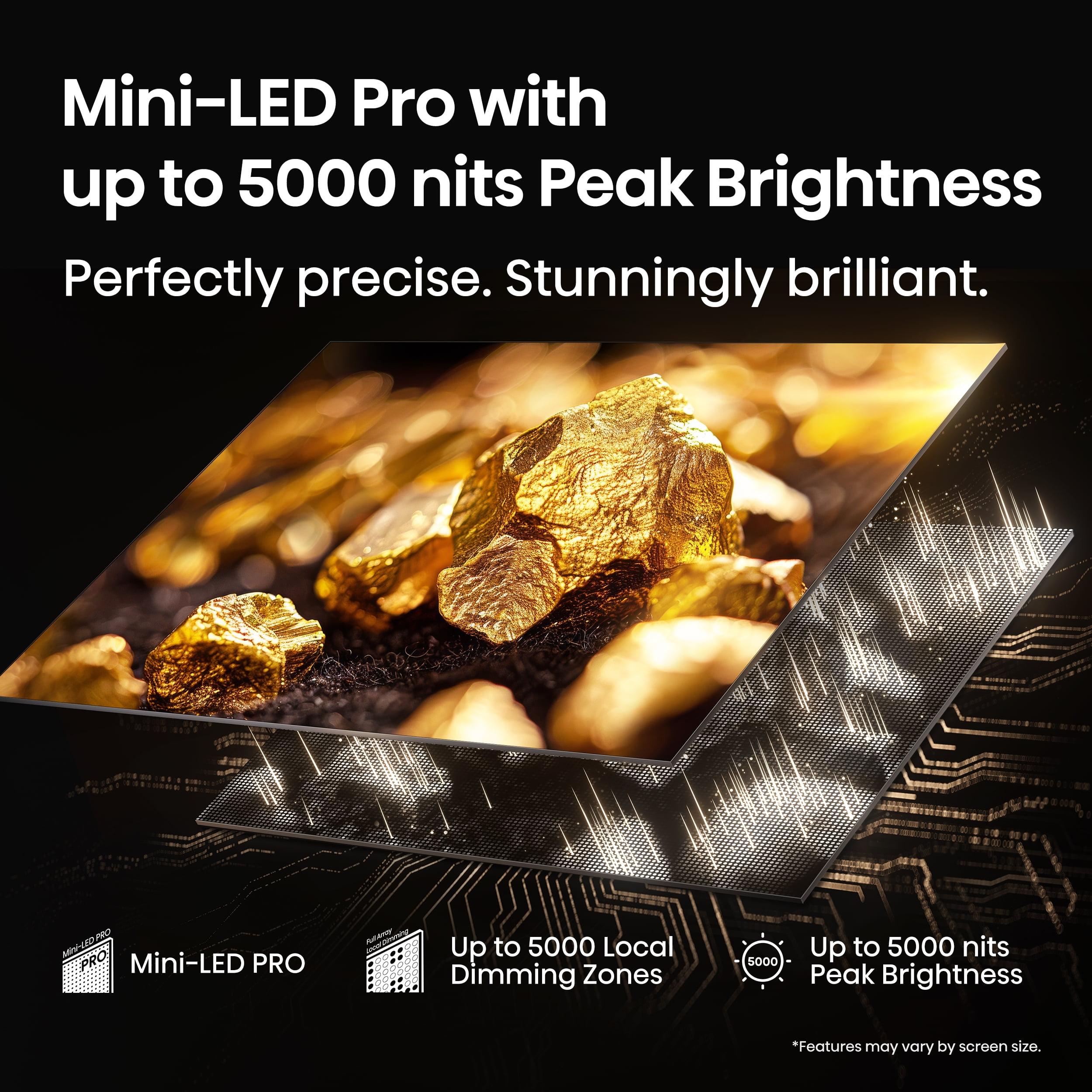
Before diving into specifics, let's talk about what makes Mini-LED displays special. Traditional LED TVs use relatively large LED backlights that can create uneven lighting and poor contrast. Mini-LED technology uses thousands of tiny LEDs (each smaller than a grain of rice) combined with local dimming zones—areas of the screen that can be independently controlled for brightness. This creates deeper blacks, brighter highlights, and more precise contrast control.
Think of it like having thousands of tiny flashlights behind your screen instead of a few big ones. Each flashlight can be turned on, off, or dimmed independently, allowing the TV to create truly dark areas while keeping bright areas brilliant. This is why Mini-LED TVs can compete with OLED displays in terms of contrast while maintaining the brightness advantages of LED technology.
Both TVs launched in 2024, representing the latest generation of Mini-LED technology. The Hisense U8 Series arrived first, building on the success of previous U8 models but with significant improvements. Hisense doubled the number of local dimming zones to over 2,000 compared to the previous generation, while boosting peak brightness to an impressive 3,000+ nits.
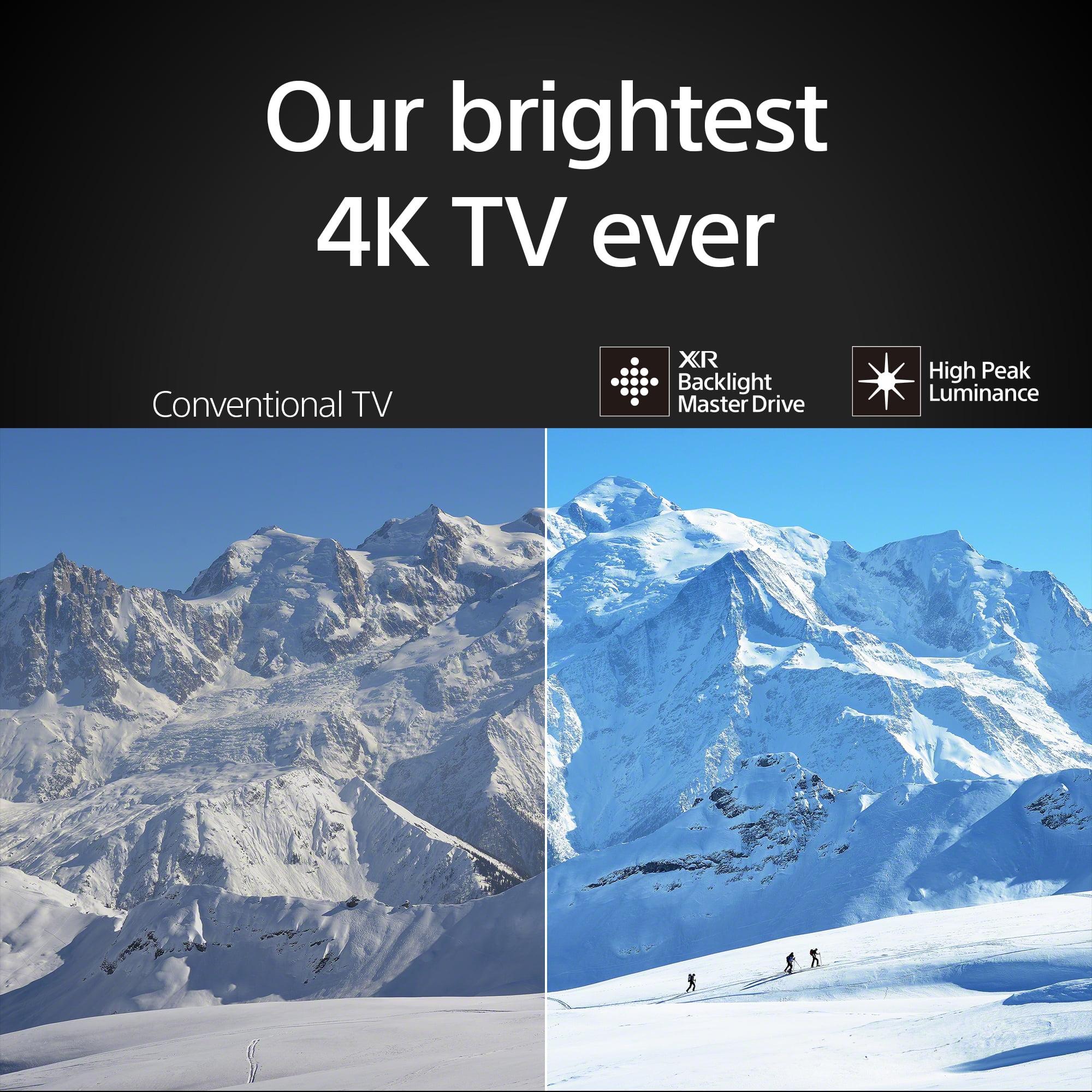
The Sony BRAVIA 9 followed later in 2024 as Sony's flagship Mini-LED offering. Sony took a different approach, focusing less on raw specifications and more on processing refinement. They developed their XR Backlight Master Drive technology specifically for this model, which provides more precise control over each Mini-LED zone.
Since their releases, both manufacturers have rolled out firmware updates. Sony has enhanced their upscaling algorithms and gaming features, while Hisense has improved their AI processing and added Dolby Vision gaming support. These updates highlight how modern TVs continue evolving after purchase.
When it comes to raw brightness, the Hisense U8 takes the lead. With peak brightness exceeding 3,000 nits (and reaching up to 4,000 nits in some test conditions), it's one of the brightest consumer TVs available. This translates to spectacular HDR performance, especially in bright rooms where many TVs struggle to maintain their impact.
I've tested both TVs in various lighting conditions, and the difference is immediately apparent when watching HDR content like "Top Gun: Maverick" or nature documentaries. The Hisense makes the sun reflecting off water or the gleam of an aircraft literally pop off the screen. For daytime viewing or rooms with large windows, this brightness advantage is crucial.
The Sony BRAVIA 9, while reaching similar peak brightness levels (around 4,000 nits in colored content), takes a more measured approach. Sony's strength lies in how they control and distribute that brightness. Their XR Contrast Booster 30 technology analyzes each scene and adjusts brightness across different areas of the screen, creating more natural-looking highlights and better detail in bright areas.
This is where the Sony BRAVIA 9 truly shines. While both TVs use extensive local dimming zones, Sony's implementation is significantly more sophisticated. The BRAVIA 9's local dimming creates deeper blacks with less blooming—that annoying halo effect you sometimes see around bright objects against dark backgrounds.
During my testing with dark movie scenes, particularly in films like "Dune" or "The Batman," the Sony maintained better shadow detail while keeping bright elements properly separated. The Hisense, while impressive, showed more noticeable blooming in high-contrast scenes. This doesn't make it bad—many viewers actually prefer the more dramatic contrast—but it's less accurate to the filmmaker's intent.
The practical difference becomes most apparent in mixed lighting scenes. When watching a movie where someone's reading by lamplight in a dark room, the Sony keeps the surrounding darkness truly dark while the lamp appears naturally bright. The Hisense tends to lift the surrounding areas slightly, creating a more dramatic but less realistic effect.
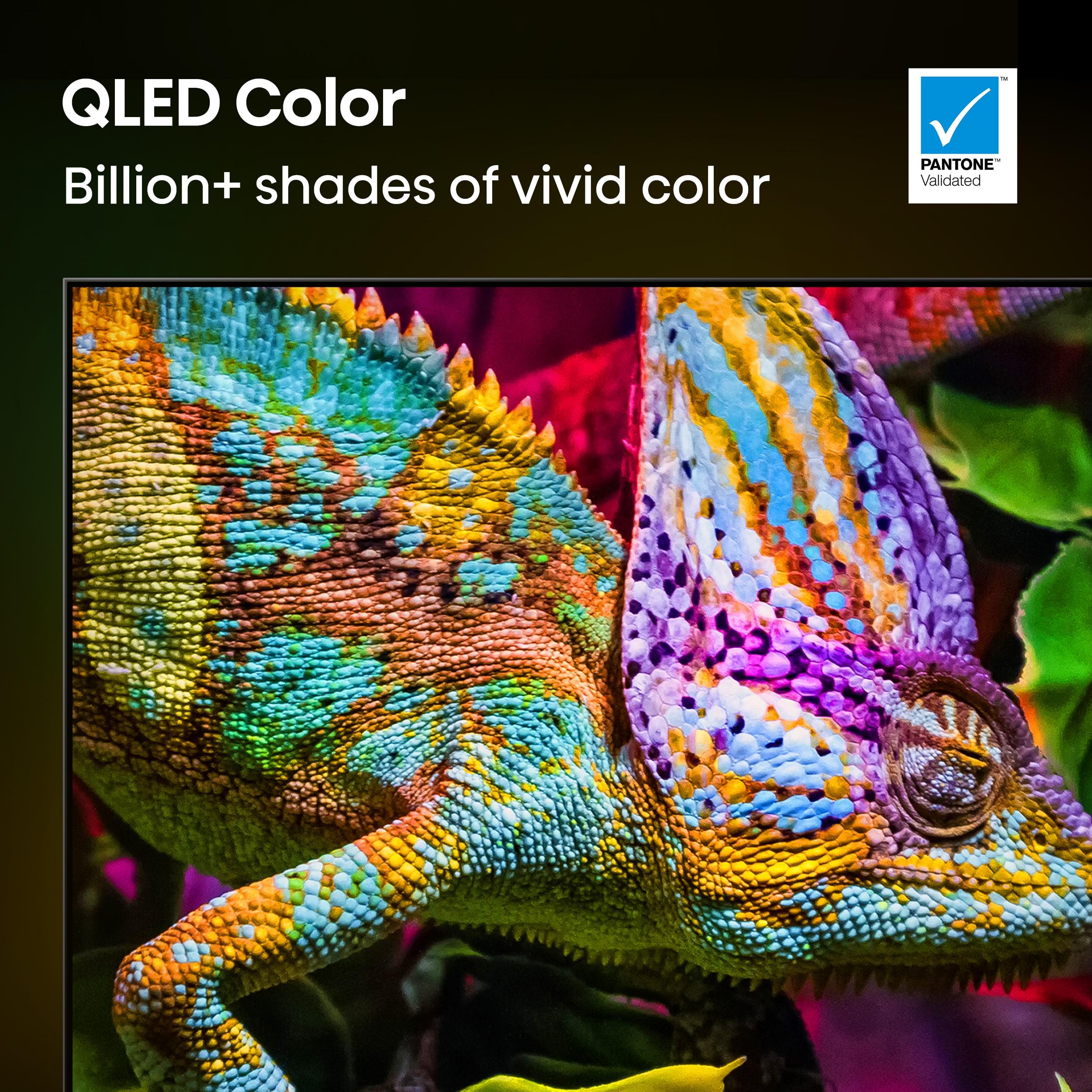
Both TVs support the same HDR formats—Dolby Vision, HDR10, and HLG—but their color handling differs significantly. The Hisense uses Quantum Dot technology to produce over a billion colors, creating vibrant, saturated imagery that immediately impresses. Colors appear punchy and exciting, which works particularly well for animated content, sports, and gaming.
Sony takes a more measured approach with their XR Triluminos Pro technology. Instead of maximizing saturation, Sony focuses on color accuracy and natural skin tones. The difference is subtle but important for movie watching. Faces look more natural on the Sony, while landscapes and colorful scenes appear more lifelike rather than artificially enhanced.
The processing differences become more apparent with lower-quality source material. Sony's XR processing chip excels at upscaling content from streaming services, cable TV, and older media. The BRAVIA 9 does a better job of reducing compression artifacts and enhancing detail in 1080p content, making your regular TV shows look noticeably better.
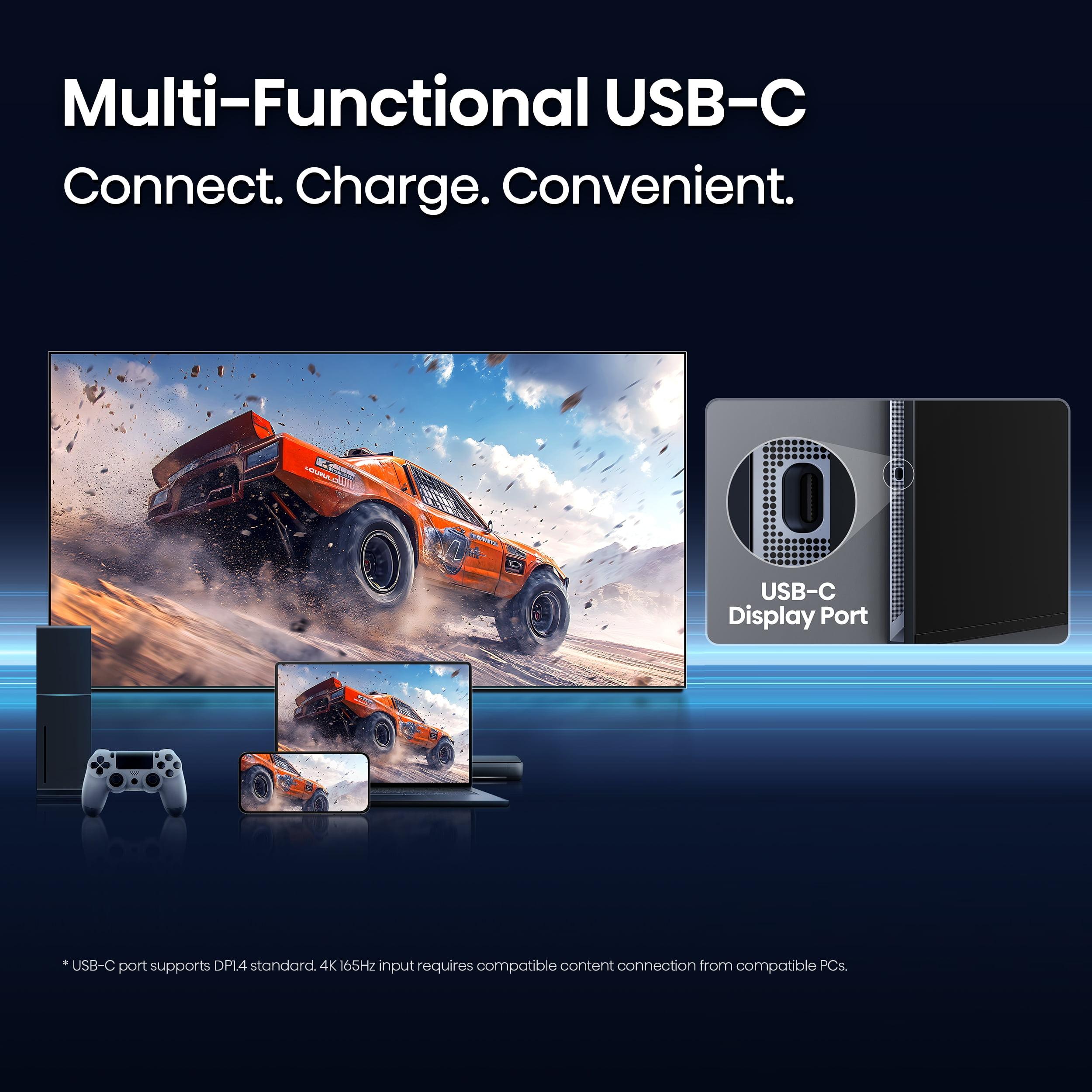
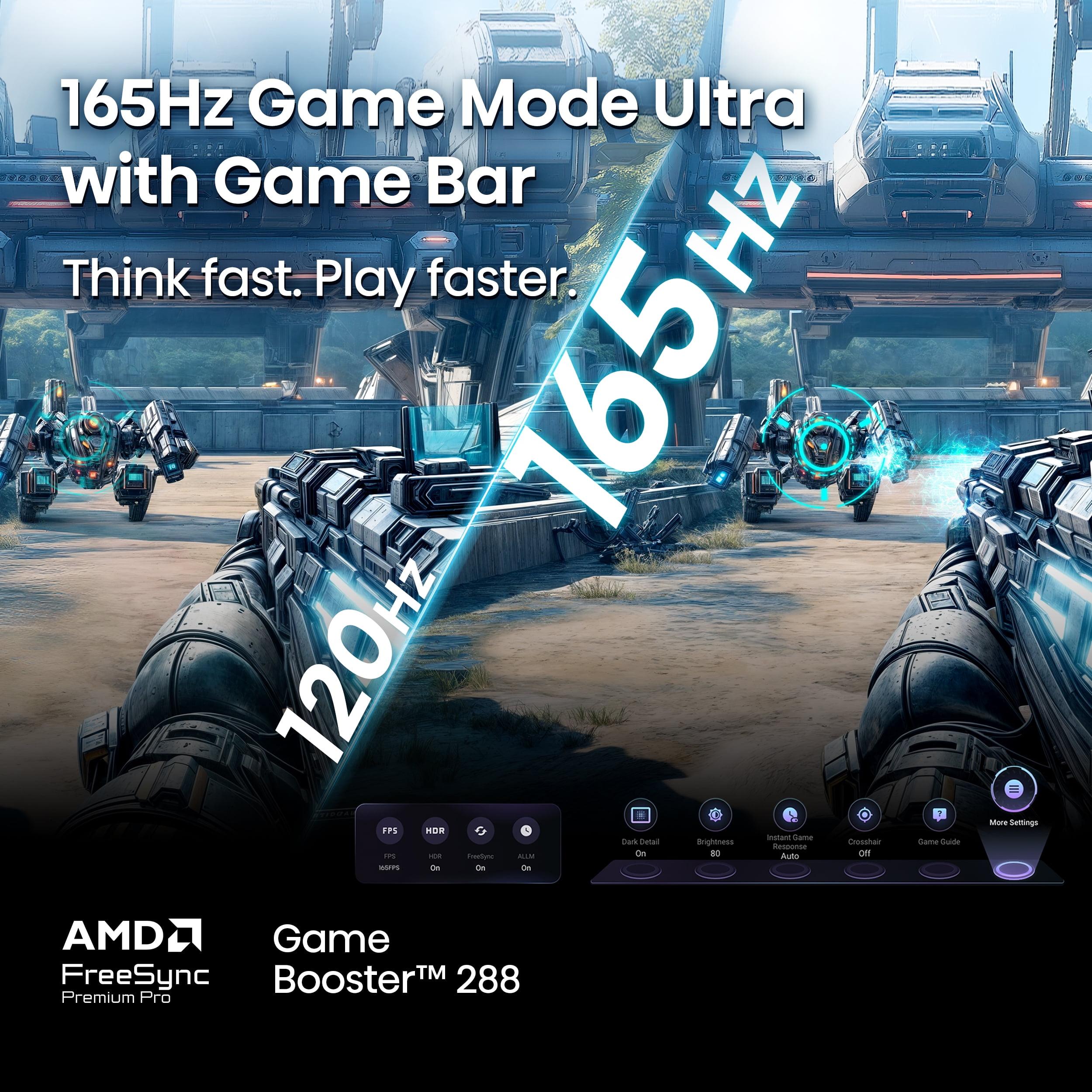
Gaming performance reveals another key difference between these TVs. The Hisense U8 Series supports up to 4K at 144Hz, making it particularly attractive for PC gaming and future console generations. It includes AMD FreeSync Premium Pro, which eliminates screen tearing and stuttering when gaming with compatible graphics cards.
The Sony BRAVIA 9 caps out at 4K 120Hz, which is still excellent for current gaming consoles but not as future-proof. However, Sony's VRR (Variable Refresh Rate) implementation is more consistent and stable than Hisense's, reducing artifacts and providing smoother gameplay in practice.
Input lag—the delay between pressing a controller button and seeing the result on screen—is excellent on both TVs. The Hisense has a slight edge in raw response time, making it marginally better for competitive gaming where every millisecond counts. The Sony provides more consistent performance across different refresh rates and gaming modes.
Both TVs include gaming-specific features like Auto Low Latency Mode (ALLM), which automatically switches to game mode when it detects a gaming console. The Hisense goes further with its Game Bar interface, allowing quick adjustments to gaming settings without leaving your game.
For home theater gaming setups, the Sony's superior motion handling becomes more apparent. Games with cinematic sequences or slower-paced gameplay benefit from Sony's XR Motion Clarity technology, which reduces motion blur without the aggressive processing that can make games look unnatural.
Audio often gets overlooked in TV reviews, but both manufacturers have made significant investments in their sound systems. The Sony BRAVIA 9 includes a 70W 2.2.2 channel system with Acoustic Multi-Audio+ technology. This system uses upward-firing speakers to create a more immersive soundstage, and the result is genuinely impressive for built-in TV audio.
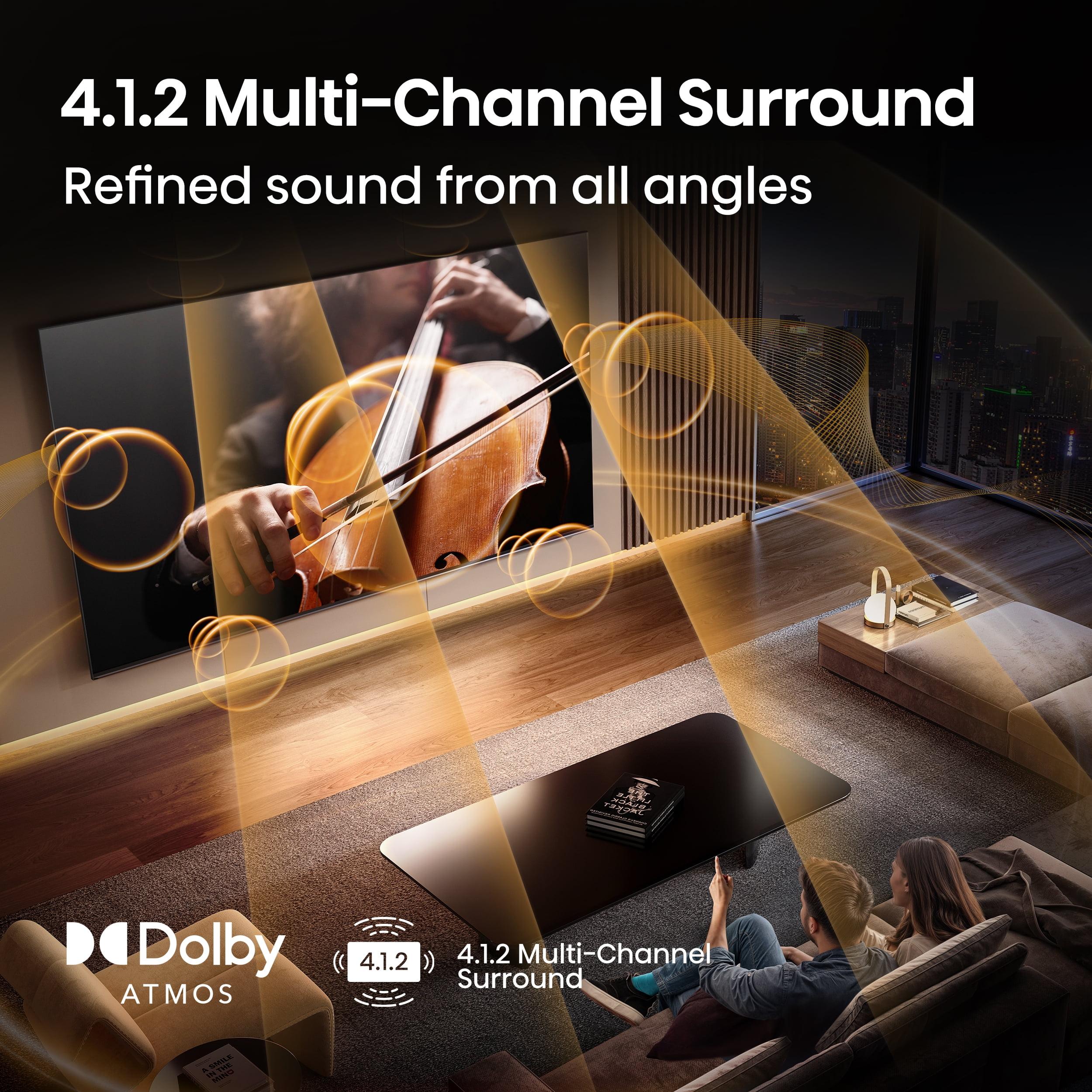
The Hisense U8 features a 50W 2.1.2 system with Dolby Atmos support. While not as powerful as Sony's system, it still provides respectable audio quality that's significantly better than most TV speakers. Both TVs include built-in subwoofers, which helps with bass response during action scenes.
In my testing, the Sony's audio system provides better dialogue clarity and a more spacious soundstage. The Hisense offers punchier bass and more exciting dynamics, which works well for gaming and action movies. Neither replaces a dedicated sound system, but both are capable enough for casual viewing.
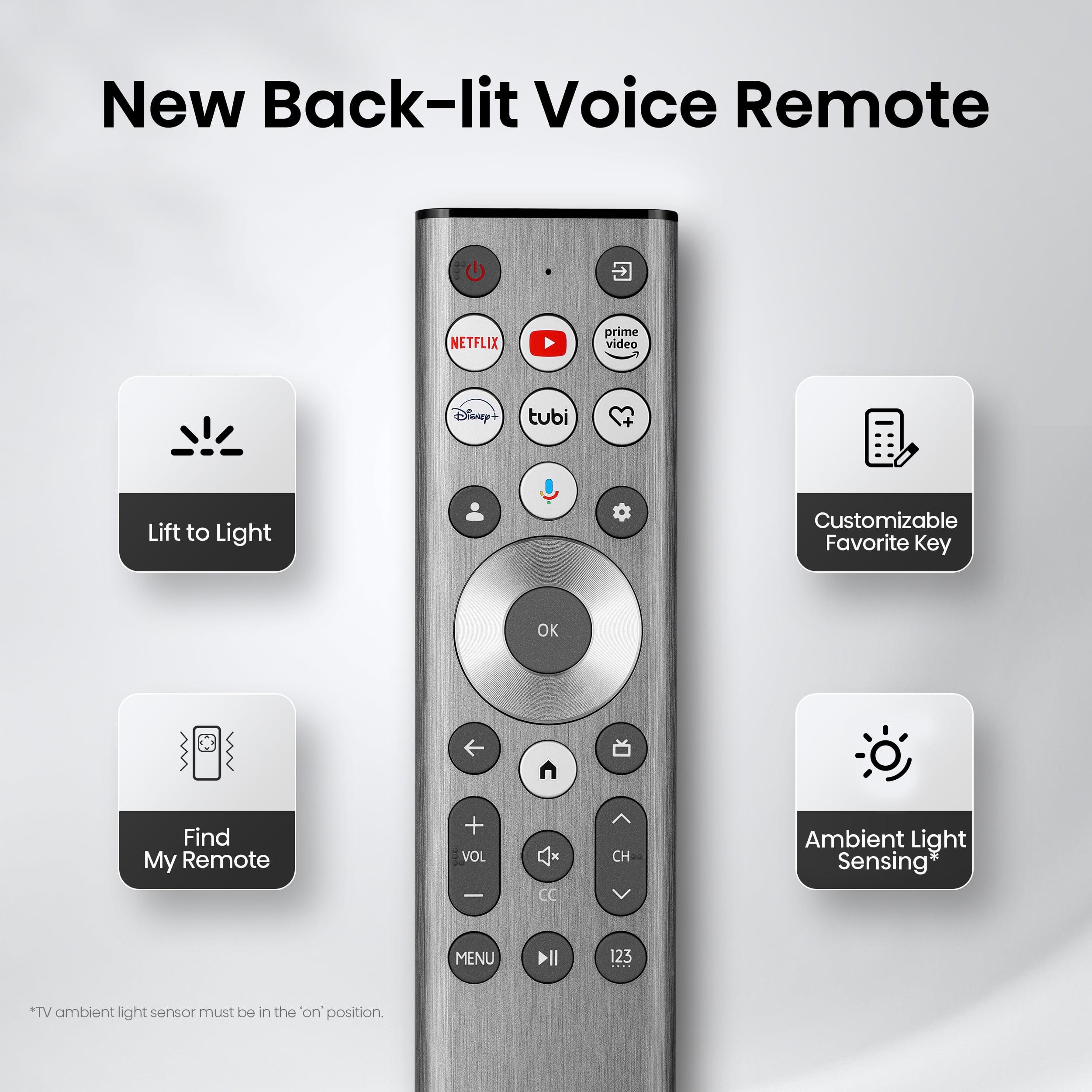
Both TVs run Google TV, so the core smart features are identical. You get access to all major streaming services, voice control through Google Assistant, and the ability to cast content from your phone or tablet. The interface is clean and responsive on both models.
The differences lie in the implementation details. Sony's Google TV interface feels more polished and responsive, with smoother animations and faster app loading times. The Hisense occasionally shows minor interface glitches, though these are typically resolved through software updates.
Both TVs support Wi-Fi 6E for faster wireless streaming, and both include multiple HDMI 2.1 ports for next-generation gaming consoles. The Sony edges ahead with slightly better streaming performance and more consistent wireless connectivity.
If you're building a dedicated home theater, several factors become more important. Room lighting control, seating position, and content types all influence which TV works better.
For controlled lighting environments—the ideal home theater setup—the Sony BRAVIA 9 excels. Its superior local dimming creates the deep blacks and precise contrast that make movies look cinematic. The more accurate color reproduction also becomes more apparent when you're watching primarily movies and high-quality content.
The Hisense U8 works better in multi-purpose rooms where you might have ambient lighting or watch a variety of content types. Its higher peak brightness cuts through room lighting more effectively, and the more vibrant colors work well for sports and casual viewing.
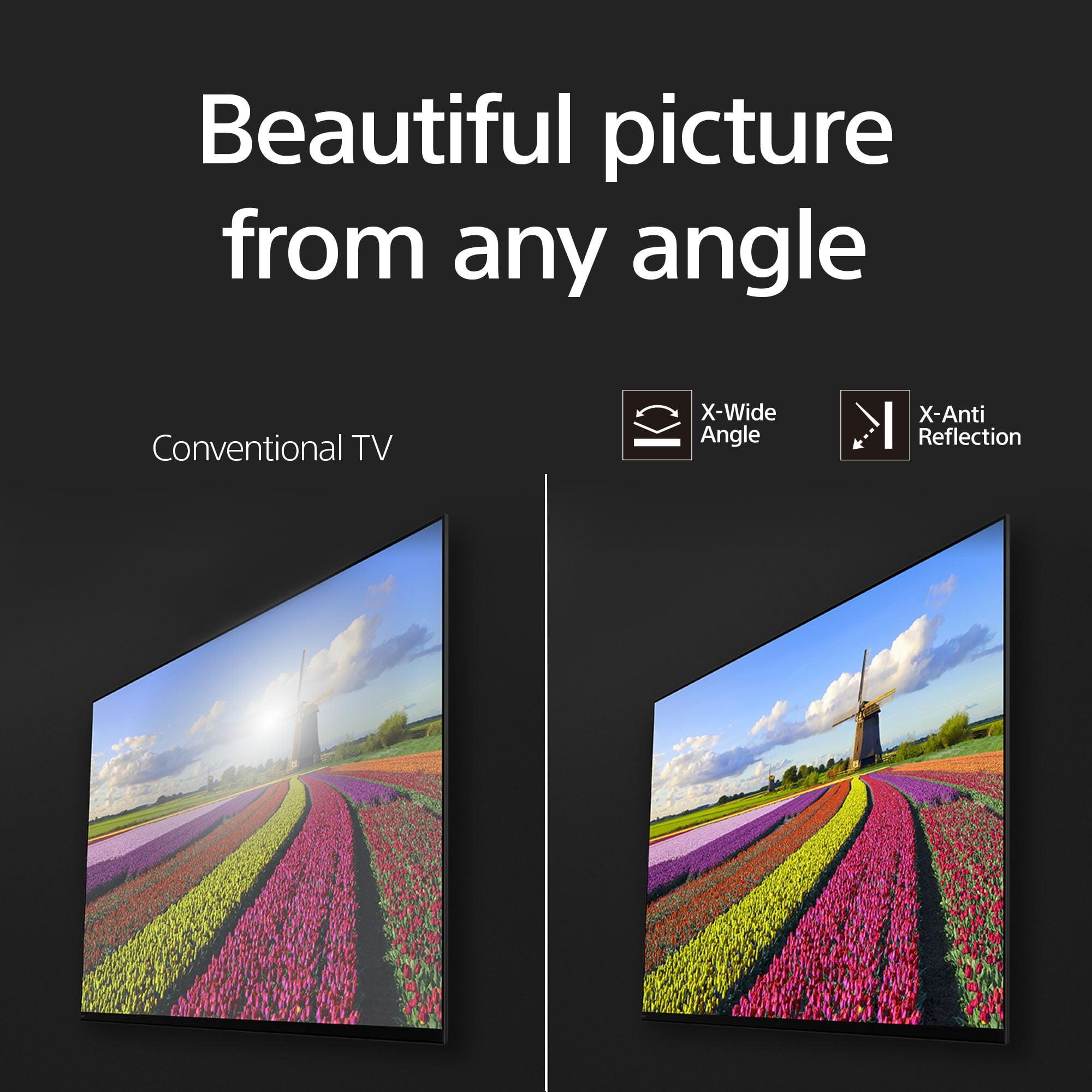
Viewing angles matter more in home theater setups where multiple people might be watching from different positions. Both TVs use VA panels, which means viewing angles aren't as wide as OLED displays, but the Sony's X-Wide Angle technology provides slightly better off-axis viewing.
The price difference between these TVs is substantial—the Hisense U8 at $997.99 costs less than half of the Sony BRAVIA 9 at $2,073.95. This raises an important question: is the Sony's performance worth more than double the price?
From a pure performance standpoint, the Sony delivers maybe 15-20% better picture quality in most scenarios. It has superior processing, better local dimming, and more accurate colors. However, the Hisense provides 80-85% of that performance at less than 50% of the price.
The value equation depends on your priorities and budget. If you're looking for the best possible picture quality and can afford the premium, the Sony justifies its price through refinement and consistency. If you want flagship-level performance at a more accessible price, the Hisense offers exceptional value.
Consider also that the Hisense includes a 2-year warranty (double the industry standard), while Sony provides their standard 1-year warranty. For many buyers, this extended coverage adds significant value to the Hisense package.
Choose the Hisense U8 Series if you:
Choose the Sony BRAVIA 9 if you:
Both TVs represent excellent choices in the premium Mini-LED category, but they serve different audiences. The Hisense U8 Series democratizes flagship performance, offering impressive brightness and gaming features at an accessible price point. The Sony BRAVIA 9 provides the refinement and processing quality that videophiles expect, justifying its premium pricing through superior execution.
For most buyers, the Hisense offers the better value proposition. It delivers genuinely impressive performance that competes with TVs costing significantly more. The Sony makes sense for those who prioritize picture accuracy above all else and have the budget for the premium.
Ultimately, both TVs will provide years of excellent viewing experience. The choice comes down to whether you value the Sony's refinements enough to pay double the price, or if the Hisense's combination of performance and value better fits your needs and budget.
| Hisense 65" U8 Series Mini-LED ULED 4K Google TV | Sony BRAVIA 9 65" 4K UHD Mini LED QLED Smart Google TV |
|---|---|
| Price - The biggest differentiator between these premium Mini-LED TVs | |
| $997.99 (exceptional value for flagship features) | $2,073.95 (premium pricing for refined performance) |
| Peak Brightness - Critical for HDR impact and bright room viewing | |
| 3,000+ nits (up to 4,000 nits in testing) | 4,000+ nits in colored content |
| Local Dimming - Controls blooming and black level depth | |
| 2,000+ zones with some visible blooming | Superior precision with minimal blooming |
| Gaming Performance - Maximum refresh rate and VRR support | |
| 4K @ 144Hz with FreeSync Premium Pro | 4K @ 120Hz with VRR (no FreeSync) |
| Image Processing - Affects upscaling and motion handling | |
| Hi-View Engine PRO with AI enhancements | XR processing chip (industry-leading upscaling) |
| Audio System - Built-in speaker power and configuration | |
| 50W 2.1.2 channel with Dolby Atmos | 70W 2.2.2 channel with Acoustic Multi-Audio+ |
| Smart Platform - Both use Google TV but implementation differs | |
| Google TV with Wi-Fi 6E | Google TV with more polished interface |
| Warranty Coverage - Protection for your investment | |
| 2 years (double industry standard) | 1 year (standard coverage) |
| Best Use Case - Where each TV excels | |
| Bright rooms, gaming, value-conscious buyers | Dark rooms, movies, picture quality perfectionists |
| Value Proposition - Performance per dollar spent | |
| 80% of Sony's performance at 48% of the price | 15-20% better picture quality at 108% price premium |
The Hisense 65" U8 Series Mini-LED ULED 4K Google TV at $997.99 offers exceptional value, delivering 80% of premium performance at less than half the price of the Sony BRAVIA 9 65" 4K UHD Mini LED QLED Smart Google TV at $2,073.95. For most buyers, the Hisense provides better value with flagship features at a more accessible price point.
The primary difference is picture processing and local dimming precision. The Sony BRAVIA 9 offers superior contrast control with minimal blooming and better image processing, while the Hisense U8 provides higher peak brightness and more gaming features at a significantly lower price.
The Hisense U8 Series delivers higher peak brightness at 3,000+ nits, making it excellent for bright rooms and daytime viewing. While the Sony BRAVIA 9 also reaches high brightness levels, the Hisense's raw brightness output gives it an edge in well-lit environments.
Both are excellent for gaming, but with different strengths. The Hisense U8 supports 4K at 144Hz with FreeSync Premium Pro, making it better for PC gaming and future consoles. The Sony BRAVIA 9 offers 4K at 120Hz with more consistent VRR performance and better motion handling.
The Sony BRAVIA 9 delivers superior movie picture quality with better local dimming precision, more accurate colors, and advanced processing that reduces blooming. The Hisense U8 offers vibrant, punchy visuals that are impressive but less accurate to filmmakers' intent.
For dedicated home theaters with controlled lighting, the Sony BRAVIA 9 excels with its superior contrast control and accurate colors. The Hisense U8 works better in multi-purpose rooms where you might have ambient lighting or watch varied content types.
Both TVs run Google TV and handle streaming well, but the Sony BRAVIA 9 has a slight edge with more polished interface performance and superior upscaling for lower-quality streaming content. The Hisense U8 still provides excellent streaming performance at a much lower price.
The Sony BRAVIA 9 features a more powerful 70W 2.2.2 channel system with better dialogue clarity and spatial audio. The Hisense U8 includes a capable 50W 2.1.2 system with punchier bass. Both support Dolby Atmos and are better than typical TV speakers.
Both excel at HDR, but differently. The Hisense U8 delivers more impactful HDR with higher peak brightness and vibrant colors. The Sony BRAVIA 9 provides more accurate HDR with better tone mapping and detail preservation in bright scenes.
The Hisense U8 shows more blooming in high-contrast scenes and has less refined processing. The Sony BRAVIA 9 costs more than double the Hisense price and maxes out at 120Hz instead of 144Hz for gaming.
The Hisense U8 offers better future-proofing for gaming with 144Hz support and includes a 2-year warranty. The Sony BRAVIA 9 provides more consistent software updates and longer-term support from Sony, though with standard 1-year warranty coverage.
Choose the Hisense U8 at $997.99 if you want flagship performance at an accessible price, prioritize gaming, or have a bright viewing room. Choose the Sony BRAVIA 9 at $2,073.95 if you prioritize picture accuracy, have a dedicated home theater, and can afford the premium for refined performance.
We've done our best to create useful and informative comparisons to help you decide what product to buy. Our research uses advanced automated methods to create this comparison and perfection is not possible - please contact us for corrections or questions. These are the sites we've researched in the creation of this article: bestbuy.com - hisense-usa.com - rtings.com - bestbuy.com - rtings.com - hisense-usa.com - youtube.com - hisense-usa.com - avsforum.com - hisense-usa.com - hisense-usa.com - rtings.com - avsforum.com - hisense-usa.com - prnewswire.com - hisense-usa.com - bestbuy.com - youtube.com - hisense-usa.com - bestbuy.com - bestbuy.com - youtube.com - whathifi.com - crutchfield.com - rtings.com - pcrichard.com - merlinstv.com - youtube.com - sony.ca - electronics.sony.com

Privacy Policy
Terms and Conditions - Affiliate Policy
Home Security
© Copyright 2008-2026.
11816 Inwood Rd #1211, Dallas, TX 75244