

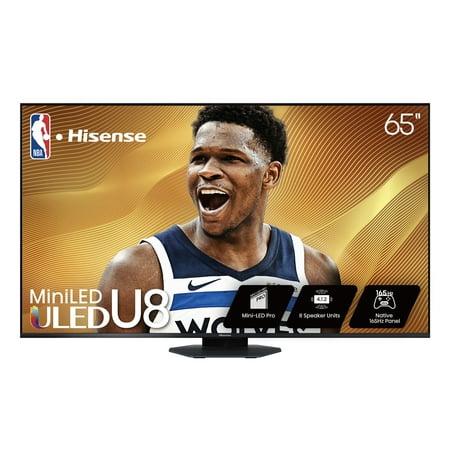
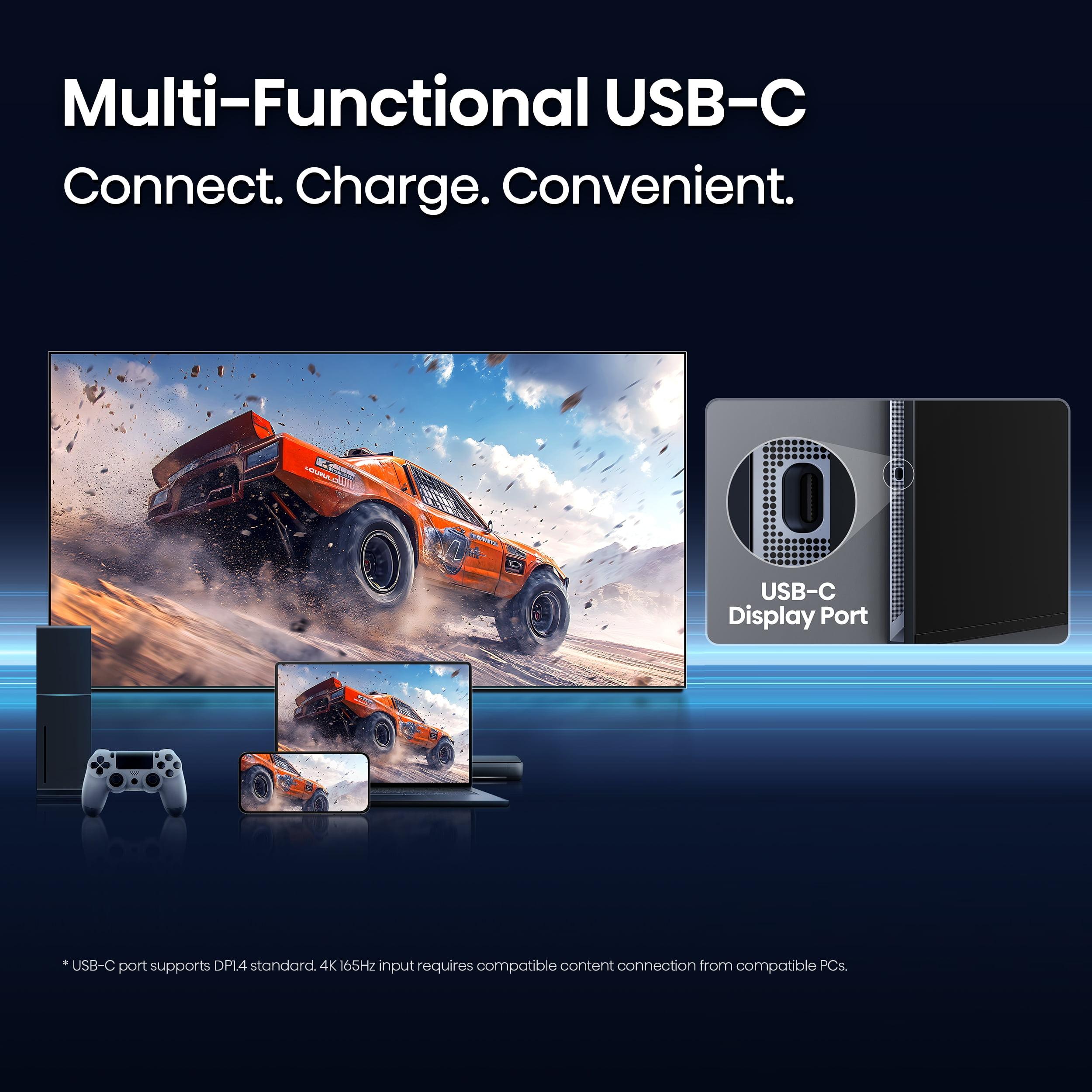
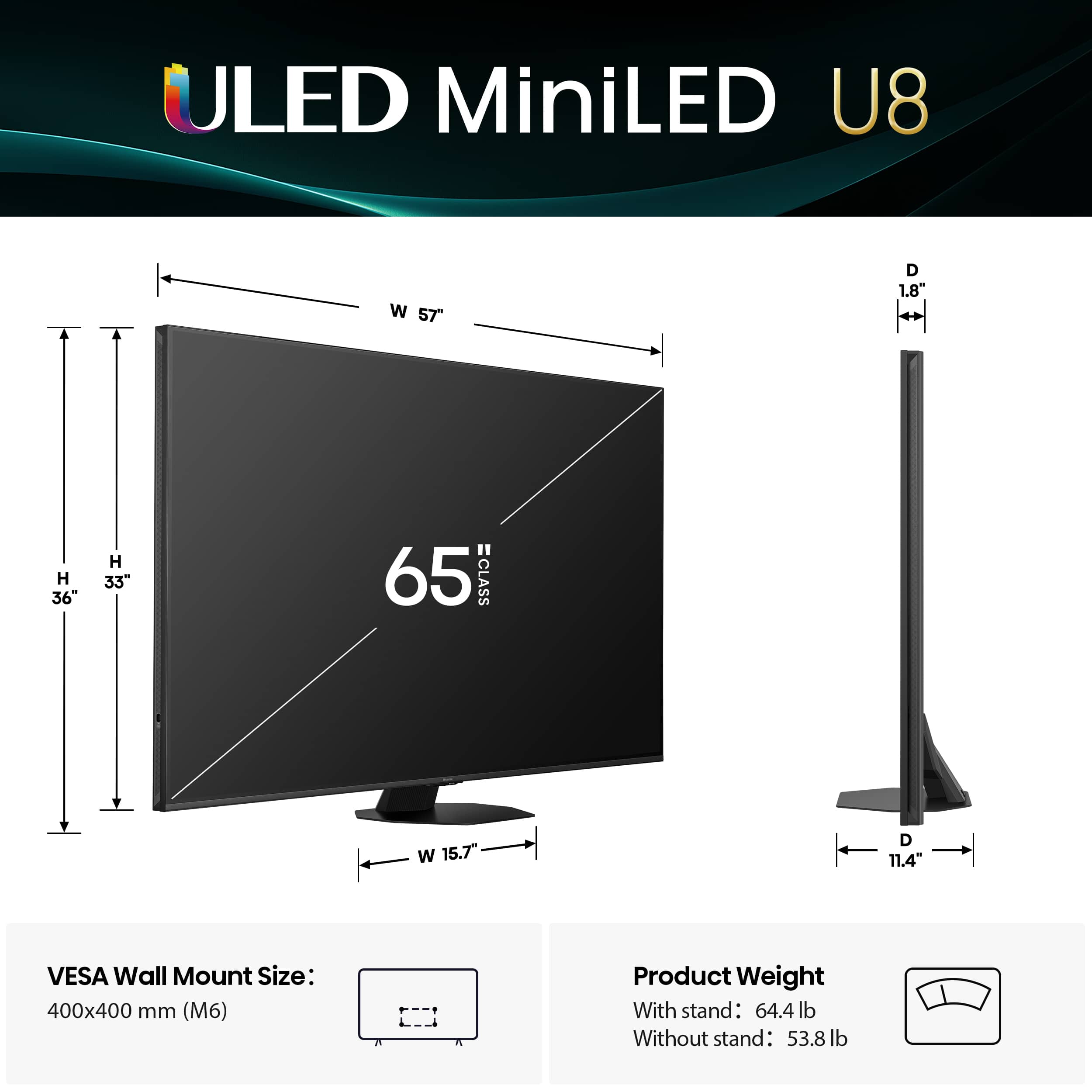
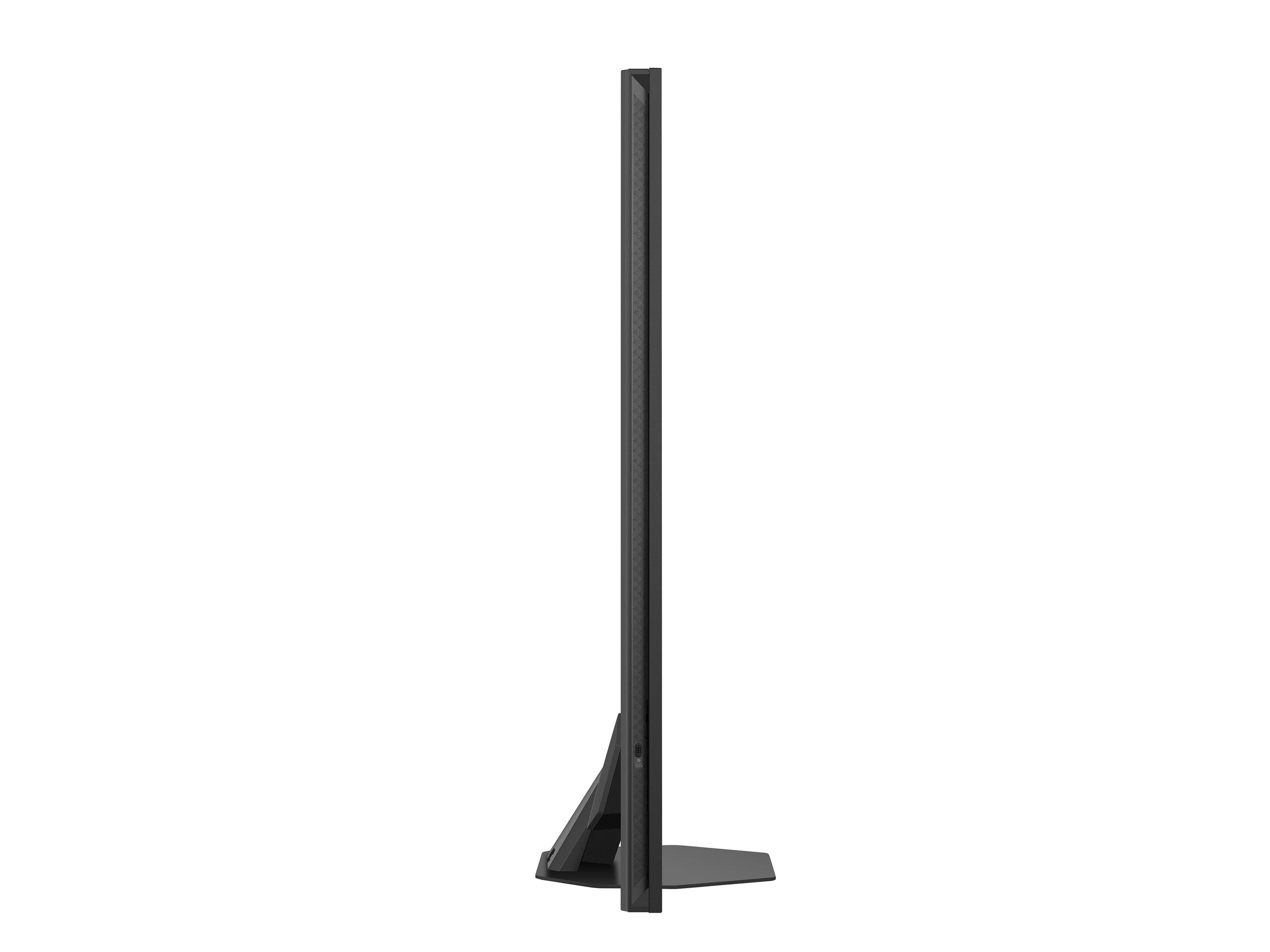
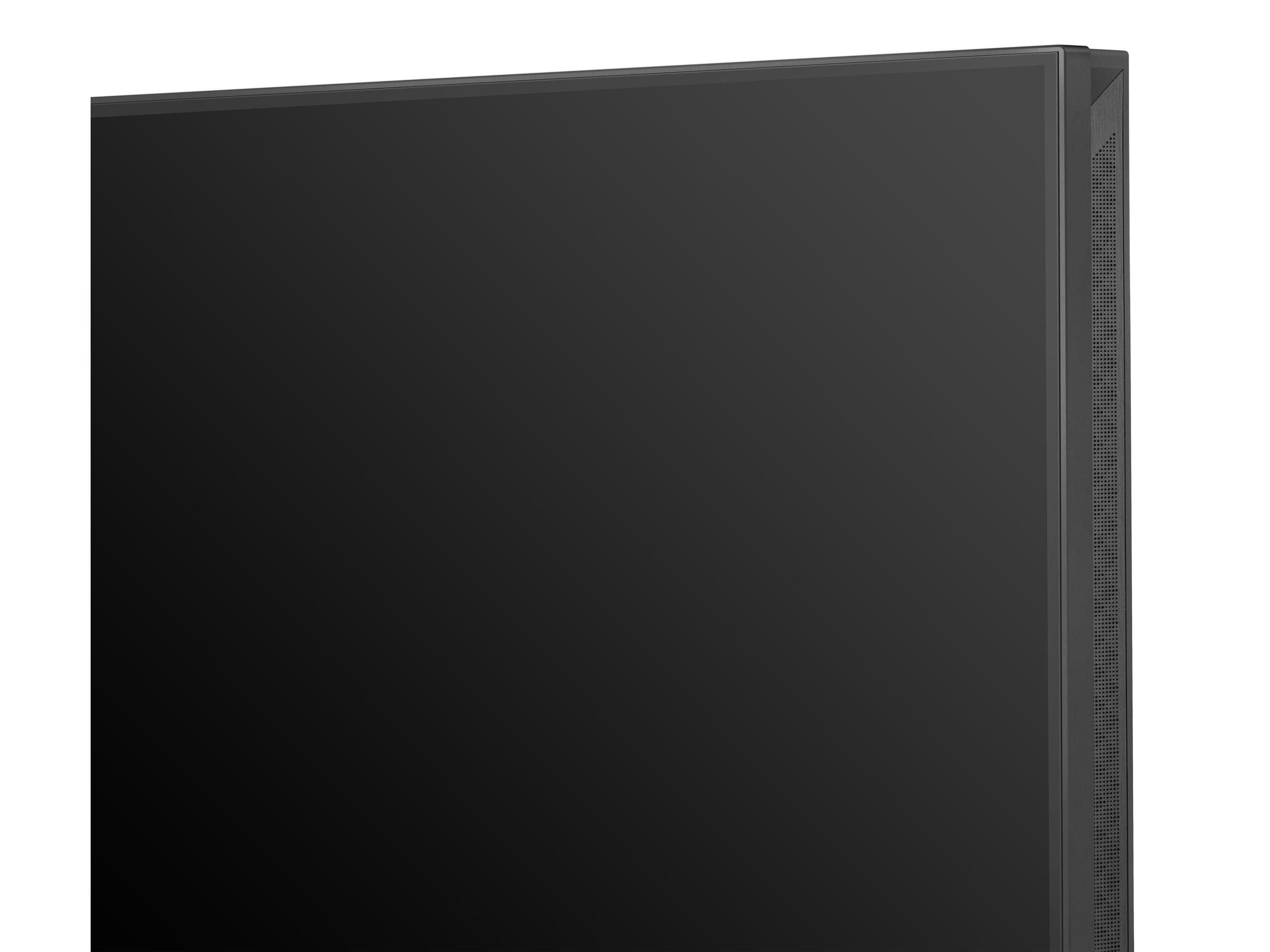
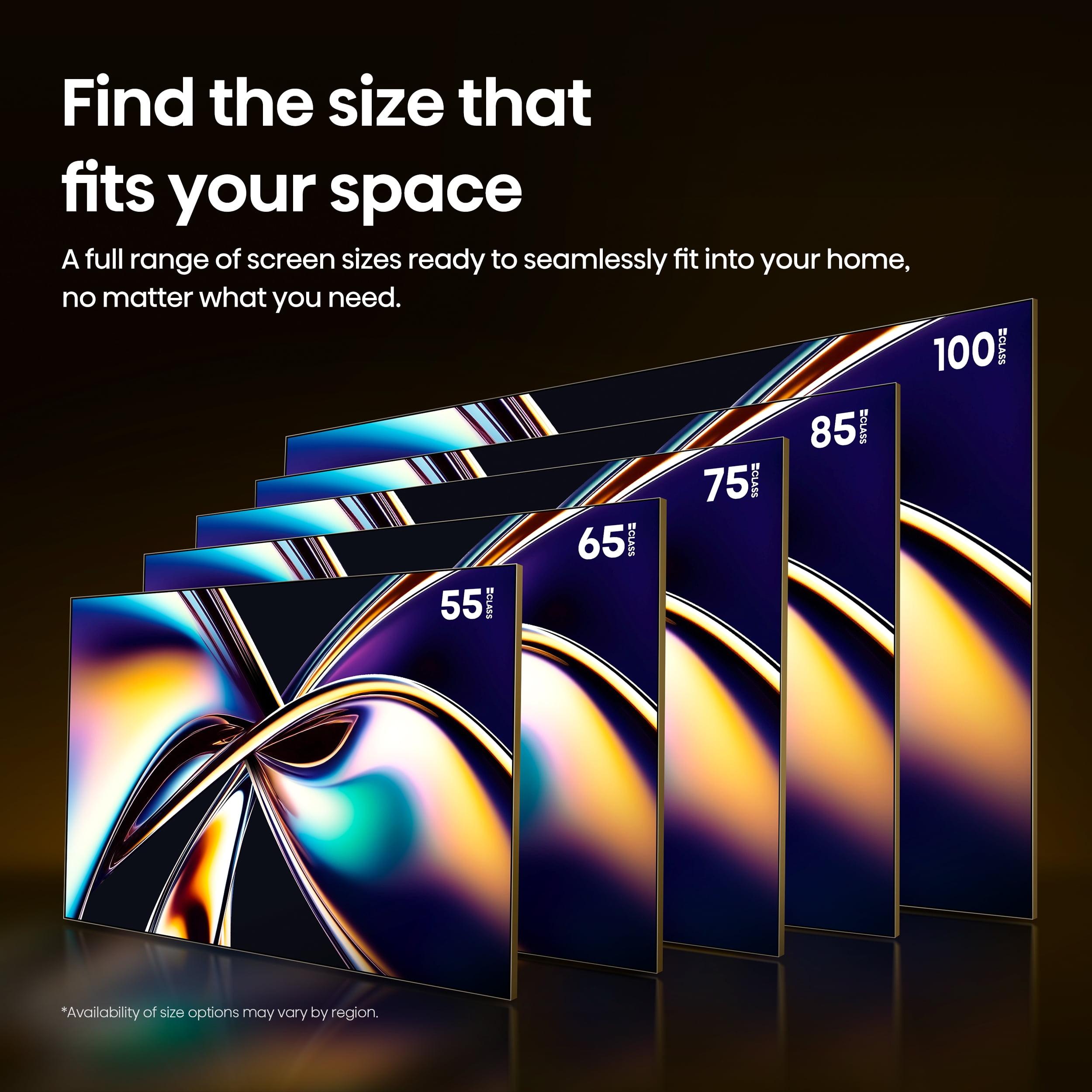
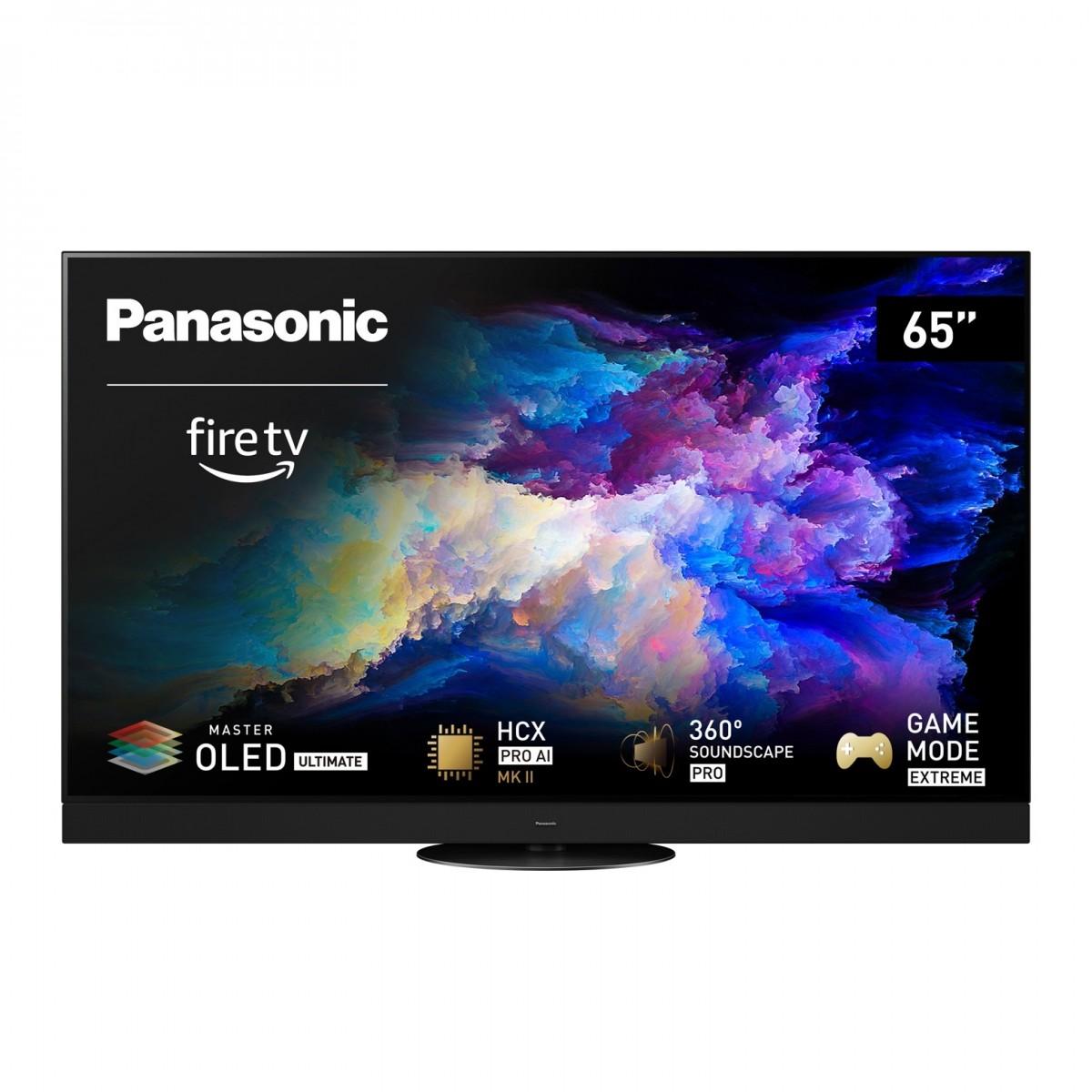
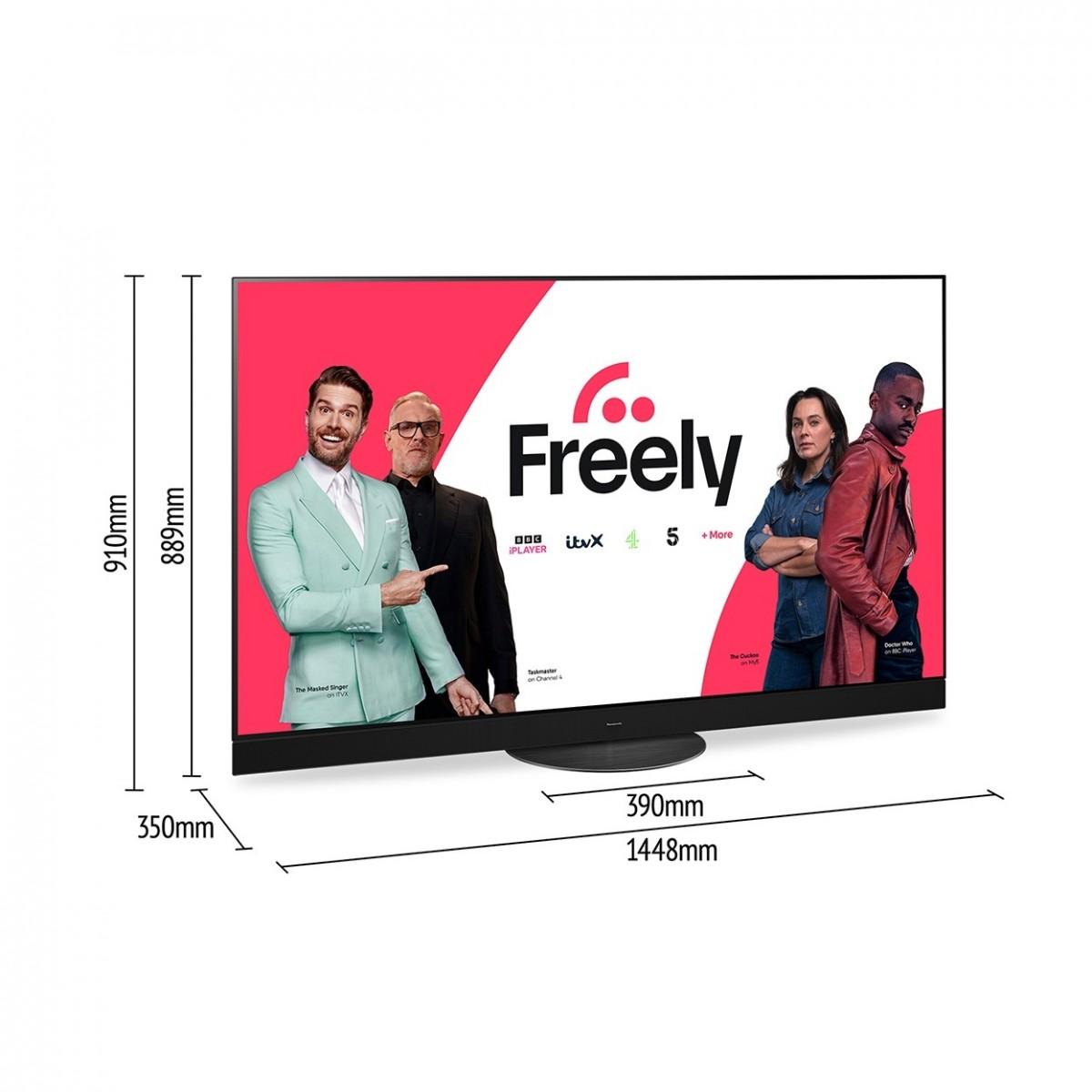
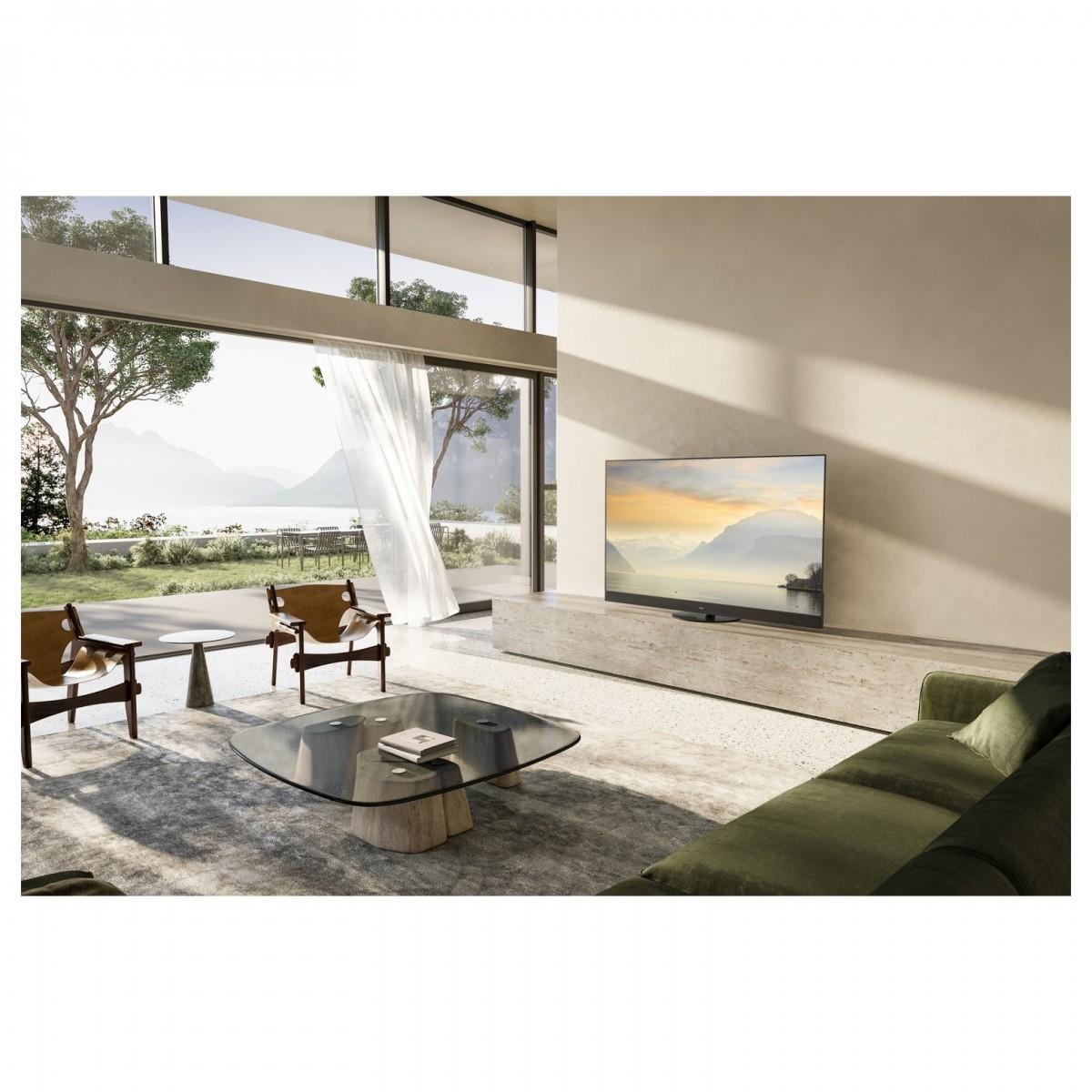
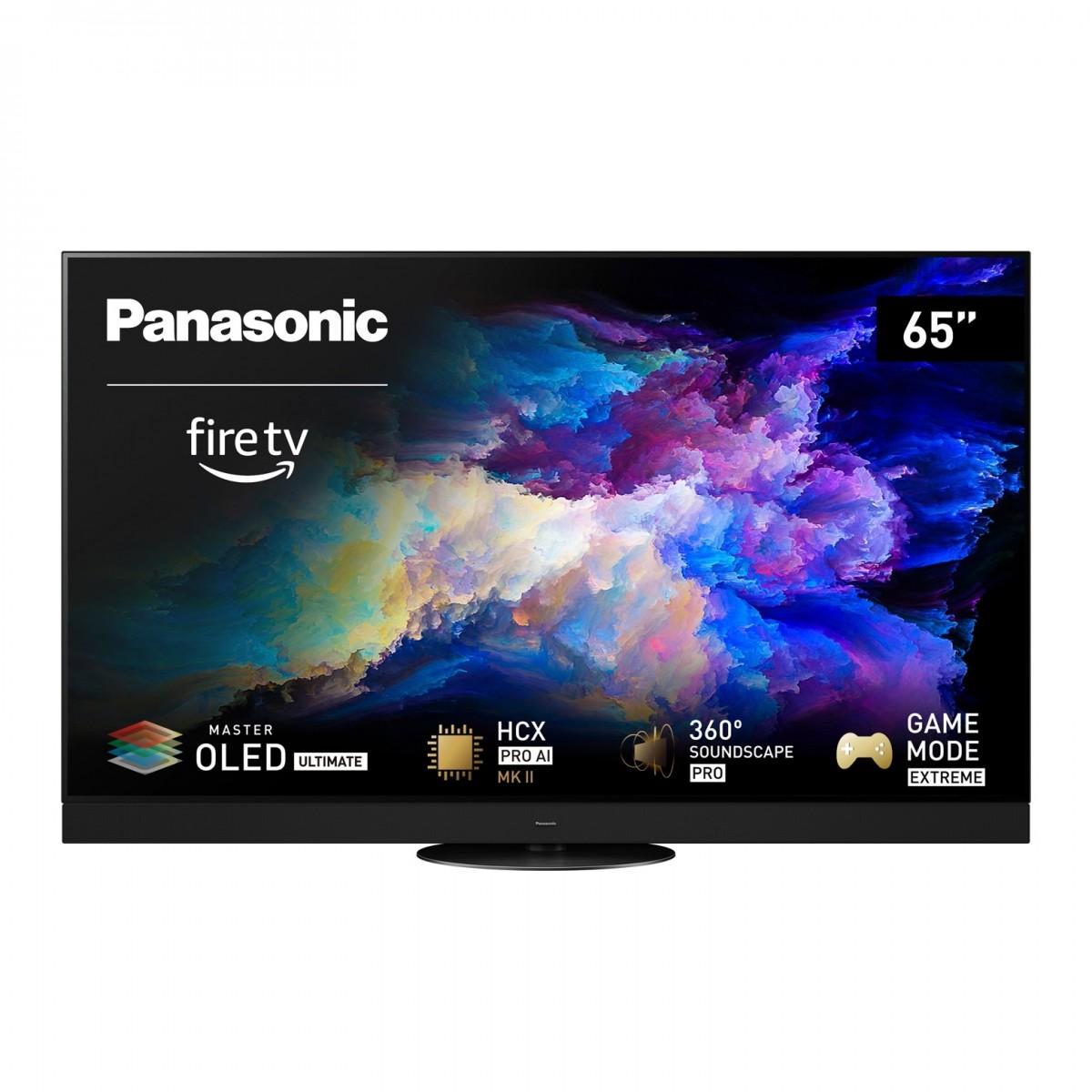
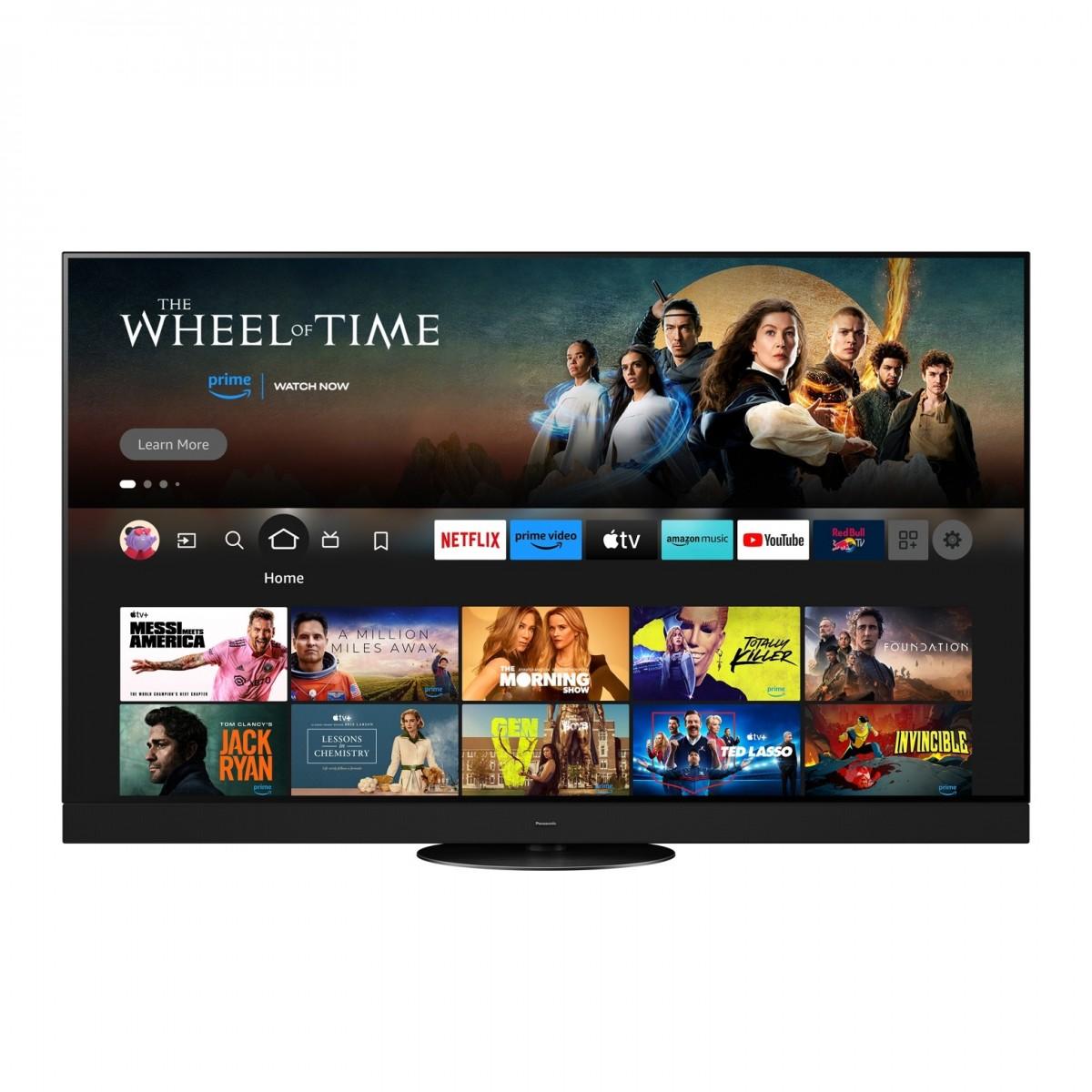
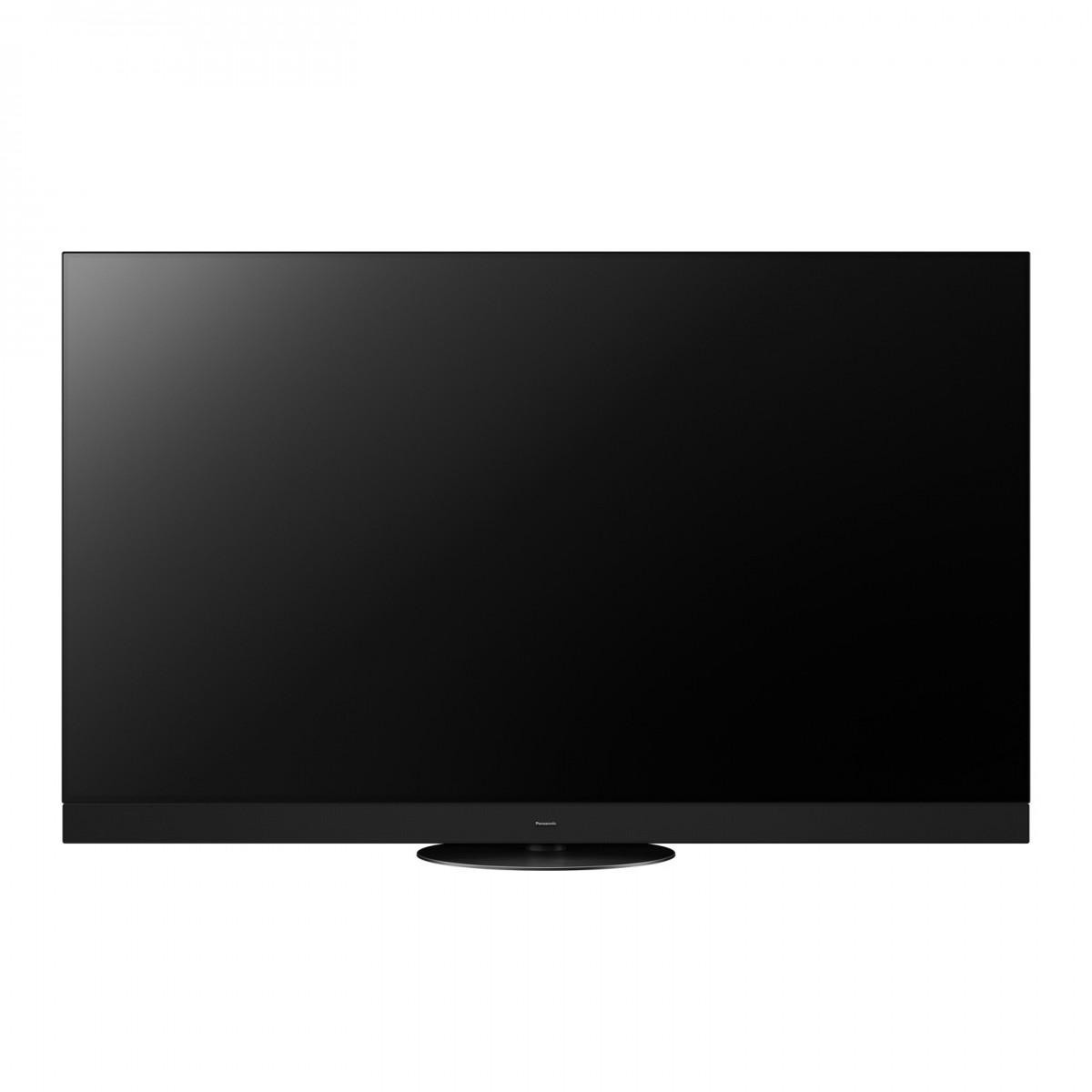
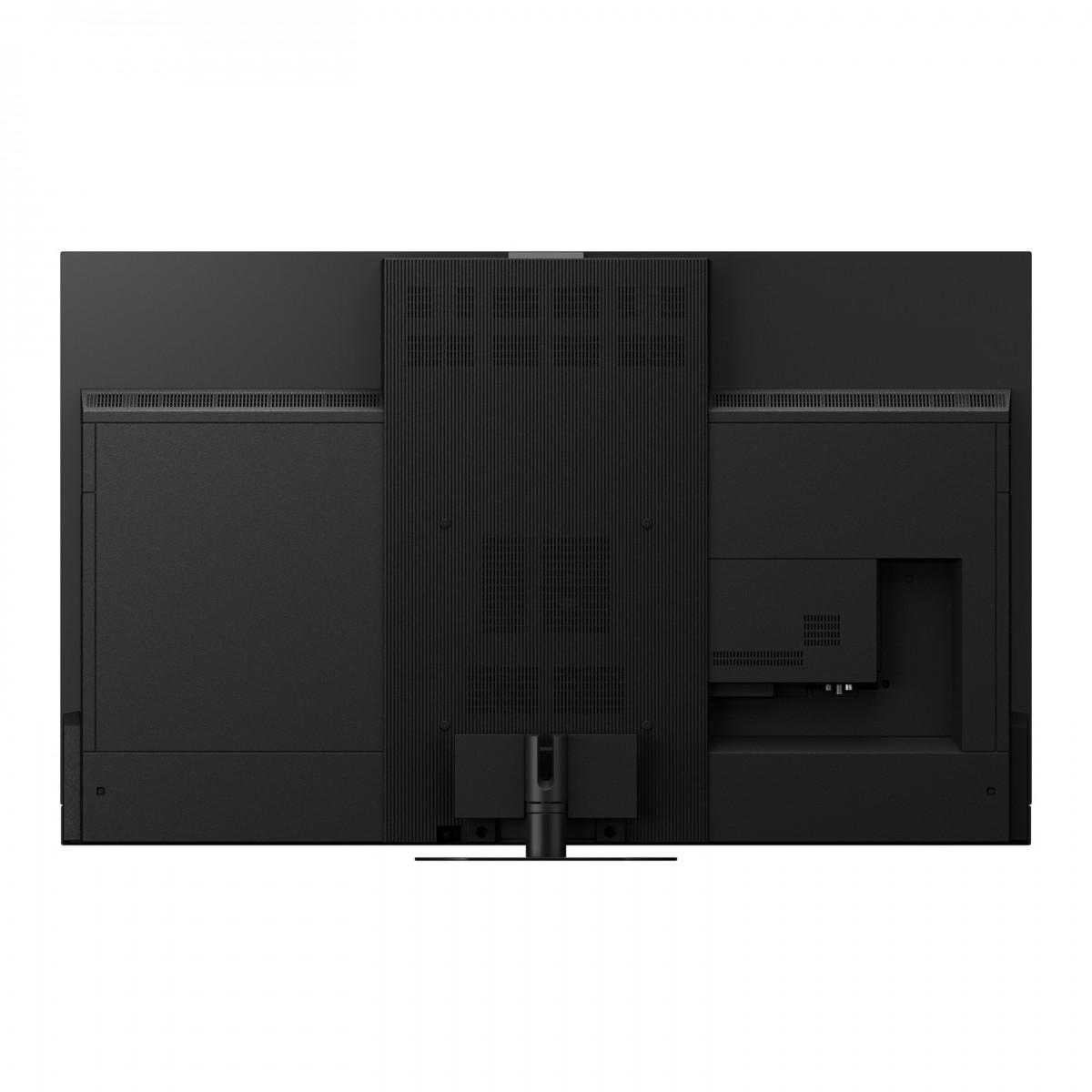
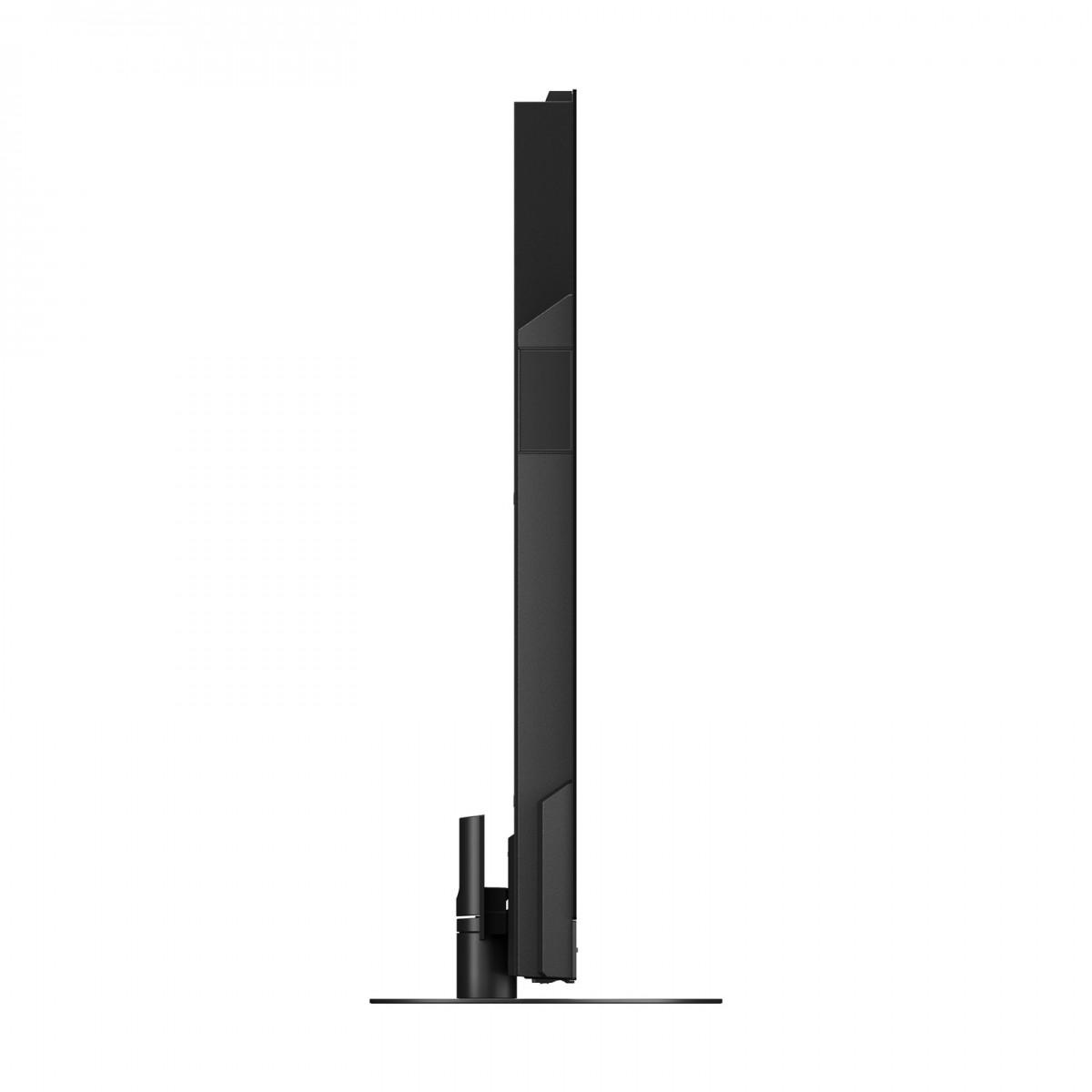
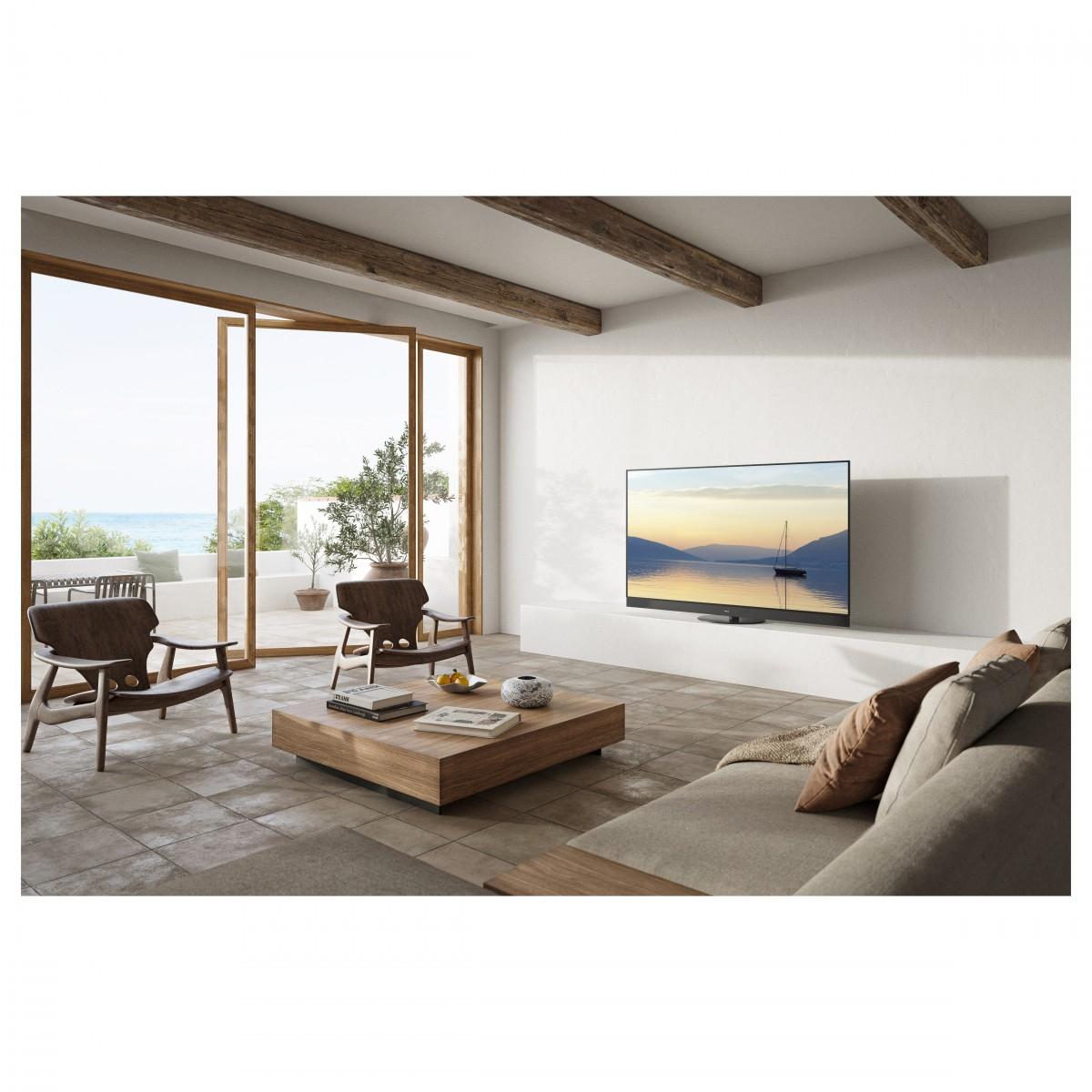
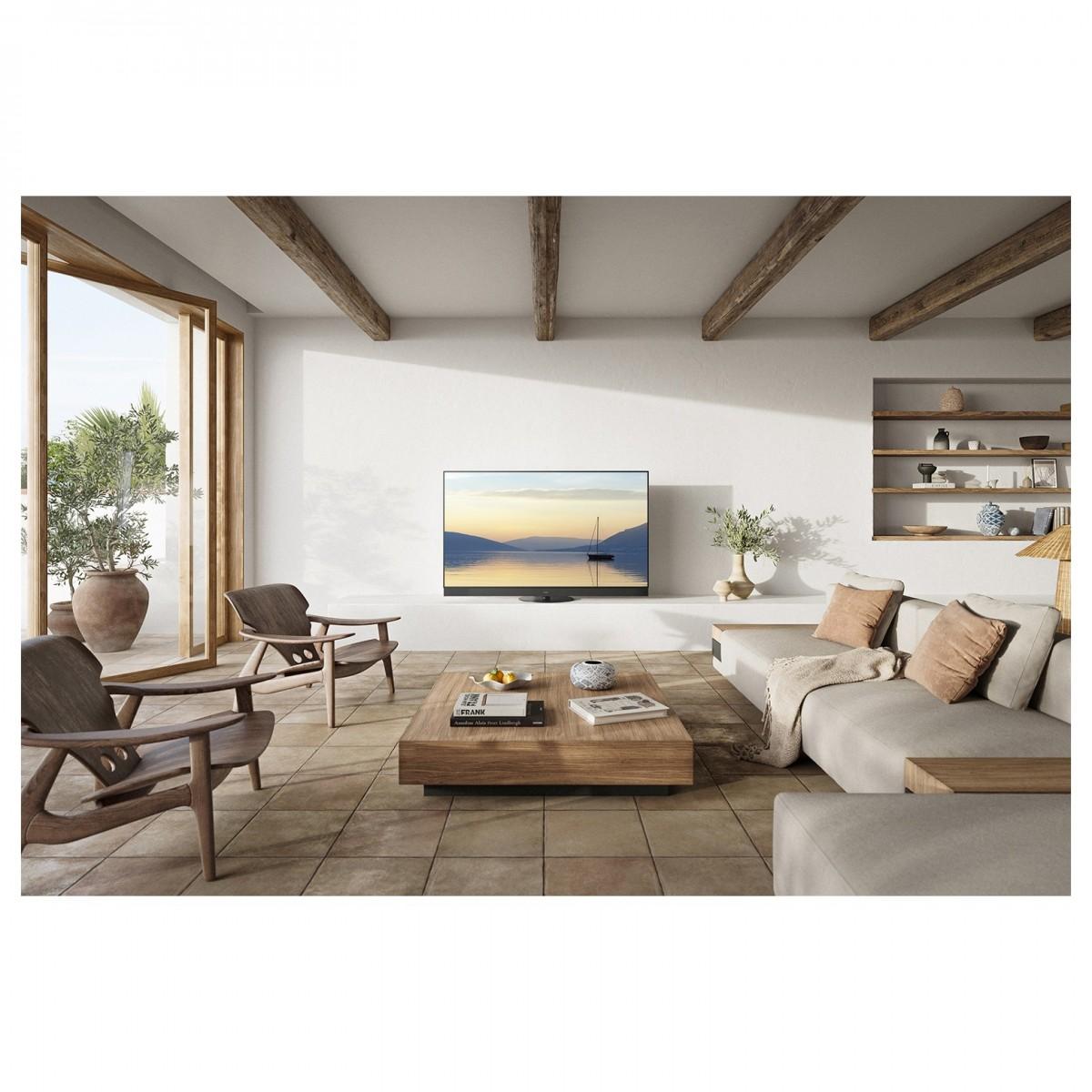
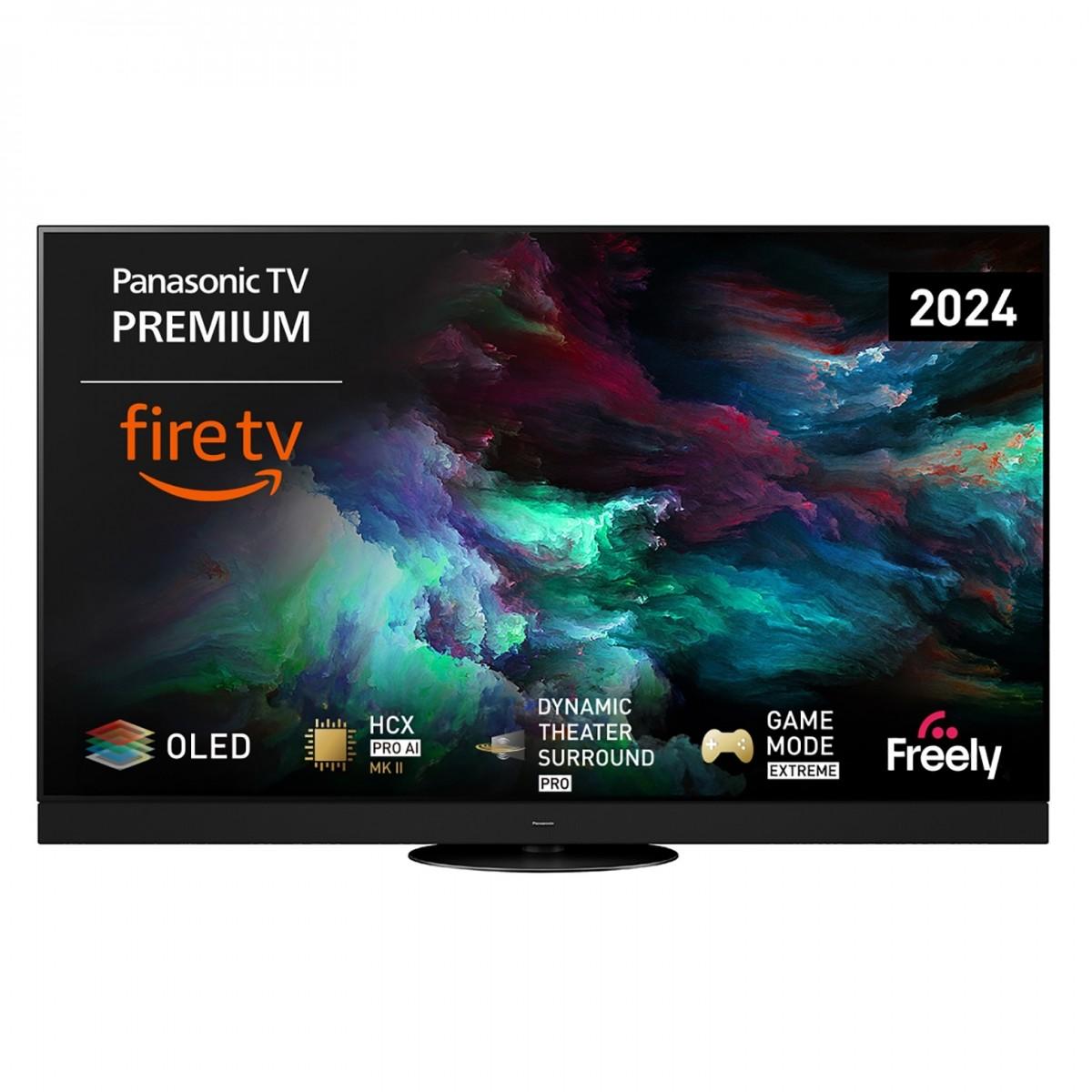
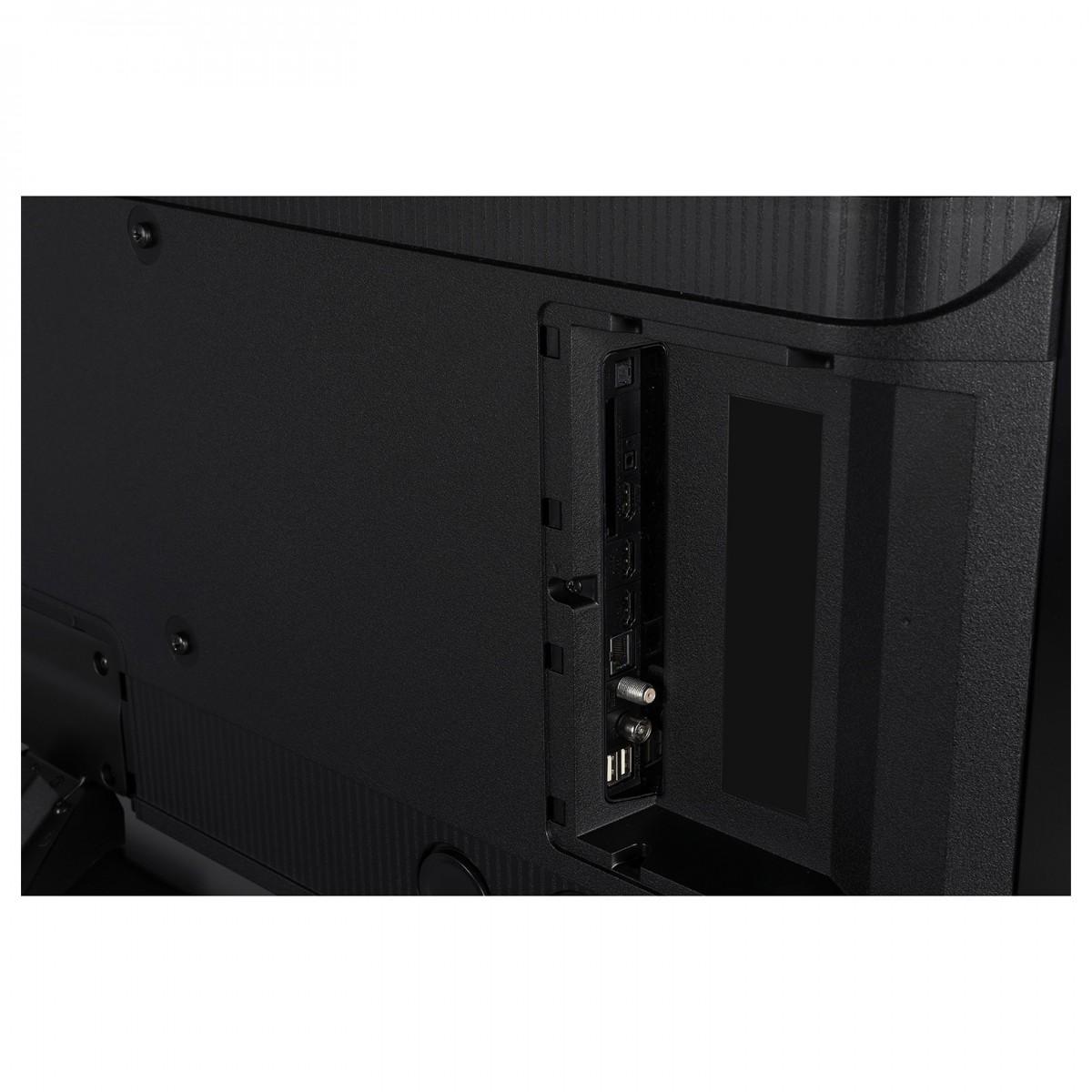
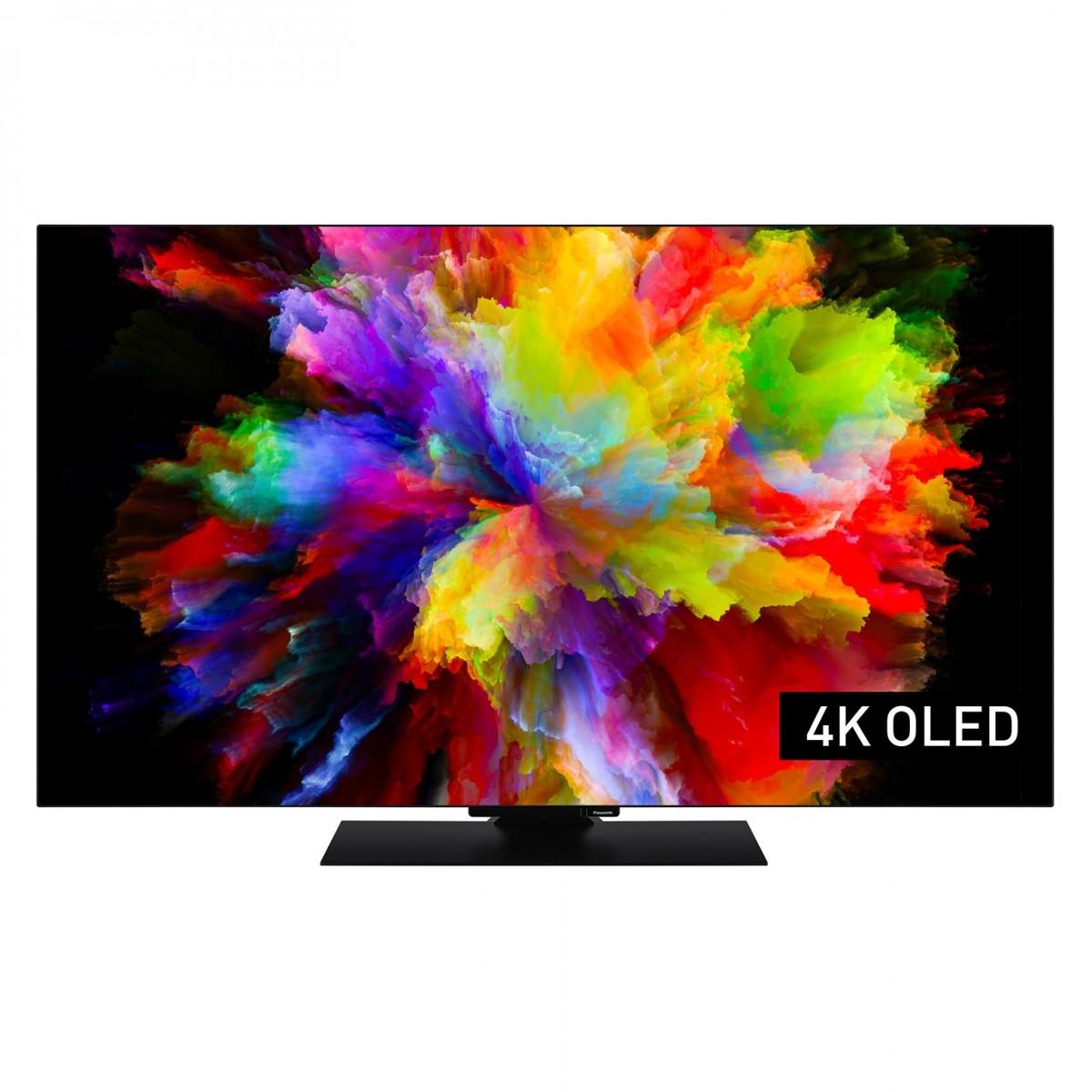
The 65-inch TV market has become fiercely competitive, with two distinct display technologies battling for your living room dominance. At one end, you have the Panasonic Z95A 65" OLED representing the premium cinema experience, while the Hisense 65" U8 Series Mini-LED delivers flagship features at a fraction of the cost. Understanding these technologies—and their real-world implications—can save you thousands while ensuring you get exactly what you need.
OLED stands for Organic Light-Emitting Diode, and it's fundamentally different from traditional TVs. Instead of requiring a backlight, each pixel generates its own light. When the Panasonic Z95A needs to display black, those pixels simply turn off completely—creating what's called "perfect black" or infinite contrast ratio.
This technology emerged in premium TVs around 2013, but 2024 brought significant improvements. The Z95A features Panasonic's HCX Pro AI Processor MKII with micro lens array technology, which enhances brightness and color accuracy compared to earlier OLED generations. The processor analyzes incoming signals in real-time, adjusting picture settings automatically for different content types—whether you're watching a dark thriller or bright sports broadcast.
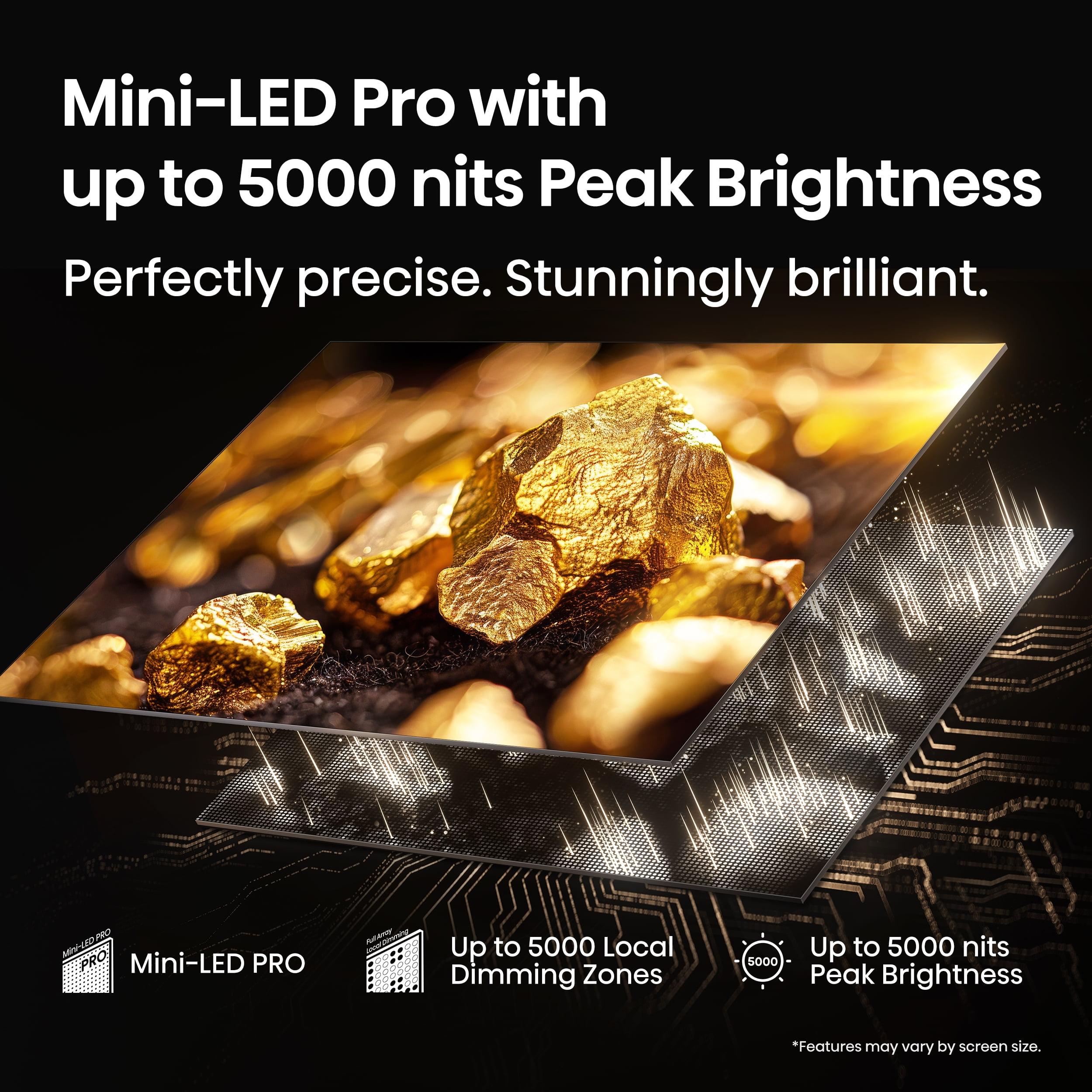
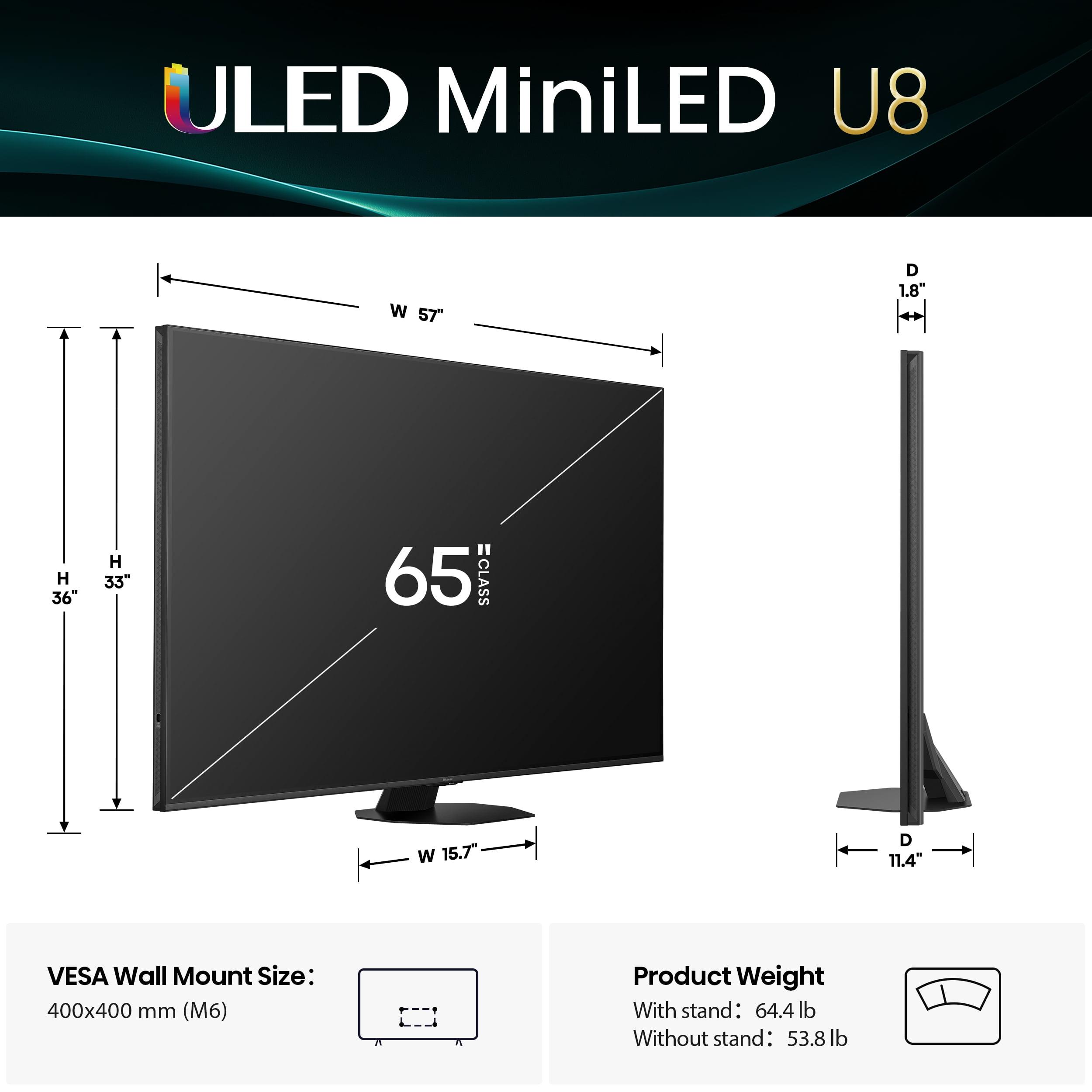
Mini-LED represents an evolution of traditional LCD technology. Instead of using large LED backlights, the Hisense U8 Series employs thousands of tiny LEDs (each smaller than a grain of rice) combined with over 2,000 local dimming zones. This allows incredibly precise control over which areas of the screen are bright or dark.
Released in 2024, the U8 Series doubled the local dimming zones from its predecessor while adding the Hi-View AI Engine PRO. This processor uses artificial intelligence to optimize brightness, contrast, and color on a scene-by-scene basis. The result is peak brightness reaching 3,000 nits—three times brighter than most OLED displays.
Contrast ratio—the difference between the brightest whites and darkest blacks—is arguably the most important picture quality metric. Our research consistently shows that viewers prefer higher contrast over resolution improvements or color enhancements.
The Panasonic OLED achieves infinite contrast because its pixels can turn completely off. When watching a movie like "Dune" with scenes transitioning from bright desert to dark spaceships, the OLED maintains perfect detail in both areas simultaneously. Stars against space look genuinely piercing, and shadow details remain visible without any unwanted light bleeding.
The Hisense Mini-LED can't match this perfection but gets surprisingly close. Its 2,000+ dimming zones create what's called "blooming"—slight halos around very bright objects on dark backgrounds. However, this blooming has been dramatically reduced compared to older LCD TVs. For most content, including HDR movies and games, the difference becomes academic rather than obvious.
Peak brightness determines how vibrant HDR (High Dynamic Range) content appears. HDR mastering standards often target 1,000-4,000 nits for highlights like explosions, sunlight, or neon signs.
The Hisense U8 reaching 3,000 nits means HDR content displays closer to the creator's intent. Watching "Top Gun: Maverick" in Dolby Vision, the cockpit instruments and sun reflections off aircraft genuinely pop off the screen. This brightness also makes the TV usable in bright living rooms where many families actually watch TV.
The Panasonic OLED, topping out around 1,000 nits, delivers more subtle HDR presentation. Colors remain natural and film-like, but bright scenes lack the jaw-dropping impact possible with Mini-LED technology. This isn't necessarily worse—it depends on your preferences and viewing environment.
Both TVs support wide color gamuts covering billions of colors, but their approaches differ significantly.
The Panasonic OLED prioritizes accuracy, with colors calibrated to match film industry standards. Skin tones appear natural, and the overall image maintains the cinematographer's intended look. Professional reviewers consistently praise Panasonic's color processing, particularly the Hexa Chroma Drive engine that analyzes and optimizes color reproduction.
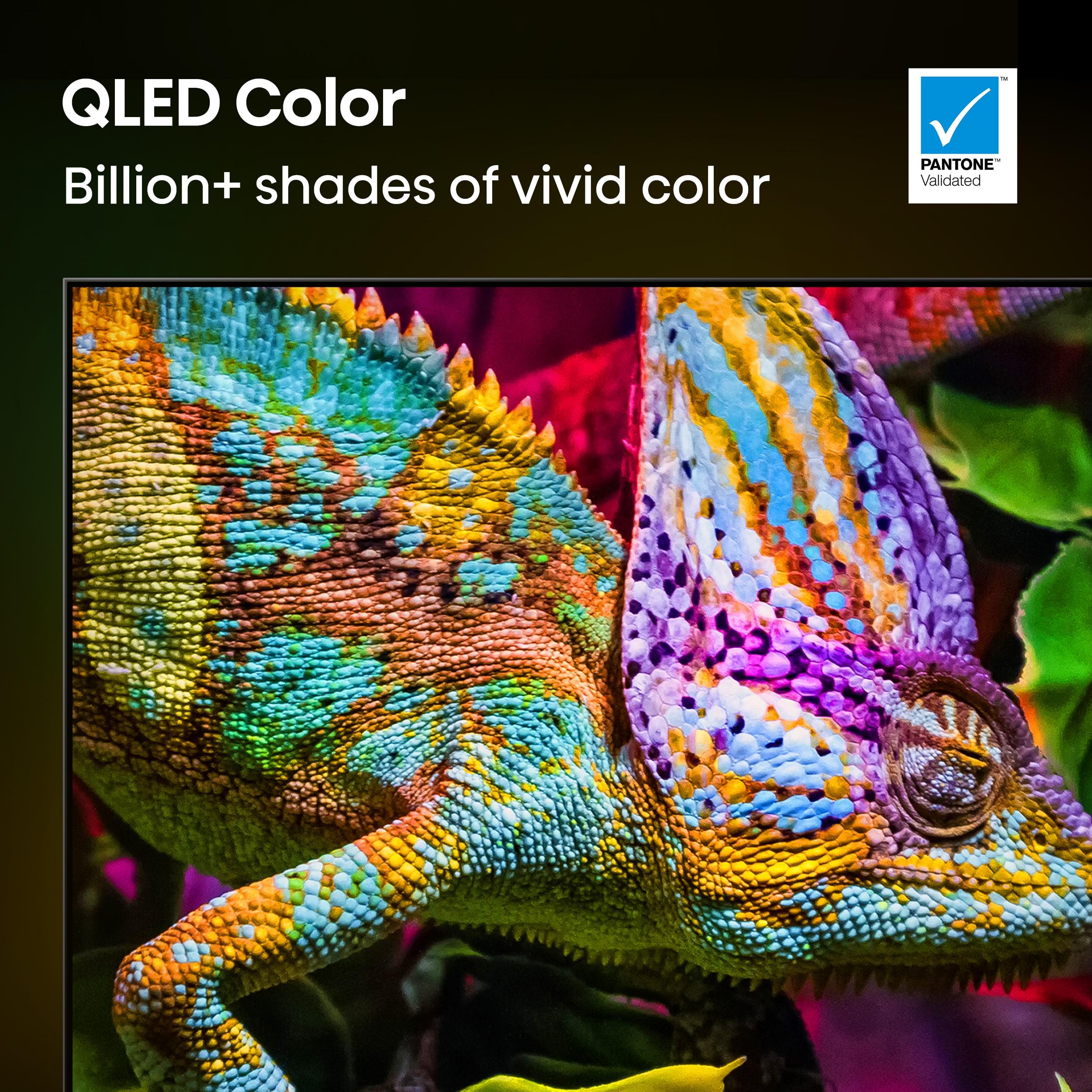
The Hisense Mini-LED uses Quantum Dot technology—microscopic particles that emit precise colors when hit by light. This creates incredibly vibrant, saturated colors that many viewers prefer for sports, animation, and gaming. While not always perfectly accurate out of the box, the vivid presentation can be more engaging for everyday viewing.
Most people don't watch TV in perfectly dark rooms despite what enthusiasts recommend. The Hisense U8 acknowledges this reality with its Anti-Glare Low Reflection technology and extreme brightness capabilities.
During daytime viewing with windows open, the Mini-LED maintains visibility and color saturation. Sports events, news, and casual viewing remain enjoyable even with sunlight streaming in. The brightness headroom means you're not constantly adjusting settings or closing blinds.
The Panasonic OLED struggles more in bright environments. Its glossy screen reflects light sources directly, and the lower peak brightness means HDR content loses impact under bright conditions. However, this same screen delivers superior performance once the sun sets.
OLED technology provides consistent picture quality regardless of viewing position. The Panasonic Z95A maintains accurate colors and brightness whether you're sitting directly in front or off to the side. This makes it ideal for family movie nights or parties where people are scattered around the room.
The Hisense Mini-LED has narrower viewing angles typical of LCD panels. Colors shift and brightness decreases when viewed from the side. While not terrible, it's noticeable enough that optimal seating positions matter. This limitation makes it better suited for dedicated media rooms with centered seating arrangements.
Modern gaming demands have transformed TV requirements. Both displays support the latest gaming standards, but with different strengths.
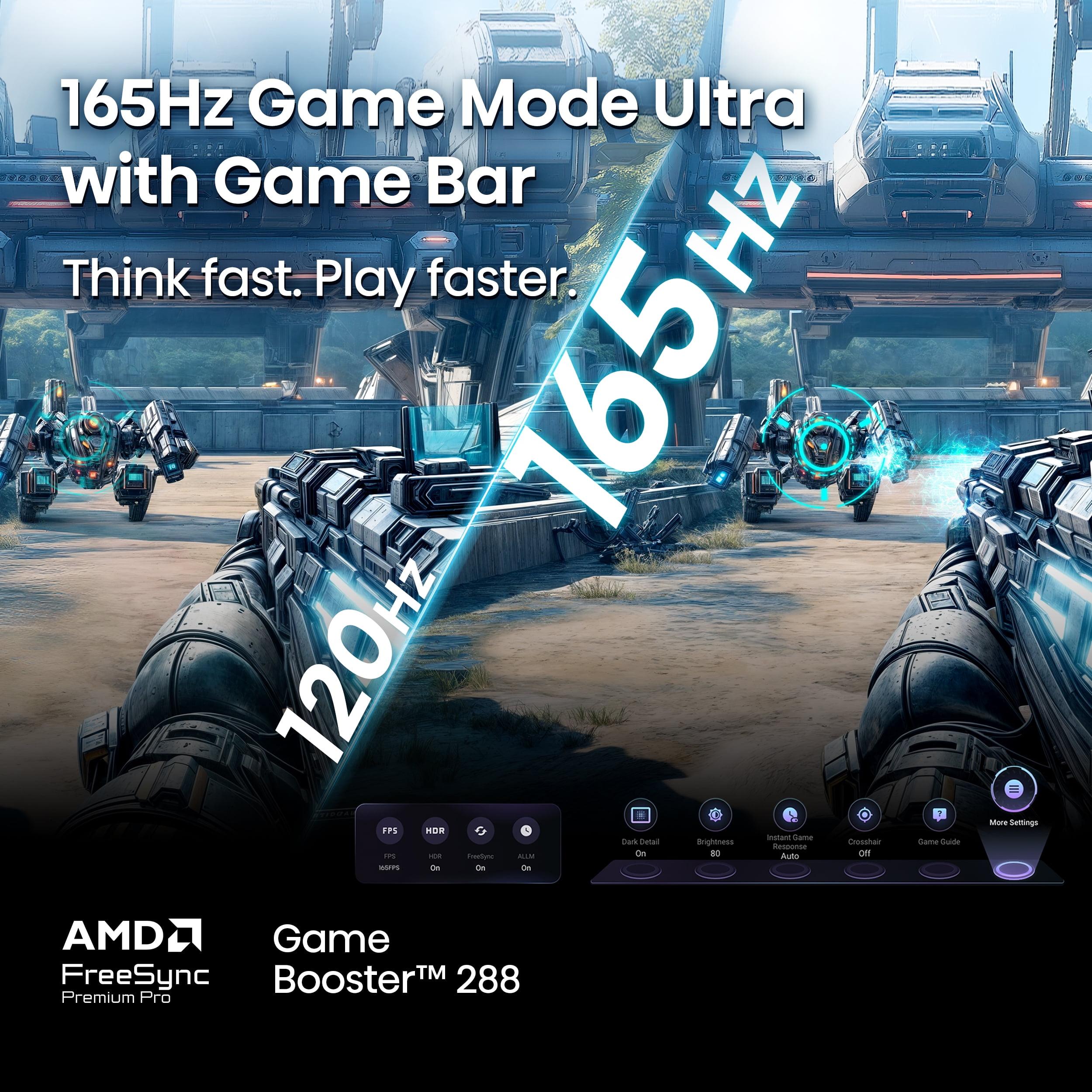
The Hisense U8 leads with its 144Hz native refresh rate, supporting PC gaming up to 4K at 144fps. This matches high-end gaming monitors while maintaining the large screen experience. Variable Refresh Rate (VRR) technology syncs the display refresh with your console's output, eliminating screen tearing and stuttering.
The Panasonic OLED supports 120Hz gaming, which handles current-generation consoles perfectly. While lower than the Hisense, 120Hz is more than adequate for PlayStation 5 and Xbox Series X gaming, where most titles target 60-120fps anyway.
Input lag—the delay between controller input and on-screen response—is crucial for competitive gaming. Both TVs achieve low input lag in their respective game modes, typically under 20 milliseconds.
The Hisense U8 includes dedicated gaming features like customizable game bars, AMD FreeSync Premium Pro support, and Auto Low Latency Mode (ALLM) that automatically switches to game mode when consoles are detected. These features create a more seamless gaming experience.
TV speakers rarely match dedicated sound systems, but built-in audio quality varies significantly between models.
The Panasonic OLED includes a 20W speaker system with Dolby Atmos support. While adequate for casual viewing, the slim profile limits bass response and overall volume capabilities. The processing attempts to create spatial audio effects, but physics constraints limit effectiveness.
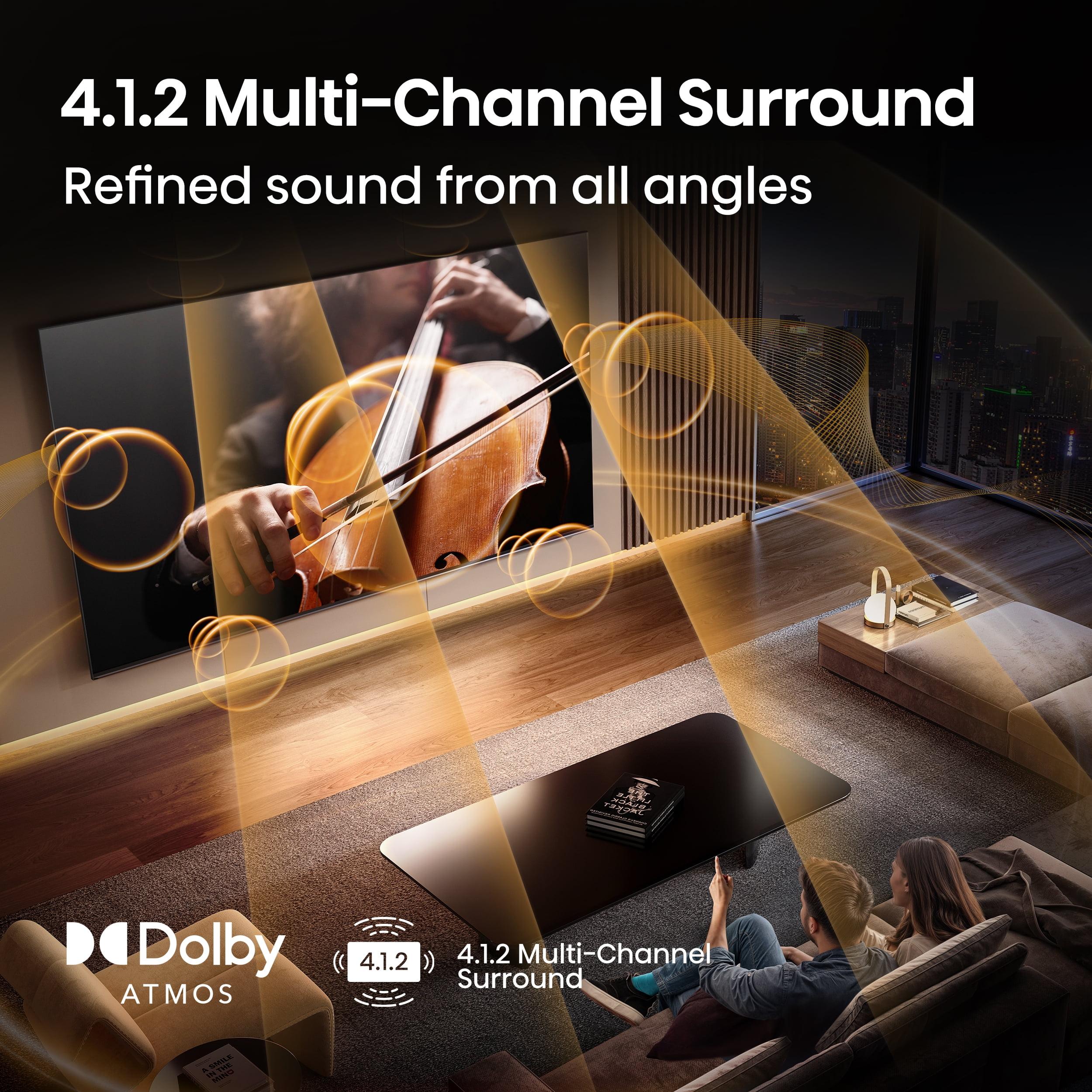
The Hisense Mini-LED incorporates a more robust 50W 2.1.2 channel system with an integrated subwoofer. The additional drivers and power create noticeably fuller sound with better bass response. For viewers not planning to add a soundbar immediately, this represents a meaningful advantage.
The software experience affects every interaction with your TV, making platform choice increasingly important.
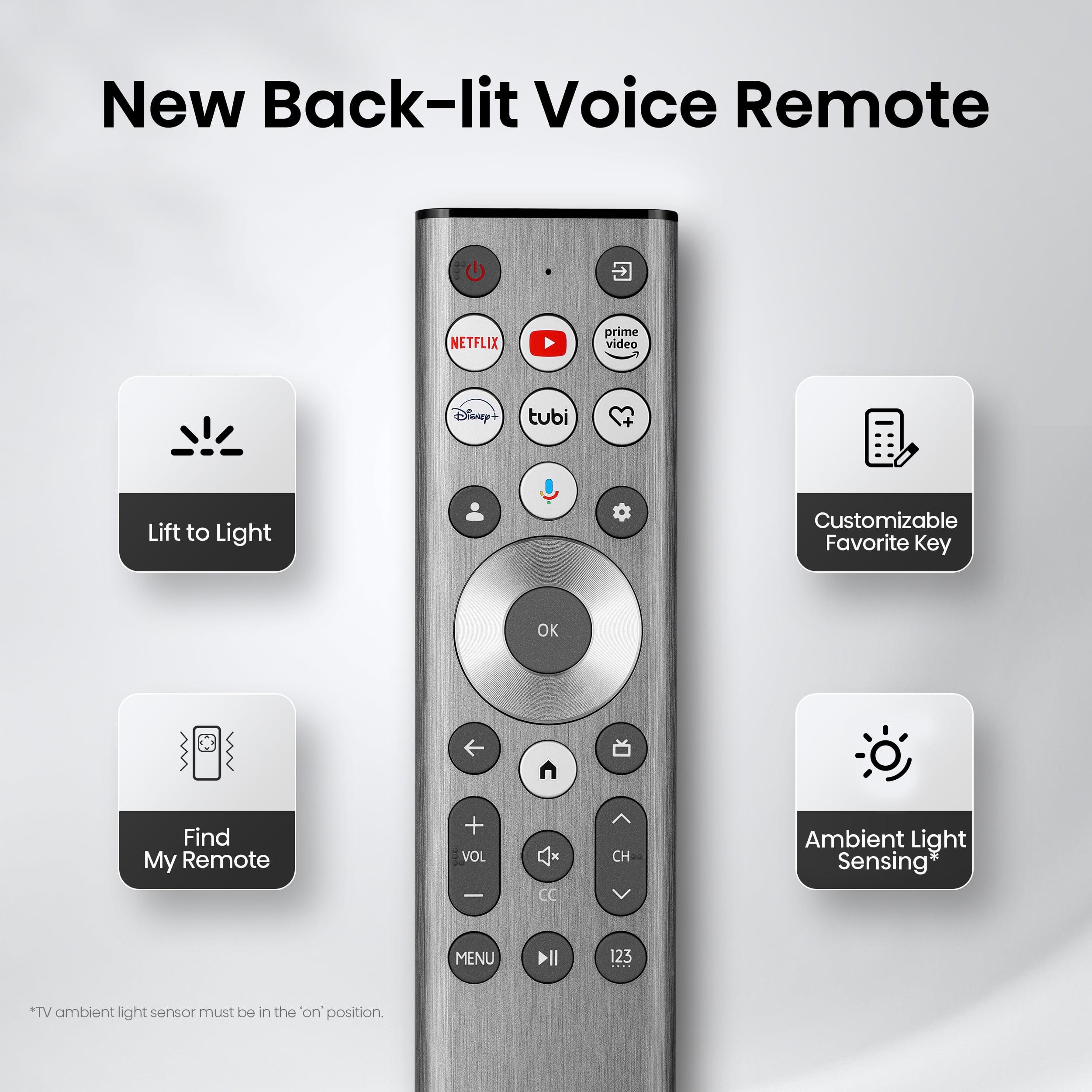
Google TV on the Hisense U8 provides extensive app selection, voice control integration, and regular security updates. The interface aggregates content from various streaming services, making discovery easier. Gaming optimizations and customization options cater to enthusiast users.
The Panasonic OLED runs various platforms depending on the specific model, including Fire TV and proprietary systems. These generally focus on content consumption rather than gaming or smart home integration. The emphasis remains on picture quality rather than platform features.
At the time of writing, the pricing difference between these technologies is substantial—often three-to-one or more. This creates different value calculations for different users.
The Panasonic OLED commands premium pricing reflecting its advanced display technology, brand reputation, and picture quality capabilities. For home theater enthusiasts, cinematographers, or viewers who prioritize absolute picture quality above all else, the investment may justify itself through daily viewing satisfaction over many years.
OLED technology also tends to age gracefully, maintaining consistent performance throughout its lifespan. The viewing experience in dark rooms remains unmatched by other technologies.
The Hisense U8 delivers approximately 80-90% of premium TV performance at roughly 30% of the cost. For most viewers, this represents exceptional value. The brightness advantages actually make it superior in bright rooms, while gaming features exceed many premium alternatives.
The substantial cost savings can fund soundbar upgrades, streaming subscriptions, or simply provide better overall value for families with multiple entertainment priorities.
Dedicated home theater rooms change the equation significantly. Light-controlled environments eliminate the OLED's bright room weaknesses while maximizing its contrast advantages.
The Panasonic OLED excels in theater setups where accurate color reproduction, perfect blacks, and wide viewing angles matter most. Film enthusiasts often prefer the natural, grain-like image quality that matches the cinema experience.
However, the Hisense Mini-LED shouldn't be dismissed for theater use. Its extreme brightness capability means HDR content displays closer to mastering monitor specifications, potentially providing more impactful viewing experiences for modern content designed around high brightness targets.
You're a serious movie enthusiast who watches primarily in dark or dim environments. Color accuracy and cinematic presentation matter more than cost considerations. You have family viewing situations where wide viewing angles are beneficial. Your budget comfortably accommodates premium pricing without compromising other home theater components.
The Panasonic Z95A delivers reference-level picture quality that remains engaging for years. If you're upgrading from an older LCD TV, the contrast improvement will be immediately obvious and continually satisfying.
You want flagship TV features without premium pricing. Your viewing room has significant ambient light during typical usage times. Gaming performance and high refresh rate support matter for your entertainment habits. Value and versatility across different content types are priorities.
The Hisense U8 provides an excellent upgrade path that doesn't require perfect viewing conditions or unlimited budgets. The brightness advantages make it genuinely superior in many real-world viewing situations.
Both technologies represent excellent approaches to premium TV performance, but serve different priorities and budgets. The Panasonic OLED remains the picture quality champion for dark room viewing, while the Hisense Mini-LED offers outstanding value and bright room performance.
Your room lighting, content preferences, gaming needs, and budget constraints should drive the decision more than brand loyalty or technology preferences. At current pricing levels, the Mini-LED value proposition is compelling for most buyers, while OLED continues serving enthusiasts willing to pay for perfection.
The TV market evolution continues rapidly, but both displays represent solid choices that will provide years of viewing satisfaction when matched appropriately to user needs and environments.
| Panasonic Z95A 65" OLED 4K Ultra HD Smart TV | Hisense 65" U8 Series Mini-LED ULED 4K Google TV |
|---|---|
| Display Technology - Fundamental difference affecting all picture quality aspects | |
| OLED with per-pixel dimming (perfect blacks, infinite contrast) | Mini-LED with 2000+ local dimming zones (excellent contrast, some blooming) |
| Peak Brightness - Critical for HDR impact and bright room viewing | |
| ~1,000 nits (excellent for dark rooms, limited in bright spaces) | Up to 3,000 nits (outstanding for any lighting condition, dramatic HDR) |
| Viewing Angles - Important for family seating arrangements | |
| Excellent (maintains quality from any angle) | Narrow (best when seated directly in front) |
| Gaming Refresh Rate - Essential for next-gen console and PC gaming | |
| 120Hz with VRR (perfect for current consoles) | 144Hz native with VRR (future-proof for high-end PC gaming) |
| Built-in Audio - Affects whether you need immediate soundbar purchase | |
| 20W basic system (will likely need soundbar upgrade) | 50W 2.1.2 channel with subwoofer (surprisingly capable for TV speakers) |
| Smart TV Platform - Daily user experience and app ecosystem | |
| Fire TV or proprietary (content-focused, simpler interface) | Google TV (extensive apps, voice control, gaming optimizations) |
| Best Room Environment - Where each TV truly excels | |
| Dark to moderately lit rooms (showcases perfect blacks) | Bright rooms or mixed lighting (brightness overcomes ambient light) |
| Color Approach - Different philosophies for content presentation | |
| Cinema-accurate (natural, film-like colors as directors intended) | Vibrant Quantum Dot (punchy, saturated colors that pop) |
| Reflection Handling - Impact on daytime viewing comfort | |
| More reflective OLED panel (requires controlled lighting) | Anti-glare coating (reduces reflections and maintains visibility) |
| Target Buyer - Who should prioritize each option | |
| Home theater enthusiasts prioritizing picture quality over cost | Value-conscious buyers wanting flagship features without premium pricing |
| Price Category - Relative positioning in market | |
| Premium tier (3x+ cost of Hisense U8 but reference-level quality) | High-value flagship (delivers 80-90% of OLED performance at fraction of cost) |
The Panasonic Z95A OLED delivers superior picture quality for movies with perfect blacks and infinite contrast ratio. Each pixel can turn completely off, creating true black levels that make dark movie scenes look exactly as the director intended. The Hisense U8 Series Mini-LED offers excellent picture quality with vibrant colors and high brightness, but can't match the perfect blacks of OLED technology for cinematic viewing.
OLED displays like the Panasonic Z95A use pixels that emit their own light and can turn completely off for perfect blacks. Mini-LED TVs like the Hisense U8 Series use thousands of tiny LED backlights with local dimming zones to control brightness across different screen areas. OLED provides better contrast, while Mini-LED delivers higher peak brightness.
The Hisense U8 Series Mini-LED performs significantly better in bright rooms with its 3,000 nits peak brightness and anti-glare coating. It maintains visibility and color vibrancy even with windows open during daytime. The Panasonic Z95A OLED works best in darker environments due to its lower brightness and more reflective screen surface.
Both TVs excel at gaming but serve different needs. The Hisense U8 Series offers 144Hz refresh rate, making it ideal for PC gaming and future console generations. The Panasonic Z95A OLED provides 120Hz gaming with excellent response times, perfect for current PlayStation 5 and Xbox Series X gaming with superior contrast for dark game scenes.
The Hisense U8 Series Mini-LED provides exceptional value, delivering flagship TV features at a fraction of premium OLED pricing. You get high brightness, gaming features, and solid picture quality without the premium cost. The Panasonic Z95A OLED costs significantly more but offers reference-level picture quality for those prioritizing absolute performance over budget.
The Panasonic Z95A OLED maintains consistent picture quality from any viewing angle, making it perfect for family viewing or parties where people sit in different positions. The Hisense U8 Series Mini-LED has narrower viewing angles typical of LCD panels, with color and brightness degradation when viewed from the side, requiring more centered seating.
For dedicated home theater rooms, the Panasonic Z95A OLED excels with perfect blacks, accurate colors, and wide viewing angles in light-controlled environments. However, the Hisense U8 Series Mini-LED shouldn't be overlooked for home theaters, as its extreme brightness delivers HDR content closer to mastering monitor specifications, creating impactful viewing experiences.
The Hisense U8 Series runs Google TV with extensive app selection, voice control, and gaming optimizations. It offers regular updates and comprehensive smart home integration. The Panasonic Z95A OLED typically features Fire TV or proprietary platforms focused on content consumption with simpler interfaces prioritizing streaming services over advanced features.
The Hisense U8 Series Mini-LED includes a more robust 50W 2.1.2 channel sound system with integrated subwoofer, providing fuller sound and better bass response. The Panasonic Z95A OLED features a 20W speaker system with Dolby Atmos support that's adequate for casual viewing but limited by the slim profile design.
Both TVs support major HDR formats, but approach them differently. The Hisense U8 Series with 3,000 nits peak brightness makes HDR highlights genuinely pop, delivering more impactful bright scenes. The Panasonic Z95A OLED provides more subtle HDR with perfect shadow detail and natural color reproduction, maintaining the filmmaker's intended artistic vision.
The Hisense U8 Series comes with a 2-year warranty, double the industry standard, showing confidence in build quality. Panasonic has a strong reputation for reliability in the TV market. Both brands offer solid customer support, though the Panasonic Z95A OLED represents a premium brand with established service networks, while Hisense has rapidly improved its support infrastructure.
Choose the Panasonic Z95A OLED if you primarily watch movies in darker environments, prioritize absolute picture quality over cost, and want wide viewing angles for family viewing. Select the Hisense U8 Series Mini-LED if you have a bright living room, want excellent gaming performance, need flagship features at a reasonable price, and prefer vibrant, punchy colors for mixed content viewing.
We've done our best to create useful and informative comparisons to help you decide what product to buy. Our research uses advanced automated methods to create this comparison and perfection is not possible - please contact us for corrections or questions. These are the sites we've researched in the creation of this article: youtube.com - youtube.com - whathifi.com - tomsguide.com - shop.panasonic.com - store.in.panasonic.com - rtings.com - applianceplus.co.nz - rtings.com - store.in.panasonic.com - samsung.com - bestbuy.com - hisense-usa.com - rtings.com - bestbuy.com - rtings.com - hisense-usa.com - youtube.com - hisense-usa.com - avsforum.com - hisense-usa.com - hisense-usa.com - rtings.com - avsforum.com - hisense-usa.com - prnewswire.com - hisense-usa.com - bestbuy.com - youtube.com - hisense-usa.com

Privacy Policy
Terms and Conditions - Affiliate Policy
Home Security
© Copyright 2008-2026.
11816 Inwood Rd #1211, Dallas, TX 75244