

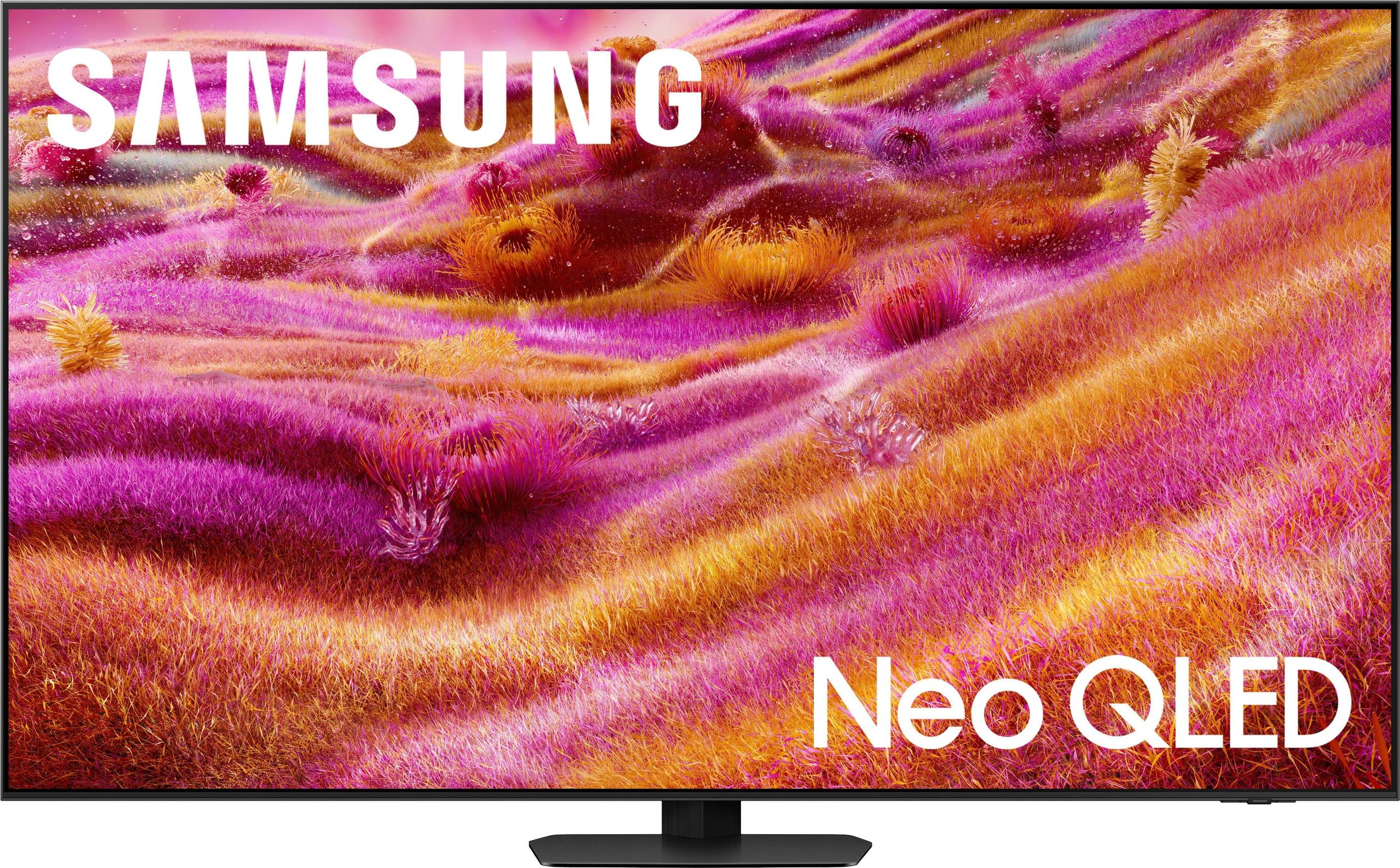
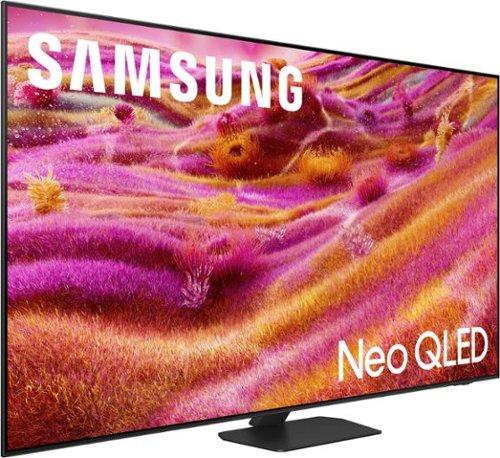
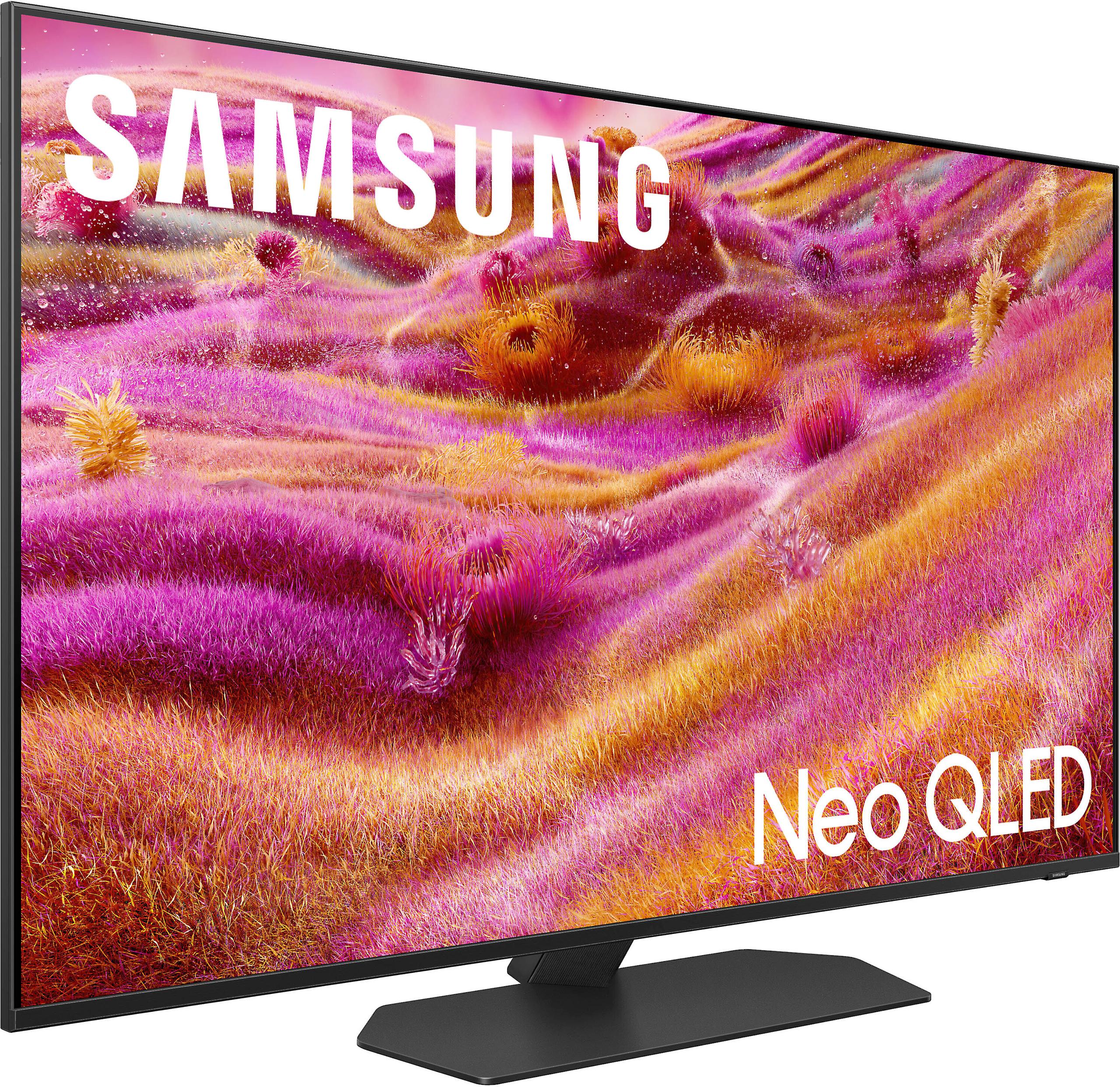
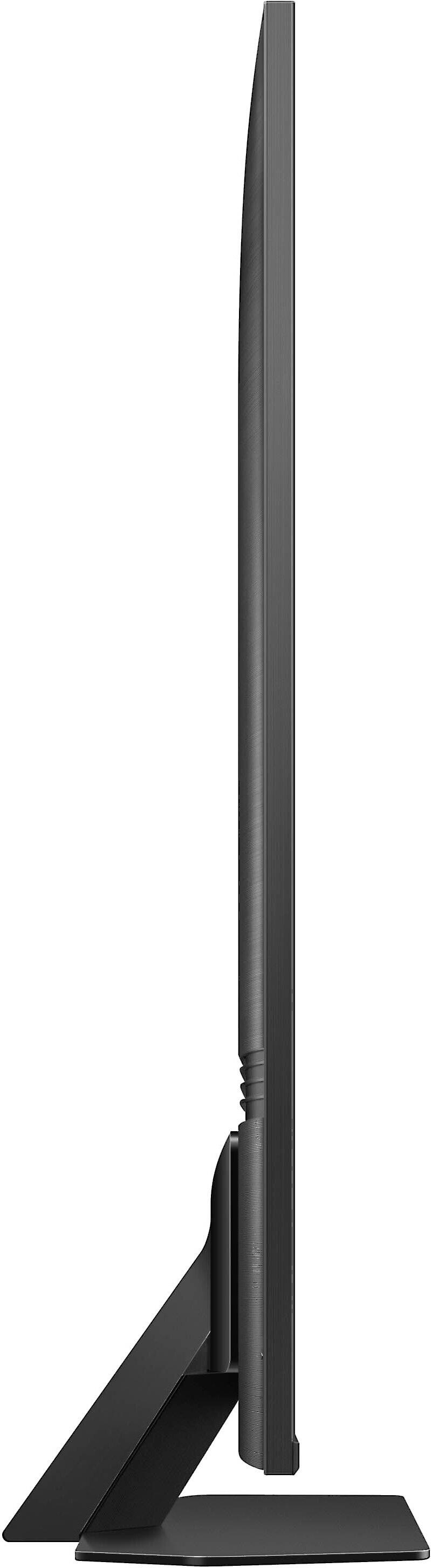
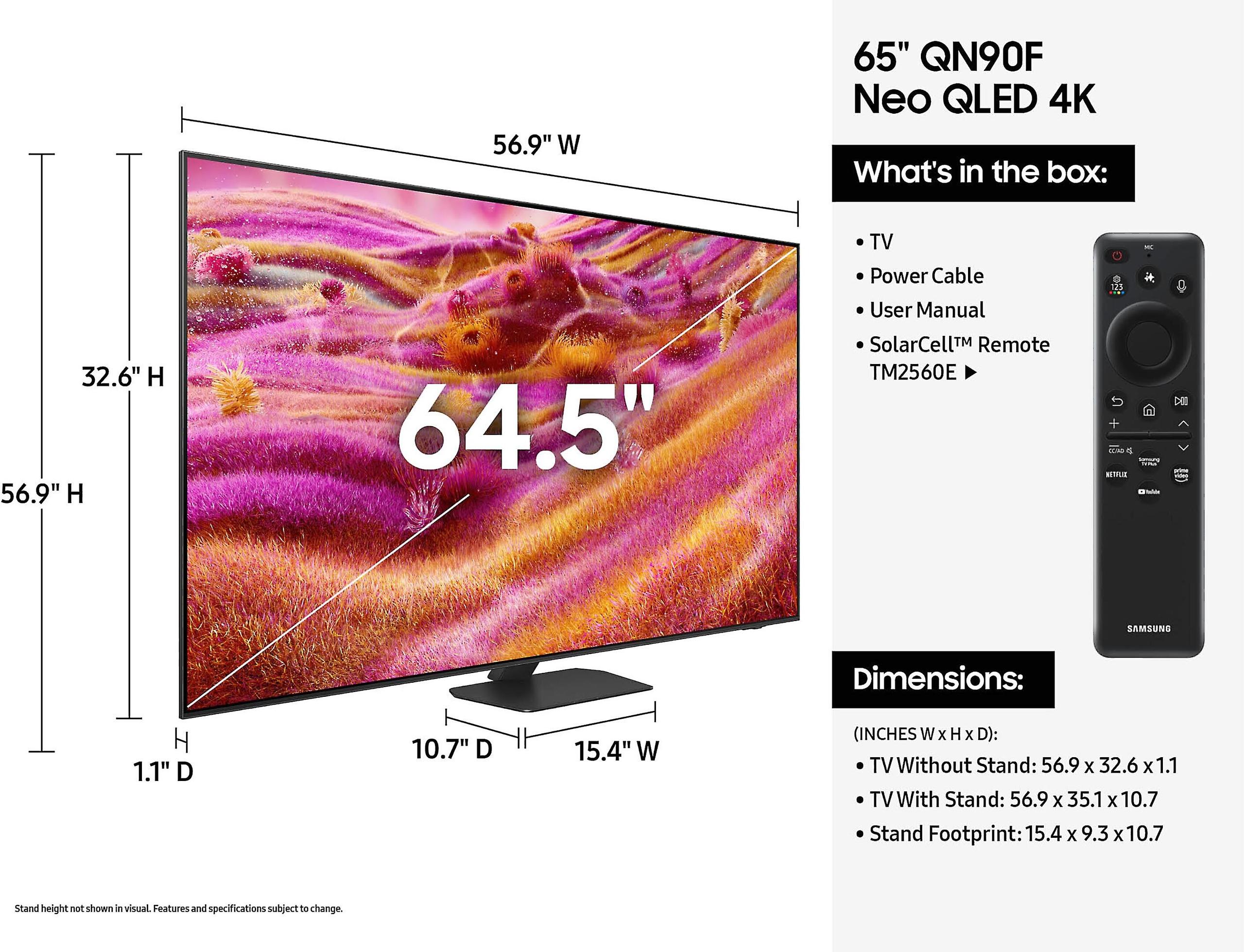
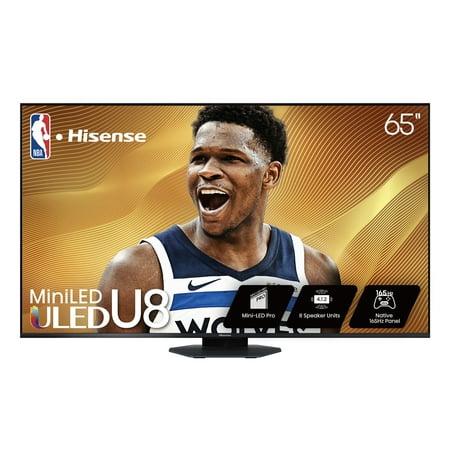
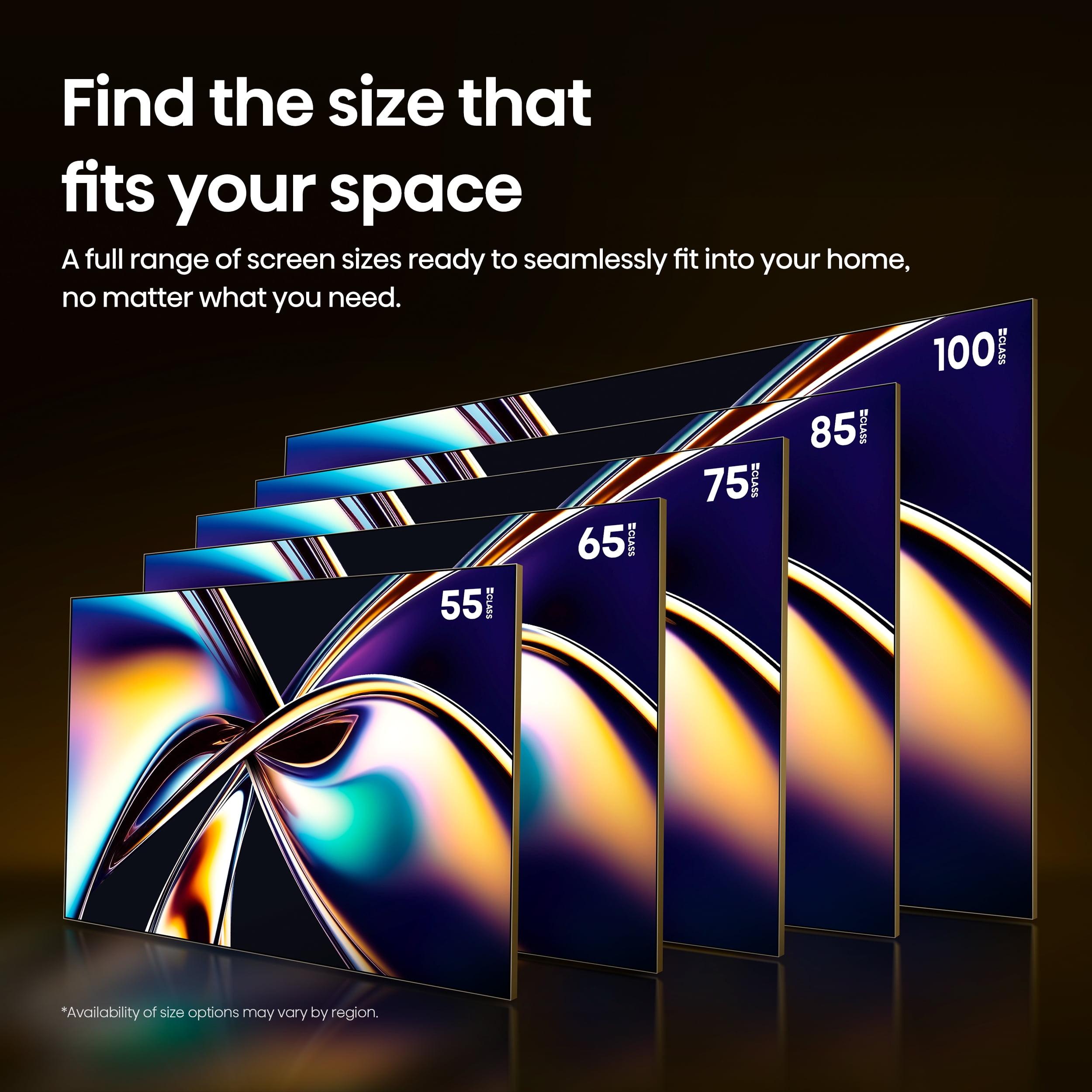
When shopping for a premium 65-inch TV in 2025, two models consistently rise to the top of recommendation lists: the Samsung QN90F Neo QLED and the Hisense U8 Series Mini-LED. Both represent the cutting edge of LED display technology, but they take dramatically different approaches to achieving exceptional picture quality. After spending considerable time with both TVs, I can tell you that choosing between them isn't straightforward—each excels in different areas that matter to different types of viewers.
Before diving into the comparison, it's worth understanding what makes these TVs special. Both the Samsung QN90F and Hisense U8 use Mini-LED backlighting, which represents a significant leap forward from traditional LED TVs. Instead of using dozens of large LEDs, these displays employ thousands of tiny LEDs—some smaller than a grain of rice—to illuminate the screen.
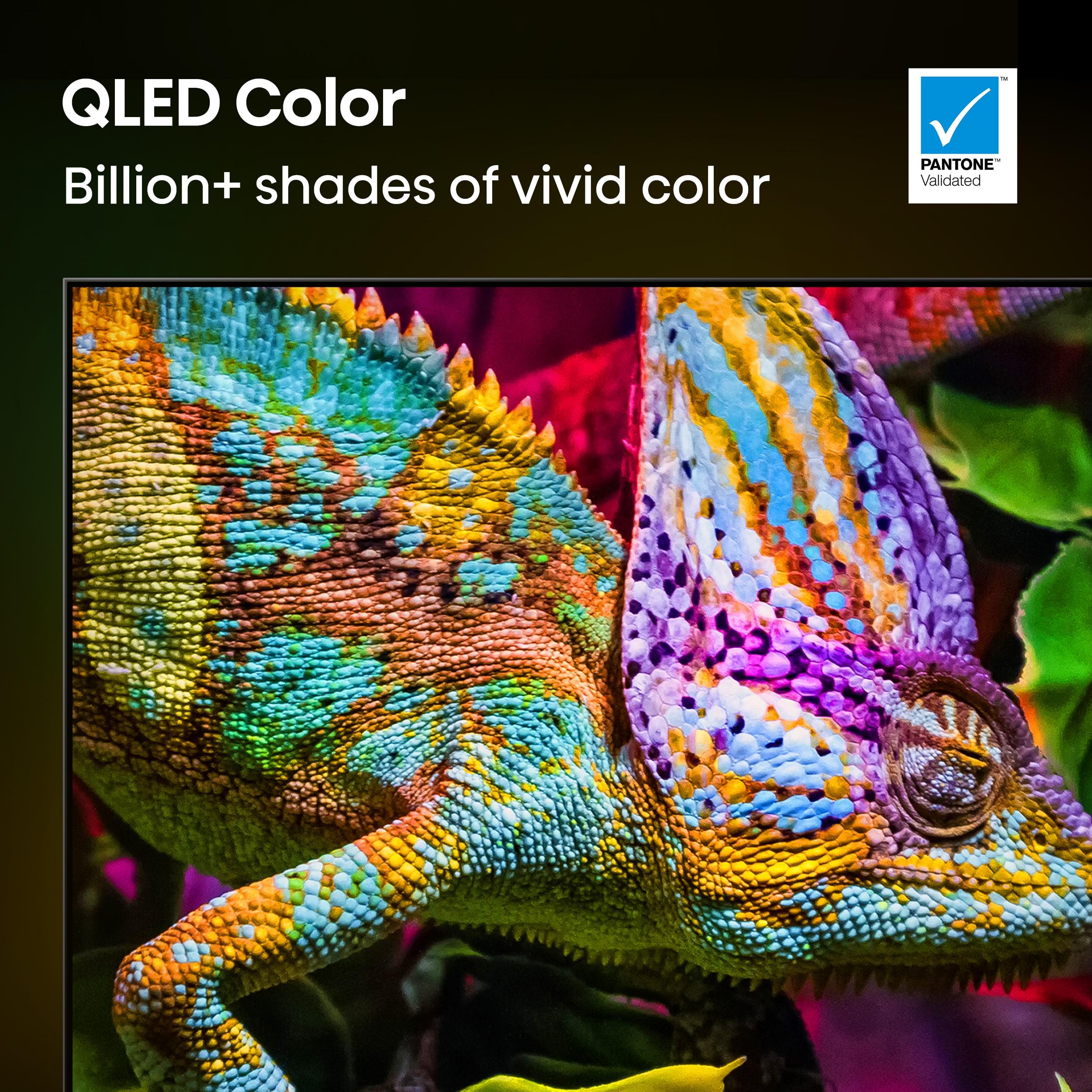
This miniaturization allows for something called "full-array local dimming" with thousands of independently controlled zones. Think of it like having thousands of tiny dimmer switches behind your screen, each capable of brightening or darkening specific areas. When a scene shows bright stars against a dark sky, the TV can make the star areas blazingly bright while keeping the surrounding areas completely dark. This creates contrast levels that approach what you'd see with OLED displays, but with much higher peak brightness.
The technology has evolved rapidly since early Mini-LED TVs arrived around 2021. Today's 2025 models like these two feature significantly more dimming zones, brighter peak luminance, and more sophisticated processing than their predecessors. The result is HDR content that can genuinely make you pause and stare—sunlight reflecting off water or explosions in action movies appear with an intensity that older TVs simply couldn't reproduce.
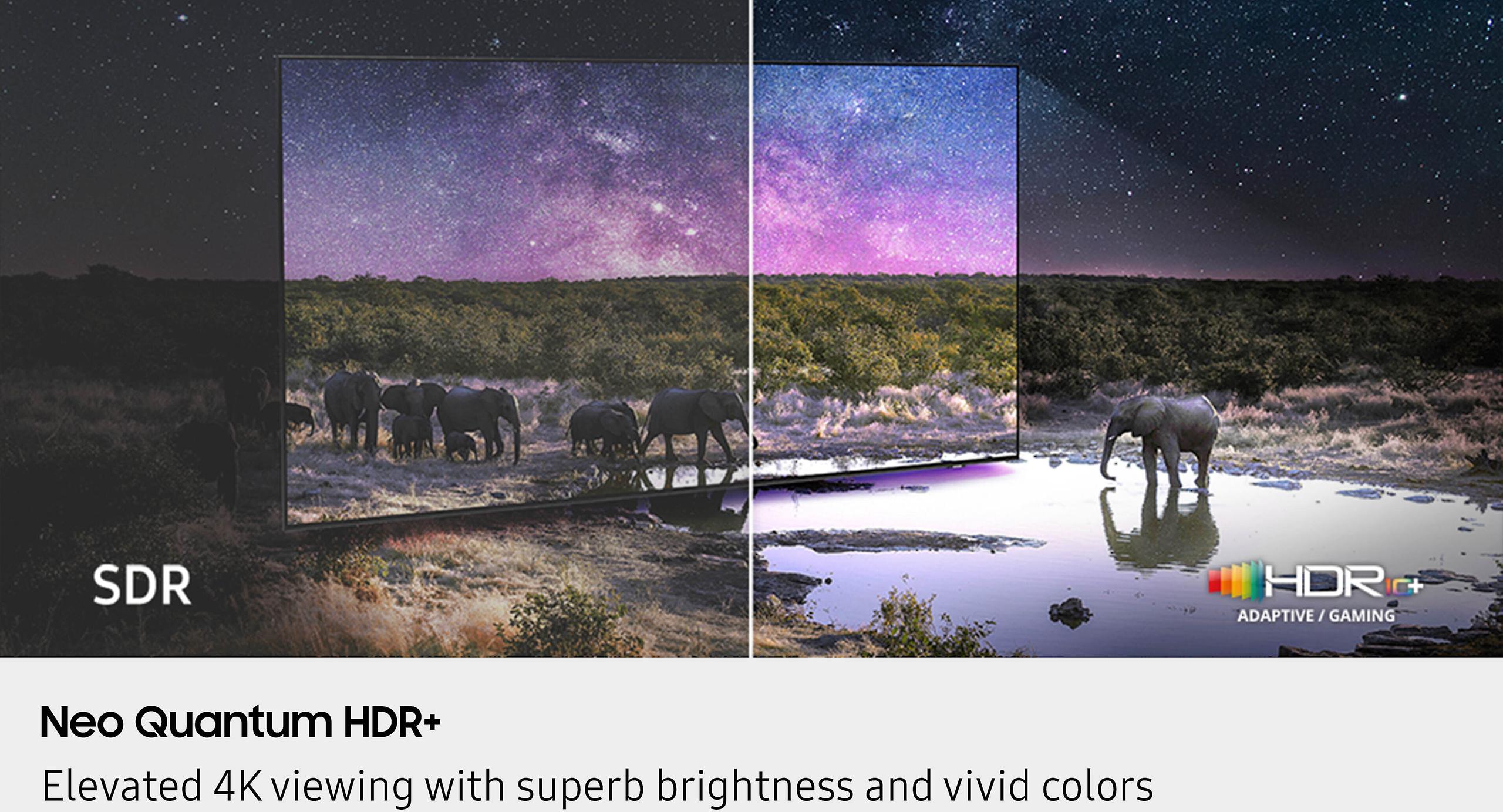
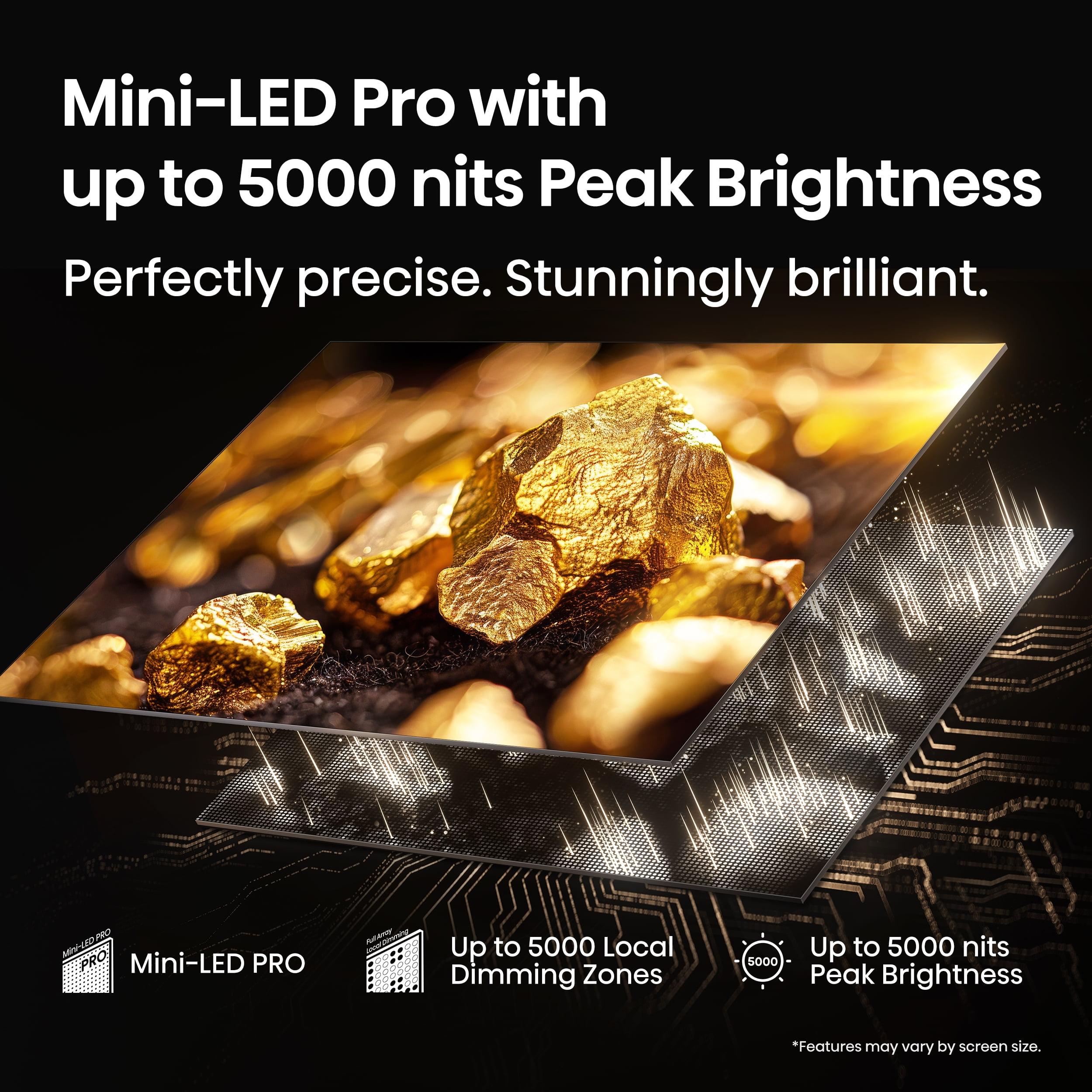
The most striking difference between these TVs becomes apparent the moment you fire up HDR content. The Hisense U8 takes a "maximum impact" approach, delivering up to 3,000 nits of peak brightness—roughly ten times brighter than TVs from just five years ago. When watching movies like "Dune" or "Blade Runner 2049," this translates to highlights that genuinely feel three-dimensional. Explosions don't just look bright; they feel like they're projecting light into your room.
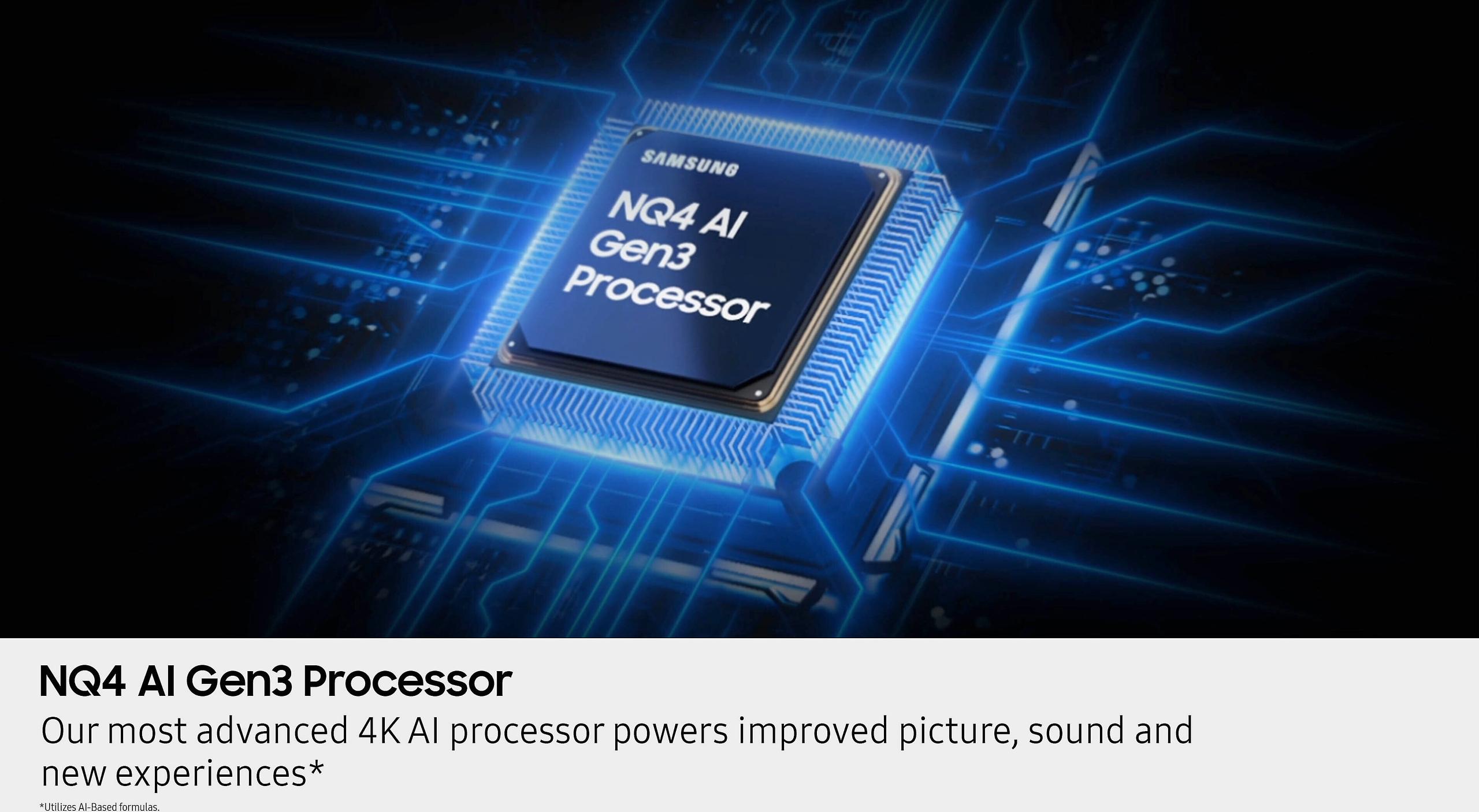
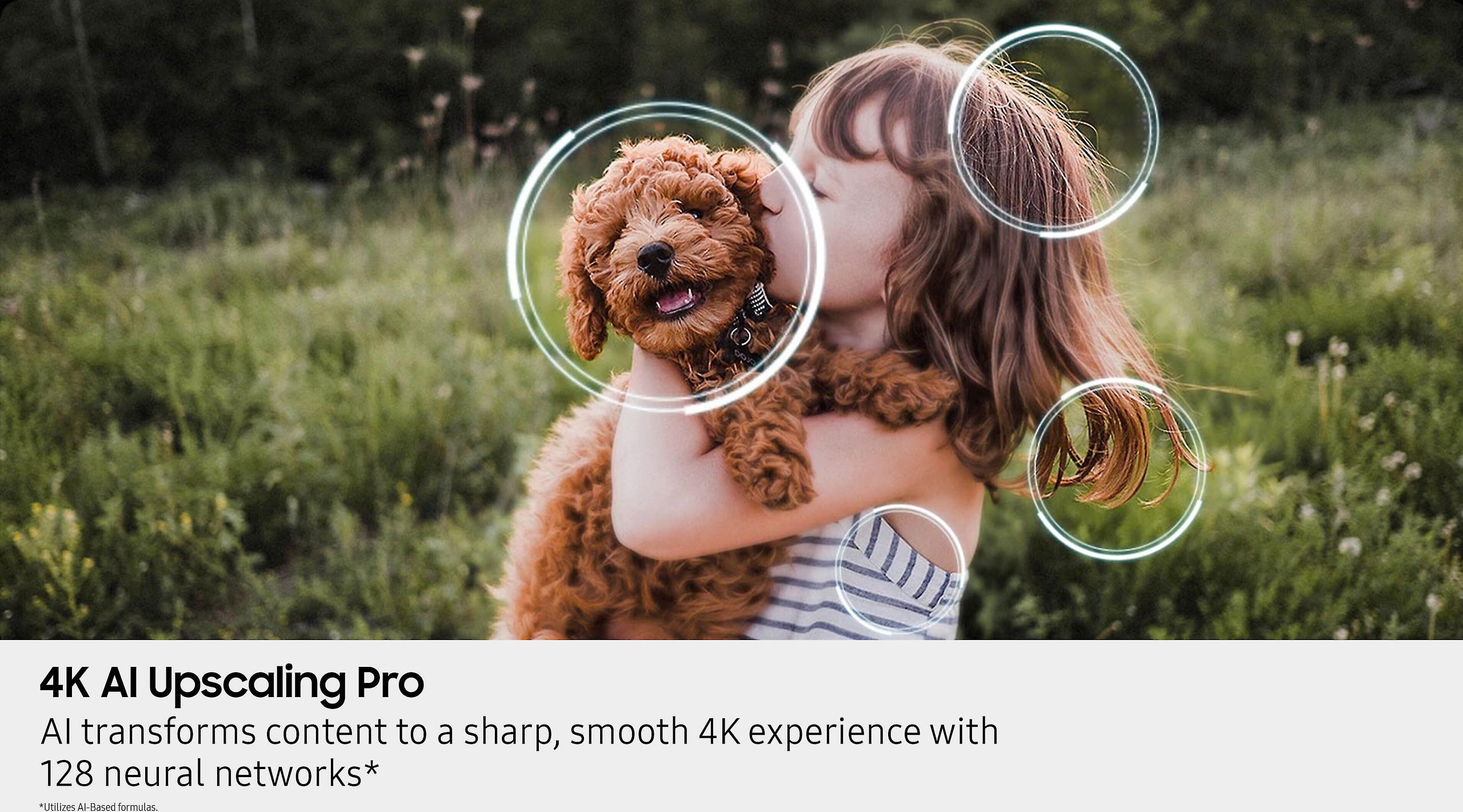
The Samsung QN90F, while not quite as bright at peak levels, focuses on sophistication and refinement. Samsung's NQ4 AI Gen3 processor—powered by 128 separate neural networks—analyzes every frame in real-time, making intelligent decisions about color, contrast, and detail enhancement. I've found this particularly noticeable when watching older content or streaming services with compression artifacts. The Samsung makes a 1080p Netflix stream look remarkably close to native 4K content.
From my testing, the Hisense delivers more "wow factor" in ideal conditions, but the Samsung provides more consistent excellence across all types of content. If you're primarily watching pristine 4K Blu-rays or high-bitrate streaming, the Hisense's raw power shines. For mixed viewing with lots of lower-quality sources, Samsung's processing advantage becomes more valuable.
Here's where these TVs reveal a crucial philosophical difference. The Hisense U8 supports every major HDR format, including Dolby Vision—the premium HDR standard used by Netflix, Disney+, and most major streaming services. Dolby Vision uses dynamic metadata to optimize each scene individually, resulting in more accurate colors and better shadow detail.
The Samsung QN90F, despite its premium positioning, omits Dolby Vision support in favor of Samsung's own HDR10+ format. While HDR10+ is technically capable, it has much less content support. This means you'll miss out on the optimal viewing experience for much of Netflix's premium content and virtually all of Disney's 4K releases.
In practical terms, I've noticed this difference most clearly when watching Marvel movies or nature documentaries. The same content often looks more vibrant and detailed on the Hisense when Dolby Vision is available. However, Samsung's superior processing can sometimes compensate for this limitation with standard HDR10 content.
Gaming represents another area where these TVs take different approaches, and your gaming habits will largely determine which serves you better.
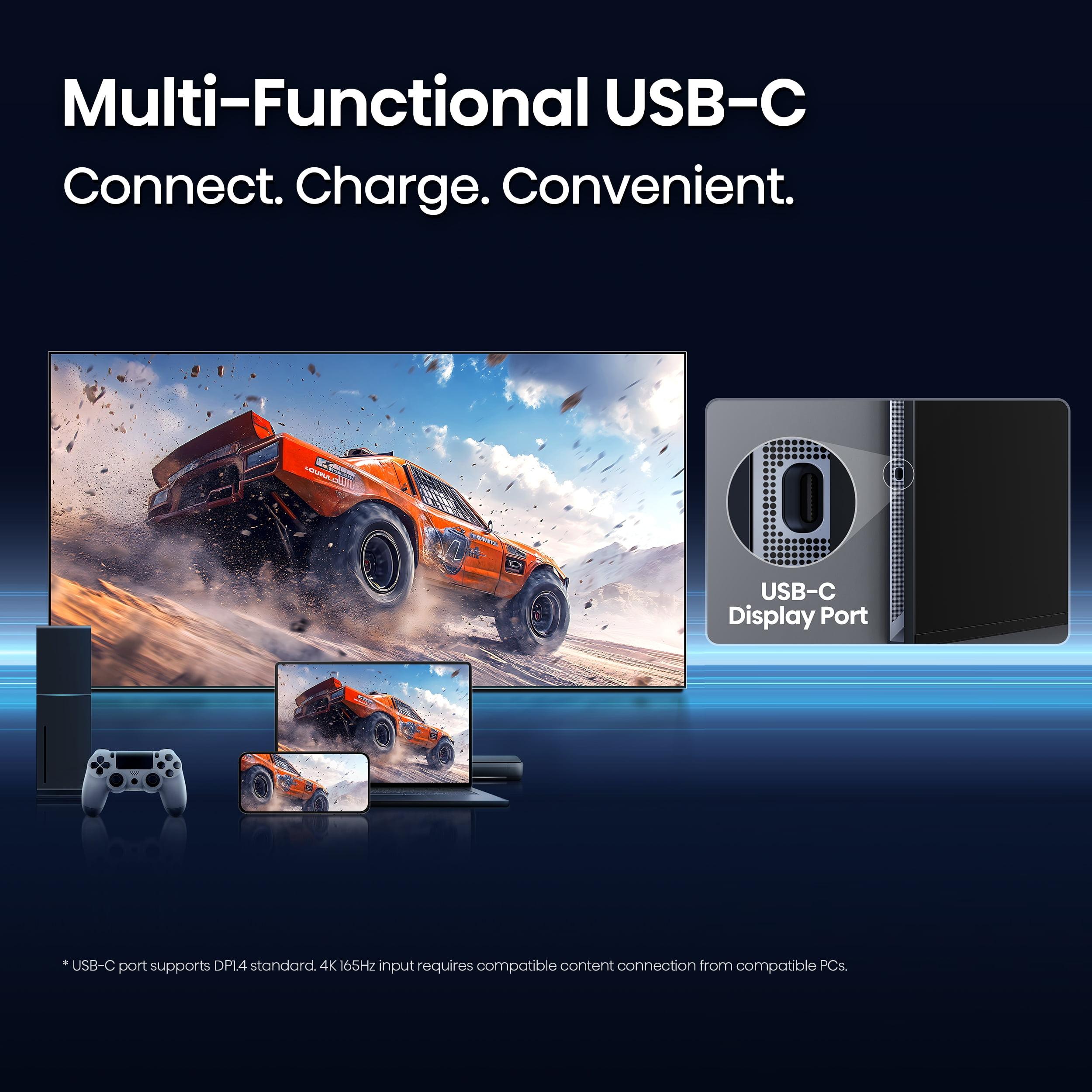
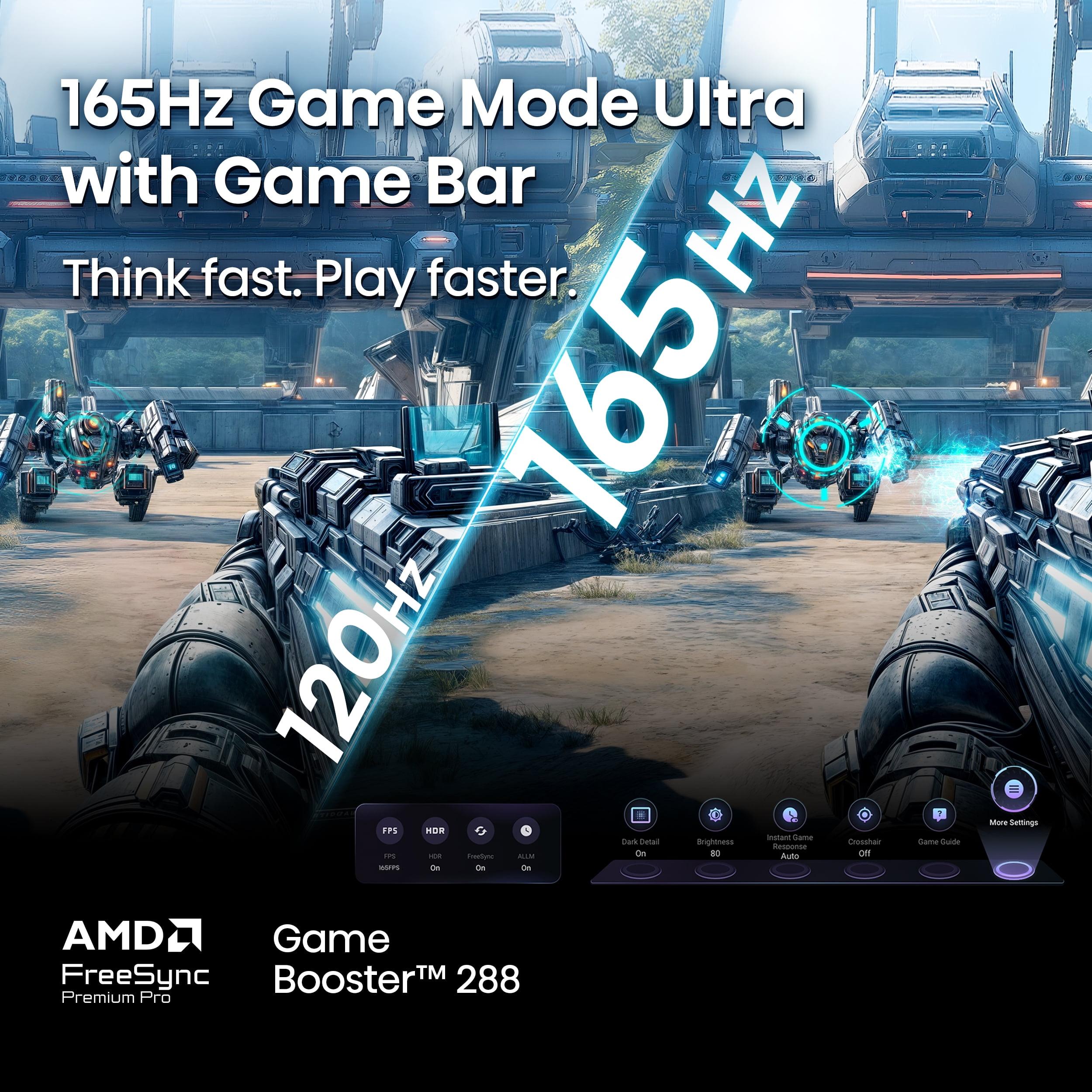
Both TVs offer high refresh rates that make modern gaming silky smooth. The Samsung QN90F pushes slightly higher with support for 4K gaming at up to 165Hz, while the Hisense U8 tops out at 144Hz. In reality, both rates are far higher than current gaming consoles can output, though PC gamers with high-end graphics cards might appreciate Samsung's extra headroom.
More interesting is how each TV handles Game Mode—the setting that reduces input lag for responsive gaming. The Samsung achieves an impressively low 9.5ms input lag, meaning there's virtually no delay between pressing a button and seeing the action on screen. However, activating Game Mode noticeably degrades the Samsung's black levels and local dimming performance, creating more visible "blooming" around bright objects.
The Hisense U8 maintains much better picture quality in Game Mode, keeping those deep blacks that make games like "Cyberpunk 2077" or "The Last of Us" look cinematic even while gaming. The trade-off is slightly higher input lag, though it's still excellent for all but the most competitive gaming scenarios.
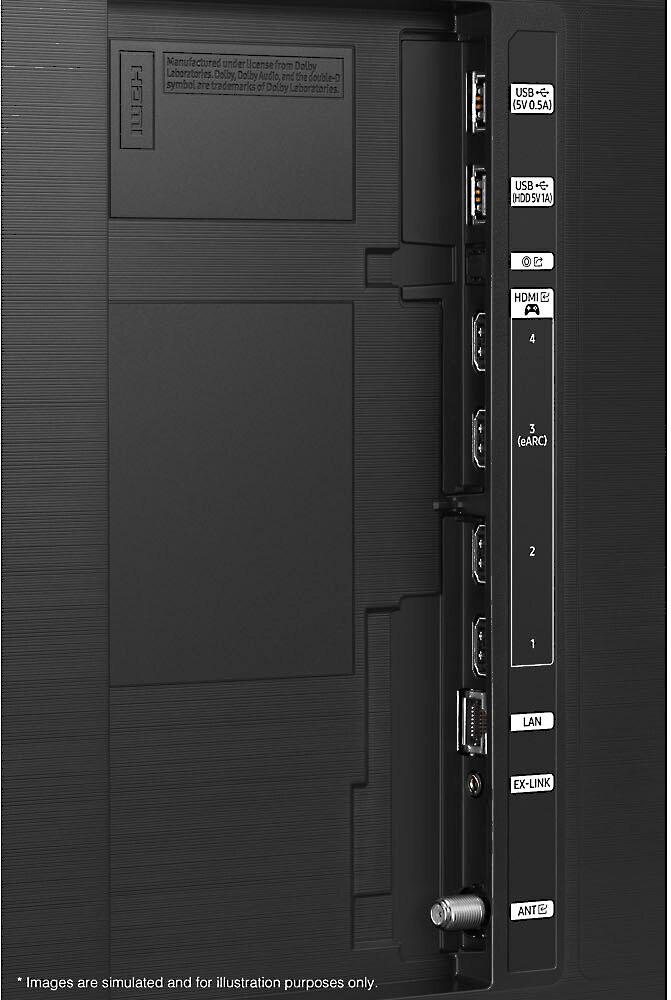
This is where Samsung's premium positioning shows most clearly. The Samsung QN90F includes four full HDMI 2.1 ports, meaning you can connect a PlayStation 5, Xbox Series X, gaming PC, and Apple TV 4K simultaneously—all while maintaining access to advanced features like Variable Refresh Rate (VRR) and Auto Low Latency Mode (ALLM).
The Hisense U8 offers fewer HDMI 2.1 ports, which might require some cable swapping if you have multiple gaming devices. However, it includes the same gaming enhancements like AMD FreeSync Premium Pro and VRR support within its refresh rate range.
For serious gamers with multiple consoles and devices, Samsung's connectivity advantage is significant. For casual gamers or those with just one or two devices, the Hisense's superior Game Mode picture quality might be more valuable.
The smart TV experience has become increasingly important as more viewers abandon cable TV entirely. These two TVs take fundamentally different approaches to delivering streaming content and smart features.
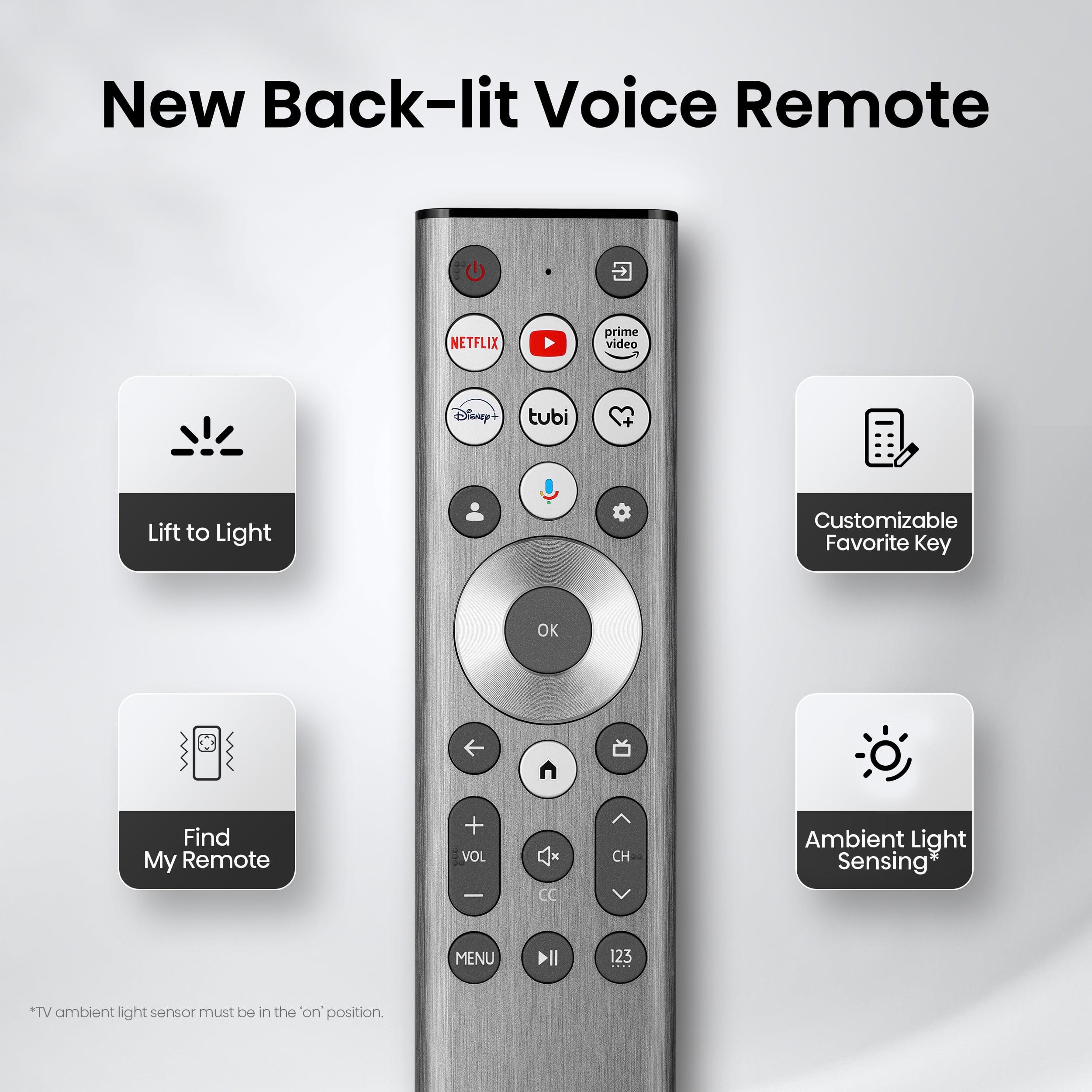
The Hisense U8 runs Google TV, which has evolved into one of the most user-friendly smart platforms available. Its strength lies in content discovery—the home screen aggregates shows and movies from across your various streaming subscriptions, making it easy to find something to watch without opening individual apps. The platform also receives regular updates and supports virtually every streaming service available.
Samsung's Tizen platform on the Samsung QN90F feels more premium but less intuitive. It excels if you're already invested in Samsung's ecosystem—the TV integrates seamlessly with Samsung phones, soundbars, and other smart home devices. Samsung also provides access to over 2,700 free streaming channels, which can be valuable for cord-cutters.
In my experience, Google TV feels more natural for most users, especially those who use Android devices or Google services regularly. However, Samsung's deeper integration with their hardware ecosystem creates some genuinely useful features, like using your Samsung phone as a remote or seamlessly switching audio between the TV and Samsung earbuds.
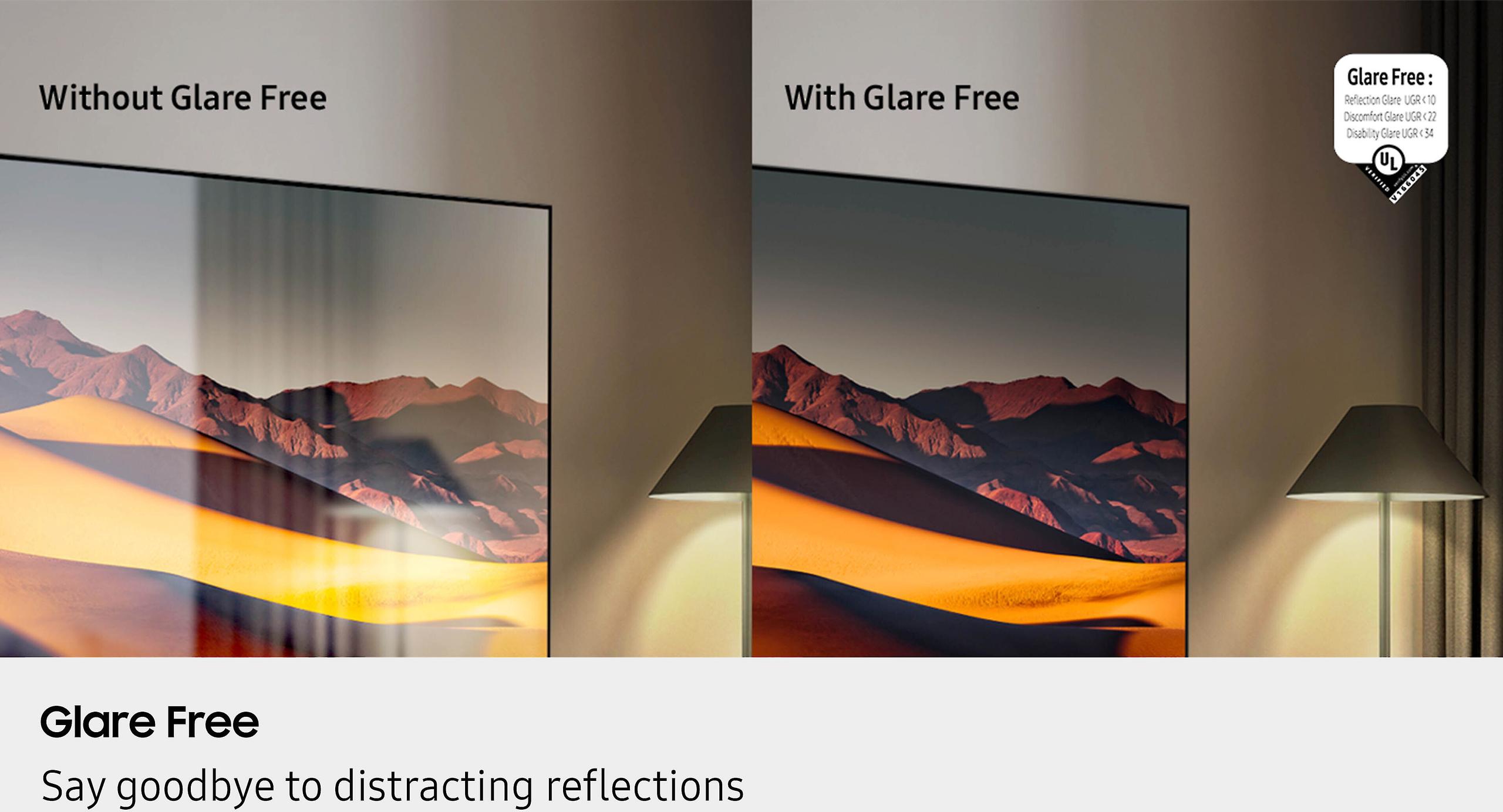
If your TV will live in a bright living room with lots of windows, this comparison becomes much simpler. The Samsung QN90F includes Samsung's award-winning Glare-Free technology, which virtually eliminates the mirror-like reflections that plague most TVs in bright environments.
I've tested both TVs in various lighting conditions, and the difference is dramatic. The Samsung maintains excellent contrast and color accuracy even with direct sunlight hitting the screen, while the Hisense U8 becomes significantly more difficult to watch in the same conditions. If your primary viewing happens during the day in a bright room, Samsung's advantage here is substantial enough to overcome other considerations.
Both TVs deliver surprisingly good audio for built-in speakers, though they take different approaches. The Samsung QN90F features a 60W 4.2.2-channel system with Object Tracking Sound+, which moves audio around the screen to match on-screen action. It's genuinely impressive for built-in speakers and creates a more immersive experience than traditional down-firing drivers.
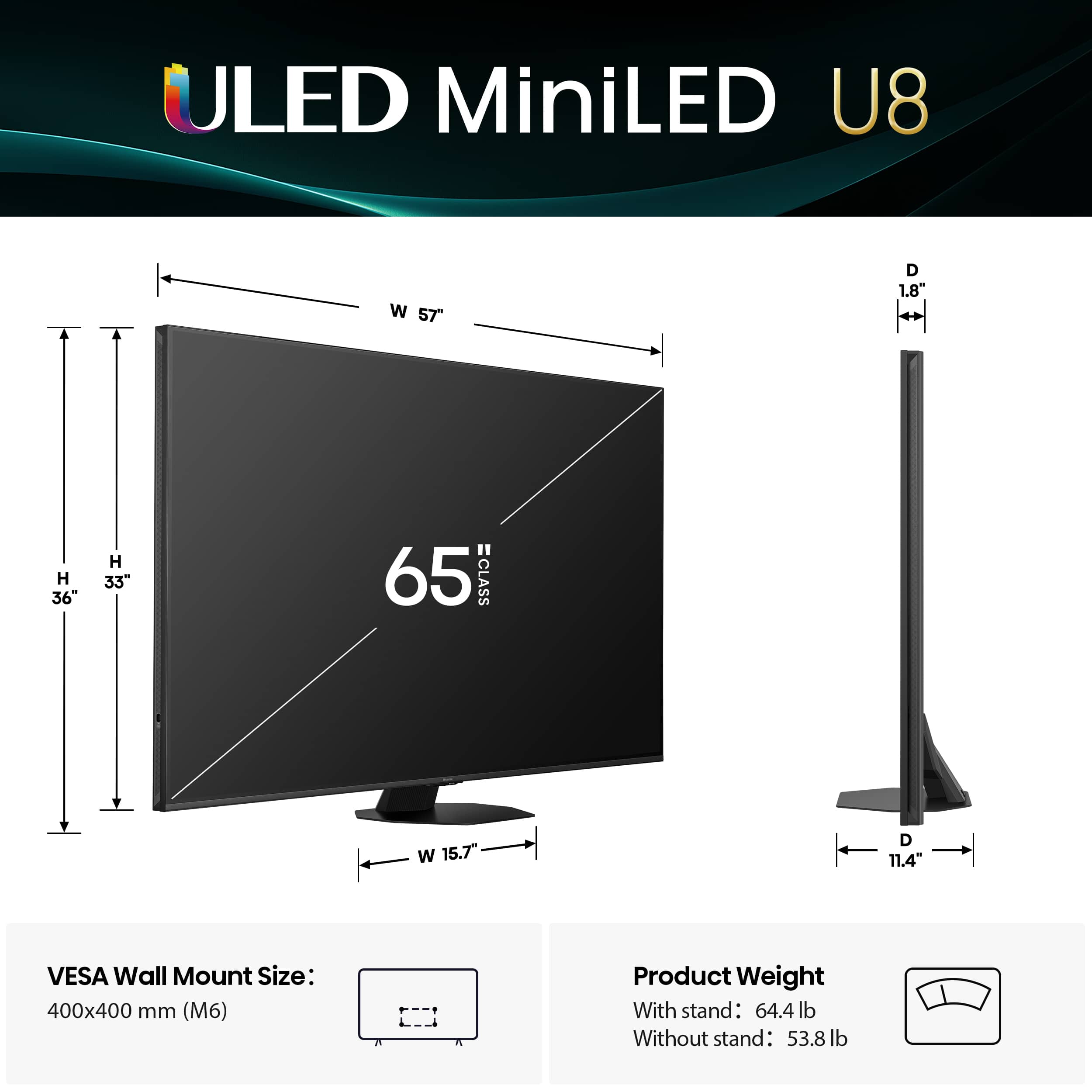
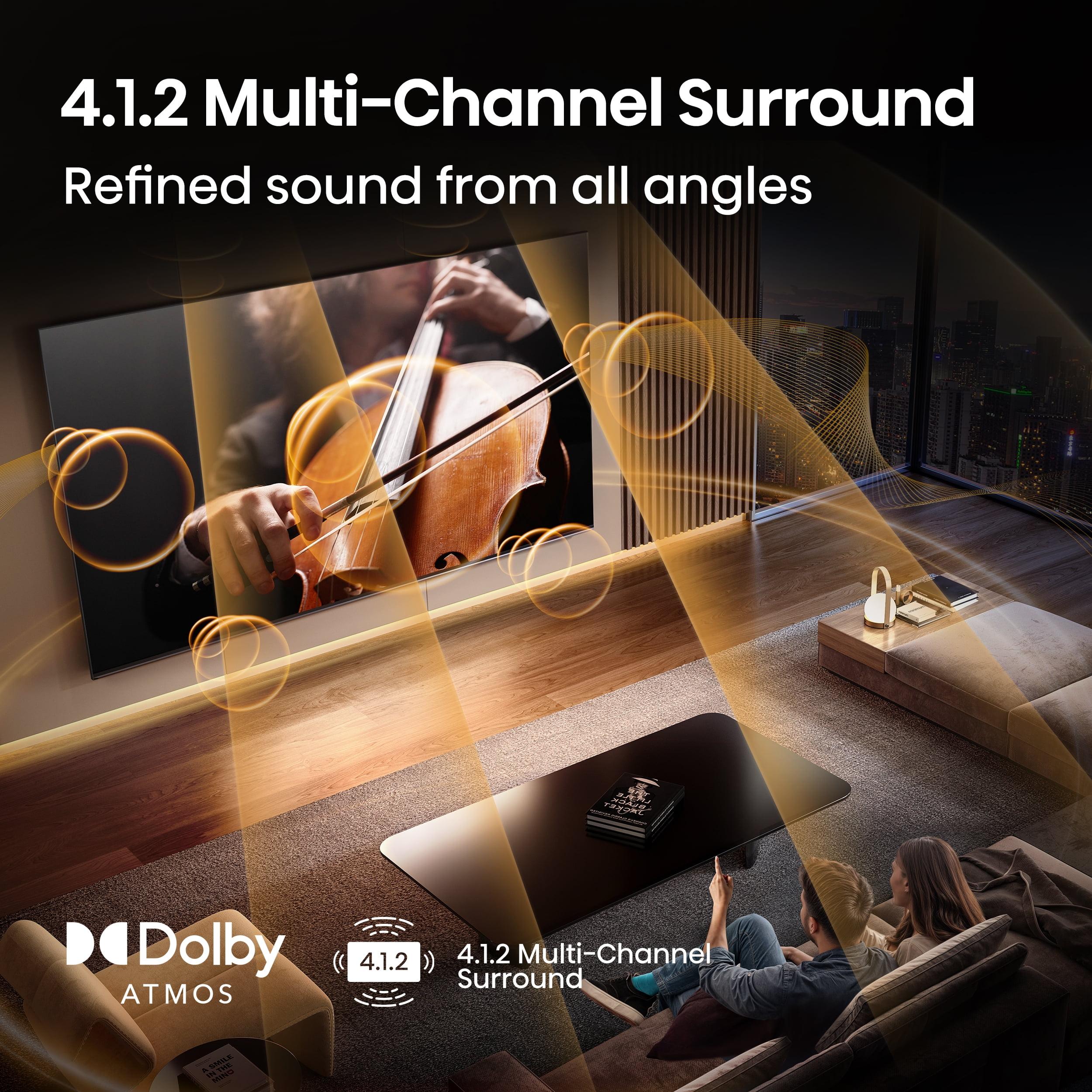
The Hisense U8 opts for raw power with its 50W 2.1.2-channel system that includes a built-in subwoofer. The result is fuller, more impactful sound with better bass response. For casual viewing, it actually sounds better than the Samsung.
However, the Samsung's Q-Symphony technology creates a significant advantage for users planning to add a Samsung soundbar. The TV speakers work in harmony with compatible soundbars, creating a more enveloping surround sound experience. If you're planning to upgrade your audio setup eventually, this ecosystem integration adds real value.
At the time of writing, these TVs occupy very different price segments, with the Samsung commanding a significant premium over the Hisense. This price difference fundamentally changes how we should evaluate them.
The Hisense U8 represents exceptional value in the premium TV category. It delivers roughly 90% of flagship TV performance at approximately 40-50% of the cost of premium competitors. For most viewers, especially those upgrading from older LED or entry-level QLED TVs, the performance improvement is dramatic enough to satisfy for years to come.
The Samsung QN90F targets buyers who want refinement and premium features regardless of cost. Its advantages—superior processing, glare resistance, extensive connectivity, and ecosystem integration—provide clear benefits, but they come at a substantial premium.
For dedicated home theater use, both TVs excel but in different ways. The Hisense U8's superior brightness and Dolby Vision support make it excellent for HDR movie watching, especially in rooms with some ambient light. Its ability to maintain picture quality in Game Mode also makes it versatile for gaming sessions.
The Samsung QN90F's processing advantage becomes more apparent in dark room viewing, where its superior motion handling and upscaling create a more cinematic experience. The Glare-Free coating, while designed for bright rooms, also eliminates subtle reflections that can be distracting in darker environments.
Both TVs would benefit from a quality soundbar or surround sound system for true home theater use, though the Samsung's Q-Symphony integration provides an upgrade path within Samsung's ecosystem.
After extensive testing, I believe most buyers should seriously consider the Hisense U8. It delivers exceptional picture quality, comprehensive HDR support, and robust gaming features at a price point that provides outstanding value. The only significant compromises are reduced HDMI 2.1 connectivity and less sophisticated processing—limitations that won't affect most users' daily viewing experience.
Choose the Samsung QN90F if you have a bright living room where its Glare-Free technology would be transformative, if you're heavily invested in Samsung's ecosystem, or if you're a serious gamer who needs maximum connectivity options. The premium pricing is justified in these specific scenarios, but for general use, the Hisense provides better overall value.
Both TVs represent the current state-of-the-art in LED display technology, and either would be a significant upgrade over older displays. The choice ultimately comes down to whether Samsung's premium features and processing justify the substantial price difference for your specific viewing habits and room environment.
The TV market continues evolving rapidly, but these 2025 models showcase how Mini-LED technology has matured into a genuine alternative to OLED displays, offering the brightness and longevity advantages of LED with contrast performance that was unimaginable just a few years ago.
| Samsung 65" QN90F Neo QLED 4K Vision AI Smart TV 2025 | Hisense 65" U8 Series Mini-LED ULED 4K Google TV |
|---|---|
| Peak Brightness - Higher brightness delivers more impactful HDR and better daytime viewing | |
| Up to 1,900 nits (excellent for most rooms) | Up to 3,000 nits (exceptional brightness, best-in-class) |
| Local Dimming Zones - More zones mean better contrast control and less blooming | |
| Quantum Matrix Mini LED (exact zone count unspecified) | 2,000+ zones (significantly more precise backlight control) |
| Gaming Refresh Rate - Higher rates provide smoother motion for competitive gaming | |
| 165Hz with 4K support (industry-leading for consoles and PC) | 144Hz native (excellent for all current gaming needs) |
| HDMI 2.1 Ports - More ports mean less cable swapping for multiple devices | |
| 4 HDMI 2.1 ports (connect all devices simultaneously) | Limited HDMI 2.1 ports (may require cable management) |
| HDR Format Support - Dolby Vision provides the best streaming experience | |
| HDR10+ only (lacks Dolby Vision for Netflix, Disney+) | Full Dolby Vision support (optimal for all streaming services) |
| Anti-Glare Technology - Critical for bright living rooms with windows | |
| Glare-Free technology (virtually eliminates reflections) | Low reflection coating (good but not glare-free) |
| Smart Platform - Affects daily usability and app selection | |
| Samsung Tizen with Samsung ecosystem integration | Google TV with superior content discovery |
| Game Mode Picture Quality - Important for maintaining visuals while gaming | |
| Black levels degrade in Game Mode (visible blooming) | Maintains excellent black levels in Game Mode |
| Input Lag - Lower is better for competitive gaming responsiveness | |
| 9.5ms (exceptionally low for competitive gaming) | Slightly higher but still excellent for most gaming |
| Audio System - Built-in speaker quality affects need for soundbar | |
| 60W 4.2.2 with Object Tracking Sound+ | 50W 2.1.2 with built-in subwoofer (fuller bass) |
| AI Processing - Better upscaling improves lower-quality content | |
| NQ4 AI Gen3 with 128 neural networks (superior upscaling) | Hi-View Engine PRO (good processing, not as advanced) |
| Warranty Coverage - Longer coverage provides better peace of mind | |
| 1 year standard warranty | 2 years (double industry standard) |
| Value Proposition - Performance per dollar spent | |
| Premium features justify higher cost for specific needs | Exceptional value with 90% of premium performance at much lower cost |
The Hisense U8 Series delivers superior raw picture performance with 3,000 nits peak brightness and over 2,000 local dimming zones, creating more impactful HDR content. However, the Samsung QN90F offers more refined processing with its NQ4 AI Gen3 processor, providing better upscaling of lower-quality content. For most viewers, the Hisense provides more dramatic visual impact, while Samsung excels at making all content look its best.
The Samsung QN90F offers superior gaming connectivity with four HDMI 2.1 ports supporting 4K at 165Hz and exceptionally low 9.5ms input lag. However, the Hisense U8 maintains better picture quality in Game Mode, keeping deep blacks while gaming. Choose Samsung if you have multiple gaming devices or need the lowest possible input lag; choose the Hisense if you prioritize visual quality while gaming.
The Samsung QN90F is significantly better for bright rooms thanks to its Glare-Free technology that virtually eliminates reflections from windows and lights. The Hisense U8 has good anti-glare coating but cannot match Samsung's reflection control. If your TV will be in a bright living room with lots of windows, the Samsung's advantage here is substantial.
The Hisense U8 running Google TV generally supports more streaming services and receives faster app updates. The Samsung QN90F uses Samsung's Tizen platform, which covers all major services but may lag behind in supporting newer or niche streaming apps. Both support Netflix, Disney+, Amazon Prime, and other major platforms without issues.
The Hisense U8 supports Dolby Vision, while the Samsung QN90F does not, only supporting HDR10+. Dolby Vision provides enhanced HDR performance for content from Netflix, Disney+, and Apple TV+. If you primarily stream content from these services, the Hisense's Dolby Vision support delivers noticeably better HDR performance for premium content.
The Samsung QN90F features a 60W 4.2.2-channel system with Object Tracking Sound+ that moves audio to match on-screen action, while the Hisense U8 offers a 50W 2.1.2-channel system with a built-in subwoofer for better bass. The Hisense generally sounds fuller for music and movies, while Samsung's system creates more immersive surround effects.
The Hisense U8 uses Google TV, which excels at content discovery and aggregating shows from multiple streaming services. The Samsung QN90F runs Tizen, which integrates better with Samsung devices and offers access to over 2,700 free channels. Google TV feels more intuitive for most users, while Tizen provides better ecosystem integration for Samsung device owners.
The Hisense U8 provides exceptional value, delivering approximately 90% of premium TV performance at a significantly lower cost than the Samsung QN90F. The Samsung justifies its premium pricing with superior processing, glare resistance, and extensive connectivity. For most buyers, the Hisense offers better performance per dollar spent.
Both the Samsung QN90F and Hisense U8 excel in home theater applications. The Samsung offers superior motion processing and Glare-Free technology, while the Hisense provides brighter highlights and full Dolby Vision support. Both benefit from adding a quality soundbar, though the Samsung's Q-Symphony technology integrates better with Samsung audio products.
The Samsung QN90F generally performs better for sports viewing due to its superior motion processing and Glare-Free screen that remains clear even in bright rooms during daytime games. The Hisense U8 offers excellent sports performance as well, with brighter highlights that make outdoor sports more vivid, but may struggle more with reflections in bright viewing environments.
The Hisense U8 includes a 2-year warranty, which is double the industry standard and provides better peace of mind. The Samsung QN90F comes with a standard 1-year warranty. However, Samsung generally offers longer software support and more consistent quality control, which can provide better long-term reliability despite the shorter initial warranty period.
The Samsung QN90F typically receives longer software support with regular updates for 4-6 years, while the Hisense U8 may have a shorter support lifecycle. Samsung also tends to have more consistent panel quality and better long-term reliability. However, the Hisense's Google TV platform generally receives more frequent app updates and new features through Google's ongoing development.
We've done our best to create useful and informative comparisons to help you decide what product to buy. Our research uses advanced automated methods to create this comparison and perfection is not possible - please contact us for corrections or questions. These are the sites we've researched in the creation of this article: rtings.com - images.samsung.com - youtube.com - listenup.com - youtube.com - cullenshomecenter.com - rtings.com - shopjetson.com - youtube.com - samsung.com - samsung.com - videoandaudiocenter.com - rtings.com - bestbuy.com - youtube.com - news.samsung.com - news.samsung.com - news.samsung.com - bestbuy.com - news.samsung.com - youtube.com - news.samsung.com - youtube.com - smarthomesounds.co.uk - bestbuy.com - hisense-usa.com - rtings.com - bestbuy.com - rtings.com - hisense-usa.com - youtube.com - hisense-usa.com - avsforum.com - hisense-usa.com - hisense-usa.com - rtings.com - avsforum.com - hisense-usa.com - prnewswire.com - hisense-usa.com - bestbuy.com - youtube.com - hisense-usa.com

Privacy Policy
Terms and Conditions - Affiliate Policy
Home Security
© Copyright 2008-2026.
11816 Inwood Rd #1211, Dallas, TX 75244