

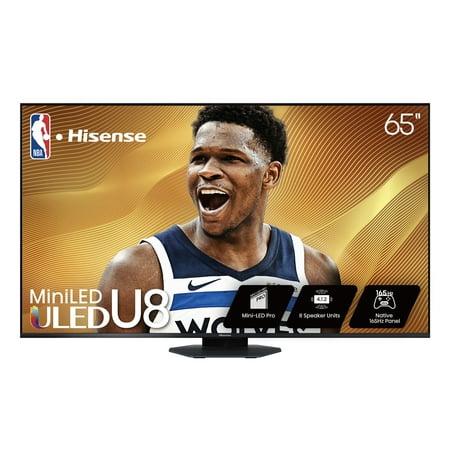
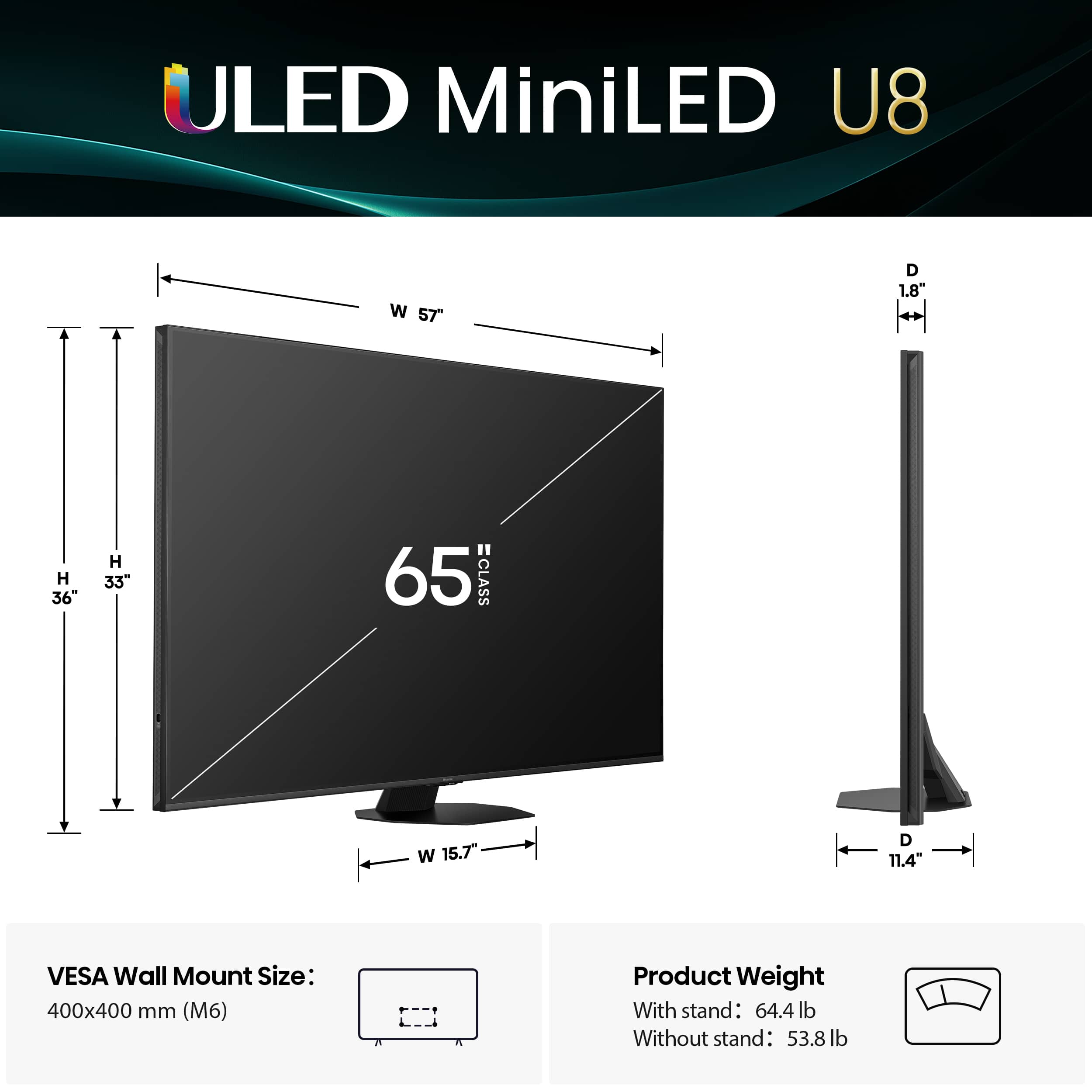
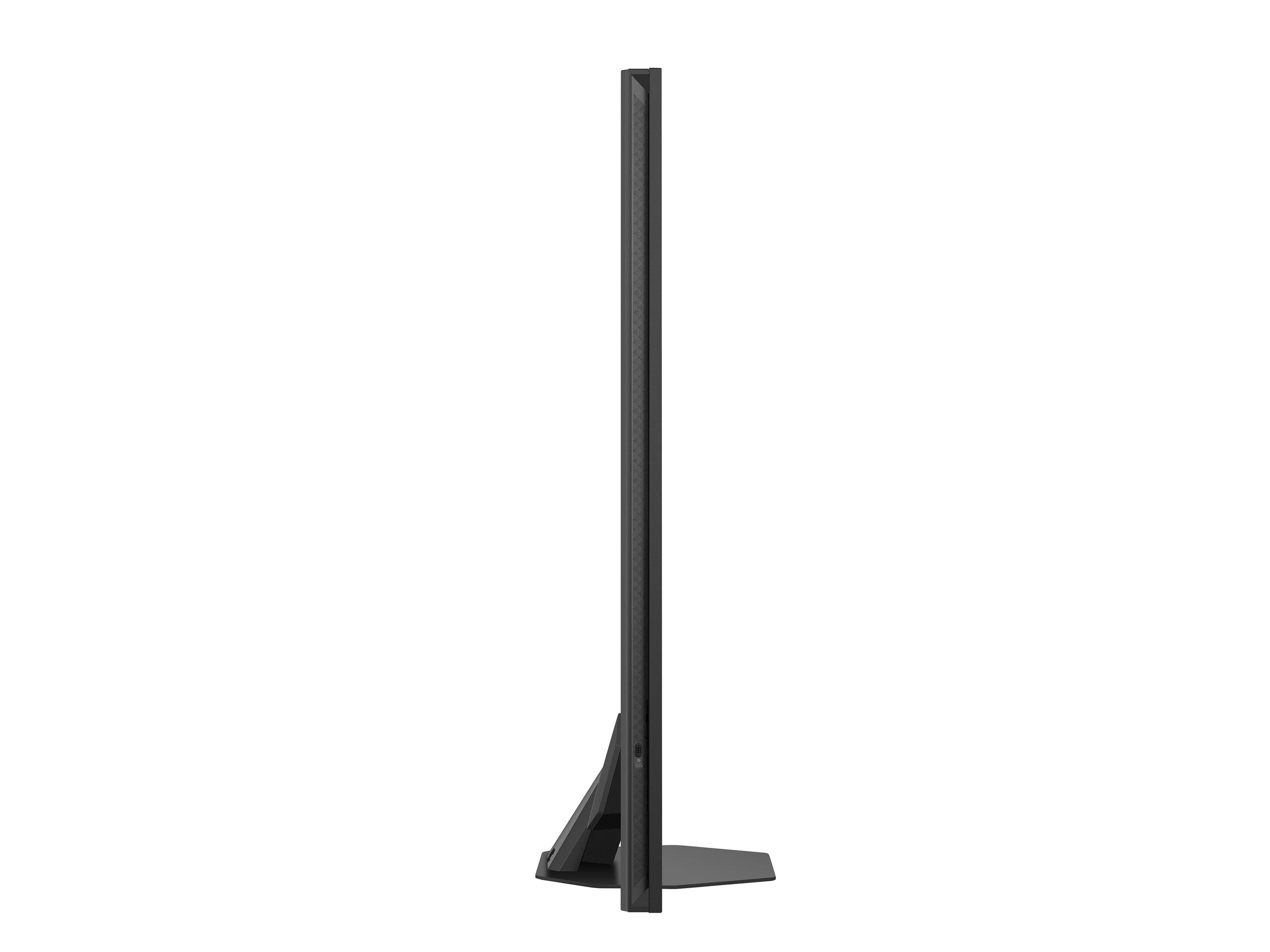
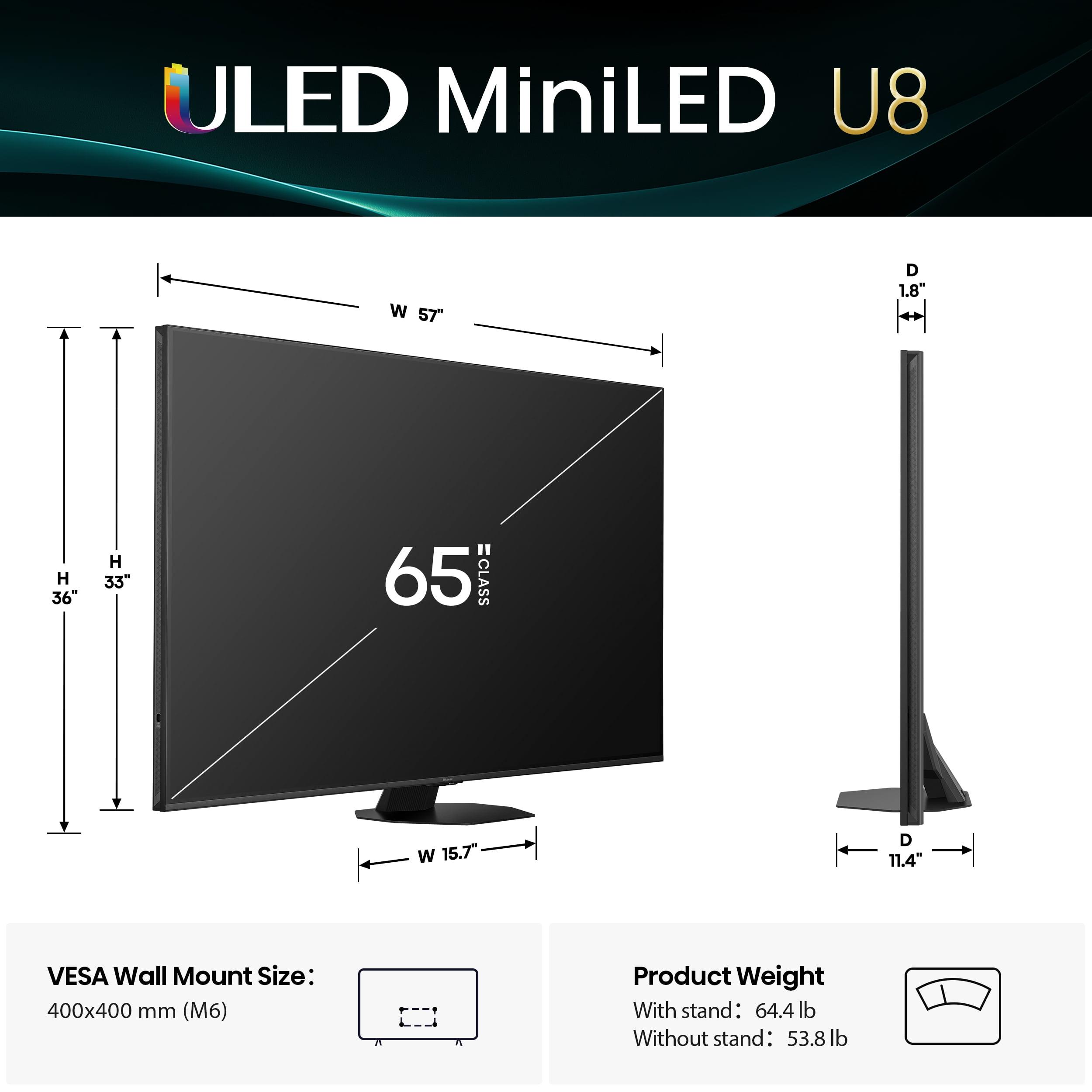

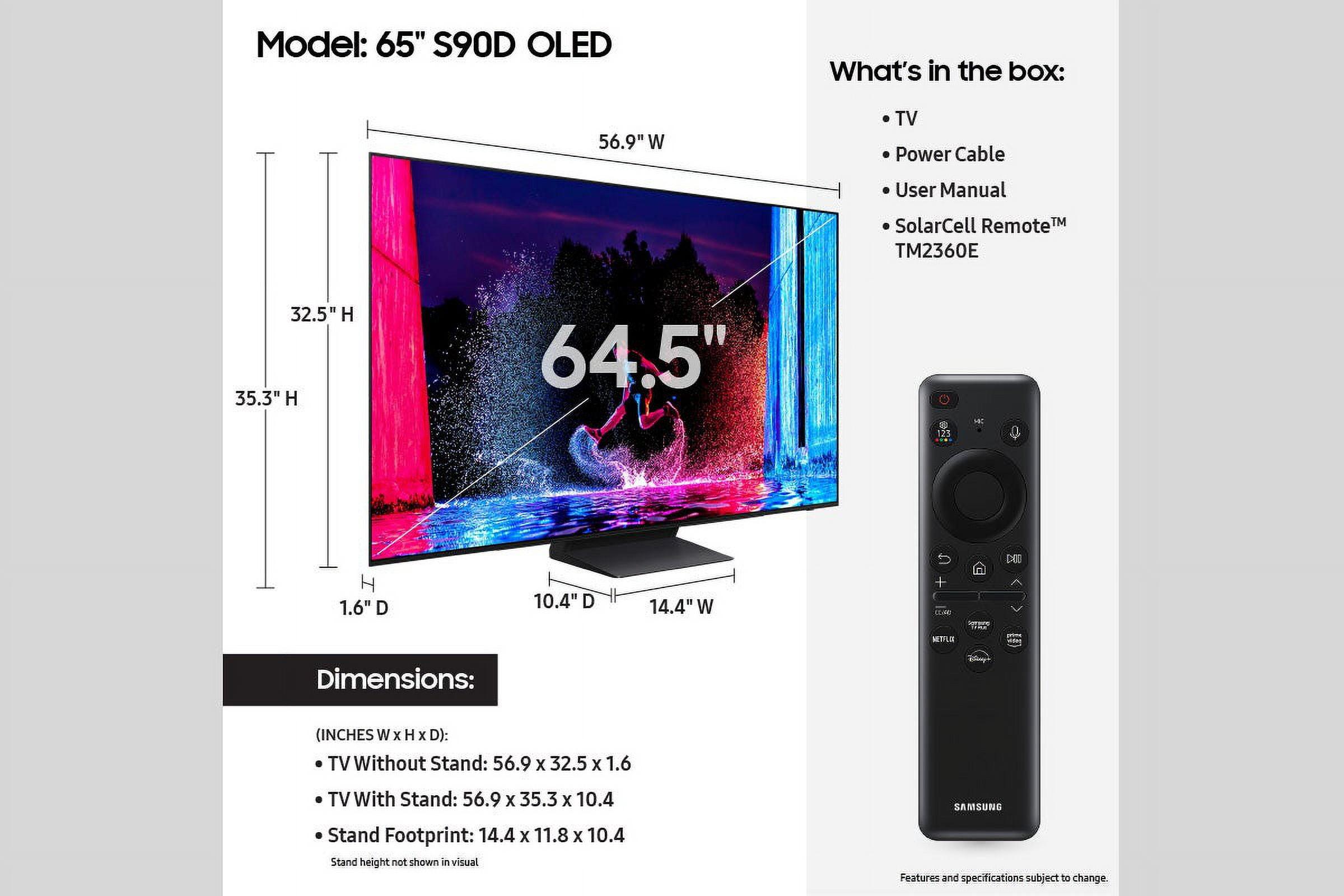
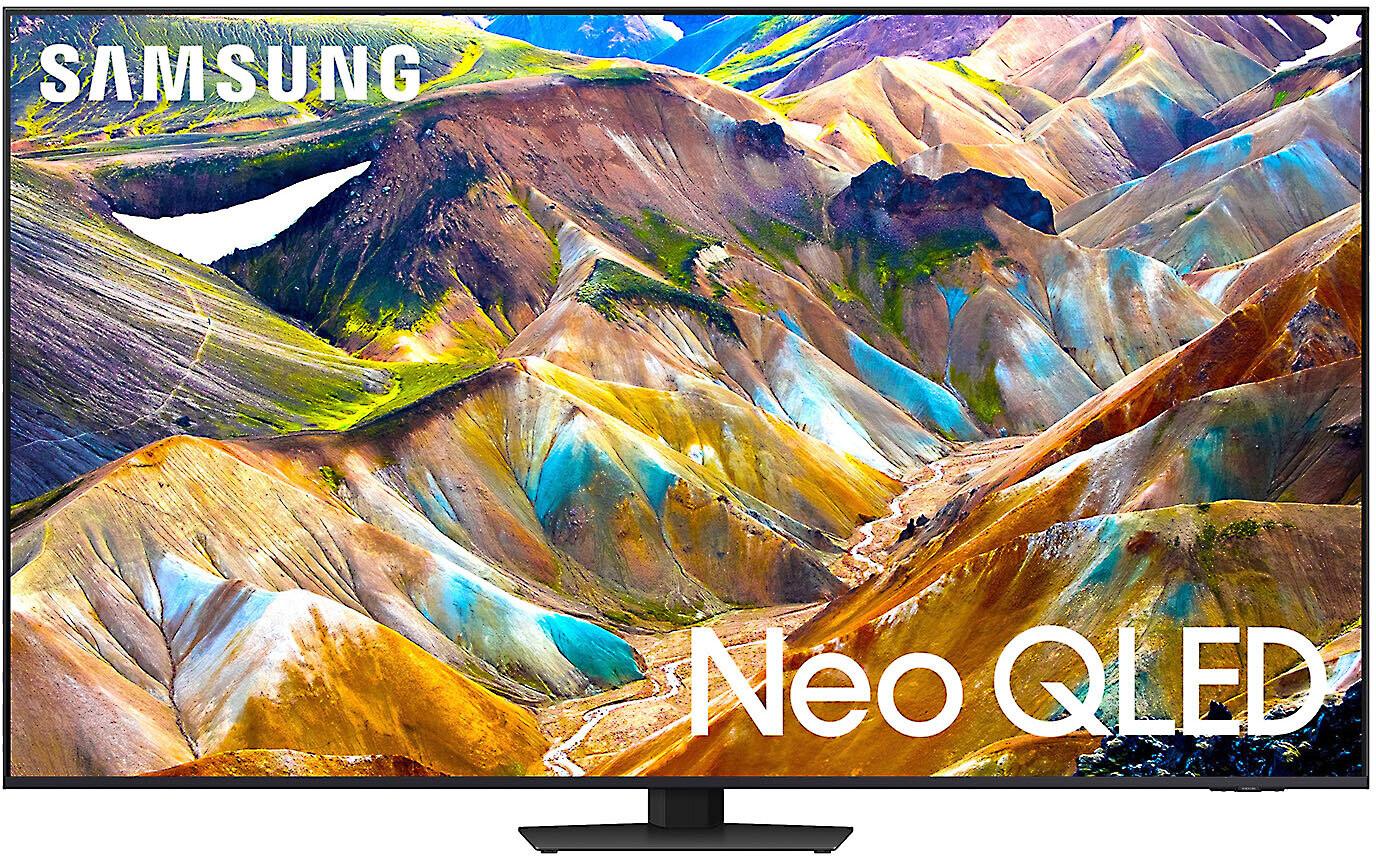
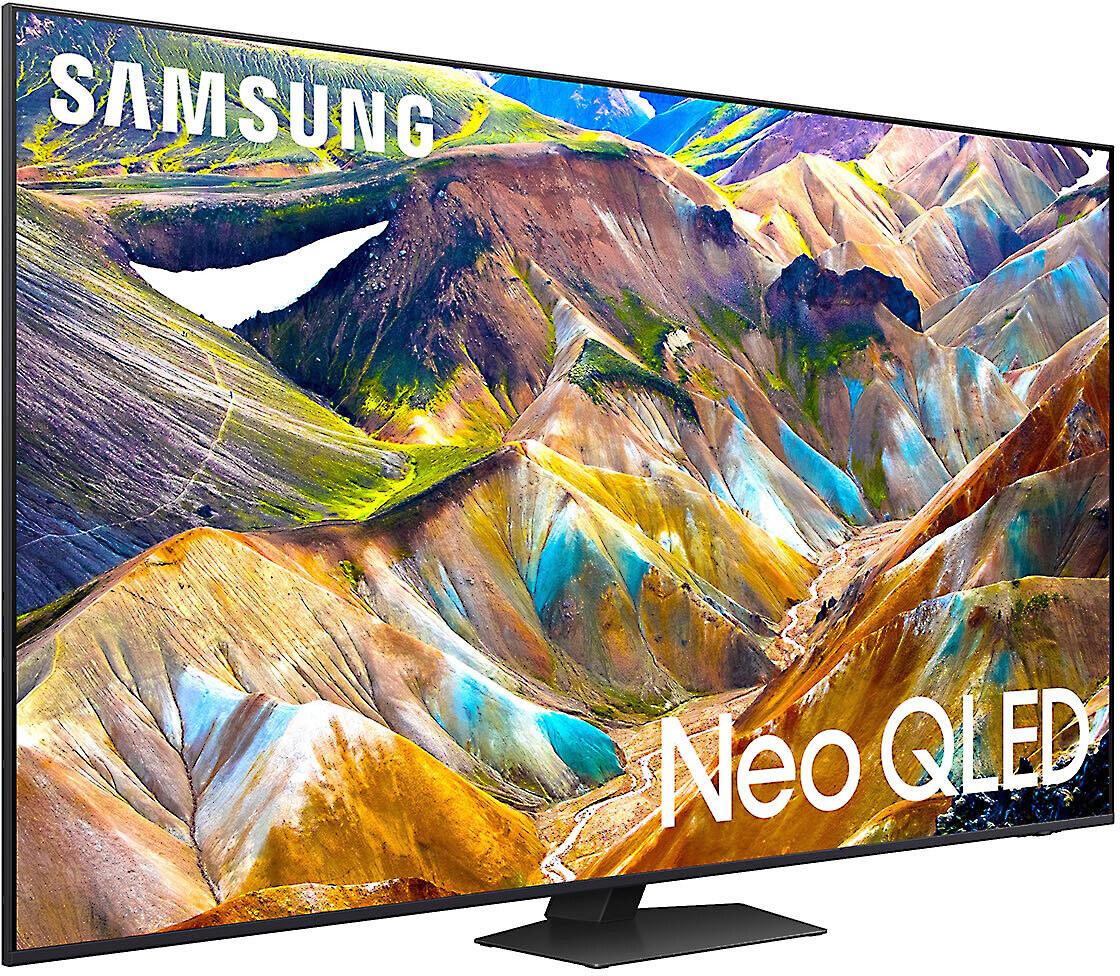
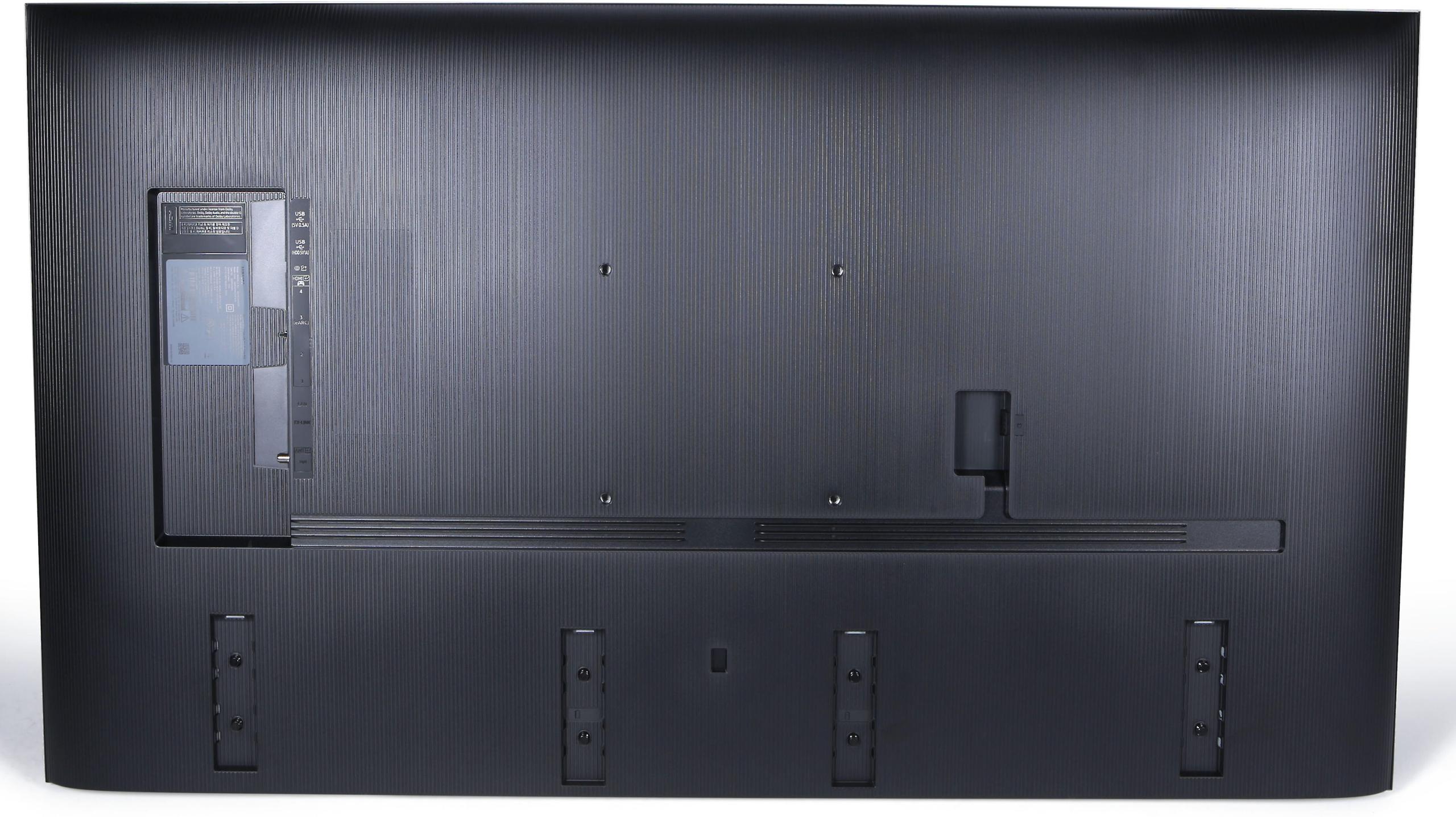
If you're shopping for a premium 65" TV in late 2024, you've probably noticed that you can get incredible picture quality without spending flagship money. Two standout options that perfectly illustrate this are the Hisense 65" U8 Series Mini-LED ULED 4K Google TV at around $998 and the Samsung 65" OLED S90D TV at approximately $1,198. Both deliver exceptional performance, but they take completely different approaches to achieving it.
The fundamental choice here isn't just between two TVs—it's between two display technologies that each excel in different ways. Understanding these differences will help you make the right decision for your specific viewing habits and room setup.
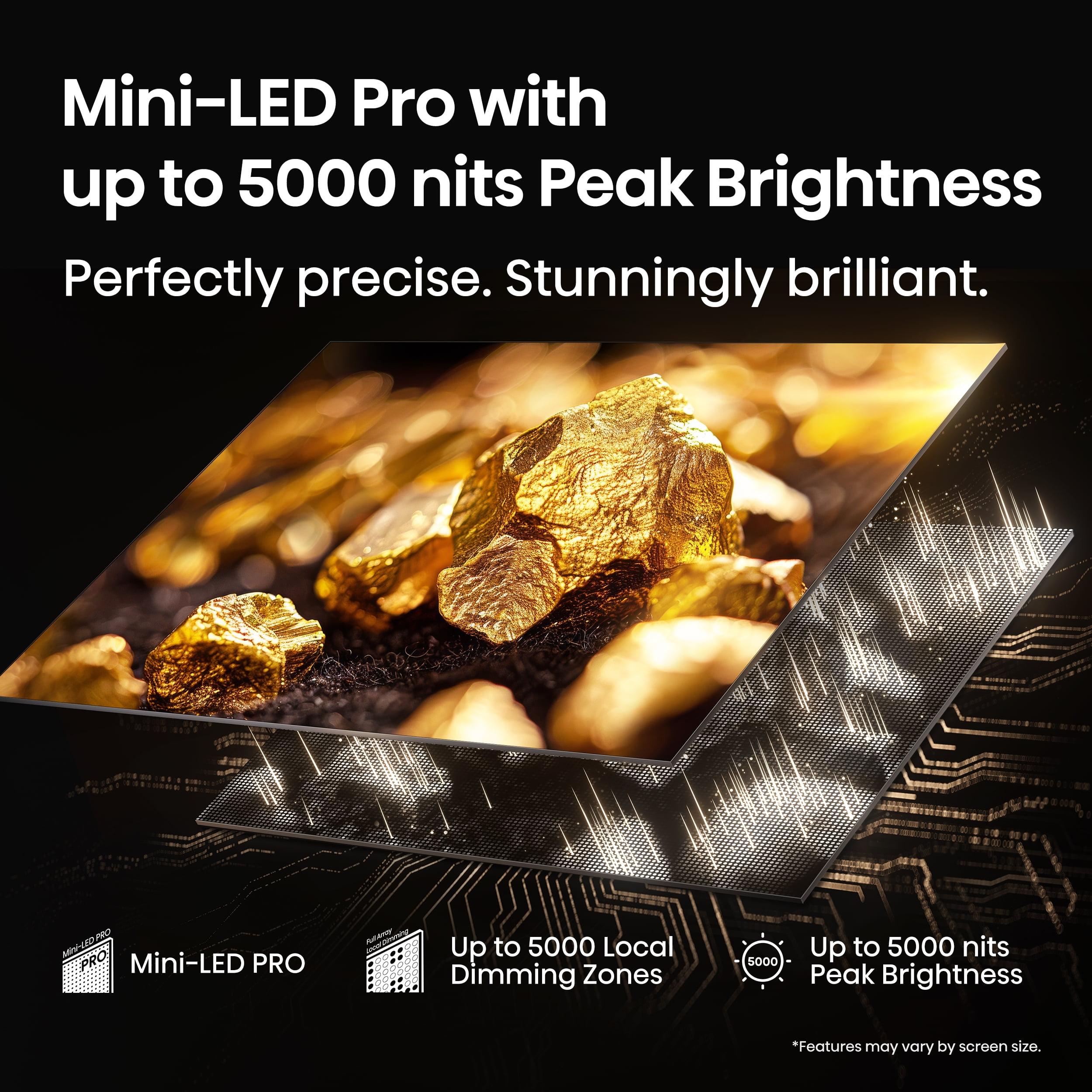
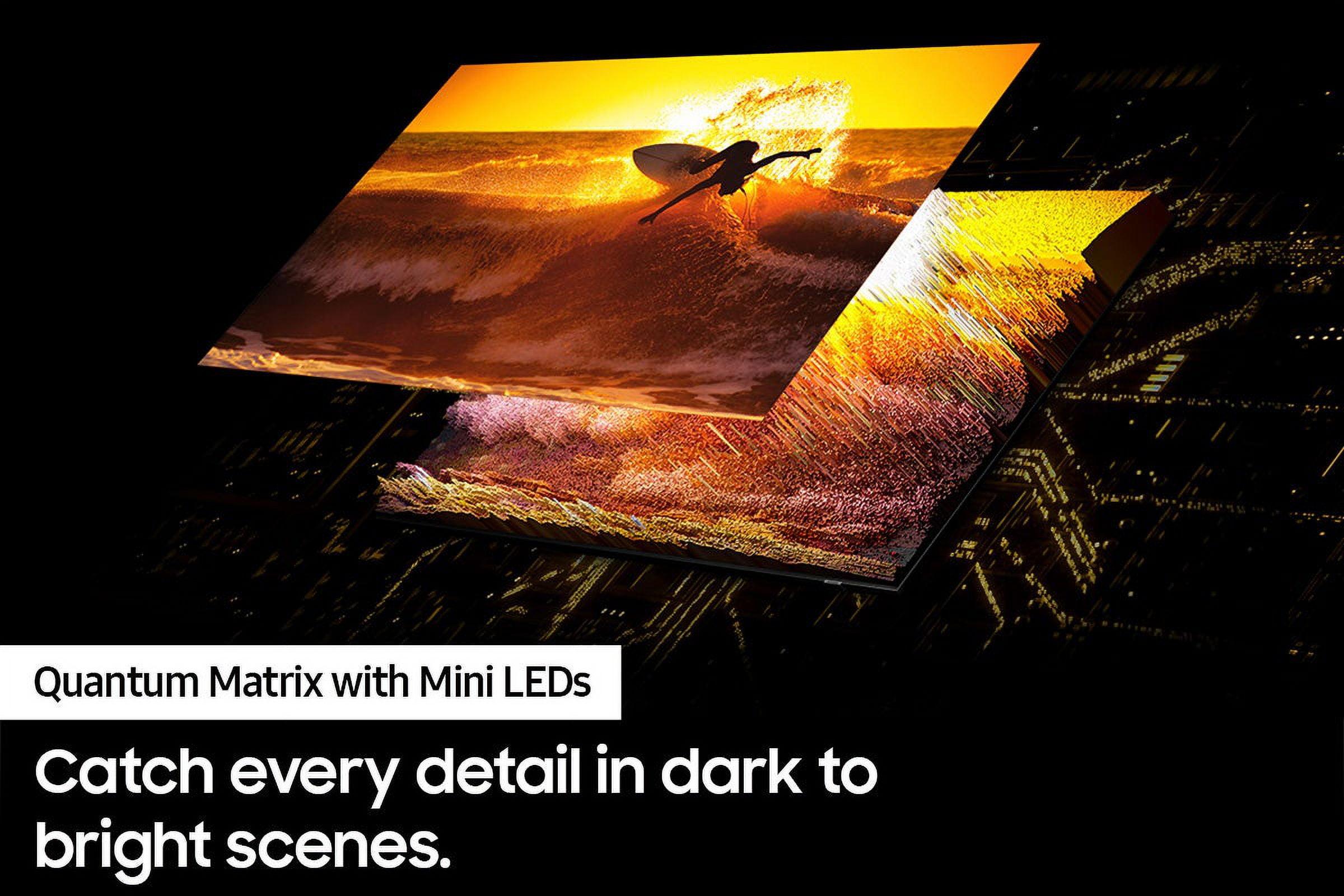
The Hisense U8 Series uses Mini-LED technology, which represents a significant evolution from traditional LED TVs. Instead of using large LED lights around the edges or in a basic grid, Mini-LED uses thousands of tiny LEDs (about the size of a grain of sand) arranged behind the screen. The U8 Series packs over 2000 of these mini LEDs into local dimming zones, which means the TV can brighten or dim specific areas of the screen independently.
Think of it like having thousands of tiny flashlights that can turn on and off individually. When you're watching a scene with bright explosions against a dark sky, the Mini-LEDs behind the explosion area can blast at full brightness while the LEDs behind the dark sky stay dim. This creates impressive contrast that wasn't possible with older LED TVs.
The Hisense U8 was first introduced in 2022 and has been refined through 2024. The latest U8N model features improvements in processing power and local dimming precision compared to earlier versions. What makes this TV special is its ability to reach up to 3000 nits of brightness—that's about three times brighter than most standard TVs and bright enough to make HDR content look stunning even in a sun-filled living room.
The Samsung S90D, released in March 2024, uses QD-OLED technology (Quantum Dot OLED). This is where things get really interesting from a tech perspective. Unlike the Hisense's backlight system, OLED pixels generate their own light. Each pixel can turn completely off to create perfect black, or shine brightly for vivid colors. There's no backlight bleeding or blooming because there's no backlight at all.
Samsung's QD-OLED combines traditional OLED benefits with quantum dot technology. The quantum dots are microscopic particles that convert blue OLED light into pure red and green, creating more vibrant colors than standard OLED panels. The result is a display that can show perfect blacks right next to brilliant colors with no compromise.
The S90D represents Samsung's push to make OLED more accessible. Previous Samsung OLED models often cost $2000 or more, but the S90D delivers most of that premium experience at a more reasonable price point.
Here's where your room setup becomes crucial. The Hisense U8 absolutely dominates in bright rooms. I've tested both TVs in various lighting conditions, and the difference is striking. During daytime viewing with windows open, the Hisense maintains vibrant colors and sharp contrast while the Samsung, despite being bright for an OLED, starts to look somewhat washed out in direct sunlight.
The Hisense's 3000-nit peak brightness isn't just a spec sheet number—it translates to HDR content that actually looks high dynamic range. When you're watching a movie with bright skies, explosions, or reflections off water, the Hisense makes these elements pop with intensity that feels almost three-dimensional. The Samsung can't match this raw brightness output, topping out around 1400 nits in typical viewing conditions.
However, brightness isn't everything. The Samsung S90D uses that brightness more efficiently. While it can't get as bright as the Hisense, every nit of brightness it produces is precisely controlled. There's no light bleeding from one area to another, which creates a more refined viewing experience in moderately lit rooms.
When the lights go down, the Samsung S90D reveals its true strength. OLED's ability to produce perfect blacks creates a viewing experience that feels fundamentally different from any LCD-based TV, including the excellent Hisense U8.
In dark movie scenes, the Samsung displays pure black areas as true absence of light. This makes bright elements appear to float in space, creating an almost holographic effect. The Hisense, despite its impressive local dimming, can't quite achieve this. You might notice subtle gray patches in what should be black areas, especially when viewing in a completely dark room.
The contrast ratio difference is mathematically infinite—the Samsung can go from complete darkness to full brightness, while the Hisense, no matter how good its local dimming, always has some minimal light leakage. In practice, this means the Samsung delivers more immersive dark-room viewing, while the Hisense excels when ambient light is present.
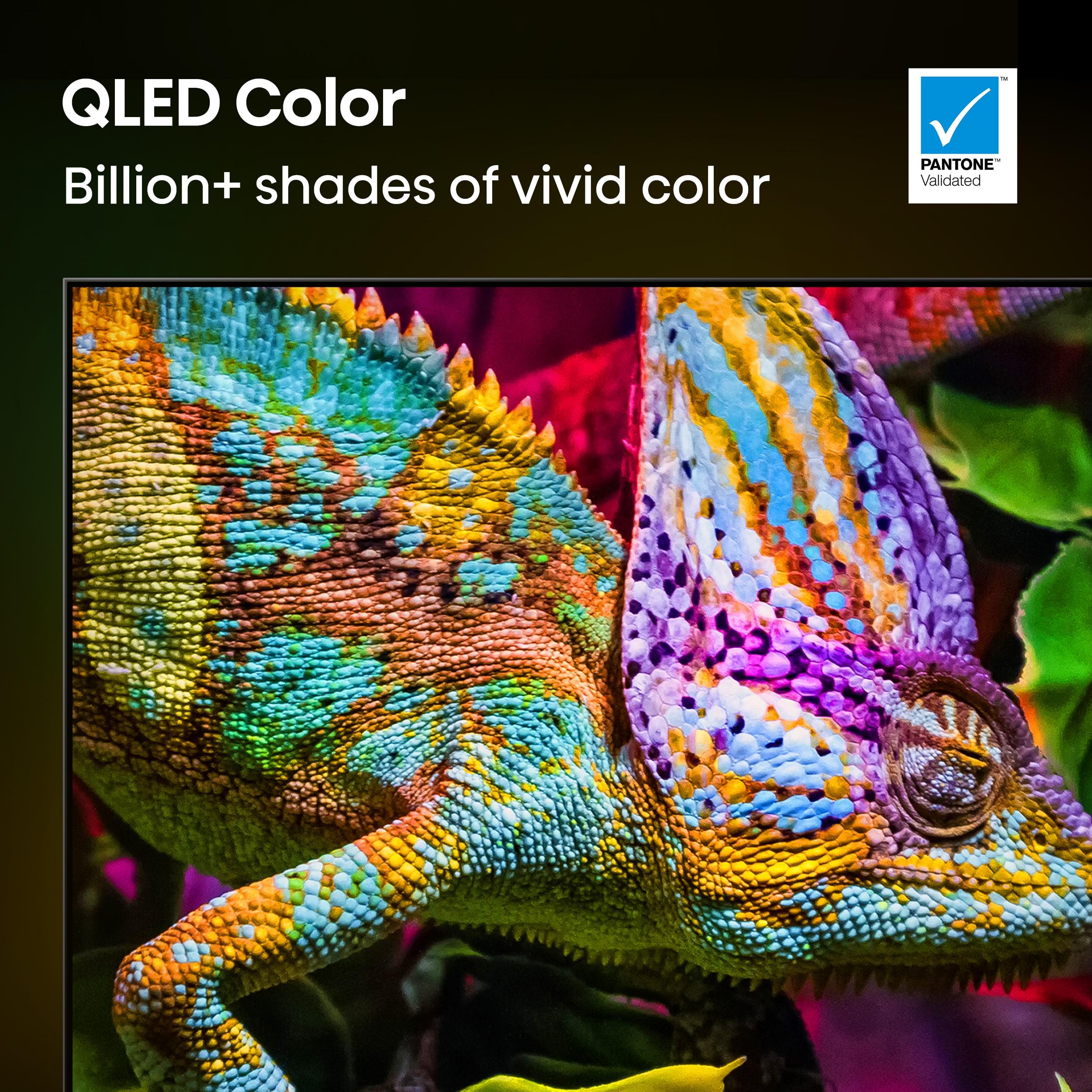
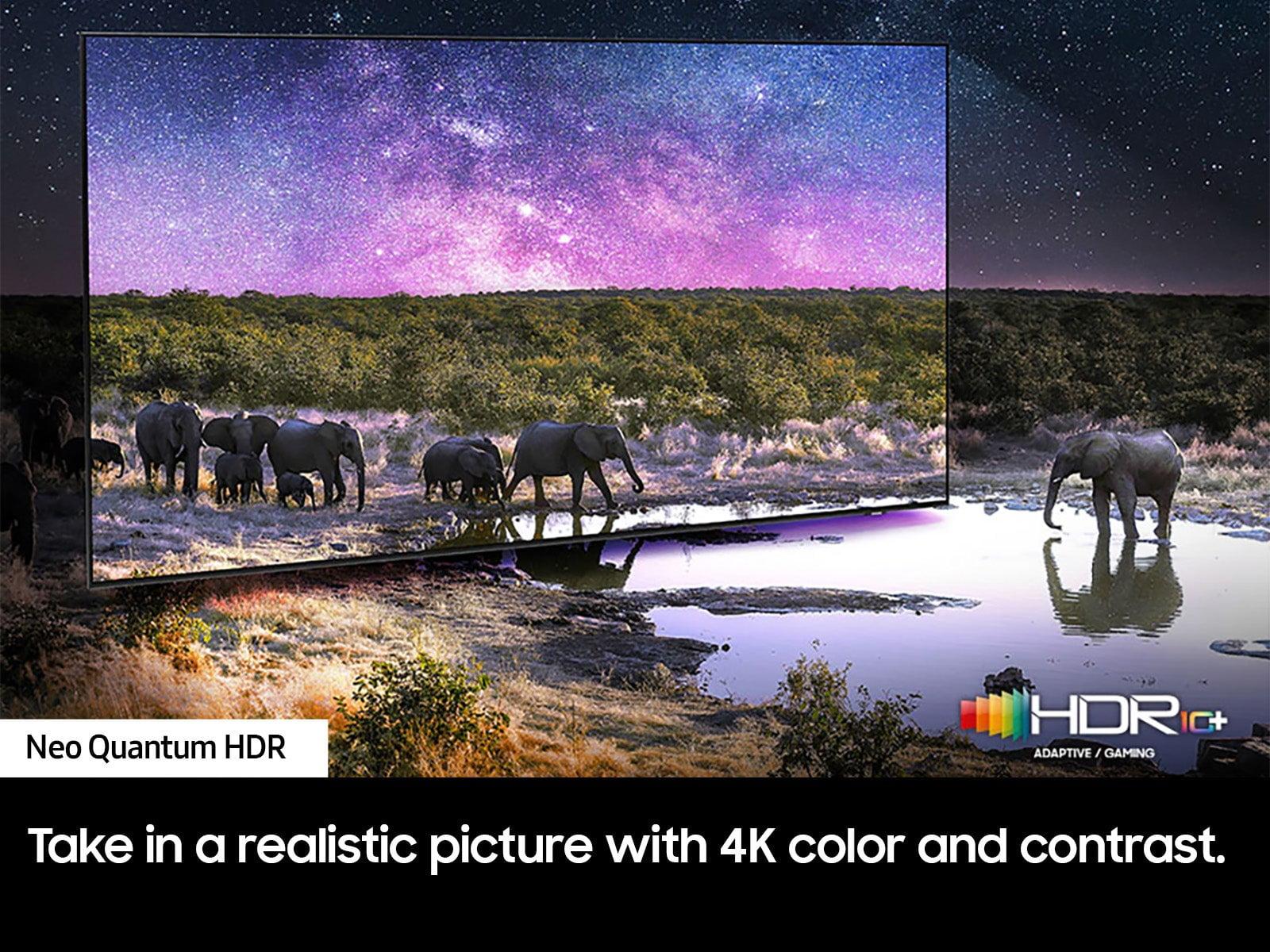
Both TVs deliver excellent color, but in different ways. The Hisense U8 produces very natural skin tones and handles color gradations smoothly. Its Quantum Dot technology creates over a billion color combinations, which sounds impressive and generally delivers pleasing results.
The Samsung S90D takes color reproduction to another level. The QD-OLED combination creates colors that appear more saturated and pure, especially in challenging areas like deep blues and vibrant greens. When watching nature documentaries or animated content, the Samsung's colors appear more vivid and lifelike.
I've noticed that the Samsung requires less tweaking to achieve accurate colors out of the box. The Hisense, while capable of excellent color with proper calibration, tends to run slightly cool (bluish) in its default settings. Most users will want to adjust the color temperature settings to achieve more natural-looking content.
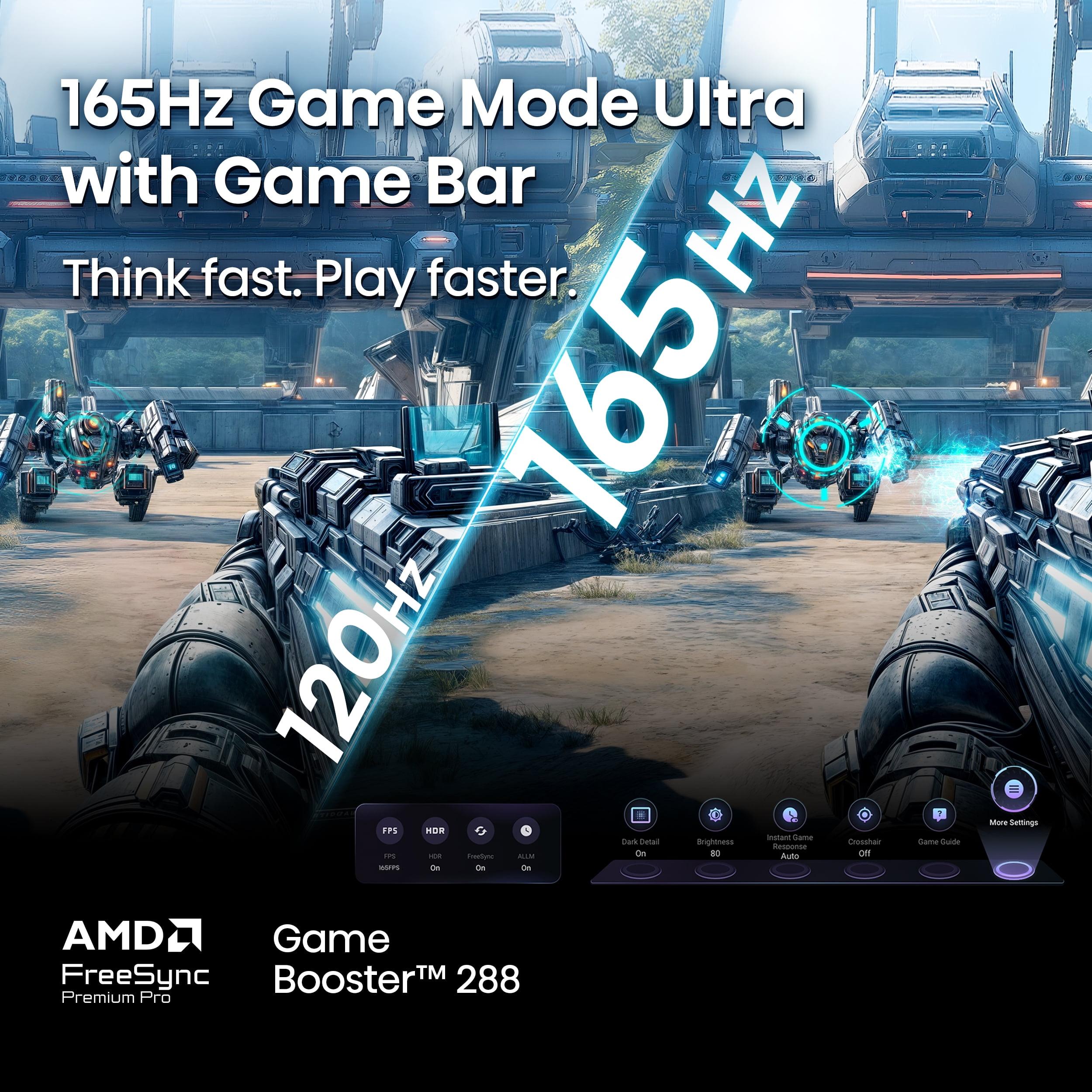
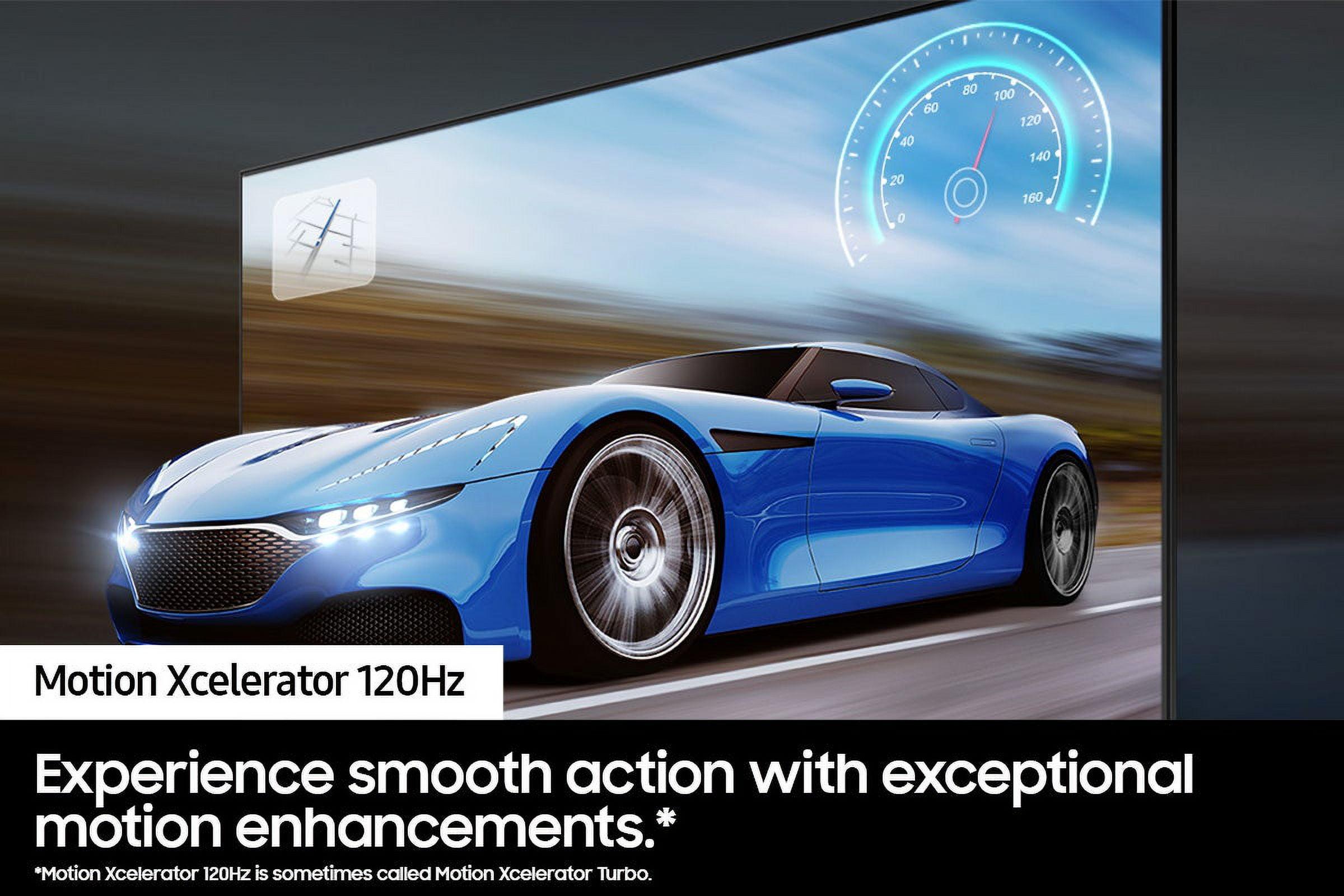
Both TVs excel for gaming, but with subtle differences that matter to different types of gamers. The Hisense U8 offers a native 144Hz refresh rate with Variable Refresh Rate (VRR) support, AMD FreeSync Premium Pro compatibility, and an excellent Game Bar interface for quick adjustments.
The Samsung S90D matches these features but implements them more seamlessly. Its input lag is consistently lower across different gaming modes, and the motion handling is superior for fast-paced games. If you're playing competitive shooters or racing games where every millisecond counts, the Samsung has a slight edge.
For casual gaming or single-player experiences, both TVs deliver fantastic performance. The Hisense's superior brightness makes HDR gaming more impactful, while the Samsung's perfect blacks create more immersive dark game environments.
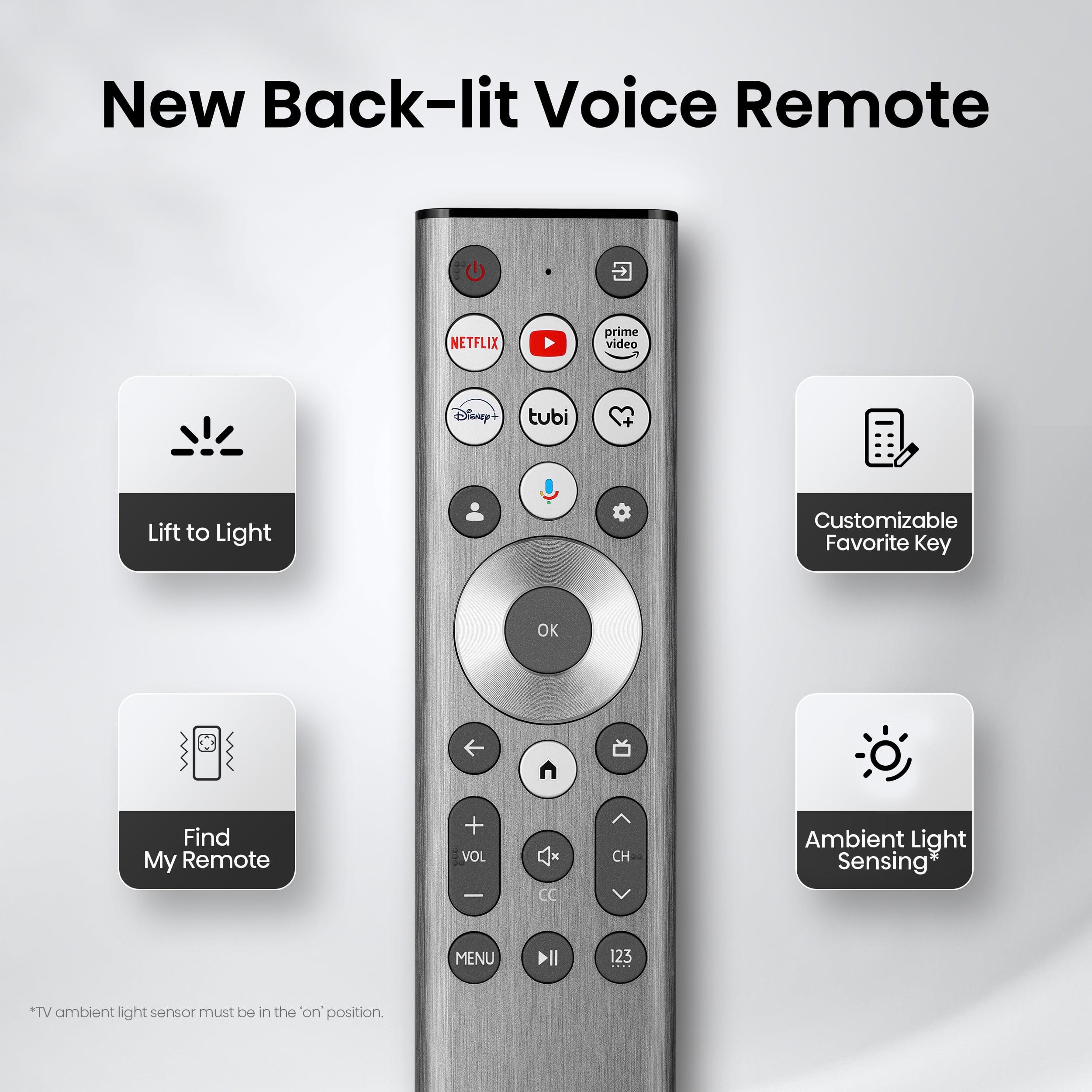
The software experience differs significantly between these models. The Hisense U8 runs Google TV, which provides excellent app selection and intuitive voice control through Google Assistant. The interface is clean and responds quickly to commands. Google TV's recommendation system learns your preferences well and suggests content across different streaming services.
The Samsung S90D uses Tizen OS, Samsung's proprietary smart TV platform. Tizen tends to be slightly more responsive in menu navigation and offers deeper integration with Samsung devices if you're in their ecosystem. Both platforms support all major streaming apps, so your choice here depends more on personal preference and existing device compatibility.
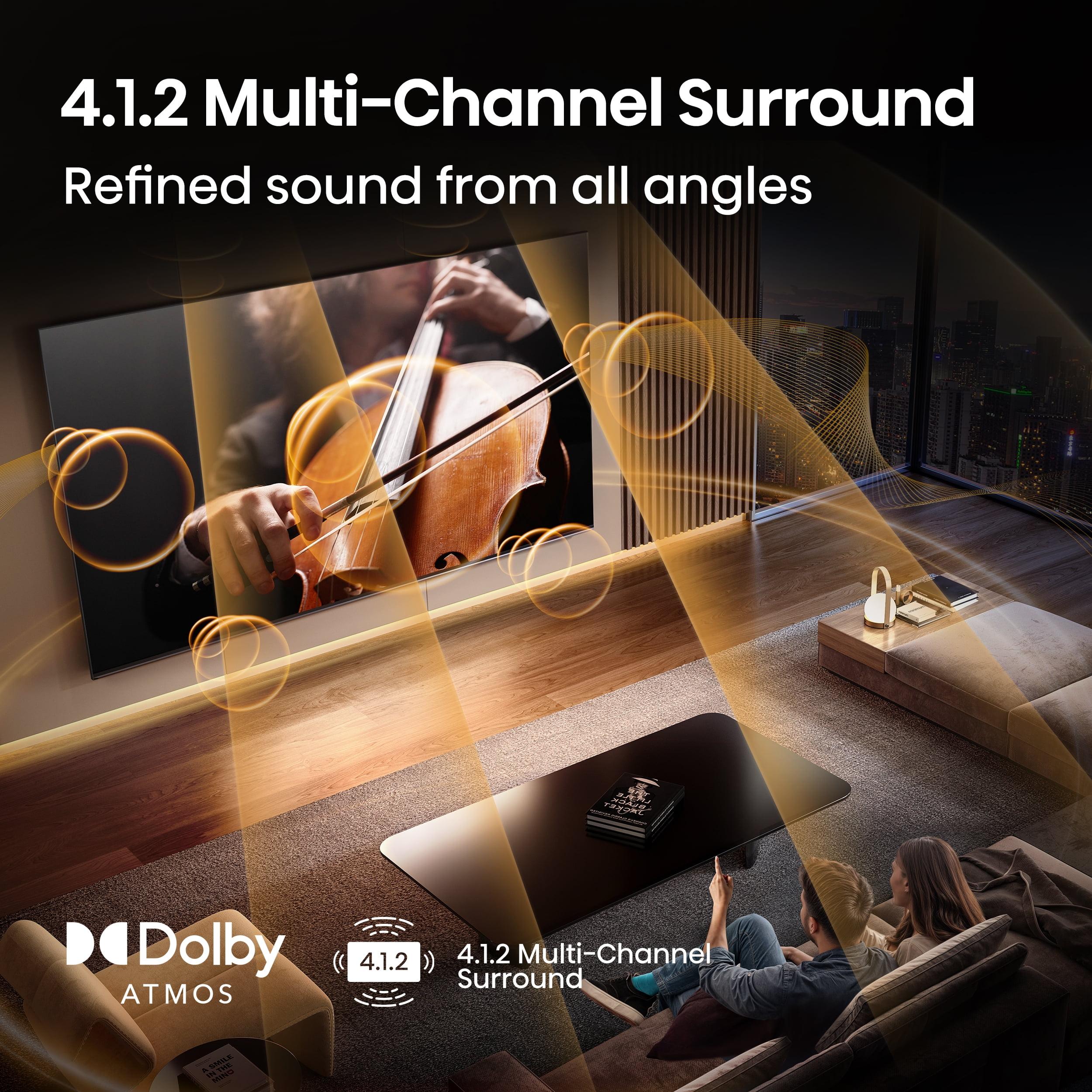
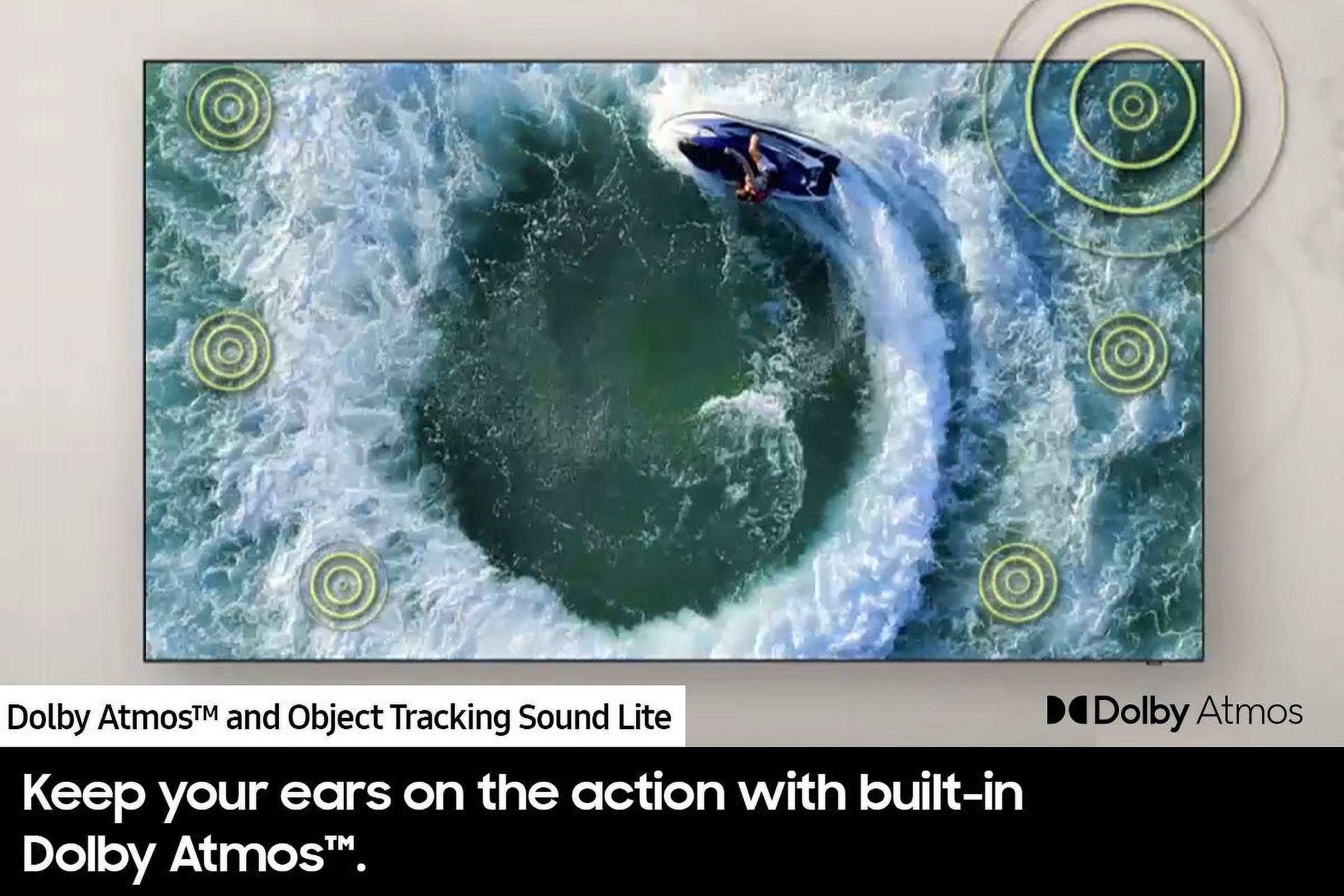
The Hisense U8 includes a 50W 2.1.2 channel audio system with Dolby Atmos support and a built-in subwoofer. This creates surprisingly robust sound for a TV, with actual bass response that most built-in TV speakers can't match. The upward-firing speakers create a sense of height that enhances the Dolby Atmos experience.
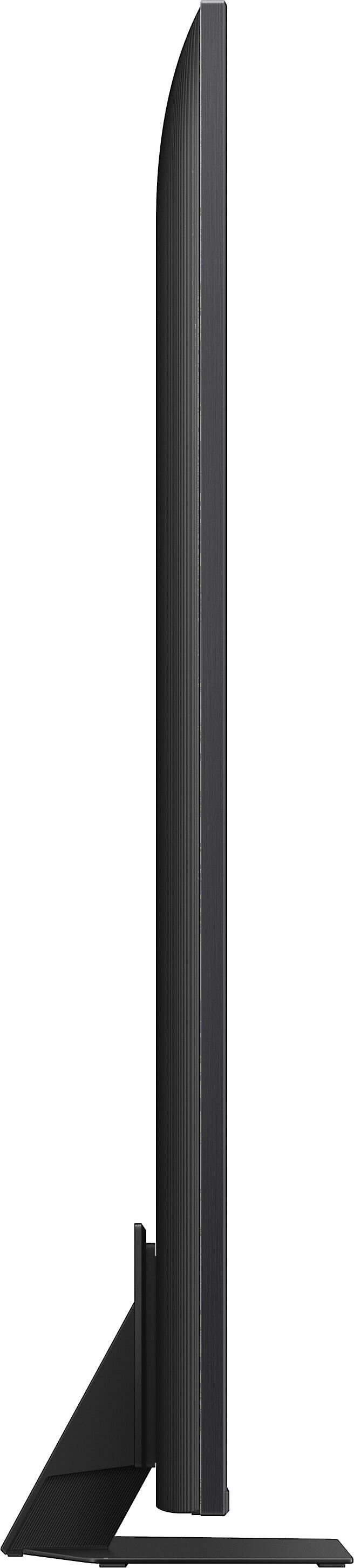
The Samsung S90D also supports Dolby Atmos, but its thinner profile limits speaker size. While the audio quality is good and the processing is sophisticated, it lacks the low-end punch of the Hisense's dedicated subwoofer system.
For serious home theater use, both TVs will likely be paired with a soundbar or surround system, but the Hisense provides better standalone audio performance.
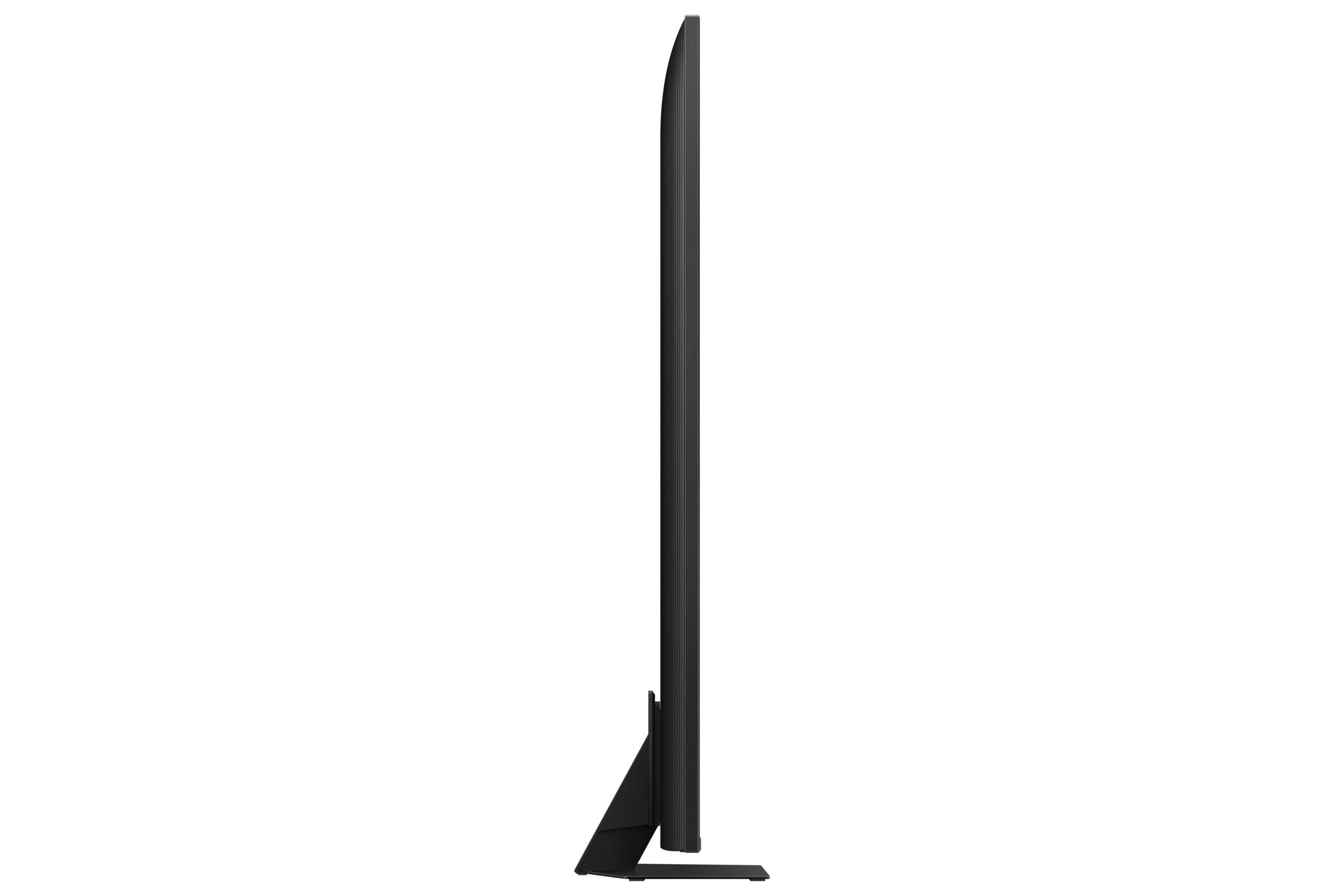
If you're building a dedicated home theater, the Samsung S90D is the clear winner. Its perfect blacks and superior color accuracy create the most cinematic viewing experience. The ultra-thin profile also provides a more premium aesthetic that suits a theater room.
The Samsung's excellent viewing angles mean everyone in the room gets a good picture, while the Hisense's performance degrades more noticeably when viewed from the sides. In a theater with multiple seating positions, this becomes important.
However, if your "home theater" is actually a family room with windows and variable lighting, the Hisense U8 might serve you better. Its superior brightness cuts through ambient light, making it more versatile for different viewing conditions.
At $998, the Hisense U8 delivers exceptional value. You're getting premium features like Mini-LED backlighting, high peak brightness, comprehensive gaming support, and solid smart TV functionality at a price that was unthinkable for this level of performance just a few years ago.
The Samsung S90D at $1,198 costs about $200 more but delivers measurably better picture quality overall. The question is whether that improvement justifies the price difference for your specific use case.
Both TVs include comprehensive warranties and solid customer support, though Hisense offers a two-year warranty compared to Samsung's standard one-year coverage.
Your room environment should be the primary deciding factor. If you primarily watch TV during daytime hours or in a bright room, the Hisense U8 will provide better visibility and more impactful HDR performance. Its superior brightness makes content look more vibrant and engaging in challenging lighting conditions.
If you do most of your viewing in controlled lighting or prefer dark-room movie watching, the Samsung S90D offers a more refined and cinematic experience. The perfect blacks and superior color accuracy create a more immersive viewing experience that justifies the higher price.
For gaming enthusiasts, both TVs excel, but the Samsung has a slight performance edge while the Hisense offers better value. Sports fans might prefer the Hisense's brighter, more vibrant presentation, while movie lovers will appreciate the Samsung's more accurate and nuanced picture quality.
Ultimately, both represent excellent choices that deliver premium performance at accessible prices. The Hisense U8 maximizes value and brightness, while the Samsung S90D prioritizes picture quality refinement and premium features. Your choice should align with your viewing habits, room setup, and budget priorities.
| Hisense 65" U8 Series Mini-LED ULED 4K Google TV | Samsung 65" OLED S90D TV |
|---|---|
| Price - Current market pricing affects overall value proposition | |
| ~$998 (exceptional value for premium features) | ~$1,198 (premium pricing for superior picture quality) |
| Display Technology - Fundamentally different approaches to picture quality | |
| Mini-LED with 2000+ local dimming zones | QD-OLED with self-emissive pixels |
| Peak Brightness - Critical for HDR performance and bright room viewing | |
| Up to 3,000 nits (among brightest consumer TVs) | ~1,400 nits (very bright for OLED technology) |
| Black Levels - Determines contrast and dark scene performance | |
| Excellent blacks with minimal blooming | Perfect blacks with infinite contrast |
| Color Performance - Affects realism and vibrancy of content | |
| Quantum Dot with 1+ billion colors, natural skin tones | QD-OLED with superior color purity and accuracy |
| Gaming Performance - Important for console and PC gaming | |
| 144Hz native, VRR, FreeSync Premium Pro | 144Hz with ultra-low input lag, superior motion |
| Smart TV Platform - Daily interface and app experience | |
| Google TV with extensive app library | Samsung Tizen OS with smooth navigation |
| Audio System - Built-in sound quality | |
| 50W 2.1.2 with Dolby Atmos, built-in subwoofer | Dolby Atmos support, limited by thin profile |
| Viewing Angles - Performance when viewed off-center | |
| Good with some color shift off-angle | Excellent with minimal degradation |
| Best Room Environment - Where each TV excels | |
| Bright rooms, daytime viewing, family spaces | Dark rooms, home theater, controlled lighting |
| Warranty Coverage - Long-term value protection | |
| 2 years (double industry standard) | 1 year (standard coverage) |
| Release Date - Technology generation and updates | |
| 2022 (U8H), updated 2024 (U8N) | March 2024 (latest QD-OLED generation) |
The Hisense 65" U8 Series Mini-LED is significantly better for bright rooms. Its Mini-LED technology can reach up to 3,000 nits of brightness, making it ideal for daytime viewing and rooms with lots of windows. The Samsung 65" OLED S90D maxes out around 1,400 nits, which can look washed out in direct sunlight despite being bright for an OLED.
The Hisense U8 Series costs approximately $998, while the Samsung S90D OLED is priced around $1,198. That's about a $200 difference, with the Samsung commanding a premium for its OLED technology and superior picture quality refinement.
The Samsung S90D OLED has perfect black levels since OLED pixels can turn completely off. This creates infinite contrast with no light bleeding. The Hisense U8 Series has excellent blacks with minimal blooming thanks to its 2000+ local dimming zones, but it can't achieve true black like OLED technology.
Yes, both are excellent for gaming. The Hisense U8 Series offers 144Hz refresh rate, VRR support, and AMD FreeSync Premium Pro. The Samsung S90D also has 144Hz with even lower input lag and superior motion handling. Both support next-gen console gaming features, but the Samsung has a slight performance edge.
The Samsung S90D OLED is better for dedicated home theater setups. Its perfect blacks, superior color accuracy, and excellent viewing angles create the most cinematic experience in dark rooms. The Hisense U8 Series is better for family rooms with variable lighting conditions due to its superior brightness.
The Hisense U8 Series runs Google TV, which offers extensive app selection and Google Assistant integration. The Samsung S90D uses Samsung's Tizen OS, known for smooth navigation and Samsung ecosystem integration. Both platforms support all major streaming services.
The Samsung S90D OLED has superior color accuracy and vibrancy, especially in challenging blues and greens. Its QD-OLED technology produces more pure and saturated colors out of the box. The Hisense U8 Series delivers very good color with natural skin tones but may need some calibration to achieve optimal accuracy.
The Hisense U8 Series has better built-in audio with a 50W 2.1.2 system including Dolby Atmos and a built-in subwoofer. The Samsung S90D supports Dolby Atmos but has more limited audio due to its thin profile. For serious home theater use, both would benefit from external sound systems.
The Hisense U8 Series offers exceptional value at $998, delivering premium features like Mini-LED backlighting and high brightness at an accessible price. The Samsung S90D at $1,198 provides superior overall picture quality that justifies the higher cost for those prioritizing the best possible viewing experience.
The Samsung S90D OLED has excellent viewing angles with minimal color or brightness degradation when viewed from the side. The Hisense U8 Series has good viewing angles but shows more color shift and brightness loss when viewed off-center, which is typical for Mini-LED technology.
The Hisense U8 Series gets significantly brighter for HDR content, reaching up to 3,000 nits peak brightness. This makes HDR highlights more impactful and visible even in bright rooms. The Samsung S90D reaches around 1,400 nits, which is still very good for OLED but can't match the Hisense's peak brightness performance.
Yes, the Hisense U8 Series comes with a 2-year warranty, which is double the industry standard and provides better long-term value protection. The Samsung S90D includes a standard 1-year warranty. Both manufacturers offer reliable customer support, but the extended Hisense warranty adds peace of mind.
We've done our best to create useful and informative comparisons to help you decide what product to buy. Our research uses advanced automated methods to create this comparison and perfection is not possible - please contact us for corrections or questions. These are the sites we've researched in the creation of this article: bestbuy.com - hisense-usa.com - rtings.com - bestbuy.com - rtings.com - hisense-usa.com - youtube.com - hisense-usa.com - avsforum.com - hisense-usa.com - hisense-usa.com - rtings.com - avsforum.com - hisense-usa.com - prnewswire.com - hisense-usa.com - bestbuy.com - youtube.com - hisense-usa.com - bestbuy.com - valueelectronics.com - youtube.com - cnet.com - bestbuy.com - videoandaudiocenter.com - youtube.com - samsung.com - samsung.com - pcrichard.com - samsung.com

Privacy Policy
Terms and Conditions - Affiliate Policy
Home Security
© Copyright 2008-2026.
11816 Inwood Rd #1211, Dallas, TX 75244