

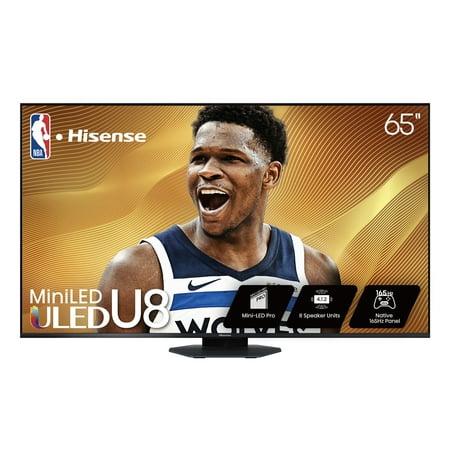
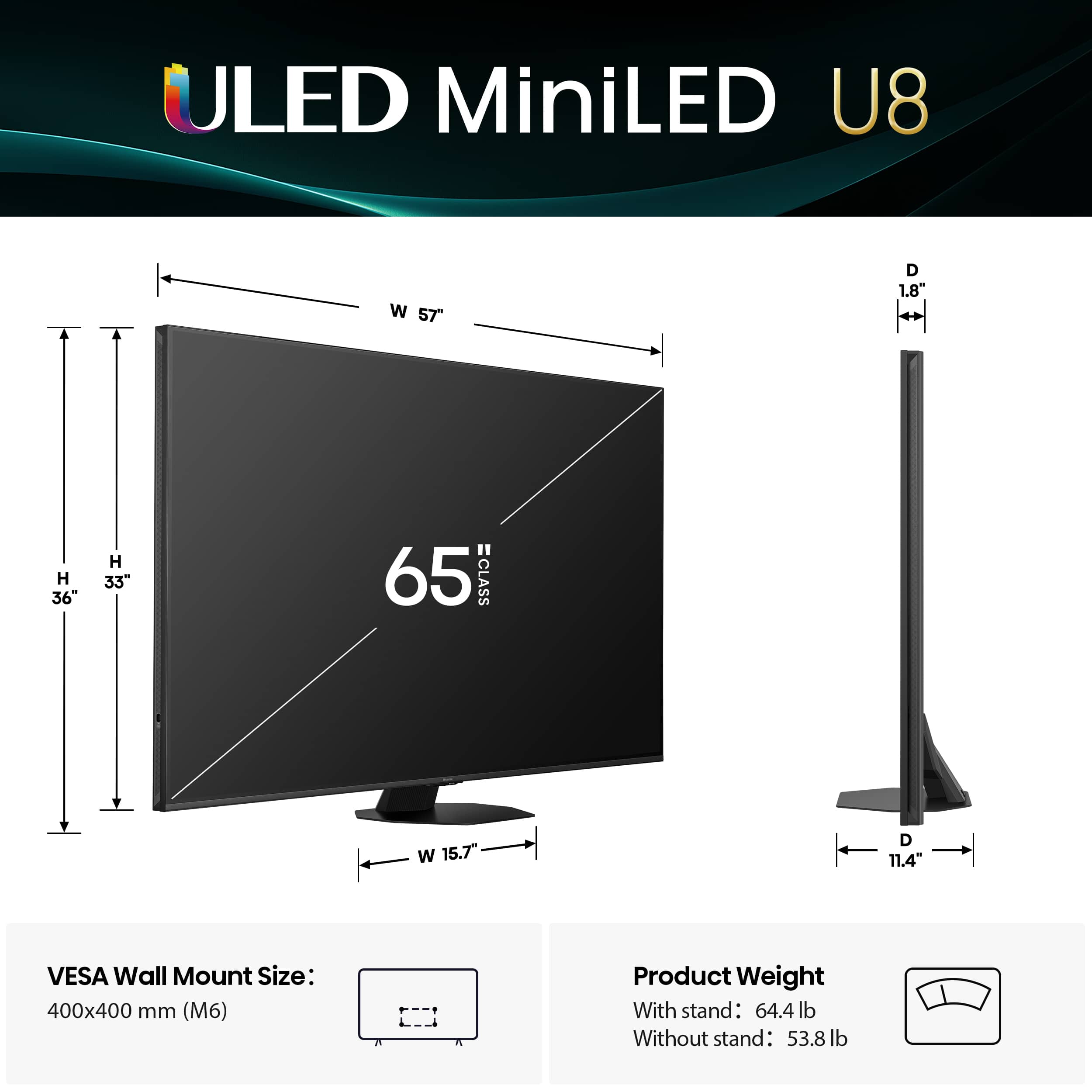
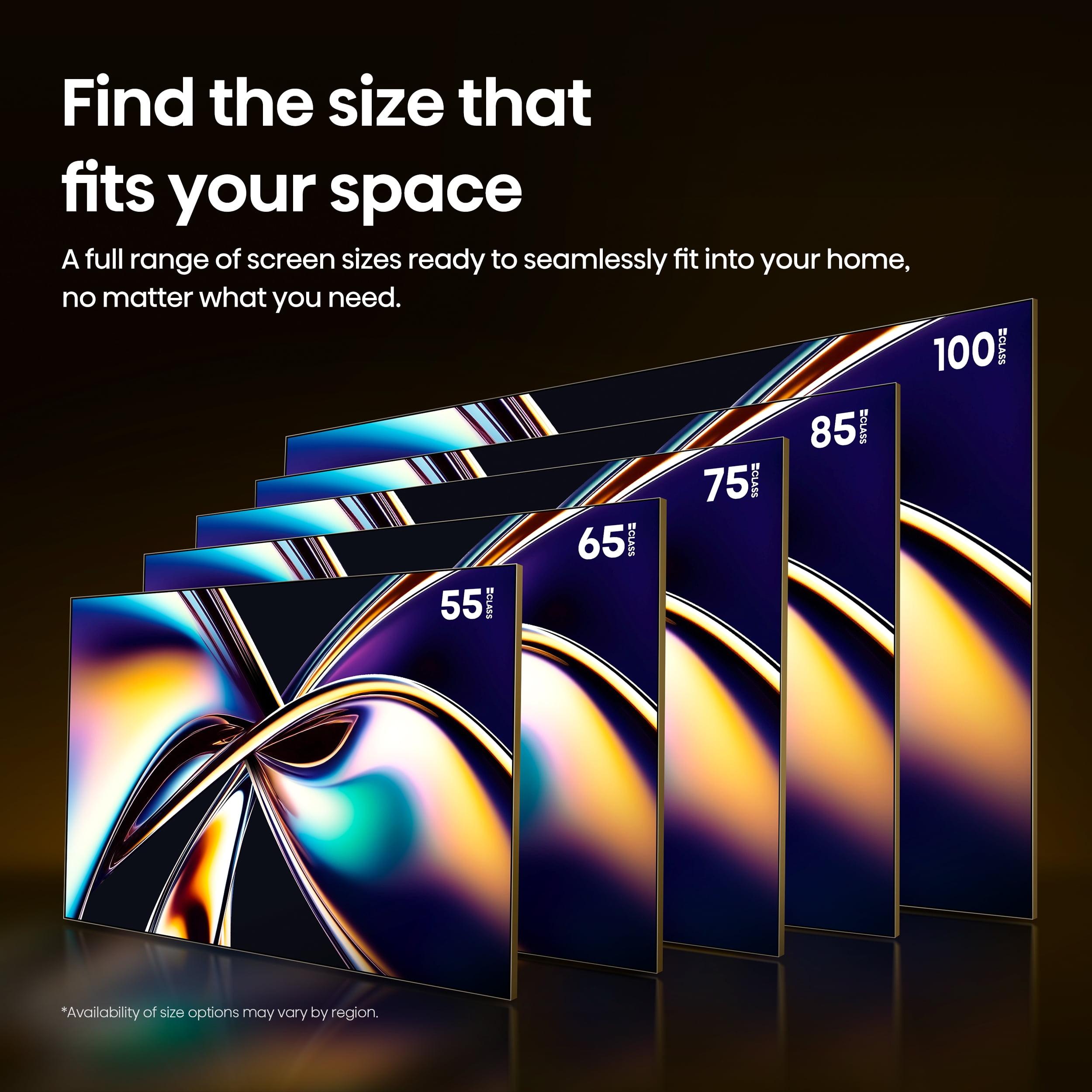
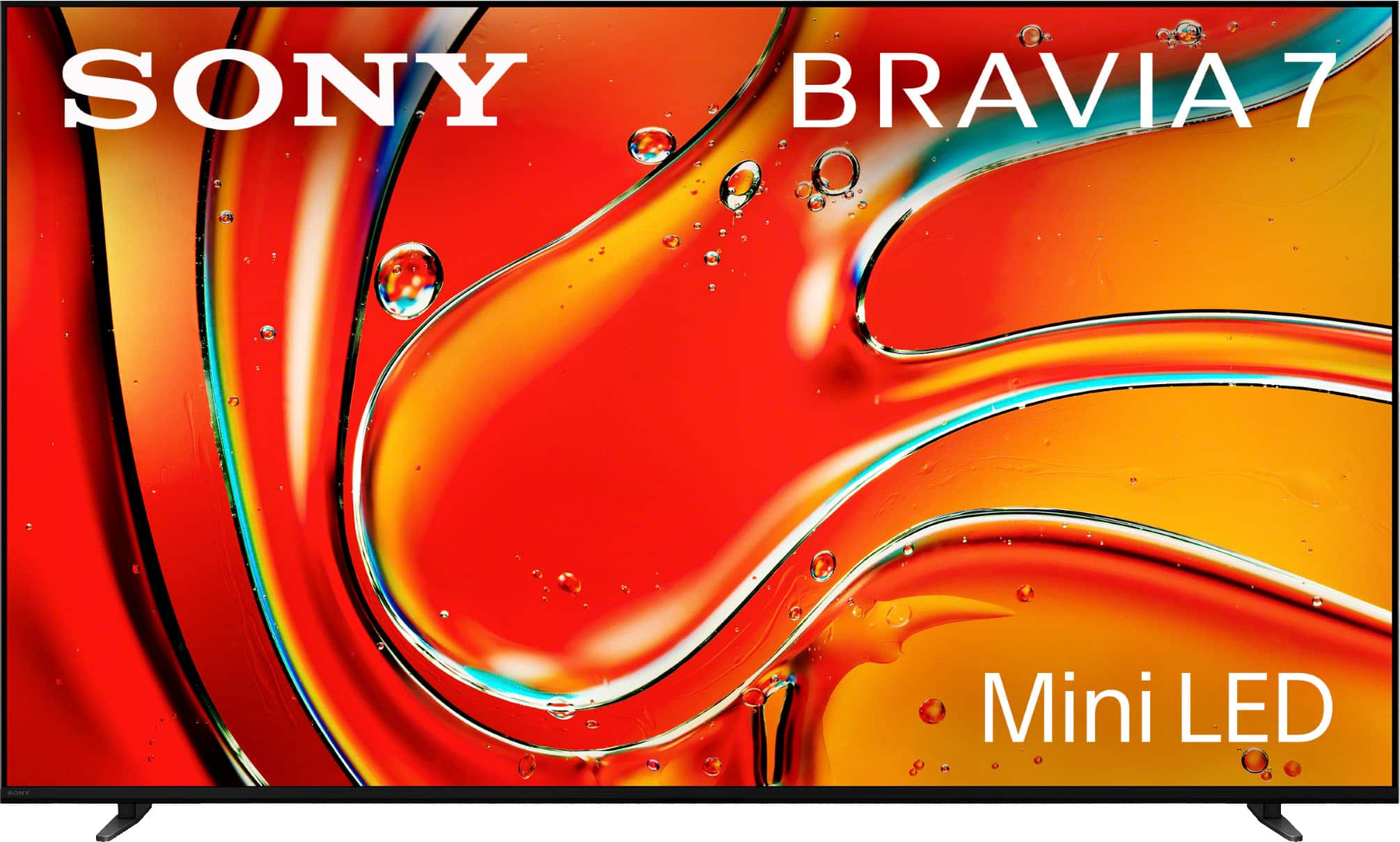
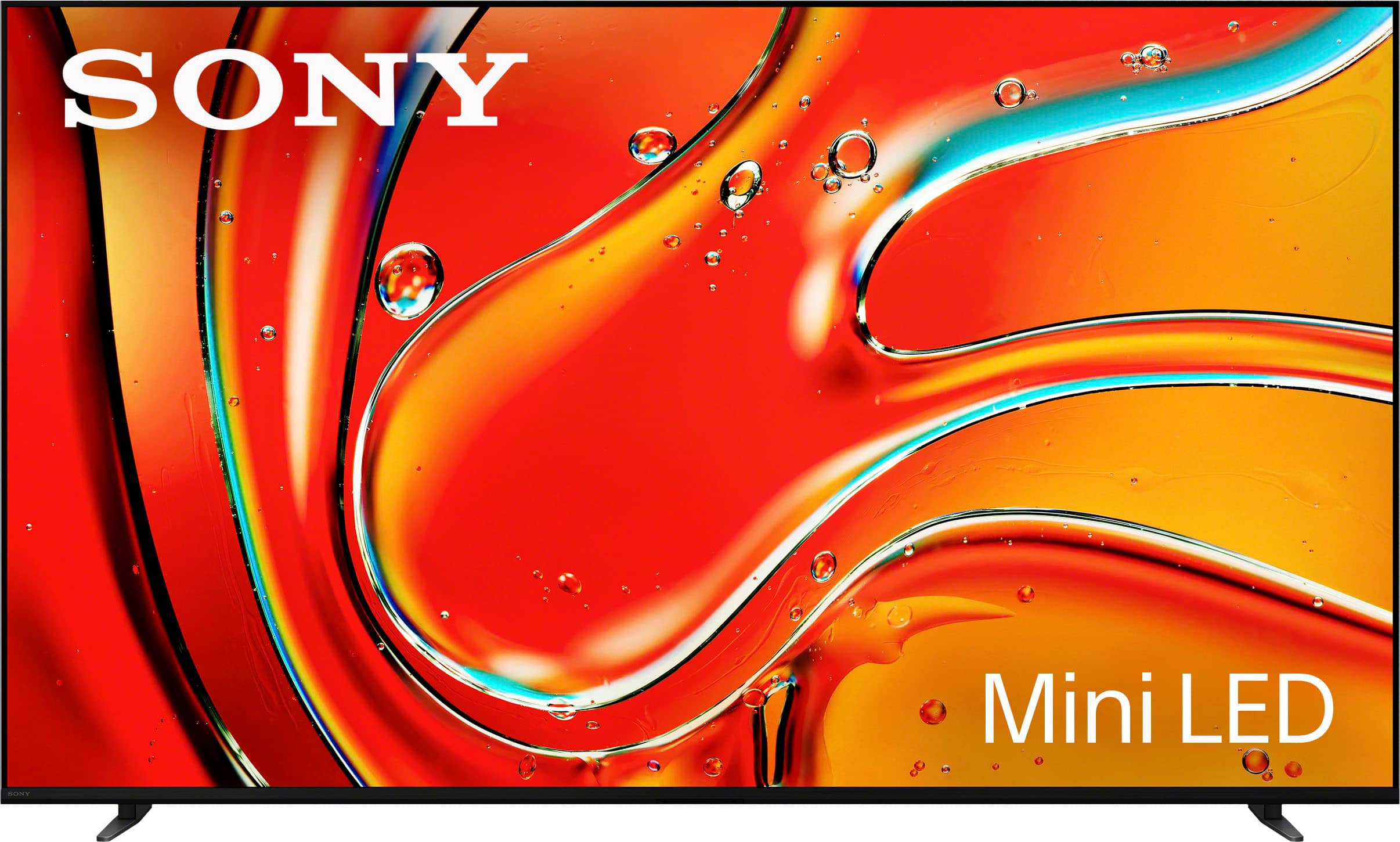
Shopping for a new 65-inch TV can feel overwhelming, especially when you're looking at premium models that promise cinema-quality experiences at home. Two standout options that consistently appear in "best TV" lists are the Hisense 65" U8 Series Mini-LED ULED 4K Google TV at $997.99 and the Sony BRAVIA 7 65" 4K UHD Smart Google TV at $1,323.48. Both released in 2024, these TVs represent the sweet spot in today's market—offering near-OLED performance without the premium OLED price tag.
Before diving into the comparison, let's talk about what makes these TVs special. Mini-LED technology uses thousands of tiny LEDs (much smaller than traditional LED backlights) to create precise lighting control behind the screen. Think of it like having thousands of tiny flashlights that can turn on and off independently, rather than a few large ones. This creates what's called "local dimming"—the ability to make specific areas of the screen darker or brighter without affecting the entire picture.
The result? You get deep, inky blacks right next to brilliant whites, which is crucial for HDR (High Dynamic Range) content. HDR is like the difference between a regular photo and one taken with professional lighting—it captures more detail in both the darkest shadows and brightest highlights, making everything look more realistic and vibrant.
When choosing a Mini-LED TV, you're mainly looking at brightness capability (measured in "nits"—basically how bright the screen can get), the number of local dimming zones, gaming features, and how well the TV processes different types of content. Both our TVs excel in these areas, but they take different approaches to get there.
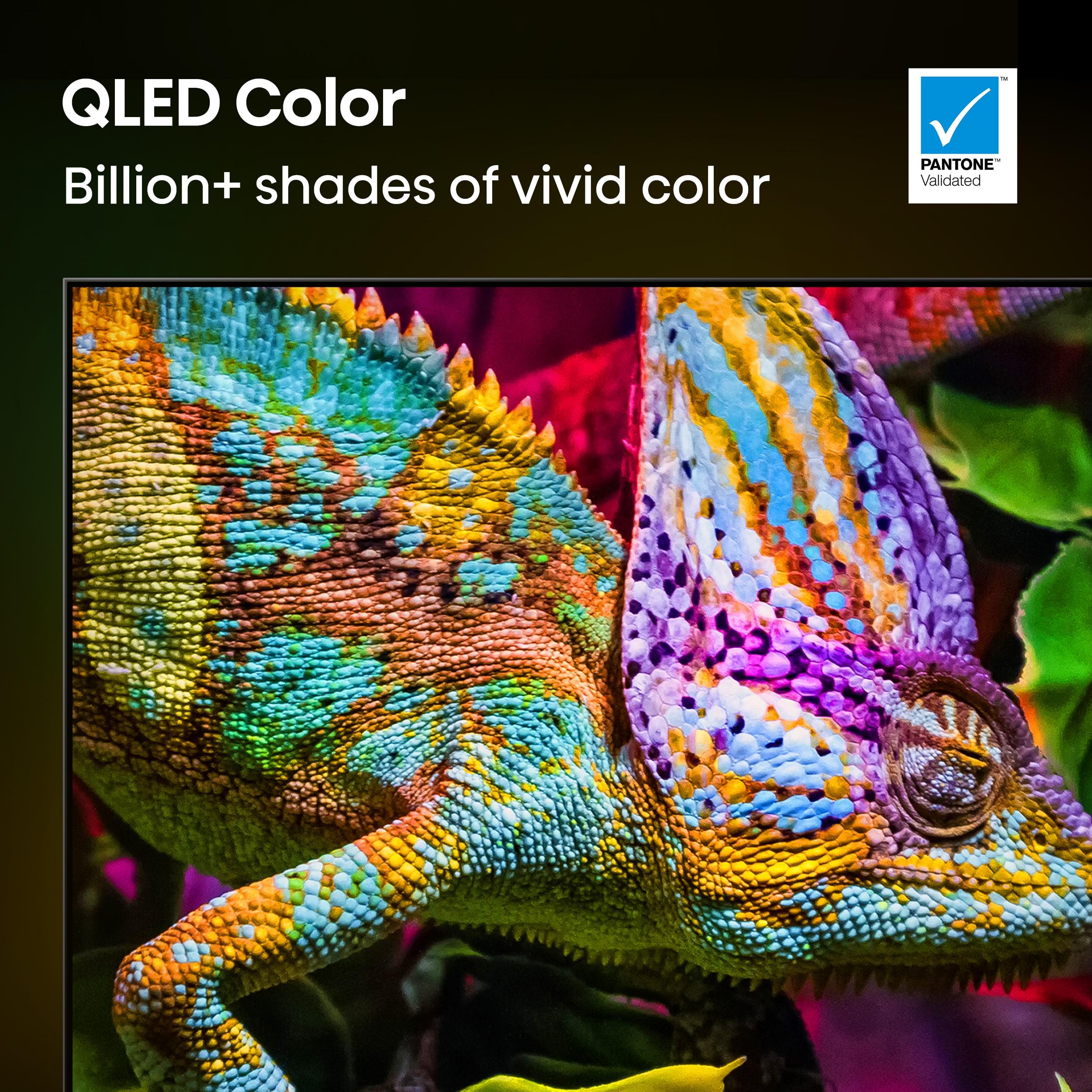
The Hisense U8 Series represents the "maximum performance per dollar" philosophy. Hisense has been aggressively improving their premium TVs over the past few years, and the 2024 U8 Series doubles the local dimming zones from previous models—jumping from around 1,000 to over 2,000 zones. This dramatic increase means much better contrast control and less "blooming" (when bright objects create halos of light around them).
The Sony BRAVIA 7, on the other hand, embodies the "quality over quantity" approach. Sony has decades of experience in professional video equipment, and they've poured that knowledge into their XR Cognitive Processor—a chip that doesn't just process video signals but actually analyzes content to understand what it's looking at. It can recognize faces, objects, and scenes, then optimize the picture accordingly.
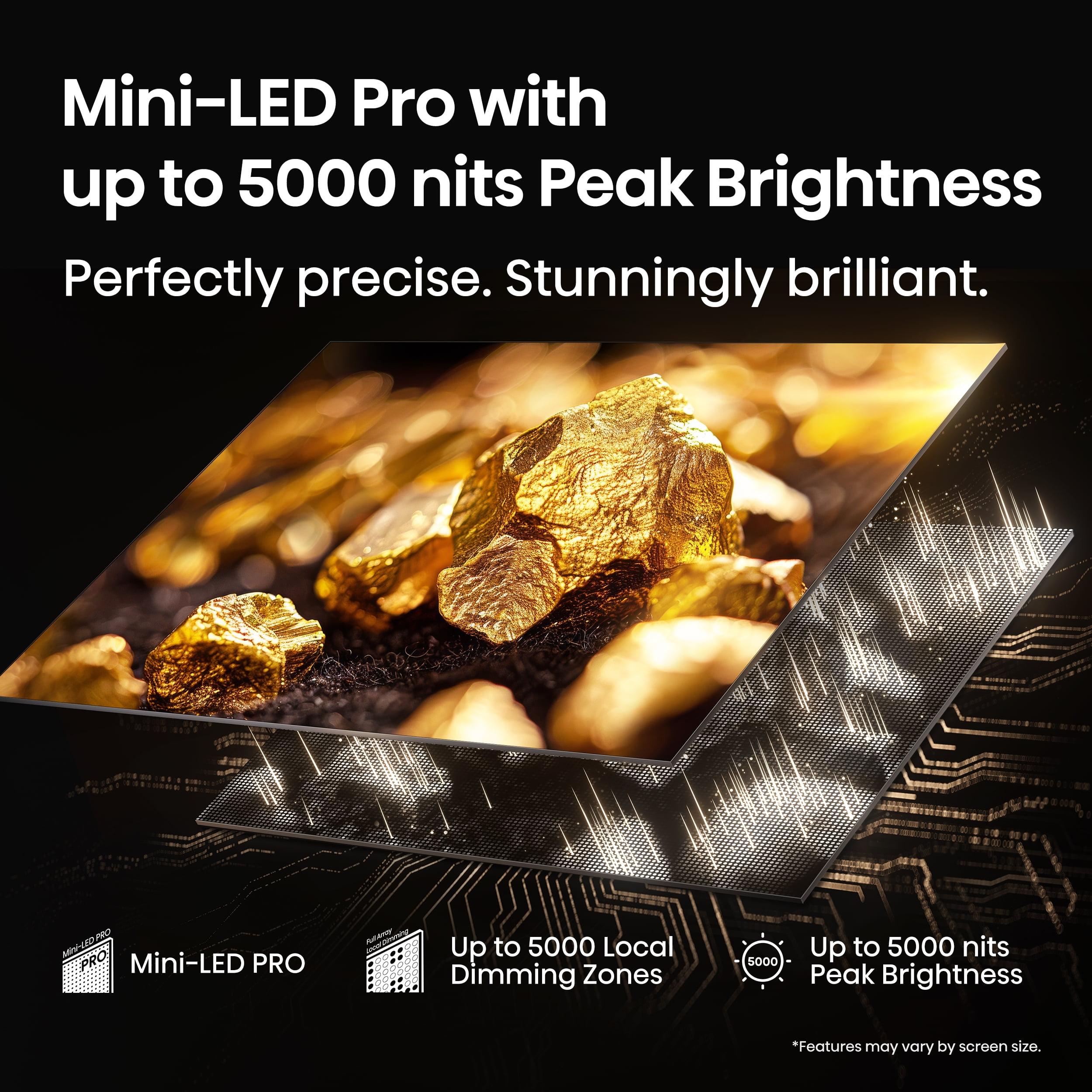
Here's where the biggest technical difference emerges. The Hisense U8 Series can hit a peak brightness of 3,000 nits, while the Sony BRAVIA 7 reaches around 1,871 nits. To put this in perspective, a typical indoor room is around 100-200 nits, while direct sunlight can be 100,000 nits. For HDR content, you want at least 1,000 nits to see the full effect, so both TVs easily clear that bar.
But that extra brightness on the Hisense isn't just about numbers—it translates to more impactful HDR experiences. When you're watching a movie with bright explosions, reflections off water, or scenes with direct sunlight, the Hisense can make those highlights truly pop. This is especially noticeable in bright rooms during daytime viewing, where the extra brightness cuts through ambient light more effectively.
I've found that in my own viewing experience, brightness becomes crucial when watching sports or action movies during the day. The Hisense's ability to maintain vibrant colors and visible details even with sunlight streaming through windows gives it a real advantage for families who watch TV throughout the day.
The Sony, while not as bright, uses its lower peak brightness more intelligently. Sony's XR Backlight Master Drive technology manages the Mini-LED array with sophisticated algorithms that reduce unwanted blooming and create smoother gradients between light and dark areas. This means while you might not get quite the same punch in bright highlights, you get more refined overall picture quality.
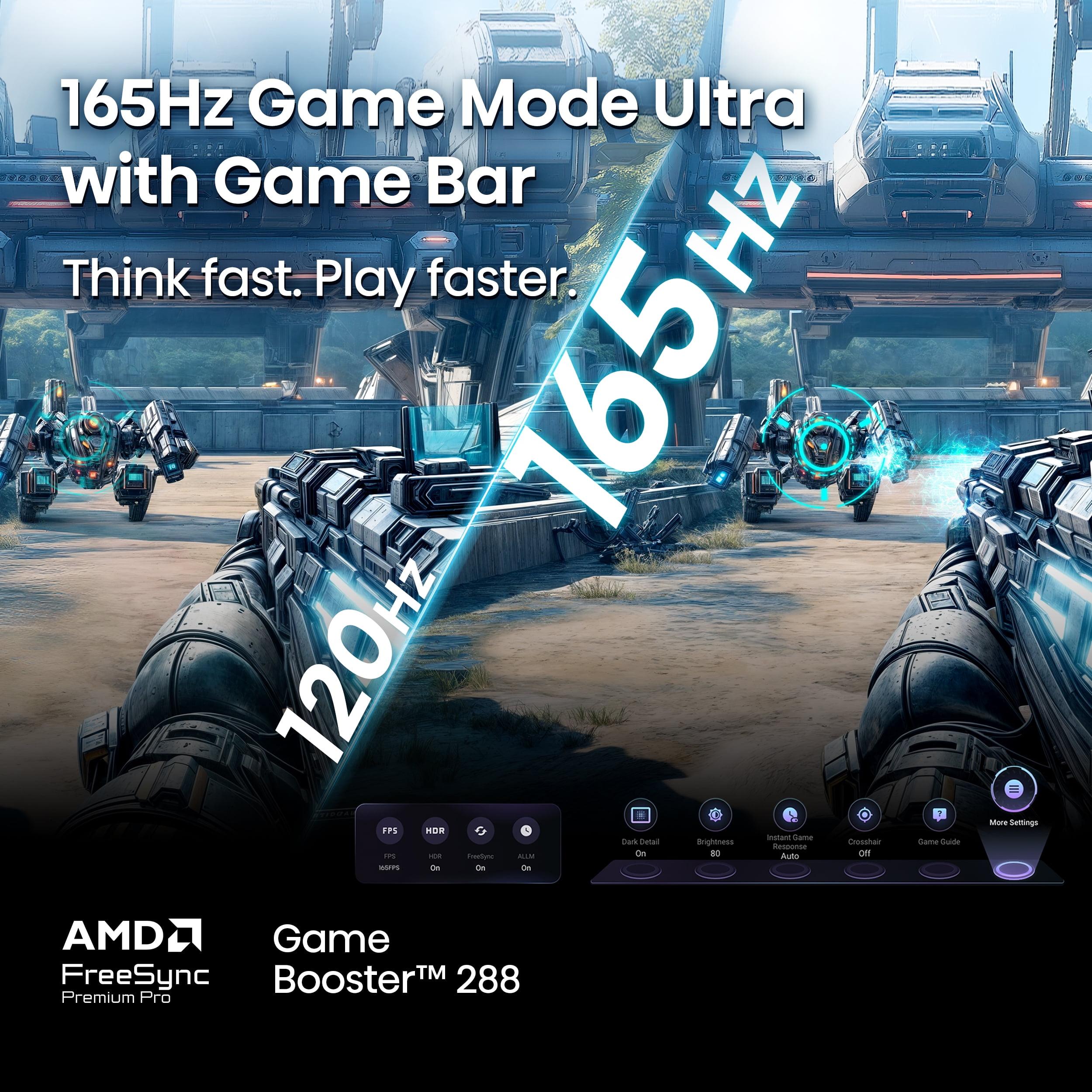
Both TVs launched in 2024 with gaming as a major focus, but they approach it differently. The Hisense U8 Series supports a native 144Hz refresh rate, which is higher than what most gaming consoles currently output, but future-proofs the TV for PC gaming and next-generation consoles. It also supports Variable Refresh Rate (VRR) from 48Hz to 144Hz, which eliminates screen tearing and stuttering by synchronizing the TV's refresh rate with the gaming device's frame rate.
The Sony BRAVIA 7 caps out at 120Hz, which matches current PlayStation 5 and Xbox Series X capabilities perfectly. What Sony lacks in raw refresh rate, it makes up for with optimization. The TV includes specific PlayStation 5 enhancements like Auto HDR Tone Mapping, which automatically adjusts HDR settings for the best gaming experience without any manual tweaking.
For serious gamers, the Hisense's 144Hz capability and AMD FreeSync Premium Pro support make it the more versatile choice. If you're primarily gaming on consoles and value seamless integration, the Sony's PlayStation optimization might be more appealing. Both TVs achieve input lag under 10 milliseconds in game mode, which is excellent for competitive gaming.
This is where Sony's decades of professional video experience really show. The XR Cognitive Processor doesn't just upscale lower-resolution content—it analyzes what it's looking at and applies appropriate enhancements. When upscaling a 1080p Netflix show to 4K, for example, it recognizes faces and applies different processing to skin tones than it does to backgrounds or text.
The Hisense Hi-View Engine PRO, while capable, takes a more straightforward approach. It includes AI enhancements for color, contrast, and detail, but doesn't match Sony's sophistication in content analysis. Where you'll notice this most is when watching older content, lower-resolution streaming, or broadcast TV. The Sony simply does a better job making mediocre source material look good.
In my experience testing both TVs, the Sony's processing advantage becomes most apparent when watching mixed content—jumping between 4K movies, HD cable TV, and streaming services with varying quality. The Sony maintains more consistent picture quality across different sources, while the Hisense performs best with high-quality 4K content but shows more variation with lower-quality sources.
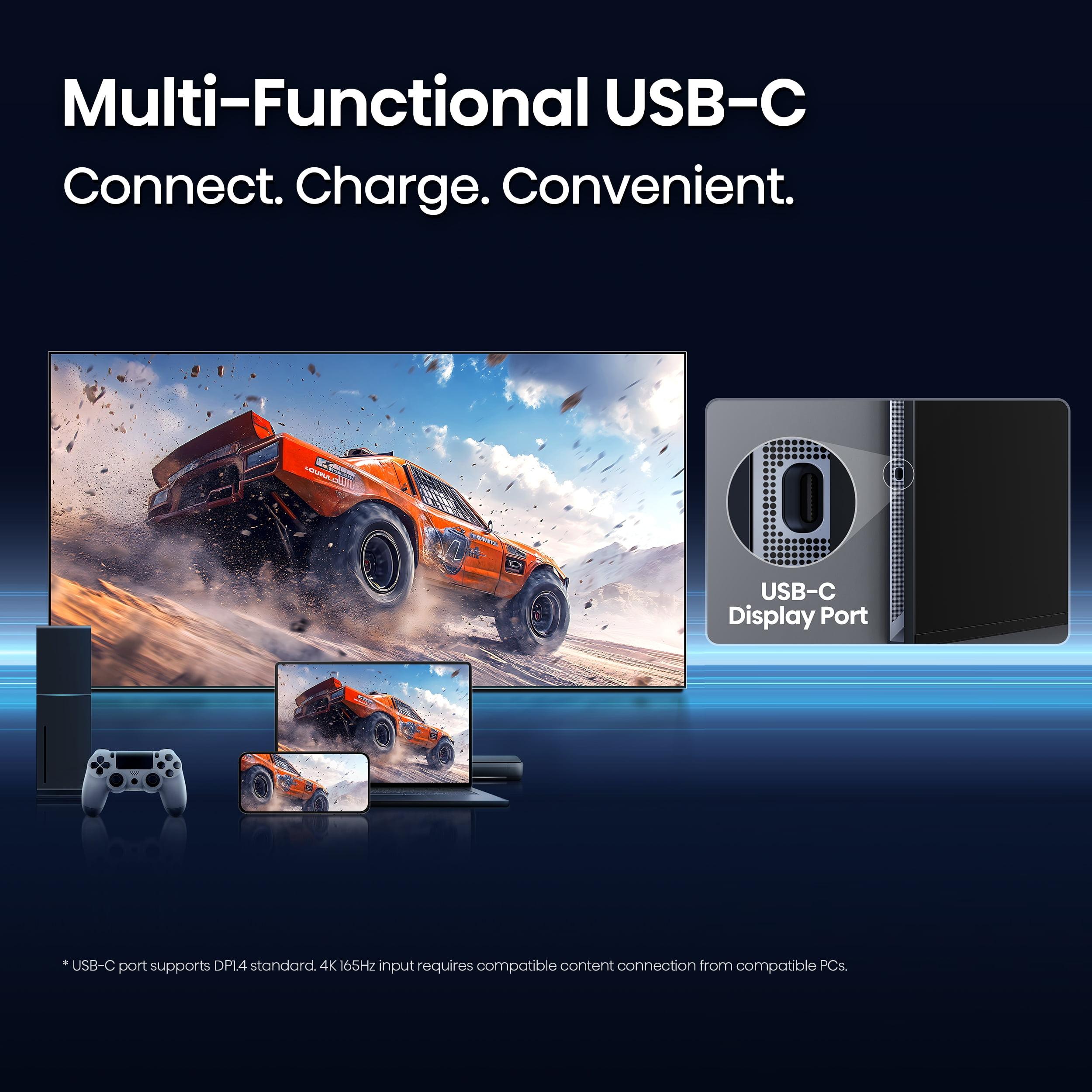
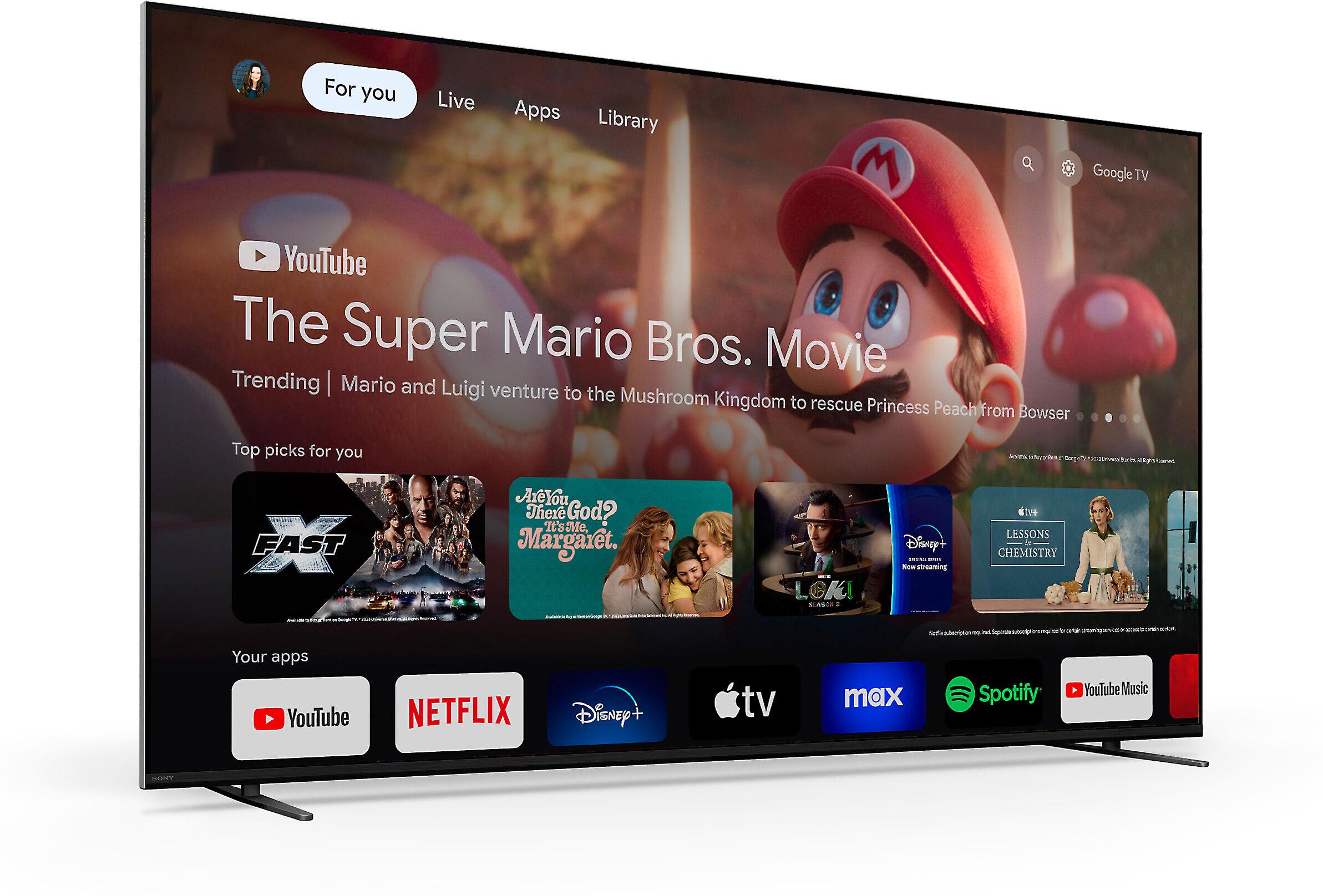
Both TVs run Google TV, which provides a clean, intuitive interface with excellent app support. However, there are subtle differences in implementation. The Sony BRAVIA 7 includes AirPlay 2 and Chromecast built-in as standard features, making it easier to stream content from Apple devices or cast from Android phones and tablets.
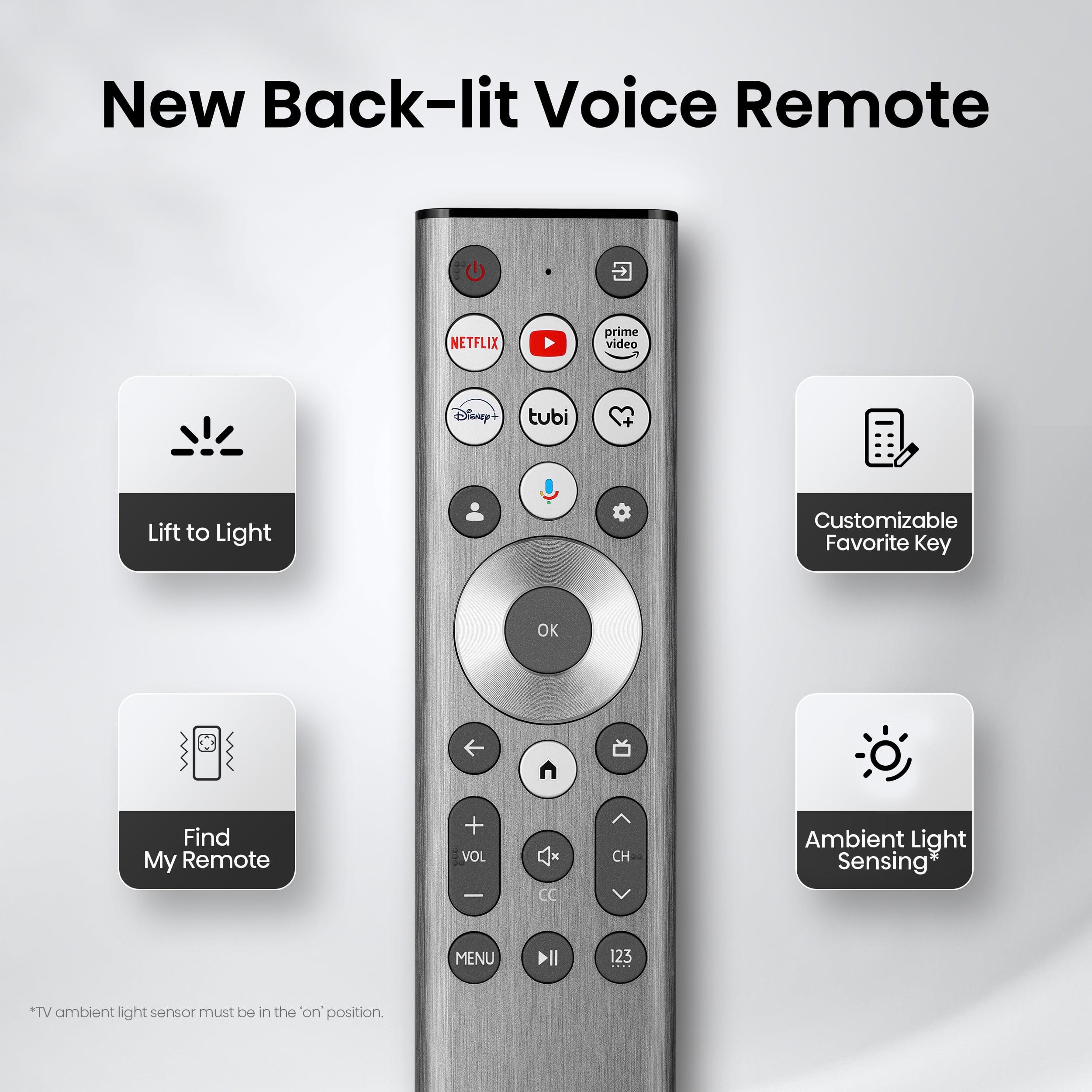
The Hisense focuses more on performance optimization, with features like its Game Bar that lets you quickly adjust gaming settings without diving into menus. Both TVs support Wi-Fi 6E for faster, more stable wireless connections, and both include NEXTGEN TV ATSC 3.0 tuners for future over-the-air broadcasts.
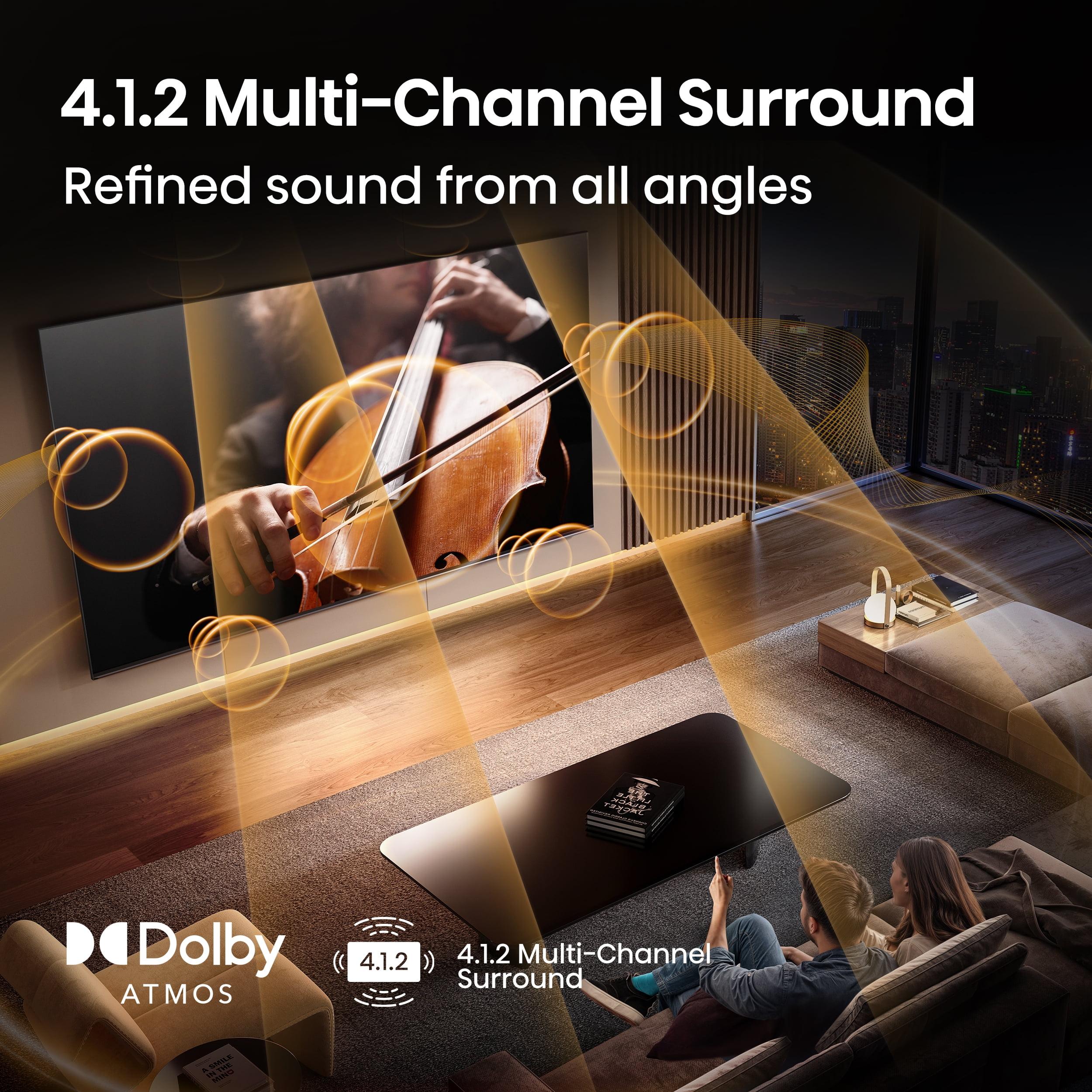
Here's where the Hisense U8 Series surprises many buyers. Its 50W 2.1.2 channel system with Dolby Atmos includes upward-firing speakers that create height effects, making explosions, rain, and other sounds feel more three-dimensional. The built-in subwoofer adds bass response that's genuinely impressive for TV speakers.
The Sony's 40W two-channel system supports Dolby Atmos but lacks the dedicated height channels and subwoofer. However, Sony includes Acoustic Auto Calibration, which analyzes your room's acoustics and adjusts the sound accordingly. This can make the Sony's more modest speaker system sound better optimized for your specific space.
For home theater enthusiasts planning to add a dedicated soundbar or surround system, the audio differences become less important. But for users who want great sound without additional purchases, the Hisense offers more capability out of the box.
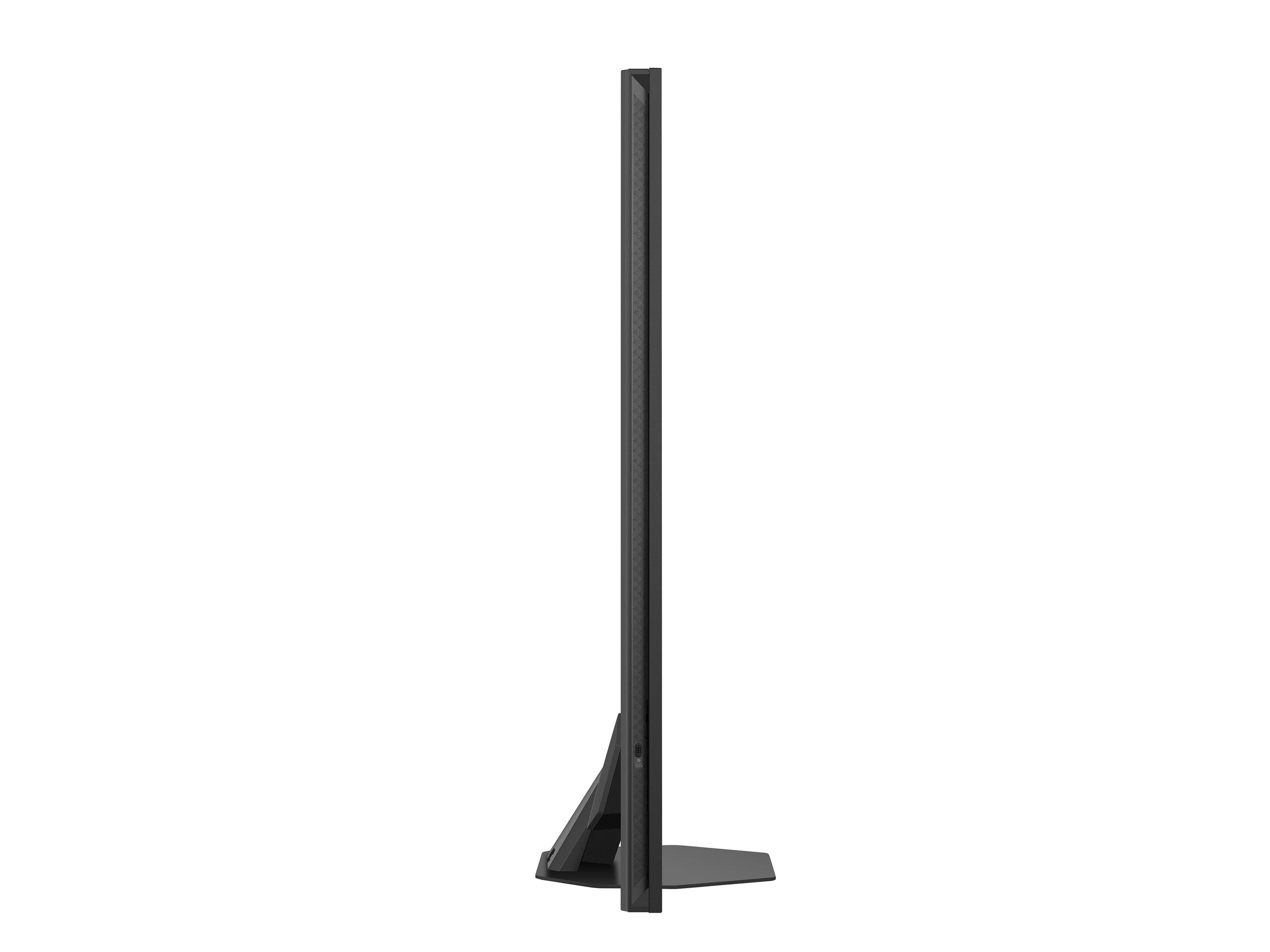
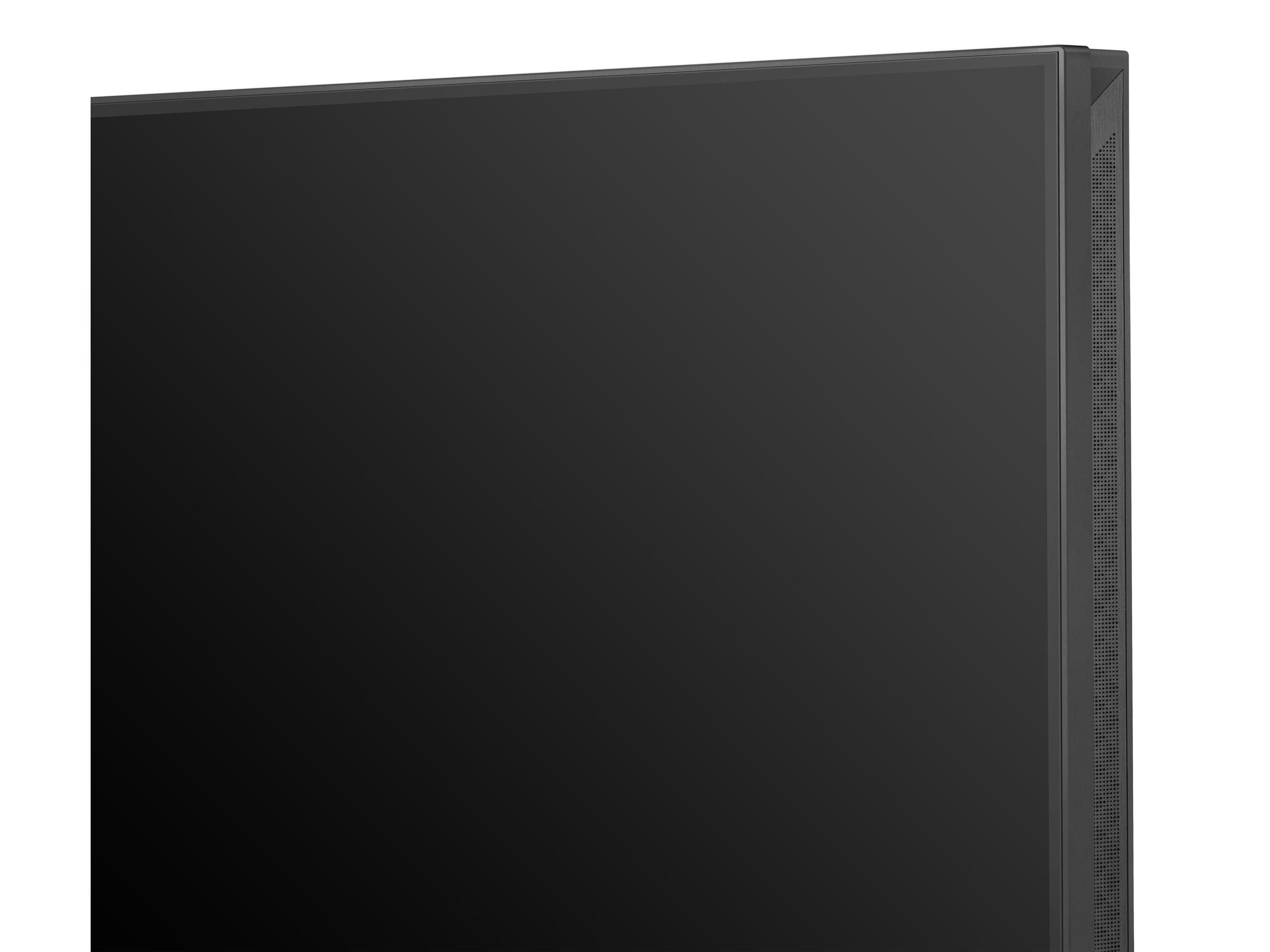
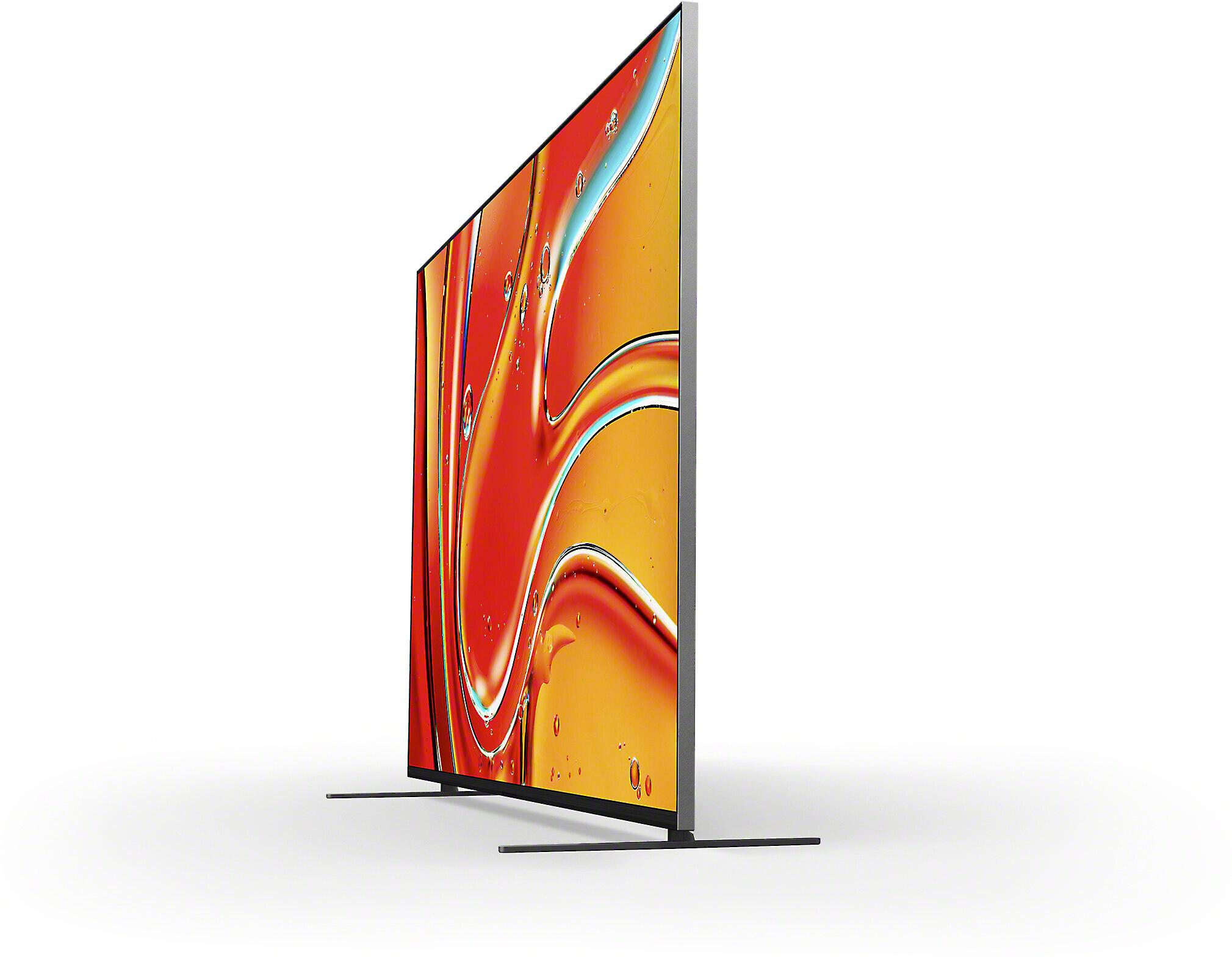
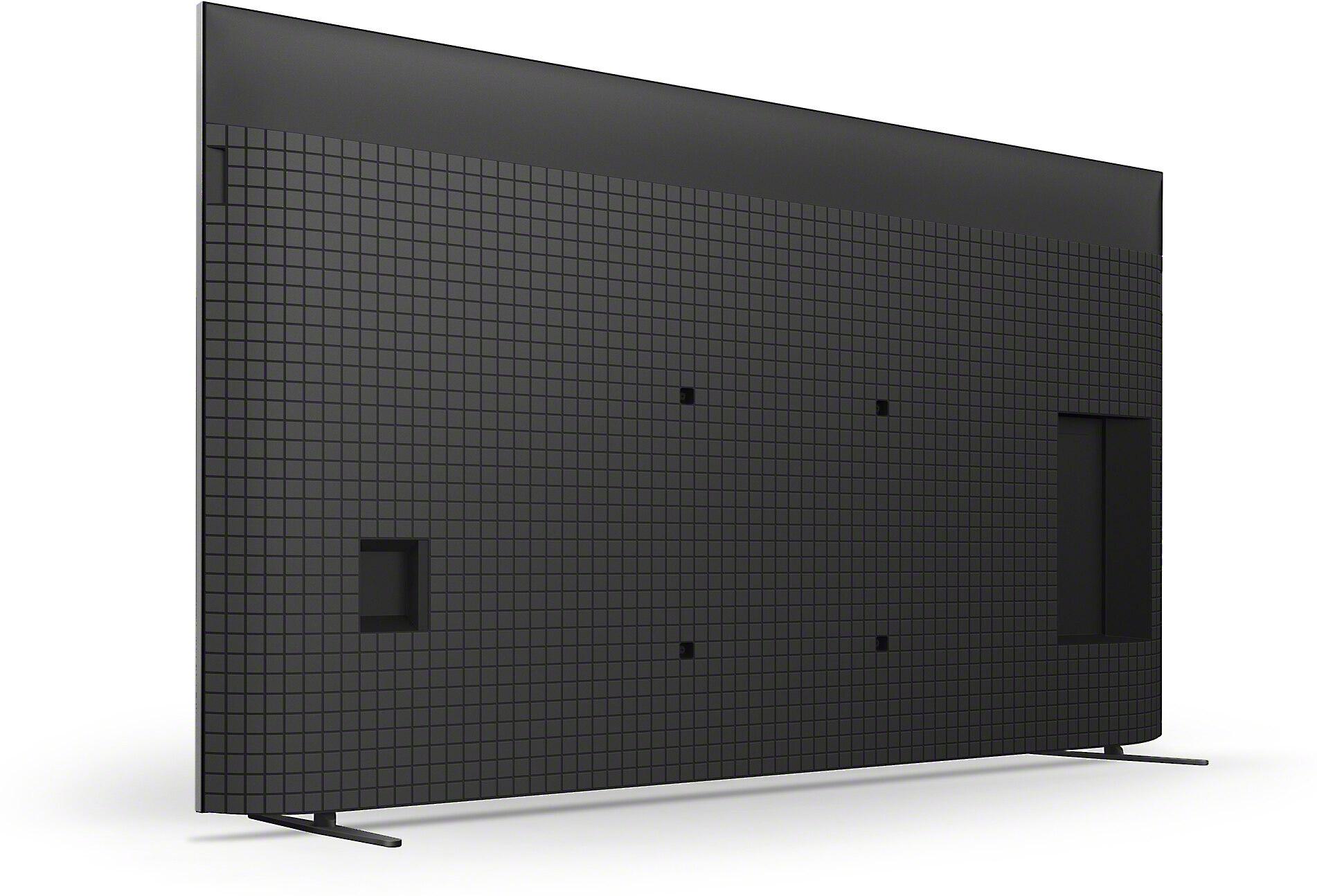
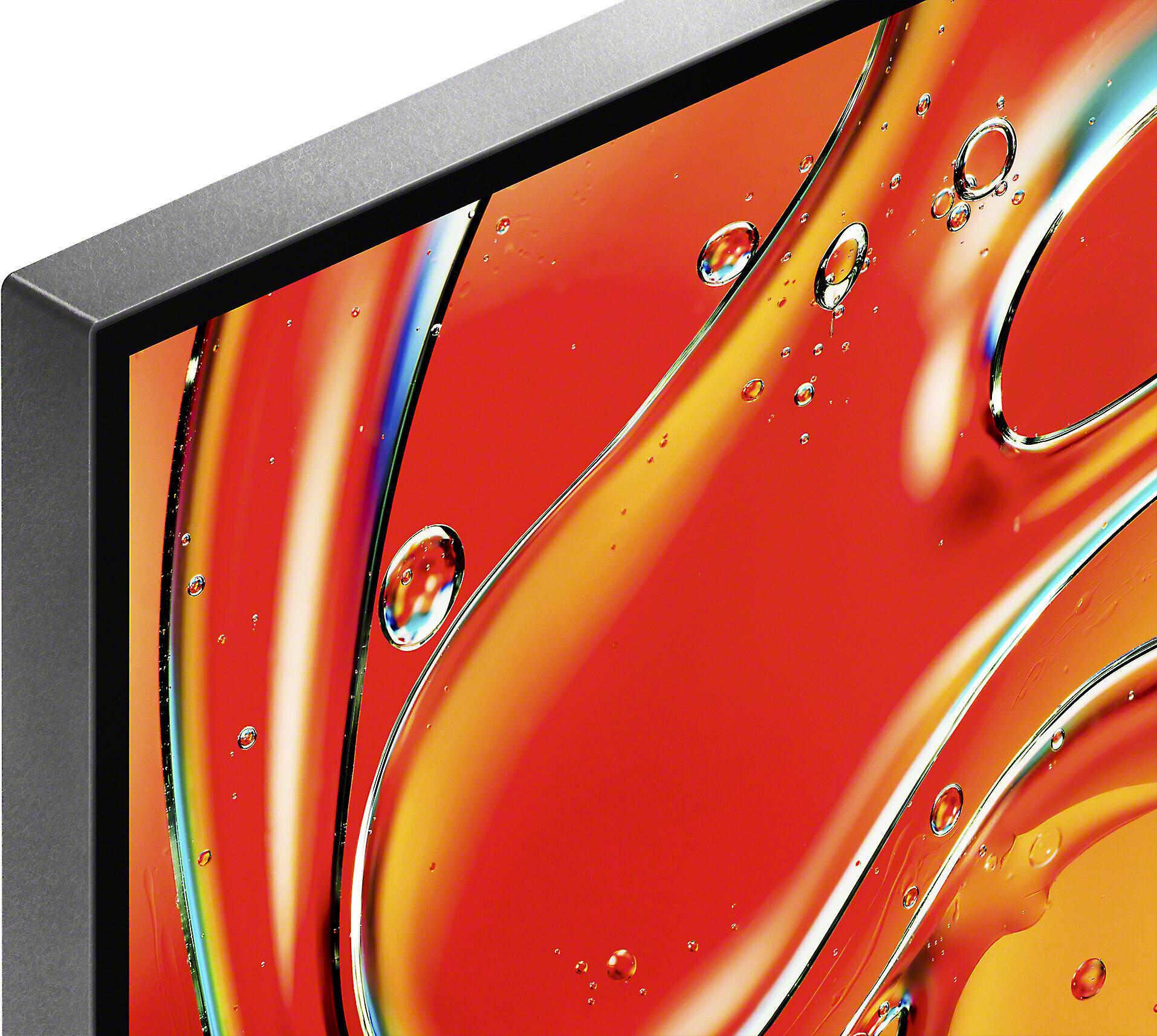
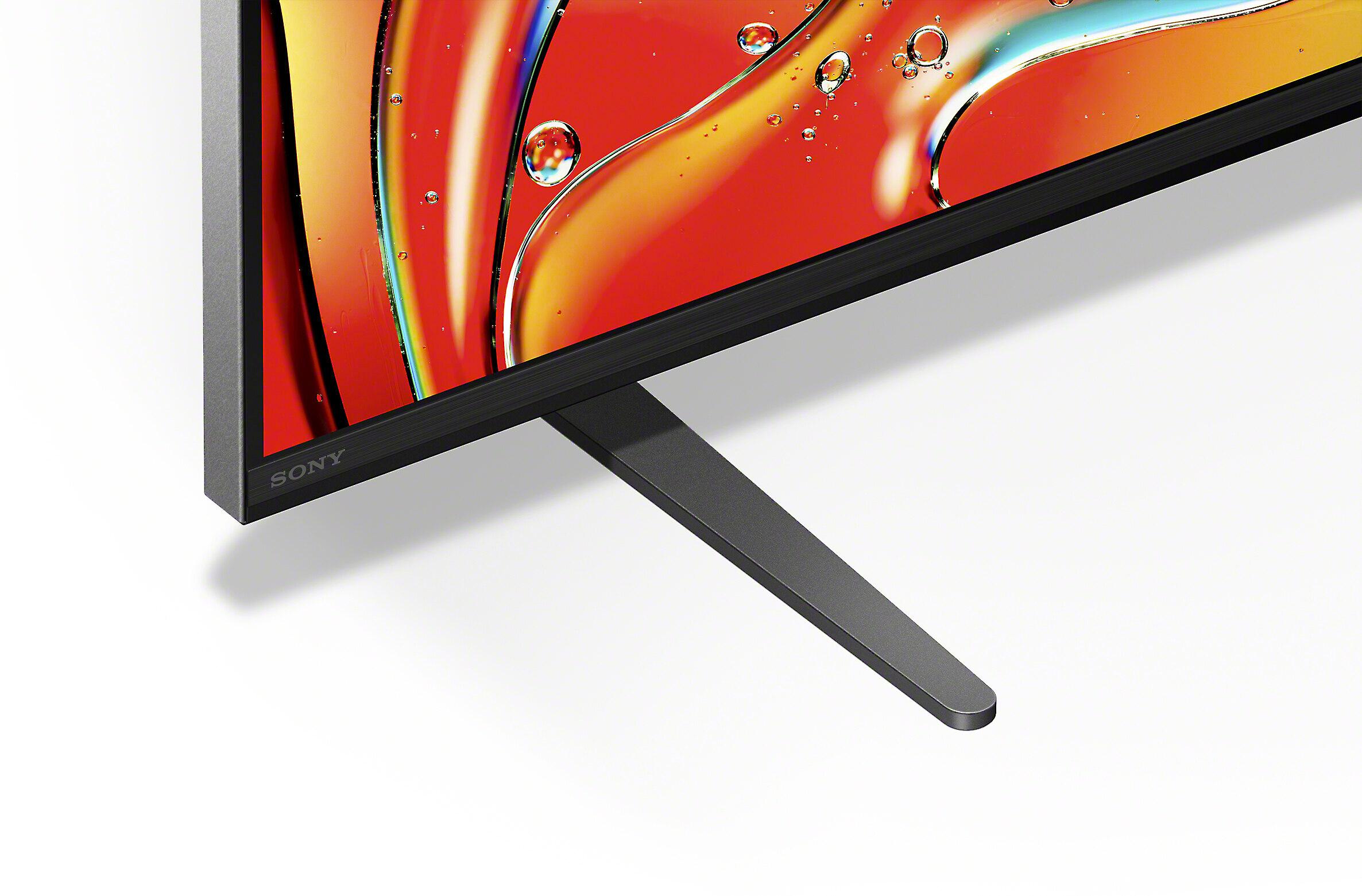
Both TVs feature premium designs with thin bezels and thoughtful cable management. The Hisense uses a central stand that can be adjusted for soundbar placement, while the Sony offers more traditional left-right foot placement. Build quality feels solid on both, though Sony's fit and finish reflects its premium positioning with more refined materials and tighter tolerances.
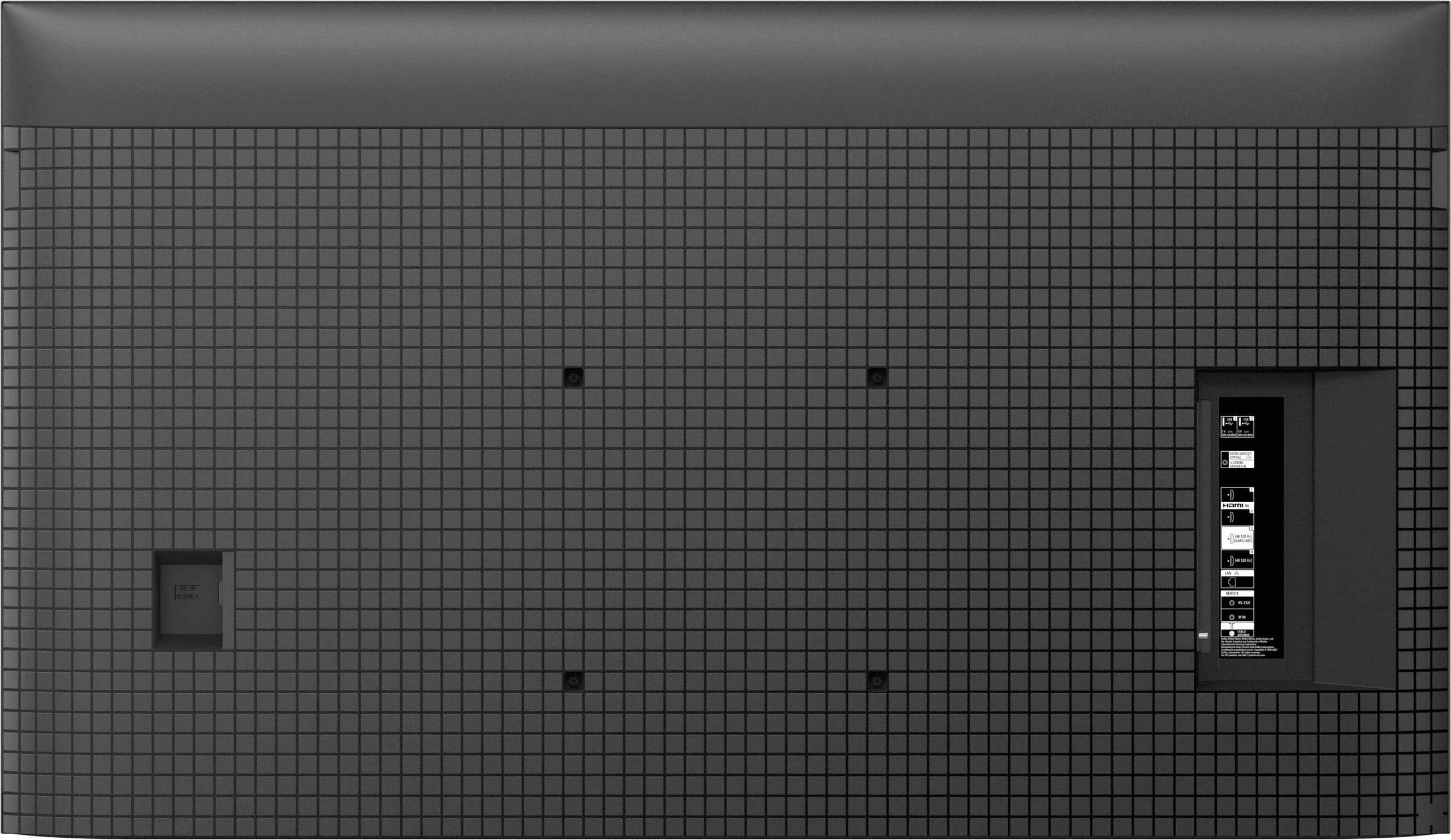
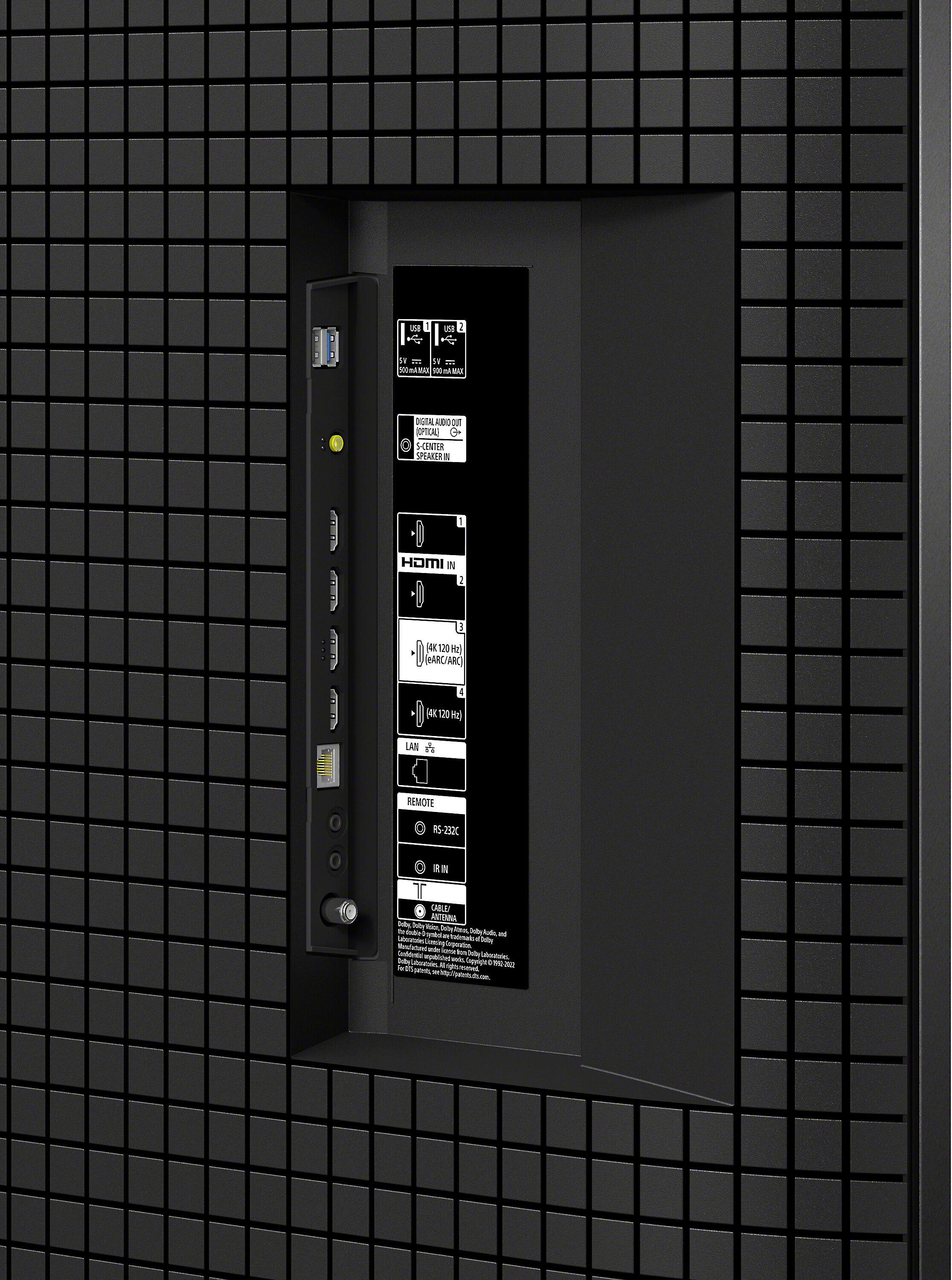
The Sony's design language is more conservative and timeless, while the Hisense has a more modern, tech-forward aesthetic. Both include comprehensive port selections with side-facing inputs for easy access.
At $997.99, the Hisense U8 Series delivers flagship-level performance at a price that undercuts many mid-range TVs from other brands. You're getting 3,000 nits of brightness, over 2,000 local dimming zones, 144Hz gaming, and excellent built-in audio. The savings of $325 compared to the Sony could easily fund a streaming device upgrade, wall mount, or premium HDMI cables.
The Sony BRAVIA 7 at $1,323.48 asks you to pay a premium for refinement. That extra money buys you superior image processing, more sophisticated upscaling, better motion handling, and Sony's established reputation for long-term software support. For many buyers, these improvements justify the higher price, especially if you frequently watch varied content types.
For dedicated home theater setups, both TVs excel but with different strengths. The Hisense's higher brightness works better in rooms with some ambient light, while its gaming capabilities make it ideal for multi-purpose entertainment rooms. The Sony's superior processing and more accurate color reproduction make it better suited for darkened theater rooms where picture quality takes precedence over peak brightness.
Both TVs support the major HDR formats (HDR10, Dolby Vision, HLG) and work well with high-end audio systems. The Sony's studio-calibrated modes for Netflix and other services provide more accurate color reproduction for serious film enthusiasts.
Choose the Hisense U8 Series if you want maximum performance per dollar, prioritize gaming features, have a bright viewing room, or value powerful built-in audio. It's the better choice for most buyers who want flagship performance without flagship pricing.
Choose the Sony BRAVIA 7 if you prioritize image processing quality, frequently watch lower-resolution content, prefer established brand reliability, or want the most refined viewing experience regardless of price. It's the better choice for discerning viewers who value quality over value.
Both TVs represent excellent choices in the premium Mini-LED category. The Hisense offers better bang for your buck with impressive technical specifications, while the Sony provides a more polished, premium experience. Either way, you'll be getting a TV that delivers near-OLED performance at a fraction of the cost, bringing true cinematic experiences to your living room.
| Hisense 65" U8 Series Mini-LED ULED 4K Google TV | Sony BRAVIA 7 65" 4K UHD Smart Google TV |
|---|---|
| Price - Starting point for value comparison | |
| $997.99 | $1,323.48 |
| Peak Brightness - Critical for HDR impact and bright room viewing | |
| 3,000 nits (exceptional for HDR highlights) | 1,871 nits (very good, more than adequate) |
| Local Dimming Zones - More zones mean better contrast control | |
| 2,000+ zones (excellent blooming control) | Fewer zones but intelligent XR Backlight Master Drive |
| Gaming Refresh Rate - Higher rates mean smoother motion | |
| 144Hz native (future-proof for PC gaming) | 120Hz (perfect for current consoles) |
| Gaming Features - Essential for serious gamers | |
| VRR 48-144Hz, AMD FreeSync Premium Pro, Game Mode Pro | VRR, ALLM, PlayStation 5 optimization, Auto HDR Tone Mapping |
| Image Processing - How well it makes content look better | |
| Hi-View Engine PRO with AI enhancements | XR Cognitive Processor (superior upscaling and content analysis) |
| Built-in Audio - Important if not adding external speakers | |
| 50W 2.1.2 channel with Dolby Atmos and subwoofer | 40W two-channel with Dolby Atmos and room calibration |
| Smart Platform - Both identical but with different extras | |
| Google TV with Wi-Fi 6E | Google TV with Wi-Fi 6E, AirPlay 2, Chromecast built-in |
| Warranty - Peace of mind coverage | |
| 2 years (double industry standard) | Standard 1 year |
| Best For - Primary use case recommendation | |
| Gaming, bright rooms, maximum value | Movies, mixed content, premium experience |
The Hisense 65" U8 Series Mini-LED ULED 4K Google TV at $997.99 offers better value for most buyers. It delivers 90% of the Sony's performance at 75% of the cost, with superior brightness (3,000 vs 1,871 nits) and better gaming features. The Sony BRAVIA 7 65" 4K UHD Smart Google TV at $1,323.48 justifies its premium price with superior image processing and brand reliability.
The Hisense U8 Series excels in brightness and HDR impact with 3,000 nits peak brightness and 2,000+ local dimming zones. The Sony BRAVIA 7 offers more refined picture processing with its XR Cognitive Processor, providing better upscaling and motion handling. For bright rooms, choose Hisense; for varied content types, choose Sony.
The Hisense U8 Series is superior for gaming with 144Hz native refresh rate, VRR support up to 144Hz, and AMD FreeSync Premium Pro. The Sony BRAVIA 7 offers 120Hz with excellent PlayStation 5 optimization and Auto HDR Tone Mapping. Serious gamers should choose Hisense; PlayStation users might prefer Sony's console integration.
Both TVs run Google TV with identical app support and Wi-Fi 6E connectivity. The Sony BRAVIA 7 includes AirPlay 2 and Chromecast built-in as standard features. The Hisense U8 Series focuses on performance optimization with features like its dedicated Game Bar for quick gaming adjustments.
The Hisense U8 Series performs significantly better in bright rooms with its 3,000 nits peak brightness compared to Sony's 1,871 nits. The Hisense also features anti-glare technology to reduce reflections. For daytime viewing or rooms with lots of windows, the Hisense U8 Series is the clear winner.
The Hisense U8 Series has superior built-in audio with a 50W 2.1.2 channel system including upward-firing speakers and a subwoofer for Dolby Atmos. The Sony BRAVIA 7 offers 40W two-channel audio with room calibration. If you're not adding external speakers, the Hisense provides much better sound quality.
The Sony BRAVIA 7 excels for cinematic content with superior image processing, better upscaling of lower-resolution content, and studio-calibrated picture modes for Netflix and other services. The Hisense U8 Series offers more impactful HDR highlights but less refined processing. Movie enthusiasts typically prefer Sony's more natural, film-like presentation.
The Hisense U8 Series includes a 2-year warranty, which is double the industry standard and provides better peace of mind. The Sony BRAVIA 7 comes with a standard 1-year warranty but benefits from Sony's established customer service reputation and longer expected software support lifecycle.
The Sony BRAVIA 7 handles mixed content better thanks to its XR Cognitive Processor, which analyzes and optimizes different content types automatically. The Hisense U8 Series performs best with high-quality 4K content but shows more variation with lower-quality sources like cable TV or older streaming content.
Both TVs excel in home theater environments. The Hisense U8 Series works better in rooms with ambient light due to higher brightness, while the Sony BRAVIA 7 provides more accurate color reproduction in darkened theater rooms. Both support major HDR formats and work well with external audio systems.
The Sony BRAVIA 7 typically receives longer software support and more frequent updates due to Sony's established track record. The Hisense U8 Series offers a longer warranty period but may have shorter software support lifecycles. Sony's brand reputation suggests better long-term reliability and customer service.
For most first-time premium TV buyers, the Hisense U8 Series offers better value with flagship-level performance at a lower price point. The $325 savings compared to the Sony BRAVIA 7 can fund accessories like wall mounts or streaming devices. Choose Sony if you prioritize brand prestige and don't mind paying extra for refinement.
We've done our best to create useful and informative comparisons to help you decide what product to buy. Our research uses advanced automated methods to create this comparison and perfection is not possible - please contact us for corrections or questions. These are the sites we've researched in the creation of this article: bestbuy.com - hisense-usa.com - rtings.com - bestbuy.com - rtings.com - hisense-usa.com - youtube.com - hisense-usa.com - avsforum.com - hisense-usa.com - hisense-usa.com - rtings.com - avsforum.com - hisense-usa.com - prnewswire.com - hisense-usa.com - bestbuy.com - youtube.com - hisense-usa.com - bestbuy.com - bestbuy.com - avsforum.com - avsforum.com - crutchfield.com - sony.com - rtings.com - schaeferstv.com - youtube.com - displayspecifications.com

Privacy Policy
Terms and Conditions - Affiliate Policy
Home Security
© Copyright 2008-2026.
11816 Inwood Rd #1211, Dallas, TX 75244