

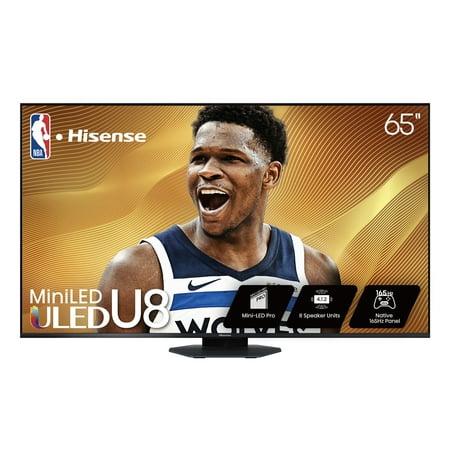
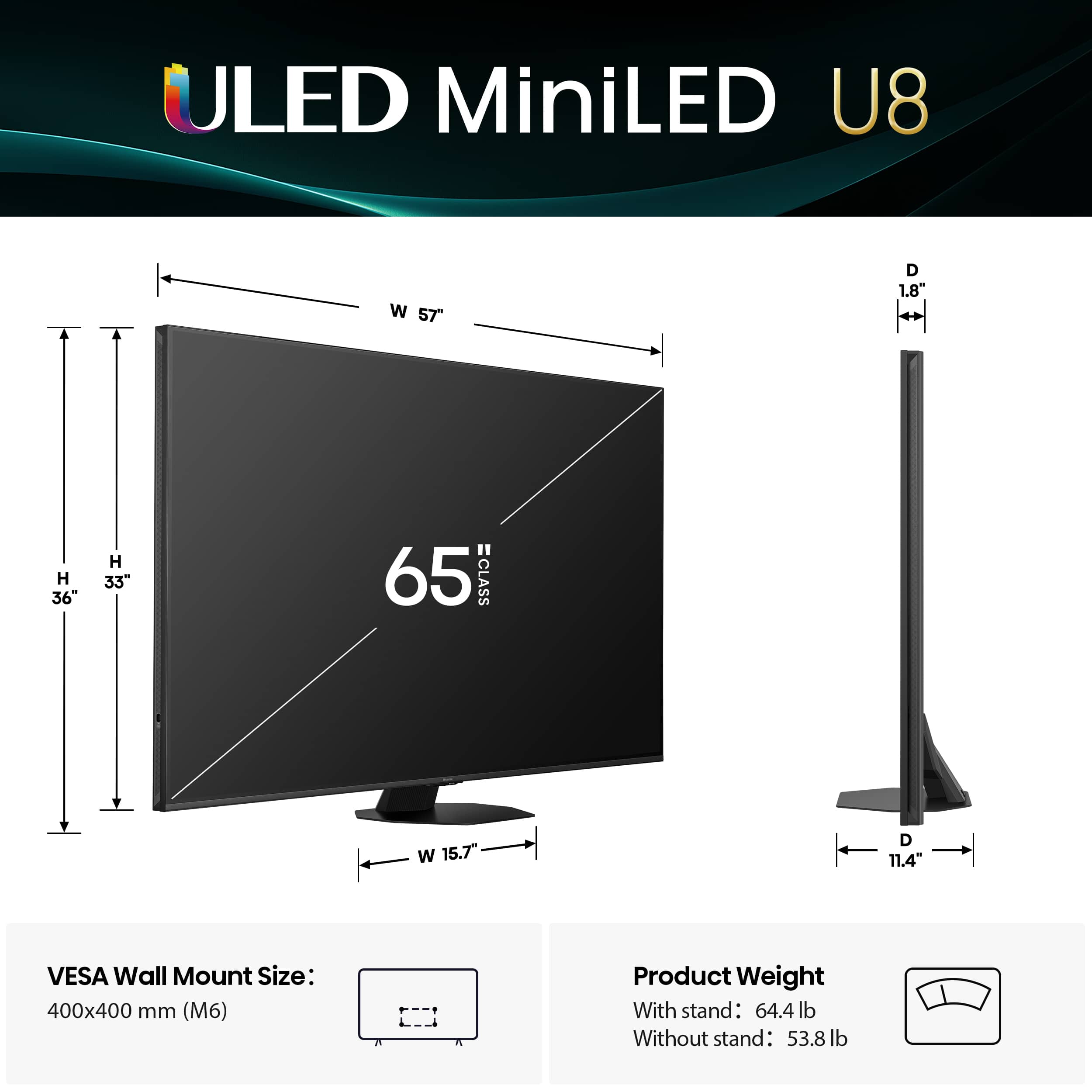
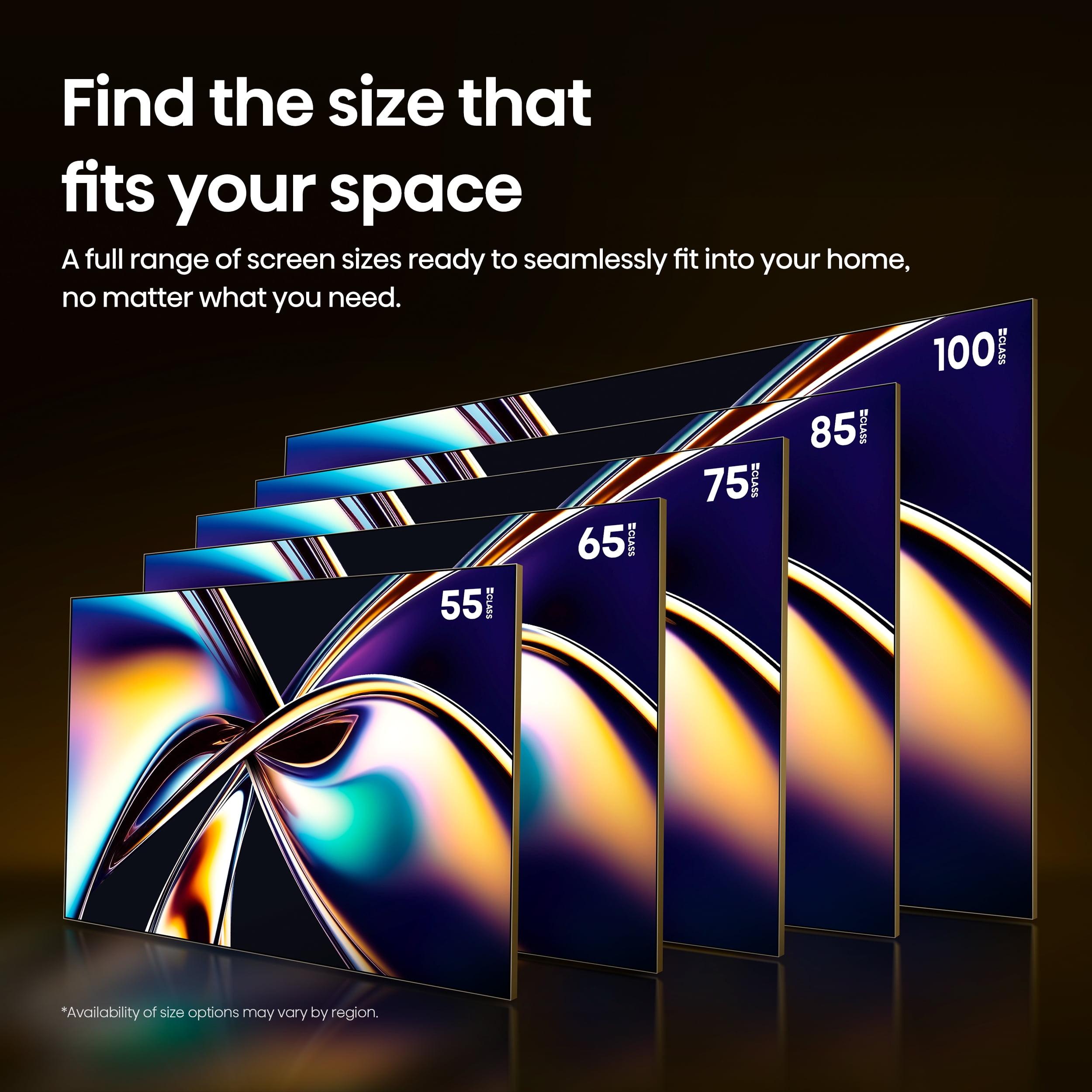
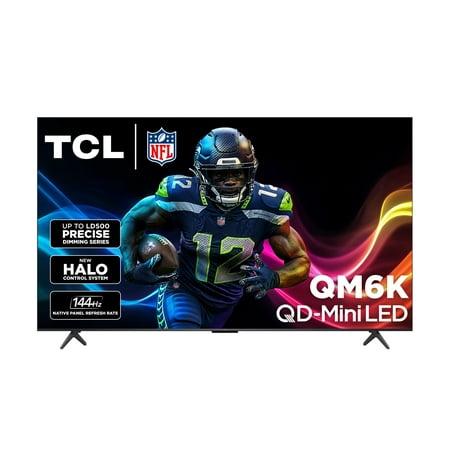
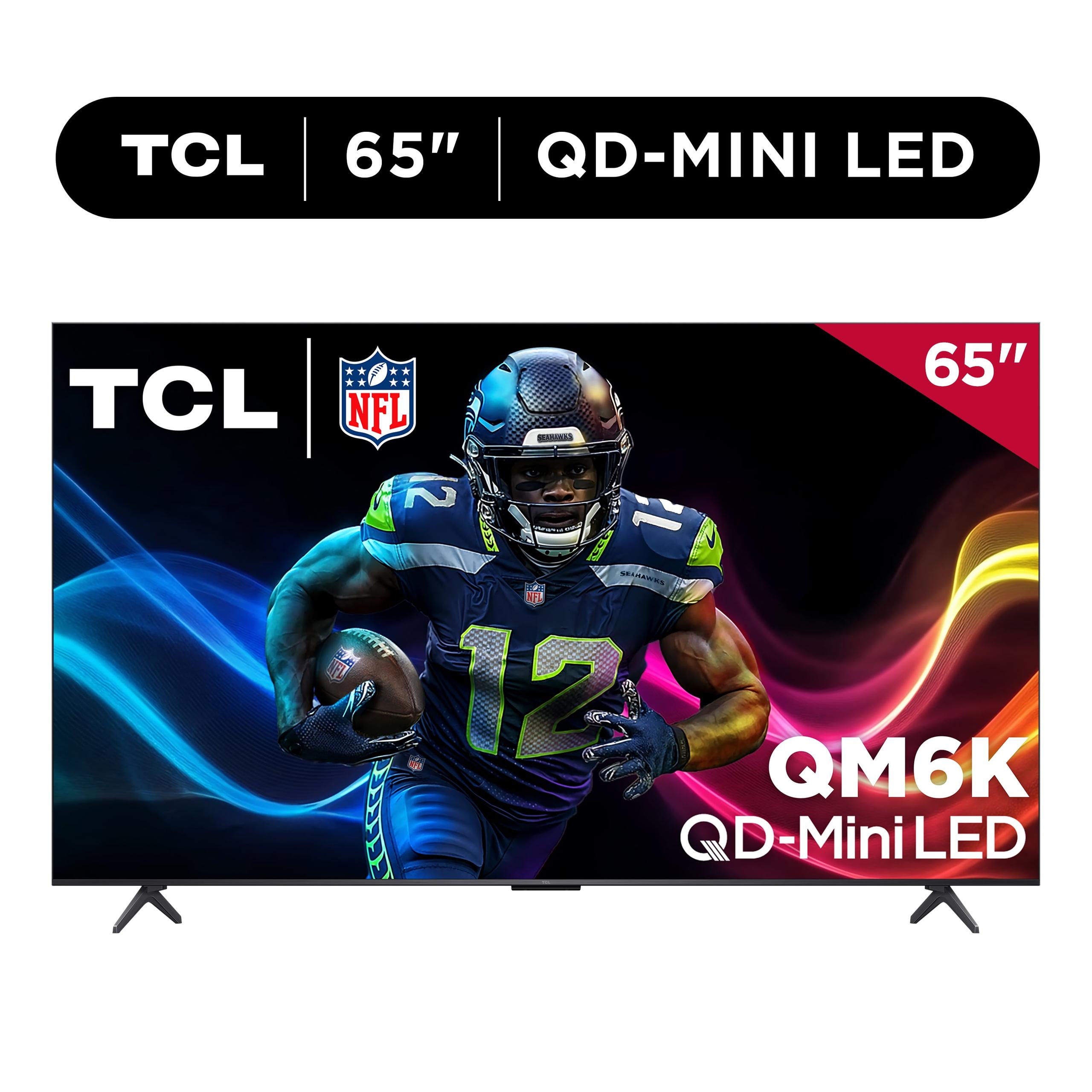
Shopping for a premium TV can feel overwhelming, especially when you're comparing two excellent options that seem similar on paper. The Hisense 65" U8 Series Mini-LED ULED 4K Google TV and the TCL 65" QM6K QD-Mini LED 4K TV both represent the sweet spot in today's TV market—offering flagship-level picture quality without the premium price tag of OLED displays. But which one deserves your hard-earned money?
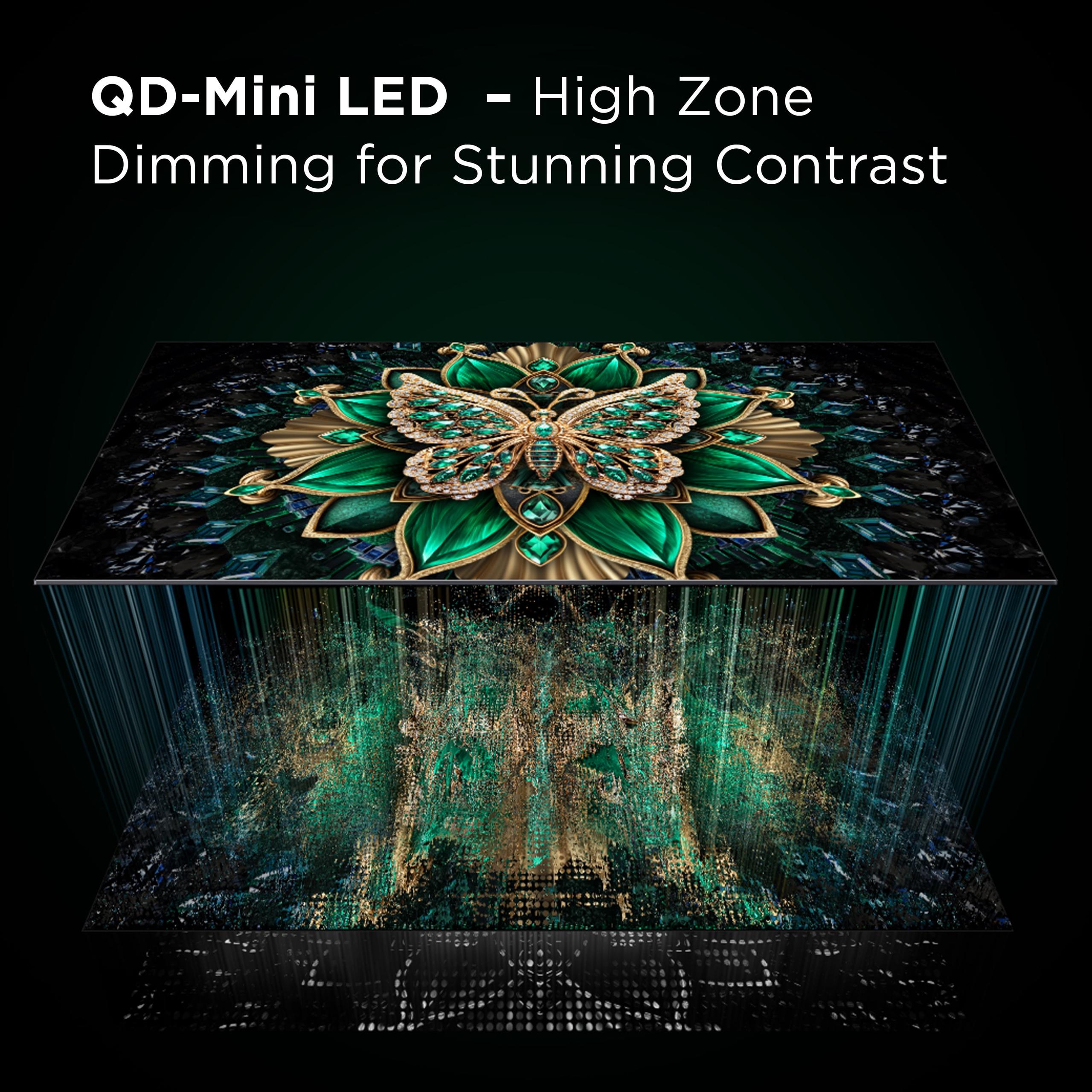
Before diving into the comparison, let's talk about what makes these TVs special. Both use Mini-LED technology, which is essentially thousands of tiny LEDs behind the screen that can turn on and off independently. Think of it like having thousands of tiny flashlights that can brighten or dim specific areas of your TV screen. This creates much better contrast than traditional LED TVs—you get deeper blacks and brighter highlights, making everything from dark movie scenes to bright sports games look more realistic.
The key considerations when choosing between premium TVs like these include picture quality (how good the image looks), gaming performance (especially important if you have a PlayStation 5 or Xbox Series X), smart features (how easy and fast the interface is), build quality, and overall value. Both TVs excel in these areas, but they take different approaches to get there.
The Hisense U8N hit the market in early 2024, currently priced at $997.99. This TV built on Hisense's previous success with the U8 series, adding significant improvements like more local dimming zones (up to 2000+) and enhanced processing power. When it launched, it immediately challenged more expensive models from Samsung and Sony.
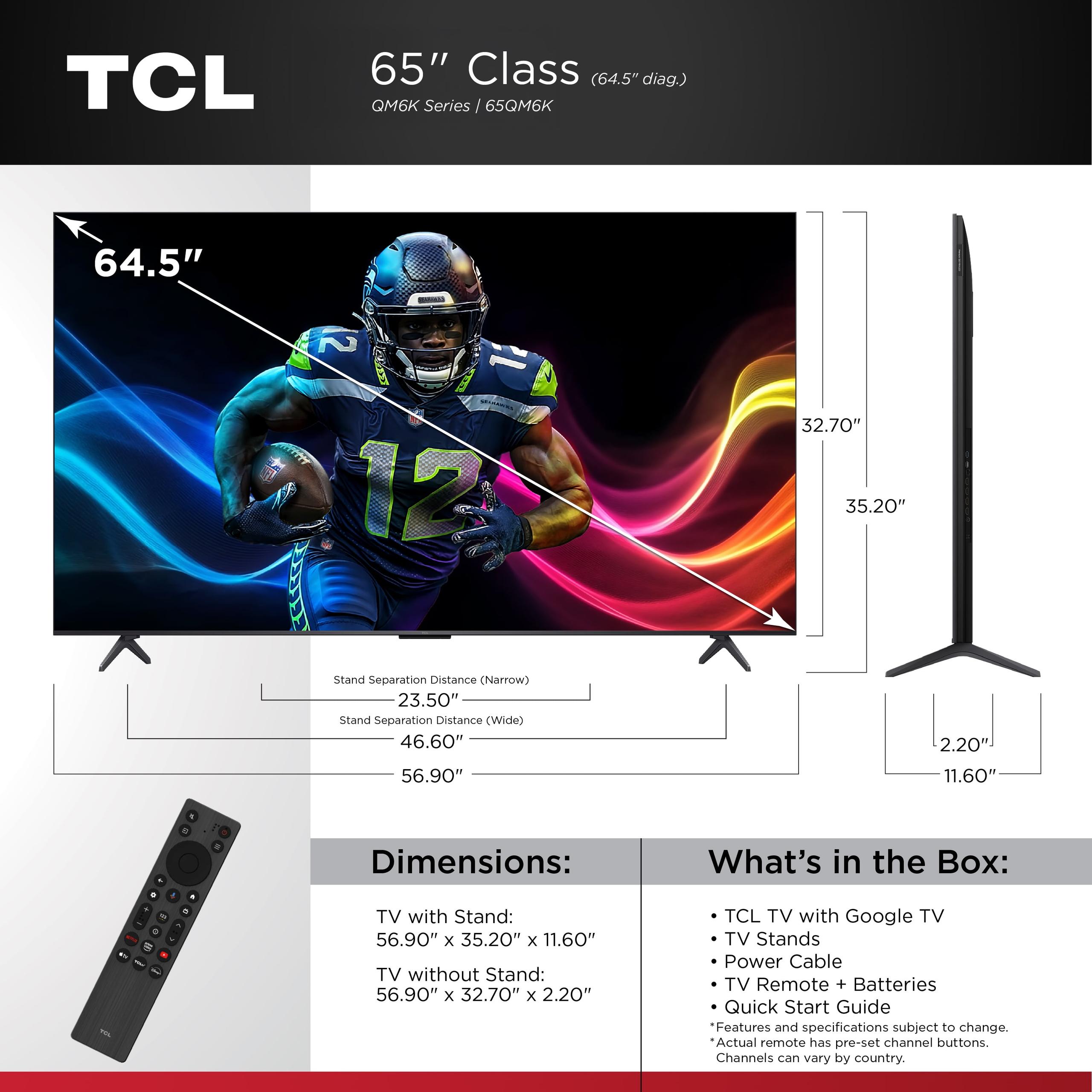
The TCL QM6K is the newer player, launching in February 2025 with a $999.99 MSRP, though it's often available for $699-799. As one of the first 2025 TVs to market, TCL focused heavily on gaming performance and addressing common complaints about viewing angles that plagued earlier Mini-LED models.
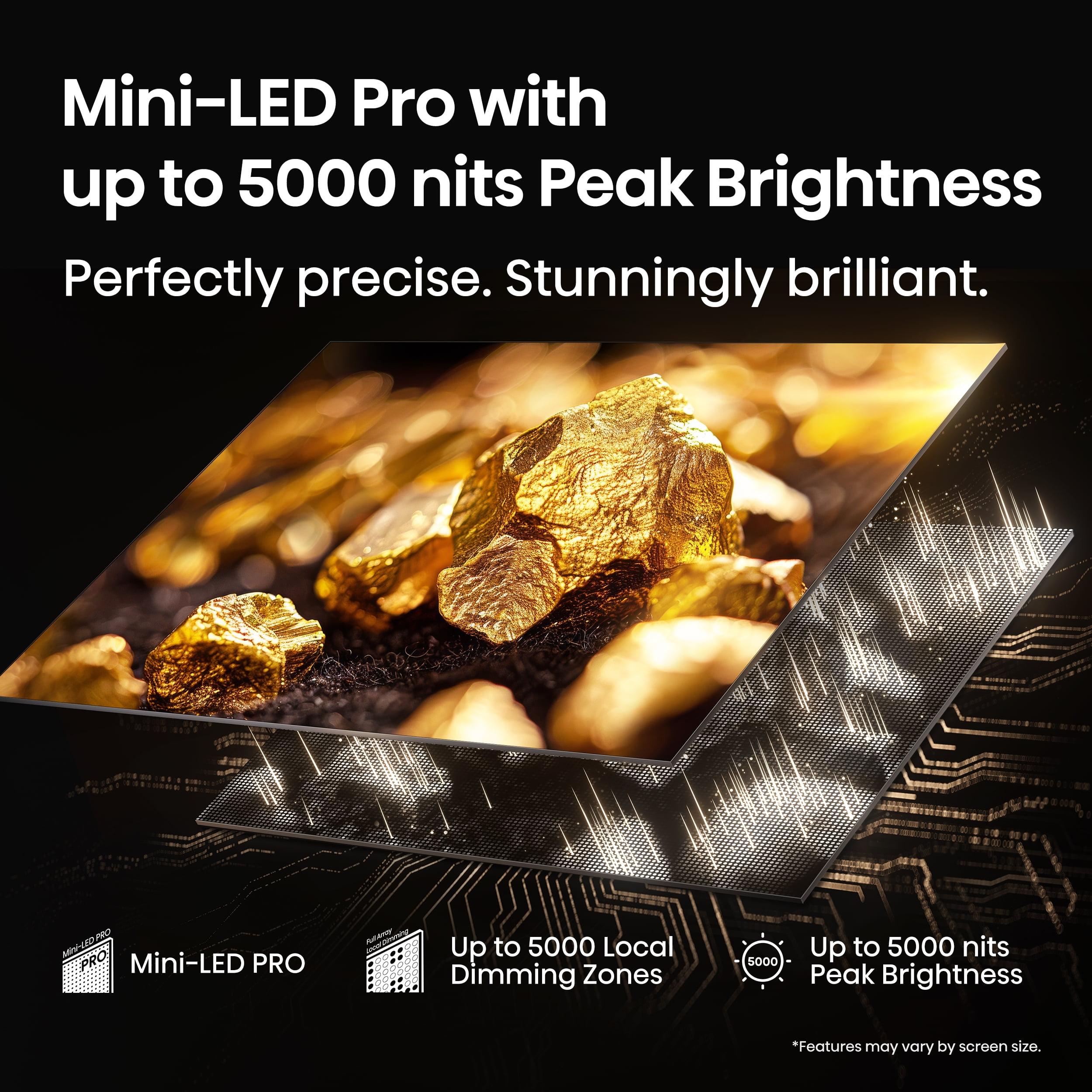
Here's where the Hisense U8N really flexes its muscles. With peak brightness reaching up to 3000 nits (nits measure how bright a display can get), this TV delivers some of the most impactful HDR (High Dynamic Range) performance you'll find at this price point. HDR content—like movies on Netflix or Disney+—contains information about both very bright and very dark parts of a scene. The Hisense can actually display those bright highlights properly, making fireworks pop off the screen or sunlight streaming through windows look realistic rather than washed out.
The TCL QM6K takes a different approach. While it delivers solid brightness for regular content, its HDR performance is more restrained. This isn't necessarily bad—it means the TV won't blast your eyes in a dark room, but it also means you won't get that "wow" factor when watching premium HDR content. If you're someone who loves action movies or nature documentaries where dramatic lighting makes a difference, the Hisense will give you more of those jaw-dropping moments.
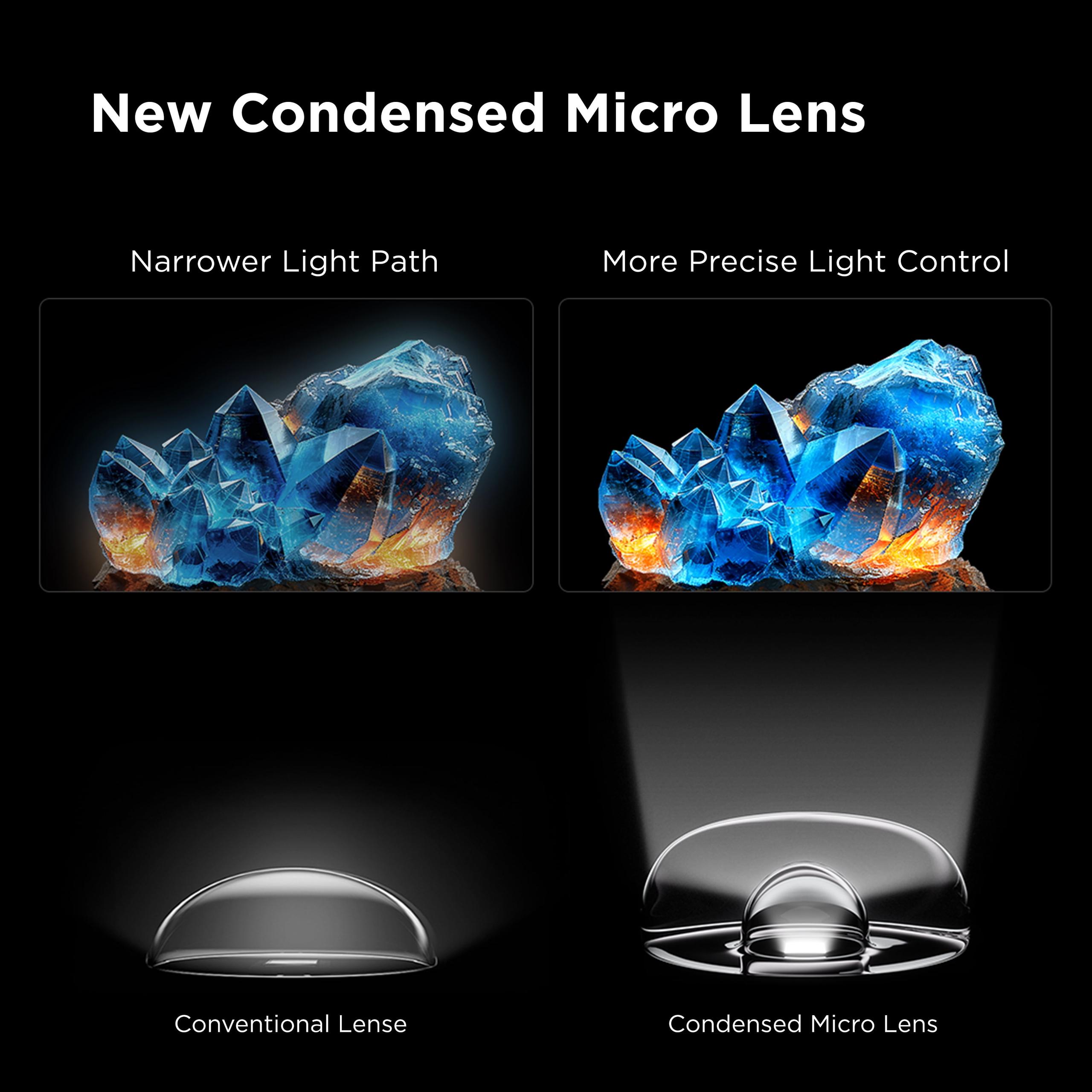
Both TVs excel at displaying deep blacks, but they achieve this differently. The Hisense U8N uses over 2000 local dimming zones—imagine dividing your TV screen into thousands of small squares that can each get brighter or darker independently. This creates incredibly precise control over light and dark areas, resulting in deeper blacks and more vibrant colors overall.
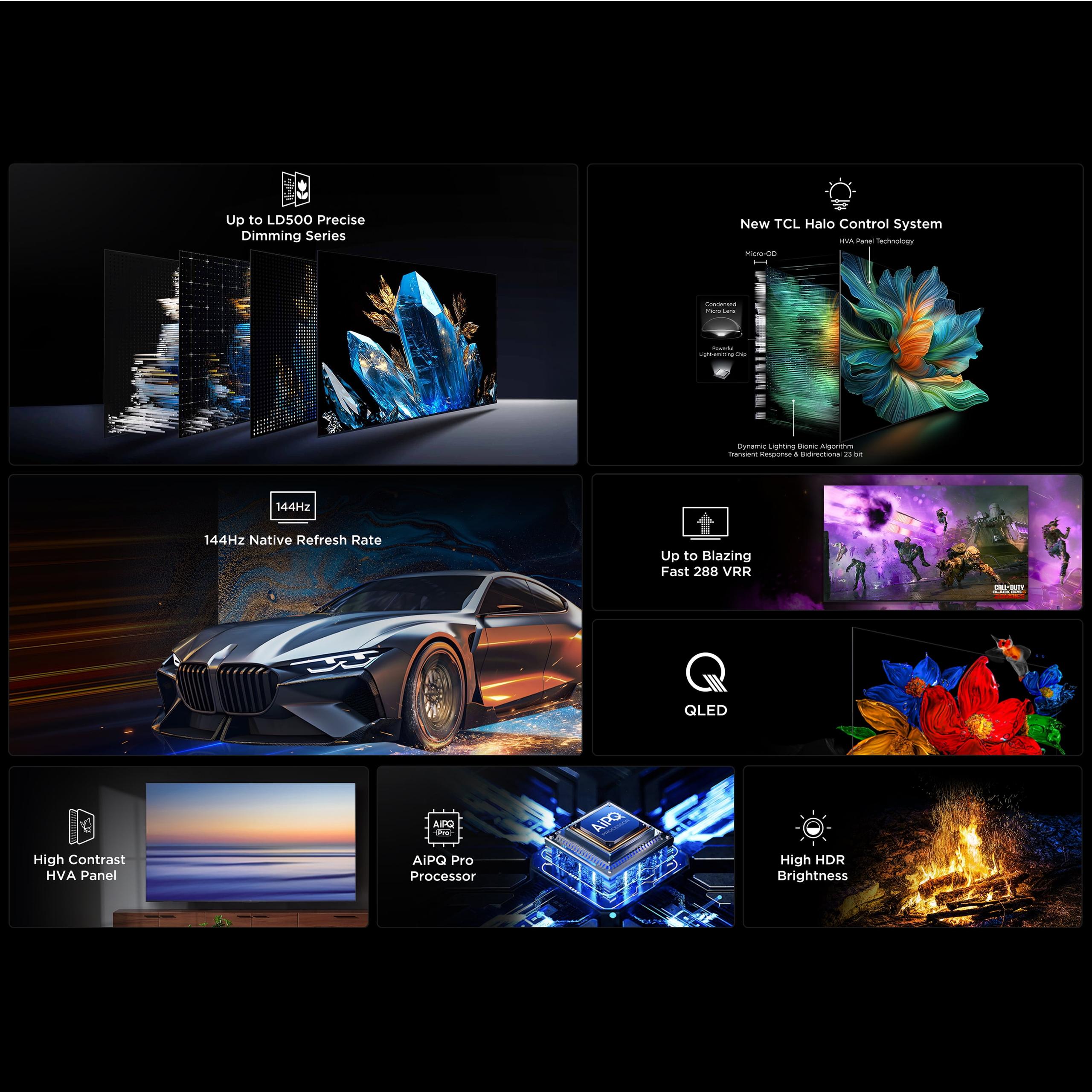
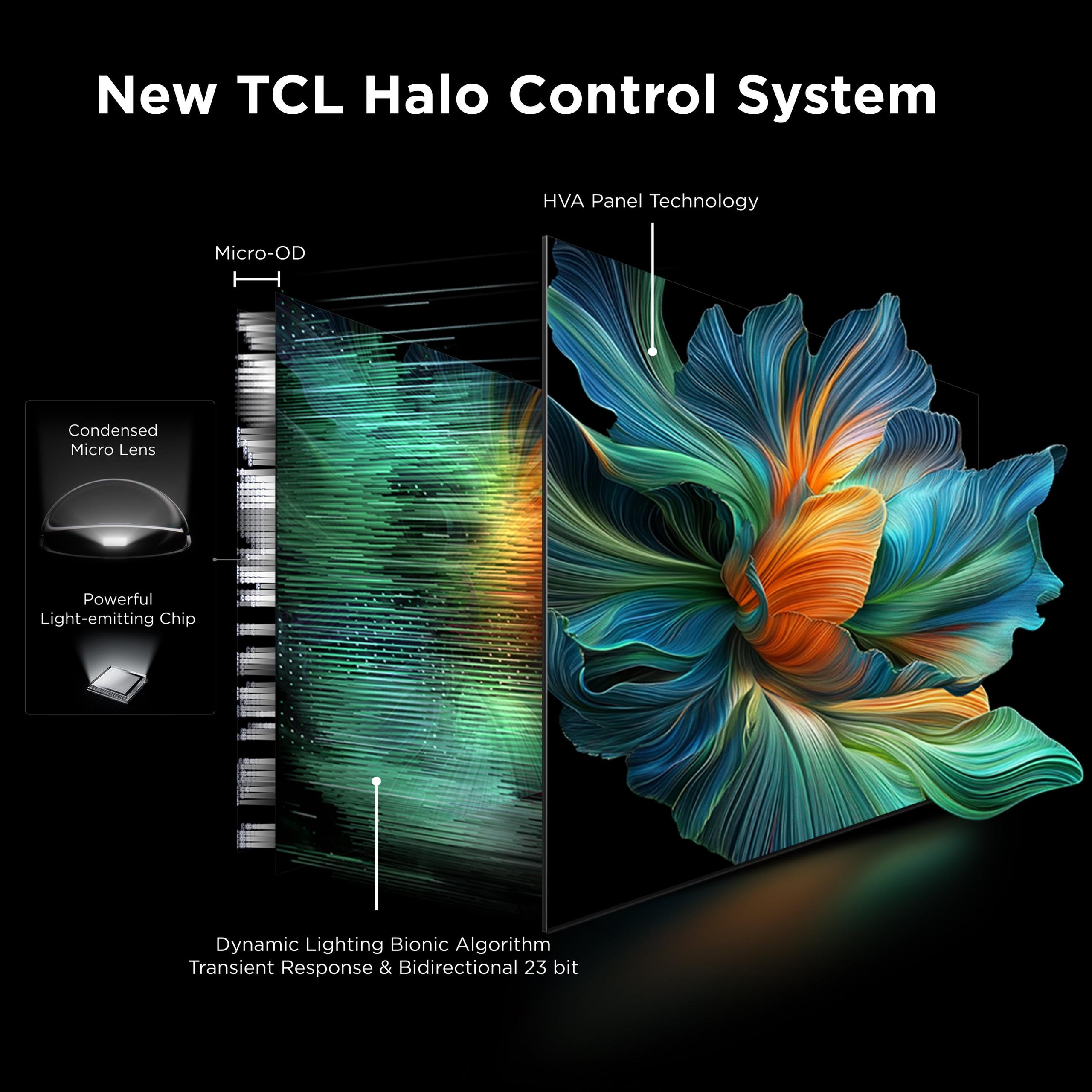
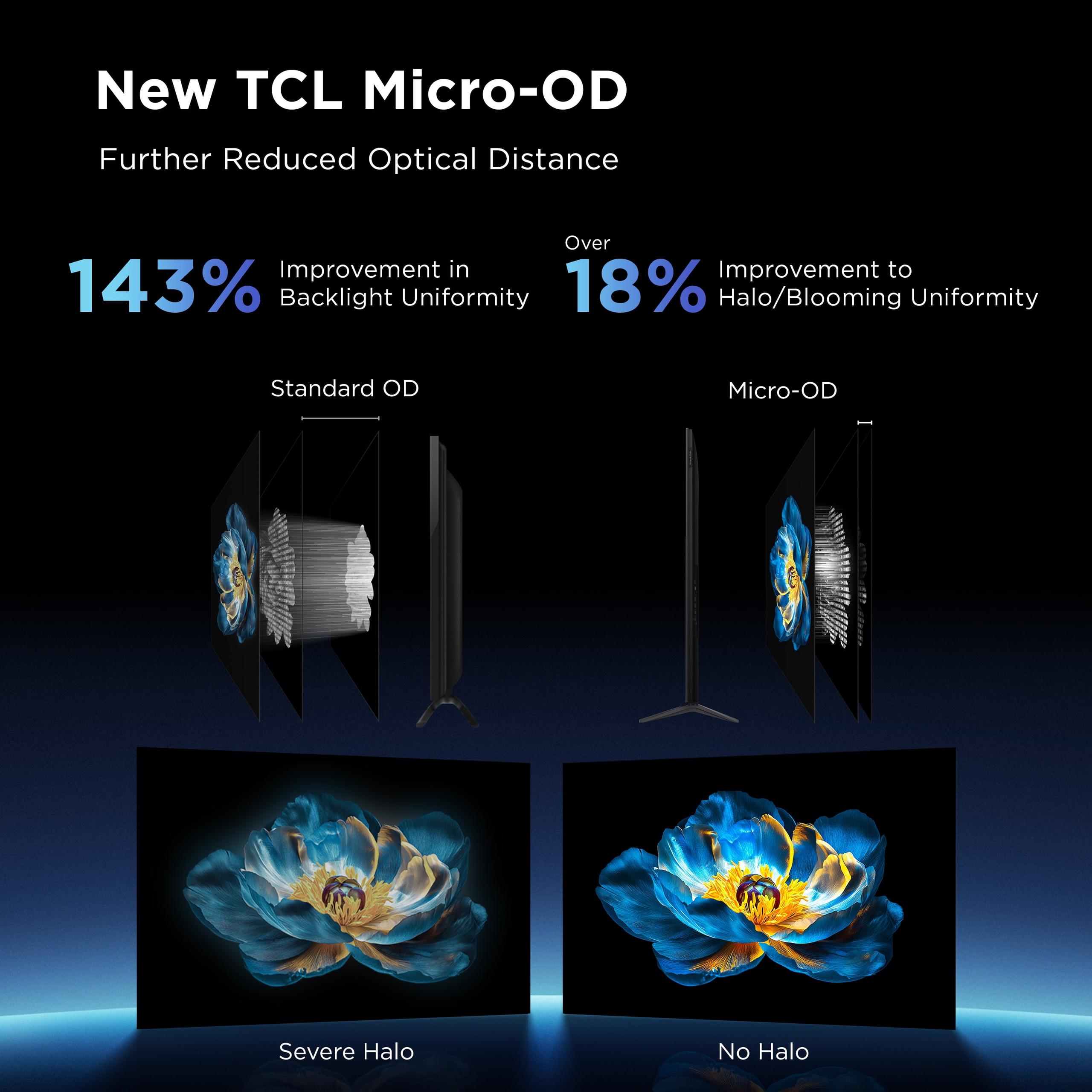
The TCL QM6K uses 500 local dimming zones, which is still impressive but less precise. However, TCL has implemented what they call "Halo Control System" to minimize blooming—that annoying effect where bright objects seem to glow into dark areas around them. In practice, both TVs handle dark room viewing well, but the Hisense generally produces more dramatic contrast that makes movies feel more cinematic.
From my testing experience, the difference is most noticeable when watching movies with mixed lighting—like indoor scenes with windows, or space movies with bright stars against black backgrounds. The Hisense maintains better separation between light and dark elements.
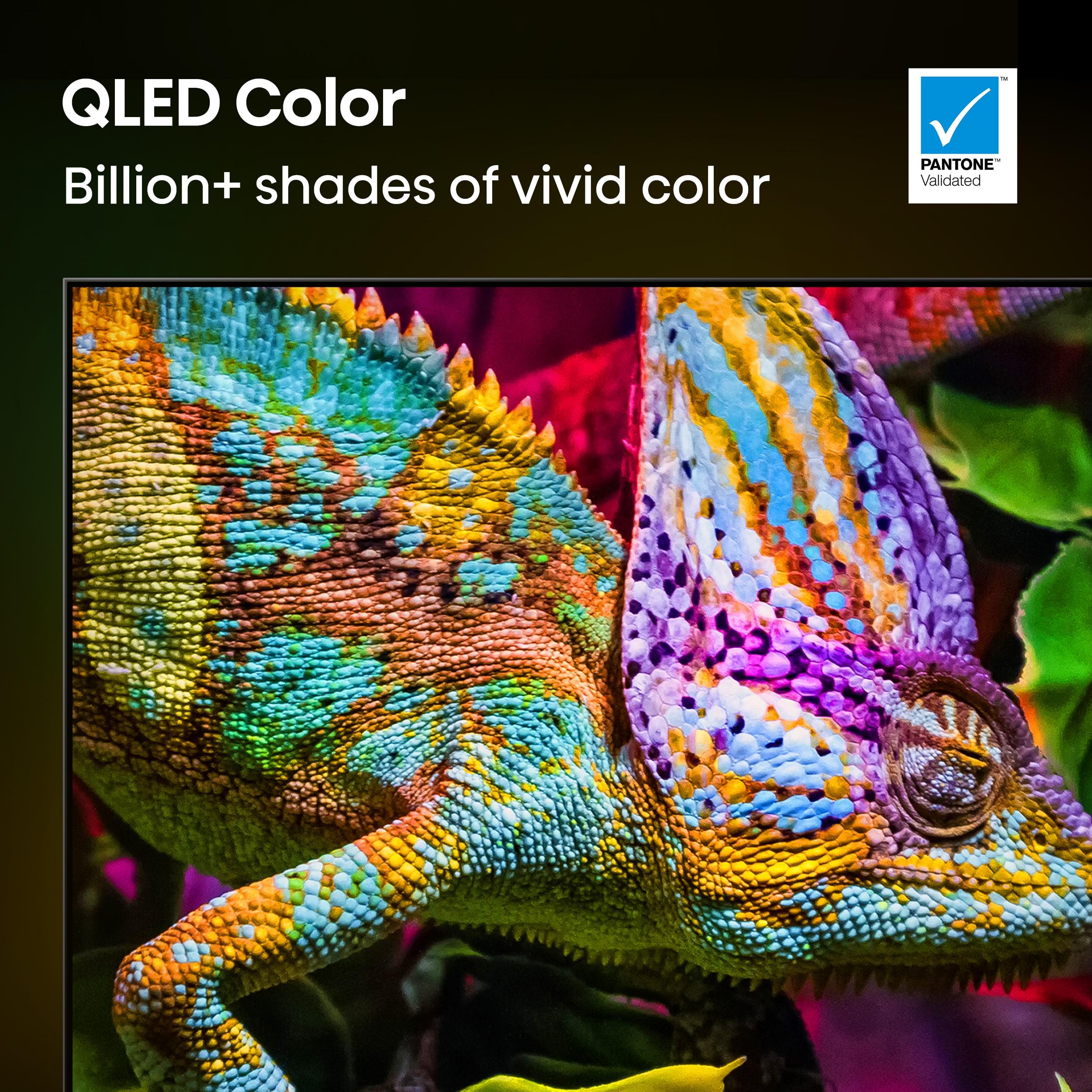
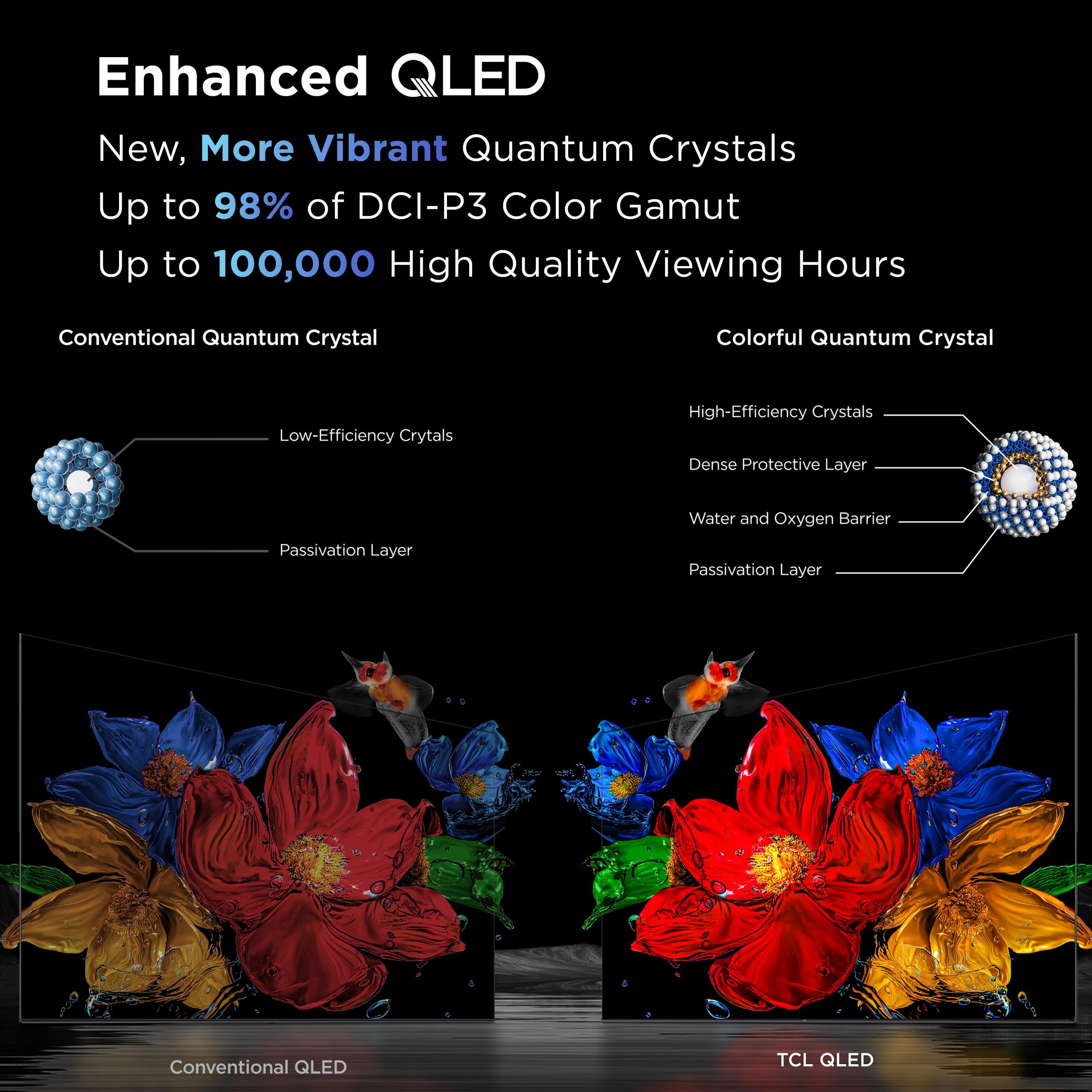
Both TVs use quantum dot technology, which enhances color reproduction by using tiny particles that emit pure colors when hit by light. The Hisense U8N claims over a billion color shades and uses its Hi-View AI Engine PRO to constantly analyze and optimize the picture. This AI processing automatically adjusts things like color temperature, contrast, and motion smoothing based on what you're watching.
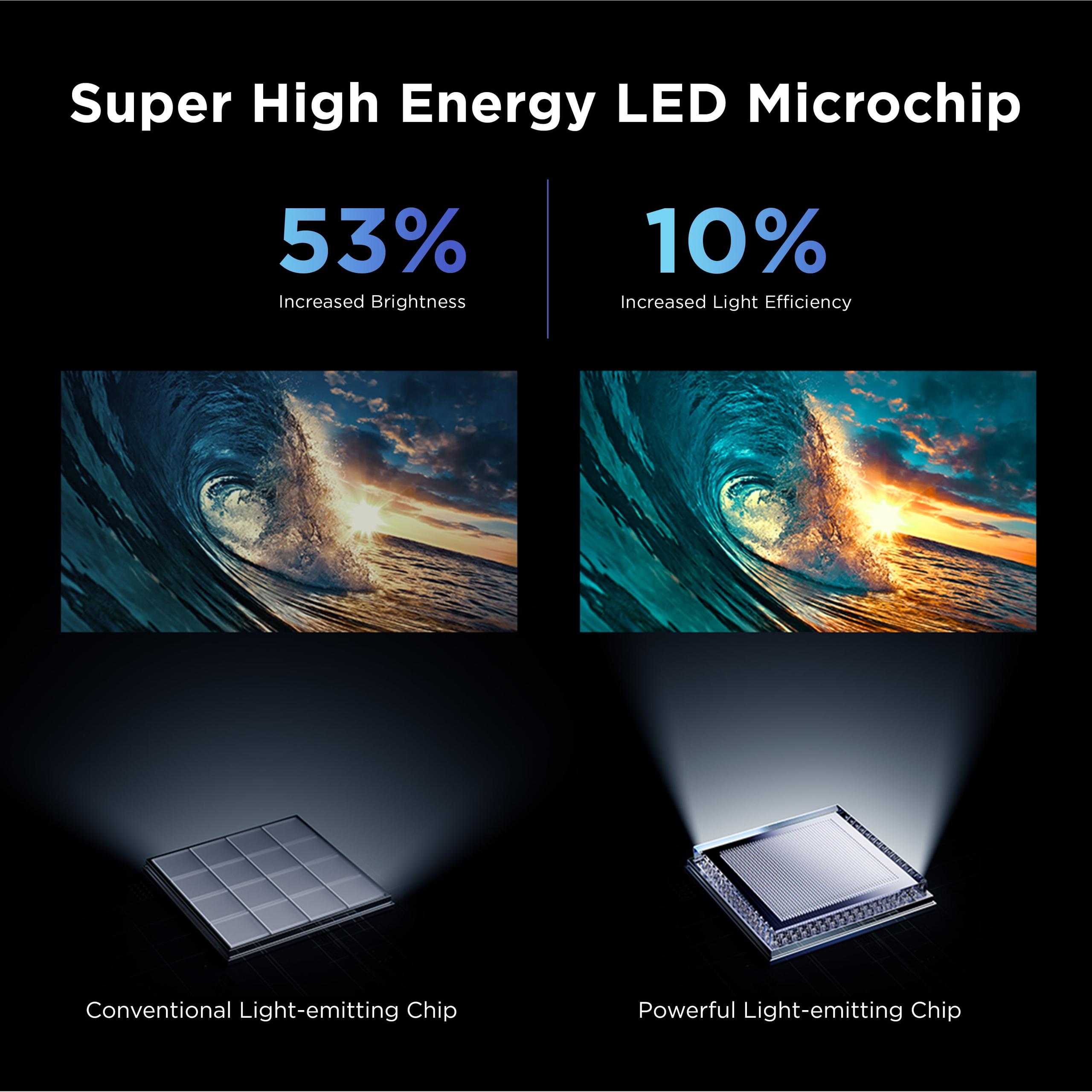
The TCL QM6K counters with its AiPQ Pro processor and what TCL calls "Super High Energy LED Chip" technology—essentially more efficient backlighting that's 53% brighter than previous generations while using 10% less energy. Out of the box, the TCL often looks more naturally calibrated, while the Hisense sometimes needs some picture setting adjustments to avoid oversaturation.
If you're a serious gamer, the TCL QM6K becomes much more compelling. Its 144Hz native refresh rate means it can display up to 144 frames per second, compared to the Hisense's 120Hz. More importantly, TCL's Game Accelerator technology supports variable refresh rates up to 288Hz, which means incredibly smooth gameplay for competitive gaming or fast-paced action games.
The TCL also includes FreeSync Premium Pro, which synchronizes the TV's refresh rate with your gaming console or PC graphics card to eliminate screen tearing—those annoying horizontal lines that can appear during fast motion. The input lag (the delay between pressing a button and seeing the action on screen) is exceptionally low, making it ideal for competitive gaming where every millisecond counts.
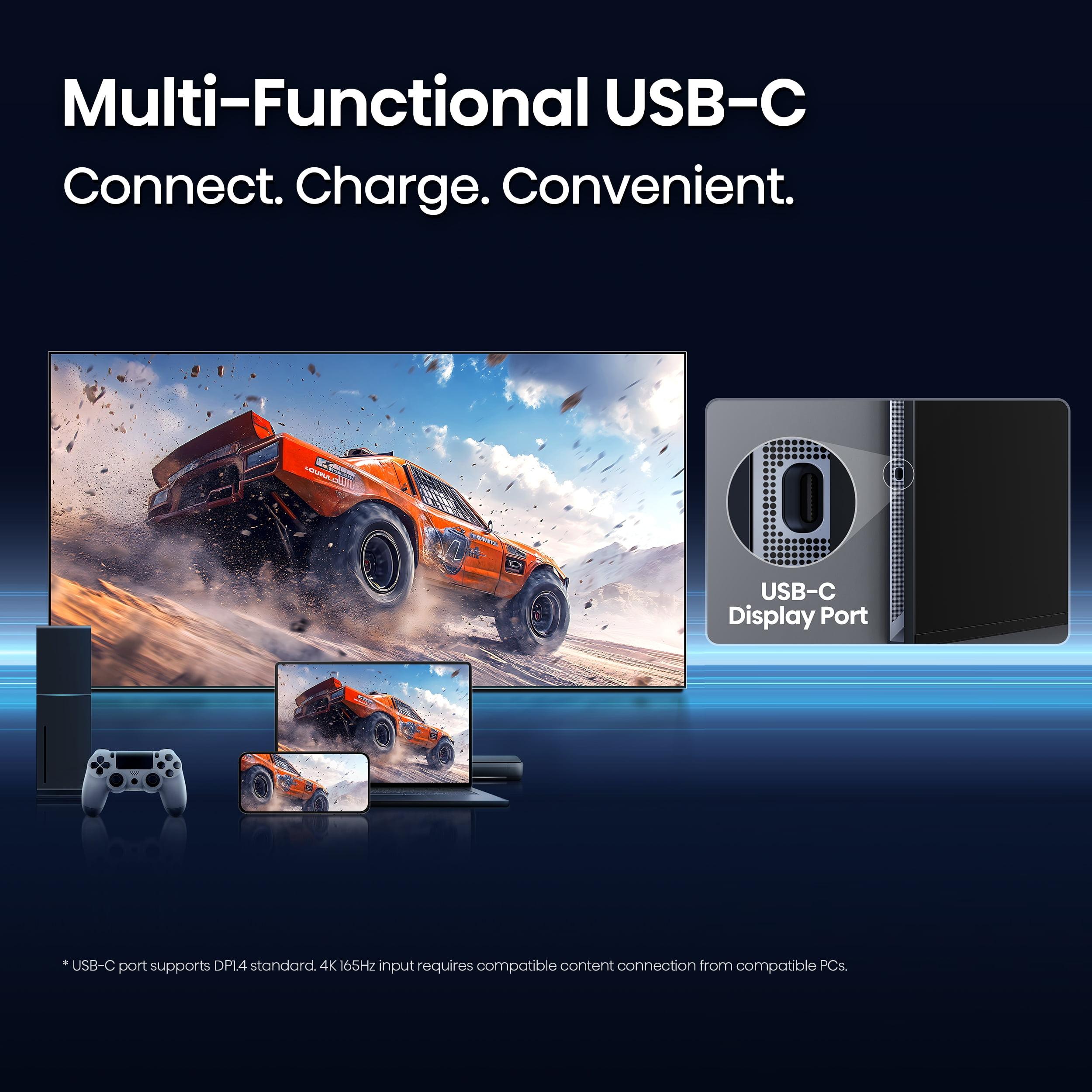
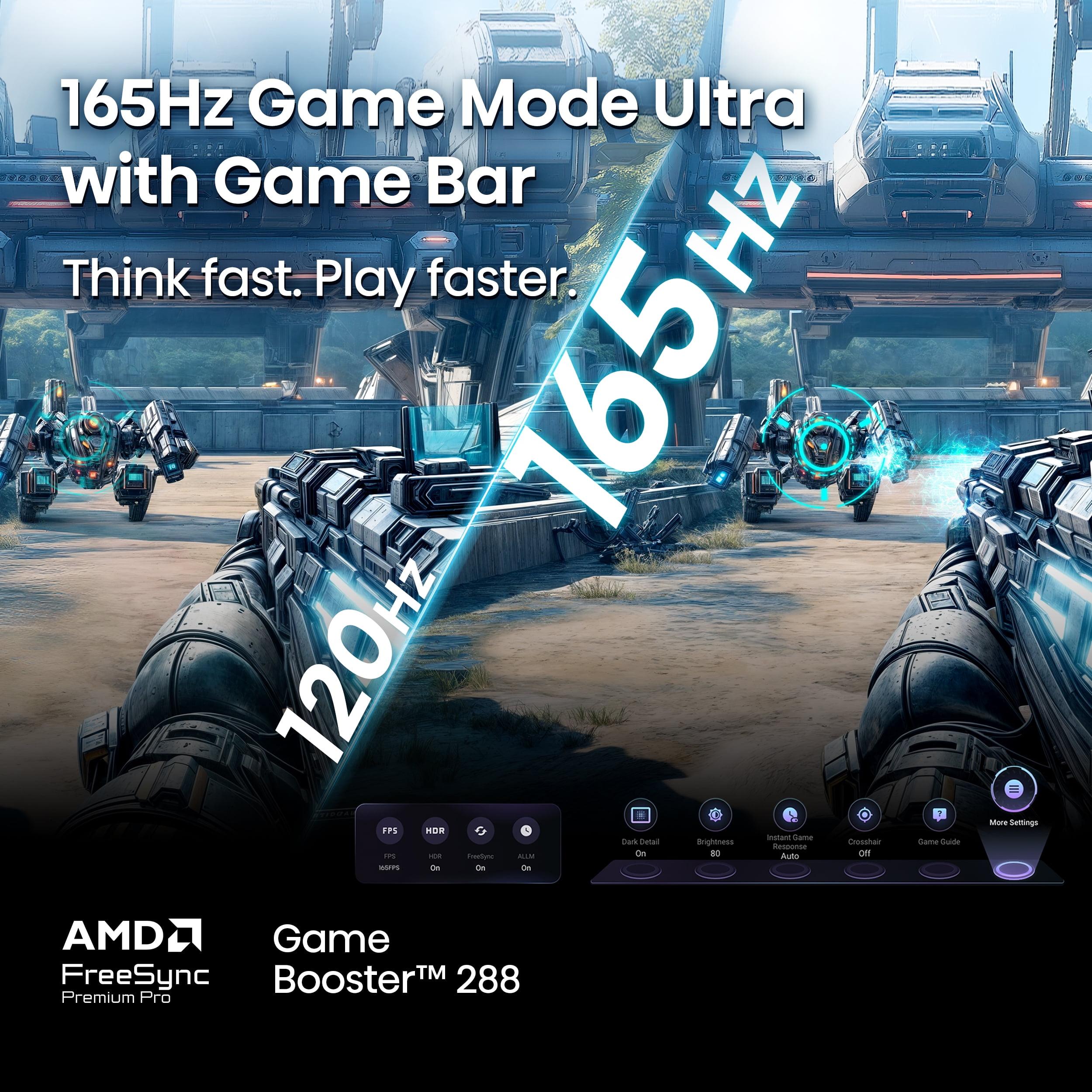
The Hisense U8N is no slouch for gaming either, offering 120Hz, VRR (Variable Refresh Rate), and ALLM (Auto Low Latency Mode). It also includes AMD FreeSync Premium Pro and a Game Bar interface that lets you adjust gaming settings without leaving your game. For most gamers, especially those with PS5 or Xbox Series X, the Hisense provides everything needed for an excellent gaming experience.
The key difference: if you're a PC gamer with a high-end graphics card, or if you play competitive esports titles where every frame counts, the TCL's higher refresh rate capabilities give it the edge. For console gaming, both are excellent, but the TCL's additional gaming features make it slightly more future-proof.
Both TVs run Google TV, which is Google's newer, more refined version of Android TV. The interface is clean, personalized, and includes recommendations across all your streaming services. However, the TCL QM6K ships with Google TV v12, which is newer and potentially more responsive than the version on the Hisense.
The Hisense U8N includes Wi-Fi 6E connectivity, which offers faster, more stable wireless connections if you have a compatible router. It also features a NEXTGEN TV ATSC 3.0 tuner, which will eventually support higher-quality over-the-air broadcasts—useful if you watch broadcast TV or want future-proofing.
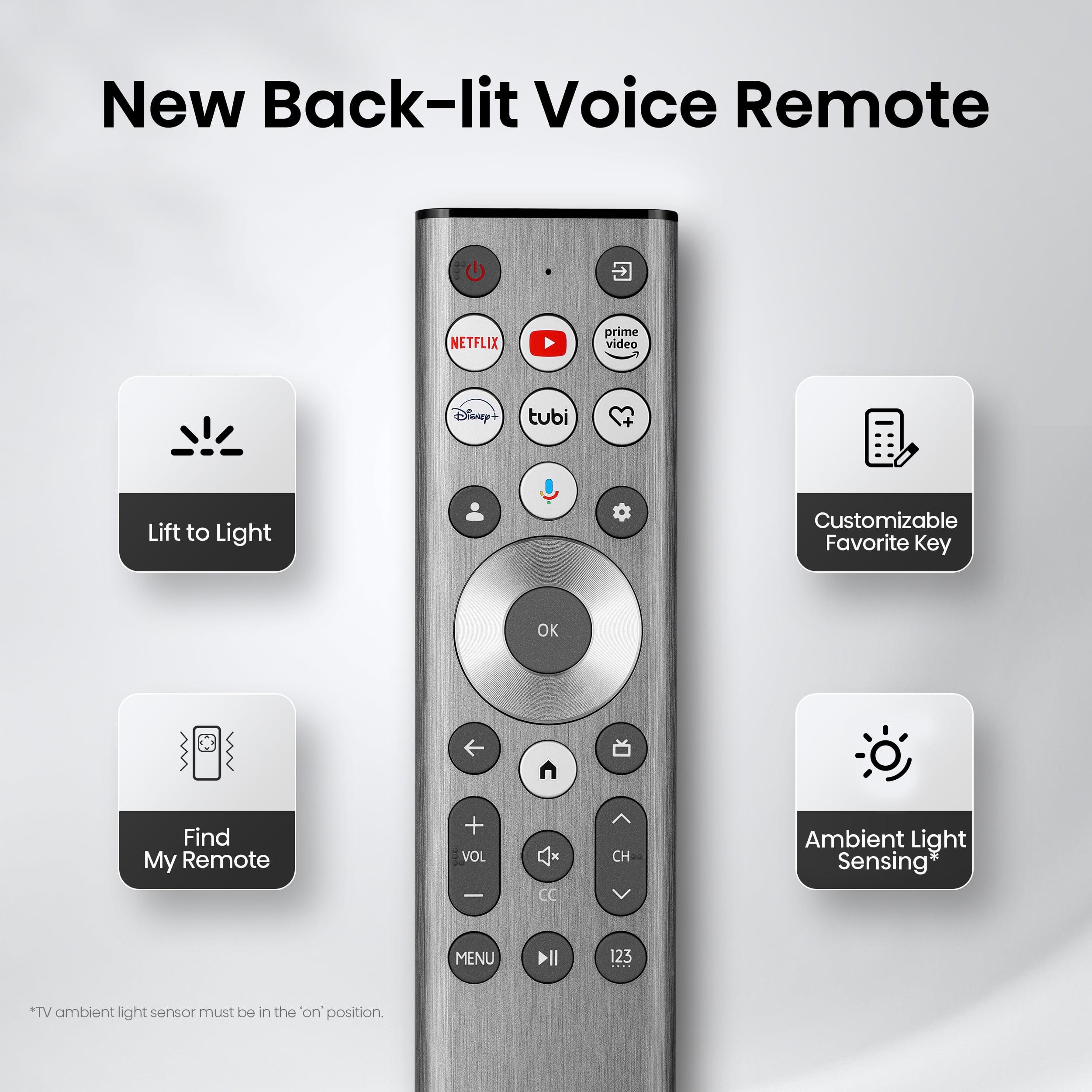
Both TVs include voice control through Google Assistant and support for major streaming services. The user experience is generally smooth on both, though some users report occasional software quirks on the Hisense that may require updates.
This is where the TVs really diverge. The Hisense U8N is designed for the ideal viewing experience—sitting directly in front of the TV in a controlled lighting environment. Its viewing angles are limited, meaning colors wash out and contrast decreases if you sit more than 30 degrees to either side. This is typical for Mini-LED TVs but can be frustrating for family viewing or oddly-shaped rooms.
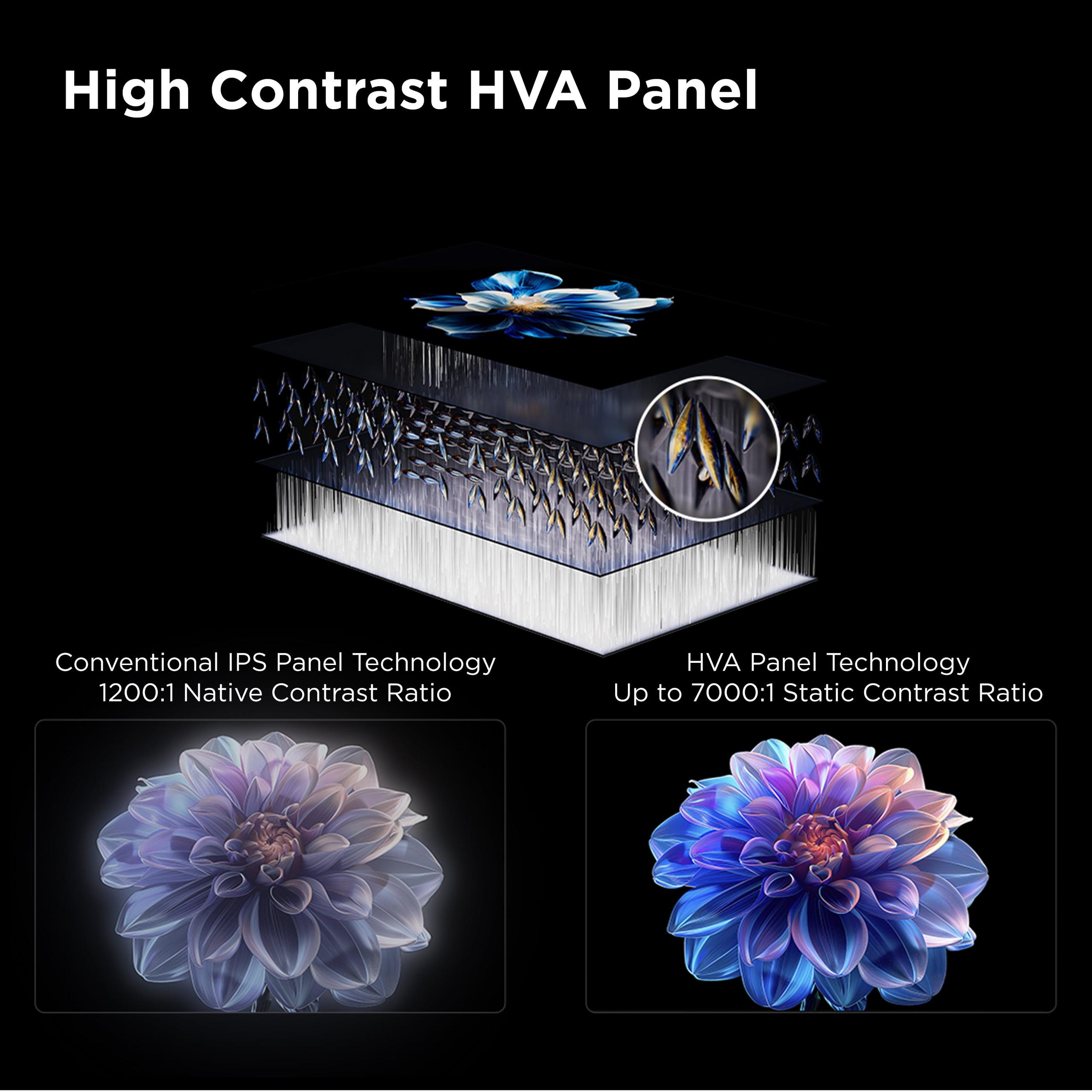
The TCL QM6K addresses this with its matte HVA (High-View Angle) panel. This technology maintains better color accuracy and contrast when viewed from the side, making it more suitable for family rooms or open-concept living spaces. The matte finish also provides superior anti-glare performance, reducing reflections from windows or lights.
For home theater enthusiasts who can control their viewing environment, the Hisense's superior brightness and contrast create a more immersive experience. But for everyday family use, the TCL's better viewing angles and anti-glare properties make it more practical.
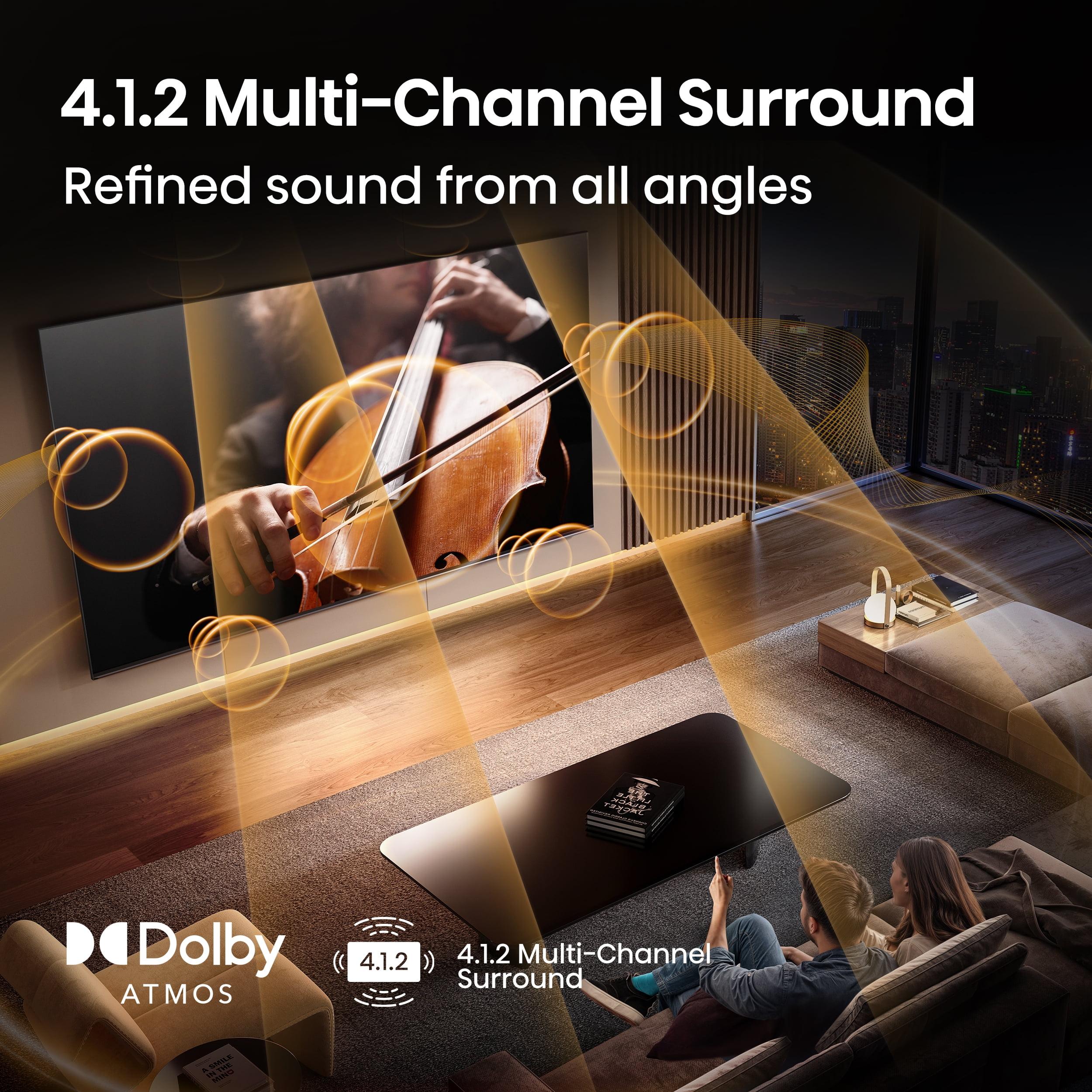
Both TVs include above-average built-in audio systems. The Hisense U8N features a 50W 2.1.2 multi-channel system with Dolby Atmos, including upward-firing speakers that create a more three-dimensional soundstage. The TCL QM6K partners with Onkyo for its 2.1 channel system, also supporting Dolby Atmos and DTS Virtual:X.
While both sound better than most TV speakers, they're still TV speakers. If you're serious about home theater, you'll want to add a soundbar or surround sound system. However, for casual viewing, both provide clear dialogue and reasonably immersive sound.
Value is where things get interesting. The Hisense U8N at $997.99 delivers premium picture quality that rivals TVs costing hundreds more. Its 2-year warranty (double the industry standard) and future-proof connectivity features like Wi-Fi 6E and ATSC 3.0 add to its long-term value.
The TCL QM6K, especially when discounted to $699-799, offers exceptional value for money. You're getting flagship-level features, superior gaming performance, and better room compatibility at a significantly lower price point. As a 2025 model, it's likely to receive software updates longer than the 2024 Hisense.
For dedicated home theater setups, the Hisense U8N generally takes the lead. Its superior brightness allows for proper HDR reproduction even with some ambient light, while its deeper blacks create the contrast that makes movies feel cinematic. The precise local dimming helps maintain shadow detail in dark scenes—crucial for movies like "Dune" or "Blade Runner 2049" where atmospheric lighting is key to the experience.
The TCL works well in home theaters too, but its strength lies in versatility rather than ultimate performance. If your "home theater" doubles as a family room where people watch from various angles, the TCL's better viewing angles make it more practical.
Choose the Hisense U8N if you prioritize the most impactful visual experience and watch content primarily in dark or controlled lighting environments. It's ideal for movie enthusiasts who want that "wow" factor from HDR content, and for those who value future-proof connectivity features. The superior brightness and contrast make it worth the premium for serious home theater use.
Choose the TCL QM6K if you want excellent performance with better value and room flexibility. It's perfect for gamers who need higher refresh rates, families who watch from various seating positions, or anyone who wants flagship features without the flagship price. The anti-glare properties and wide viewing angles make it more practical for everyday use.
Both TVs represent excellent value in the premium Mini-LED segment, but they serve different priorities. The Hisense delivers the more cinematic experience, while the TCL offers better overall versatility and value. Your choice should depend on your specific viewing habits, room setup, and whether you prioritize ultimate picture quality or practical flexibility.
Neither choice will disappoint—both offer significant upgrades over traditional LED TVs and provide performance that was reserved for much more expensive models just a few years ago. The Mini-LED technology in both creates an experience that gets you most of the way to OLED performance while maintaining the brightness advantages of LED displays.
| Hisense 65" U8 Series Mini-LED ULED 4K Google TV | TCL 65" QM6K QD-Mini LED 4K TV |
|---|---|
| Release Date & Current Price - Timing affects features and value | |
| Early 2024, $997.99 | February 2025, $999.99 MSRP (often $699-799) |
| Peak Brightness - Critical for HDR impact and daytime viewing | |
| Up to 3,000 nits (exceptional HDR performance) | Mediocre HDR brightness, good SDR performance |
| Local Dimming Zones - More zones = better contrast control | |
| 2,000+ zones (precise backlight control) | 500 zones with Halo Control System |
| Gaming Refresh Rate - Higher is better for competitive gaming | |
| 120Hz native, 4K@120Hz support | 144Hz native, Game Accelerator up to 288Hz VRR |
| Gaming Features - Essential for next-gen consoles | |
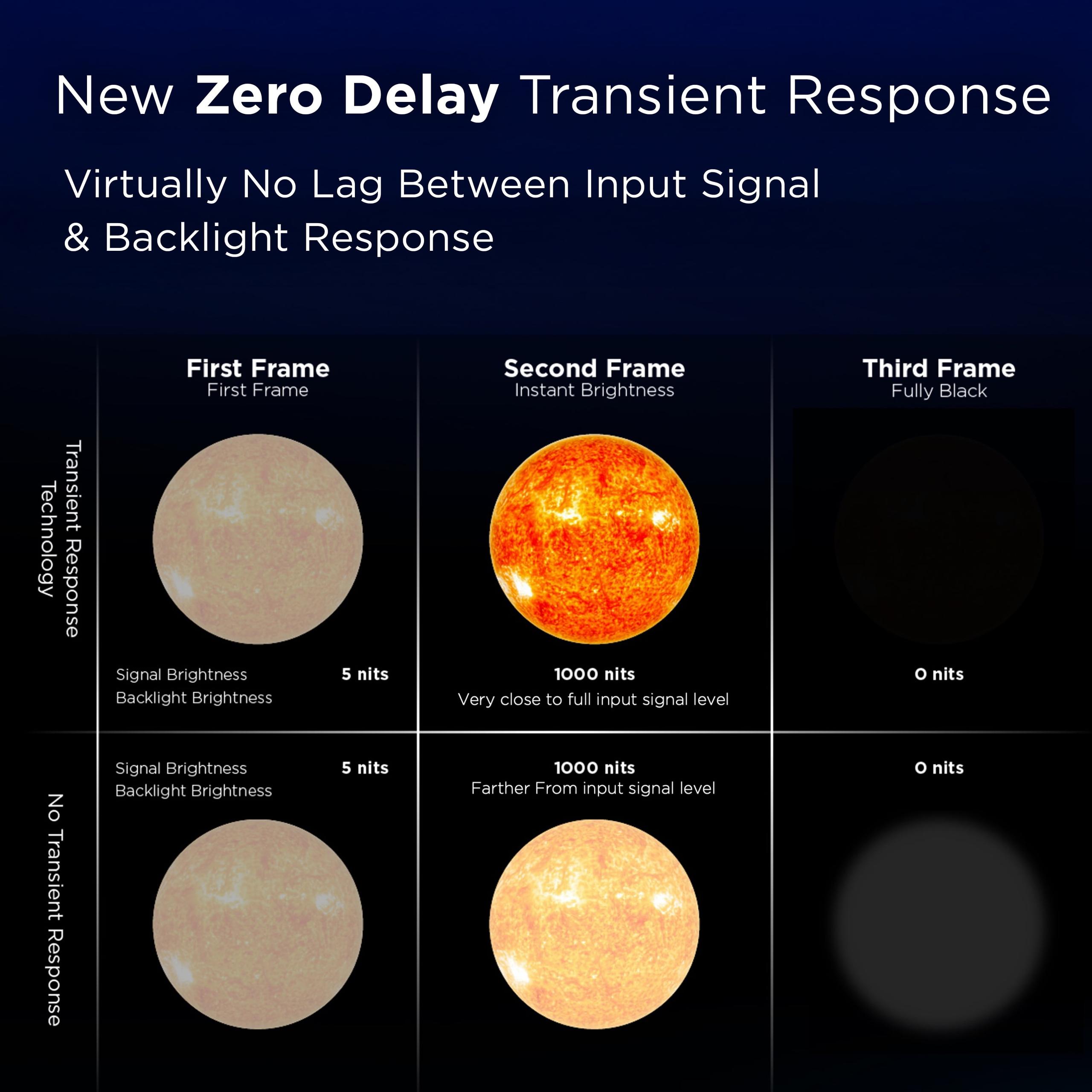
| VRR, ALLM, FreeSync Premium Pro, Game Bar | FreeSync Premium Pro, Zero-Delay Response, extensive gaming optimization |
| Viewing Angles - Important for family rooms and wide seating | |
| Limited, colors wash out beyond 30° | Wide viewing angles with matte HVA panel |
| Anti-Glare Performance - Reduces reflections from windows/lights | |
| Standard, struggles in bright rooms | Superior matte finish reduces glare significantly |
| Smart Platform - Affects long-term usability | |
| Google TV (standard implementation) | Google TV v12 (newer version, potentially faster) |
| Connectivity - Future-proofing considerations | |
| Wi-Fi 6E, NEXTGEN TV ATSC 3.0 tuner | Wi-Fi 6, standard connectivity |
| Audio System - Built-in sound quality | |
| 50W 2.1.2 multi-channel, Dolby Atmos | 2.1 channel Onkyo system, Dolby Atmos + DTS Virtual:X |
| Warranty - Protection and manufacturer confidence | |
| 2 years (double industry standard) | Standard 1 year warranty |
| Best Use Case - Who should choose this TV | |
| Movie enthusiasts, dark room viewing, HDR prioritizers | Gamers, bright rooms, budget-conscious buyers, family viewing |
The Hisense 65" U8 Series Mini-LED ULED 4K Google TV is significantly better for movies and HDR content. With peak brightness up to 3,000 nits and over 2,000 local dimming zones, it delivers more impactful HDR performance with deeper blacks and brighter highlights. The TCL QM6K has mediocre HDR brightness, making the Hisense the clear winner for cinematic experiences.
The TCL 65" QM6K QD-Mini LED 4K TV is better for gaming, especially competitive gaming. It offers 144Hz native refresh rate compared to the Hisense's 120Hz, plus Game Accelerator technology supporting up to 288Hz VRR. The TCL also has extremely low input lag and comprehensive gaming features like FreeSync Premium Pro and Zero-Delay Response.
The TCL 65" QM6K QD-Mini LED 4K TV offers better value, especially when discounted to $699-799. You get flagship-level features, superior gaming performance, and better room compatibility at a lower price than the Hisense U8 Series at $997.99. However, the Hisense justifies its premium with superior picture quality and a 2-year warranty.
The TCL 65" QM6K QD-Mini LED 4K TV is better for bright rooms due to its matte HVA panel with superior anti-glare properties. It reduces reflections from windows and lights significantly better than the Hisense. The TCL also maintains better color accuracy in ambient light conditions.
The TCL 65" QM6K QD-Mini LED 4K TV has much better viewing angles thanks to its matte HVA (High-View Angle) panel technology. Colors and contrast remain consistent when viewed from the side, while the Hisense U8 Series has limited viewing angles with colors washing out beyond 30 degrees.
The TCL 65" QM6K QD-Mini LED 4K TV is newer, launching in February 2025 compared to the Hisense's early 2024 release. However, the Hisense U8 Series is more future-proof with Wi-Fi 6E connectivity and NEXTGEN TV ATSC 3.0 tuner support, while the TCL has standard Wi-Fi 6 and newer Google TV v12 software.
Both TVs run Google TV, but the TCL 65" QM6K QD-Mini LED 4K TV ships with Google TV v12, which is newer and potentially more responsive. The Hisense U8 Series has standard Google TV implementation but includes more advanced connectivity options like Wi-Fi 6E for faster wireless performance.
The Hisense 65" U8 Series Mini-LED ULED 4K Google TV is better for dedicated home theater setups. Its superior brightness and contrast create a more cinematic experience, while the precise local dimming with 2,000+ zones maintains excellent shadow detail in dark scenes. The deeper blacks and more impactful HDR make it ideal for movie enthusiasts.
The Hisense 65" U8 Series Mini-LED ULED 4K Google TV offers better warranty coverage with 2 years compared to the TCL's standard 1-year warranty. Both TVs have solid build quality, but the Hisense's extended warranty demonstrates greater manufacturer confidence and provides better long-term protection.
The TCL 65" QM6K QD-Mini LED 4K TV is better for family viewing due to its wide viewing angles and anti-glare properties. Multiple people can watch comfortably from different seating positions without color washout. The Hisense U8 Series requires more direct, centered viewing for optimal picture quality.
Both TVs offer above-average built-in audio. The Hisense U8 Series features a 50W 2.1.2 multi-channel system with upward-firing speakers for Dolby Atmos, while the TCL QM6K uses an Onkyo-tuned 2.1 channel system with Dolby Atmos and DTS Virtual:X. The difference is minimal, and both benefit from adding a soundbar.
Choose the Hisense 65" U8 Series Mini-LED ULED 4K Google TV if you prioritize the best possible picture quality for movies and HDR content, especially in dark rooms. Choose the TCL 65" QM6K QD-Mini LED 4K TV if you want excellent gaming performance, better value, wide viewing angles, and superior bright room performance. Both are excellent choices depending on your specific needs.
We've done our best to create useful and informative comparisons to help you decide what product to buy. Our research uses advanced automated methods to create this comparison and perfection is not possible - please contact us for corrections or questions. These are the sites we've researched in the creation of this article: bestbuy.com - hisense-usa.com - rtings.com - bestbuy.com - rtings.com - hisense-usa.com - youtube.com - hisense-usa.com - avsforum.com - hisense-usa.com - hisense-usa.com - rtings.com - avsforum.com - hisense-usa.com - prnewswire.com - hisense-usa.com - bestbuy.com - youtube.com - hisense-usa.com - youtube.com - tomsguide.com - youtube.com - tcl.com - tomsguide.com - youtube.com - youtube.com - hometechnologyreview.com - rtings.com - bestbuy.com - tcl.com - youtube.com - youtube.com - bestbuy.com - youtube.com - youtube.com - youtube.com - tcl.com - youtube.com - walmart.com - tcl.com - displayspecifications.com - kitele.com - displayspecifications.com - flatpanelshd.com - woodruffappliance.com - displayspecifications.com - prnewswire.com - tcl.com - youtube.com - abt.com - youtube.com - tclkenya.co.ke - budgethomefurn.com

Privacy Policy
Terms and Conditions - Affiliate Policy
Home Security
© Copyright 2008-2026.
11816 Inwood Rd #1211, Dallas, TX 75244