







When your TV's built-in speakers sound like they're trapped inside a cereal box, it's time for an upgrade. But navigating the soundbar world can feel overwhelming—especially when you're comparing products that seem to live in completely different universes. That's exactly what we're dealing with when looking at the Samsung HW-C450 and the Sony BRAVIA Theater Bar 9.
These two soundbars represent the extreme ends of what's available today. One's a budget-friendly entry point that won't break the bank, while the other is a premium powerhouse that costs more than some people's entire entertainment setup. But here's the thing: both have their place, and understanding which one fits your needs could save you from buyer's remorse down the road.
Before diving into specifics, let's talk about what makes a soundbar worth your money. At its core, a soundbar is just a long speaker designed to sit below (or above) your TV, but the technology inside can vary dramatically.
The most important factor is channel configuration—those numbers like "2.1" or "7.1.2" that manufacturers love to throw around. The first number represents main channels (left, center, right speakers), the second is for subwoofers (bass speakers), and if there's a third number, it indicates height channels for overhead effects. More channels generally mean better surround sound, but they also mean higher costs.
Audio processing is equally crucial but often overlooked. This is the brain of your soundbar—sophisticated algorithms that take whatever audio signal comes in and optimize it for the speakers available. Modern soundbars use virtual surround processing to create the illusion of speakers all around you, even when the sound is only coming from the front of the room.
Room size compatibility matters more than most people realize. A soundbar that sounds amazing in a showroom might feel weak in your living room, while an overpowered unit could overwhelm a bedroom setup. The sweet spot depends on both the physical driver size (the actual speakers inside) and amplifier power.
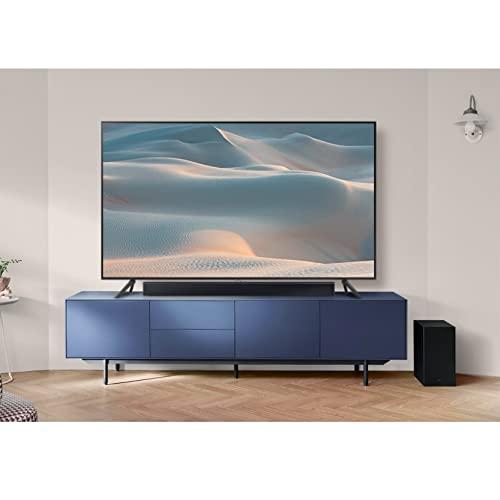
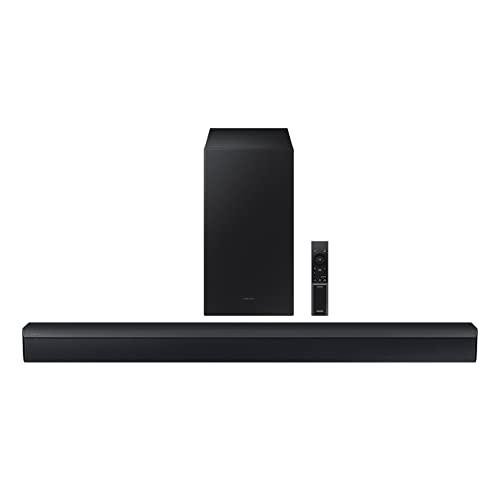
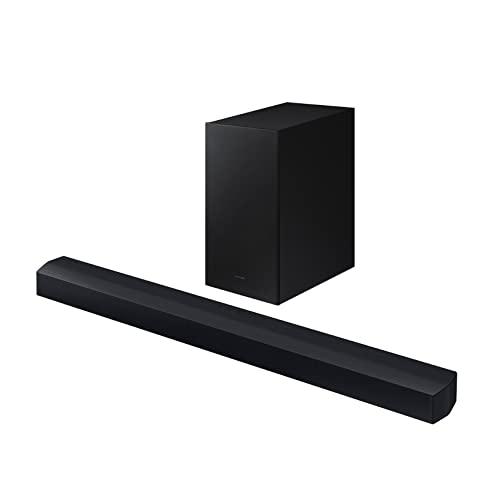
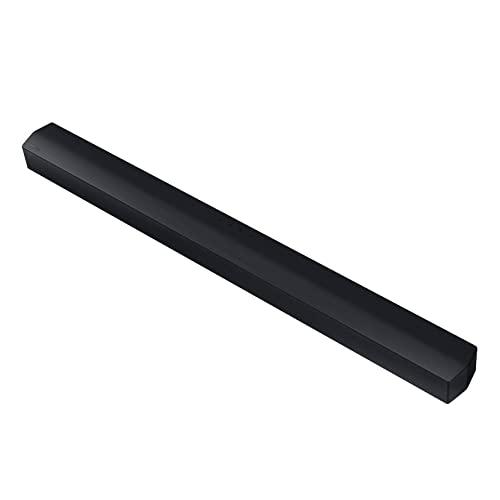
The Samsung HW-C450, released in 2024, represents Samsung's entry-level approach to soundbar design. At the time of writing, it typically sells for under $200, making it one of the most affordable options from a major brand that includes a wireless subwoofer. Samsung positioned this as a simple upgrade for people frustrated with TV speakers but not ready to invest heavily in audio equipment.
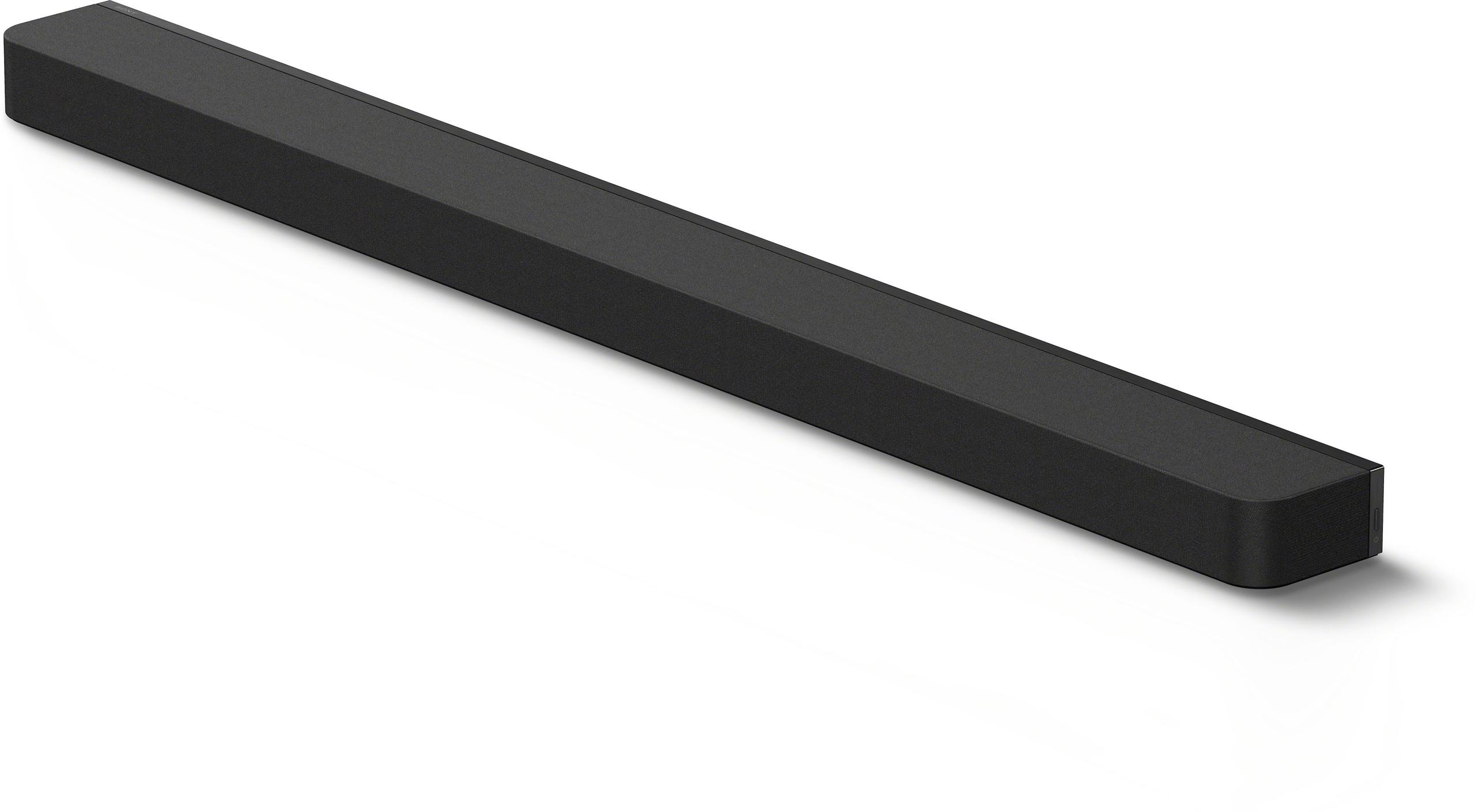
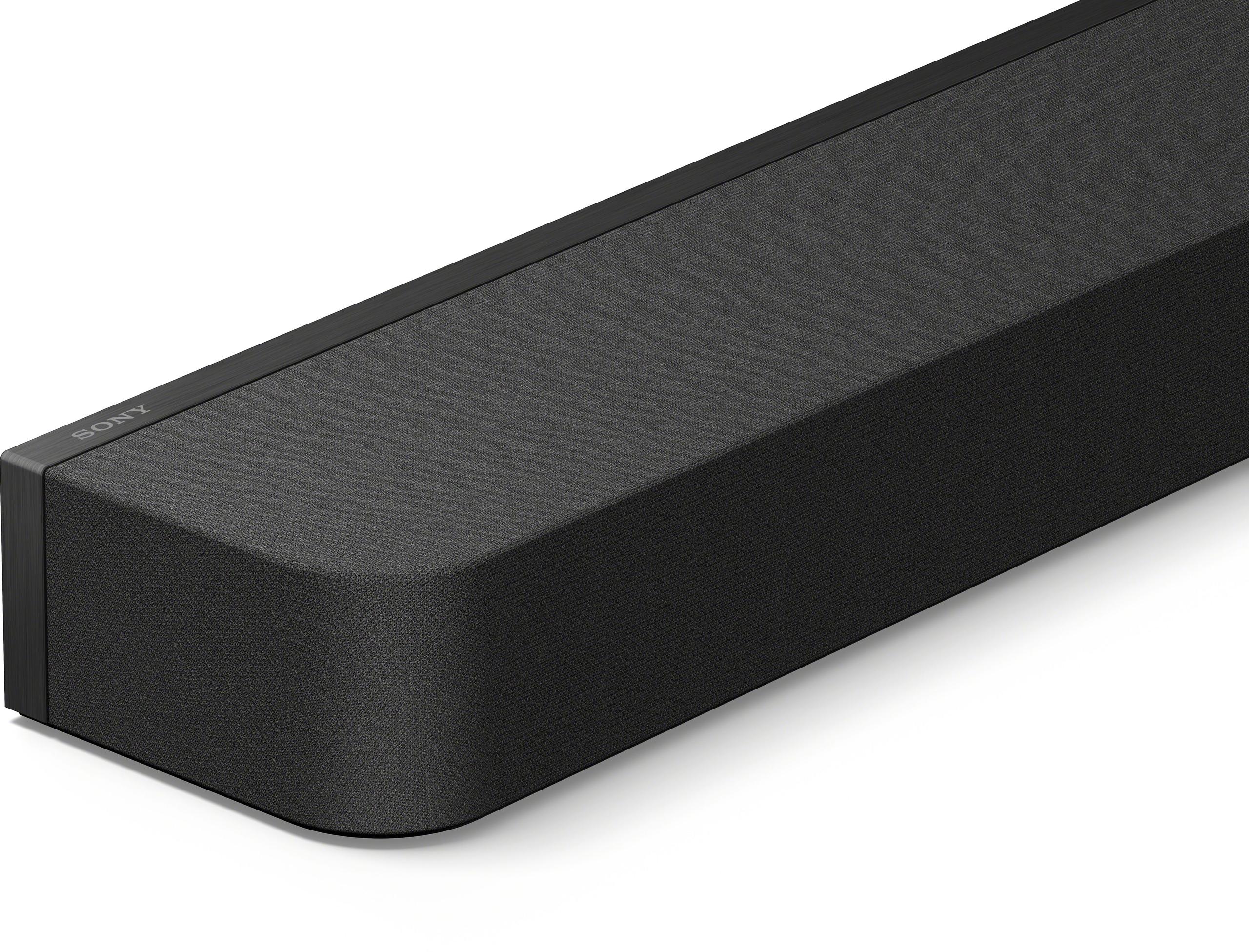
The Sony BRAVIA Theater Bar 9, also launched in 2024, takes the opposite approach. This premium soundbar costs several times more than the Samsung but promises cutting-edge spatial audio technology that was previously only available in much more expensive multi-speaker systems. Sony developed this as their flagship standalone soundbar, incorporating lessons learned from their previous HT-A7000 and HT-A5000 models.
The timing is interesting—both companies released these models in the same year, suggesting they were responding to different market demands as streaming content became increasingly sophisticated and gaming audio requirements evolved.
In our research across professional reviews and user feedback, dialogue performance emerges as the most critical factor for daily use. After all, what good is thunderous bass if you can't understand what characters are saying?
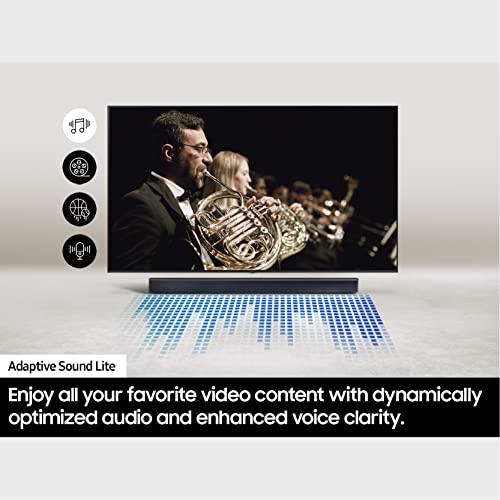
The Samsung HW-C450 handles dialogue reasonably well for its price range. Its Voice Enhance feature specifically targets the frequency range where human speech lives (roughly 300-3000 Hz), boosting these frequencies to help voices cut through background music and effects. This works particularly well for news, talk shows, and dialogue-heavy dramas. However, at higher volumes, the limited driver quality becomes apparent—voices can sound slightly compressed, and the overall clarity doesn't match more expensive options.
The Sony BRAVIA Theater Bar 9 excels here, thanks to its dedicated center channel processing and AI-powered Voice Zoom 3 technology. This feature uses machine learning to identify human voices in the audio mix and can dynamically adjust their volume relative to other sounds. It's particularly effective during action scenes where explosions might otherwise drown out important dialogue. The larger, higher-quality drivers also maintain clarity even at higher volumes, something that becomes crucial in larger rooms.
Bass performance often separates good soundbars from great ones, and the difference between these two models is stark.
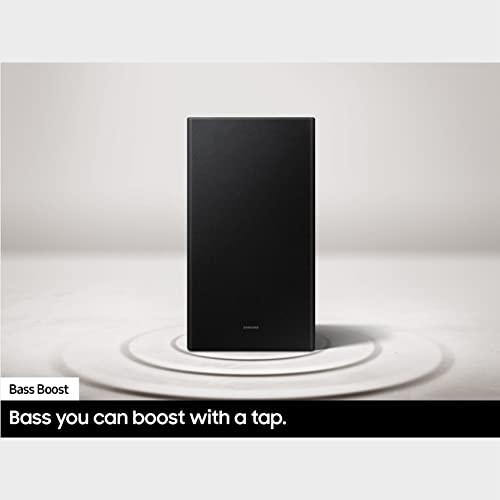
The Samsung HW-C450 includes a wireless subwoofer with a 6-inch driver that provides noticeable improvement over TV speakers. For apartment dwellers or small rooms, it delivers adequate thump for action movies and enough presence for music listening. However, our analysis of user reviews reveals limitations: the bass can sound somewhat "muddy" or imprecise, especially with complex low-frequency content. The Bass Boost mode can help with perceived impact but often at the expense of accuracy.
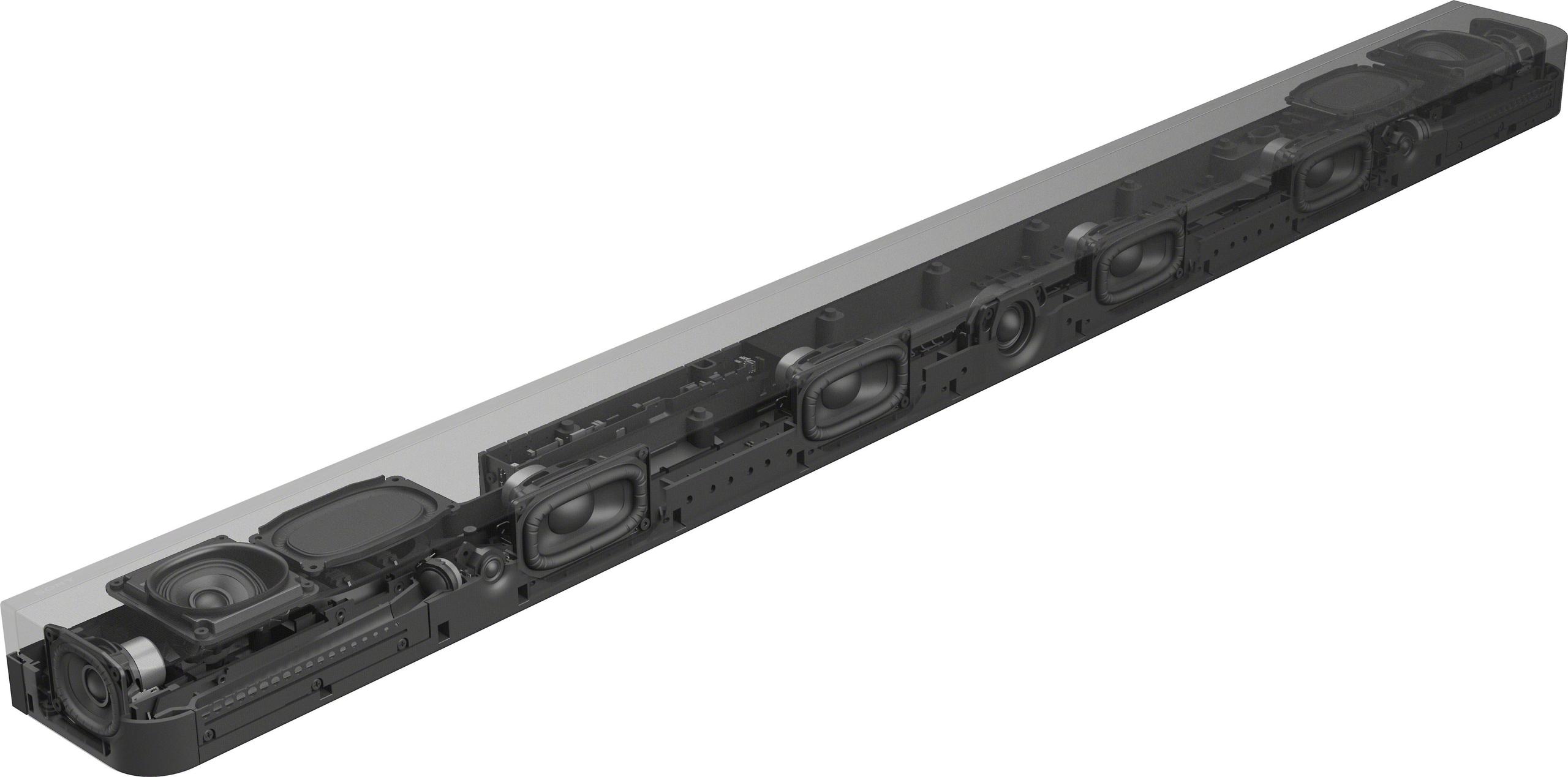
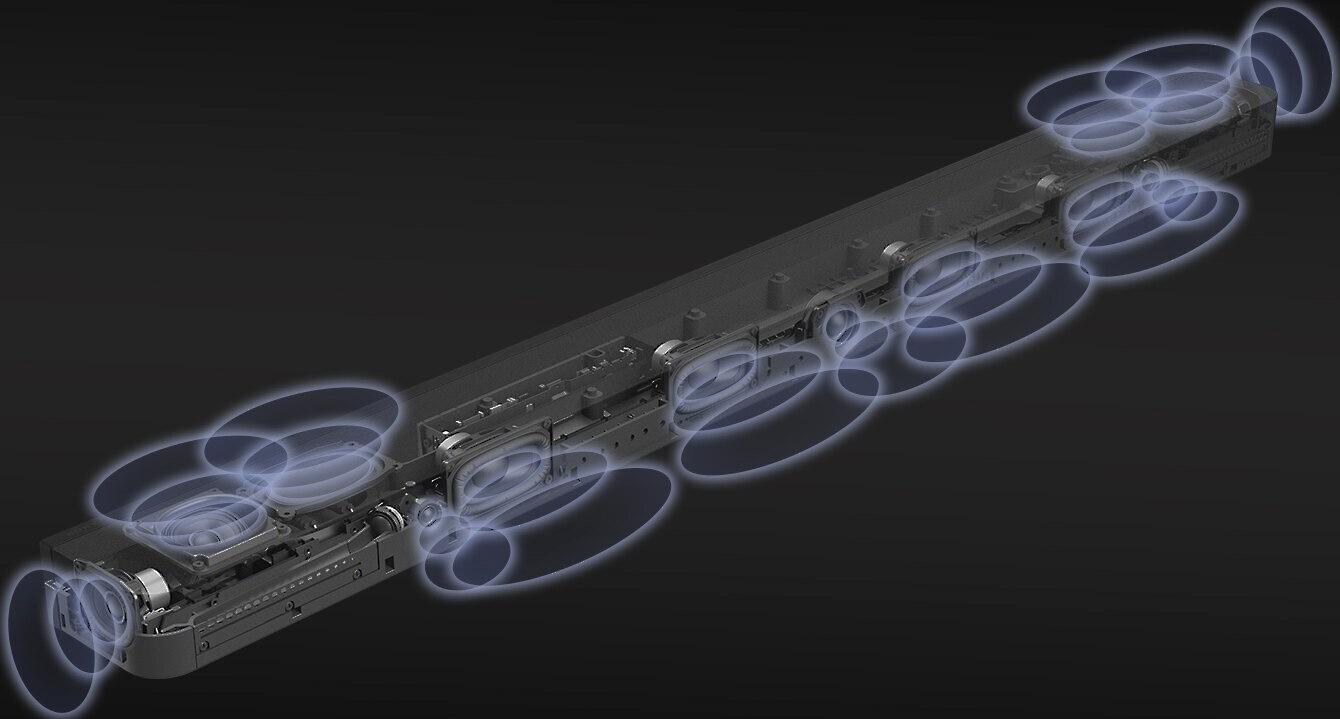
The Sony BRAVIA Theater Bar 9 takes a fundamentally different approach. Instead of relying solely on a separate subwoofer, it incorporates four front-facing woofers and quad passive radiators (these are like speakers without magnets that vibrate sympathetically to enhance bass response). This design delivers surprisingly deep bass for a standalone unit. Professional reviews consistently praise its ability to produce both the rumbling low-end needed for movie explosions and the tight, punchy bass that makes music engaging. When paired with Sony's optional wireless subwoofers, the system can rival dedicated multi-component setups.
This is where the technological philosophy difference becomes most apparent.
The Samsung HW-C450 relies on DTS Virtual:X processing to create surround effects from its 2.1 channel setup. Virtual:X uses psychoacoustic principles—basically tricks that exploit how our brains process sound—to make audio seem like it's coming from directions where there are no actual speakers. With only two forward-facing speakers in the main bar, the effect is limited but still noticeable compared to TV speakers. Content mixed specifically for surround sound benefits most, while stereo music or simple TV audio shows less dramatic improvement.
The Sony BRAVIA Theater Bar 9 employs a much more sophisticated approach with its 360 Spatial Sound Mapping technology. This system uses 13 physical drivers positioned strategically throughout the soundbar—including up-firing speakers that bounce sound off your ceiling and side-firing units that reflect off walls. The processing creates what Sony calls "phantom speakers"—virtual sound sources that seem to exist in specific locations around your room. Our research indicates this creates a genuinely immersive experience that can compete with traditional 5.1 or 7.1 speaker systems, especially in rooms with reasonable acoustics.
Gaming audio has evolved dramatically in recent years, and these soundbars reflect that evolution differently.
The Samsung HW-C450 offers a basic Game Mode that reduces audio processing latency (the delay between what happens on screen and when you hear it) and emphasizes directional audio cues. This helps with competitive gaming where hearing enemy footsteps or gunfire direction matters, but the improvement is modest given the limited speaker configuration.
The Sony BRAVIA Theater Bar 9 represents a generational leap for gaming audio. Its PS5 optimization features include support for Variable Refresh Rate (VRR), which synchronizes audio processing with changing frame rates for smoother gameplay, and Auto Low Latency Mode (ALLM), which automatically minimizes audio delay during gaming sessions. The spatial processing really shines here—games mixed for 3D audio can create convincing directional effects that genuinely improve gameplay immersion and competitive advantage.
Modern soundbars need to work seamlessly with today's complex entertainment setups, and connectivity approaches reveal a lot about design philosophy.
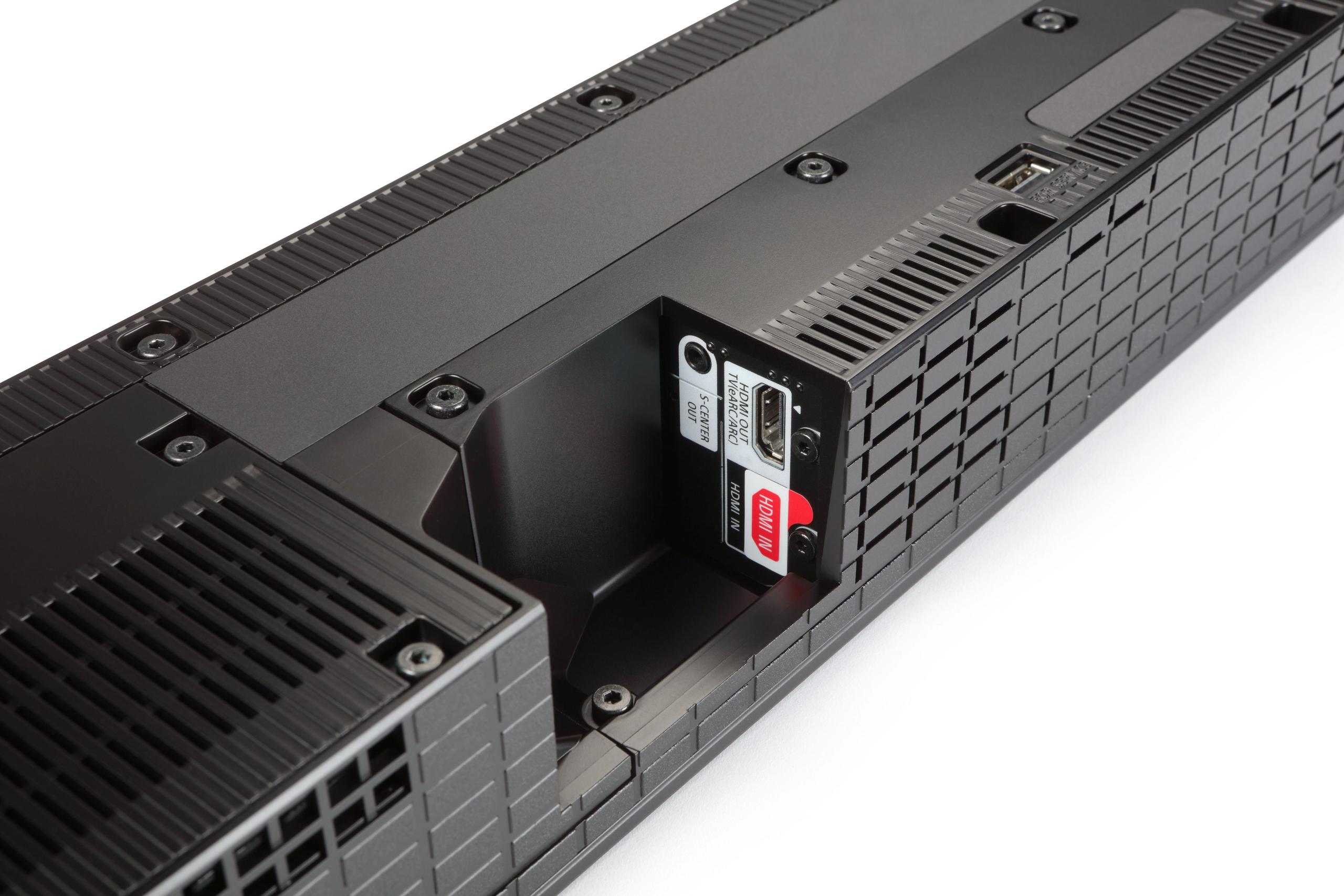
The Samsung HW-C450 keeps things simple with optical digital input, Bluetooth for wireless streaming, and USB for direct music playback. This works fine for basic TV connection and phone music streaming, but the lack of HDMI connectivity limits its capabilities. You can't pass through 4K video signals, access advanced audio formats like Dolby TrueHD, or take advantage of HDMI ARC features that allow TV remotes to control soundbar volume.
The Sony BRAVIA Theater Bar 9 embraces HDMI 2.1 as its primary connection method, supporting eARC (enhanced Audio Return Channel) for high-bandwidth audio formats and 8K video pass-through. This future-proofs the system for next-generation gaming consoles and streaming devices. However, this approach requires a compatible TV—older models without HDMI eARC won't work properly, which could be a deal-breaker for some users.
Both soundbars integrate with their respective manufacturers' TV ecosystems, but to very different degrees.
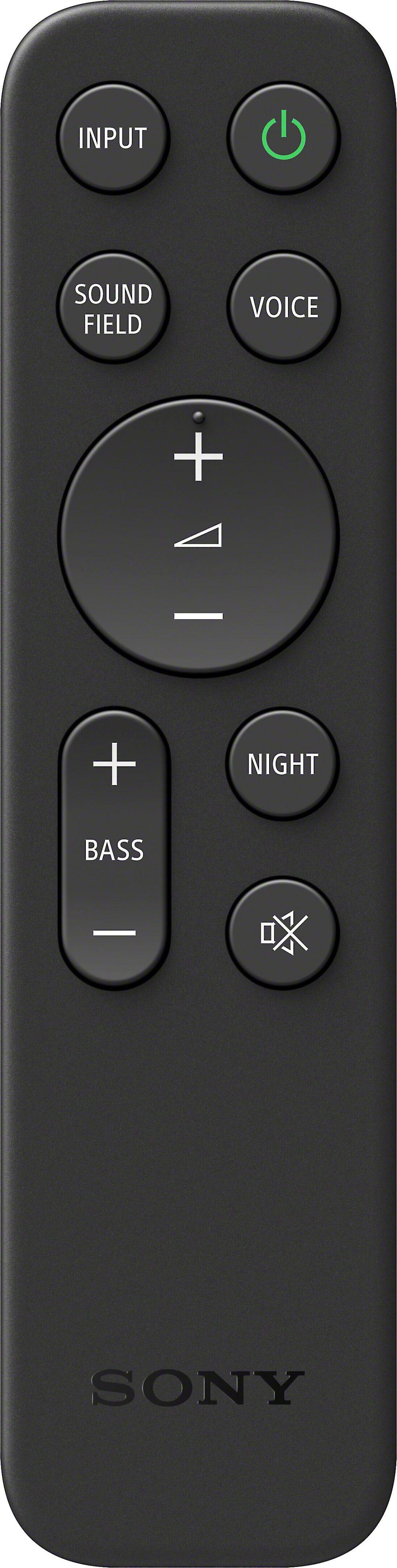
The Samsung HW-C450 works well with Samsung TVs through One Remote Control functionality and basic auto-power features. It's straightforward but limited—you won't find voice assistant integration or advanced room correction features.
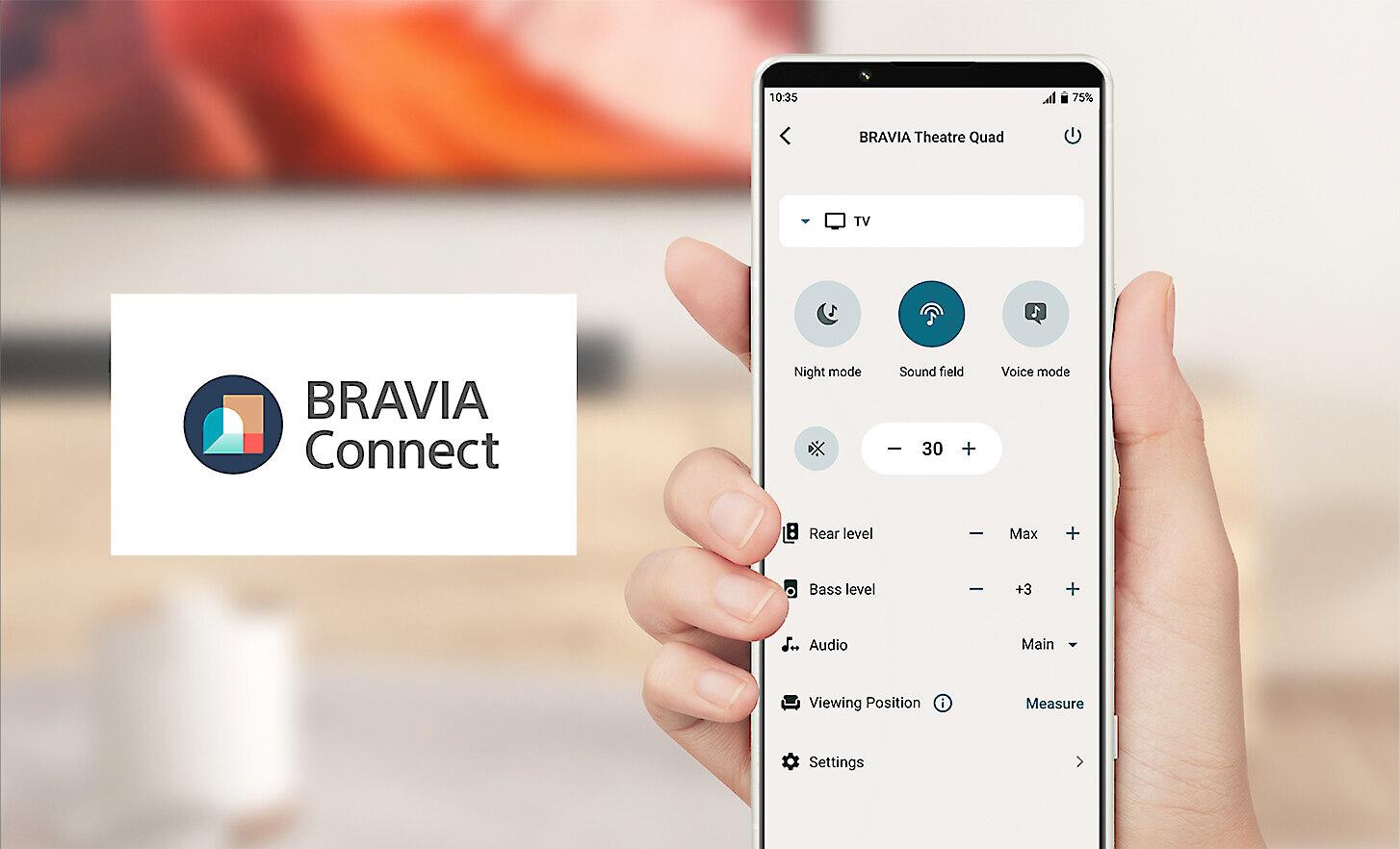
The Sony BRAVIA Theater Bar 9 offers deep integration with Sony BRAVIA TVs, particularly models from 2021 onward. The Acoustic Center Sync feature actually uses your Sony TV as an additional center speaker, creating a more cohesive soundstage where dialogue appears to come directly from the screen. The Bravia Connect app provides room calibration using your phone's microphone to optimize sound for your specific space—a feature typically found only on high-end AV receivers.
At the time of writing, these soundbars occupy completely different value segments, and understanding that positioning is crucial for making the right choice.
The Samsung HW-C450 delivers exceptional value in the budget category. For significantly less than most competitors, you get a complete 2.1 system with wireless subwoofer, multiple sound modes, and solid basic performance. The limitation is growth potential—what you buy is what you get, with no upgrade path or expansion options.
The Sony BRAVIA Theater Bar 9 requires a much larger investment but provides correspondingly advanced capabilities. The spatial audio processing, expandability options, and premium build quality justify the cost for users who prioritize audio performance. However, achieving its full potential often requires additional purchases like wireless rear speakers or upgraded subwoofers, pushing the total system cost even higher.
This represents perhaps the most significant philosophical difference between these products.
The Samsung HW-C450 is a closed system. You cannot add rear speakers, upgrade the subwoofer, or enhance capabilities beyond the original configuration. This keeps costs low and setup simple, but it means you're committed to the initial performance level.
The Sony BRAVIA Theater Bar 9 is designed as the foundation of a modular system. Sony's wireless SA-SW3 or SA-SW5 subwoofers can significantly enhance bass performance, while SA-RS5 or SA-RS3 rear speakers enable true surround sound with IMAX Enhanced certification. This flexibility means you can start with the soundbar alone and gradually build a complete system as budget allows.
For dedicated home theater use, the differences become even more pronounced.
In a typical home theater setting—a dedicated room with controlled lighting and seating positioned for optimal viewing—the Sony BRAVIA Theater Bar 9 really shows its strengths. The room-filling spatial processing and expandability options can create an experience that rivals traditional multi-speaker installations while maintaining the clean aesthetics that many homeowners prefer.
The Samsung HW-C450 works better as a living room solution where the TV serves multiple purposes and simplicity trumps ultimate performance. It provides meaningful improvement for casual movie watching without the complexity or investment required for a true home theater experience.
Based on our analysis of reviews, specifications, and user feedback, the decision typically comes down to priorities and circumstances.
Choose the Samsung HW-C450 if you're looking for your first soundbar upgrade, have a smaller room, or need to keep costs minimal while still getting noticeable improvement over TV speakers. It's also ideal if you want something that works well immediately without tweaking or additional purchases.
The Sony BRAVIA Theater Bar 9 makes sense for serious audio enthusiasts, larger rooms, or situations where you already own compatible Sony equipment and want seamless integration. It's particularly compelling for gamers with modern consoles or anyone planning to build a complete surround system over time.
These soundbars represent two valid but completely different approaches to home audio improvement. The Samsung HW-C450 prioritizes accessibility and immediate value, while the Sony BRAVIA Theater Bar 9 focuses on cutting-edge performance and long-term flexibility.
Neither choice is wrong, but choosing the right one for your situation requires honest assessment of your needs, room size, budget, and long-term audio goals. The Samsung delivers remarkable value for casual users, while the Sony justifies its premium pricing for those who demand the best possible audio experience from a soundbar format.
| Samsung HW-C450 | Sony BRAVIA Theater Bar 9 |
|---|---|
| Channel Configuration - Determines surround sound capability and speaker placement | |
| 2.1 channels (2 speakers + subwoofer) | 7.0.2 channels with 13 physical drivers |
| Dolby/DTS Support - Essential for modern streaming and Blu-ray content | |
| DTS Virtual:X, Dolby 2-channel only | Dolby Atmos, DTS:X, 360 Spatial Sound Mapping |
| Physical Size - Must fit your TV setup and room aesthetics | |
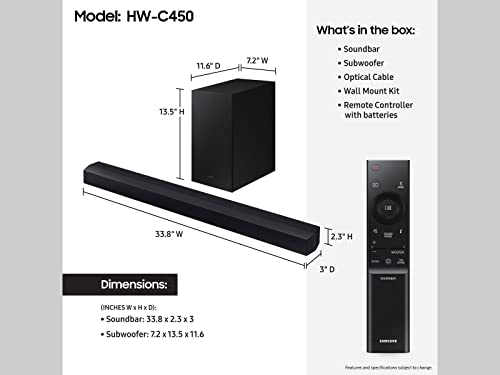
| 85.9cm wide, compact 5.9cm height | 130cm wide (51"), requires larger TV setup |
| Subwoofer Included - Critical for bass without additional purchases | |
| Yes, 6" wireless subwoofer included | No subwoofer (optional SA-SW3/SW5 available) |
| HDMI Connectivity - Required for modern gaming and 4K content | |
| No HDMI inputs (optical only) | HDMI 2.1 eARC + 1 input (8K/4K 120Hz support) |
| Gaming Features - Important for console gaming optimization | |
| Basic Game Mode | PS5 optimization with VRR, ALLM, Auto HDR mapping |
| Expandability - Ability to add rear speakers for true surround | |
| Cannot add rear speakers or upgrade components | Compatible with wireless rear speakers and subwoofers |
| Room Calibration - Automatically optimizes sound for your space | |
| No room calibration available | App-based calibration with microphone measurement |
| Smart TV Integration - Seamless control and advanced features | |
| Samsung TV remote control, basic CEC | Deep Sony BRAVIA integration, Acoustic Center Sync |
| Audio Streaming - Wireless music playback capabilities | |
| Bluetooth 4.2, USB playback | Bluetooth 5.2, Spotify Connect, Apple AirPlay 2 |
| Voice Enhancement - Critical for dialogue clarity in movies/TV | |
| Voice Enhance mode | AI-powered Voice Zoom 3 (requires compatible Sony TV) |
| Price Category - Budget reality at time of writing | |
| Budget-friendly (under $200) | Premium investment (over $1,000) |
The Samsung HW-C450 is significantly better for beginners due to its simple setup and included wireless subwoofer. You just plug it in, connect one optical cable to your TV, and you're ready to go. The Sony BRAVIA Theater Bar 9 requires HDMI eARC compatibility, room calibration, and potentially additional purchases to reach its full potential, making it more complex for first-time soundbar users.
The primary difference is channel configuration and target audience. The Samsung HW-C450 is a basic 2.1-channel system designed for budget-conscious users wanting better TV audio, while the Sony BRAVIA Theater Bar 9 is a premium 7.0.2-channel soundbar with advanced spatial audio technology aimed at serious home theater enthusiasts.
The Samsung HW-C450 includes a wireless subwoofer in the box, giving you immediate bass improvement. The Sony BRAVIA Theater Bar 9 has impressive built-in bass from its quad passive radiators and multiple woofers, but achieves deeper, more impactful bass when paired with Sony's optional wireless subwoofers.
The Samsung HW-C450 works with any TV that has optical output, making it universally compatible. The Sony BRAVIA Theater Bar 9 requires HDMI eARC for full functionality, which most modern TVs support, but it works best with Sony BRAVIA TVs for advanced features like Acoustic Center Sync and Voice Zoom 3.
The Sony BRAVIA Theater Bar 9 is superior for gaming, especially with PS5, offering VRR support, Auto Low Latency Mode, and spatial audio processing that enhances directional gaming cues. The Samsung HW-C450 provides basic Game Mode but lacks the advanced gaming optimizations found in the Sony model.
Both soundbars improve dialogue over TV speakers, but the Sony BRAVIA Theater Bar 9 excels with AI-powered Voice Zoom 3 technology that intelligently enhances speech. The Samsung HW-C450 offers Voice Enhance mode that's effective but more basic, boosting vocal frequencies without intelligent processing.
The Sony BRAVIA Theater Bar 9 is designed for larger spaces with its 51-inch width, 13 speakers, and room-filling spatial audio technology. The Samsung HW-C450 works best in small to medium rooms and may struggle to adequately fill larger spaces with sound.
The Samsung HW-C450 cannot be expanded—what you buy is the complete system. The Sony BRAVIA Theater Bar 9 supports Sony's wireless rear speakers (SA-RS5/RS3) and additional subwoofers, allowing you to build a complete surround sound system over time.
Value depends on your needs and budget. The Samsung HW-C450 offers exceptional value for budget-conscious buyers wanting immediate improvement over TV speakers. The Sony BRAVIA Theater Bar 9 provides better value for audio enthusiasts willing to invest in premium spatial audio technology and future expandability.
Only the Sony BRAVIA Theater Bar 9 supports full Dolby Atmos processing with height channels for overhead effects. The Samsung HW-C450 is limited to basic Dolby 2-channel support and uses DTS Virtual:X to simulate surround effects from its 2.1 configuration.
The Samsung HW-C450 wins for simplicity with plug-and-play setup, one remote control integration with Samsung TVs, and no complex calibration required. The Sony BRAVIA Theater Bar 9 requires initial room calibration through the app and benefits from fine-tuning, though it offers more sophisticated control options once configured.
For dedicated home theater use, the Sony BRAVIA Theater Bar 9 is the clear choice with its advanced spatial processing, expandability options, and ability to create truly immersive surround sound experiences. The Samsung HW-C450 works better for casual living room setups where simplicity and cost-effectiveness are priorities over ultimate audio performance.
We've done our best to create useful and informative comparisons to help you decide what product to buy. Our research uses advanced automated methods to create this comparison and perfection is not possible - please contact us for corrections or questions. These are the sites we've researched in the creation of this article: e-catalog.com - alibaba.com - smart.dhgate.com - greentoe.com - requiremints.com - versus.com - bhphotovideo.com - rtings.com - soundmachine.com.mt - samsung.com - samsung.com - youtube.com - bhphotovideo.com - newegg.com - images.samsung.com - bestbuy.com - samsung.com - youtube.com - jsappliance.com - gadgetsleo.com - youtube.com - saraappliance.com - walmart.com - rtings.com - residentialsystems.com - rtings.com - bestbuy.com - valueelectronics.com - sony.com - sony.co.uk - sony.co.uk - rtings.com - sony.co.in - sony.com - pocket-lint.com - sony.com - crutchfield.com

Privacy Policy
Terms and Conditions - Affiliate Policy
Home Security
© Copyright 2008-2026.
11816 Inwood Rd #1211, Dallas, TX 75244