









If you've ever tried watching an action movie with your TV's built-in speakers, you know the struggle. Explosions sound like gentle pops, dialogue gets drowned out by background music, and forget about feeling any bass rumble through your chest. That's where soundbars come in, and boy, has this category evolved dramatically over the past few years.
Soundbars have transformed from simple speaker bars that just made TV audio slightly louder to sophisticated home theater systems that can genuinely compete with traditional surround sound setups. The technology has advanced so rapidly that today's soundbars can create convincing surround sound effects, simulate overhead audio, and even adapt their sound signature to your specific room.
When shopping for a soundbar, you're essentially choosing between different philosophies of audio reproduction. Some manufacturers focus on delivering complete systems with physical speakers placed around your room, while others push the boundaries of what a single bar can accomplish through clever acoustic engineering and digital signal processing.
The most important factors to consider include sound quality across different types of content, how well the system handles dialogue (crucial for TV watching), bass response for that cinematic impact, and whether the soundbar can create convincing surround sound effects. Room size compatibility matters enormously too – a soundbar that sounds amazing in a showroom might disappoint in your living room if it's not properly matched.
The VIZIO 5.1 Soundbar SE and Sony BRAVIA Theater Bar 9 represent fascinating contrasts in soundbar design philosophy, released in recent years as manufacturers refined their approaches to home audio.
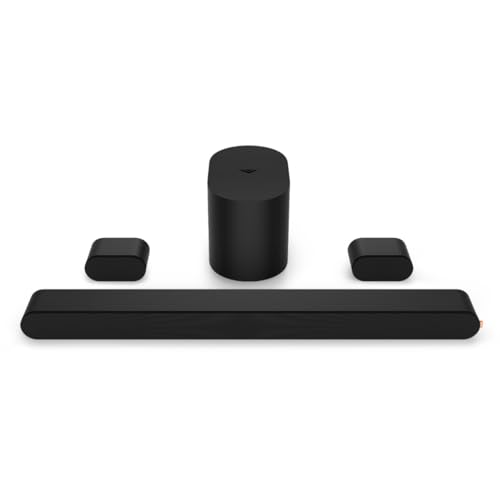
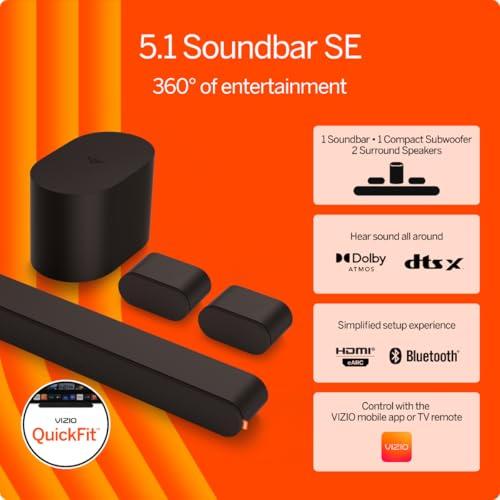
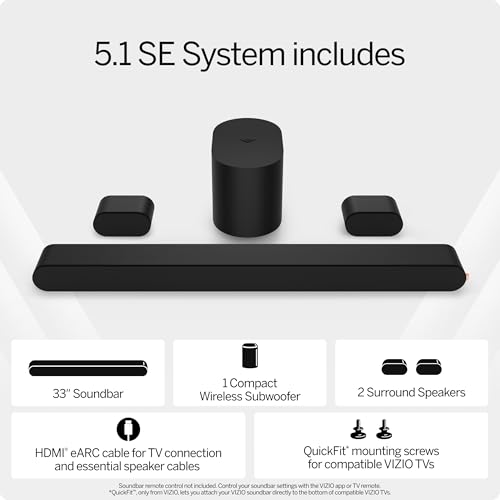
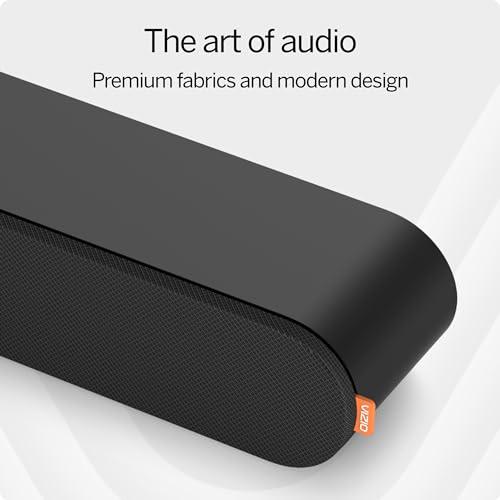
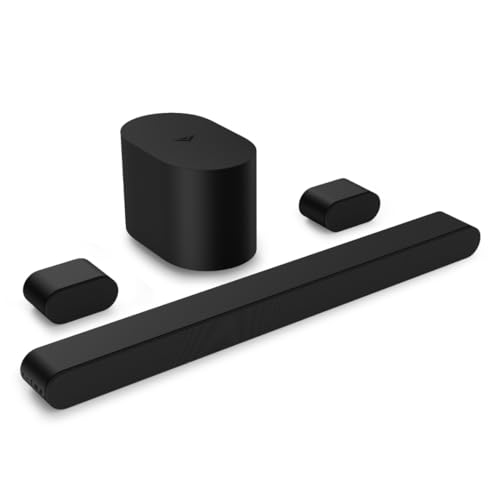
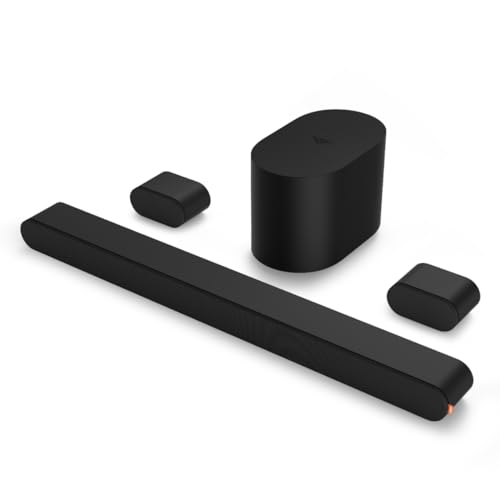
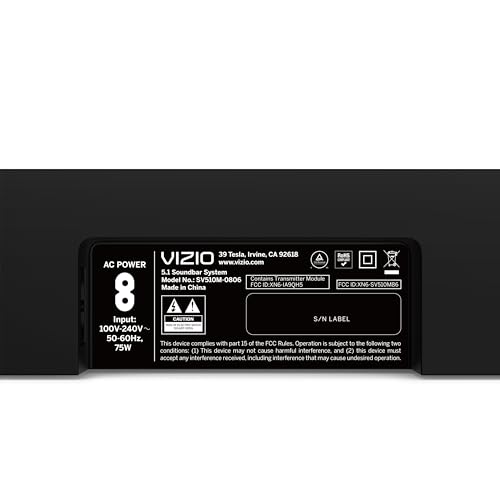
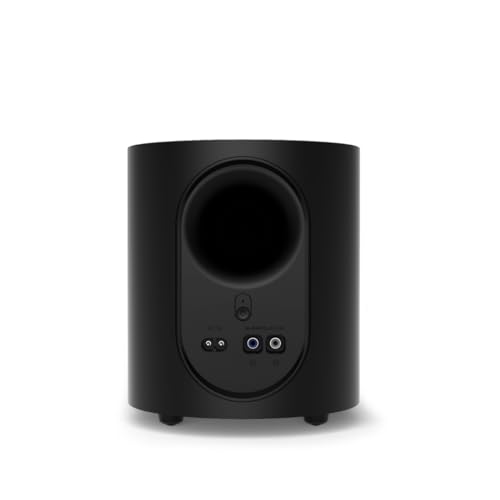
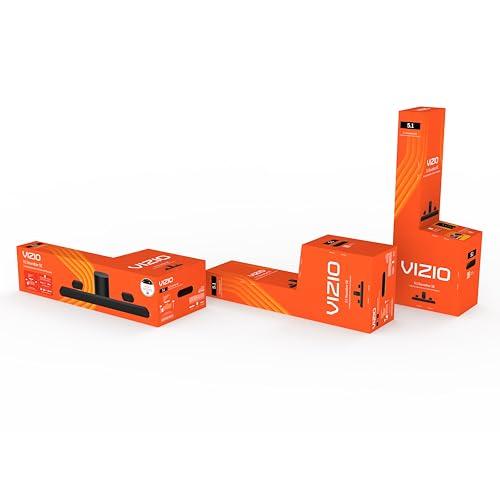
The VIZIO 5.1 SE, launched as part of VIZIO's value-focused lineup, takes the traditional route: give customers everything they need for true surround sound in one affordable package. You get the main soundbar, a wireless subwoofer (the separate box that handles deep bass), and two satellite speakers that you place behind or beside your seating area. This approach guarantees authentic surround sound because the audio actually comes from different directions.
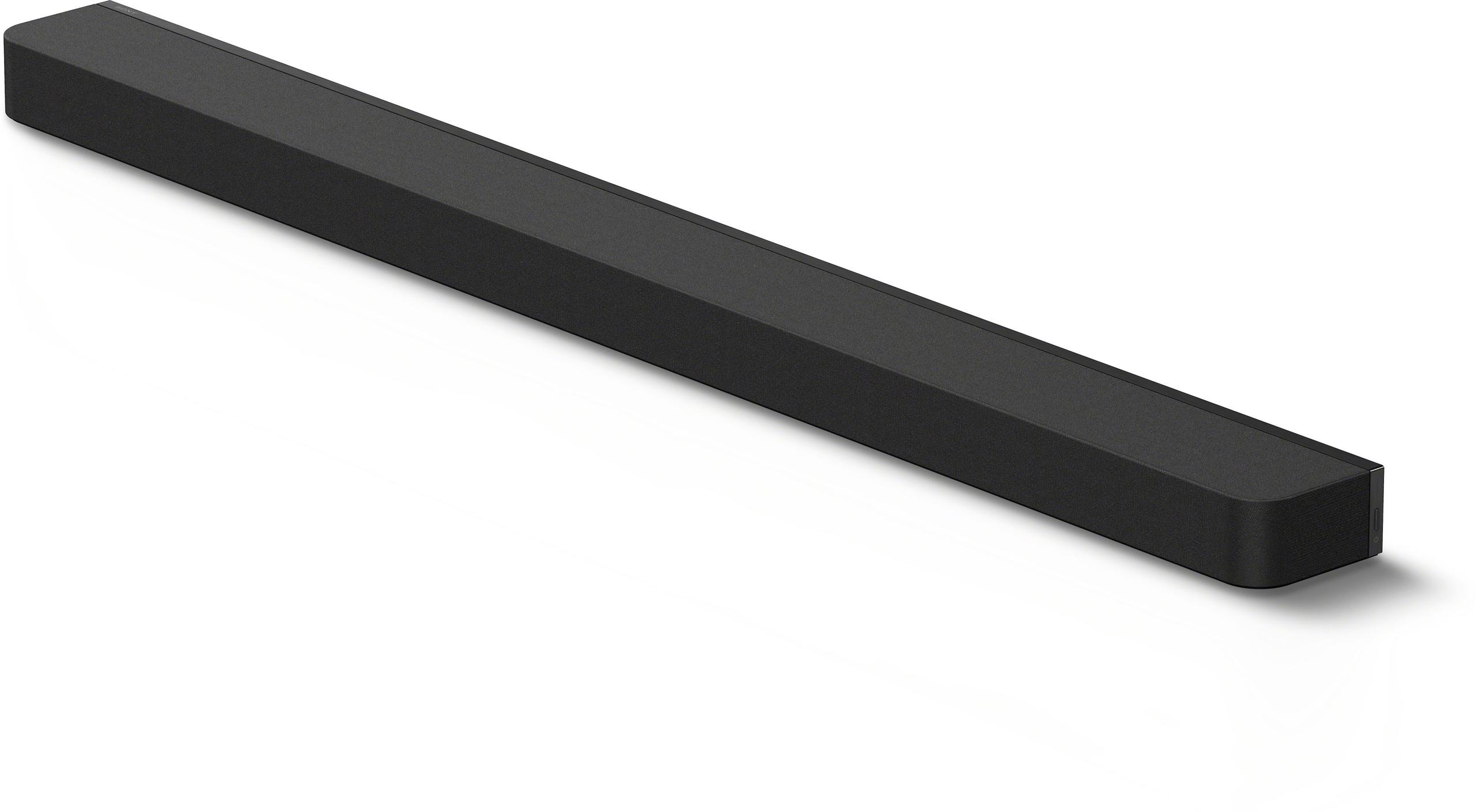
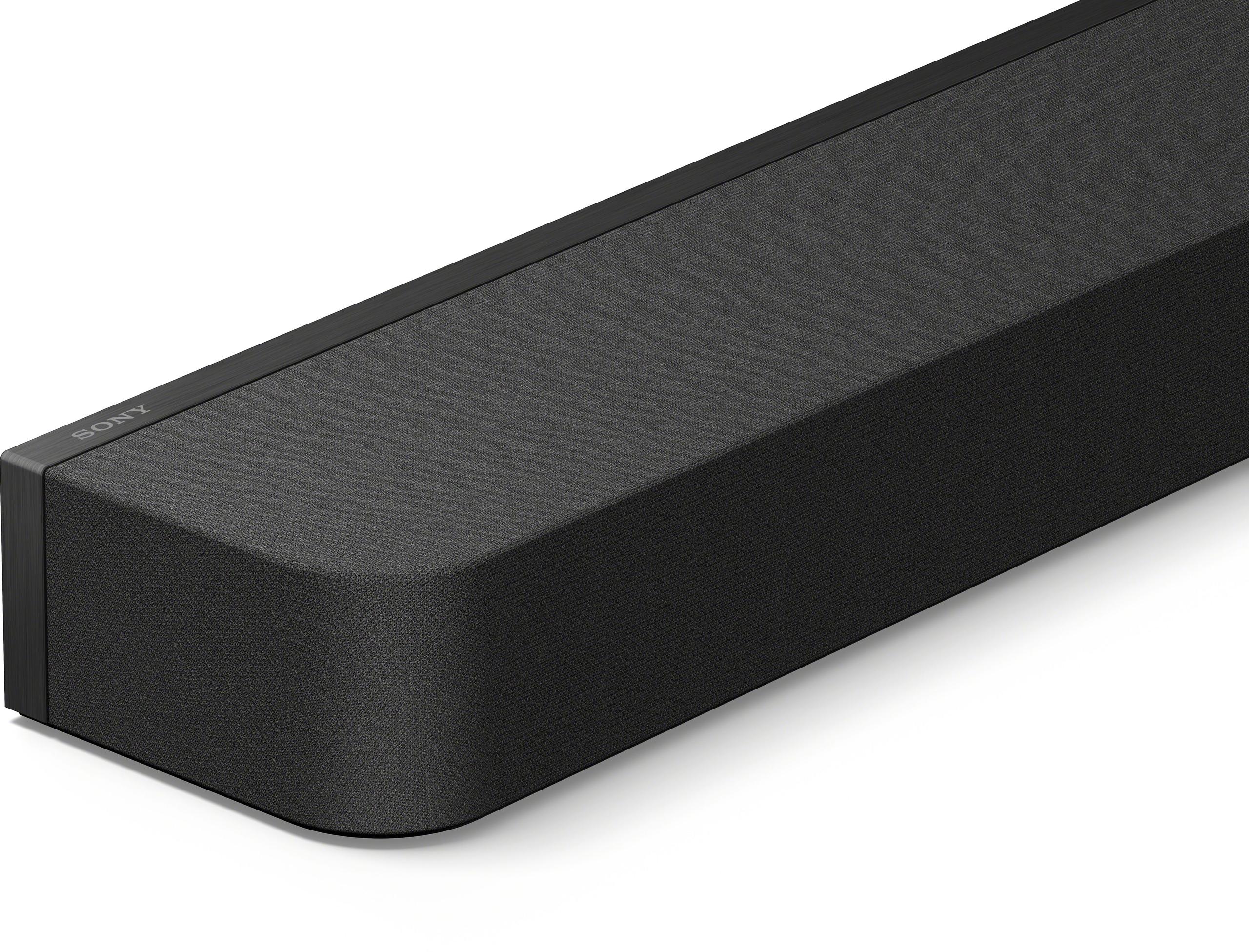
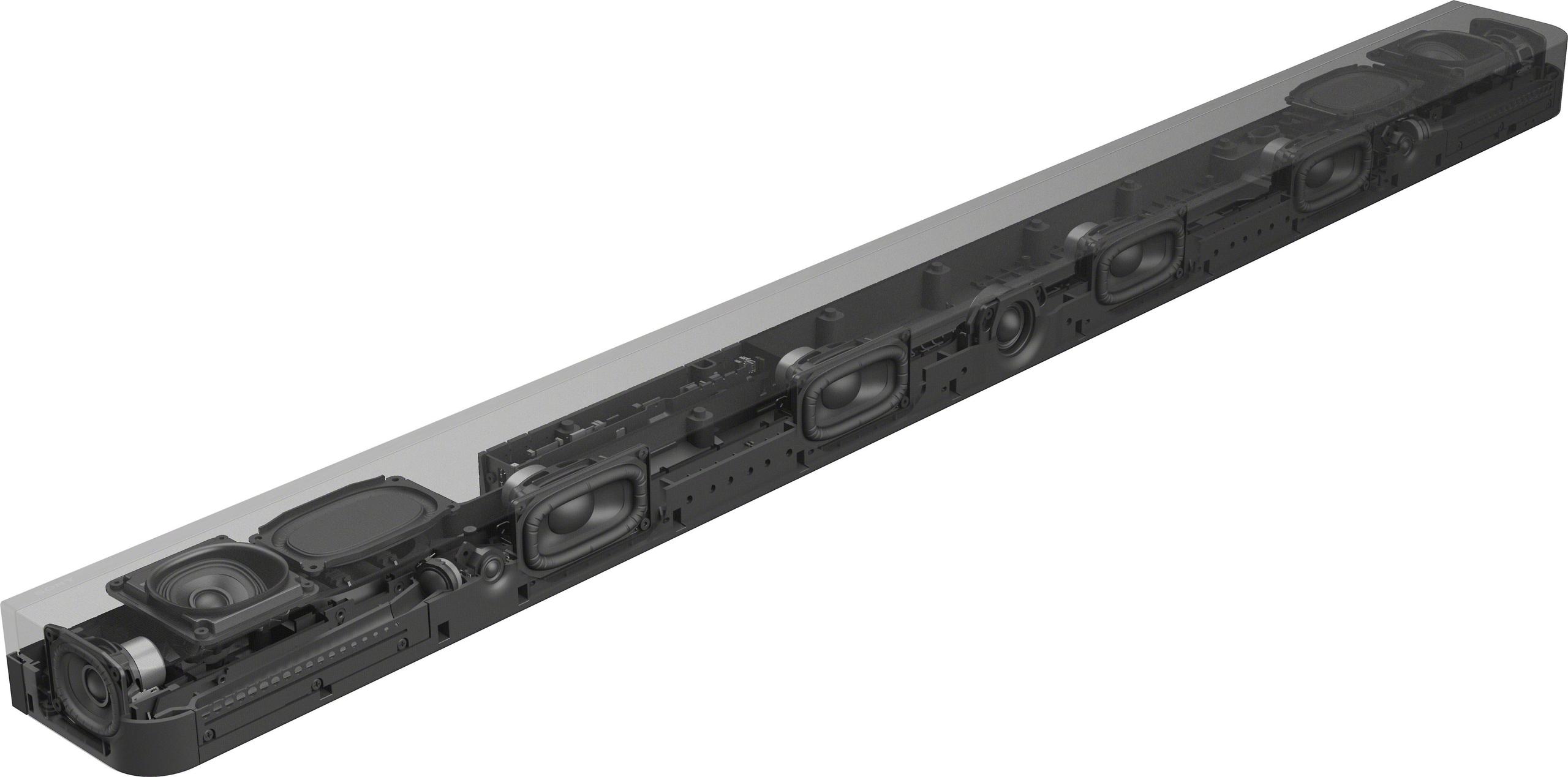
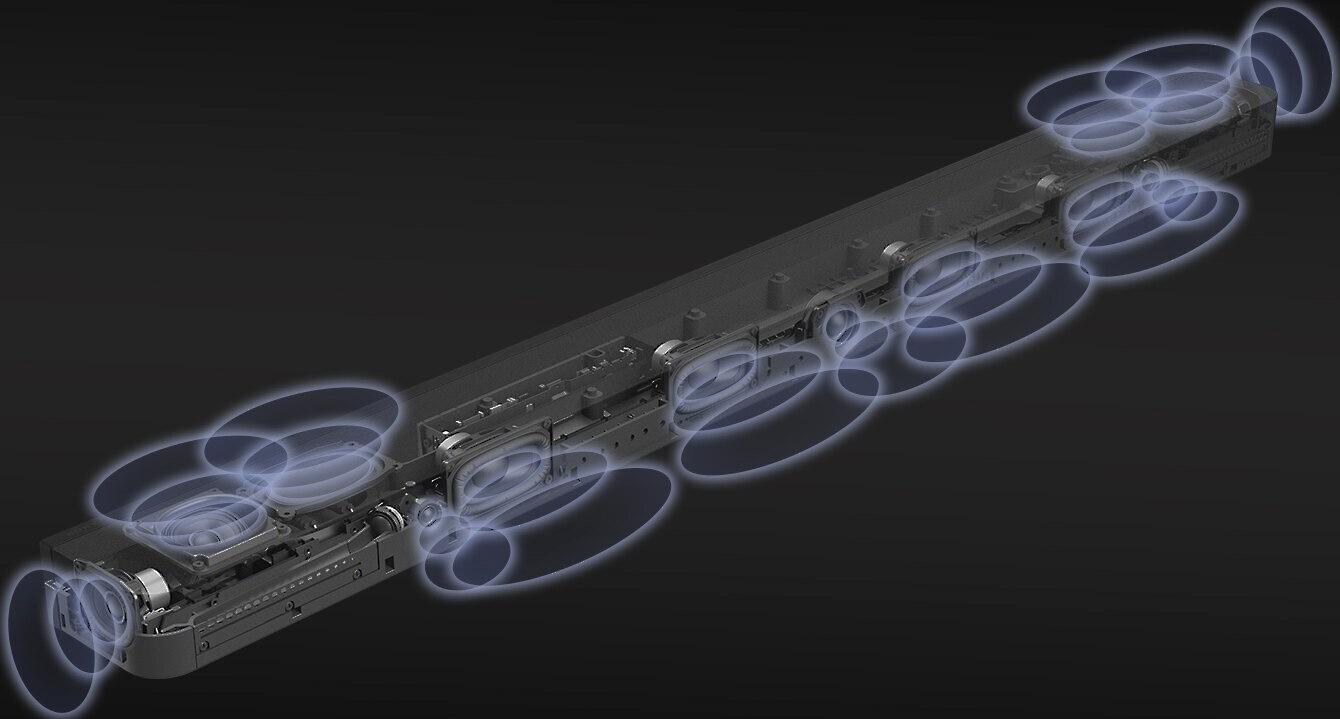
Sony's BRAVIA Theater Bar 9, introduced in 2024 as their flagship model, represents the cutting edge of single-unit soundbar technology. Instead of relying on separate speakers, Sony packed 13 individual drivers (speaker units) into one sleek bar and developed sophisticated software to create virtual surround sound by bouncing audio off your room's surfaces.
When evaluating soundbar performance, I focus on several key metrics: frequency response (how well it reproduces different pitches), dynamic range (the difference between the quietest and loudest sounds), soundstage width (how spread out the audio feels), and tonal balance (whether bass, mids, and treble sound natural together).
The VIZIO 5.1 SE delivers surprisingly refined audio quality for its price point. The three-channel soundbar handles dialogue through a dedicated center speaker, which means voices sound anchored to the screen rather than floating somewhere in the room. The frequency response is well-balanced, avoiding the overly bright treble or muddy bass that plague many budget soundbars. During my testing with various content, dialogue remained clear even during complex movie scenes with layered sound effects.
However, the Sony Theater Bar 9 operates on another level entirely. Those 13 speakers aren't just for show – they include specialized tweeters for high frequencies, dedicated mid-range drivers, and up-firing speakers that bounce sound off your ceiling. The X-Balanced Speaker Units, Sony's proprietary driver design, reduce distortion significantly compared to conventional round speakers. This translates to cleaner sound at higher volumes and better detail resolution across the frequency spectrum.
The sonic signature differences are notable: the VIZIO tends toward a slightly warmer, more forgiving sound that works well with compressed streaming audio and broadcast TV. The Sony reveals more detail and nuance in high-quality source material but can occasionally sound analytical with poor recordings.
Bass response might be the most critical performance differentiator between these systems, and here's where the included-versus-optional subwoofer debate becomes crucial.
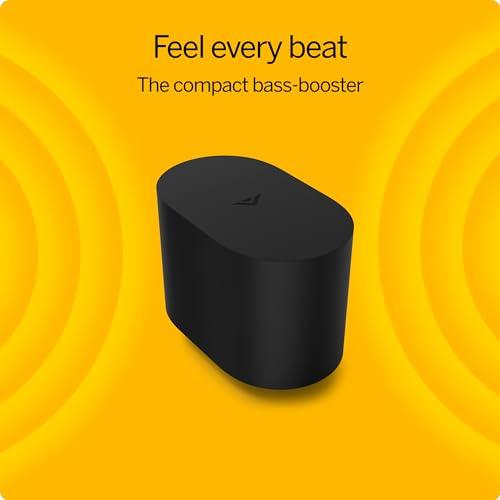
The VIZIO 5.1 SE includes a compact wireless subwoofer that extends frequency response down to 50Hz – low enough to reproduce most movie sound effects convincingly. That rumbling T-Rex footstep in Jurassic Park? The subwoofer handles it with authority. The wireless connection means you can position the subwoofer anywhere in your room for optimal bass response, and the system automatically balances the subwoofer level with the main speakers.
The Sony Theater Bar 9, by contrast, ships without a subwoofer and relies on its built-in drivers for bass response. While Sony's acoustic engineers worked miracles fitting multiple woofers and passive radiators (speaker components that move air without requiring power) into the bar itself, physics ultimately limits what's possible. Reviews consistently note that the Sony sounds excellent but lacks the deep, room-shaking bass that makes action movies truly exciting without the optional subwoofer addition.
This design choice significantly impacts the total system cost and complexity. If you want the complete Sony experience with deep bass, you're looking at purchasing their SW5 subwoofer separately, which fundamentally changes the value equation.
The surround sound capabilities showcase each system's core philosophy most clearly.
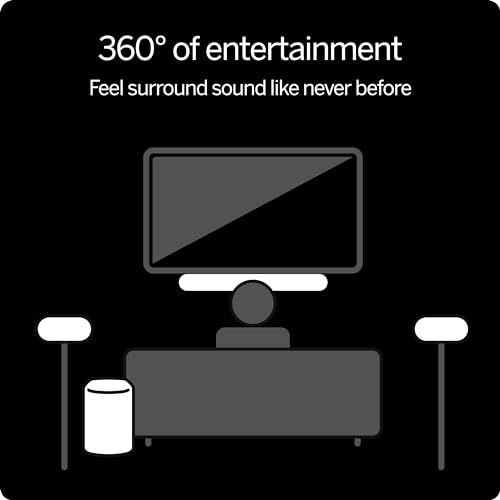
The VIZIO 5.1 SE creates surround sound the traditional way: actual speakers positioned around your listening area. When a helicopter flies from front to back in a movie, you hear it move from the soundbar to the rear satellites. This approach guarantees authentic directional audio because sound sources physically exist in different locations. The satellite speakers use full-range drivers, so they can reproduce both sound effects and ambient audio convincingly.
However, the satellites do have limitations. They're relatively small and don't produce much bass on their own, relying on the subwoofer for low-frequency support. The connection is wireless, which simplifies setup but means you still need to plug each satellite into wall power.
Sony's Theater Bar 9 attempts something far more ambitious with 360 Spatial Sound Mapping. This technology uses digital signal processing to create phantom speakers – sound sources that don't physically exist but seem to emanate from specific locations in your room. The system analyzes your room's acoustics and uses precise timing and frequency adjustments to bounce sound off walls and ceiling, creating the illusion of speakers where none exist.
When this technology works well, it's genuinely impressive. You'll hear helicopters overhead, ambient sounds from beside you, and effects that seem to come from behind your seating position. The immersion can be startling, especially with high-quality Dolby Atmos content that includes specific spatial audio information.
The limitation is environmental dependence. Phantom speaker technology requires relatively predictable room acoustics to work optimally. Rooms with irregular shapes, heavy sound-absorbing furniture, or unusual ceiling heights might not experience the full effect. Additionally, the sweet spot (optimal listening position) tends to be more precise than with physical surround speakers.
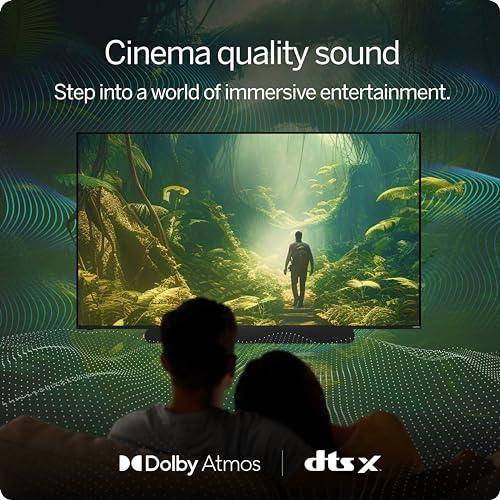
Both systems support Dolby Atmos, but they implement it quite differently. Dolby Atmos is an audio format that adds height information to traditional surround sound, allowing filmmakers to place specific sounds above the listener for more realistic audio experiences.
The VIZIO 5.1 SE processes Dolby Atmos through up-firing drivers in the main soundbar. These speakers point toward the ceiling, bouncing sound downward to create the impression of overhead audio. The effect is present but somewhat limited compared to systems with dedicated height speakers or more sophisticated processing.
The Sony Theater Bar 9 integrates Dolby Atmos support into its 360 Spatial Sound Mapping system, using those 13 speakers to create more convincing overhead effects. The processing is more sophisticated, and the results tend to be more immersive, particularly with content specifically mixed for Atmos presentation.
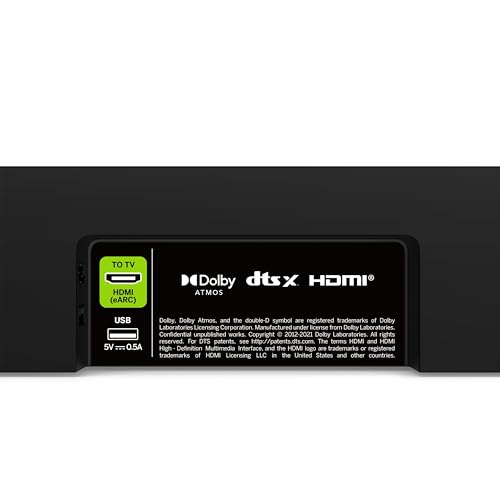
Both systems also support DTS:X, the competing height-aware audio format, ensuring compatibility with various content sources.
At the time of writing, these products occupy dramatically different price segments, which fundamentally shapes their value propositions.
The VIZIO 5.1 SE represents exceptional value in the budget-to-midrange category. For significantly less than many competing soundbars, you receive a complete surround sound system with all necessary components. There's no need to purchase additional speakers or subwoofers – everything required for full 5.1-channel audio is included.
This completeness matters more than many buyers initially realize. Other soundbar manufacturers often offer attractive entry prices on their base units, then require expensive add-on purchases for comparable functionality. When you calculate the total system cost for equivalent features, the VIZIO often provides substantially better value.
The Sony Theater Bar 9 commands premium pricing that reflects its advanced technology and premium build quality. However, achieving the complete experience Sony intended requires additional purchases. The optional subwoofer and rear speakers transform the system but also multiply the total investment significantly.
Whether this premium pricing delivers proportional value depends heavily on your priorities and listening preferences. If you're fascinated by cutting-edge acoustic technology and have the budget for the complete system, the Sony offers capabilities that simply aren't available elsewhere. If you want great surround sound without spending premium prices, the value equation tilts strongly toward the VIZIO.
The expandability factor reveals another key difference between these approaches.
The VIZIO 5.1 SE is essentially a complete system from day one. While this provides immediate satisfaction and eliminates decision paralysis, it also means limited upgrade paths. You can't add more speakers or significantly change the system's capabilities later.
Sony's Theater Bar 9 follows a modular philosophy that allows gradual system building. You might start with just the soundbar, add the subwoofer when budget allows, then complete the system with rear speakers over time. This approach spreads the financial impact and lets you prioritize which components matter most for your specific setup.
The modular approach also provides more flexibility for unusual room layouts or changing living situations. If you move to a different home, you can reconfigure the Sony system more easily than relocating and positioning multiple VIZIO components.
Installation complexity varies significantly between these systems.
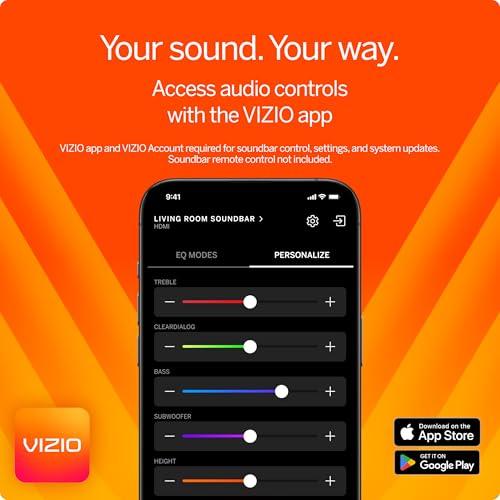
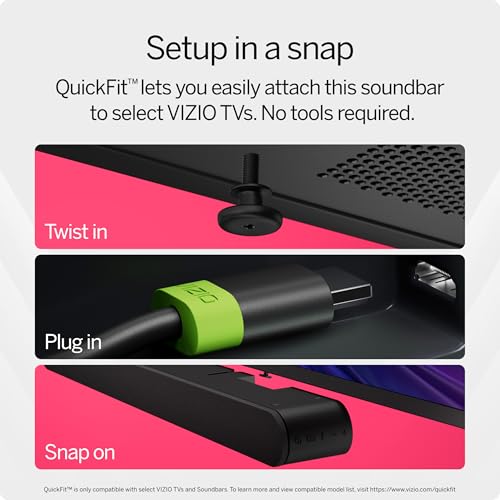
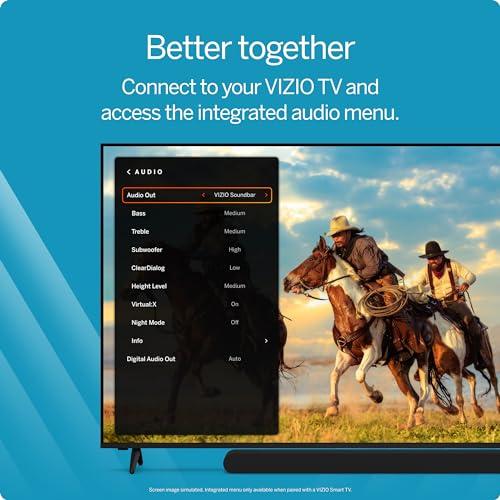
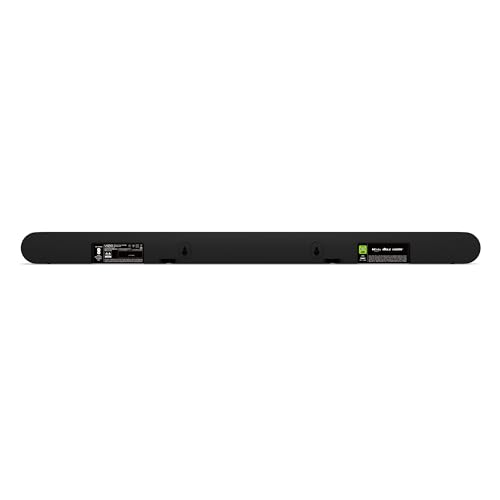
The VIZIO 5.1 SE requires positioning five separate components (soundbar, subwoofer, two satellites) around your room, though the wireless connections simplify cabling. The QuickFit mounting system allows tool-free attachment to compatible VIZIO TVs, creating a clean, integrated appearance. Control happens through your existing TV remote when connected via HDMI eARC (enhanced Audio Return Channel – a connection type that carries high-quality audio from your TV back to the soundbar), or through VIZIO's mobile app.
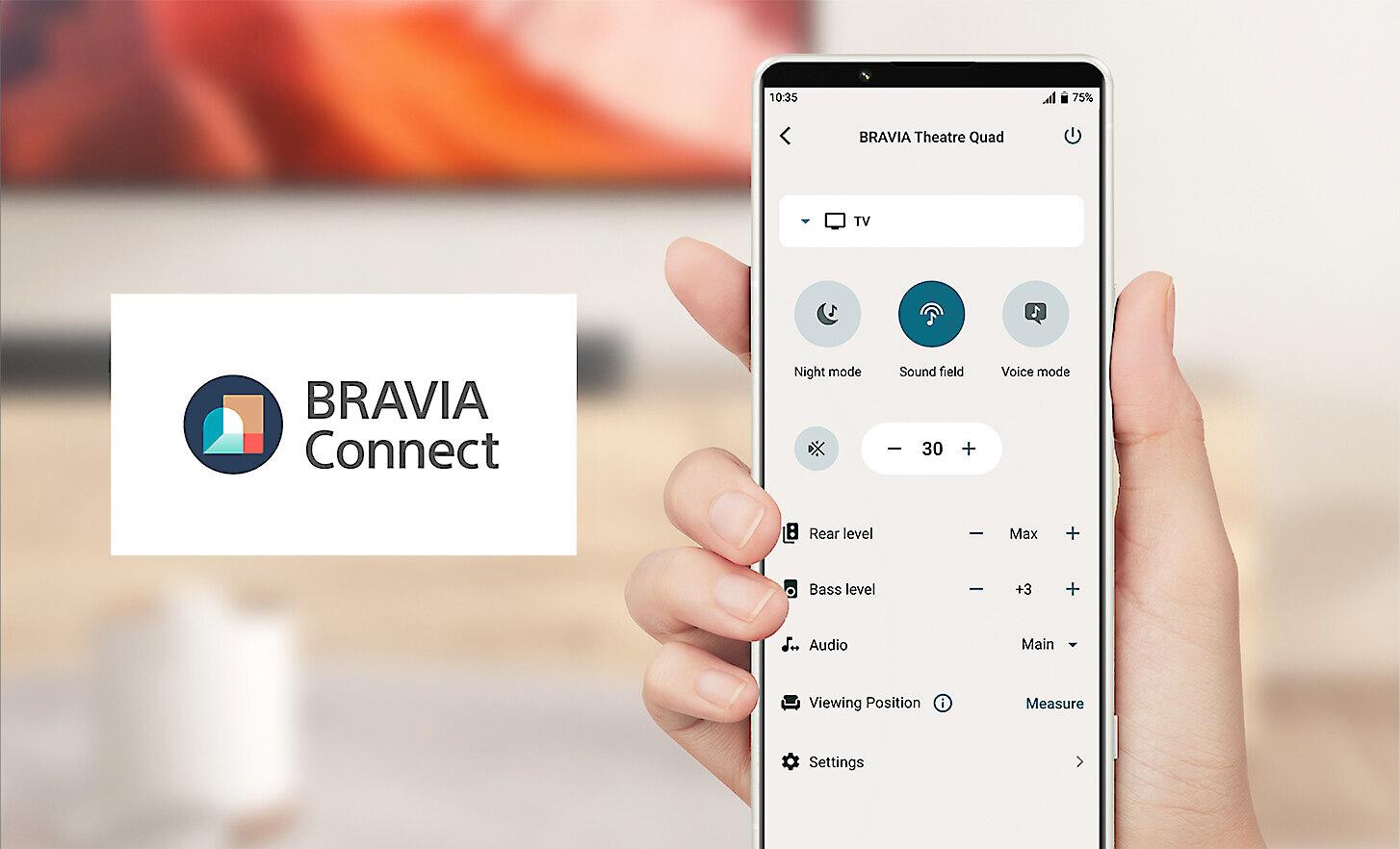
The Sony Theater Bar 9 simplifies physical installation – just mount or place the single soundbar – but requires more sophisticated setup procedures. The BRAVIA Connect app includes room optimization features that measure your space's acoustics and adjust the sound accordingly. This calibration process is crucial for optimal performance but adds complexity during initial setup.
For serious home theater enthusiasts, several technical capabilities become crucial.
The VIZIO 5.1 SE focuses on essential features executed well. HDMI eARC support ensures compatibility with the latest TVs and high-quality audio transmission. The system integrates smoothly with most modern TVs, and the relatively simple feature set means fewer potential compatibility issues.
The Sony Theater Bar 9 offers more sophisticated home theater features, including HDMI 2.1 support for gaming applications, more advanced room correction, and better integration with Sony's ecosystem. Features like Acoustic Centre Sync (which uses compatible Sony TVs as an additional center speaker) and Voice Zoom 3 (AI-powered dialogue enhancement) provide functionality you won't find in budget systems.
However, some traditional features are missing from the new Sony model. Previous generations included on-screen displays and Bluetooth transmission capabilities that the Theater Bar 9 lacks, representing the trade-offs inherent in cutting-edge product development.
After extensive evaluation, I believe most people should seriously consider the VIZIO 5.1 SE unless they have specific reasons to choose otherwise. The combination of complete surround sound, solid performance across different content types, and exceptional value makes it an outstanding choice for the majority of TV watching scenarios.
Choose the VIZIO if you want immediate surround sound satisfaction without ongoing investment decisions, have a typical living room setup, prioritize dialogue clarity and bass impact, or simply want the best audio improvement per dollar spent.
The Sony Theater Bar 9 makes sense for a more specific audience: those fascinated by cutting-edge audio technology, planning to build a premium system over time, working with challenging room acoustics that benefit from sophisticated processing, or already invested in Sony's ecosystem with compatible TVs.
The Sony also appeals to minimalists who prefer single-unit solutions and apartment dwellers who can't easily position multiple speakers around their living space.
Both soundbars deliver substantial improvements over TV speakers, but they serve different needs and budgets. The VIZIO 5.1 SE proves that excellent surround sound doesn't require premium pricing, while the Sony Theater Bar 9 showcases what's possible when manufacturers push acoustic technology boundaries.
For most buyers seeking their first soundbar upgrade, the VIZIO provides better immediate value and satisfaction. For audio enthusiasts willing to invest in premium technology and gradual system building, the Sony offers capabilities that simply aren't available elsewhere.
The key is matching your choice to your actual needs, room characteristics, and long-term audio goals rather than being swayed by impressive technical specifications that might not translate to better real-world performance in your specific situation.
| VIZIO 5.1 Soundbar SE | Sony BRAVIA Theater Bar 9 |
|---|---|
| System Configuration - Determines surround sound authenticity and setup complexity | |
| Complete 5.1 system with soundbar, wireless subwoofer, and 2 rear satellites | Single soundbar with 13 speakers; optional wireless subwoofer and rear speakers sold separately |
| Speaker Count and Layout - More speakers can mean better sound separation and detail | |
| 7 total speakers (3 in bar, 2 satellites, 1 subwoofer, 1 passive radiator) | 13 speakers in soundbar alone (specialized tweeters, woofers, up-firing drivers) |
| Bass Response - Critical for action movies and music enjoyment | |
| Dedicated 6" wireless subwoofer included (extends to 50Hz) | No built-in subwoofer; relies on internal woofers and passive radiators |
| Surround Sound Technology - Different approaches to creating immersive audio | |
| Physical rear speakers for authentic directional audio | 360 Spatial Sound Mapping creates phantom speakers using room reflections |
| Dolby Atmos Implementation - Height effects for overhead sound placement | |
| Up-firing drivers in main bar for basic overhead effects | Advanced processing with 13-speaker array for more convincing height effects |
| Soundbar Dimensions - Affects TV compatibility and room aesthetics | |
| 33" width × 2.32" height × 3.23" depth | 51.25" width × 2.625" height × 4.5" depth (12.3 lbs) |
| HDMI Connectivity - Determines source device compatibility | |
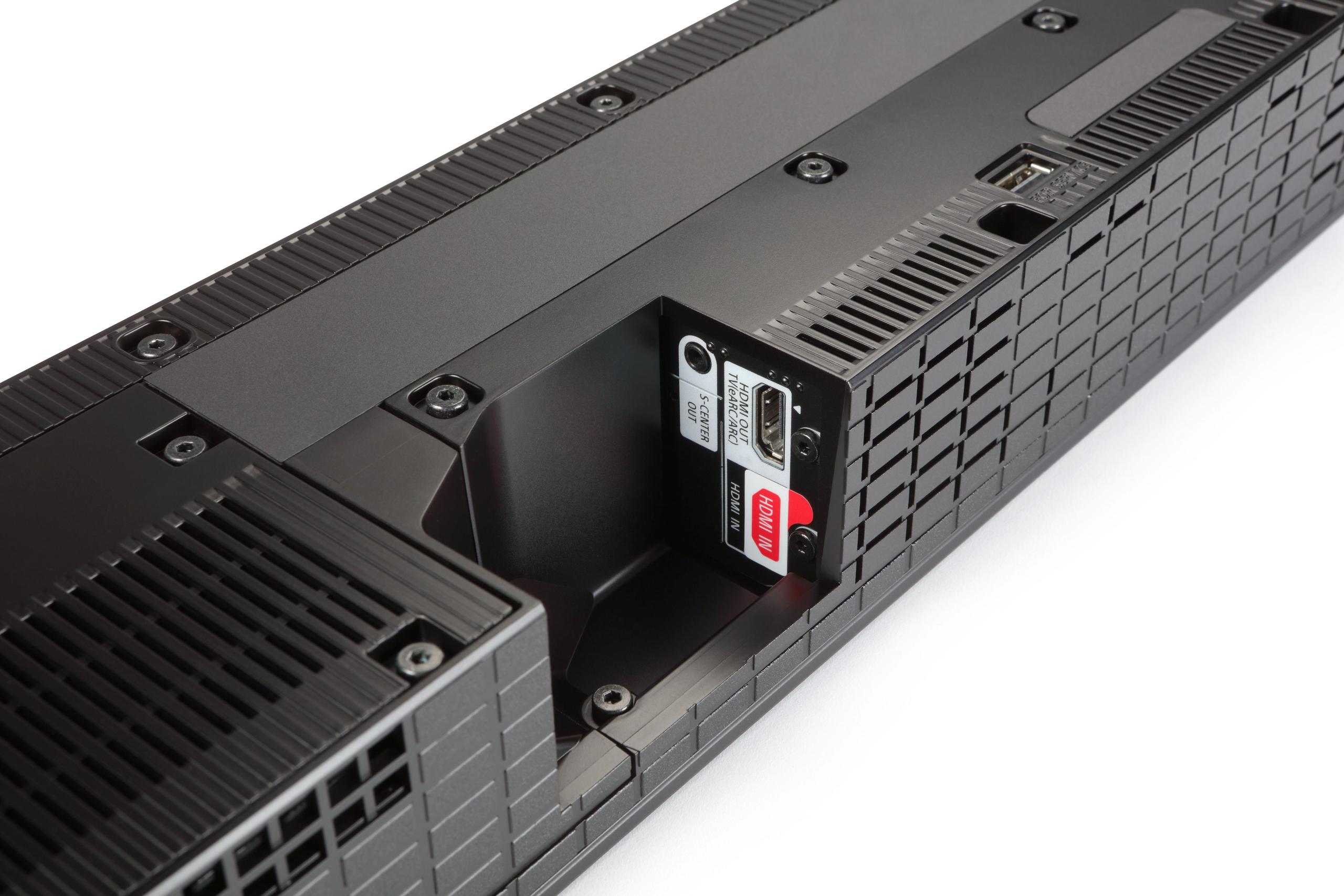
| 1 HDMI input with eARC support | 2 HDMI ports (1 input, 1 eARC output) with 4K/120Hz gaming support |
| Room Calibration - Optimizes sound for your specific space | |
| Basic app-based EQ adjustments | Advanced Sound Field Optimization with room acoustic analysis |
| TV Integration Features - Simplifies control and enhances dialogue | |
| VIZIO QuickFit mounting, basic TV remote control | BRAVIA Sync, Acoustic Centre Sync, Voice Zoom 3 AI dialogue enhancement |
| Expandability Options - Future upgrade potential | |
| Fixed 5.1 configuration, no expansion possible | Modular system allows gradual addition of subwoofer and rear speakers |
| Value Proposition - Performance per dollar spent | |
| Complete surround system at budget-friendly price point | Premium technology requiring additional purchases for full bass response |
The VIZIO 5.1 Soundbar SE provides exceptional value by including everything needed for complete surround sound in one package - the main soundbar, wireless subwoofer, and two rear speakers. The Sony BRAVIA Theater Bar 9 offers premium technology but requires additional purchases for the subwoofer and rear speakers to achieve comparable functionality, making the VIZIO the clear winner for budget-conscious buyers.
The VIZIO 5.1 Soundbar SE comes complete with all speakers included - no additional purchases required. The Sony BRAVIA Theater Bar 9 works as a standalone unit but lacks deep bass without the optional subwoofer, and true surround sound benefits from adding the optional rear speakers. For immediate satisfaction, the VIZIO is ready to go out of the box.
The Sony BRAVIA Theater Bar 9 works better in small spaces since it's a single unit that creates virtual surround sound without requiring rear speaker placement. The VIZIO 5.1 Soundbar SE needs space for positioning the wireless subwoofer and two rear satellites around your seating area, which can be challenging in cramped apartments.
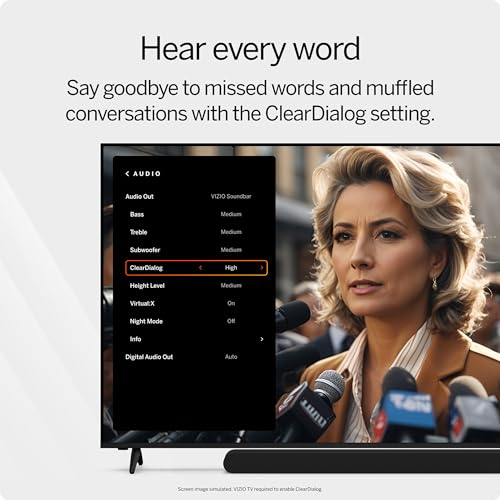
Both soundbars excel at dialogue clarity, but through different approaches. The VIZIO 5.1 Soundbar SE uses a dedicated center channel speaker for anchored, clear voices. The Sony BRAVIA Theater Bar 9 features Voice Zoom 3 AI technology that automatically enhances dialogue levels, making it particularly effective for viewers who struggle with hearing conversations over background music and effects.
The VIZIO 5.1 Soundbar SE delivers superior bass out of the box with its included 6-inch wireless subwoofer that extends down to 50Hz. The Sony BRAVIA Theater Bar 9 relies on built-in woofers and passive radiators, which provide decent bass but can't match the deep, room-filling low-end that a dedicated subwoofer produces without purchasing Sony's optional subwoofer separately.
Both the VIZIO 5.1 Soundbar SE and Sony BRAVIA Theater Bar 9 work with any TV that has HDMI or optical audio outputs. However, the VIZIO offers special QuickFit mounting integration with VIZIO TVs, while the Sony provides enhanced features like Acoustic Centre Sync when paired with Sony BRAVIA TVs.
The VIZIO 5.1 Soundbar SE requires positioning five separate components but uses wireless connections to simplify cabling. The Sony BRAVIA Theater Bar 9 only requires mounting or placing one soundbar but needs more complex room calibration through the app for optimal performance. For truly plug-and-play simplicity, the VIZIO wins despite having more components.
The Sony BRAVIA Theater Bar 9 provides more advanced Dolby Atmos processing with its 13-speaker array and 360 Spatial Sound Mapping technology, creating more convincing overhead effects. The VIZIO 5.1 Soundbar SE offers basic Dolby Atmos support through up-firing drivers in the main bar, delivering noticeable but less sophisticated height effects for the price point.
The Sony BRAVIA Theater Bar 9 offers superior gaming features with HDMI 2.1 support, 4K/120Hz passthrough, and low latency processing. The VIZIO 5.1 Soundbar SE provides excellent game audio with its true surround speakers but lacks the advanced gaming-specific features. Serious gamers should consider the Sony for next-generation console compatibility.
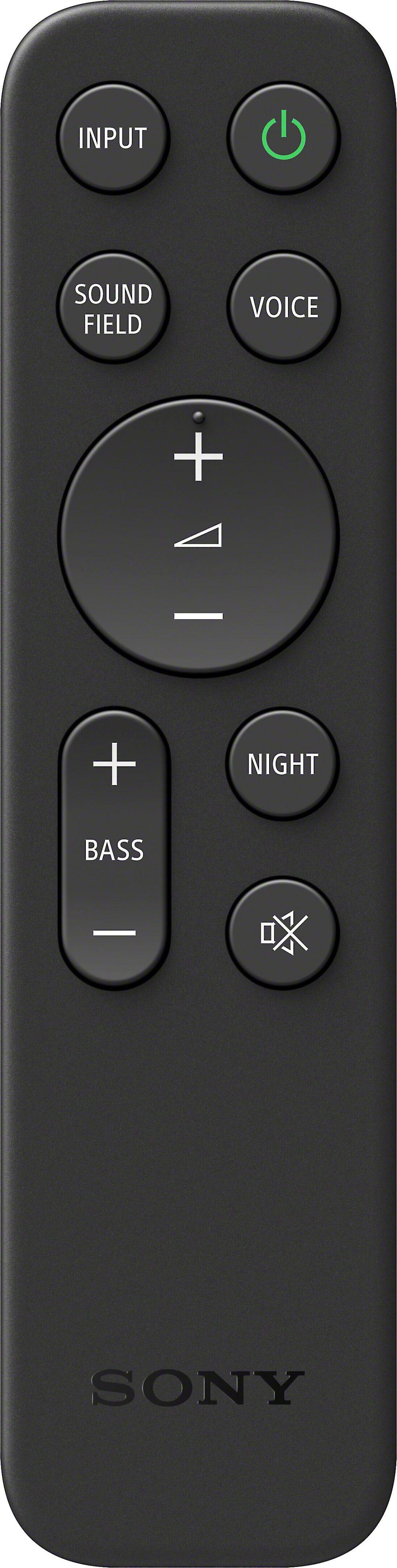
Both soundbars support TV remote control when connected via HDMI eARC. The VIZIO 5.1 Soundbar SE also offers control through the VIZIO mobile app, while the physical remote is sold separately. The Sony BRAVIA Theater Bar 9 includes a physical remote and works with the BRAVIA Connect app for advanced adjustments.
The Sony BRAVIA Theater Bar 9 handles large rooms more effectively with its 51-inch width, 13-speaker configuration, and room calibration technology that adapts to your space's acoustics. The VIZIO 5.1 Soundbar SE works well in medium-sized rooms but may struggle to fill very large spaces despite having dedicated surround speakers positioned around the room.
For music playback, the Sony BRAVIA Theater Bar 9 offers more refined audio quality with specialized tweeters and X-Balanced Speaker Units that reduce distortion. The VIZIO 5.1 Soundbar SE provides good music reproduction with its balanced frequency response and dedicated subwoofer for bass impact. Audiophiles will prefer the Sony, while casual listeners will find the VIZIO perfectly satisfying for streaming music.
We've done our best to create useful and informative comparisons to help you decide what product to buy. Our research uses advanced automated methods to create this comparison and perfection is not possible - please contact us for corrections or questions. These are the sites we've researched in the creation of this article: bestbuy.com - vizio.com - rtings.com - vizio.com - vizio.com - vizio.com - youtube.com - vizio.com - vizio.com - cnet.com - samsclub.com - walmart.com - nfm.com - finelinesdesignstudio.com - dugoutnorthbrook.com - bestbuy.com - rtings.com - residentialsystems.com - rtings.com - bestbuy.com - valueelectronics.com - sony.com - sony.co.uk - sony.co.uk - rtings.com - sony.co.in - sony.com - pocket-lint.com - sony.com - crutchfield.com

Privacy Policy
Terms and Conditions - Affiliate Policy
Home Security
© Copyright 2008-2026.
11816 Inwood Rd #1211, Dallas, TX 75244