







If you're shopping for a high-end soundbar, you've probably noticed that the premium segment has exploded in recent years. Gone are the days when a soundbar was just a simple upgrade from TV speakers. Today's flagship models are sophisticated audio systems that can genuinely compete with traditional home theater setups, but they take very different approaches to get there.
Two standout options represent opposite philosophies in premium soundbar design: the Devialet Dione and the Sony BRAVIA Theater Bar 9. At the time of writing, these products sit in different price tiers but serve similar roles as flagship soundbars. The Devialet Dione positions itself as an ultra-premium, no-compromise solution, while the Sony BRAVIA Theater Bar 9 offers flagship performance at a more accessible price point with smart expandability features.
Understanding these different approaches is crucial because your choice will determine not just how your system sounds today, but how it might evolve with your needs over time.
The premium soundbar category represents a fascinating intersection of acoustic engineering, digital signal processing, and industrial design. Unlike budget options that simply boost TV audio, these systems aim to create genuine surround sound experiences without the complexity of multiple speakers scattered around your room.
The key technologies that separate premium soundbars from mainstream options include advanced room correction (systems that automatically tune the sound to your specific space), sophisticated driver arrangements that create virtual surround effects, and high-quality amplification that maintains clarity even at loud volumes. Dolby Atmos support has become table stakes, but implementation varies dramatically between manufacturers.
What's particularly interesting is how different companies approach the fundamental challenge of creating surround sound from a single bar. Some focus on pure acoustic engineering - using precisely positioned drivers and advanced signal processing. Others emphasize smart software that adapts to your room and content. The Devialet Dione and Sony BRAVIA Theater Bar 9 represent these two philosophies taken to their logical extremes.
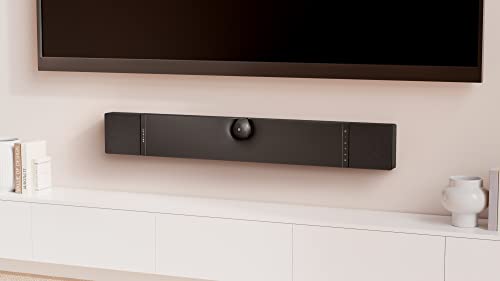
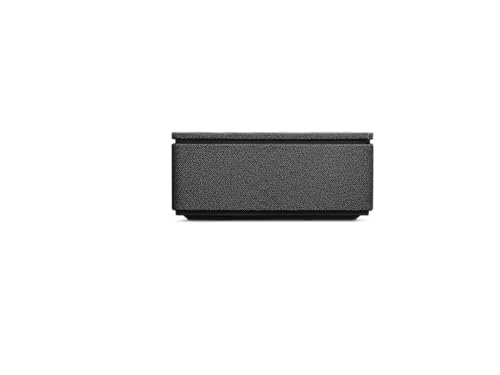
Released in 2022, the Devialet Dione represents what happens when a company known for ultra-high-end speakers decides to tackle the soundbar market. Devialet built their reputation on mathematical precision in audio reproduction, and they've applied that same obsessive attention to detail to the Dione.
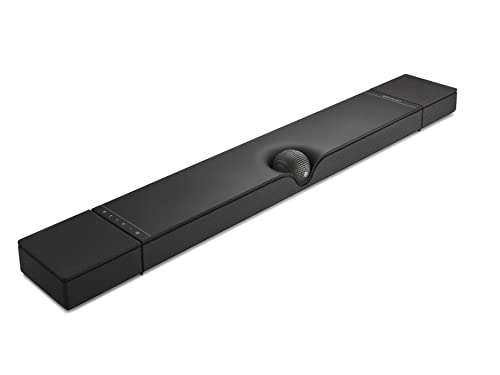
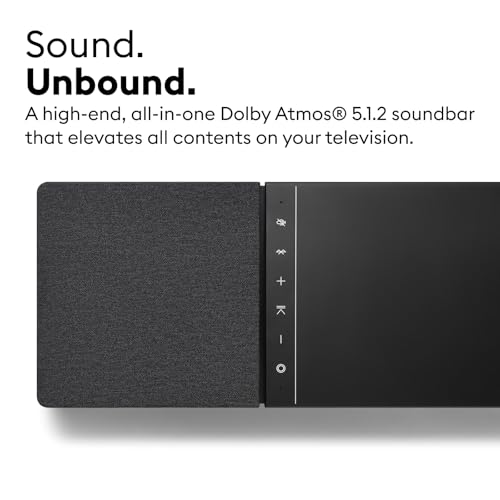
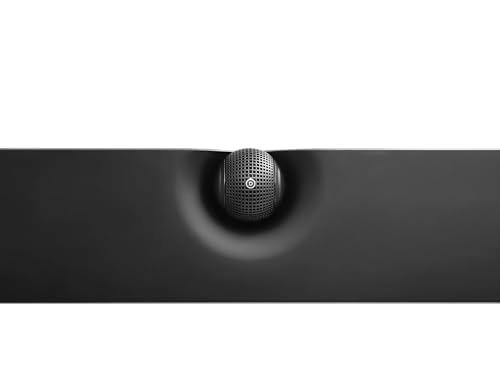
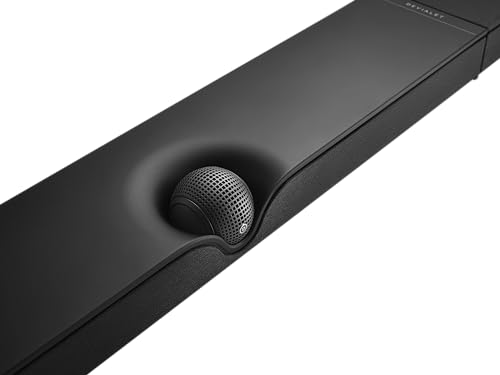
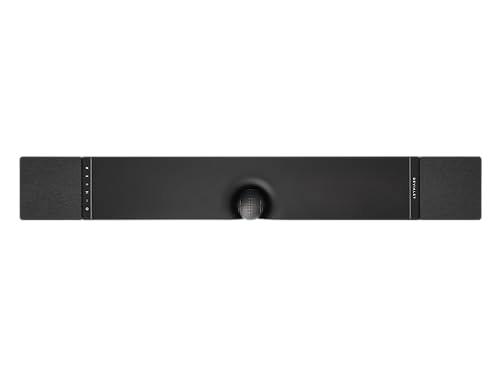
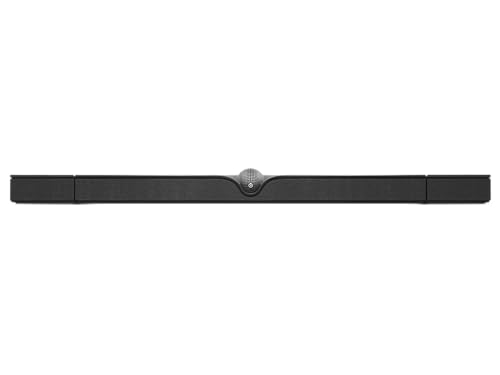
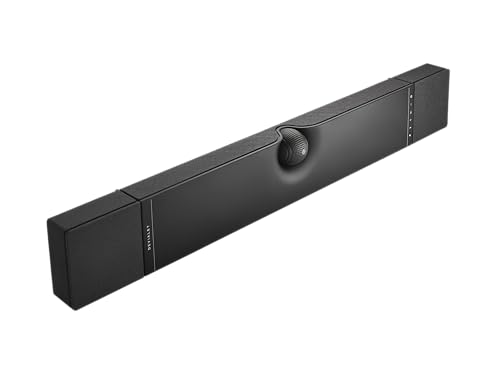
The most striking feature is the rotating ORB center channel - a spherical speaker that mechanically rotates 180 degrees depending on whether you mount the bar on a wall or place it on furniture. This isn't just a gimmick; center channel placement is critical for dialogue clarity, and the Dione's ORB ensures optimal positioning regardless of installation. When you mount the bar vertically on a wall, the ORB rotates to face forward. Place it horizontally on a TV stand, and it adjusts accordingly.
But the real magic happens inside. The Dione packs 17 drivers into its sleek aluminum enclosure: nine full-range aluminum dome drivers for midrange and treble, plus eight long-throw woofers arranged in what Devialet calls a "push-push" configuration. This arrangement means opposing drivers cancel out each other's vibrations, dramatically reducing cabinet resonance that can muddy the sound.
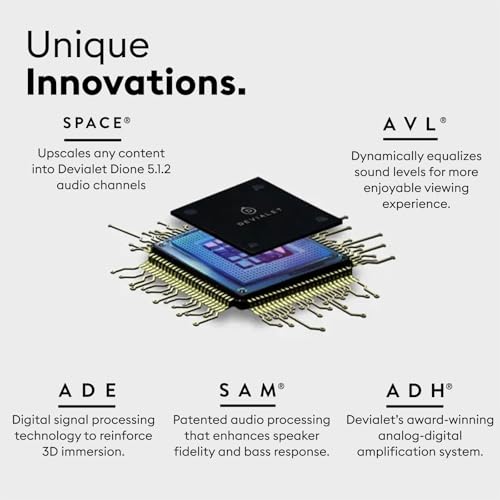
The Dione's most sophisticated technology is ADH (Analog Digital Hybrid) amplification. Traditional amplifiers are either Class A (pure but inefficient) or Class D (efficient but potentially harsh). ADH combines both: a Class A amplifier defines the signal's character and purity, while Class D stages provide the power and efficiency. This hybrid approach delivers the sonic purity audiophiles crave with the efficiency needed for a compact soundbar.
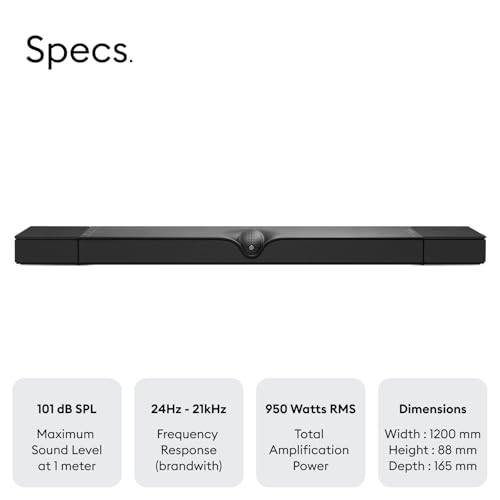
The numbers are impressive: 950 watts RMS driving all 17 speakers, with distortion levels below 0.001%. That's performance you'd expect from separate audiophile components, not a soundbar.
Perhaps most impressively, the Dione includes SAM (Speaker Active Matching) technology. This system uses mathematical models of each driver's behavior to correct for non-linearities in real-time. Essentially, it predicts how each speaker will behave with any given signal and pre-compensates to ensure the acoustic output matches the electrical input perfectly.
The result is bass extension down to 24Hz - true subwoofer territory - without needing a separate sub. In our research of user experiences, owners consistently report being shocked by the depth and control of bass from such a slim unit. This is particularly impressive given that most soundbars in this price range either include a separate subwoofer or sacrifice low-end extension.
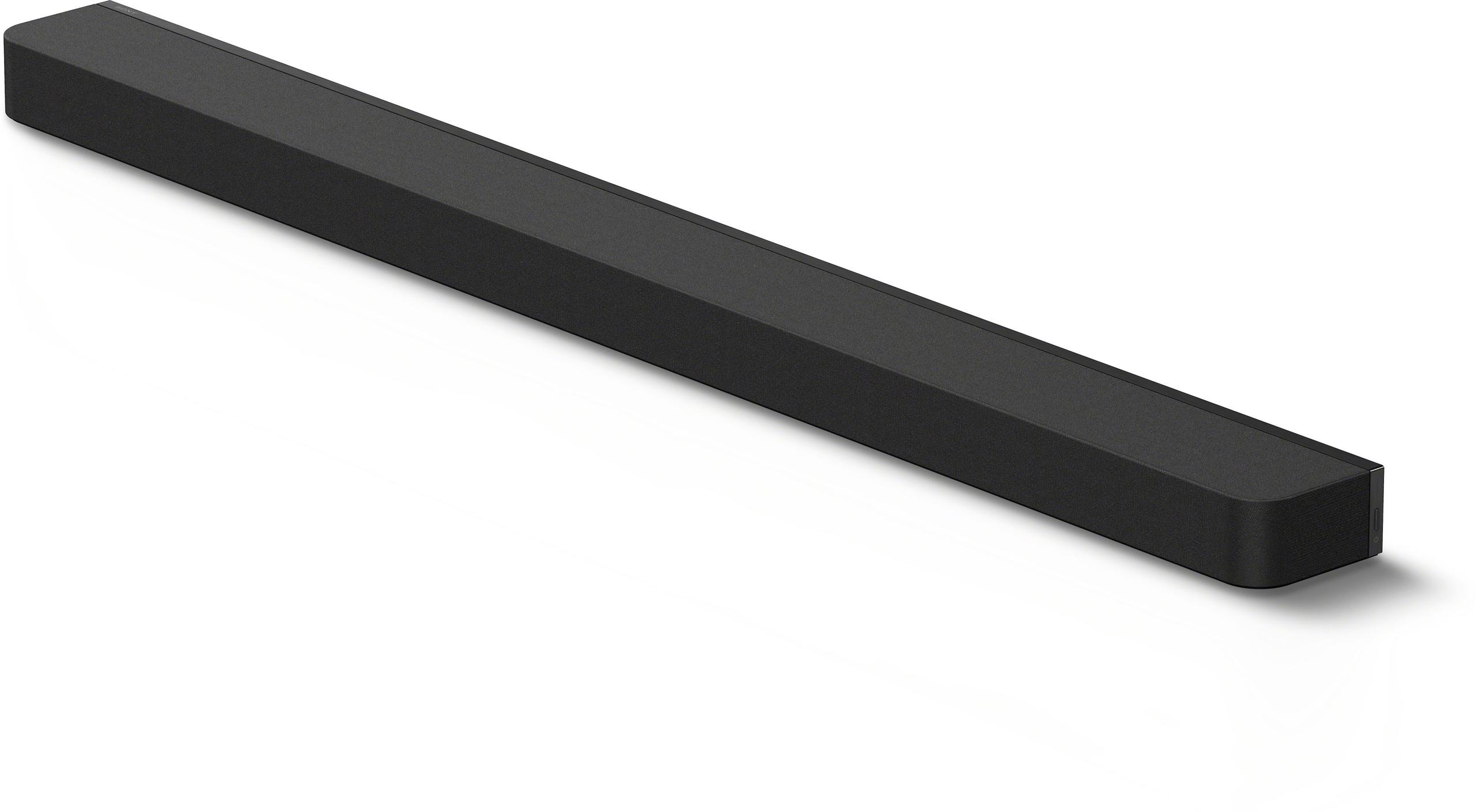
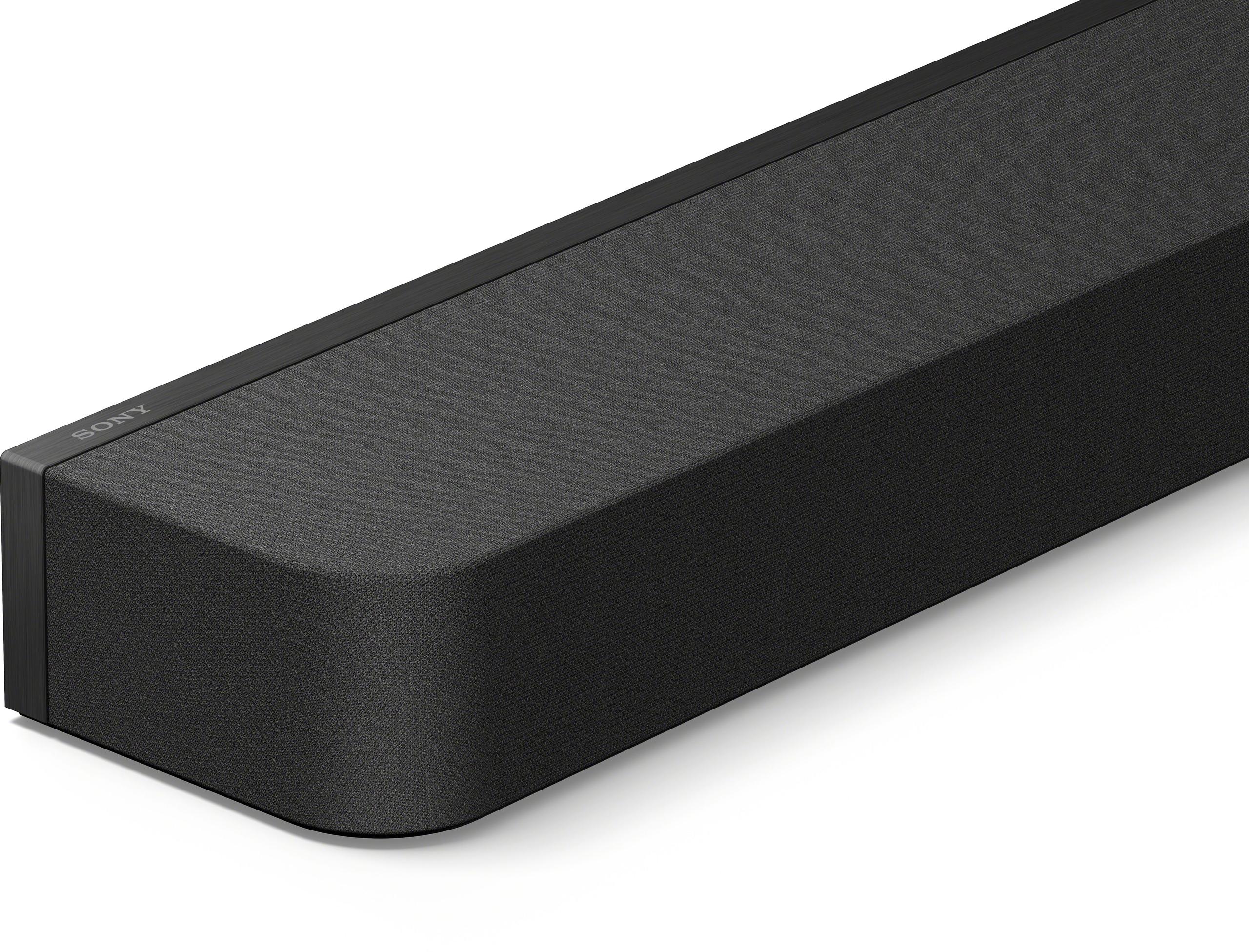
Sony took a completely different approach with the BRAVIA Theater Bar 9, released in 2024. Rather than focusing solely on acoustic perfection, Sony built a system designed to integrate seamlessly with modern home entertainment ecosystems while offering genuine expandability.
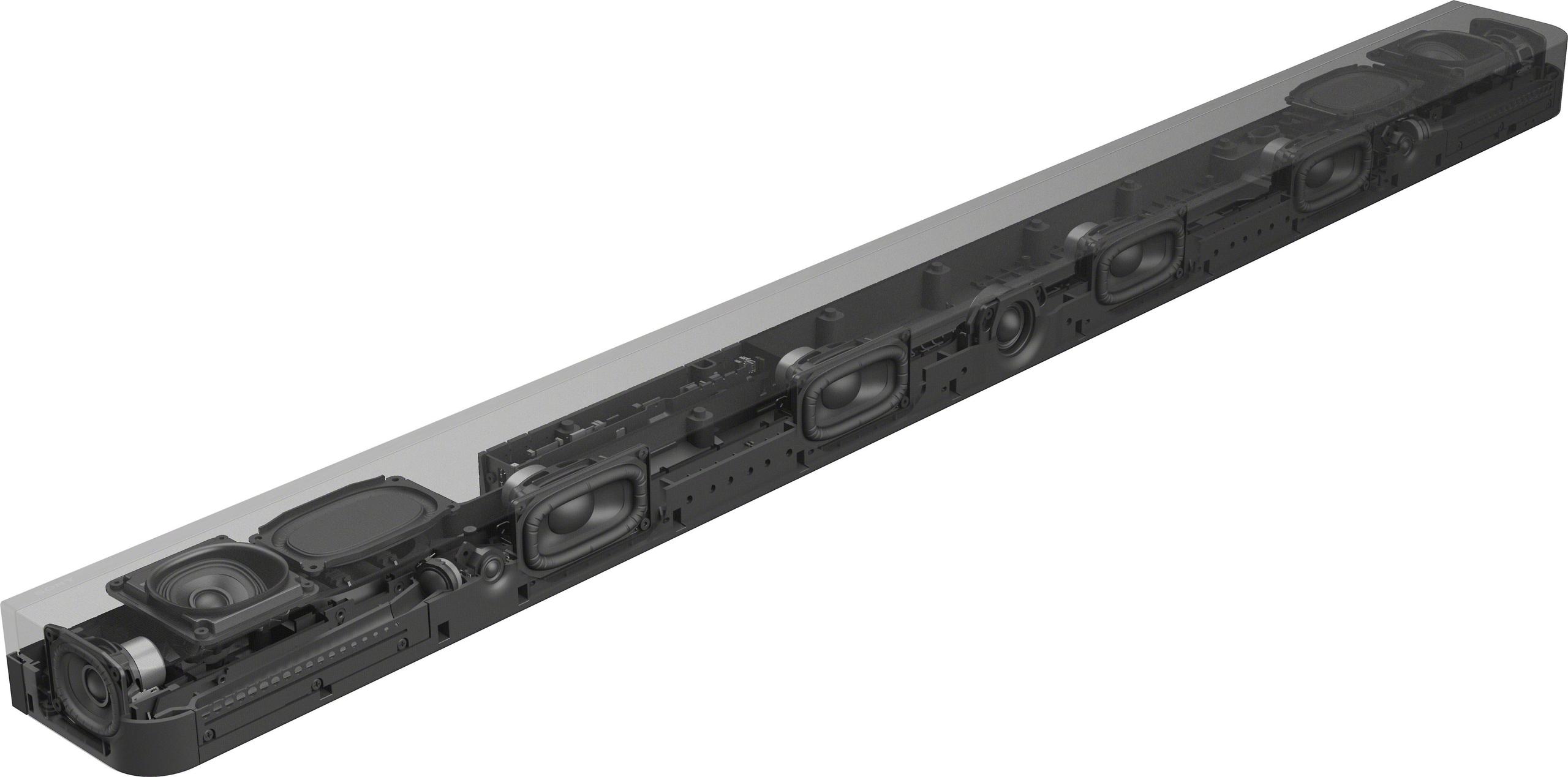
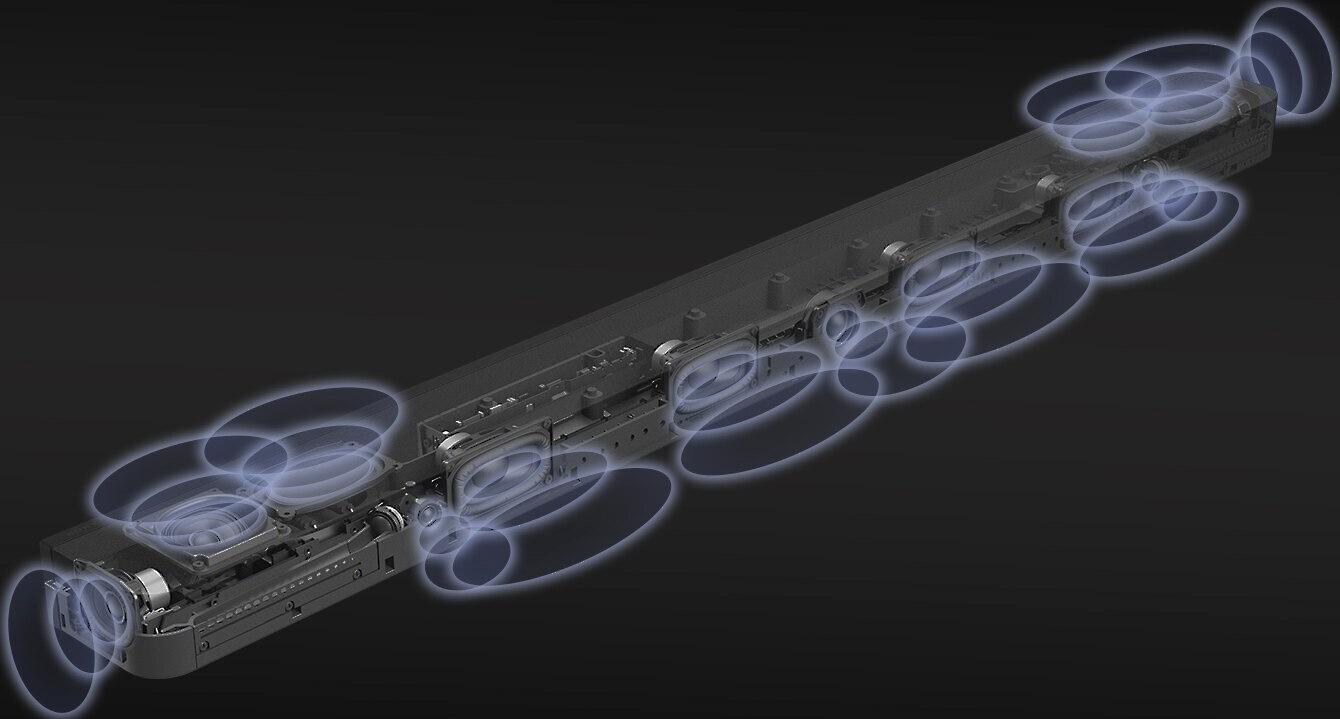
The Sony bar uses 13 speakers in a 7.0.2 configuration, which differs significantly from the Dione's 5.1.2 setup. The additional channels allow for more sophisticated surround processing, particularly with Sony's 360 Spatial Sound Mapping technology.
This technology deserves explanation because it's genuinely innovative. The Sony bar analyzes your room acoustically, then uses precise timing and frequency adjustments across its 13 drivers to create "phantom speakers" - locations where your brain perceives sound as coming from, even though no physical speaker exists there.
The system can simulate up to 11 phantom speakers throughout your room, including behind your seating position. This works by carefully controlling how sound reflects off your walls and ceiling. It's not just marketing speak - user reviews consistently mention being surprised by sounds seeming to come from behind them, even with just the soundbar in place.
One of the most clever features is Acoustic Centre Sync, which works with compatible Sony BRAVIA TVs. The Sony bar can actually use your TV's speakers as part of the system, specifically for center channel duties. This creates a more convincing soundstage because dialogue literally comes from the screen, rather than from below it.
This kind of integration represents where soundbars are heading - not just as audio add-ons, but as part of a cohesive entertainment system where every component works together.
Bass performance separates good soundbars from great ones, and these two take completely different approaches. The Devialet Dione achieves full-range response through pure engineering - those eight push-push woofers and SAM processing deliver legitimate 24Hz extension with remarkable control and precision.
Based on our analysis of user feedback and professional measurements, the Dione produces bass that rivals dedicated subwoofers. Owners report feeling the impact of explosions and music's low-end without any of the bloating or one-note behavior common in soundbar bass. The push-push driver arrangement means you get powerful bass without the cabinet vibrations that can rattle furniture or disturb neighbors.
The Sony BRAVIA Theater Bar 9, however, requires Sony's optional subwoofer to achieve comparable low-end extension. While this might seem like a disadvantage, it actually offers flexibility - you can start with just the bar and add the subwoofer later if you find you need more bass impact.
Both systems excel at dialogue reproduction, but through different methods. The Dione's rotating ORB center channel provides optimal positioning no matter how you install it, while its Class A amplification maintains incredible clarity even at low volumes.
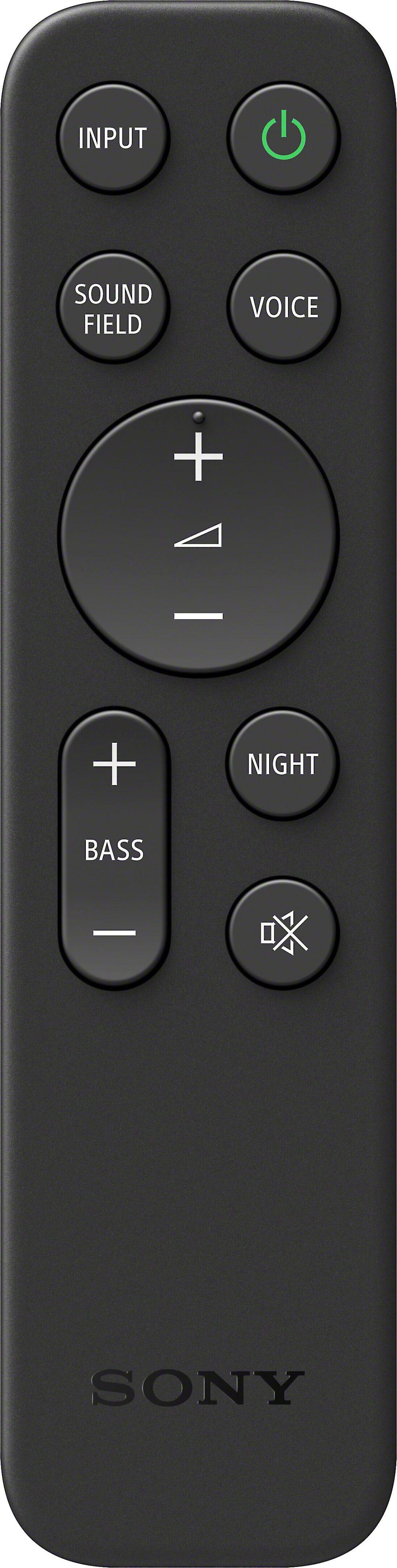
The Sony bar uses Voice Zoom 3, an AI-powered system that analyzes audio in real-time to identify and enhance speech. It can automatically boost dialogue during quiet scenes or reduce it during loud action sequences to maintain intelligibility without constant volume adjustments.
In practice, both approaches work well, but the Dione provides more consistent performance across all content types, while the Sony bar adapts more intelligently to what you're actually watching.
Dolby Atmos implementation reveals the fundamental differences between these systems. The Dione creates height effects through precise driver positioning and its ADE (Advanced Dimensional Experience) processing. This system models how sound reflects in your specific room and adjusts accordingly.
The Sony bar relies more heavily on processing, using its 360 Spatial Sound Mapping to create convincing height effects. User reports suggest the Sony system creates a wider, more enveloping soundfield, while the Dione provides more precise, accurate positioning of effects.
For movies with spectacular Atmos mixes - think Top Gun: Maverick or Dune - both systems deliver genuinely impressive results. The Sony bar might feel more dramatic and encompassing, while the Dione provides more accurate imaging that purist audiophiles prefer.
This is where the Devialet Dione really shines. Devialet's audio engineering background shows in music reproduction - the system includes a dedicated Music Mode that disables all spatial processing and presents a pure stereo image with exceptional clarity and dynamics.
The combination of ADH amplification, SAM processing, and high-quality aluminum drivers delivers music reproduction that genuinely competes with dedicated stereo systems. Owners frequently report using the Dione primarily for music, with movie watching as a secondary benefit.
The Sony bar handles music well, particularly with its Spatial Mode that can create an interesting 3D presentation of stereo recordings. However, it's clearly optimized for home theater use first, with music being a strong secondary capability rather than a primary focus.
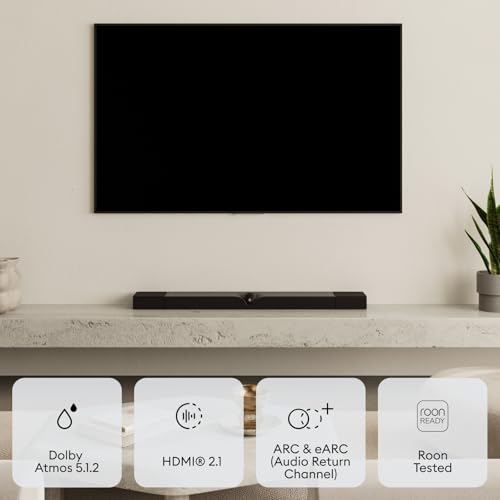
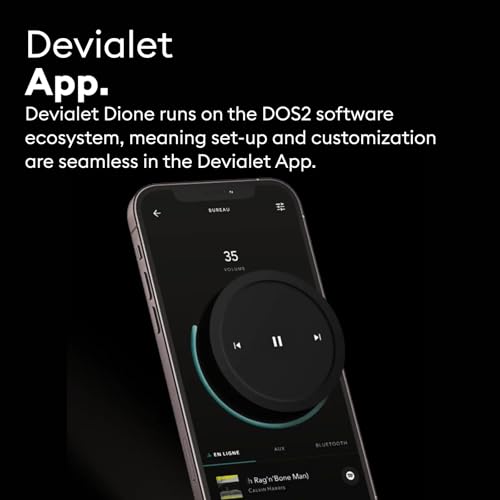
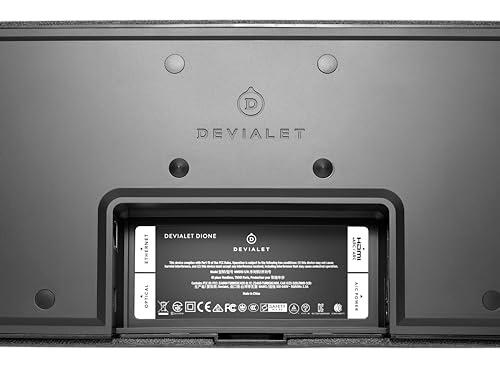
Both systems handle modern connectivity well, but with different emphases. The Dione supports all the essential protocols - HDMI eARC, AirPlay 2, Spotify Connect, and Bluetooth 5.0 - but keeps things relatively simple. Room calibration happens automatically through built-in microphones, and the system adapts to your space without requiring complex setup procedures.
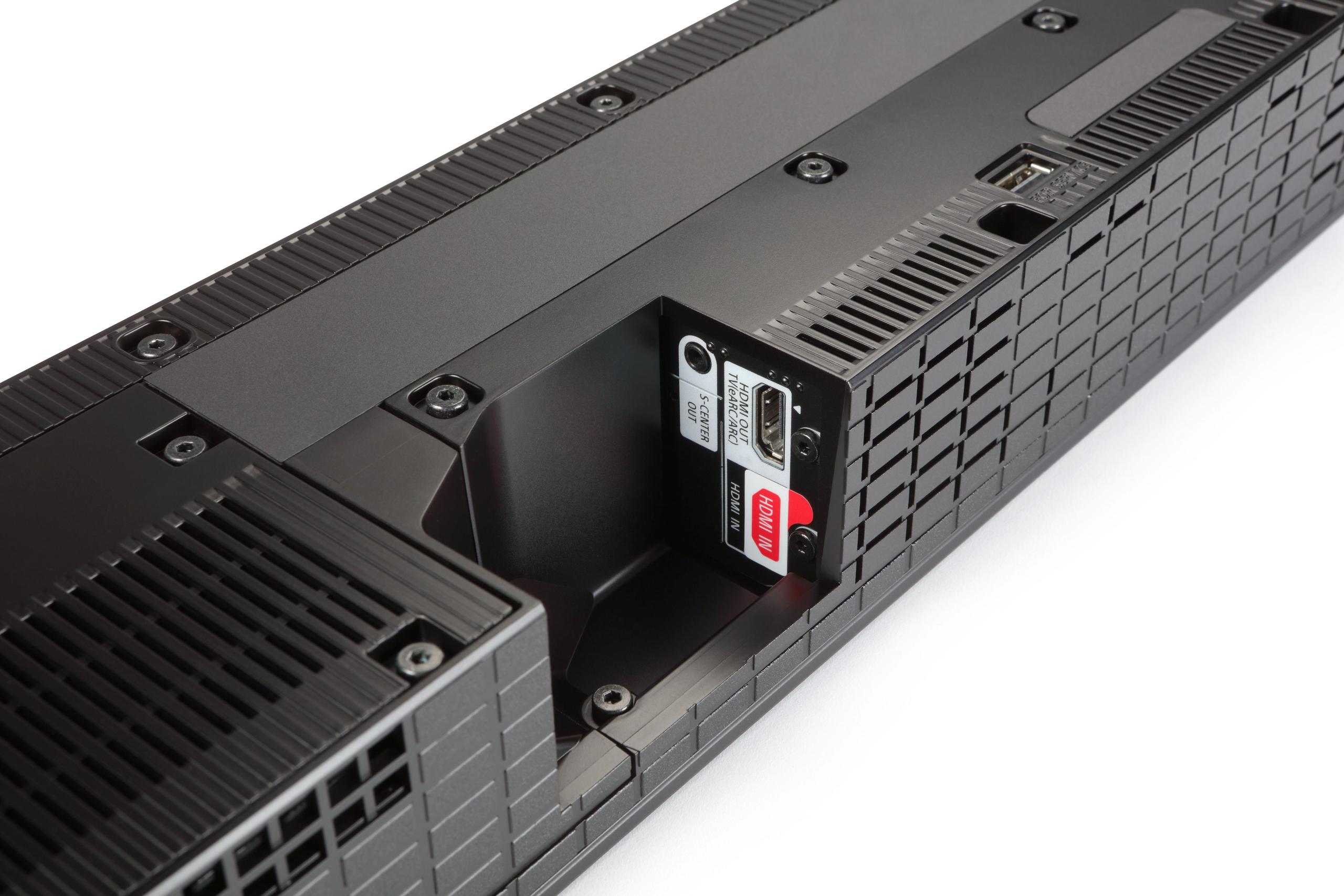
The Sony bar goes further with gaming-specific features like Variable Refresh Rate (VRR) and Auto Low Latency Mode (ALLM) support through its HDMI 2.1 implementation. If you're using modern gaming consoles, these features ensure minimal input lag and smooth gameplay.
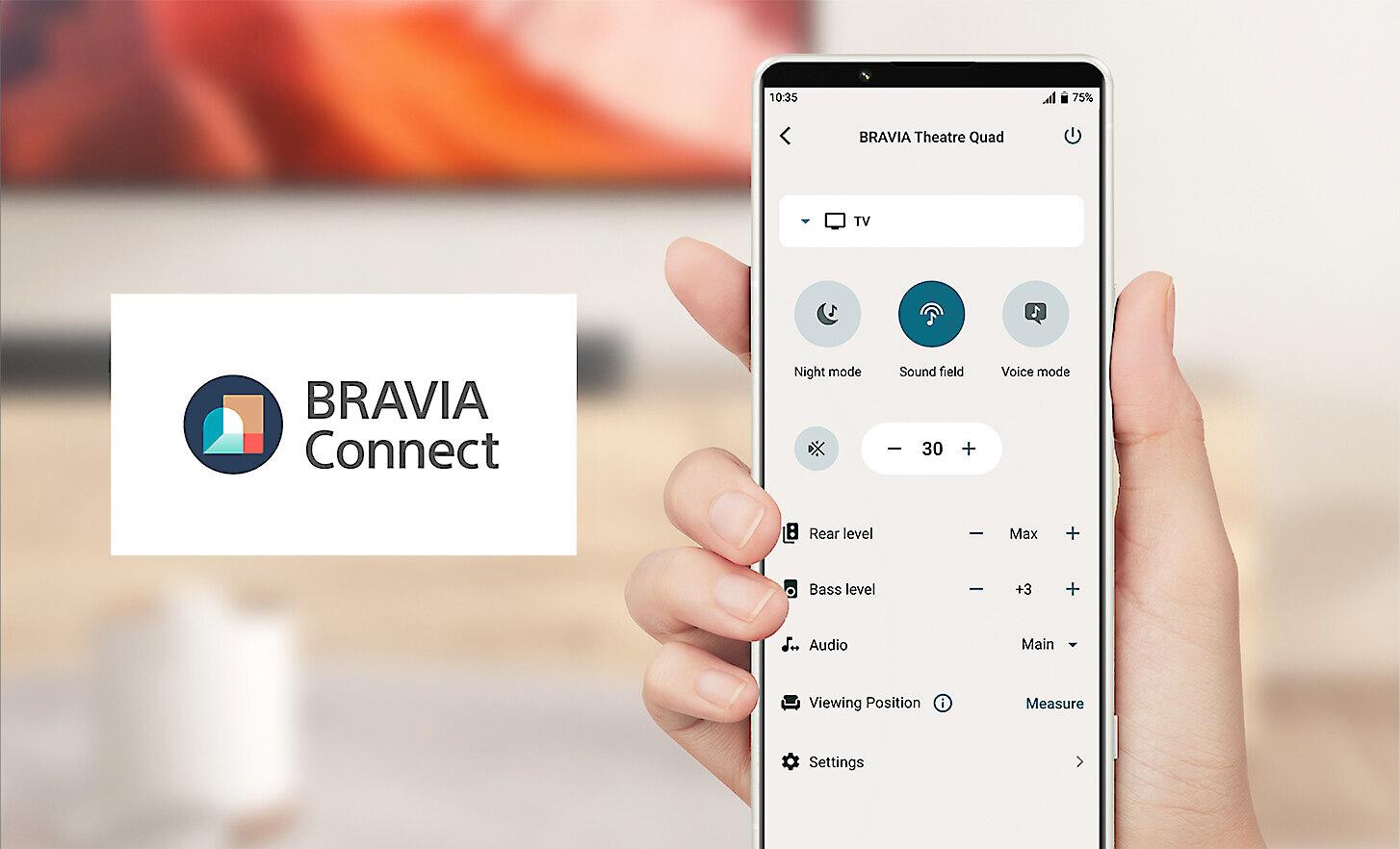
Sony's integration with their TV ecosystem provides unified control - when paired with a compatible BRAVIA TV, you can control soundbar settings directly through the TV's interface. This kind of seamless integration is where Sony excels.
This is perhaps the biggest philosophical difference between these systems. The Devialet Dione is designed as a complete solution - you don't add to it, you simply enjoy what it provides. This approach works brilliantly if the Dione meets all your needs, but offers no upgrade path if you want more.
The Sony bar embraces modularity. You can add Sony's wireless subwoofer and rear speakers to create a full 7.1.4 system. The rear speakers provide genuine surround localization that no single soundbar can match, while the subwoofer extends bass response beyond what the bar alone can achieve.
This expandability comes at a cost - the full Sony system with subwoofer and rears approaches the Dione's price point while requiring multiple components and more complex setup. But it also offers flexibility to build your system gradually or adapt to different rooms and needs.
For serious home theater enthusiasts, both systems offer compelling but different propositions. The Dione provides audiophile-grade sound quality in the simplest possible package. If you want the cleanest, most elegant setup with uncompromising sound quality, it's hard to beat.
The Sony system better serves those building comprehensive entertainment centers. The TV integration, gaming features, and expandability make it a more natural choice for complex setups with multiple sources and specific requirements.
Choose the Devialet Dione if you prioritize sound quality above all else and value simplicity. This system excels in high-end condos or living rooms where aesthetics matter as much as performance. It's ideal for users who listen to music as much as they watch movies and want a single solution that handles both beautifully.
The Dione also makes sense if you don't want to think about your audio system - just set it up once and enjoy exceptional sound for years. The automatic room calibration and adaptive processing mean it works well in various spaces without tweaking.
Go with the Sony BRAVIA Theater Bar 9 if you want flexibility and integration features. This system serves users building entertainment ecosystems, particularly those with Sony TVs or gaming consoles. The expandability means you can start with just the bar and add components as budget allows or needs change.
The Sony bar also makes more sense in larger rooms where you might eventually want rear speakers for true surround sound. While both systems create convincing virtual surround, nothing beats actual speakers behind you for the most immersive experience.
Both the Devialet Dione and Sony BRAVIA Theater Bar 9 represent the pinnacle of soundbar engineering, just from opposite directions. The Dione proves that uncompromising acoustic engineering can deliver reference-quality sound from a single elegant component. The Sony bar shows how smart integration and expandability can create systems that adapt and grow with your needs.
Your choice ultimately depends on whether you value ultimate sound quality and simplicity (Dione) or smart features and future flexibility (Sony). Either way, you're getting technology that would have been impossible just a few years ago, representing just how far premium soundbars have evolved from their humble TV-speaker-replacement origins.
| Devialet Dione | Sony BRAVIA Theater Bar 9 |
|---|---|
| Channel Configuration - Determines surround sound capability | |
| 5.1.2 Dolby Atmos with 17 drivers | 7.0.2 Dolby Atmos with 13 speakers |
| Bass Extension - Critical for movie impact without separate subwoofer | |
| 24Hz-21kHz (built-in subwoofers, no external sub needed) | Requires optional subwoofer for deep bass extension |
| Total Power Output - Affects maximum volume and dynamic range | |
| 950W RMS with ADH amplification | Lower power but efficient Class D amplification |
| Unique Center Channel - Affects dialogue clarity and installation flexibility | |
| Rotating ORB sphere adjusts to wall mount or tabletop placement | Fixed center channel with Acoustic Centre Sync for Sony TVs |
| Room Calibration - Optimizes sound for your specific space | |
| Automatic calibration with 4 built-in microphones | Sound Field Optimization with advanced room analysis |
| Connectivity Options - Determines compatibility with your devices | |
| HDMI 2.1 eARC, Optical, Wi-Fi, Bluetooth 5.0, AirPlay 2, Spotify Connect | HDMI 2.1 eARC with gaming features (VRR, ALLM), Wi-Fi, Bluetooth 5.2, AirPlay 2 |
| Audio Format Support - Compatibility with different content types | |
| Dolby Atmos, Dolby Digital variants (no DTS support) | Dolby Atmos, DTS:X, full format compatibility |
| Expandability - Ability to add components later | |
| Standalone design, no expansion options | Can add wireless subwoofer and rear speakers for full 7.1.4 system |
| Smart TV Integration - Seamless control and setup | |
| Basic HDMI CEC control | Deep Sony BRAVIA integration with unified interface |
| Build Quality and Design - Long-term durability and aesthetics | |
| Premium aluminum construction with distinctive ORB design | Sleek profile optimized for Sony TV pairing |
| Target Use Case - Best suited for | |
| Audiophile-focused all-in-one solution prioritizing music and movie quality | Expandable home theater system with gaming and ecosystem integration |
The Devialet Dione delivers exceptional bass performance without requiring a separate subwoofer, extending down to 24Hz thanks to its eight integrated long-throw woofers in a push-push configuration. The Sony BRAVIA Theater Bar 9 provides good mid-bass but requires Sony's optional subwoofer to achieve deep low-frequency extension comparable to the Devialet Dione.
While the Sony BRAVIA Theater Bar 9 works with any TV, you'll get the best experience when paired with a compatible Sony BRAVIA TV. Features like Acoustic Centre Sync (which uses your TV as a center speaker) and unified control interface only work with Sony TVs. The Devialet Dione provides consistent performance regardless of your TV brand.
The Devialet Dione excels at music reproduction with its dedicated Music Mode, ADH amplification, and audiophile-grade engineering. It delivers stereo music with exceptional clarity and dynamics that rivals dedicated hi-fi systems. The Sony BRAVIA Theater Bar 9 handles music well but is primarily optimized for home theater use rather than critical music listening.
The Sony BRAVIA Theater Bar 9 offers excellent expandability - you can add Sony's wireless subwoofer and rear speakers to create a full 7.1.4 surround system. The Devialet Dione is designed as a complete standalone solution with no expansion options, but it's engineered to provide exceptional performance without additional components.
Both soundbars deliver impressive Dolby Atmos experiences but through different approaches. The Sony BRAVIA Theater Bar 9 uses 360 Spatial Sound Mapping to create a wider, more enveloping soundfield with phantom speakers. The Devialet Dione provides more precise, accurate positioning of Atmos effects through its advanced driver arrangement and ADE processing technology.
The Sony BRAVIA Theater Bar 9 includes comprehensive gaming support with HDMI 2.1 features like Variable Refresh Rate (VRR), Auto Low Latency Mode (ALLM), and Source-Based Tone Mapping (SBTM) for optimal gaming performance. The Devialet Dione supports HDMI 2.1 eARC but lacks the specialized gaming features found in the Sony model.
The Devialet Dione offers simpler setup with automatic room calibration and minimal configuration required - it's designed as a plug-and-play solution. The Sony BRAVIA Theater Bar 9 provides more customization options and features but may require more initial setup, especially when adding optional components or configuring TV integration features.
The Devialet Dione focuses on audiophile-grade sound quality with its ADH amplification, SAM speaker matching technology, and premium aluminum drivers delivering exceptionally low distortion. The Sony BRAVIA Theater Bar 9 emphasizes smart processing and spatial effects, providing excellent sound quality with more emphasis on immersive surround sound than pure audiophile fidelity.
The Devialet Dione is ideal for apartments due to its all-in-one design, powerful built-in bass that won't disturb neighbors (thanks to push-push driver configuration), and automatic room adaptation. The Sony BRAVIA Theater Bar 9 can work well in apartments but may require additional components for optimal performance, potentially creating a more complex setup.
Both soundbars offer comprehensive wireless streaming. The Devialet Dione supports AirPlay 2, Spotify Connect, Bluetooth 5.0, and UPnP streaming. The Sony BRAVIA Theater Bar 9 includes similar streaming options with Bluetooth 5.2, AirPlay 2, and Spotify Connect, plus better integration with Sony's ecosystem and gaming platforms.
Both excel at dialogue reproduction through different methods. The Devialet Dione uses its rotating ORB center channel for optimal positioning and Class A amplification for exceptional clarity at any volume. The Sony BRAVIA Theater Bar 9 employs Voice Zoom 3 AI technology that automatically enhances speech and can use compatible Sony TVs as center speakers for dialogue that comes directly from the screen.
The Devialet Dione offers long-term value through its complete, no-compromise engineering that won't require upgrades or additional components. The Sony BRAVIA Theater Bar 9 provides value through its expandable design - you can start with just the bar and add components over time, potentially spreading costs and adapting the system as your needs change.
We've done our best to create useful and informative comparisons to help you decide what product to buy. Our research uses advanced automated methods to create this comparison and perfection is not possible - please contact us for corrections or questions. These are the sites we've researched in the creation of this article: rtings.com - crutchfield.com - devialet.com - ooberpad.com - bhphotovideo.com - kjwestone.co.uk - whathifi.com - devialet.com - devialet.com - sound-advice.online - kjwestone.co.uk - device.report - tmraudio.com - devialet.com - devialetchat.com - projectorscreen.com - soundandvision.com - bestbuy.com - youtube.com - av.com - audiofi.ca - devialet.com - blog.son-video.com - audioconnection.com.au - baybloorradio.com - cdn.abicart.com - smarthomesounds.co.uk - e-piphany.co.za - cloneyaudio.com - devialet.com - catalog.asbis.ee - av.com - soundandvision.com - youtube.com - comparisontabl.es - rtings.com - residentialsystems.com - rtings.com - bestbuy.com - valueelectronics.com - sony.com - sony.co.uk - sony.co.uk - rtings.com - sony.co.in - sony.com - pocket-lint.com - sony.com - crutchfield.com

Privacy Policy
Terms and Conditions - Affiliate Policy
Home Security
© Copyright 2008-2026.
11816 Inwood Rd #1211, Dallas, TX 75244