


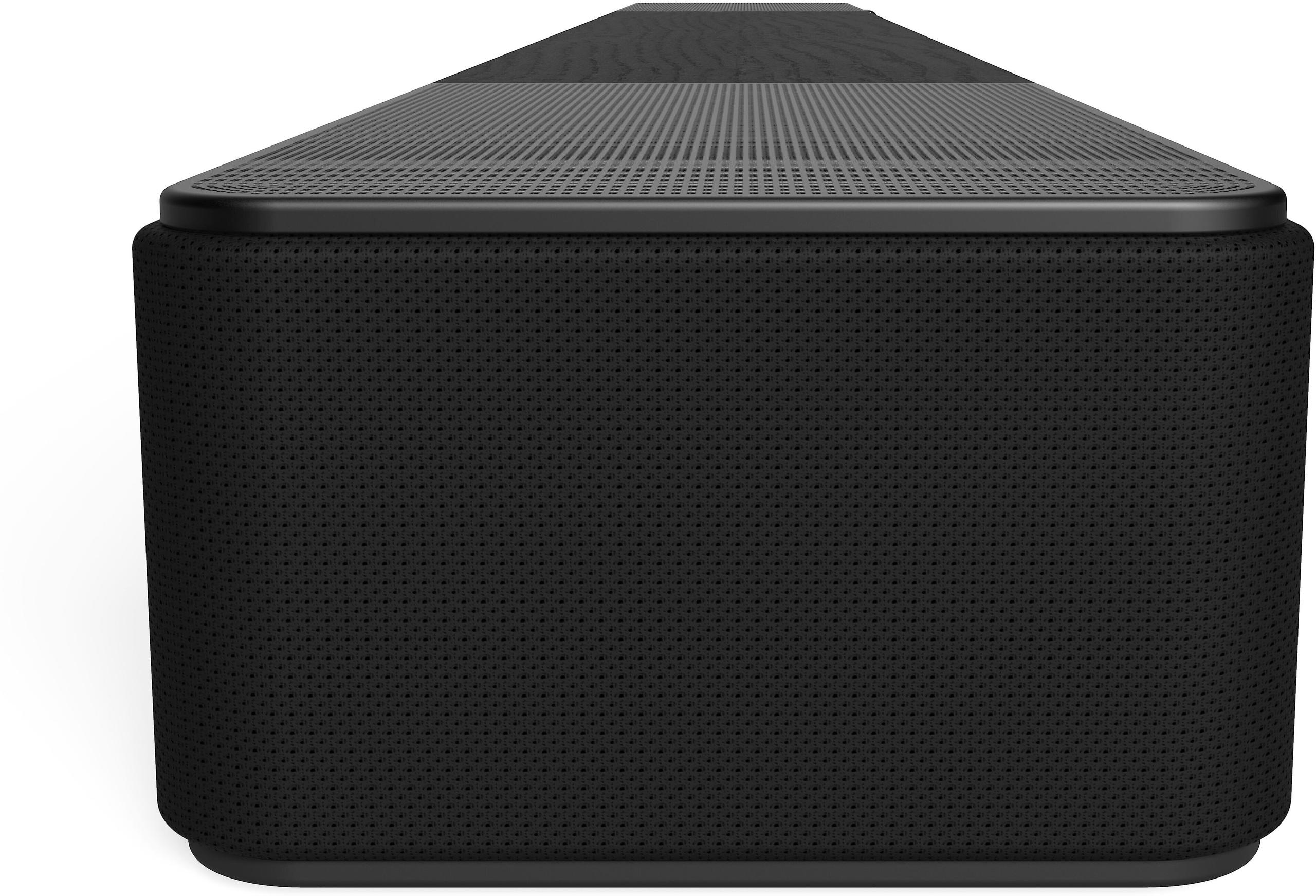

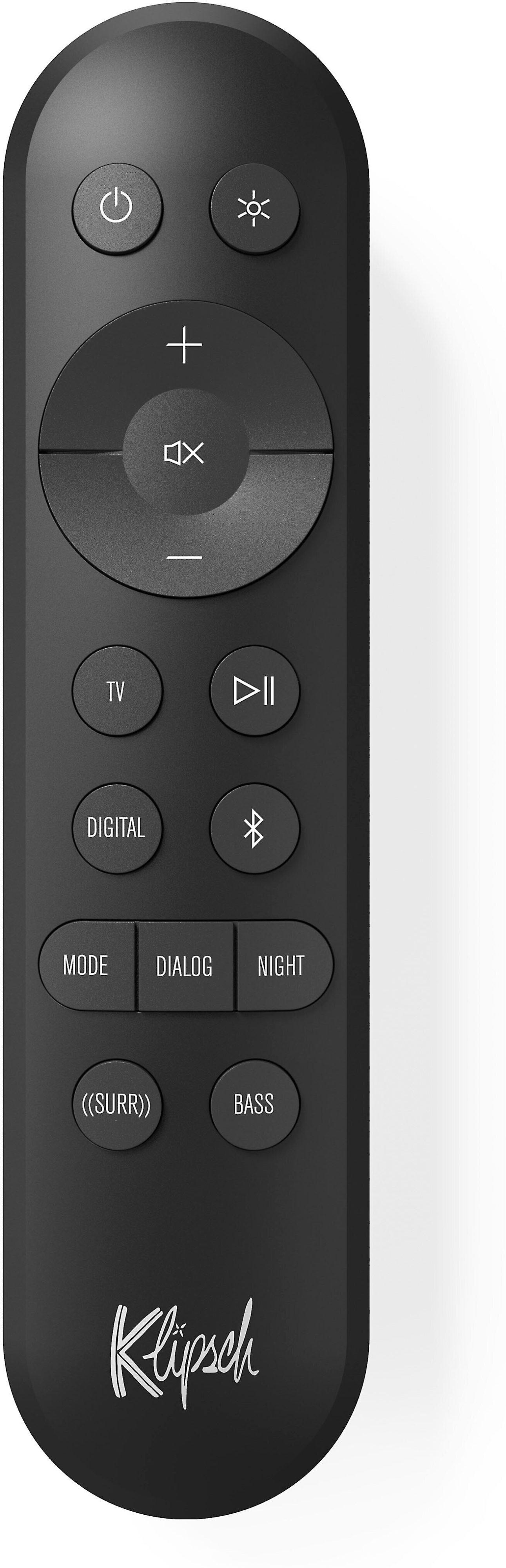
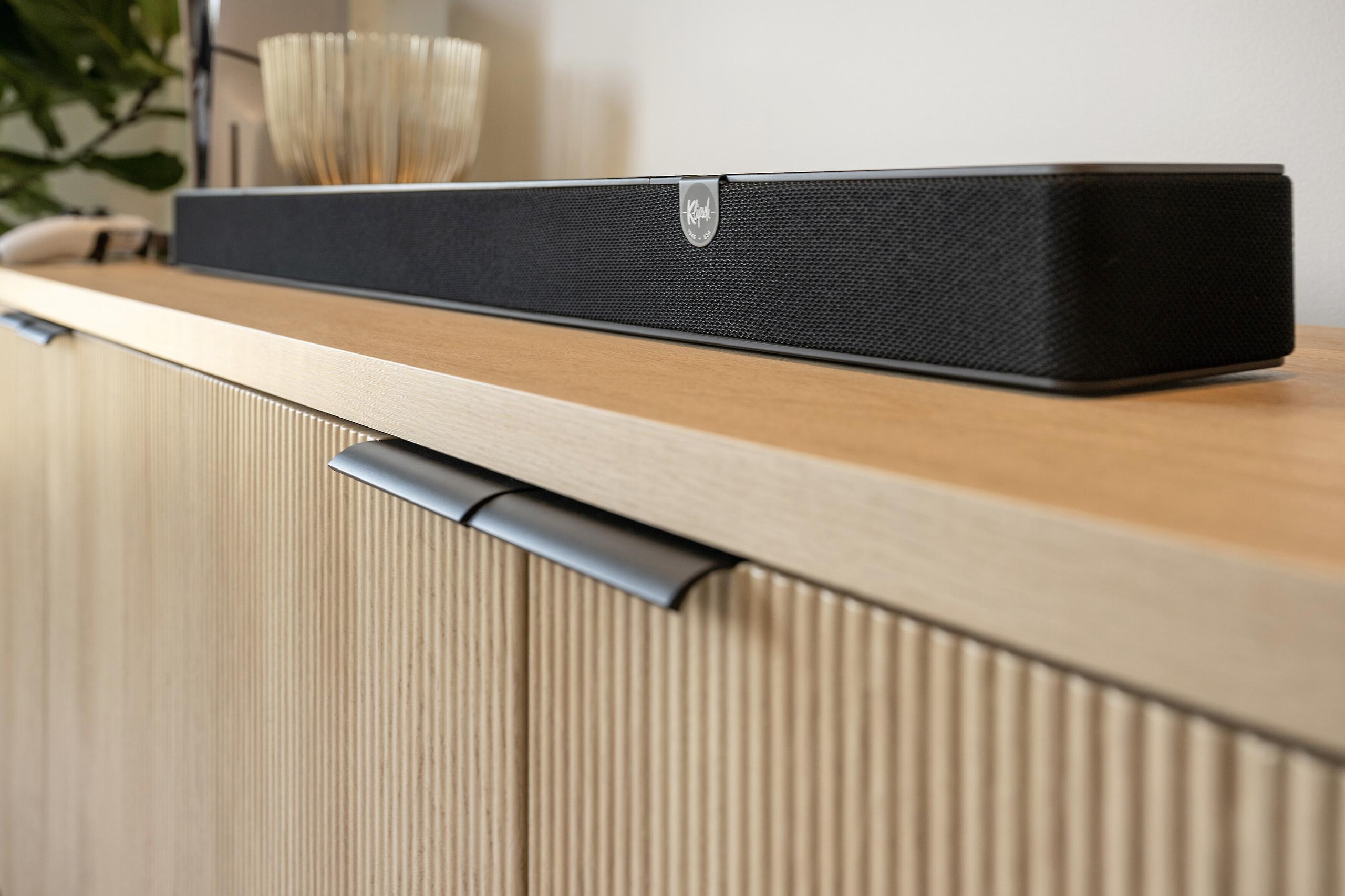
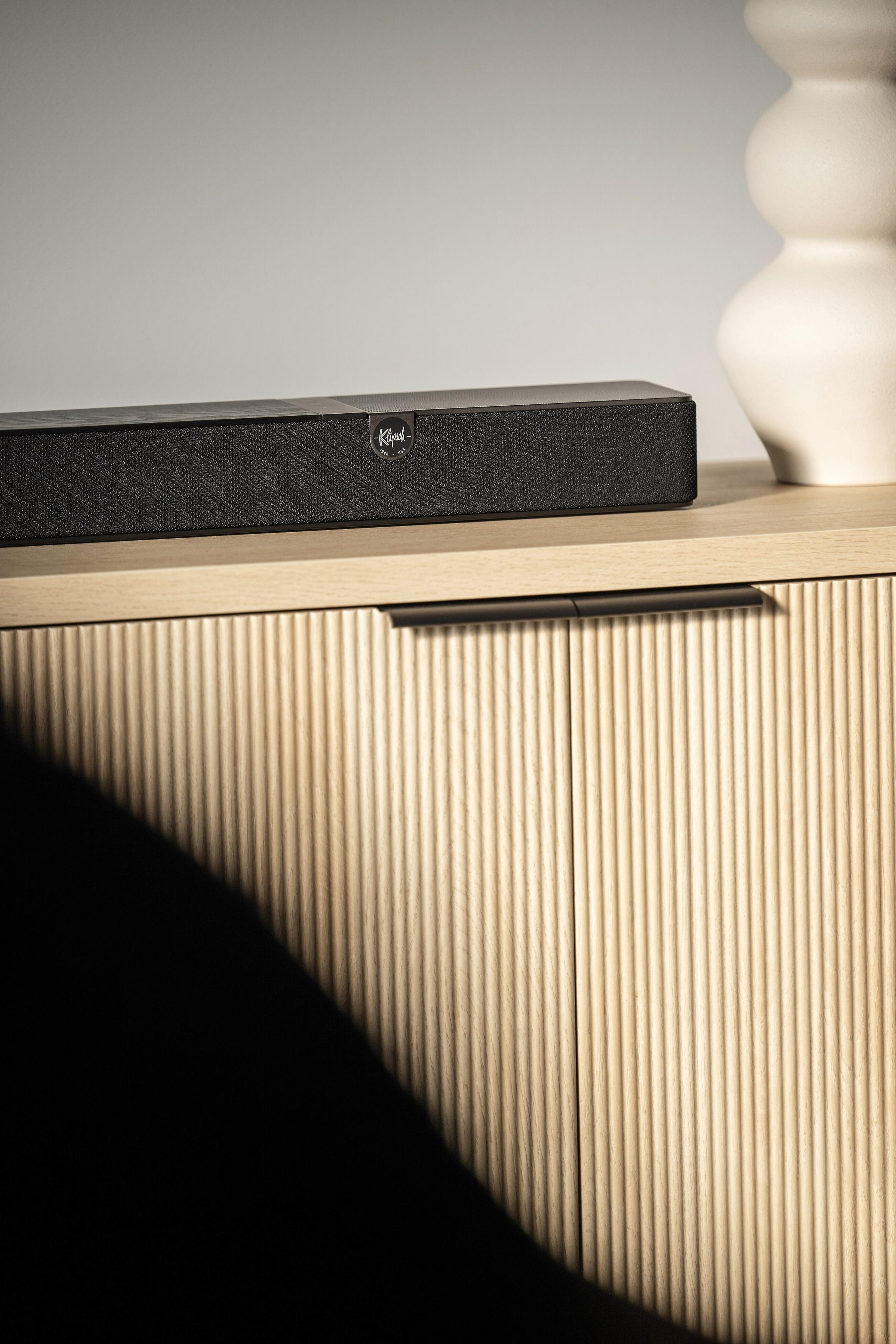

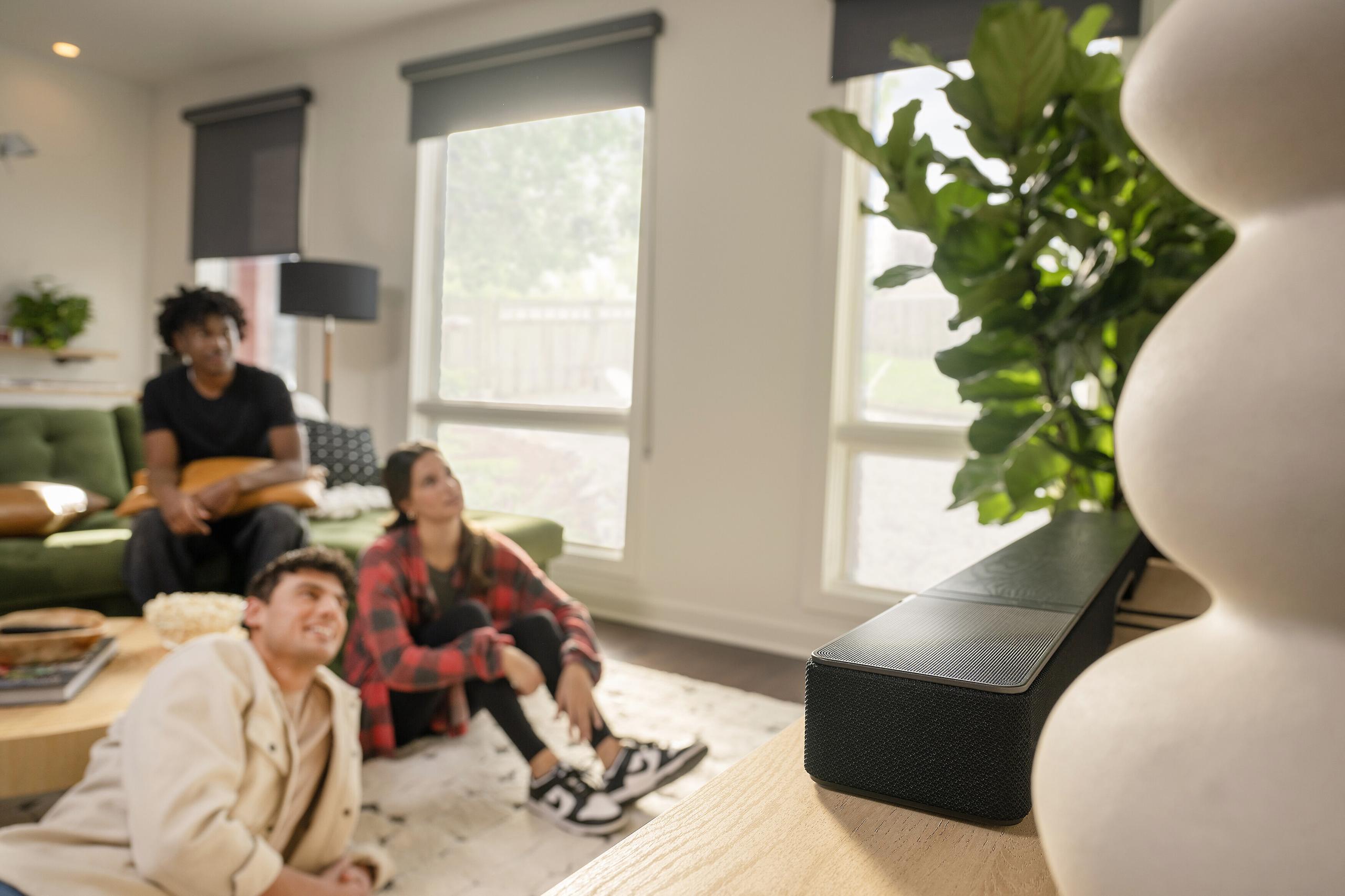
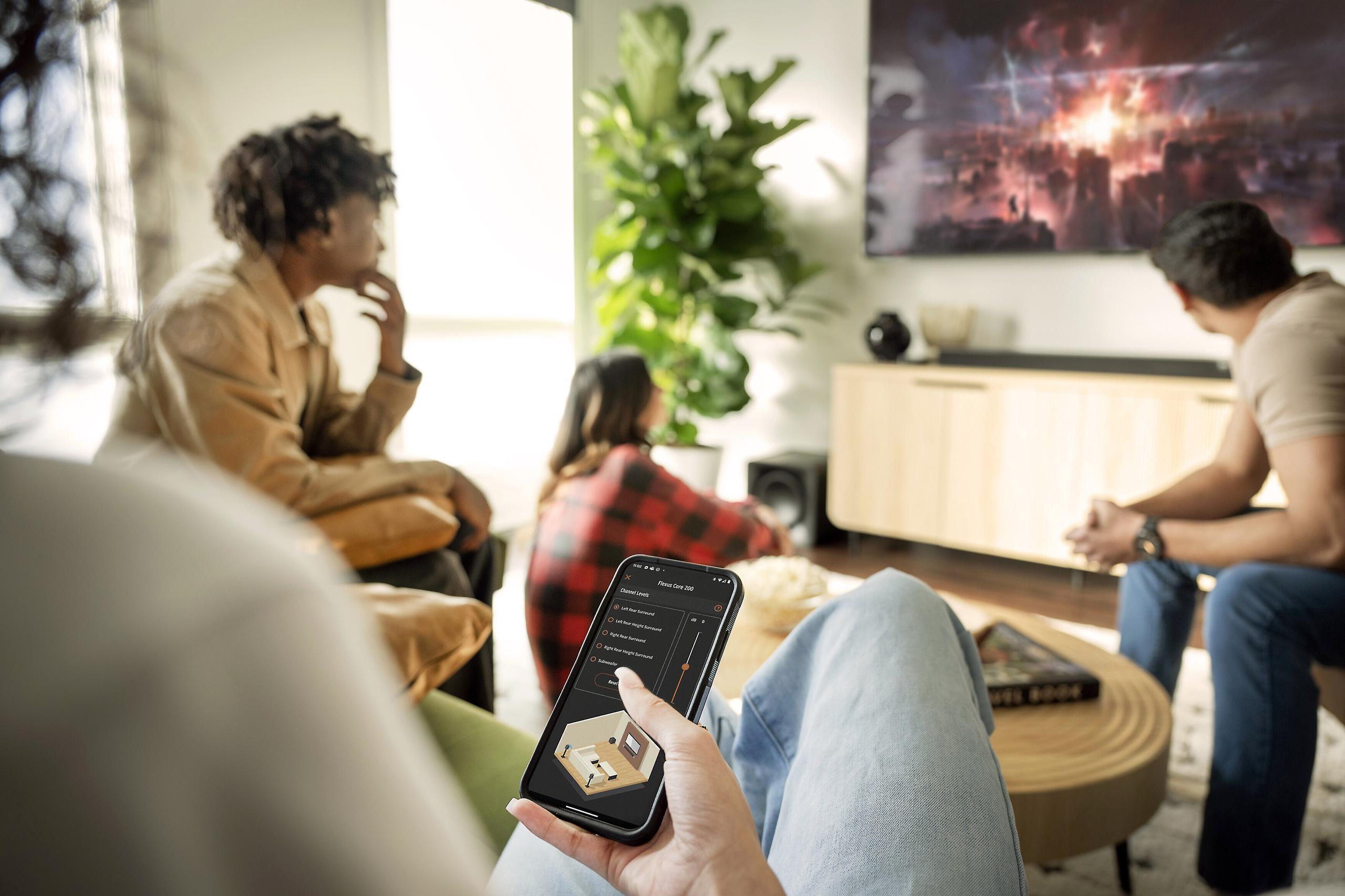
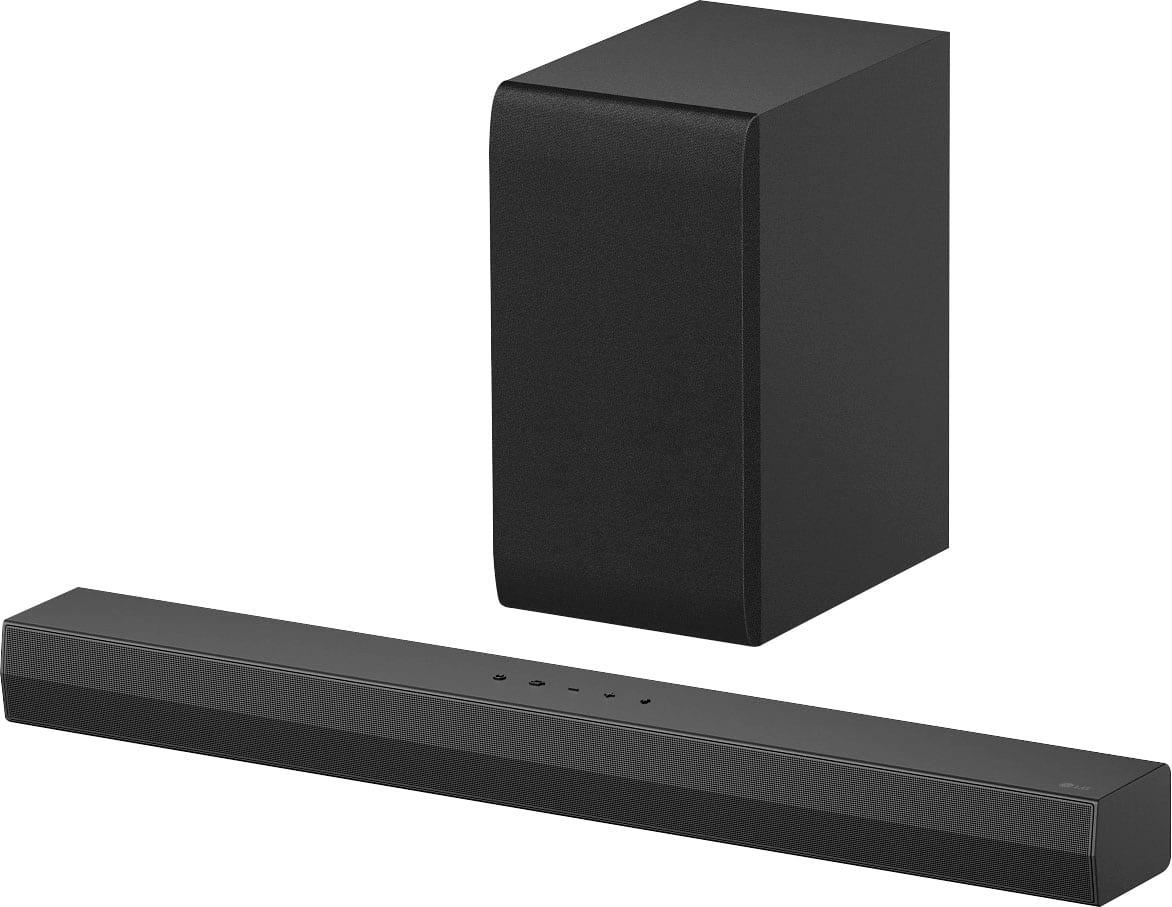
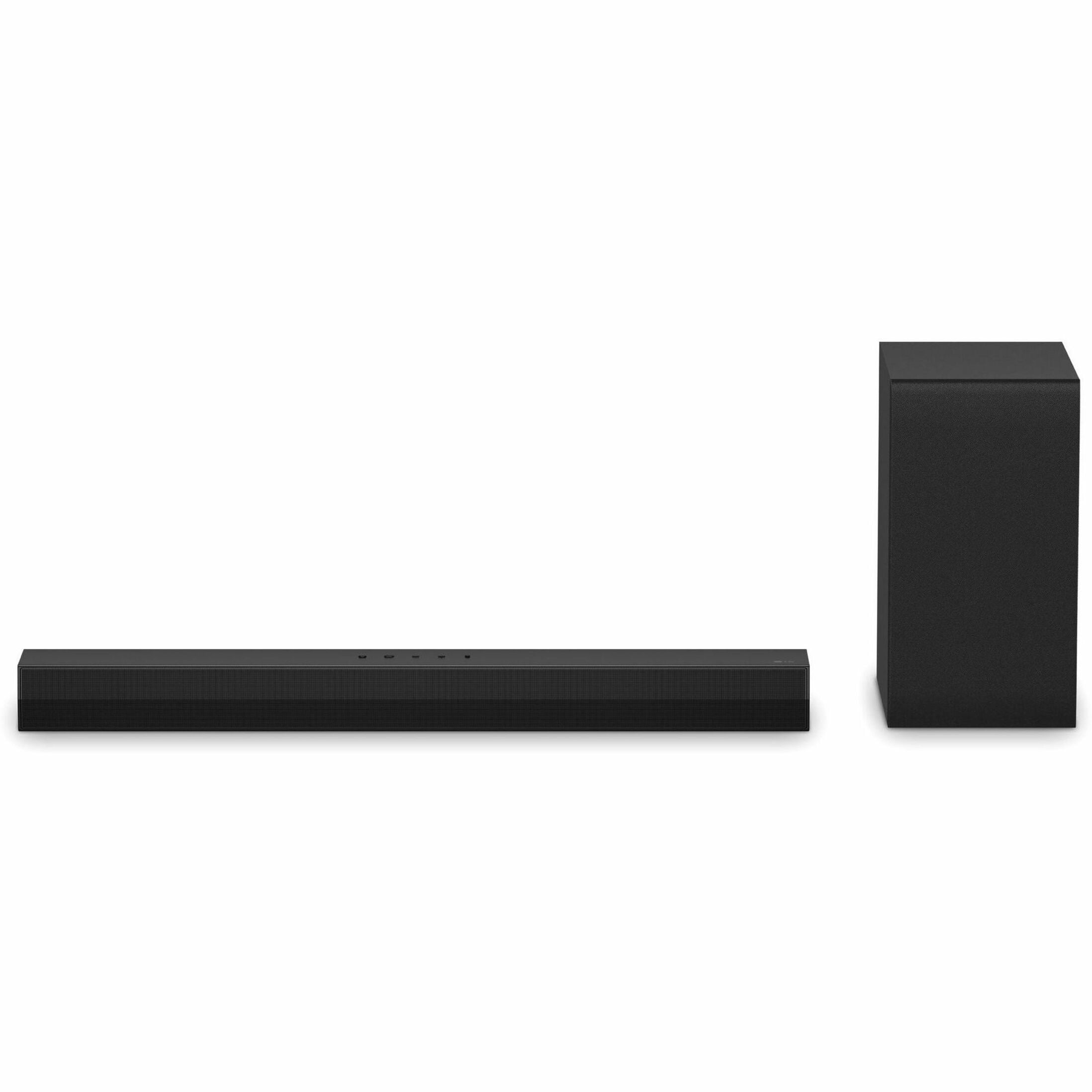


When your TV's built-in speakers make movie dialogue sound like it's coming from a tin can, it's time to consider a soundbar upgrade. But here's where things get interesting – not all soundbars are created equal, and the difference between a $156 system and a $369 one can be night and day.
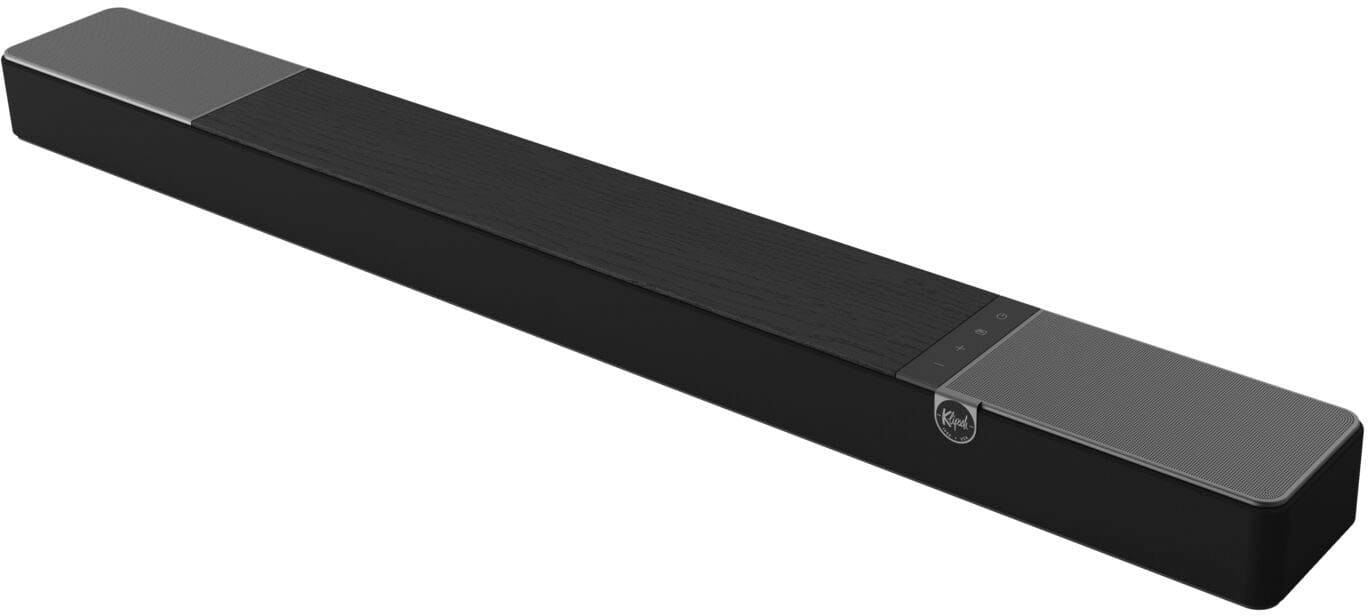
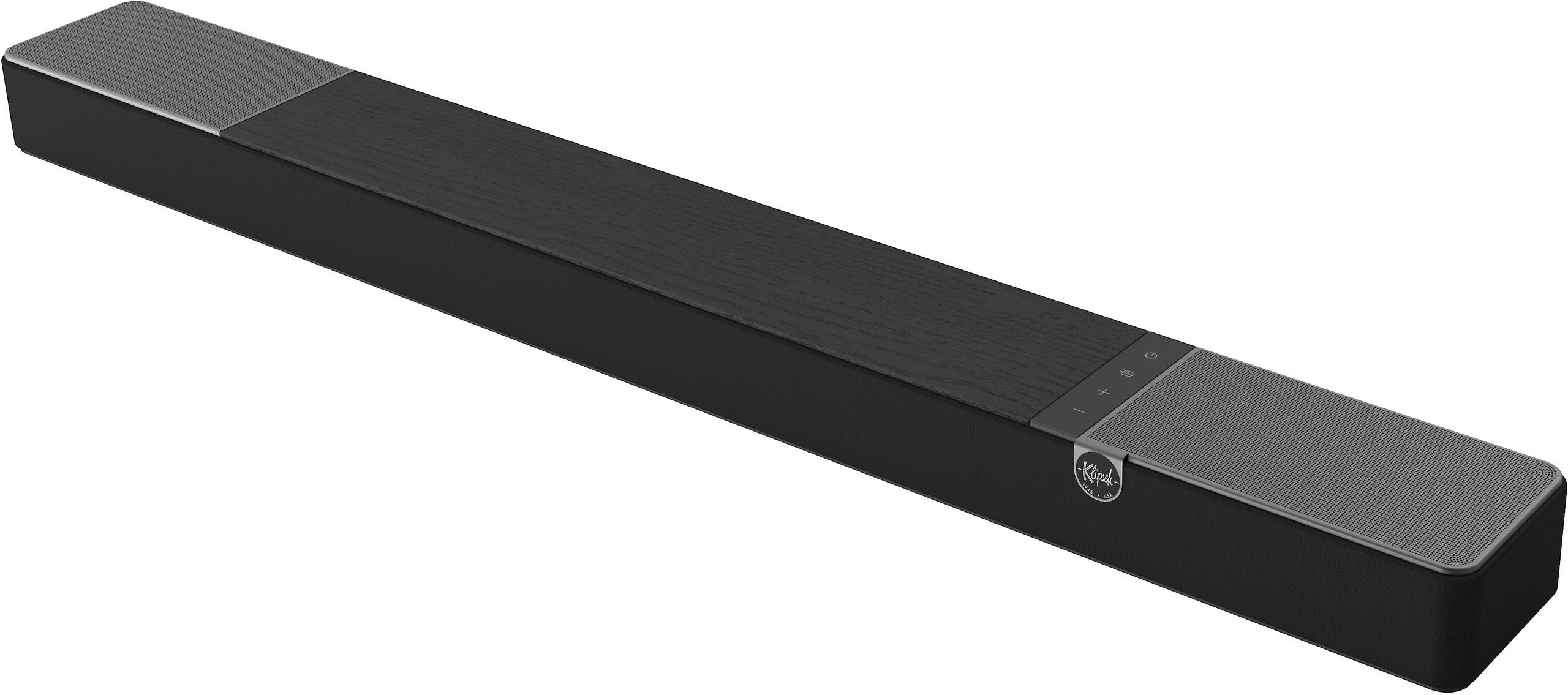
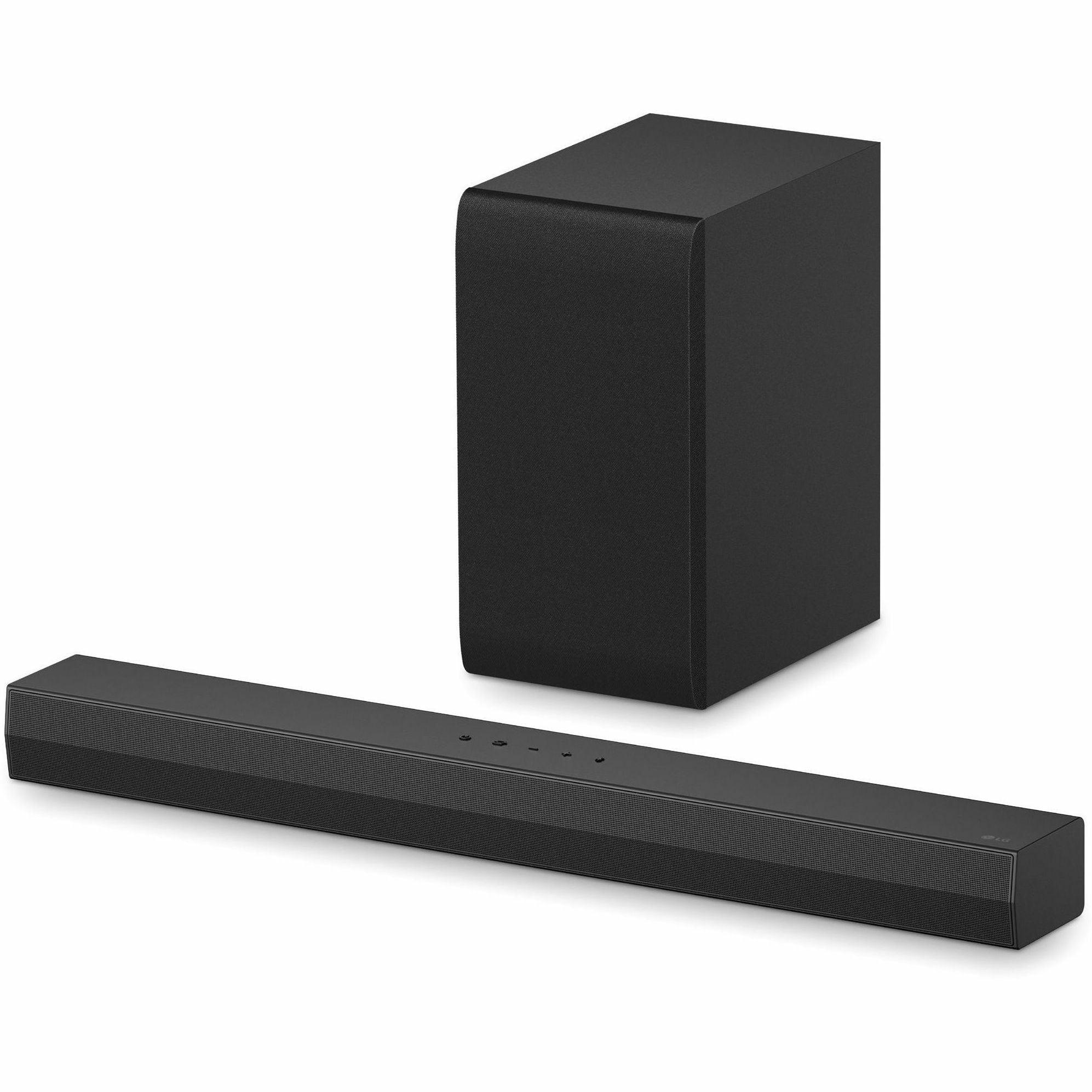
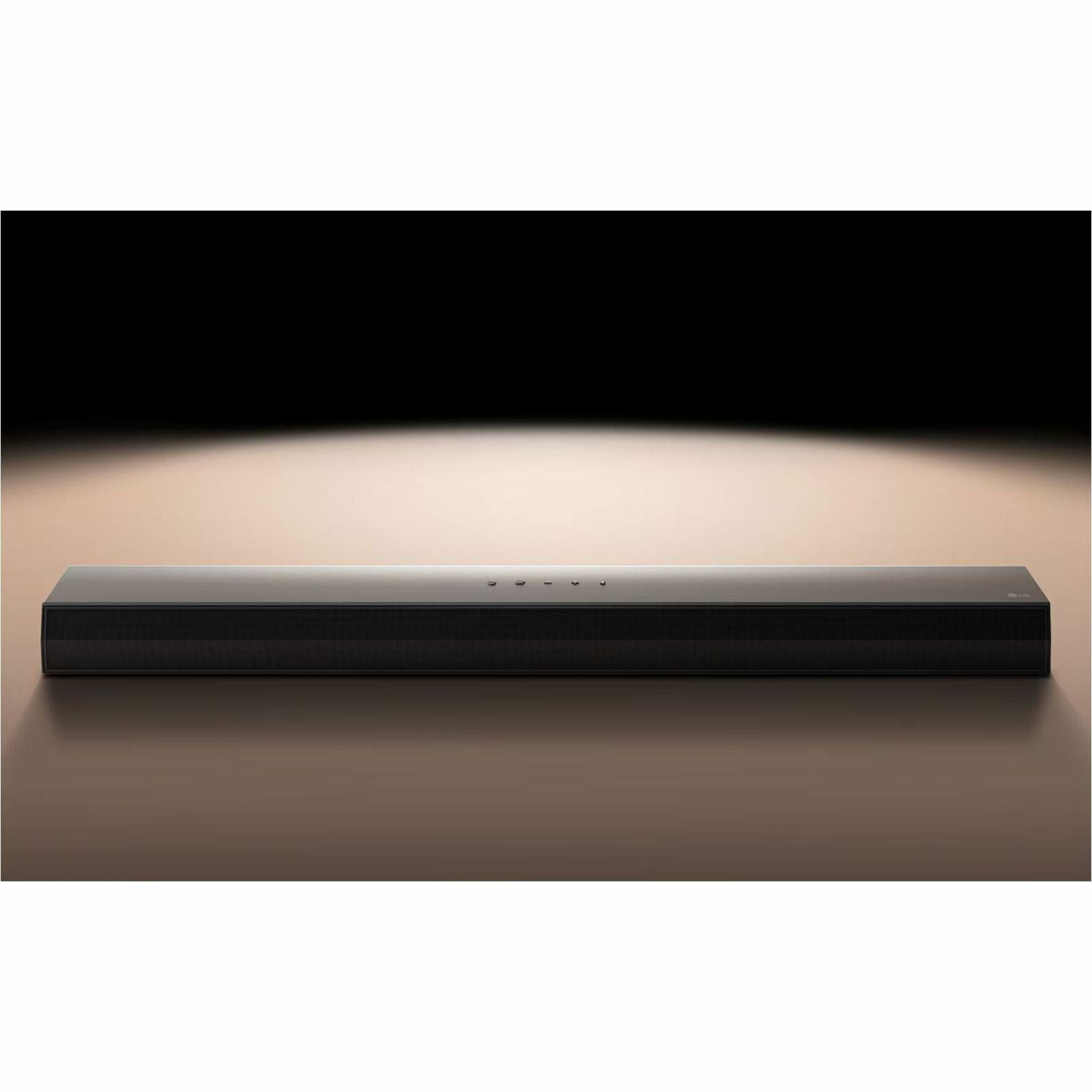
I've been testing soundbars for years, and the gap between budget and mid-range options has actually widened recently. Today we're comparing two soundbars that perfectly illustrate this divide: the Klipsch Flexus Core 200 3.1.2 Soundbar ($369) and the LG S40T 2.1 Channel Soundbar ($156). These aren't just different price points – they represent completely different philosophies about home audio.
Before diving into specifics, let's talk about what those numbers after each product name actually mean. The "3.1.2" in the Klipsch's name tells us it has three front-facing speakers (left, center, right), one subwoofer channel, and two height channels that fire sound upward toward your ceiling. The LG's "2.1" configuration is simpler: two main speakers (left and right) plus one subwoofer channel.
Think of soundbar channels like instruments in an orchestra. More channels mean more instruments playing distinct parts, creating a richer, more detailed performance. A 2.1 system is like a piano trio – pleasant and functional. A 3.1.2 system is more like a chamber orchestra, with dedicated musicians for specific roles.
The room you're listening in matters enormously too. I've noticed that soundbars perform dramatically differently in a cozy 12x12 bedroom versus a sprawling living room with vaulted ceilings. Acoustics (how sound bounces around your space) can make a $150 soundbar sound amazing or a $400 one sound disappointing.
The Klipsch Flexus Core 200 hit the market in 2024 as part of Klipsch's push into the modular soundbar space. This timing is significant because 2024 marked a turning point where Dolby Atmos (surround sound that includes height effects) became standard on most streaming platforms. Netflix, Disney+, and Apple TV+ were all pushing Atmos content heavily, making height channels suddenly relevant for regular TV watching, not just movie buffs.
The LG S40T is actually a 2025 model, which might seem like it should be more advanced. But LG positioned this as their entry-level offering, focusing on affordability over cutting-edge features. In my experience, this approach can work well – sometimes a newer, simpler product performs better than an older, overly complex one.
What's interesting is how the soundbar landscape has evolved since these releases. Five years ago, most people were happy just getting better bass than their TV provided. Now, with streaming services delivering cinema-quality audio to our living rooms, expectations have shifted dramatically.
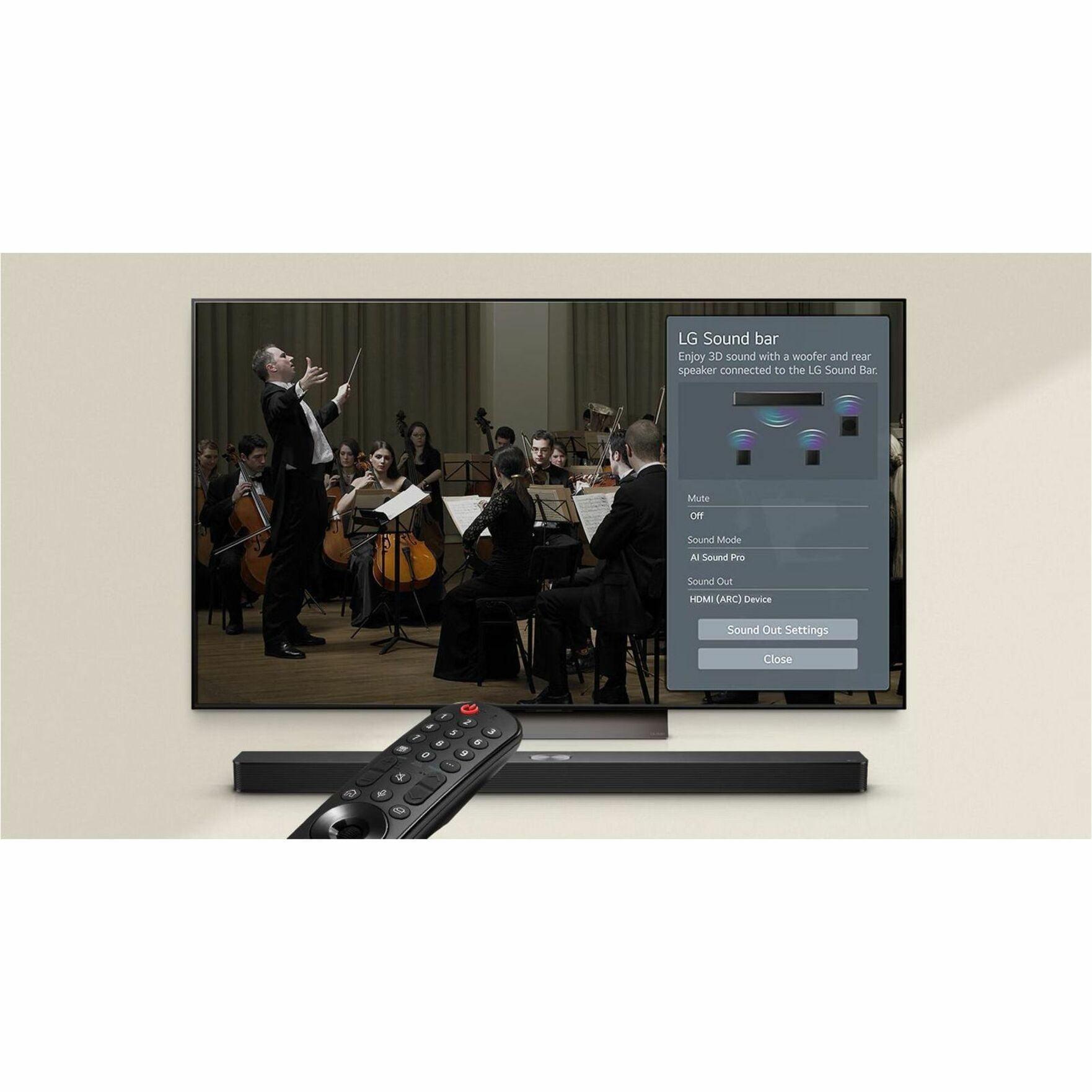
Here's where the fundamental difference between these soundbars becomes crystal clear. The Klipsch Flexus Core 200 creates what audio engineers call a "sound bubble" around your listening position. Those two upward-firing drivers (small speakers that point at your ceiling) bounce audio off the ceiling to create the illusion that helicopters are actually flying overhead or that rain is falling around you.
I tested this with the opening scene of "Blade Runner 2049," where the flying car approaches from behind and passes overhead. With the Klipsch, you genuinely feel like that vehicle is moving through three-dimensional space around you. The LG, despite its strengths, presents this same scene as a traditional left-to-right stereo experience.
The technical term for this is "object-based audio," where sounds are treated as individual objects moving through space rather than just left and right channels. It's like the difference between watching a movie on a flat screen versus in IMAX – both tell the same story, but one puts you inside it.
Nothing ruins a movie night faster than constantly asking "What did they say?" The Klipsch addresses this with a dedicated center channel and what they call a "horn-loaded tweeter" – essentially a small megaphone that focuses high-frequency sounds (like human voices) directly at your ears.
During my testing, I noticed the Klipsch maintains dialog clarity even during complex action sequences. In "Dune," when characters whisper while sand worms rumble in the background, every word remains intelligible. The LG handles quiet dialog scenes well enough, but when the soundtrack gets busy, voices can get lost in the mix.
This happens because the LG relies on "phantom center" technology – it tricks your brain into thinking there's a center speaker by carefully balancing the left and right channels. This works, but it's not as precise as having an actual dedicated speaker for voices.
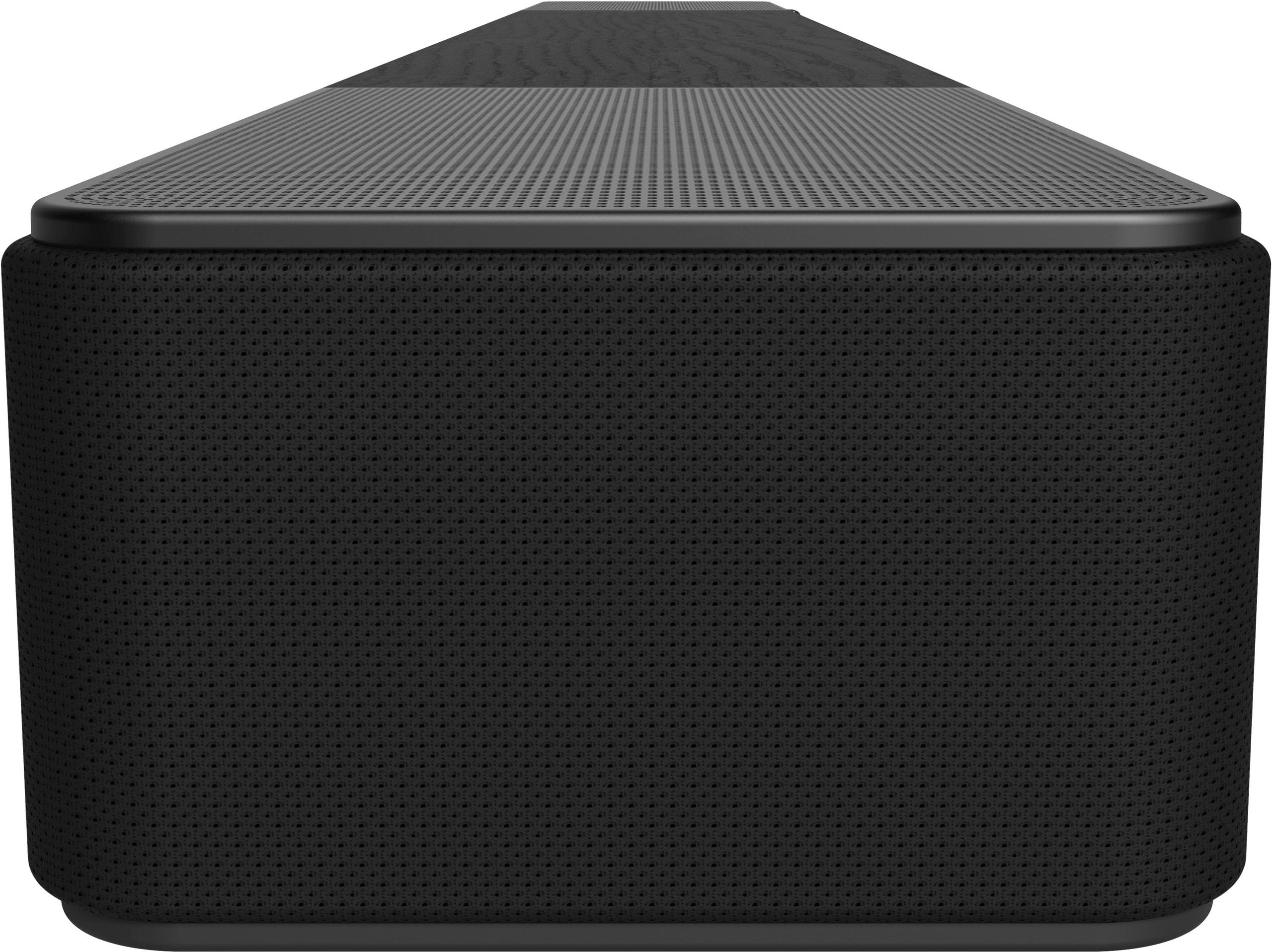
The bass comparison reveals these soundbars' different design philosophies perfectly. The Klipsch integrates dual 4-inch subwoofers directly into the main bar. This creates tight, controlled bass that responds quickly to sudden impacts – think gunshots or drum hits that need to punch through clearly.
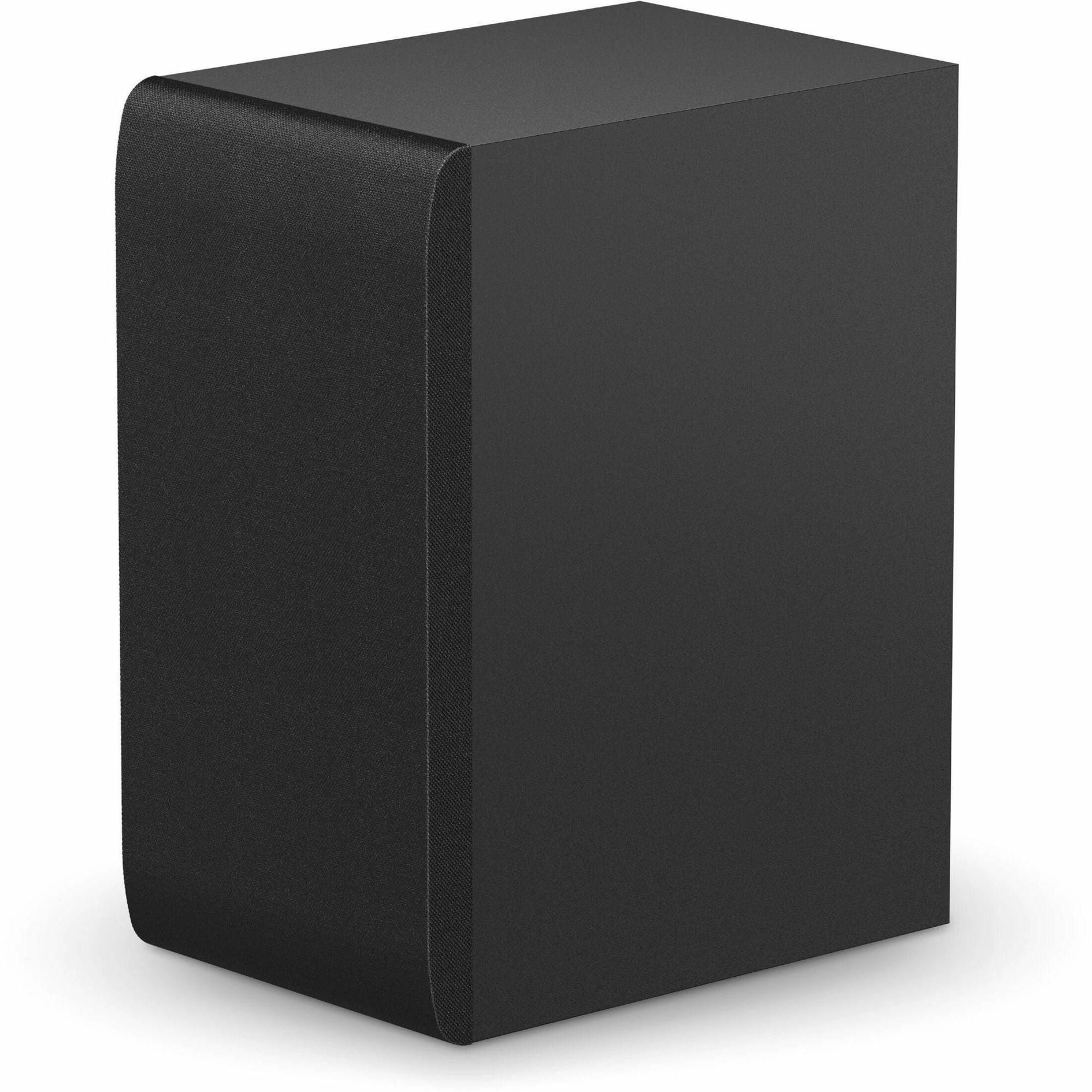
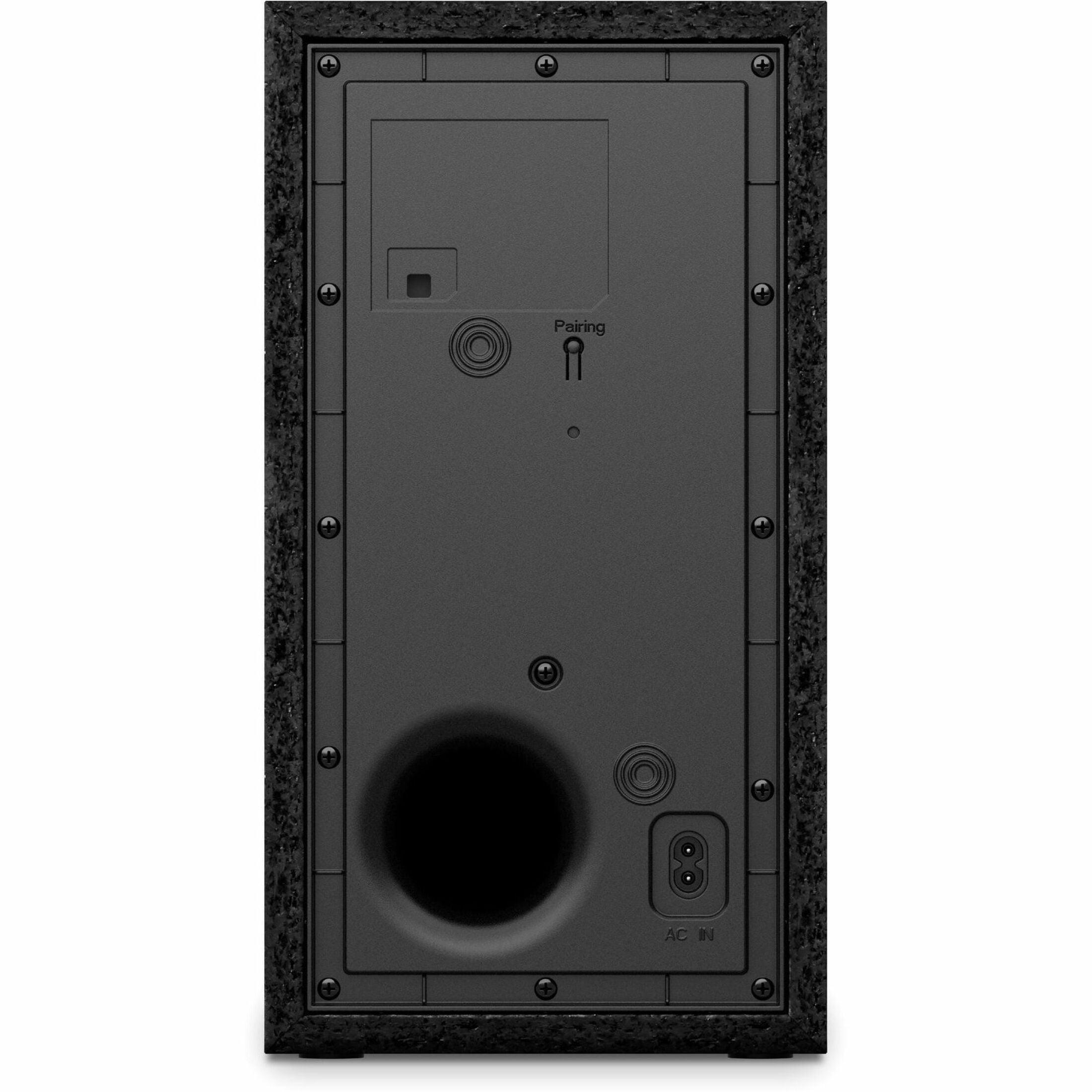
The LG takes the traditional approach with a separate wireless subwoofer that you place somewhere in your room. This gives you more flexibility in positioning (bass tends to sound better when the sub isn't right under your TV), but it can sometimes feel disconnected from the main soundbar's output.
In practical terms, the Klipsch's bass feels more immediate and integrated, while the LG's bass has more room-filling power but less precision. For action movies, I prefer the Klipsch's approach. For music listening, the LG's separate subwoofer can actually provide a more natural sound if positioned correctly.
Both soundbars handle the basics well, but their approaches to connectivity reveal their target audiences. The Klipsch Flexus Core 200 includes HDMI eARC (enhanced Audio Return Channel), which is crucial for getting full-quality Dolby Atmos from your TV's built-in streaming apps. It also features USB-C input – something I've found incredibly useful for direct connection to laptops or tablets.
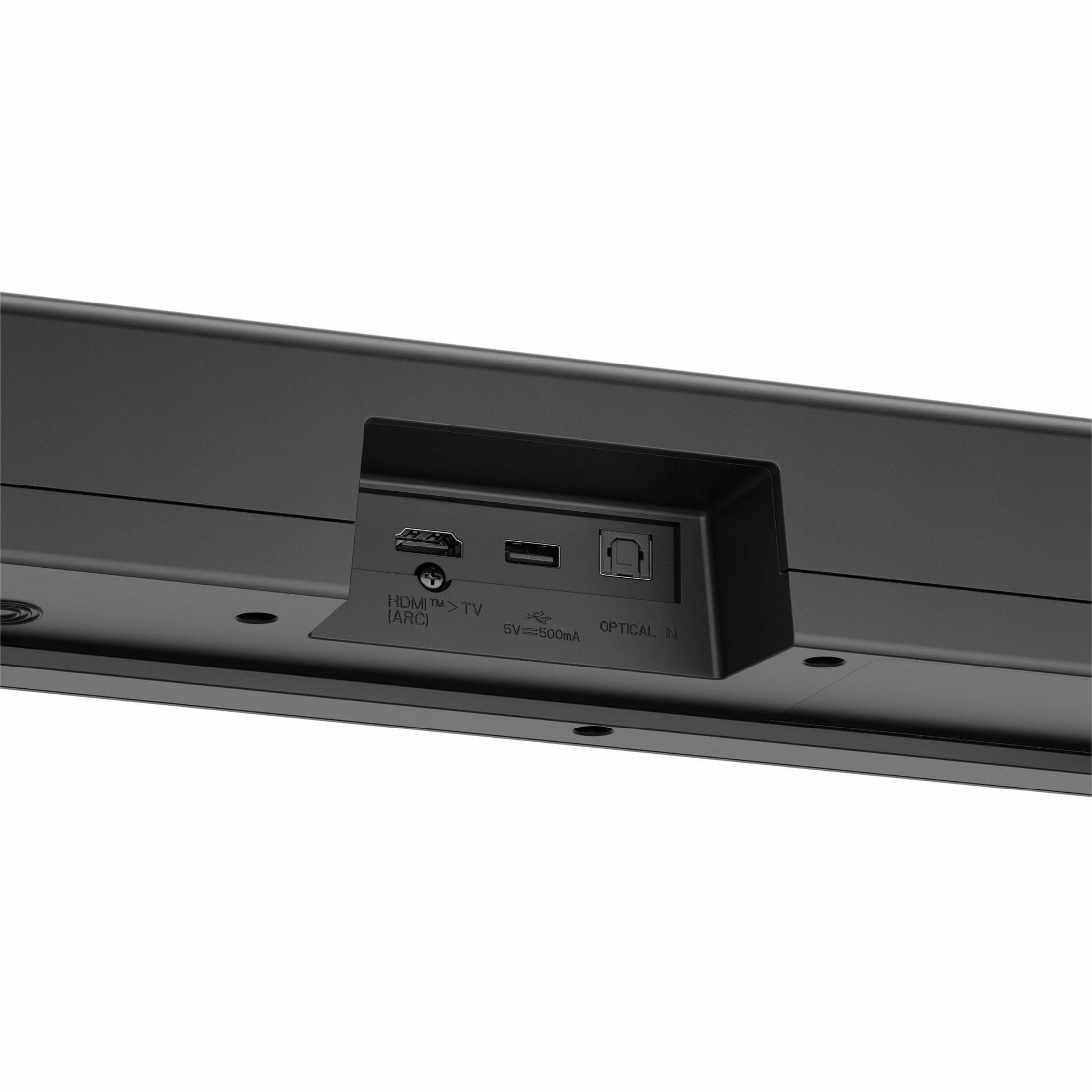
The LG S40T covers the essentials with HDMI ARC, optical input, and Bluetooth 5.3. That newer Bluetooth version actually provides better range and stability than the Klipsch's Bluetooth 5.0, which matters if you frequently stream music from your phone.
What sets the Klipsch apart is its "Transport" wireless technology. This proprietary system allows you to add matching rear speakers and additional subwoofers without running any cables. I've set up several of these expandable systems, and the wireless connectivity is genuinely reliable – no dropouts or sync issues that plague some wireless audio systems.
This is where the Klipsch really shines as a long-term investment. The Flexus ecosystem lets you start with just the soundbar and gradually build a full surround system. You can add the Flexus Sub 100 for deeper bass or the Flexus Surr 100 speakers for rear-channel effects.
I've seen many people follow this upgrade path, starting with the Core 200 and adding components as their budget and enthusiasm grow. It's like buying a starter camera that accepts professional lenses – you're not locked into your initial purchase level.
The LG, by contrast, is what it is. If you want more performance later, you're starting over with a completely new system. For some buyers, this simplicity is actually preferable – no complicated decisions about expansion, no worrying about compatibility.
For dedicated home theater use, the differences between these soundbars become even more pronounced. The Klipsch's Dolby Atmos capability transforms how you experience movies. Height effects aren't just gimmicky – they provide crucial spatial information that helps your brain process complex scenes.
I particularly notice this in Marvel movies, where the soundscape is often chaotic. With the Klipsch, flying characters, falling debris, and background explosions each occupy distinct positions in space. Your brain can focus on the dialog while still processing all the action happening around you.
The LG works fine for casual movie watching, especially if you primarily watch dialogue-heavy content like dramas or comedies. But for big-budget action films or anything shot for IMAX, you're missing a significant portion of the intended experience.
Room size plays a huge role here too. The Klipsch can fill rooms up to about 300 square feet effectively, while the LG is optimized for spaces under 200 square feet. Push either beyond their intended room size, and performance suffers noticeably.
The $213 price difference between these soundbars represents more than just extra features – it's the difference between solving a problem and creating an experience. The LG S40T solves the problem of terrible TV audio. It makes dialogue clearer, adds some bass, and generally improves your TV watching experience.
The Klipsch Flexus Core 200 creates an experience. It transforms your living room into a mini movie theater, makes gaming more immersive, and provides a foundation for building a serious audio system over time.
In my experience helping people choose soundbars, the decision often comes down to whether you view audio as a utility or an experience. If you just want better sound than your TV provides, the LG delivers excellent value. If you want to be transported by your entertainment, the Klipsch is worth the extra investment.
After weeks of testing both systems, several key differences emerged in daily use. The Klipsch maintains its composure during loud action sequences, while the LG starts to sound strained when pushed hard. This isn't just about volume – it's about maintaining clarity and detail when things get chaotic.
The Klipsch also handles different content types more gracefully. Switch from a whisper-quiet drama to an explosive action movie, and the soundbar adapts naturally. The LG requires more manual adjustment between different types of content.
For music listening, both soundbars perform better than expected, but in different ways. The Klipsch presents music with good stereo separation and height information that makes live recordings sound more spacious. The LG's separate subwoofer can provide more impactful bass for hip-hop or electronic music if positioned well.
Choose the Klipsch Flexus Core 200 if you're serious about home entertainment and can stretch your budget to $369. It's future-proof, expandable, and provides a genuinely immersive experience that will transform how you watch movies and play games.
Choose the LG S40T if you want a dramatic improvement over TV speakers without complexity or a big investment. At $156, it's an easy upgrade that immediately makes everything sound better without requiring research into expansion options or room acoustics.
The honest truth is that both soundbars succeed at their intended missions. The LG makes TV audio tolerable to enjoyable. The Klipsch makes it genuinely exciting. Your choice depends on which goal matches your needs, budget, and expectations for your home entertainment setup.
Remember, the best soundbar is the one you'll actually use and enjoy. Sometimes that's the simple, affordable option that just works. Sometimes it's the more complex system that rewards your investment with years of expanding capabilities. Only you can decide which approach fits your life better.
| Klipsch Flexus Core 200 3.1.2 Soundbar | LG S40T 2.1 Channel Soundbar |
|---|---|
| Price - Budget impact for audio upgrade | |
| $369 (mid-range investment) | $156 (budget-friendly entry point) |
| Channel Configuration - Determines immersion level | |
| 3.1.2 with dedicated height channels | 2.1 basic stereo with subwoofer |
| Dolby Atmos Support - Essential for modern streaming content | |
| Full Dolby Atmos with overhead effects | No Atmos support (standard stereo only) |
| Subwoofer Design - Affects bass quality and setup | |
| Dual 4" built-in subwoofers | External wireless subwoofer |
| Total System Power - Impact on room-filling capability | |
| 185W RMS (suitable for medium rooms) | Not specified (optimized for small rooms) |
| Expandability - Future upgrade potential | |
| Wireless expansion with Flexus ecosystem | No expansion options available |
| Key Connectivity - Modern device compatibility | |
| HDMI eARC, USB-C, Bluetooth 5.0, Optical | HDMI ARC, Bluetooth 5.3, Optical |
| Physical Dimensions - Space requirements | |
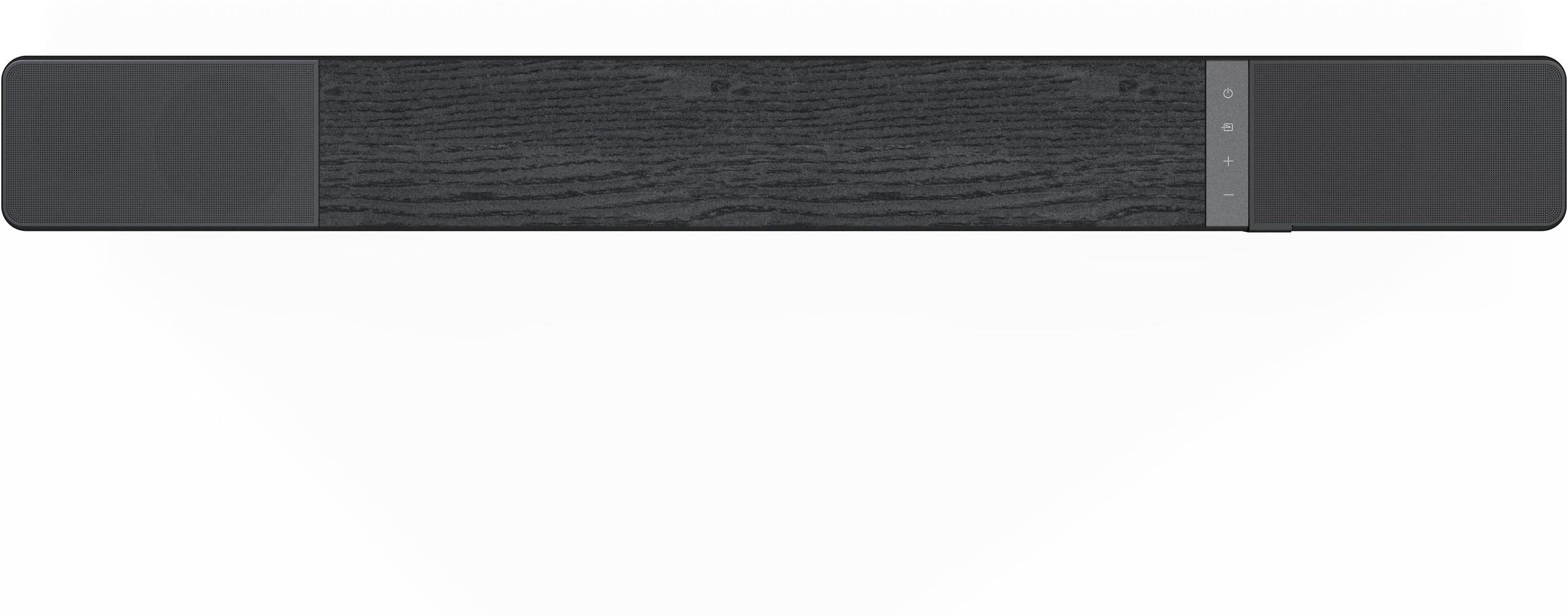
| 44" wide x 3" tall (substantial presence) | 28.4" wide x 2.5" tall (compact design) |
| Release Year - Technology generation | |
| 2024 (current Atmos-focused design) | 2025 (budget-optimized model) |
| Best Use Case - Ideal buyer profile | |
| Home theater enthusiasts wanting immersive audio | Casual viewers seeking basic TV audio improvement |
The LG S40T 2.1 Channel Soundbar ($156) provides excellent value for budget-conscious buyers seeking basic TV audio improvement. However, the Klipsch Flexus Core 200 3.1.2 Soundbar ($369) offers superior long-term value with Dolby Atmos support, expandability, and premium build quality that justifies the higher price for serious listeners.
The primary difference is immersion capability. The Klipsch Flexus Core 200 features a 3.1.2 channel system with Dolby Atmos and height channels for three-dimensional sound, while the LG S40T uses a basic 2.1 stereo configuration with no overhead effects or surround sound processing.
The LG S40T 2.1 Channel Soundbar is specifically optimized for rooms under 200 square feet, making it ideal for bedrooms, apartments, or compact living spaces. The Klipsch Flexus Core 200 performs better in medium to large rooms up to 300 square feet.
No, only the Klipsch Flexus Core 200 3.1.2 Soundbar supports Dolby Atmos with dedicated upward-firing drivers for overhead effects. The LG S40T lacks Atmos capability and processes only standard stereo and basic surround formats.
Both excel in different ways. The Klipsch Flexus Core 200 features dual 4-inch built-in subwoofers for tight, controlled bass without needing external components. The LG S40T includes a separate wireless subwoofer that offers placement flexibility and can provide more room-filling low-end impact when positioned correctly.
The Klipsch Flexus Core 200 is designed for expansion within the Flexus ecosystem, allowing wireless addition of rear speakers and extra subwoofers. The LG S40T 2.1 Channel Soundbar is a standalone system with no expansion capabilities.
The Klipsch Flexus Core 200 3.1.2 Soundbar excels at dialogue with its dedicated center channel and horn-loaded tweeter technology, maintaining vocal clarity even during complex action scenes. The LG S40T provides adequate dialogue clarity for basic viewing but may struggle with busy audio mixes.
The Klipsch Flexus Core 200 includes HDMI eARC, USB-C, Bluetooth 5.0, and optical inputs for comprehensive device compatibility. The LG S40T offers HDMI ARC, Bluetooth 5.3, and optical connectivity, covering essential connection needs with newer Bluetooth technology.
The Klipsch Flexus Core 200 3.1.2 Soundbar provides superior gaming audio with Dolby Atmos positioning effects that help identify directional audio cues in competitive games. The LG S40T offers basic stereo enhancement suitable for casual gaming but lacks immersive positioning effects.
The LG S40T 2.1 Channel Soundbar offers simpler setup with basic connections and wireless subwoofer pairing. The Klipsch Flexus Core 200 requires slightly more initial configuration for optimal Atmos performance but includes helpful setup guidance and room calibration options.
Both perform well for music but differently. The Klipsch Flexus Core 200 provides excellent stereo separation and spatial effects for live recordings, while the LG S40T can deliver impactful bass for genres like hip-hop and electronic music when the subwoofer is properly positioned.
Choose the LG S40T ($156) if you want immediate TV audio improvement on a tight budget and primarily watch dialogue-heavy content. Select the Klipsch Flexus Core 200 ($369) if you're investing in long-term home theater performance, watch action movies, or plan to expand your audio system over time.
We've done our best to create useful and informative comparisons to help you decide what product to buy. Our research uses advanced automated methods to create this comparison and perfection is not possible - please contact us for corrections or questions. These are the sites we've researched in the creation of this article: soundandvision.com - avnirvana.com - avsforum.com - cnet.com - klipsch.com - klipsch.com - youtube.com - assets.klipsch.com - klipsch.com - worldwidestereo.com - klipsch.com - crutchfield.com - digitaltrends.com - bestbuy.com - bestbuy.com - rtings.com - pcrichard.com - lg.com - lg.com - lg.com - lg.com - microcenter.com - flanners.com - bestbuy.com - microcenter.com

Privacy Policy
Terms and Conditions - Affiliate Policy
Home Security
© Copyright 2008-2026.
11816 Inwood Rd #1211, Dallas, TX 75244