


The smart TV market has become incredibly competitive, with manufacturers pushing different philosophies about what makes the perfect television. Some prioritize massive screens at budget-friendly prices, while others focus on cramming premium features into smaller packages. This fundamental divide perfectly captures the choice between the Samsung Q6F 75" and Sony BRAVIA 7 65" – two televisions that couldn't be more different in their approach to delivering great entertainment.
Before diving into these specific models, it's worth understanding what separates today's TVs from the basic displays of just a few years ago. Modern smart TVs are essentially computers with massive screens, powered by sophisticated processors that enhance every pixel in real-time. The display technology underneath – whether it's basic LED, quantum dot QLED, or Mini LED – determines how bright, colorful, and detailed your picture will be.
The processing power matters just as much as the panel itself. When you're watching a Netflix show filmed in 1080p HD, your TV's processor works overtime to upscale (essentially guess and fill in) those missing pixels to create a sharp 4K image. Better processors create more convincing upscaled content, while cheaper ones can leave you with soft, unconvincing pictures.
Gaming has also transformed what we expect from TVs. Modern consoles like the PlayStation 5 and Xbox Series X can push 4K games at 120 frames per second – double the traditional 60fps standard. But your TV needs to support these higher refresh rates, along with features like Variable Refresh Rate (VRR) that synchronizes the TV's display with your console's output to eliminate screen tearing.
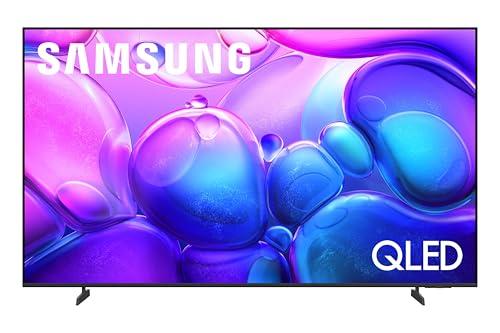
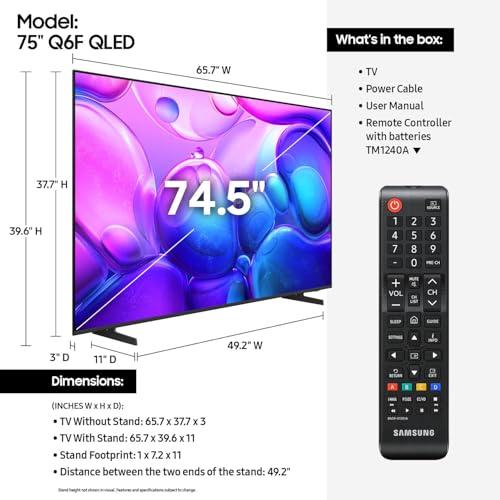
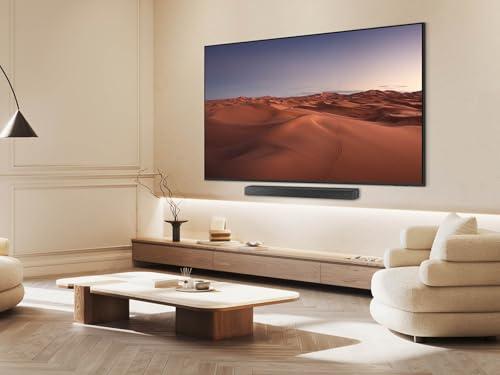
Released in 2025, the Samsung Q6F 75" represents Samsung's entry-level QLED strategy: deliver quantum dot color technology and a massive screen at a price that won't break the bank. At the time of writing, it costs significantly less than Sony's offering while providing 10 more inches of screen real estate.
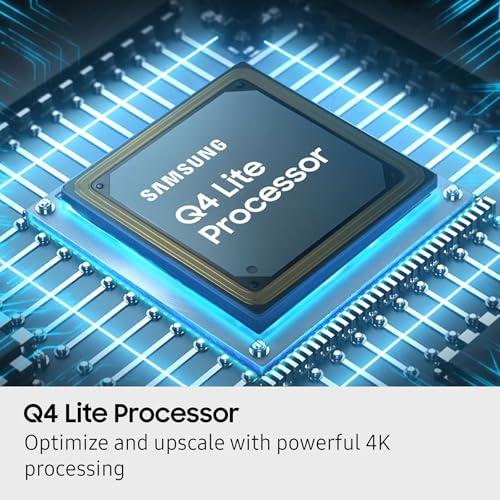
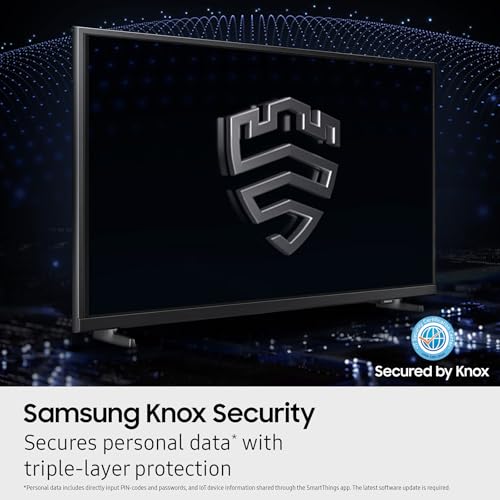
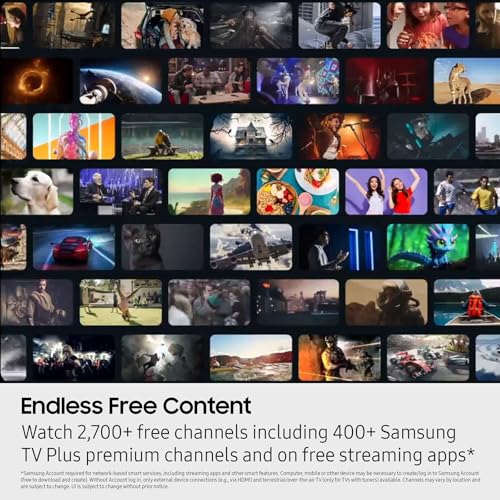
Samsung's QLED technology uses quantum dots – microscopic particles that emit precise colors when hit by light – to achieve what they call "100% color volume." This means the TV can reproduce vibrant colors even at high brightness levels, something traditional LED TVs struggle with. The Q4 Lite processor handles 4K upscaling and basic picture optimization, while the Tizen operating system provides access to thousands of streaming apps and Samsung's own TV Plus service with over 1,000 free channels.
The Samsung Q6F uses UHD Dimming, which is Samsung's basic approach to local dimming. Instead of controlling individual LED zones behind the screen, it adjusts brightness across larger sections. This provides some improvement in contrast but doesn't deliver the precise control you'll find in more expensive models.
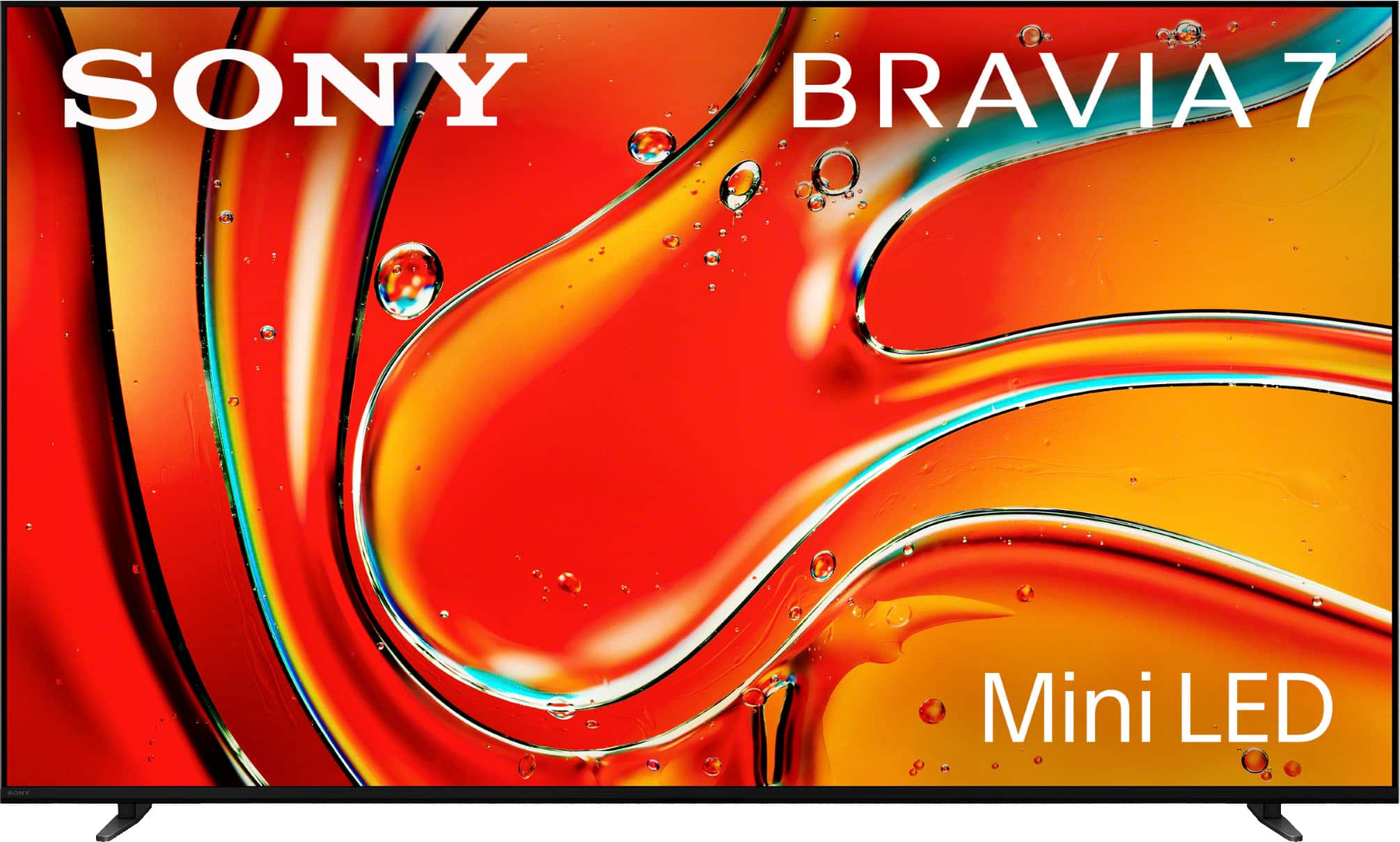
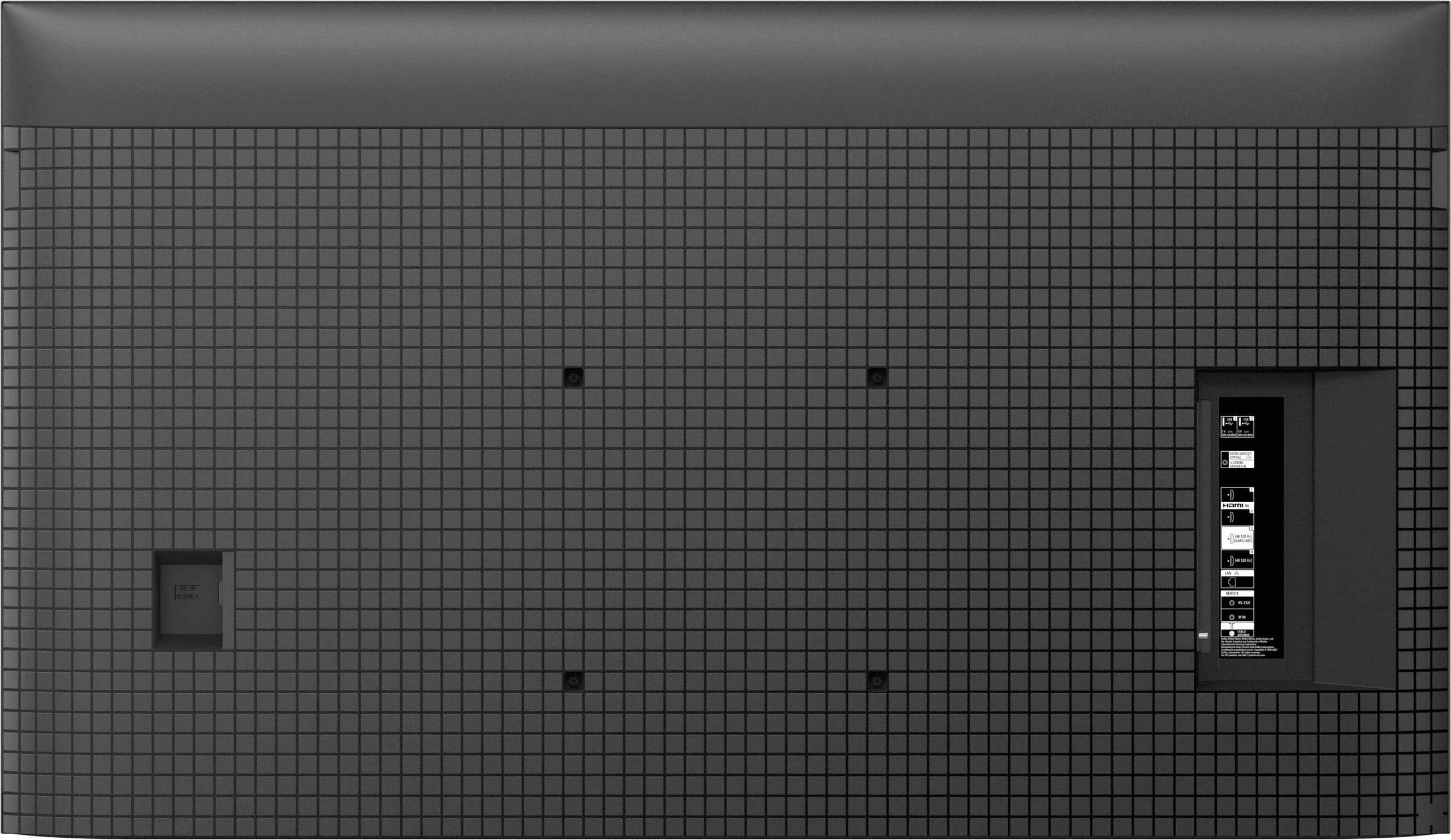
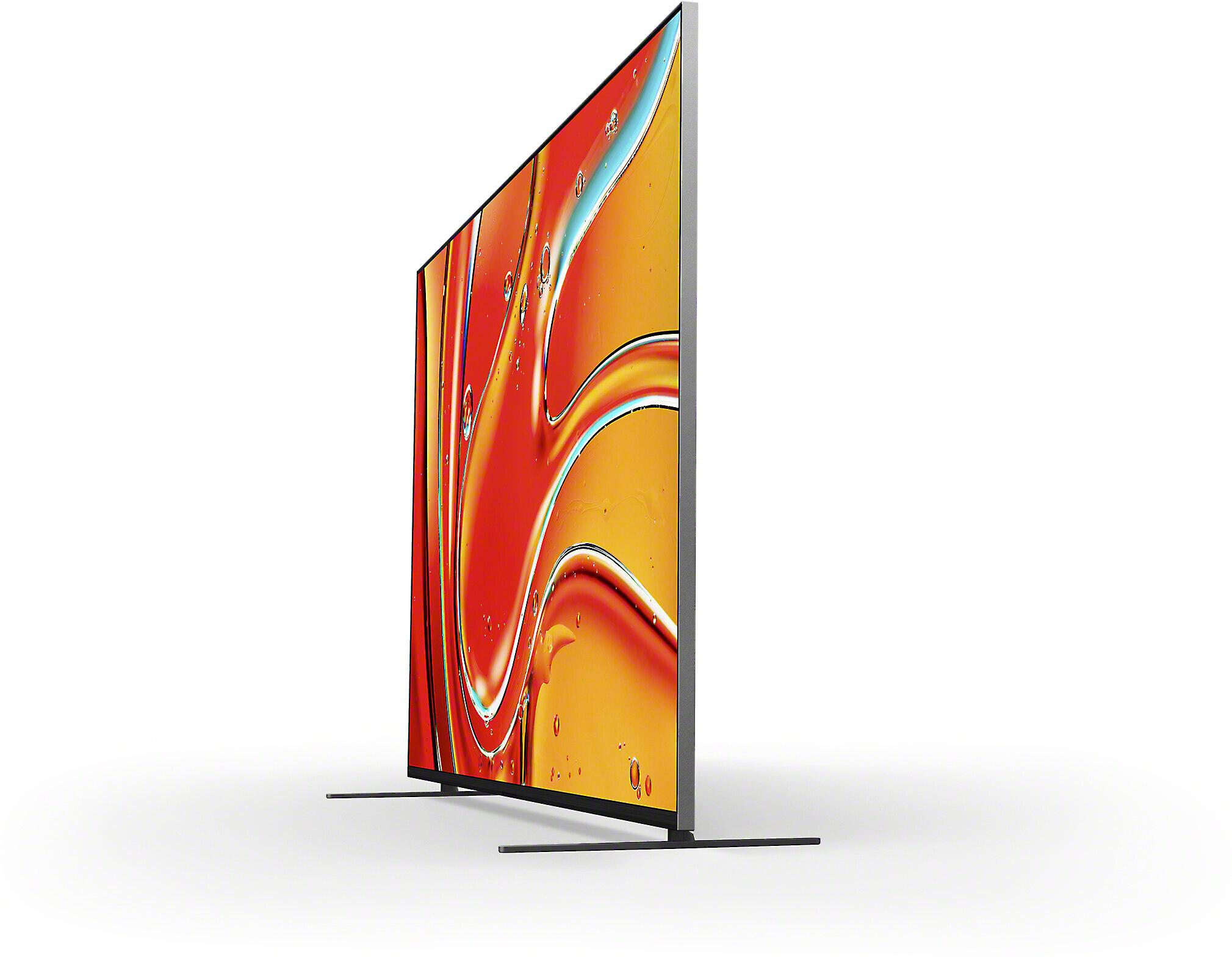
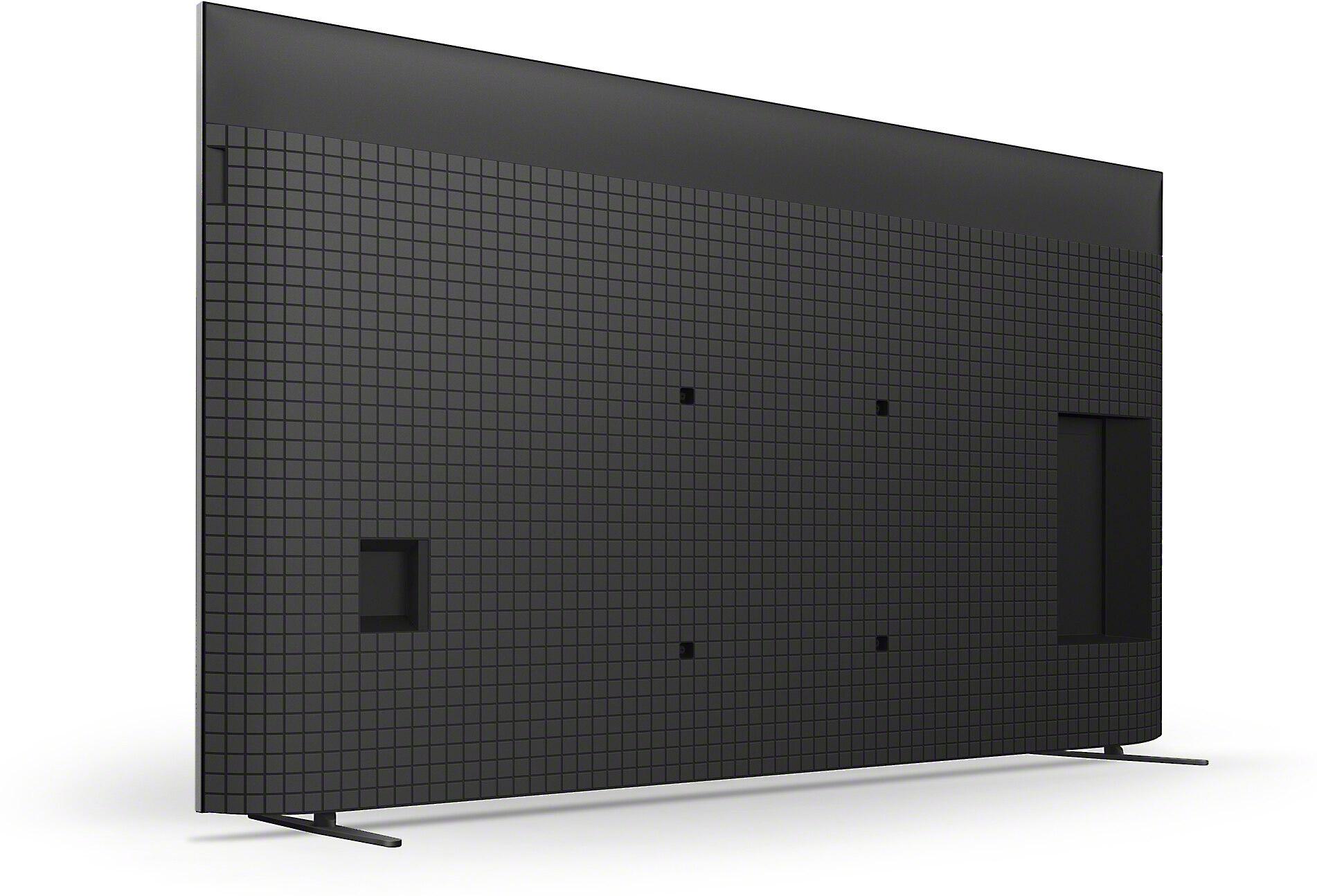
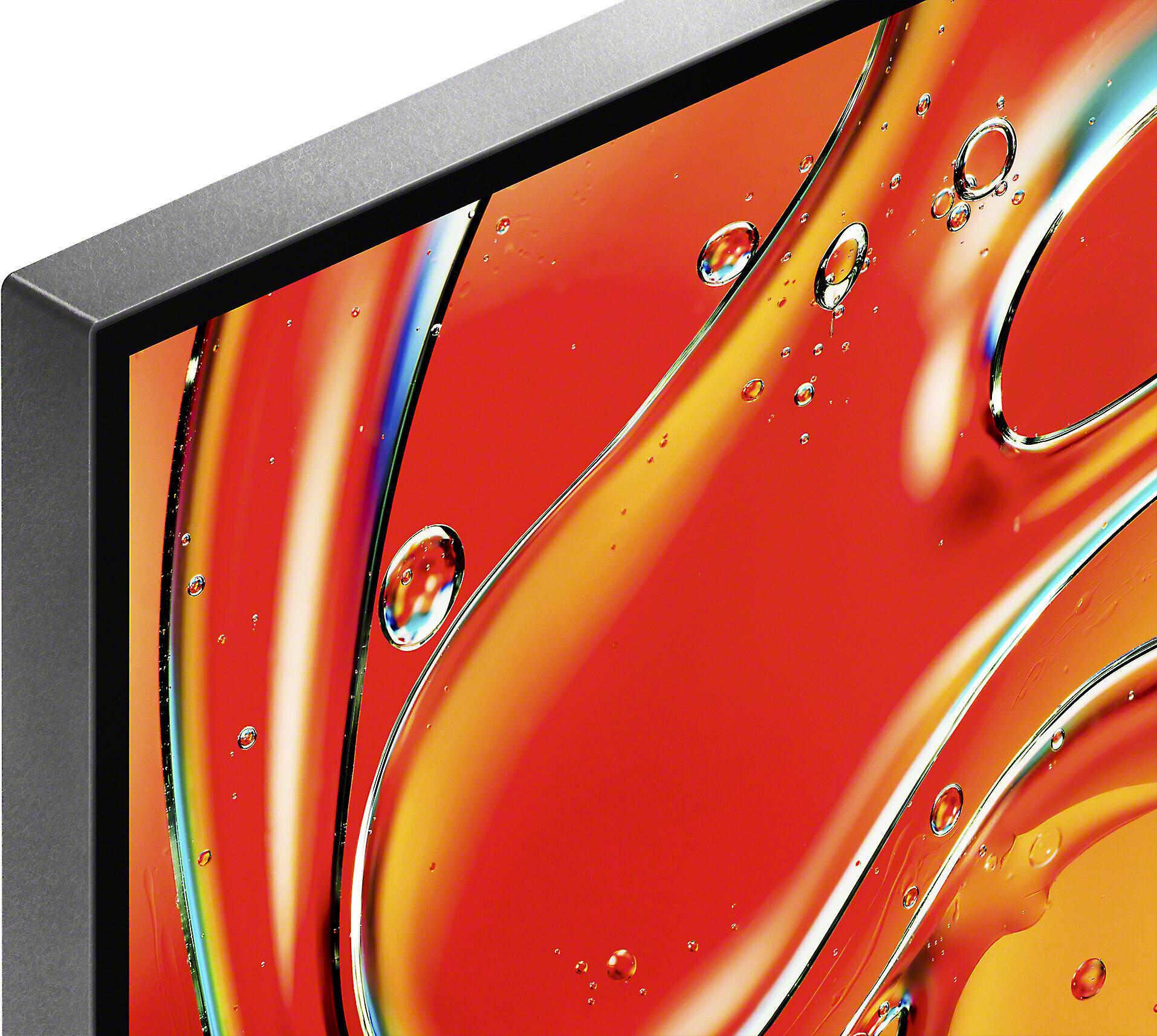
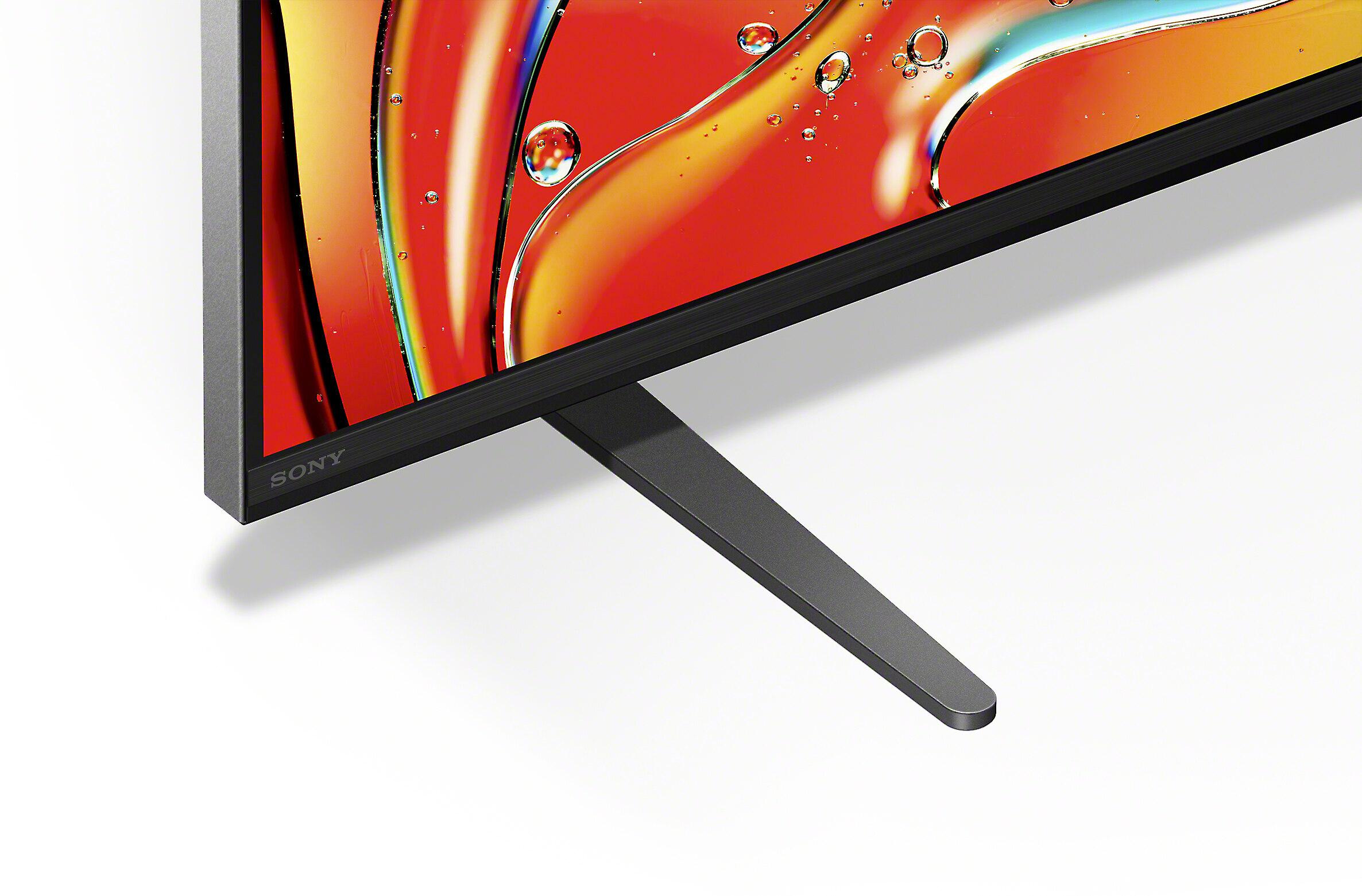
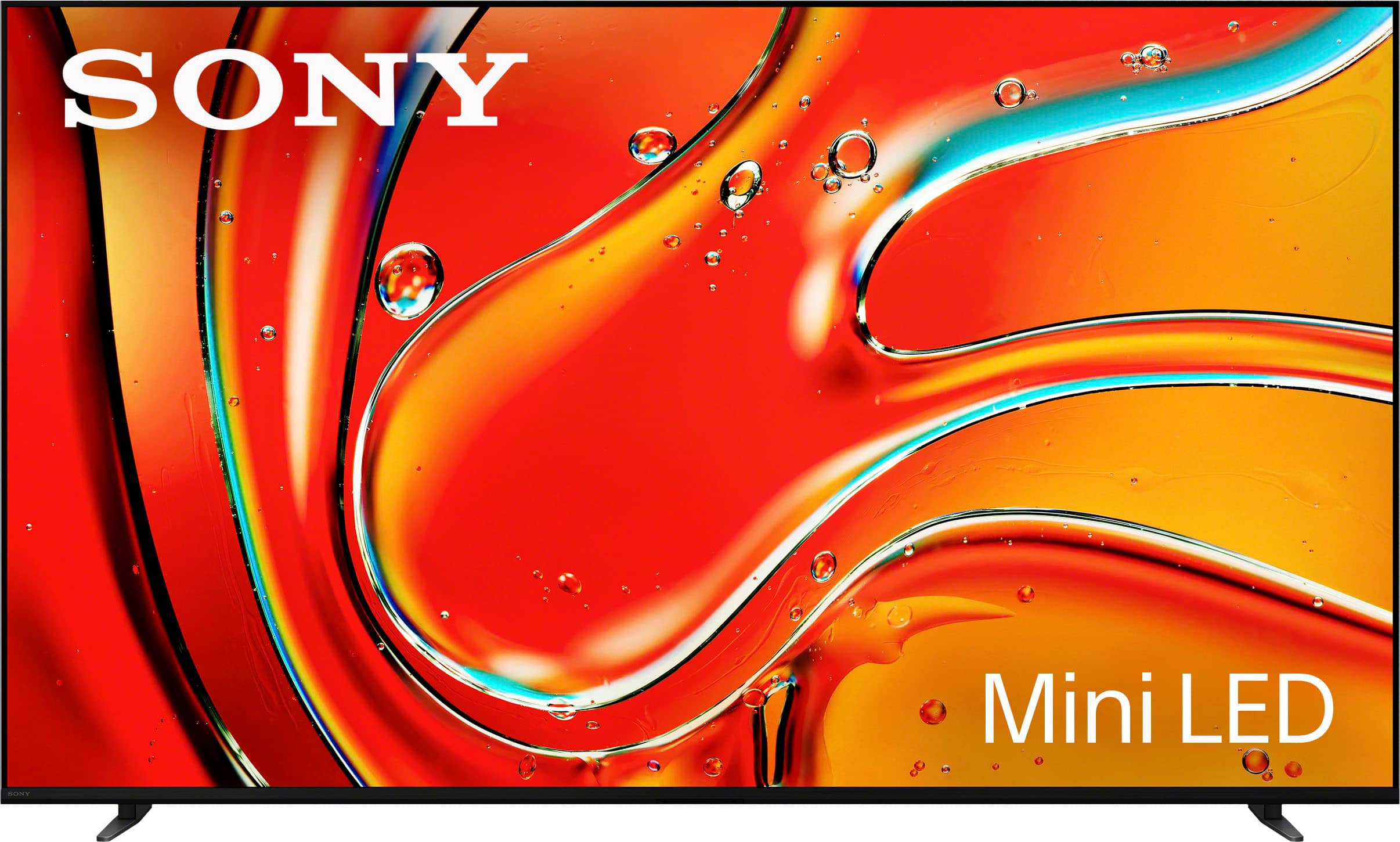
Sony took a different path with their 2024 BRAVIA 7 65", focusing on premium picture processing and advanced display technology in a smaller package. The Sony BRAVIA 7 costs considerably more at the time of writing, but that price buys you Mini LED technology with Full Array Local Dimming – a significant step up in display sophistication.
Mini LED uses thousands of tiny LEDs as the backlight, arranged in hundreds of dimming zones that can be controlled individually. When you're watching a movie with a bright explosion against a dark sky, Mini LED can make those bright areas pop while keeping the surrounding darkness truly black. This creates much better contrast than traditional LED backlighting.
Sony's XR Processor is where the BRAVIA 7 really shows its premium positioning. This chip analyzes each scene and optimizes brightness, color, and clarity in real-time. It includes XR Motion Clarity for reducing blur in fast-moving content, XR Triluminos Pro for expanded color reproduction, and XR Clear Image for upscaling lower-resolution content.
HDR (High Dynamic Range) content contains much more brightness information than standard video, allowing for more realistic lighting that matches what your eyes see in real life. However, your TV needs sufficient peak brightness to display HDR properly – otherwise, those bright highlights just look dim and washed out.
Based on our research into expert reviews and user feedback, the Sony BRAVIA 7 delivers significantly higher peak brightness thanks to its Mini LED array. Professional reviewers consistently note that the BRAVIA 7 can produce impressive HDR highlights that make content pop off the screen, while the Samsung Q6F provides adequate but not spectacular HDR performance for its price tier.
The difference becomes especially noticeable in darker viewing environments. The BRAVIA 7's local dimming can create deep blacks right next to bright highlights – think of subtitles over a dark movie scene, or stars against a night sky. The Samsung's basic dimming system can't achieve this level of precision, leading to some light bleeding and less dramatic contrast.
Color reproduction is where these TVs reveal their different priorities. The Samsung Q6F emphasizes vibrant, punchy colors that look impressive in bright rooms and catch your attention in store displays. Its Color Booster technology enhances saturation, particularly in reds and blues, creating an appealing if somewhat artificial look.
The Sony BRAVIA 7 takes a more sophisticated approach with studio-calibrated picture modes. These modes are specifically tuned to match how directors intended their content to look when creating movies and shows for Netflix, Prime Video, and Sony's own streaming service. If you're the type of viewer who cares about seeing films exactly as the filmmaker envisioned them, Sony's approach is superior.
Expert reviews consistently praise the BRAVIA 7's more natural color reproduction, while noting that the Samsung can look more impressive at first glance due to its enhanced saturation. It's a bit like comparing a smartphone camera that automatically boosts colors versus one that captures more realistic tones – both have their appeal depending on your preferences.
Most content we watch daily isn't native 4K – it's HD content from cable TV, older Netflix shows, or YouTube videos that need to be scaled up to fill your 4K screen. This is where processing power becomes crucial.
The BRAVIA 7's XR Clear Image technology receives high marks from reviewers for creating convincing 4K images from HD sources. It can restore detail and texture that might be lost in the upscaling process. The Samsung Q6F's Q4 Lite processor provides competent upscaling that's described as solid for its price range, but it doesn't match Sony's more sophisticated algorithms.
In practical terms, this means older movies and shows will look noticeably sharper and more detailed on the Sony BRAVIA 7, while the Samsung provides acceptable but not exceptional upscaled image quality.
Gaming has become a major consideration for TV buyers, especially with the PlayStation 5 and Xbox Series X pushing higher frame rates and advanced features. The differences between these TVs in gaming performance are substantial.
The most fundamental difference is refresh rate – how many times per second the screen updates with new information. The Samsung Q6F operates at 60Hz, which matches traditional console gaming and most TV content. Its Motion Xcelerator provides adequate smoothness for casual gaming and movie watching.
The Sony BRAVIA 7 offers a native 120Hz refresh rate, meaning it can display twice as much motion information per second. When playing compatible games or watching sports, this creates noticeably smoother motion with less blur during fast action sequences. Expert reviewers consistently highlight this as one of the BRAVIA 7's major advantages.
HDMI 2.1 is the latest connection standard that enables 4K gaming at 120fps, along with advanced features like Variable Refresh Rate (VRR) and Auto Low Latency Mode (ALLM). VRR synchronizes your console's output with your TV's refresh rate to eliminate screen tearing, while ALLM automatically switches to the TV's lowest-lag gaming mode when it detects a game console.
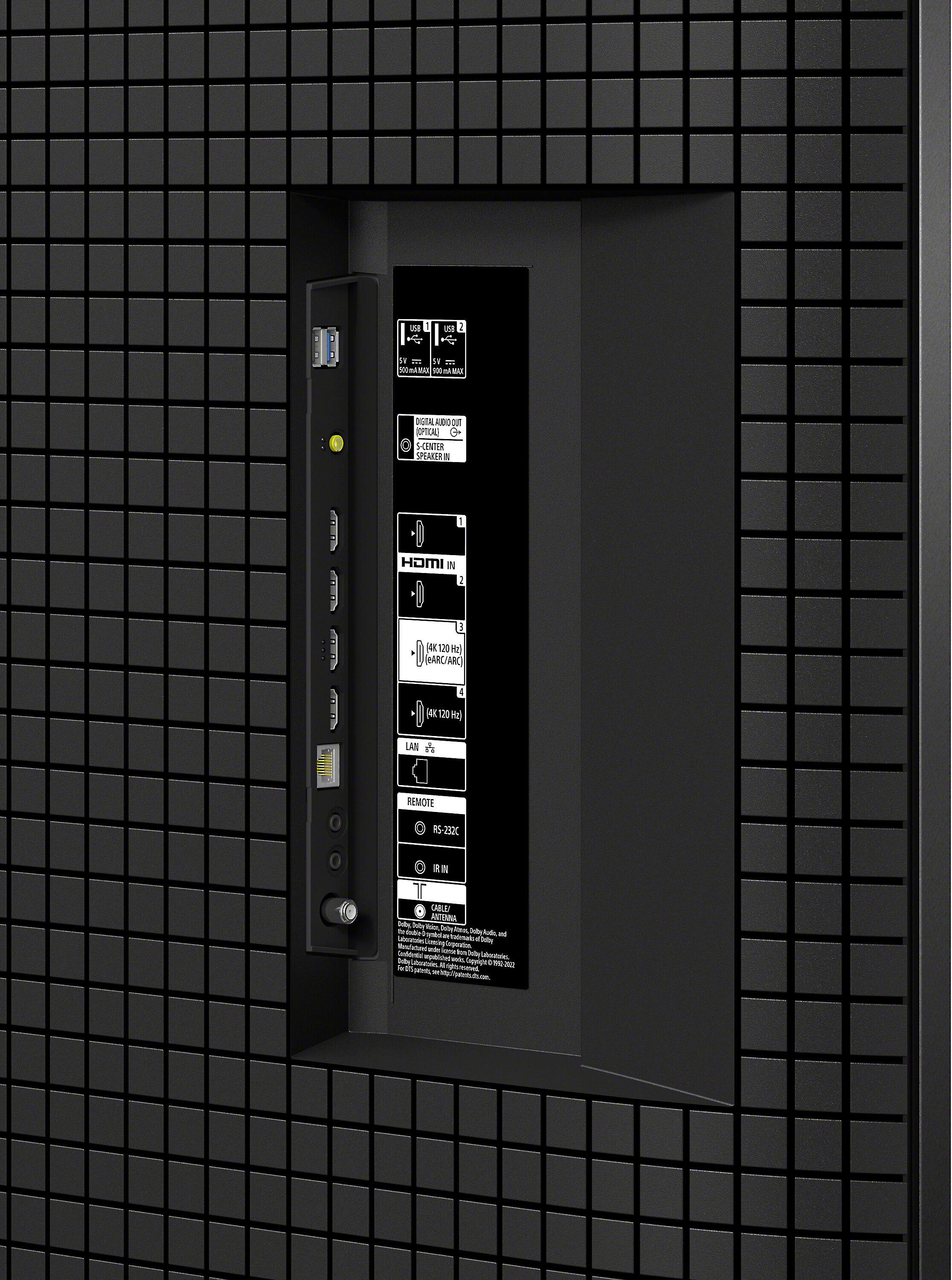
The BRAVIA 7 includes full HDMI 2.1 implementation on two of its four HDMI ports, supporting 4K at 120Hz gaming. It also includes PlayStation 5-specific optimizations like Auto HDR Tone Mapping, which automatically adjusts HDR settings for the best gaming experience.
The Samsung Q6F supports some HDMI 2.1 features like ALLM and VRR, but it's limited to 4K at 60Hz due to its panel limitations. For current-generation console gaming at standard frame rates, this is perfectly adequate. However, it won't take advantage of the higher frame rate capabilities that newer games increasingly offer.
Input lag – the delay between pressing a controller button and seeing the action on screen – is crucial for competitive gaming. Both TVs offer dedicated game modes that reduce input lag to competitive levels, with the BRAVIA 7 achieving sub-8.5ms latency according to professional testing.
The Samsung Q6F runs Tizen, Samsung's proprietary smart TV platform that's evolved significantly since its introduction. Tizen provides access to all major streaming services and includes Samsung TV Plus, which offers over 1,000 free streaming channels covering news, entertainment, and niche content.
The platform also integrates Samsung's Gaming Hub, which allows access to cloud gaming services like Xbox Game Pass, NVIDIA GeForce Now, and Amazon Luna without needing a dedicated console. This can extend the TV's gaming capabilities beyond its hardware limitations.
SmartThings integration lets the TV serve as a hub for controlling smart home devices, from lights to thermostats to security cameras. The interface is generally praised for being intuitive and responsive.
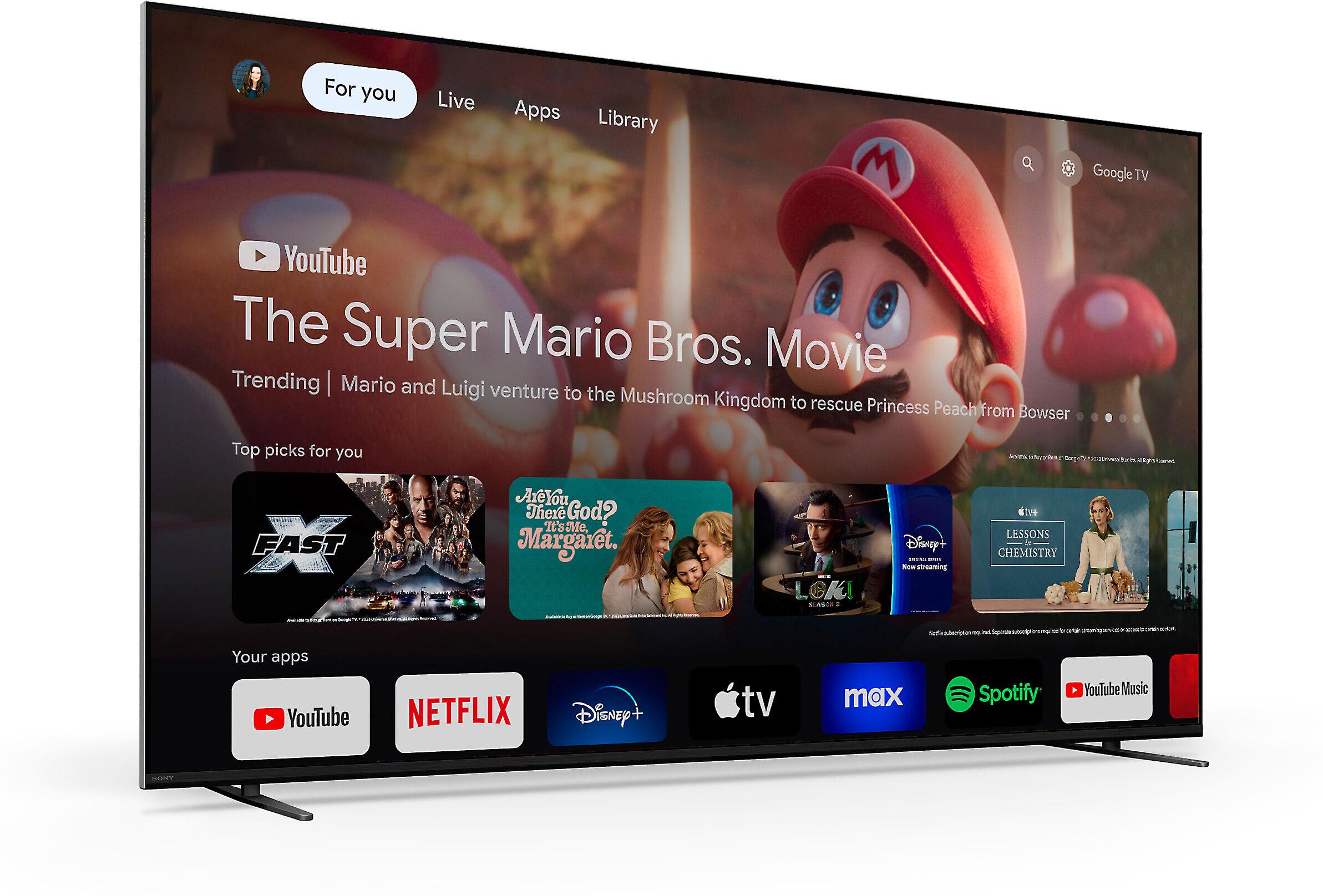
The Sony BRAVIA 7 uses Google TV, which builds on Android TV with enhanced content discovery powered by Google's AI. The platform learns your viewing preferences and suggests content from across multiple streaming services, potentially helping you discover shows you might have missed.
Google Assistant integration allows voice control for searching content, controlling smart home devices, and getting information. The platform also supports Chromecast built-in and Apple AirPlay 2 for easy casting from mobile devices.
Sony includes access to their SONY PICTURES CORE streaming service, which offers a curated selection of movies with IMAX Enhanced formatting – providing improved picture and sound quality for supported content.
The Samsung Q6F includes a 20-watt, 2-channel speaker system with Object Tracking Sound Lite (OTS Lite). This technology attempts to match sound effects with their on-screen locations, creating a more immersive audio experience than traditional TV speakers. Q-Symphony compatibility allows the TV speakers to work alongside compatible Samsung soundbars for enhanced audio.
While adequate for casual viewing, the basic 2-channel setup lacks the power and sophistication for serious movie watching or music listening.
The Sony BRAVIA 7 includes a more substantial 40-watt, 4-channel audio system with dedicated tweeters for clearer high-frequency reproduction. It supports Dolby Atmos and DTS:X for immersive surround sound from compatible content.
Features like Voice Zoom 3 can enhance dialog clarity – particularly useful for viewers who struggle with mumbly movie dialog or thick accents. Acoustic Auto Calibration adjusts the sound based on your room's acoustics and your seating position.
Expert reviews consistently note that the BRAVIA 7's built-in audio is significantly better than typical TV speakers, though still not a replacement for a dedicated sound system for serious home theater use.
For dedicated home theater setups, the choice between these TVs depends heavily on your viewing environment and priorities.
In darker viewing environments where you can control lighting, the Sony BRAVIA 7 is the clear winner. Its Mini LED local dimming creates the dramatic contrast that makes movies come alive, with bright highlights and deep blacks that basic LED TVs simply can't match. The studio-calibrated picture modes ensure you're seeing films as directors intended.
The 120Hz refresh rate also eliminates the "soap opera effect" that can make movies look artificially smooth, while providing the option for higher frame rate content when desired.
For brighter living rooms or family rooms with lots of windows, the Samsung Q6F's larger screen size and quantum dot technology provide advantages. The 75-inch screen creates more presence and immersion, while the quantum dot layer helps maintain color vibrancy even in bright lighting conditions.
The larger screen also means you can sit further away while maintaining the same viewing experience, which works better for casual family viewing scenarios.
The fundamental choice between these TVs comes down to whether you prioritize screen size or advanced features. The Samsung Q6F provides 23% more viewing area for significantly less money, making it excellent value for buyers who want the biggest picture possible.
However, the Sony BRAVIA 7 delivers genuinely premium picture quality features that justify its higher price for viewers who prioritize image sophistication. The Mini LED technology, advanced processing, and 120Hz capabilities represent meaningful improvements that you'll notice in daily use.
Want maximum screen impact for your money. The larger screen creates a more immersive experience for movies, sports, and gaming, especially in larger rooms where a 65-inch TV might feel small.
Have a bright living room setup. The quantum dot technology and larger screen work well in rooms with lots of ambient light, where the Sony's superior contrast advantages would be less noticeable.
Prioritize casual entertainment over critical viewing. For Netflix binge-watching, sports viewing, and casual gaming, the Samsung provides an excellent experience without the premium features you might not fully utilize.
Want extensive free content. Samsung TV Plus offers more free streaming channels than most competitors, potentially reducing your need for multiple paid streaming services.
Care about picture quality above all else. The Mini LED technology and advanced processing deliver genuinely better image quality that's immediately noticeable in side-by-side comparisons.
Game seriously on modern consoles. The 120Hz support and full HDMI 2.1 features make this TV significantly more capable for PlayStation 5 and Xbox Series X gaming.
Watch movies in darker environments. The local dimming and HDR performance create the dramatic contrast that makes films more engaging and immersive.
Want future-proof technology. The 120Hz panel, advanced connectivity, and sophisticated processing will remain relevant longer as content and gaming continue to evolve.
Appreciate premium audio without immediately buying a soundbar. The built-in sound system is genuinely better than most TV speakers.
Both TVs succeed at their intended goals. The Samsung Q6F 75" delivers remarkable value for buyers who want a large, capable 4K TV without premium pricing. It's an excellent choice for most families who want solid smart TV features and quantum dot color benefits in a massive screen.
The Sony BRAVIA 7 65" justifies its premium pricing through genuinely superior technology implementation. It's the better choice for viewers who prioritize picture quality, serious gaming, or who plan to use their TV as the centerpiece of a dedicated home theater setup.
Your decision ultimately depends on whether you value maximum screen size (Samsung) or maximum picture sophistication (Sony) within your budget. Both represent solid choices in their respective market segments, but they serve different priorities and viewing scenarios.
| Samsung Q6F 75" | Sony BRAVIA 7 65" |
|---|---|
| Screen Size - Bigger screen creates more immersive viewing but takes up more space | |
| 75 inches (ideal for large rooms 10+ feet away) | 65 inches (perfect for most living rooms 8-10 feet away) |
| Display Technology - Determines picture quality, especially contrast and black levels | |
| QLED with basic LED backlight and UHD Dimming | Mini LED with Full Array Local Dimming (hundreds of zones) |
| Refresh Rate - Critical for smooth gaming and sports viewing | |
| 60Hz (adequate for standard content and casual gaming) | 120Hz native (eliminates motion blur, essential for PS5/Xbox Series X) |
| Peak Brightness - How well HDR content and bright scenes will look | |
| Moderate brightness suitable for most rooms | High peak brightness ideal for HDR content and bright rooms |
| Processor - Affects upscaling quality and smart TV responsiveness | |
| Q4 Lite (basic 4K upscaling and optimization) | XR Processor (advanced AI processing and superior upscaling) |
| HDR Support - Determines how realistic bright and dark scenes appear | |
| HDR10+ and Quantum HDR (good but not premium) | HDR10, HLG, and Dolby Vision (premium formats with studio calibration) |
| Gaming Features - Important for console gamers wanting latest capabilities | |
| ALLM, HGIG, 4K@60Hz (adequate for standard gaming) | HDMI 2.1, VRR, ALLM, 4K@120Hz, PS5 optimization (next-gen ready) |
| Audio System - Built-in speaker quality before adding soundbar | |
| 20W 2-channel with OTS Lite (basic TV audio) | 40W 4-channel with tweeters, Dolby Atmos (premium TV speakers) |
| Smart Platform - Interface and streaming app experience | |
| Tizen OS with Samsung TV Plus (1,000+ free channels) | Google TV with AI recommendations and SONY PICTURES CORE access |
| Connectivity - Future-proofing and device compatibility | |
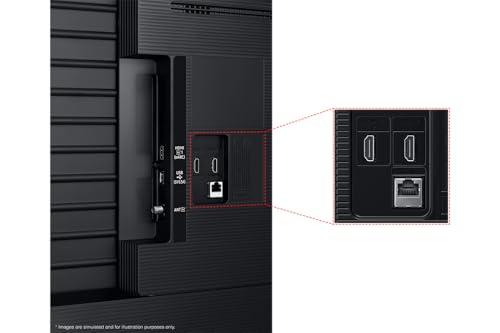
| 3 HDMI ports, Wi-Fi 5 (adequate for current needs) | 4 HDMI ports (2 full HDMI 2.1), Wi-Fi 6E (future-proof connectivity) |
| Value Proposition - What you get for your money | |
| Maximum screen size at budget-friendly price point | Premium features and processing in smaller, more expensive package |
| Best For - Primary use cases where each TV excels | |
| Large families, bright rooms, casual viewing, budget-conscious buyers | Movie enthusiasts, serious gamers, dark room viewing, quality-focused buyers |
The Sony BRAVIA 7 65" is significantly better for gaming, especially with next-gen consoles. It offers 120Hz refresh rate, full HDMI 2.1 support for 4K@120Hz gaming, Variable Refresh Rate (VRR), and PlayStation 5-specific optimizations. The Samsung Q6F 75" is limited to 60Hz and 4K@60Hz gaming, making it adequate for casual gaming but not ideal for serious console players who want the smoothest possible experience.
The Samsung Q6F 75" uses QLED technology with quantum dots for enhanced color reproduction but relies on basic LED backlighting with limited dimming zones. The Sony BRAVIA 7 65" uses Mini LED technology with thousands of tiny LEDs arranged in hundreds of dimming zones, providing much better contrast control and deeper blacks. Mini LED offers superior picture quality, especially in dark room viewing scenarios.
The Sony BRAVIA 7 65" delivers superior picture quality through its Mini LED display, advanced XR processor, and studio-calibrated picture modes. It offers better contrast, more accurate colors, and superior HDR performance with Dolby Vision support. While the Samsung Q6F 75" provides good picture quality for its price range with vibrant quantum dot colors, it can't match Sony's processing sophistication and display technology.
The Samsung Q6F 75" provides 23% more viewing area than the Sony BRAVIA 7 65", which creates a more immersive experience, especially for large rooms or viewers who sit further away. However, the Sony compensates with superior picture quality that can make the smaller screen feel more engaging. Choose the Samsung if screen size is your priority, or the Sony if you prefer advanced features and processing.
Both TVs perform well in bright rooms, but for different reasons. The Samsung Q6F 75" offers a larger screen with quantum dot technology that maintains color vibrancy in bright lighting. The Sony BRAVIA 7 65" provides higher peak brightness through its Mini LED array, making HDR content more impactful even with ambient light. The Sony technically performs better, but the Samsung's larger size can provide more presence in bright spaces.
The Samsung Q6F 75" runs Tizen OS with access to Samsung TV Plus (offering over 1,000 free channels), Gaming Hub for cloud gaming, and SmartThings integration. The Sony BRAVIA 7 65" uses Google TV with AI-powered content recommendations, Google Assistant, and access to SONY PICTURES CORE streaming service. Both platforms are excellent, with Samsung offering more free content and Sony providing better content discovery.
The Sony BRAVIA 7 65" has significantly better built-in audio with its 40W, 4-channel system featuring dedicated tweeters, Dolby Atmos support, and Voice Zoom technology for dialog enhancement. The Samsung Q6F 75" offers a basic 20W, 2-channel system with Object Tracking Sound Lite. While both benefit from external sound systems, the Sony provides much better audio quality out of the box.
For dedicated home theater use, the Sony BRAVIA 7 65" is the better choice due to its Mini LED local dimming, which creates dramatic contrast essential for cinematic viewing in dark rooms. It also includes studio-calibrated picture modes and Dolby Vision support. The Samsung Q6F 75" can work for home theater but lacks the contrast performance and professional calibration that serious movie watchers prefer.
Value depends on your priorities. The Samsung Q6F 75" offers exceptional value for buyers wanting maximum screen size with solid 4K performance at a lower price point. The Sony BRAVIA 7 65" provides better value for buyers prioritizing advanced features, superior picture quality, and future-proofing capabilities. Consider the Samsung for budget-conscious large-screen viewing or the Sony for premium performance.
Both the Samsung Q6F 75" and Sony BRAVIA 7 65" support all major streaming platforms including Netflix, Amazon Prime Video, Disney+, Apple TV+, YouTube, and many others. Samsung adds Samsung TV Plus for free content, while Sony includes SONY PICTURES CORE. Both platforms receive regular updates and have comprehensive app stores with thousands of available applications.
The Sony BRAVIA 7 65" is more future-proof with its 120Hz panel, full HDMI 2.1 implementation, Wi-Fi 6E connectivity, and advanced processing capabilities. These features will remain relevant as content and gaming continue to evolve toward higher frame rates and more demanding specifications. The Samsung Q6F 75" provides current-generation compatibility but may show limitations as technology advances.
Choose the Samsung Q6F 75" if you want maximum screen size, have a limited budget, watch primarily in bright rooms, or prioritize casual entertainment over critical picture quality. Choose the Sony BRAVIA 7 65" if you're a serious gamer, movie enthusiast, have a dedicated dark viewing room, or want the most advanced features and processing available. Both are excellent TVs serving different priorities and budgets.
We've done our best to create useful and informative comparisons to help you decide what product to buy. Our research uses advanced automated methods to create this comparison and perfection is not possible - please contact us for corrections or questions. These are the sites we've researched in the creation of this article: youtube.com - rtings.com - cnet.com - youtube.com - rtings.com - samsung.com - bestbuy.com - samsung.com - samsung.com - bestbuy.com - manuals.plus - arrowassociatedstores.com - samsung.com - samsung.com - samsung.com - flatpanelshd.com - device.report - bestbuy.com - bestbuy.com - avsforum.com - avsforum.com - crutchfield.com - sony.com - rtings.com - schaeferstv.com - youtube.com - displayspecifications.com

Privacy Policy
Terms and Conditions - Affiliate Policy
Home Security
© Copyright 2008-2026.
11816 Inwood Rd #1211, Dallas, TX 75244