

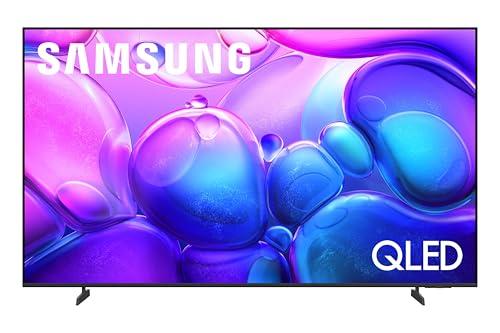
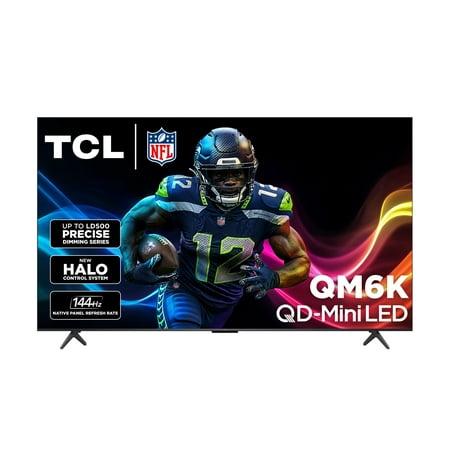
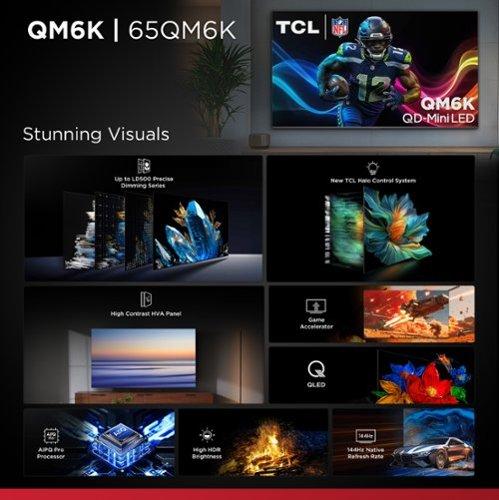
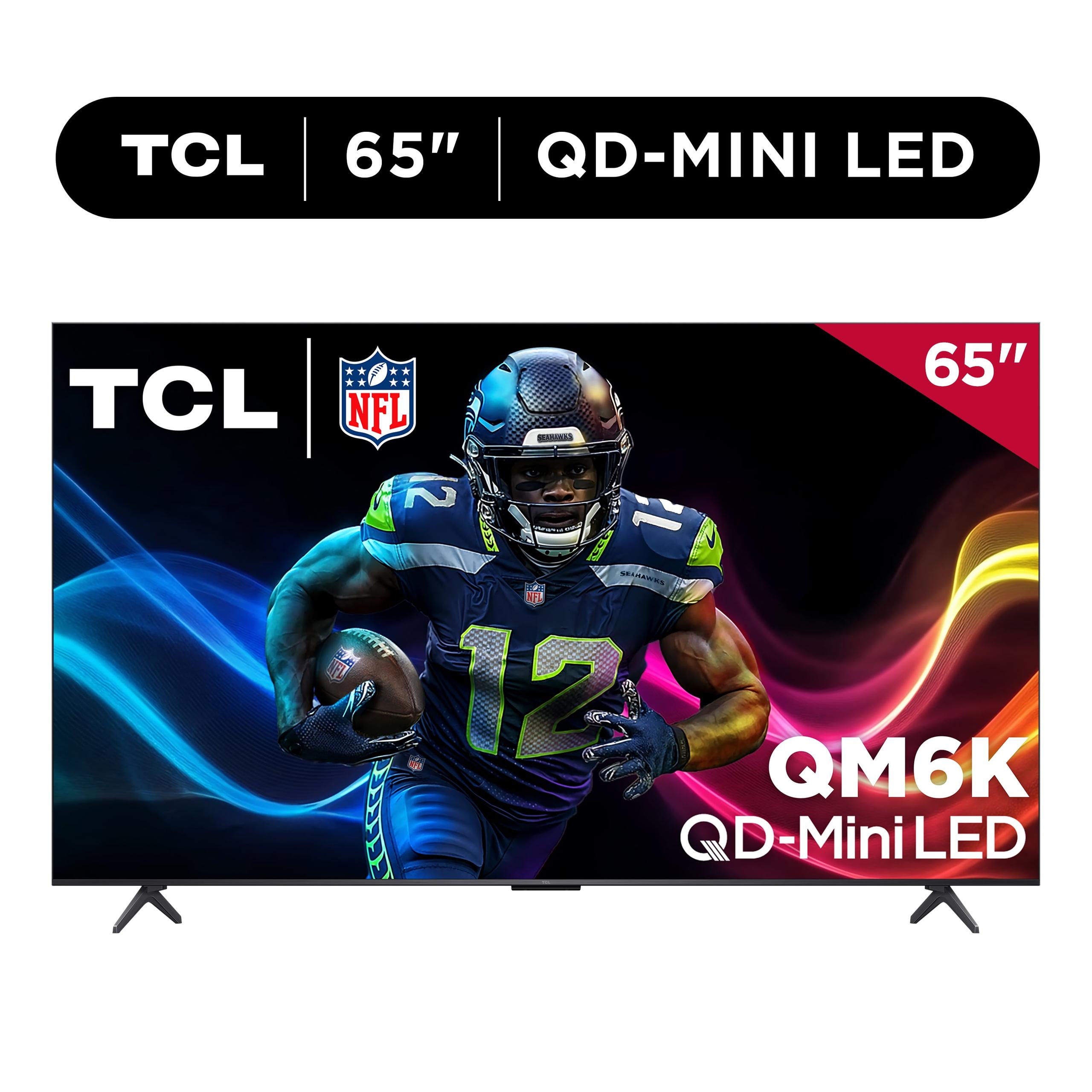
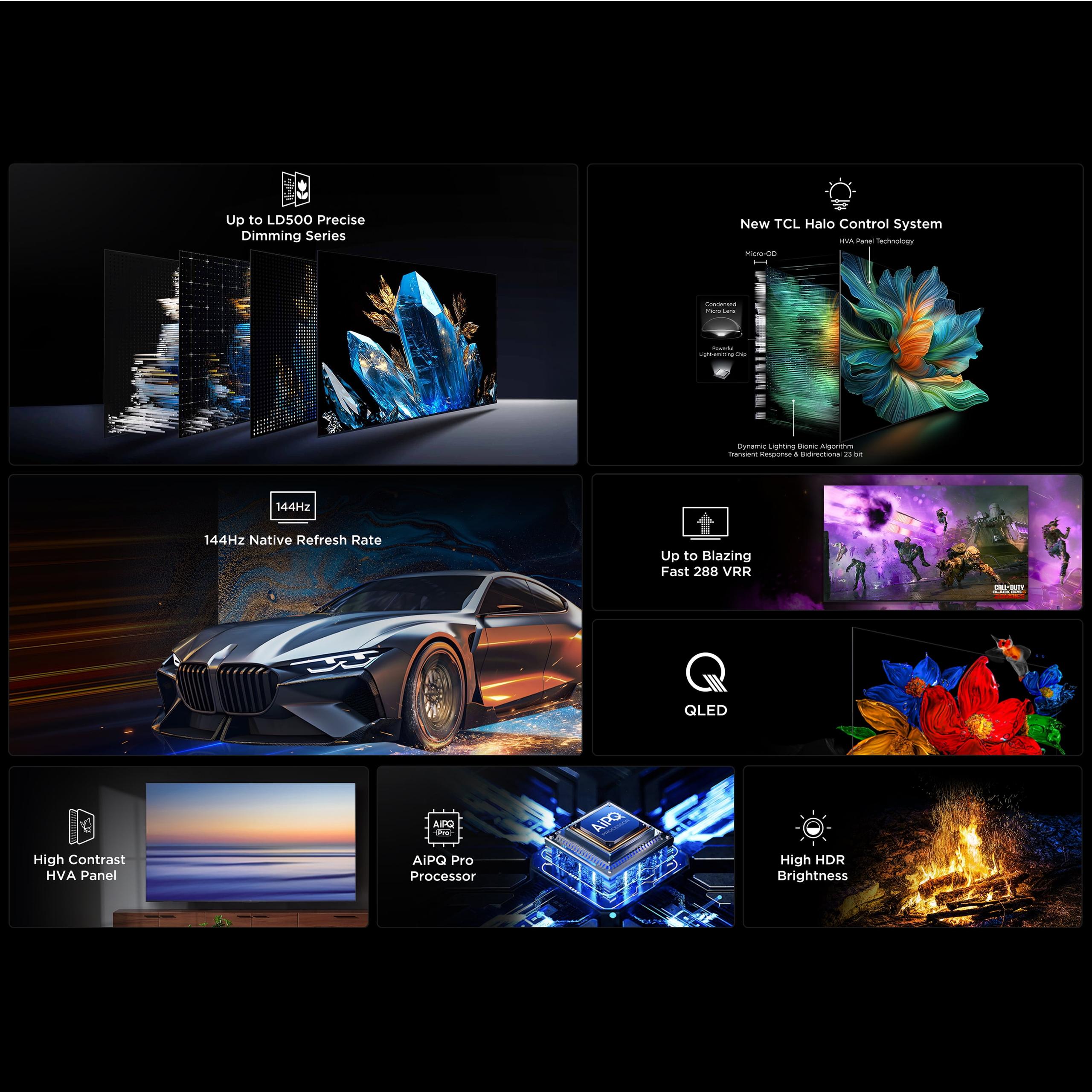
The 4K TV market in 2025 presents an interesting dilemma for buyers: do you prioritize screen size with proven technology, or opt for cutting-edge display innovations in a smaller package? This comparison between the Samsung 75-Inch QLED Q6F Series 2025 Smart TV and TCL 65" QM6K QD-Mini LED 4K TV perfectly illustrates this modern buying decision.
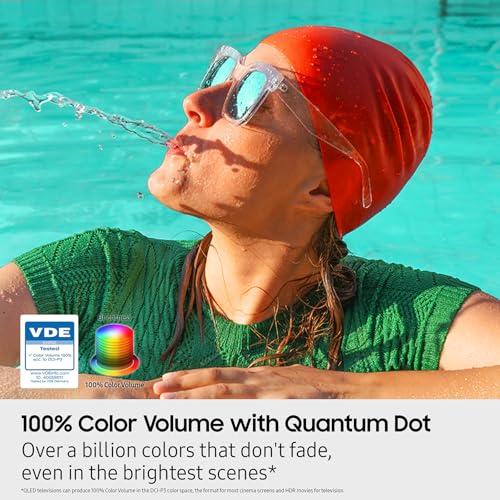
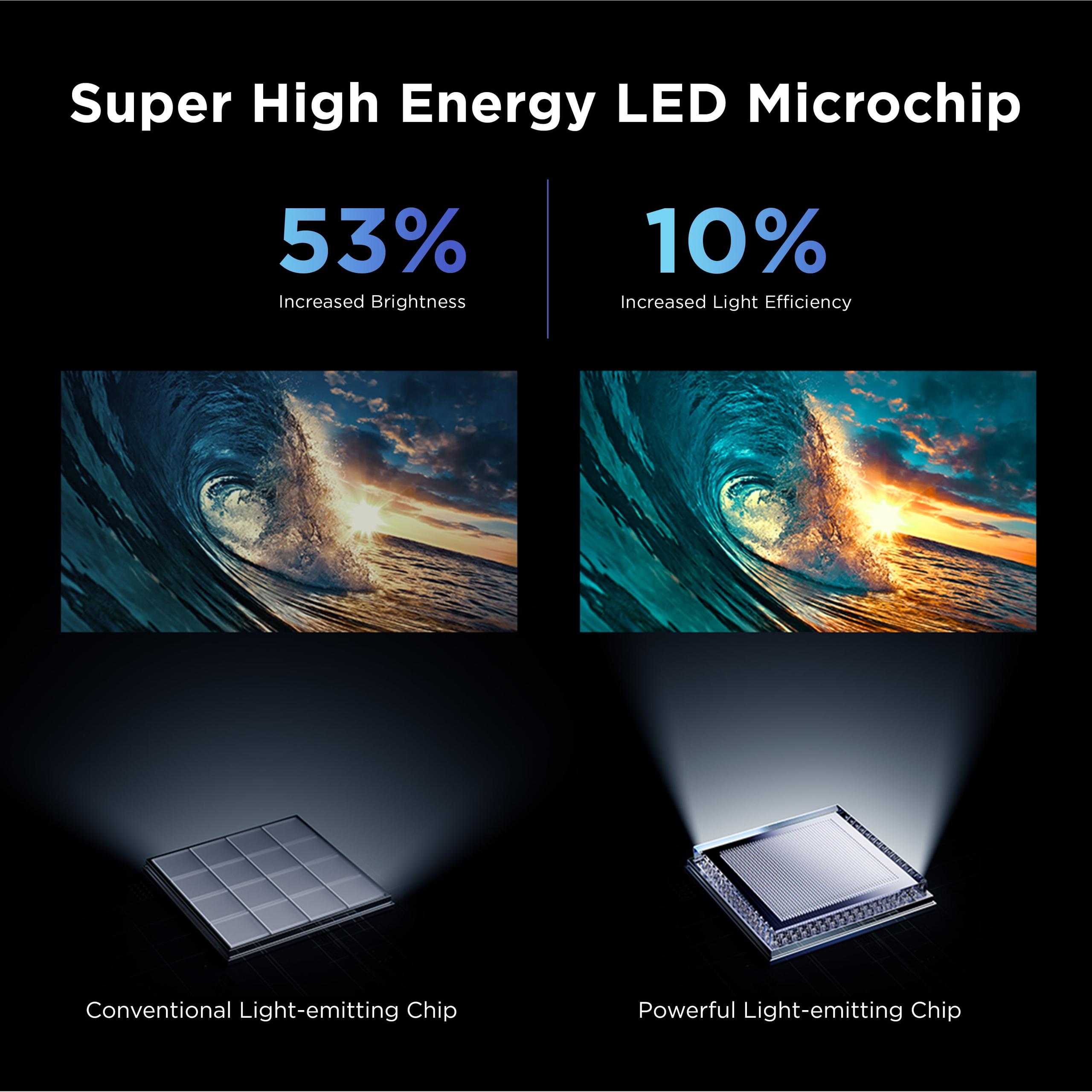
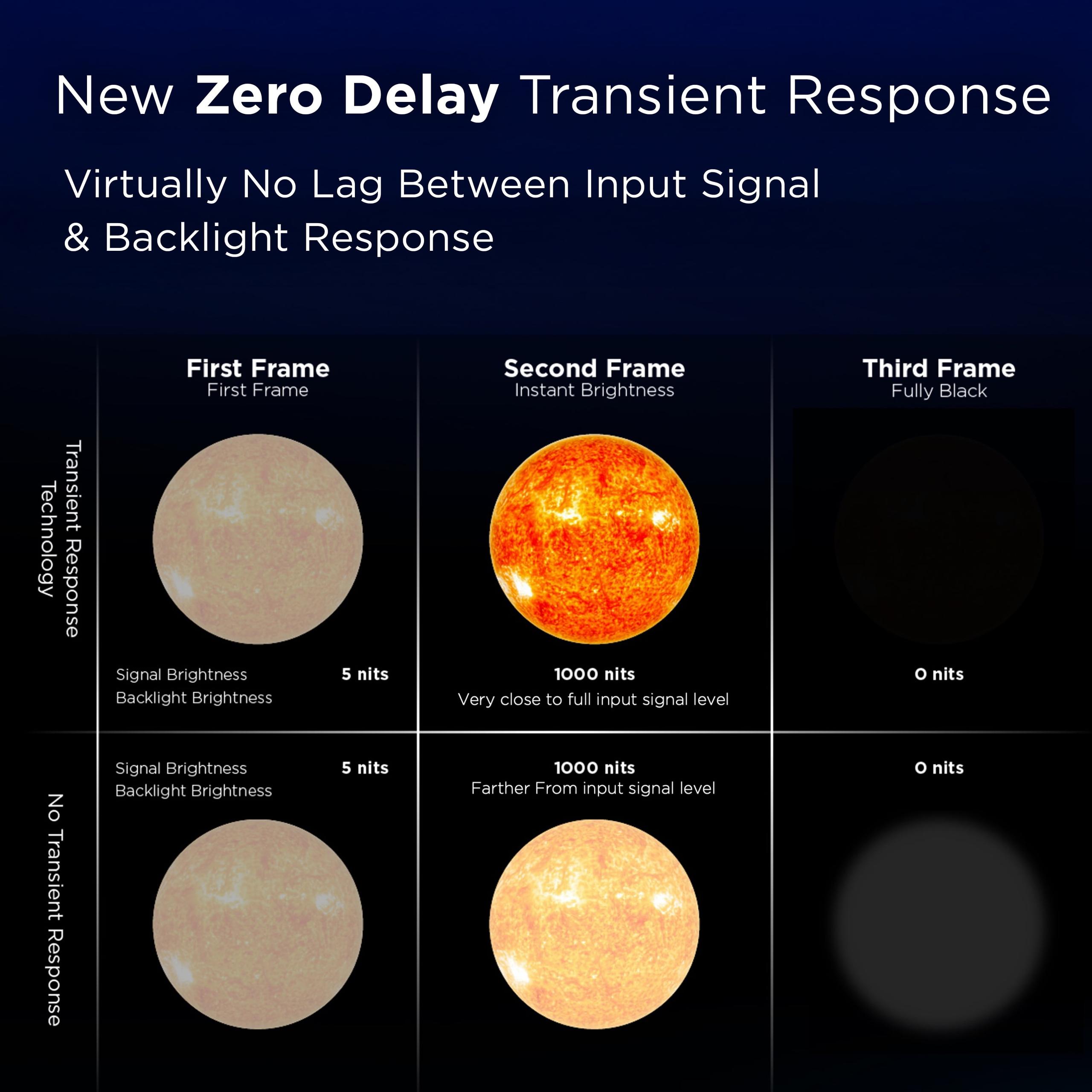
Both TVs represent significant technological advances since their manufacturers' previous generations. Samsung's 2025 QLED lineup introduced improved quantum dot technology with 100% color volume certification, while TCL's QM6K series launched with their new Super High Energy LED Chip technology, delivering 53% increased brightness over previous models. Understanding these improvements helps explain why both TVs punch above their weight class in terms of features and performance.
Today's 4K smart TVs have evolved far beyond simple display panels. They're entertainment hubs combining advanced display technologies like quantum dots (microscopic particles that enhance color accuracy), local dimming (independently controlling brightness in different screen areas), and high refresh rates for smooth motion. The key considerations when shopping include peak brightness (how bright whites can get), contrast ratio (the difference between darkest blacks and brightest whites), color accuracy, smart platform capabilities, and gaming features.
The most critical performance metrics are peak brightness measured in nits (a unit of luminance), local dimming zone count, refresh rate measured in Hz (frames per second), and input lag measured in milliseconds. These numbers directly impact how vivid HDR content appears, how deep blacks look, how smooth motion appears, and how responsive gaming feels.
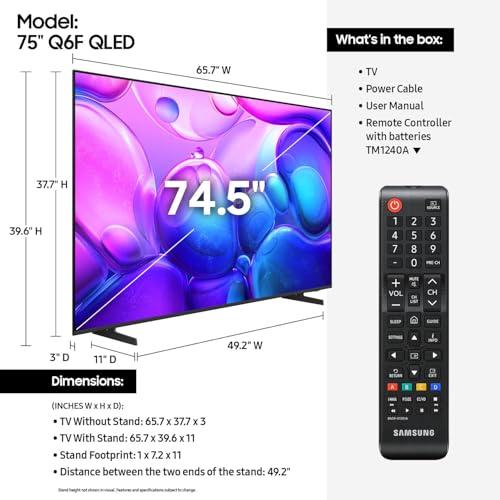
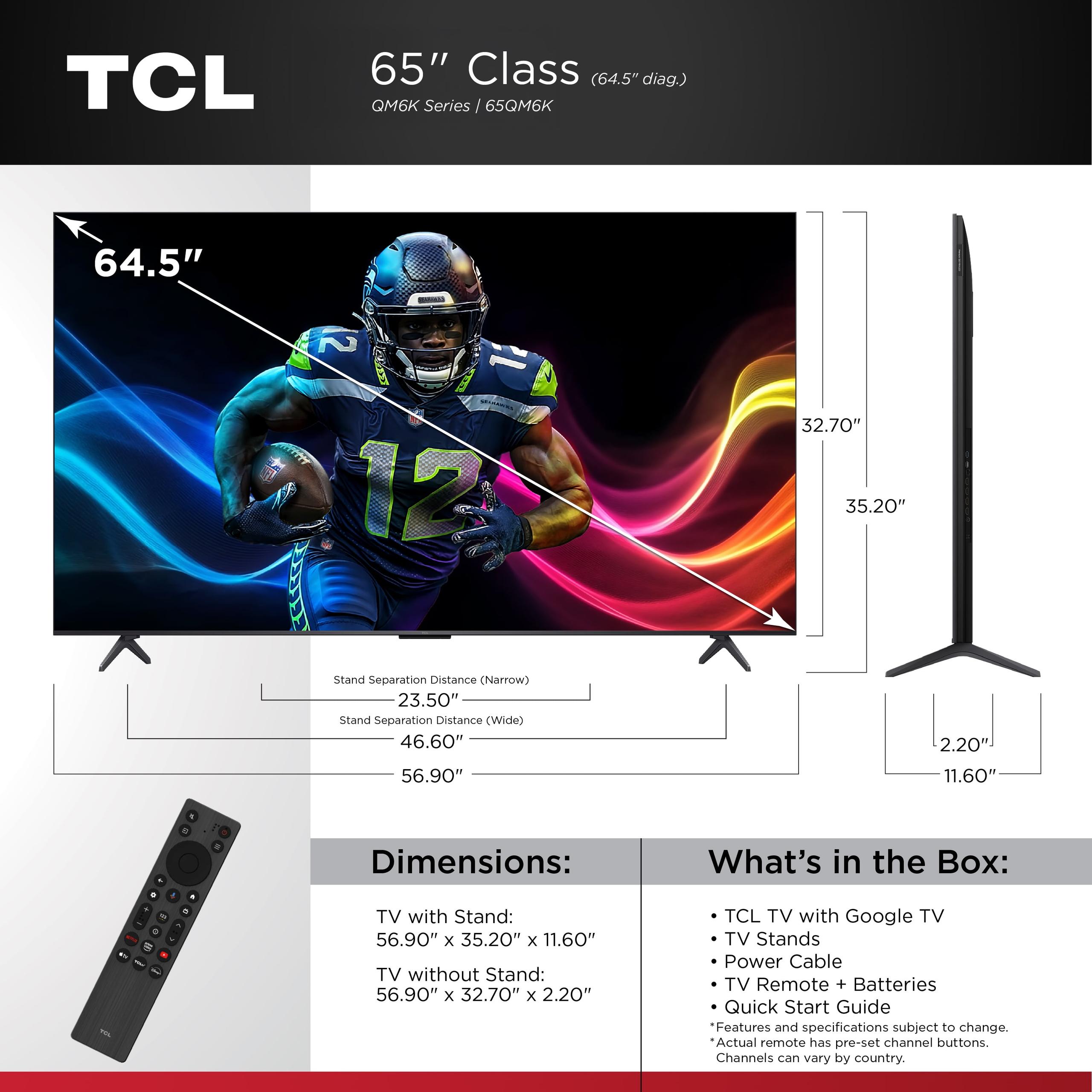
The elephant in the room is screen size. The Samsung Q6F offers 75 inches of diagonal screen space compared to the TCL QM6K's 65 inches. This translates to roughly 50% more total viewing area – a substantial difference that fundamentally changes the viewing experience.
In my experience evaluating TVs across different room sizes, screen size often trumps minor picture quality differences for overall satisfaction. A 75-inch display creates an immersive experience that makes movies feel cinematic and games more engaging. However, this advantage only holds if your room can accommodate the larger screen without causing eye strain from sitting too close.
The ideal viewing distance for a 75-inch 4K TV is between 9-12 feet, while a 65-inch display works well from 8-10 feet. If your seating is closer than these ranges, the TCL QM6K might actually provide a more comfortable viewing experience.
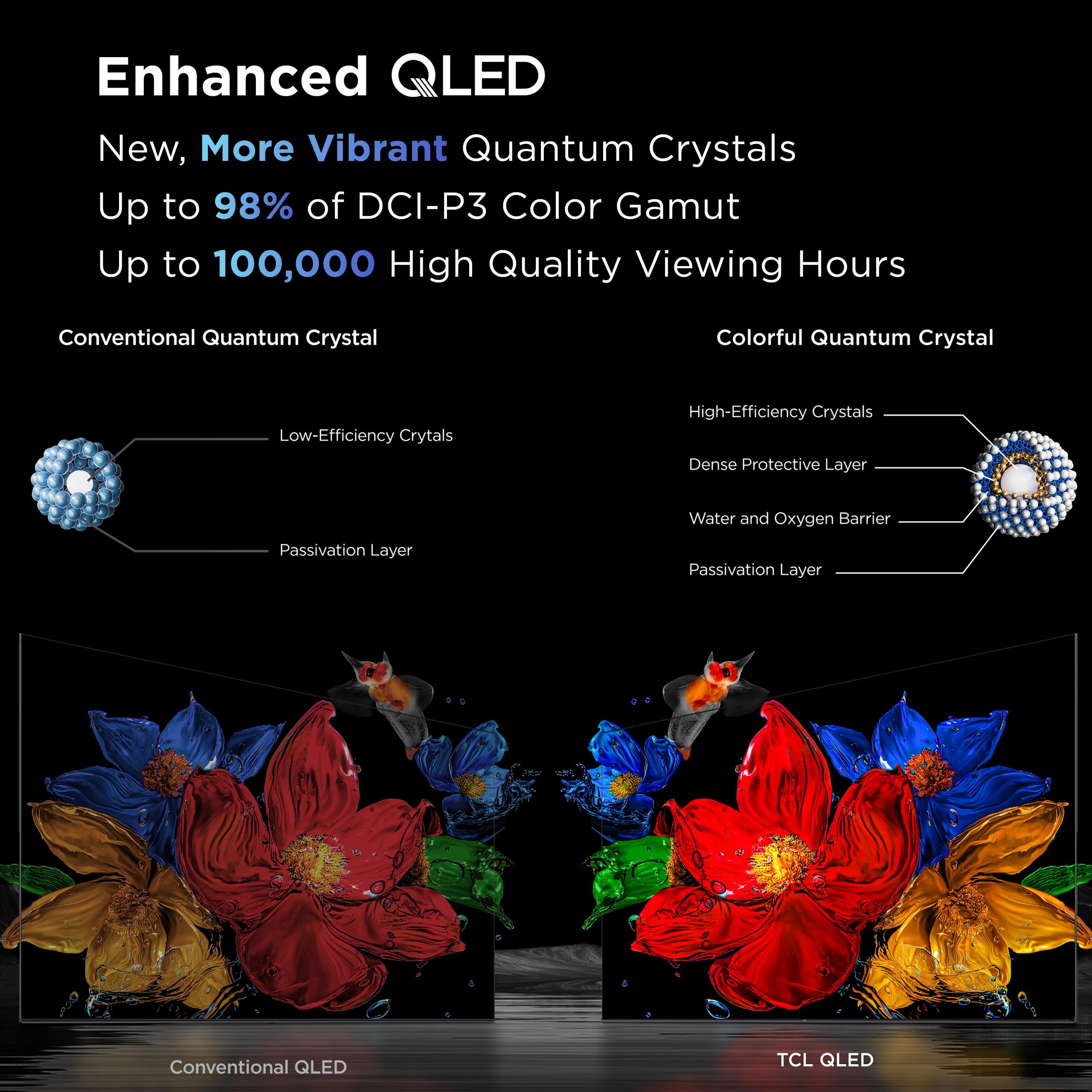
Here's where the comparison gets technically interesting. The Samsung Q6F uses traditional QLED technology – essentially an LED-backlit LCD panel enhanced with quantum dots. These quantum dots are nano-sized crystals that emit pure colors when hit by light, resulting in more accurate and vibrant colors than standard LCD displays.
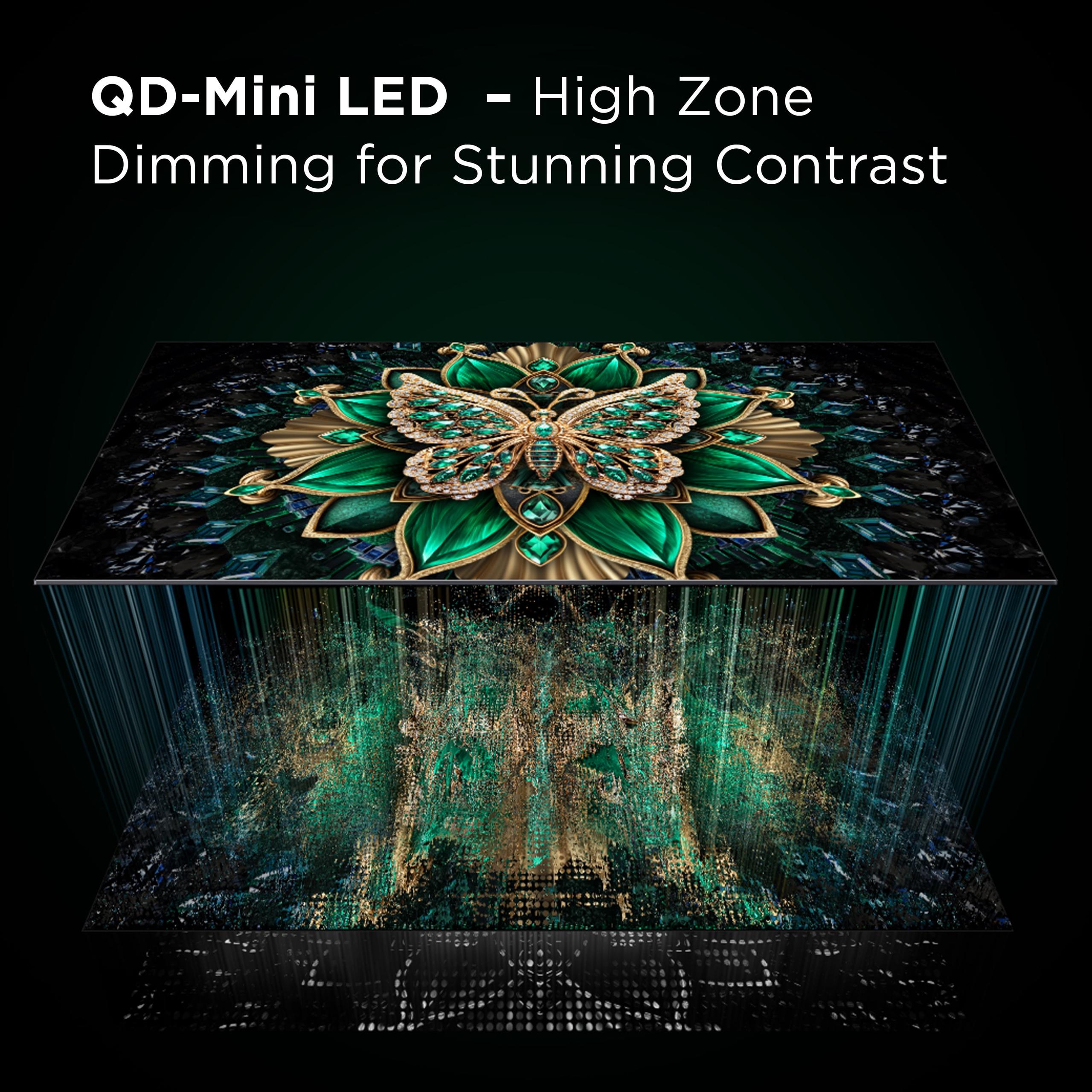
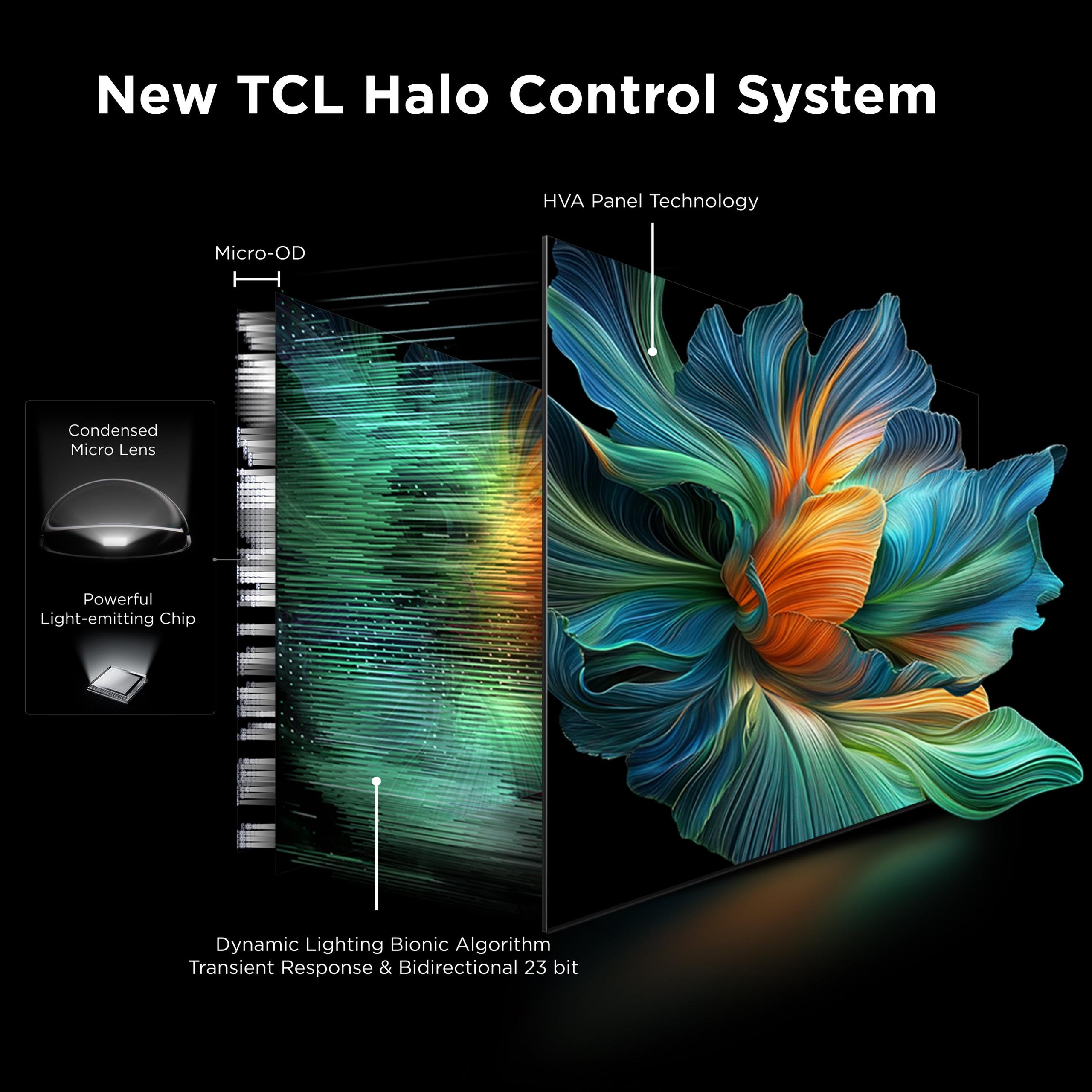
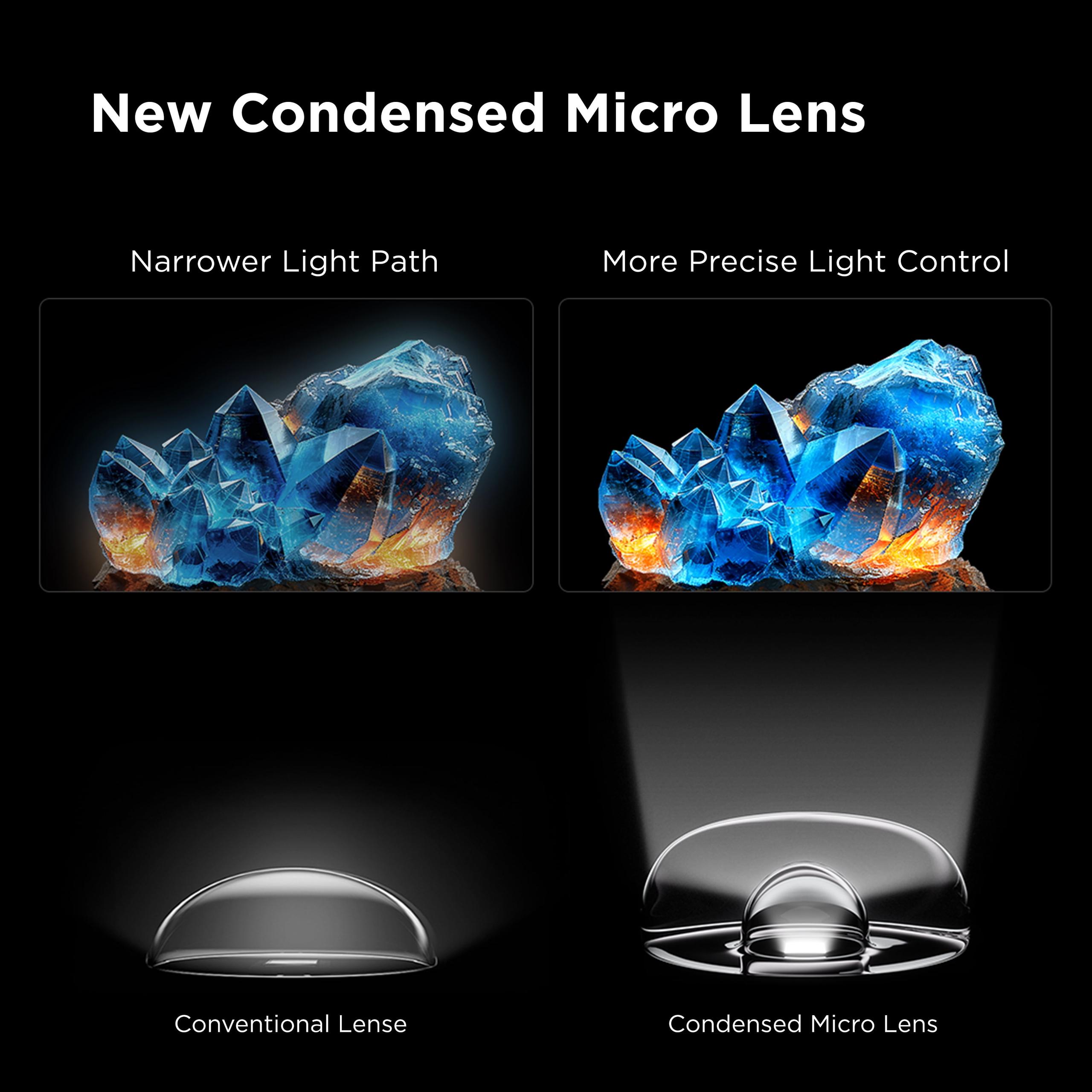
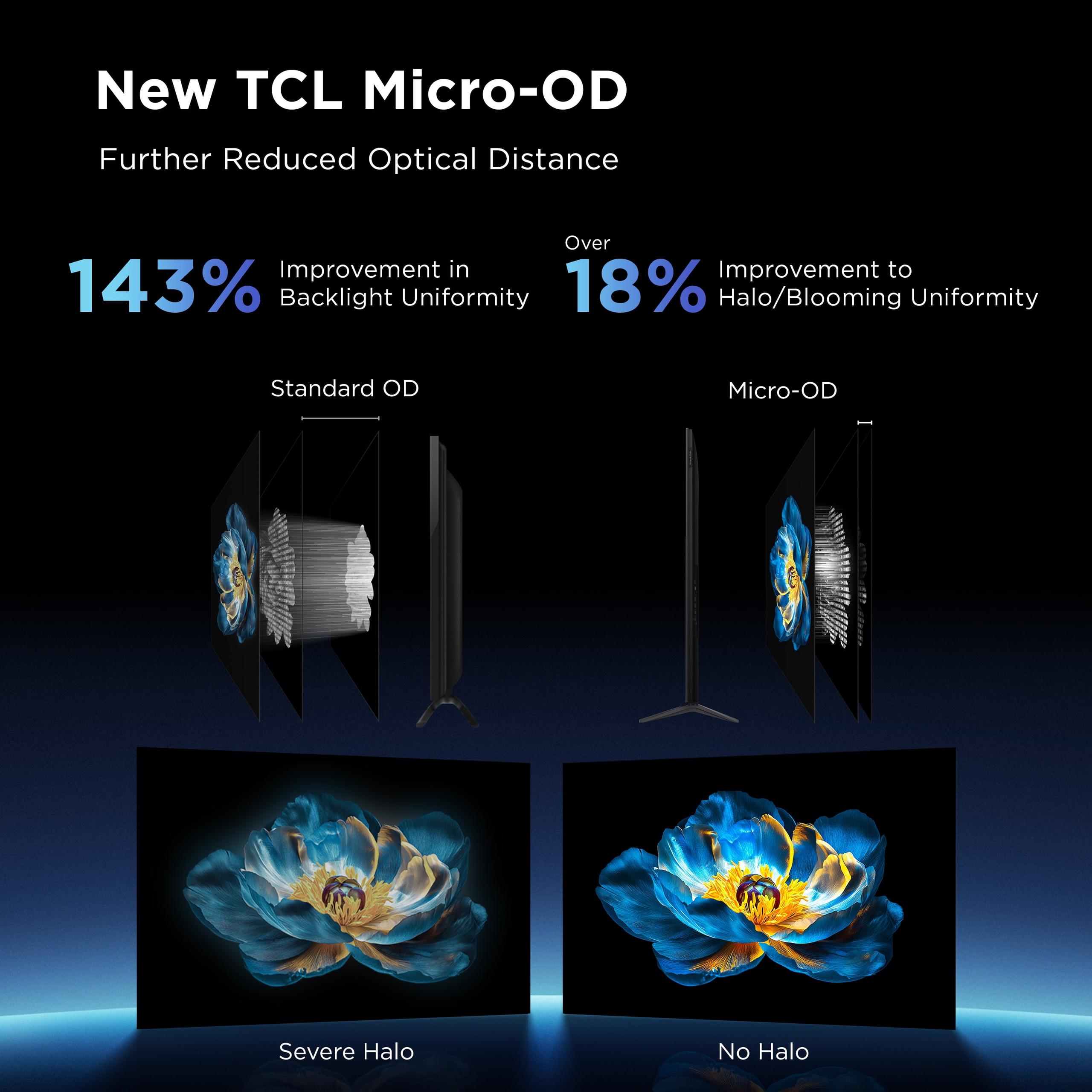
The TCL QM6K employs QD-Mini LED technology, which represents the next evolution in LCD displays. Instead of traditional LED backlights, it uses hundreds of tiny mini-LEDs arranged behind the screen. These mini-LEDs can be independently controlled in up to 500 separate zones, allowing incredibly precise brightness control across different areas of the screen.
Think of it like comparing a room with one ceiling light (traditional LED) versus a room with 500 individually controllable spotlights (mini-LED). The mini-LED approach allows the TV to make one part of the screen extremely bright for a sunlit scene while simultaneously making another part nearly black for deep shadows – all within the same frame.
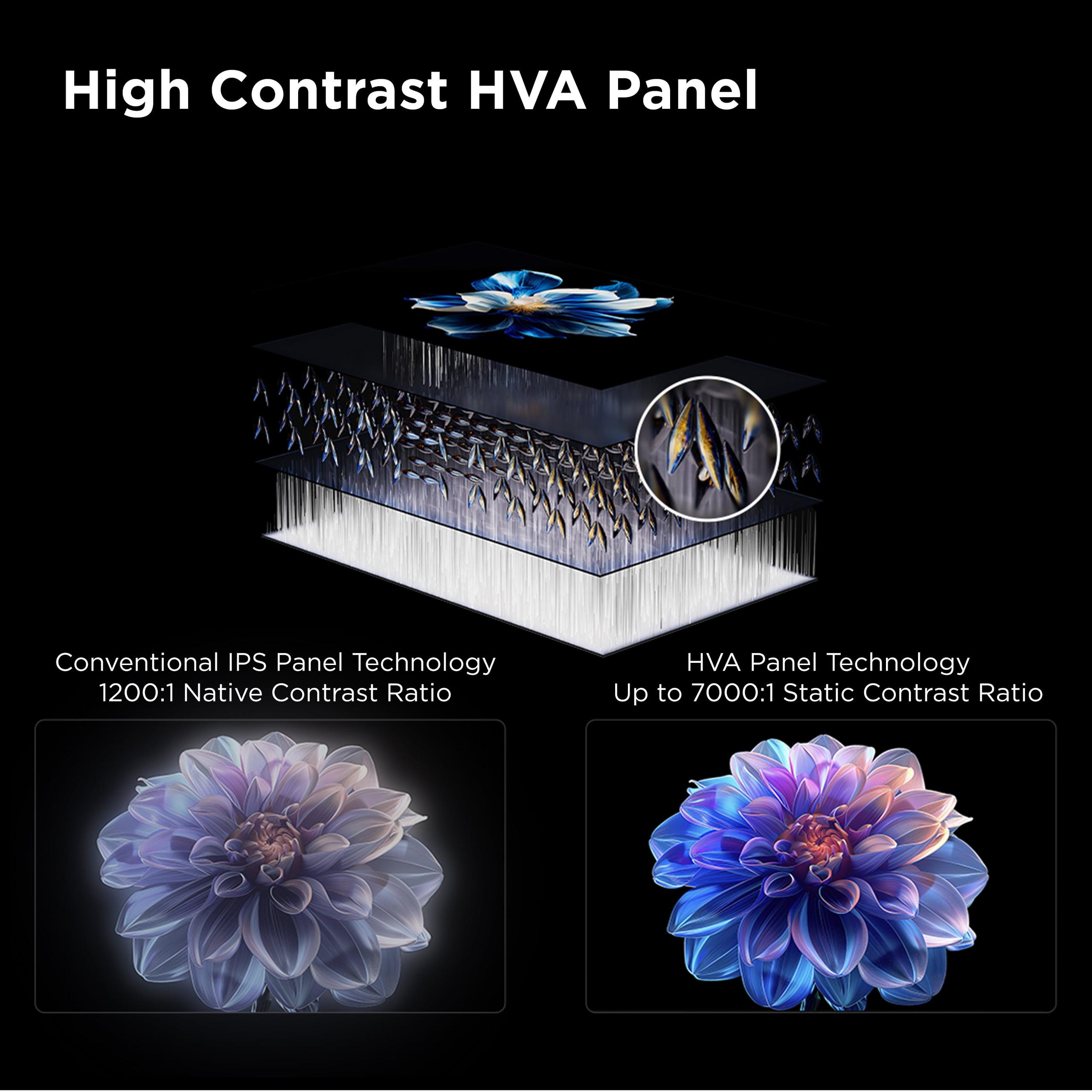
This technological difference has real-world implications. The TCL QM6K can achieve much deeper blacks and more dramatic contrast than the Samsung Q6F, making it superior for dark room viewing where these advantages are most noticeable.
Peak brightness is where the TCL QM6K demonstrates its technological superiority. Based on expert reviews and technical specifications, the QM6K can exceed 1,500 nits of peak brightness, while the Samsung Q6F typically operates around 500-750 nits.
This brightness difference matters enormously for HDR (High Dynamic Range) content. HDR works by displaying a wider range of brightness levels, from very dark shadows to brilliant highlights. When watching an HDR movie scene with sunlight streaming through a window, the TCL QM6K can make that sunlight appear genuinely bright and realistic, while the Samsung Q6F might render it as merely "brighter gray."
For rooms with significant ambient light – think large windows or bright overhead lighting – the TCL's superior brightness helps overcome light reflections and maintains picture quality that would wash out on dimmer displays. However, this advantage diminishes in dark rooms where extreme brightness becomes less critical.
Both TVs support HDR10+, which uses dynamic metadata to optimize HDR scene-by-scene. But the TCL QM6K includes Dolby Vision support, while the Samsung Q6F does not. Dolby Vision is considered the premium HDR format, used by Netflix, Disney+, and most major streaming services for their highest-quality content. This omission on Samsung's part is puzzling and represents a clear advantage for the TCL.
The TCL QM6K was clearly designed with gaming as a primary consideration. Its 144Hz native refresh rate means it can display up to 144 frames per second at full 4K resolution – crucial for PC gaming where high frame rates provide competitive advantages and smoother gameplay.
The TV's Game Accelerator technology can handle variable refresh rates up to 288Hz, which means the display can dynamically adjust its refresh rate to match the game's frame rate, eliminating screen tearing and stuttering. This feature, combined with FreeSync Premium Pro support, makes the TCL QM6K competitive with dedicated gaming monitors.
In contrast, the Samsung Q6F offers standard gaming features adequate for console gaming but not optimized for high-performance PC gaming. It supports Auto Game Mode (which automatically enables low-latency settings when a console is detected) and basic variable refresh rate, but tops out at 60Hz at 4K resolution.
For serious gamers, especially those with powerful PCs capable of pushing high frame rates, the TCL QM6K provides a significantly superior gaming experience. Console gamers will find both TVs adequate, though the TCL's lower input lag and higher refresh rate capabilities still provide noticeable improvements in fast-paced games.
This category strongly favors the Samsung Q6F. Samsung's Tizen operating system represents one of the most mature and feature-rich smart TV platforms available. The interface is intuitive, responsive, and regularly updated with new features and security patches.
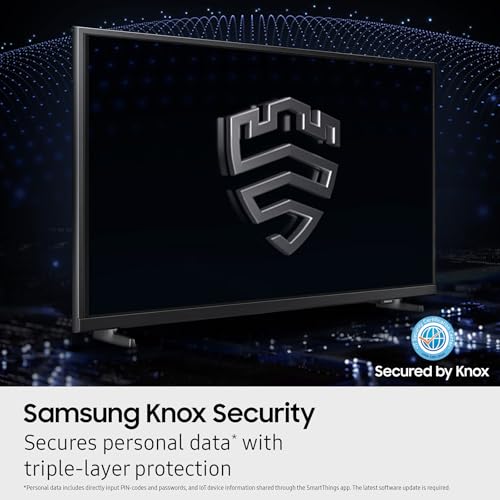
The Q6F includes Samsung Knox Security, which provides enterprise-grade protection for your smart TV activities – increasingly important as TVs collect more personal data. SmartThings Hub integration allows the TV to control compatible smart home devices, effectively turning it into a home automation center.
Samsung's app ecosystem is extensive, with faster loading times and better optimization compared to most competitors. The voice assistant integration supports Bixby, Alexa, and Google Assistant, providing flexibility in how you interact with the TV.
The TCL QM6K runs Google TV, which is clean and functional but less sophisticated. It provides access to major streaming apps and Google Assistant integration, covering the basics effectively without the advanced features Samsung offers.
Neither TV will satisfy serious audiophiles, but both offer respectable audio for their price points. The TCL QM6K includes a 2.1 channel Onkyo speaker system with a built-in subwoofer and Dolby Atmos support, which provides better bass response and spatial audio compared to typical TV speakers.
The Samsung Q6F features Object Tracking Sound Lite (OTS Lite), which attempts to match audio direction with on-screen action. While this creates a more immersive soundstage than traditional TV speakers, it's still limited by the physical constraints of built-in speakers.
Both TVs support Q-Symphony (Samsung) or similar technologies that allow the TV speakers to work in harmony with compatible soundbars rather than being disabled. For optimal audio in a home theater setup, you'll want to pair either TV with a dedicated sound system.
The Samsung Q6F demonstrates superior viewing angle performance, maintaining color accuracy and brightness when viewed from the sides. This characteristic makes it better suited for larger rooms where family members might be seated at various angles to the screen.
The TCL QM6K suffers from the typical LCD limitation of degraded picture quality when viewed off-axis. Colors shift and brightness diminishes noticeably when you're not sitting directly in front of the screen. This isn't necessarily a dealbreaker, but it does limit optimal seating positions in the room.
At the time of writing, both TVs offer compelling value propositions, though in different ways. The Samsung Q6F typically commands a slight premium over the TCL QM6K, but you're getting significantly more screen real estate – roughly 50% more viewing area for approximately 10-15% more cost.
The TCL QM6K represents exceptional value for display technology, offering mini-LED local dimming and high refresh rate gaming features typically found in TVs costing twice as much. It's arguably the best bang-for-buck option if you prioritize cutting-edge display performance over screen size.
For dedicated home theater setups, the choice depends heavily on your room characteristics and priorities. In a dark, controlled environment where you can optimize seating positions, the TCL QM6K provides superior contrast and HDR performance that enhances the cinematic experience.
However, if you're setting up a multi-purpose family room where the TV serves various functions beyond movie watching, the Samsung Q6F's larger screen size and better viewing angles might prove more practical for daily use.
The TCL's Dolby Vision support is crucial for home theater enthusiasts who want to experience streaming content and UHD Blu-rays as filmmakers intended. This feature alone makes the TCL QM6K more future-proof for premium content consumption.
Choose the Samsung 75-Inch QLED Q6F if:
Choose the TCL 65-Inch QM6K if:
Both TVs excel in different areas, making this comparison more about matching the right TV to your specific needs than declaring an overall winner. The Samsung Q6F offers the immersive experience that only comes with a large screen, backed by Samsung's superior smart platform and consistent performance across various viewing conditions.
The TCL QM6K represents the future of LCD technology with its mini-LED backlighting and gaming-focused features, delivering picture quality that punches well above its price class.
If forced to choose, I lean slightly toward the Samsung Q6F for most buyers because screen size has such a dramatic impact on viewing satisfaction, and the Q6F's well-rounded performance makes it suitable for diverse usage scenarios. However, display technology enthusiasts and serious gamers will find the TCL QM6K's advanced features more compelling despite the size compromise.
The decision ultimately comes down to your room size, seating arrangement, primary usage patterns, and whether you prioritize screen real estate or cutting-edge display technology. Both represent solid values in the competitive 4K TV market of 2025.
| Samsung 75-Inch QLED Q6F Series 2025 Smart TV | TCL 65" QM6K QD-Mini LED 4K TV |
|---|---|
| Screen Size - Larger screens provide more immersive viewing but require adequate room space | |
| 75 inches (50% more viewing area than 65") | 65 inches (ideal for most living rooms) |
| Display Technology - Mini LED offers superior contrast and brightness control | |
| Traditional QLED with quantum dots | QD-Mini LED with up to 500 dimming zones |
| Peak Brightness - Higher brightness improves HDR impact and daytime viewing | |
| ~500-750 nits (adequate for most rooms) | 1,500+ nits (excellent for bright environments) |
| Refresh Rate - Higher rates provide smoother motion and better gaming | |
| 60Hz native (standard for most content) | 144Hz native (superior for PC gaming) |
| HDR Format Support - Dolby Vision is the premium standard for streaming content | |
| HDR10, HDR10+, Quantum HDR (no Dolby Vision) | HDR10, HDR10+, Dolby Vision IQ (full format support) |
| Gaming Features - VRR eliminates screen tearing, low input lag improves responsiveness | |
| Auto Game Mode, basic VRR, 60Hz gaming | Game Accelerator 288Hz VRR, FreeSync Premium Pro |
| Smart Platform - More features and regular updates improve long-term usability | |
| Tizen OS with Samsung Knox security, SmartThings Hub | Google TV with Google Assistant (simpler but functional) |
| Local Dimming - More zones provide better contrast and deeper blacks | |
| Standard QLED dimming (fewer zones) | Up to 500 precise dimming zones |
| Viewing Angles - Better angles allow flexible seating arrangements | |
| Good off-axis performance with minimal color shift | Limited viewing angles typical of LCD panels |
| Audio System - Built-in subwoofers improve bass response without external speakers | |
| Object Tracking Sound Lite, 2CH speakers | 2.1 Onkyo system with built-in subwoofer, Dolby Atmos |
| HDMI Connectivity - More ports and eARC support future-proof your setup | |
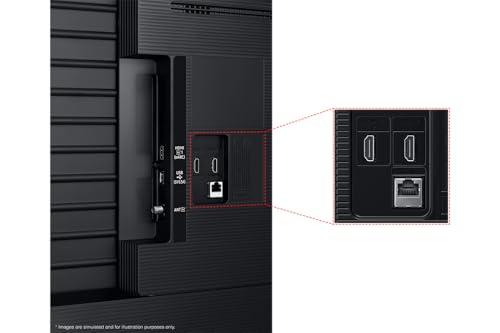
| 3 HDMI ports (eARC support) | 4 HDMI ports with eARC (better for multiple devices) |
| Best Use Case - Consider your primary viewing scenarios and room setup | |
| Large family rooms, mixed lighting, general entertainment | Home theaters, bright rooms, PC gaming, premium content |
The TCL 65" QM6K QD-Mini LED 4K TV delivers superior picture quality for the price, featuring mini LED technology with up to 500 dimming zones and peak brightness exceeding 1,500 nits. While the Samsung 75-Inch QLED Q6F Series 2025 Smart TV offers solid QLED performance, the TCL's advanced local dimming and higher brightness provide more dramatic HDR and better contrast at a lower cost.
The Samsung 75-Inch QLED Q6F Series 2025 Smart TV provides approximately 50% more screen area than the TCL 65" QM6K QD-Mini LED 4K TV for only a modest price increase. If your room can accommodate the larger size and you prioritize an immersive viewing experience, the Samsung offers excellent value for the additional screen real estate.
The TCL 65" QM6K QD-Mini LED 4K TV is significantly better for gaming, especially PC gaming. It features a 144Hz native refresh rate, Game Accelerator supporting up to 288Hz VRR, and FreeSync Premium Pro. The Samsung 75-Inch QLED Q6F Series 2025 Smart TV offers basic gaming features adequate for consoles but lacks the high refresh rate capabilities serious gamers need.
No, only the TCL 65" QM6K QD-Mini LED 4K TV supports Dolby Vision, along with HDR10 and HDR10+. The Samsung 75-Inch QLED Q6F Series 2025 Smart TV supports Quantum HDR and HDR10+ but lacks Dolby Vision support, which is the premium HDR standard used by most streaming services.
The TCL 65" QM6K QD-Mini LED 4K TV performs much better in bright rooms due to its superior peak brightness of over 1,500 nits compared to the Samsung's 500-750 nits. This higher brightness helps overcome ambient light and maintains picture quality in well-lit environments where the Samsung 75-Inch QLED Q6F Series 2025 Smart TV might appear washed out.
The Samsung 75-Inch QLED Q6F Series 2025 Smart TV offers superior smart TV features with Samsung's Tizen OS, Knox security, SmartThings Hub integration, and support for multiple voice assistants. The TCL 65" QM6K QD-Mini LED 4K TV uses Google TV, which is functional but less feature-rich than Samsung's platform.
Yes, the Samsung 75-Inch QLED Q6F Series 2025 Smart TV maintains better color accuracy and brightness when viewed from side angles, making it suitable for rooms with multiple seating positions. The TCL 65" QM6K QD-Mini LED 4K TV has limited viewing angles typical of LCD displays, with noticeable color shifting when viewed off-center.
For dedicated home theater use, the TCL 65" QM6K QD-Mini LED 4K TV is superior due to its mini LED technology providing deeper blacks, higher contrast, superior HDR performance, and Dolby Vision support. However, if you want a larger screen for the cinematic experience, the Samsung 75-Inch QLED Q6F Series 2025 Smart TV offers more immersive viewing despite slightly lower contrast performance.
The TCL 65" QM6K QD-Mini LED 4K TV has a slight audio advantage with its 2.1 channel Onkyo speaker system including a built-in subwoofer and Dolby Atmos support. The Samsung 75-Inch QLED Q6F Series 2025 Smart TV features Object Tracking Sound Lite technology but lacks the dedicated subwoofer of the TCL.
The TCL 65" QM6K QD-Mini LED 4K TV offers 4 HDMI ports including eARC support, while the Samsung 75-Inch QLED Q6F Series 2025 Smart TV provides 3 HDMI ports with eARC. The additional HDMI port on the TCL is beneficial for users with multiple gaming consoles, streaming devices, or sound systems.
Value depends on your priorities. The TCL 65" QM6K QD-Mini LED 4K TV offers exceptional value for display technology, providing mini LED performance, high refresh gaming, and Dolby Vision at a competitive price. The Samsung 75-Inch QLED Q6F Series 2025 Smart TV provides better value if screen size is your priority, offering significantly more viewing area with premium smart features.
The Samsung 75-Inch QLED Q6F Series 2025 Smart TV works best in larger rooms with 9-12 feet viewing distance, ideal for spacious living rooms or family rooms. The TCL 65" QM6K QD-Mini LED 4K TV is perfect for medium-sized rooms with 8-10 feet viewing distance, making it suitable for most living rooms, bedrooms, or dedicated home theater spaces.
We've done our best to create useful and informative comparisons to help you decide what product to buy. Our research uses advanced automated methods to create this comparison and perfection is not possible - please contact us for corrections or questions. These are the sites we've researched in the creation of this article: youtube.com - rtings.com - cnet.com - youtube.com - rtings.com - samsung.com - bestbuy.com - samsung.com - samsung.com - bestbuy.com - manuals.plus - arrowassociatedstores.com - samsung.com - samsung.com - samsung.com - flatpanelshd.com - device.report - youtube.com - tomsguide.com - youtube.com - tcl.com - tomsguide.com - youtube.com - youtube.com - hometechnologyreview.com - rtings.com - bestbuy.com - tcl.com - youtube.com - youtube.com - bestbuy.com - youtube.com - youtube.com - youtube.com - tcl.com - youtube.com - walmart.com - tcl.com - displayspecifications.com - kitele.com - displayspecifications.com - flatpanelshd.com - woodruffappliance.com - displayspecifications.com - prnewswire.com - tcl.com - youtube.com - abt.com - youtube.com - tclkenya.co.ke - budgethomefurn.com

Privacy Policy
Terms and Conditions - Affiliate Policy
Home Security
© Copyright 2008-2026.
11816 Inwood Rd #1211, Dallas, TX 75244