


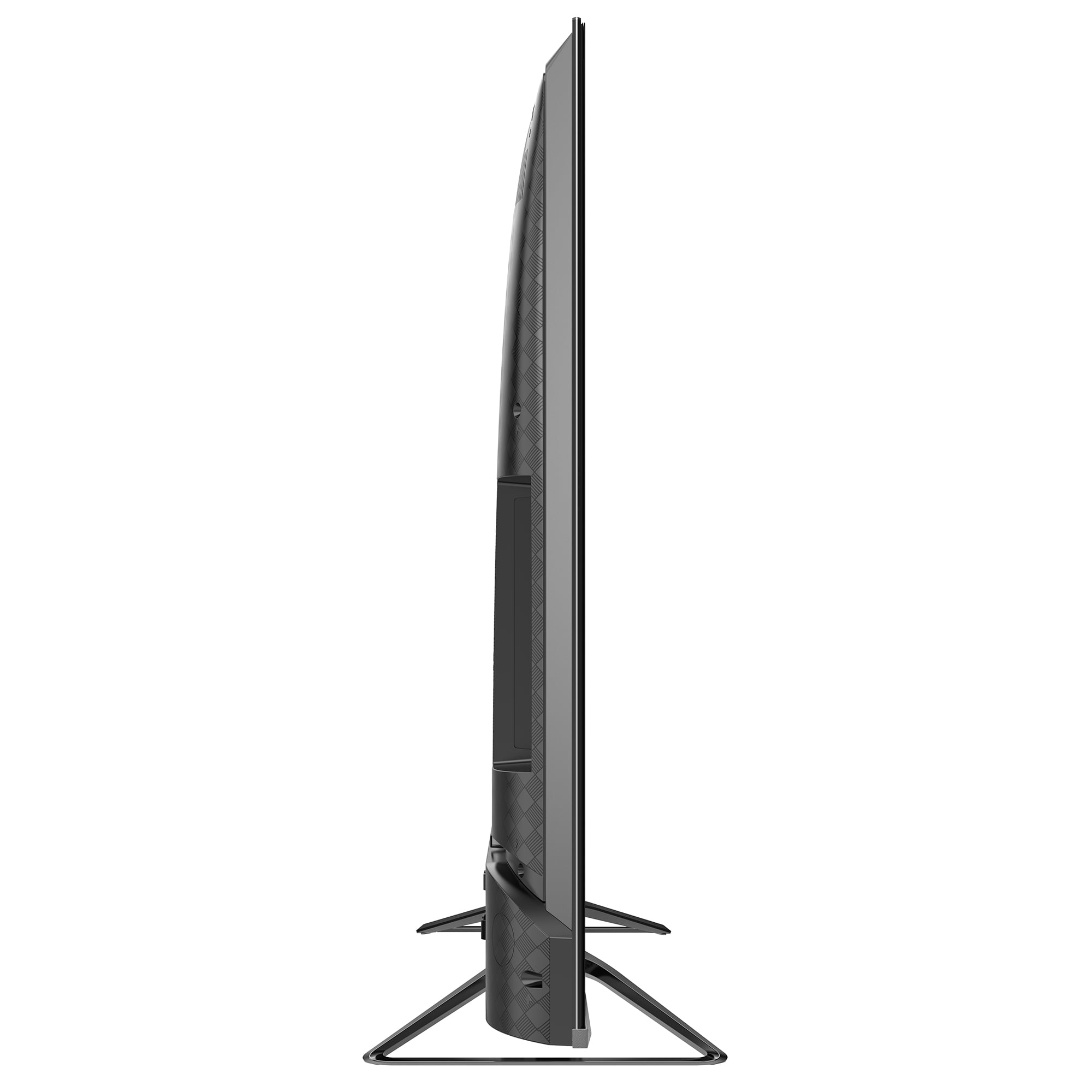
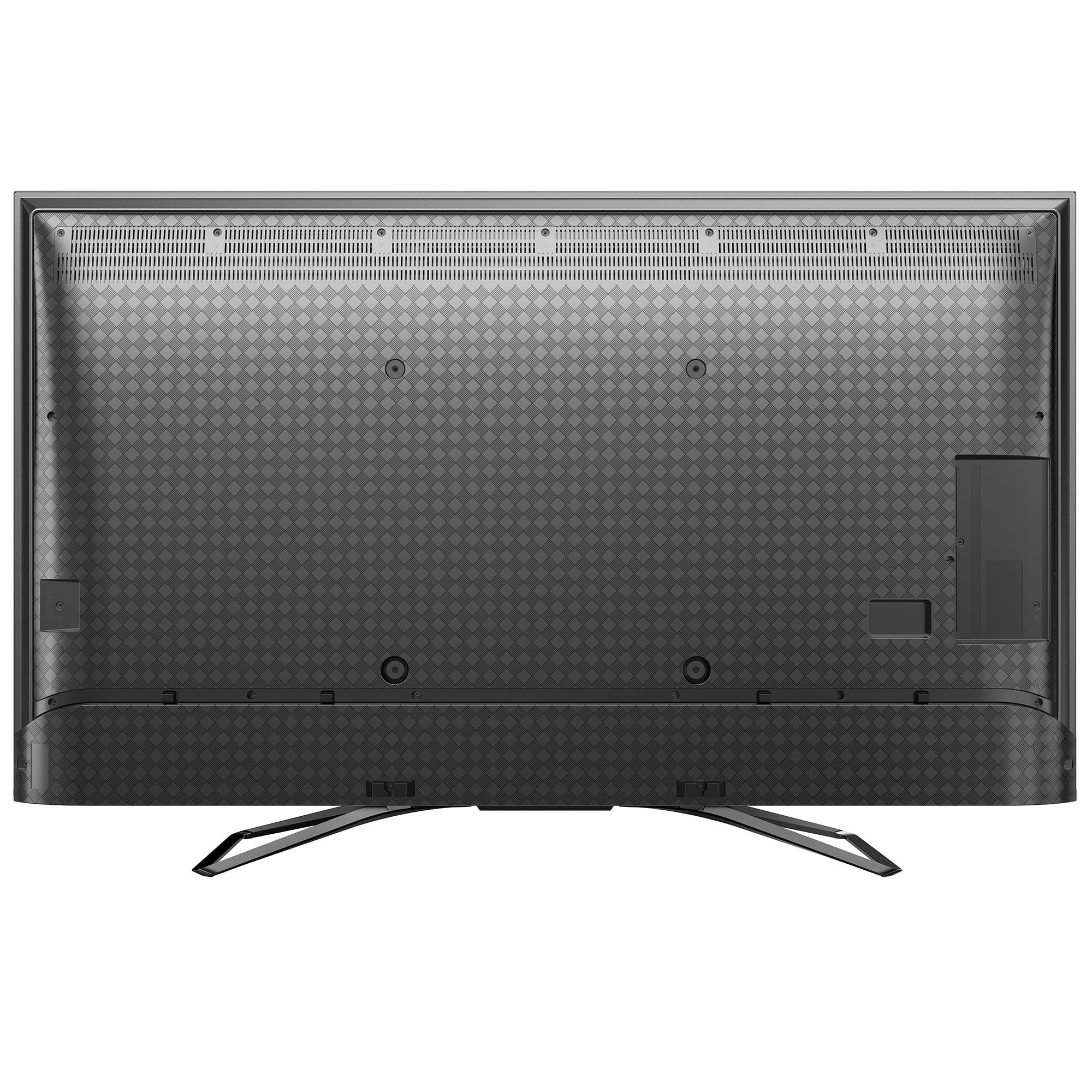
When shopping for a premium TV in 2024, you'll likely encounter quantum dot displays—a technology that sits between basic LED TVs and ultra-premium OLED screens. These TVs use tiny nanocrystals (quantum dots) to produce more accurate colors and brighter images than standard LED displays, making them popular for their improved picture quality without the price tag of OLED technology.
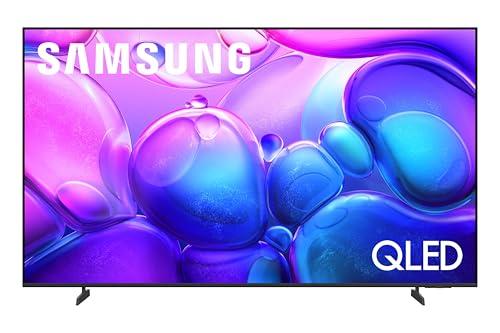
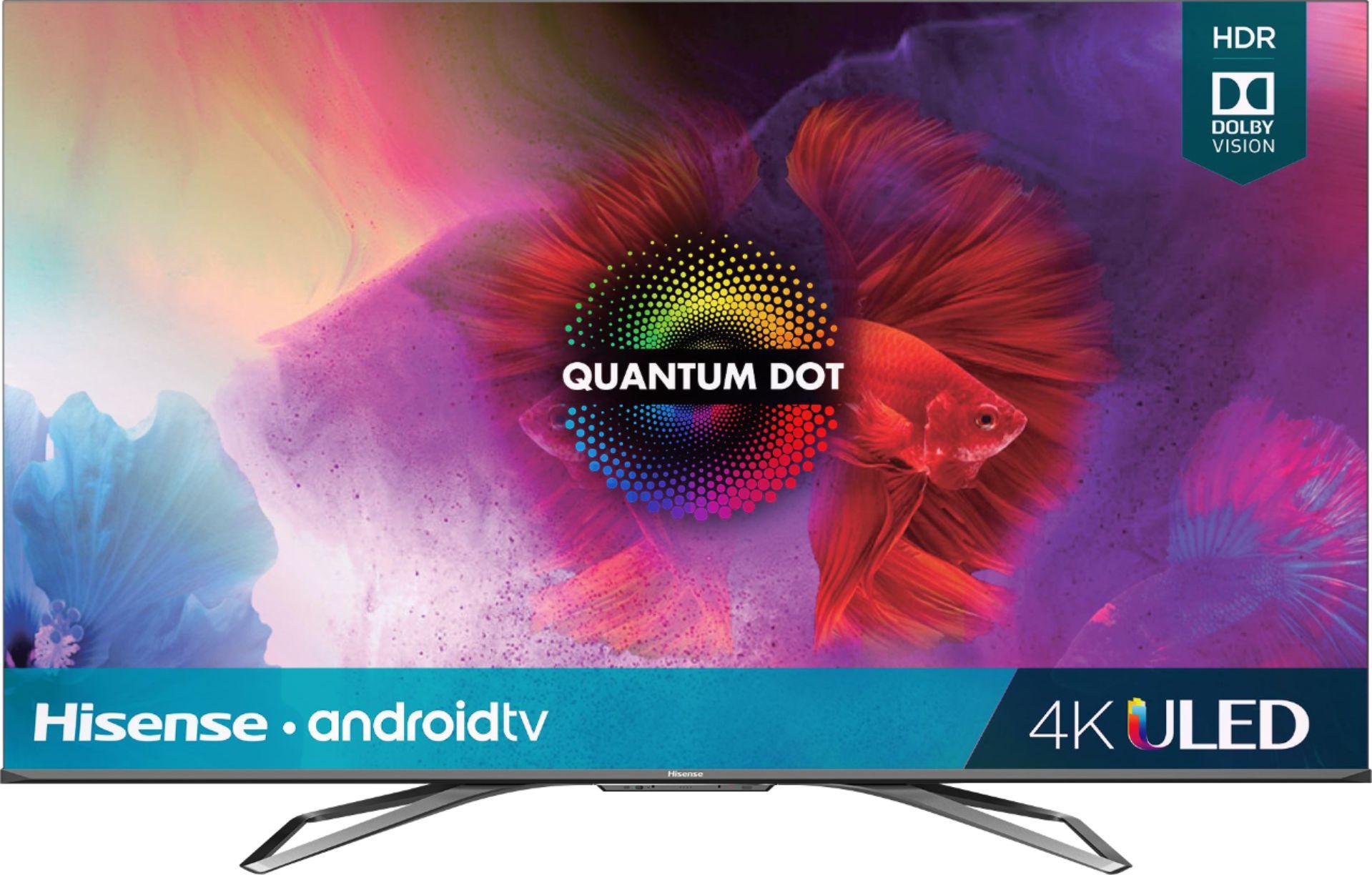
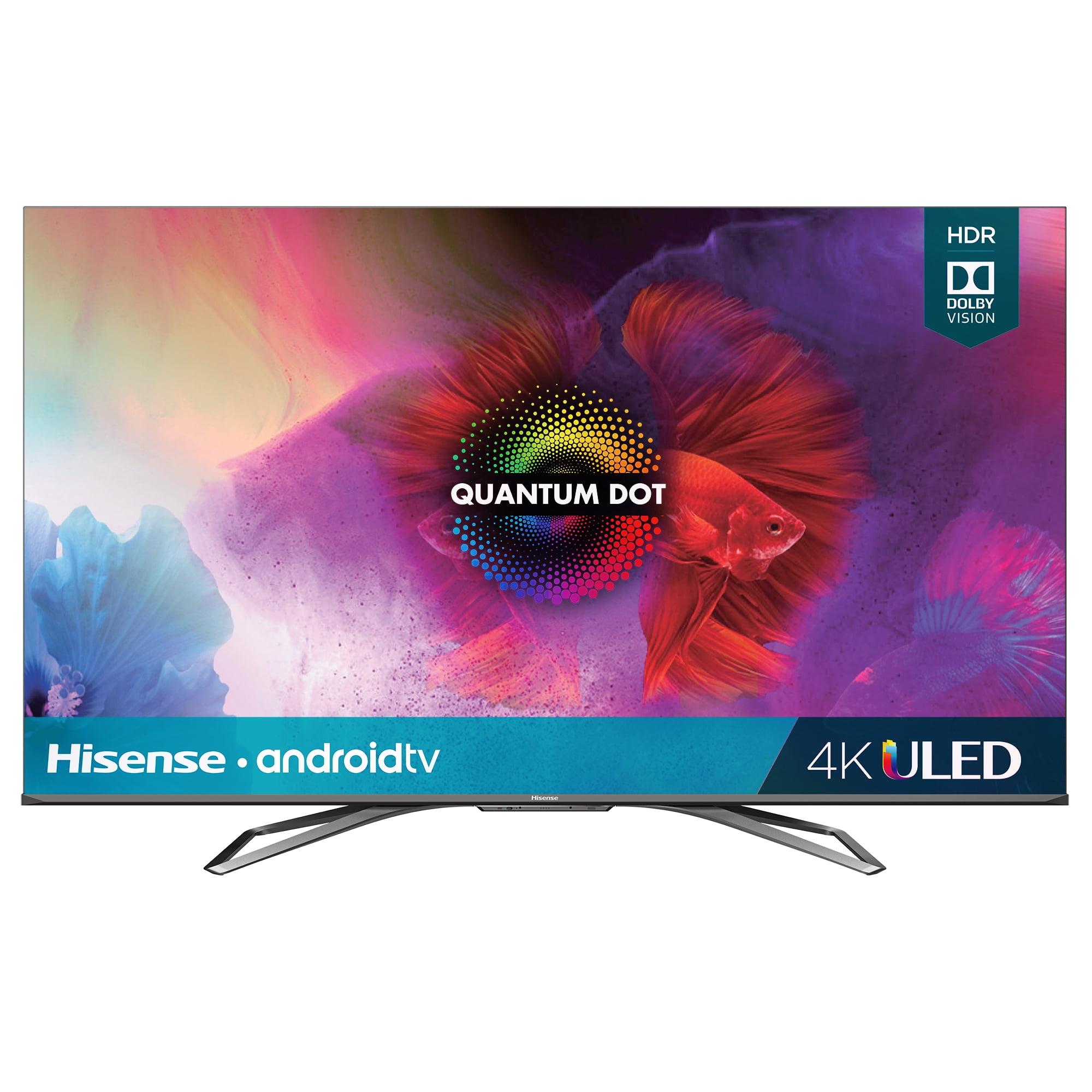
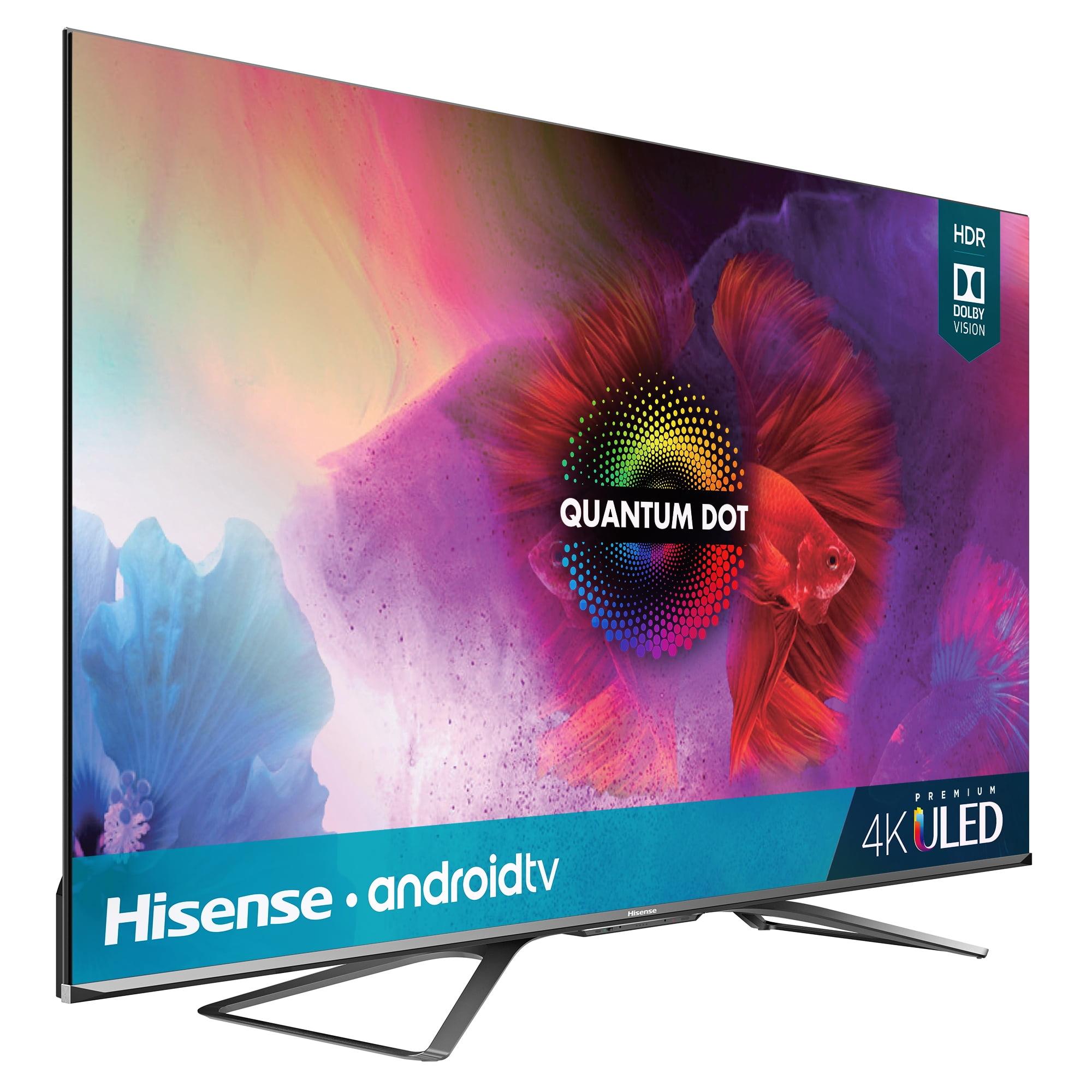
Today we're comparing two quantum dot TVs that take completely different approaches: the Samsung 75-Inch QLED Q6F Series 2025 and the Hisense 65" H9G Quantum Series. At the time of writing, these TVs represent a fascinating value proposition dilemma—the Samsung costs significantly less while offering 10 inches more screen real estate, while the Hisense commands a premium price for superior display technology in a smaller package.
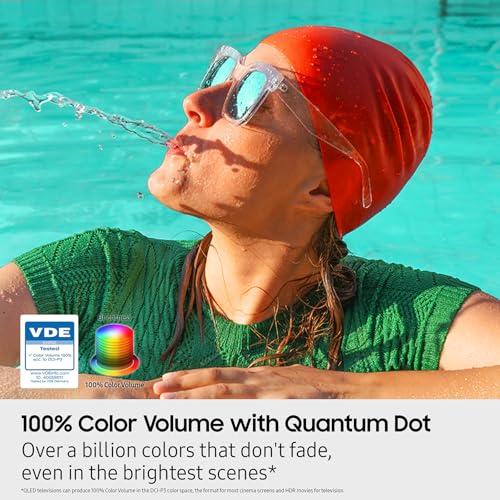
Both the Samsung Q6F and Hisense H9G use quantum dot technology, but they implement it very differently. Think of quantum dots as microscopic color filters that can produce over a billion different colors with remarkable precision. When light hits these nanocrystals, they emit pure colors that make everything from Netflix shows to 4K movies look more vibrant and lifelike.
However, the way each TV controls that light—called the backlight system—determines how good the picture actually looks in your living room. This difference becomes the defining factor between these two models.
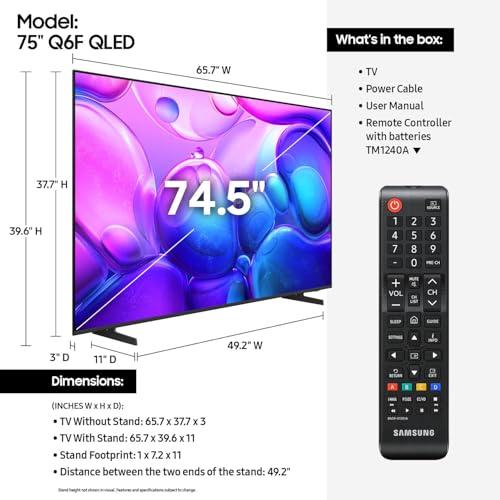
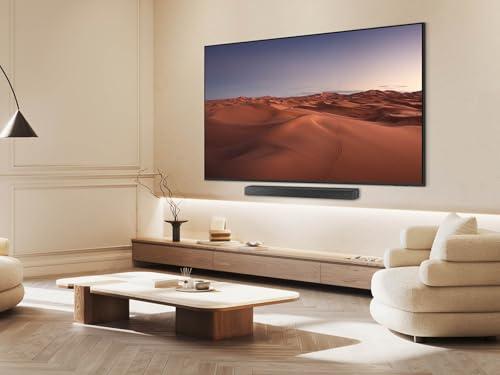
The most obvious difference is screen size. The Samsung Q6F delivers a massive 75-inch display, while the Hisense H9G tops out at 65 inches. That 10-inch difference translates to about 40% more viewing area—a substantial upgrade for movie nights and sports viewing.
But here's where it gets interesting: at the time of writing, the Hisense H9G costs substantially more than the larger Samsung Q6F. This price inversion suggests the Hisense is targeting viewers who prioritize picture quality over screen size, while Samsung focuses on delivering maximum screen real estate at an accessible price point.
The biggest technical difference between these TVs lies in their backlight systems. The Hisense H9G features full-array local dimming with 180 individual zones. This means the TV can independently brighten or darken different areas of the screen, creating deeper blacks in dark movie scenes while keeping bright elements properly illuminated.
The Samsung Q6F, however, uses edge-lit LED backlighting with no local dimming zones. The LEDs sit along the edges of the screen and shine light across the entire panel. While this design keeps costs down, it can't create the same contrast levels because the entire screen shares the same backlight intensity.
In practical terms, this means the Hisense H9G will make dark movie scenes look more cinematic, with true blacks that don't appear grayish. The Samsung Q6F will have more uniform lighting across the screen but won't achieve those deep, inky blacks that make HDR content really pop.
High Dynamic Range (HDR) content—found on Netflix, Disney+, and 4K Blu-rays—requires TVs to get both very bright and very dark simultaneously. The Hisense H9G can reach up to 1,000 nits of brightness, which translates to more impactful HDR highlights like sunlight, explosions, or bright reflections.
The Samsung Q6F has lower peak brightness capabilities, meaning HDR content won't have the same visual punch. You'll still see HDR improvements over standard content, but bright highlights won't be as striking or realistic.
This difference becomes most noticeable in bright viewing environments. If you watch TV during the day with windows open, the Hisense H9G will maintain better contrast and color accuracy, while the Samsung Q6F might appear washed out in comparison.
For sports fans and action movie enthusiasts, motion clarity becomes crucial. The Hisense H9G features a native 120Hz refresh rate, meaning it can display 120 individual frames per second. This results in smoother motion during fast-paced scenes like football games or car chases.
The Samsung Q6F is limited to 60Hz, which handles most content fine but can show motion blur during rapid camera movements or sports action. Both TVs include motion processing features, but higher refresh rates provide a fundamental advantage for motion clarity.
However, there's a trade-off with the Hisense approach. Movies are typically filmed at 24 frames per second, and the 120Hz panel sometimes introduces stuttering or unnatural motion when watching cinematic content. Many viewers actually prefer the more natural motion handling of 60Hz displays for film viewing.
Neither TV excels for serious gaming, but there are important differences. The Samsung Q6F typically achieves lower input lag—the delay between pressing a button and seeing the action on screen. This responsiveness advantage makes it slightly better for competitive gaming.
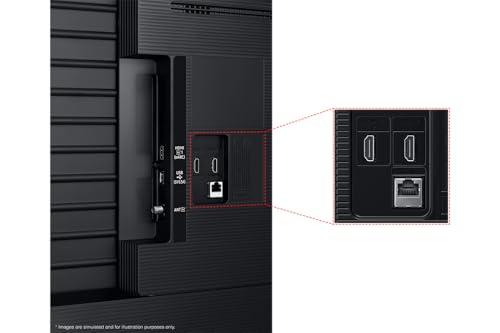
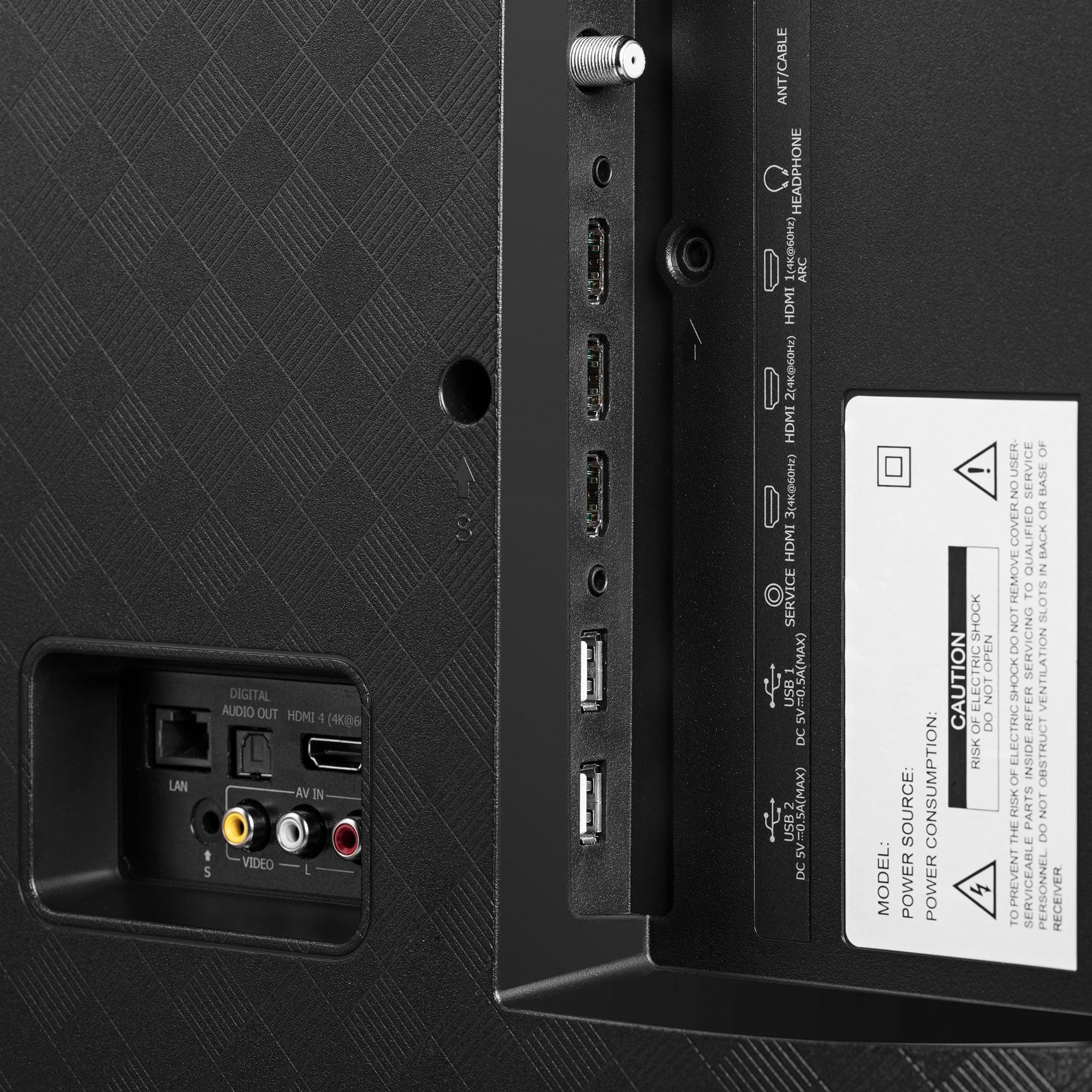
The Hisense H9G has a notable limitation: despite its 120Hz panel, it lacks HDMI 2.1 ports, meaning it can only accept 4K gaming signals at 60Hz from PlayStation 5 or Xbox Series X consoles. This hardware limitation prevents users from taking full advantage of next-generation gaming features.
Both TVs lack Variable Refresh Rate (VRR) support, which helps eliminate screen tearing during gaming. For casual gaming, either TV works fine, but serious gamers should consider other options in their respective price ranges.
The smart TV experience represents another key difference. The Samsung Q6F runs Samsung's Tizen operating system, which consistently receives praise for its responsiveness and intuitive interface. Apps launch quickly, navigation feels smooth, and the overall user experience remains polished even years after purchase.
The Hisense H9G uses Android TV, Google's television platform. This provides access to the full Google Play Store, offering more app choices than Samsung's platform. Android TV also includes built-in Google Assistant with hands-free voice control through built-in microphones—a convenience feature the Samsung lacks.
However, Android TV tends to slow down over time and can feel less refined than Samsung's approach. The choice often comes down to personal preference: do you want the most polished experience or the most app selection?
Both TVs include decent built-in audio systems, but neither excels in this area. The Samsung Q6F features Object Tracking Sound technology, which attempts to make dialogue and sound effects appear to come from their location on screen.
The Hisense H9G includes support for Dolby Atmos content, which can provide more immersive audio when watching compatible movies and shows. However, the built-in speakers on both TVs limit how effectively these technologies work.
For home theater use, both TVs support external audio systems through HDMI ARC connections, and most buyers in these price ranges eventually add a soundbar or surround system for better audio performance.
The Samsung Q6F uses Samsung's newer metal stream rear panel design, crafted from a single piece of metal. While this primarily affects aesthetics rather than performance, it demonstrates Samsung's attention to build quality even in budget models.
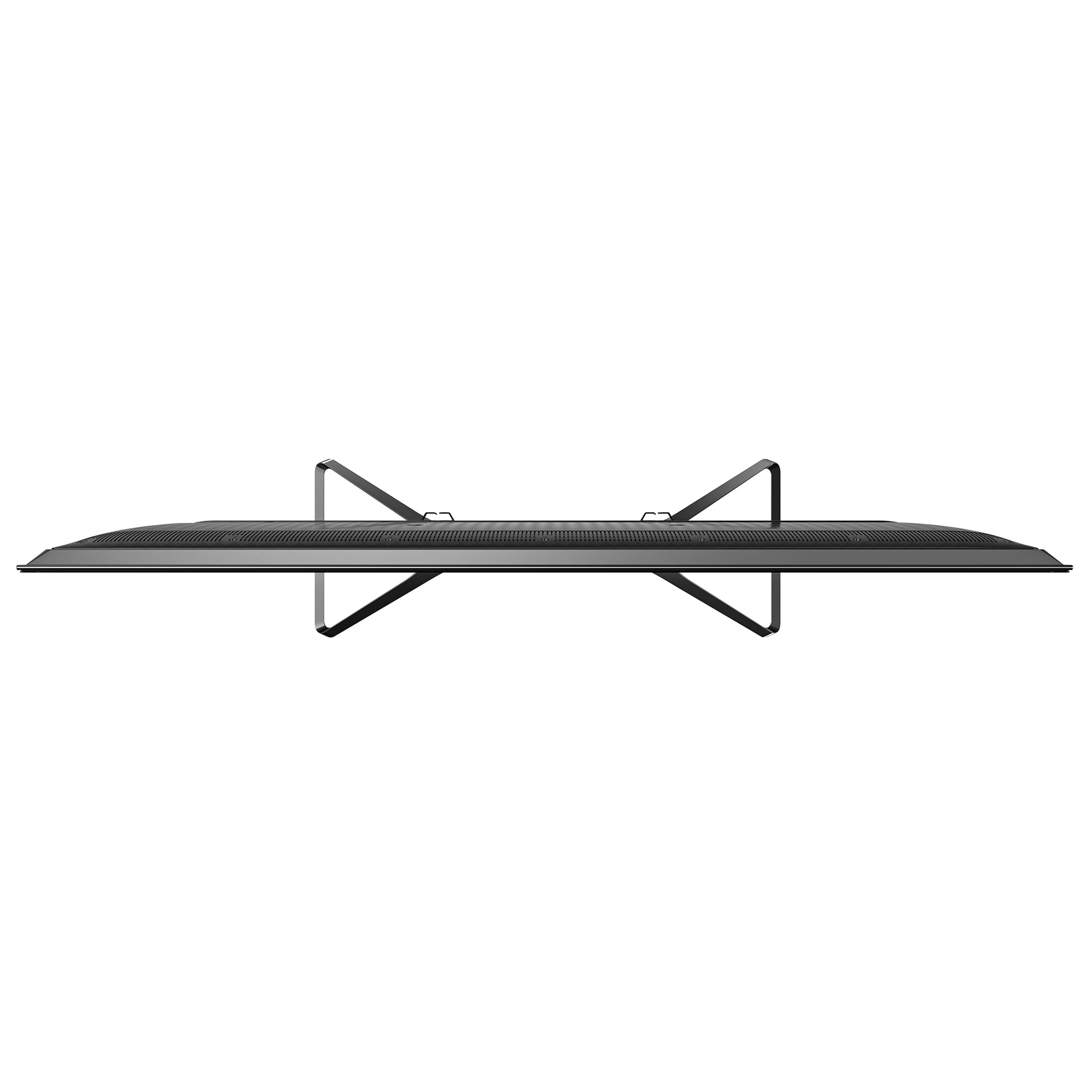
Both TVs feature adjustable stands that can accommodate different furniture arrangements. The Samsung Q6F's stand can be configured for narrow or wide placement, which helps when trying to fit the massive 75-inch screen into existing entertainment centers.
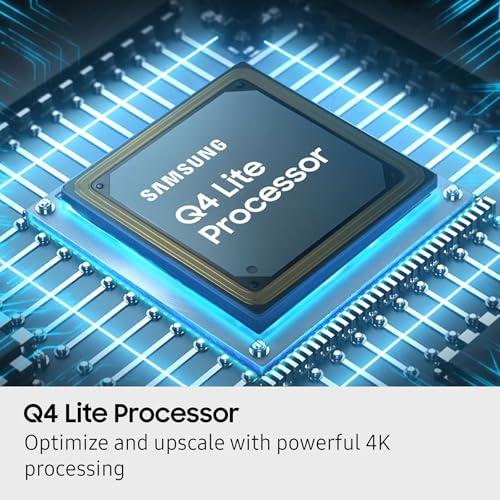
The Samsung Q6F represents Samsung's 2025 entry-level QLED approach, incorporating lessons learned from previous generations while maintaining aggressive pricing. Samsung has consistently improved their Tizen platform and color processing over recent years, making even budget models more capable than older premium TVs.
The Hisense H9G, released a few years earlier, established Hisense as a serious competitor in the premium TV market. Since its launch, Hisense has gained recognition for offering high-end display technology at competitive prices, challenging established brands like Samsung and LG.
For dedicated home theater setups, the Hisense H9G makes more sense despite its higher cost and smaller size. The full-array local dimming and higher peak brightness create the contrast and visual impact that make movie watching truly cinematic. Dark viewing environments—essential for proper home theater setups—allow the Hisense's superior black levels to shine.
The Samsung Q6F works better for casual viewing in family rooms or bright spaces where its edge-lit uniformity actually becomes an advantage. The larger screen size also provides more immersive viewing for general entertainment.
Based on extensive research into user and professional reviews, both TVs deliver solid performance within their intended markets. The Samsung Q6F consistently receives praise for its value proposition—delivering quantum dot color enhancement and smart TV features at an accessible price with maximum screen size.
The Hisense H9G earns recognition for punching above its weight class, offering display technology typically found in more expensive models. However, some users report occasional software quirks with Android TV and note that the superior picture quality comes with higher power consumption.
Choose the Samsung 75-Inch QLED Q6F if:
Choose the Hisense 65" H9G if:
This comparison ultimately comes down to your viewing priorities and budget philosophy. The Samsung Q6F offers exceptional value for buyers who want the largest possible quantum dot display at an aggressive price point. It sacrifices some picture quality refinements to deliver maximum screen real estate and solid smart TV features.
The Hisense H9G targets viewers who prioritize picture quality over size, delivering display technology that competes with much more expensive models. The premium pricing reflects genuine performance advantages, but you're paying significantly more for less screen area.
For most buyers, room size and viewing habits should drive this decision. Large, bright rooms benefit from the Samsung Q6F's size and edge-lit uniformity, while dedicated viewing spaces with controlled lighting allow the Hisense H9G's superior contrast to create a more cinematic experience.
Both represent solid choices within their target markets, but neither excels outside their intended use cases. Consider your viewing environment, content preferences, and whether you value screen size or picture quality more highly—that analysis will point you toward the right choice for your situation.
| Samsung 75-Inch QLED Q6F Series 2025 | Hisense 65" H9G Quantum Series |
|---|---|
| Screen Size - Bigger screens create more immersive viewing but require larger rooms | |
| 75 inches (massive for movie nights and sports) | 65 inches (ideal for most living rooms) |
| Local Dimming - Critical for contrast and HDR performance in dark scenes | |
| None (edge-lit design limits contrast) | 180 zones (delivers true blacks and superior HDR) |
| Peak Brightness - Determines HDR impact and daytime viewing quality | |
| Lower peak brightness (adequate for most content) | Up to 1,000 nits (excellent for bright HDR highlights) |
| Refresh Rate - Affects motion clarity in sports and fast-action content | |
| 60Hz (standard for most content, some blur in sports) | 120Hz native (smoother motion, potential film stuttering) |
| Smart TV Platform - Impacts daily usability and app selection | |
| Tizen OS (faster, more responsive interface) | Android TV (broader app selection, Google integration) |
| Voice Control - Convenience for hands-free operation | |
| Voice remote required (Bixby, Alexa, Google Assistant) | Built-in microphones (hands-free Google Assistant) |
| Gaming Input Lag - Response time for console gaming | |
| ~10ms (better for competitive gaming) | ~15ms (acceptable but less responsive) |
| HDMI Gaming Support - Future-proofing for next-gen consoles | |
| HDMI 2.0 (limited to 60Hz 4K gaming) | HDMI 2.0 (120Hz panel limited to 60Hz input) |
| Quantum Dot Technology - Color accuracy and vibrancy | |
| Yes (100% color volume with basic processing) | Yes (wide color gamut mapping for precision) |
| HDR Format Support - Compatibility with premium content | |
| HDR10, HDR10+ (no Dolby Vision) | HDR10, HDR10+, Dolby Vision, HLG |
| Audio Features - Built-in sound quality and processing | |
| Object Tracking Sound, Q-Symphony | Dolby Atmos support, built-in subwoofer |
| Design Philosophy - Build quality and aesthetics | |
| Metal stream rear panel, adjustable feet | Standard design, wide stand configuration |
| Best Use Case - Optimal viewing scenarios | |
| Large bright rooms, casual viewing, budget-conscious | Dark rooms, movie enthusiasts, picture quality priority |
The Samsung 75-Inch QLED Q6F offers better value if you prioritize screen size, delivering 10 inches more display area at a lower price point. The Hisense 65" H9G provides better value for picture quality enthusiasts, featuring full-array local dimming and superior HDR performance that typically costs much more in other brands.
The biggest difference is local dimming technology. The Hisense H9G uses full-array local dimming with 180 zones for deeper blacks and better contrast, while the Samsung Q6F uses edge-lit backlighting without local dimming, resulting in less dramatic contrast but more uniform brightness across the screen.
The Hisense 65" H9G is significantly better for home theater use due to its superior contrast ratio, local dimming zones, and higher peak brightness that makes HDR content more impactful in dark viewing environments. The Samsung Q6F works better for casual viewing in bright family rooms.
Yes, both the Samsung Q6F and Hisense H9G support 4K resolution and HDR formats. However, the Hisense H9G includes Dolby Vision support and achieves brighter HDR highlights, while the Samsung Q6F supports HDR10 and HDR10+ but with lower peak brightness.
Neither TV is ideal for next-gen gaming. The Samsung Q6F has slightly lower input lag for more responsive controls, while the Hisense H9G has a 120Hz panel but lacks HDMI 2.1 ports to fully utilize it. Both are limited to 60Hz for 4K gaming and lack VRR support.
The Samsung Q6F runs Tizen OS, which is faster and more responsive but has fewer apps. The Hisense H9G uses Android TV with broader app selection and built-in Google Assistant with hands-free voice control, but the interface can be slower and less refined over time.
The Hisense 65" H9G gets significantly brighter with up to 1,000 nits peak brightness, making it better for bright rooms and more impactful HDR content. The Samsung Q6F has lower peak brightness but still handles daytime viewing adequately in most environments.
If screen size is your priority and you watch TV in bright rooms, the Samsung 75-Inch Q6F provides 40% more viewing area at a lower cost. If picture quality matters more and you watch in darker environments, the smaller Hisense H9G delivers superior contrast and HDR performance.
The Hisense H9G has better motion handling with its 120Hz refresh rate, providing smoother motion during fast sports action. The Samsung Q6F is limited to 60Hz, which can show motion blur during rapid movements, though it handles film content more naturally.
Both the Samsung Q6F and Hisense H9G support HDMI ARC for connecting soundbars and external audio systems. The Samsung Q6F features Q-Symphony technology for coordinating with Samsung soundbars, while the Hisense H9G includes Dolby Atmos support for compatible audio systems.
The Samsung Q6F typically receives longer software support through Samsung's Tizen platform, which gets regular updates for several years. The Hisense H9G runs Android TV, which can slow down over time, though both TVs should provide similar hardware longevity with proper care.
Choose the Samsung 75-Inch Q6F if you have a large, bright living room where you prioritize screen size and smart TV responsiveness for general entertainment. Choose the Hisense 65" H9G if you can control lighting and want the best possible picture quality for movies and HDR content, even in a smaller screen size.
We've done our best to create useful and informative comparisons to help you decide what product to buy. Our research uses advanced automated methods to create this comparison and perfection is not possible - please contact us for corrections or questions. These are the sites we've researched in the creation of this article: youtube.com - rtings.com - cnet.com - youtube.com - rtings.com - samsung.com - bestbuy.com - samsung.com - samsung.com - bestbuy.com - manuals.plus - arrowassociatedstores.com - samsung.com - samsung.com - samsung.com - flatpanelshd.com - device.report - rtings.com - bestbuy.com - techradar.com - youtube.com - digitaltrends.com - assets.hisense-usa.com - bestbuy.com - youtube.com - bestbuy.com

Privacy Policy
Terms and Conditions - Affiliate Policy
Home Security
© Copyright 2008-2026.
11816 Inwood Rd #1211, Dallas, TX 75244