


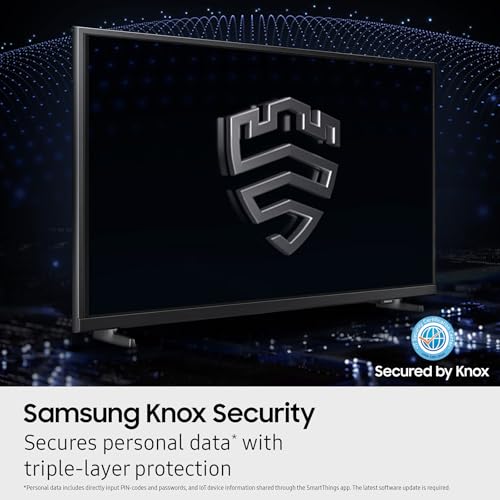




The TV market in 2024 has evolved far beyond simple screen upgrades. While manufacturers once competed primarily on size and resolution, today's displays serve fundamentally different purposes depending on your lifestyle and priorities. This comparison examines two distinct philosophies: Samsung's traditional entertainment-focused approach with their 75-inch Q6F QLED, and Hisense's lifestyle-first design with their 65-inch S7N CanvasTV.
Both models represent 2025 releases that showcase how QLED technology—which uses quantum dots to enhance color reproduction—has matured since its mainstream introduction around 2017. The key difference lies in their intended purpose: one maximizes traditional TV performance, while the other balances entertainment capability with aesthetic integration.
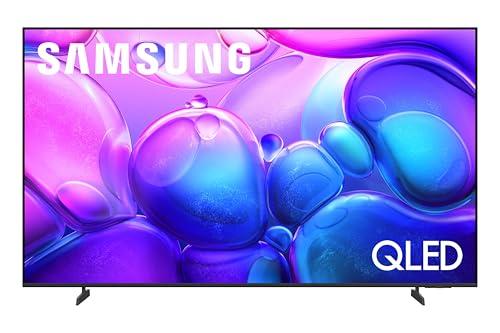
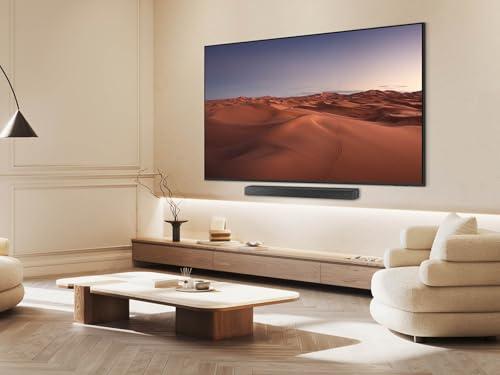
The Samsung Q6F represents the conventional approach to premium television design. At 75 inches, it's built around the principle that bigger screens create more immersive experiences for movies, sports, and gaming. This philosophy has dominated TV marketing for decades, and for good reason—larger displays genuinely enhance viewing when you have the space and viewing distance to support them.
The Q6F uses Samsung's entry-level QLED technology, which means it incorporates quantum dots—microscopic semiconductor particles that emit precise colors when hit by light—to achieve what Samsung calls "100% Color Volume." This technical specification means the display can reproduce vibrant colors across all brightness levels, from deep shadows to bright highlights.
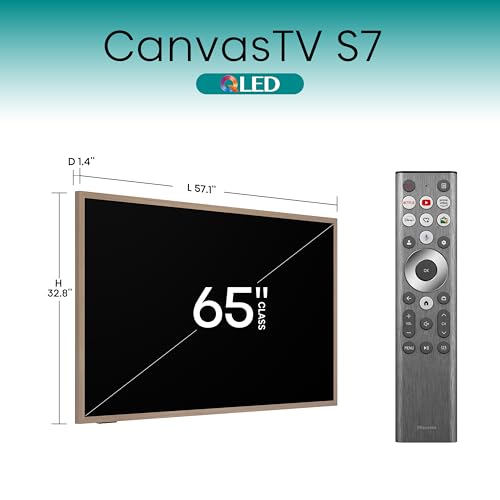
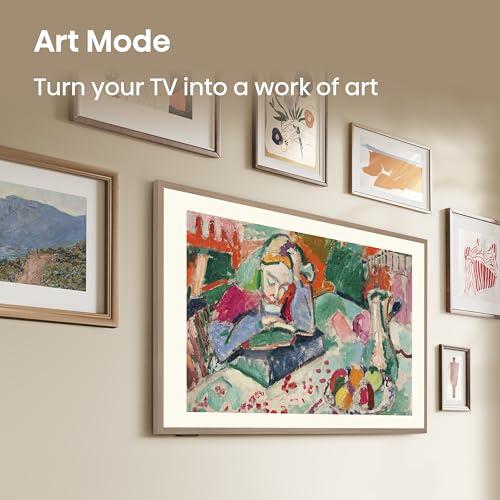
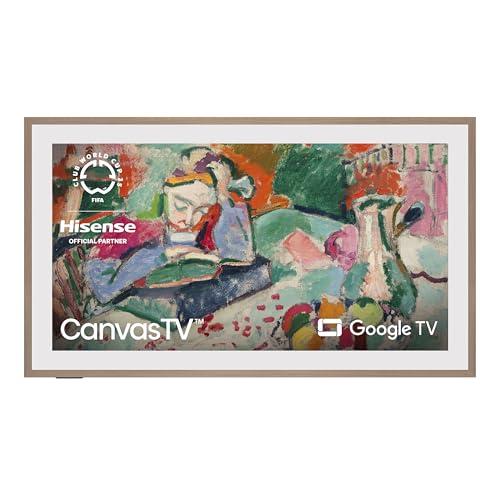
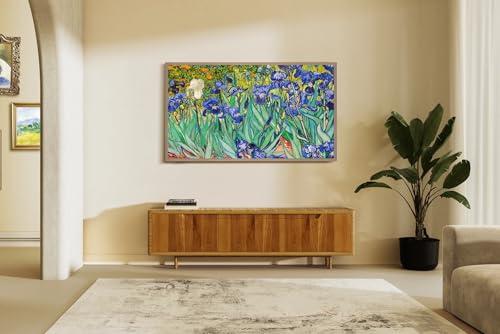
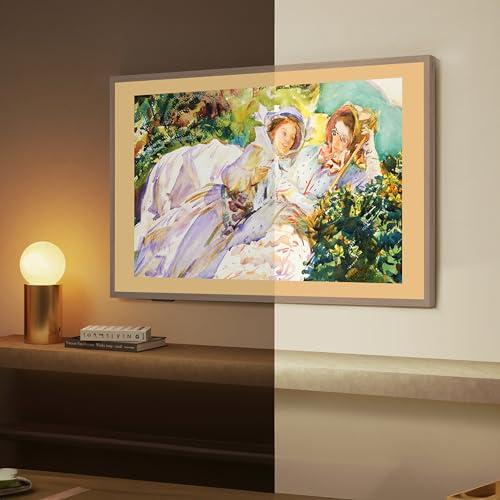
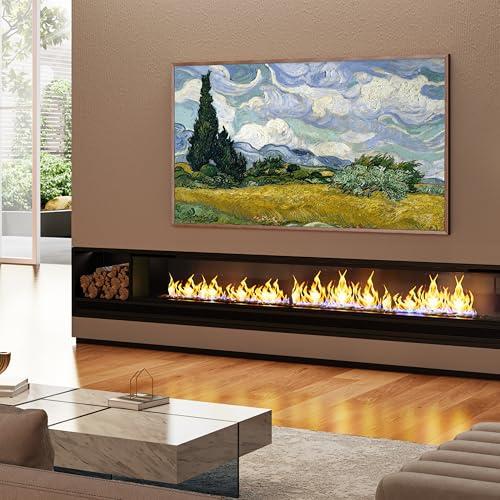
The Hisense S7N CanvasTV takes a radically different approach. Rather than maximizing screen real estate, it prioritizes dual-purpose functionality. When powered on, it functions as a standard 4K QLED television. When turned off, it transforms into a digital art frame, displaying paintings, photographs, or personal images.
This concept isn't entirely new—Samsung popularized it with their Frame TV series starting in 2017—but Hisense has made it more accessible by including the physical frame components that Samsung typically charges extra for. The CanvasTV represents a maturing of the lifestyle display category, where the TV's appearance when inactive matters as much as its performance when active.
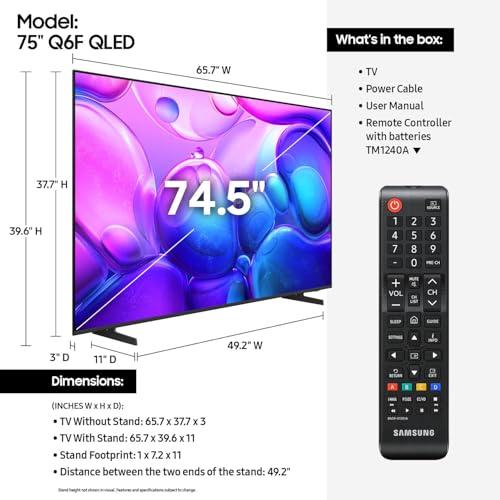
The most immediately obvious difference between these displays is size: 75 inches versus 65 inches. While this might seem like a simple specification, it has profound implications for both performance and usability.
A 75-inch screen provides approximately 31% more viewing area than a 65-inch display. This isn't just about numbers—it translates to meaningfully different experiences. For movies, the larger screen creates better immersion, particularly for cinematic content shot in wide aspect ratios. Sports viewing benefits dramatically, as you can follow action across the entire field without losing detail.
The Samsung Q6F's larger size also means it remains impressive from greater viewing distances. If your seating is 10-12 feet from the screen, the 75-inch display will appear properly sized, while a 65-inch screen might feel smaller than optimal.
However, size comes with constraints. The Samsung display requires more wall space and can overwhelm smaller rooms. It also demands careful consideration of viewing angles—with a screen this large, viewers seated far to the sides might experience color shifting or brightness loss, though Samsung's QLED technology handles off-axis viewing better than many alternatives.
The Hisense CanvasTV's 65-inch size makes it more versatile for different room types. In bedrooms, it provides adequate entertainment capability without dominating the space. When displaying art, the smaller size feels more natural—like a large framed painting rather than an obvious television.
This size difference fundamentally changes how each display integrates into your living space. The Samsung announces its presence and becomes the room's focal point. The Hisense can blend into existing decor, particularly when functioning in art mode.
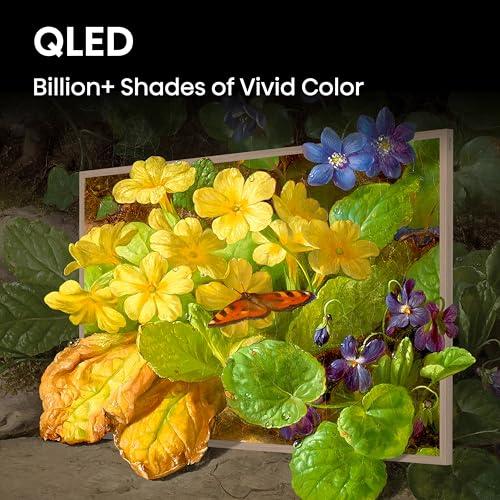
Both displays use QLED technology, but their implementation and optimization reveal significant performance differences.
The Samsung Q6F uses Samsung's established quantum dot implementation, which has been refined through several generations of development. Quantum dots are essentially microscopic crystals that emit pure colors when stimulated by light. Samsung's version achieves what they certify as "100% Color Volume," meaning the display can reproduce accurate, vibrant colors across all brightness levels.
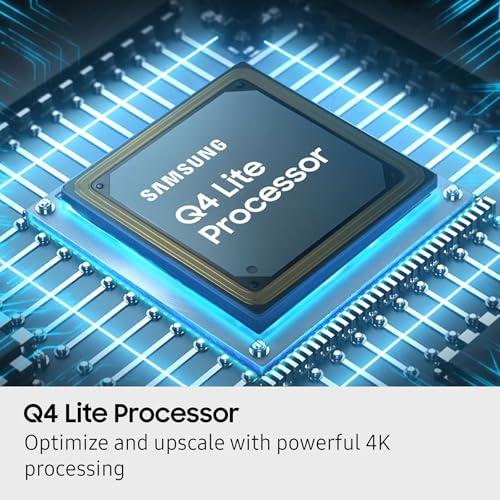
In practical terms, this translates to more lifelike skin tones in movies, more vivid sports broadcasts, and streaming content that appears closer to the creator's original intent. The Q4 Lite processor—Samsung's entry-level AI chip—continuously analyzes incoming content and optimizes color reproduction, contrast, and sharpness in real-time.
The Hisense S7N also incorporates quantum dot technology, but our research into professional reviews reveals concerning limitations. Multiple expert evaluations indicate the CanvasTV suffers from insufficient peak brightness for optimal HDR (High Dynamic Range) performance. HDR content requires displays to achieve high brightness levels to properly render bright highlights like sunlight, explosions, or stadium lighting.
HDR represents one of the most significant advances in TV technology over the past decade. It expands the range between the darkest blacks and brightest whites, creating more realistic and impactful images. However, HDR only works well when displays can achieve sufficient peak brightness.
The Samsung Q6F supports Samsung's Quantum HDR implementation along with HDR10+ (an enhanced HDR format that provides scene-by-scene optimization). While it's an entry-level model, Samsung's established HDR processing ensures reasonable performance for most content types.
The Hisense CanvasTV, according to professional testing, struggles with HDR brightness requirements. This means HDR movies and shows might appear less impactful, with bright scenes lacking the punch that makes HDR content memorable. For users who prioritize picture quality, this represents a significant compromise.
Both displays operate at 60Hz refresh rates, which is standard for most content but reveals differences in motion processing. The Samsung Q6F includes Motion Xcelerator technology, which uses predictive algorithms to estimate movement between frames, reducing blur during fast action sequences.
For sports viewing, this translates to clearer tracking of fast-moving objects like hockey pucks, tennis balls, or race cars. The larger 75-inch screen amplifies this advantage, making it easier to follow complex plays across wide camera shots.
The Hisense display, focused on lifestyle integration rather than sports optimization, doesn't emphasize motion handling technologies. Combined with its smaller size, it's less ideal for dedicated sports viewing.
Modern TVs function as entertainment computers, and their software platforms significantly impact daily usability.
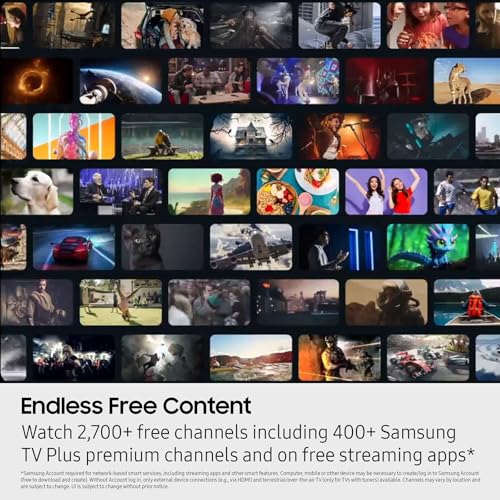
The Samsung Q6F runs Tizen, Samsung's proprietary smart TV platform that has evolved considerably since its introduction. Tizen provides access to Samsung TV Plus, which offers over 1,200 free streaming channels covering news, sports, entertainment, and specialty content. This built-in content library can reduce reliance on subscription services.
The platform integrates comprehensively with Samsung's broader ecosystem. If you own Samsung smartphones, tablets, or appliances, the TV can serve as a central hub for device coordination. Features like screen mirroring, universal remote functionality, and SmartThings integration (for controlling smart home devices) create a cohesive experience.
Voice control works through multiple assistants: Samsung's Bixby, Amazon Alexa, and Google Assistant. This flexibility ensures compatibility regardless of your existing smart home setup.
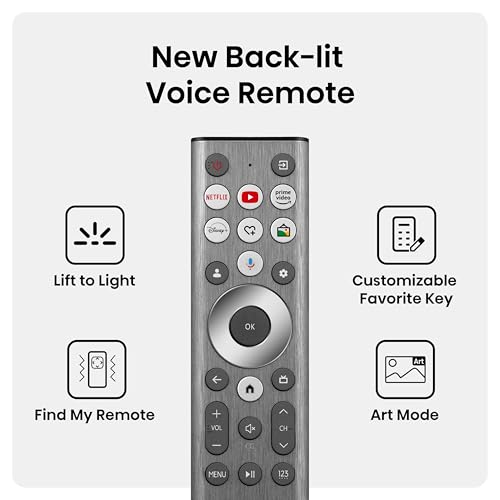
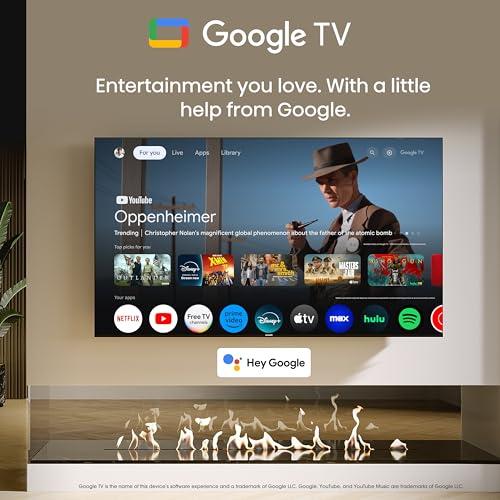
The Hisense CanvasTV likely runs either Google TV or Hisense's proprietary interface, though specific details remain limited in available documentation. What's certain is that the smart platform must balance traditional TV functionality with art display capabilities.
This dual-purpose requirement means the interface needs to seamlessly switch between entertainment mode and art gallery mode, manage image libraries, and control display settings for both use cases. While this specialization is valuable for the target audience, it may sacrifice some depth in pure TV functionality.
Television audio has improved dramatically in recent years, with many displays now providing adequate sound without external speakers.
The Samsung Q6F incorporates a 20-watt, 2-channel audio system enhanced by Object Tracking Sound Lite (OTS Lite). This technology attempts to match audio direction with on-screen action, creating more immersive sound for movies and shows.
Q-Symphony represents Samsung's most interesting audio innovation. When paired with compatible Samsung soundbars, the TV's speakers don't turn off—instead, they work in coordination with the soundbar to create a larger, more enveloping soundstage. This approach can provide audio improvement without completely abandoning the TV's built-in speakers.
Based on user feedback, the Samsung's audio performs adequately for most content types, though movie enthusiasts and audiophiles will still benefit from dedicated audio systems.
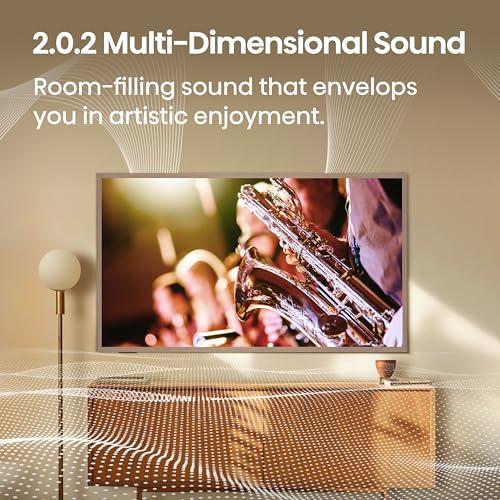
The Hisense CanvasTV's audio specifications aren't well-documented, which suggests audio wasn't a primary design focus. Given the lifestyle orientation, this makes sense—the TV is likely to be used in bedrooms or spaces where moderate volume levels are appropriate.
However, for users who want this display to serve as their primary entertainment device, audio limitations might necessitate external speakers or soundbars, adding to the total system cost.
Gaming has become increasingly important for TV evaluation, particularly as consoles like PlayStation 5 and Xbox Series X demand specific features for optimal performance.
The Samsung Q6F includes Auto Game Mode (ALLM), which automatically detects gaming consoles and switches to optimized settings with reduced input lag. Input lag—the delay between controller input and on-screen response—is crucial for competitive gaming and fast-paced action games.
Motion Xcelerator technology also benefits gaming by reducing motion blur during rapid camera movements or action sequences. While the Q6F doesn't support advanced gaming features like 120Hz refresh rates or Variable Refresh Rate (VRR), it provides solid performance for standard console gaming.
The larger screen size enhances gaming immersion, particularly for open-world games, racing simulations, and sports titles where expanded field of view improves the experience.
The Hisense CanvasTV wasn't designed with gaming as a priority. The focus on aesthetic integration means gaming-specific optimizations likely weren't emphasized during development. For casual gaming, this might be acceptable, but serious gamers should consider the Samsung or other gaming-focused displays.
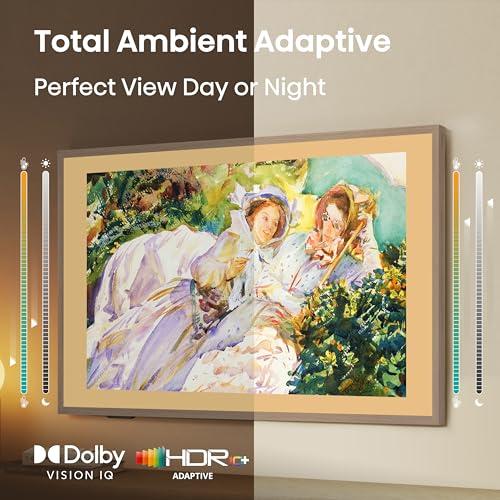
The Hisense CanvasTV's most distinctive feature is its art display capability, which transforms the TV into a digital gallery when not actively playing content.
When activated, Art Mode displays high-resolution artwork, personal photographs, or custom images on the screen. The display includes motion sensors that can automatically turn on the screen when someone enters the room and turn it off when the space is empty, conserving energy while maintaining the art gallery aesthetic.
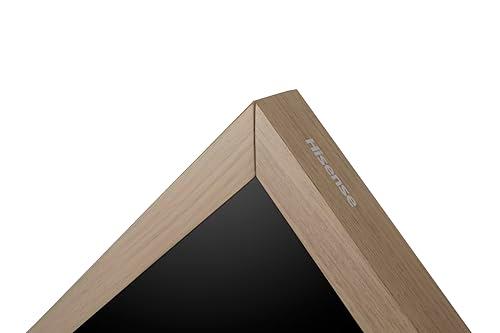
The included frame system uses magnetic attachments, making it easy to swap between different frame colors and styles to match changing decor. At the time of writing, Hisense includes a default frame with additional options available separately, making the complete art display solution more accessible than competing products that charge separately for frame components.
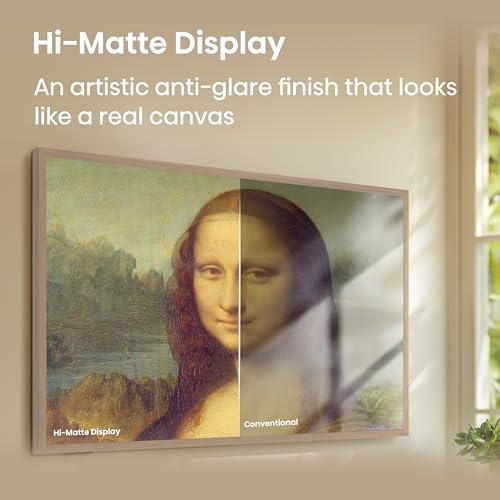
The CanvasTV uses a Hi-Matte display coating that reduces reflections to approximately 5%, ensuring artwork remains visible even in bright rooms. This anti-glare technology mimics the appearance of actual paintings, with texture and finish that feels more natural than glossy TV screens.
The art content library appears to be included without ongoing subscription fees, contrasting with some competing products that charge monthly or annual fees for access to curated artwork collections.
At the time of writing, these displays occupy different price segments that reflect their distinct market positioning.
The Samsung Q6F represents exceptional value for users prioritizing screen size and core TV performance. The cost per inch of screen area favors the larger display significantly, meaning you get substantially more viewing area for your investment.
When evaluating long-term satisfaction, larger screens tend to remain impressive longer. A 75-inch display that seems adequately sized today will likely still feel appropriate years from now, while smaller screens might eventually feel limiting as content becomes more immersive and room setups evolve.
The Hisense CanvasTV commands a premium that reflects its specialized functionality and included accessories. When comparing total system costs—including the frame components that would cost extra with competing products—the value proposition becomes more reasonable for users who prioritize the art display capability.
However, this premium means you're paying more per inch of screen area and accepting some performance compromises in exchange for aesthetic integration and dual-purpose functionality.
For dedicated home theater setups, several factors become particularly important.
Home theaters typically emphasize immersive experiences with controlled lighting and optimized seating arrangements. The Samsung Q6F's larger size aligns better with home theater principles, where bigger screens create more cinematic experiences.
The viewing distance calculations for home theaters suggest that 75-inch screens work best from 9-12 feet away, while 65-inch displays are optimal from 8-10 feet. Most dedicated theater rooms can accommodate the larger display comfortably.
Home theaters typically feature controlled lighting, which can mask some HDR performance limitations. However, for true home theater enthusiasm, the Samsung's superior HDR implementation provides better performance with high-quality movie content.
The Hisense CanvasTV works better in multi-purpose rooms where the display needs to function attractively during daytime hours when not playing content.
You prioritize traditional television performance and want maximum screen real estate for your budget. This display excels for users who primarily watch movies, sports, and streaming content in living rooms or family spaces. The larger size creates better immersion for cinematic content, while the proven QLED technology ensures reliable color reproduction and HDR performance.
Gaming enthusiasts who want responsive performance with modern consoles will appreciate the optimized gaming features, even if they're not the most advanced available. The comprehensive smart platform and audio capabilities create a complete entertainment experience without requiring immediate additional purchases.
You value aesthetic integration as much as entertainment performance. This display makes sense for bedrooms, premium living spaces, or anywhere the TV's appearance when inactive matters significantly. The included frame system and art display capability provide unique value for design-conscious users.
The smaller size works better in spaces where a 75-inch display would feel overwhelming, and the dual-purpose functionality maximizes value in rooms where space is limited. Users who appreciate having conversation-piece furniture that also functions as entertainment technology will find this approach appealing.
The choice between these displays ultimately depends on your priorities and room requirements. The Samsung Q6F delivers superior traditional TV value with more screen area, better performance, and comprehensive features. The Hisense CanvasTV commands a lifestyle premium for aesthetic integration and unique dual-purpose functionality.
Consider measuring your intended space carefully—ensure you have adequate room and viewing distance for a 75-inch display if considering the Samsung. Evaluate your lighting conditions, as bright rooms might challenge the Hisense's limited brightness capabilities.
Most importantly, think about long-term satisfaction. Will you use the art display feature regularly enough to justify its premium, or would you prefer more screen real estate and proven performance? Both approaches have merit, but they serve fundamentally different user priorities and room requirements.
| Samsung 75-Inch QLED Q6F Series 2025 Smart TV | Hisense 65" S7N CanvasTV QLED 4K Smart Display |
|---|---|
| Screen Size - Bigger screens create more immersive experiences but need adequate room space | |
| 75 inches (31% more viewing area) | 65 inches (better for bedrooms/smaller rooms) |
| Display Type - Both use QLED but with different optimization approaches | |
| Traditional QLED optimized for entertainment | Lifestyle QLED with art display functionality |
| Peak Brightness - Critical for HDR performance and bright room viewing | |
| Moderate brightness with proven HDR processing | Limited brightness (documented HDR performance issues) |
| Refresh Rate - Higher rates provide smoother motion for sports and gaming | |
| 60Hz with Motion Xcelerator technology | 60Hz (motion processing not emphasized) |
| Smart Platform - Your daily interface for apps and streaming | |
| Samsung Tizen with 1,200+ free channels | Likely Google TV (limited documentation) |
| Gaming Features - Important for console gaming performance | |
| Auto Game Mode, reduced input lag, VRR support | Not optimized for gaming (lifestyle focus) |
| Audio System - Determines if you need external speakers | |
| 20W, 2-channel with Q-Symphony soundbar sync | Audio specs not documented (likely basic) |
| Unique Features - What sets each apart from standard TVs | |
| Large screen entertainment focus, SmartThings hub | Art Mode with included magnetic frame system |
| Frame/Mounting - How the TV integrates into your room | |
| Standard TV appearance, basic feet included | UltraSlim wall mount + swappable art frames included |
| Target Use Case - Who each TV is designed for | |
| Living rooms, family entertainment, sports viewing | Bedrooms, design-focused spaces, dual-purpose display |
| Value Proposition - What you're paying for | |
| Maximum screen size and proven TV performance | Lifestyle integration and included art display accessories |
The Samsung 75-Inch QLED Q6F is significantly better for movies and sports due to its larger 75-inch screen and superior HDR performance. The bigger display creates more immersive experiences for cinematic content, while Motion Xcelerator technology reduces blur during fast-paced sports action. The Hisense S7N CanvasTV has documented brightness limitations that affect HDR movie quality.
The core difference is purpose: the Samsung Q6F is a traditional entertainment-focused TV that maximizes screen size and performance, while the Hisense CanvasTV is a lifestyle display that doubles as digital art when turned off. The Samsung prioritizes viewing experience, while the Hisense prioritizes aesthetic integration into your room.
The Samsung 75-Inch QLED Q6F is much better for gaming. It includes Auto Game Mode for reduced input lag, VRR support for smoother gameplay, and Motion Xcelerator for clearer fast-motion scenes. The Hisense S7N CanvasTV wasn't designed with gaming in mind and lacks gaming-specific optimizations.
The Samsung Q6F at 75 inches provides 31% more viewing area than the Hisense CanvasTV's 65-inch screen. This translates to more immersive movie experiences and better sports viewing, but requires more wall space and works best from 9-12 feet away. The smaller Hisense display fits better in bedrooms and smaller rooms.
The Samsung 75-Inch QLED Q6F has superior picture quality with proven Quantum HDR processing and adequate peak brightness for HDR content. Professional reviews indicate the Hisense CanvasTV suffers from insufficient brightness for optimal HDR performance, meaning bright scenes in movies won't look as impactful.
Art Mode on the Hisense S7N CanvasTV transforms the TV into a digital art gallery when not in use, displaying paintings or photos with an included magnetic frame system. It's worth the premium if you want your TV to enhance room aesthetics rather than dominate as a black rectangle. The Samsung Q6F doesn't offer this lifestyle feature.
The Samsung 75-Inch QLED Q6F offers better traditional TV value with significantly more screen area and superior performance per dollar spent. The Hisense CanvasTV commands a lifestyle premium for its art display features and included frame system, making it better value only if you'll regularly use the art functionality.
The Samsung Q6F handles bright rooms better due to superior brightness capabilities and proven anti-glare performance. The Hisense CanvasTV uses Hi-Matte coating to reduce reflections for art display, but its limited peak brightness can make HDR content appear washed out in very bright environments.
The Samsung 75-Inch QLED Q6F has more comprehensive smart features with Samsung's mature Tizen platform, over 1,200 free channels through Samsung TV Plus, and full integration with SmartThings for smart home control. The Hisense S7N CanvasTV focuses more on art display software than extensive smart TV capabilities.
The Samsung Q6F has better documented audio with 20W output, Object Tracking Sound Lite, and Q-Symphony technology for soundbar integration. The Hisense CanvasTV doesn't emphasize audio performance, with limited specifications available, suggesting you may need external speakers for optimal sound.
The Samsung 75-Inch QLED Q6F is much better for dedicated home theater use. Its larger 75-inch screen creates more cinematic immersion, superior HDR performance enhances movie quality, and the comprehensive gaming features support various entertainment sources. The Hisense CanvasTV works better in multi-purpose rooms where aesthetics matter as much as performance.
Choose the Samsung 75-Inch QLED Q6F if you prioritize entertainment performance, want maximum screen size for your budget, or plan to use it primarily for movies, sports, and gaming. Choose the Hisense S7N CanvasTV if you value aesthetic integration, need a TV for bedrooms or design-focused spaces, and will regularly use the art display feature to enhance your room's appearance.
We've done our best to create useful and informative comparisons to help you decide what product to buy. Our research uses advanced automated methods to create this comparison and perfection is not possible - please contact us for corrections or questions. These are the sites we've researched in the creation of this article: youtube.com - rtings.com - cnet.com - youtube.com - rtings.com - samsung.com - bestbuy.com - samsung.com - samsung.com - bestbuy.com - manuals.plus - arrowassociatedstores.com - samsung.com - samsung.com - samsung.com - flatpanelshd.com - device.report - bestbuy.com - hisense.sg - tomsguide.com - content.syndigo.com - rtings.com - hisense-usa.com - youtube.com - bestbuy.com - youtube.com - displayspecifications.com - displayspecifications.com - manuals.plus - displayspecifications.com - bestbuy.com - hisense-canada.com - manuals.plus - bargainoutletandmore.com - bestbuy.com - device.report

Privacy Policy
Terms and Conditions - Affiliate Policy
Home Security
© Copyright 2008-2026.
11816 Inwood Rd #1211, Dallas, TX 75244