

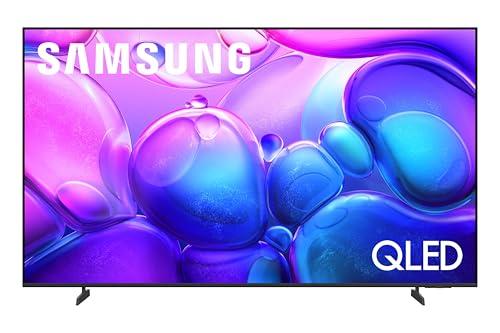

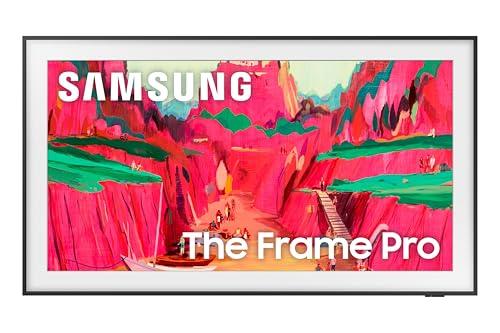
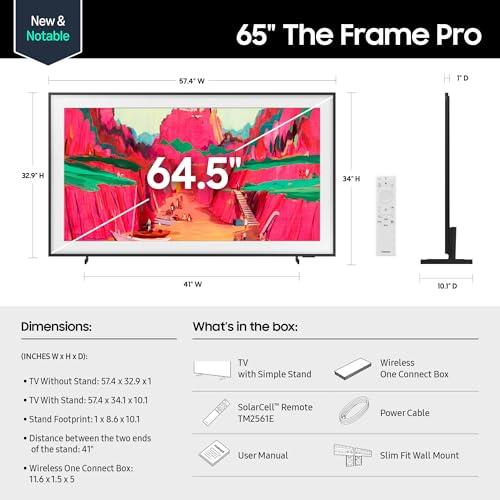

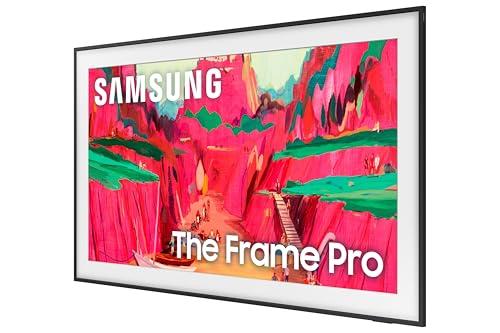
When Samsung released their 2025 TV lineup, they presented consumers with an interesting dilemma. Do you go for the massive 75-inch screen of the Samsung Q6F, or do you choose the premium technology and artistic design of the 65-inch Frame Pro? Both are compelling options, but they serve very different purposes and buyers.
At the time of writing, these TVs represent two distinct philosophies in the premium TV market. The Q6F focuses on delivering maximum screen real estate with solid quantum dot technology at an accessible price point, while the Frame Pro pushes the boundaries of what a TV can be – combining cutting-edge Mini-LED technology with a design that transforms your living space.
The premium TV market in 2025 has evolved significantly from just a few years ago. We're no longer just comparing screen sizes and basic picture quality. Today's buyers need to consider display technology (traditional QLED versus the newer Neo QLED Mini-LED), smart features, gaming capabilities, and increasingly, how the TV integrates with their home's aesthetic.
The most critical factors come down to display technology and peak brightness – which determine how good HDR content looks and how well the TV performs in bright rooms. Screen size versus room dynamics matter enormously for immersion and viewing comfort. Gaming performance has become crucial as more people use TVs for PlayStation 5 and Xbox Series X gaming. Finally, design integration has emerged as a key differentiator, especially for TVs placed in main living areas.
What makes this comparison particularly interesting is that Samsung positioned these models to serve completely different market segments, even though they both carry the premium QLED badge.
The Samsung Q6F uses traditional QLED technology, which Samsung has refined over several years. QLED stands for "Quantum Dot LED" – essentially, it's a regular LED backlight enhanced with a special layer containing quantum dots (tiny semiconductor particles) that can produce very pure colors when hit with blue light.
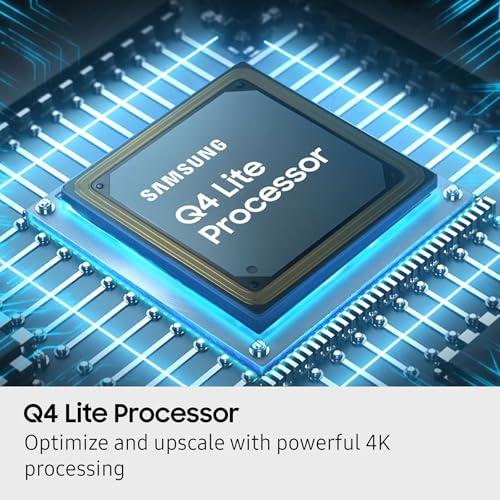
What this means in practical terms is that the Q6F can display what Samsung calls "100% Color Volume" – essentially, it can maintain color accuracy and vibrancy across different brightness levels better than standard LED TVs. The Q4 Lite processor handles the smart features and upscaling (converting lower-resolution content to look better on the 4K screen), though it's Samsung's more basic processor compared to their flagship models.
The trade-off with this approach is brightness. Our research into professional reviews shows the Q6F typically peaks around 600 nits of brightness. For context, that's adequate for most viewing but falls short of what you need for really impactful HDR (High Dynamic Range) content, especially in bright rooms.
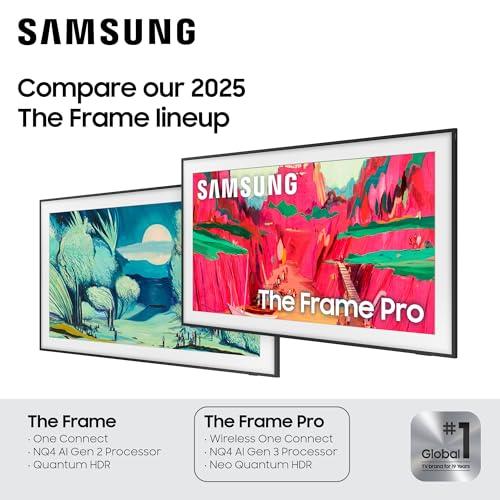
The Frame Pro, on the other hand, uses Neo QLED technology – Samsung's premium Mini-LED approach introduced in 2021 and significantly refined by 2025. Instead of traditional LED backlights, it uses thousands of tiny Mini-LEDs (each about 1/40th the size of conventional LEDs) controlled in zones to provide much more precise lighting control.
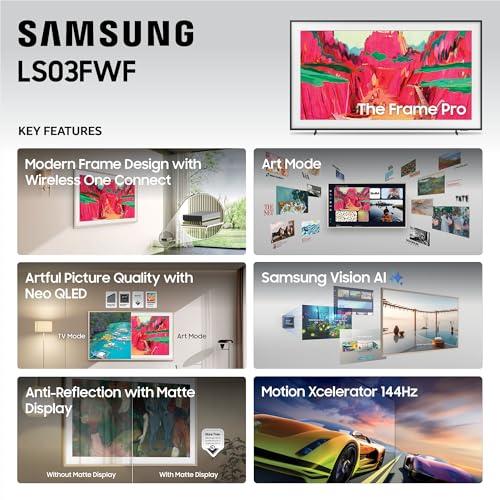
This technical leap translates to real-world benefits. Professional testing shows the Frame Pro can reach over 1,000 nits of peak brightness – nearly double the Q6F's output. More importantly, it can control this brightness much more precisely, creating deeper blacks in dark scenes while maintaining brilliant highlights. The NQ4 Gen 3 AI processor is also significantly more powerful, providing better upscaling and more intelligent scene optimization.
The quantum dot layer in Neo QLED is also more sophisticated, achieving 93.4% coverage of the UHDA-P3 color space (the standard used for premium HDR content) compared to the Q6F's more limited color gamut coverage.
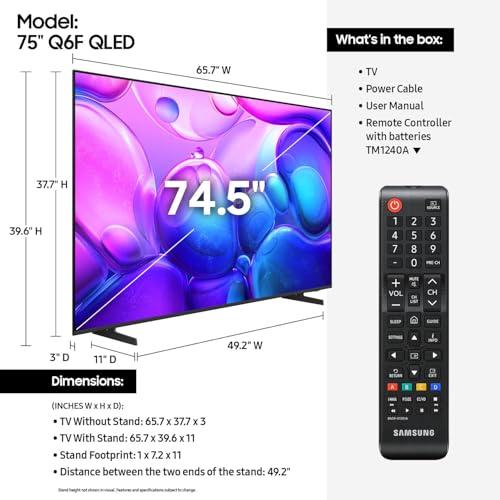
Here's where things get interesting from a value perspective. The Samsung Q6F offers a 75-inch screen – that's 10 inches larger diagonally than the Frame Pro's 65-inch display. In terms of actual viewing area, you're getting about 30% more screen real estate with the Q6F.
For home theater enthusiasts, this size difference is substantial. THX (the audio/video standards organization) recommends sitting about 7.5 feet away from a 75-inch screen for optimal immersion, while a 65-inch screen is ideal from about 6.5 feet. If you have a large living room or dedicated media space, that extra 10 inches creates a noticeably more cinematic experience.
However, screen size alone doesn't determine picture quality. The Frame Pro's superior brightness and color accuracy might actually provide a more satisfying viewing experience despite the smaller size, especially if you're watching premium content like 4K Netflix shows or Ultra HD Blu-rays.
Both TVs support modern gaming consoles, but neither is ideal for serious gamers – albeit for different reasons.
The Q6F is limited to a 60Hz refresh rate, which means it can only display 60 frames per second. While it supports Variable Refresh Rate (VRR) and Auto Low Latency Mode (ALLM) – features that reduce screen tearing and input delay – it lacks the high refresh rate gaming that makes PlayStation 5 and Xbox Series X truly shine. For casual gaming, it's perfectly adequate, but competitive gamers will notice the limitation.
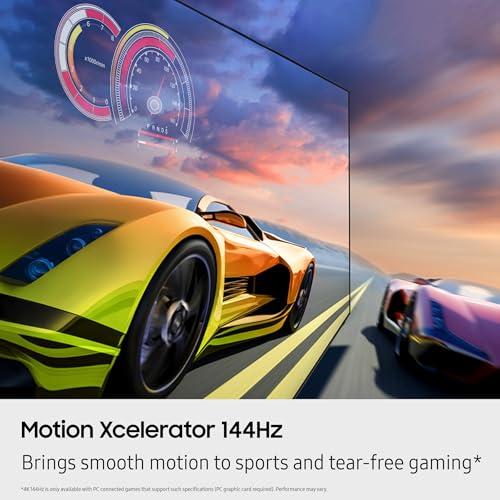
The Frame Pro supports an impressive 144Hz refresh rate and includes comprehensive VRR support, including FreeSync Premium Pro. On paper, this sounds perfect for gaming. However, our research into professional reviews reveals a significant issue: input lag of over 30 milliseconds, which is quite high for a premium TV. Samsung includes a micro HDMI port directly on the TV (bypassing the wireless connection) to reduce this lag, but even then, performance lags behind Samsung's dedicated gaming models.
For most gamers, the Q6F might actually provide a more responsive experience despite its lower refresh rate, simply because it has lower input delay.
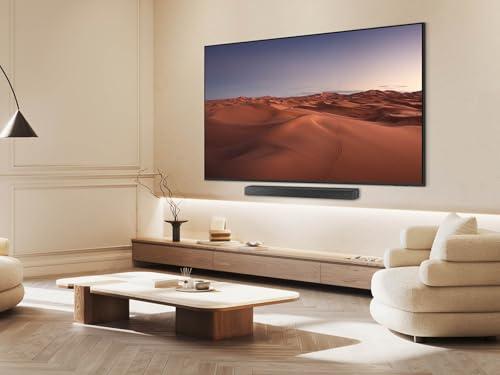
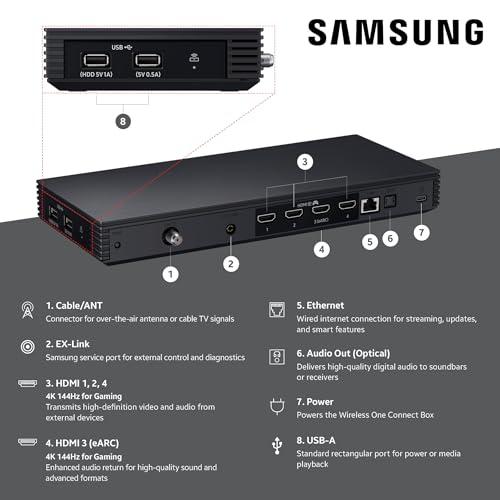
Perhaps the Frame Pro's most innovative feature is its Wireless One Connect Box – a separate unit that handles all your connections (cable box, gaming console, streaming device) and transmits everything wirelessly to the TV. This isn't just a convenience feature; it's a fundamental reimagining of how TVs integrate into living spaces.
The system uses Wi-Fi 7 technology and what Samsung calls "Omni-Directional Technology" to maintain a stable connection up to 33 feet away, even through walls and furniture. In practical terms, this means you can hide all your cables and devices in a cabinet or closet while keeping the TV itself completely cable-free on the wall.
For anyone who's struggled with cable management behind a wall-mounted TV, this is revolutionary. The Q6F, by contrast, requires traditional wired connections, which can create the familiar tangle of HDMI cables, power cords, and other connections that many people find unsightly.
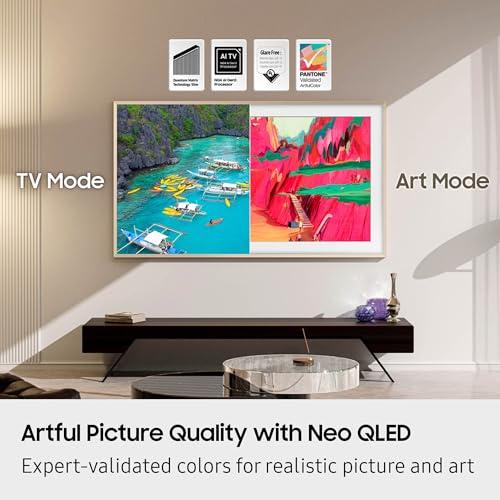
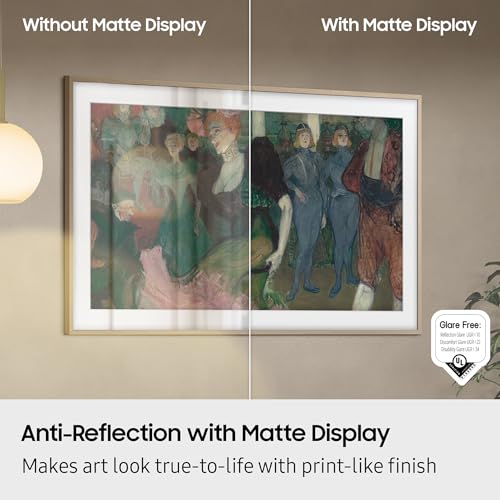
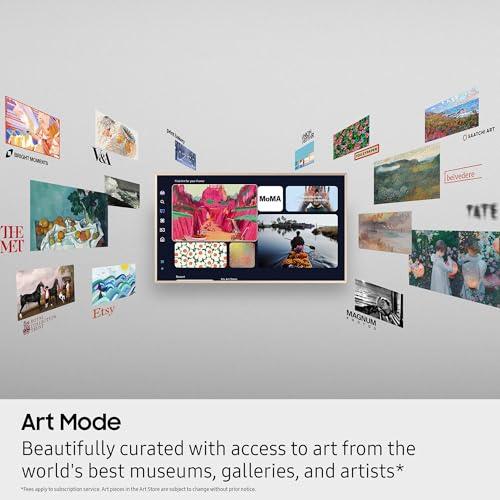
The Frame Pro includes Samsung's Art Mode, which transforms the TV into a digital art gallery when not in use. This isn't just a screensaver – the matte anti-glare coating and customizable bezels make displayed artwork look surprisingly like real prints or paintings.
The matte coating deserves special attention. Unlike glossy TV screens that can become mirrors in bright rooms, the Frame Pro's matte finish drastically reduces reflections while maintaining color vibrancy. Samsung has also Pantone-validated the color accuracy specifically for artwork display, meaning your family photos and downloaded art will look natural and true-to-life.
This feature fundamentally changes how the TV functions in your home. Instead of a black rectangle dominating your wall when off, the Frame Pro can display rotating artwork, family photos, or even practical information like calendars or weather displays. For many buyers, this dual functionality justifies the premium pricing.
HDR (High Dynamic Range) performance is where these TVs diverge most significantly. HDR content includes much brighter highlights and darker shadows than standard video, creating more realistic and impactful images – but only if your TV can actually display these extremes.
The Q6F's limited brightness means HDR content often appears somewhat flat. You'll still see improved color compared to non-HDR content, but those brilliant sun reflections or explosions won't have the visual impact they should. This limitation becomes more pronounced in bright rooms, where ambient light can wash out the screen.
The Frame Pro's Mini-LED backlighting and higher brightness capability make HDR content genuinely impressive. Bright highlights pop off the screen while maintaining detail in dark shadows. The local dimming (where different screen areas can be brightened or darkened independently) is significantly more effective than the Q6F's basic implementation.
For movie enthusiasts who invest in 4K Ultra HD Blu-rays or premium streaming services, this difference in HDR performance is substantial and noticeable.
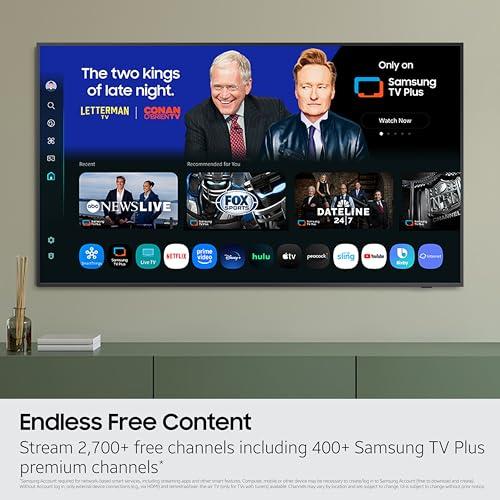
Both TVs run Samsung's Tizen operating system, which is mature, fast, and includes all major streaming apps. They both support voice assistants (Alexa, Google Assistant, Bixby) and Samsung's SmartThings ecosystem for controlling smart home devices.
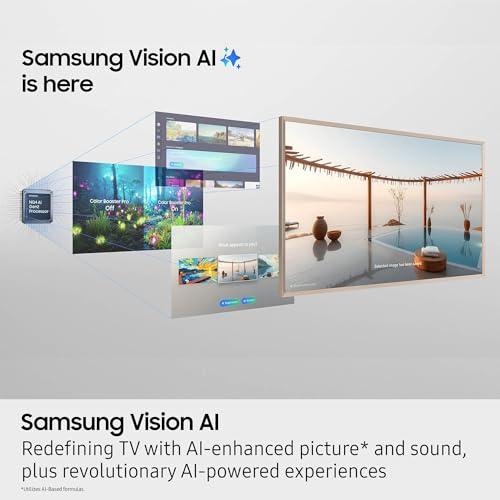
Where they differ is in future-proofing. The Frame Pro's more powerful NQ4 Gen 3 processor and additional features like Samsung Vision AI suggest it will receive software updates and new features longer than the Q6F. The wireless connectivity system is also inherently more flexible – if you need to add new devices or change your setup, you're not limited by cable runs to the TV.
You should seriously consider the Samsung Q6F if maximum screen size is your priority and you have the room to accommodate a 75-inch display properly. This TV makes sense for dedicated media rooms, large family rooms, or basement entertainment spaces where the viewing distance allows you to appreciate the larger screen.
The Q6F is also the better choice if you primarily watch content in controlled lighting conditions – evenings with lamps dimmed or curtains drawn. Its quantum dot technology still produces notably better colors than basic LED TVs, and the larger screen creates more immersive viewing for movies and sports.
Budget-conscious buyers who want to step up to QLED technology without paying for premium features will find the Q6F offers solid value, especially considering the screen size you get.
The Frame Pro makes more sense if your TV will be in a bright, main living area where it needs to look good both on and off. The combination of high brightness, anti-glare coating, and Art Mode creates a TV that enhances rather than dominates your living space.
If you're renovating or designing a room where cable management is important, the wireless connectivity alone might justify the Frame Pro's premium. The ability to completely hide all connections while maintaining full functionality is genuinely game-changing for many installations.
Color accuracy enthusiasts and those who frequently watch premium HDR content will appreciate the Frame Pro's superior display technology, even if they're giving up some screen size.
At the time of writing, these TVs serve distinctly different market segments despite both carrying Samsung's QLED branding. The Q6F delivers on the traditional promise of bigger screens and solid performance at accessible pricing. The Frame Pro represents Samsung's vision of what premium TVs can become – lifestyle products that integrate seamlessly into modern homes.
Your decision ultimately depends on what you value most: maximum immersion through screen size, or maximum integration through design and technology. Both are excellent TVs within their intended markets, but they're solving different problems for different types of buyers.
For most people, the choice comes down to room dynamics and priorities. Large, dedicated spaces with controlled lighting favor the Q6F, while bright, design-conscious living areas favor the Frame Pro. Neither choice is wrong – they're just different approaches to the evolving role of television in our homes.
| Samsung 75-Inch QLED Q6F Series 2025 Smart TV | Samsung 65" The Frame Pro 4K Neo QLED Smart TV 2025 |
|---|---|
| Screen Size - Larger screens provide more immersive viewing but require adequate room space | |
| 75 inches (30% more viewing area than 65") | 65 inches (ideal for most living rooms) |
| Display Technology - Determines peak brightness, color accuracy, and HDR performance | |
| Traditional QLED with quantum dots | Neo QLED Mini-LED with advanced local dimming |
| Peak Brightness - Critical for HDR impact and bright room viewing | |
| ~600 nits (adequate for evening viewing) | 1,000+ nits (excellent for daytime and HDR content) |
| Refresh Rate - Higher rates provide smoother gaming and sports | |
| 60Hz (basic gaming support) | 144Hz (advanced gaming capabilities) |
| Processor - Affects upscaling quality and smart TV responsiveness | |
| Q4 Lite Processor (entry-level performance) | NQ4 AI Gen3 Processor (premium AI features) |
| Connectivity Innovation - Affects installation flexibility and cable management | |
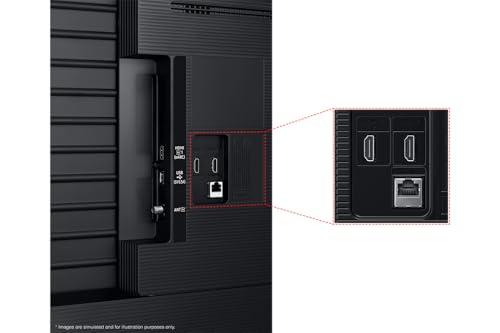
| Traditional wired connections | Wireless One Connect Box (cable-free TV installation) |
| Design Features - Impact on room aesthetics when TV is off | |
| Standard black TV appearance | Art Mode with matte anti-glare coating, customizable bezels |
| Color Accuracy - Important for natural-looking content and artwork | |
| 100% Color Volume (good quantum dot performance) | 93.4% UHDA-P3 coverage, Pantone-validated (superior accuracy) |
| Gaming Performance - Input lag and features matter for responsive gaming | |
| Lower input lag but basic 60Hz gaming | High input lag (30ms+) despite 144Hz support |
| HDR Support - Determines quality of premium streaming and disc content | |
| Quantum HDR, HDR10+ (limited by brightness) | Neo Quantum HDR, HDR10+ with superior brightness handling |
| Audio System - Affects whether external soundbar is needed | |
| 20W 2CH speakers with OTS Lite | 40W 2.0.2CH with Dolby Atmos and Object Tracking Sound |
| Smart Platform - Both identical but processor affects long-term performance | |
| Tizen with basic processor limitations | Tizen with advanced AI and Samsung Vision AI |
| Best Use Case - Choose based on your primary viewing scenario | |
| Large family rooms, dedicated media spaces, evening viewing | Bright living rooms, design-conscious homes, dual TV/art display |
The Samsung Frame Pro has significantly better picture quality due to its Neo QLED Mini-LED technology. It reaches over 1,000 nits of brightness compared to the Q6F's ~600 nits, providing more impactful HDR content and better performance in bright rooms. The Frame Pro also offers superior color accuracy with 93.4% UHDA-P3 coverage and more precise local dimming control.
The Samsung Q6F has a 75-inch screen while the Frame Pro is 65 inches. This gives the Q6F about 30% more viewing area, which creates a more immersive experience for movies and sports, especially in larger rooms or dedicated home theater setups.
Yes, the Frame Pro's Wireless One Connect Box uses Wi-Fi 7 technology and works reliably up to 33 feet, even through walls. This eliminates all cable clutter behind the TV, making it ideal for clean wall installations. The Q6F requires traditional wired connections to all devices.
The Frame Pro is significantly better for bright rooms due to its higher peak brightness (1,000+ nits) and matte anti-glare coating that reduces reflections. The Q6F with its lower brightness can appear washed out in bright lighting conditions, making it better suited for controlled lighting environments.
Art Mode on the Frame Pro transforms the TV into a digital art gallery when not in use, displaying artwork, photos, or information. Combined with customizable bezels and the matte screen, it genuinely looks like artwork on your wall. This feature is particularly valuable if the TV is in a main living area where aesthetics matter.
Value depends on your priorities. The Q6F offers more screen size and solid QLED performance at a lower cost, making it better value for size-focused buyers. The Frame Pro provides premium Mini-LED technology and unique design features, offering better value for those wanting cutting-edge performance and lifestyle integration.
Both the Q6F and Frame Pro run Samsung's Tizen platform with identical app selection and voice assistant support. However, the Frame Pro's NQ4 Gen3 processor provides better performance, faster navigation, and additional AI features like Samsung Vision AI for enhanced functionality.
For dedicated home theaters, the Q6F's larger 75-inch screen provides more cinematic immersion, especially in controlled lighting. However, the Frame Pro's superior HDR performance and color accuracy make premium content look more impressive. Choose based on whether screen size or picture quality is your priority.
The major difference is the Frame Pro's revolutionary Wireless One Connect Box that eliminates cable connections to the TV itself. Both models offer similar port counts and smart features, but the Frame Pro provides much cleaner installation options. The Q6F uses standard wired connectivity.
We've done our best to create useful and informative comparisons to help you decide what product to buy. Our research uses advanced automated methods to create this comparison and perfection is not possible - please contact us for corrections or questions. These are the sites we've researched in the creation of this article: youtube.com - rtings.com - cnet.com - youtube.com - rtings.com - samsung.com - bestbuy.com - samsung.com - samsung.com - bestbuy.com - manuals.plus - arrowassociatedstores.com - samsung.com - samsung.com - samsung.com - flatpanelshd.com - device.report - tomsguide.com - youtube.com - smarthomesounds.co.uk - images.samsung.com - rtings.com - samsung.com - bestbuy.com - bestbuy.com - businessinsider.com - dentonstv.com - samsung.com - flatpanelshd.com - samsung.com - jefflynch.com - youtube.com - costco.com

Privacy Policy
Terms and Conditions - Affiliate Policy
Home Security
© Copyright 2008-2026.
11816 Inwood Rd #1211, Dallas, TX 75244