

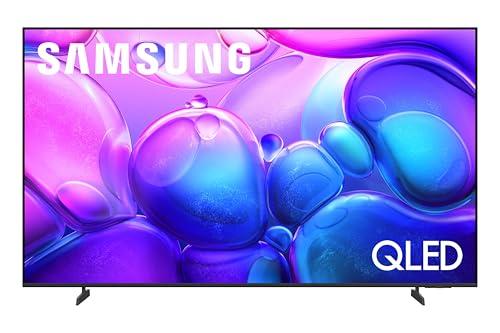
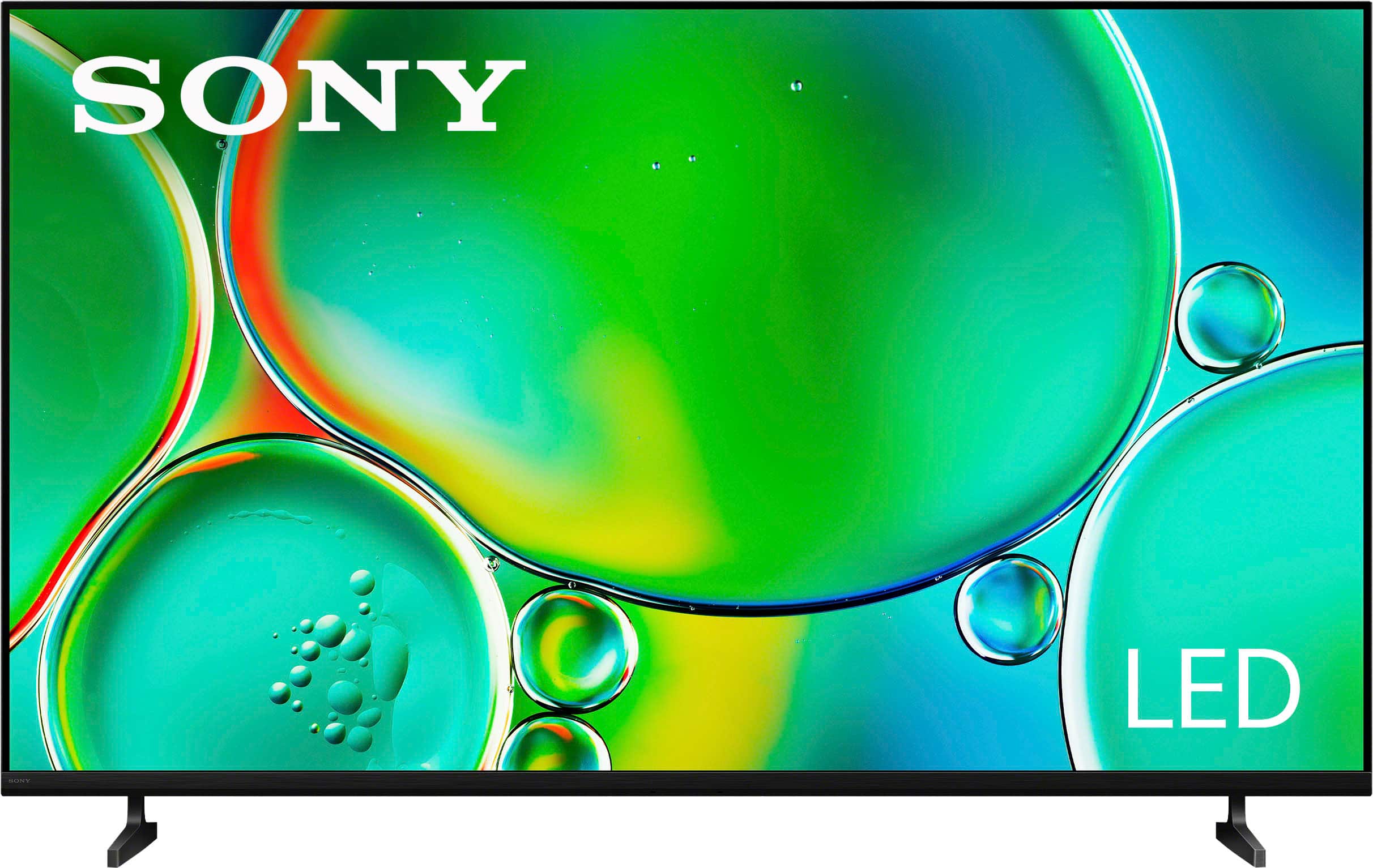
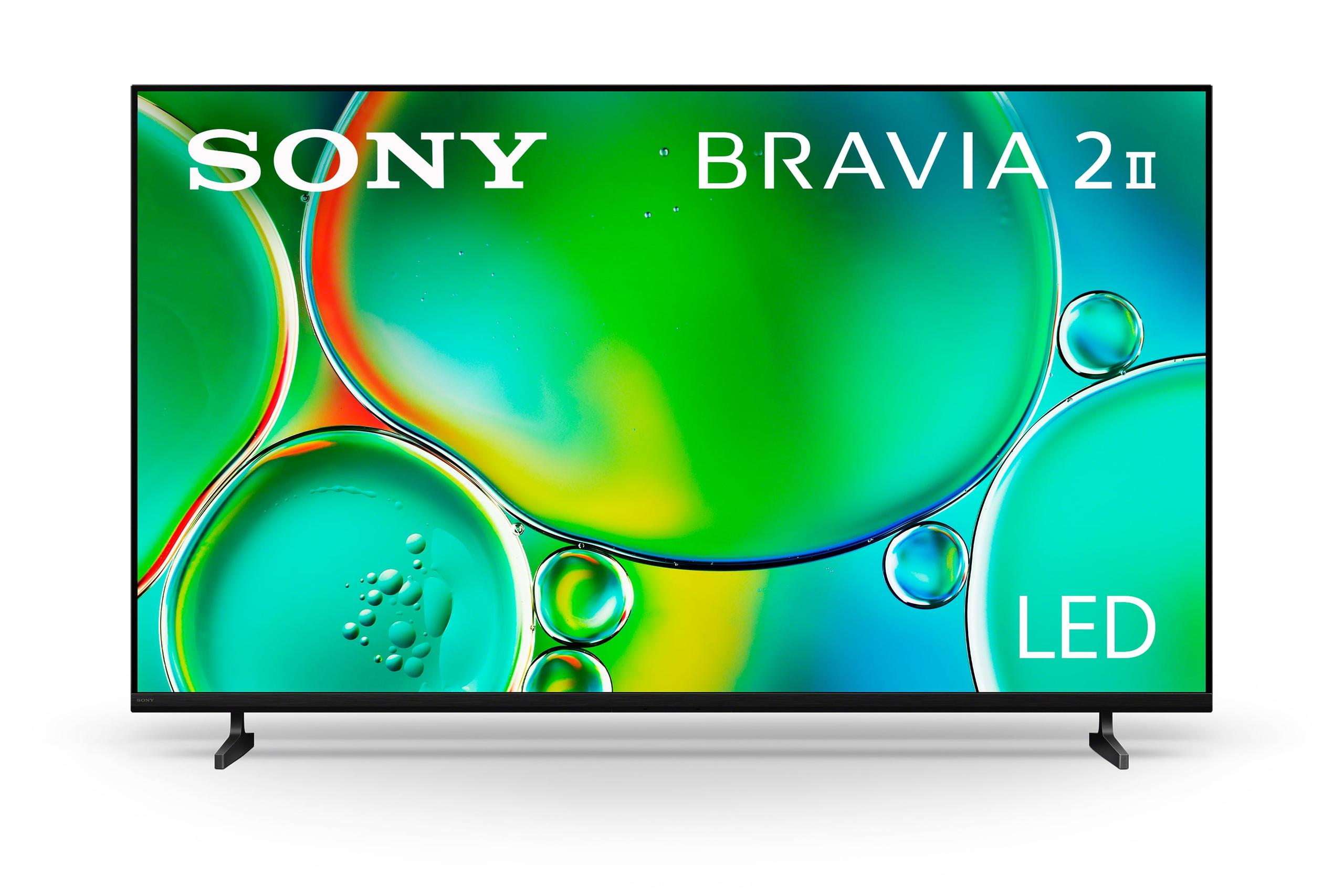



Choosing the right TV in 2025 means navigating a landscape where entry-level models pack impressive technology that would have been flagship material just a few years ago. Two standout options dominating the affordable 4K space are the Samsung 75-Inch QLED Q6F Series and the Sony BRAVIA 2 II 65" 4K LED Google TV. Both represent their manufacturers' approach to delivering quality 4K viewing without premium pricing, but they take dramatically different paths to get there.
At the time of writing, these TVs sit in similar price brackets despite offering different screen sizes and technologies. The Samsung Q6F brings quantum dot color enhancement and a massive 75-inch display, while the Sony BRAVIA 2 II focuses on processing excellence and Google's smart TV platform in a more compact 65-inch package. Understanding which approach better serves your needs requires diving into what makes each tick.
Before we compare these specific models, it's worth understanding what separates today's TVs from yesterday's. Both the Samsung Q6F and Sony BRAVIA 2 II launched in 2025 as entry-level offerings, but they benefit from years of technological refinement that has trickled down from flagship models.
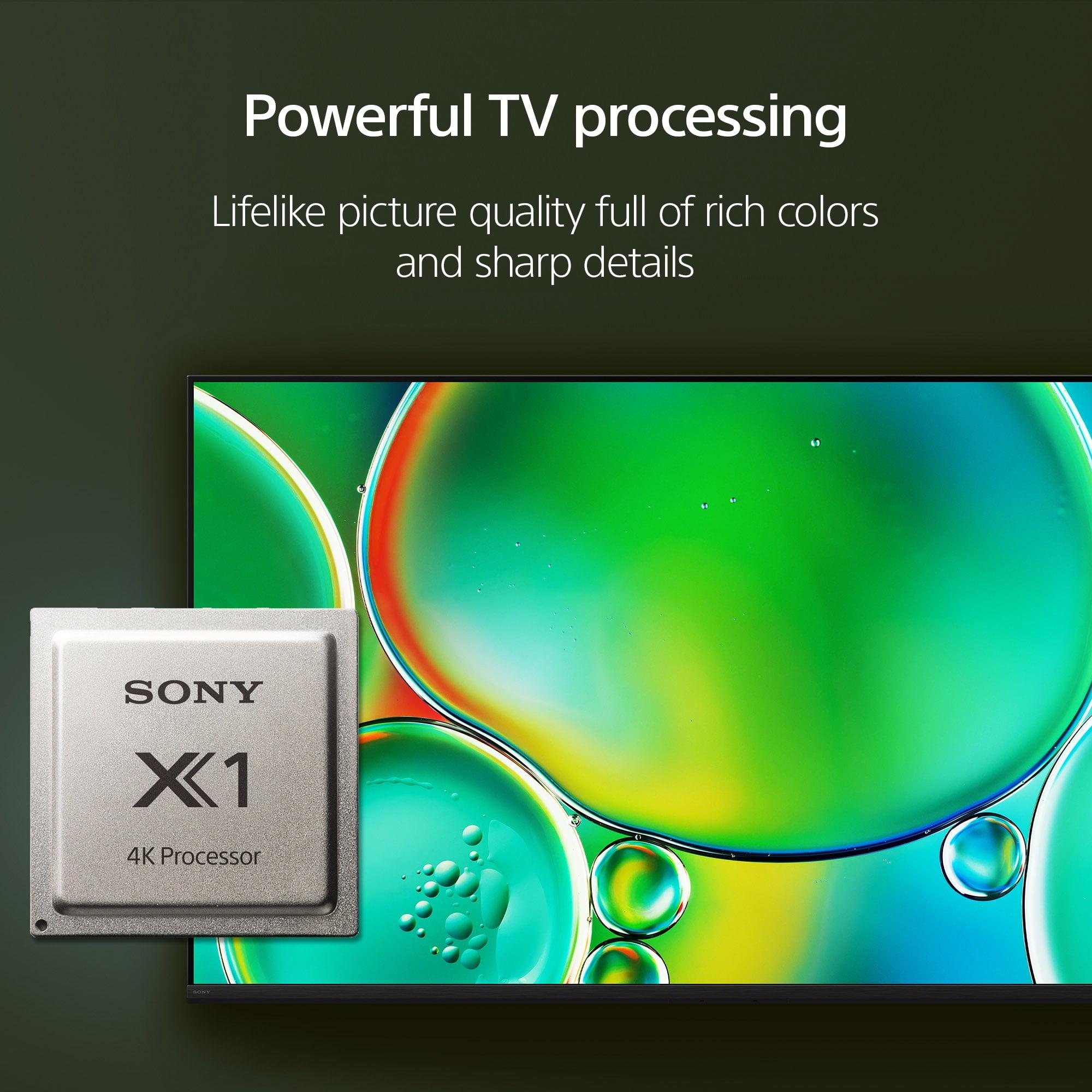
The most significant advancement in recent years has been the democratization of quantum dot technology—microscopic particles that enhance color production—which Samsung has brought to its entry-level QLED line. Meanwhile, Sony has focused on refining its image processing, bringing the same 4K Processor X1 that powered higher-end models down to its most affordable TVs.
Smart TV platforms have also matured considerably. Where older budget TVs often suffered from sluggish interfaces and limited app support, both models here offer smooth, responsive experiences with comprehensive streaming capabilities.
The fundamental difference between these TVs lies in their display technology, and this impacts everything from color vibrancy to viewing experience.
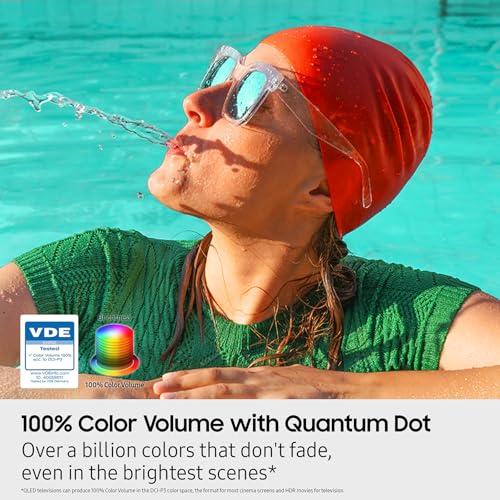
The Samsung Q6F uses QLED (Quantum Dot Light Emitting Diode) technology, which places a layer of quantum dots—nanoparticles that emit specific colors when hit by light—between the LED backlight and LCD panel. This results in what Samsung calls "100% Color Volume," meaning the TV can maintain color saturation even at high brightness levels. In practical terms, this means blues look more electric, reds appear more vibrant, and greens seem more lush than what you'd see on a traditional LED display.
The quantum dot layer also helps the Samsung Q6F achieve better color accuracy across the spectrum. When watching nature documentaries or animated content, the difference is immediately apparent—colors pop with an intensity that makes content feel more engaging and lifelike.
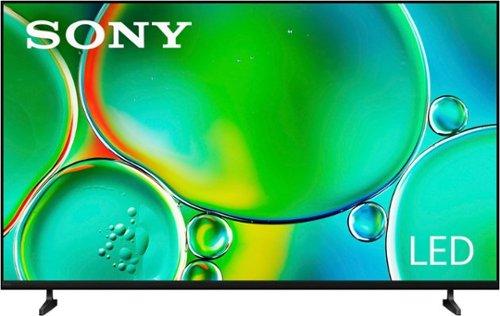
The Sony BRAVIA 2 II, by contrast, uses a conventional LED-backlit LCD panel but relies heavily on Sony's 4K Processor X1 for color enhancement. This processor analyzes each frame in real-time, adjusting color temperature, contrast, and sharpness based on the content type. Sony's approach prioritizes natural color reproduction over saturation, resulting in what many describe as a more "film-like" presentation.
Our research into expert and user reviews consistently shows that the Samsung Q6F produces more vibrant, eye-catching colors, while the Sony BRAVIA 2 II delivers more accurate, natural tones. Your preference here likely depends on your viewing habits—if you love animated movies, sports, and colorful content, Samsung's approach excels. If you primarily watch dramas, documentaries, and films where color accuracy matters more than intensity, Sony's processing might appeal more.
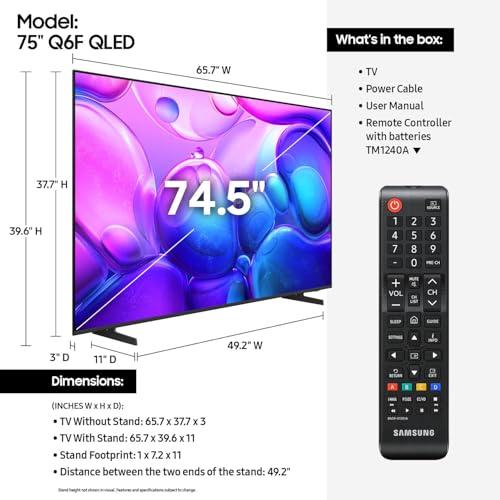
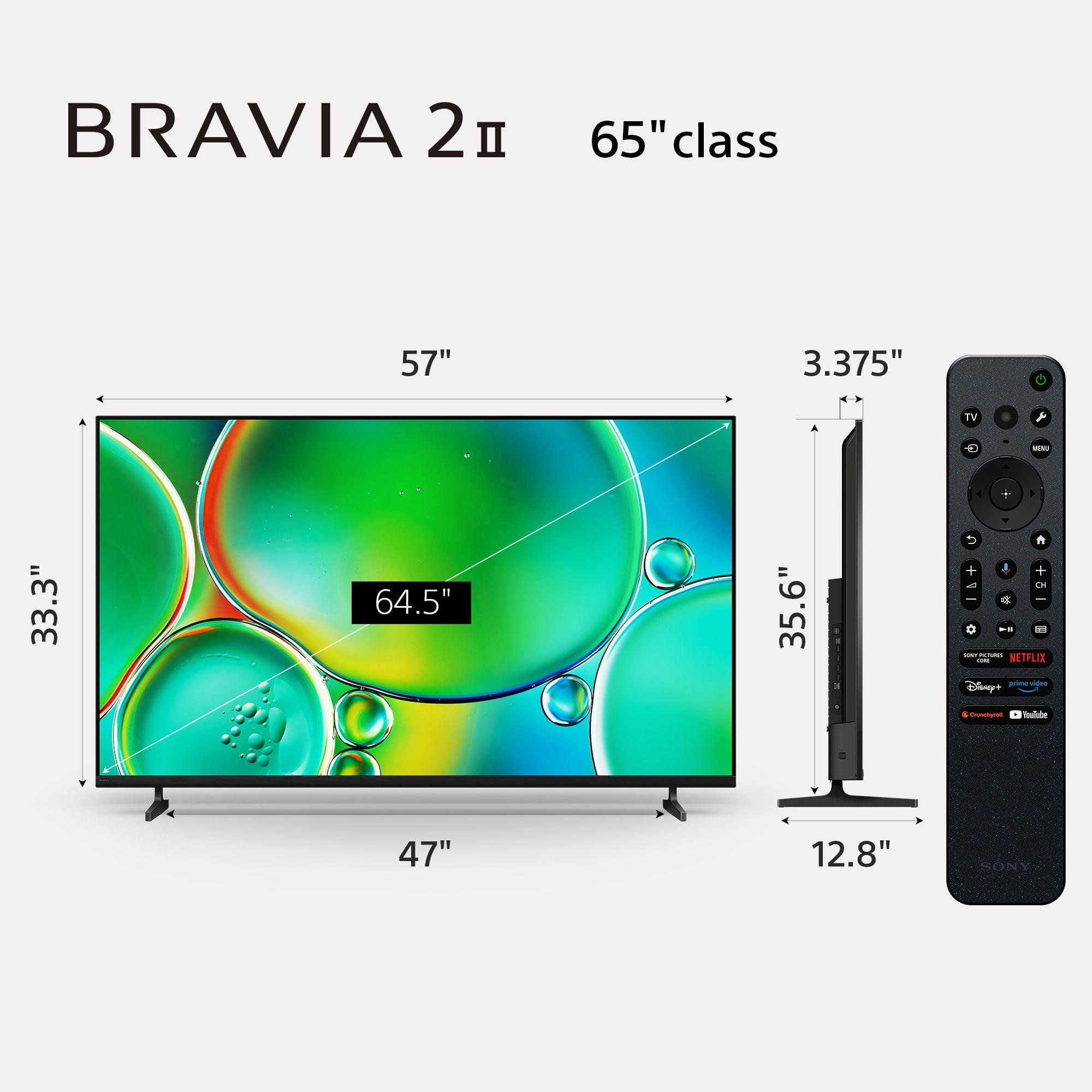
Perhaps the most obvious difference between these models is size, but the impact goes beyond simple measurements. The Samsung Q6F at 75 inches offers approximately 37% more screen real estate than the 65-inch Sony BRAVIA 2 II. This translates to a dramatically different viewing experience.
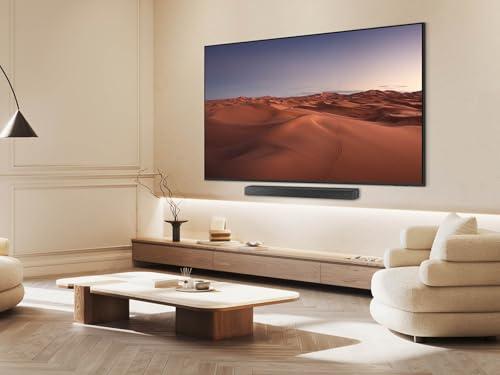
For home theater applications, screen size often matters more than incremental improvements in picture quality. A 75-inch display at 10 feet viewing distance provides an immersive experience that makes you feel part of the action, whether you're watching Marvel movies or playing video games. The larger canvas also makes small details more visible and creates a more cinema-like atmosphere in your living room.
However, size isn't always better. The Sony BRAVIA 2 II's 65-inch display works better in medium-sized rooms where a 75-inch TV might feel overwhelming. It's also easier to achieve optimal viewing angles with a smaller display, and you'll notice fewer issues with uniformity across the screen.
Based on room size recommendations, the Samsung Q6F works best in rooms where you can sit 10-12 feet from the screen, while the Sony BRAVIA 2 II is ideal for 8-10 feet viewing distances. Consider your space carefully—a too-large TV in a small room can cause eye strain and make it difficult to take in the entire picture.
Both TVs tackle 4K upscaling and image enhancement, but through different philosophies that reveal themselves in daily use.
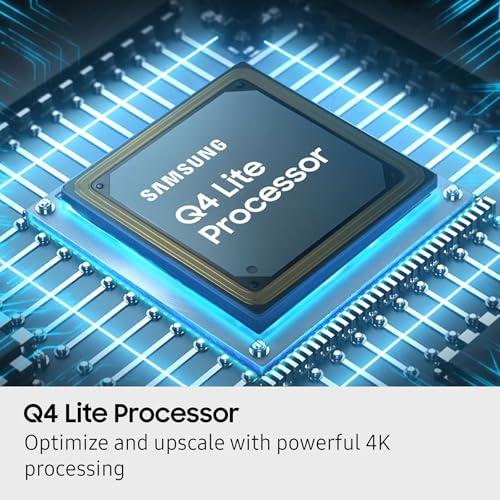
The Samsung Q6F employs its Q4 Lite Processor, which focuses on enhancing the quantum dot display's inherent color advantages. This processor excels at making content appear more vibrant and engaging, with particular strength in upscaling HD content to 4K resolution. The UHD Dimming feature, while not true local dimming, helps adjust contrast in different areas of the screen for better black levels and highlight detail.
Samsung's Motion Xcelerator technology estimates and predicts frame movement to reduce blur during fast action sequences. This proves particularly effective for sports and action movies, where camera pans and quick movements can appear smoother than on displays without motion processing.
The Sony BRAVIA 2 II takes a different approach with its 4K Processor X1, which Sony has refined over years of development. This processor shines in content analysis, making intelligent decisions about how to enhance each type of content. The 4K X-Reality PRO engine maintains a database of image patterns that helps it upscale lower-resolution content more intelligently than simple algorithmic approaches.
Sony's processing particularly excels with film content, where it can detect and preserve the intended color grading while enhancing detail without introducing artifacts. The Live Color technology expands the color palette within the constraints of the LED display, achieving impressive results without quantum dot enhancement.
High Dynamic Range (HDR) support represents another area where these TVs diverge in their approaches and capabilities.
The Samsung Q6F supports both HDR10 and HDR10+, the latter being a dynamic HDR format that adjusts tone mapping scene-by-scene rather than using static settings for entire movies. Combined with Quantum HDR processing, this results in better contrast between bright and dark areas of the image. However, the TV's peak brightness limitations mean HDR highlights won't achieve the impact you'd see on mid-range or premium models.
The Sony BRAVIA 2 II supports HDR10 and HLG (Hybrid Log-Gamma) but notably lacks Dolby Vision support, which might disappoint users invested in that ecosystem. Sony's HDR processing focuses on maintaining detail in both shadows and highlights rather than pushing for maximum brightness, resulting in a more balanced but potentially less dramatic presentation.
For HDR content, the Samsung Q6F's quantum dot technology provides an advantage in color volume, meaning HDR content appears more vivid and engaging. However, neither TV achieves the peak brightness needed for truly impactful HDR in bright rooms—both work best in controlled lighting environments where their contrast capabilities can shine.
The smart TV experience has become increasingly important as streaming dominates home entertainment, and here these TVs offer distinctly different approaches.
The Samsung Q6F runs Tizen OS, Samsung's proprietary platform that emphasizes gaming and Samsung ecosystem integration. The interface feels modern and responsive, with the Gaming Hub providing centralized access to cloud gaming services, console games, and mobile titles. Samsung TV Plus offers over 1,200 free streaming channels, providing value for cord-cutters.
Tizen's strength lies in its deep integration with Samsung devices and services. If you own Samsung smartphones, Galaxy Buds, or Samsung soundbars, the ecosystem benefits become apparent with features like automatic audio switching and seamless content sharing.
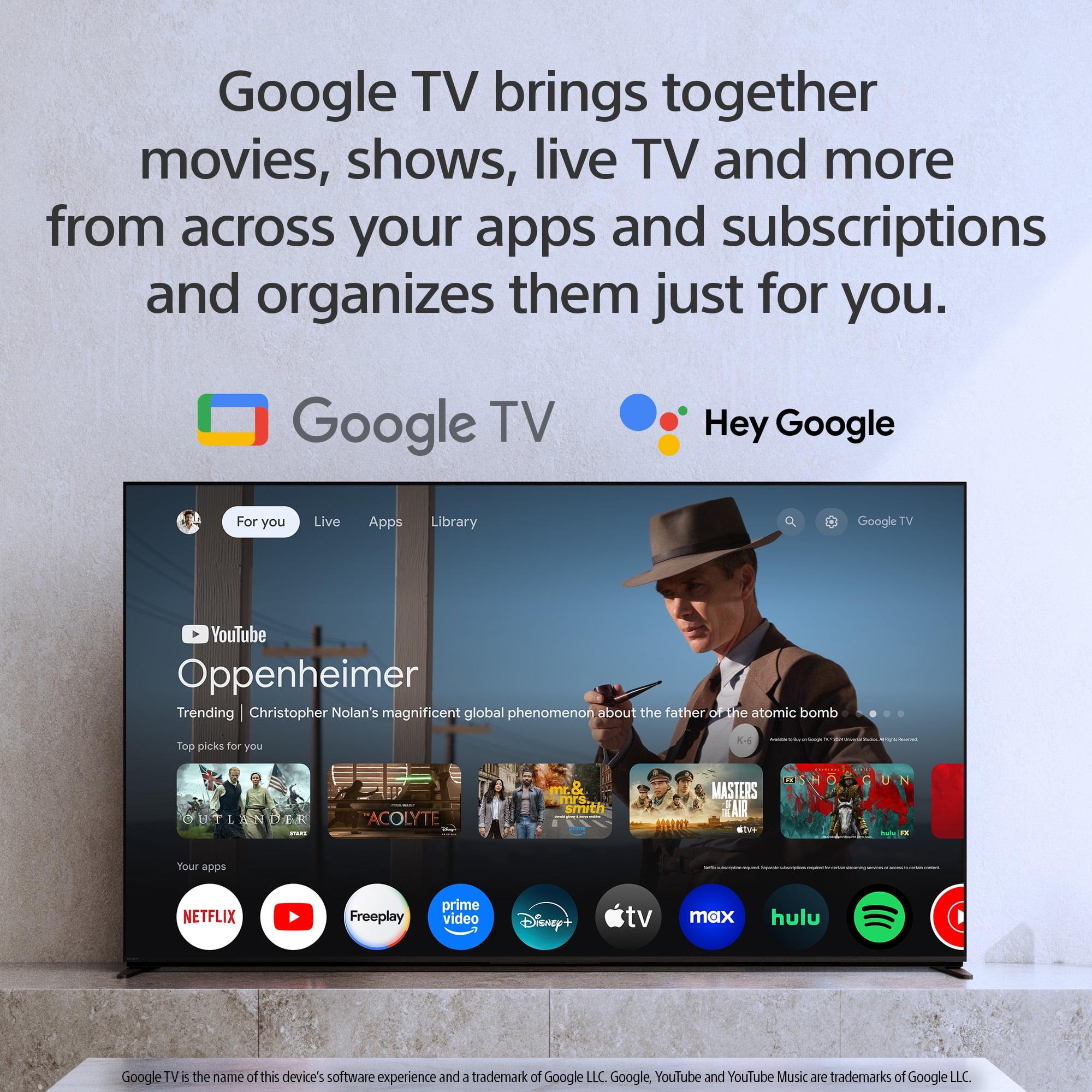
The Sony BRAVIA 2 II uses Google TV, which has evolved significantly from earlier Android TV implementations. The interface prioritizes content discovery, surfacing recommendations from across your streaming services rather than forcing you to navigate individual apps. Google Assistant integration feels more natural than most TV voice implementations, and casting from Android devices or Chrome browsers works seamlessly.
Google TV's app support tends to be more comprehensive and receives faster updates than proprietary platforms. If you're invested in Google's ecosystem—using Gmail, Google Photos, or Chromecast devices—the Sony BRAVIA 2 II provides superior integration.
Gaming capabilities increasingly influence TV purchasing decisions, especially as consoles like PlayStation 5 and Xbox Series X push 4K gaming mainstream.
The Samsung Q6F clearly targets gaming enthusiasts with comprehensive feature support. Variable Refresh Rate (VRR) synchronizes the TV's refresh rate with your console's frame rate, eliminating screen tearing and stuttering during gameplay. Auto Low Latency Mode (ALLM) automatically switches to game mode when it detects console input, reducing input lag to around 10-15 milliseconds.
The Gaming Hub deserves special mention for consolidating gaming experiences across platforms. You can access Xbox Cloud Gaming, NVIDIA GeForce Now, and other services without needing dedicated hardware, making the Samsung Q6F appealing for cloud gaming adoption.
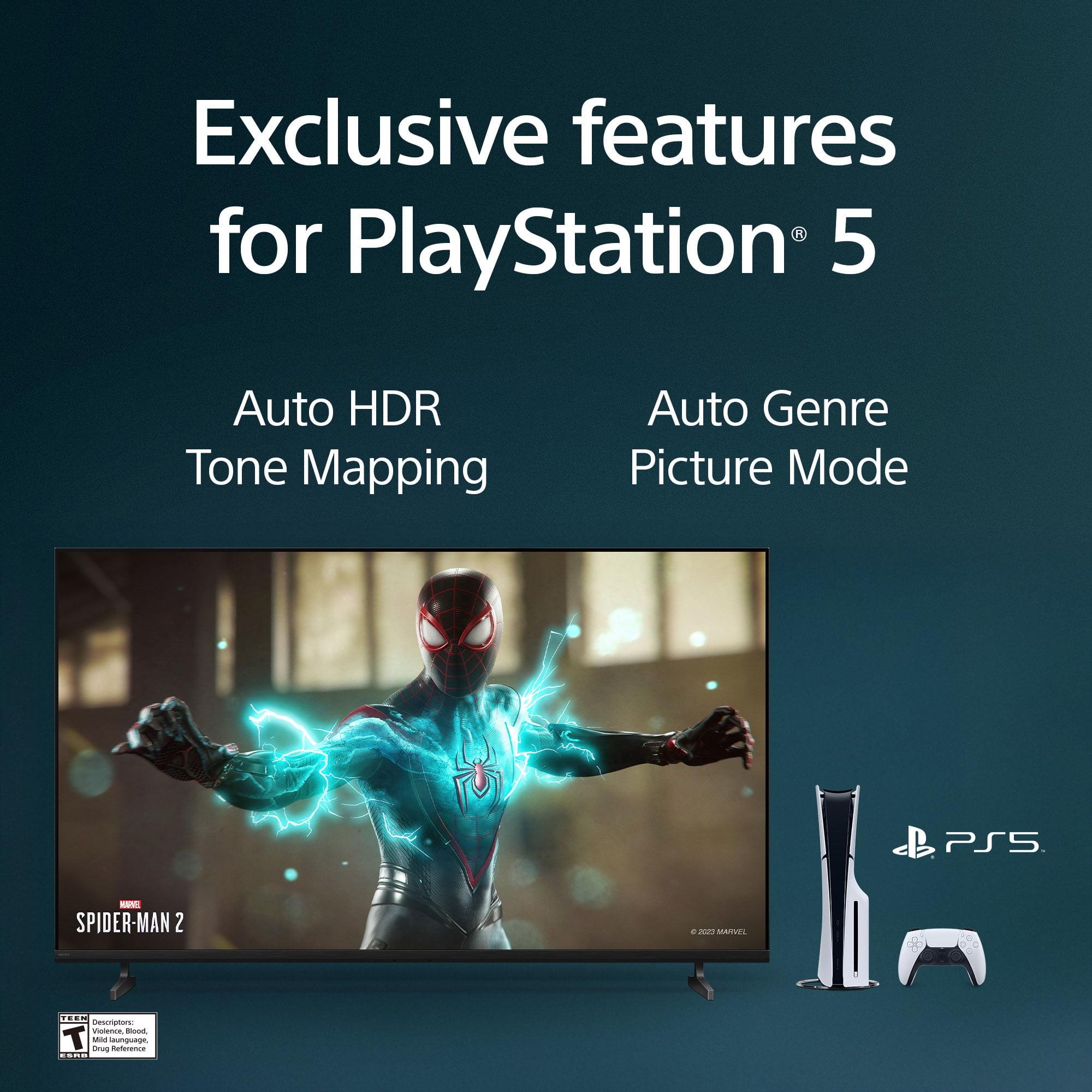
The Sony BRAVIA 2 II offers more basic gaming support with ALLM and some PlayStation-specific optimizations, but lacks VRR and dedicated gaming features. For casual gaming or older consoles, this proves sufficient, but serious gamers will miss the advanced features that modern games and consoles can utilize.
Both TVs feature similar 20W, 2-channel speaker systems that deliver adequate but unremarkable audio performance. Neither provides the bass response or soundstage width that matches their large screens.
The Samsung Q6F includes Object Tracking Sound Lite, which attempts to position audio effects based on on-screen action. Q-Symphony compatibility means if you add a Samsung soundbar later, the TV speakers can work in tandem rather than being disabled entirely.
The Sony BRAVIA 2 II supports Dolby Atmos processing through its built-in speakers and includes Sony's acoustic positioning technology for better dialogue clarity. However, like the Samsung, it benefits significantly from external audio solutions.
For either TV, budget for a soundbar or surround system if audio quality matters to your viewing experience. The built-in speakers handle dialogue and basic sound effects adequately but lack the dynamic range for immersive movie watching or gaming.
In home theater applications, several factors become particularly important: screen size, room lighting control, and viewing distance optimization.
The Samsung Q6F excels as a home theater centerpiece due to its size and quantum dot color enhancement. The 75-inch display creates an immersive experience that pulls viewers into content, while the vibrant colors work well with the controlled lighting typical of dedicated viewing spaces. The comprehensive gaming features also make it suitable for home theaters that double as gaming spaces.
However, the lack of true local dimming limits its black level performance compared to higher-end models. In completely dark rooms, you might notice some backlight bleed around bright objects on dark backgrounds.
The Sony BRAVIA 2 II works better in multipurpose rooms where the TV needs to perform well under various lighting conditions. Sony's processing maintains good picture quality across different content types, and the more compact size fits better in rooms that serve multiple functions.
For serious home theater enthusiasts, neither TV represents the ultimate in picture quality—both are entry-level models with compromises. However, the Samsung Q6F provides a more cinematic experience through size and color vibrancy, while the Sony BRAVIA 2 II offers more predictable performance across varied content and viewing conditions.
Your choice between these TVs should align with your specific needs and room requirements.
Choose the Samsung 75-Inch QLED Q6F Series if you want maximum screen size and have the room space to accommodate it properly. The quantum dot technology delivers vibrant, engaging colors that work particularly well for animated content, sports, and gaming. The comprehensive gaming features make it future-ready for next-generation consoles, and the large screen creates an immersive experience for movie watching.
The Samsung Q6F also makes sense if you're already invested in Samsung's ecosystem or prefer Tizen's gaming-focused interface. At the time of writing, it offers excellent value for the screen size and technology included.
Select the Sony BRAVIA 2 II 65" 4K LED Google TV if you prioritize Google ecosystem integration and prefer a more compact display. Sony's image processing delivers natural, accurate colors that work well across all content types, and Google TV provides one of the best smart TV experiences available.
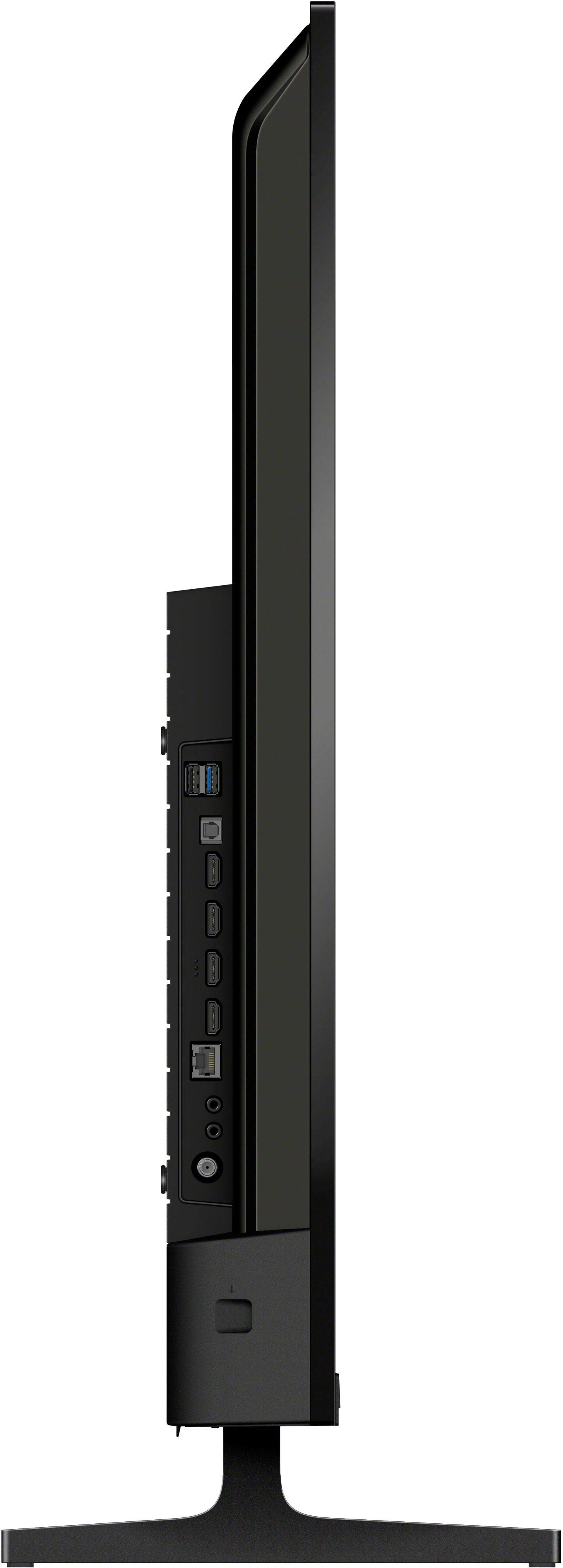
The Sony BRAVIA 2 II suits buyers who want reliable 4K performance without complexity, need multiple HDMI ports for various devices, or have medium-sized rooms where a 65-inch display fits better than 75 inches.
Both TVs represent solid values in their respective approaches to affordable 4K entertainment. Your choice ultimately depends on whether you prioritize screen size and vibrant colors or processing quality and smart platform integration. Either way, you'll get a capable 4K TV that handles modern streaming, gaming, and viewing needs effectively.
| Samsung 75-Inch QLED Q6F Series 2025 | Sony BRAVIA 2 II 65" 4K LED Google TV 2025 |
|---|---|
| Screen Size - Bigger means more immersive, but needs appropriate room size | |
| 75 inches (ideal for 10-12 ft viewing distance) | 65 inches (ideal for 8-10 ft viewing distance) |
| Display Technology - QLED produces more vibrant colors, LED offers natural tones | |
| QLED with Quantum Dot (100% Color Volume, vivid colors) | Standard LED with Direct Backlighting (natural, accurate colors) |
| Picture Processor - Determines upscaling quality and color enhancement | |
| Q4 Lite Processor with UHD Dimming | 4K Processor X1 with 4K X-Reality PRO |
| HDR Support - More formats mean better compatibility with streaming content | |
| Quantum HDR + HDR10+ (dynamic tone mapping) | HDR10 + HLG only (no Dolby Vision support) |
| Smart TV Platform - Affects app availability and user experience | |
| Tizen OS with Gaming Hub and Samsung TV Plus | Google TV with superior app support and content discovery |
| Gaming Features - Critical for console gamers seeking optimal performance | |
| VRR, ALLM, Gaming Hub, FreeSync Premium, HGiG | ALLM only (basic gaming support) |
| HDMI Ports - More ports mean easier device connectivity | |
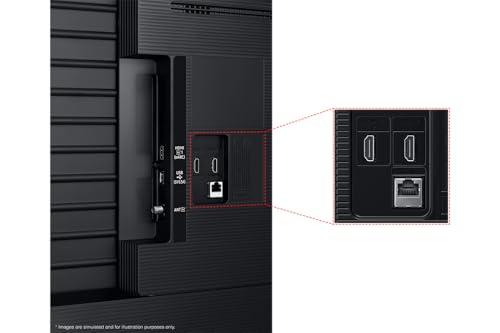
| 3 HDMI 2.0 ports with eARC support | 4 HDMI 2.0 ports with standard ARC |
| Audio Output - Both adequate but external speakers recommended | |
| 20W 2-channel with Object Tracking Sound Lite | 20W 2-channel with Dolby Atmos support |
| Voice Assistant - Integration varies by ecosystem preference | |
| Bixby with Alexa and Google Assistant support | Google Assistant built-in with seamless integration |
| Wireless Connectivity - Newer standards provide better streaming performance | |
| Wi-Fi 5, Bluetooth 5.3 | Wi-Fi 6, Bluetooth 5.3 (faster wireless speeds) |
| Local Dimming - Improves contrast but neither offers true local dimming | |
| UHD Dimming (basic contrast enhancement) | None (relies on processor for contrast) |
| Refresh Rate - Both 60Hz, adequate for most content but not high-end gaming | |
| 60Hz with Motion Xcelerator | 60Hz with Motionflow XR 200 |
The Samsung 75-Inch QLED Q6F Series 2025 delivers more vibrant, saturated colors thanks to its Quantum Dot technology, making it excellent for animated content and sports. The Sony BRAVIA 2 II 65" 4K LED Google TV 2025 focuses on natural color accuracy with its 4K Processor X1, providing more film-like presentation. For eye-catching visuals, choose the Samsung Q6F; for realistic colors, the Sony BRAVIA 2 II excels.
The Samsung 75-Inch QLED Q6F Series 2025 offers a 75-inch display, while the Sony BRAVIA 2 II 65" 4K LED Google TV 2025 features a 65-inch screen. The Samsung provides 37% more viewing area, creating a more immersive experience ideal for large rooms and home theater setups. The Sony BRAVIA 2 II works better in medium-sized spaces where the Samsung Q6F might feel overwhelming.
The Samsung 75-Inch QLED Q6F Series 2025 significantly outperforms the Sony BRAVIA 2 II 65" 4K LED Google TV 2025 for gaming. The Samsung includes Variable Refresh Rate (VRR), Gaming Hub, Auto Low Latency Mode (ALLM), and FreeSync Premium support. The Sony only offers basic ALLM support. For serious console gaming, the Samsung Q6F is the clear winner.
The Samsung 75-Inch QLED Q6F Series 2025 runs Tizen OS with Samsung's Gaming Hub and TV Plus features, while the Sony BRAVIA 2 II 65" 4K LED Google TV 2025 uses Google TV. Google TV generally offers better app support and more intuitive content discovery. However, Tizen provides excellent gaming integration. Choose the Sony BRAVIA 2 II for Google ecosystem users or the Samsung Q6F for gaming enthusiasts.
The Sony BRAVIA 2 II 65" 4K LED Google TV 2025 offers 4 HDMI ports, while the Samsung 75-Inch QLED Q6F Series 2025 provides 3 HDMI ports. Both use HDMI 2.0 standard, but the Samsung includes eARC support versus standard ARC on the Sony. The Sony BRAVIA 2 II wins for connectivity quantity, but the Samsung Q6F offers better audio return capabilities.
Both TVs offer excellent value in different ways. The Samsung 75-Inch QLED Q6F Series 2025 provides more screen size and advanced display technology for a modest price increase. The Sony BRAVIA 2 II 65" 4K LED Google TV 2025 offers reliable performance and Google TV integration at a lower entry price. The Samsung Q6F delivers better value per feature, while the Sony BRAVIA 2 II provides better entry-level value.
Yes, both support HDR but with different formats. The Samsung 75-Inch QLED Q6F Series 2025 supports HDR10 and HDR10+ with Quantum HDR processing for enhanced contrast. The Sony BRAVIA 2 II 65" 4K LED Google TV 2025 supports HDR10 and HLG but lacks Dolby Vision. For broader HDR compatibility and more vivid HDR presentation, the Samsung Q6F has the advantage over the Sony BRAVIA 2 II.
The Samsung 75-Inch QLED Q6F Series 2025 excels in home theater applications due to its larger 75-inch screen and vibrant Quantum Dot colors that create an immersive cinematic experience. The size advantage provides better engagement for movie watching. While the Sony BRAVIA 2 II 65" 4K LED Google TV 2025 offers good picture quality, the Samsung Q6F delivers a more theater-like experience with its impressive screen real estate.
Both the Samsung 75-Inch QLED Q6F Series 2025 and Sony BRAVIA 2 II 65" 4K LED Google TV 2025 feature 20W, 2-channel speaker systems that provide adequate but not exceptional audio. The Samsung includes Object Tracking Sound Lite, while the Sony supports Dolby Atmos processing. Neither TV's built-in audio matches their large screens, so external speakers or soundbars are recommended for both the Samsung Q6F and Sony BRAVIA 2 II.
The Sony BRAVIA 2 II 65" 4K LED Google TV 2025 generally offers superior smart features with Google TV's intuitive interface, better app selection, and faster updates. The Samsung 75-Inch QLED Q6F Series 2025 provides gaming-focused features with its Gaming Hub and Samsung ecosystem integration. For general streaming and smart home integration, choose the Sony BRAVIA 2 II; for gaming and Samsung device users, the Samsung Q6F works better.
The Samsung 75-Inch QLED Q6F Series 2025 handles bright rooms better thanks to its Quantum Dot technology, which maintains color saturation even at higher brightness levels. The Sony BRAVIA 2 II 65" 4K LED Google TV 2025 performs adequately in moderate lighting but may struggle in very bright environments. For rooms with lots of windows or ambient light, the Samsung Q6F provides better visibility and color performance than the Sony BRAVIA 2 II.
For first-time 4K buyers, the choice depends on your priorities. The Sony BRAVIA 2 II 65" 4K LED Google TV 2025 offers a simpler, more affordable entry into quality 4K viewing with excellent smart features and reliable performance. The Samsung 75-Inch QLED Q6F Series 2025 provides a more impressive upgrade experience with its larger screen and enhanced color technology. Choose the Sony BRAVIA 2 II for budget-conscious simplicity or the Samsung Q6F for maximum impact and future-ready features.
We've done our best to create useful and informative comparisons to help you decide what product to buy. Our research uses advanced automated methods to create this comparison and perfection is not possible - please contact us for corrections or questions. These are the sites we've researched in the creation of this article: youtube.com - rtings.com - cnet.com - youtube.com - rtings.com - samsung.com - bestbuy.com - samsung.com - samsung.com - bestbuy.com - manuals.plus - arrowassociatedstores.com - samsung.com - samsung.com - samsung.com - flatpanelshd.com - device.report - bestbuy.com - notebookcheck.net - rtings.com - youtube.com - youtube.com - rtings.com - avsforum.com - croma.com - totonstv.com - electronics.sony.com - listenup.com - pcrichard.com - youtube.com - flanners.com - brandsmartusa.com - displayspecifications.com - pioneertvandappliance.com - donstv.com

Privacy Policy
Terms and Conditions - Affiliate Policy
Home Security
© Copyright 2008-2026.
11816 Inwood Rd #1211, Dallas, TX 75244