

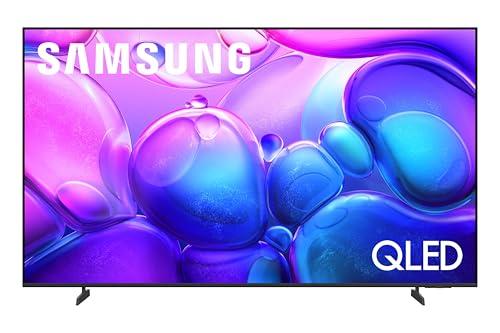
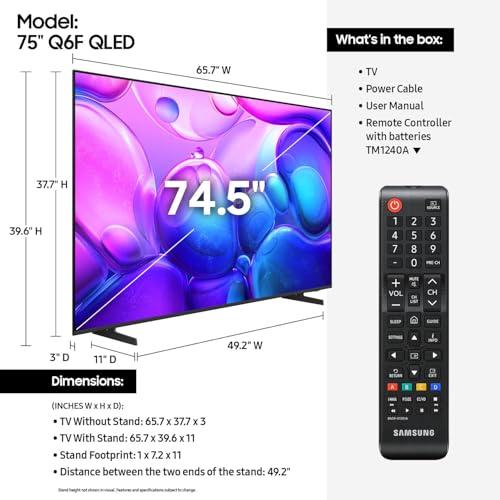

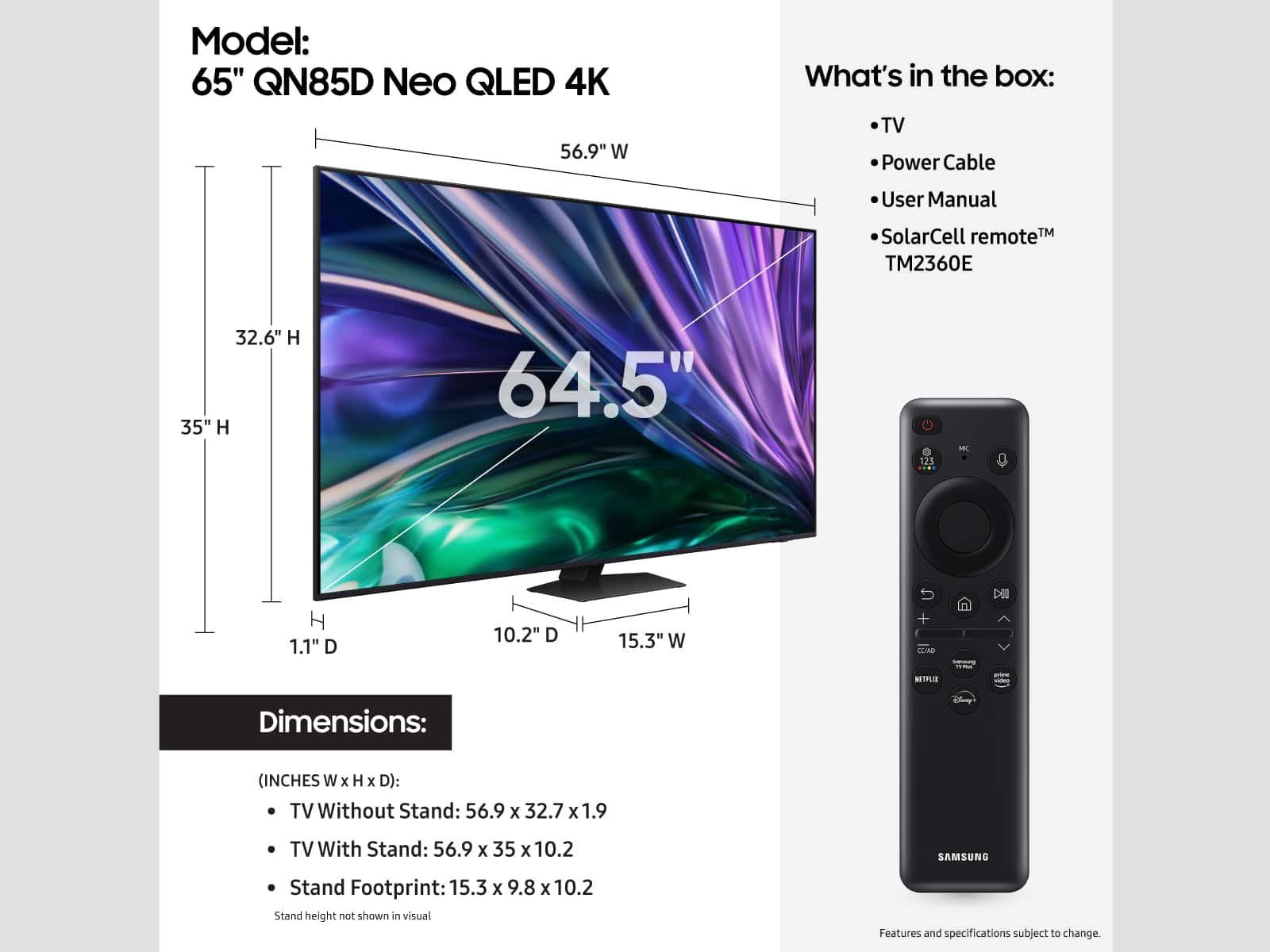
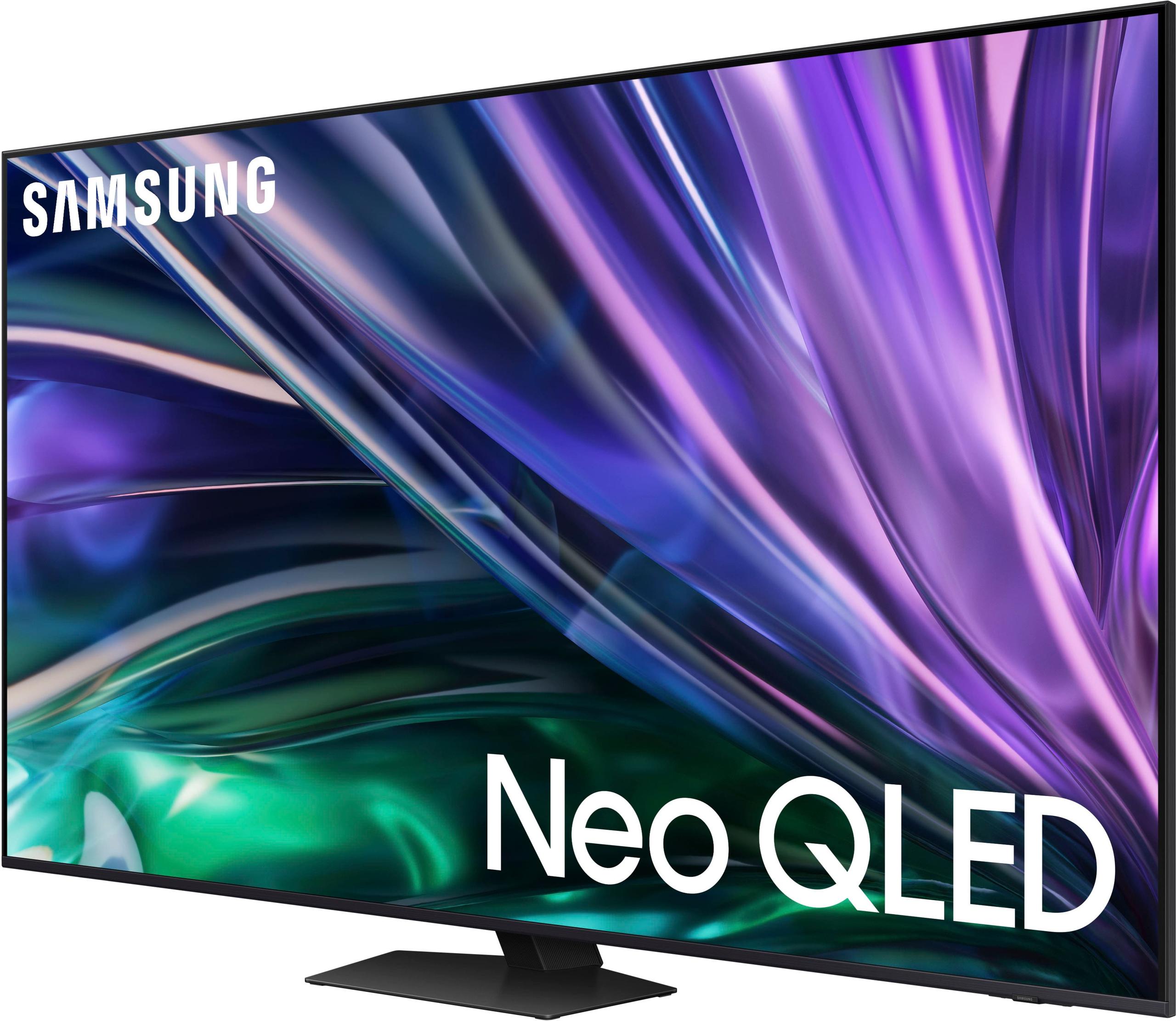
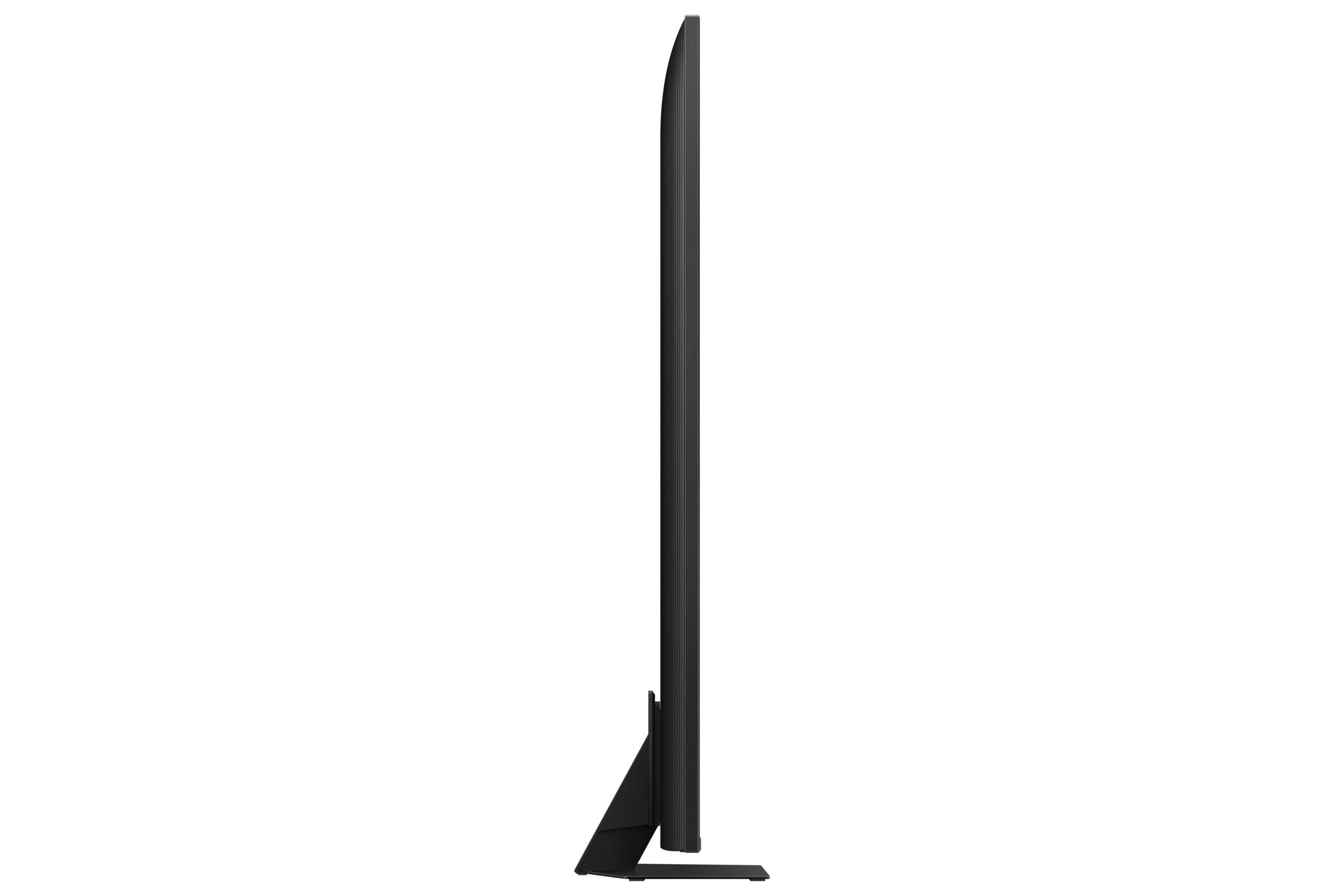
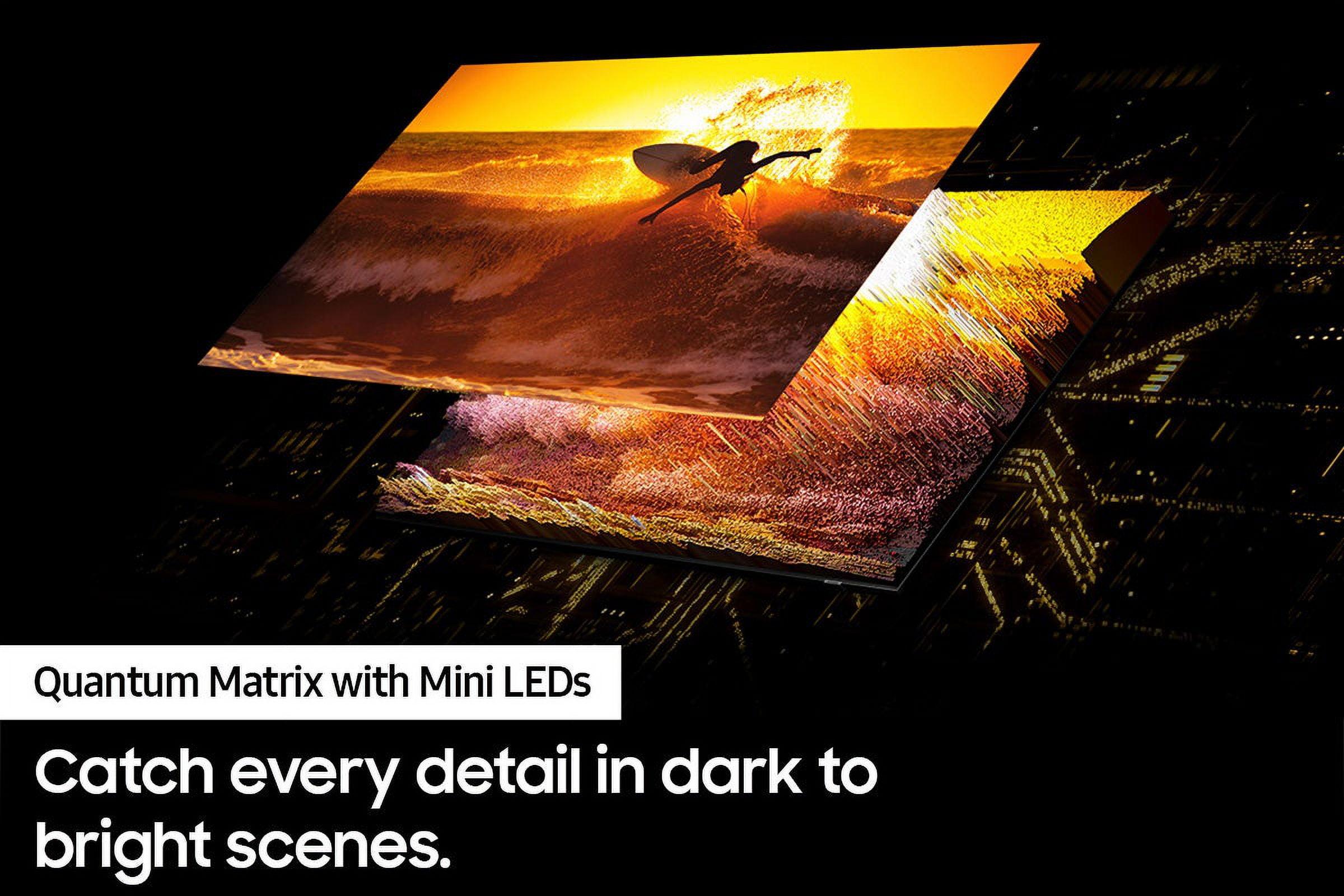

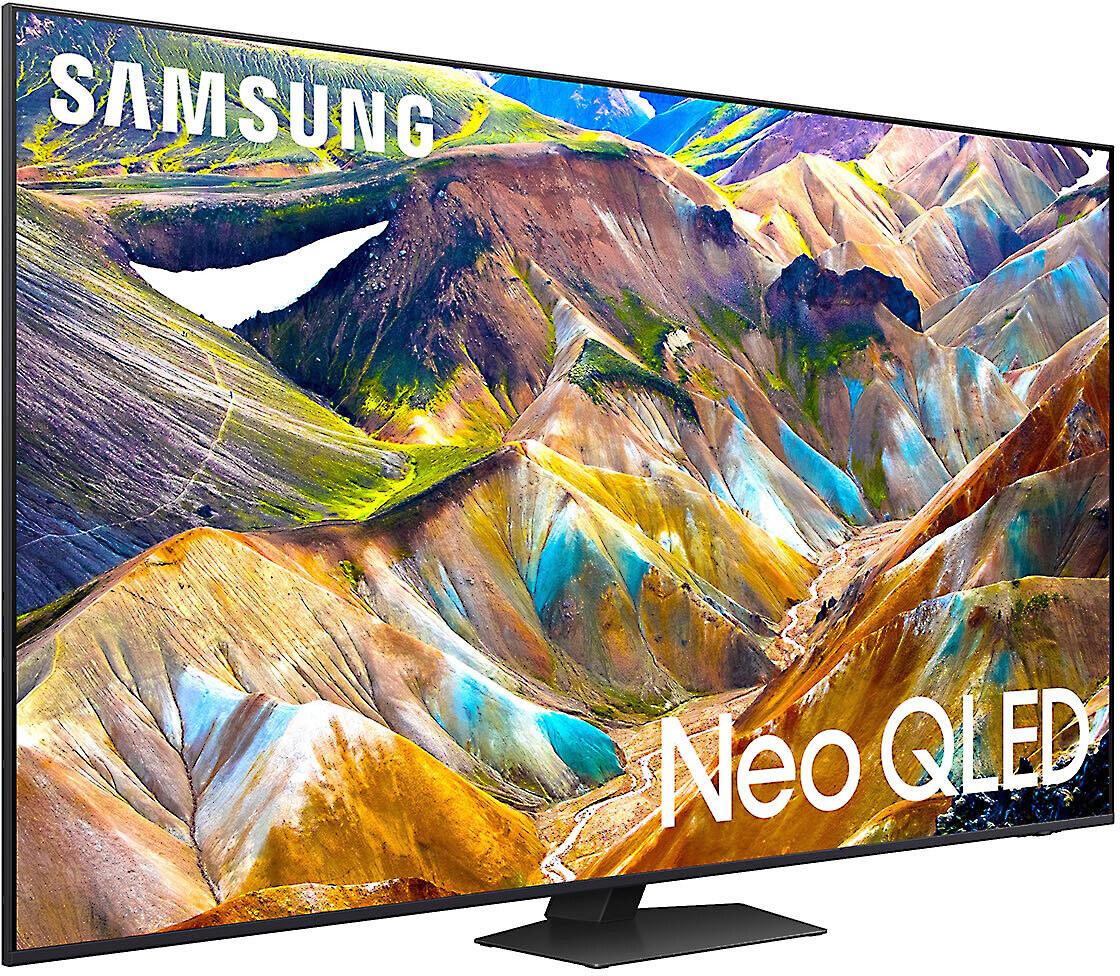
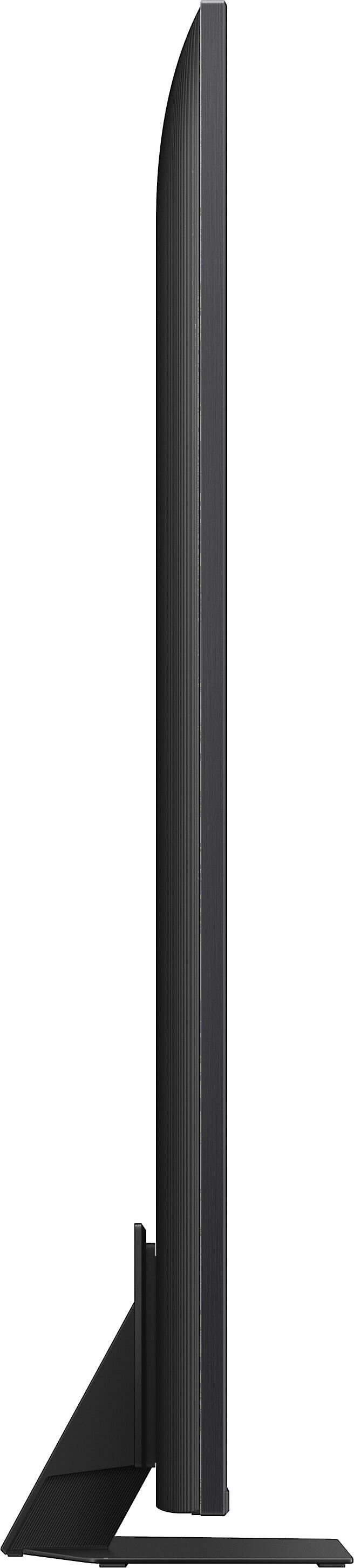
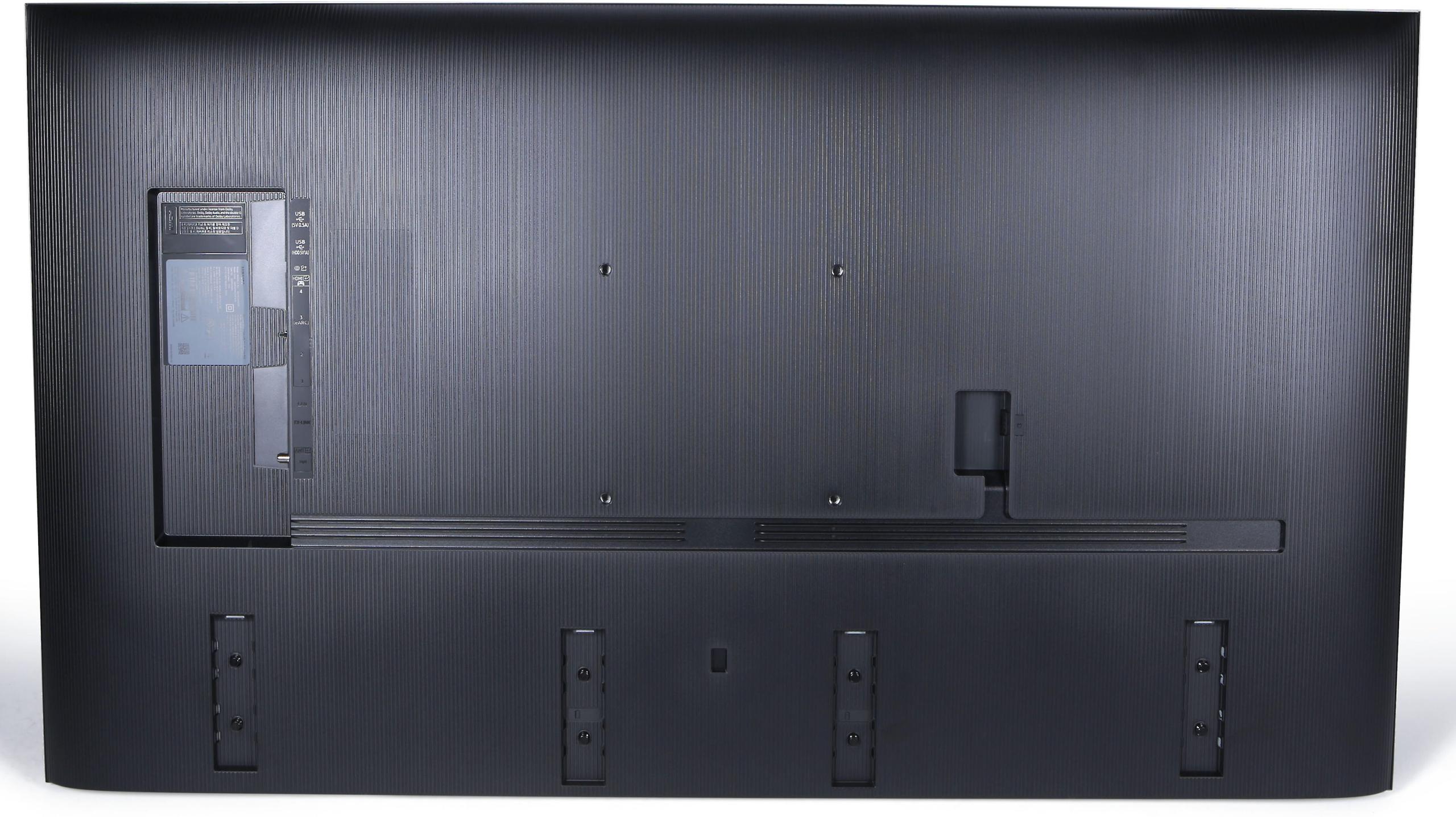
When you're shopping for a new TV, the display technology decision can feel overwhelming. Do you go with a massive QLED screen that fills your wall, or invest in premium OLED technology with perfect blacks? I've spent considerable time researching these two approaches, and the choice between Samsung's 75-inch QLED Q6F and 65-inch OLED S90D perfectly illustrates this fundamental TV buying dilemma.
Both TVs represent Samsung's expertise in their respective display technologies, but they take completely different approaches to delivering great picture quality. The Q6F launched in 2025 as Samsung's entry-level QLED, focusing on delivering quantum dot color enhancement at an accessible price point. Meanwhile, the S90D arrived in 2024 as a premium OLED offering, bringing self-emitting pixel technology to a more affordable tier than Samsung's flagship models.
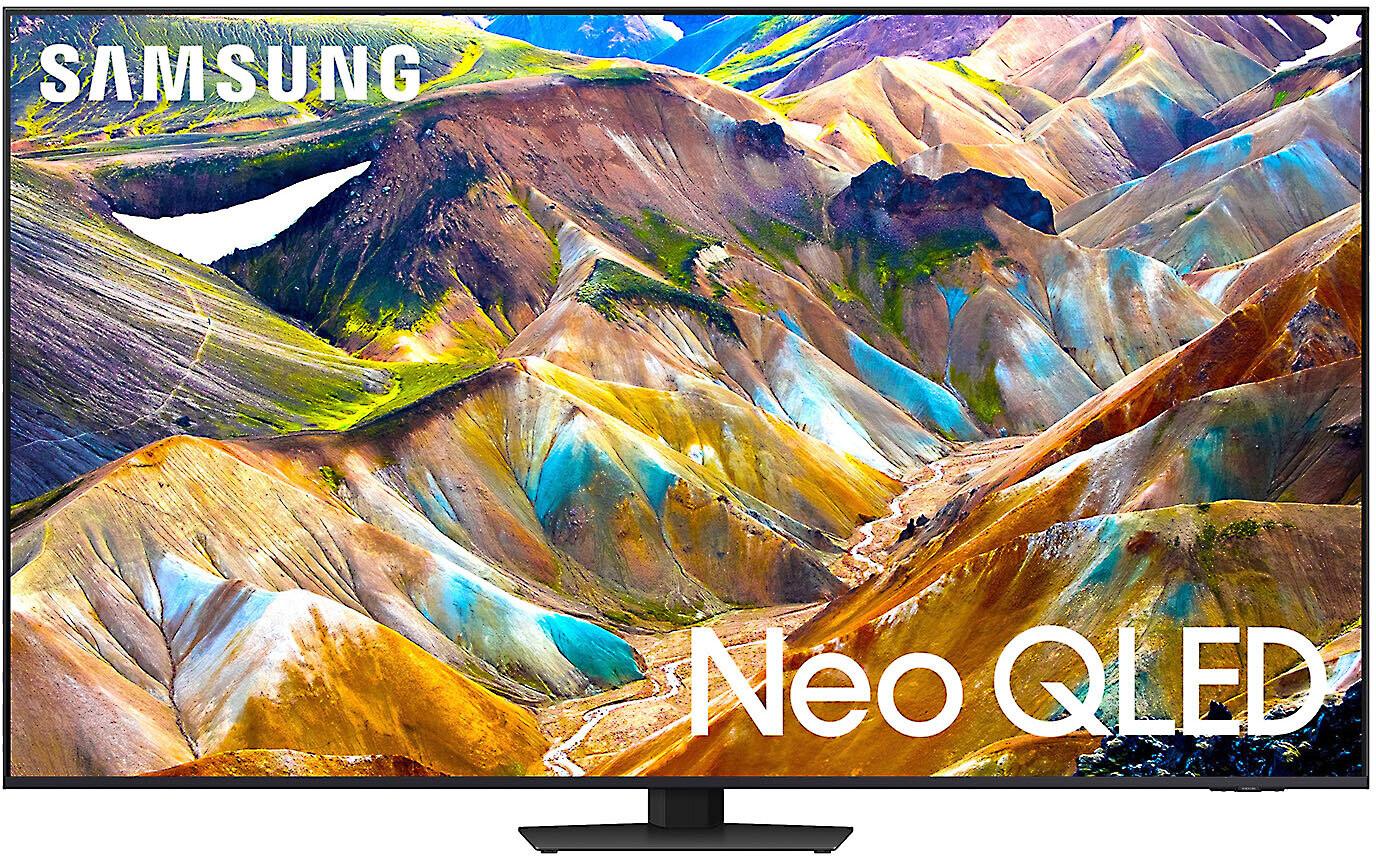
The core difference between these TVs lies in how they create light and color. The QLED Q6F uses what's called a quantum dot enhanced LCD panel. This means it has a traditional LED backlight that shines through layers including a quantum dot film, which converts some of the blue LED light into precise red and green wavelengths. Think of quantum dots as tiny crystals that glow specific colors when hit with light – this process creates more accurate and vibrant colors than standard LED TVs.
The OLED S90D takes a radically different approach. Each pixel generates its own light through organic compounds that emit photons when electricity passes through them. This means every single pixel can turn completely on, completely off, or anywhere in between independently. When a pixel needs to be black, it simply turns off entirely – no light leaks through from behind because there is no backlight.
This fundamental difference creates trade-offs that affect everything from price to performance. QLED TVs like the Q6F can achieve very high brightness levels because their LED backlights are powerful, but they struggle with deep blacks because some light always leaks around the edges of the dimming zones. OLED displays like the S90D deliver perfect blacks and infinite contrast ratios, but they can't get quite as bright as the best QLEDs.
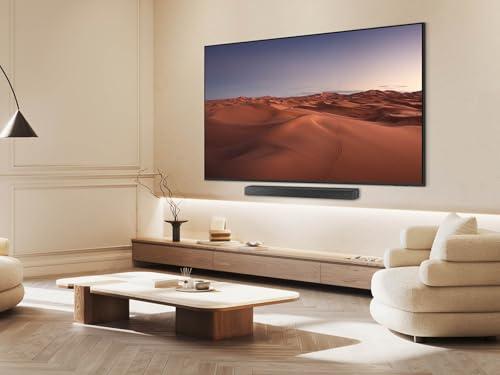
At the time of writing, the size-to-price ratio clearly favors the 75-inch Q6F. You're getting 25% more screen area compared to the 65-inch S90D, which translates to a significantly more immersive viewing experience for movies, sports, and gaming. The price per square inch of screen real estate makes the Q6F an attractive proposition if maximum visual impact is your priority.
However, raw size doesn't tell the whole story. The S90D, despite being smaller and typically priced lower overall, represents a substantial technology upgrade. You're paying for OLED's inherent advantages: perfect blacks, infinite contrast, and the kind of picture quality that was exclusive to premium TVs just a few years ago.
Based on our research into expert reviews and user feedback, the value question really comes down to your priorities. If you want the biggest possible screen for your budget and plan to use it primarily for streaming, cable TV, and casual viewing, the Q6F delivers impressive bang for your buck. But if you prioritize cutting-edge picture quality and have specific performance needs like serious gaming or home theater use, the S90D justifies its premium per inch.
This is where the OLED S90D absolutely dominates. When you're watching a movie with dark scenes – think of space movies or horror films – OLED's ability to turn pixels completely off creates an almost magical effect. Stars against the black void of space truly look like pinpricks of light floating in perfect darkness. The Q6F, despite its Mega Contrast technology and UHD Dimming, simply cannot achieve this level of black depth because its LED backlight always produces some level of illumination.
However, the Q6F fights back with superior peak brightness. Its quantum dot technology maintains color accuracy even at high brightness levels, which means bright scenes in movies and HDR content can appear more vivid and punchy. If your TV room has lots of windows and ambient light, this brightness advantage becomes crucial for maintaining image visibility.
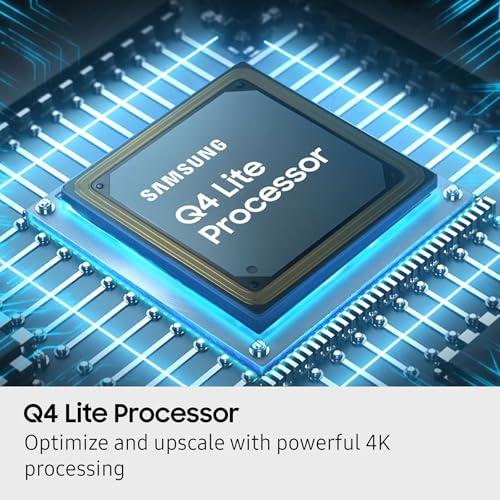
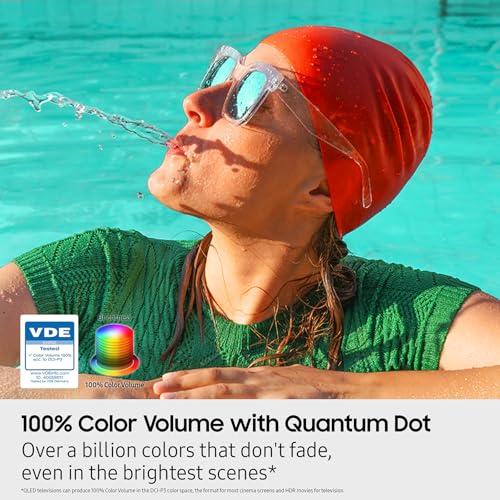
Both TVs excel at color reproduction, but through different methods. The Q6F achieves what Samsung calls 100% Color Volume through its quantum dot layer. This means it can display the full range of colors at any brightness level – reds stay red even in very bright scenes, and blues remain saturated without becoming washed out. The Q4 Lite processor handles color optimization and upscaling, turning non-4K content into something approaching 4K quality.
The S90D delivers colors through OLED's natural emission characteristics. While it may not achieve the same peak color saturation as quantum dots at maximum brightness, OLED's perfect blacks create a contrast foundation that makes colors appear more natural and film-like. Many users describe OLED colors as having more depth and dimensionality.
High Dynamic Range (HDR) content reveals the strengths and weaknesses of both technologies most clearly. HDR works by encoding a wider range of brightness levels in video content, from deeper blacks to brighter highlights, more closely matching what our eyes see in real life.
The OLED S90D excels at the shadow detail side of HDR. In scenes with both bright and dark elements – like a sunset with silhouetted figures – the OLED can show perfect detail in the shadows while still maintaining bright highlights. The infinite contrast ratio means you never lose information in dark areas.
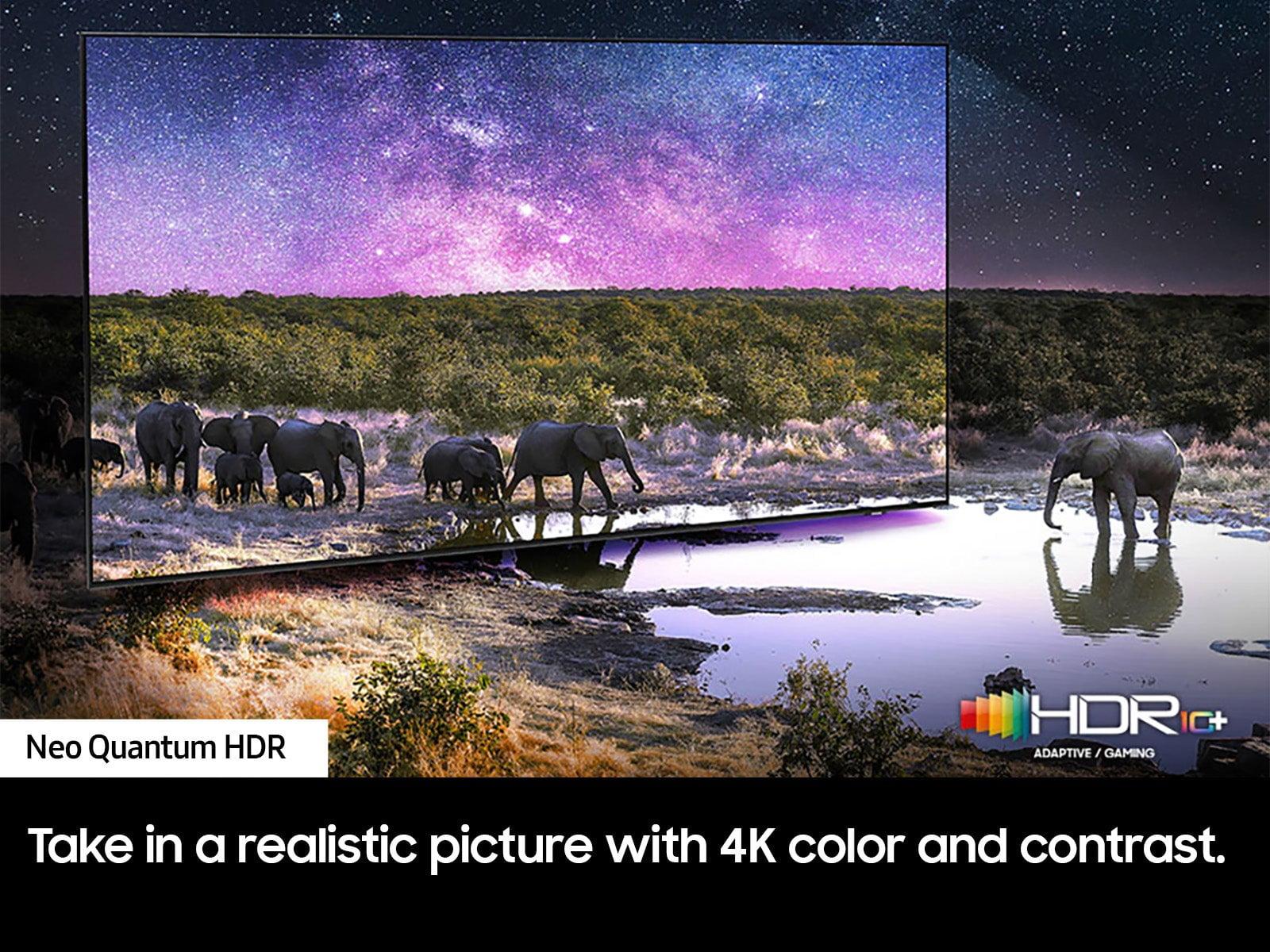
The Q6F with its Quantum HDR and HDR10+ support takes a different approach. It uses dynamic tone mapping to optimize each scene, and its higher peak brightness can make HDR highlights more impactful. Fireworks, reflections on water, or bright outdoor scenes often appear more striking on the Q6F than on the S90D.
Both support HDR10+, which uses dynamic metadata to optimize HDR scene by scene, but neither supports Dolby Vision (though this is increasingly common across Samsung's lineup).
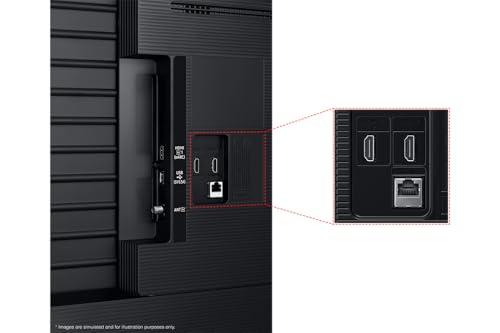
For gaming enthusiasts, the performance gap between these TVs is substantial. The OLED S90D supports up to 144Hz refresh rates with full HDMI 2.1 implementation across all four ports. This means you can connect multiple next-gen gaming consoles or a high-end PC and enjoy smooth, high-frame-rate gaming on any input.
The 144Hz capability combined with OLED's near-instantaneous pixel response time creates an incredibly smooth gaming experience. When playing fast-paced games like racing simulators or competitive shooters, the reduction in motion blur and input lag is immediately noticeable. Variable Refresh Rate (VRR) support eliminates screen tearing, while Auto Low Latency Mode (ALLM) automatically optimizes the display for gaming when it detects a gaming signal.
The Q6F offers more basic gaming features. Its 60Hz refresh rate limits you to 60 frames per second, and while it includes Gaming Hub integration and supports VRR and ALLM, the implementation is more limited. For casual gaming or if you primarily use older gaming consoles, the Q6F performs adequately. But serious gamers will quickly notice the difference in smoothness and responsiveness.
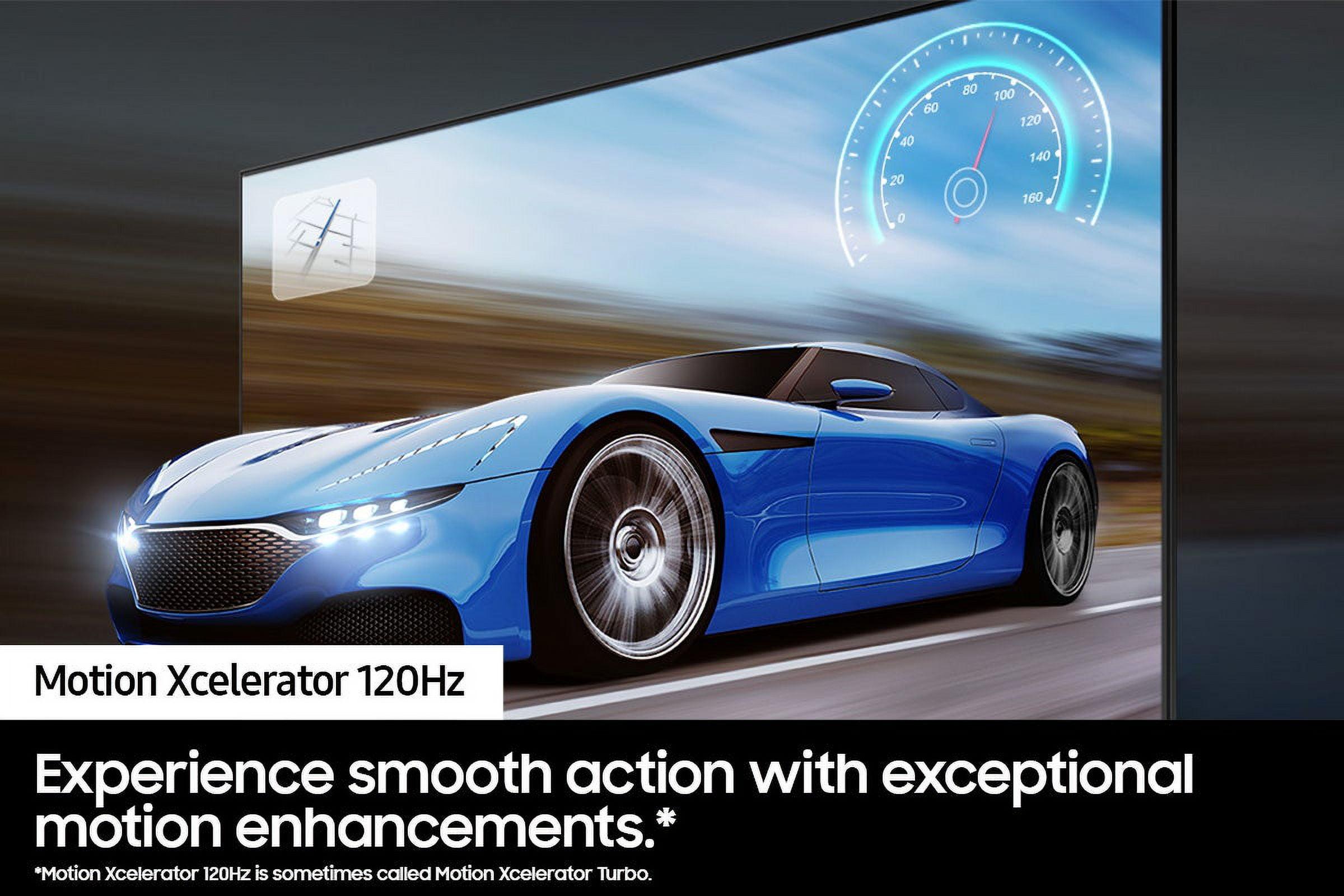
Motion handling for non-gaming content also favors the S90D. Sports and action movies benefit from OLED's instant pixel transitions, while the Q6F relies on Motion Xcelerator processing to reduce blur, which can sometimes create artifacts in very fast motion.
Both TVs run Samsung's Tizen operating system, which has evolved significantly since its introduction. The interface is clean and responsive, with good integration of streaming services and Samsung's free TV Plus service, which offers over a thousand free channels.
The Q6F includes Samsung's SmartThings Hub functionality, essentially turning your TV into a smart home controller. This is particularly useful if you're building out a connected home ecosystem. Voice control through Bixby, Alexa, and Google Assistant works well for basic functions like changing channels, adjusting volume, or launching apps.
Both models support Apple AirPlay for iPhone and iPad users, and Samsung's Multi Device Experience allows seamless sharing between Samsung phones and tablets. The smart TV experience is essentially identical between both models, so your choice here won't be influenced by software differences.
Audio performance on both TVs is adequate for casual viewing but limited for serious home theater use. The Q6F includes Object Tracking Sound Lite, which attempts to move audio across the screen to match visual action. With only 20 watts of total power through two speakers, it's decent for dialogue and background music but lacks the dynamic range for movie soundtracks or music listening.
Both TVs support Q-Symphony, Samsung's technology for coordinating TV speakers with compatible Samsung soundbars. This can create a more immersive audio experience without completely replacing the TV's built-in audio. For serious home theater setups, you'll likely want to invest in a dedicated sound system regardless of which TV you choose.
The S90D includes Dolby Atmos processing, which can enhance spatial audio when connected to compatible sound systems, giving it a slight edge for home theater integration.
Your room's lighting conditions significantly impact which TV performs better. The Q6F handles bright rooms more gracefully due to its higher peak brightness and quantum dot technology's ability to maintain color accuracy under ambient light. If your TV room has large windows or you typically watch with lights on, the Q6F will maintain better visibility and color accuracy.
The S90D performs best in controlled lighting environments. While it's certainly viewable in bright rooms, OLED's glossy screen coating can create reflections, and the lower peak brightness means bright ambient light can wash out the image somewhat. However, in dimmer conditions – which are ideal for movie watching anyway – the S90D creates a more cinema-like experience.
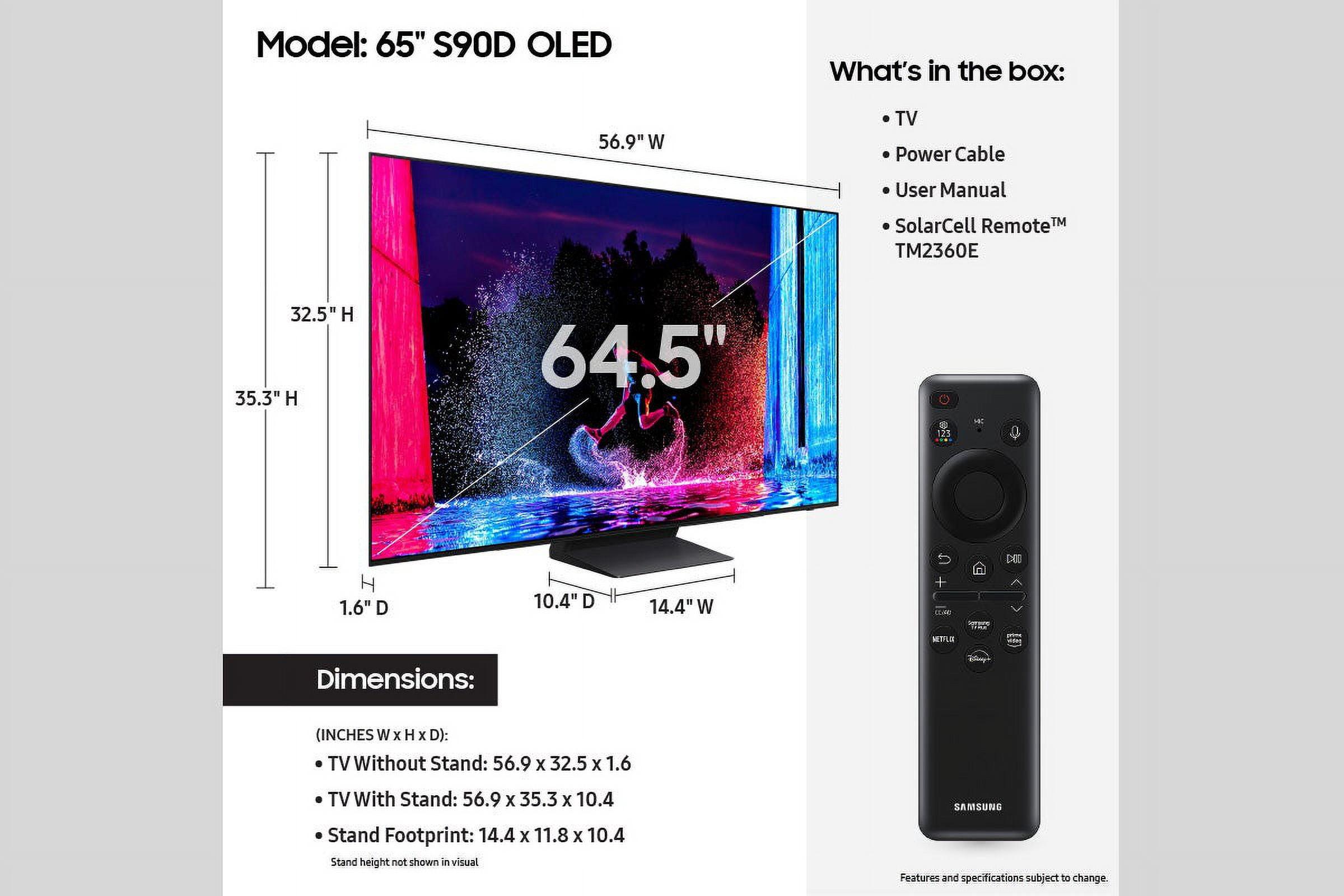
Screen size also affects viewing distance recommendations. The 75-inch Q6F works best with seating distances of 9-12 feet, while the 65-inch S90D is optimal at 8-10 feet. Both maintain good image quality at closer distances, but very close viewing can reveal the pixel structure on LCD displays more than on OLED.
OLED displays have historically raised concerns about burn-in – permanent image retention from static elements like channel logos or gaming HUDs. Modern OLED TVs like the S90D include pixel shifting, logo luminance detection, and other protective measures that have largely mitigated this issue for normal use. However, if you plan to use the TV for extensive gaming with static UI elements or as a computer monitor, this remains a consideration.
The Q6F doesn't face burn-in risks due to its LED backlight technology. The quantum dot layer and LED backlights are designed for decades of use without performance degradation.
Both TVs should provide many years of reliable service with normal home use. Samsung's build quality and warranty support are generally well-regarded across their TV lineup.
The 75-inch QLED Q6F makes the most sense for buyers who prioritize screen size and overall value. It's ideal for families who want a large TV for the main living area, where bright room performance matters more than perfect black levels. If you primarily watch streaming content, cable TV, and play casual games, the Q6F delivers excellent performance at an accessible price point. The larger screen size creates a more immersive experience for sports and movies, and the quantum dot technology ensures colors remain vibrant even in well-lit rooms.
The 65-inch OLED S90D is the better choice for enthusiasts who prioritize picture quality and gaming performance. If you have a dedicated media room or can control ambient lighting, the superior contrast and black levels create a more cinema-like experience. Serious gamers will appreciate the 144Hz refresh rate and full HDMI 2.1 implementation. The S90D also makes sense for buyers who prefer cutting-edge technology and don't mind paying a premium for OLED's inherent advantages.
At the time of writing, both TVs represent solid value in their respective categories. The Q6F offers exceptional screen size for the money, while the S90D brings premium display technology to a more accessible price point than Samsung's flagship OLEDs. Your choice should ultimately depend on whether you value maximum screen size and bright room performance, or prefer superior picture quality and gaming capabilities in a slightly smaller package.
Either way, you're getting Samsung's latest processing technology, comprehensive smart features, and the build quality that has made Samsung a leading TV manufacturer. The decision comes down to matching the TV's strengths to your specific viewing preferences and room environment.
| Samsung 75-Inch QLED Q6F Series 2025 Smart TV | Samsung 65" OLED S90D TV |
|---|---|
| Screen Size - Bigger screen creates more immersive viewing experience | |
| 75 inches (25% more viewing area) | 65 inches (better for smaller rooms) |
| Display Technology - Fundamental difference in how picture is created | |
| QLED (LED backlight + Quantum Dots) | OLED (Self-emitting pixels) |
| Black Levels - Critical for movie watching and contrast | |
| Good blacks with local dimming zones | Perfect blacks (pixels turn completely off) |
| Peak Brightness - Essential for bright room viewing and HDR impact | |
| Higher brightness, better for bright rooms | Lower peak brightness, best in controlled lighting |
| Refresh Rate - Determines gaming smoothness and motion clarity | |
| 60Hz (adequate for casual gaming) | 144Hz (excellent for serious gaming) |
| HDMI 2.1 Gaming Features - Important for next-gen consoles and PC gaming | |
| Basic VRR and ALLM support | Full 4K@144Hz on all four HDMI 2.1 ports |
| Processor - Affects upscaling quality and smart features performance | |
| Q4 Lite Processor (entry-level) | Advanced processor (superior performance) |
| Color Performance - Impact on color accuracy and vibrancy | |
| 100% Color Volume with Quantum Dots | Natural OLED colors with perfect contrast foundation |
| HDR Support - Enhanced contrast and brightness range | |
| Quantum HDR, HDR10+ | HDR10+ with superior shadow detail |
| Viewing Angles - How picture quality holds up from side seating | |
| Standard LCD viewing angles | Wide OLED viewing angles |
| Burn-in Risk - Long-term reliability consideration | |
| No burn-in risk (LED backlight technology) | Minimal modern OLED burn-in risk with protections |
| Smart TV Platform - User interface and app availability | |
| Tizen OS with SmartThings Hub integration | Tizen OS (same platform) |
| Audio Output - Built-in speaker performance | |
| 20W, Object Tracking Sound Lite | Enhanced audio with Dolby Atmos support |
| Best Use Cases - Who should choose this TV | |
| Large family rooms, bright spaces, budget-focused buyers | Home theaters, gaming enthusiasts, picture quality prioritists |
The Samsung 65" OLED S90D is significantly better for gaming. It offers 144Hz refresh rate compared to the Samsung 75-Inch QLED Q6F Series 2025's 60Hz, plus full HDMI 2.1 support on all four ports for 4K@144Hz gaming. The S90D also has near-instantaneous pixel response times and comprehensive VRR support, making it ideal for next-gen consoles and PC gaming.
QLED TVs like the Samsung 75-Inch QLED Q6F use LED backlights with quantum dot layers to enhance colors, while OLED displays like the Samsung 65" OLED S90D have self-emitting pixels that can turn completely on or off. This means the OLED S90D achieves perfect black levels, while the QLED Q6F can get brighter but has some light leakage in dark scenes.
The Samsung 75-Inch QLED Q6F Series 2025 performs better in bright rooms due to its higher peak brightness and quantum dot technology that maintains color accuracy under ambient light. The Samsung 65" OLED S90D can struggle with reflections and reduced visibility in very bright environments, though it's still viewable in moderately lit rooms.
For dedicated home theaters with controlled lighting, the Samsung 65" OLED S90D is the better choice due to its perfect black levels, infinite contrast ratio, and superior HDR shadow detail. However, if you want maximum screen size for your home theater, the Samsung 75-Inch QLED Q6F provides 25% more viewing area, which can be more immersive for movie watching.
The Samsung 65" OLED S90D generally has superior picture quality with perfect blacks, infinite contrast, and excellent color accuracy. The Samsung 75-Inch QLED Q6F Series 2025 offers good picture quality with vibrant colors and higher brightness, but cannot match OLED's contrast performance and viewing angles.
Yes, both the Samsung 75-Inch QLED Q6F and Samsung 65" OLED S90D run Samsung's Tizen operating system with identical app support, including Netflix, Disney+, Prime Video, and Samsung TV Plus. The Q6F includes additional SmartThings Hub functionality for smart home control.
The Samsung 75-Inch QLED Q6F Series 2025 typically offers better value in terms of screen size per dollar, giving you significantly more viewing area. The Samsung 65" OLED S90D usually costs less overall but represents premium technology at a lower price point than flagship OLEDs, making both good values for different priorities.
Yes, both the Samsung 75-Inch QLED Q6F and Samsung 65" OLED S90D support 4K resolution and HDR formats including HDR10+. The Q6F uses Quantum HDR processing, while the S90D leverages OLED's natural contrast advantages for HDR content. Both upscale lower resolution content to near-4K quality.
Both TVs handle sports well, but the Samsung 65" OLED S90D has advantages with its faster pixel response times and higher refresh rate reducing motion blur. The Samsung 75-Inch QLED Q6F Series 2025 counters with its larger screen size for more immersive sports viewing and better bright room performance for daytime games.
The Samsung 75-Inch QLED Q6F Series 2025 has no burn-in risk due to its LED backlight technology. The Samsung 65" OLED S90D includes modern burn-in protection features like pixel shifting and automatic brightness limiting, making permanent image retention very rare with normal use. Both should provide years of reliable service.
Both TVs have modest built-in audio suitable for casual viewing. The Samsung 65" OLED S90D includes Dolby Atmos processing and enhanced audio features, while the Samsung 75-Inch QLED Q6F offers Object Tracking Sound Lite. For serious home theater use, both would benefit from external sound systems, though both support Samsung's Q-Symphony soundbar integration.
Choose the Samsung 75-Inch QLED Q6F Series 2025 if you prioritize maximum screen size, have a bright viewing room, or want the most TV for your budget. Select the Samsung 65" OLED S90D if you prioritize picture quality, are a serious gamer, have controlled lighting, or prefer cutting-edge display technology over maximum size.
We've done our best to create useful and informative comparisons to help you decide what product to buy. Our research uses advanced automated methods to create this comparison and perfection is not possible - please contact us for corrections or questions. These are the sites we've researched in the creation of this article: youtube.com - rtings.com - cnet.com - youtube.com - rtings.com - samsung.com - bestbuy.com - samsung.com - samsung.com - bestbuy.com - manuals.plus - arrowassociatedstores.com - samsung.com - samsung.com - samsung.com - flatpanelshd.com - device.report - bestbuy.com - valueelectronics.com - youtube.com - cnet.com - bestbuy.com - videoandaudiocenter.com - youtube.com - samsung.com - samsung.com - pcrichard.com - samsung.com

Privacy Policy
Terms and Conditions - Affiliate Policy
Home Security
© Copyright 2008-2026.
11816 Inwood Rd #1211, Dallas, TX 75244