

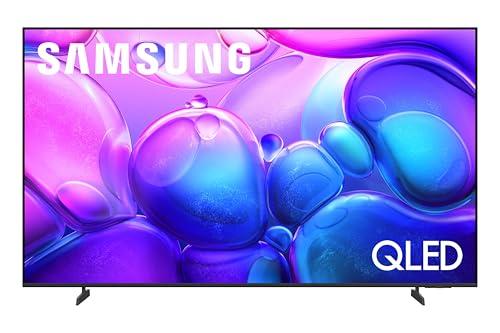
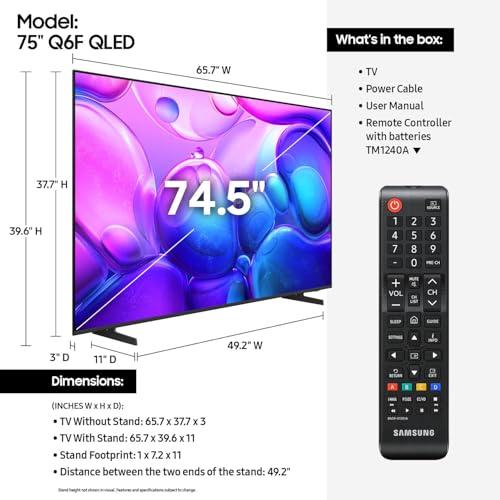

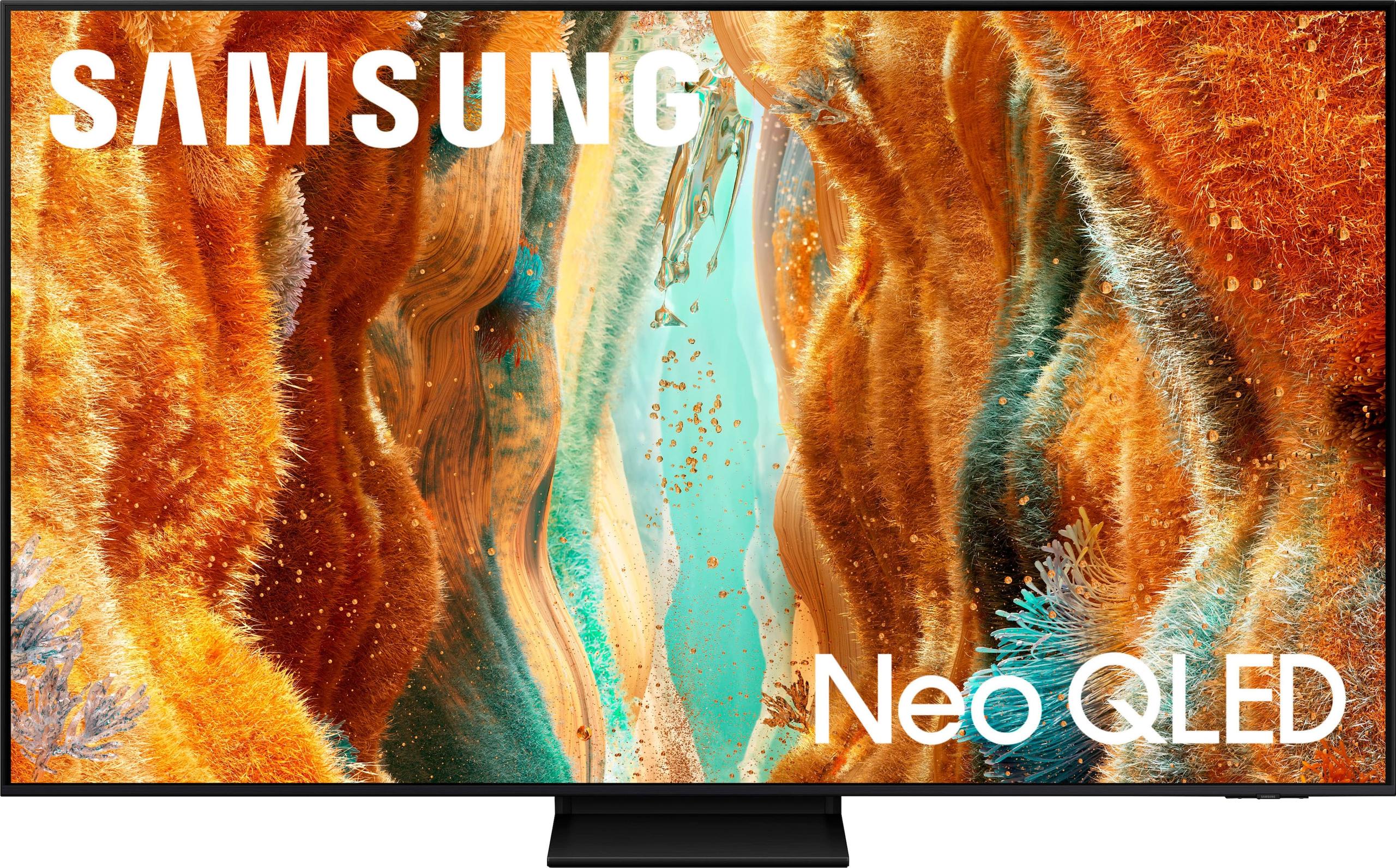
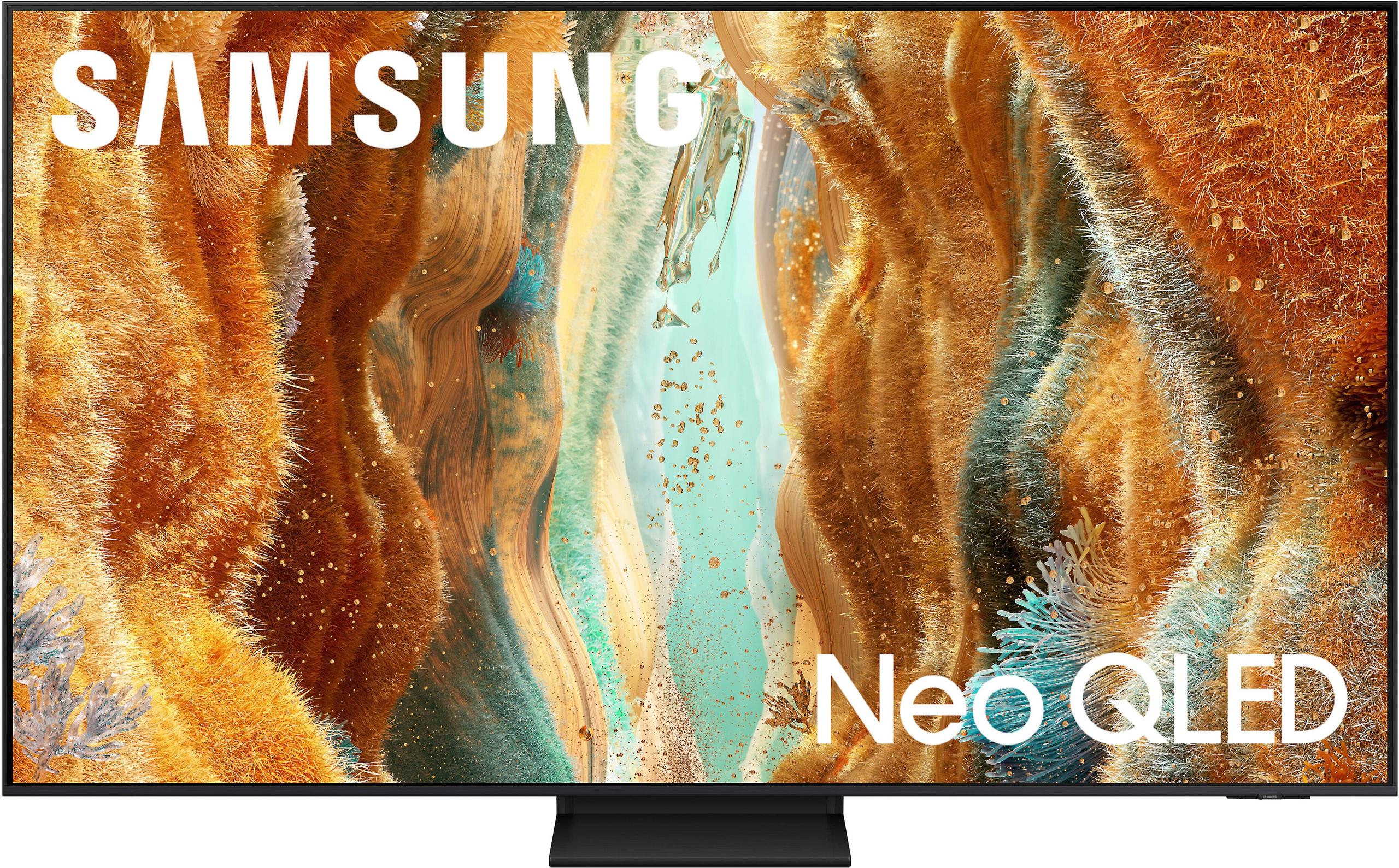
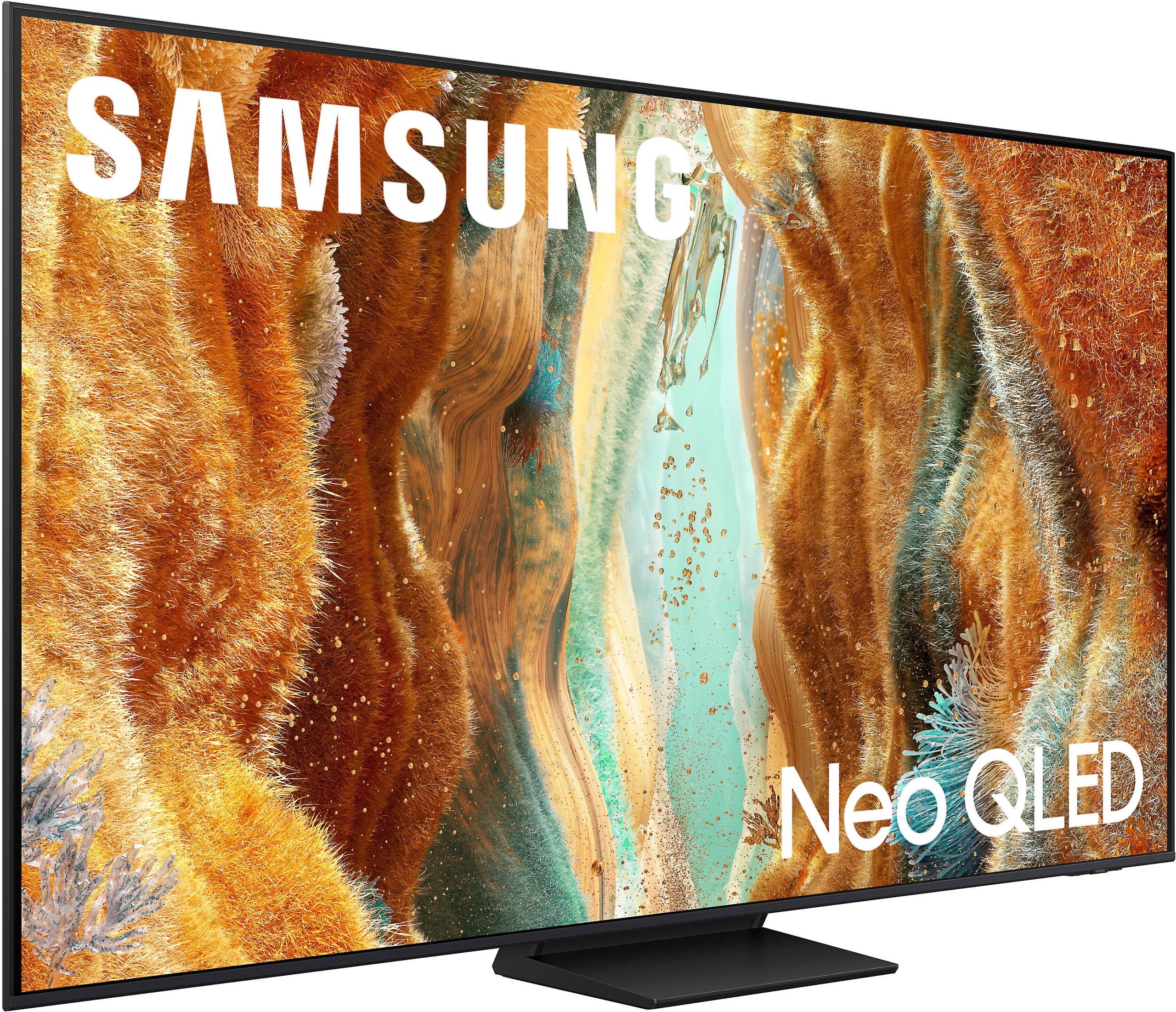
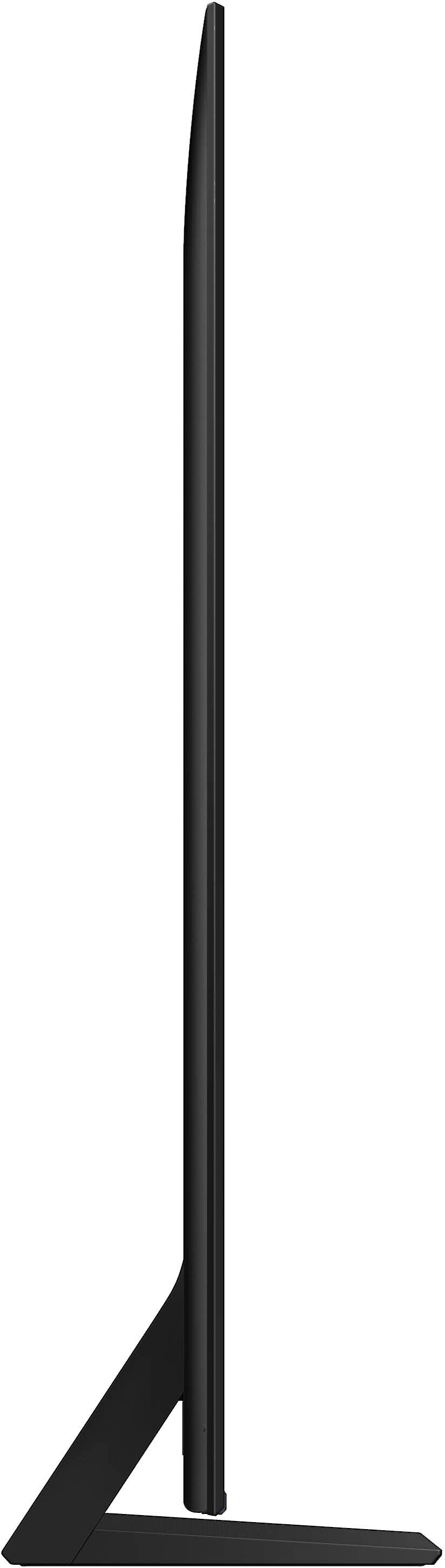
Shopping for a new TV in 2025 means navigating Samsung's increasingly complex lineup, and two models that perfectly illustrate the modern TV dilemma are the Samsung 75-Inch QLED Q6F Series 2025 Smart TV and the Samsung 65" QN70F Neo QLED 4K Vision AI Smart TV 2025. These televisions represent a fascinating choice: do you go big with basic premium features, or smaller with cutting-edge technology?
Samsung released both models in early 2025 as part of their refreshed lineup, and the technology gap between them is more significant than you might expect. The Q6F sits at the entry point of Samsung's QLED range, while the QN70F represents their Neo QLED technology that's been refined since its introduction in 2021. Understanding what these technologies actually mean for your viewing experience is crucial to making the right choice.
Before diving into specifics, it's important to understand what separates these two TVs at a fundamental level. QLED, which stands for Quantum Dot LED, uses a layer of quantum dots (microscopic particles) that enhance color reproduction when hit by LED backlighting. Think of quantum dots as tiny color filters that make reds redder and blues bluer, creating more vibrant and accurate colors than standard LED TVs.
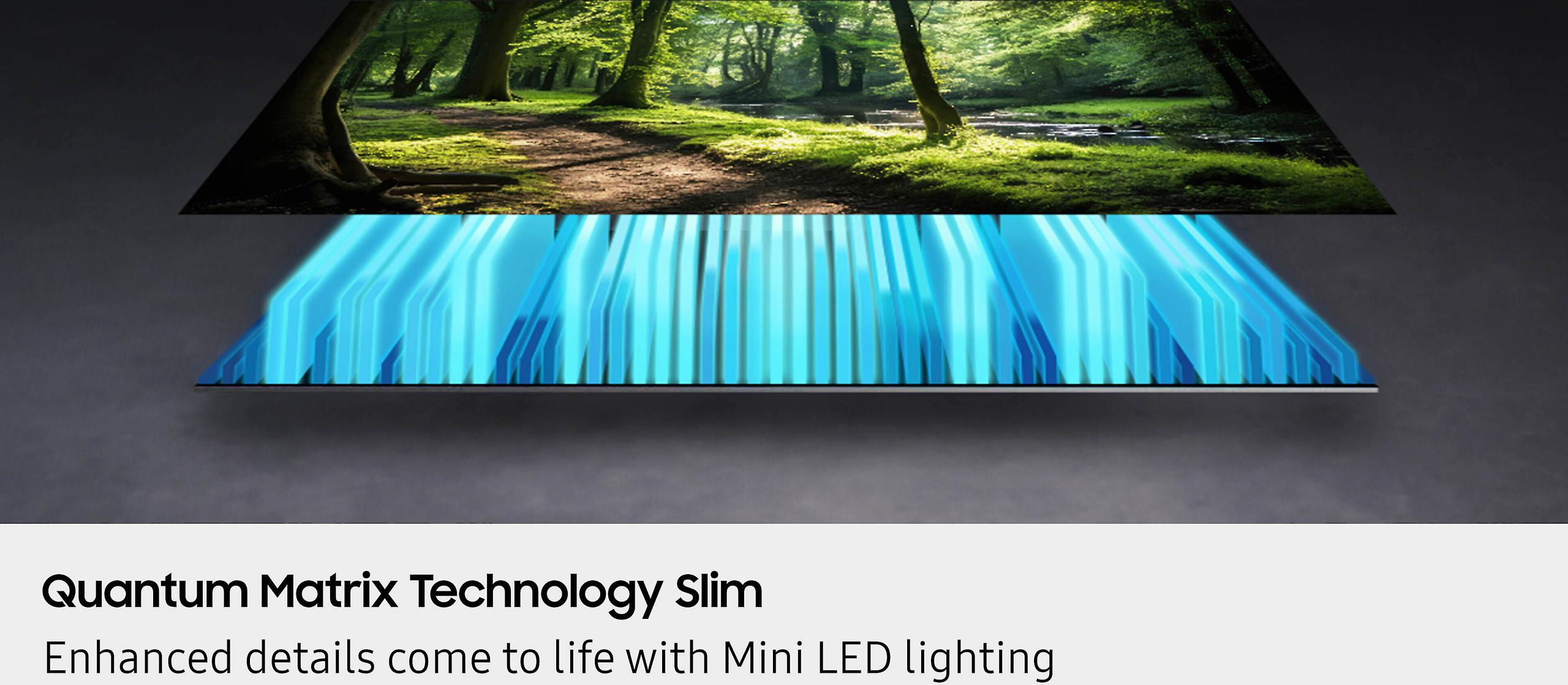
Neo QLED takes this concept further by replacing traditional LED backlights with Mini LEDs - thousands of tiny LEDs that are roughly 1/40th the size of conventional LEDs. This allows for much more precise control over lighting zones, creating better contrast between bright and dark areas of the screen. It's like having thousands of tiny flashlights behind your screen instead of just a few big ones along the edges.
The Q6F uses edge-lit LED backlighting, meaning LEDs are positioned along the edges of the screen and light is spread across the panel. The QN70F uses Mini LED backlighting with what Samsung calls Quantum Matrix Technology Slim, providing much more precise dimming control across different areas of the screen.
When it comes to picture quality, the differences between these TVs become immediately apparent, and it's not just about the screen size difference.
Contrast ratio - the difference between the darkest blacks and brightest whites a TV can display - is arguably the most important factor in picture quality. This is where the QN70F pulls significantly ahead of the Q6F.
The Q6F lacks local dimming entirely, which means when you're watching a movie with dark scenes, those blacks appear more grayish than true black. Local dimming allows different zones of the backlight to dim independently, so a night sky can appear truly dark while stars remain bright. Without this feature, the Q6F struggles with contrast-heavy content like movies and shows with dramatic lighting.
In contrast, the QN70F's Mini LED backlighting provides what Samsung calls Supreme UHD Dimming. While it's not full-array local dimming (where LEDs are spread across the entire back of the panel), it offers significantly better black levels and contrast than the edge-lit Q6F. Dark movie scenes look properly dark, and bright highlights pop with more intensity.
Peak brightness becomes crucial if you watch TV during the day or have a bright living room. HDR (High Dynamic Range) content especially benefits from higher brightness, as it allows highlights like sunlight or explosions to really stand out from the rest of the image.
The Q6F produces adequate brightness for most situations but struggles in very bright rooms, especially with HDR content. The quantum dot technology helps with color vibrancy, but the overall light output is limited by its edge-lit design and entry-level positioning.
The QN70F delivers significantly higher peak brightness thanks to its Mini LED backlighting. This makes HDR content more impactful - think of the difference between looking at a photo on your phone versus seeing it printed on glossy paper under bright light. The extra brightness makes colors more vivid and creates that "wow" factor that higher-end TVs are known for.
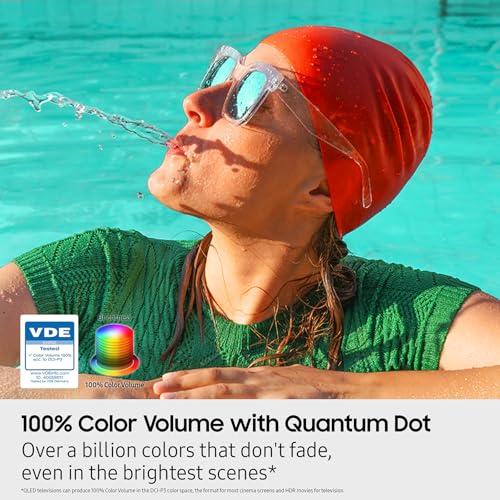
Both TVs use quantum dot technology, but they implement it differently. The Q6F achieves what Samsung claims is 100% color volume, meaning it can reproduce a wide range of colors at various brightness levels. For an entry-level QLED, this is impressive and noticeably better than standard LED TVs.
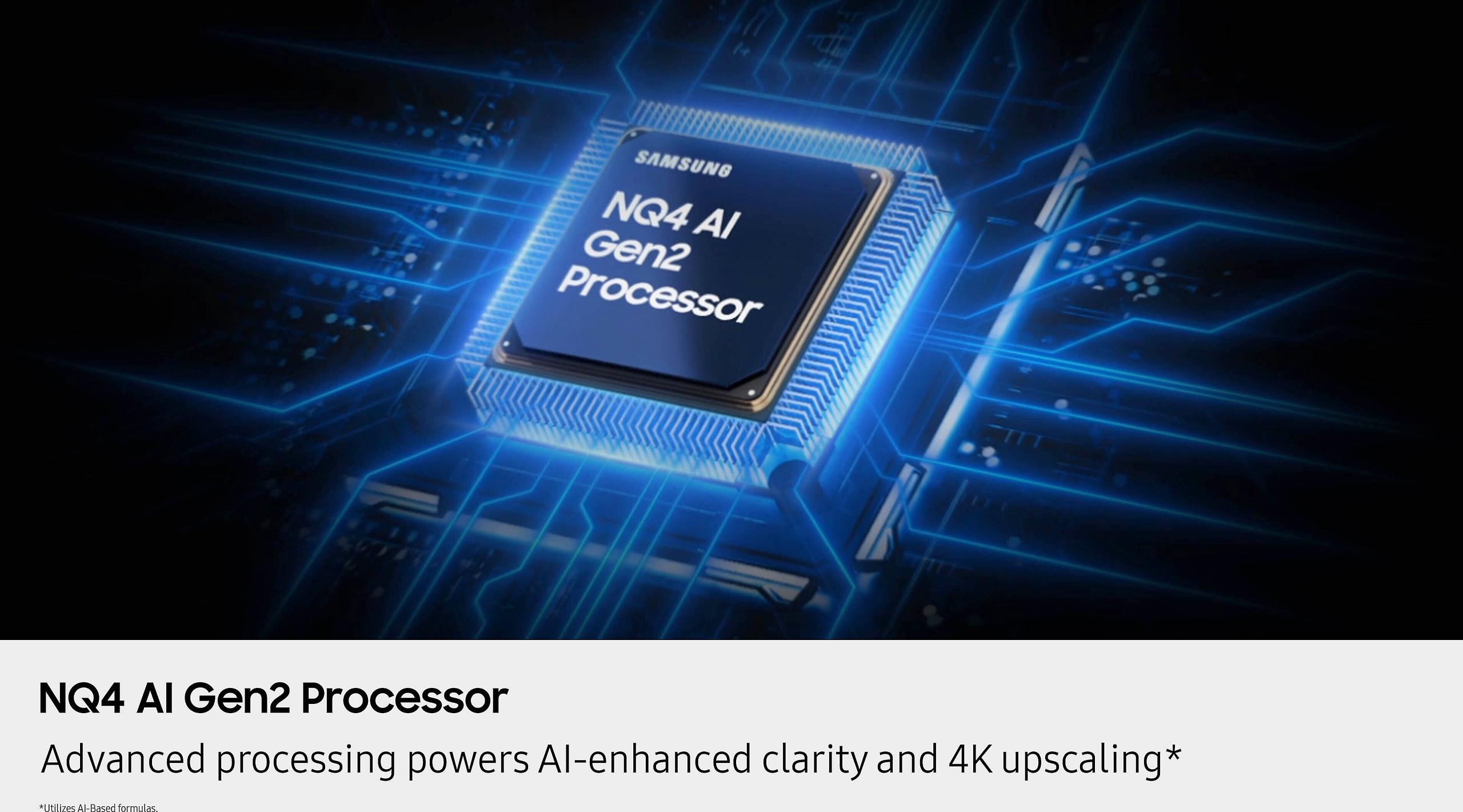
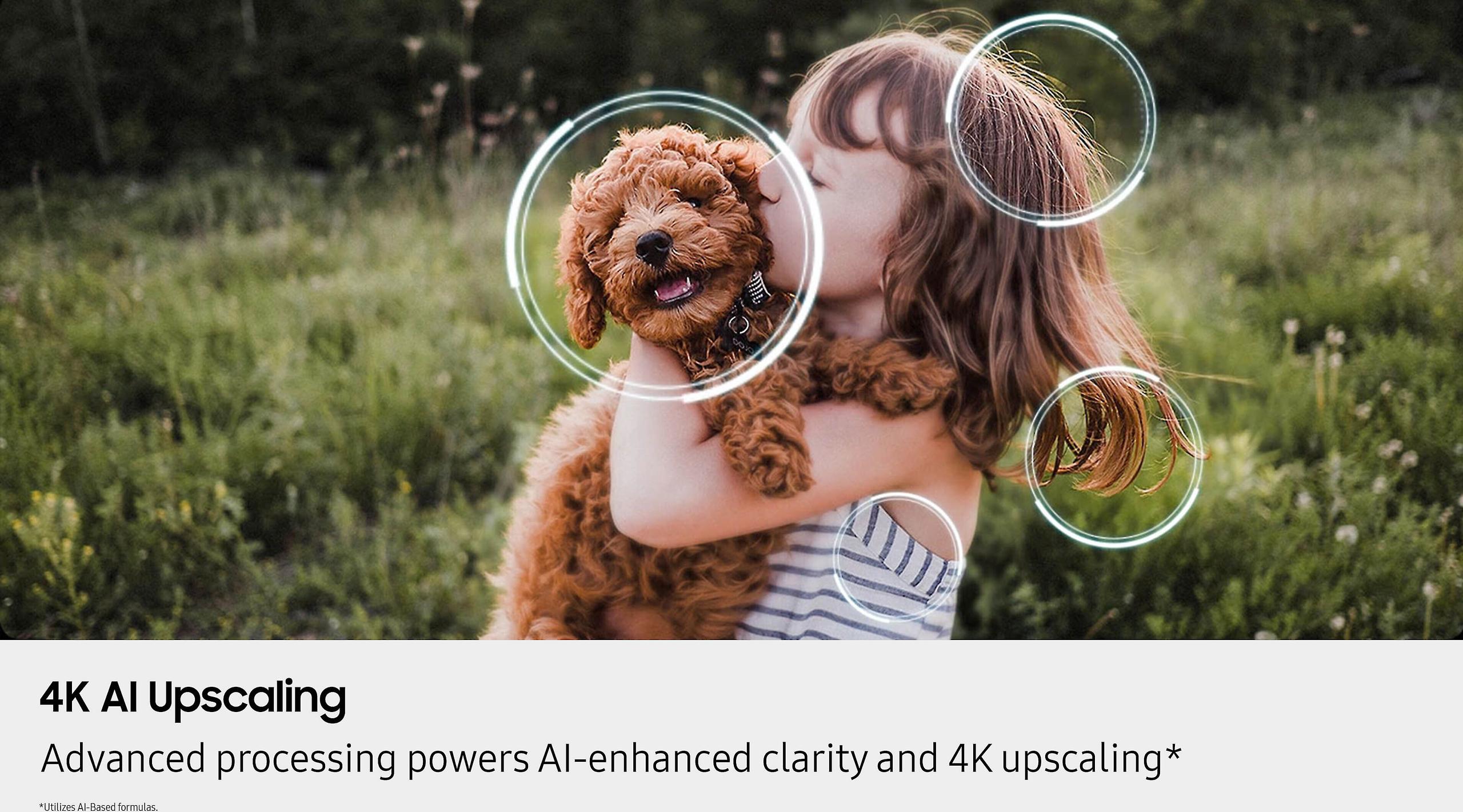
However, the QN70F takes color reproduction further with its NQ4 AI Gen2 processor, which includes features like Color Booster Pro. This technology analyzes content in real-time and enhances specific colors - making grass greener in sports broadcasts or skin tones more natural in movies. The difference is subtle but noticeable, especially over long viewing sessions.
This is where the technology gap becomes most apparent, particularly for sports fans and gamers. The Q6F operates at a standard 60Hz refresh rate with Motion Xcelerator technology that tries to smooth out motion by predicting movement between frames. This works adequately for most content but can struggle with fast-paced sports or action movies.
The QN70F supports a native 120Hz refresh rate and can handle up to 144Hz in certain modes. Higher refresh rates mean more frames per second, creating smoother motion. It's like the difference between a flipbook with 30 pages versus one with 60 - the motion appears more fluid and natural. This makes a significant difference when watching sports, playing games, or even during camera pans in movies.
Both televisions run Samsung's Tizen operating system, which is generally considered one of the better smart TV platforms. However, the QN70F includes Samsung's newer Vision AI features that weren't available when the platform first launched.
Vision AI includes practical features like "Click to Search," which lets you get information about actors or locations you see on screen, and "Live Translate," which can provide real-time subtitle translations. While these might seem like gimmicks, they're actually quite useful for international content or when you're curious about what you're watching.
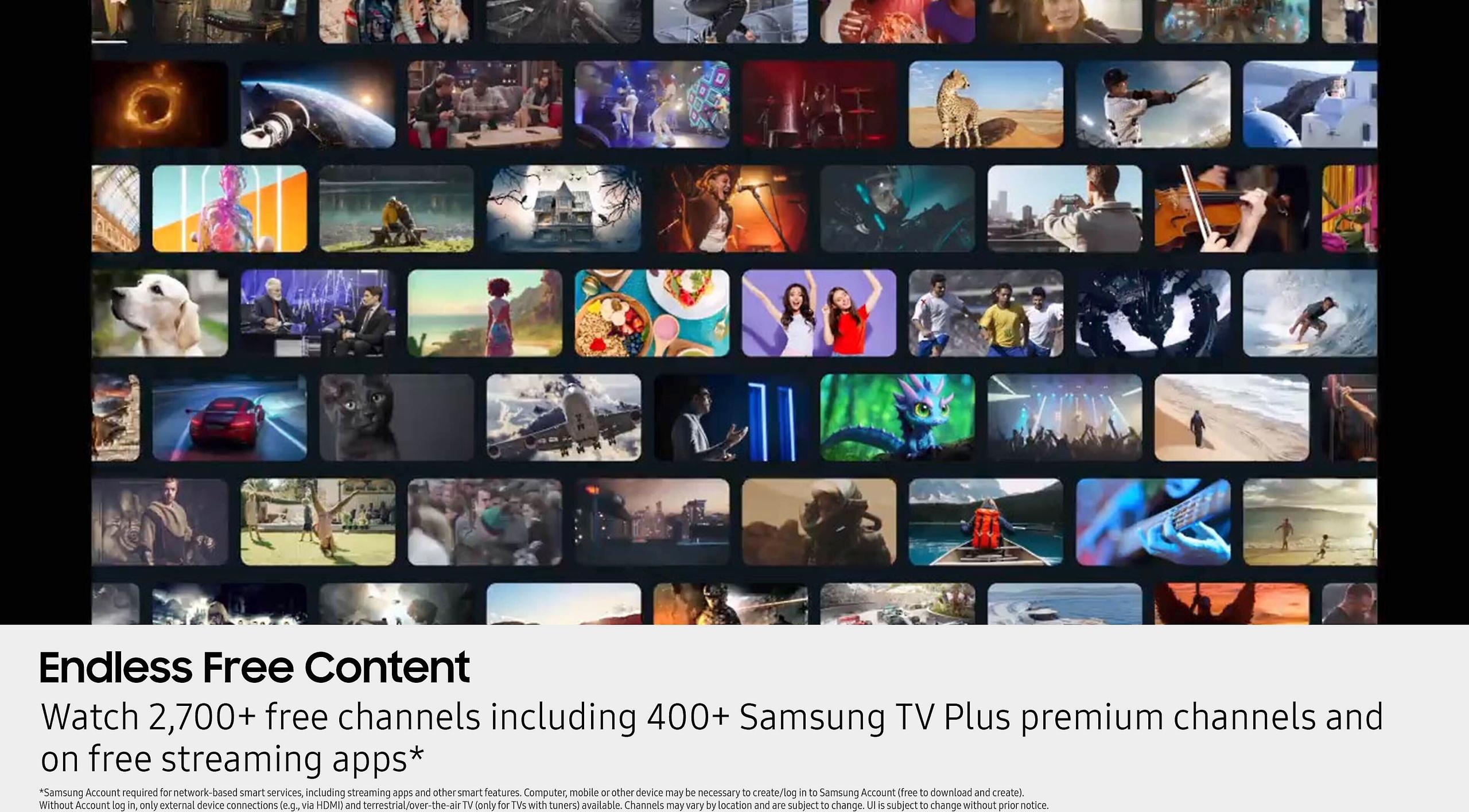
The Q6F includes the core smart TV experience with access to all major streaming apps, voice control through Bixby, Alexa, and Google Assistant, and Samsung's TV Plus service for free streaming channels. The interface is identical on both TVs, so daily navigation feels the same.
For casual gaming, the Q6F includes basic gaming features like Auto Game Mode, which reduces input lag by bypassing some image processing when it detects a game console. This works fine for casual gaming sessions, but it lacks the advanced features that serious gamers expect.
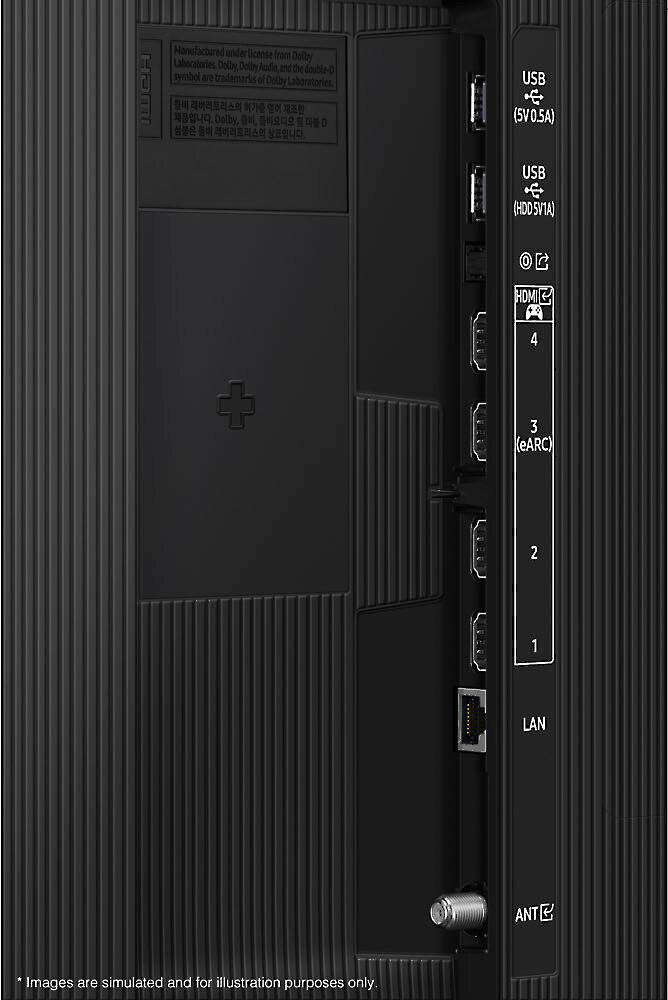
The QN70F is built for gaming with multiple HDMI 2.1 ports that support 4K at up to 144Hz, Variable Refresh Rate (VRR) to eliminate screen tearing, and Auto Low Latency Mode (ALLM). VRR is particularly important - it synchronizes the TV's refresh rate with your gaming console's frame rate, eliminating the stuttering that can occur when they're out of sync. The TV also includes AMD FreeSync Premium Pro for PC gaming.
If gaming is important to you, the QN70F is the clear choice. The difference in responsiveness and smoothness is immediately noticeable, especially in fast-paced games.
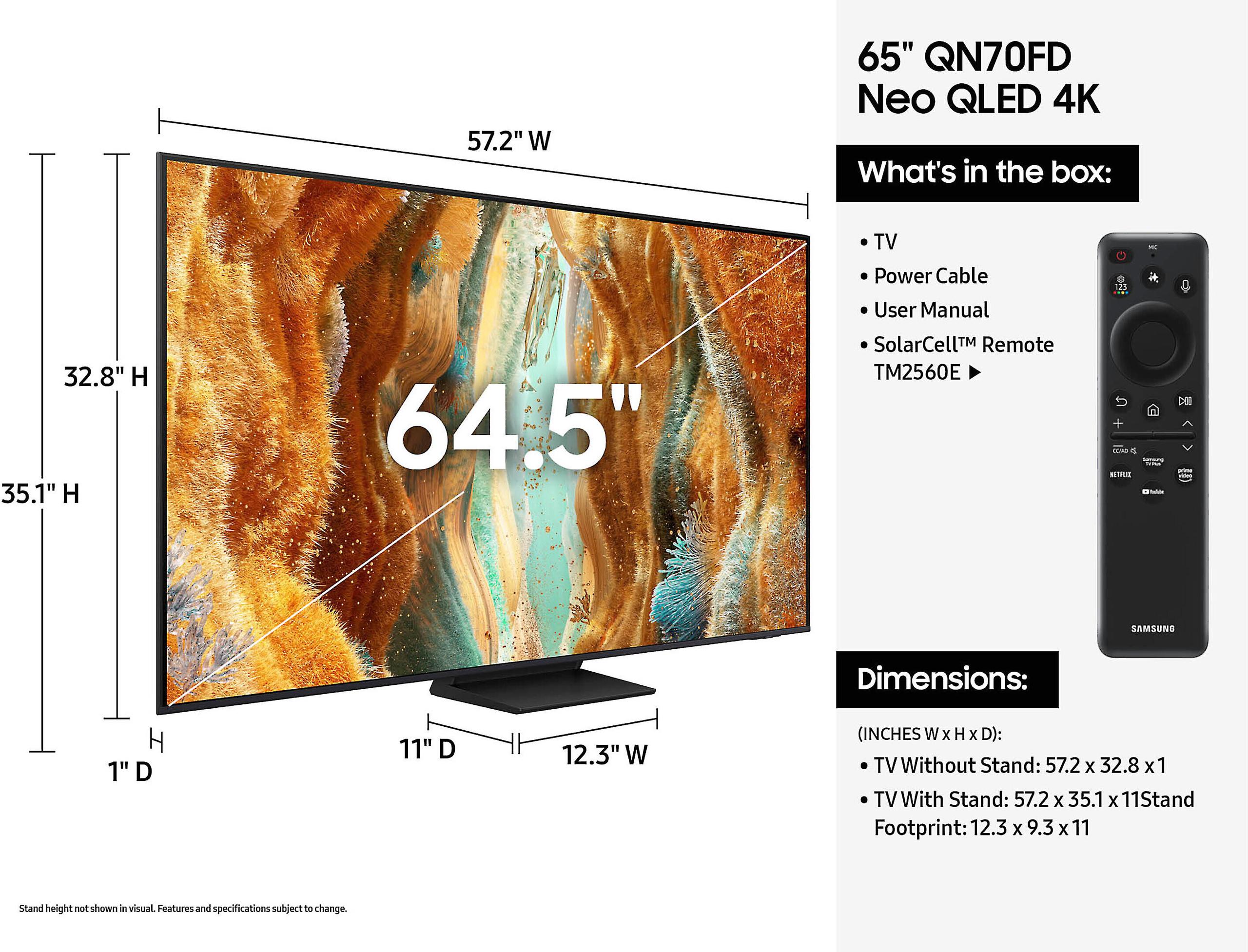
The 10-inch size difference between these TVs (75" vs 65") represents about 25% more screen area, which is more significant than it might initially sound. Screen size affects immersion - that feeling of being drawn into what you're watching.
For movie watching, the larger Q6F creates a more cinematic experience, assuming you have the room space to sit at the proper distance (typically 9-12 feet for a 75" TV). The bigger screen makes you feel more involved in action scenes and provides better detail visibility for things like sports statistics or movie subtitles.
However, screen size only matters if you can sit far enough back. In smaller rooms, a 75" TV can actually hurt the experience by forcing you to move your head to see the entire picture, causing eye strain during longer viewing sessions.
Both TVs include what Samsung calls Object Tracking Sound (OTS Lite), which attempts to make audio follow action across the screen. The Q6F outputs 20W through a 2-channel speaker system, while the QN70F also features 20W output but includes more advanced processing like Active Voice Amplifier Pro, which boosts dialogue over background noise.
Neither TV will replace a good soundbar for serious movie watching, but both are adequate for casual viewing. The QN70F's audio processing is noticeably better at keeping dialogue clear during action scenes, which is particularly helpful for movies with dramatic soundtracks.
At the time of writing, these TVs present an interesting value proposition that defies typical expectations. Usually, larger screens with advanced technology cost significantly more than smaller screens with basic features. However, current market conditions have created a scenario where the more advanced QN70F is priced competitively with the larger but more basic Q6F.
This pricing situation makes the decision more complex than usual. Typically, you'd choose the Q6F if you wanted to maximize screen size on a budget, but current pricing makes the technology trade-off more compelling.
For dedicated home theater setups, the QN70F is the better choice despite its smaller size. Home theater prioritizes picture quality over screen size, and the superior contrast, brightness, and motion handling make movies more engaging. The ability to display true blacks during dark scenes and bright highlights during action sequences creates a more cinematic experience.
The Q6F works well for family rooms where screen size takes priority over picture refinement. If you're frequently watching content with multiple people spread across a large room, the bigger screen ensures everyone gets a good view, even if the picture quality isn't quite as refined.
The Q6F makes sense if you have a large room where a 75" screen is appropriate, prioritize maximum immersion over picture refinement, and primarily watch standard content rather than demanding HDR movies or fast-paced sports. It's also the better choice if multiple people regularly watch together, as the larger screen ensures good visibility from various seating positions.
Choose the QN70F if picture quality is your priority, you plan to use gaming features, you watch content in bright rooms where higher brightness matters, or you want future-proof connectivity options. The advanced processing and Mini LED backlighting create a noticeably more refined viewing experience that's particularly apparent with high-quality content.
This comparison highlights the modern TV market's complexity - it's not just about getting the biggest screen anymore. The QN70F represents where TV technology is heading, with advanced processing, better gaming support, and significantly improved picture quality. The Q6F offers the undeniable impact of a larger screen but with more basic underlying technology.
Given current pricing dynamics, the QN70F offers exceptional value for premium features, while the Q6F provides maximum screen real estate. Your choice should depend on whether you value the immersion of a larger screen or the refinement of advanced display technology. For most buyers, especially those interested in future-proofing their purchase, the QN70F's combination of advanced features and competitive pricing makes it the more compelling choice, despite giving up screen size.
The decision ultimately comes down to your viewing priorities: maximum impact through size, or maximum quality through advanced technology. Both approaches have merit, but the rapid advancement of display technology makes the QN70F's approach more aligned with where the industry is heading.
| Samsung 75-Inch QLED Q6F Series 2025 Smart TV | Samsung 65" QN70F Neo QLED 4K Vision AI Smart TV 2025 |
|---|---|
| Screen Size - Bigger screen creates more immersive viewing experience | |
| 75 inches (25% more viewing area) | 65 inches (more suitable for average room sizes) |
| Display Technology - Determines picture quality and contrast performance | |
| Standard QLED with edge-lit LED backlighting | Neo QLED with Mini LED backlighting for superior contrast |
| Refresh Rate - Critical for smooth motion in sports and gaming | |
| 60Hz with Motion Xcelerator (basic motion handling) | Native 120Hz up to 144Hz (excellent for gaming and sports) |
| Processor - Affects upscaling quality and smart features | |
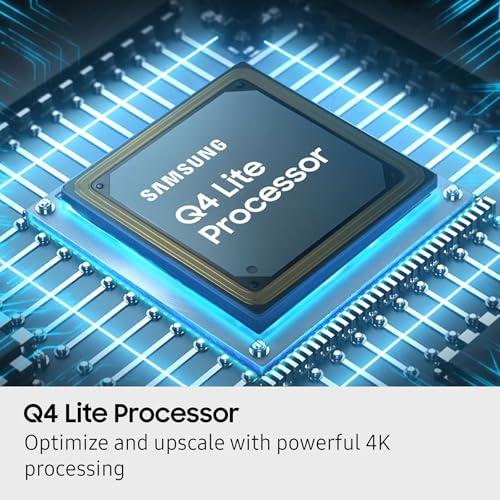
| Q4 Lite Processor (basic 4K upscaling) | NQ4 AI Gen2 Processor with Vision AI (advanced processing) |
| Local Dimming - Essential for true black levels and contrast | |
| No local dimming (blacks appear grayish) | Supreme UHD Dimming with Mini LEDs (much better blacks) |
| Peak Brightness - Important for HDR content and bright room viewing | |
| Limited brightness (struggles in bright rooms) | Significantly higher brightness (excellent HDR performance) |
| Gaming Features - Matters for console and PC gaming | |
| Basic Auto Game Mode only | Full HDMI 2.1, VRR, ALLM, AMD FreeSync Premium Pro |
| HDMI Ports - Determines connectivity for multiple devices | |
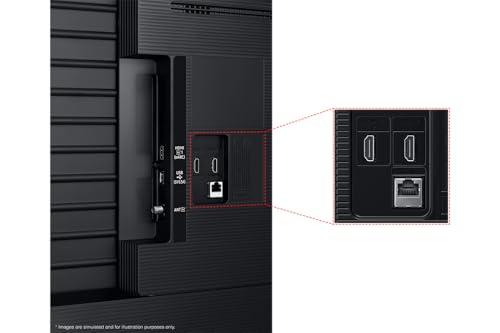
| 3 HDMI ports (limited 4K 60Hz support) | 4 HDMI 2.1 ports (4K 144Hz on all ports) |
| Smart Features - Affects ease of use and future capabilities | |
| Standard Tizen OS with basic voice control | Vision AI with click-to-search and live translate features |
| Audio Output - Built-in sound quality | |
| 20W 2CH with OTS Lite | 20W 2CH with OTS Lite plus Active Voice Amplifier Pro |
| Best For - Target user and use case | |
| Large rooms, family viewing, maximizing screen size on budget | Home theater, gaming, bright rooms, future-proofing technology |
The Samsung 65" QN70F Neo QLED is significantly better for gaming than the Samsung 75-Inch QLED Q6F. The QN70F supports 120Hz refresh rates up to 144Hz, includes four HDMI 2.1 ports, Variable Refresh Rate (VRR), Auto Low Latency Mode (ALLM), and AMD FreeSync Premium Pro. The Q6F only offers basic Auto Game Mode with 60Hz refresh rate, making it suitable only for casual gaming.
The Samsung 75-Inch QLED Q6F uses standard QLED technology with edge-lit LED backlighting, while the Samsung 65" QN70F Neo QLED features advanced Neo QLED with Mini LED backlighting. Neo QLED provides thousands of tiny LEDs for precise lighting control, resulting in better contrast, deeper blacks, and brighter highlights compared to the standard QLED in the Q6F.
The Samsung 65" QN70F Neo QLED performs much better in bright rooms due to its higher peak brightness capabilities from Mini LED backlighting. The Samsung 75-Inch QLED Q6F has limited brightness output and may appear washed out in very bright environments, especially when viewing HDR content.
The 10-inch difference between the Samsung 75-Inch QLED Q6F and Samsung 65" QN70F Neo QLED represents about 25% more viewing area. The larger Q6F provides more immersive viewing for movies and sports, but requires proper viewing distance (9-12 feet). The QN70F is more versatile for average-sized rooms while offering superior picture quality.
The Samsung 65" QN70F Neo QLED delivers superior picture quality with better contrast, deeper blacks, higher brightness, and more advanced color processing. The Samsung 75-Inch QLED Q6F lacks local dimming and has limited peak brightness, resulting in grayish blacks and less impactful HDR performance, though it still offers good color reproduction for an entry-level QLED.
Yes, both the Samsung 75-Inch QLED Q6F and Samsung 65" QN70F Neo QLED run Samsung's Tizen operating system with access to all major streaming platforms like Netflix, Disney+, and Amazon Prime Video. However, the QN70F includes additional Vision AI features like click-to-search and live translate that aren't available on the Q6F.
For dedicated home theater use, the Samsung 65" QN70F Neo QLED is the better choice despite its smaller size. Home theater prioritizes picture quality over screen size, and the QN70F's superior contrast, local dimming, and higher brightness create more cinematic visuals with true blacks and impactful highlights that enhance the movie-watching experience.
The Samsung 65" QN70F Neo QLED offers significantly better motion handling with native 120Hz refresh rate and Motion Xcelerator technology up to 144Hz. The Samsung 75-Inch QLED Q6F is limited to 60Hz with basic motion processing, which can result in judder during fast-paced sports or action scenes.
Value depends on your priorities. The Samsung 65" QN70F Neo QLED typically offers better value for technology features, providing premium Mini LED backlighting, advanced gaming capabilities, and superior picture processing. The Samsung 75-Inch QLED Q6F provides better value if maximizing screen size is your primary concern, offering significantly more viewing area.
Yes, the Samsung 65" QN70F Neo QLED includes four full HDMI 2.1 ports supporting 4K at 144Hz, providing excellent connectivity for multiple gaming consoles and devices. The Samsung 75-Inch QLED Q6F has more limited HDMI capabilities with only basic 4K 60Hz support, making it less suitable for users with multiple high-end devices.
The Samsung 65" QN70F Neo QLED is superior for sports due to its 120Hz refresh rate that provides smoother motion during fast action. The higher brightness also makes colors more vivid, particularly grass and uniforms. While the Samsung 75-Inch QLED Q6F offers a larger viewing experience that's great for group viewing, the QN70F's motion handling reduces blur during quick camera movements.
Choose the Samsung 75-Inch QLED Q6F if you have a large room, prioritize maximum immersion, and primarily watch standard content with multiple viewers. Select the Samsung 65" QN70F Neo QLED if you value superior picture quality, plan to game seriously, watch in bright rooms, or want future-proof features. The QN70F's advanced technology generally provides a more refined viewing experience despite the smaller size.
We've done our best to create useful and informative comparisons to help you decide what product to buy. Our research uses advanced automated methods to create this comparison and perfection is not possible - please contact us for corrections or questions. These are the sites we've researched in the creation of this article: youtube.com - rtings.com - cnet.com - youtube.com - rtings.com - samsung.com - bestbuy.com - samsung.com - samsung.com - bestbuy.com - manuals.plus - arrowassociatedstores.com - samsung.com - samsung.com - samsung.com - flatpanelshd.com - device.report - youtube.com - wifihifi.com - samsung.com - samsung.com - samsung.com - samsung.com - flatpanelshd.com - news.samsung.com - bestbuy.com

Privacy Policy
Terms and Conditions - Affiliate Policy
Home Security
© Copyright 2008-2026.
11816 Inwood Rd #1211, Dallas, TX 75244