

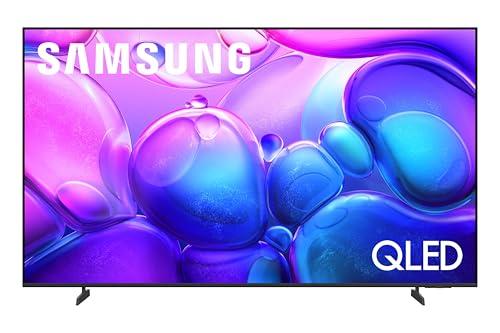
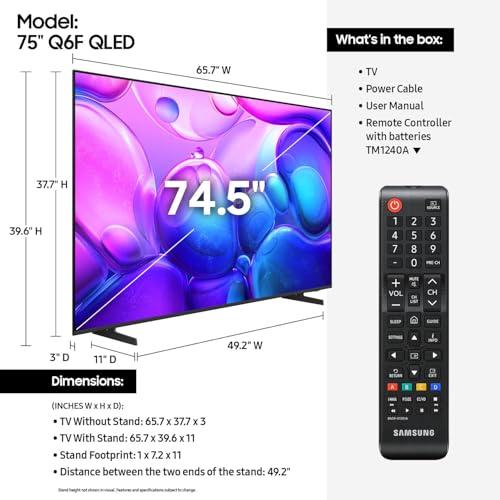
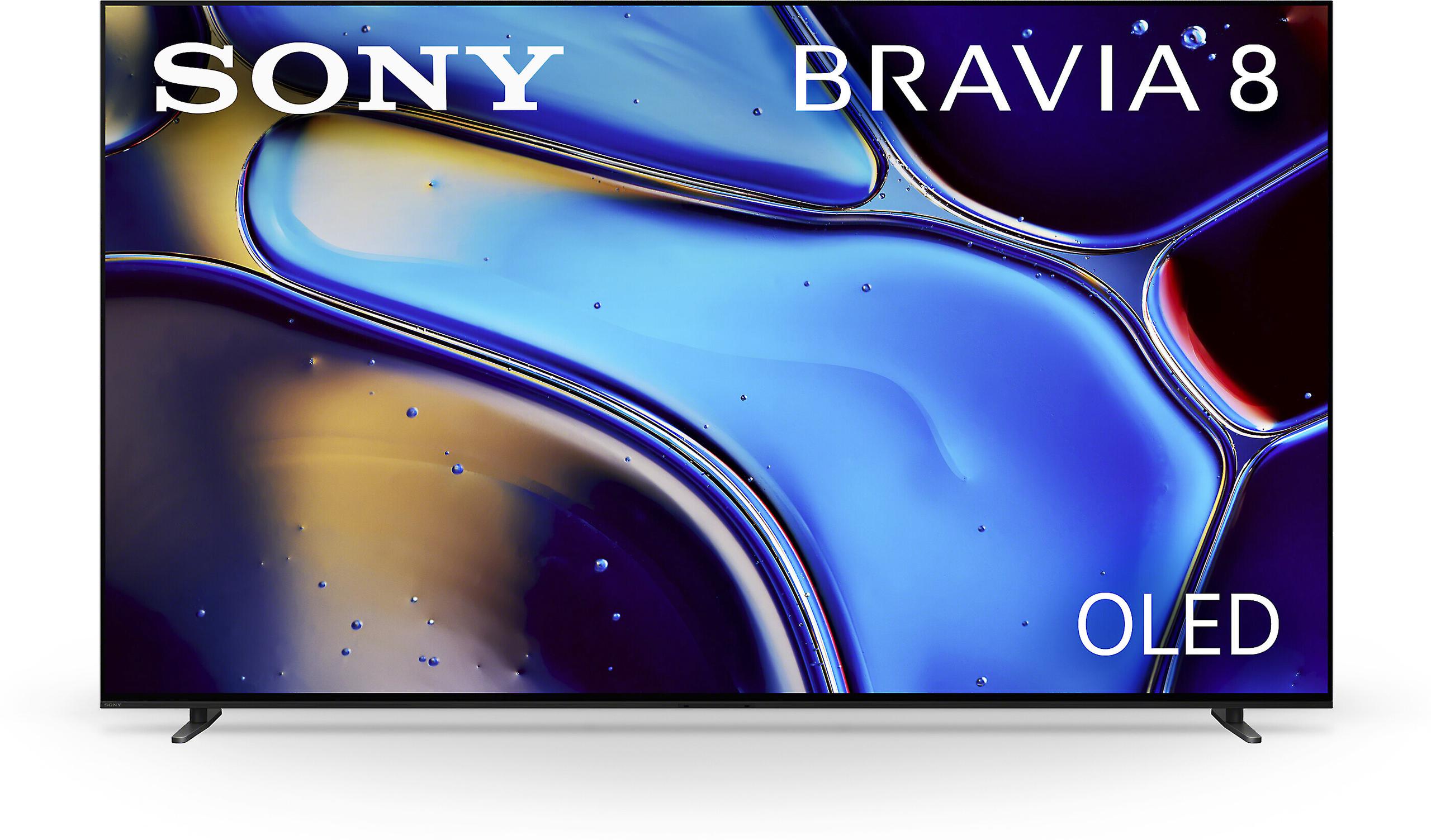
Shopping for a premium TV in 2025 means navigating two fundamentally different approaches to picture quality. The Samsung Q6F 75" represents the "bigger is better" philosophy with its massive screen and accessible pricing, while the Sony BRAVIA 8 65" takes the "quality over quantity" route with cutting-edge OLED technology. Both released within the last two years, these TVs showcase how the industry has evolved to serve different viewing priorities.
At the time of writing, the price gap between these models is substantial—the Samsung costs roughly half what you'll pay for the Sony. This isn't just a simple budget versus premium comparison, though. These TVs use completely different display technologies, target different room sizes, and excel in different scenarios. Understanding which approach fits your needs requires digging into what makes each unique.
The biggest difference between the Samsung Q6F and Sony BRAVIA 8 lies in their fundamental display technology. This isn't just technical jargon—it directly affects what you see on screen every night.
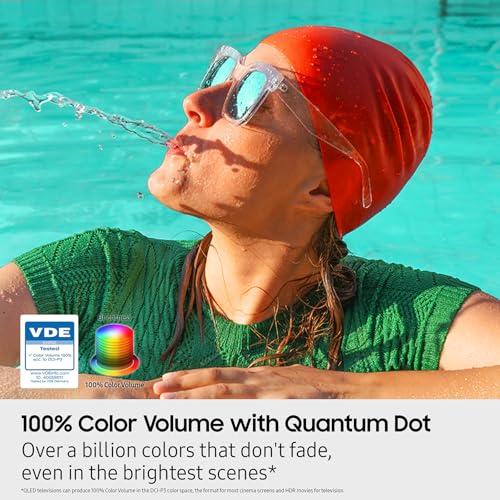
The Samsung uses QLED technology, which stands for Quantum Dot Light Emitting Diode. Despite the similar name, QLED works completely differently from OLED. In the Samsung Q6F, a traditional LED backlight shines through layers that include quantum dots—microscopic particles that convert blue light into precise colors. Think of it like a sophisticated filter system that takes white light and transforms it into the exact colors your content needs. Samsung's implementation delivers what they call "100% Color Volume," meaning the TV can reproduce vibrant colors even at high brightness levels.
The Sony takes a radically different approach with OLED (Organic Light Emitting Diode) technology. Each individual pixel generates its own light and can turn completely off when displaying black. This means when you're watching a space movie with stars against the void, those black areas are truly black—not the dark gray you get with backlit displays. It's like having millions of tiny light bulbs that can brighten, dim, or shut off independently.
This technological difference creates the most significant performance gap between these TVs. OLED displays produce infinite contrast ratios because they can achieve perfect blacks alongside brilliant whites. QLED displays, even premium ones, can't match this contrast because their backlights can't be turned off completely in specific areas.
However, QLED technology has its own advantages. The Samsung Q6F won't suffer from burn-in, a phenomenon where static images (like TV channel logos or gaming HUDs) can permanently ghost onto OLED screens with extended use. QLED displays also typically get brighter than OLEDs, making them better suited for rooms with lots of ambient light.
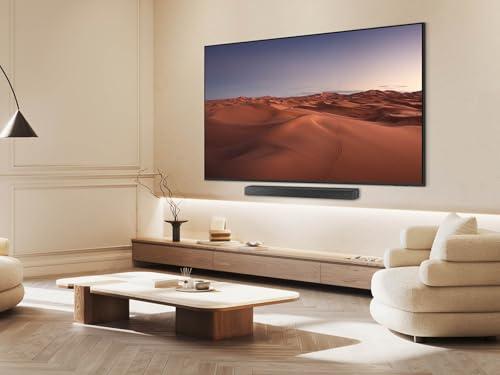
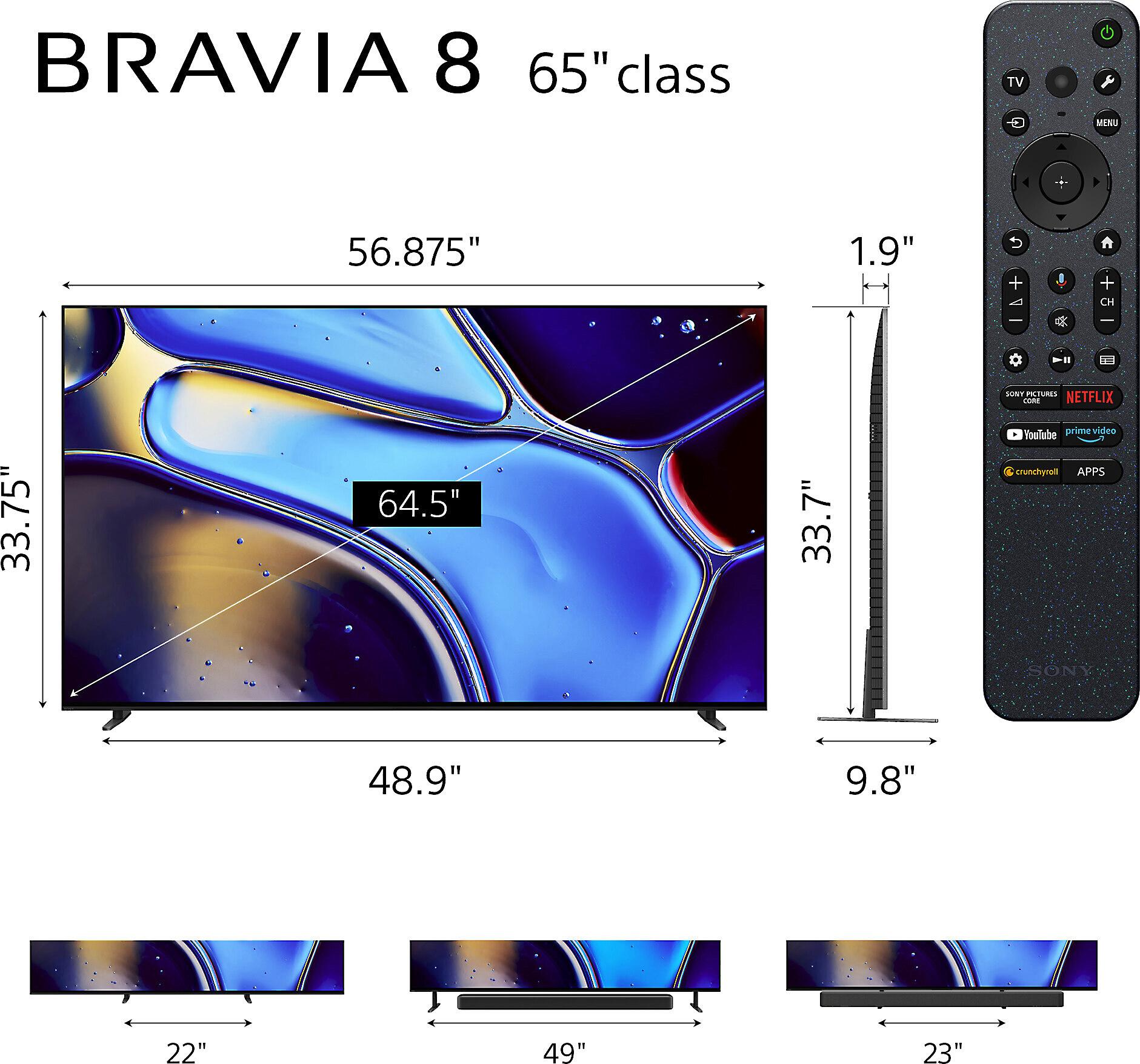
The 10-inch difference between these TVs might not sound dramatic, but in practice, it's massive. The Samsung Q6F's 75-inch screen delivers about 30% more viewing area than the Sony BRAVIA 8's 65-inch display. For reference, most people find 75 inches ideal for viewing distances of 9-12 feet, while 65 inches works best at 8-10 feet.
Screen size affects immersion in ways that aren't always obvious. When watching movies, the larger Samsung fills more of your peripheral vision, creating a more cinematic experience. Sports viewing particularly benefits from the extra size—you can actually read jersey numbers and follow the ball more easily. Gaming also feels more engaging on the larger screen, even though the Samsung has other gaming limitations we'll discuss.
The Sony's 65-inch size isn't small by any measure, but it represents a different philosophy. Sony chose to focus their engineering budget on picture quality rather than size. For many buyers, especially those in apartments or medium-sized rooms, 65 inches provides the sweet spot between impact and practicality.
When evaluating picture quality, several factors matter more than others: contrast ratio, color accuracy, HDR performance, and motion handling. Based on our research into professional reviews and user feedback, these TVs excel in different areas.
Contrast Performance: The Sony BRAVIA 8 dominates here thanks to its OLED technology. Professional reviewers consistently praise OLED's ability to display deep space scenes, nighttime cinematography, and dark room viewing with exceptional detail in shadows. The Samsung's QLED panel produces respectable contrast with its Mega Contrast technology and UHD Dimming, but it fundamentally can't compete with OLED's pixel-level control.
Color Reproduction: This comparison gets more nuanced. The Samsung Q6F uses Samsung's latest Quantum Dot implementation, certified to deliver 100% color volume according to IEC standards. In practice, this means vibrant, saturated colors that really pop, especially in brighter scenes. The TV's Color Booster technology enhances reds and blues particularly well.
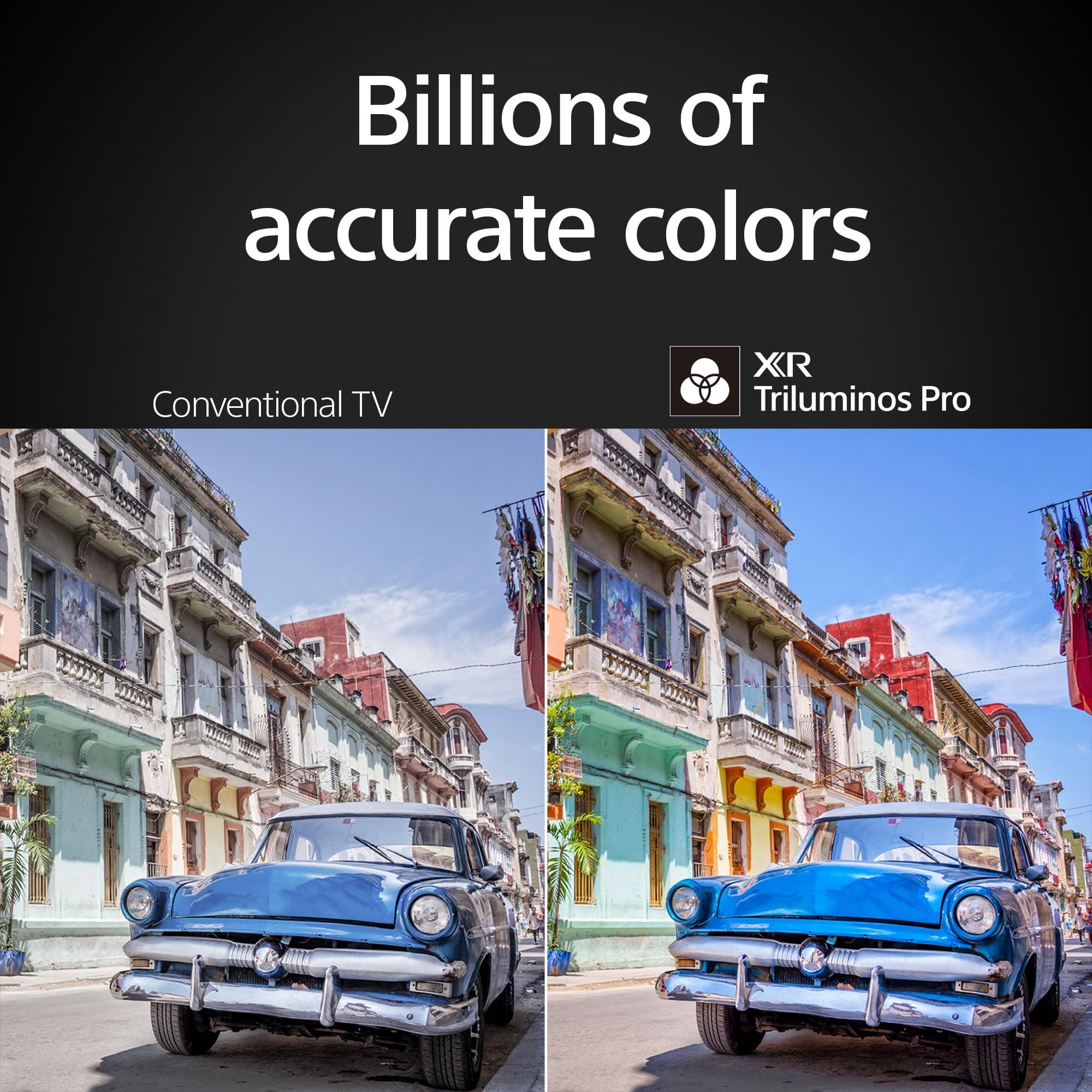
The Sony BRAVIA 8 takes a different approach with XR Triluminos Pro technology, focusing on color accuracy over saturation. Professional calibrators often prefer Sony's color science because it reproduces content closer to the creator's intent. The colors might not jump off the screen like Samsung's, but they're typically more realistic.
HDR Performance: High Dynamic Range content reveals another key difference. The Samsung supports Quantum HDR and HDR10+, which provides dynamic metadata to optimize each scene. However, based on professional measurements, the Samsung Q6F has limited peak brightness capability, meaning HDR highlights don't pop as dramatically as they should.
The Sony BRAVIA 8 supports both HDR10 and the more advanced Dolby Vision format. Dolby Vision includes scene-by-scene metadata that tells the TV exactly how to display each moment for optimal impact. Combined with OLED's perfect blacks, the Sony delivers more convincing HDR experiences, especially in controlled lighting environments.
Gaming performance has become crucial as PlayStation 5 and Xbox Series X push 4K gaming at higher frame rates. The performance gap between these TVs is significant for serious gamers.
The Samsung Q6F supports modern gaming features like Variable Refresh Rate (VRR) and Auto Low Latency Mode (ALLM), but it's limited to 60Hz refresh rates. For most single-player games and casual gaming, this works fine. However, competitive gaming and fast-paced sports titles benefit significantly from higher refresh rates.
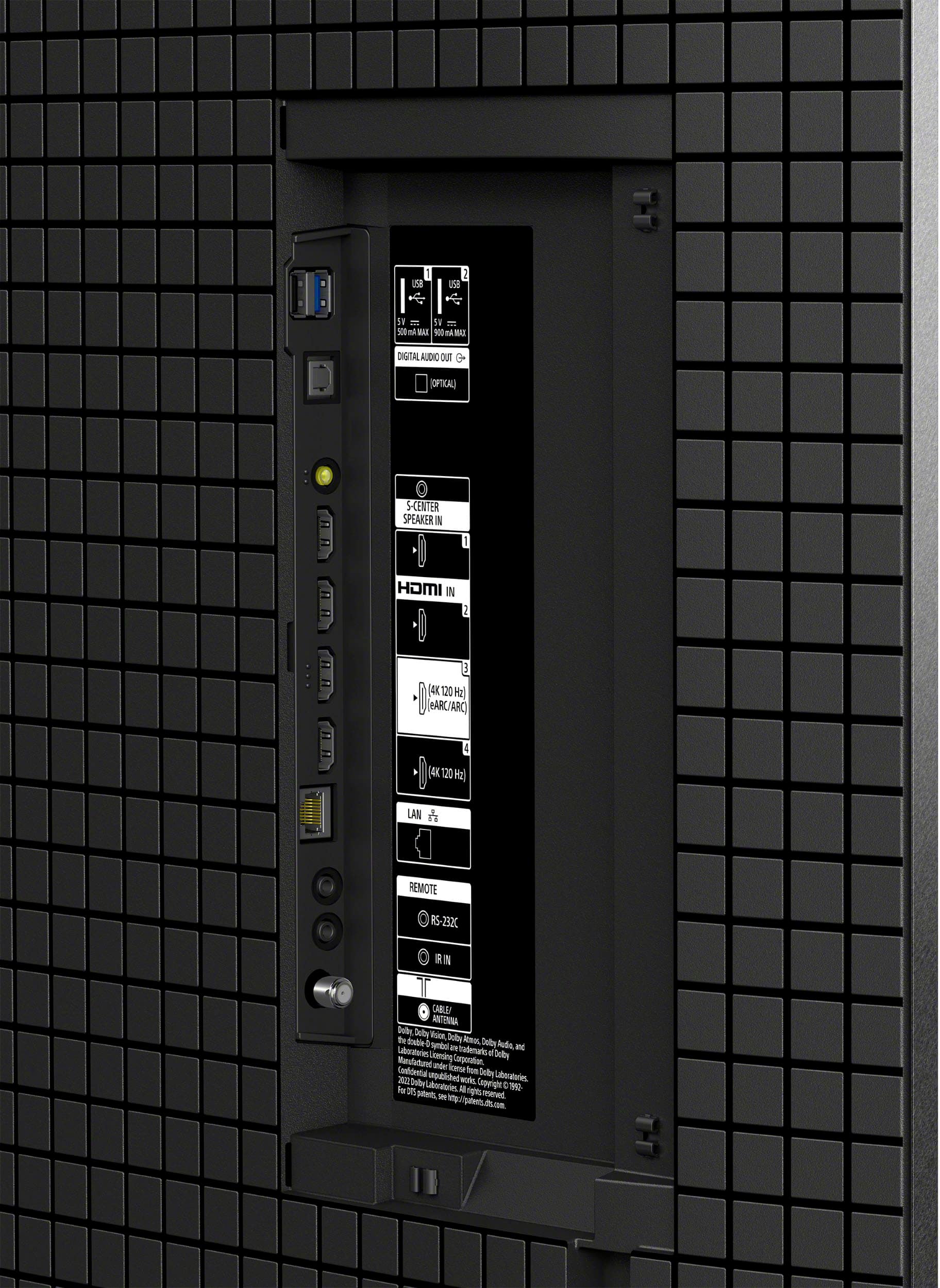
The Sony BRAVIA 8 supports 4K gaming at 120Hz, doubling the smooth motion capability of the Samsung. This becomes particularly noticeable in first-person shooters, racing games, and sports titles where frame rate directly affects performance. The Sony also includes specific PlayStation 5 optimizations, including Auto HDR Tone Mapping that ensures HDR gaming content displays correctly.
Based on gaming-focused reviews, the Sony delivers noticeably smoother motion during fast-paced gaming, while the Samsung occasionally shows motion blur or stutter in demanding scenes. For casual gaming, the difference might not justify the Sony's higher price, but serious gamers will appreciate the upgrade.
TV audio often gets overlooked until you actually start watching content. The difference between these models is substantial enough to affect your listening experience significantly.
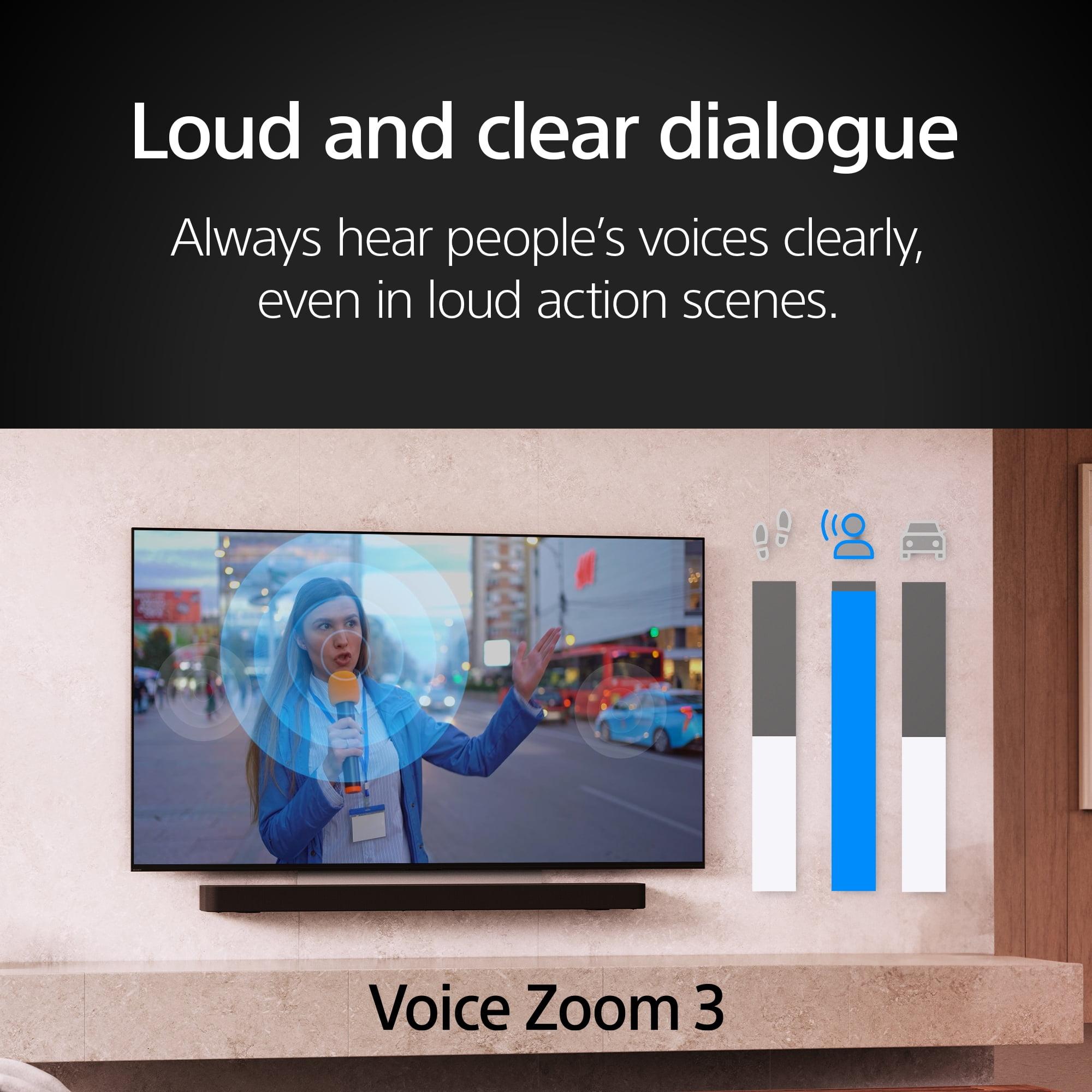
The Samsung Q6F includes a basic 20W, 2-channel speaker system with Object Tracking Sound Lite. This technology attempts to create directional audio by processing sound to match on-screen action. In practice, it's adequate for casual viewing but lacks the power and depth for movie nights or music. Most owners end up adding a soundbar relatively quickly.
The Sony BRAVIA 8 features a much more sophisticated 50W, 2.1-channel system with Acoustic Surface Audio+ technology. This innovative approach turns the entire screen into a speaker, creating a unique audio experience where sound literally comes from the action on screen. The system includes dedicated woofers for bass response, making external audio less immediately necessary.
User reviews consistently highlight the Sony's audio as surprisingly good for built-in TV speakers, while Samsung users frequently mention needing external audio solutions. For home theater setups, this difference could influence your total system cost.
The smart TV experience affects daily usability more than any other feature except picture quality. These platforms have evolved significantly since their earlier versions.
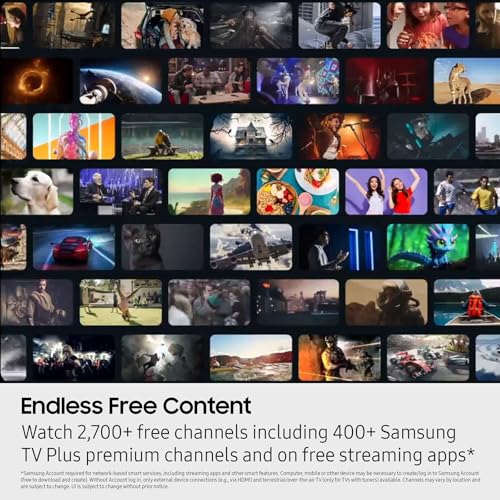
Samsung's Tizen platform has improved substantially in recent years, offering a clean interface with Samsung's ecosystem integration. The Samsung Q6F includes Samsung TV Plus for free streaming channels and SmartThings hub functionality for smart home control. However, Tizen still has a more limited app selection compared to competitors, and some streaming services launch slower than on other platforms.
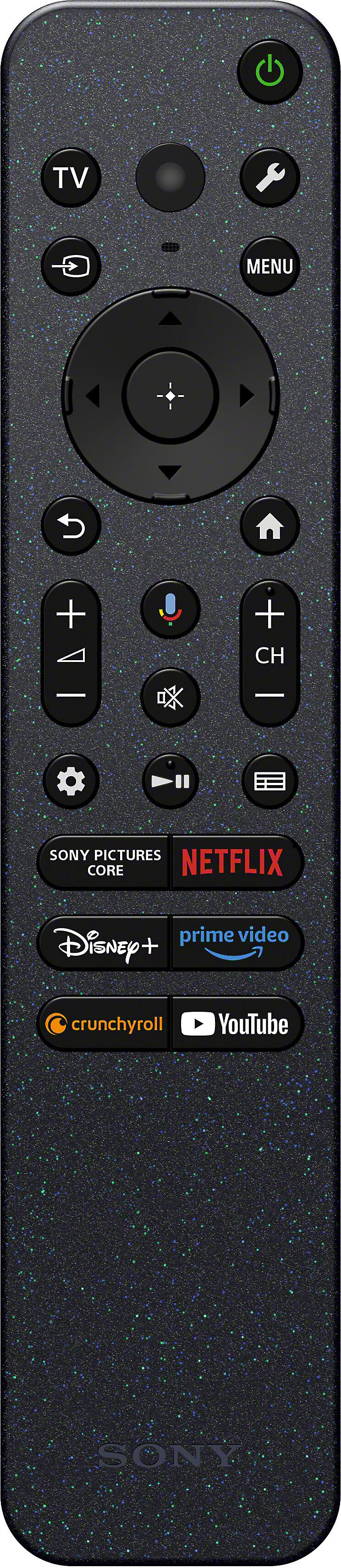
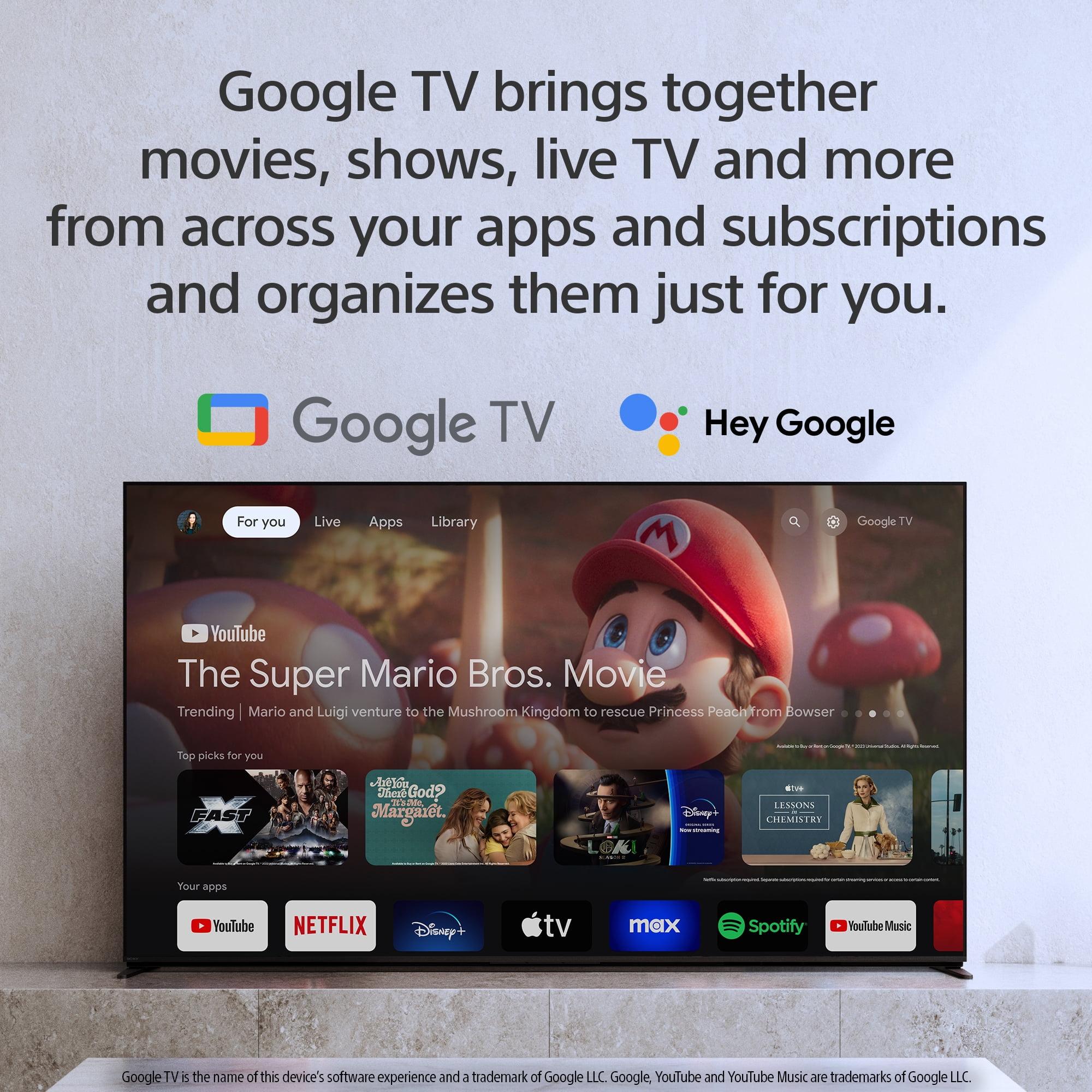
The Sony BRAVIA 8 runs Google TV, which evolved from Android TV with a more content-focused interface. Google TV excels at content discovery, showing recommendations across multiple streaming services in one interface. The platform supports a broader app ecosystem and integrates seamlessly with Google services, Chromecast, and voice control.
Based on user feedback analysis, Google TV generally provides a more intuitive experience for most users, especially those already invested in Google's ecosystem. Samsung's Tizen works well but feels more limited in comparison.
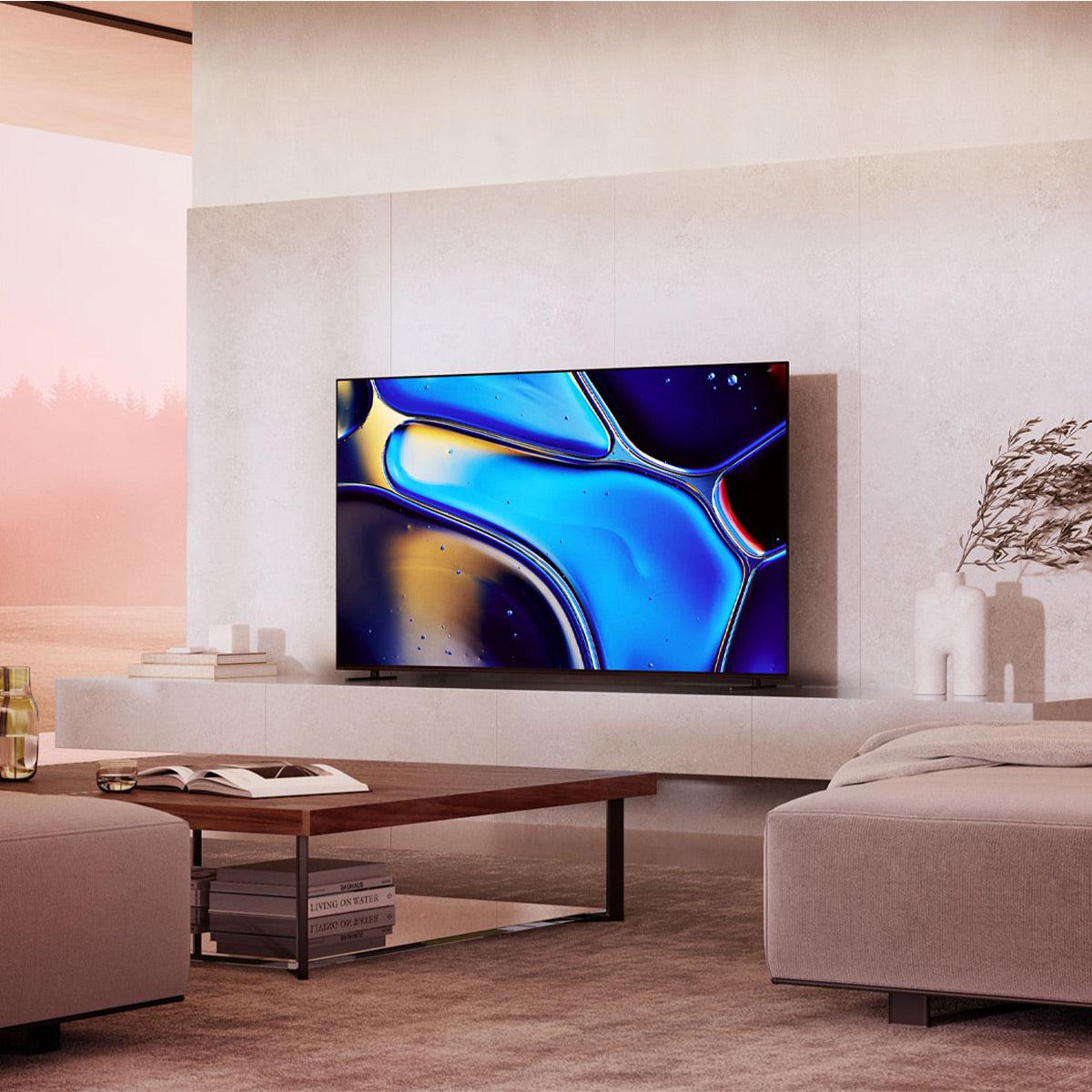
For dedicated home theater setups, room environment significantly affects which TV performs better. Dark or controlled lighting environments strongly favor the Sony BRAVIA 8. OLED technology shines in these conditions, delivering the contrast and detail that makes movie watching truly cinematic. The Sony's superior audio system also reduces the immediate need for external speakers in smaller theater rooms.
Bright rooms with lots of windows favor the Samsung Q6F. QLED displays get brighter than OLEDs, maintaining picture quality even with ambient light. The Samsung's larger screen size also helps combat brightness by providing more visual impact. However, the audio limitations become more apparent in dedicated theater setups.
Professional home theater installers often prefer OLED displays for their picture quality but acknowledge that room brightness requirements sometimes dictate QLED choices. The Samsung's price point also leaves more budget for audio equipment, potentially creating a more balanced overall system.
Technology longevity matters when investing in premium TVs. QLED displays like the Samsung Q6F typically maintain their performance characteristics longer, with minimal risk of burn-in from static elements like channel logos or gaming interfaces. Samsung also has a strong track record for software updates and platform longevity.
OLED displays require more consideration of usage patterns. Heavy gaming with static HUDs or excessive news channel watching (with persistent logos) can cause permanent image retention on the Sony BRAVIA 8. However, modern OLED panels include protective features, and normal varied viewing patterns typically don't cause issues.
The price difference at time of writing means the Samsung leaves significant budget for future upgrades—perhaps a premium soundbar or next-generation gaming console. The Sony represents a more complete immediate experience but requires a larger upfront investment.
The Samsung Q6F 75" makes sense for buyers who prioritize screen size and value. It's ideal for large families, casual viewing, bright rooms, and situations where the TV serves multiple functions throughout the day. Sports fans particularly benefit from the extra screen size, and the QLED technology holds up well in varied lighting conditions.
The Sony BRAVIA 8 65" targets buyers who prioritize picture quality and premium features. It's perfect for movie enthusiasts, serious gamers, smaller dedicated theater rooms, and viewers who consume lots of high-quality 4K content. The superior contrast and 120Hz gaming make it worth the premium for the right user.
At the time of writing, the price gap between these models represents different value propositions rather than a simple good/better comparison. The Samsung offers exceptional value for its feature set and size, while the Sony justifies its premium pricing with superior technology and performance.
Your decision should ultimately depend on your room size, viewing habits, budget flexibility, and whether you prioritize the cinematic impact of the larger Samsung or the technical excellence of the smaller Sony. Both represent solid choices within their respective market segments, just serving fundamentally different needs and preferences.
| Samsung 75-Inch QLED Q6F Series 2025 Smart TV | Sony BRAVIA 8 65" 4K OLED TV |
|---|---|
| Display Technology - Determines contrast quality and burn-in resistance | |
| QLED (LED backlight + Quantum Dots) - Brighter, no burn-in risk | OLED (Self-lit pixels) - Perfect blacks, infinite contrast |
| Screen Size - Bigger screen means more immersive viewing | |
| 75 inches (30% larger viewing area) | 65 inches (better for medium rooms) |
| Refresh Rate - Higher rates mean smoother gaming and sports | |
| 60Hz (adequate for casual use) | 120Hz (essential for serious gaming) |
| Peak Brightness - Affects visibility in bright rooms | |
| Limited peak brightness (better for darker rooms) | Moderate OLED brightness (needs controlled lighting) |
| Gaming Features - Important for console gaming performance | |
| VRR + ALLM at 60Hz (basic gaming support) | VRR + ALLM at 120Hz + PS5 optimization (premium gaming) |
| Built-in Audio - Determines if you need external speakers | |
| 20W 2-channel (will likely need soundbar) | 50W 2.1-channel with Acoustic Surface Audio+ (impressive built-in sound) |
| HDR Support - Better HDR means more vivid colors and contrast | |
| Quantum HDR + HDR10+ (good but limited peak brightness) | HDR10 + Dolby Vision (superior metadata and processing) |
| Smart TV Platform - Affects app selection and user experience | |
| Tizen (decent but limited app ecosystem) | Google TV (excellent app selection and interface) |
| Processor - Handles upscaling and picture enhancement | |
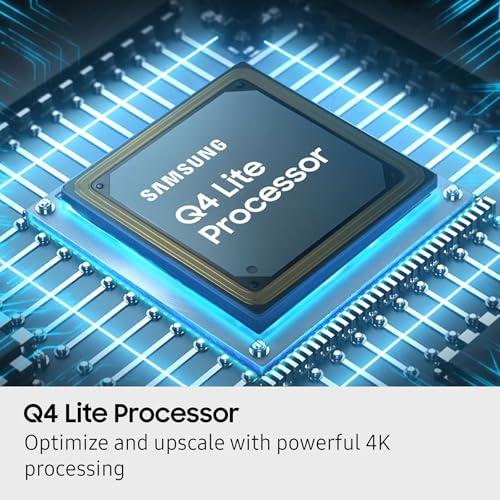
| Q4 Lite Processor (solid 4K upscaling) | XR Processor with AI (advanced real-time optimization) |
| Color Technology - Affects color accuracy and vibrancy | |
| 100% Color Volume with Quantum Dots (vibrant, saturated) | XR Triluminos Pro (more accurate, natural colors) |
| Burn-in Risk - Important for mixed content viewing | |
| No burn-in risk (safe for gaming/news) | Potential burn-in with static content (requires varied viewing) |
| Value Proposition - Price-to-performance consideration | |
| Exceptional value for 75" QLED with modern features | Premium pricing justified by OLED quality and 120Hz gaming |
The Sony BRAVIA 8 65" delivers superior picture quality thanks to its OLED technology, which produces perfect blacks and infinite contrast ratios. Each pixel can turn completely off, creating stunning detail in dark scenes. The Samsung Q6F 75" offers vibrant colors with Quantum Dot technology but cannot match OLED's contrast performance due to its LED backlight system.
The Samsung Q6F 75" offers exceptional value if screen size is your priority. The 10-inch size difference provides 30% more viewing area at roughly half the cost of the Sony BRAVIA 8. However, the Sony delivers premium picture quality, 120Hz gaming, and superior audio that may justify the higher investment for quality-focused buyers.
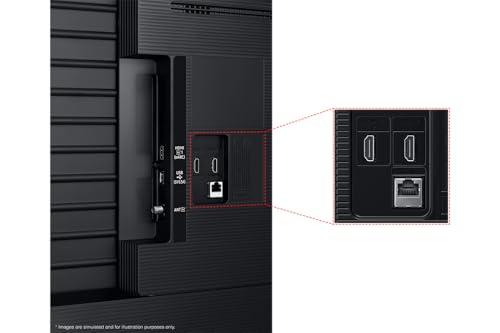
The Sony BRAVIA 8 is significantly better for gaming with its 120Hz refresh rate, full HDMI 2.1 support, and PlayStation 5 optimizations. It delivers smoother motion in fast-paced games and supports 4K gaming at higher frame rates. The Samsung Q6F is limited to 60Hz, making it adequate for casual gaming but less ideal for competitive or next-gen console gaming.
QLED technology in the Samsung Q6F uses LED backlights with Quantum Dot filters to produce vibrant colors and higher brightness, with no burn-in risk. OLED technology in the Sony BRAVIA 8 allows each pixel to produce its own light, creating perfect blacks and infinite contrast but with potential burn-in concerns. OLED generally offers better picture quality, while QLED provides better brightness and durability.
The Sony BRAVIA 8 runs Google TV, which offers a superior smart platform with better app selection, intuitive content discovery, and seamless integration with Google services and Chromecast. The Samsung Q6F uses Tizen, which is decent but has a more limited app ecosystem and slower performance compared to Google TV.
The Sony BRAVIA 8 includes impressive 50W built-in audio with Acoustic Surface Audio+ technology that may eliminate the immediate need for external speakers. The Samsung Q6F has basic 20W speakers that most users find inadequate, making a soundbar purchase likely necessary for good audio quality.
The Samsung Q6F performs better in bright rooms due to QLED technology's higher peak brightness and better ambient light handling. The Sony BRAVIA 8 is optimized for controlled lighting environments where its OLED technology can showcase superior contrast. If your room has lots of windows or bright lighting, the Samsung is the better choice.
The Sony BRAVIA 8 justifies its premium pricing for buyers who prioritize picture quality, gaming performance, and built-in audio quality. The superior OLED contrast, 120Hz refresh rate, and Google TV platform offer a more premium experience. The Samsung Q6F provides better value if screen size and basic 4K performance meet your needs at a lower budget.
The Sony BRAVIA 8 offers superior HDR with Dolby Vision support and OLED's perfect blacks, creating more impactful HDR scenes. The Samsung Q6F supports HDR10+ but has limited peak brightness that reduces HDR impact. For the best HDR experience with streaming content and 4K Blu-rays, the Sony is the clear winner.
Both the Samsung Q6F and Sony BRAVIA 8 excel at 4K content display. The Samsung uses a Q4 Lite Processor for effective upscaling, while the Sony features an advanced XR Processor with AI optimization. Both handle native 4K content beautifully, though the Sony's superior contrast and color processing give it an edge in overall 4K performance.
The Sony BRAVIA 8 is ideal for dedicated home theaters with controlled lighting, offering cinema-quality contrast and impressive built-in audio. The Samsung Q6F works better in multipurpose rooms or bright environments, though its basic audio will likely require external speakers for a true theater experience. Both support modern streaming and gaming features essential for home entertainment.
The Samsung Q6F limitations include 60Hz refresh rate, basic audio requiring external speakers, and inability to match OLED contrast levels. The Sony BRAVIA 8 downsides include higher cost, smaller screen size despite premium pricing, potential OLED burn-in with static content, and performance optimized for darker viewing environments.
We've done our best to create useful and informative comparisons to help you decide what product to buy. Our research uses advanced automated methods to create this comparison and perfection is not possible - please contact us for corrections or questions. These are the sites we've researched in the creation of this article: youtube.com - rtings.com - cnet.com - youtube.com - rtings.com - samsung.com - bestbuy.com - samsung.com - samsung.com - bestbuy.com - manuals.plus - arrowassociatedstores.com - samsung.com - samsung.com - samsung.com - flatpanelshd.com - device.report - bestbuy.com - bestbuy.com - crutchfield.com - avsforum.com - electronics.sony.com - sony.com - store.sony.co.nz - sony.com - displayspecifications.com

Privacy Policy
Terms and Conditions - Affiliate Policy
Home Security
© Copyright 2008-2026.
11816 Inwood Rd #1211, Dallas, TX 75244