

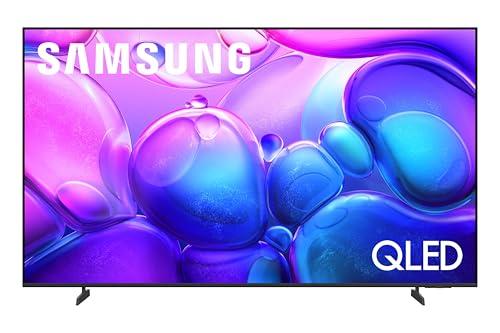
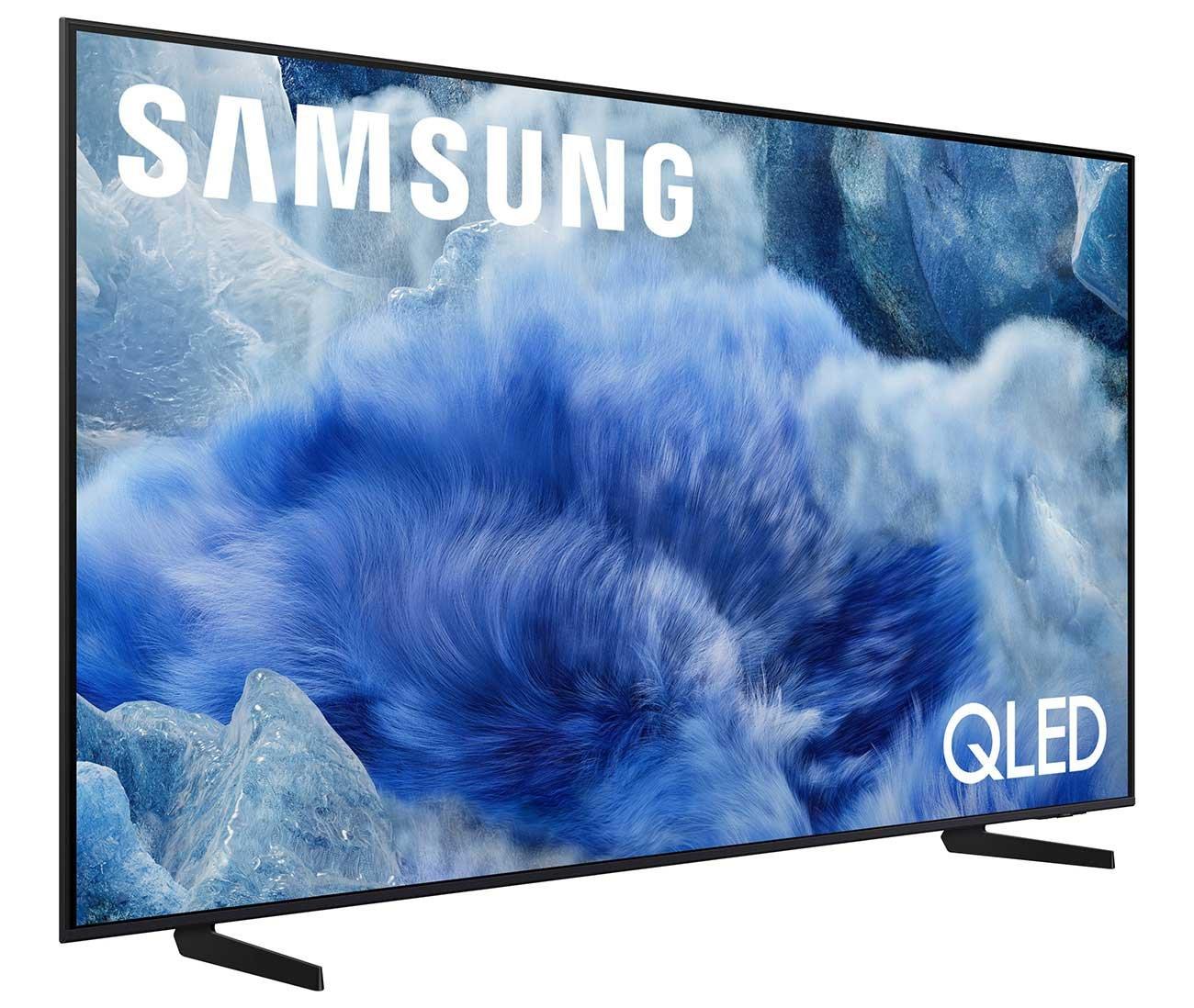
When Samsung released their 2025 QLED lineup, they made an interesting choice that highlights a fundamental question many TV buyers face: do you want the biggest screen possible, or the smartest TV technology available? The Samsung 75-Inch QLED Q6F Series and Samsung 65" QN8F Series represent two different philosophies in TV design, and understanding their differences can save you from buyer's remorse.
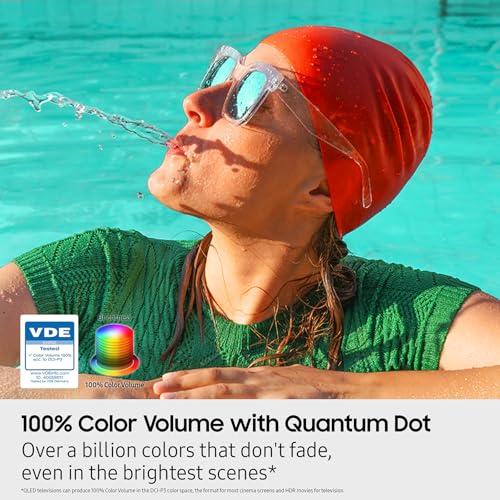
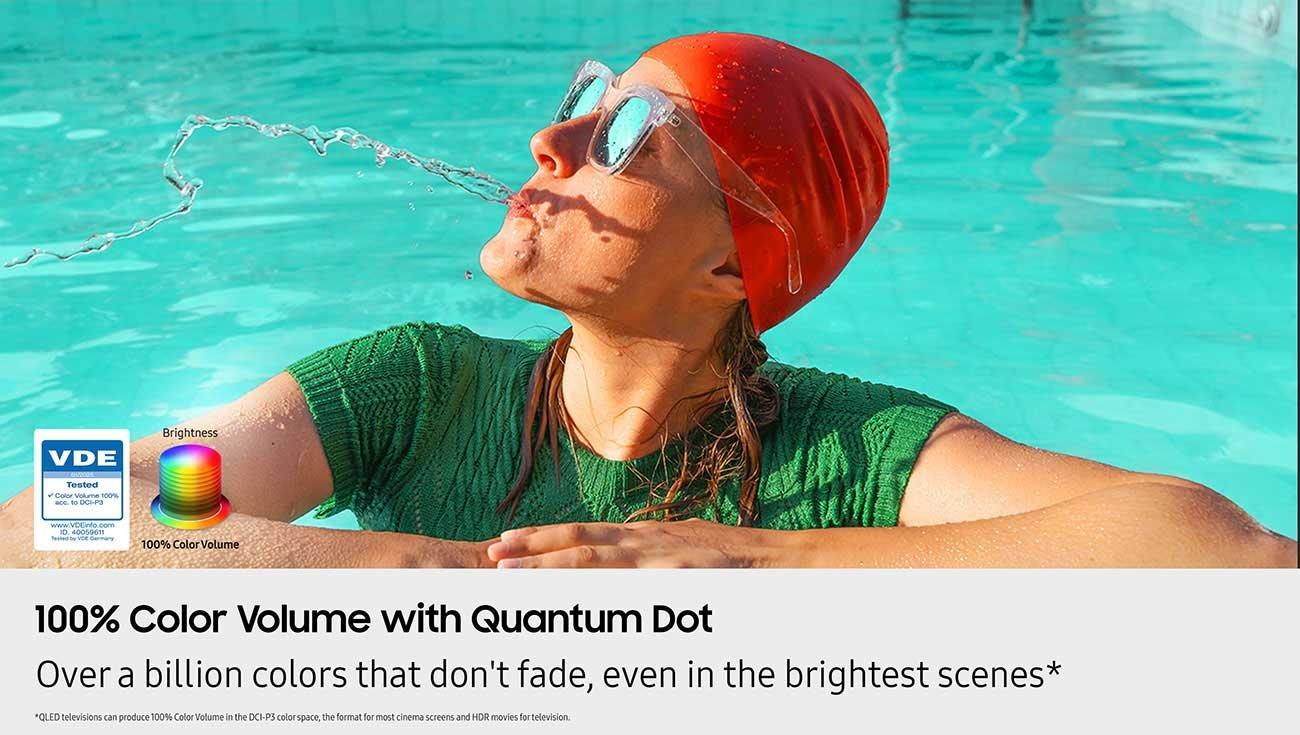
Before diving into the comparison, it's worth understanding what QLED actually delivers. QLED stands for Quantum Dot Light Emitting Diode, which sounds complex but essentially means Samsung uses tiny particles called quantum dots to produce more accurate and vibrant colors. Think of quantum dots as ultra-precise color filters that can create over a billion different color combinations – that's significantly more than standard LED TVs can manage.
Both the Q6F and QN8F feature this quantum dot technology, but they implement it differently. The key consideration when shopping for any QLED TV involves balancing screen size, picture quality, smart features, gaming performance, and overall value. In 2025, Samsung's approach has been to offer distinct tiers rather than trying to pack every feature into every model.
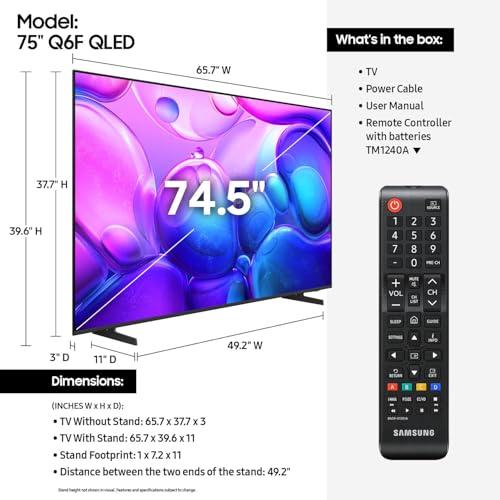
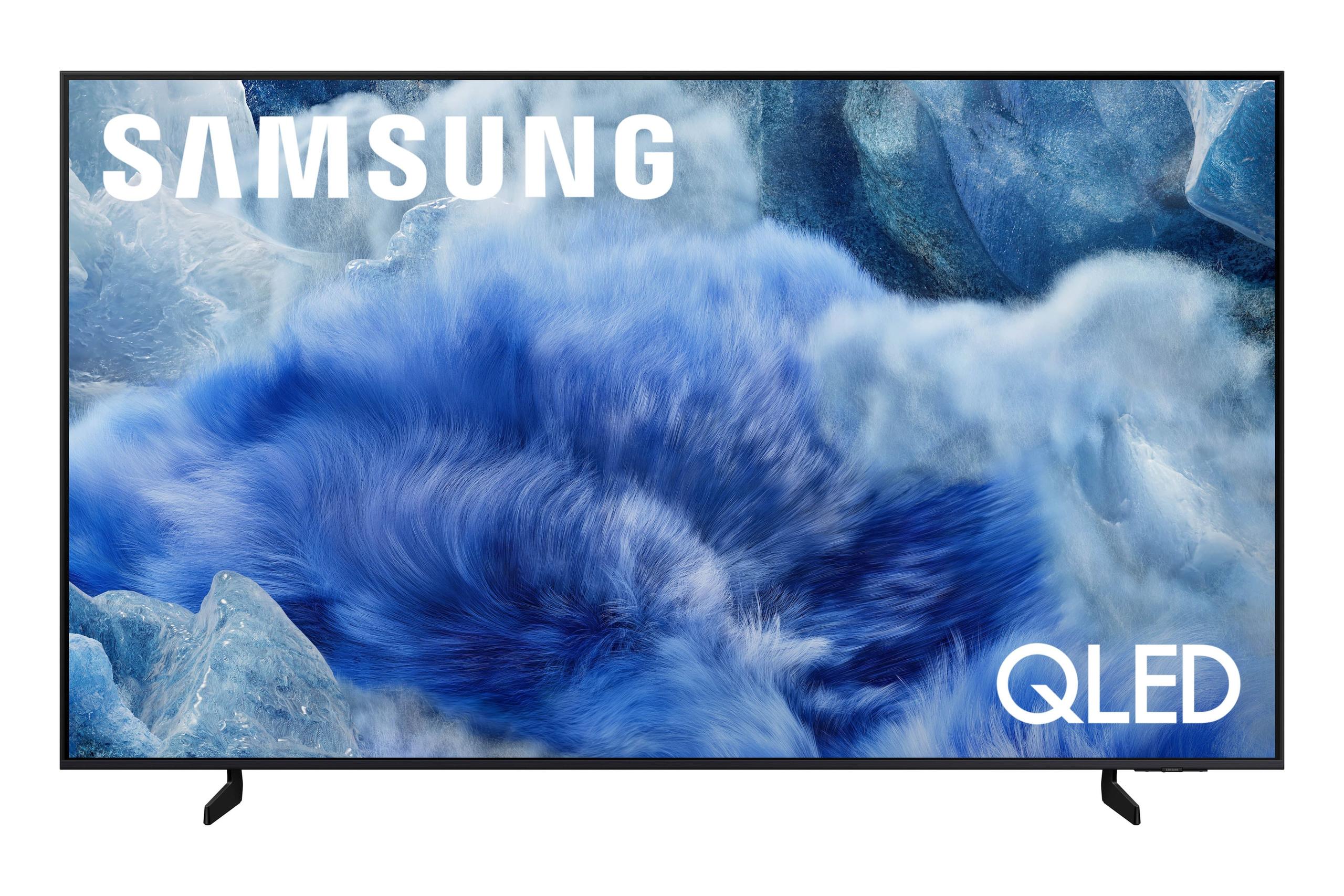
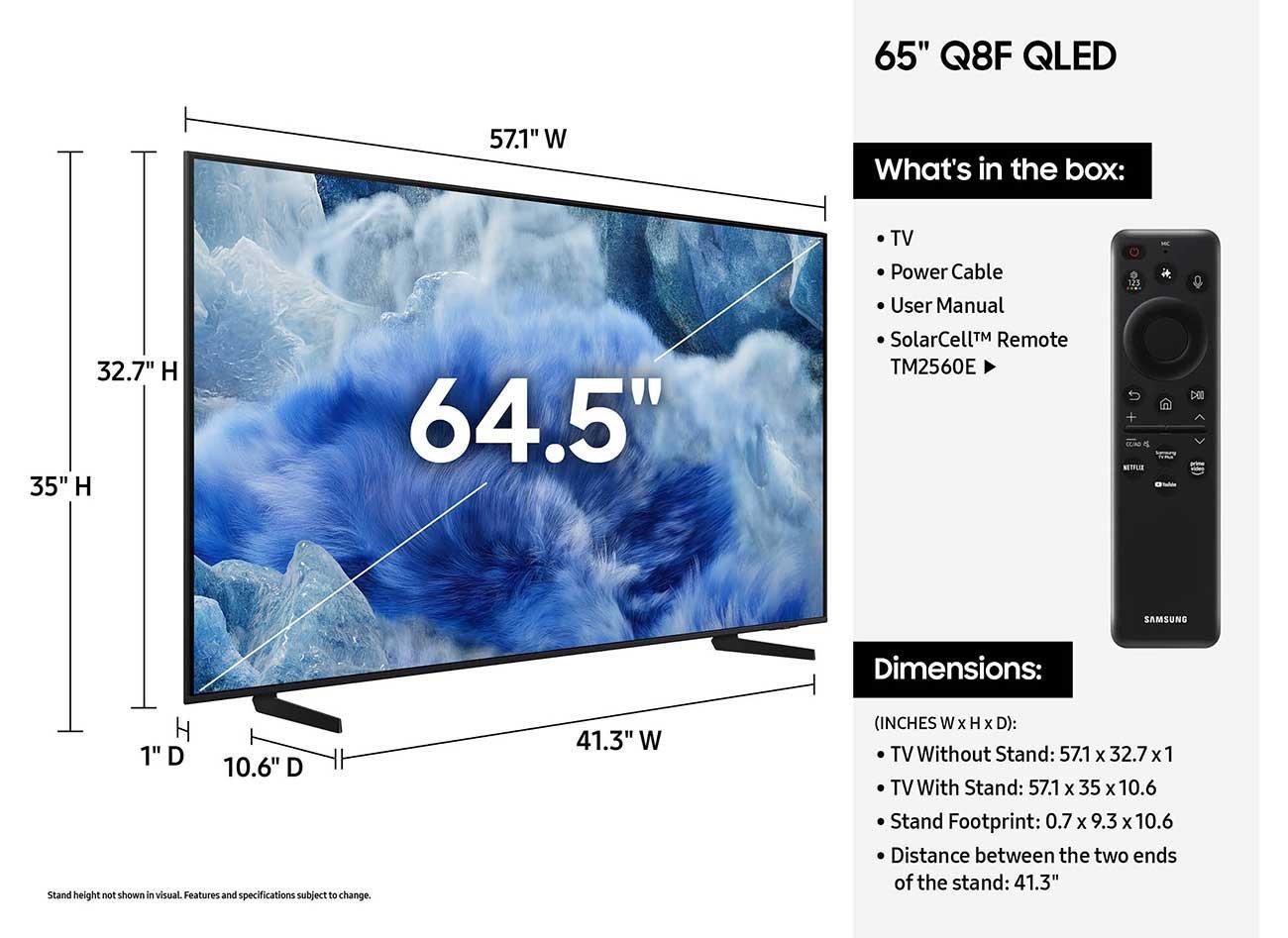
The most obvious difference between these TVs is screen size – the Q6F offers a massive 75-inch display while the QN8F provides a more moderate 65-inch screen. That 10-inch difference translates to roughly 23% more screen area, which is substantial when you're talking about viewing experience.
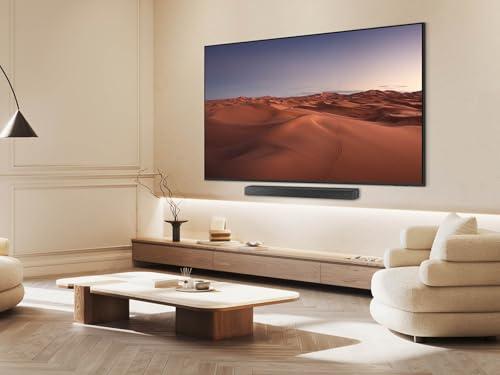
For context, a 75-inch TV is ideal for viewing distances of 9-12 feet, making it perfect for larger living rooms or dedicated home theater spaces. The 65-inch QN8F, meanwhile, works well at 8-10 feet, which suits most typical living room setups. But screen size is just the beginning of this story.
Both TVs use Samsung's quantum dot technology to achieve 100% color volume, meaning they can reproduce colors accurately at any brightness level. However, the way they handle and optimize that picture data reveals significant differences.
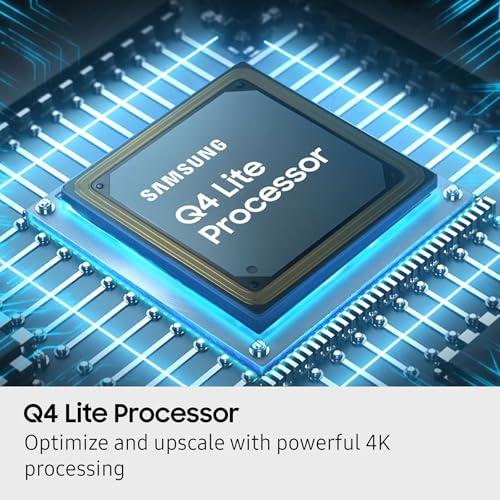
The Q6F relies on Samsung's Q4 Lite Processor, which handles the basics well – it upscales lower-resolution content to 4K and provides solid color reproduction. For most viewers watching Netflix, cable TV, or streaming content, this processor delivers clean, vibrant images that take advantage of that large 75-inch canvas.
The QN8F steps up significantly with its Q4 AI Processor and Vision AI technology. This isn't just marketing speak – the AI actively analyzes what you're watching and adjusts picture settings in real-time. Watching a dark thriller? It optimizes shadow detail. Switching to a bright nature documentary? It enhances color saturation and brightness automatically. This kind of intelligent processing makes a noticeable difference in day-to-day viewing.
HDR Performance and Brightness
High Dynamic Range (HDR) – the technology that provides better contrast between the darkest and brightest parts of an image – works differently on these two models. The Q6F supports Quantum HDR and HDR10+, which is solid for an entry-level QLED. However, our research indicates its peak brightness capabilities are more limited, meaning HDR content won't have the same punch in bright rooms.
The QN8F features Quantum HDR+ with Auto HDR Remastering, which uses AI to enhance HDR content that wasn't originally mastered to take full advantage of the display's capabilities. This means older movies and shows can look better than they ever have before.
Motion Handling: Sports and Action Sequences
Motion processing reveals another key difference. The Q6F uses Motion Xcelerator technology at 60Hz, which works fine for most content but can show limitations during fast-paced sports or action sequences. You might notice some blur during quick camera pans or fast-moving objects.
The QN8F incorporates Motion Xcelerator 144Hz, supporting refresh rates up to 144Hz. This makes a substantial difference for sports viewing and creates smoother motion that's particularly noticeable during live broadcasts or high-action content.
Gaming capabilities separate these TVs more clearly than almost any other feature. The Q6F includes Auto Game Mode (ALLM) and Variable Refresh Rate (VRR) support, which covers the basics for casual gaming. It'll work fine with a PlayStation 5 or Xbox Series X, though you won't get the full benefit of these consoles' capabilities.
The QN8F transforms into a much more serious gaming display with its 120Hz native refresh rate expandable to 144Hz. This higher refresh rate means smoother gameplay, reduced input lag, and better responsiveness – particularly important for competitive gaming or fast-paced titles. If you're serious about gaming, the performance difference is immediately noticeable.
For home theater gaming setups, the QN8F provides a more future-proof experience as games continue to push higher frame rates and more demanding visual effects.
Samsung's Tizen operating system powers both TVs, but the experience differs significantly. The Q6F provides Samsung's standard smart TV experience – access to streaming apps, Samsung TV Plus with free channels, and basic voice assistant integration. It's functional and user-friendly, covering what most people need from a smart TV.
The QN8F showcases Samsung's 2025 AI ambitions with Vision AI technology that goes beyond simple picture optimization. The enhanced Bixby voice assistant can process multiple commands simultaneously and understand context better. For example, you could say "show me action movies with good ratings" and it'll understand you want highly-rated action films, not just any action content.
The AI Mode feature provides a quick-access menu for adjusting adaptive settings, while Generative Wallpaper uses AI to create custom backgrounds based on keywords you provide. These might seem like novelty features, but they represent Samsung's push toward more personalized, intelligent TV experiences.
Both TVs feature 20W 2-channel speaker systems, but their audio processing differs meaningfully. The Q6F includes Object Tracking Sound Lite (OTS Lite), which creates a more immersive soundstage by matching audio to on-screen action. It's adequate for most viewing and better than many TVs in its category.
The QN8F elevates audio with Adaptive Sound+ technology that analyzes your room's acoustics and adjusts accordingly. It fine-tunes based on both the content you're watching and your physical space, creating more optimized sound for your specific setup. The addition of 360 Audio support provides a more enveloping listening experience.
For serious home theater setups, both TVs support Q-Symphony, allowing them to work in harmony with compatible Samsung soundbars rather than competing with them. However, the QN8F's more sophisticated audio processing means it'll integrate better with high-end audio systems.
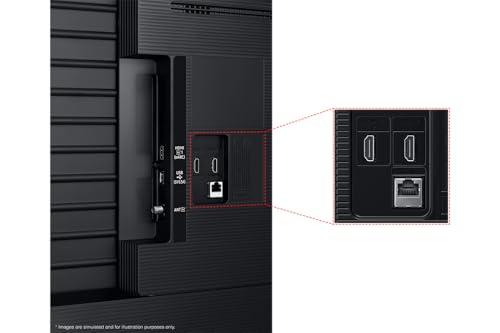
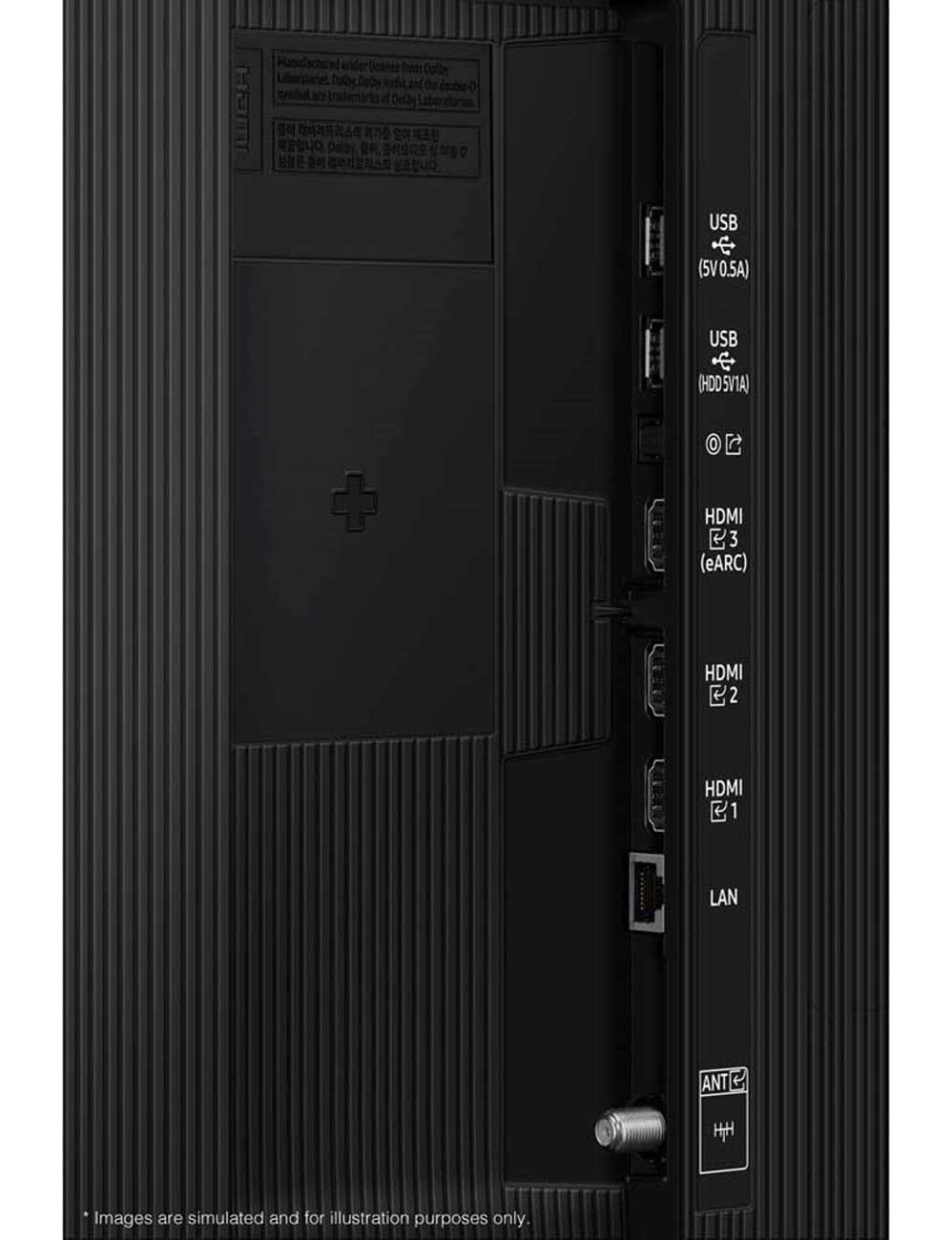
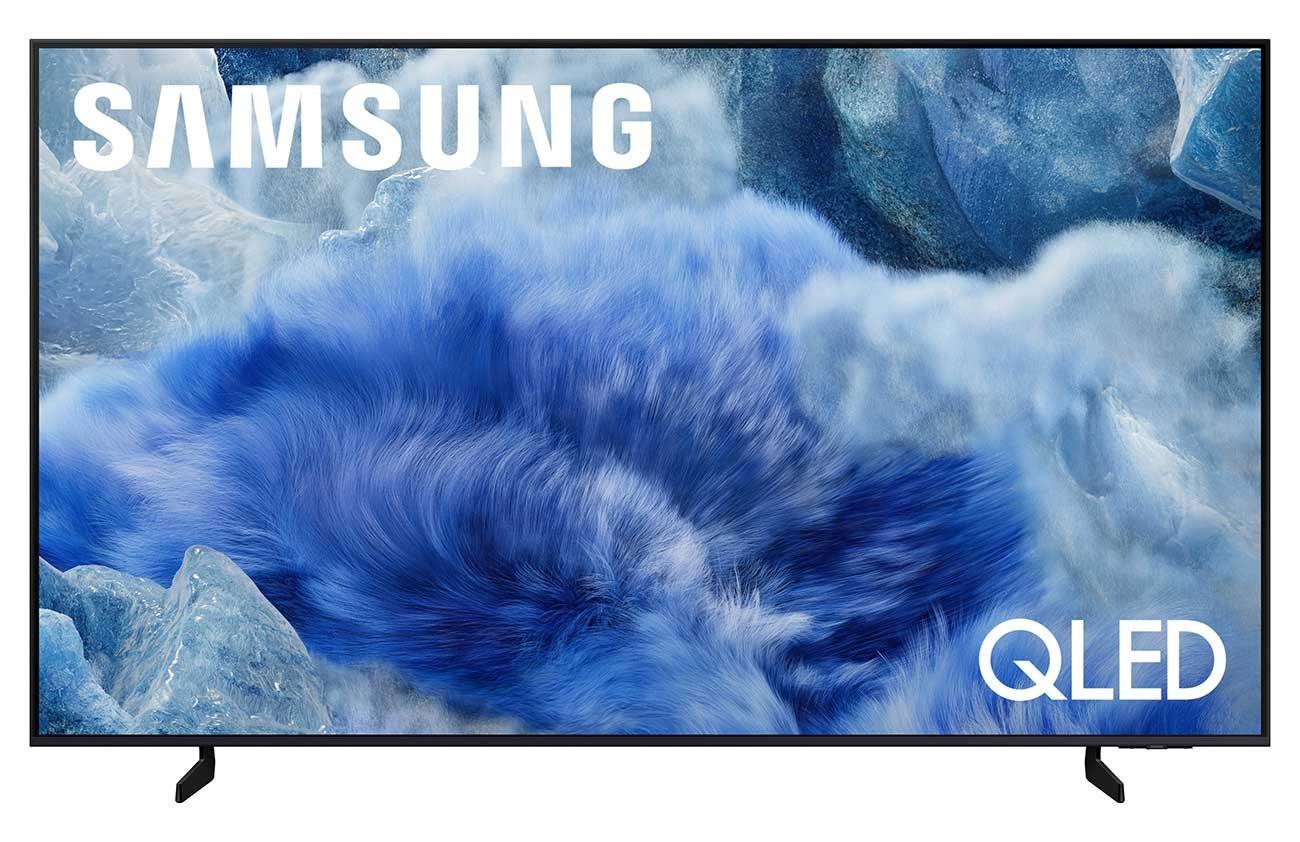
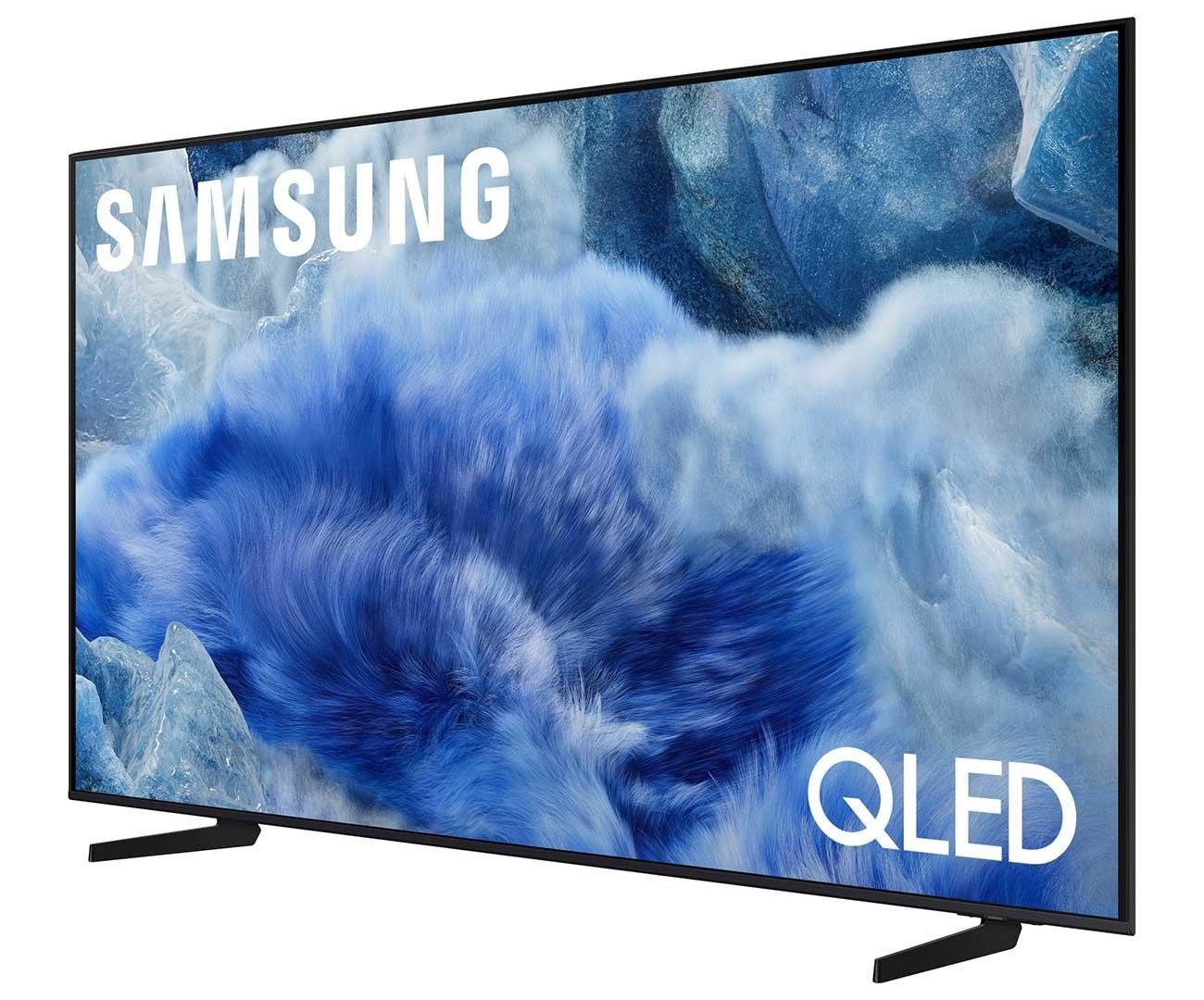
The design approaches reflect each TV's market positioning. The Q6F features adjustable feet that can be positioned for narrow or wide placement, practical for accommodating different entertainment center configurations. Its metal stream rear panel design is unique to this model in the 2025 lineup, though this mainly affects aesthetics rather than performance.
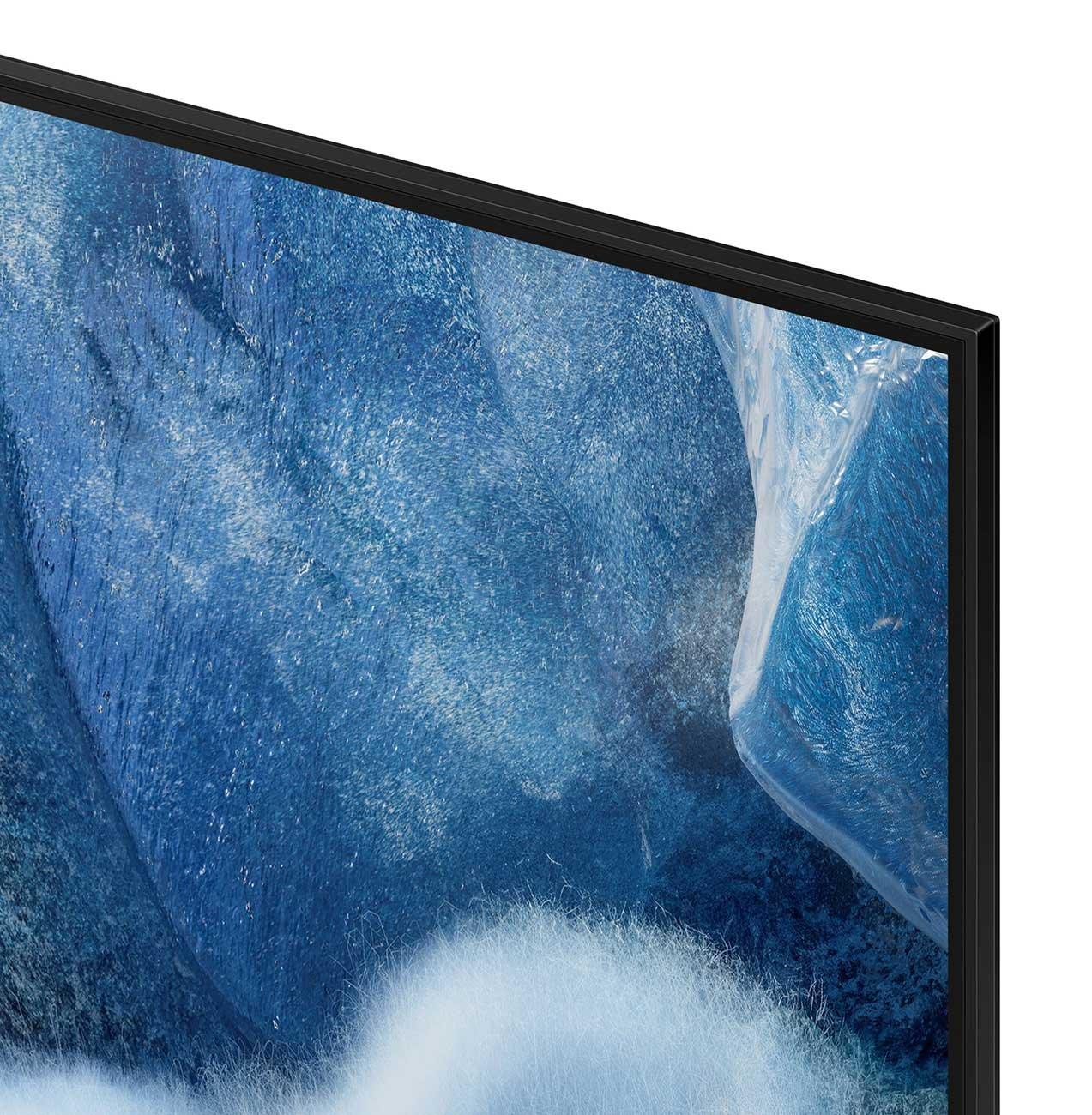
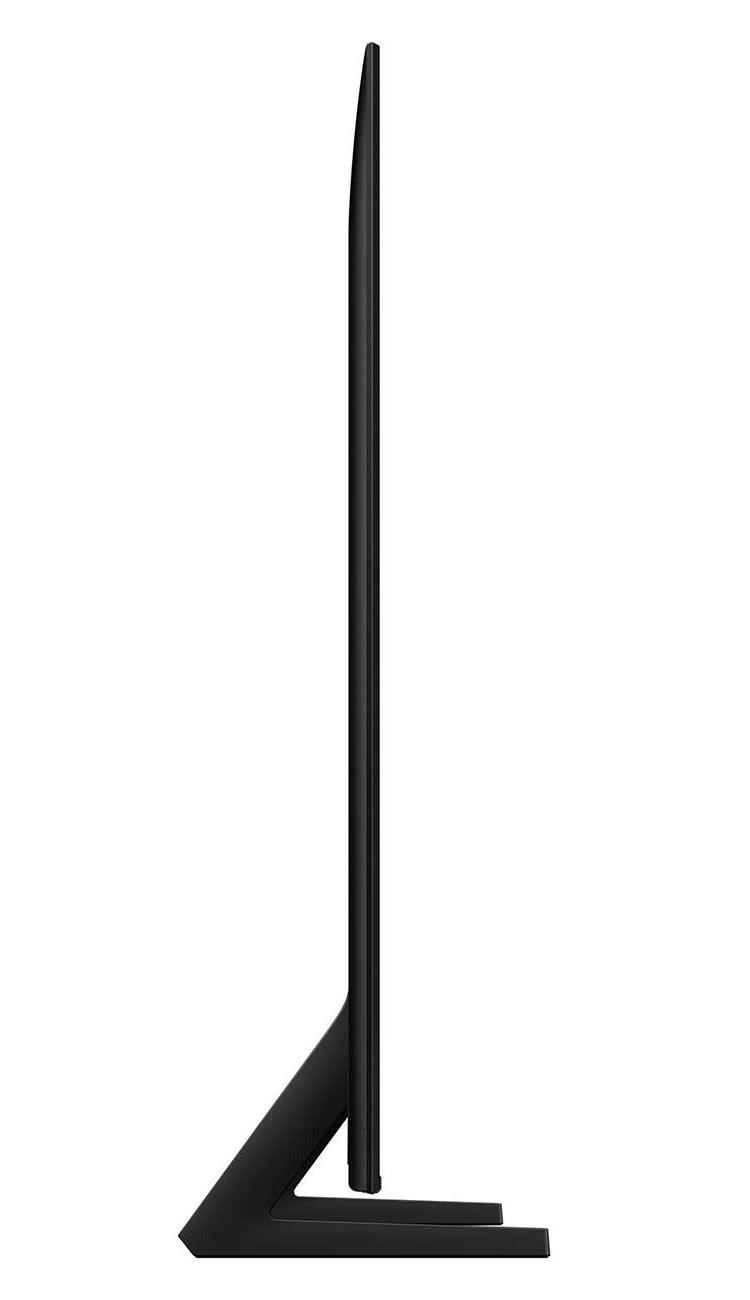
The QN8F embraces Samsung's AirSlim design philosophy, creating a sleeker, more premium appearance that better suits modern living spaces. When wall-mounted, the difference in profile becomes more apparent, with the QN8F sitting closer to the wall.
At the time of writing, the Q6F typically costs less than the QN8F, despite offering significantly more screen real estate. This creates an interesting value equation – you're getting more TV for less money, but you're sacrificing advanced features and processing capabilities.
The Q6F represents excellent value for buyers who prioritize screen size and want to experience QLED technology without paying premium prices. It's particularly compelling for larger rooms where the 75-inch screen can truly shine.
The QN8F costs more per square inch of screen but delivers substantially more sophisticated technology. The AI processing, enhanced gaming capabilities, and premium design justify the price difference for buyers who value cutting-edge features over raw screen size.
For dedicated home theater setups, the choice becomes more nuanced. The Q6F's larger screen provides more cinematic impact, especially in dark rooms where its HDR limitations are less noticeable. Its size makes it excellent for movie nights and immersive viewing experiences.
However, the QN8F's superior motion processing, AI optimization, and enhanced HDR capabilities provide better overall picture quality. In a controlled home theater environment, these processing advantages become more apparent, potentially outweighing the size difference.
For mixed-use living spaces that serve as both family rooms and occasional home theaters, the QN8F's AI features provide more consistent performance across different content types and lighting conditions.
Choose the Samsung 75-Inch QLED Q6F Series if you:
The Q6F excels as a family room centerpiece where its large screen creates an engaging viewing experience for groups. It's particularly well-suited for sports viewing, where screen size often matters more than processing sophistication.
Choose the Samsung 65" QN8F Series if you:
The QN8F represents Samsung's vision of intelligent TV technology, making it ideal for tech enthusiasts and users who want their TV to automatically optimize for different content and conditions.
These TVs represent two valid but different approaches to the QLED experience. The Q6F democratizes large-screen QLED technology, bringing quantum dot benefits to a broader audience without premium pricing. The QN8F showcases where TV technology is heading, with AI-driven optimization and advanced processing that adapts to your viewing habits.
Your choice ultimately depends on whether you value immediate visual impact through screen size or long-term satisfaction through advanced features. Both deliver excellent QLED picture quality, but they'll satisfy different priorities and room configurations. Consider your space, viewing habits, and whether you're more excited by having the biggest screen possible or the smartest TV technology available.
| Samsung 75-Inch QLED Q6F Series 2025 | Samsung 65" QN8F Series QLED 4K Vision AI Smart TV 2025 |
|---|---|
| Screen Size - Bigger screen provides more immersive viewing but requires larger rooms | |
| 75" (ideal for 9-12 feet viewing distance) | 65" (ideal for 8-10 feet viewing distance) |
| Picture Processor - The brain that optimizes your viewing experience | |
| Q4 Lite Processor (basic 4K upscaling and optimization) | Q4 AI Processor with Vision AI (real-time content analysis and optimization) |
| Refresh Rate - Critical for smooth sports and gaming | |
| 60Hz (adequate for casual viewing and basic gaming) | 120Hz native, up to 144Hz (excellent for gaming and sports) |
| HDR Technology - Determines contrast and brightness performance | |
| Quantum HDR with HDR10+ (good but limited peak brightness) | Quantum HDR+ with Auto HDR Remastering (AI-enhanced HDR processing) |
| Motion Processing - Reduces blur during fast action | |
| Motion Xcelerator 60Hz (basic motion handling) | Motion Xcelerator 144Hz (superior motion clarity) |
| Gaming Features - Important for console gaming performance | |
| Auto Game Mode, VRR support (casual gaming ready) | 120Hz+ gaming, advanced VRR, low input lag (serious gaming optimized) |
| Smart AI Features - How intelligent your TV experience becomes | |
| Standard Tizen OS, basic voice control | Vision AI, enhanced Bixby, AI Mode, Generative Wallpaper |
| Audio Technology - Quality of built-in sound system | |
| OTS Lite, Q-Symphony (adequate room-filling sound) | Adaptive Sound+, 360 Audio, room acoustics analysis (intelligent audio optimization) |
| Design Profile - How the TV fits in your space | |
| Standard thickness with adjustable feet positioning | AirSlim design (sleeker, more premium appearance) |
| Best Use Case - Who should choose this TV | |
| Large rooms, budget-conscious buyers wanting maximum screen size | Tech enthusiasts, gamers, users wanting cutting-edge AI features |
The Samsung 65" QN8F Series delivers superior picture quality thanks to its Q4 AI Processor with Vision AI technology that optimizes images in real-time. While both TVs feature quantum dot technology for vibrant colors, the QN8F offers enhanced HDR processing with Quantum HDR+ and Auto HDR Remastering, providing better contrast and brightness optimization compared to the Q6F's basic Quantum HDR.
The Samsung 75-Inch QLED Q6F Series offers a 75-inch display, while the Samsung 65" QN8F Series provides a 65-inch screen. This 10-inch difference translates to approximately 23% more viewing area on the Q6F, making it better suited for larger rooms with 9-12 feet viewing distances versus the QN8F's ideal 8-10 feet range.
The Samsung 65" QN8F Series is significantly better for gaming with its 120Hz native refresh rate (expandable to 144Hz), advanced motion processing, and lower input lag. While the Samsung 75-Inch QLED Q6F Series supports basic gaming features like Auto Game Mode and VRR, serious gamers will benefit from the QN8F's superior performance with next-gen consoles.
Both TVs run Samsung's Tizen operating system, but the Samsung 65" QN8F Series offers more advanced smart features including Vision AI, enhanced Bixby voice control, AI Mode, and Generative Wallpaper. The Samsung 75-Inch QLED Q6F Series provides standard smart TV functionality with basic voice assistants and Samsung TV Plus, which covers most users' needs but lacks the AI enhancements.
The Samsung 75-Inch QLED Q6F Series typically offers better value for screen size, providing more display area at a lower cost point. However, the Samsung 65" QN8F Series delivers better value for features and technology, offering advanced AI processing, superior gaming capabilities, and premium design that justify its higher cost per square inch of screen.
Both TVs feature 20W 2-channel speakers with Q-Symphony support, but the Samsung 65" QN8F Series provides superior audio with Adaptive Sound+ technology that analyzes room acoustics and optimizes sound automatically. The Samsung 75-Inch QLED Q6F Series includes Object Tracking Sound Lite, which is adequate for most viewing but lacks the intelligent audio optimization of the QN8F.
For dedicated home theaters, the choice depends on room size and priorities. The Samsung 75-Inch QLED Q6F Series provides more cinematic impact with its larger screen, ideal for movie nights in dark rooms. However, the Samsung 65" QN8F Series offers superior motion processing, AI optimization, and enhanced HDR that deliver better overall picture quality, making it excellent for serious home theater enthusiasts who prioritize performance over size.
The Samsung 65" QN8F Series features Samsung's AirSlim design with a sleeker, more premium profile that sits closer to the wall when mounted. The Samsung 75-Inch QLED Q6F Series has a more standard design with adjustable feet for flexible placement, focusing on practicality rather than premium aesthetics while still featuring a unique metal stream rear panel.
While both TVs support HDR content, the Samsung 65" QN8F Series handles it better with Quantum HDR+ and Auto HDR Remastering that uses AI to enhance HDR content dynamically. The Samsung 75-Inch QLED Q6F Series supports Quantum HDR and HDR10+ but has more limited peak brightness capabilities, making the QN8F superior for HDR performance in bright rooms.
The Samsung 65" QN8F Series significantly outperforms the Q6F in motion handling with its Motion Xcelerator 144Hz technology versus the Q6F's basic Motion Xcelerator 60Hz. This difference is particularly noticeable during fast-paced sports, with the QN8F providing smoother motion and less blur during quick camera movements and action sequences.
The Samsung 65" QN8F Series showcases advanced AI with Vision AI technology that analyzes content in real-time, enhanced Bixby with multi-command processing, AI Mode for adaptive settings, and Generative Wallpaper creation. The Samsung 75-Inch QLED Q6F Series offers basic smart features without dedicated AI processing, relying on standard optimization rather than the intelligent, adaptive features found in the QN8F.
Choose the Samsung 75-Inch QLED Q6F Series if you have a large living room, prioritize maximum screen size, and want solid QLED performance at a lower cost. Select the Samsung 65" QN8F Series if you prefer cutting-edge AI features, superior gaming performance, and advanced picture processing, or if your room is better suited for a 65-inch display with optimal viewing distances.
We've done our best to create useful and informative comparisons to help you decide what product to buy. Our research uses advanced automated methods to create this comparison and perfection is not possible - please contact us for corrections or questions. These are the sites we've researched in the creation of this article: youtube.com - rtings.com - cnet.com - youtube.com - rtings.com - samsung.com - bestbuy.com - samsung.com - samsung.com - bestbuy.com - manuals.plus - arrowassociatedstores.com - samsung.com - samsung.com - samsung.com - flatpanelshd.com - device.report - bestbuy.com - samsung.com - youtube.com - samsung.com - pcrichard.com - abt.com - images.samsung.com - cnet.com - news.samsung.com - samsung.com - bestbuy.com

Privacy Policy
Terms and Conditions - Affiliate Policy
Home Security
© Copyright 2008-2026.
11816 Inwood Rd #1211, Dallas, TX 75244