

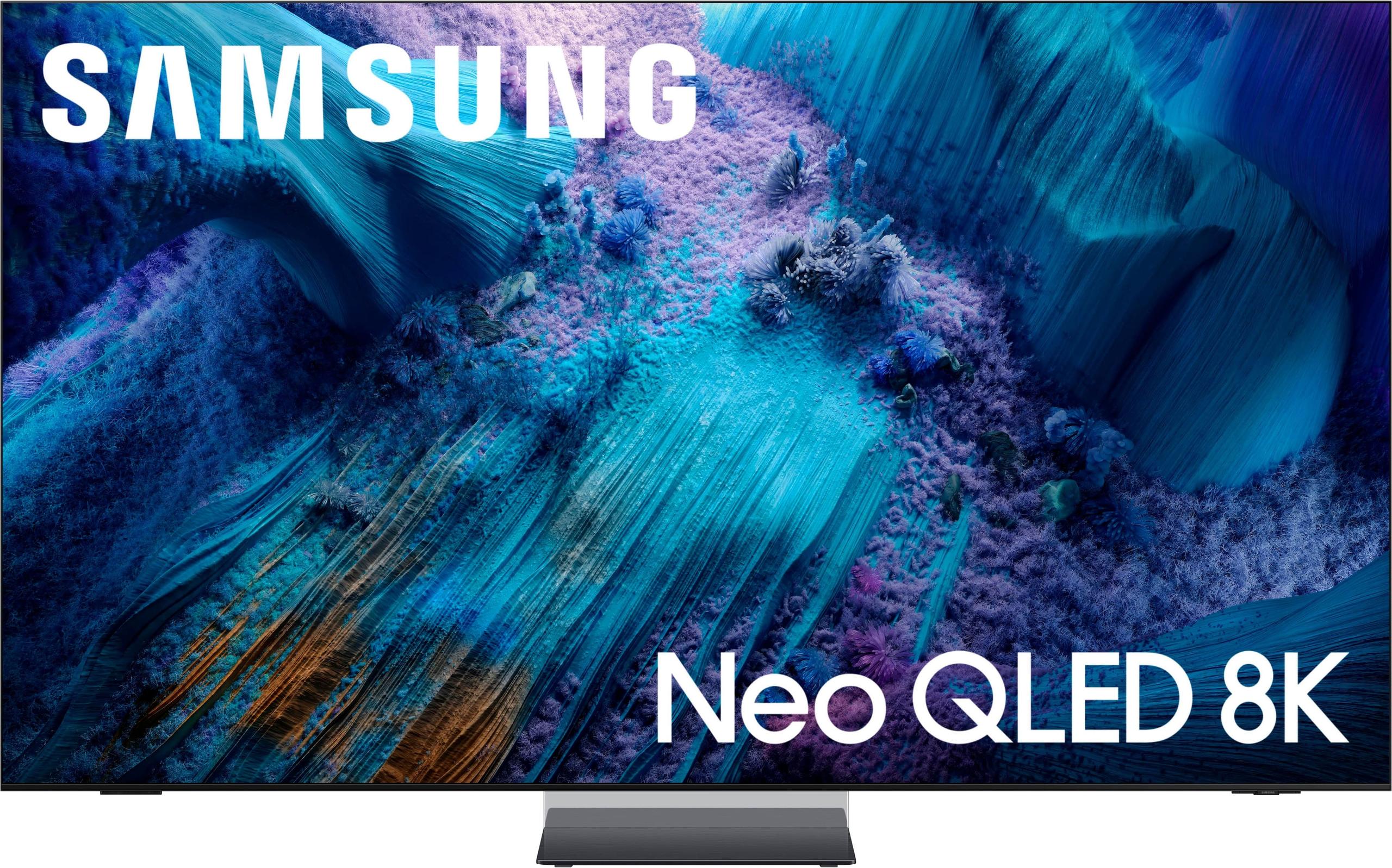
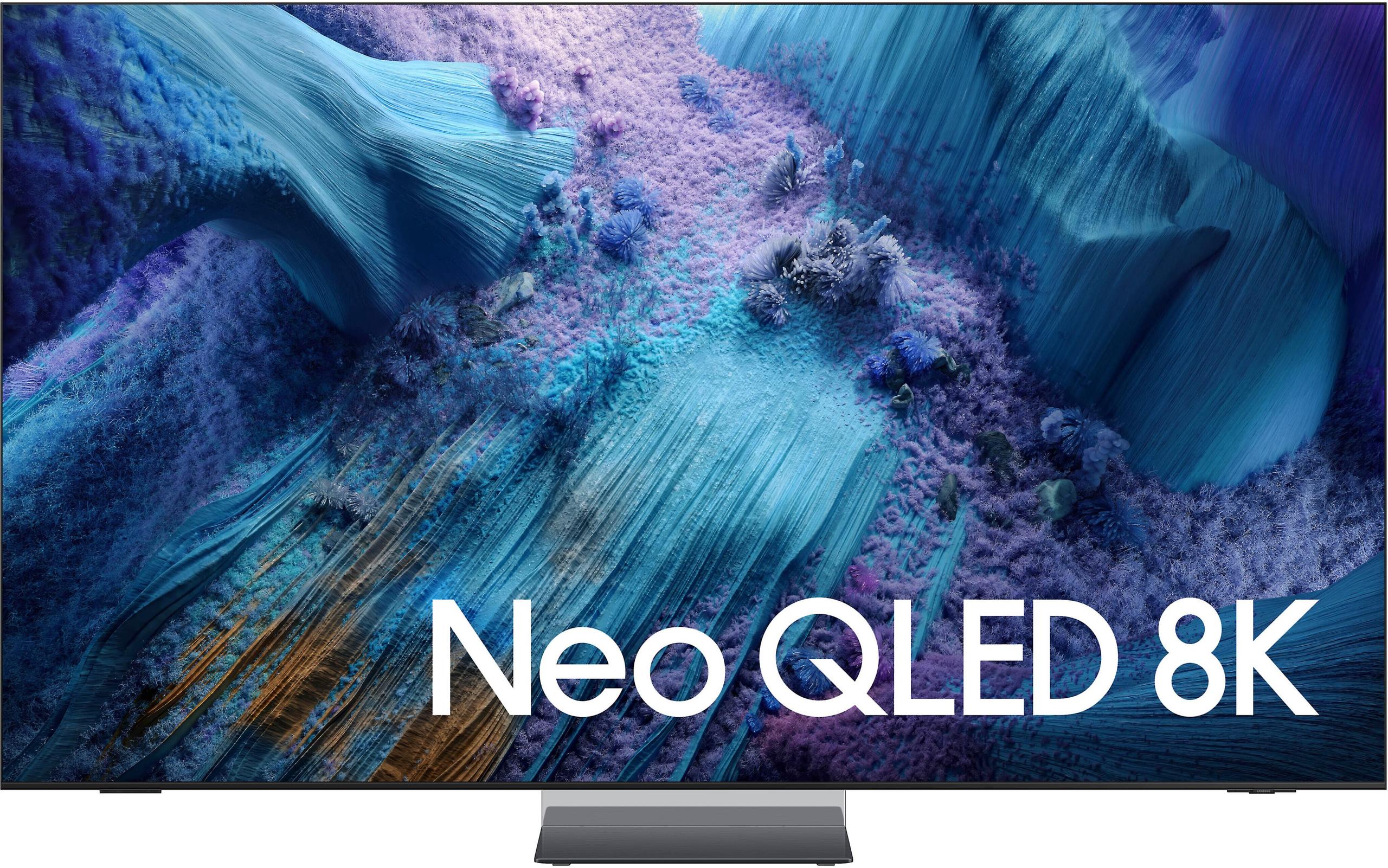
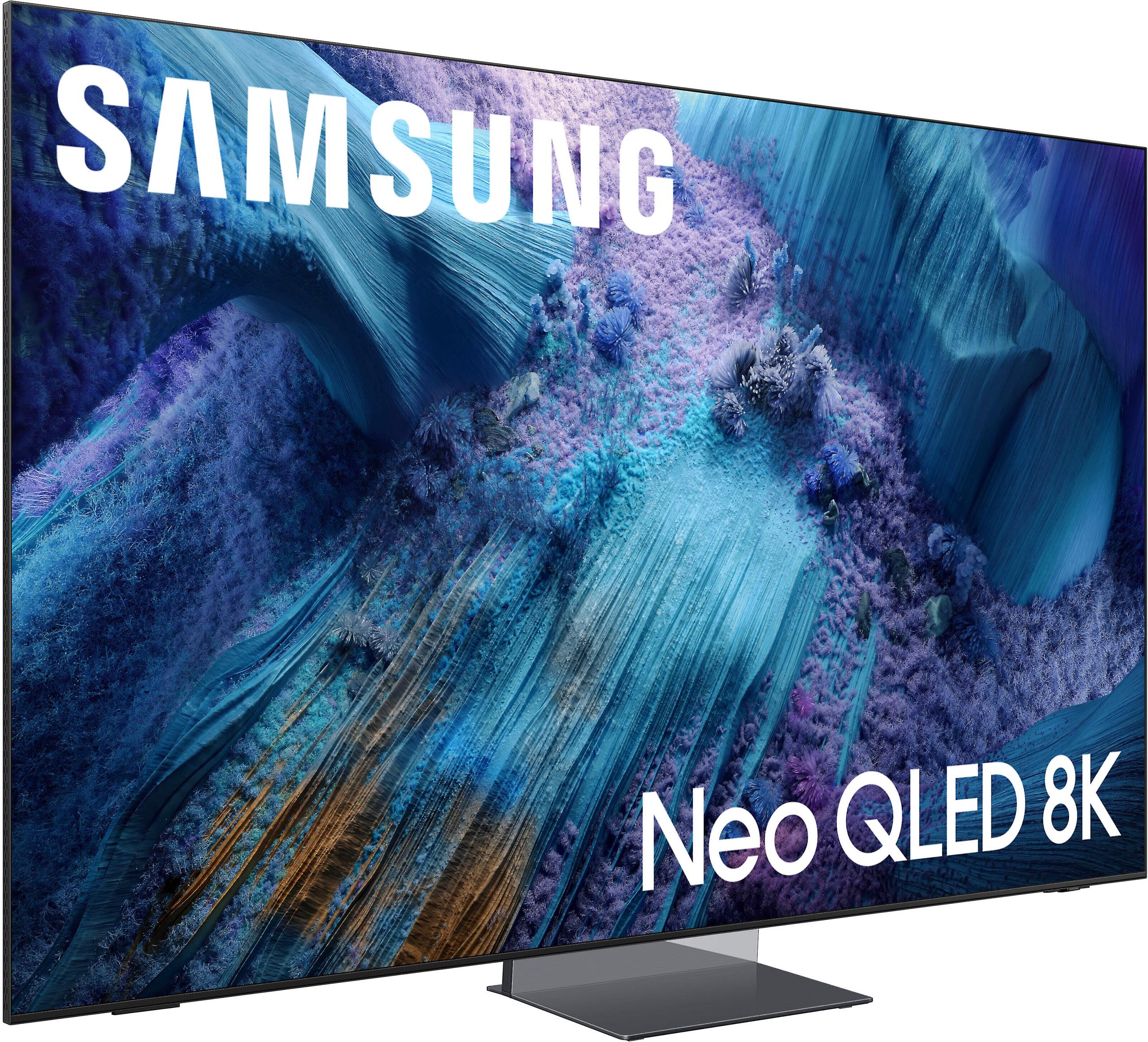

When shopping for a premium television in 2025, you're likely to encounter two dramatically different approaches to delivering an exceptional viewing experience. Samsung's latest lineup perfectly illustrates this divide with the 75-inch Q6F QLED and the 65-inch QN990F 8K Neo QLED – two TVs that couldn't be more different despite sharing the same brand.
The television market has evolved significantly since these models were released in 2025. Both represent Samsung's response to changing consumer demands: some viewers want maximum screen real estate for their entertainment dollar, while others prioritize cutting-edge technology and performance. Understanding which approach suits your needs requires digging into what makes each TV tick.
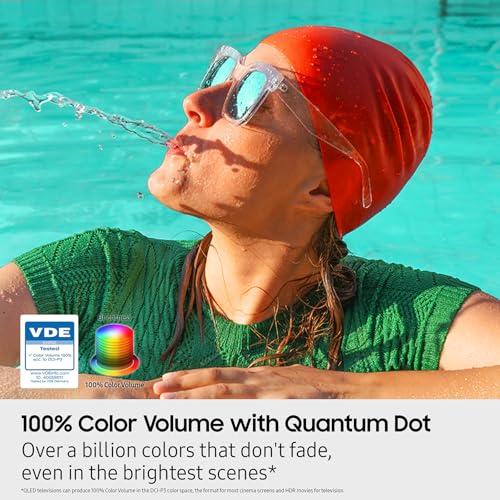
Before diving into specifics, it's worth understanding what we're dealing with. QLED stands for "Quantum Dot Light-Emitting Diode," which is essentially Samsung's marketing term for TVs that use quantum dots – tiny semiconductor particles that emit specific colors when hit by light. Think of quantum dots as extremely precise color filters that can produce more accurate and vibrant colors than traditional LED displays.
The key consideration when choosing any premium TV boils down to several factors: picture quality (brightness, contrast, and color accuracy), screen size, gaming capabilities, smart features, and value for money. In 2025, we're also seeing artificial intelligence become a major differentiator, with AI processors now handling everything from upscaling lower-resolution content to optimizing audio in real-time.
What makes this comparison particularly interesting is that these two Samsung models represent completely different philosophies. The Q6F prioritizes screen size and affordability, while the QN990F showcases Samsung's most advanced technology in a smaller package.
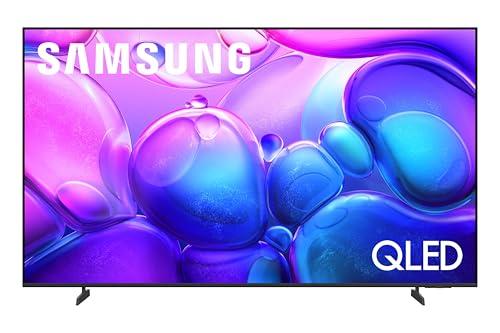
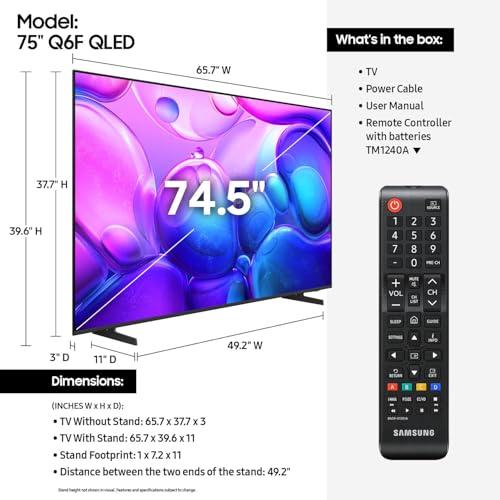
The 75-inch Q6F serves as Samsung's entry point into the QLED world, and at the time of writing, it's positioned as an affordable way to get both quantum dot technology and a massive screen. This TV uses what's called "edge-lit" backlighting, where LEDs are positioned around the edges of the screen rather than behind it. While this keeps costs down and makes the TV thinner, it also means less precise control over brightness in different areas of the screen.
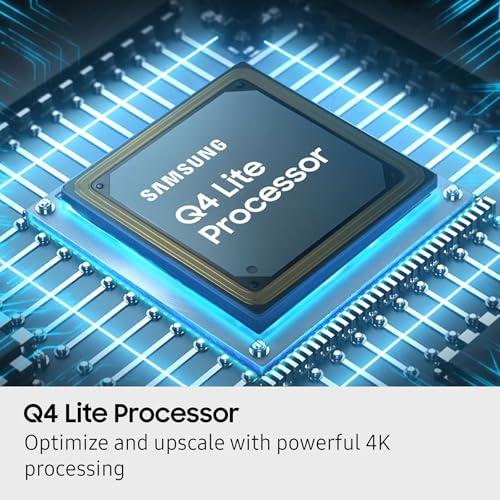
The Q6F runs on Samsung's Q4 Lite Processor, which handles basic 4K upscaling – the process of taking lower-resolution content and making it look better on a 4K screen. While it's not Samsung's most powerful chip, it does a respectable job of cleaning up streaming content and making standard HD broadcasts look more detailed on that large 75-inch panel.
For smart TV features, the Q6F includes Samsung's Tizen operating system with access to all major streaming apps, voice assistants, and Samsung's free TV Plus service. The interface is clean and responsive, though you won't find the advanced AI features that Samsung reserves for their premium models.
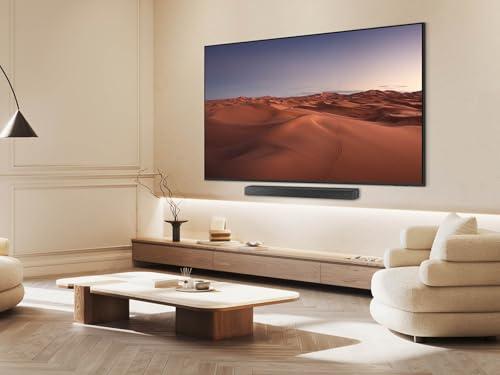
Where the Q6F particularly shines is in delivering that big-screen cinema experience at home. There's something undeniably impressive about a 75-inch display that makes movie nights feel more special. The quantum dot technology does produce noticeably more vibrant colors than you'd get from a basic LED TV, especially in reds and greens.
However, the trade-offs become apparent in demanding viewing situations. The edge-lit backlighting can't produce the deep blacks you'd get from more advanced local dimming systems (where different sections of the backlight can be controlled independently). This means dark movie scenes might look a bit washed out, and bright highlights won't pop as dramatically as they should in HDR content.
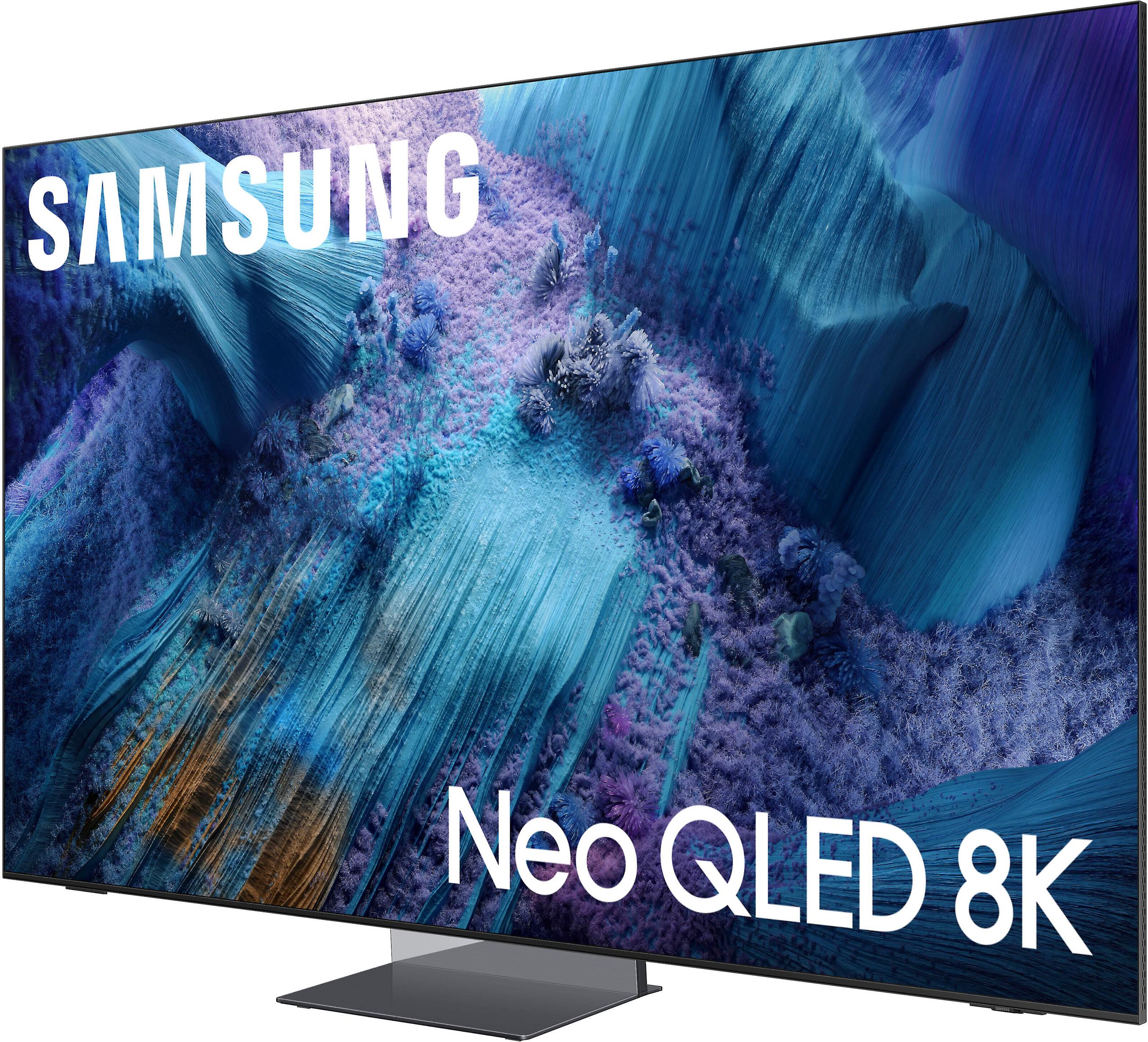
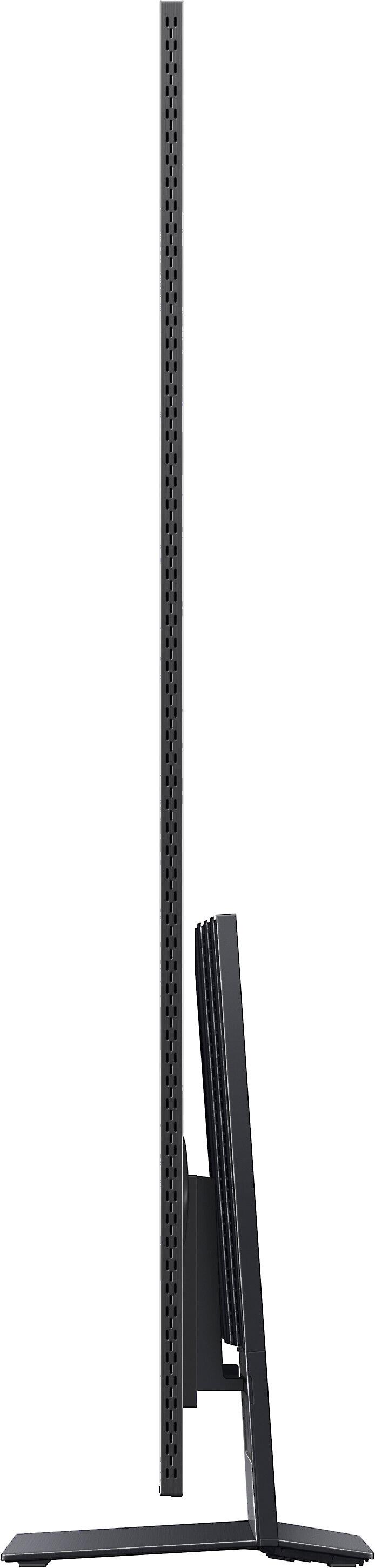
The QN990F 8K Neo QLED represents Samsung's technological tour de force for 2025. This TV uses what Samsung calls "Quantum Matrix Mini LED" technology – essentially thousands of tiny LEDs arranged behind the screen in a grid pattern. With over 1,920 local dimming zones (areas that can be brightened or darkened independently), this creates incredibly precise control over contrast.
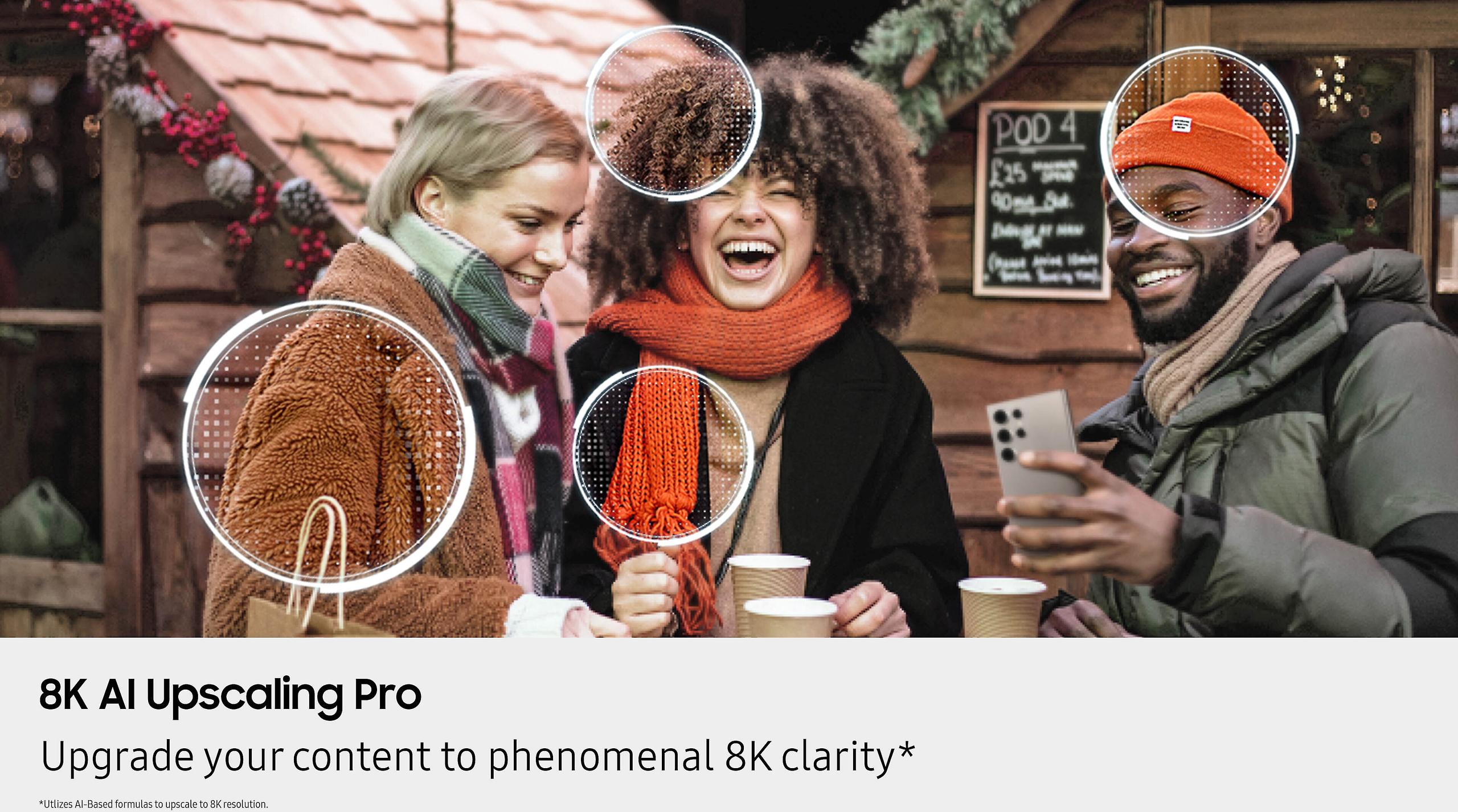
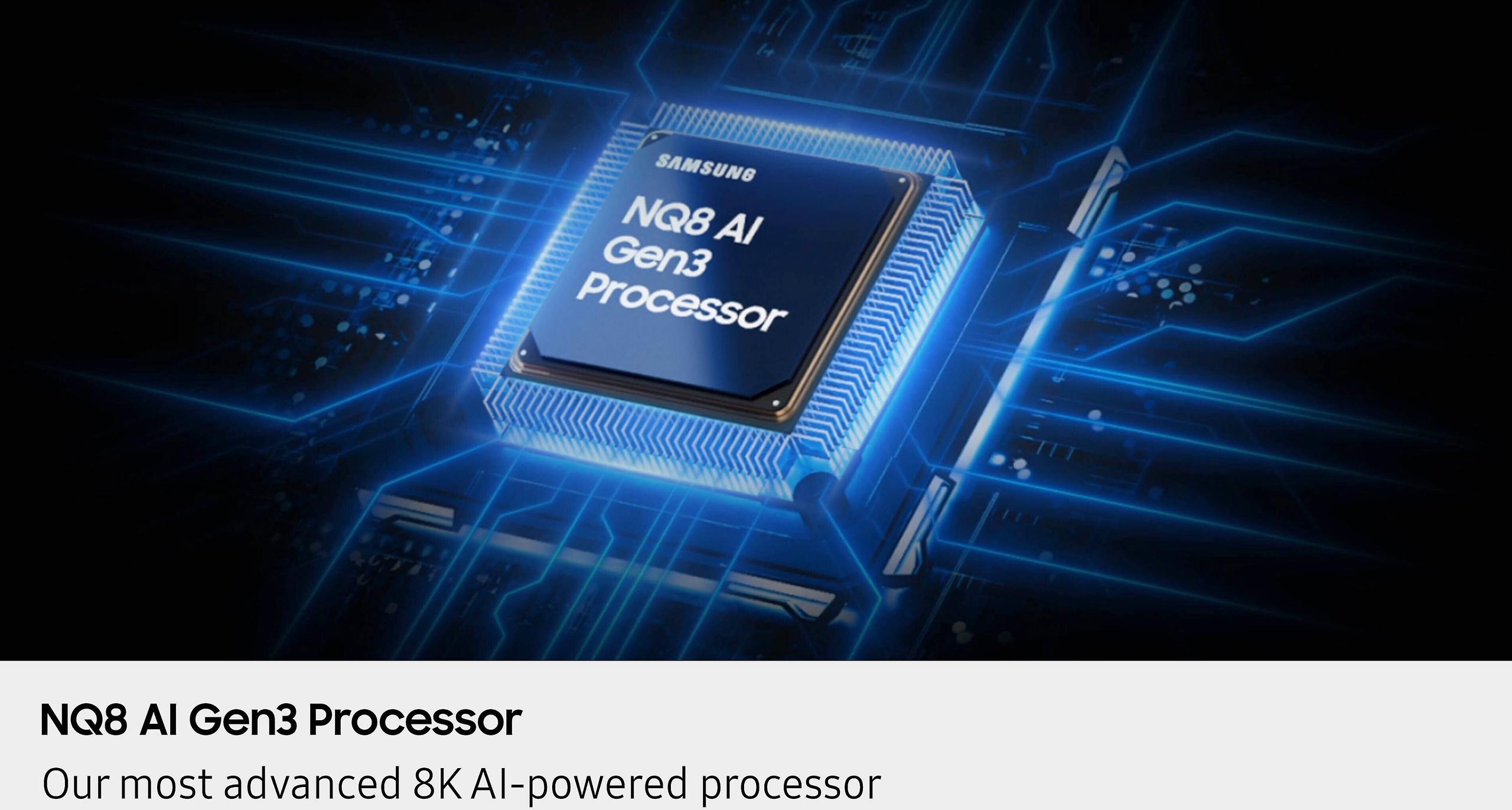
The "8K" designation means this TV has four times the resolution of standard 4K displays, though finding actual 8K content remains challenging in 2025. What matters more is the NQ8 AI Gen3 Processor, which uses 768 neural networks to analyze and enhance every frame. This processor can take 1080p Netflix streams or 4K Blu-rays and upscale them to look remarkably sharp on the 8K panel.
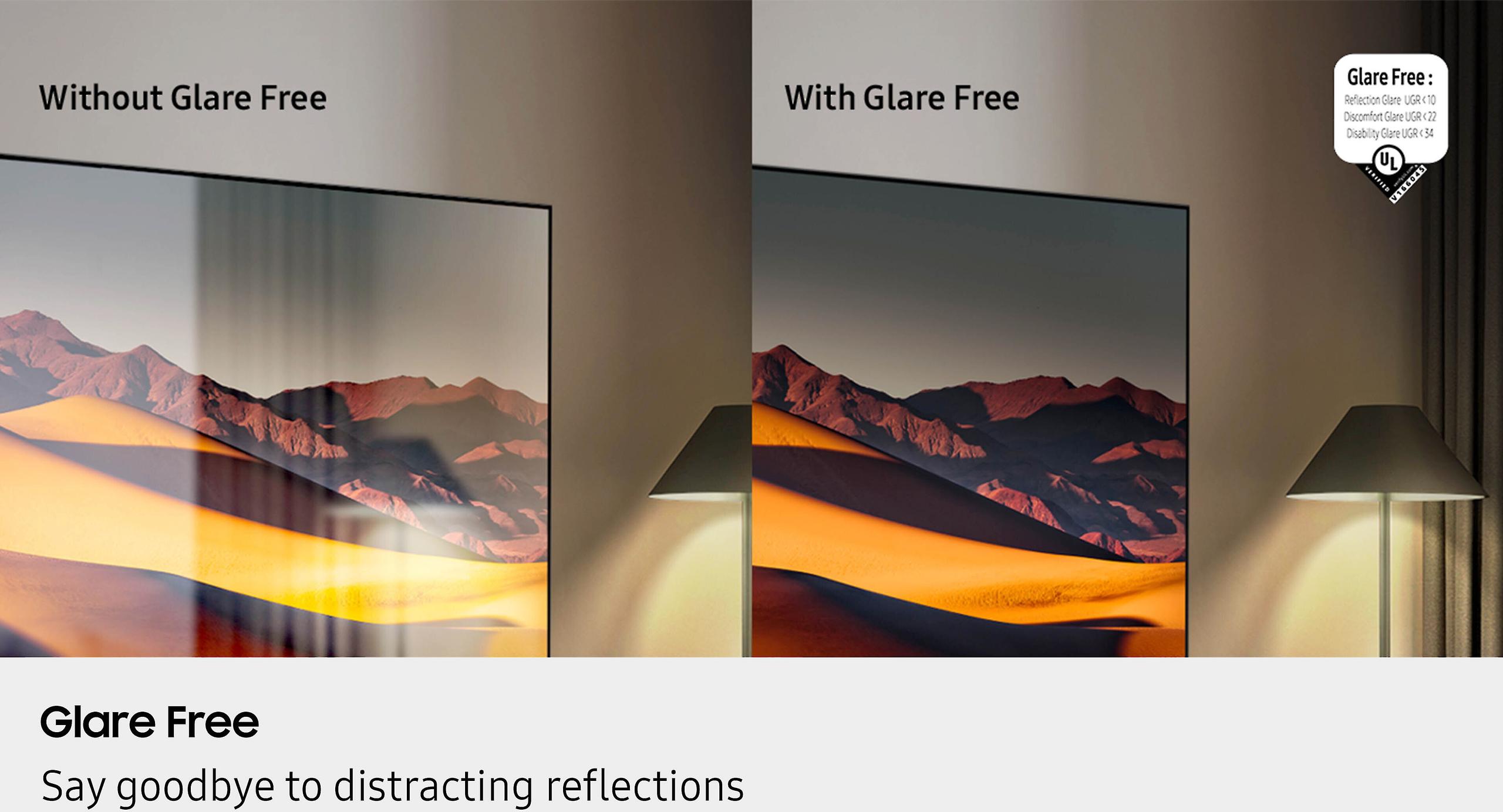
One of the QN990F's standout features is its glare-free screen coating. Unlike typical glossy TV screens that act like mirrors in bright rooms, this matte finish virtually eliminates reflections while maintaining excellent picture quality. Having evaluated TVs in various lighting conditions, this feature is genuinely game-changing for rooms with lots of windows or bright lighting.
The gaming capabilities of the QN990F are exceptional. It supports refresh rates up to 240Hz at 4K resolution, which means incredibly smooth motion in fast-paced games. For context, most TVs max out at 60Hz, and even good gaming TVs typically offer 120Hz. The 240Hz capability makes this TV future-proof for next-generation gaming consoles and high-end PC gaming.
Audio-wise, the QN990F includes Object Tracking Sound Pro, which uses multiple speakers positioned around the TV to create the illusion that sound is coming from specific locations on screen. When a car drives across the screen, you'll hear the engine sound move with it – it's surprisingly effective and reduces the immediate need for a separate sound system.
Picture quality represents the most significant divide between these TVs. The Q6F delivers good color reproduction and adequate brightness for most viewing situations, but it can't compete with the QN990F's advanced backlighting system.
Brightness and HDR Performance
HDR (High Dynamic Range) content is designed to show brighter whites and darker blacks than standard video. The Q6F can display HDR formats like HDR10+, but its limited peak brightness means those spectacular sunset scenes or bright explosions won't have the visual impact they should. Based on our research into user and expert reviews, the Q6F typically peaks around 400-500 nits of brightness, which is adequate but not impressive.
The QN990F, by contrast, can hit nearly 2,000 nits in small areas of the screen, with sustained brightness levels that make HDR content genuinely impactful. When watching something like a nature documentary with bright clouds and deep shadows, the difference is immediately apparent. The mini LED backlighting means bright objects can shine without washing out darker areas of the same scene.
Contrast and Black Levels
Contrast – the difference between the brightest and darkest parts of an image – is where the QN990F truly separates itself. Those 1,920+ local dimming zones can make parts of the screen nearly completely black while keeping other areas bright. This creates a more realistic, three-dimensional image quality that makes movies feel more immersive.
The Q6F's edge-lit design simply can't achieve this level of contrast control. Dark movie scenes tend to look more gray than black, and bright objects can cause "blooming" – unwanted light bleeding into dark areas around them.
Color Accuracy and Volume
Both TVs use quantum dot technology, so color reproduction is good on both. However, the QN990F's superior processor and calibration result in more accurate colors that match what content creators intended. The difference is subtle with most content but becomes more noticeable with high-quality 4K movies or professional content.
For gaming, the choice between these TVs is straightforward. The Q6F offers basic gaming features with a 60Hz refresh rate and reasonable input lag, making it suitable for casual console gaming. It supports Auto Game Mode, which optimizes settings when it detects a gaming console, but don't expect it to keep up with competitive gaming demands.
The QN990F is in a completely different league. The 240Hz refresh rate at 4K resolution means incredibly smooth motion in fast-paced games. Variable Refresh Rate (VRR) support eliminates screen tearing, while ultra-low input lag ensures your controller inputs register almost instantaneously on screen.
If you're serious about gaming – whether on a PlayStation 5, Xbox Series X, or high-end gaming PC – the QN990F provides a significant competitive advantage. The difference in smoothness and responsiveness is immediately noticeable in first-person shooters, racing games, or any title with fast motion.
Both TVs run Samsung's Tizen smart TV platform, but the experience differs significantly. The Q6F provides standard smart TV functionality: streaming apps, voice control, and basic content recommendations. It's reliable and user-friendly, though without any standout features.
The QN990F showcases Samsung's Vision AI technology, which actively analyzes what you're watching and optimizes both picture and sound accordingly. It can recognize different types of content – sports, movies, news – and adjust settings automatically. The TV can even translate on-screen text in real-time and respond to gesture controls.
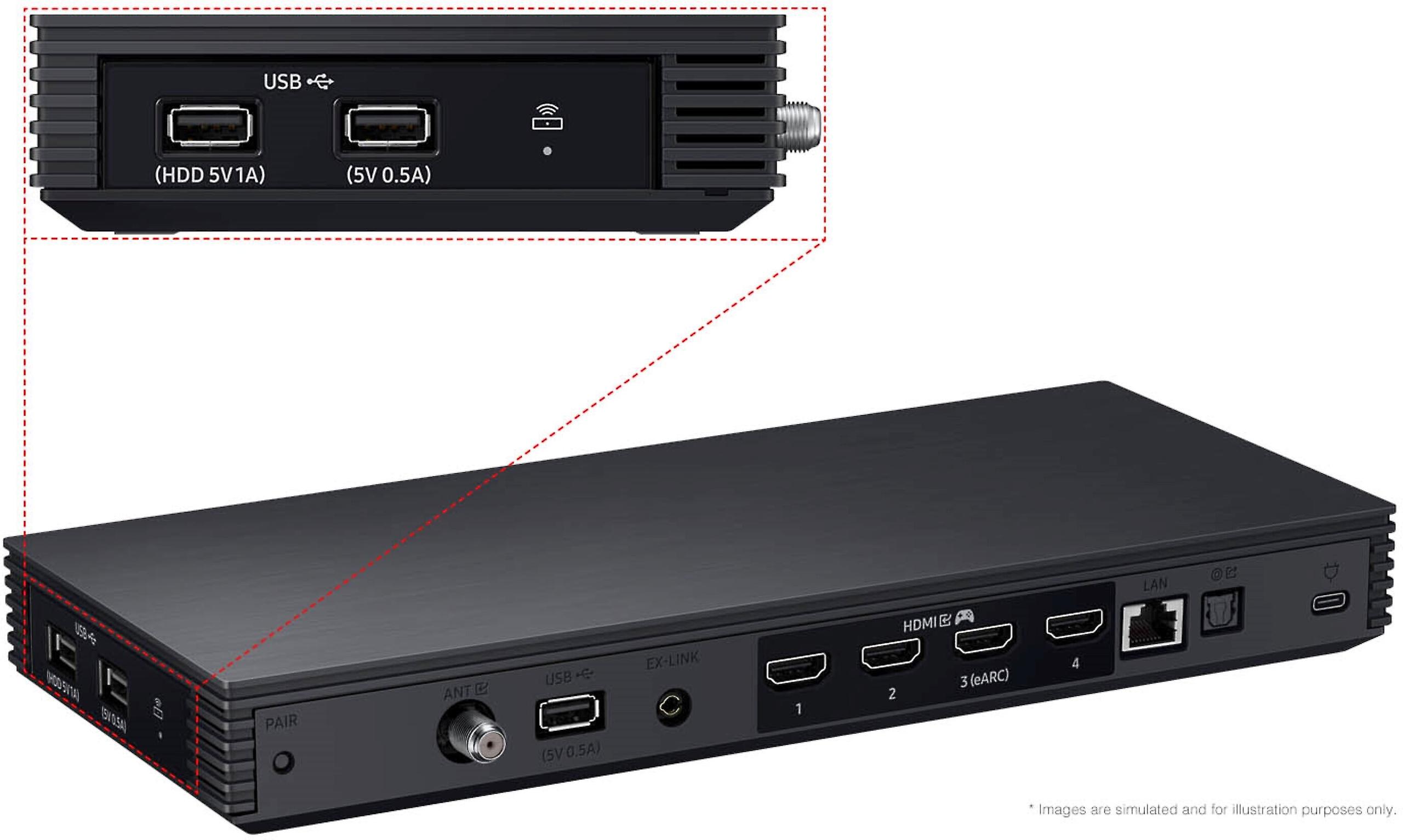
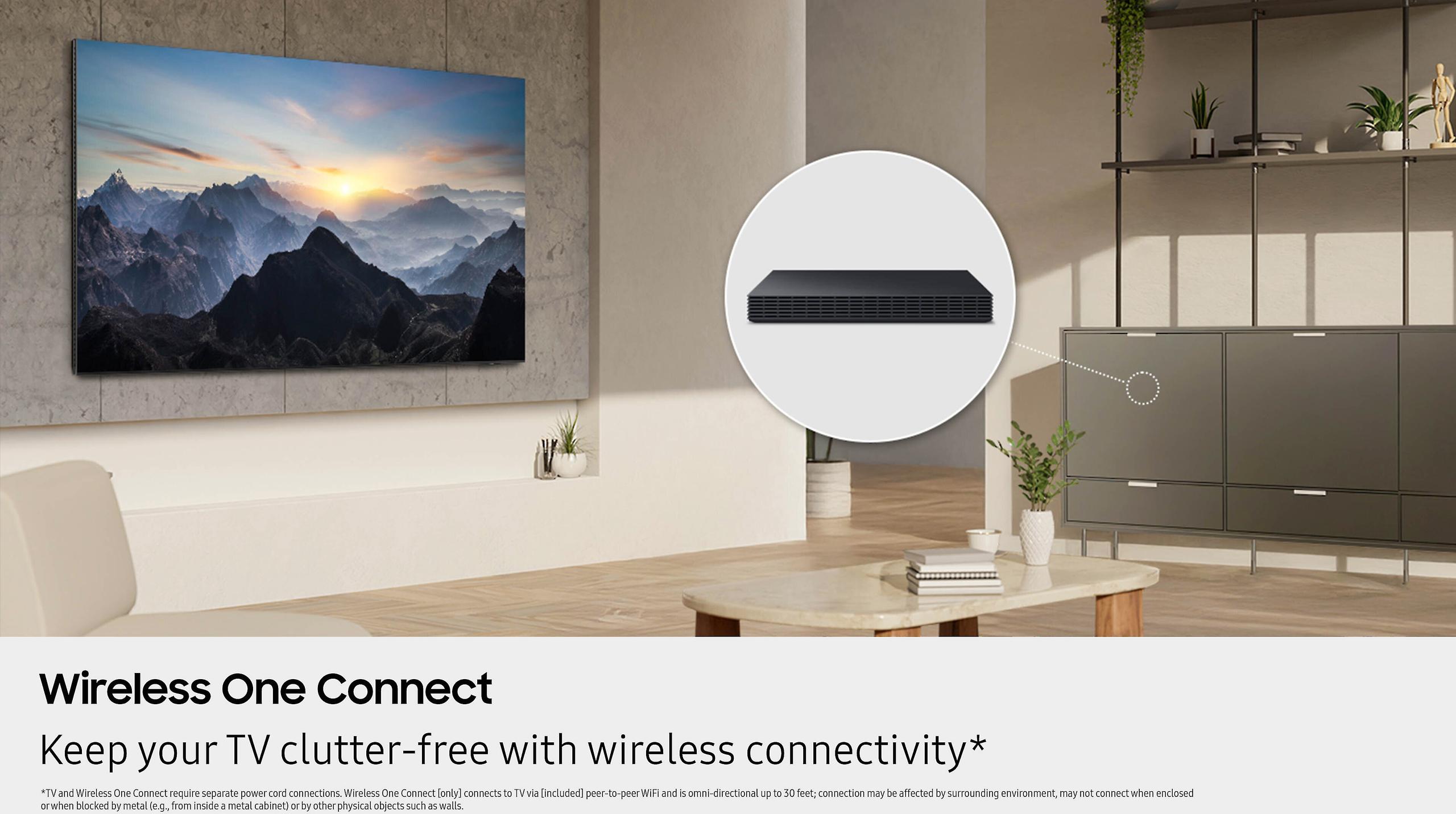
One particularly impressive feature is the Wireless One Connect box, which lets you connect all your devices (game consoles, cable boxes, etc.) to a separate unit that wirelessly transmits to the TV. This eliminates cable clutter and allows for much cleaner wall mounting – a genuine convenience that's rare in the TV world.
At the time of writing, the price difference between these TVs is substantial – the Q6F costs significantly less than the QN990F. This price gap reflects their completely different target markets and capabilities.
The Q6F offers excellent value if your priority is screen size and you primarily watch streaming content or cable TV. You're getting quantum dot color technology and a massive 75-inch screen at an entry-level QLED price. For families wanting a big-screen experience without premium pricing, it's hard to argue with the value proposition.
The QN990F commands premium pricing for premium performance. You're paying for cutting-edge mini LED technology, advanced AI processing, gaming capabilities, and build quality that will likely remain relevant for many years. While expensive, it delivers flagship performance that justifies the cost for enthusiasts.
For dedicated home theater setups, the choice depends on your priorities and room conditions. A properly calibrated QN990F in a controlled lighting environment will deliver reference-quality picture performance that rivals much more expensive projector setups. The glare-free screen particularly excels in rooms where controlling ambient light is challenging.
The Q6F can certainly anchor a home theater setup, especially if you're prioritizing that large-screen cinema experience. However, its limited contrast performance means you won't get the full impact of high-quality 4K movies, particularly in darker scenes.
For serious home theater enthusiasts, the QN990F's superior HDR performance, color accuracy, and contrast control make it worth the premium. The immersive audio features also reduce the immediate need for a complex surround sound system.
Choose the Samsung 75-inch Q6F if:
Choose the Samsung 65-inch QN990F 8K if:
Consider alternatives if:
These two TVs serve completely different purposes, and both succeed in their respective markets. The 75-inch Q6F maximizes screen size and delivers solid QLED performance at an accessible price point. It's an excellent choice for families wanting that big-screen experience without premium costs.
The 65-inch QN990F 8K represents the pinnacle of Samsung's TV technology, offering picture quality, gaming performance, and smart features that set new standards. While expensive, it delivers an experience that justifies the premium for enthusiasts and serious users.
Your choice ultimately depends on whether you prioritize size or technology. Both are excellent TVs within their respective categories, but they're designed for fundamentally different users with different needs and budgets. Consider your viewing habits, room conditions, and budget carefully – the right choice will serve you well for many years of entertainment.
| Samsung 75-Inch QLED Q6F Series 2025 | Samsung 65" Neo QLED QN990F 8K Smart TV 2025 |
|---|---|
| Screen Size - Bigger screen creates more immersive viewing experience | |
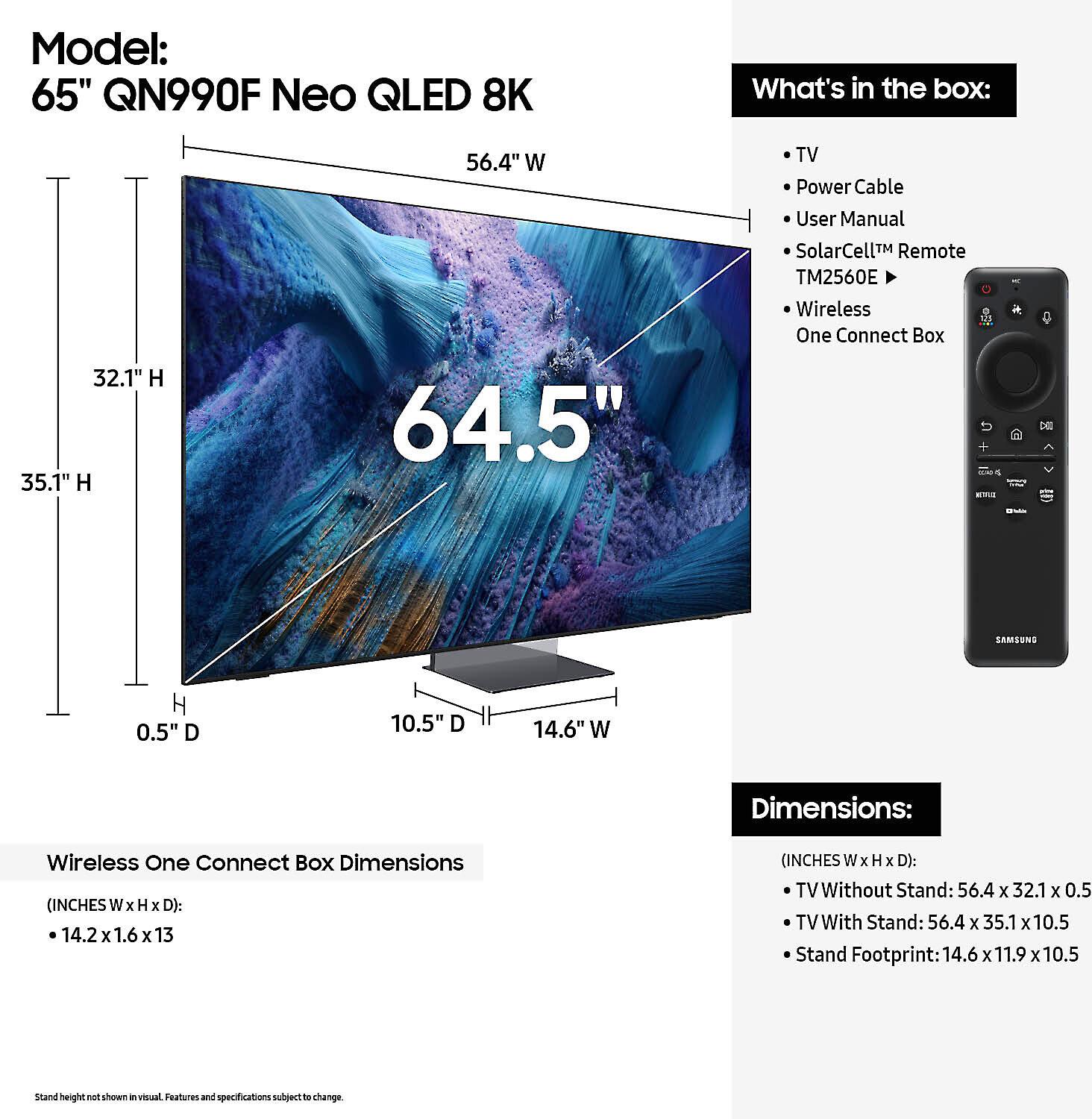
| 75 inches (much larger for movie nights) | 65 inches (10 inches smaller but premium tech) |
| Resolution - Higher resolution means sharper detail, though 8K content is limited | |
| 4K (3840 x 2160) - perfect for current content | 8K (7680 x 4320) - future-proof but limited content |
| Backlight Technology - Controls contrast and black levels, most important for picture quality | |
| Edge-lit LED (basic contrast control) | Quantum Matrix Mini LED with 1,920+ zones (exceptional blacks) |
| Peak Brightness - Determines HDR impact and visibility in bright rooms | |
| ~500 nits (adequate for most rooms) | ~2,000 nits (stunning HDR performance) |
| Refresh Rate - Critical for gaming and sports viewing smoothness | |
| 60Hz (basic performance) | Up to 240Hz at 4K (exceptional gaming performance) |
| Processor - Handles upscaling and smart features | |
| Q4 Lite Processor (basic upscaling) | NQ8 AI Gen3 with 768 neural networks (advanced AI) |
| Screen Coating - Affects viewing in bright rooms | |
| Glossy finish (reflections in bright rooms) | Glare-free matte coating (excellent for any lighting) |
| Gaming Features - Important for console and PC gaming | |
| Auto Game Mode, basic VRR | 240Hz, ultra-low lag, advanced VRR (competitive gaming ready) |
| Audio System - Determines if you need external speakers | |
| 20W 2-channel with OTS Lite | Multi-channel Object Tracking Sound Pro with Dolby Atmos |
| Smart Features - AI capabilities and user experience | |
| Standard Tizen platform | Vision AI with real-time optimization and gesture control |
| Connectivity - Future-proofing for devices | |
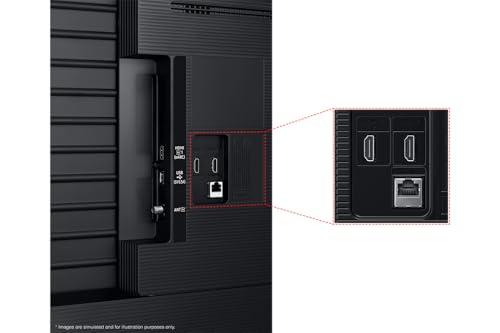
| 3 HDMI ports, Wi-Fi 5 | Wireless One Connect box (cable-free setup) |
| Target User - Who each TV is designed for | |
| Budget-conscious buyers wanting maximum screen size | Premium users prioritizing picture quality and gaming |
| Best Use Case - Where each TV excels | |
| Family movie nights and casual streaming | Home theater setups and serious gaming |
The Samsung 65" Neo QLED QN990F 8K is significantly better for gaming with its 240Hz refresh rate at 4K, ultra-low input lag, and advanced VRR support. The Samsung 75-Inch QLED Q6F only offers 60Hz refresh rate and basic gaming features, making it suitable for casual gaming but not competitive play.
The biggest difference is the backlight technology. The QN990F uses Quantum Matrix Mini LED with over 1,920 local dimming zones for exceptional contrast and deeper blacks, while the Q6F uses basic edge-lit LED backlighting with limited contrast control. The QN990F also reaches much higher peak brightness for better HDR performance.
The Samsung 75-Inch QLED Q6F offers better value if you prioritize screen size and basic QLED features at a lower cost. However, the Samsung 65" Neo QLED QN990F provides better long-term value for enthusiasts who want premium picture quality, gaming capabilities, and future-proofing features.
While 8K content remains limited, the QN990F's 8K resolution combined with its advanced AI upscaling makes lower-resolution content look remarkably sharp. The real value comes from the premium mini LED technology and processing power rather than native 8K content availability.
The Samsung 65" Neo QLED QN990F is much better for bright rooms thanks to its glare-free matte screen coating and higher peak brightness (~2,000 nits). The Q6F has a glossy screen that can reflect light and lower brightness that may struggle in very bright environments.
The Samsung 65" Neo QLED QN990F has significantly more advanced smart features with Samsung Vision AI, real-time content optimization, gesture controls, and live translation. The Samsung 75-Inch QLED Q6F offers standard Tizen smart TV features but lacks the advanced AI processing capabilities.
For serious home theater use, the Samsung 65" Neo QLED QN990F is the clear winner with its superior contrast, color accuracy, HDR performance, and glare-free screen. While the 75-Inch Q6F offers a larger screen experience, the QN990F delivers reference-quality picture that maximizes high-end content.
The Samsung 65" Neo QLED QN990F is more future-proof with 8K resolution, advanced AI processing, high refresh rate gaming support, and premium build quality. The Samsung 75-Inch QLED Q6F will handle current 4K content well but may become outdated sooner as technology advances.
Choose the Q6F if maximum screen size is most important for family viewing and you have budget constraints. Choose the QN990F if you prioritize picture quality, gaming performance, or plan to use the TV for many years. Consider your viewing habits, room conditions, and whether the technology benefits justify the smaller screen size.
We've done our best to create useful and informative comparisons to help you decide what product to buy. Our research uses advanced automated methods to create this comparison and perfection is not possible - please contact us for corrections or questions. These are the sites we've researched in the creation of this article: youtube.com - rtings.com - cnet.com - youtube.com - rtings.com - samsung.com - bestbuy.com - samsung.com - samsung.com - bestbuy.com - manuals.plus - arrowassociatedstores.com - samsung.com - samsung.com - samsung.com - flatpanelshd.com - device.report - samsung.com - abt.com - bestbuy.com - pcnation.com - samsung.com - videoandaudiocenter.com - exertisalmo.com - displayspecifications.com - theapplianceplug.com - news.samsung.com

Privacy Policy
Terms and Conditions - Affiliate Policy
Home Security
© Copyright 2008-2026.
11816 Inwood Rd #1211, Dallas, TX 75244