

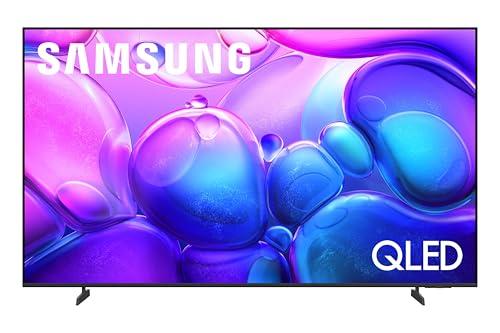
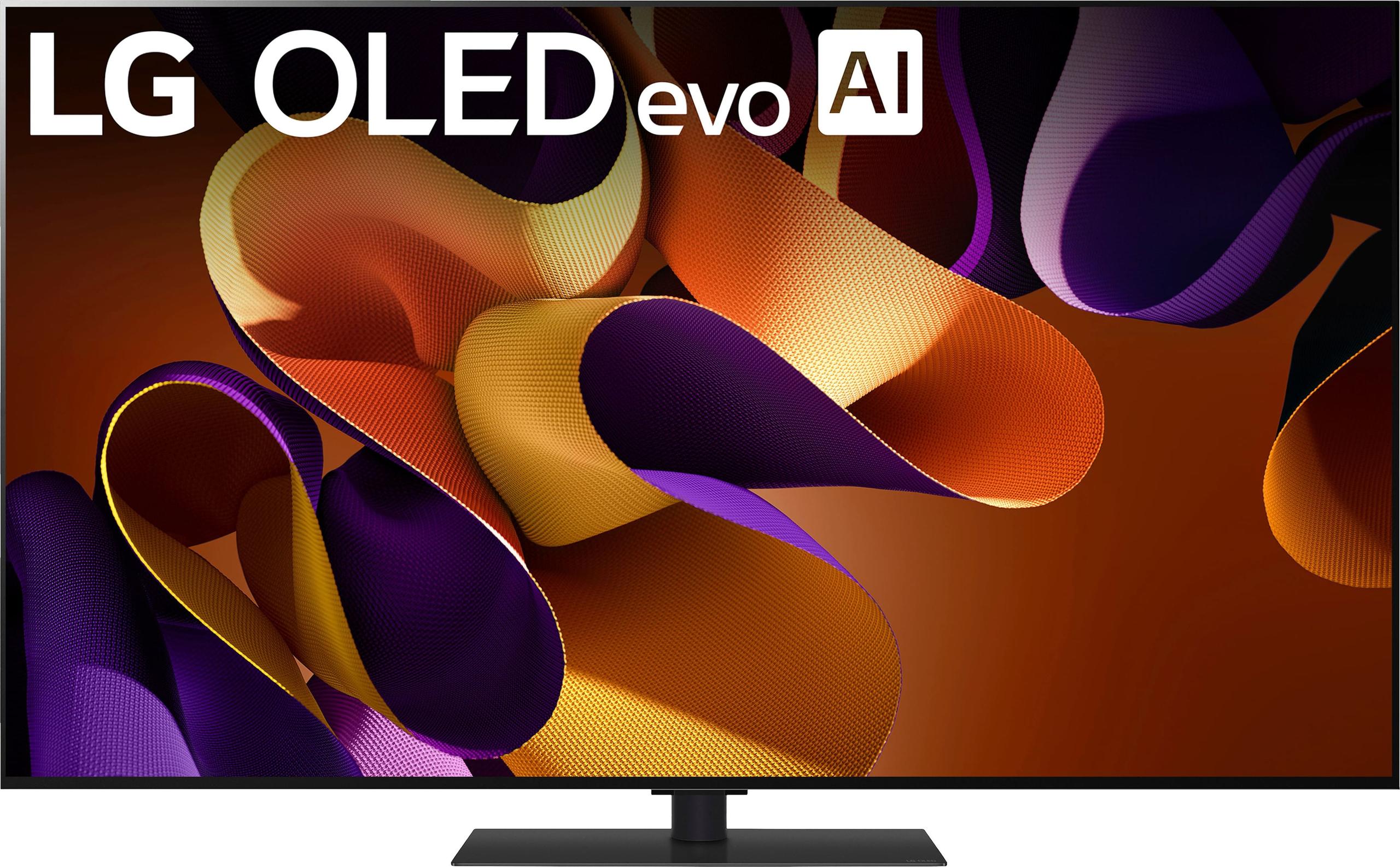
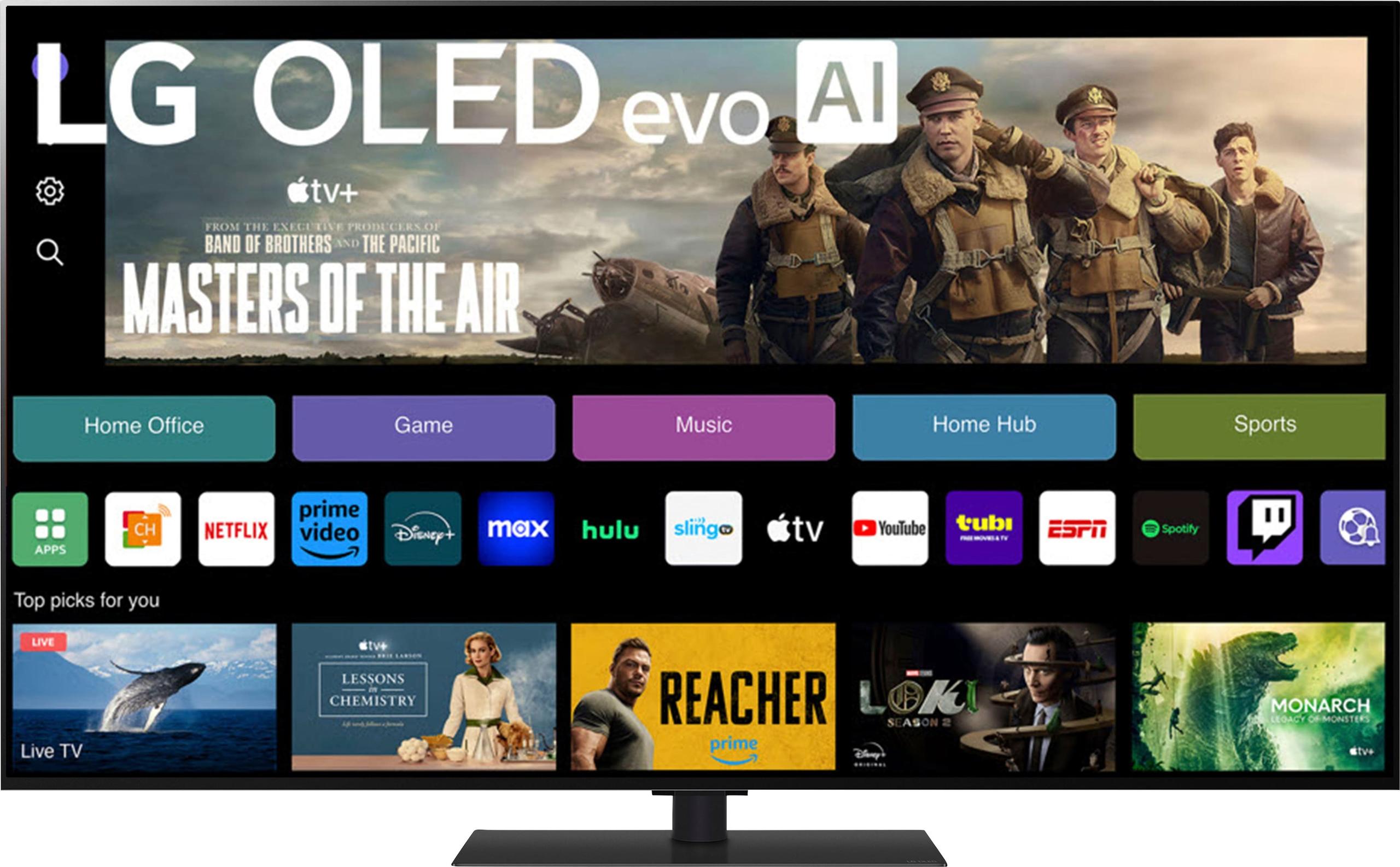
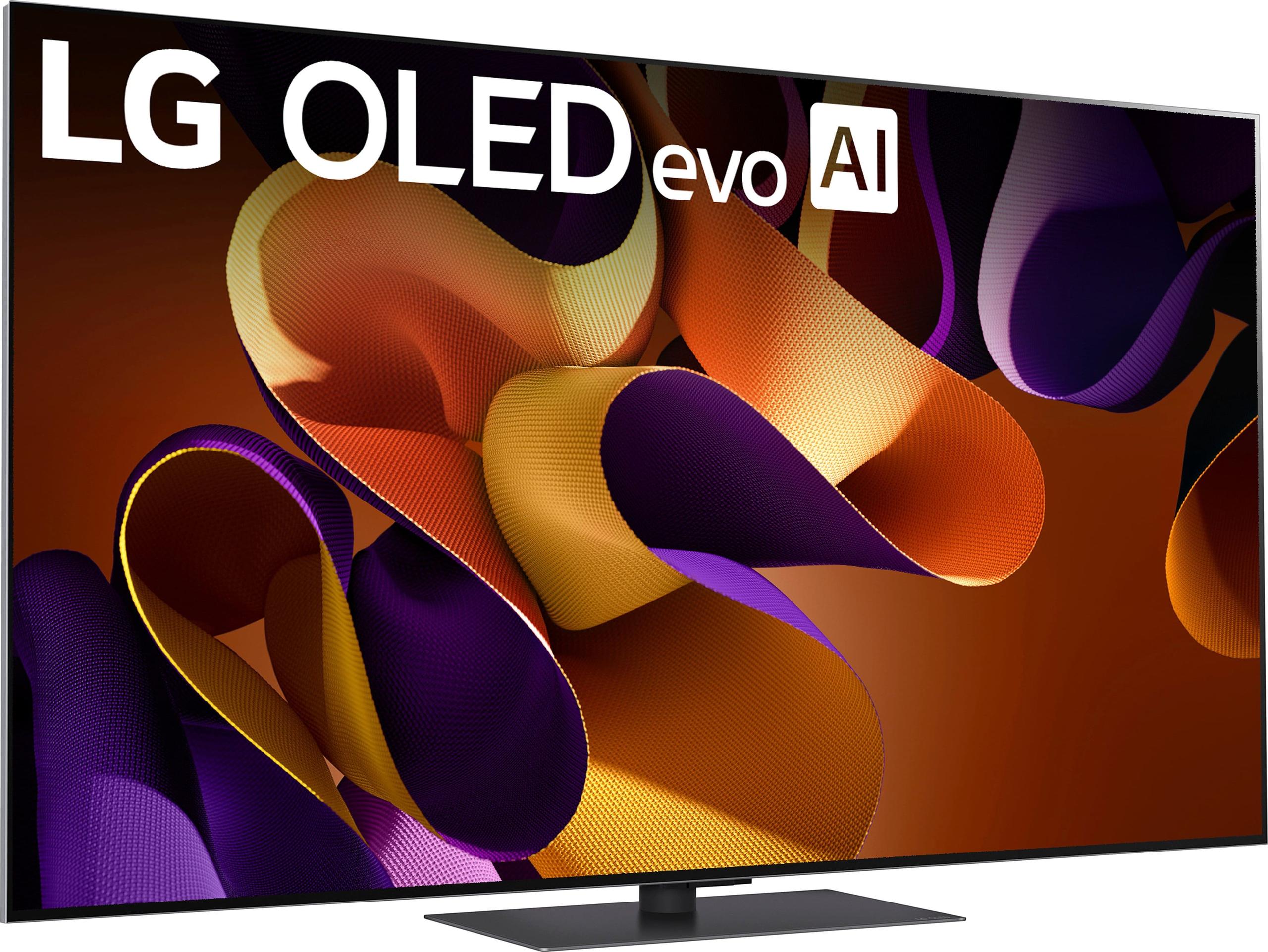
The TV market has never been more exciting—or more confusing. Two fundamentally different display technologies are battling for your living room, each promising the ultimate viewing experience. On one side, we have Samsung's quantum dot QLED technology, represented by the Samsung 75-Inch QLED Q6F Series 2025. On the other, LG's self-emissive OLED technology, showcased in the LG 65" G4 Series OLED evo 4K UHD Smart TV 2024.
But here's the thing: these aren't just different brands competing—they're entirely different approaches to creating images on your screen. Understanding these differences is crucial because choosing the wrong technology for your specific needs could leave you disappointed, regardless of how much you spend.
Before diving into specifics, let's understand what makes these technologies tick. QLED stands for Quantum Dot Light Emitting Diode—essentially, it's an LED TV enhanced with nanoscale crystals called quantum dots. These tiny particles, when hit by light from an LED backlight, emit very pure colors. Think of them as incredibly precise color filters that make reds redder and blues bluer.
OLED, or Organic Light Emitting Diode, takes a completely different approach. Instead of a backlight shining through layers of filters, each pixel creates its own light using organic compounds that glow when electricity passes through them. This means each of the 8.3 million pixels in a 4K OLED can turn completely on, completely off, or anywhere in between—independently.
The Samsung Q6F, released in 2025, represents Samsung's entry-level QLED offering, while the LG G4, launched in 2024, sits at the premium end of LG's OLED lineup. This comparison isn't entirely apples-to-apples in terms of market positioning, but it perfectly illustrates the practical choices many buyers face: a larger, budget-friendly QLED versus a smaller, premium OLED.
This is where the fundamental technology difference becomes immediately apparent. The LG G4 can produce what we call "true blacks" because individual pixels can turn completely off. When you're watching a movie scene in space, those black areas aren't just dark gray—they're actually black, creating an infinite contrast ratio that's impossible for any backlit display to match.
The Samsung Q6F, like all LED-backlit TVs, faces a physical limitation: the backlight is always on. Even when trying to display black, some light inevitably leaks through, resulting in what's often called "dark gray" rather than true black. This doesn't mean the picture looks bad—Samsung's quantum dot technology produces excellent contrast for a backlit display—but side-by-side with an OLED, the difference is unmistakable.
However, contrast isn't just about black levels. The Samsung Q6F can achieve much higher peak brightness than most OLEDs, including older models. While the LG G4 features "Brightness Booster Max" technology that makes it up to 150% brighter than previous LG OLEDs, it still likely peaks at lower brightness levels than the Samsung in very bright highlights.
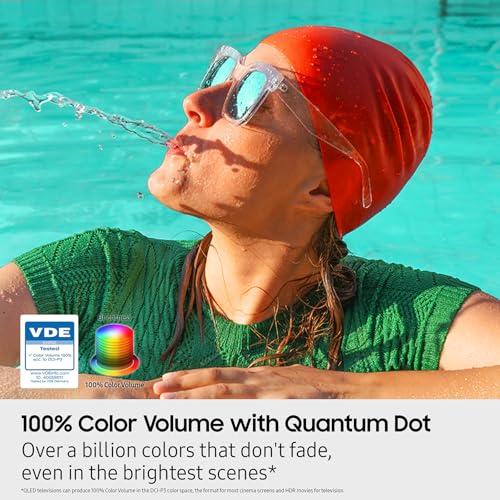
Both TVs claim 100% color volume, but they achieve this differently. The Samsung Q6F's quantum dots create exceptionally pure colors by filtering the LED backlight very precisely. The result is particularly vibrant reds and blues that can look stunning, especially with animated content or sports.
The LG G4 takes a different approach, focusing on color accuracy and naturalness. Its OLED pixels can produce colors without the filtering process required by quantum dots, potentially resulting in more natural, film-accurate colors. Professional reviewers consistently note that premium OLEDs like the G4 tend to produce colors that look more "correct" to human perception, especially in skin tones.
For most viewers, both approaches work well, but your preference might depend on content type. The Samsung's more saturated approach can make sports and animated content pop, while the LG's natural accuracy shines with movies and documentaries.
High Dynamic Range (HDR) is where these technologies show their biggest differences. HDR content includes information about very bright and very dark parts of an image, requiring a TV that can display both extremes well.
The Samsung Q6F excels at bright HDR highlights. When watching a scene with bright sunlight or explosions, the quantum dot enhancement and high peak brightness can create impressive, eye-catching highlights. However, the edge-lit LED backlight (without local dimming zones) means dark areas in the same scene might appear washed out.
The LG G4 offers a more balanced HDR experience. While it might not hit the same peak brightness levels as the Samsung, its ability to turn pixels completely off means dark areas in HDR content look genuinely dark. This creates a more realistic overall image where you can see details in both shadows and highlights simultaneously.
Gaming has become a crucial TV consideration, especially with PlayStation 5 and Xbox Series X capable of 4K gaming at high frame rates. Here, the technology gap becomes a chasm.
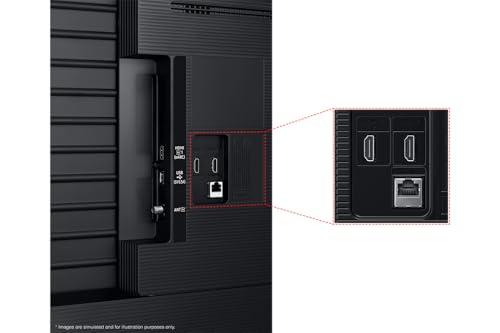
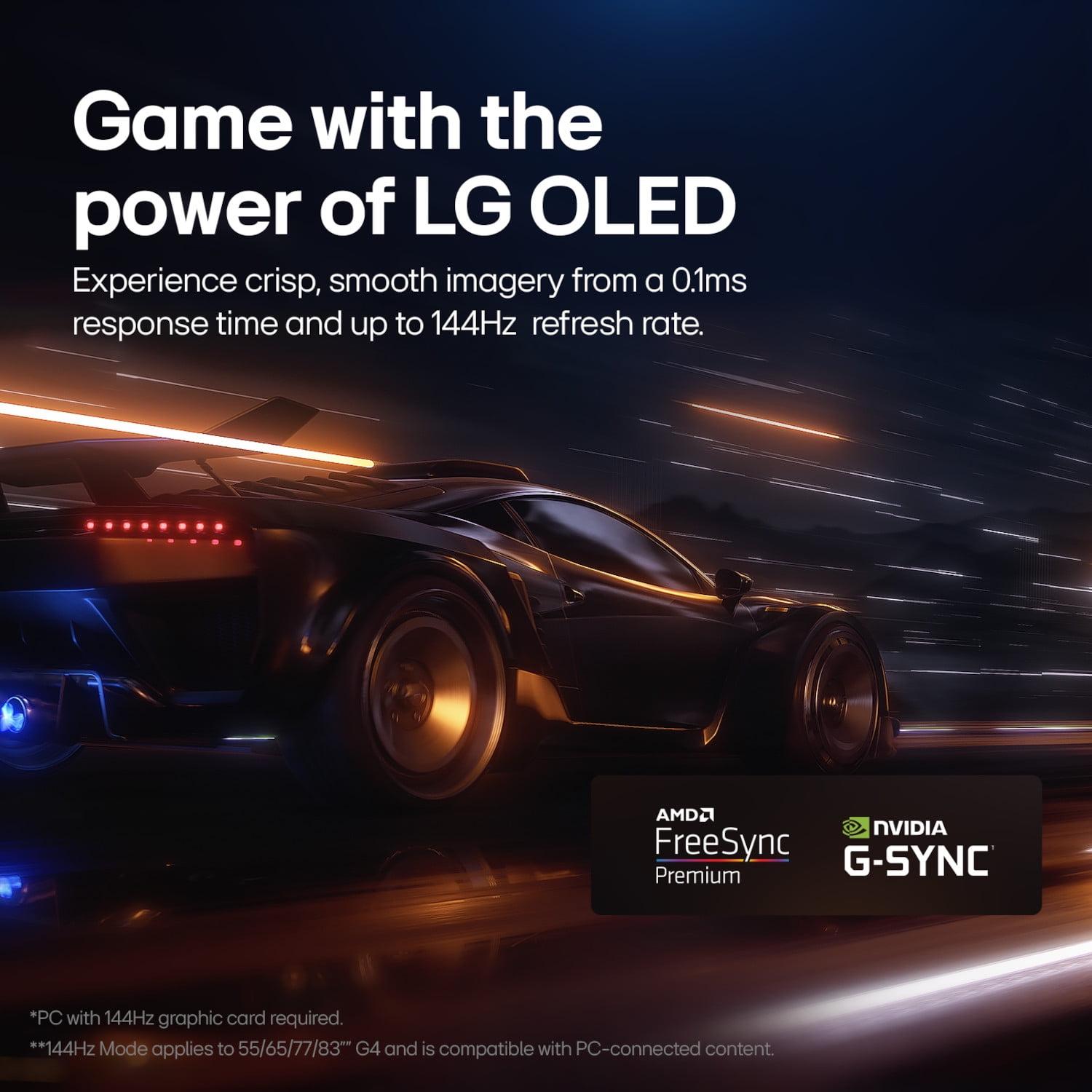
The LG G4 is built for modern gaming. Its OLED technology provides response times as low as 0.1 milliseconds—essentially instantaneous. It supports refresh rates up to 144Hz and includes Variable Refresh Rate (VRR) technology, which synchronizes the TV's refresh rate with your gaming device to eliminate screen tearing and stuttering. With four HDMI 2.1 ports, you can connect multiple gaming devices without compromising on features.
The Samsung Q6F, positioned as a budget-friendly option, makes significant compromises in gaming performance. Its 60Hz refresh rate means it can't take advantage of higher frame rate gaming that newer consoles offer. While it includes basic gaming features like Auto Game Mode, it lacks the advanced gaming technologies that serious gamers expect.
If gaming is important to you, the choice is clear: the LG G4 offers a significantly superior experience that will remain relevant for years as games become more demanding.
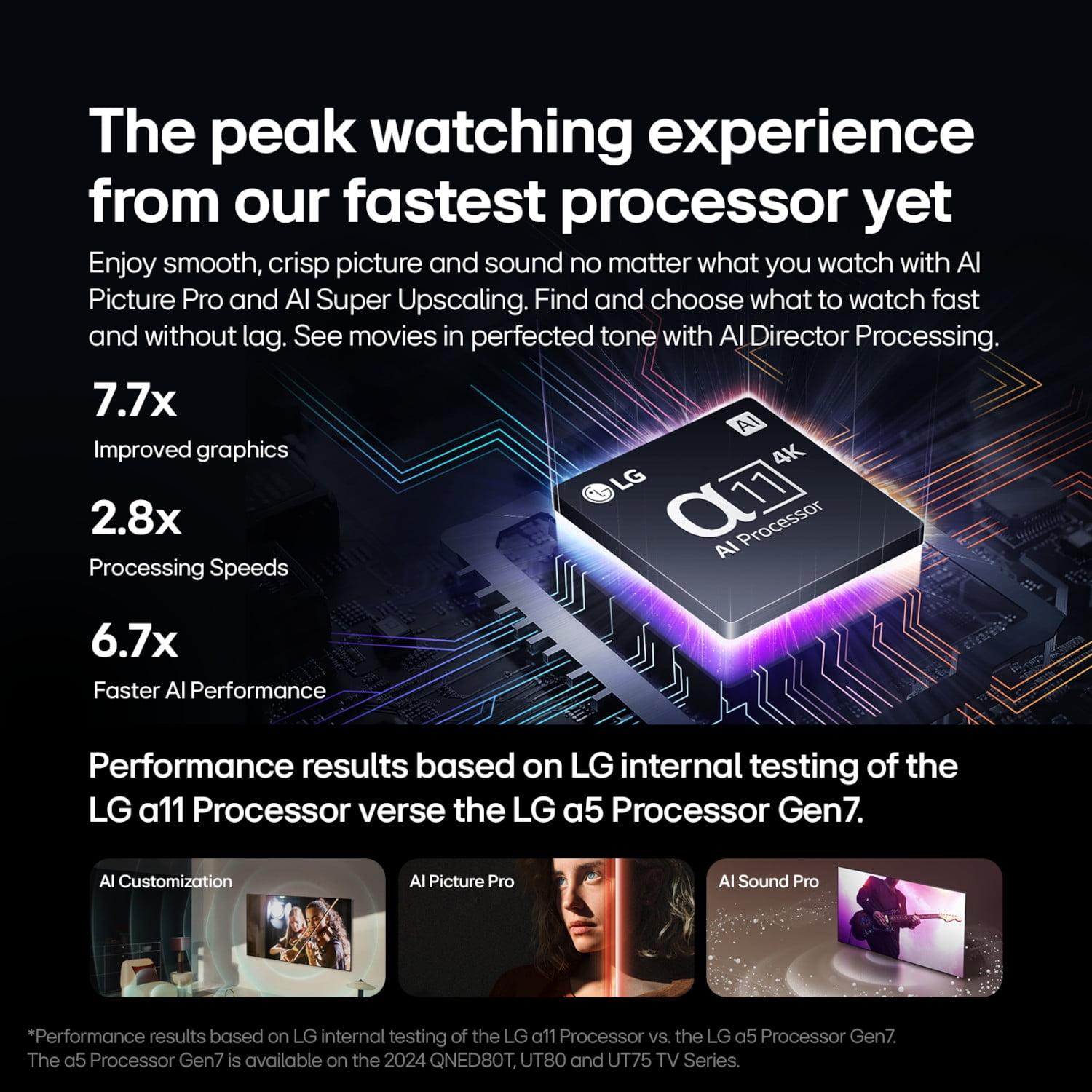
Both TVs include built-in audio systems, but with different approaches and capabilities. The LG G4 features a 4.2 channel, 60-watt system with Dolby Atmos support. Its α11 AI processor can virtually upmix audio to simulate an 11.1.2 surround sound system, creating a more immersive audio experience from the built-in speakers.
The Samsung Q6F uses a simpler 2-channel, 20-watt system with Object Tracking Sound Lite, which tries to match audio to visual action on screen. While adequate for casual viewing, it lacks the power and sophistication of the LG's system.
However, both TVs benefit significantly from external audio systems. The LG supports Q-Symphony technology when paired with compatible LG soundbars, while the Samsung offers Q-Symphony compatibility with Samsung soundbars for synchronized audio between TV speakers and soundbar.
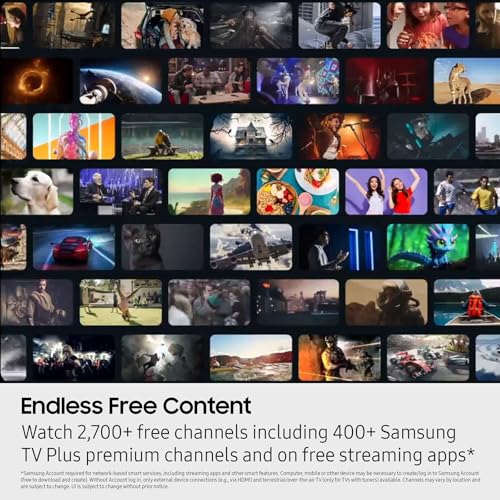
Both TVs run mature, feature-rich smart TV platforms that handle streaming services, voice control, and smart home integration well. The Samsung Q6F uses Tizen, Samsung's proprietary system, which offers excellent integration with Samsung devices and includes Samsung TV Plus with hundreds of free streaming channels.
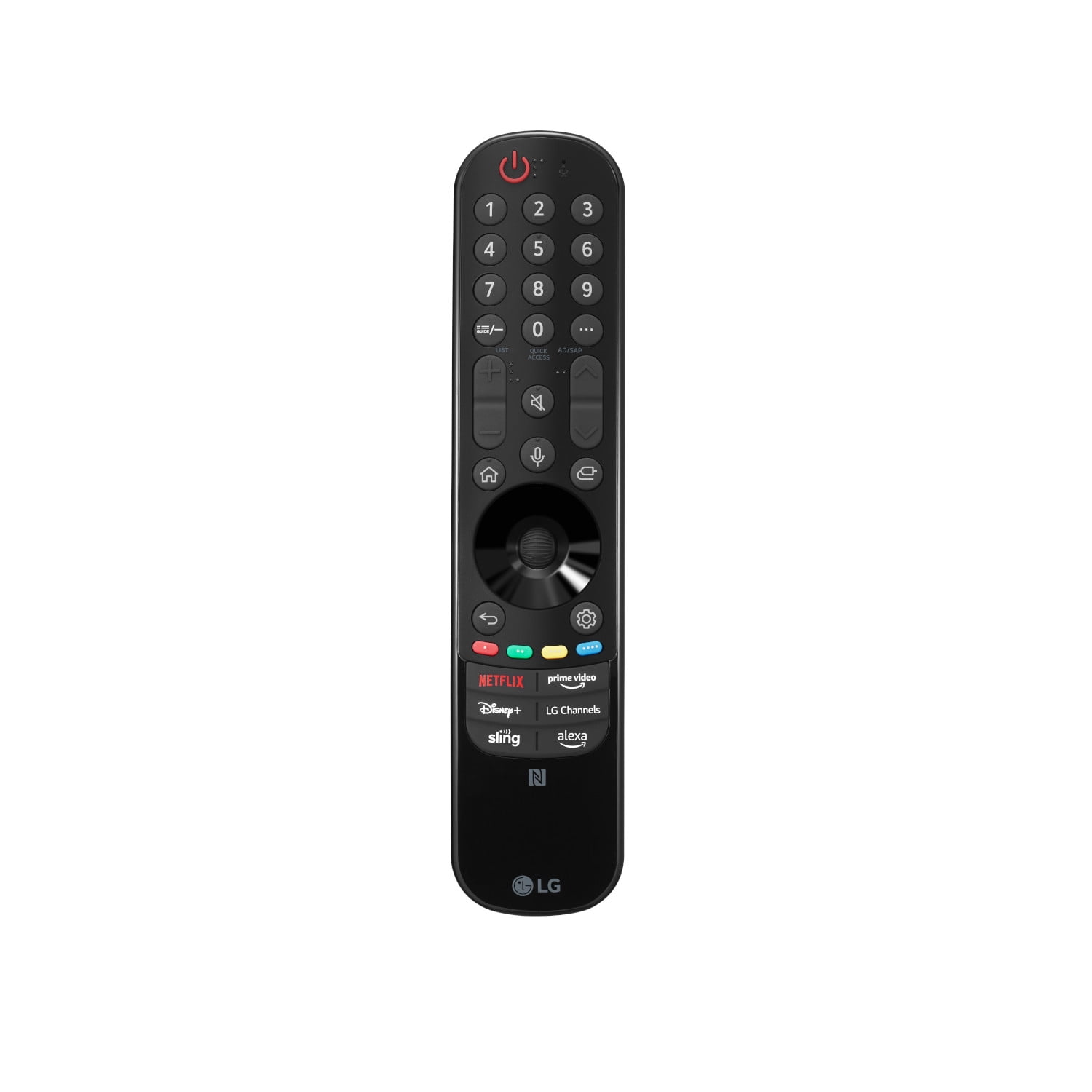
The LG G4 runs webOS 24, featuring AI Concierge for personalized recommendations and Quick Cards for organizing favorite apps. Both platforms support major streaming services and voice assistants, so your choice here likely depends on your existing device ecosystem.
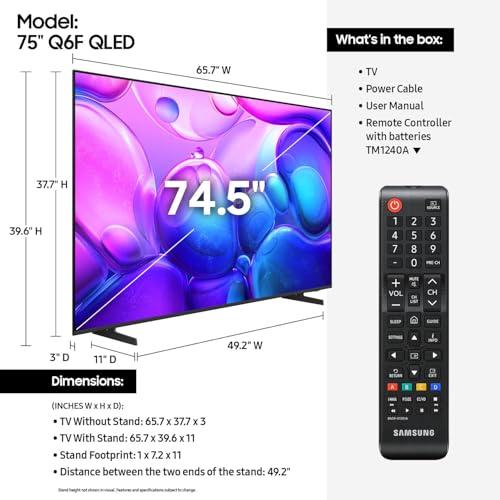
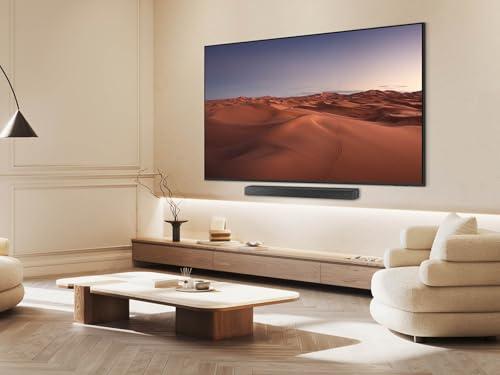
Screen size significantly impacts your viewing experience, and the 10-inch difference between these models is substantial. The Samsung Q6F's 75-inch display provides about 23% more viewing area than the LG G4's 65-inch screen.
From typical living room seating distances (8-12 feet), a 75-inch screen creates a more immersive experience that better fills your field of view. For movie nights or sports viewing with family and friends, the larger screen can be more engaging and inclusive.
However, screen size isn't everything. The LG G4's superior picture quality might be more noticeable at closer viewing distances where you can appreciate the perfect blacks and precise colors. The "right" size depends on your room layout, seating distance, and viewing preferences.
At the time of writing, these TVs occupy very different price segments, with the LG G4 costing roughly three times more than the Samsung Q6F. This price difference reflects not just display technology, but market positioning and feature sets.
The Samsung Q6F offers exceptional value for viewers who want a large, feature-rich TV without premium pricing. Its quantum dot technology delivers significantly better color performance than basic LED TVs, and the 75-inch size provides impressive presence in larger rooms.
The LG G4 justifies its premium pricing through cutting-edge OLED technology, superior gaming features, and reference-quality picture performance. For enthusiasts who prioritize picture quality above all else, the price premium buys genuinely superior performance.
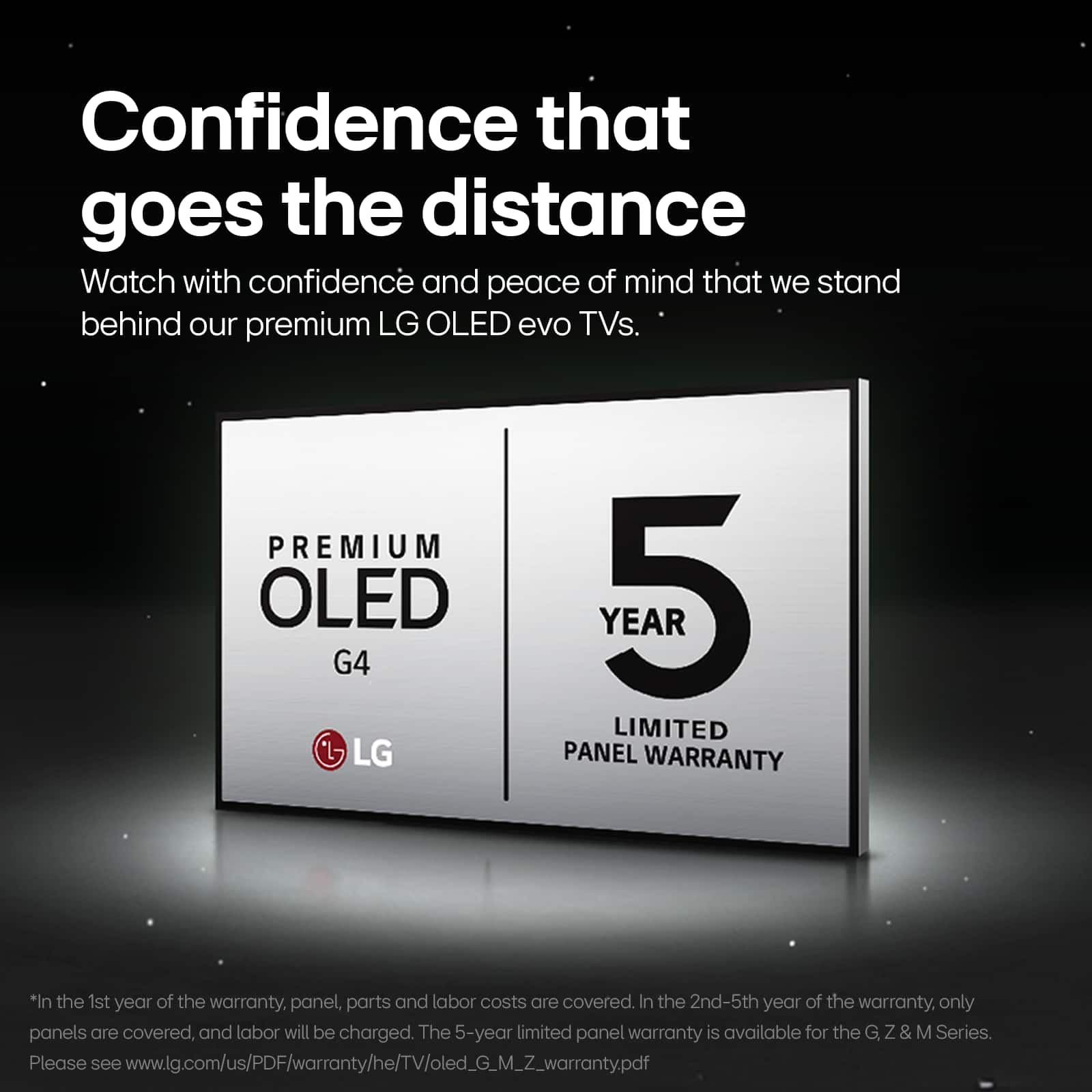
OLED technology faces one concern that QLED doesn't: burn-in potential. While modern OLEDs like the LG G4 include extensive protection mechanisms and LG offers a five-year warranty covering burn-in, the theoretical risk remains for users who watch lots of static content like news channels or play games with persistent UI elements.
The Samsung Q6F faces no burn-in risk whatsoever, making it worry-free for any viewing pattern. However, its 60Hz limitation means it won't take advantage of future high-refresh-rate content that becomes standard.
Your viewing environment often determines which technology works better. Bright rooms with lots of windows favor the Samsung Q6F's higher brightness capability and anti-reflective quantum dot technology. The TV can fight through ambient light effectively, maintaining good picture quality during daytime viewing.
Dark rooms or dedicated home theaters showcase the LG G4's strengths perfectly. With controlled lighting, the perfect blacks and infinite contrast create a genuinely cinematic experience that's impossible to achieve with any backlit display.
Mixed lighting situations require compromise. The LG G4 handles moderate ambient light better than older OLEDs thanks to its brightness improvements, but it still can't match the Samsung Q6F's bright room performance.
The Samsung Q6F makes sense for families who want a large, impressive TV for general entertainment without breaking the budget. It's perfect for bright living rooms, sports viewing, and anyone concerned about burn-in from static content. The larger screen size makes it ideal for group viewing and creates impressive presence in bigger rooms.
The LG G4 suits serious movie enthusiasts, gamers with modern consoles, and anyone who prioritizes picture quality above price considerations. It excels in dark rooms, delivers reference-quality images for film viewing, and provides gaming features that will remain relevant for years.
Neither TV is objectively "better"—they're optimized for different priorities and use cases. The Samsung Q6F delivers impressive performance and features at a budget-friendly price, making advanced display technology accessible to more buyers. The LG G4 pushes picture quality boundaries for enthusiasts willing to pay premium prices.
Your choice should align with your specific needs, room environment, and budget. Both represent excellent values in their respective market segments, proving that today's TV buyers have access to genuinely impressive technology regardless of their budget level.
The future of TV technology remains exciting, with both QLED and OLED continuing to evolve. But for today's buyers, these two TVs perfectly illustrate why understanding display technology differences matters more than simply comparing specifications on paper.
| Samsung 75-Inch QLED Q6F Series 2025 | LG 65" G4 Series OLED evo 4K UHD Smart TV 2024 |
|---|---|
| Display Technology - Fundamentally different approaches to creating images | |
| QLED with Quantum Dots + LED backlight | OLED evo with self-emissive pixels |
| Screen Size - Bigger screen creates more immersive viewing experience | |
| 75 inches (23% more viewing area) | 65 inches |
| Black Level Performance - Critical for movie watching and contrast | |
| Dark gray blacks (edge-lit LED limitation) | Perfect true blacks (pixels turn completely off) |
| Peak Brightness - Essential for bright room viewing and HDR highlights | |
| Higher peak brightness, excellent for daytime | Lower peak brightness but 150% brighter than previous OLEDs |
| Refresh Rate - Crucial for gaming and smooth motion | |
| 60Hz (limited future gaming compatibility) | Up to 144Hz (excellent for modern gaming) |
| Gaming Features - Important for console and PC gaming | |
| Basic Auto Game Mode, Gaming Hub | 4x HDMI 2.1, VRR, 0.1ms response time, G-Sync/FreeSync |
| HDR Support - Affects color and contrast in premium content | |
| HDR10+, Quantum HDR | HDR10, Dolby Vision, HDR10+, Quantum HDR |
| Processor - Powers smart features and image processing | |
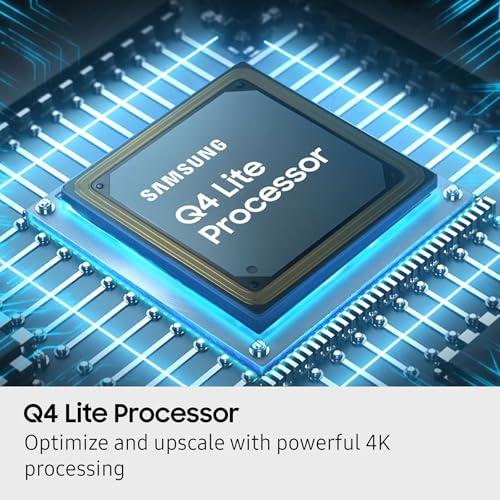
| Q4 Lite Processor | α11 AI Processor 4K (7.7x improved graphics) |
| Audio System - Built-in sound quality | |
| 2CH 20W with Object Tracking Sound Lite | 4.2CH 60W with Dolby Atmos, virtual 11.1.2 surround |
| Smart TV Platform - Daily interface and app experience | |
| Tizen with Samsung TV Plus (300+ free channels) | webOS 24 with AI Concierge and Quick Cards |
| Burn-in Risk - Long-term durability consideration | |
| Zero burn-in risk (LED backlight technology) | Potential burn-in risk (5-year warranty covers this) |
| Color Performance - Affects vibrancy and accuracy of images | |
| 100% Color Volume, vibrant quantum dot colors | 100% Color Fidelity, film-accurate natural colors |
| Viewing Angles - Important for off-center seating | |
| Moderate (typical for QLED technology) | Excellent (OLED advantage) |
| Best Room Type - Where each TV performs optimally | |
| Bright rooms, family spaces, daytime viewing | Dark rooms, home theaters, controlled lighting |
| Target User - Who benefits most from each TV's strengths | |
| Budget-conscious buyers wanting large screen | Picture quality enthusiasts and serious gamers |
The Samsung 75-Inch QLED Q6F Series 2025 is significantly better for bright rooms due to its higher peak brightness and quantum dot technology that cuts through ambient light. QLED displays like the Samsung Q6F are specifically designed to perform well in daylight conditions, while the LG 65" G4 Series OLED evo performs best in darker, controlled lighting environments despite its brightness improvements over previous OLED models.
QLED technology in the Samsung Q6F uses quantum dots with an LED backlight to create images, offering higher brightness but cannot produce true blacks. OLED technology in the LG G4 features self-emissive pixels that can turn completely on or off individually, delivering perfect blacks and infinite contrast but with lower peak brightness capabilities.
The LG 65" G4 Series OLED evo is far superior for gaming with its 144Hz refresh rate, 0.1ms response time, four HDMI 2.1 ports, and support for VRR, G-Sync, and FreeSync. The Samsung Q6F is limited to 60Hz refresh rate and lacks advanced gaming features, making it unsuitable for serious gaming with modern consoles or PCs.
Modern OLED TVs like the LG G4 have significantly reduced burn-in risks compared to earlier models, and LG provides a 5-year warranty that covers burn-in issues. However, the potential still exists with static images displayed for extended periods. The Samsung Q6F has zero burn-in risk due to its LED backlight technology.
Picture quality depends on your viewing environment. The LG G4 offers superior picture quality in dark rooms with perfect blacks, infinite contrast, and more accurate colors. The Samsung Q6F provides better picture quality in bright rooms with its higher brightness and vibrant quantum dot colors. For home theater use, the LG G4 typically delivers the more cinematic experience.
The Samsung 75-Inch QLED Q6F offers 23% more viewing area, making it better for large rooms and group viewing. However, the LG 65" G4 provides significantly superior picture quality and gaming features. Choose the Samsung Q6F if screen size and value are priorities, or the LG G4 if picture quality and performance matter more than size.
For dedicated movie watching, especially in a home theater setup, the LG G4 excels with its perfect blacks, accurate colors, and support for Dolby Vision. The infinite contrast ratio creates a more cinematic experience. The Samsung Q6F is better for casual movie watching in brighter environments where its higher brightness helps maintain image quality.
Both TVs offer excellent smart TV experiences. The Samsung Q6F uses Tizen with Samsung TV Plus offering 300+ free channels and strong Samsung device integration. The LG G4 features webOS 24 with AI Concierge, Quick Cards, and intuitive navigation. Both support major streaming services and voice assistants equally well.
Value depends on your priorities. The Samsung Q6F offers exceptional value for buyers wanting a large, feature-rich TV with good picture quality. The LG G4 provides better value for enthusiasts who prioritize premium picture quality, gaming performance, and cutting-edge display technology, despite its higher cost.
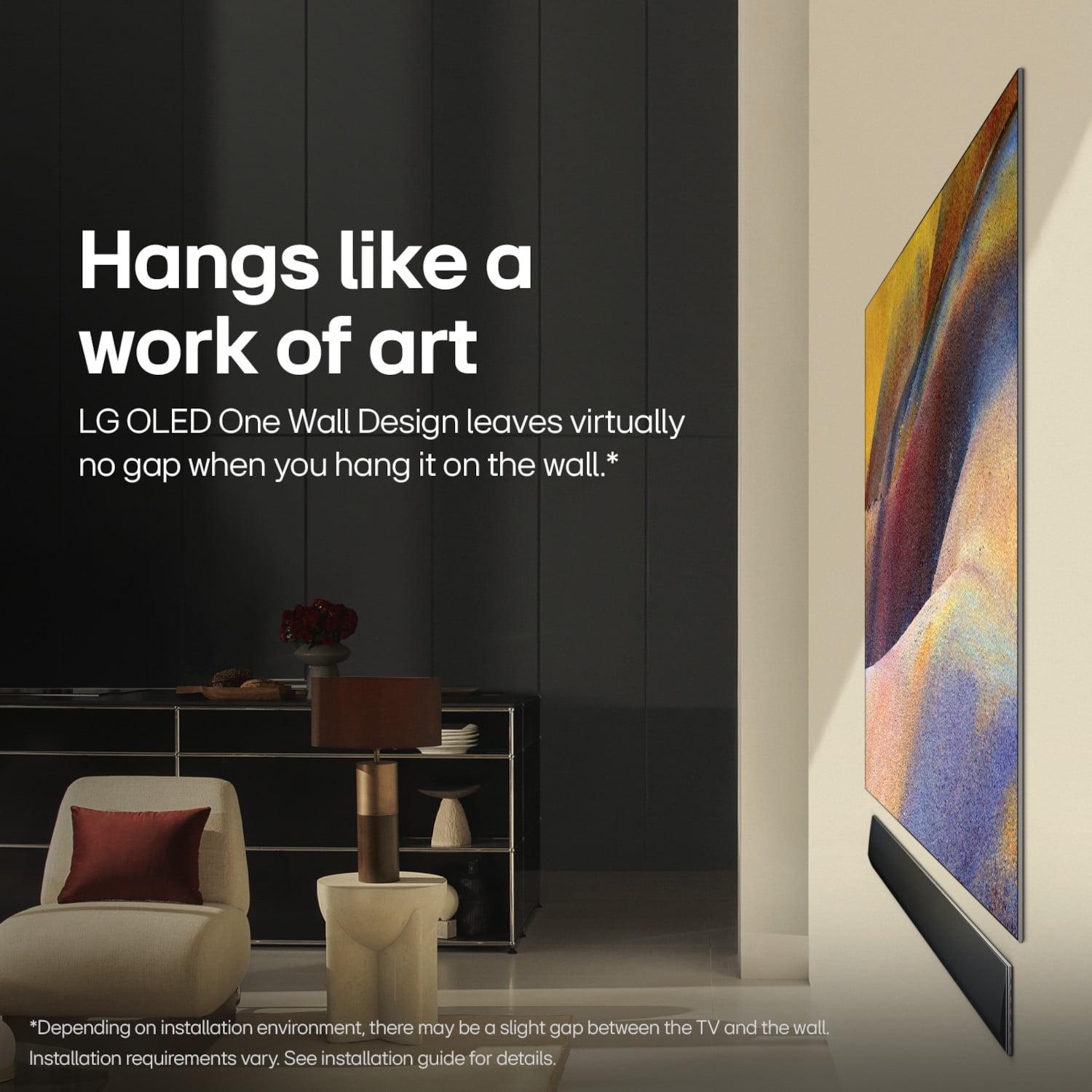
Yes, both TVs support standard wall mounting. The LG G4 is specifically designed for flush wall mounting with its slim profile and comes with a wall mount bracket. The Samsung Q6F includes adjustable feet but can also be wall mounted with a compatible bracket (sold separately).
The LG G4 has significantly better built-in audio with its 4.2 channel, 60W system supporting Dolby Atmos and virtual 11.1.2 surround sound processing. The Samsung Q6F features a basic 2-channel, 20W system with Object Tracking Sound Lite. For serious home theater use, both benefit from external sound systems, but the LG G4 provides much better out-of-box audio.
For a dedicated home theater room with controlled lighting, the LG G4 is the clear choice with its perfect blacks, accurate colors, superior gaming features, and better audio system. The Samsung Q6F works better for multi-purpose family rooms with ambient light where its larger screen and higher brightness provide a better overall experience for varied viewing conditions.
We've done our best to create useful and informative comparisons to help you decide what product to buy. Our research uses advanced automated methods to create this comparison and perfection is not possible - please contact us for corrections or questions. These are the sites we've researched in the creation of this article: youtube.com - rtings.com - cnet.com - youtube.com - rtings.com - samsung.com - bestbuy.com - samsung.com - samsung.com - bestbuy.com - manuals.plus - arrowassociatedstores.com - samsung.com - samsung.com - samsung.com - flatpanelshd.com - device.report - hometechnologyreview.com - hometechnologyreview.com - whathifi.com - hometechnologyreview.com - youtube.com - tomsguide.com - tomsguide.com - smarthomesounds.co.uk - rtings.com - rtings.com - bhphotovideo.com - youtube.com - schaeferstv.com - bestbuy.com - costco.com - lg.com - lg.com - shopsilica.com - bestbuy.com - techradar.com - bestbuy.com - bestbuy.com - lg.com - lgnewsroom.com

Privacy Policy
Terms and Conditions - Affiliate Policy
Home Security
© Copyright 2008-2026.
11816 Inwood Rd #1211, Dallas, TX 75244