

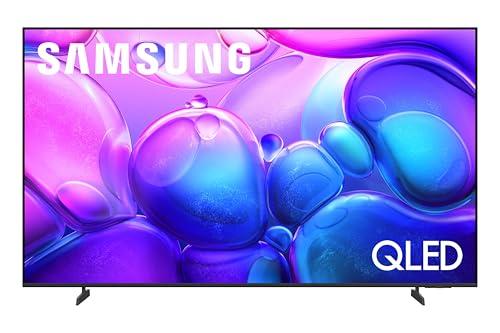
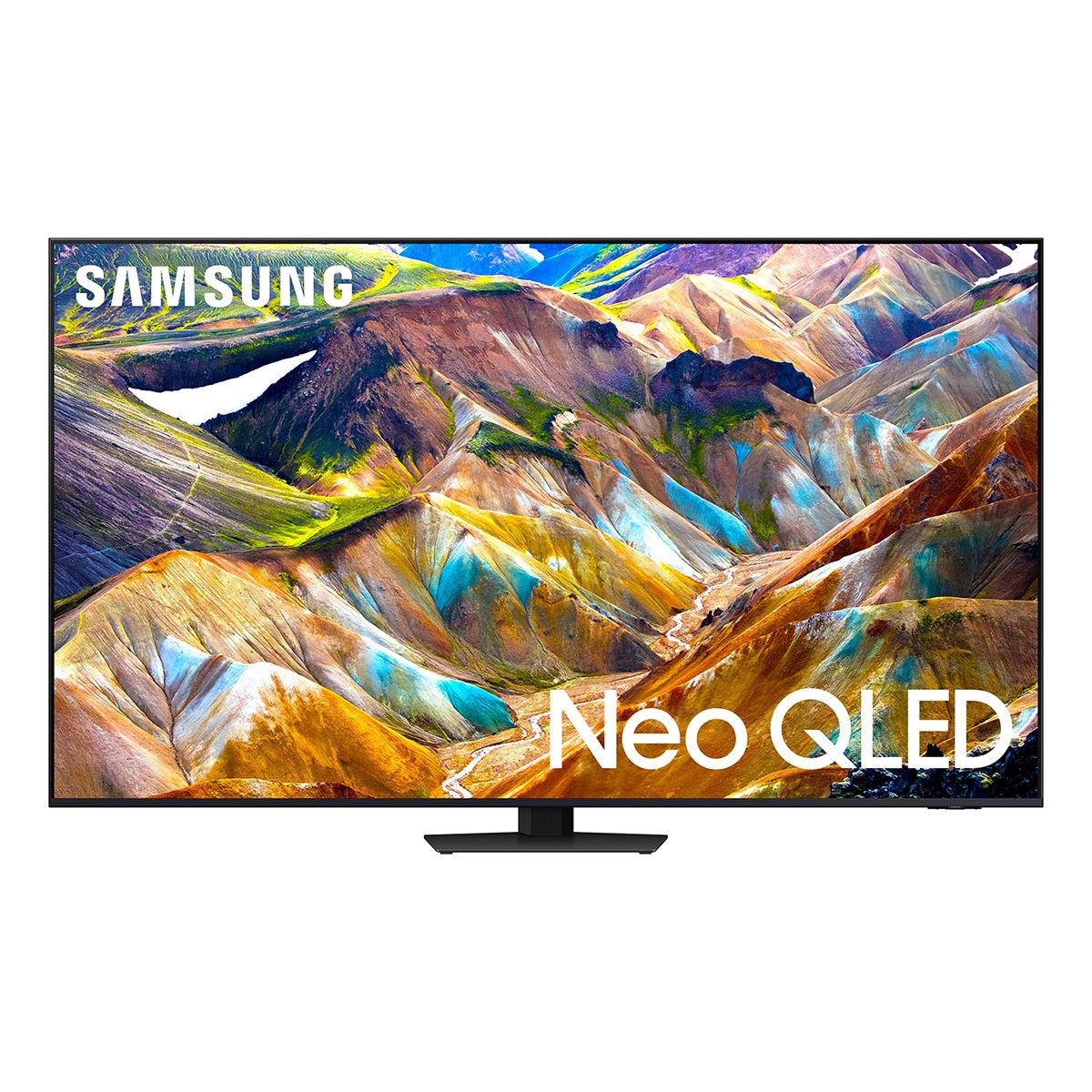
Choosing a new TV can feel overwhelming with all the different technologies, sizes, and price points available today. When you're looking at Samsung's 2024-2025 lineup, two models that often catch buyers' attention represent very different approaches to the same basic need: the budget-friendly Samsung 75-Inch QLED Q6F Series 2025 and the premium Samsung 65" QN85D Neo QLED.
At the time of writing, these TVs sit in completely different price brackets - the Q6F costs roughly half what you'll pay for the QN85D. But here's the interesting twist: the cheaper model is actually 10 inches larger. This creates a fascinating buying decision that goes beyond simple "more money equals better TV" logic.
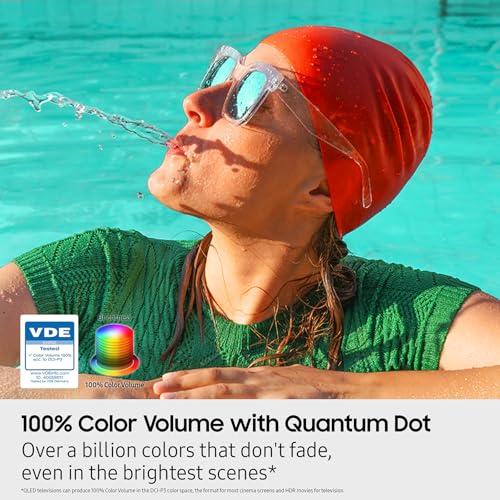
The TV market has evolved dramatically over the past few years, and 2024-2025 represents a particularly interesting time for buyers. Both of these Samsung models use quantum dot technology - tiny particles that improve color reproduction - but they implement it in very different ways.
The Q6F represents Samsung's attempt to bring quantum dot color benefits to budget-conscious buyers. Released in 2025, it's essentially Samsung's answer to the question: "What's the cheapest way to get a really big QLED TV?" The QN85D, released in 2024, takes the opposite approach - it's Samsung asking "How can we pack premium mini-LED technology into a mid-range price point?"
This fundamental difference in philosophy shapes everything about how these TVs perform and who should buy them.
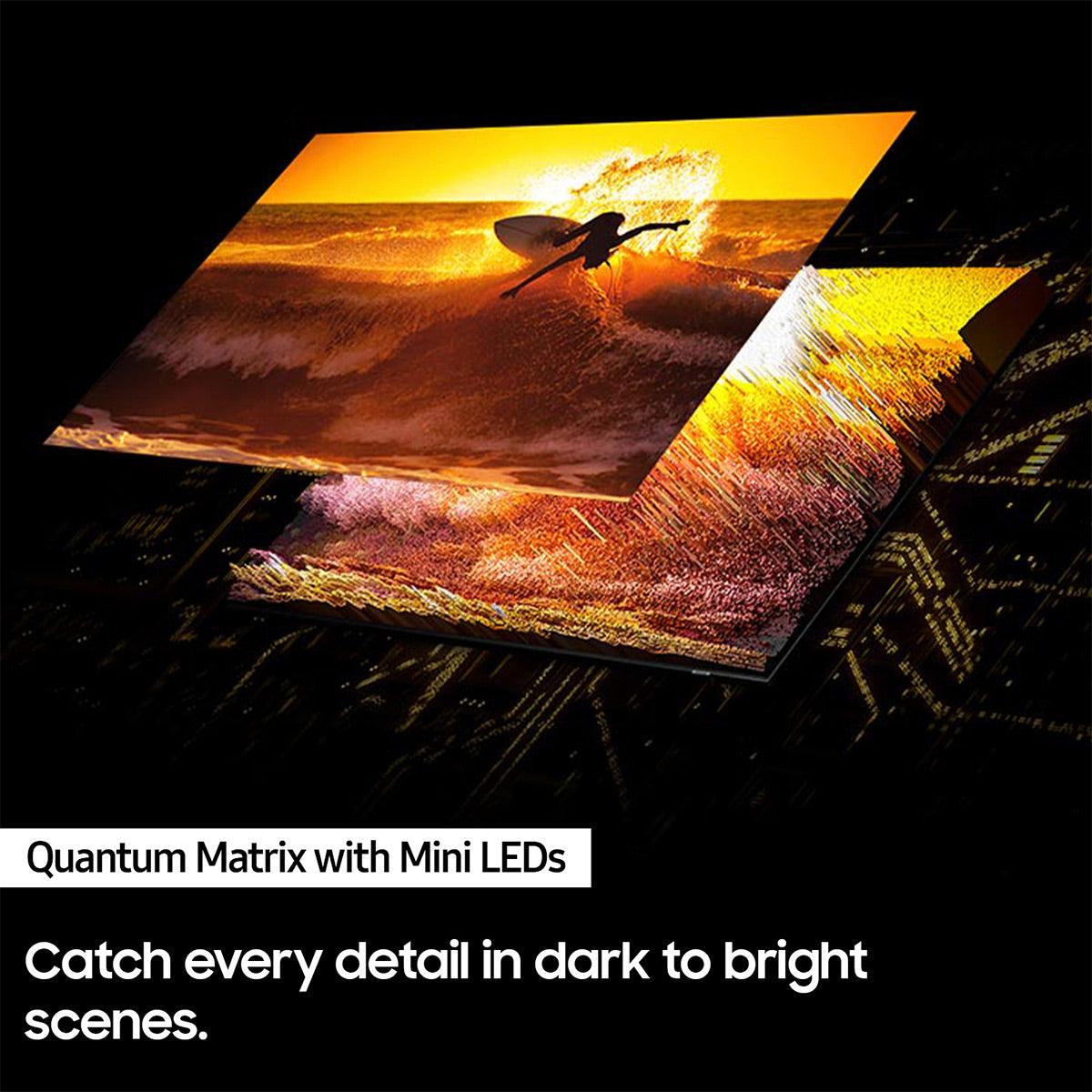
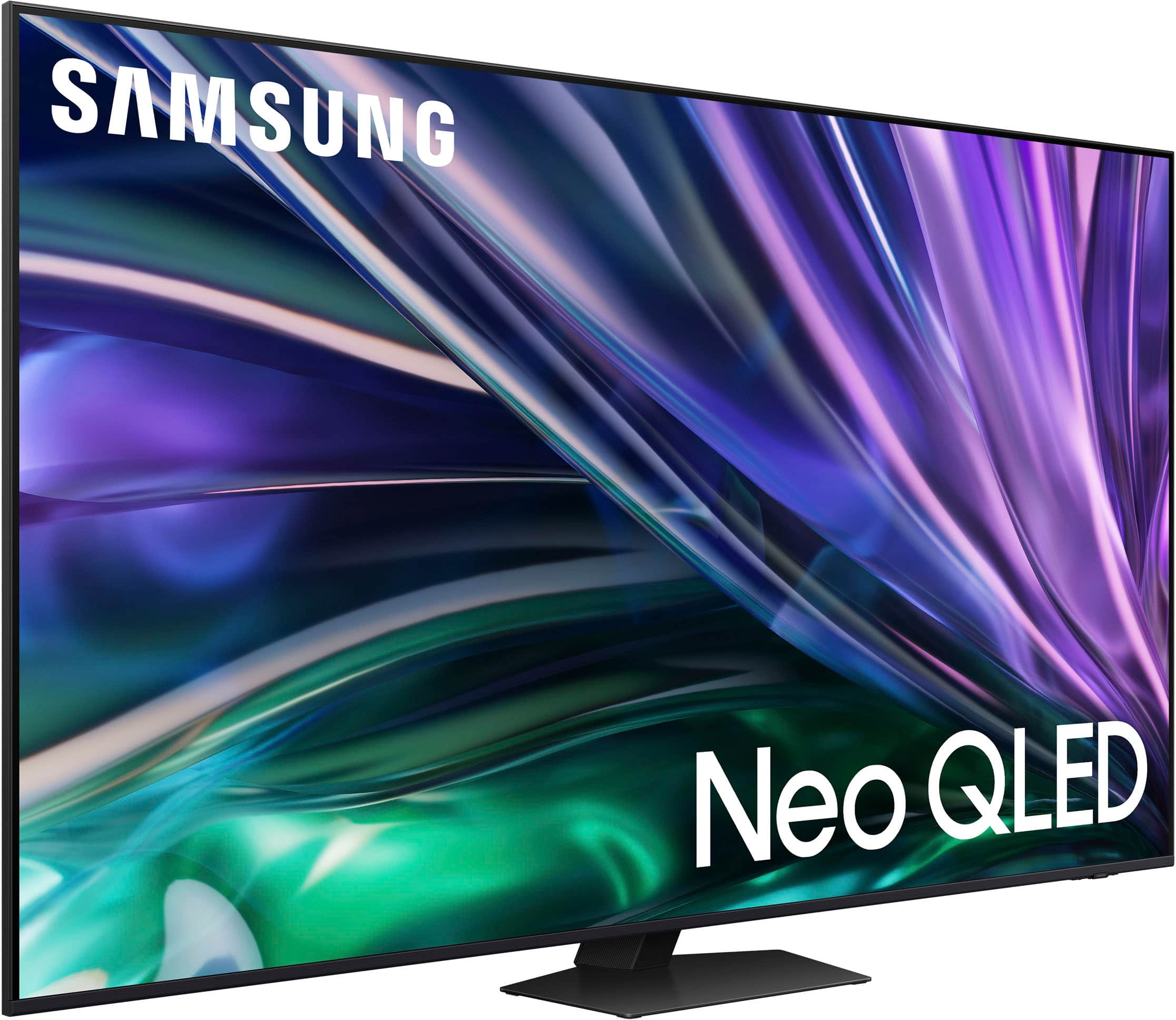
When we dive into picture quality, the differences between these models become stark. The QN85D uses what Samsung calls "mini-LED" backlighting - essentially thousands of tiny LED lights behind the screen that can be controlled individually. This creates what's called "full array local dimming" with 160 separate zones that can brighten or dim independently.
Think of it like having 160 individual flashlights behind your TV screen, each one able to turn on or off to create the perfect amount of light for that specific part of the image. When you're watching a movie with a bright explosion against a dark night sky, those mini-LEDs can make the explosion blazingly bright while keeping the surrounding darkness truly black.
The Q6F, by contrast, uses a more traditional LED backlight system. It still has quantum dots for improved colors, but the lighting is much more uniform across the entire screen. This means it can't achieve the same dramatic contrast between bright and dark areas that makes HDR content really pop.
In our research of professional reviews and user feedback, the difference is significant. The QN85D achieves what reviewers describe as "exceptional" brightness levels - enough to look great even in bright living rooms with lots of windows. The Q6F, while adequate for most viewing, works best in darker environments where its limitations won't be as noticeable.
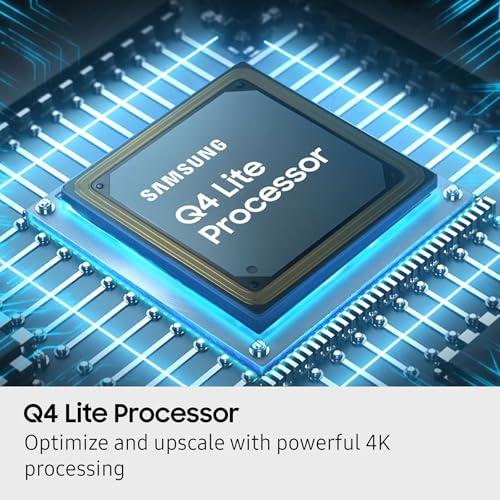
Color accuracy is another area where the premium model shines. The QN85D includes Samsung's NQ4 AI Gen2 processor, which uses artificial intelligence to analyze each scene and optimize colors in real-time. The Q6F has the more basic Q4 Lite processor, which handles standard upscaling and color processing but lacks the advanced AI capabilities.
If you're a serious gamer, this decision becomes much easier. The QN85D is built for modern gaming with features that the Q6F simply can't match.
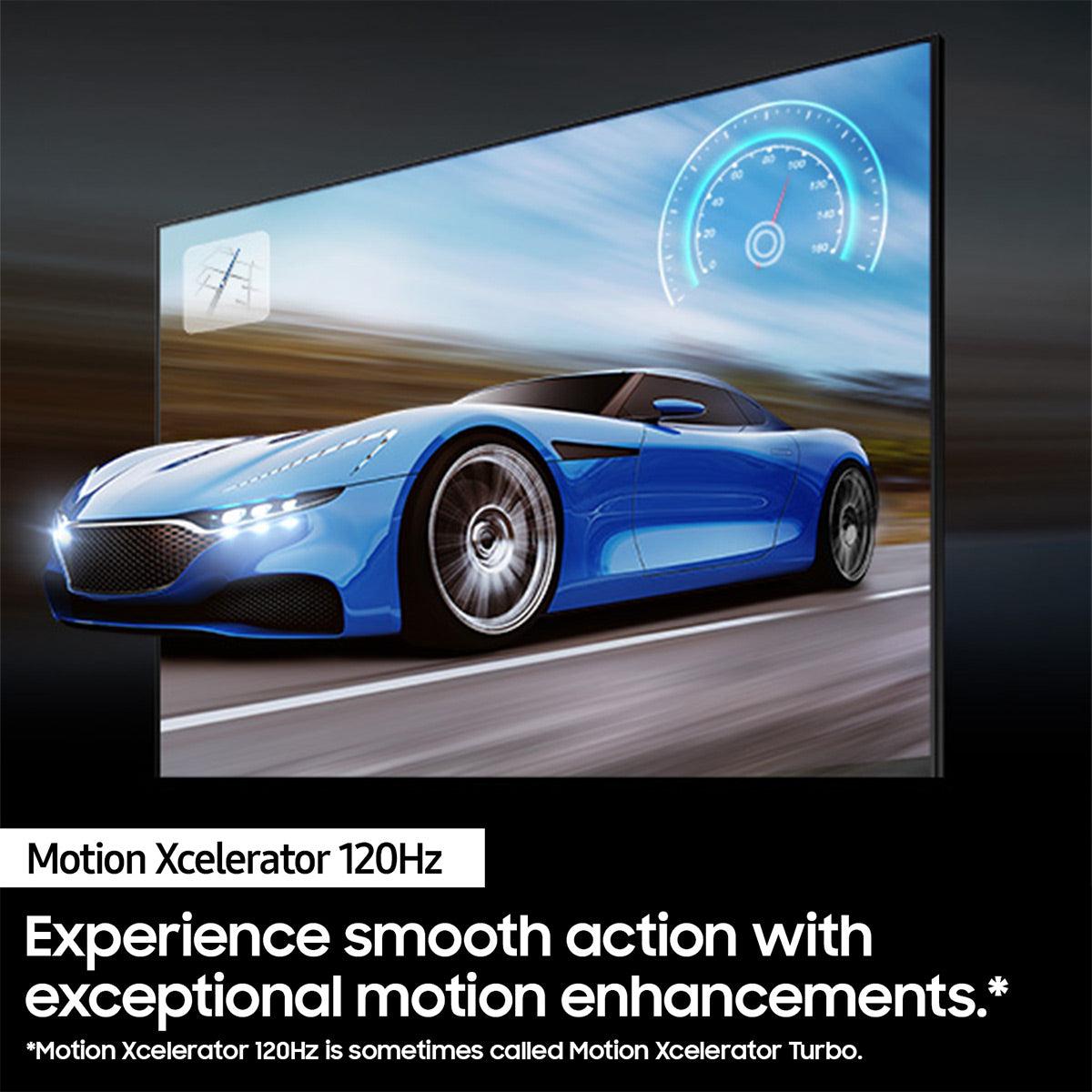
The most important difference is refresh rate - how many times per second the screen updates the image. The Q6F operates at 60Hz, which was standard for years and works fine for movies and TV shows. The QN85D doubles this to 120Hz, which creates smoother motion and is essential for competitive gaming on PlayStation 5 or Xbox Series X consoles.
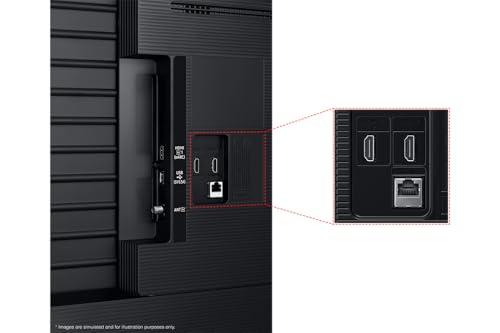
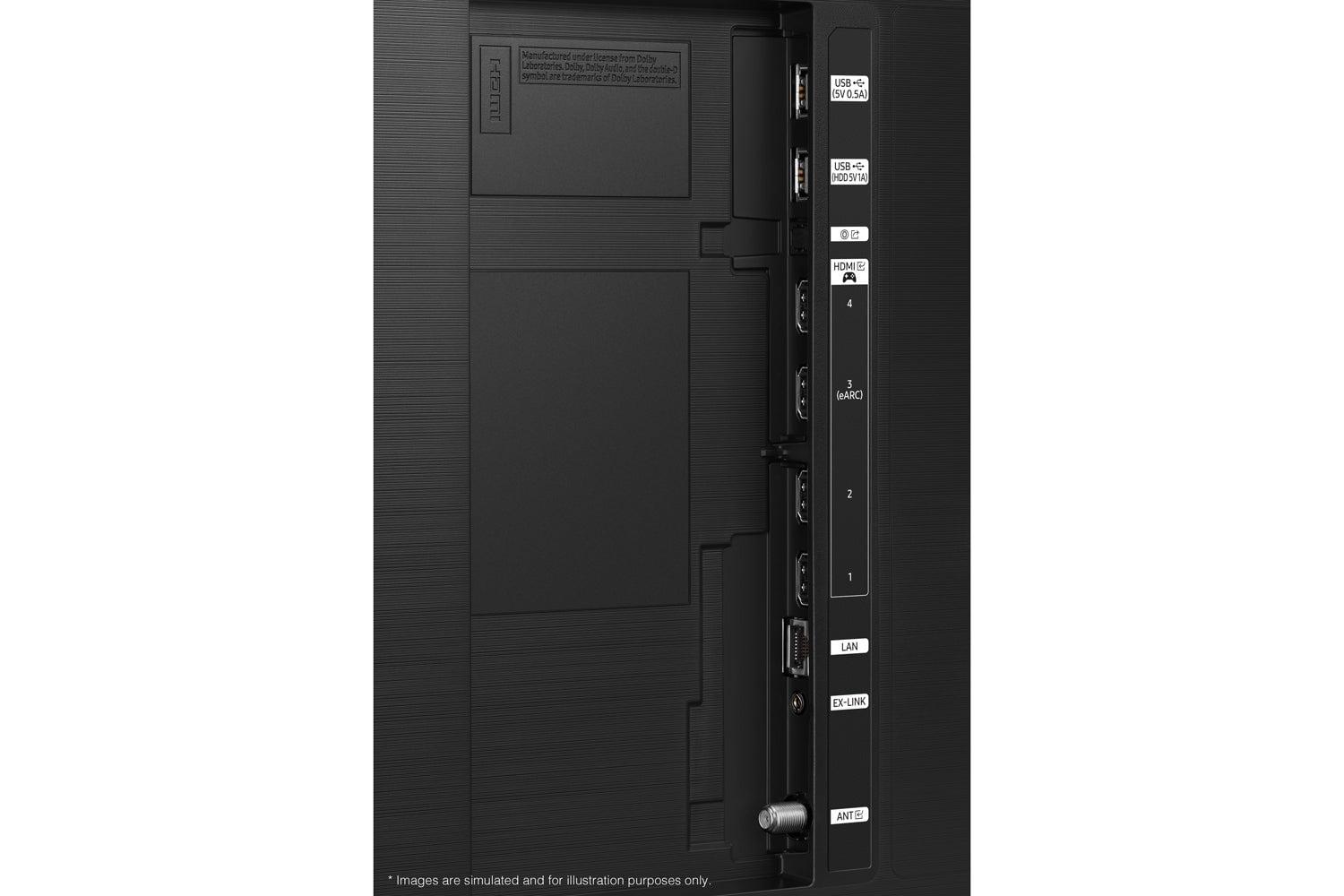
But refresh rate is just the beginning. The QN85D includes four HDMI 2.1 ports - the newest HDMI standard that can handle all the data needed for 4K gaming at 120Hz. It also supports Variable Refresh Rate (VRR), which eliminates screen tearing by syncing the TV's refresh rate with your console's frame rate, and Auto Low Latency Mode (ALLM), which automatically switches to a gaming-optimized picture mode when it detects a console.
For context, input lag - the delay between when you press a button and when you see the result on screen - is crucial for competitive gaming. Professional reviews consistently show the QN85D achieving input lag under 10 milliseconds in Game Mode, which is excellent. The Q6F doesn't have detailed gaming specifications readily available, but based on its basic processing and lack of gaming-focused features, it's likely to have higher input lag.
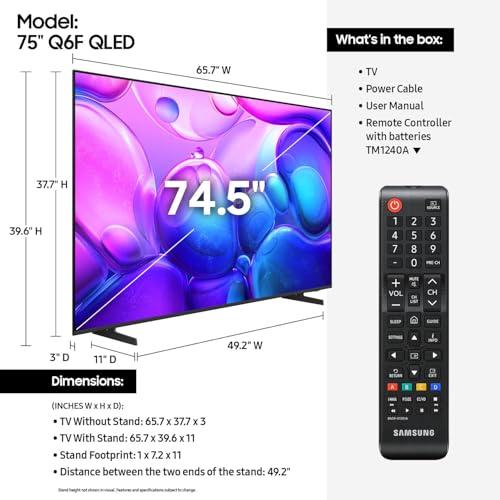
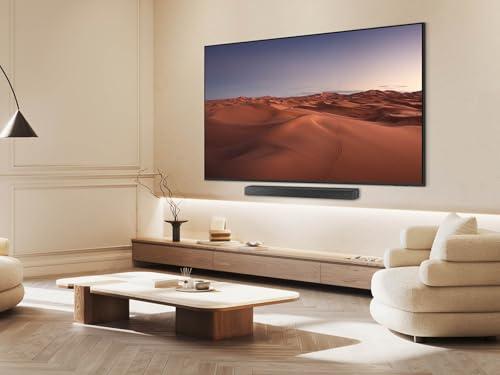
This is where things get really interesting. Despite costing significantly less, the Q6F gives you 25% more screen area than the QN85D. That's not a trivial difference - it's the jump from having a moderately large TV to having a genuinely imposing home theater centerpiece.
Screen size impact depends heavily on your viewing distance. If you sit 8-10 feet from your TV, both sizes will look appropriately large. But if you're 12+ feet away - common in large living rooms - that extra 10 inches on the Q6F becomes much more valuable. There's a real psychological impact to having a truly large screen that can make up for some picture quality compromises.
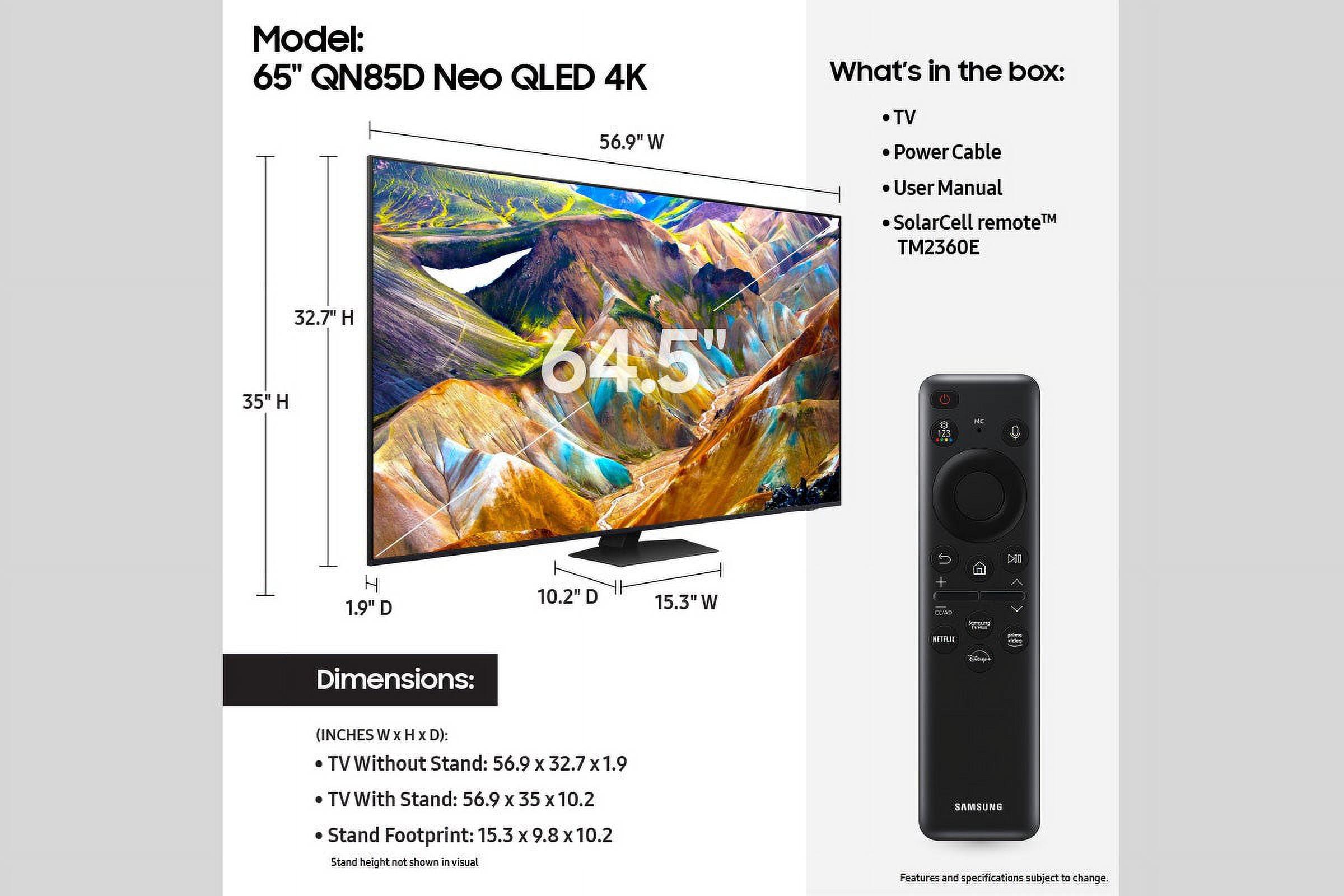
However, there's a trade-off in pixel density. The 65" QN85D packs the same 4K resolution into a smaller area, creating slightly sharper images when viewed up close. This matters most if you sit closer than 8 feet from the screen or if you use your TV for detailed work like photo editing.
Audio performance often gets overlooked in TV comparisons, but it's crucial for the overall experience. The Q6F includes Samsung's Object Tracking Sound Lite (OTS Lite), which attempts to move audio around the screen to match what's happening visually. It's a 2-channel system with 20 watts of power - adequate for casual viewing but not impressive.
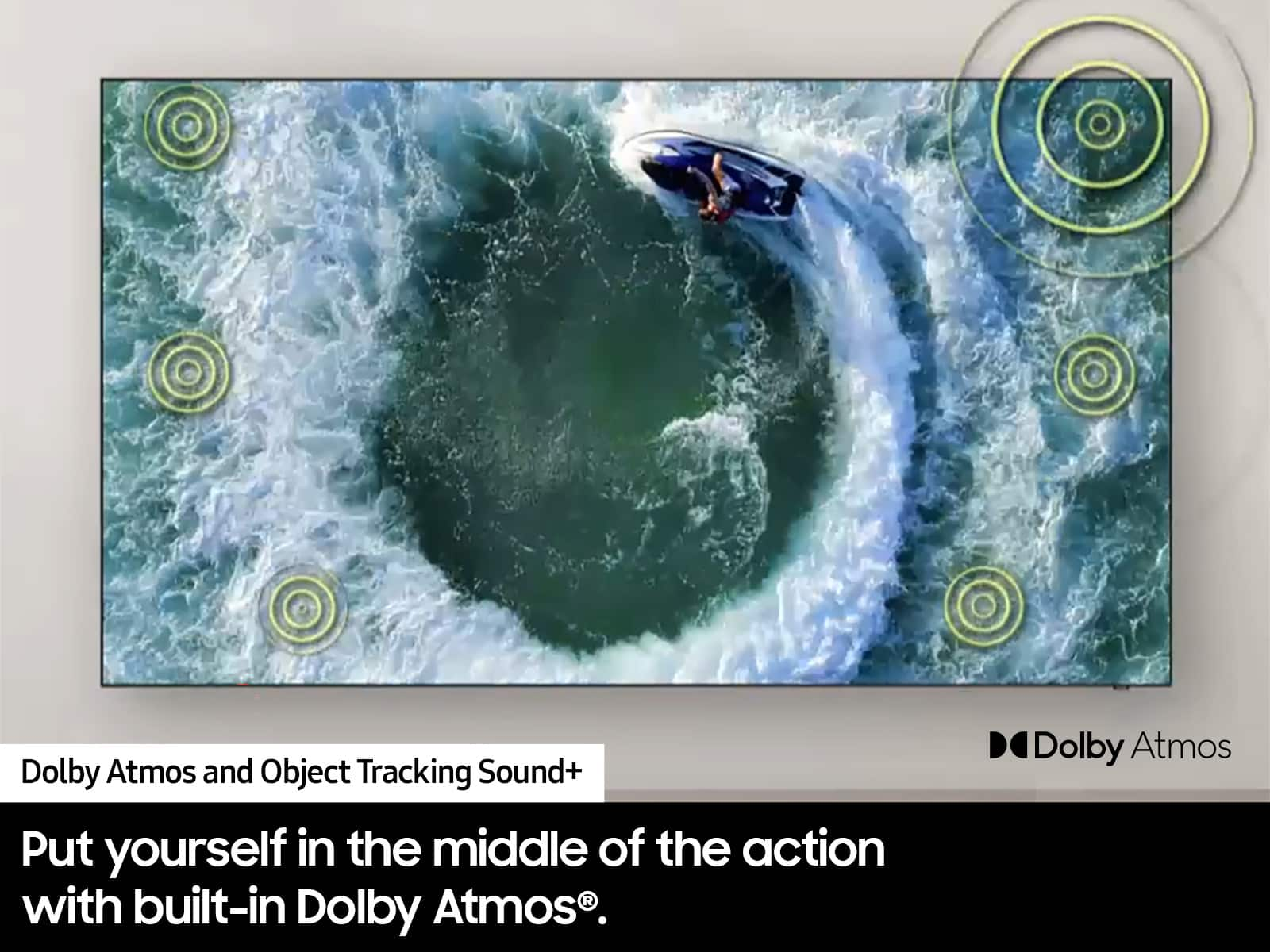
The QN85D steps up to Dolby Atmos support and Object Tracking Sound+. Dolby Atmos creates a more immersive three-dimensional soundstage, making it feel like sound is coming from above and around you rather than just from the TV. The difference is particularly noticeable with action movies and nature documentaries.
Both TVs support Q-Symphony, Samsung's feature that lets the TV speakers work together with compatible Samsung soundbars for enhanced audio. However, given the price difference, buyers of either model might want to budget for a separate soundbar to really maximize their audio experience.
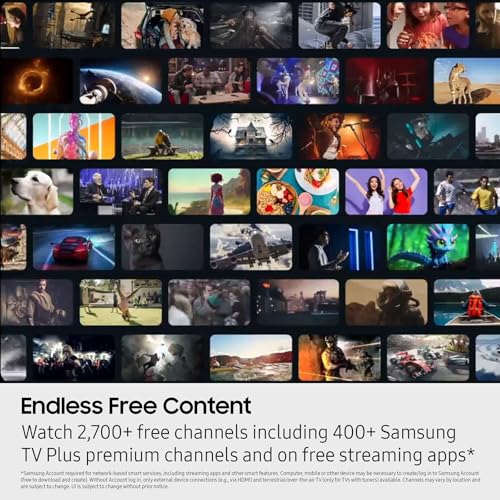
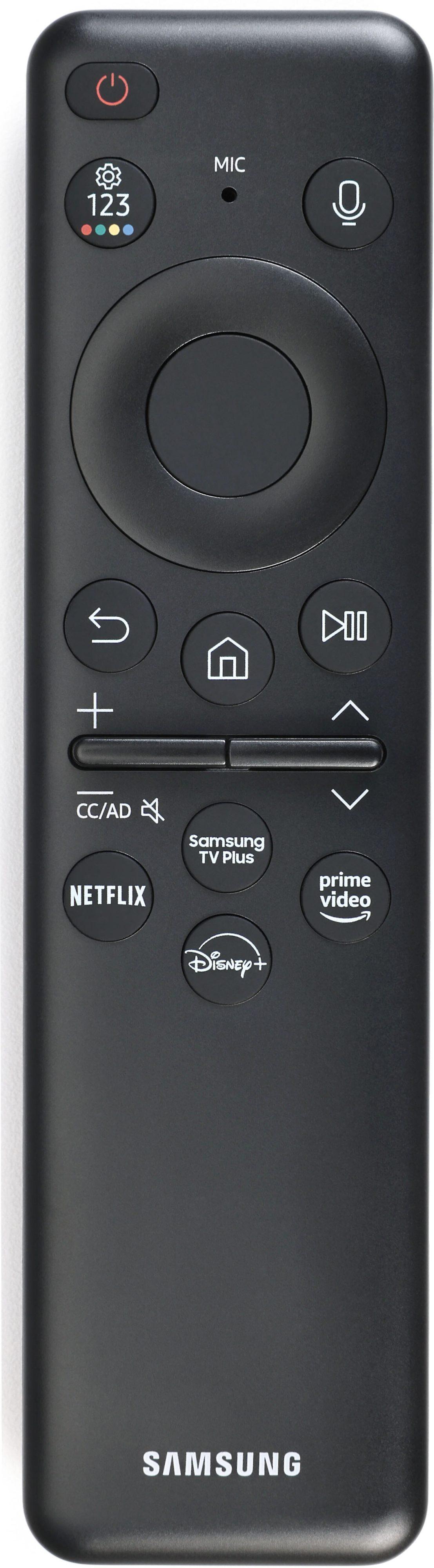
Both models run Samsung's Tizen operating system, which has become one of the better smart TV platforms available. You get access to all major streaming services, Samsung's free TV Plus service with hundreds of channels, and voice control through Bixby, Alexa, or Google Assistant.
The difference lies in performance. The QN85D's more powerful processor makes navigating menus noticeably smoother and launching apps faster. This might seem minor, but daily use adds up, and waiting for apps to load gets frustrating over time.
Both TVs include Samsung's SmartThings integration, which lets them act as a hub for controlling smart home devices. This has become increasingly valuable as more people adopt smart lighting, thermostats, and security systems.
Your room environment heavily influences which TV makes sense. The QN85D's superior brightness makes it much better suited for bright rooms with lots of windows or overhead lighting. Its mini-LED backlight can overpower ambient light that would wash out the Q6F's image.
Conversely, if your TV is going in a basement, bedroom, or other darker space, the Q6F's brightness limitations become less relevant, making its size advantage more appealing.
Viewing angles also matter. The QN85D uses a VA panel, which provides excellent contrast when viewed straight-on but shows some color shifting when viewed from the side. The Q6F's viewing angle specifications aren't detailed in available reviews, but most budget QLEDs have similar limitations. If you have a wide seating arrangement, neither of these TVs will be ideal compared to OLED options.
At the time of writing, the price difference between these models is substantial - you're paying roughly twice as much for the QN85D. What exactly does that extra money buy you?
The premium primarily goes toward the mini-LED backlighting system, which is genuinely expensive technology. Those 160 individually controlled lighting zones require sophisticated processing and manufacturing precision that basic LED backlights don't need. You're also paying for the advanced gaming features, more powerful processor, and better build quality.
The Q6F's value proposition is simpler: maximum screen size for minimum cost while still getting quantum dot colors. It's Samsung's acknowledgment that many buyers would rather have a bigger screen with adequate picture quality than a smaller screen with excellent picture quality.
If you're building a dedicated home theater setup, the decision becomes more complex. The QN85D's superior contrast and brightness control make it much better for displaying HDR content as filmmakers intended. Its lower input lag also benefits if you're adding gaming to your theater setup.
However, home theaters are often dark environments where the Q6F's brightness limitations matter less, and the larger 75" screen provides more cinematic impact. Professional home theater installers often prioritize screen size over picture quality refinements for this reason - the immersive experience of a large screen can outweigh technical improvements.
The Q6F makes sense for buyers who prioritize screen size above all else and have budget constraints. It's ideal for large family rooms where multiple people watch together, casual viewing scenarios, and situations where you're not planning to use advanced gaming features. If you're upgrading from an older, smaller TV and want the biggest possible improvement in screen presence, the Q6F delivers.
The QN85D is the choice for buyers who prioritize picture quality, game seriously with modern consoles, or have bright living spaces that demand higher brightness levels. It's also the better long-term investment thanks to its full complement of HDMI 2.1 features that will remain relevant longer.
Start by honestly assessing your priorities. If you can afford the QN85D without financial strain and you care about picture quality or gaming, it's the better TV in almost every measurable way. Its mini-LED technology represents a genuine step up in display quality that you'll notice daily.
But if budget is a primary concern, or if you're in a situation where screen size trumps picture refinements, the Q6F offers exceptional value. Getting a 75" quantum dot TV at its price point was nearly impossible just a few years ago.
Consider your room environment carefully. Bright rooms strongly favor the QN85D, while darker spaces allow the Q6F to perform closer to its potential. Also think about longevity - the QN85D's advanced features will likely remain relevant longer as streaming services and gaming consoles continue evolving.
Both TVs represent solid choices within their respective market segments. The Q6F maximizes screen size and basic QLED benefits at a budget price, while the QN85D delivers genuinely premium performance that justifies its cost. Your choice should align with which approach better matches your viewing habits, room setup, and budget priorities.
| Samsung 75-Inch QLED Q6F Series 2025 | Samsung 65" QN85D Neo QLED 4K Smart TV |
|---|---|
| Screen Size - Bigger screen creates more immersive viewing experience | |
| 75 inches (25% more viewing area) | 65 inches (sharper pixel density up close) |
| Display Technology - Determines contrast and brightness capabilities | |
| Standard QLED with basic LED backlight | Neo QLED with Mini-LED backlight and 160 local dimming zones |
| Peak Brightness - Critical for bright rooms and HDR content impact | |
| Limited brightness, best for darker rooms | Excellent SDR/HDR brightness, handles bright rooms well |
| Gaming Features - Essential for modern console compatibility | |
| 60Hz refresh rate, basic gaming support | 120Hz, 4K@120Hz, VRR, ALLM, four HDMI 2.1 ports |
| Processor - Affects upscaling quality and smart TV responsiveness | |
| Q4 Lite processor with standard 4K upscaling | NQ4 AI Gen2 processor with AI-enhanced upscaling |
| HDR Support - Enhances contrast and color in compatible content | |
| HDR10+ support, limited peak brightness impact | Neo Quantum HDR with excellent brightness control |
| Audio System - Built-in sound quality and features | |
| 20W, 2-channel with Object Tracking Sound Lite | Dolby Atmos support with Object Tracking Sound+ |
| Contrast Performance - How well TV displays deep blacks vs bright whites | |
| Basic contrast with standard LED zones | Outstanding 160,000:1+ contrast ratio with mini-LED dimming |
| Smart TV Platform - Both use Samsung Tizen OS | |
| Tizen OS with slower processing | Tizen OS with faster navigation and app loading |
| Best Use Cases - Who should consider each model | |
| Budget-focused buyers wanting maximum screen size | Quality-focused buyers prioritizing picture performance and gaming |
The Samsung 65" QN85D Neo QLED offers superior picture quality, gaming features, and brightness, making it better value for buyers prioritizing performance. However, the Samsung 75-Inch QLED Q6F Series 2025 provides exceptional value for budget-conscious buyers who want the largest possible screen with quantum dot color technology.
The Samsung 65" QN85D Neo QLED is significantly better for gaming, featuring 120Hz refresh rate, four HDMI 2.1 ports, Variable Refresh Rate (VRR), and Auto Low Latency Mode (ALLM). The Q6F only supports basic 60Hz gaming, making the QN85D essential for serious gaming with modern consoles.
Choose the Samsung QN85D for bright rooms. Its mini-LED technology delivers excellent brightness that can overcome glare from windows and overhead lighting. The Q6F has limited brightness and works best in darker environments where ambient light won't wash out the image.
The Samsung Q6F has a 75-inch screen while the QN85D has a 65-inch screen. This 10-inch difference provides 25% more viewing area on the Q6F, creating a more immersive experience for large rooms and family viewing situations.
The QN85D justifies its higher cost if you prioritize picture quality, gaming performance, or have a bright viewing environment. The mini-LED technology, 120Hz gaming features, and superior brightness provide genuine performance improvements. Choose the Q6F if maximum screen size at minimum cost is your goal.
For dedicated home theater use, the Samsung QN85D offers superior HDR performance, contrast, and color accuracy that better displays movies as filmmakers intended. However, the Q6F's larger 75-inch screen provides more cinematic impact in dark theater rooms where its brightness limitations matter less.
The Samsung QN85D has superior built-in audio with Dolby Atmos support and Object Tracking Sound+, creating a more immersive three-dimensional soundstage. The Q6F includes basic Object Tracking Sound Lite with 20W power output, which is adequate but not exceptional.
For your first 4K TV, consider the Samsung Q6F if budget is your main concern and you want the biggest possible upgrade in screen size. Choose the QN85D if you can afford the premium and want a TV that will remain feature-relevant longer with its advanced gaming capabilities and superior picture quality.
We've done our best to create useful and informative comparisons to help you decide what product to buy. Our research uses advanced automated methods to create this comparison and perfection is not possible - please contact us for corrections or questions. These are the sites we've researched in the creation of this article: youtube.com - rtings.com - cnet.com - youtube.com - rtings.com - samsung.com - bestbuy.com - samsung.com - samsung.com - bestbuy.com - manuals.plus - arrowassociatedstores.com - samsung.com - samsung.com - samsung.com - flatpanelshd.com - device.report - bestbuy.com - rtings.com - youtube.com - youtube.com - avsforum.com - youtube.com - samsung.com - videoandaudiocenter.com - shopjetson.com - mysoundconcepts.com - samsung.com - merlinstv.com - youtube.com - samsung.com - samsung.com

Privacy Policy
Terms and Conditions - Affiliate Policy
Home Security
© Copyright 2008-2026.
11816 Inwood Rd #1211, Dallas, TX 75244