

![LG B5 Series OLED 65" 4K Smart TV 2025[1][7][9]](https://images.hometheaterreview.com/htr-stateless/2025/07/31238cd0-lg-b5-series-oled-65-4k-smart-tv-2025179.jpg)
![LG B5 Series OLED 65" 4K Smart TV 2025[1][7][9]](https://images.hometheaterreview.com/htr-stateless/2025/07/3368ce40-25ef-4d07-b442-bb0af89e3a29.jpg)
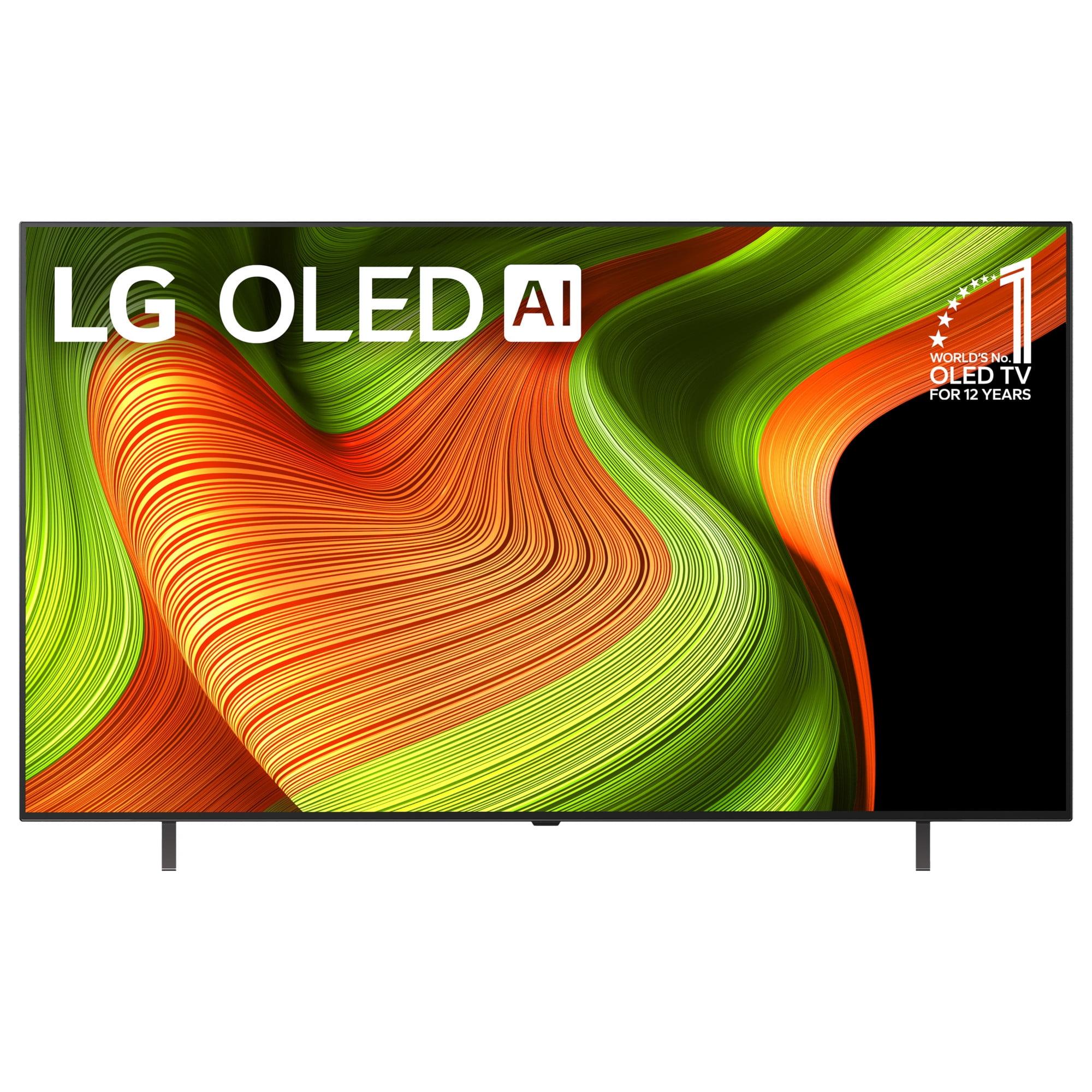
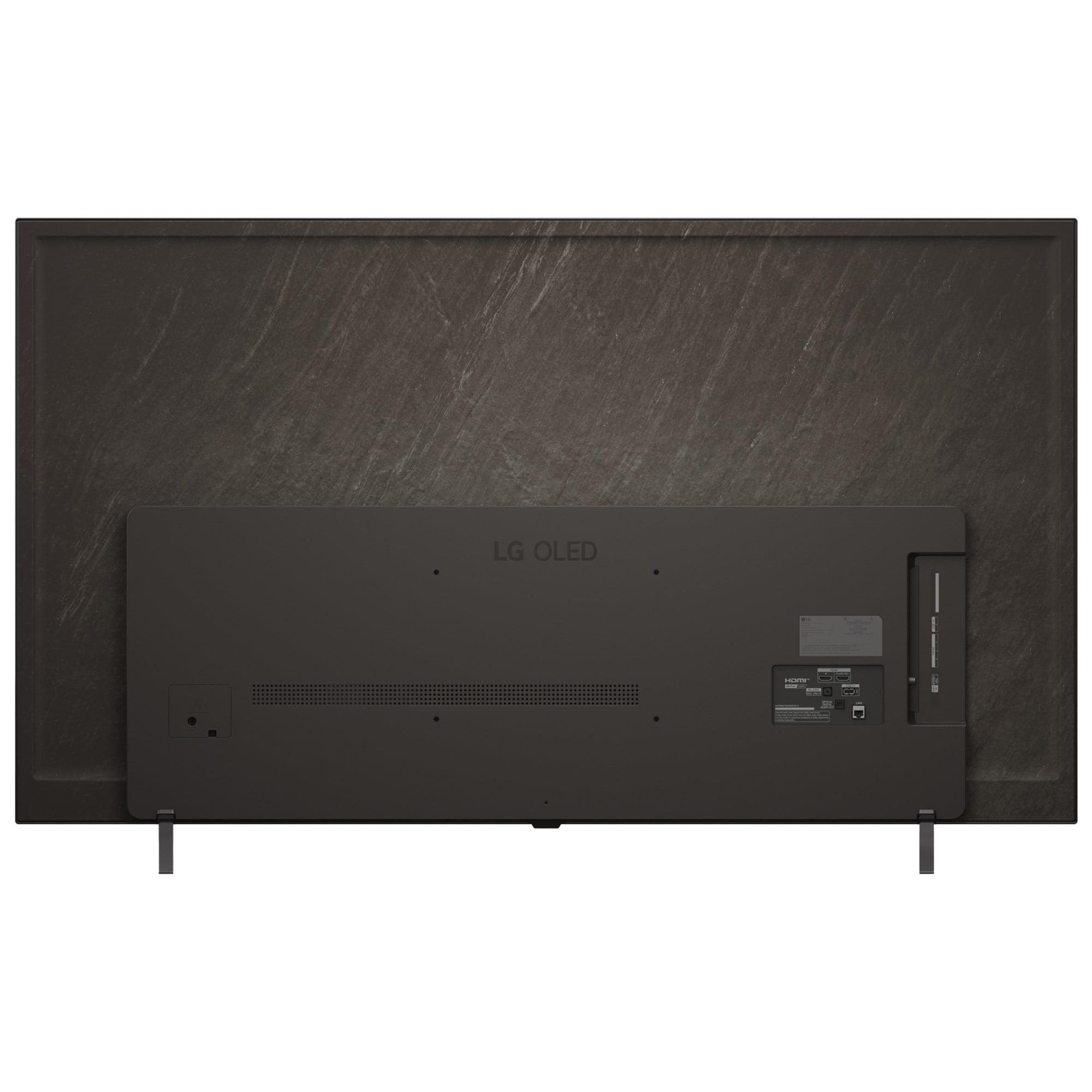
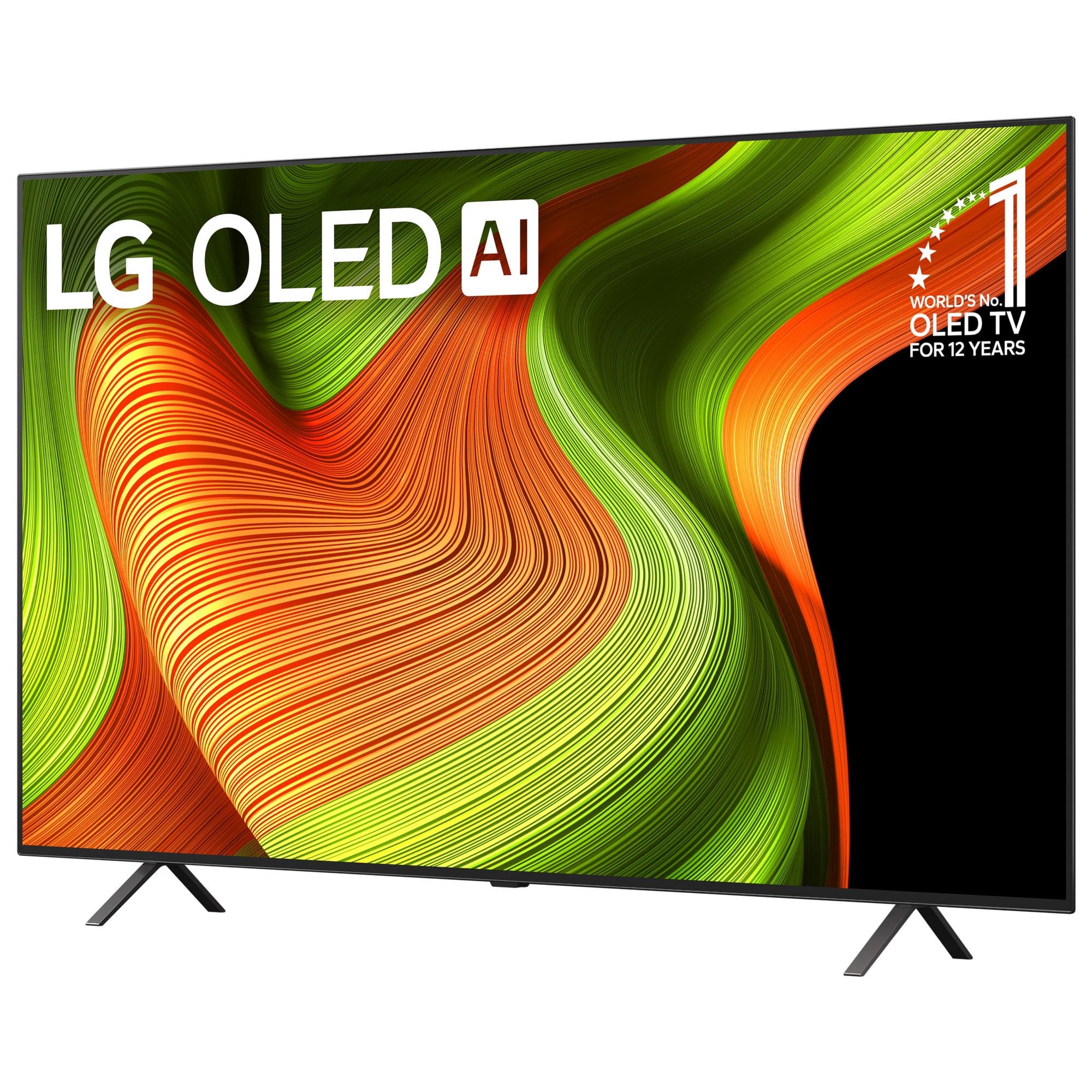
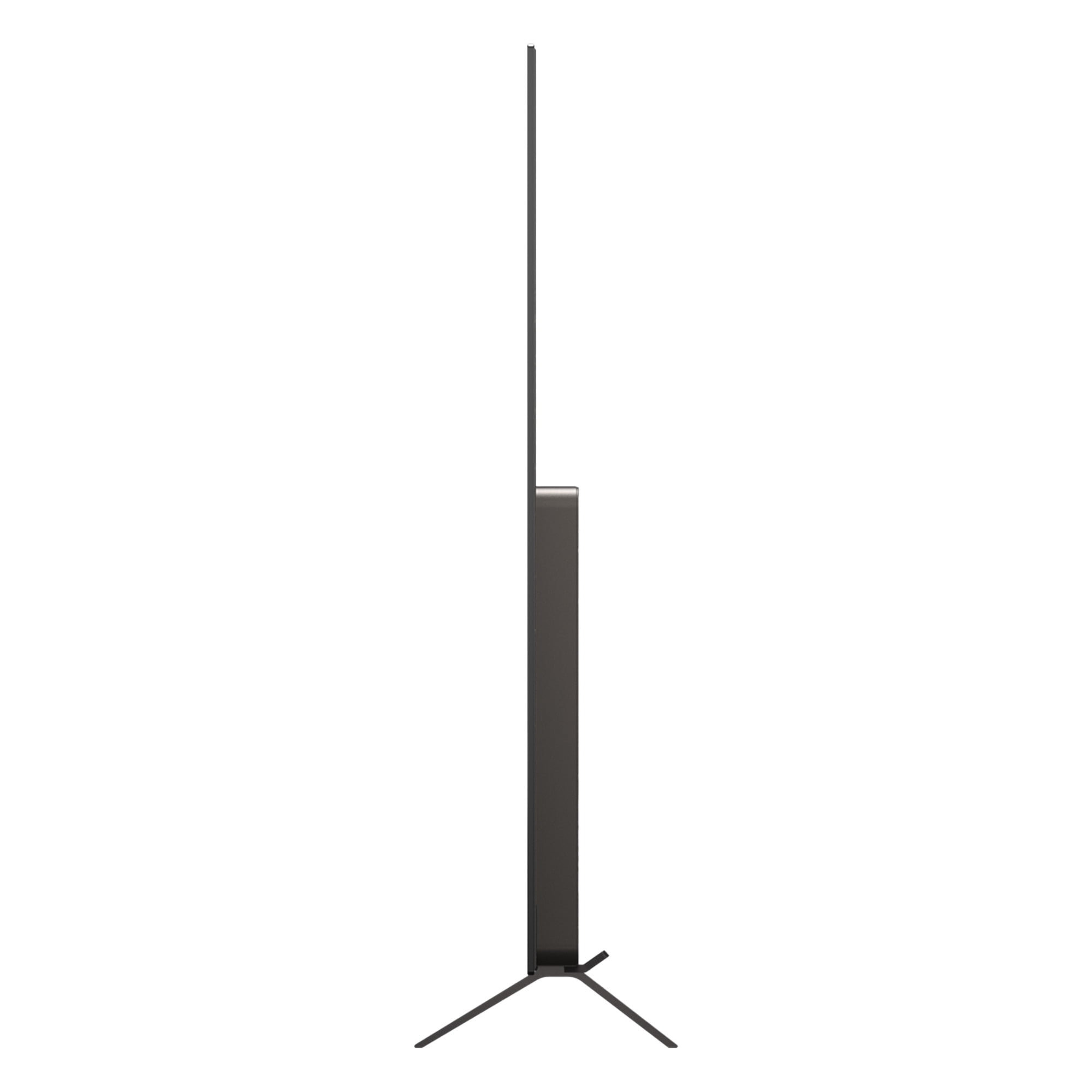
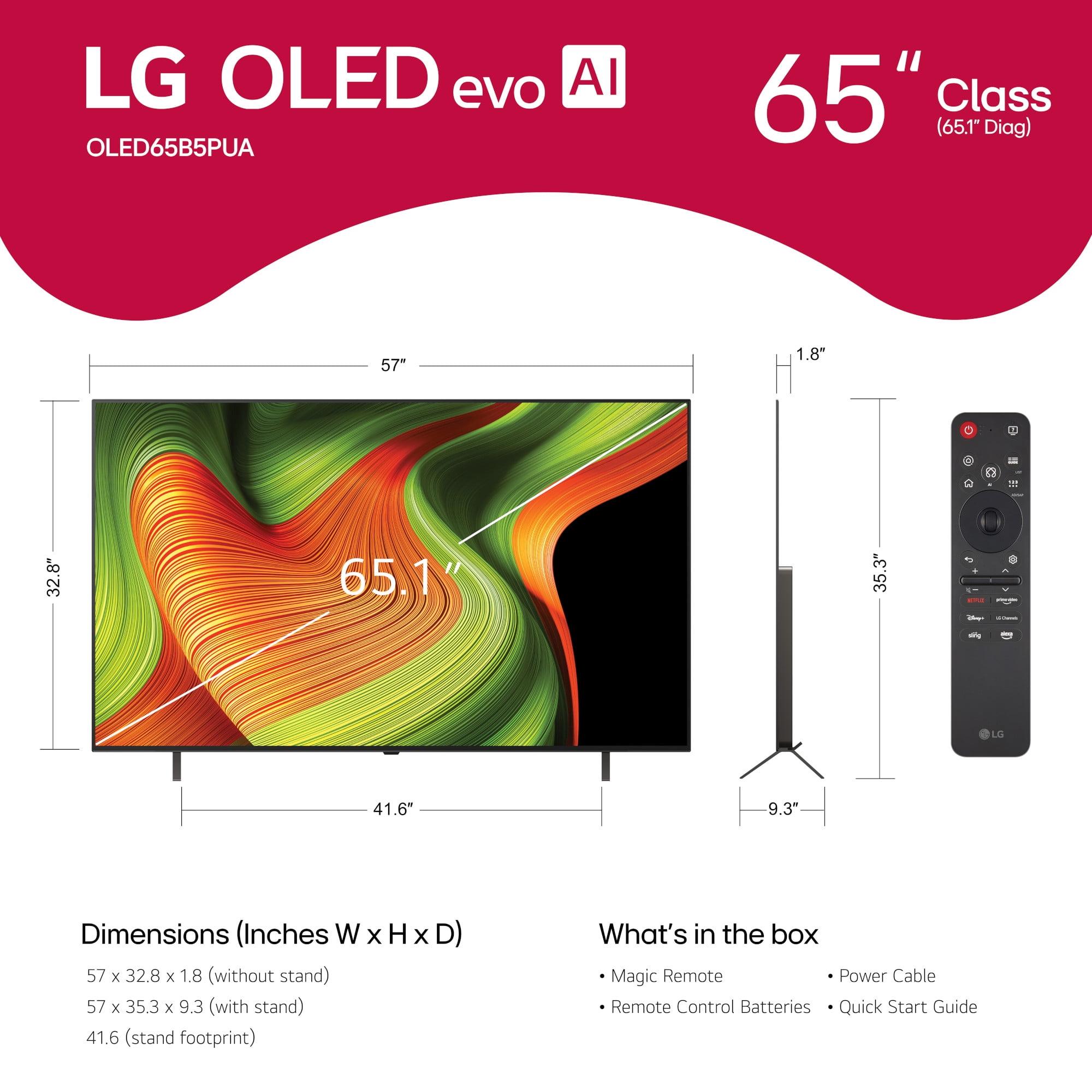
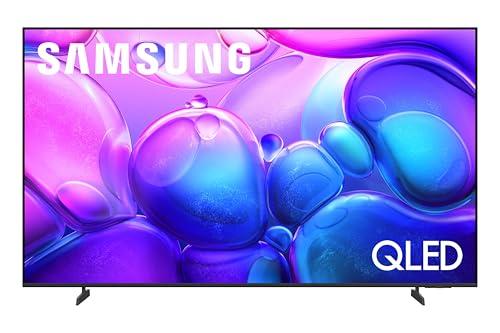
Choosing between the Samsung 75" QLED Q6F and LG B5 65" OLED feels like comparing apples to oranges—and that's actually the point. These 2025 TVs represent fundamentally different philosophies about what makes a great television. One prioritizes size and brightness, while the other focuses on perfect picture quality and gaming performance. Understanding which approach fits your needs will save you from buyer's remorse.
The TV market has split into distinct camps. QLED TVs like the Samsung Q6F use Quantum Dot technology—microscopic particles that enhance color when hit by blue LED backlights. This creates vibrant colors and bright pictures that work well in any lighting condition. OLED TVs like the LG B5 take a completely different approach, using millions of self-emitting pixels that can turn completely off to create perfect blacks.
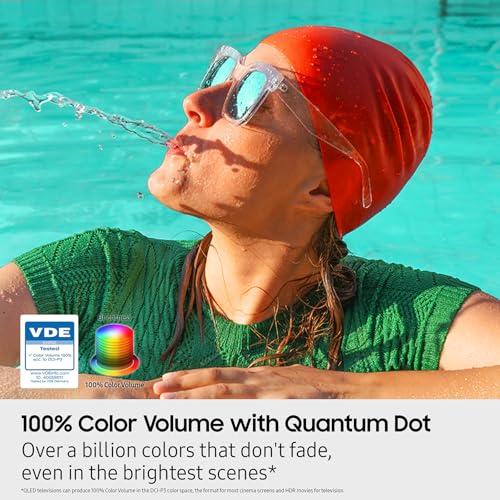
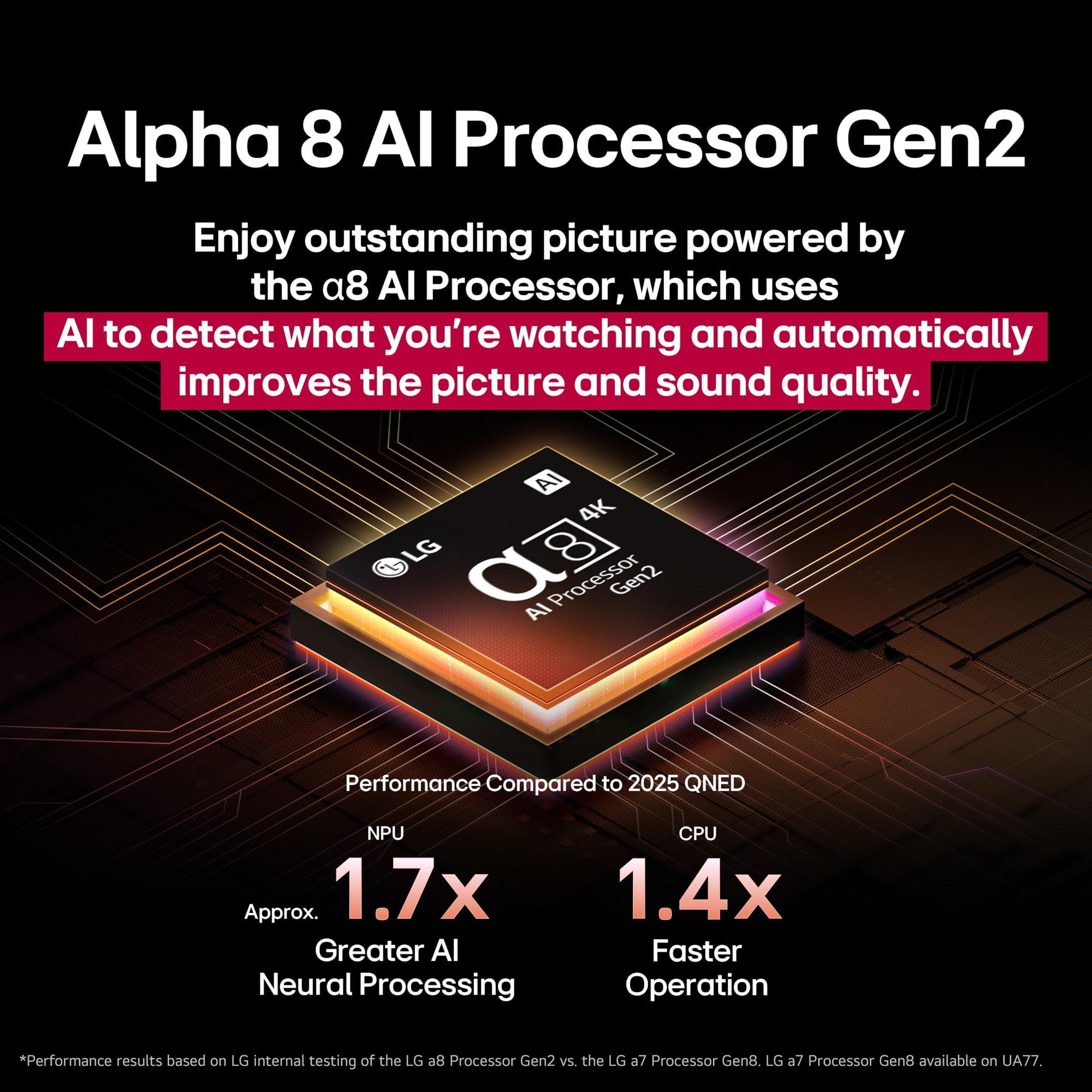
Both technologies have evolved significantly since their introduction. Samsung's 2025 QLED models benefit from improved Quantum Dot materials that are now cadmium-free (better for the environment) while maintaining 100% Color Volume—meaning they can display vivid colors even at maximum brightness. LG's 2025 OLEDs feature the new α8 AI Processor Gen2, which is 1.4 times faster than previous generations and provides more sophisticated real-time picture optimization.
The key difference? QLEDs excel in bright rooms but can't achieve true blacks, while OLEDs deliver perfect contrast but struggle with brightness. This fundamental trade-off shapes everything about how these TVs perform.
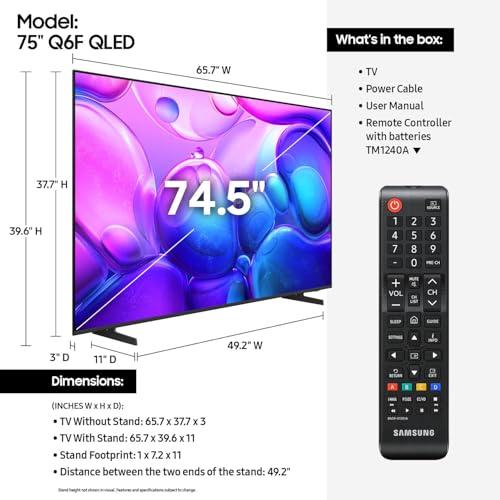
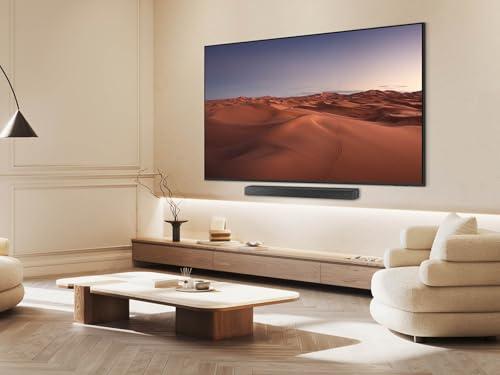
The Samsung Q6F gives you a massive 75-inch screen, while the LG B5 tops out at 65 inches. That 10-inch difference is more significant than it sounds—screen area increases exponentially, so you're getting about 30% more viewing real estate with the Samsung.
But here's where it gets interesting. The LG B5 uses that smaller canvas to deliver what many consider superior picture quality. Each pixel can turn completely off, creating true blacks that make colors pop and details emerge from dark scenes. When you're watching a movie like "Dune" with its stark contrasts between bright desert scenes and shadowy interiors, the difference is immediately obvious.
The Samsung Q6F, meanwhile, uses a full-array LED backlight with UHD Dimming—essentially zones of LEDs that can dim independently. It's a clever solution that improves contrast significantly over basic LED TVs, but it can't match OLED's pixel-perfect control. You'll notice this as "blooming"—bright objects on dark backgrounds create subtle halos of light.
For most viewers, the Samsung's larger screen size creates a more immersive experience that outweighs the contrast limitations. But if you're building a dedicated home theater or prioritize picture quality above all else, the OLED's superior contrast becomes the deciding factor.
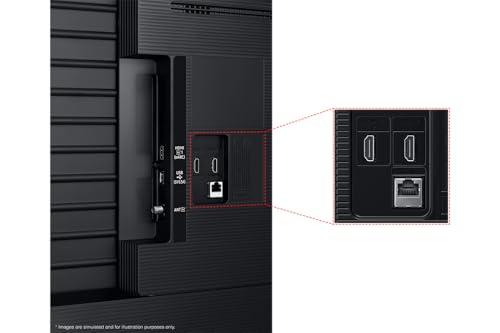
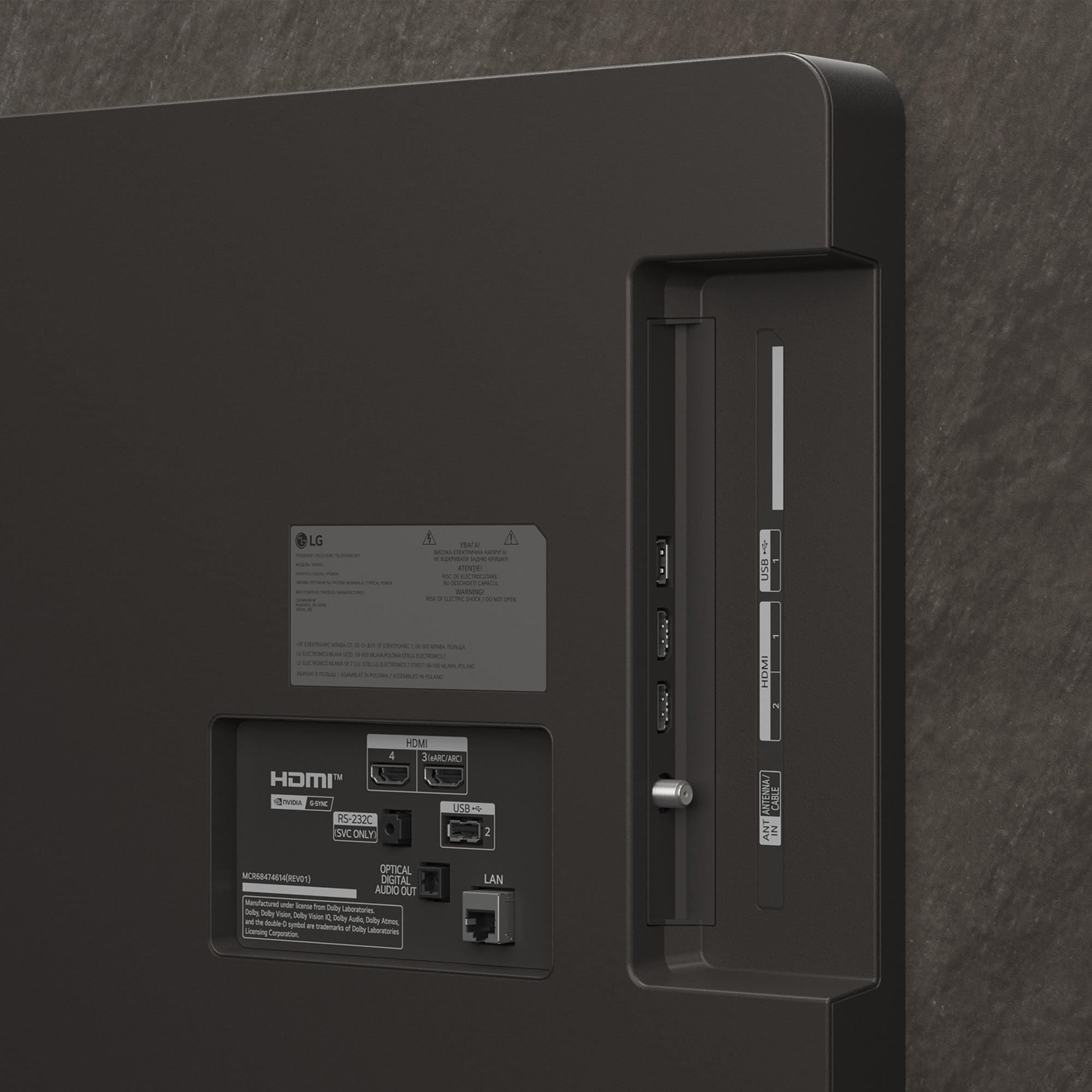
Gaming reveals the starkest difference between these TVs. The LG B5 operates at a native 120Hz refresh rate with an incredibly fast 0.1ms response time—essentially instantaneous pixel response that eliminates motion blur and ghosting. All four HDMI 2.1 ports support 4K gaming at 120 frames per second with Variable Refresh Rate (VRR), which synchronizes the TV's refresh rate with your console's output to eliminate screen tearing.
The Samsung Q6F is limited to 60Hz, which means smoother motion in fast-paced games simply isn't possible. While it supports Auto Game Mode (ALLM) to reduce input lag and includes VRR support, the 60Hz ceiling becomes a bottleneck for PlayStation 5 and Xbox Series X games that can output 120fps.
This isn't just about competitive gaming—even casual players notice the difference. Racing games feel more responsive, first-person shooters track targets more smoothly, and sports games capture the fluid motion of the real thing. The LG B5's Game Dashboard and Game Optimizer also provide quick access to gaming-specific settings without diving into complex menus.
If gaming matters to you at all, the OLED is the clear winner. The 120Hz advantage alone justifies the price difference for many buyers.
Here's where the Samsung Q6F fights back. QLED technology can achieve much higher peak brightness than OLED, making it significantly better for bright rooms. If your TV faces windows or you primarily watch during the day, the Samsung's ability to overpower ambient light becomes crucial.
The difference is dramatic. In a bright living room, the LG B5's image can look washed out and dim, while the Samsung Q6F maintains vibrant colors and clear details. This isn't a small technical advantage—it's the difference between a great viewing experience and a frustrating one.
OLED technology also uses Automatic Brightness Limiter (ABL) to prevent burn-in and manage heat. When displaying very bright scenes, the TV automatically dims the entire image to protect the panel. This can be noticeable during HDR content with bright highlights, where the Samsung Q6F would maintain consistent brightness.
The Samsung's Quantum Dot technology also maintains color accuracy at all brightness levels—something called 100% Color Volume. This means reds stay red and blues stay blue even when the TV is pushing maximum brightness, while traditional LED TVs often shift toward white.
High Dynamic Range (HDR) content reveals another key difference. The Samsung Q6F supports HDR10+ with dynamic metadata—information that tells the TV how to optimize each scene individually. This results in more accurate HDR reproduction, especially in content that varies dramatically between bright and dark scenes.
The LG B5 supports Dolby Vision, which also uses dynamic metadata but is more widely adopted by streaming services like Netflix and Disney+. However, it notably lacks HDR10+ support, which could become a limitation as more content adopts Samsung's format.
In practice, the Samsung's higher brightness gives HDR more impact in bright rooms, while the OLED's perfect blacks create more dramatic contrast in dark rooms. Neither approach is objectively better—they're optimized for different viewing environments.
Both TVs deliver 20W, 2-channel audio systems that sound surprisingly good for built-in speakers. The LG B5 supports Dolby Atmos, which creates a more immersive soundscape by bouncing audio off your ceiling. The Samsung Q6F counters with Object Tracking Sound Lite (OTS Lite), which tries to make sound follow the action on screen.
In reality, both approaches work better in theory than practice. The thin form factor of modern TVs simply can't produce the bass response and soundstage that most viewers want. Both TVs work seamlessly with soundbars—the Samsung through Q-Symphony technology and the LG through standard ARC/eARC connections.
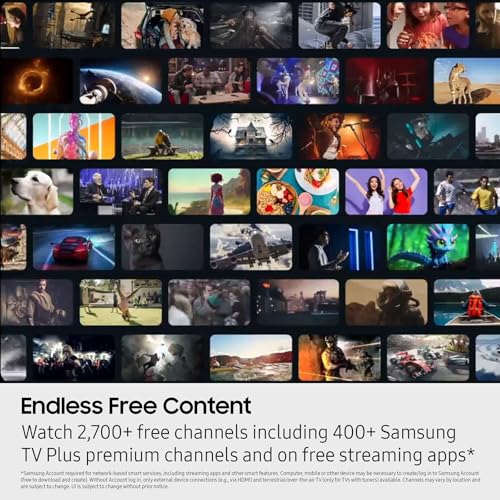
The smart TV experience has largely converged by 2025, with both platforms offering fast, responsive interfaces. The Samsung Q6F runs Tizen OS with Samsung TV Plus for free channels and SmartThings integration for smart home control. The LG B5 uses webOS 25 with Quick Cards for app organization and over 300 free LG Channels.
Both support all major streaming apps, voice control, and mobile device casting. The LG's new AI button on the remote provides faster access to voice commands, while Samsung's approach integrates voice control throughout the interface. These differences are minor—you'll adapt to either system quickly.
The processing difference is more significant than it initially appears. The LG B5's α8 AI Processor Gen2 provides sophisticated scene-by-scene optimization, analyzing content in real-time to enhance both picture and sound. It can recognize different content types—sports, movies, news—and apply appropriate enhancements automatically.
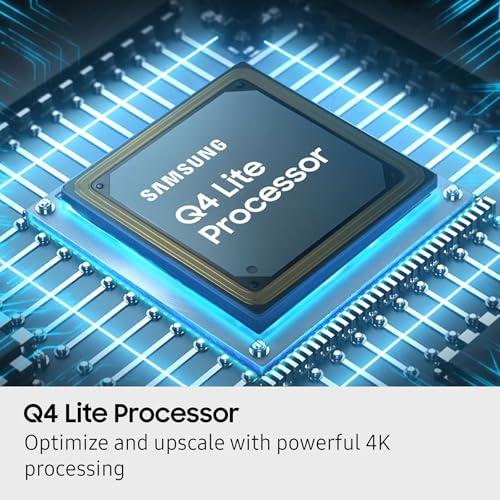
The Samsung Q6F's Q4 Lite Processor handles basic 4K upscaling and optimization effectively, but it's clearly a more budget-oriented solution. The difference becomes apparent with lower-quality source material, where the LG does a better job cleaning up compression artifacts and enhancing detail.
For streaming content from Netflix or Disney+, both processors handle 4K material well. The difference emerges with older content, broadcast TV, or lower-bitrate sources where more sophisticated processing pays dividends.
At the time of writing, the Samsung Q6F costs significantly less than the LG B5—roughly $400 less for a 10-inch larger screen. This creates a compelling value argument for the Samsung, especially when you calculate cost per inch of screen real estate.
But value isn't just about price per inch. The LG B5 delivers premium display technology that would have cost thousands just a few years ago. Perfect blacks, 120Hz gaming, and sophisticated AI processing represent genuine technological advantages that justify the premium for many buyers.
The Samsung's value proposition centers on delivering a lot of screen for the money with enhanced colors and smart features that satisfy most viewers. The LG's value lies in providing entry-level access to the best display technology available, albeit in a smaller package.
For dedicated home theater setups, the LG B5 holds significant advantages. Perfect blacks are crucial for the cinematic experience—they create the depth and dimensionality that makes movies feel immersive rather than flat. FILMMAKER MODE preserves the director's intent by disabling motion smoothing and adjusting color temperature automatically.
The ability to control lighting in a home theater also maximizes OLED's strengths while minimizing its brightness limitations. You'll see shadow detail that simply disappears on LED-based displays, and the wide viewing angles ensure everyone gets a great picture regardless of seating position.
However, the Samsung Q6F's larger screen size can create a more cinema-like experience in larger rooms. The 75-inch diagonal provides better immersion from typical viewing distances, and the brighter picture works well if your theater room isn't completely light-controlled.
OLED's one significant weakness remains burn-in—permanent image retention from static content displayed for extended periods. Modern OLEDs like the LG B5 include numerous protective features: pixel shifting, automatic brightness limiting, and logo detection that dims static elements. Burn-in is much less common than it was in early OLED generations, but it remains a theoretical risk.
The Samsung Q6F faces no such concerns. QLED technology is fundamentally more stable over time, with no risk of permanent image retention. For families who leave news channels on all day or use the TV for gaming with static HUDs, this peace of mind has value.
The Samsung 75" QLED Q6F makes sense for buyers who prioritize screen size and versatility. It's ideal for bright living rooms, families who watch varied content throughout the day, and anyone who wants a worry-free large screen experience without breaking the bank. The larger size creates better immersion for sports and movies, while the bright picture ensures good visibility in any lighting condition.
The LG B5 65" OLED targets viewers who prioritize picture quality and gaming performance. It's perfect for dedicated home theaters, serious gamers who want 120Hz performance, and anyone willing to pay more for the best contrast and color accuracy available. The smaller screen size becomes irrelevant when the picture quality is noticeably superior.
Based on our research and evaluation of expert opinions, the decision ultimately comes down to your room and priorities. Bright rooms favor the Samsung's higher brightness, while controlled lighting environments allow the LG's superior contrast to shine. Gaming enthusiasts should strongly consider the OLED's 120Hz advantage, while budget-conscious buyers seeking maximum screen size will appreciate the Samsung's value proposition.
Both represent solid choices in the 2025 TV landscape, just for very different buyers with different priorities. Choose based on your room, your budget, and whether you value size or picture quality more highly.
| Samsung 75-Inch QLED Q6F Series 2025 Smart TV | LG B5 Series OLED 65" 4K Smart TV 2025 |
|---|---|
| Screen Size - Bigger screen creates more immersive viewing experience | |
| 75 inches (30% more viewing area) | 65 inches (premium picture quality in smaller package) |
| Display Technology - Fundamental difference in how the picture is created | |
| QLED with Quantum Dot (enhanced colors, higher brightness) | WOLED (perfect blacks, infinite contrast ratio) |
| Refresh Rate - Critical for smooth motion and gaming performance | |
| 60Hz (adequate for movies, limited for gaming) | 120Hz native (smooth motion, excellent for gaming) |
| Peak Brightness - Determines performance in bright rooms | |
| Higher peak brightness (better for daytime viewing) | Lower peak brightness (struggles in bright rooms) |
| Black Levels - Impact on contrast and dark scene detail | |
| Gray blacks with some light bleeding | Perfect blacks (pixels turn completely off) |
| Gaming Response Time - How quickly pixels respond to input | |
| Standard LED response time | 0.1ms (virtually instantaneous for competitive gaming) |
| HDMI 2.1 Gaming Support - Next-gen console compatibility | |
| Limited 60Hz support with VRR | All 4 ports support 4K@120Hz with VRR |
| HDR Format Support - Compatibility with streaming content | |
| HDR10, HDR10+ (Samsung's preferred format) | HDR10, Dolby Vision (no HDR10+ support) |
| Processor - Affects upscaling and smart features | |
| Q4 Lite Processor (basic 4K upscaling) | α8 AI Processor Gen2 (1.4x faster, advanced optimization) |
| Burn-in Risk - Long-term reliability consideration | |
| No burn-in risk (traditional LED backlight) | Potential OLED burn-in with static content |
| Best Room Environment - Where each TV performs optimally | |
| Bright living rooms, daytime viewing | Dark theaters, controlled lighting |
| Price Positioning - Value proposition at time of writing | |
| Aggressive pricing for 75" QLED experience | Premium pricing for entry-level OLED technology |
The LG B5 OLED delivers superior picture quality with perfect blacks and infinite contrast ratio, making dark scenes incredibly detailed. The Samsung Q6F offers brighter, more vibrant colors that work better in well-lit rooms. For home theaters and dark room viewing, the OLED wins decisively, but the Samsung performs better in bright living rooms.
Choose the Samsung 75-inch Q6F if your living room has lots of natural light and you want maximum screen size for the money. The LG 65-inch B5 is better if you can control lighting and prioritize picture quality over size. The 10-inch size difference is significant, but OLED's superior contrast makes a smaller screen feel more immersive.
The LG B5 is dramatically better for gaming with its native 120Hz refresh rate, 0.1ms response time, and four HDMI 2.1 ports supporting 4K@120Hz gaming. The Samsung Q6F is limited to 60Hz, which restricts smooth gaming performance with PlayStation 5 and Xbox Series X consoles.
No, they support different HDR formats. The Samsung Q6F supports HDR10 and HDR10+ (Samsung's preferred format), while the LG B5 supports HDR10 and Dolby Vision but lacks HDR10+ support. Both formats deliver enhanced contrast and color, but compatibility varies by streaming service.
The Samsung Q6F QLED gets significantly brighter than the LG B5 OLED, making it better for bright rooms and daytime viewing. QLED technology can overpower ambient light, while OLED's lower brightness can look washed out in sunny conditions. However, OLED's perfect blacks create better contrast in dark environments.
The Samsung Q6F has no burn-in risk since it uses traditional LED backlighting technology. The LG B5 OLED has potential burn-in risk if static images are displayed for extended periods, though modern OLEDs include protective features that make burn-in much less common than in earlier generations.
Both TVs offer excellent smart features in 2025. The Samsung Q6F runs Tizen OS with Samsung TV Plus and SmartThings integration, while the LG B5 uses webOS 25 with Quick Cards and over 300 free LG Channels. The LG's α8 AI Processor provides more advanced content optimization, but both platforms support all major streaming apps.
The LG B5 OLED is superior for dedicated home theaters due to its perfect blacks, wide viewing angles, and FILMMAKER MODE that preserves cinematic intent. The Samsung Q6F offers a larger 75-inch screen that can create better immersion in bigger rooms, but its gray blacks and light bleeding reduce the premium cinema experience that OLED provides.
Value depends on priorities. The Samsung Q6F offers exceptional value for screen size, delivering 75 inches of QLED technology at an aggressive price point. The LG B5 provides better value for picture quality, offering entry-level access to premium OLED technology with superior gaming features, though at a higher cost per inch.
No, they have different refresh rates. The Samsung Q6F operates at 60Hz, which is adequate for movies and TV but limits gaming performance. The LG B5 features a native 120Hz refresh rate that provides smoother motion for sports, gaming, and fast-paced content.
The Samsung Q6F works much better in bright rooms due to its higher peak brightness and Quantum Dot technology that maintains color accuracy at all brightness levels. The LG B5 struggles in bright environments where its lower brightness can appear dim and washed out against ambient light.
Choose the Samsung Q6F for mixed family viewing if you watch content throughout the day in various lighting conditions and want the largest possible screen. The LG B5 is better if your family includes serious gamers who need 120Hz performance or if you primarily watch in controlled lighting where OLED's superior picture quality shines.
We've done our best to create useful and informative comparisons to help you decide what product to buy. Our research uses advanced automated methods to create this comparison and perfection is not possible - please contact us for corrections or questions. These are the sites we've researched in the creation of this article: youtube.com - rtings.com - cnet.com - youtube.com - rtings.com - samsung.com - bestbuy.com - samsung.com - samsung.com - bestbuy.com - manuals.plus - arrowassociatedstores.com - samsung.com - samsung.com - samsung.com - flatpanelshd.com - device.report - eftm.com - bestbuy.com - rtings.com - youtube.com - rtings.com - tomsguide.com - youtube.com - nationalproductreview.com.au - lg.com - manchesterbrothers.com - avsforum.com - lg.com - lg.com - lg.com - lg.com - retailspecs.com - american-homeappliance.com - perpichtv.com

Privacy Policy
Terms and Conditions - Affiliate Policy
Home Security
© Copyright 2008-2026.
11816 Inwood Rd #1211, Dallas, TX 75244