

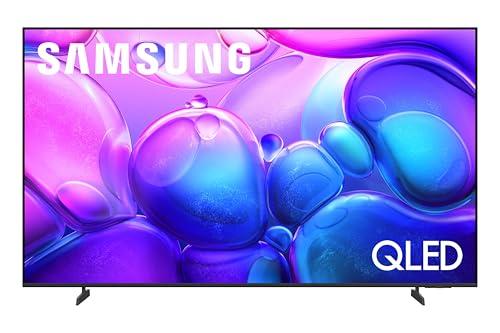

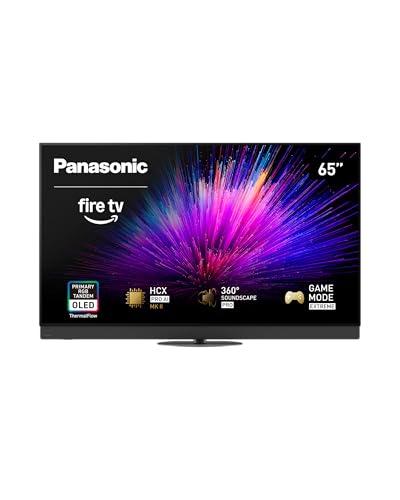
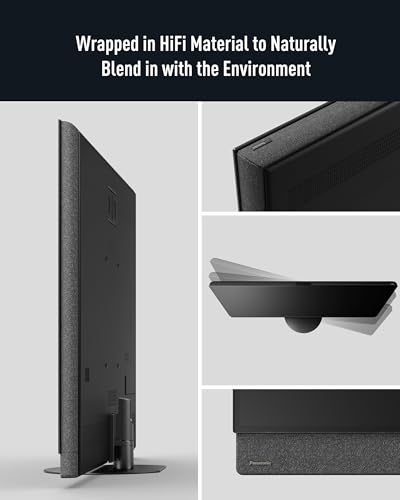
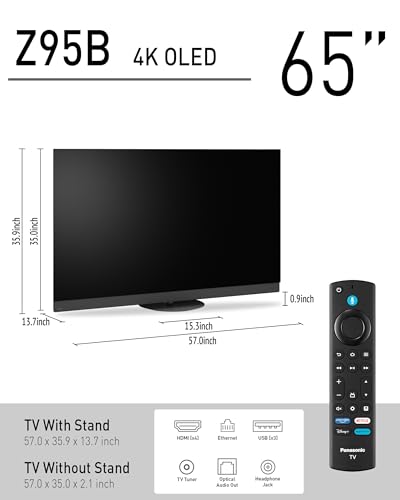
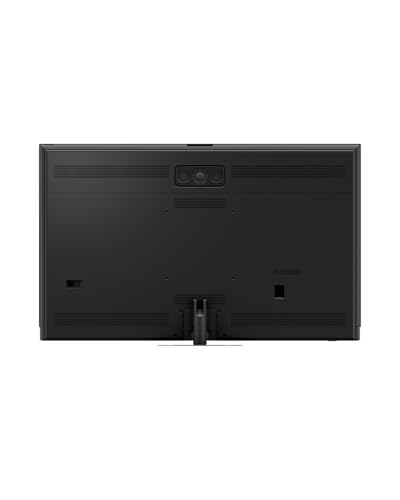

When shopping for a large TV in 2025, you're likely facing a familiar dilemma: do you prioritize screen size and value, or invest in cutting-edge display technology? The Samsung 75" QLED Q6F and Panasonic 65" Z95B OLED represent two completely different philosophies in TV design, each excelling in distinct areas that matter to different types of viewers.
The large screen TV market has evolved dramatically over the past few years. What once required a $3,000+ investment for premium features now offers compelling options across various price points. The key decision factors haven't changed much: display technology, screen size, picture quality in your specific room lighting, gaming capabilities, and overall value proposition.
However, the technology has advanced significantly. QLED panels now deliver brighter, more vibrant colors than ever before, while OLED technology has solved many of its earlier brightness limitations. Smart TV platforms have matured, gaming features have become standard, and built-in audio systems have improved considerably.
Both TVs launched in 2025, representing the latest thinking from their respective manufacturers. The Samsung Q6F continues Samsung's strategy of democratizing QLED technology, bringing quantum dot displays to mainstream price points. Meanwhile, the Panasonic Z95B showcases revolutionary panel technology that represents a genuine leap forward in OLED design.
The core difference between these TVs lies in how they create images. The Samsung Q6F uses QLED (Quantum Dot Light Emitting Diode) technology, which places a layer of quantum dots—microscopic semiconductor particles—in front of a traditional LED backlight. When blue light from the LEDs hits these quantum dots, they emit incredibly pure red and green light, resulting in more accurate and vibrant colors than standard LED TVs.
Think of quantum dots as tiny color filters that can produce very specific wavelengths of light. This precision allows QLED displays to reproduce colors that closely match what content creators intended, while also achieving impressive brightness levels that make HDR (High Dynamic Range) content really pop.
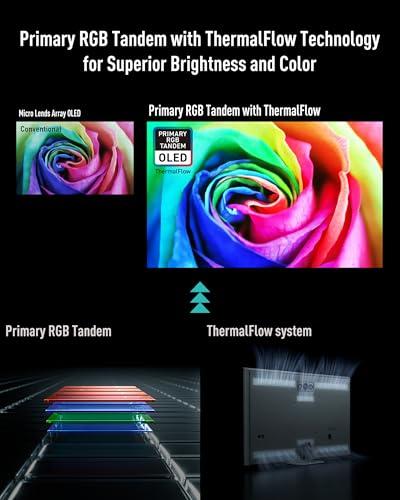
The Panasonic Z95B, on the other hand, uses what Panasonic calls Primary RGB Tandem OLED technology—a groundbreaking 4-stack panel design. Unlike traditional OLED panels that combine red, green, and blue elements in a single layer, this new architecture features completely separate red and green layers positioned between two blue layers. Each pixel produces its own light without any backlight, allowing for perfect blacks since individual pixels can turn completely off.
This 4-stack design isn't just marketing speak—it represents a fundamental shift in OLED engineering. The separate color layers improve light efficiency by approximately 40% compared to conventional OLED panels, while the ThermalFlow cooling system (inspired by aerodynamic techniques) manages heat more effectively. The result is an OLED panel that can theoretically reach 4,000 nits of peak brightness while using 20% less energy.
In practical terms, these technological differences create distinct viewing experiences. The Samsung Q6F excels in bright rooms thanks to its anti-reflective coating and impressive peak brightness. When you're watching during the day with windows open or lights on, the Samsung maintains excellent color vibrancy and contrast. Its quantum dot technology ensures that reds and greens remain saturated even when the room is well-lit.
The Panasonic Z95B takes a different approach, prioritizing absolute image accuracy and dynamic range. In darker viewing environments, the OLED's ability to produce perfect blacks creates an almost three-dimensional depth to images that QLED panels simply cannot match. When a scene transitions from bright sunlight to a dark interior, you'll see every detail in both the highlights and shadows without compromise.
However, the Z95B's new panel technology addresses OLED's traditional weakness: brightness. While early OLED TVs struggled in bright rooms, this Primary RGB Tandem design delivers HDR highlights that rival or exceed many QLED displays. The trade-off is complexity—this advanced panel technology contributes significantly to the TV's premium pricing.
HDR (High Dynamic Range) represents one of the most significant improvements in TV technology over the past decade. Instead of the limited brightness range of standard video, HDR content can display much brighter highlights and deeper shadows, creating more realistic and impactful images.
The Samsung Q6F supports HDR10 and HDR10+ formats, which covers the vast majority of HDR content available today. HDR10+ adds dynamic metadata, meaning the TV receives frame-by-frame instructions about how to display each scene optimally. In practice, this makes HDR content look more consistent and prevents issues like crushed shadows or blown-out highlights.
Where the Panasonic Z95B pulls ahead is comprehensive format support. Beyond HDR10 and HDR10+, it includes Dolby Vision—arguably the most advanced HDR format available. Dolby Vision uses 12-bit color depth (versus HDR10's 10-bit) and dynamic metadata to deliver the closest possible match to what filmmakers saw in professional mastering suites.
The practical difference is most noticeable in complex scenes with mixed lighting. A sunset scene with bright sky and shadowy foreground details will show more nuanced gradations on the Panasonic, while maintaining highlight detail that might be lost on lesser displays. However, some users report occasional artifacts with Dolby Vision in very dark scenes compared to HDR10 content, suggesting the format's implementation requires continued refinement.
Modern gaming has transformed TV requirements. Both consoles and PC gaming now routinely demand high refresh rates, variable refresh rate support, and ultra-low input lag. How these TVs handle gaming represents a significant differentiation point.
The Samsung Q6F covers gaming fundamentals adequately. Its 60Hz refresh rate works perfectly for standard console gaming, while VRR (Variable Refresh Rate) and ALLM (Auto Low Latency Mode) ensure smooth gameplay without tearing or excessive lag. For PlayStation 5 or Xbox Series X gaming at standard performance levels, the Samsung delivers a solid experience that most casual gamers will find entirely satisfactory.
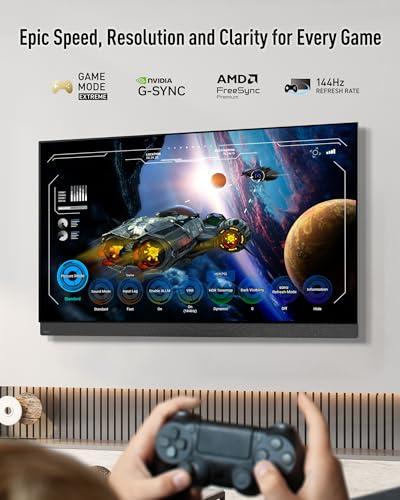
However, the Panasonic Z95B targets serious gaming with its 144Hz maximum refresh rate capability. This higher refresh rate becomes crucial for competitive PC gaming, where every frame can make the difference between winning and losing. The near-instantaneous pixel response time means moving objects remain sharp without motion blur, while AMD FreeSync and G-SYNC compatibility ensure smooth performance across different graphics cards.
The difference becomes most apparent in fast-paced games. Racing games, first-person shooters, and sports titles all benefit significantly from higher refresh rates and faster response times. If you're primarily playing single-player adventures or casual games, the Samsung's capabilities are sufficient. But for competitive multiplayer gaming or if you want future-proof performance as games continue pushing frame rates higher, the Panasonic offers clear advantages.
TV audio often gets overlooked until you're actually living with a display daily. Both manufacturers took different approaches to solving the common problem of thin, unsatisfying built-in speakers.
The Samsung Q6F includes a basic 2-channel system with Object Tracking Sound Lite. While this technology attempts to move audio across the screen to match on-screen action, the limited speaker configuration and 20W total power output means you'll likely want to add a soundbar for truly immersive experiences. The built-in audio is adequate for casual viewing but becomes the system's limiting factor for movies or gaming.
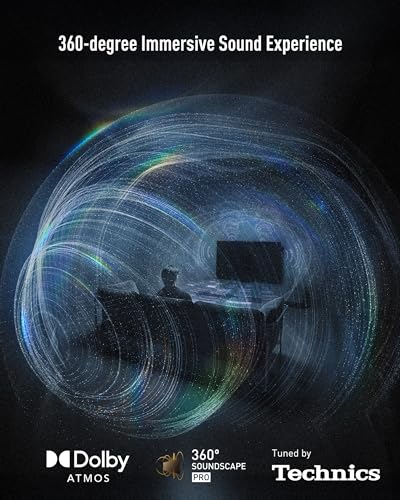
Panasonic took a dramatically different approach with the Z95B, integrating what they call 360° Soundscape Pro—a comprehensive 5.1.2 channel system tuned by Technics. This isn't just marketing collaboration; Technics engineers repositioned speakers throughout the TV's frame, including dedicated height-firing drivers for Dolby Atmos content and a 30W subwoofer with passive radiator for meaningful bass extension.
The practical result is that the Panasonic Z95B often eliminates the immediate need for external audio equipment. While dedicated home theater systems will still outperform it, the integrated audio quality reaches levels that many viewers will find entirely satisfactory for daily use. This represents genuine added value, especially considering quality soundbars easily cost $300-500 additional.
Both TVs run mature smart TV platforms, but they target different user needs. The Samsung Q6F uses Tizen OS, which integrates seamlessly with Samsung's broader ecosystem. SmartThings compatibility, Samsung TV Plus (providing access to free streaming channels), and integration with Alexa and Google Assistant create a comprehensive smart home experience.
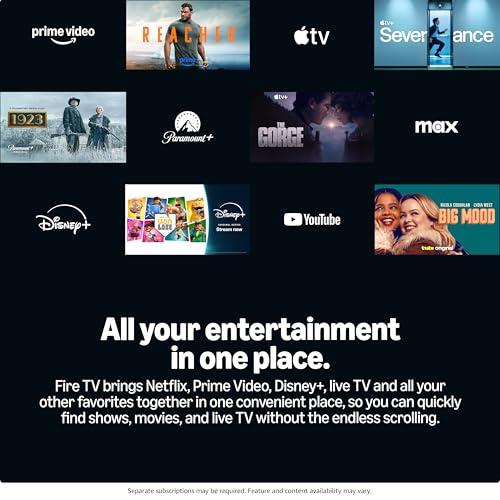
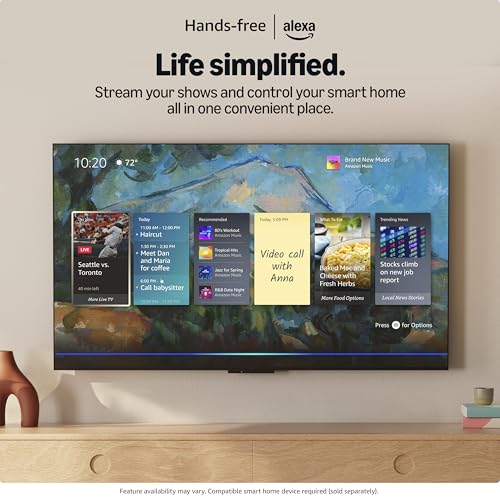
The Panasonic Z95B runs Fire TV, Amazon's streaming-focused platform. While it provides excellent app selection and Alexa integration, the Z95B's real differentiator lies in professional features. Support for Calman calibration and ISFccc standards means professional installers can precisely calibrate the display to reference standards. Filmmaker Mode, Prime Video Calibrated Mode, and Netflix Adaptive Calibrated Mode ensure content appears exactly as creators intended.
These professional features matter most in dedicated home theater environments where accurate color reproduction and proper gamma curves are priorities. For casual viewing, the Samsung's smart features are more immediately useful, while the Panasonic targets enthusiasts who appreciate technical precision.
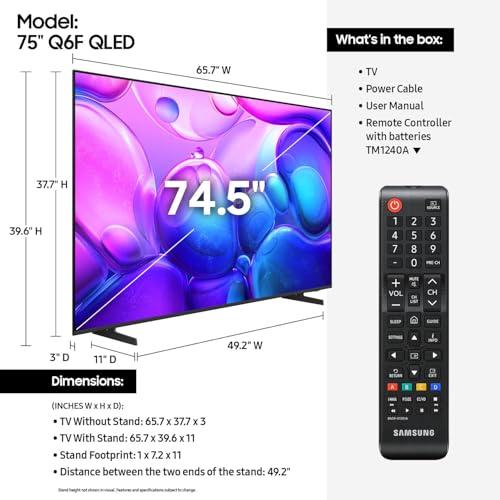
The 10-inch size difference between these displays significantly affects their value propositions and intended use cases. Screen size follows an area calculation, so the Samsung's 75-inch display provides approximately 25% more viewing area than the Panasonic's 65-inch panel.
For family rooms and casual viewing, this size advantage is substantial. Sports viewing, movie nights with multiple people, and general entertainment all benefit from the larger canvas. The Samsung's size advantage becomes even more pronounced when you consider its significantly lower price point—at the time of writing, it costs roughly one-quarter of the Panasonic's price while delivering 25% more screen area.
However, size isn't everything in home theater applications. The Panasonic Z95B targets viewers who prioritize image quality over sheer size. In dedicated theater rooms with controlled lighting and closer seating distances, the superior contrast ratio, color accuracy, and HDR performance often matter more than raw screen area.
The price differential reflects not just size differences but completely different target markets. The Samsung Q6F aims to deliver QLED technology at mainstream pricing, making quantum dot displays accessible to budget-conscious buyers. The Panasonic Z95B represents flagship-tier technology with pricing to match, targeting enthusiasts willing to invest significantly more for cutting-edge performance.
For dedicated home theater setups, several factors become critically important beyond basic TV performance. Room lighting control, seating distance, audio requirements, and source material quality all influence which display delivers better results.
In properly darkened home theater environments, the Panasonic Z95B demonstrates clear superiority. The infinite contrast ratio creates depth and dimensionality that transforms viewing experiences, particularly with high-quality source material. The comprehensive HDR format support ensures compatibility with the best available content, while professional calibration capabilities allow precise tuning for your specific room conditions.
The integrated 5.1.2 audio system becomes particularly valuable in home theater applications, where adding external speakers often involves running wires and finding appropriate placement. While dedicated theater audio will still outperform built-in speakers, the Panasonic's audio quality reduces the pressure to immediately invest in external solutions.
However, the Samsung Q6F isn't automatically disqualified from home theater use. Its larger 75-inch screen creates impressive immersion, while the bright, vibrant QLED panel delivers excellent performance with HDR content. The key limitation is black level performance—in completely dark rooms, the inability to turn off individual pixels means dark scenes won't achieve the same depth as OLED displays.
After extensive research into expert reviews and user feedback, clear usage patterns emerge for each display.
The Samsung 75" Q6F makes the most sense for households prioritizing practical value and screen size. If you're replacing an aging TV in a bright family room, want impressive scale for sports and movies, and appreciate mainstream smart TV features, the Samsung delivers exceptional value. Its QLED technology ensures vibrant, engaging pictures that work well across various lighting conditions, while the large screen creates genuine immersion for group viewing.
This TV particularly suits viewers who consume a mix of streaming content, broadcast television, and casual gaming. The bright, punchy picture quality makes everything look engaging, while the comprehensive smart features provide easy access to all major streaming platforms and services.
The Panasonic 65" Z95B targets a different audience entirely. This display makes sense for dedicated enthusiasts who prioritize absolute image quality over screen size or budget considerations. If you have a controlled viewing environment, appreciate technical excellence, and want the closest possible match to content creators' intentions, the Panasonic justifies its premium pricing.
This TV especially appeals to cinephiles, serious gamers, and anyone building a dedicated home theater setup. The revolutionary panel technology, comprehensive HDR support, and professional calibration capabilities create viewing experiences that approach reference-quality displays costing significantly more.
These televisions represent fundamentally different approaches to modern TV design, making direct comparisons somewhat unfair to both. The Samsung Q6F succeeds brilliantly at delivering impressive large-screen entertainment at an accessible price point. The Panasonic Z95B showcases cutting-edge technology that pushes OLED performance into new territory.
Your choice should align with your priorities, viewing environment, and budget reality. If screen size, practical value, and bright room performance matter most, the Samsung offers compelling advantages. If you prioritize ultimate image quality, comprehensive format support, and future-proof technology in a smaller package, the Panasonic represents a worthwhile investment.
Both displays succeed at their intended purposes, serving different segments of the TV market effectively. The key is understanding which segment matches your specific needs and expectations.
| Samsung 75-Inch QLED Q6F Series 2025 Smart TV | Panasonic Z95B Series 65" OLED 4K Smart Fire TV |
|---|---|
| Screen Size - Bigger screen creates more immersive viewing experience | |
| 75 inches (25% more viewing area) | 65 inches (optimal for home theater setups) |
| Display Technology - Determines picture quality and performance characteristics | |
| QLED with Quantum Dot (excellent brightness, vibrant colors) | Primary RGB Tandem OLED 4-stack (perfect blacks, infinite contrast) |
| Peak Brightness - Critical for HDR impact and bright room viewing | |
| ~2,000 nits (excellent for bright rooms and daytime viewing) | ~4,000 nits panel capability (superior HDR highlights) |
| Black Levels - Affects contrast and dark scene detail | |
| LED backlight limitations (good but not perfect blacks) | Perfect blacks (pixels turn completely off) |
| HDR Format Support - Determines compatibility with premium content | |
| HDR10, HDR10+ (covers most HDR content) | HDR10, HDR10+, Dolby Vision, HLG (comprehensive support) |
| Gaming Refresh Rate - Higher rates provide smoother, more responsive gaming | |
| 60Hz (adequate for console gaming) | 144Hz (ideal for competitive PC gaming) |
| Gaming Features - Modern console and PC compatibility | |
| VRR, ALLM (solid for PS5/Xbox Series X) | VRR, ALLM, FreeSync, G-SYNC (advanced gaming credentials) |
| Audio System - Determines if external speakers are needed | |
| 2CH, 20W (basic, likely needs soundbar) | Technics-tuned 5.1.2, 170W (premium built-in audio) |
| Smart TV Platform - Affects app selection and user experience | |
| Tizen OS (Samsung ecosystem integration) | Fire TV (Amazon ecosystem with professional features) |
| Professional Calibration - Important for home theater accuracy | |
| Standard picture modes only | Calman, ISFccc support, Filmmaker Mode |
| Value Proposition - Price-to-performance consideration | |
| Exceptional value for large screen QLED technology | Premium pricing for cutting-edge OLED innovation |
| Best For - Primary use case recommendation | |
| Bright rooms, family viewing, budget-conscious buyers | Dark rooms, home theater, picture quality enthusiasts |
The Panasonic Z95B OLED delivers superior picture quality in dark rooms thanks to its ability to produce perfect blacks. Each pixel can turn completely off, creating infinite contrast that makes dark scenes appear more realistic and detailed. The Samsung Q6F QLED uses LED backlighting which cannot achieve true black levels, resulting in slightly grayish dark areas.
The Samsung Q6F features a 75-inch screen while the Panasonic Z95B has a 65-inch display. This 10-inch difference translates to approximately 25% more viewing area on the Samsung, making it more immersive for sports, movies, and group viewing situations.
The Samsung 75-Inch QLED Q6F performs better in bright rooms due to its higher peak brightness and anti-reflective coating. QLED technology excels at maintaining color vibrancy and contrast even with ambient light present. The Panasonic Z95B, while much improved over older OLED models, still performs best in controlled lighting environments.
The Panasonic Z95B OLED offers comprehensive HDR support including HDR10, HDR10+, Dolby Vision, and HLG formats. The Samsung Q6F QLED supports HDR10 and HDR10+ but lacks Dolby Vision support, which is a limitation across Samsung's TV lineup.
The Panasonic Z95B offers superior gaming performance with its 144Hz refresh rate, AMD FreeSync, G-SYNC compatibility, and ultra-low input lag. The Samsung Q6F provides adequate gaming with 60Hz refresh rate, VRR, and ALLM support, making it suitable for standard console gaming but less ideal for competitive PC gaming.
The Panasonic Z95B Series features a premium Technics-tuned 5.1.2 audio system with 170 watts of power, often eliminating the need for external speakers. The Samsung Q6F has a basic 2-channel system with 20 watts that will likely require a soundbar for an immersive audio experience.
The Samsung 75-Inch QLED Q6F provides exceptional value, delivering a large QLED display with solid features at a mainstream price point. The Panasonic Z95B costs significantly more but offers cutting-edge OLED technology and premium features that justify the investment for picture quality enthusiasts.
The Panasonic Z95B OLED excels in dedicated home theater environments with its perfect blacks, comprehensive HDR support, and professional calibration capabilities. The Samsung Q6F can work in home theaters but performs better in mixed-use living spaces where its bright, vibrant picture and larger screen size provide advantages.
The Samsung Q6F runs Tizen OS with Samsung ecosystem integration, SmartThings compatibility, and Samsung TV Plus free channels. The Panasonic Z95B uses Fire TV with Alexa integration and includes professional features like Filmmaker Mode and calibration support for enthusiasts.
Both the Samsung QLED Q6F and Panasonic Z95B OLED offer good longevity, but the Panasonic's more comprehensive HDR format support and higher refresh rate capabilities make it more future-proof for evolving content standards and gaming requirements.
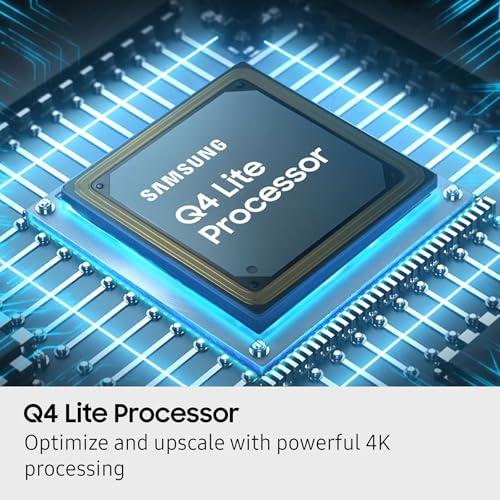
Both TVs excel with 4K content. The Samsung Q6F uses a Q4 Lite processor for effective upscaling and processing, while the Panasonic Z95B employs the more advanced HCX Pro AI MK II processor with superior noise reduction and detail enhancement for streaming and lower-resolution sources.
Choose the Samsung 75-Inch Q6F for bright living rooms where you want maximum screen size and value, especially for family viewing and casual entertainment. Select the Panasonic Z95B OLED if you prioritize ultimate picture quality, have controlled lighting, and want premium features that justify the higher investment.
We've done our best to create useful and informative comparisons to help you decide what product to buy. Our research uses advanced automated methods to create this comparison and perfection is not possible - please contact us for corrections or questions. These are the sites we've researched in the creation of this article: youtube.com - rtings.com - cnet.com - youtube.com - rtings.com - samsung.com - bestbuy.com - samsung.com - samsung.com - bestbuy.com - manuals.plus - arrowassociatedstores.com - samsung.com - samsung.com - samsung.com - flatpanelshd.com - device.report - rtings.com - whathifi.com - techradar.com - tomsguide.com - youtube.com - youtube.com - youtube.com - avsforum.com - bestbuy.com - manuals.plus - na.panasonic.com - panasonic.com - displayspecifications.com - valueelectronics.com - flatpanelshd.com - valueelectronics.com - displayspecifications.com - flatpanelshd.com

Privacy Policy
Terms and Conditions - Affiliate Policy
Home Security
© Copyright 2008-2026.
11816 Inwood Rd #1211, Dallas, TX 75244