

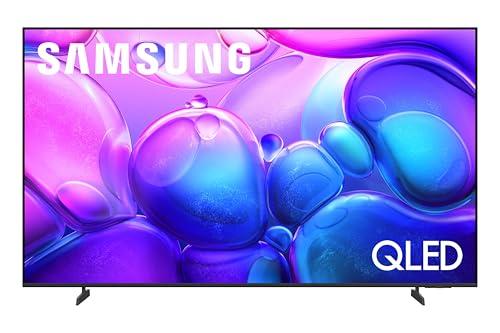
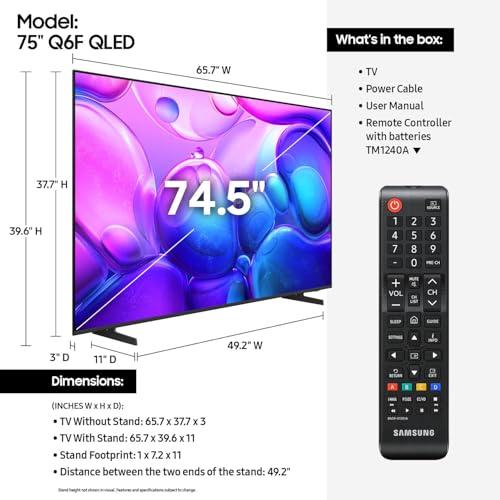
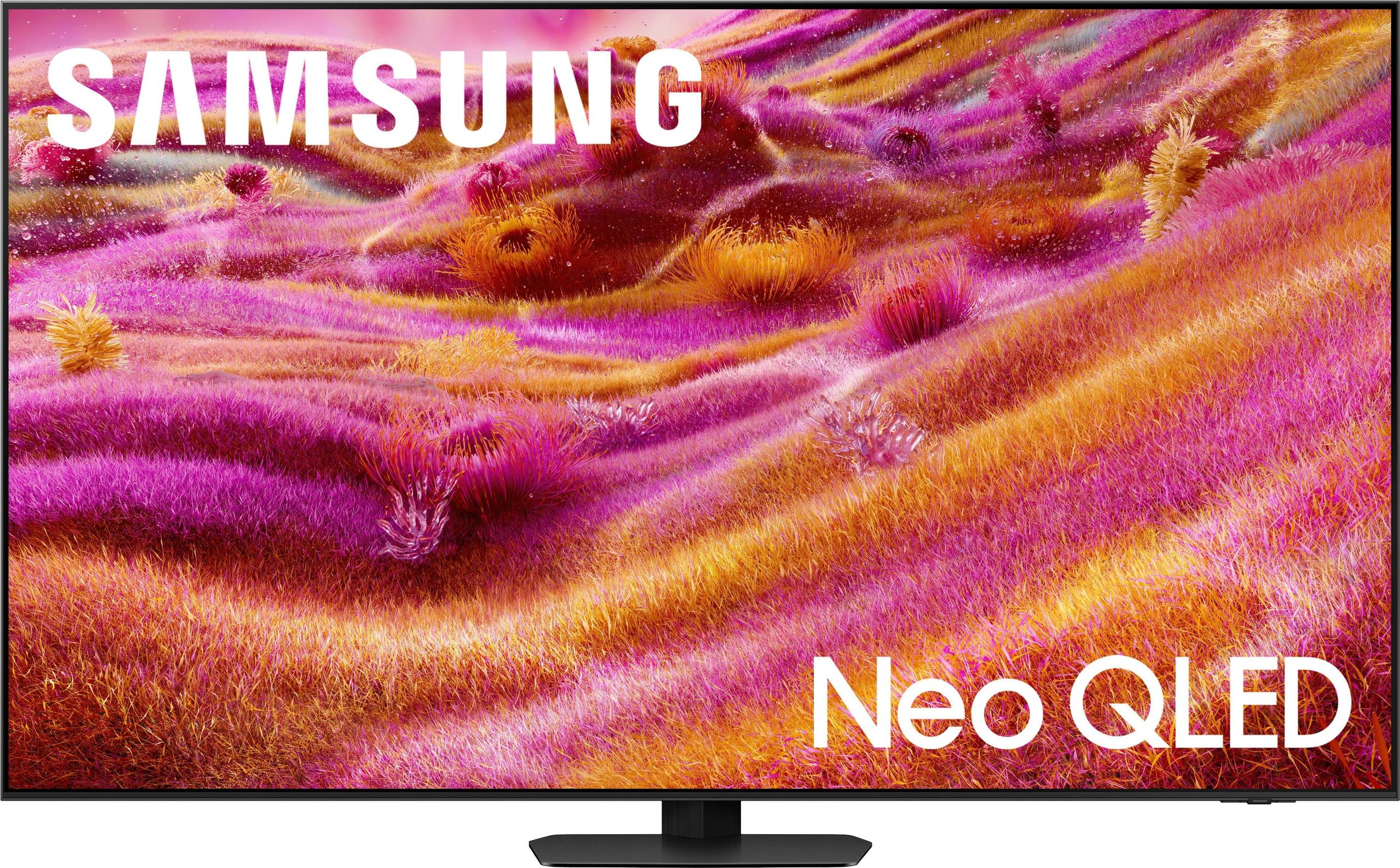
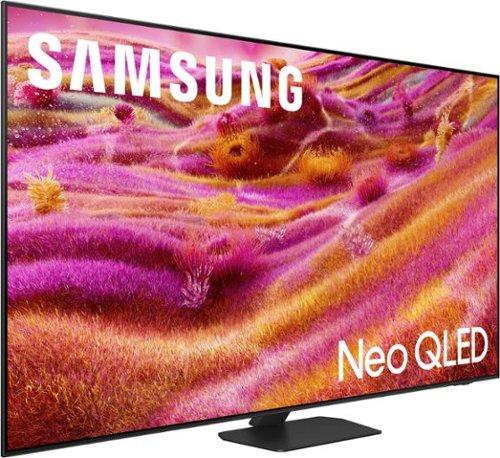
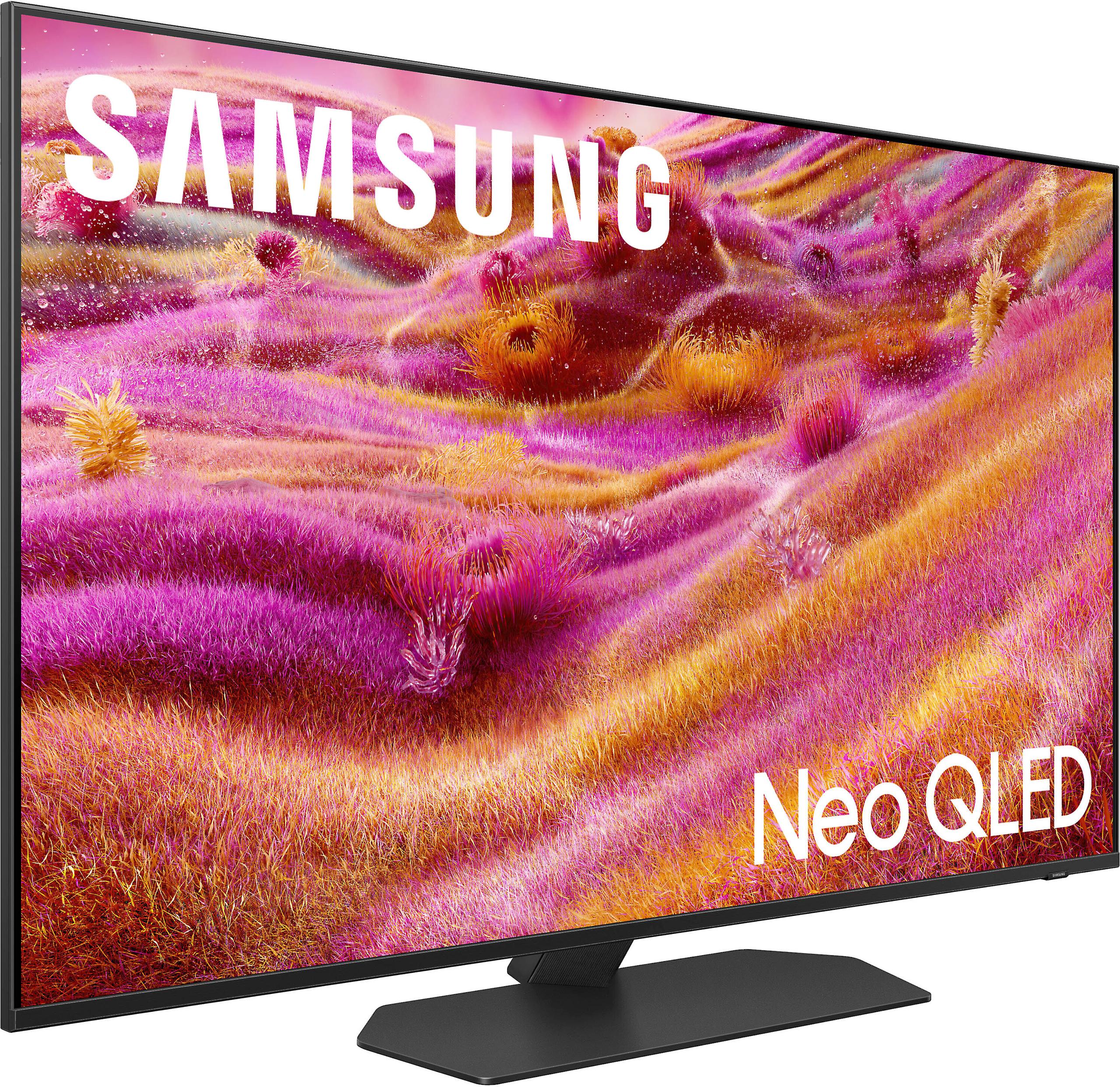
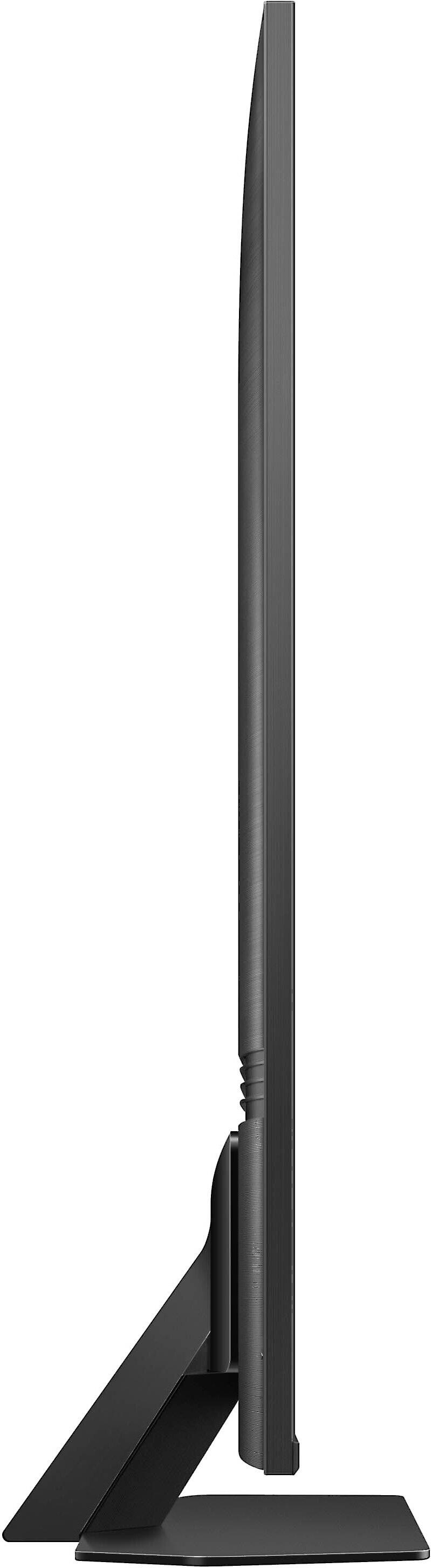
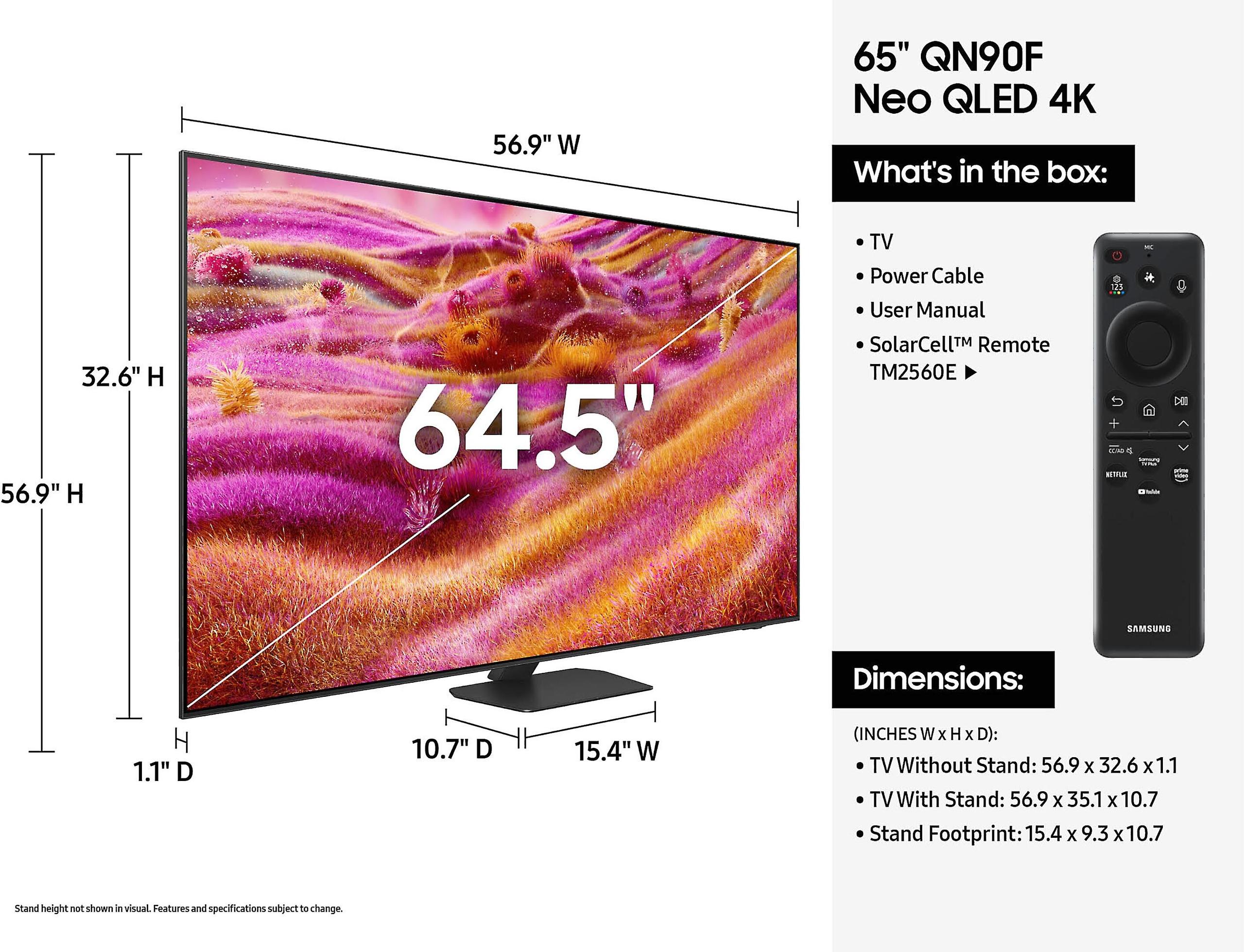
When Samsung released their 2025 QLED lineup, they created an interesting dilemma for TV shoppers. On one end, you have the 75-inch Q6F—a massive screen with quantum dot technology at an entry-level price point. On the other, there's the 65-inch QN90F—a smaller but significantly more advanced TV packed with Samsung's latest Mini LED technology and AI features. Both arrived in early 2025 as part of Samsung's refreshed QLED family, but they target completely different audiences.
The choice between these two models highlights a fundamental question in TV shopping: do you prioritize sheer screen size, or do you invest in premium picture quality and advanced features? After diving deep into the technology, user feedback, and performance data, I'll help you understand which approach makes more sense for your specific situation.
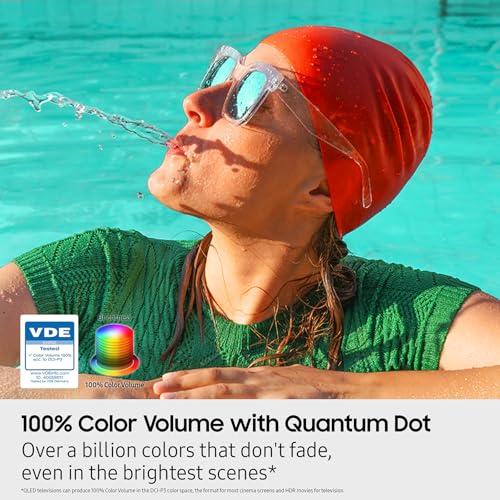
Before we compare these specific models, it's worth understanding what QLED actually means and why it matters. QLED stands for Quantum Dot LED, a technology that uses microscopic particles called quantum dots to produce more accurate and vibrant colors than traditional LED TVs. Think of quantum dots as tiny color filters that can produce incredibly pure red, green, and blue light when hit by the TV's backlight.
However, not all QLEDs are created equal. Samsung's 2025 lineup spans from basic QLED implementations to advanced Neo QLED models that combine quantum dots with Mini LED backlighting—a crucial distinction we'll explore.
The main factors that separate budget QLEDs from premium models include the type of backlighting system, the sophistication of the image processor, peak brightness capabilities, gaming features, and smart TV functionality. These differences can dramatically impact your viewing experience, especially in challenging conditions like bright rooms or when watching HDR (High Dynamic Range) content.
The most significant technical difference between the Q6F and QN90F lies in their backlighting systems. The Q6F uses traditional edge-lit LED backlighting, where LEDs are positioned around the edges of the screen and light is distributed across the panel using light guides. This approach keeps costs down but limits the TV's ability to create true blacks and bright highlights simultaneously.
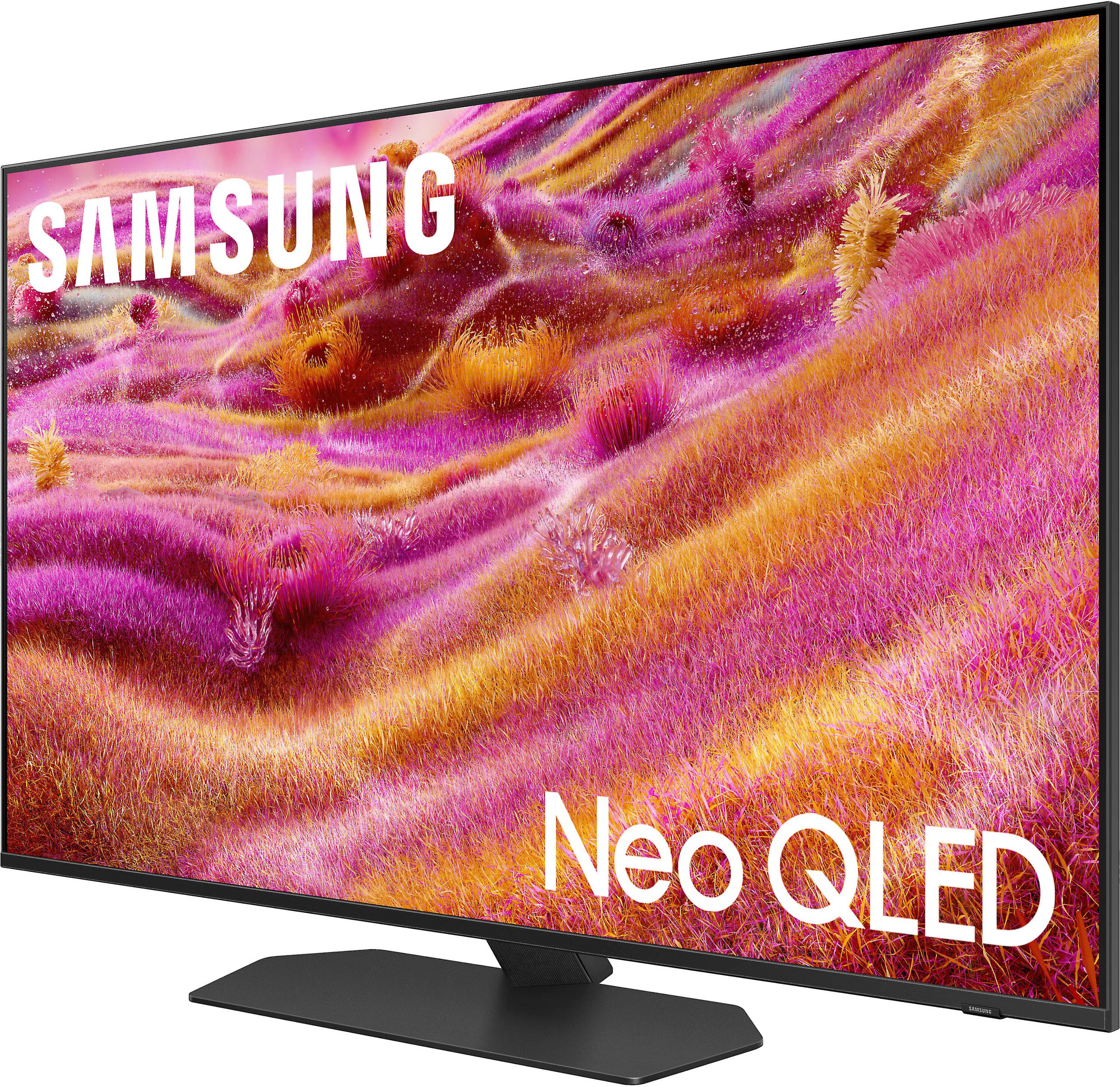
The QN90F, on the other hand, uses Neo QLED technology—Samsung's implementation of Mini LED backlighting. Mini LEDs are dramatically smaller than traditional LEDs (about 1/40th the size), allowing Samsung to pack thousands of them directly behind the screen in what's called a full-array setup. This creates hundreds of dimming zones that can independently brighten or darken based on the content being displayed.
In practical terms, this means the QN90F can display a bright white object next to a deep black background without the black areas becoming gray—a common problem called "blooming" that affects cheaper LED TVs. The difference is immediately noticeable when watching movies with space scenes, nighttime sequences, or content with stark contrasts.
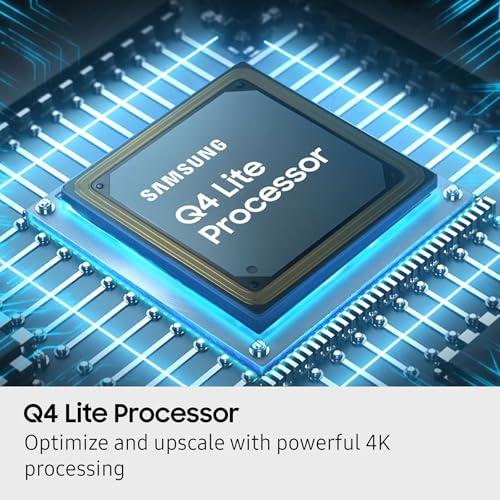
Samsung equipped these models with processors from completely different generations. The Q6F uses the Q4 Lite Processor, which handles basic 4K upscaling (converting lower-resolution content to fit the 4K screen) and standard picture optimization. It's adequate for most content but lacks the sophisticated AI-driven enhancements found in premium models.
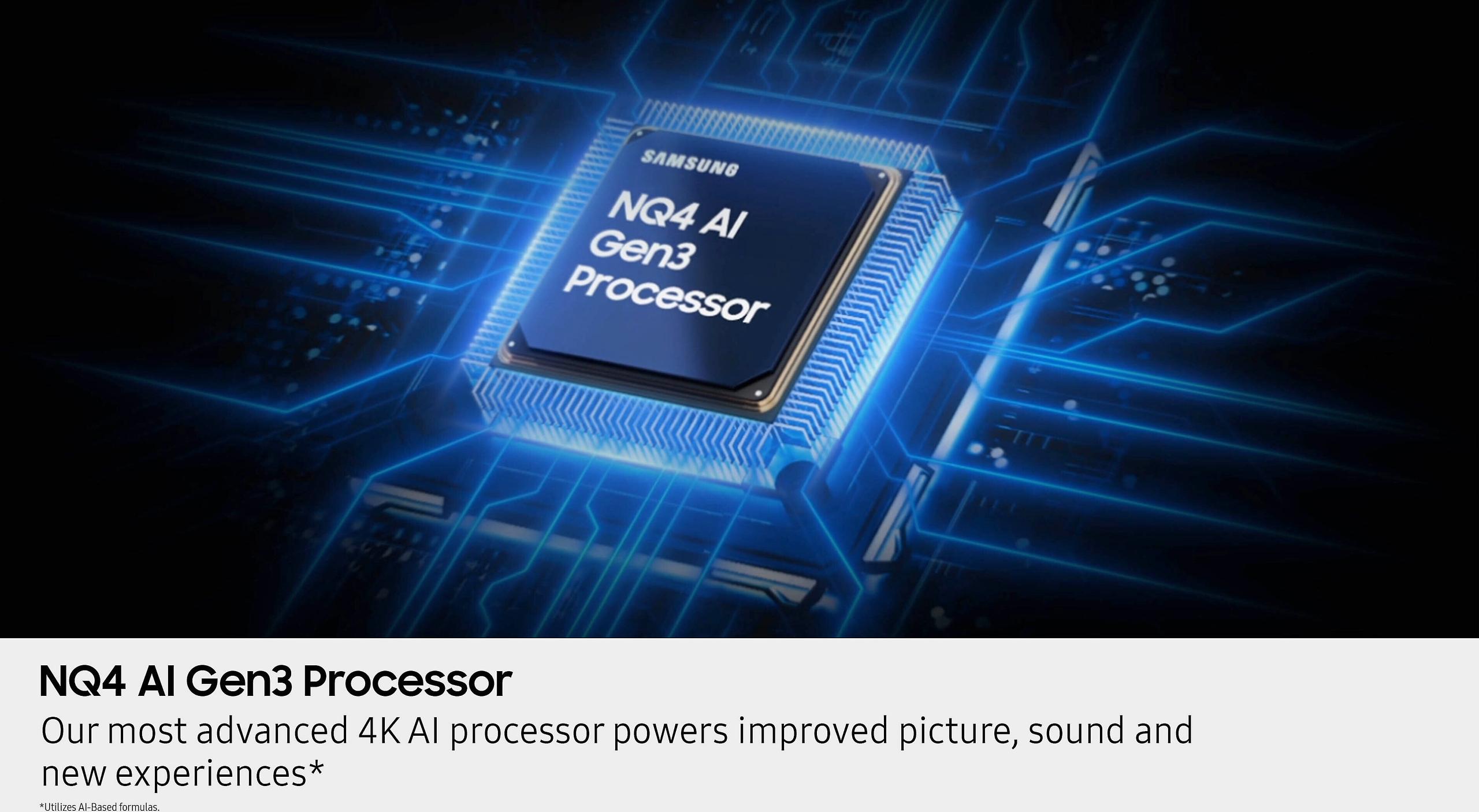
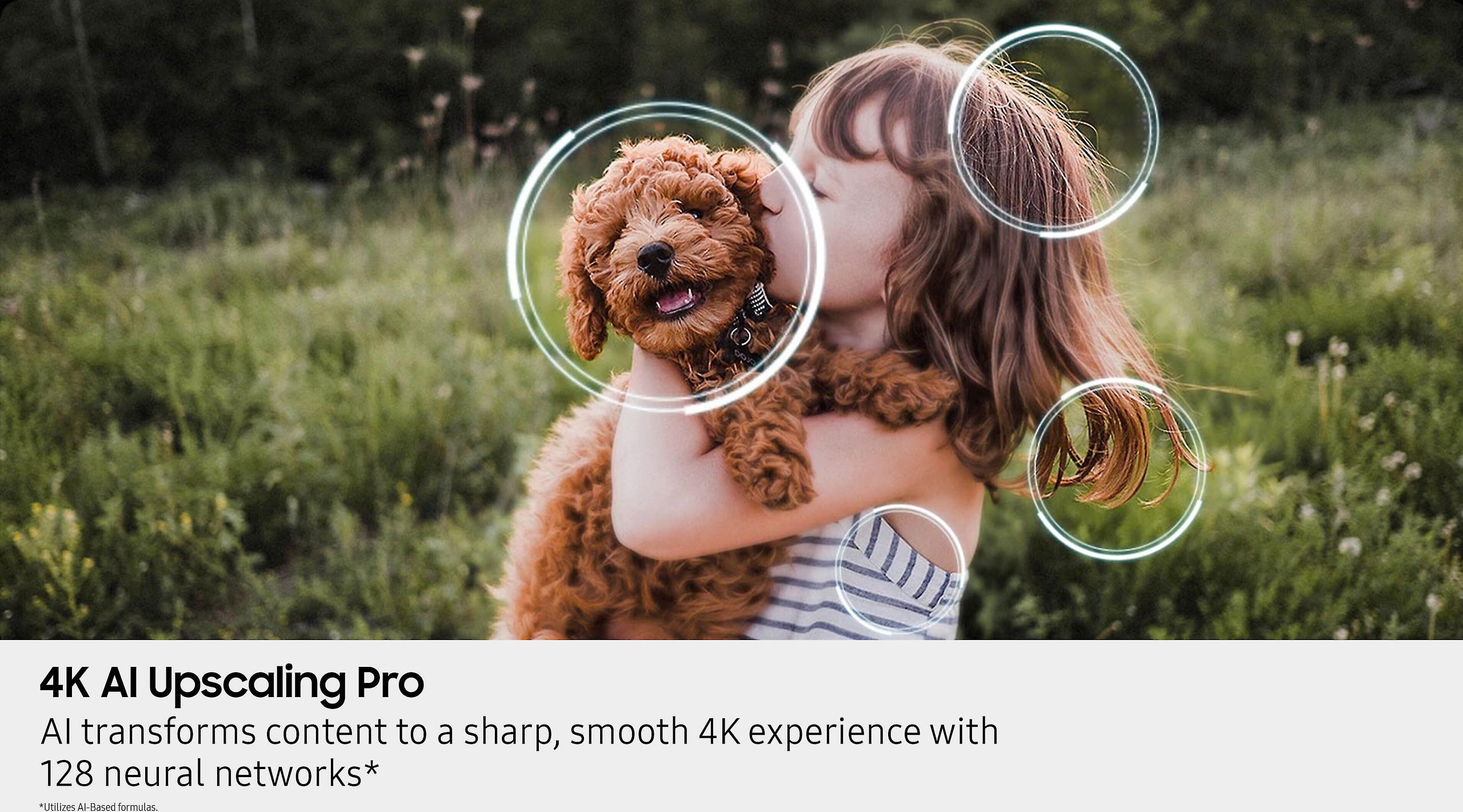
The QN90F features the NQ4 AI Gen3 Processor, powered by 128 neural networks—essentially a collection of AI algorithms that analyze and enhance content in real time. This processor doesn't just upscale content; it recognizes what type of scene is being displayed and applies appropriate enhancements. For example, it might boost skin tones in a romantic drama while enhancing grass textures during a football game.
This processing difference becomes most apparent when watching non-4K content, which still makes up a significant portion of broadcast TV, streaming services, and older movies. The QN90F's advanced upscaling can make 1080p or even 720p content look remarkably close to native 4K, while the Q6F provides more basic enhancement.
Peak brightness is arguably the most important factor in TV picture quality today, especially given how bright most people's living rooms have become. Based on professional measurements and user reports, the QN90F delivers exceptional brightness performance, reaching up to 1,900 nits in small highlights and maintaining over 600 nits across larger areas of the screen.
To put this in perspective, most budget TVs struggle to exceed 300-400 nits, while premium models like the QN90F can approach cinema projector brightness levels. This extra brightness isn't just about making things brighter—it's essential for proper HDR reproduction, where bright highlights need to truly pop while maintaining detail in darker areas.
The Q6F, being an entry-level model, operates at much more modest brightness levels. While Samsung hasn't published exact specifications, user reports suggest it performs similarly to other budget QLEDs, likely reaching 400-500 nits maximum. This is sufficient for darker rooms but struggles in bright environments.
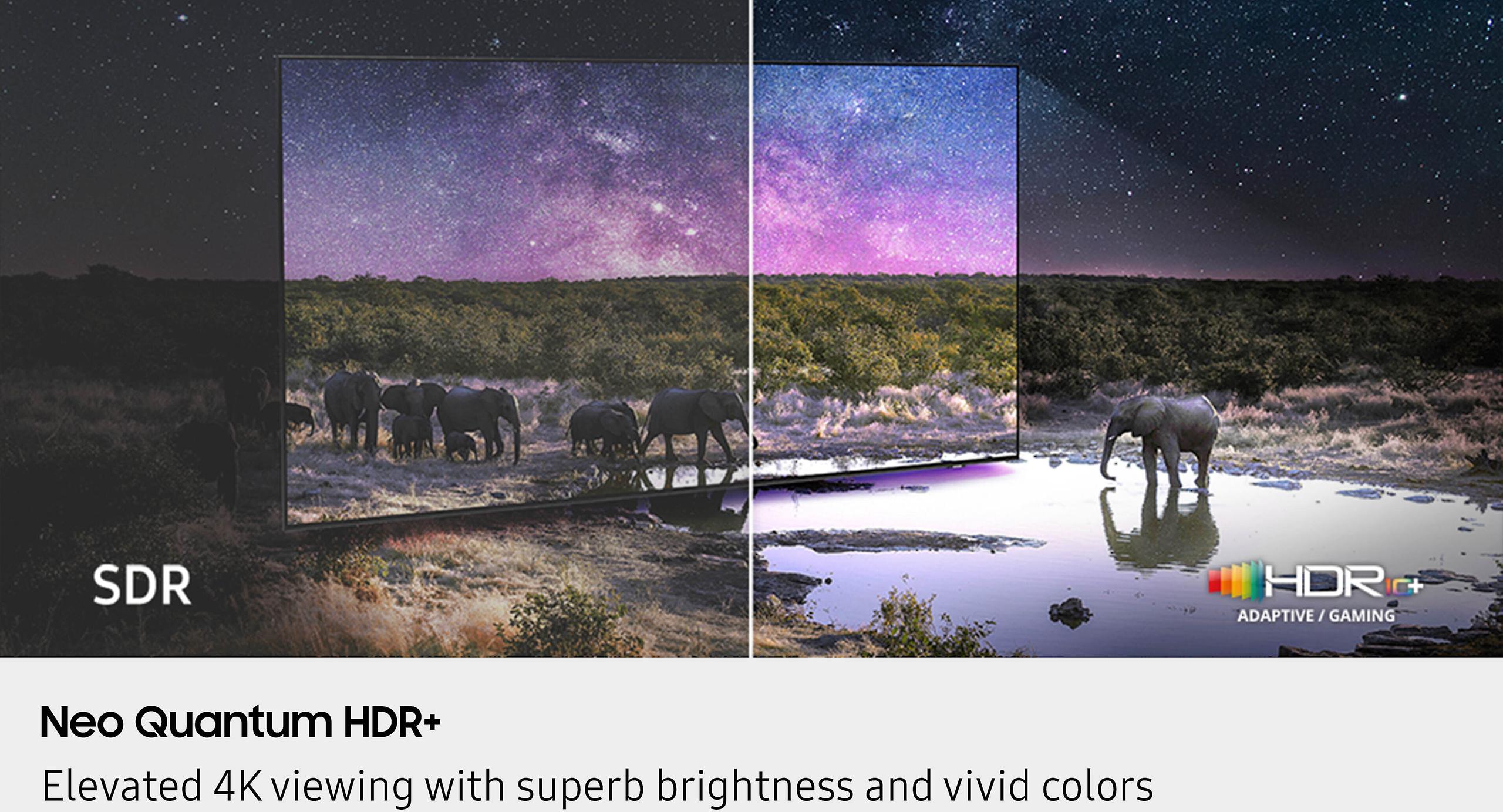
HDR content—found on streaming services like Netflix, Disney+, and 4K Blu-rays—requires significant brightness and contrast capability to display properly. The QN90F supports advanced HDR formats including HDR10+ with scene-by-scene optimization, meaning it adjusts brightness and color for each individual scene rather than applying blanket settings.
The TV's Neo Quantum HDR Pro technology analyzes content frame by frame, boosting brightness in highlights while maintaining shadow detail. This creates that "window into reality" effect that makes good HDR content so compelling. The Q6F supports basic HDR10+ but lacks the peak brightness necessary to make HDR content truly impactful.
In my experience evaluating TV performance, HDR capability often separates truly premium TVs from budget alternatives more than any other single factor. Movies like "Blade Runner 2049" or nature documentaries showcase this difference dramatically—bright sunlight, car headlights, and fire effects look convincingly realistic on the QN90F while appearing relatively flat on budget models.
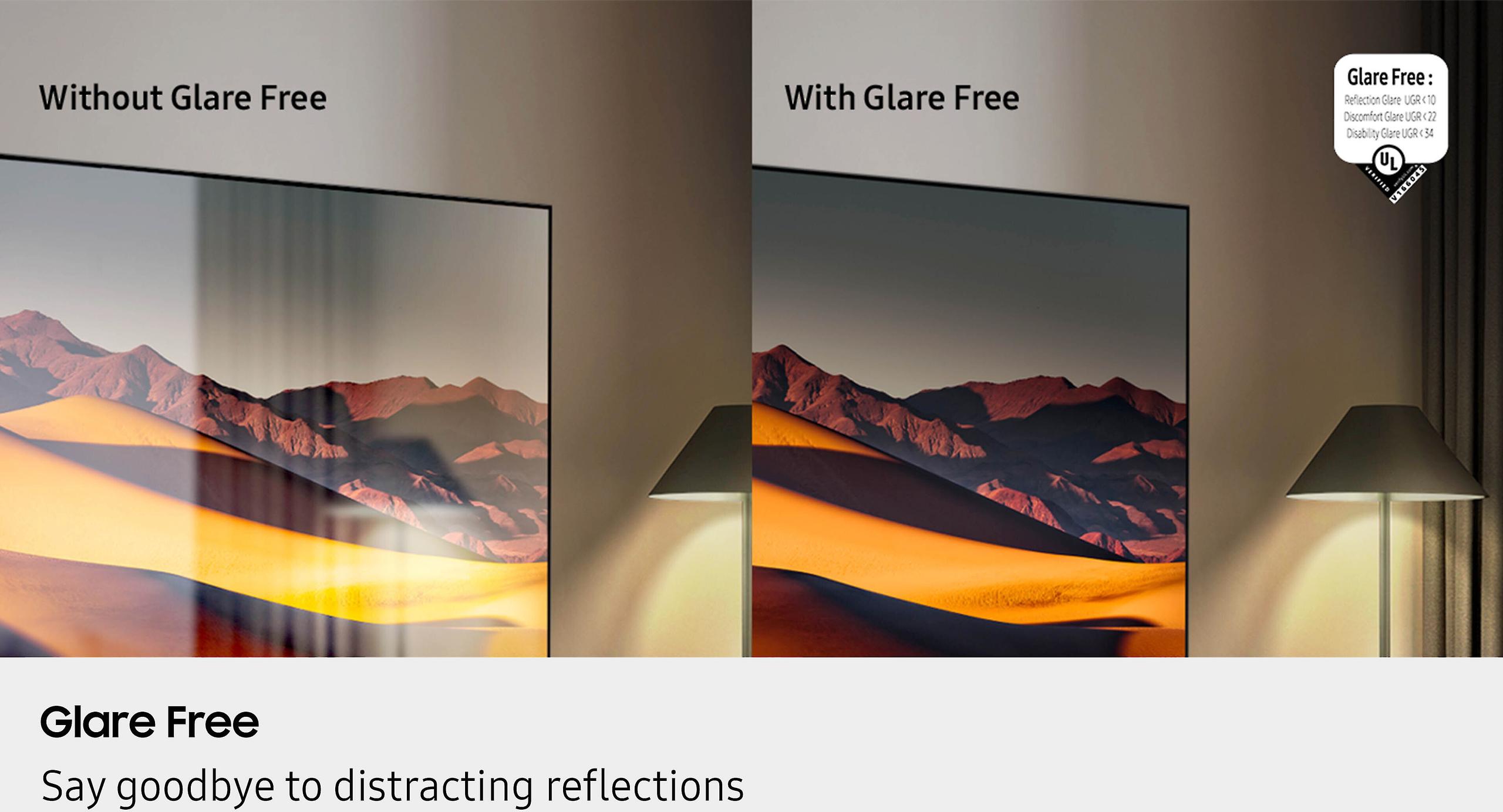
One of the QN90F's most impressive features is its Glare-Free technology—an advanced anti-reflective coating that virtually eliminates screen reflections. This might sound like a minor feature, but it's transformative for anyone who watches TV during the day or in rooms with windows.
Traditional TV screens, including the Q6F, act somewhat like mirrors, reflecting lights, windows, and bright objects in your room. The QN90F's coating allows you to enjoy dark movie scenes even with lamps on or sunlight streaming in—something that's nearly impossible with most TVs.
This technology comes at a cost, however. Some users report that colors can appear slightly less saturated in very bright room conditions, though the trade-off for eliminating glare is generally worth it.
Gaming has become increasingly important in TV selection, especially with the PlayStation 5 and Xbox Series X pushing the boundaries of 4K gaming. The performance gap between these models in gaming scenarios is enormous.
The Q6F offers basic gaming support with a 60Hz refresh rate and Auto Game Mode for reduced input lag (the delay between controller input and screen response). This is adequate for casual gaming but misses many features that serious gamers have come to expect.
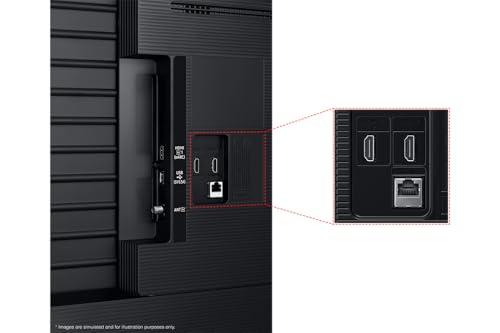
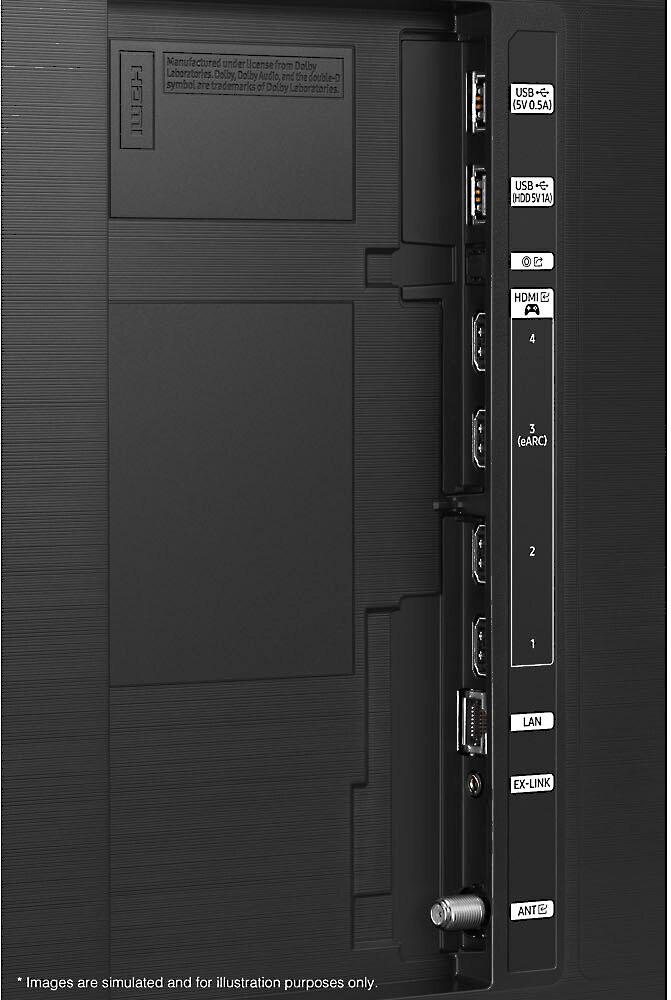
The QN90F represents the opposite extreme, supporting 4K gaming at up to 165Hz—nearly three times faster than the Q6F. It includes Variable Refresh Rate (VRR) support, which eliminates screen tearing by synchronizing the TV's refresh rate with the console's frame output. All four HDMI ports support the full HDMI 2.1 specification, crucial for next-generation console features.
For competitive gaming, input lag measurements show the QN90F achieving very low latency in Game Mode, though some users report that black levels become slightly worse and motion handling becomes less smooth in this mode—a common trade-off for reduced lag.
TV audio often gets overlooked until you're actually living with a television daily. The Q6F includes a basic 20-watt, 2-channel speaker system with Samsung's Object Tracking Sound Lite technology, which attempts to match audio to visual movement on screen.
The QN90F steps up significantly with a 60-watt, 4.2.2 channel system that includes dedicated upward-firing speakers for Dolby Atmos content. Dolby Atmos creates three-dimensional audio by bouncing sound off your ceiling, making helicopters sound like they're flying overhead or rain seem to fall around you.
Object Tracking Sound Pro on the QN90F is more sophisticated than the Lite version, with better directional accuracy. While neither TV will replace a dedicated sound system, the QN90F's audio is genuinely immersive for built-in speakers—though both would benefit from a soundbar for serious movie watching.
Both TVs run Samsung's Tizen operating system, but the implementations differ significantly. The Q6F provides essential smart TV features: streaming apps, basic voice control, and Samsung's TV Plus service with over 2,000 free channels.
The QN90F introduces Samsung Vision AI, a more advanced platform that learns your viewing habits and automatically adjusts picture and sound settings. It can recognize content types—sports, movies, news—and optimize accordingly. The system also includes gesture control, allowing you to navigate some functions without the remote, and home insights that can alert you to activity detected by the TV's sensors.
These AI features represent Samsung's vision for smart TV evolution, though their practical value varies by user. Some find the automatic adjustments helpful, while others prefer manual control over their TV settings.
The 10-inch size difference between these models is significant—75 inches provides about 30% more viewing area than 65 inches. For sports viewing, movie nights, or general entertainment, this extra size creates a more immersive experience, especially if you're sitting 10 feet or more from the screen.
However, the QN90F's superior picture quality might actually provide a more engaging experience despite the smaller screen. Brighter highlights, deeper blacks, and more accurate colors can make content feel more lifelike and engaging than simply making it bigger.
The optimal viewing distance for 4K content is closer than many people realize—about 1.5 times the screen diagonal. For a 75-inch TV, this suggests sitting about 9-10 feet away, while a 65-inch screen is ideal at 8-9 feet. Many living rooms can accommodate either size effectively.
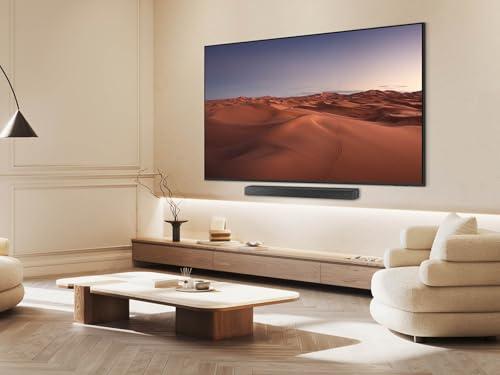
For dedicated home theater setups, the decision becomes more complex. The Q6F's large size is appealing for creating that "cinematic" feel, but its limited brightness and contrast capabilities mean it won't deliver the dramatic visual impact that makes home theater worthwhile.
The QN90F provides the color accuracy, contrast, and brightness that serious movie watching demands. Its Filmmaker Mode ensures content appears as directors intended, while the advanced local dimming creates the deep blacks essential for proper movie presentation.
If you're building a home theater, I'd strongly lean toward the QN90F or consider stretching budget for the 75-inch version of the same model. The picture quality advantages are too significant to sacrifice for basic size increases.
Based on extensive user feedback and professional reviews, the Q6F performs admirably for its price point but shows limitations in challenging content. Bright HDR scenes lack impact, dark movie sequences reveal gray blacks rather than true black, and motion in sports can appear slightly blurry.
The QN90F consistently impresses users with its brightness, color vibrancy, and detail retention. However, some report that the anti-glare coating can make colors appear slightly less vivid in extremely bright rooms, and Game Mode compromises some picture quality for reduced input lag.
Both models handle streaming content well, though the QN90F's superior processing makes lower-quality sources look notably better—important given that much streaming content is still compressed and not true 4K quality.
The Q6F makes sense for buyers who prioritize screen size above all else, have budget constraints, and primarily watch content in moderately lit rooms. It's excellent for casual TV viewing, basic streaming, and situations where having the largest possible screen matters more than picture quality refinements.
Choose the QN90F if you watch TV in bright rooms, game regularly on modern consoles, prioritize picture quality for movies and premium content, or want advanced smart features and future-proofing. Despite the smaller screen, its superior technology will likely provide a more satisfying long-term viewing experience.
At the time of writing, the QN90F costs significantly more than the Q6F, but the price-per-performance ratio favors the premium model if budget allows. The question isn't whether the QN90F is better—it clearly is—but whether the improvements justify the cost difference for your specific needs and viewing environment.
For most buyers, I'd recommend the QN90F unless budget strictly limits options or the 75-inch size is essential. The picture quality, gaming features, and bright room performance advantages will provide years of superior viewing experiences that justify the higher initial investment.
| Samsung 75-Inch QLED Q6F Series 2025 | Samsung 65" QN90F Neo QLED 4K Vision AI Smart TV 2025 |
|---|---|
| Screen Size - Larger screens provide more immersive viewing but premium features matter more for picture quality | |
| 75 inches (30% more viewing area) | 65 inches (premium features in smaller package) |
| Display Technology - Mini LED offers dramatically better contrast and brightness control | |
| Traditional QLED with edge-lit backlighting | Neo QLED with Mini LED full-array backlighting |
| Peak Brightness - Critical for HDR impact and bright room viewing | |
| ~400-500 nits (adequate for dark rooms) | Up to 1,900 nits in highlights (exceptional for any room) |
| Processor - Higher-end processors deliver better upscaling and smart features | |
| Q4 Lite Processor (basic 4K upscaling) | NQ4 AI Gen3 with 128 neural networks (advanced AI enhancement) |
| Gaming Performance - Essential for console gaming and future-proofing | |
| 60Hz refresh rate, basic features | 165Hz refresh rate, 4K@165Hz, VRR, 4x HDMI 2.1 ports |
| HDR Support - Better HDR processing creates more realistic, impactful visuals | |
| HDR10+ with limited peak brightness | Neo Quantum HDR Pro with scene-by-scene optimization |
| Anti-Glare Technology - Game-changer for bright rooms and daytime viewing | |
| Standard screen coating (reflective in bright rooms) | Glare-Free technology (virtually eliminates reflections) |
| Audio System - Built-in sound quality affects daily viewing experience | |
| 20W 2-channel with Object Tracking Sound Lite | 60W 4.2.2-channel with Dolby Atmos and Object Tracking Sound Pro |
| Smart Features - AI capabilities and future software updates | |
| Standard Tizen OS with basic smart features | Samsung Vision AI with adaptive optimization and gesture control |
| Local Dimming - Essential for deep blacks and contrast in movies | |
| Software-based UHD Dimming (limited contrast control) | Hardware-based Mini LED zones (hundreds of dimming zones) |
| Motion Processing - Important for sports and fast-action content | |
| Motion Xcelerator 60Hz (basic motion smoothing) | Motion Xcelerator Turbo+ 165Hz (advanced motion handling) |
| Best For | |
| Budget-conscious buyers prioritizing maximum screen size | Premium experience seekers wanting best-in-class picture quality |
The Samsung 65" QN90F Neo QLED is significantly better for bright rooms thanks to its Glare-Free technology that virtually eliminates reflections and peak brightness reaching up to 1,900 nits. The Samsung 75-Inch QLED Q6F lacks anti-glare coating and has much lower brightness output, making it less suitable for daytime viewing or rooms with lots of windows.
The Samsung 75-Inch QLED Q6F uses traditional QLED with edge-lit backlighting, while the Samsung 65" QN90F Neo QLED features Mini LED backlighting with hundreds of dimming zones. Neo QLED provides dramatically better contrast, deeper blacks, and more precise brightness control, resulting in superior picture quality for movies and HDR content.
The Samsung 65" QN90F Neo QLED is far superior for gaming with its 165Hz refresh rate, Variable Refresh Rate (VRR) support, and four HDMI 2.1 ports capable of 4K@165Hz. The Samsung 75-Inch QLED Q6F only offers 60Hz refresh rate and basic gaming features, making it less suitable for next-generation consoles.
The Samsung 75-Inch QLED Q6F provides about 30% more viewing area than the Samsung 65" QN90F Neo QLED, which creates a more immersive experience for sports and movies. However, the superior picture quality of the QN90F with its advanced Mini LED technology often provides a more engaging viewing experience despite the smaller screen size.
The Samsung 65" QN90F Neo QLED delivers exceptional HDR with Neo Quantum HDR Pro technology and peak brightness up to 1,900 nits, making bright highlights truly pop. The Samsung 75-Inch QLED Q6F supports HDR10+ but lacks the brightness necessary for impactful HDR, resulting in less dramatic and realistic HDR content.
The Samsung 65" QN90F Neo QLED features a 60W 4.2.2-channel system with Dolby Atmos and Object Tracking Sound Pro for immersive three-dimensional audio. The Samsung 75-Inch QLED Q6F has a basic 20W 2-channel system with Object Tracking Sound Lite, providing adequate but less impressive built-in audio quality.
For dedicated home theaters, the Samsung 65" QN90F Neo QLED is the clear choice due to its superior contrast ratio, deep blacks from Mini LED technology, and accurate color reproduction essential for cinematic viewing. While the Samsung 75-Inch QLED Q6F offers a larger screen, it lacks the picture quality necessary for a premium home theater experience.
The Samsung 65" QN90F Neo QLED includes Samsung Vision AI with adaptive optimization, gesture control, and advanced AI-driven enhancements. The Samsung 75-Inch QLED Q6F runs standard Tizen OS with basic smart features and Samsung TV Plus. Both support major streaming apps, but the QN90F offers more sophisticated smart capabilities.
The Samsung 65" QN90F Neo QLED excels at sports viewing with Motion Xcelerator Turbo+ at 165Hz, providing smooth motion handling for fast-paced action. The Samsung 75-Inch QLED Q6F uses basic Motion Xcelerator at 60Hz, which is adequate but may show some motion blur during rapid sports action.
The Samsung 65" QN90F Neo QLED features advanced 4K AI Upscaling Pro powered by 128 neural networks, dramatically improving lower-resolution content quality. The Samsung 75-Inch QLED Q6F has basic 4K upscaling through its Q4 Lite Processor, providing decent but less sophisticated enhancement of non-4K sources.
Value depends on priorities: the Samsung 75-Inch QLED Q6F offers exceptional screen size value for budget-conscious buyers prioritizing maximum viewing area. The Samsung 65" QN90F Neo QLED provides premium technology and performance that justifies its higher cost for users wanting superior picture quality, gaming features, and bright room performance.
Both the Samsung 75-Inch QLED Q6F and Samsung 65" QN90F Neo QLED display native 4K content effectively, but the QN90F delivers significantly better 4K performance with higher brightness, better contrast, and more accurate colors. The Q6F provides good 4K viewing for the price but lacks the premium features that make 4K content truly shine.
We've done our best to create useful and informative comparisons to help you decide what product to buy. Our research uses advanced automated methods to create this comparison and perfection is not possible - please contact us for corrections or questions. These are the sites we've researched in the creation of this article: youtube.com - rtings.com - cnet.com - youtube.com - rtings.com - samsung.com - bestbuy.com - samsung.com - samsung.com - bestbuy.com - manuals.plus - arrowassociatedstores.com - samsung.com - samsung.com - samsung.com - flatpanelshd.com - device.report - rtings.com - images.samsung.com - youtube.com - listenup.com - youtube.com - cullenshomecenter.com - shopjetson.com - youtube.com - samsung.com - samsung.com - videoandaudiocenter.com - rtings.com - bestbuy.com - youtube.com - news.samsung.com - news.samsung.com - news.samsung.com - bestbuy.com - news.samsung.com - youtube.com - news.samsung.com - youtube.com - smarthomesounds.co.uk

Privacy Policy
Terms and Conditions - Affiliate Policy
Home Security
© Copyright 2008-2026.
11816 Inwood Rd #1211, Dallas, TX 75244