

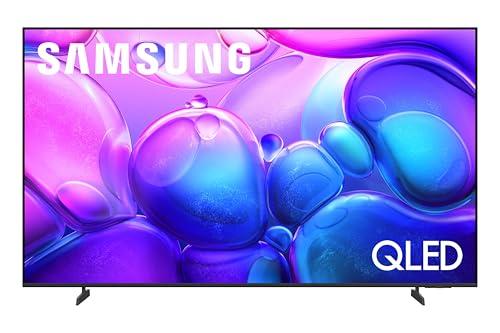
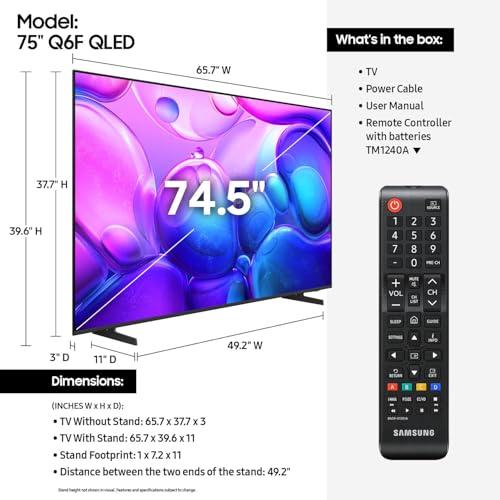

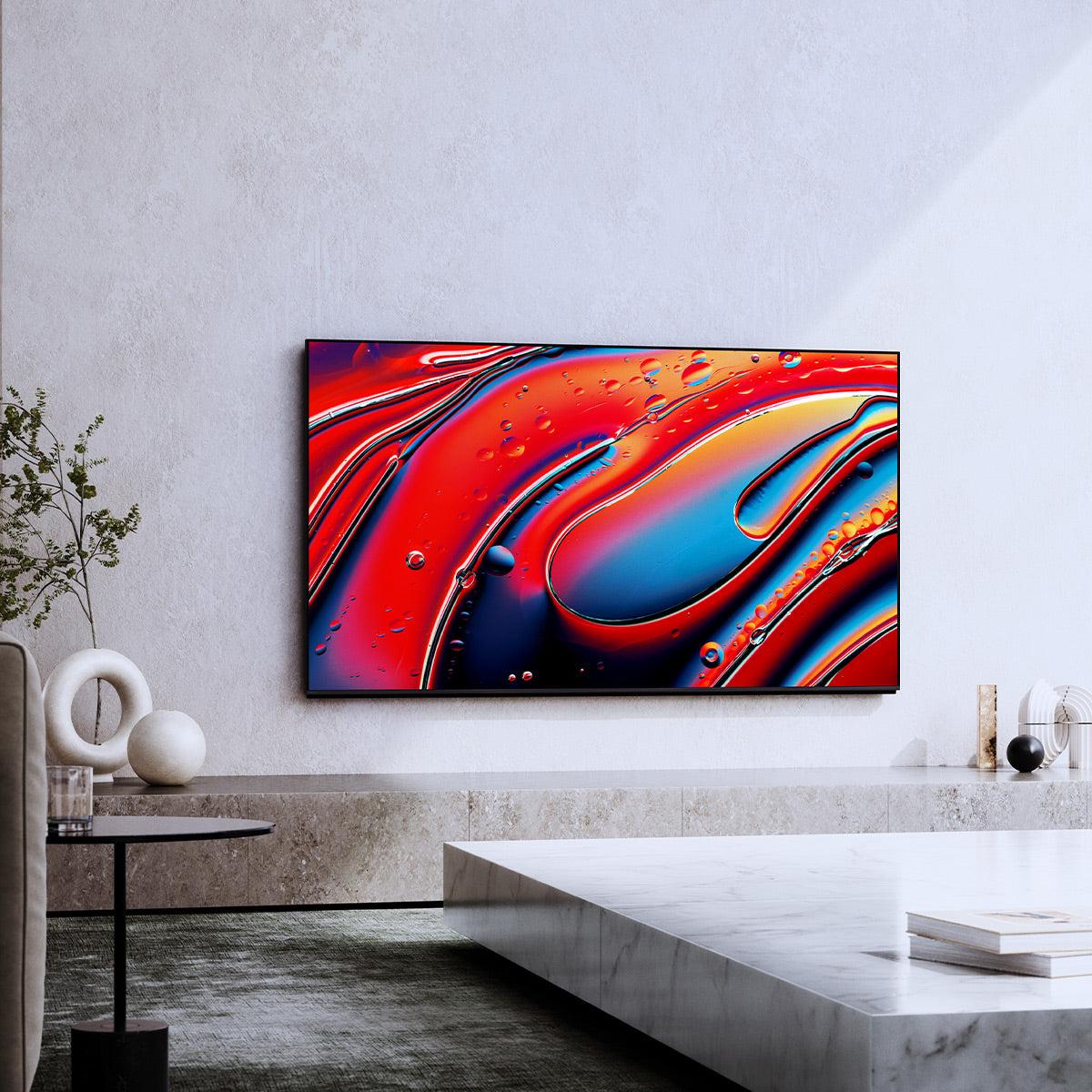
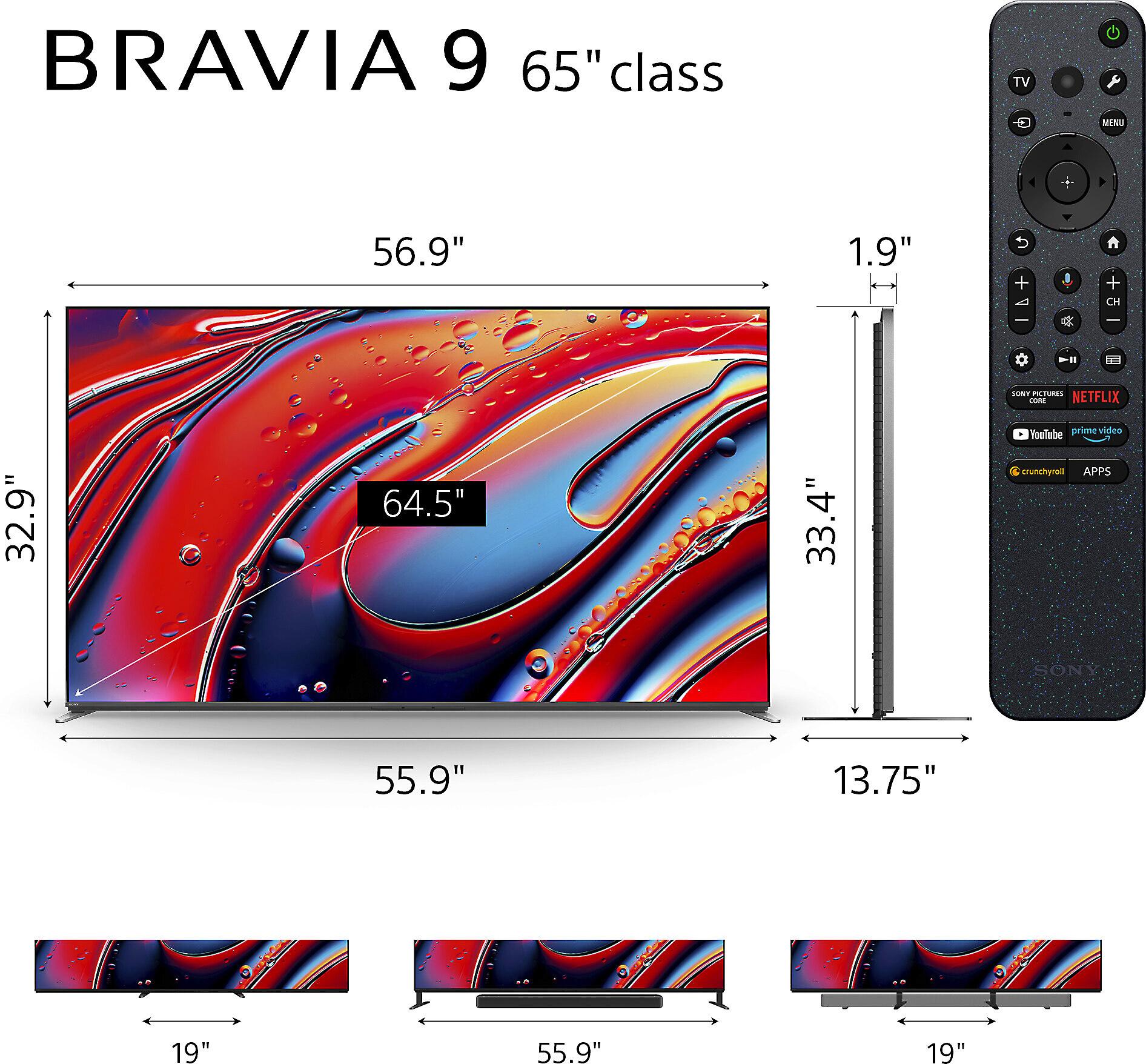
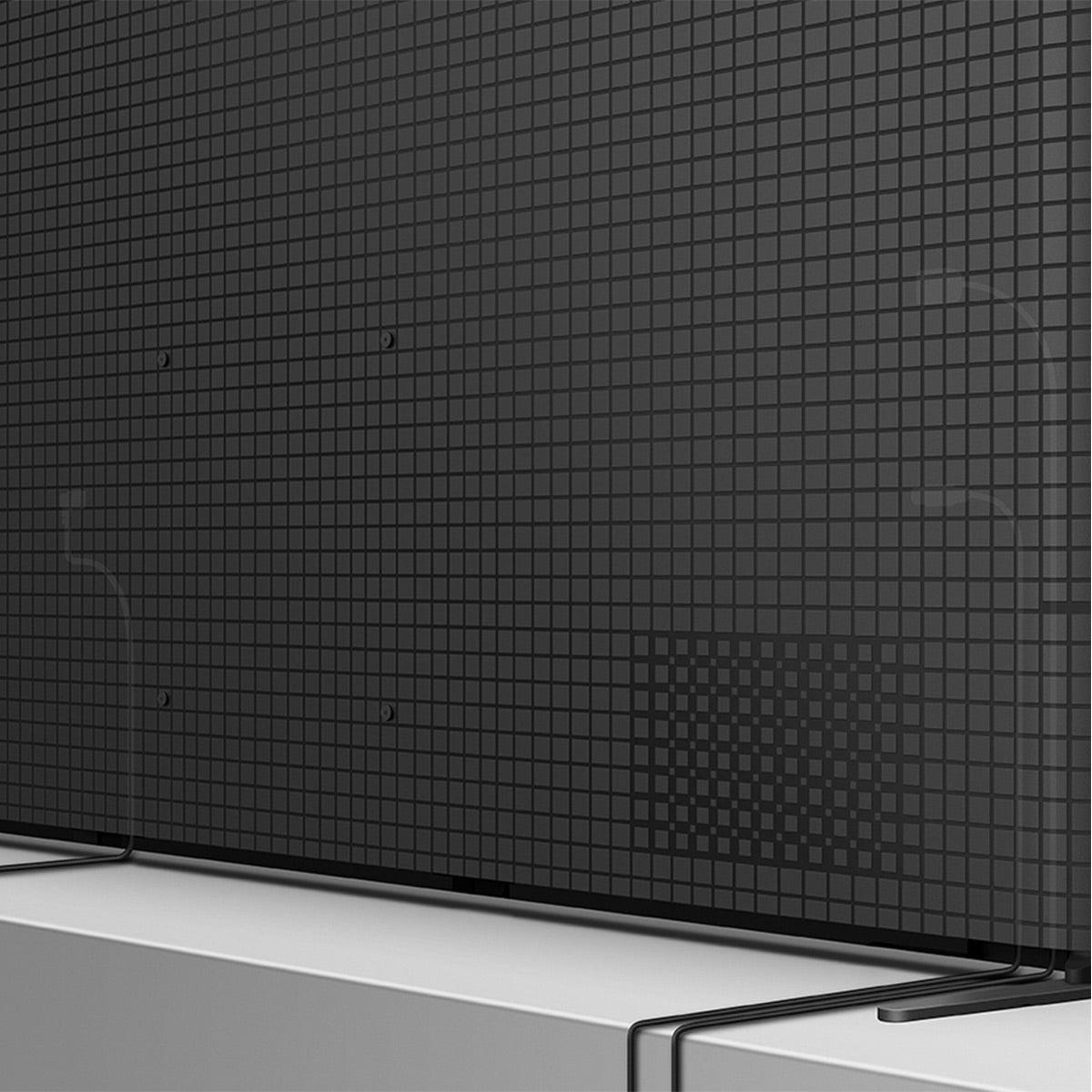
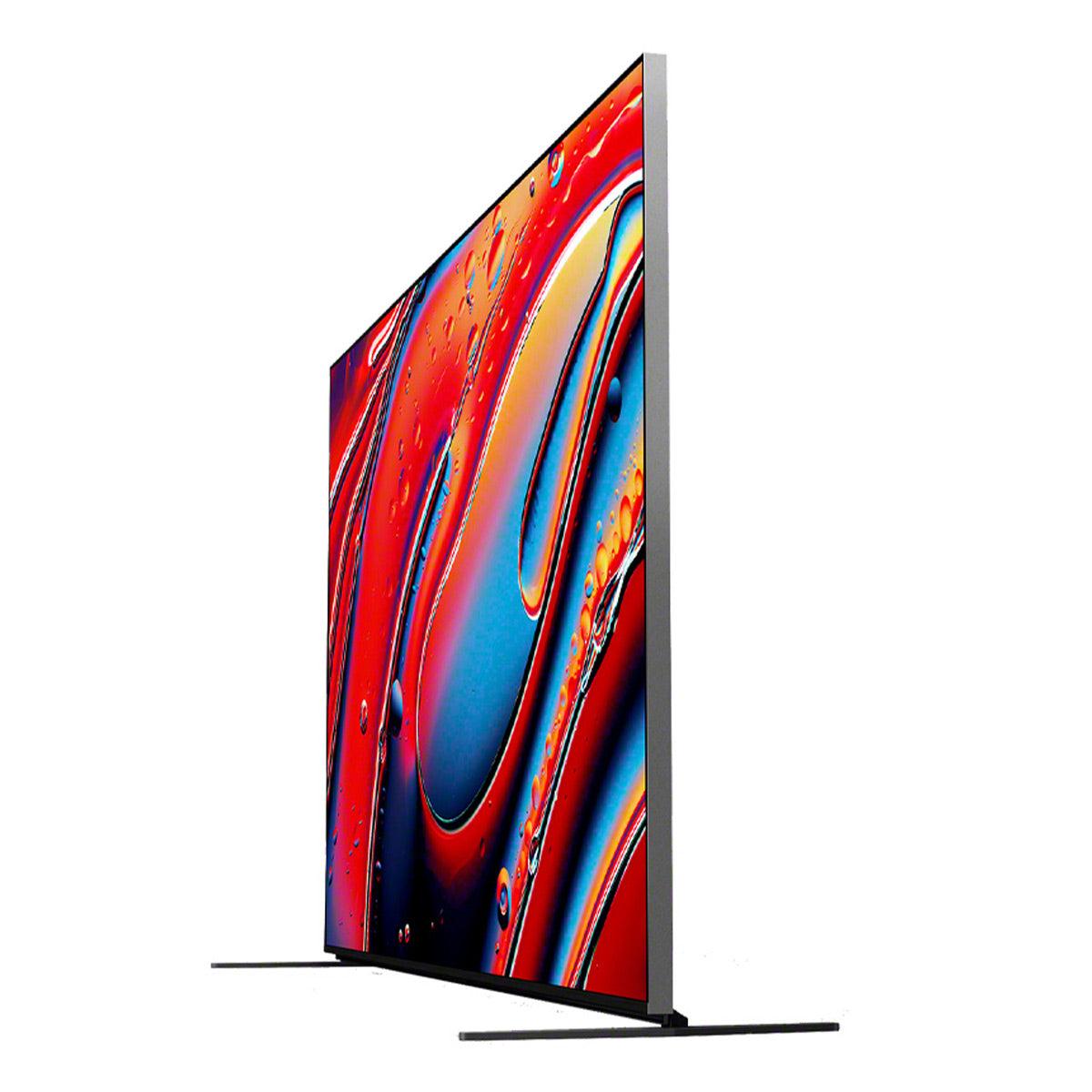
Shopping for a new 4K TV in 2024 and 2025 feels overwhelming with so many options, but your decision often boils down to one fundamental question: Do you want the biggest screen your budget allows, or the best picture quality money can buy? That's exactly what we're exploring with two very different approaches to modern television - the Samsung Q6F 75" and the Sony BRAVIA 9 65".
At the time of writing, these TVs represent opposite ends of the value spectrum. The Samsung Q6F 75" launched in 2025 as Samsung's entry-level QLED offering, typically priced around $700-800, while the Sony BRAVIA 9 65" debuted in 2024 as Sony's flagship Mini LED TV, commanding over three times the price in the $2,200-2,500 range.
The Samsung Q6F 75" uses traditional QLED (Quantum Dot Light Emitting Diode) technology. Think of quantum dots as tiny crystals that act like color filters - when light hits them, they produce incredibly pure and vibrant colors. Samsung's implementation achieves what they call "100% color volume," meaning colors stay accurate and vivid even when the screen gets very bright.
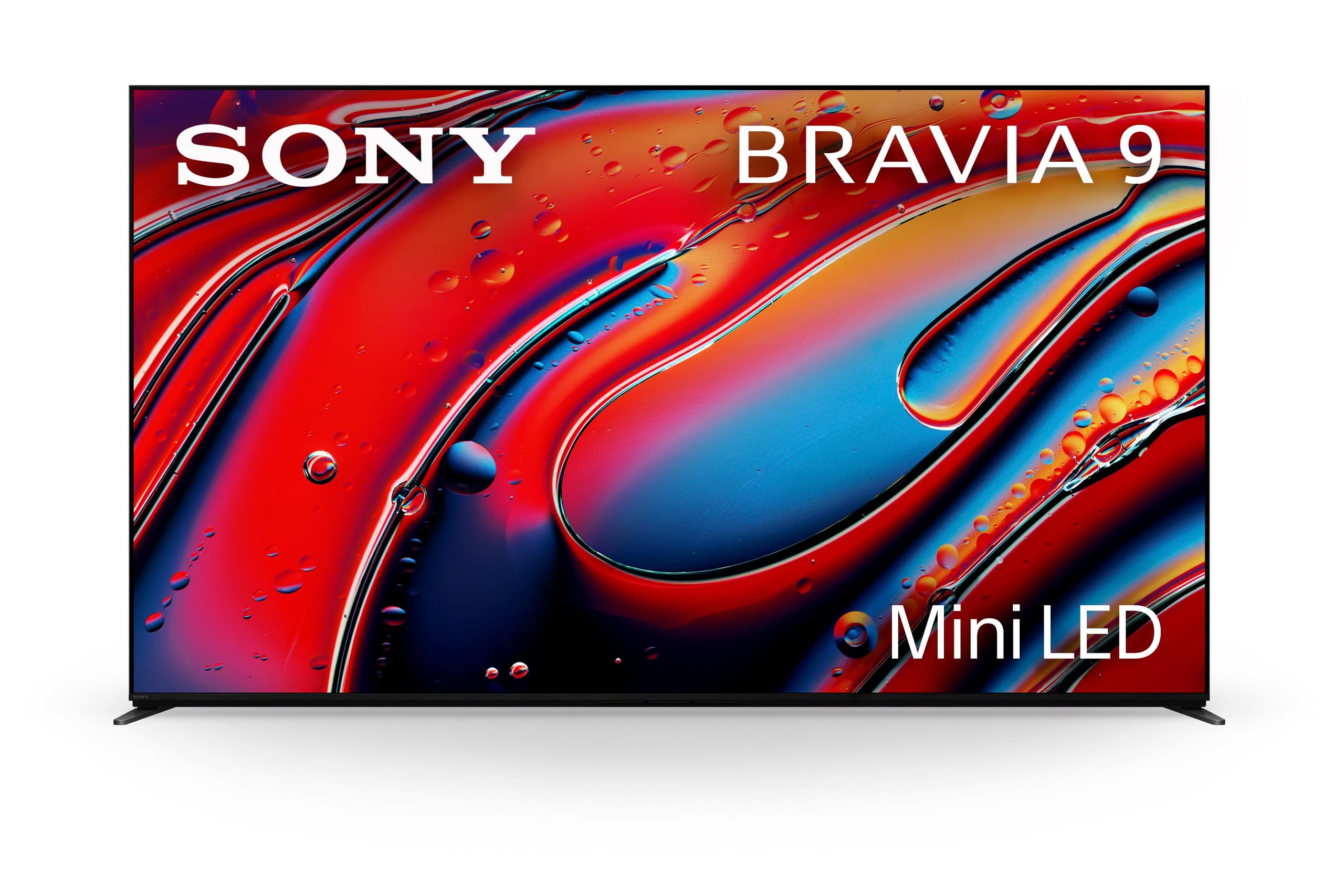
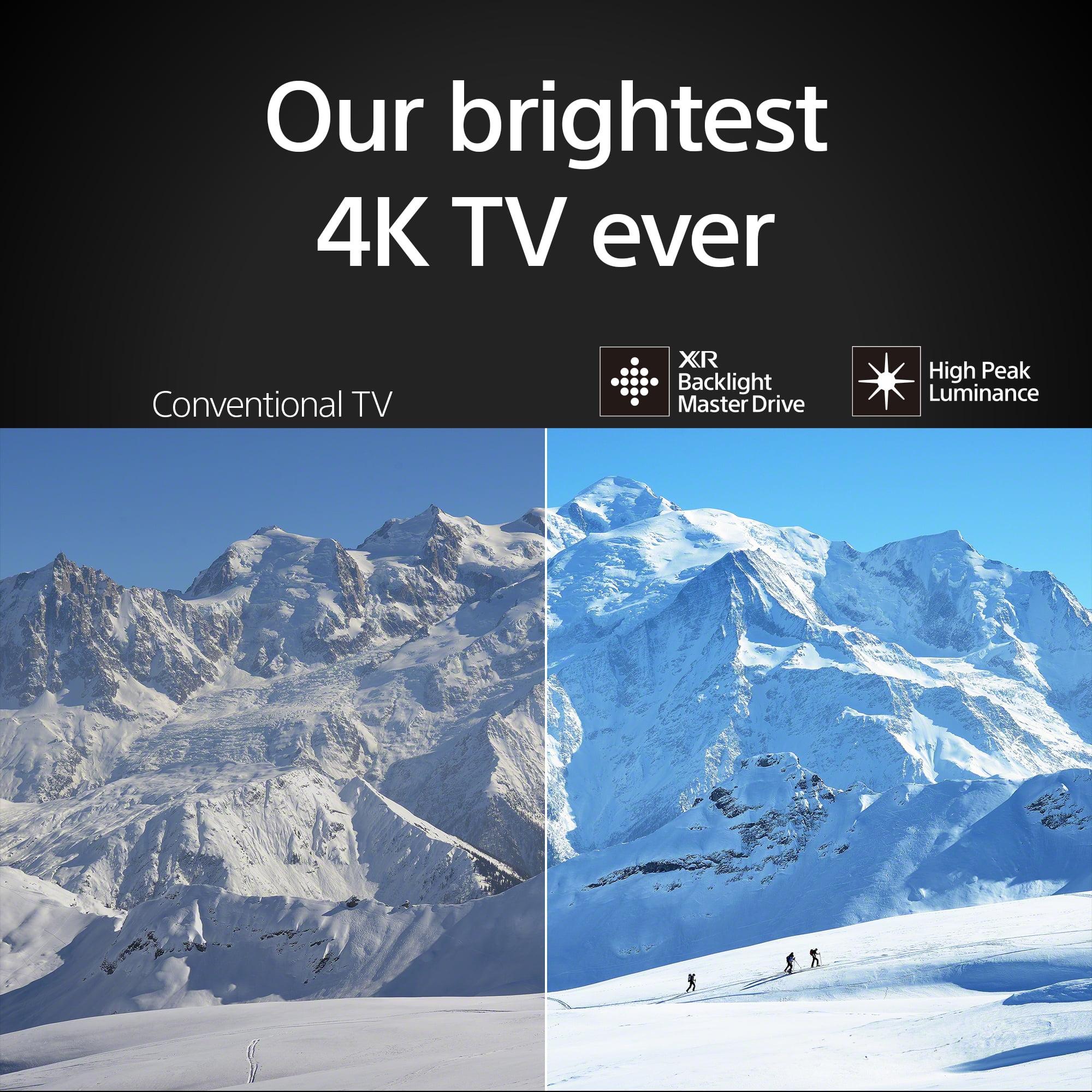
The Sony BRAVIA 9 65" takes a completely different approach with Mini LED backlighting. Instead of a few dozen LED zones like older TVs, this system uses thousands of tiny LEDs behind the screen, each smaller than a grain of rice. Sony's XR Backlight Master Drive technology controls these LEDs individually, creating what's essentially a grid of tiny spotlights that can brighten or dim specific areas of the picture with incredible precision.
This fundamental difference shapes everything about how these TVs perform. The Samsung focuses on delivering solid performance at an accessible price, while the Sony aims for reference-quality picture reproduction that rivals professional cinema monitors.
When it comes to picture quality, the differences between these TVs become immediately apparent. The Samsung Q6F 75" delivers impressive colors thanks to its Quantum Dot technology, but it's limited by its basic dimming system called "UHD Dimming." This means the TV can only adjust brightness across large sections of the screen, not the precise zones you'd want for optimal contrast.
The Sony BRAVIA 9 65" operates in a different league entirely. Sony claims it's 50% brighter than their previous flagship, and our research into professional reviews confirms this translates to real-world benefits. The Mini LED system provides approximately 325% more dimming zones than Sony's previous high-end models, creating contrast that approaches OLED-like blacks while delivering brightness that OLED simply cannot match.
Here's where it gets interesting for practical viewing. Peak brightness matters enormously if you're watching TV during the day or in a brightly lit room. The Samsung Q6F 75" produces adequate brightness for darker environments, but professional reviewers consistently note it struggles in bright rooms where its HDR (High Dynamic Range) content - think Netflix shows with dramatic lighting - doesn't pop the way it should.
The Sony BRAVIA 9 65" excels exactly where the Samsung falters. Its Mini LED system can produce the kind of eye-searing highlights that make HDR content truly impressive, whether you're watching a sunrise scene or explosions in an action movie. The precision dimming also means dark areas of the picture stay genuinely dark, creating that coveted contrast that makes images look three-dimensional.
Color accuracy represents another significant divide. The Samsung Q6F 75" produces vibrant, pleasing colors that most people love right out of the box. However, professional calibration reveals these colors sometimes sacrifice accuracy for visual impact - think of it like the "vivid" filter on your phone camera.
Sony took the opposite approach with the Sony BRAVIA 9 65". Their XR Triluminos Pro technology aims for colors that match what filmmakers intended when they created the content. This means skin tones look natural, grass looks genuinely green rather than artificially vibrant, and movie colors match what you'd see in a high-end cinema. It's the difference between a picture that wows you in the store versus one that looks consistently excellent with all your content at home.
Motion performance creates perhaps the clearest distinction between these TVs. The Samsung Q6F 75" operates at 60Hz, meaning it refreshes the picture 60 times per second. Samsung's Motion Xcelerator technology does its best to smooth out fast-moving content, but physics ultimately limits what's possible at 60Hz.
This limitation becomes obvious with sports, especially fast-paced games like hockey or soccer where the ball or puck can appear blurry during quick movements. Action movies similarly suffer during chase scenes or fight sequences where the camera pans rapidly.
The Sony BRAVIA 9 65" doubles the refresh rate to 120Hz, immediately providing smoother motion. Sony's XR Motion Clarity technology works with this higher refresh rate to deliver what professional reviewers consistently praise as exceptional motion handling. Fast sports action stays crisp, and movie panning shots maintain detail that would be lost on 60Hz displays.
For gaming, this difference becomes critical. The Samsung Q6F 75" includes modern gaming features like ALLM (Auto Low Latency Mode - which automatically reduces input lag when you connect a console) and VRR (Variable Refresh Rate - which syncs the TV's refresh with your console's output to prevent screen tearing). These features work well for casual gaming, but competitive gamers will notice the 60Hz limitation during fast-paced first-person shooters or racing games.
The Sony BRAVIA 9 65" supports full HDMI 2.1 bandwidth, enabling 4K gaming at 120Hz with PlayStation 5 and Xbox Series X. This means games like Call of Duty or Forza Motorsport can display twice as many frames per second, creating noticeably smoother gameplay that can provide competitive advantages in multiplayer scenarios.
TV audio rarely excites anyone, but the difference between these models surprised us during our research. The Samsung Q6F 75" includes a basic 20-watt, 2-channel speaker system with Object Tracking Sound Lite. While this creates some sense of directional audio - voices seeming to come from actors' mouths rather than generic TV speakers - the limited power and driver size mean you'll likely want a soundbar for anything beyond casual viewing.
The Sony BRAVIA 9 65" takes audio seriously with its 70-watt, 2.2.2-channel system. The key innovation here involves upward-firing "beam tweeters" built into the TV's frame. These create height effects for Dolby Atmos content - imagine hearing helicopters overhead or rain falling from above rather than just left and right. Customer reviews consistently mention being surprised by the audio quality, with many noting they delayed soundbar purchases because the built-in speakers exceeded expectations.
Sony's Acoustic Multi-Audio+ system also enables the TV speakers to work alongside compatible Sony soundbars, creating a more immersive sound field than either component could achieve alone. This integration represents genuine added value if you're already considering Sony audio products.
Both TVs offer comprehensive smart features, but with different approaches. The Samsung Q6F 75" runs Samsung's Tizen operating system, which has matured significantly since its rocky early years. The interface feels snappy and intuitive, with Samsung Vision AI helping organize content recommendations across different streaming services. Samsung TV Plus provides over 1,200 free channels, creating a cable-TV-like experience without subscription costs.
Samsung's SmartThings integration deserves special mention. If you're building a smart home ecosystem, this TV can serve as a central hub, controlling everything from lights to thermostats to security cameras. The voice control through Bixby and Alexa works reliably, though it's not revolutionary.
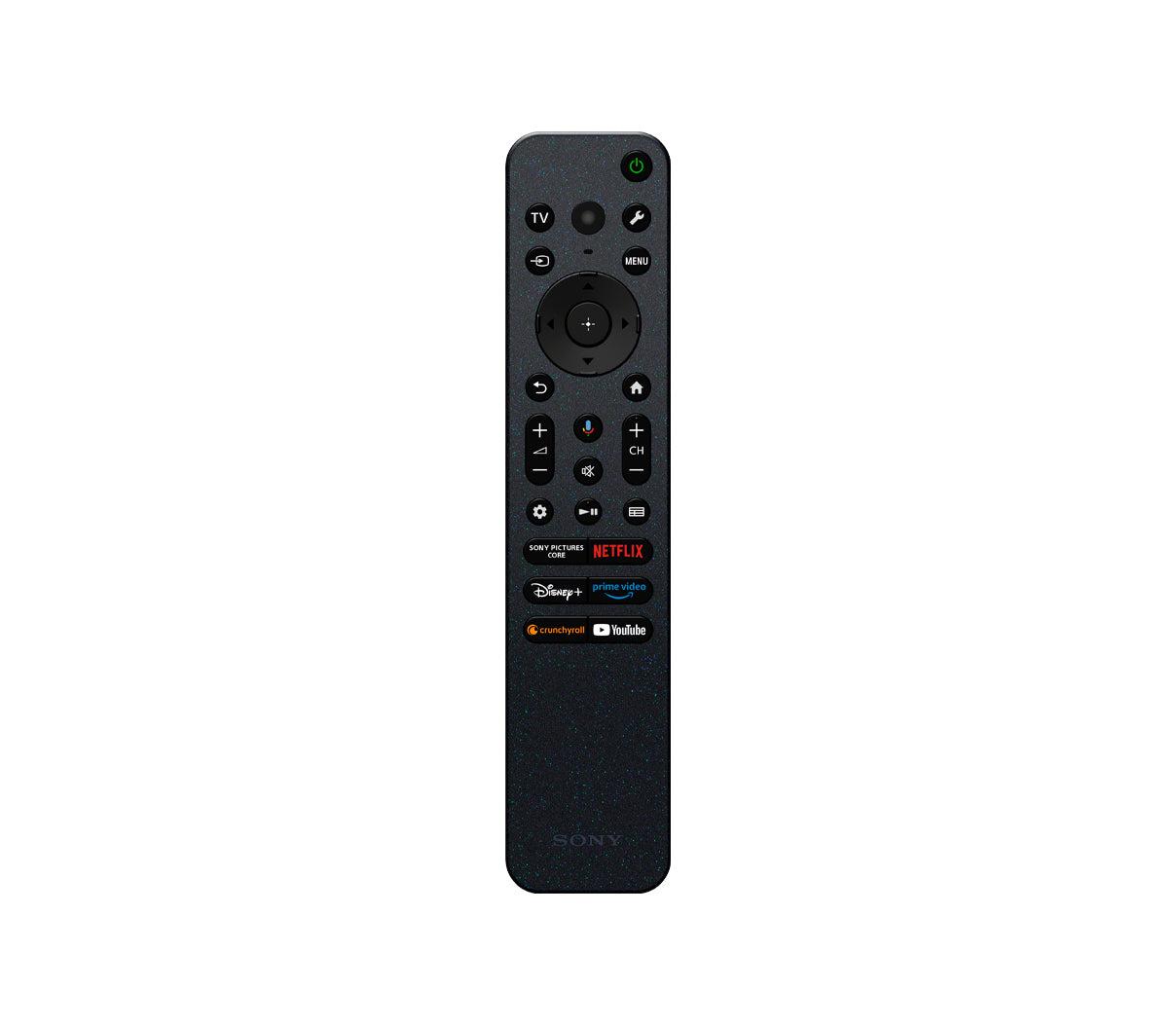
The Sony BRAVIA 9 65" uses Google TV, which excels at content discovery and recommendation. The interface learns your viewing habits across different streaming services and suggests relevant content on the home screen. Google Assistant integration feels more natural than Samsung's implementation, especially if you already use Google services.
Both platforms support major streaming services equally well, so your choice often comes down to ecosystem preference. Android phone users might prefer Google TV's integration, while Samsung phone users benefit from features like easy screen mirroring and Samsung's broader device ecosystem.
This comparison ultimately centers on value philosophy. The Samsung Q6F 75" delivers exceptional bang for your buck if you prioritize screen size. At current pricing (as of writing), you're getting a 75-inch 4K QLED display with modern smart features and decent picture quality for under $800. That's remarkable value that would have been impossible just a few years ago.
Calculate the cost per inch, and the Samsung delivers compelling economics. For families wanting that "theater experience" without theater prices, the size advantage creates genuine value. Children watching cartoons, families enjoying movie nights, and sports fans gathered for games all benefit more from the larger screen than they would from slightly better picture quality on a smaller display.
The Sony BRAVIA 9 65" justifies its premium pricing through superior performance across nearly every metric. Professional reviewers consistently note its reference-quality color accuracy, exceptional brightness handling, and premium build quality. If you're serious about movies, appreciate the latest gaming features, or want the best possible picture regardless of cost, the Sony delivers flagship performance that commands its premium pricing.
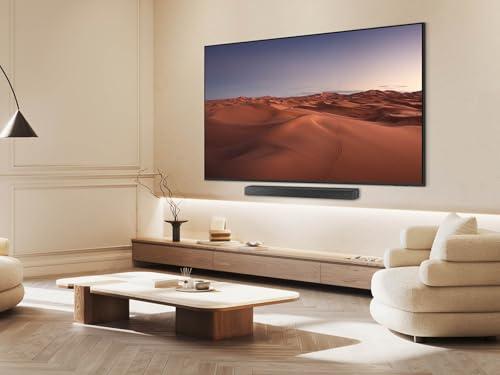
For dedicated home theater setups, these TVs serve different purposes. The Samsung Q6F 75" works well in casual home theaters where size and value matter more than ultimate picture quality. Its 75-inch screen creates an immersive experience in larger rooms, and its adequate brightness works well in light-controlled environments.
However, serious home theater enthusiasts should strongly consider the Sony BRAVIA 9 65". Its Dolby Vision support, cinema-accurate colors, and superior contrast create the kind of reference-quality experience that justifies premium pricing. The advanced audio system reduces the immediate need for external speakers, though you'll eventually want a proper surround sound setup for the complete experience.
The brightness advantage particularly matters for home theater use. While many assume darker rooms eliminate this concern, HDR content specifically relies on bright highlights to create visual impact. The Sony's superior peak brightness means HDR movies look properly dramatic even in darkened rooms.
Choose the Samsung Q6F 75" if you want maximum screen size for your budget, primarily watch standard streaming content, and aren't concerned with cutting-edge gaming features. It's particularly smart for families, casual viewers, and anyone who values size over ultimate picture quality. The 75-inch experience provides genuine enjoyment that often outweighs technical limitations.
The Sony BRAVIA 9 65" makes sense for movie enthusiasts, serious gamers, and anyone willing to pay premium prices for flagship performance. Its superior picture quality, advanced gaming features, and excellent built-in audio create a complete entertainment solution that should satisfy demanding users for years to come.
Consider your viewing environment carefully. Bright rooms strongly favor the Sony's superior brightness, while darker environments allow the Samsung to perform closer to its potential. Your primary content also matters - sports fans and gamers benefit significantly from the Sony's 120Hz refresh rate, while casual viewers might not notice the difference.
Both represent solid choices within their market segments. The Samsung Q6F 75" delivers impressive performance for its price point, while the Sony BRAVIA 9 65" offers flagship features that justify its premium positioning. Your decision should align with your budget, viewing habits, and performance priorities rather than any inherent superiority of either approach.
| Samsung 75-Inch QLED Q6F Series 2025 | Sony BRAVIA 9 65" 4K UHD Mini LED QLED |
|---|---|
| Screen Size - Bigger screen provides more immersive viewing but costs more to ship and install | |
| 75 inches (massive presence in any room) | 65 inches (premium size, easier to mount) |
| Display Technology - Determines contrast, brightness, and color performance | |
| QLED with Quantum Dot (vibrant colors, good brightness) | Mini LED QLED (thousands of dimming zones, exceptional contrast) |
| Refresh Rate - Higher rates mean smoother motion for sports and gaming | |
| 60Hz (adequate for movies and casual gaming) | 120Hz (essential for competitive gaming and fast sports) |
| Peak Brightness - Critical for HDR content and bright room viewing | |
| Moderate brightness (best in darker rooms) | Exceptionally bright (50% brighter than previous Sony flagships) |
| Local Dimming - More zones create better contrast and reduce light bleed | |
| UHD Dimming (basic zone control) | XR Backlight Master Drive with thousands of zones |
| HDR Support - Different formats affect compatibility with streaming content | |
| Quantum HDR with HDR10+ support | Full Dolby Vision, HDR10, and HLG support |
| Audio System - Better built-in sound reduces need for immediate soundbar purchase | |
| 20W, 2-channel with OTS Lite | 70W, 2.2.2-channel with upward-firing tweeters |
| Gaming Features - Modern consoles need HDMI 2.1 for full 4K@120Hz performance | |
| ALLM, VRR, Gaming Hub (good for casual gaming) | Full HDMI 2.1 bandwidth, 4K@120Hz, VRR (flagship gaming) |
| Smart TV Platform - Affects app availability and integration with your devices | |
| Tizen OS with Samsung Vision AI and 1,200+ free channels | Google TV with superior content discovery and recommendations |
| Processor - Handles upscaling, motion processing, and smart features | |
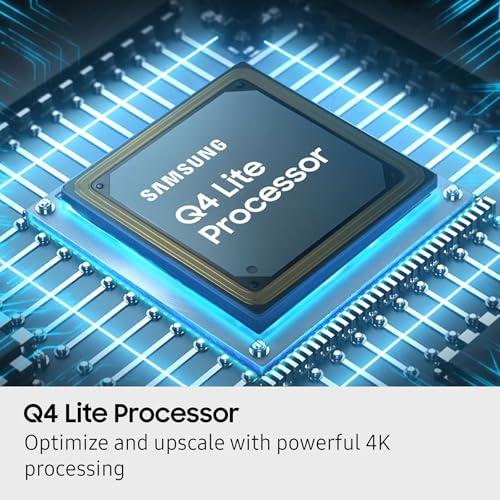
| Q4 Lite Processor (solid 4K upscaling) | XR Processor (cinema-grade color and contrast processing) |
| Voice Control - Hands-free operation and smart home integration | |
| Bixby, Alexa, Google Assistant support | Google Assistant built-in with superior integration |
| Connectivity - More HDMI 2.1 ports future-proof your setup | |
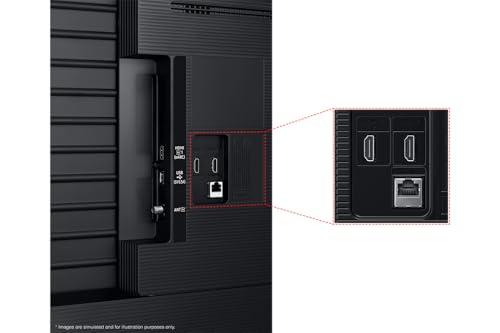
| 3 HDMI ports (standard 4K 60Hz) | 4 HDMI ports with 2 supporting full HDMI 2.1 bandwidth |
| Design Philosophy - Reflects target market and build quality | |
| Value-focused with adjustable stand options | Premium flagship with multi-position stand system |
| Target Market - Shows who each TV is designed for | |
| Budget-conscious buyers wanting large 4K screens | Home theater enthusiasts and serious gamers |
| Best Use Case - Where each TV excels most | |
| Family rooms, casual viewing, maximum size per dollar | Home theaters, bright rooms, premium gaming setups |
The Samsung 75-Inch QLED Q6F Series 2025 delivers exceptional value by offering a massive 75-inch 4K QLED display at an entry-level price point. You get quantum dot color technology, modern smart features, and gaming capabilities for significantly less money. The Sony BRAVIA 9 65" costs substantially more but justifies its premium pricing with flagship-level picture quality, Mini LED technology, and professional-grade processing that rivals cinema monitors.
The Samsung Q6F 75" uses traditional QLED technology with basic UHD dimming, providing good colors and adequate brightness for darker rooms. The Sony BRAVIA 9 65" employs advanced Mini LED backlighting with thousands of individually controlled LEDs, creating exceptional contrast, superior brightness for bright rooms, and cinema-accurate colors. The Sony delivers noticeably better picture quality, especially for HDR content and daytime viewing.
The Sony BRAVIA 9 65" is superior for gaming with its 120Hz refresh rate, full HDMI 2.1 bandwidth supporting 4K@120Hz, and advanced VRR capabilities - essential for competitive gaming on PS5 or Xbox Series X. The Samsung Q6F 75" offers solid gaming features like ALLM and VRR but is limited to 60Hz, making it better suited for casual gaming rather than competitive play.
The Samsung 75-Inch QLED Q6F Series 2025 provides a massive 75-inch screen that creates an immersive experience ideal for large rooms and family viewing. The Sony BRAVIA 9 65" offers a premium 65-inch display that's easier to mount and fits better in average-sized rooms. Choose the Samsung for maximum screen presence, or the Sony if you prioritize picture quality over size.
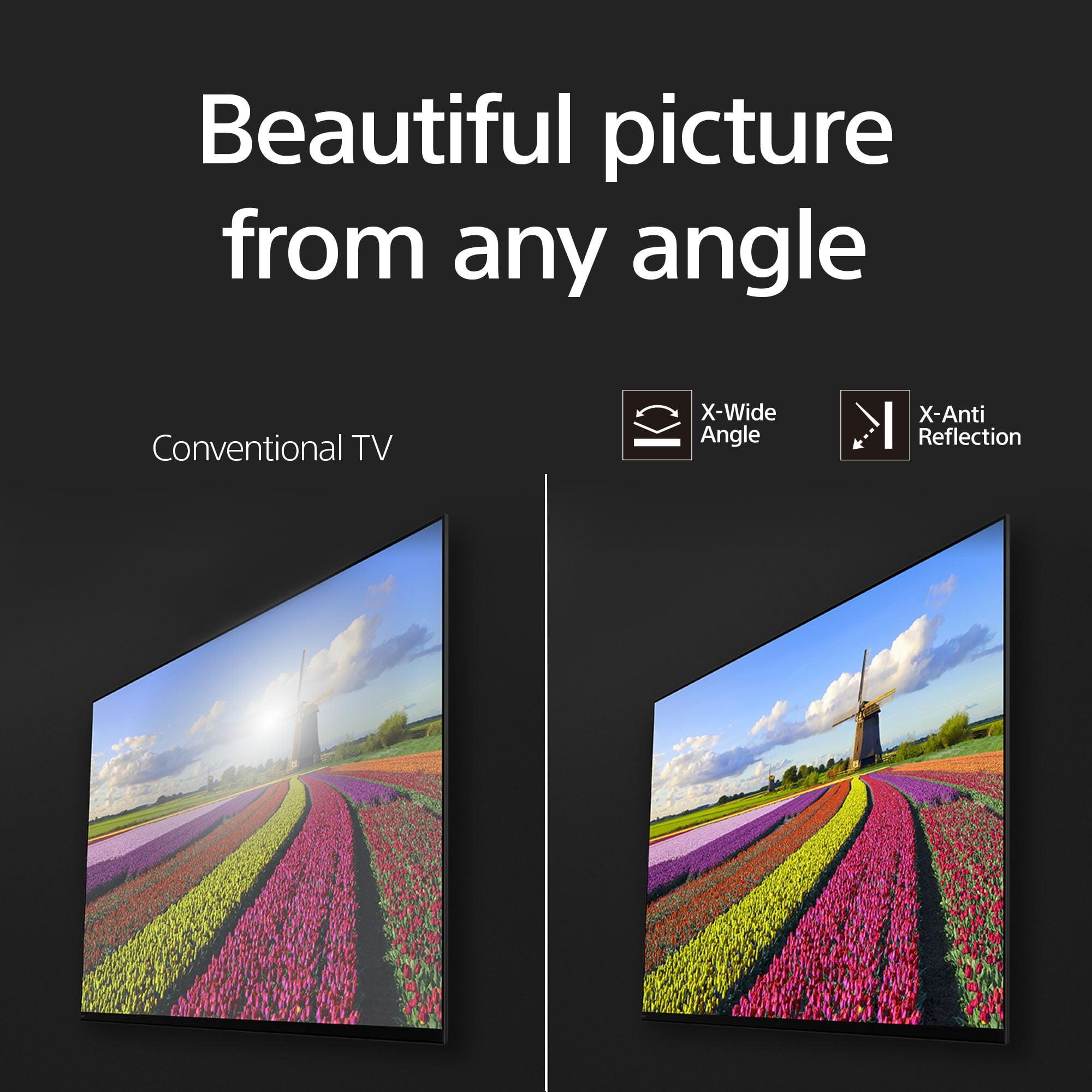
The Sony BRAVIA 9 65" significantly outperforms in bright rooms thanks to its Mini LED technology delivering 50% more brightness than previous Sony flagships. Its advanced anti-reflection coating and superior peak brightness ensure HDR content looks impressive even with windows open. The Samsung Q6F 75" works best in darker environments where its moderate brightness levels are adequate.
The Samsung Q6F 75" runs Tizen OS with Samsung Vision AI, offering over 1,200 free channels through Samsung TV Plus and excellent SmartThings integration for smart home control. The Sony BRAVIA 9 65" uses Google TV with superior content discovery across streaming services and seamless Google Assistant integration. Both platforms work well, but your choice depends on whether you prefer Samsung or Google ecosystems.
The Sony BRAVIA 9 65" delivers significantly better audio with its 70-watt, 2.2.2-channel system featuring upward-firing beam tweeters for Dolby Atmos effects. Many users report being surprised by the audio quality and delaying soundbar purchases. The Samsung Q6F 75" has a basic 20-watt system that's adequate for casual viewing but will likely require a soundbar upgrade for serious movie watching.
For home theater use, the Sony BRAVIA 9 65" is the clear winner with its Dolby Vision support, cinema-accurate colors, exceptional contrast, and superior built-in audio system. Its Mini LED technology delivers the dramatic highlights and deep blacks that make HDR movies truly impressive. The Samsung Q6F 75" can work in casual home theaters where size matters more than ultimate picture quality, especially in light-controlled rooms.
Both TVs support modern gaming features, but with different capabilities. The Samsung 75-Inch QLED Q6F Series 2025 includes ALLM, VRR, and Gaming Hub for solid casual gaming performance. The Sony BRAVIA 9 65" offers full HDMI 2.1 support with 4K@120Hz gaming, advanced VRR, and optimized settings for PS5, making it ideal for serious gamers who want the smoothest possible gameplay.
The 60Hz refresh rate on the Samsung Q6F 75" handles standard movies and TV shows adequately but may show motion blur during fast sports or action scenes. The 120Hz refresh rate on the Sony BRAVIA 9 65" provides noticeably smoother motion for sports, action movies, and gaming, creating a more fluid and detailed viewing experience that's especially beneficial for fast-moving content.
The Samsung 75-Inch QLED Q6F Series 2025 offers excellent immediate value with its large screen and solid 4K performance at an affordable price. The Sony BRAVIA 9 65" provides better long-term value for serious users through its advanced Mini LED technology, 120Hz gaming capabilities, superior brightness, and premium build quality that should remain relevant longer as content and gaming standards evolve.
Choose the Samsung Q6F 75" if you're a budget-conscious buyer wanting the largest possible 4K screen for family viewing, casual gaming, and standard streaming content in darker rooms. Select the Sony BRAVIA 9 65" if you're a home theater enthusiast, serious gamer, or anyone willing to pay premium prices for flagship picture quality, advanced features, and superior performance in bright rooms.
We've done our best to create useful and informative comparisons to help you decide what product to buy. Our research uses advanced automated methods to create this comparison and perfection is not possible - please contact us for corrections or questions. These are the sites we've researched in the creation of this article: youtube.com - rtings.com - cnet.com - youtube.com - rtings.com - samsung.com - bestbuy.com - samsung.com - samsung.com - bestbuy.com - manuals.plus - arrowassociatedstores.com - samsung.com - samsung.com - samsung.com - flatpanelshd.com - device.report - bestbuy.com - bestbuy.com - youtube.com - whathifi.com - crutchfield.com - rtings.com - pcrichard.com - merlinstv.com - youtube.com - sony.ca - electronics.sony.com

Privacy Policy
Terms and Conditions - Affiliate Policy
Home Security
© Copyright 2008-2026.
11816 Inwood Rd #1211, Dallas, TX 75244