

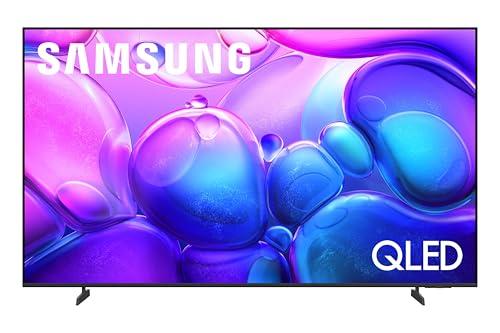

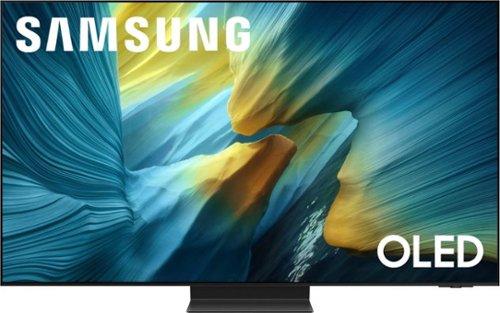
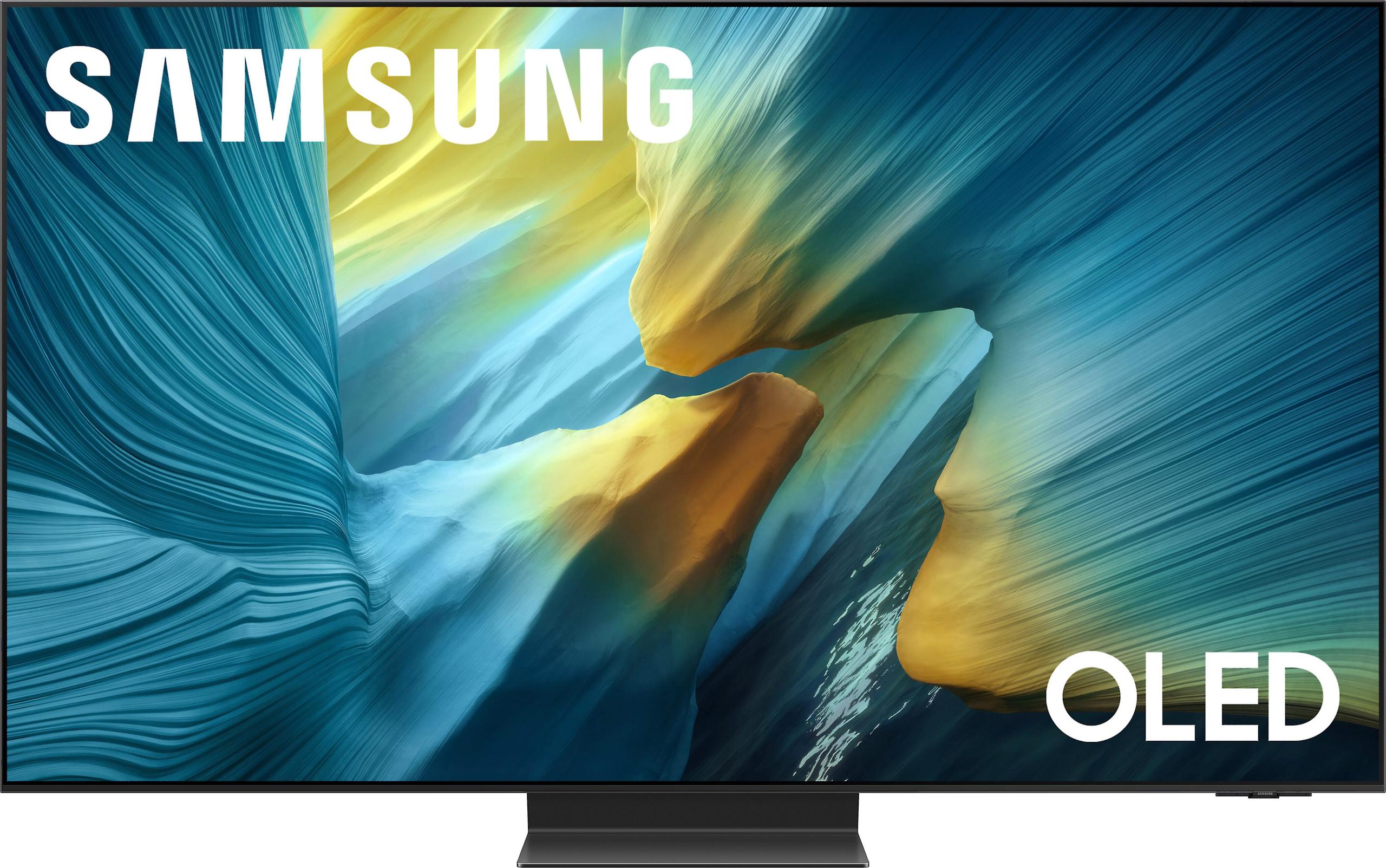
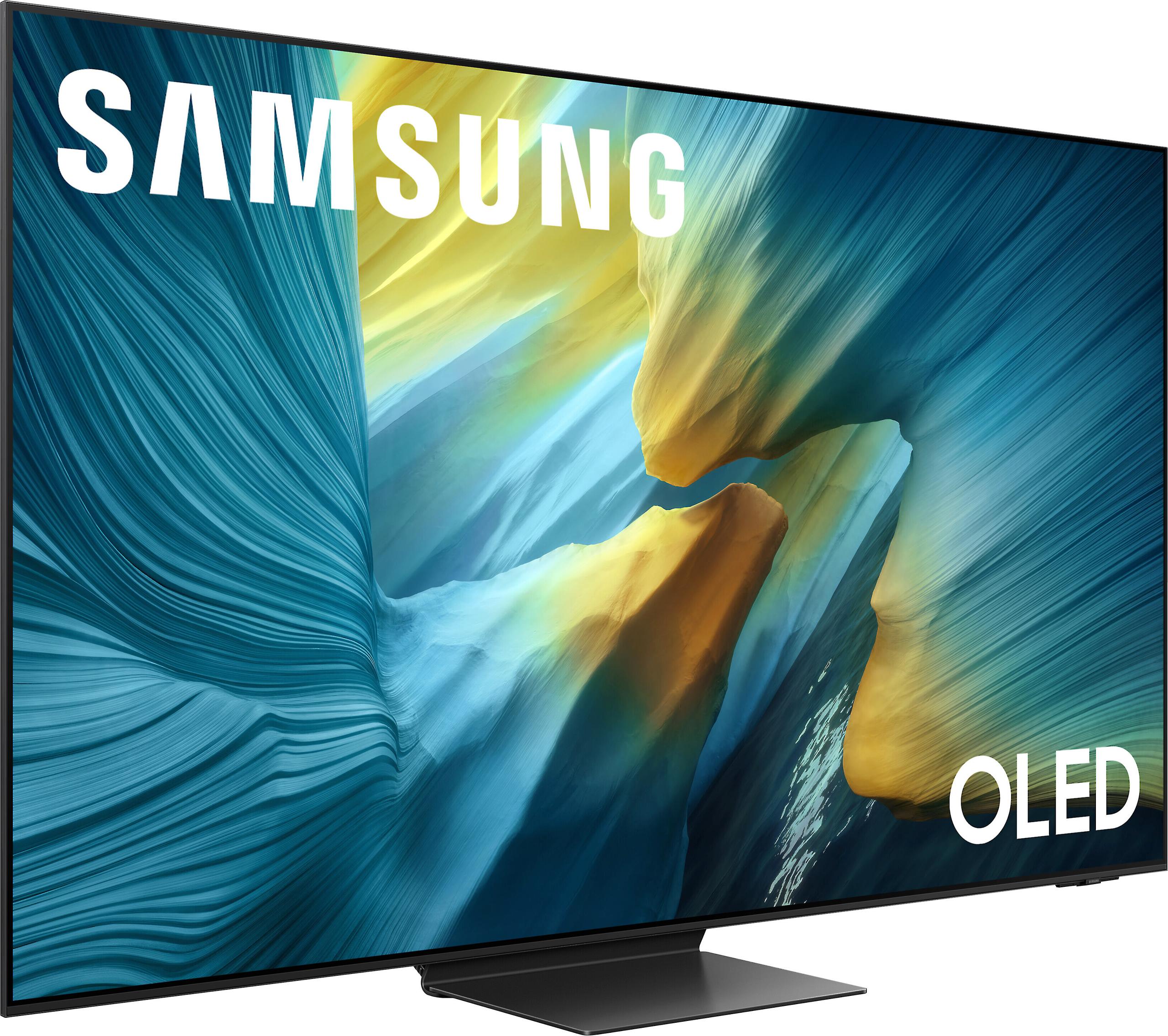
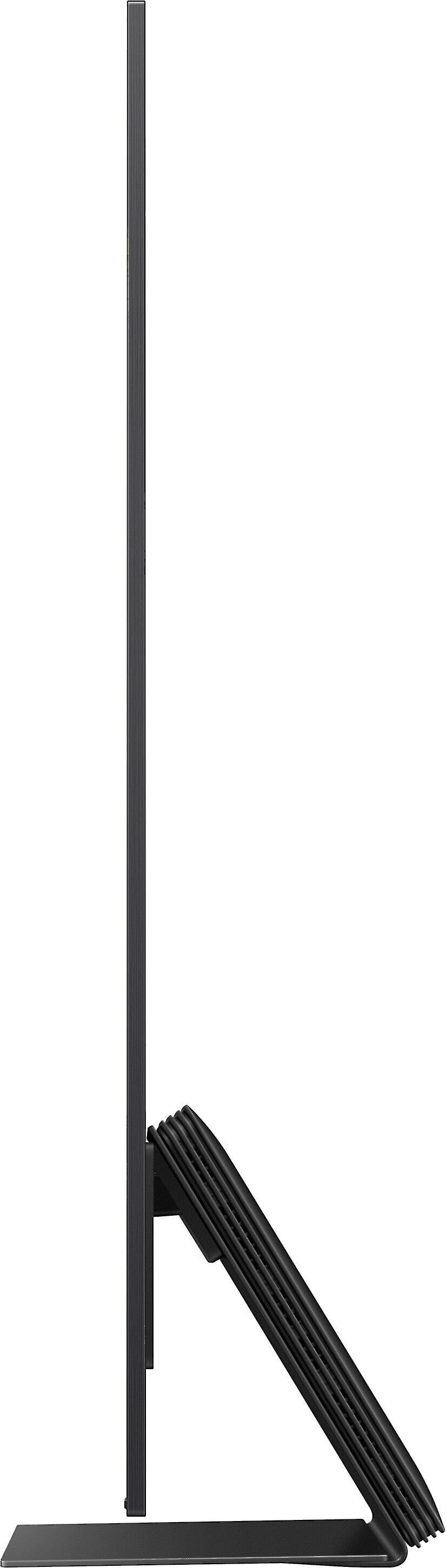
Buying a TV in 2025 can feel overwhelming with all the technical jargon and competing technologies. If you're torn between Samsung's 75-inch QLED Q6F and the 65-inch OLED S95F, you're looking at two completely different approaches to creating great picture quality. One prioritizes size and value, while the other focuses on premium performance and cutting-edge features.
Both TVs launched as part of Samsung's 2025 lineup, representing significant improvements over their predecessors. The Q6F brings quantum dot technology to a more affordable price point, while the S95F showcases Samsung's latest OLED innovations with a revolutionary anti-glare coating and 30% brighter panel than previous models.
Before diving into specifics, you need to understand what makes these technologies different. QLED (Quantum Dot LED) uses traditional LED backlighting enhanced with quantum dots - microscopic particles that improve color accuracy and brightness when light passes through them. Think of it as a sophisticated filter that makes colors more vibrant and pure.
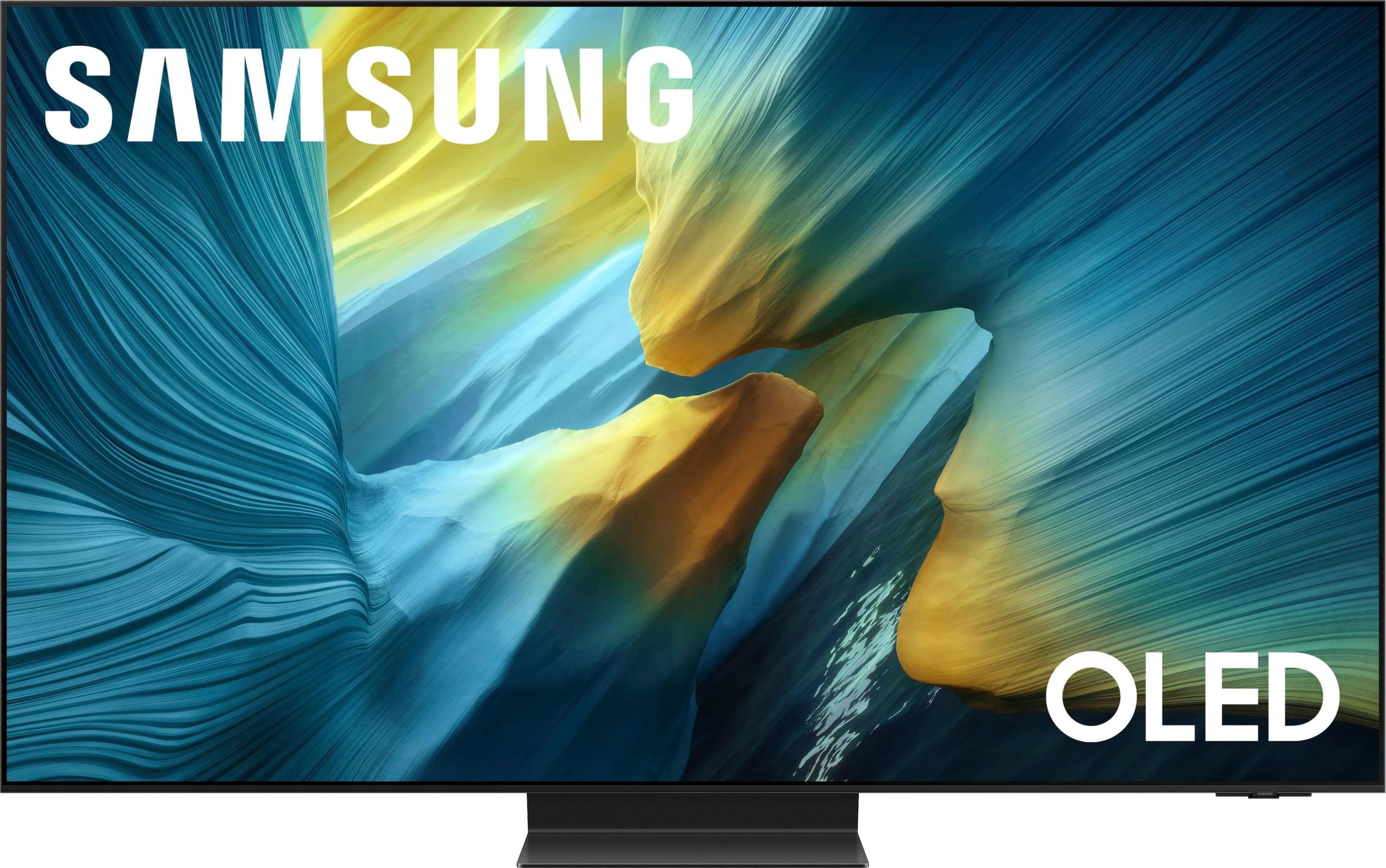
OLED (Organic Light-Emitting Diode) takes a completely different approach. Each pixel generates its own light using organic compounds that glow when electricity passes through them. This means OLED pixels can turn completely off, creating perfect blacks that LED-based displays simply cannot match.
The Q6F represents Samsung's entry-level QLED approach - delivering good picture quality with quantum dot enhancement at a budget-friendly price. The S95F showcases OLED's premium capabilities with Samsung's latest QD-OLED technology, combining OLED's perfect blacks with quantum dots for exceptional color purity.
This is where the S95F completely dominates. When you're watching a movie with dark scenes - think of space sequences in sci-fi films or nighttime scenes in thrillers - OLED's ability to turn pixels completely off creates true blacks that make the image pop off the screen. Stars against space look genuinely infinite, and shadows have real depth.
The Q6F, despite Samsung's "Mega Contrast" processing, simply can't compete here. LED backlighting means there's always some light bleeding through, creating slightly grayish blacks instead of true blacks. In a dark room watching movies, this difference becomes immediately obvious. However, many people find the Q6F's performance perfectly acceptable for everyday viewing, especially given the significant price difference.
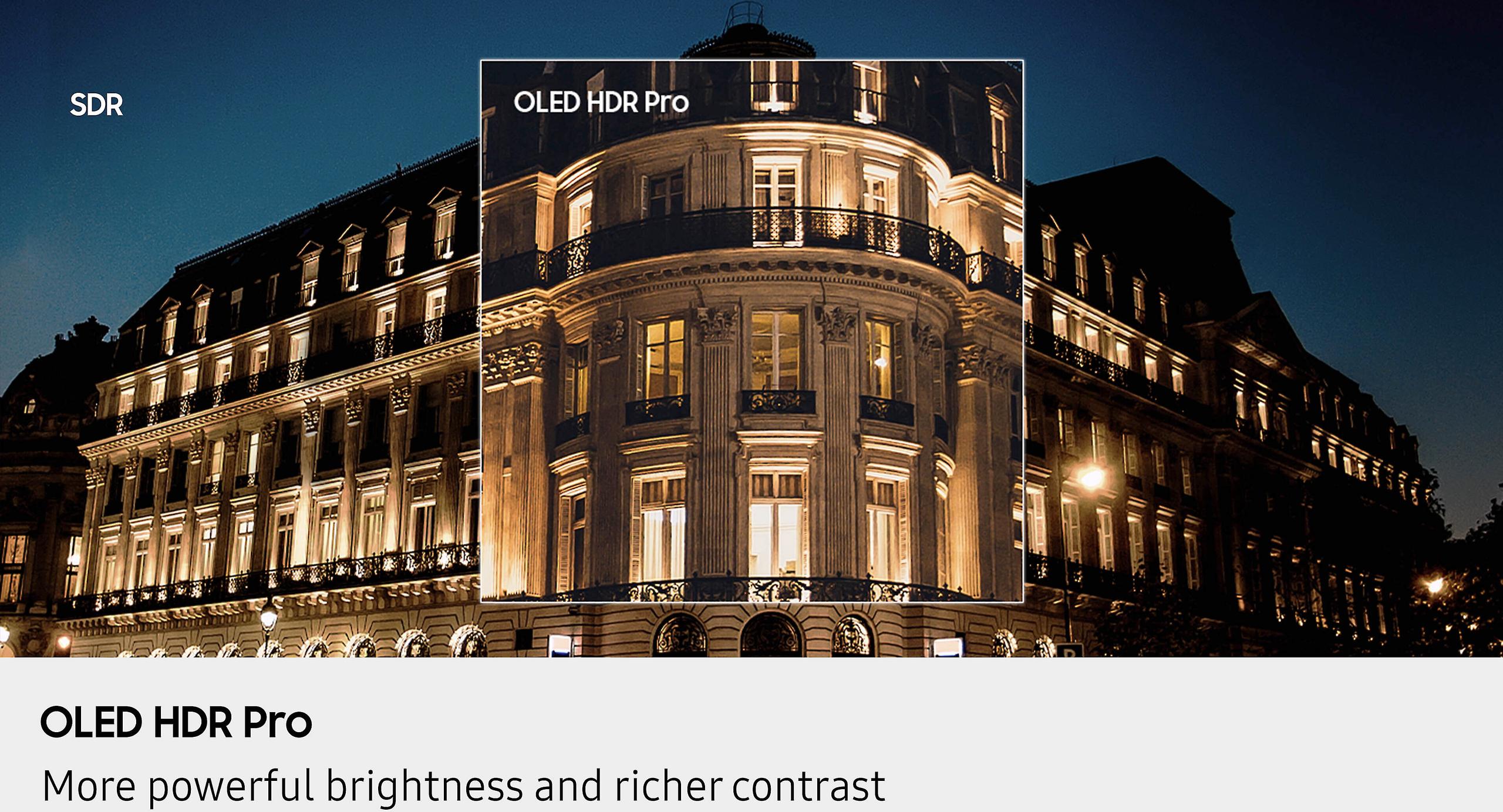
Here's where things get interesting. You might expect the LED-backlit Q6F to be brighter, but Samsung's 2025 S95F actually delivers exceptional brightness performance. The new tandem QD-OLED panel reaches over 2,100 nits on small bright highlights - that's significantly brighter than most LED TVs in its class.
This brightness boost makes HDR (High Dynamic Range) content really shine on the S95F. When you're watching nature documentaries with bright sunlight or action movies with explosions, those highlights have real impact. The Q6F provides decent HDR performance, but those peak moments won't have the same wow factor.
HDR deserves explanation here - it's technology that displays a wider range of brightness levels, making bright things brighter and dark things darker, closer to what your eyes see in real life. Think of the difference between looking at a photo on your phone versus looking out a window at the same scene.
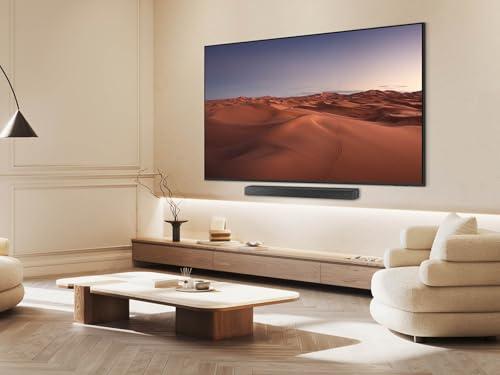
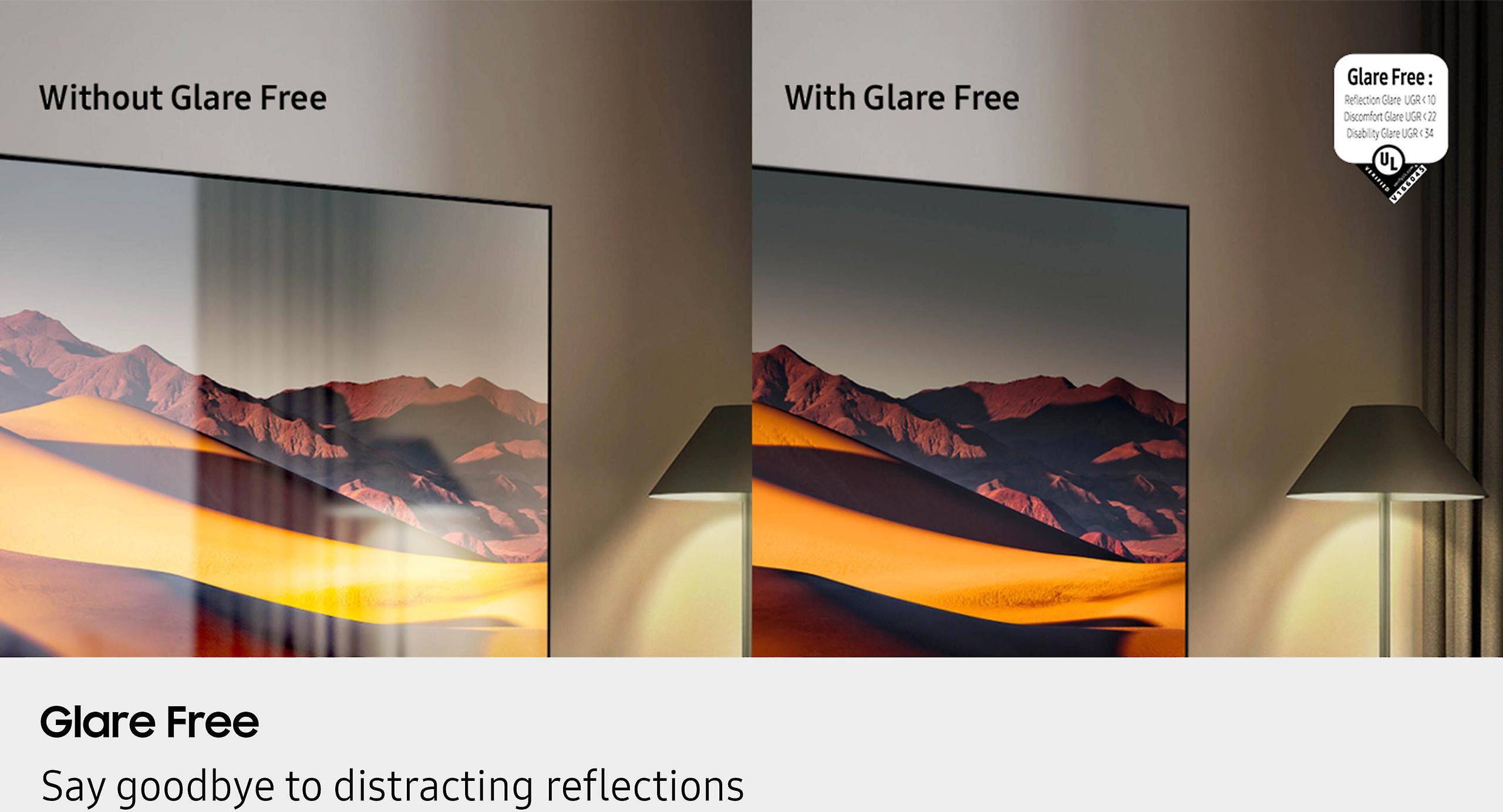
This is perhaps the S95F's most innovative feature. Samsung's new Glare-Free 2.0 matte coating virtually eliminates reflections from windows, lamps, and overhead lighting. If you've ever struggled to see your TV during daytime viewing or had to close curtains to reduce glare, this technology is genuinely transformative.
The coating works by diffusing reflections into a soft haze rather than sharp, distracting mirror images. What's impressive is that Samsung managed to do this without significantly dulling colors or reducing perceived contrast - a common problem with matte displays.
The Q6F uses a traditional glossy screen that reflects everything like a mirror. While it can get bright enough to overcome some reflections, you'll still deal with glare in bright rooms. This makes room placement more critical with the Q6F.
Both TVs use quantum dot technology, but the implementation varies significantly. The S95F combines quantum dots with OLED's precise pixel control, creating colors that are both vibrant and accurate. Reds look rich without being oversaturated, and greens have a natural quality that's immediately noticeable in nature content.
The Q6F achieves Samsung's claimed "100% Color Volume" through its quantum dot layer, producing noticeably more vibrant colors than basic LED TVs. However, the overall color refinement and accuracy don't quite match the S95F's premium performance. For most content, the Q6F delivers satisfying color reproduction that will impress viewers coming from older TVs.
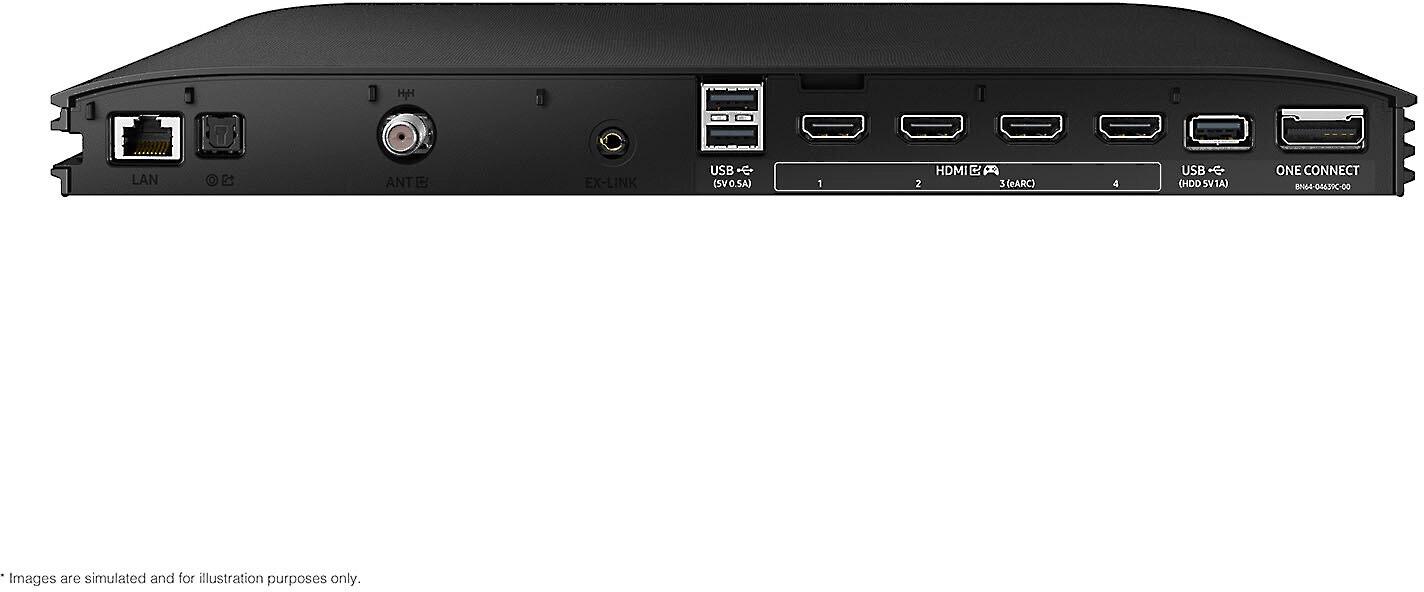
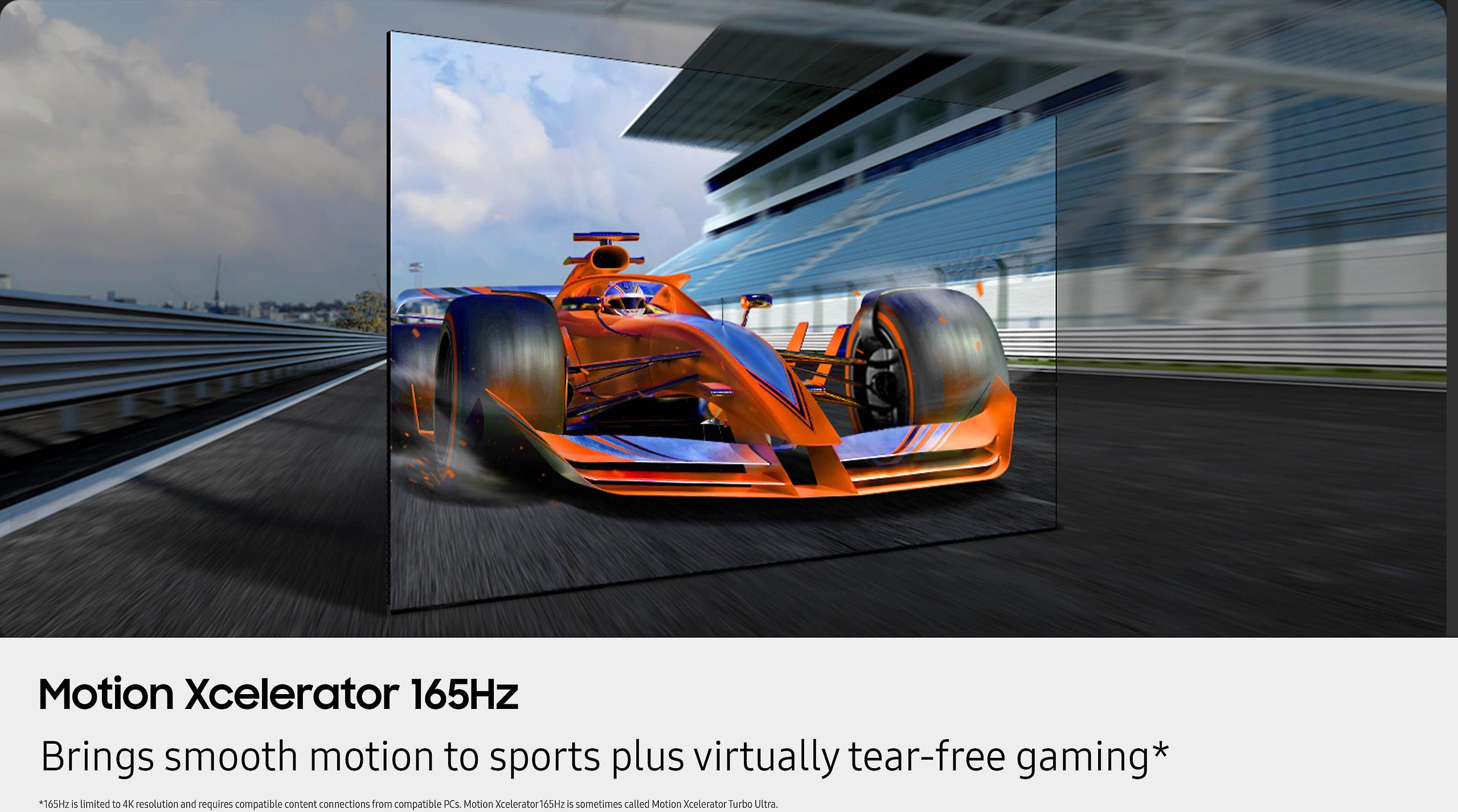
If gaming matters to you, the S95F offers a dramatically superior experience. Its 4K 165Hz refresh rate support across all HDMI inputs means incredibly smooth motion in compatible games. Refresh rate refers to how many times per second the screen updates the image - higher rates mean smoother motion and less blur during fast action.
The OLED technology provides near-instantaneous response times, meaning when you move your controller, the action happens on screen without delay. This responsiveness is crucial for competitive gaming where split-second reactions matter.
The Q6F offers basic gaming features with a 60Hz refresh rate and standard Auto Game Mode. While perfectly adequate for casual gaming, it lacks advanced features like VRR (Variable Refresh Rate), which synchronizes the display's refresh rate with your console's frame rate to eliminate screen tearing.
For serious gamers, especially those with PlayStation 5, Xbox Series X, or high-end PC setups, the S95F's gaming capabilities justify much of the price premium. The Q6F works fine for casual gaming but won't maximize your console's potential.
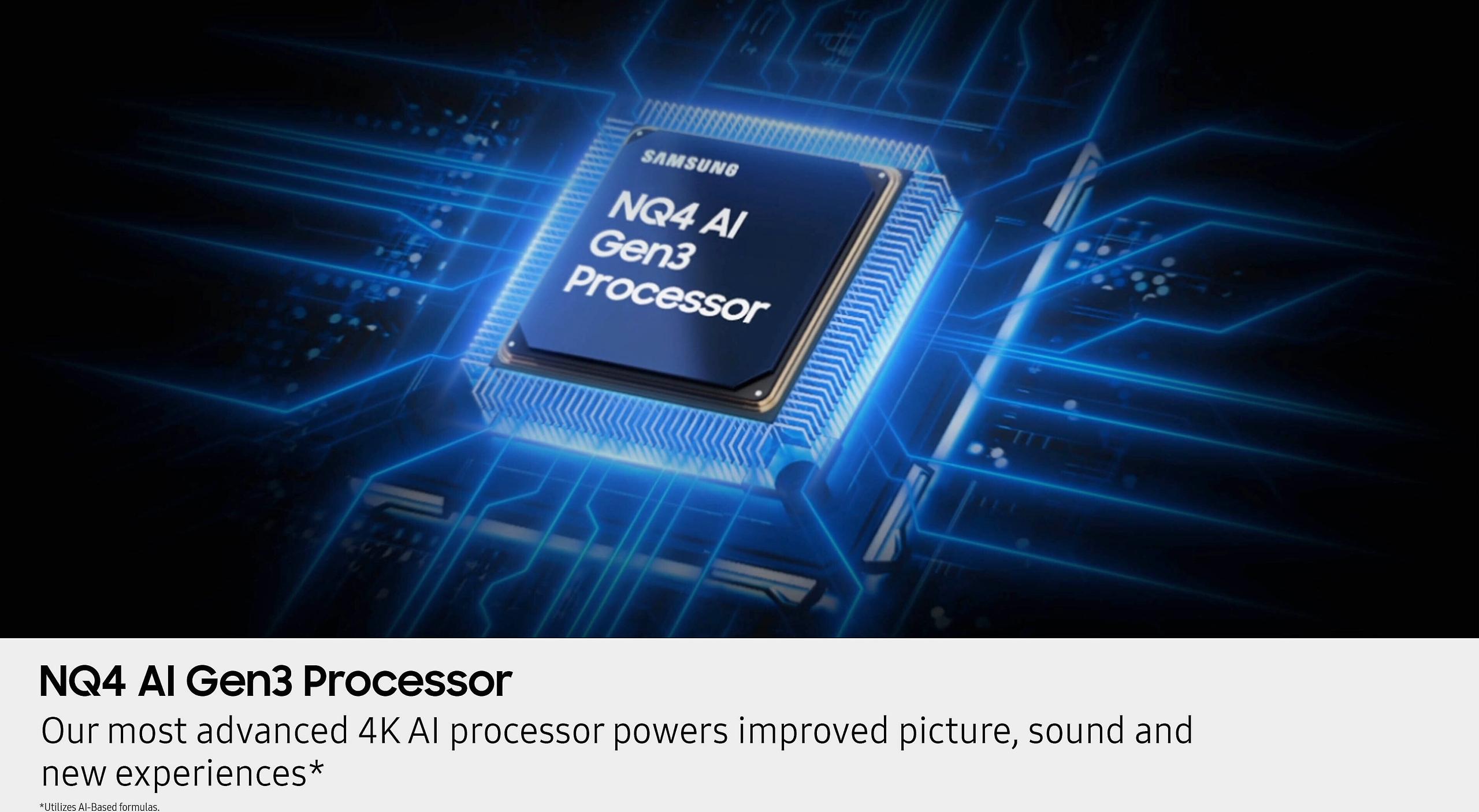
Both TVs run Samsung's Tizen operating system, but the experience differs significantly. The S95F's NQ4 AI Gen3 processor powers advanced features like Samsung Vision AI, which uses 128 neural networks to optimize picture and sound based on content type and viewing conditions.
This processing power shows in upscaling performance - taking lower-resolution content and making it look good on a 4K screen. The S95F handles this with sophisticated algorithms that reduce artifacts and enhance detail. Cable TV and older streaming content look noticeably better.
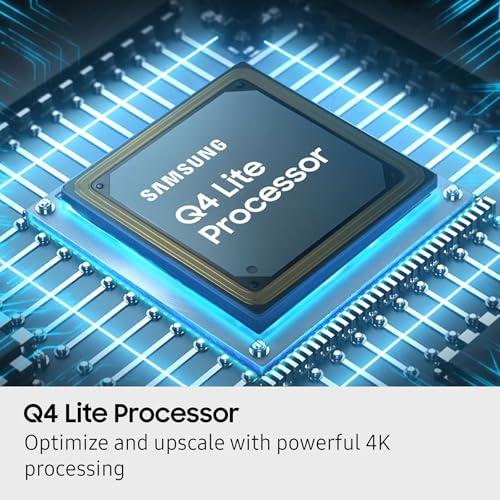
The Q6F's Q4 Lite processor provides solid basic upscaling but lacks the advanced AI features. For most users, the difference is subtle, but videophiles will appreciate the S95F's superior processing.
Both offer Samsung's Gaming Hub, voice control through Bixby or Alexa, and access to all major streaming platforms. The S95F includes a commitment to seven years of software updates, ensuring long-term compatibility with new features and services.
The S95F delivers genuinely impressive built-in audio with its 70W, 4.2.2-channel system and Dolby Atmos support. Dolby Atmos creates three-dimensional sound by moving audio around you, making rain sound like it's falling from above or cars sound like they're passing from left to right.
The Q6F's 20W, 2-channel system provides basic audio that's adequate for casual viewing but will likely leave movie enthusiasts wanting more. Both support Samsung's Q-Symphony technology, which allows compatible Samsung soundbars to work in harmony with the TV's built-in speakers for enhanced audio.
For home theater setups, the S95F's built-in audio might satisfy many users, while the Q6F will almost certainly require a soundbar or external speakers for optimal movie-watching experiences.
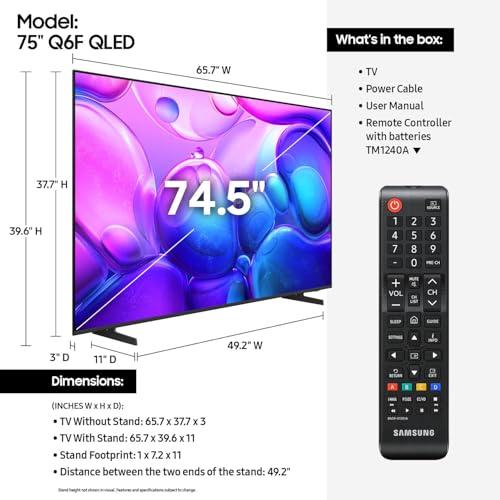
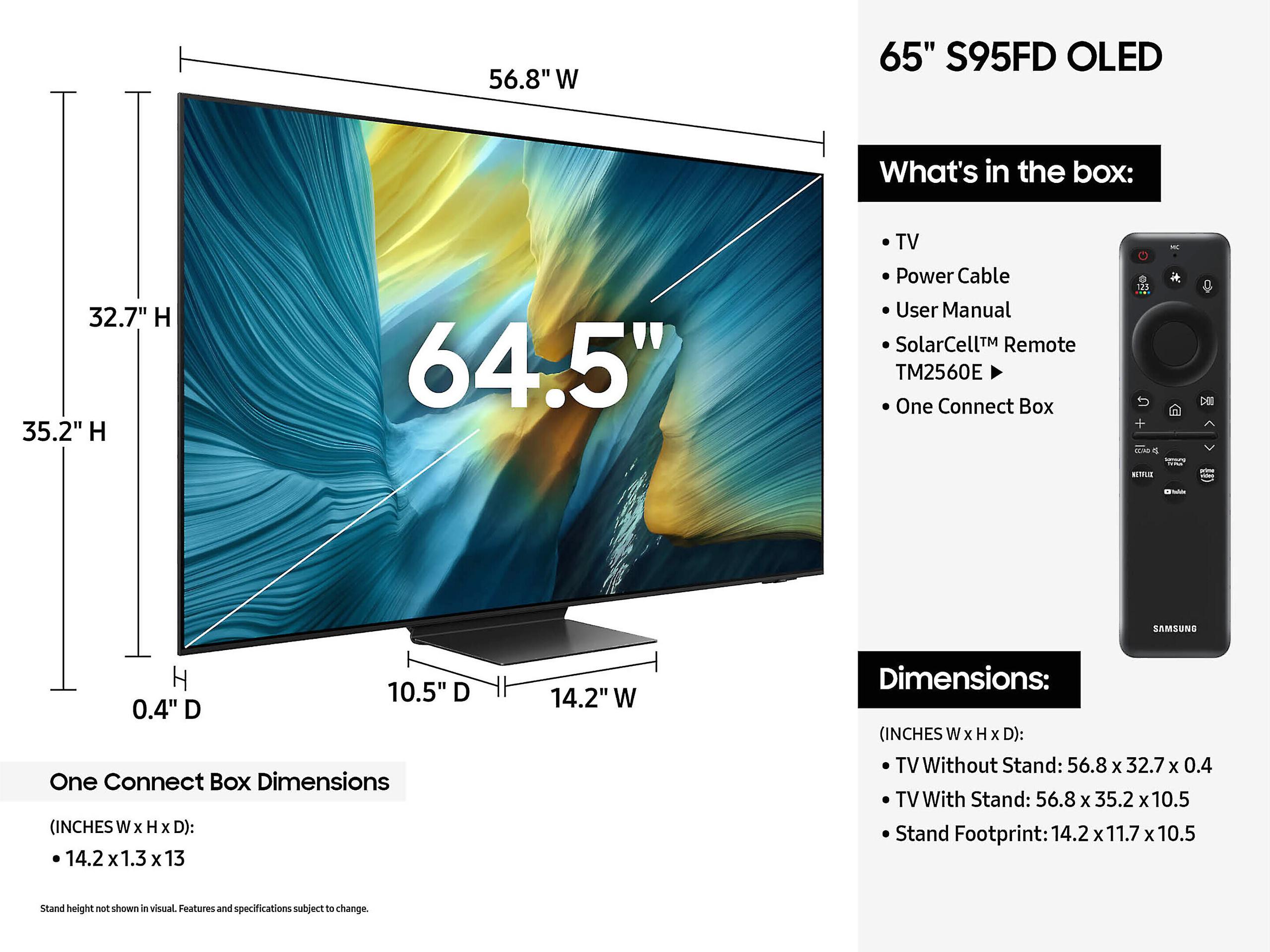
This comparison highlights a classic TV buying dilemma. The Q6F's 75-inch screen provides about 30% more viewing area than the S95F's 65-inch display. That's a significant difference that affects immersion, especially for sports and movies.
Screen size impact varies with viewing distance. If you sit 8-10 feet from your TV, the 75-inch Q6F will feel more immersive. However, if picture quality matters more than size, the S95F's superior contrast, brightness, and color accuracy create a more engaging viewing experience even on a smaller screen.
For home theater enthusiasts who prioritize cinematic quality, the S95F delivers reference-level performance that makes the size trade-off worthwhile. For families wanting the biggest possible screen for sports and general entertainment, the Q6F's size advantage is compelling.
LED-based displays like the Q6F have virtually no risk of burn-in, where static images can permanently mark the screen. This makes them worry-free for varied content including gaming with static UI elements or news channels with persistent logos.
OLED displays, including the S95F, can experience burn-in with extreme usage patterns, though modern OLEDs are much more resistant than earlier generations. Samsung includes protective features like automatic brightness limiting and pixel shifting to minimize risks. For typical usage patterns involving mixed content types, burn-in is unlikely but worth considering for specialized use cases.
At the time of writing, these TVs occupy completely different price tiers. The Q6F offers exceptional value for large-screen entertainment, providing quantum dot color enhancement and solid smart features at an entry-level QLED price point. You're getting 75 inches of good picture quality that will satisfy most families.
The S95F commands premium pricing but delivers flagship performance that justifies the cost for picture quality enthusiasts. The combination of perfect OLED blacks, exceptional brightness, revolutionary anti-glare technology, and premium gaming features creates an experience that's genuinely different from more affordable options.
Your viewing environment should heavily influence your decision. The S95F's Glare-Free coating makes it exceptional for bright rooms with large windows or significant ambient lighting. If you've struggled with TV reflections in your current setup, this feature alone might justify the premium.
The Q6F works best in controlled lighting environments where you can manage ambient light. Its larger size helps overcome some brightness limitations, but careful room setup becomes more important.
For dark room movie watching, the S95F's OLED technology creates an almost cinema-like experience that's hard to match. The Q6F provides enjoyable dark room viewing but can't achieve the same level of immersion due to its contrast limitations.
Choose the Samsung 75-inch Q6F if you prioritize screen size and value over absolute picture quality. It's perfect for families who want big-screen entertainment for sports, streaming, and casual gaming without breaking the budget. The quantum dot enhancement ensures colors look vibrant and engaging, while the large size creates an immersive experience for group viewing.
The Q6F makes sense if you're upgrading from an older TV and want modern smart features with a significant size increase. It's also ideal if you plan to add a soundbar anyway and don't need advanced gaming features.
Choose the Samsung 65-inch S95F if picture quality is your primary concern and you have the budget for premium performance. It's exceptional for movie enthusiasts who want reference-level contrast and color accuracy. The anti-glare coating makes it perfect for bright rooms where other TVs struggle.
Serious gamers will appreciate the S95F's 4K 165Hz capabilities and instant response times, while the superior built-in audio reduces the need for additional equipment. If you value having the latest display technology and plan to keep your TV for many years, the S95F's advanced features and seven-year update commitment provide excellent long-term value.
Both TVs excel in their respective categories. The Q6F delivers remarkable value for large-screen entertainment, while the S95F showcases what's possible with premium display technology. Your choice ultimately depends on whether you prioritize size and affordability or picture quality and advanced features.
Either way, you're getting a TV that represents significant improvements over older models and will provide years of excellent entertainment. The key is matching the TV's strengths to your specific needs, viewing environment, and budget priorities.
| Samsung 75-Inch QLED Q6F Series 2025 | Samsung 65" OLED S95F 4K Smart TV 2025 |
|---|---|
| Screen Size - Bigger means more immersive but costs more to ship and needs larger rooms | |
| 75 inches (30% more viewing area) | 65 inches (premium size for most rooms) |
| Display Technology - Fundamental difference affecting contrast and viewing experience | |
| QLED with LED backlighting (good blacks, no burn-in risk) | QD-OLED with self-lit pixels (perfect blacks, minimal burn-in risk) |
| Peak Brightness - Critical for HDR impact and bright room viewing | |
| Limited HDR brightness (adequate for most content) | 2,100+ nits (exceptional HDR performance) |
| Anti-Glare Technology - Game-changer for bright rooms with windows | |
| Traditional glossy screen (reflections can be distracting) | Glare-Free 2.0 matte coating (virtually eliminates reflections) |
| Gaming Performance - Essential for serious gamers with modern consoles | |
| 60Hz, basic game mode (fine for casual gaming) | 4K 165Hz, VRR, ultra-low lag (flagship gaming experience) |
| Processor - Affects upscaling quality and smart features | |
| Q4 Lite (solid basic processing) | NQ4 AI Gen3 (advanced AI with 128 neural networks) |
| Audio System - Determines if you need a soundbar | |
| 20W, 2-channel (likely needs soundbar upgrade) | 70W, 4.2.2-channel with Dolby Atmos (impressive built-in sound) |
| Smart Features - Long-term software support matters | |
| Standard Tizen OS (typical update cycle) | Premium Tizen with 7-year update guarantee |
| Best For - Target audience and ideal use cases | |
| Families wanting maximum screen size on budget | Movie enthusiasts and gamers prioritizing picture quality |
| Value Proposition - What you get for your money | |
| Exceptional size-to-price ratio with quantum dot colors | Premium performance justifies higher cost for videophiles |
The biggest difference is display technology: the Samsung 75-inch QLED Q6F uses LED backlighting with quantum dots, while the Samsung 65-inch OLED S95F uses self-illuminating OLED pixels. This means the S95F delivers perfect blacks and infinite contrast, while the Q6F offers a larger 75-inch screen at a more affordable price point.
The Samsung 65-inch OLED S95F is significantly better for bright rooms thanks to its revolutionary Glare-Free 2.0 matte coating that virtually eliminates reflections. The Samsung 75-inch QLED Q6F has a traditional glossy screen that reflects light sources, making it less suitable for bright environments despite its LED brightness.
Yes, the size difference is substantial. The Samsung 75-inch QLED Q6F provides about 30% more viewing area than the Samsung 65-inch OLED S95F. This translates to a more immersive experience for sports and movies, especially if you sit 8-10 feet away from the screen.
The Samsung 65-inch OLED S95F is dramatically better for gaming, offering 4K at 165Hz, VRR support, and near-instantaneous response times. The Samsung 75-inch QLED Q6F only supports 60Hz and lacks advanced gaming features, making it adequate for casual gaming but not ideal for competitive or next-gen console gaming.
The Samsung 65-inch OLED S95F has impressive 70W, 4.2.2-channel audio with Dolby Atmos that may satisfy many users without additional speakers. The Samsung 75-inch QLED Q6F has basic 20W, 2-channel audio that will likely require a soundbar upgrade for optimal movie watching.
The Samsung 65-inch OLED S95F excels in dark rooms with its perfect black levels and infinite contrast ratio. OLED pixels can turn completely off, creating true blacks that make movies look cinematic. The Samsung 75-inch QLED Q6F produces slightly grayish blacks due to LED backlighting, though many find this perfectly acceptable for the price difference.
The Samsung 75-inch QLED Q6F has no burn-in risk due to its LED technology. The Samsung 65-inch OLED S95F has minimal burn-in risk with normal usage patterns, as modern OLEDs include protective features like pixel shifting and automatic brightness limiting.
This depends on your priorities. The Samsung 75-inch QLED Q6F offers exceptional value for large-screen entertainment with quantum dot color enhancement at an entry-level price. The Samsung 65-inch OLED S95F commands premium pricing but delivers flagship performance that justifies the cost for picture quality enthusiasts.
Both run Samsung's Tizen OS, but the Samsung 65-inch OLED S95F includes advanced AI features powered by the NQ4 AI Gen3 processor and comes with a 7-year software update guarantee. The Samsung 75-inch QLED Q6F has solid basic smart features with the Q4 Lite processor but lacks the advanced processing capabilities.
This is a trade-off between size and picture quality. The Samsung 75-inch QLED Q6F provides a more immersive sports viewing experience due to its larger screen size. However, the Samsung 65-inch OLED S95F offers superior motion handling, brighter highlights, and better color accuracy that make sports content look more vibrant and realistic.
The Samsung 65-inch OLED S95F excels at HDR with over 2,100 nits peak brightness and perfect contrast, making bright highlights truly impactful. The Samsung 75-inch QLED Q6F supports HDR but with limited peak brightness, so HDR content won't have the same dramatic impact as premium models.
For dedicated home theater use, the Samsung 65-inch OLED S95F is the clear choice with its reference-level picture quality, perfect blacks, exceptional brightness, and superior built-in audio. However, if you prioritize maximum screen size for family entertainment, the Samsung 75-inch QLED Q6F offers great value for casual home theater use.
We've done our best to create useful and informative comparisons to help you decide what product to buy. Our research uses advanced automated methods to create this comparison and perfection is not possible - please contact us for corrections or questions. These are the sites we've researched in the creation of this article: youtube.com - rtings.com - cnet.com - youtube.com - rtings.com - samsung.com - bestbuy.com - samsung.com - samsung.com - bestbuy.com - manuals.plus - arrowassociatedstores.com - samsung.com - samsung.com - samsung.com - flatpanelshd.com - device.report - businessinsider.com - tomsguide.com - youtube.com - avsforum.com - zdnet.com - samsung.com - pioneertvandappliance.com - samsung.com - displayspecifications.com - samsung.com

Privacy Policy
Terms and Conditions - Affiliate Policy
Home Security
© Copyright 2008-2026.
11816 Inwood Rd #1211, Dallas, TX 75244