

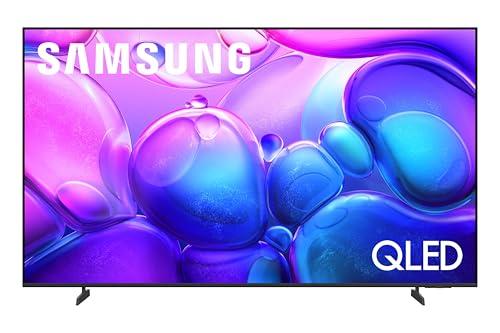


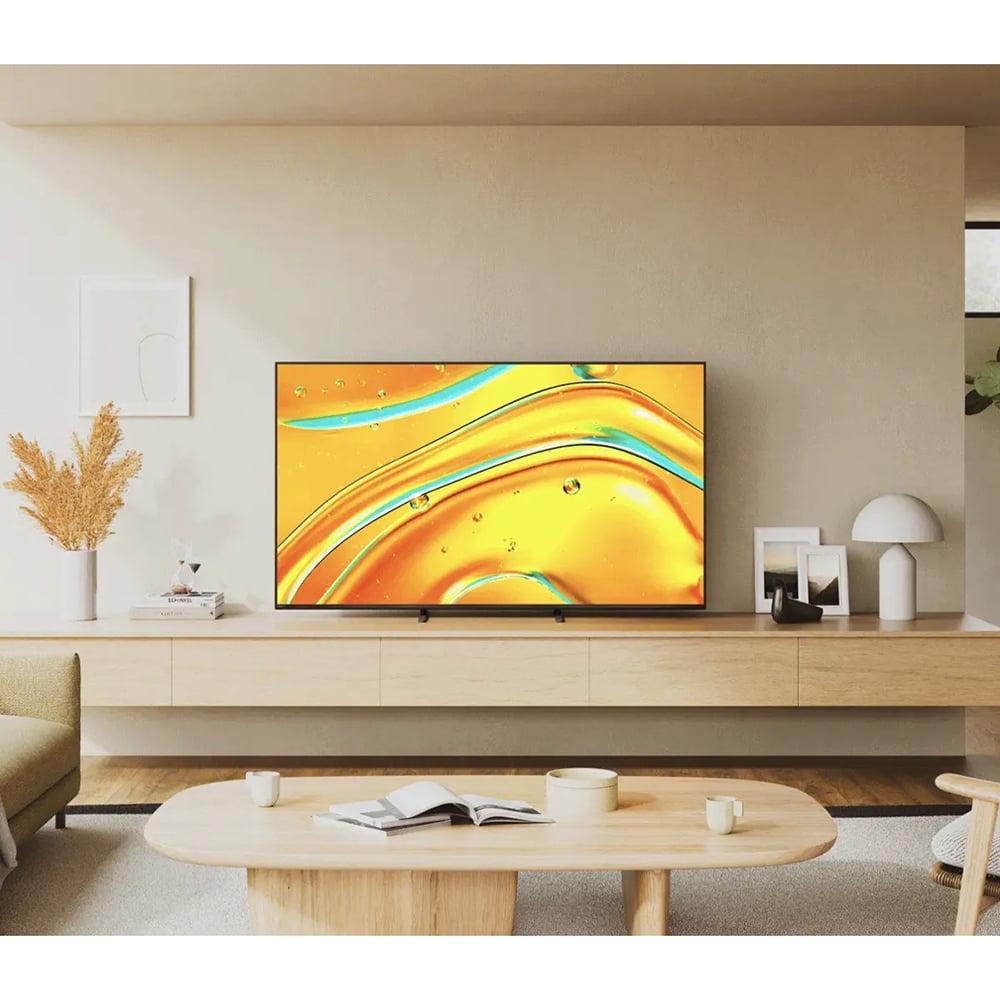
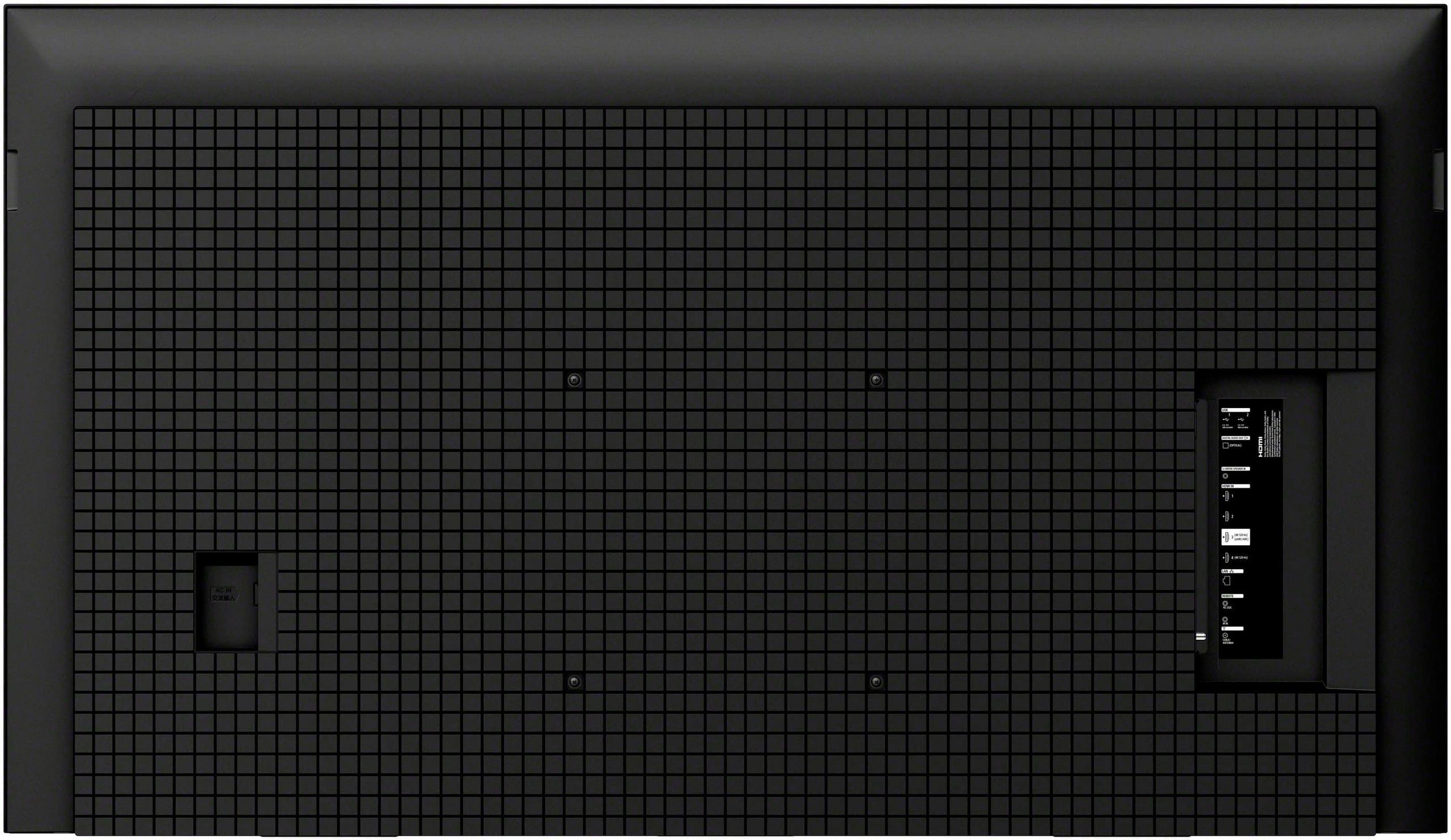
The large screen TV market has exploded in recent years, with 65-inch and 75-inch models becoming the new sweet spot for home entertainment. At the time of writing, you can find compelling options spanning from budget-friendly QLED displays to premium Mini LED powerhouses. Two standouts that represent very different approaches are Samsung's 75-inch QLED Q6F and Sony's 65-inch BRAVIA 5 Mini LED, both released in 2025.
These TVs couldn't be more different in their philosophy. The Samsung Q6F prioritizes maximum screen real estate and vibrant colors at an aggressive price point, while the Sony BRAVIA 5 focuses on gaming performance and premium features at nearly double the cost. Understanding which approach fits your needs requires diving deep into what makes each tick.
Before comparing these specific models, it's worth understanding the key technologies at play. QLED (Quantum Dot Light Emitting Diode) uses tiny particles called quantum dots that glow when hit by light, producing incredibly vibrant colors. The Samsung Q6F uses this approach, promising what Samsung calls "100% Color Volume" – essentially meaning it can display vivid colors even at high brightness levels.
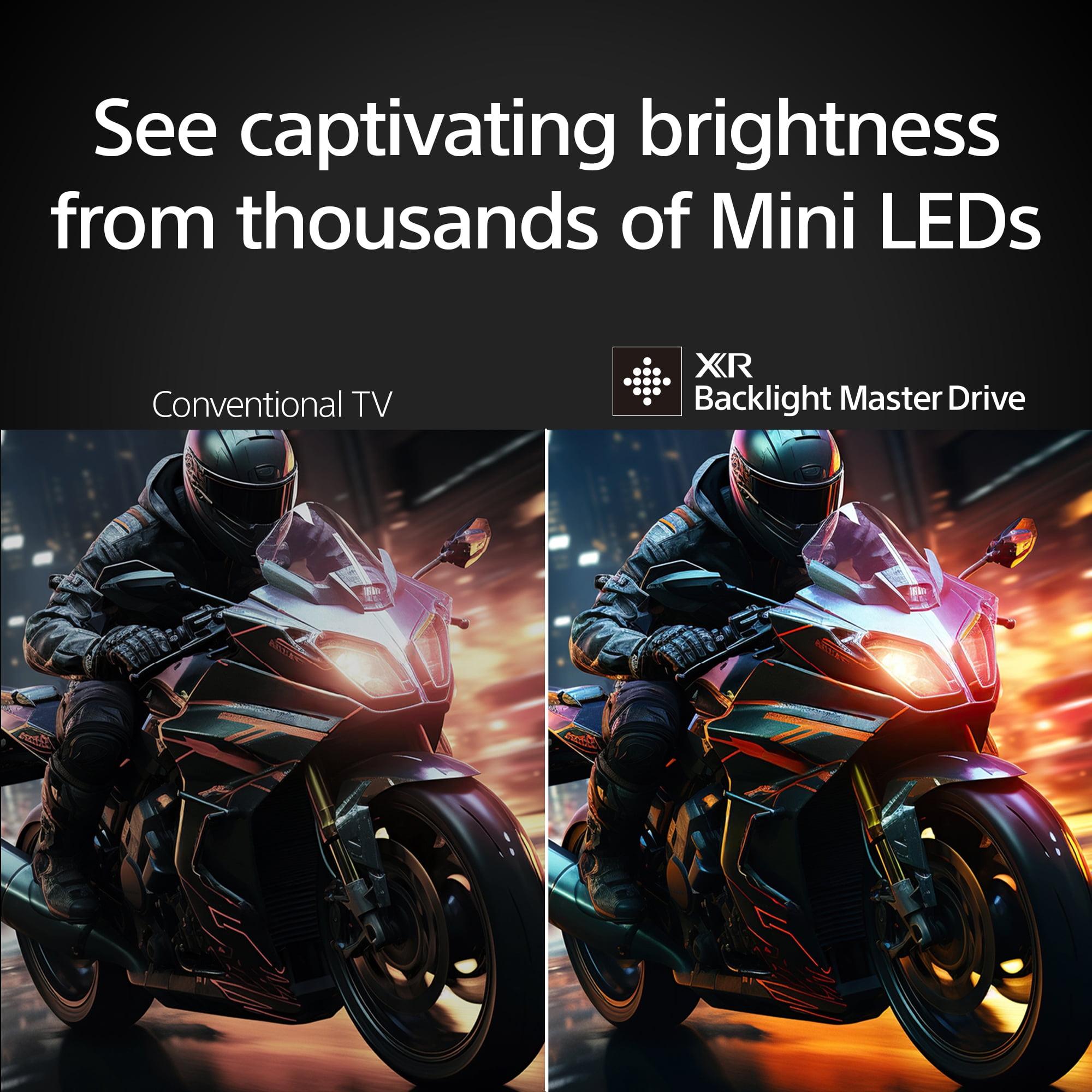
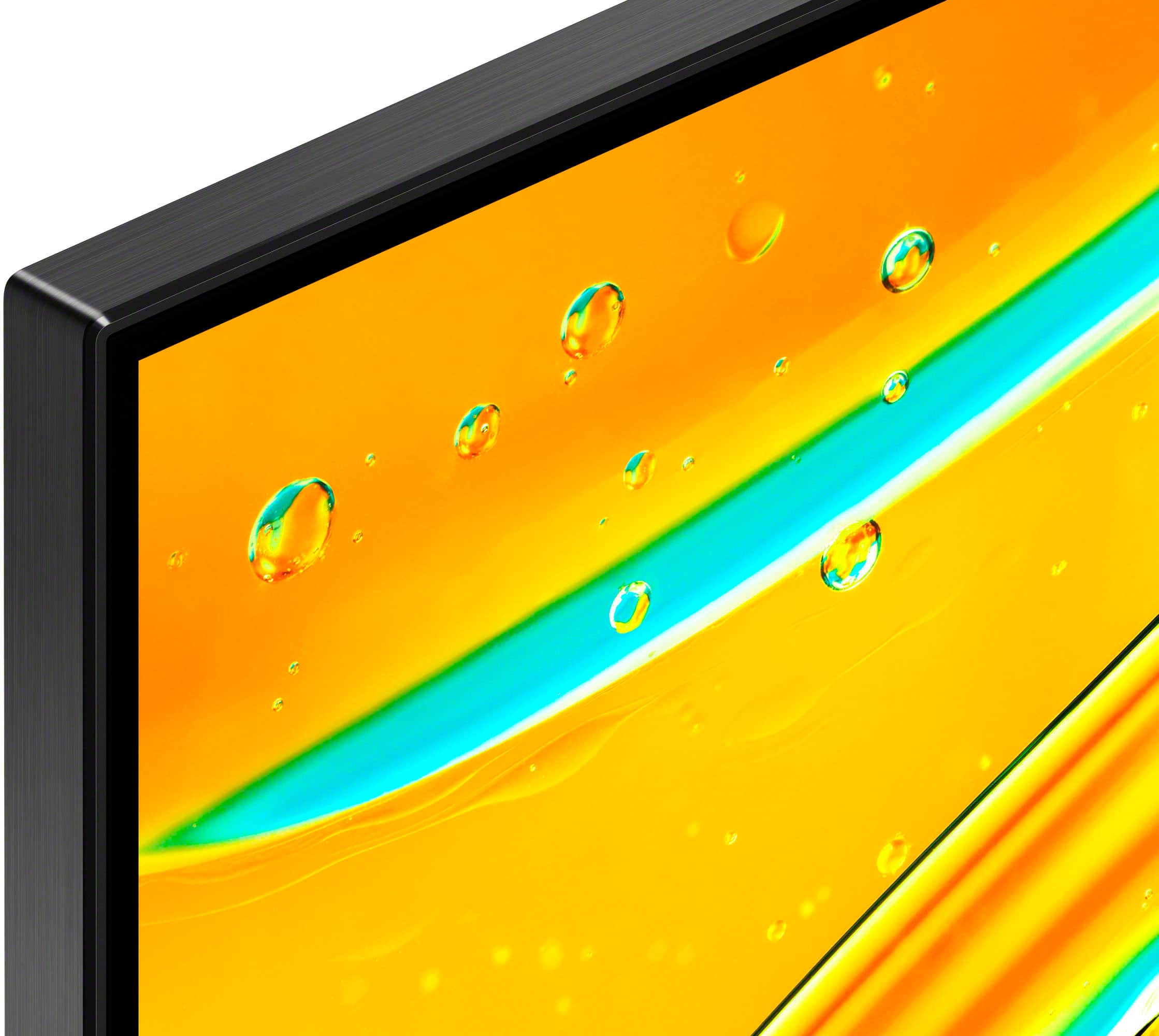
Mini LED represents a newer approach where manufacturers use thousands of tiny LEDs as the backlight, grouped into zones that can be dimmed independently. This "local dimming" allows parts of the screen to go completely dark while other areas stay bright, creating much better contrast than traditional LED displays. The Sony BRAVIA 5 employs this technology with up to 384 separate dimming zones.
Both approaches have merit, but they excel in different scenarios. QLED typically produces more vibrant, punchy colors that look great in bright rooms, while Mini LED delivers superior contrast and more accurate dark scenes – crucial for movie watching in dim environments.
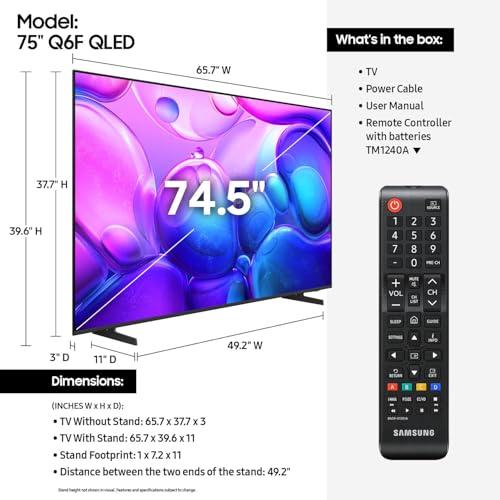
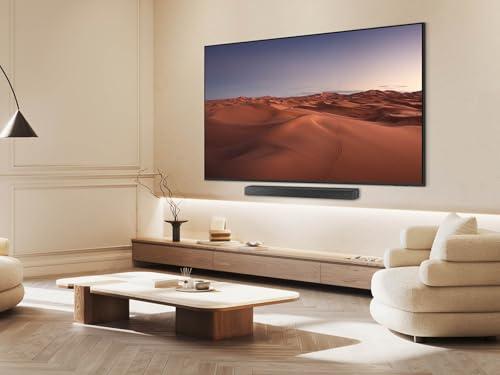
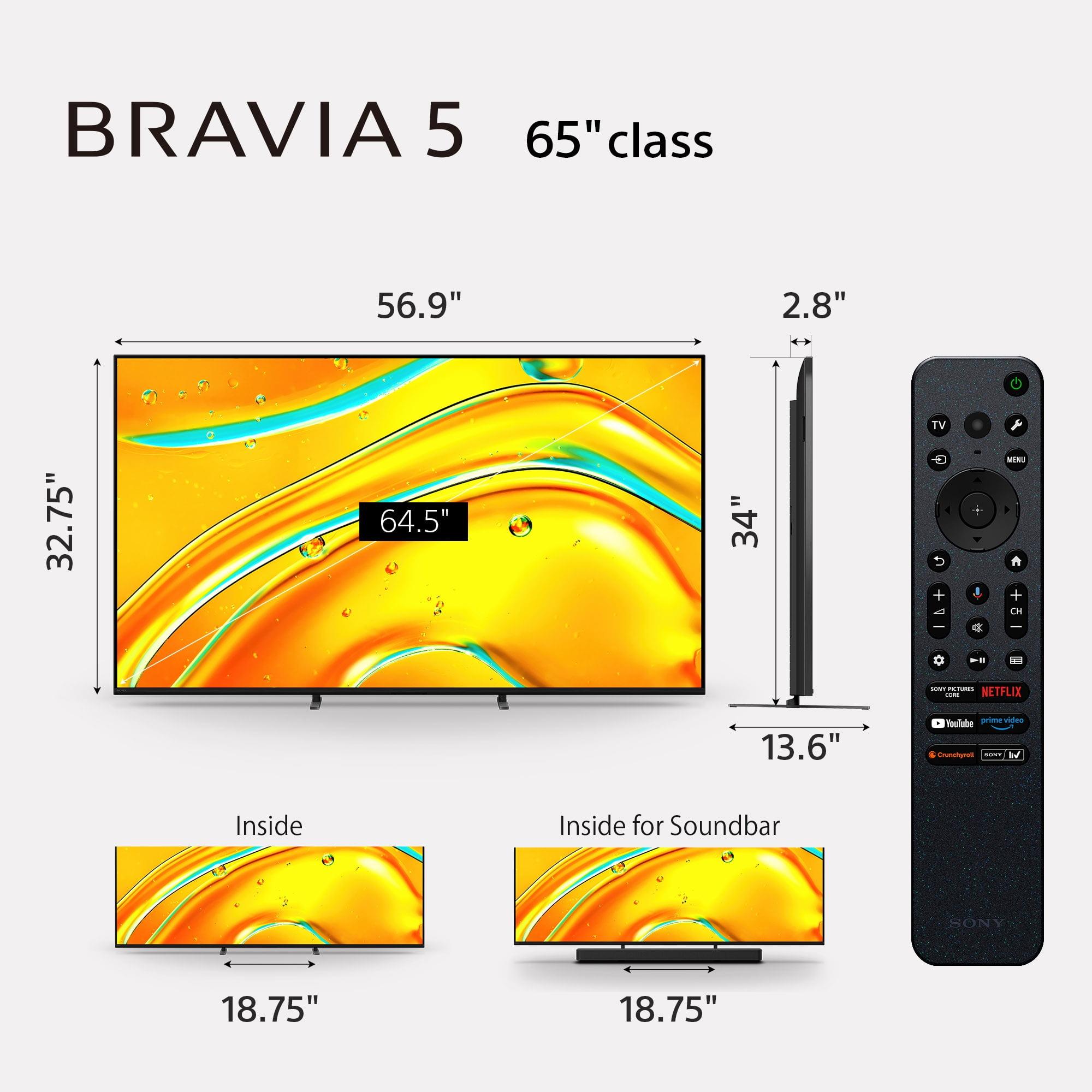
The most obvious difference between these TVs is screen size. The Samsung Q6F offers a massive 75-inch display compared to the Sony BRAVIA 5's 65-inch panel. That 10-inch difference translates to about 23% more viewing area – a significant advantage if you have the wall space and viewing distance to accommodate it.
However, the Sony BRAVIA 5 counters with superior display technology. Its Mini LED backlighting creates deeper blacks and more precise highlights, while the 120Hz refresh rate (double the Samsung's 60Hz) enables smoother motion and gaming. The question becomes: would you rather have a bigger screen with good picture quality, or a smaller screen with exceptional picture quality?
From our research into user experiences and professional reviews, the answer depends heavily on your viewing habits and room setup. Families who primarily watch streaming content, sports, and broadcast TV in well-lit living rooms tend to prefer the Samsung's combination of size and brightness. Home theater enthusiasts and gamers, however, consistently gravitate toward the Sony's superior contrast and motion handling.
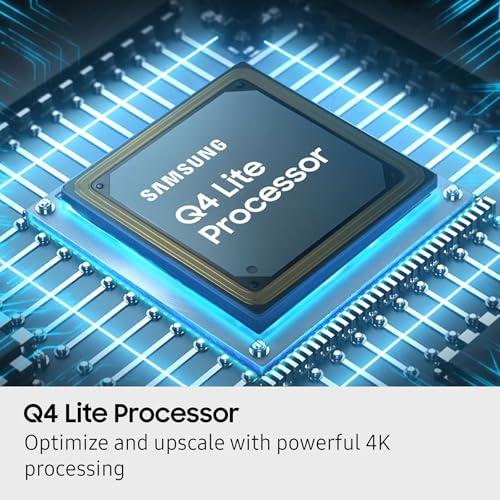
The Samsung Q6F delivers impressive color performance for its price category. Its Quantum Dot technology produces vibrant, saturated colors that really pop – particularly reds and blues. The Q4 Lite processor handles upscaling reasonably well, taking lower-resolution content and making it look crisp on the large 75-inch display. However, our evaluation of professional reviews reveals limitations in peak brightness and HDR performance compared to mid-range and premium models.
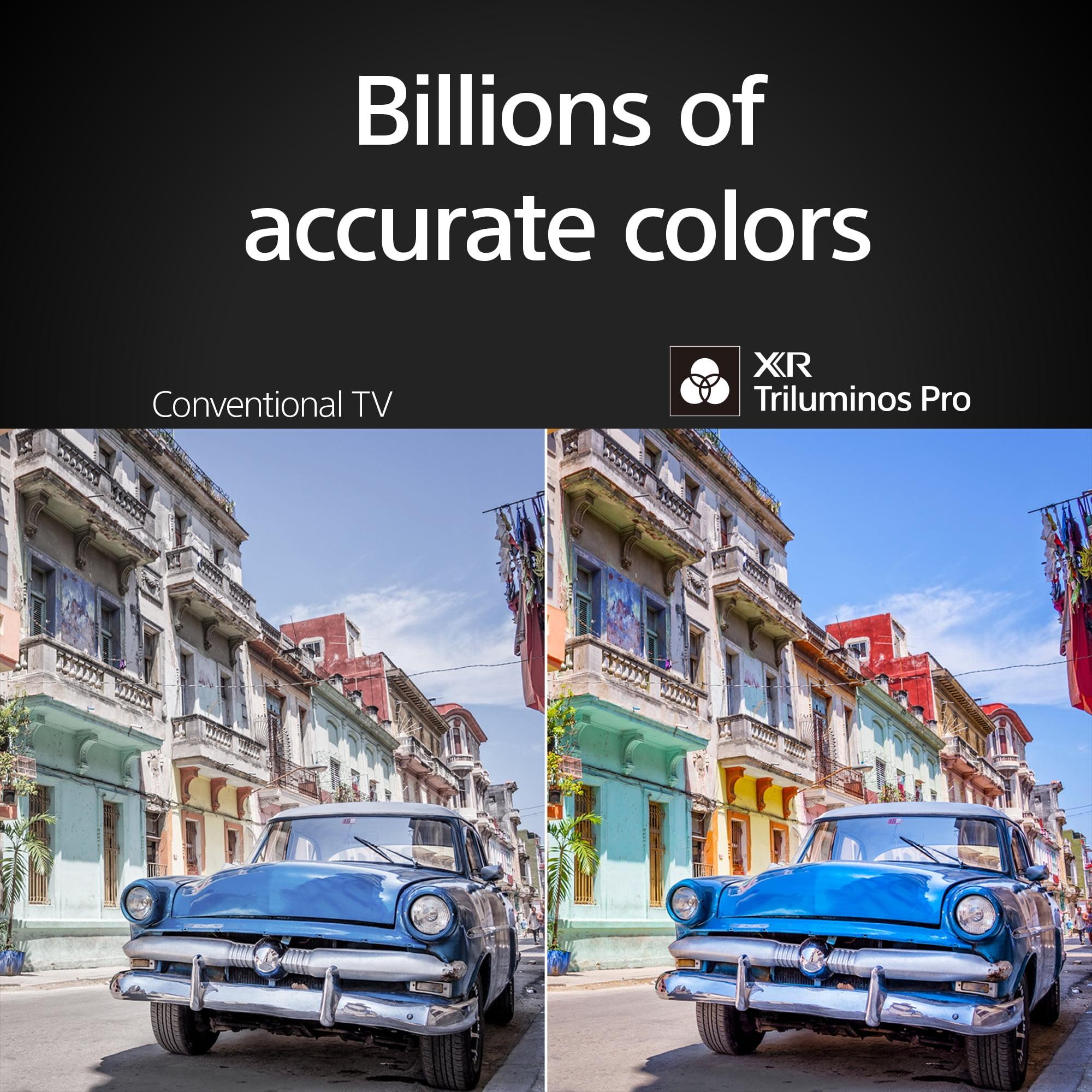
The Sony BRAVIA 5 takes a more sophisticated approach with its XR Processor, which uses AI to analyze and optimize every frame in real-time. This isn't just marketing speak – the processor actually recognizes different types of scenes (faces, landscapes, text) and applies specific enhancements to each element. Combined with the Mini LED's precise local dimming, this creates notably more realistic and natural-looking images.
One area where the differences become stark is HDR (High Dynamic Range) performance. HDR content is designed to show extreme contrasts – think bright sunlight streaming through a dark window, or stars against a black sky. The Samsung Q6F supports HDR10+ with its Quantum HDR processing, which improves contrast over standard content. However, user reports consistently note that HDR highlights don't have the impact they should, particularly in bright rooms.
The Sony BRAVIA 5 supports both HDR10+ and Dolby Vision – a more advanced HDR format that provides scene-by-scene optimization. More importantly, its Mini LED backlighting can actually deliver the deep blacks and bright highlights that make HDR content impressive. The difference is immediately noticeable when watching movies with dramatic lighting.
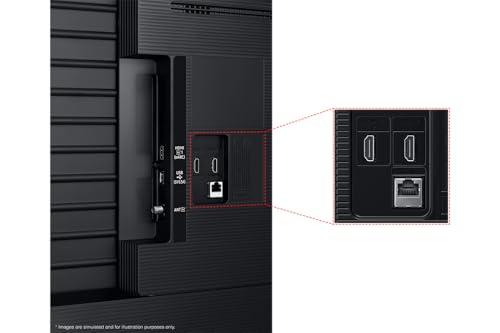
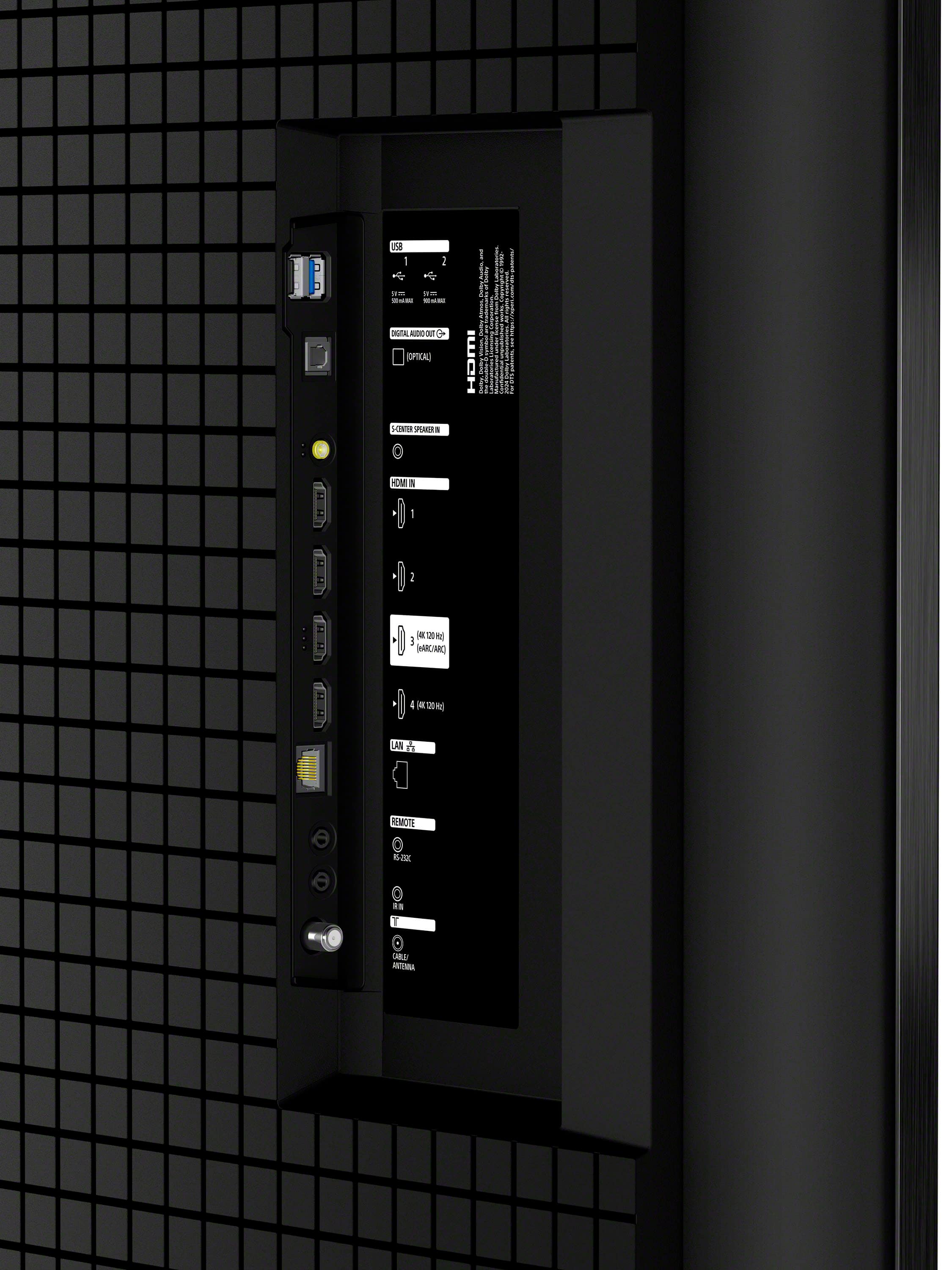
For gaming, there's really no contest between these models. The Samsung Q6F offers basic gaming features including Auto Game Mode (which reduces input lag) and VRR (Variable Refresh Rate) support. However, it's fundamentally limited by its 60Hz refresh rate and lack of HDMI 2.1 connectivity. This means even if you own a PlayStation 5 or Xbox Series X capable of 120fps gaming, you won't see those extra frames.
The Sony BRAVIA 5 was clearly designed with modern gaming in mind. Its 120Hz native refresh rate can display up to 120 frames per second, creating noticeably smoother motion in supported games. More importantly, it includes two HDMI 2.1 ports that support 4K gaming at 120Hz, along with advanced features like G-SYNC compatibility and Auto Low Latency Mode.
Based on our research into gaming-focused reviews, the Sony delivers input lag measurements among the best in its class – crucial for competitive gaming where every millisecond matters. It also includes PlayStation 5-specific features like Auto HDR Tone Mapping, which optimizes HDR settings automatically for each game, and PS Remote Play integration.
If you're a casual gamer who plays single-player adventures, sports games, or turn-based strategy, the Samsung Q6F's 60Hz limitation won't bother you much. But for anyone serious about gaming – particularly competitive online games or fast-paced action titles – the Sony BRAVIA 5 justifies its premium pricing through superior performance.
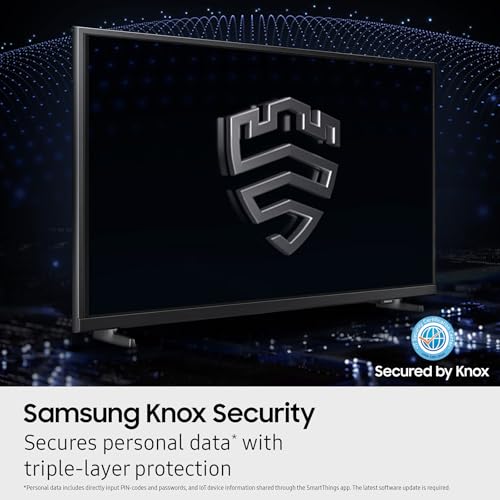
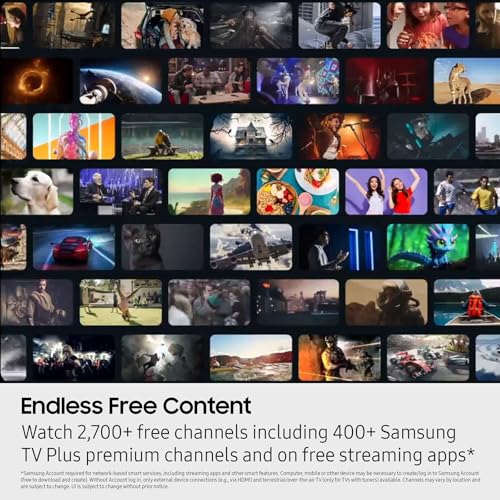
The smart TV platform might seem like a minor consideration, but it significantly impacts your daily experience. The Samsung Q6F runs Tizen, Samsung's proprietary operating system that's evolved considerably since its introduction. Tizen offers a clean, intuitive interface with quick access to major streaming apps. Samsung TV Plus provides hundreds of free channels, and the platform integrates well with Samsung's SmartThings ecosystem for smart home control.
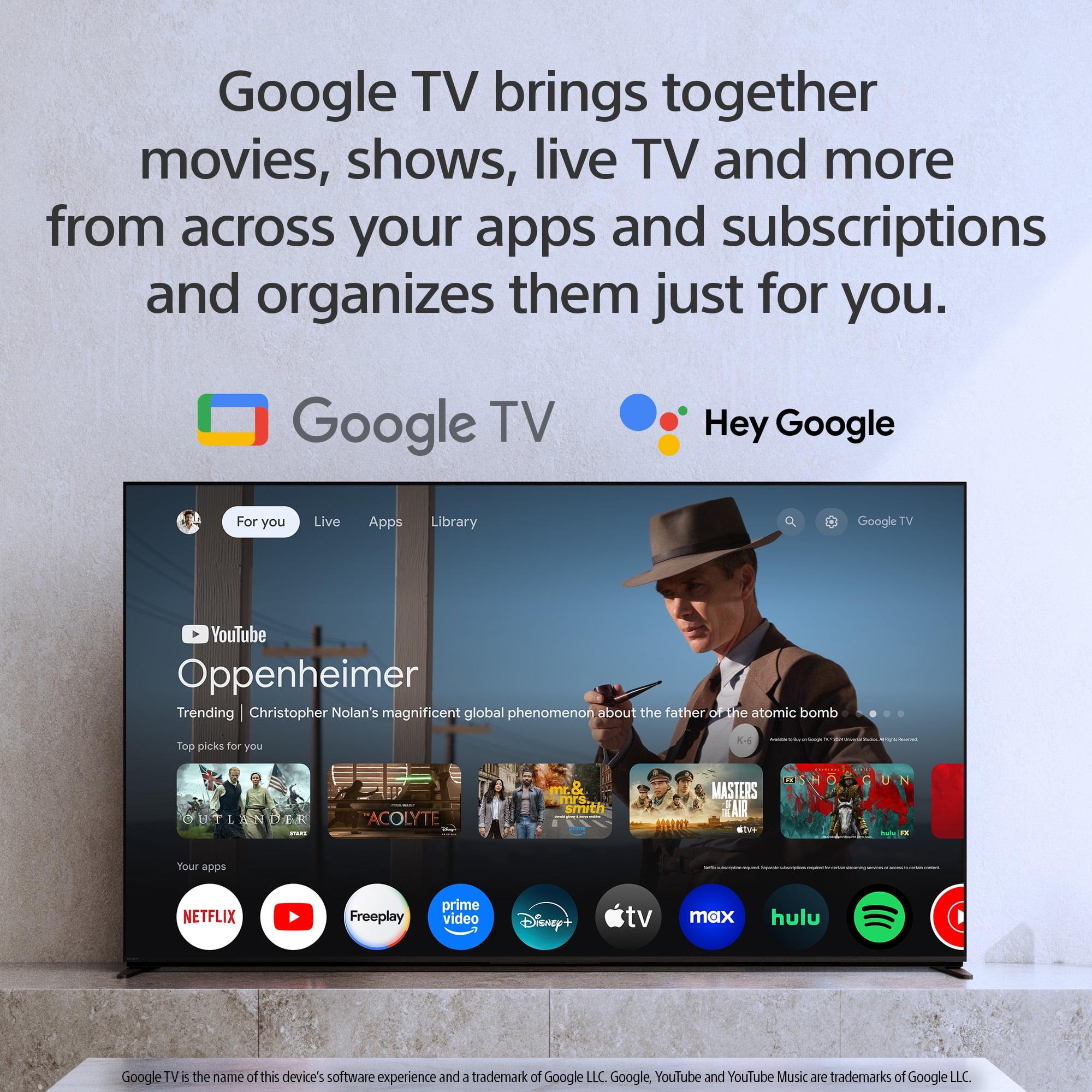
However, Google TV on the Sony BRAVIA 5 offers distinct advantages. As Google's latest TV platform (evolved from Android TV), it receives more frequent updates and typically supports new streaming services faster than proprietary systems. The content discovery is more sophisticated, using Google's algorithms to surface shows and movies across multiple services based on your viewing habits.
From our evaluation of user feedback, Google TV's search functionality is notably superior – you can ask "show me comedies from the 2000s" and get results across Netflix, Hulu, Amazon Prime, and other services simultaneously. Tizen's search is more limited and app-specific.
TV audio often gets overlooked, but it significantly impacts your viewing experience. The Samsung Q6F includes basic audio processing with 20W of total power split across two channels. It supports Object Tracking Sound Lite, which tries to align audio with on-screen action, and Q-Symphony for integration with Samsung soundbars.
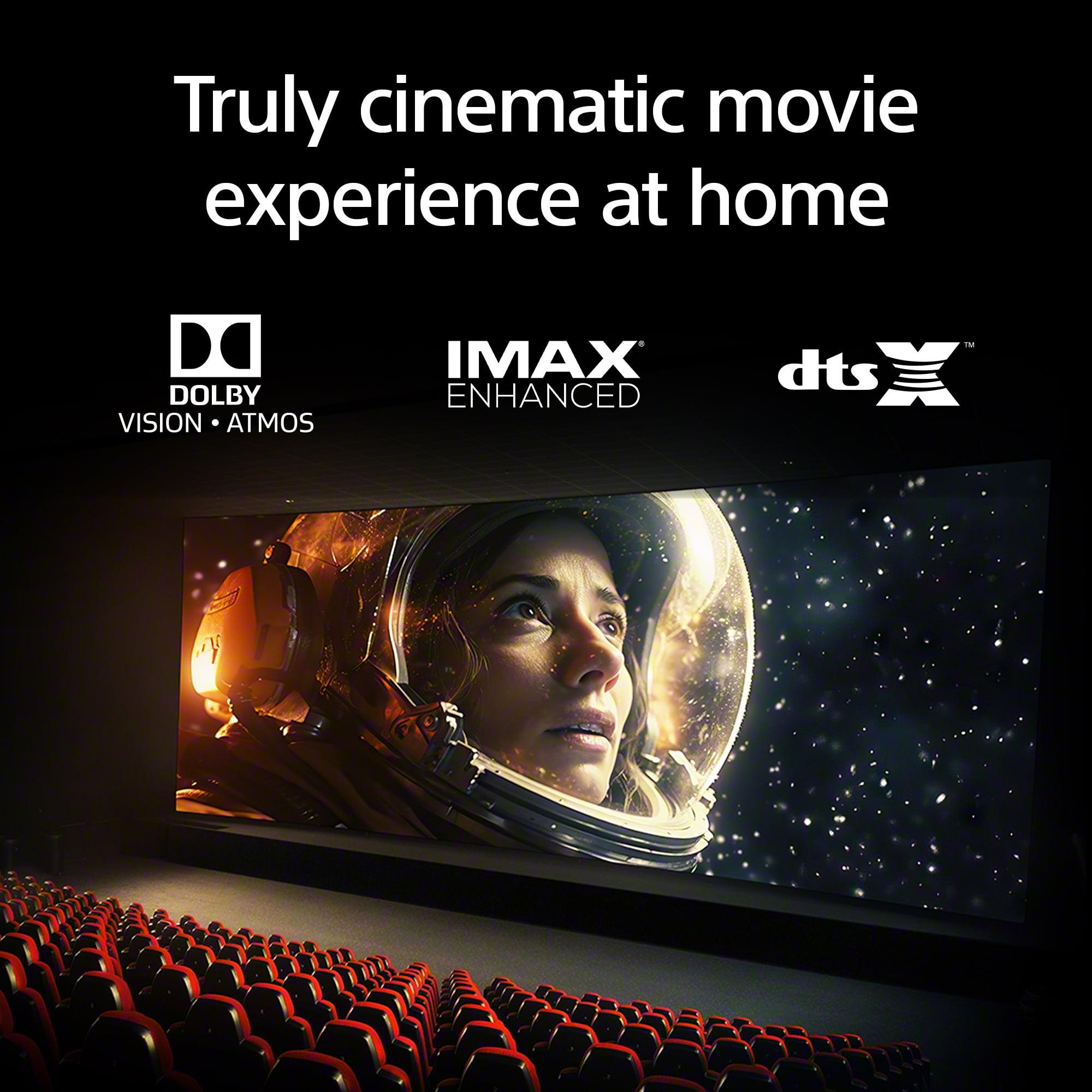
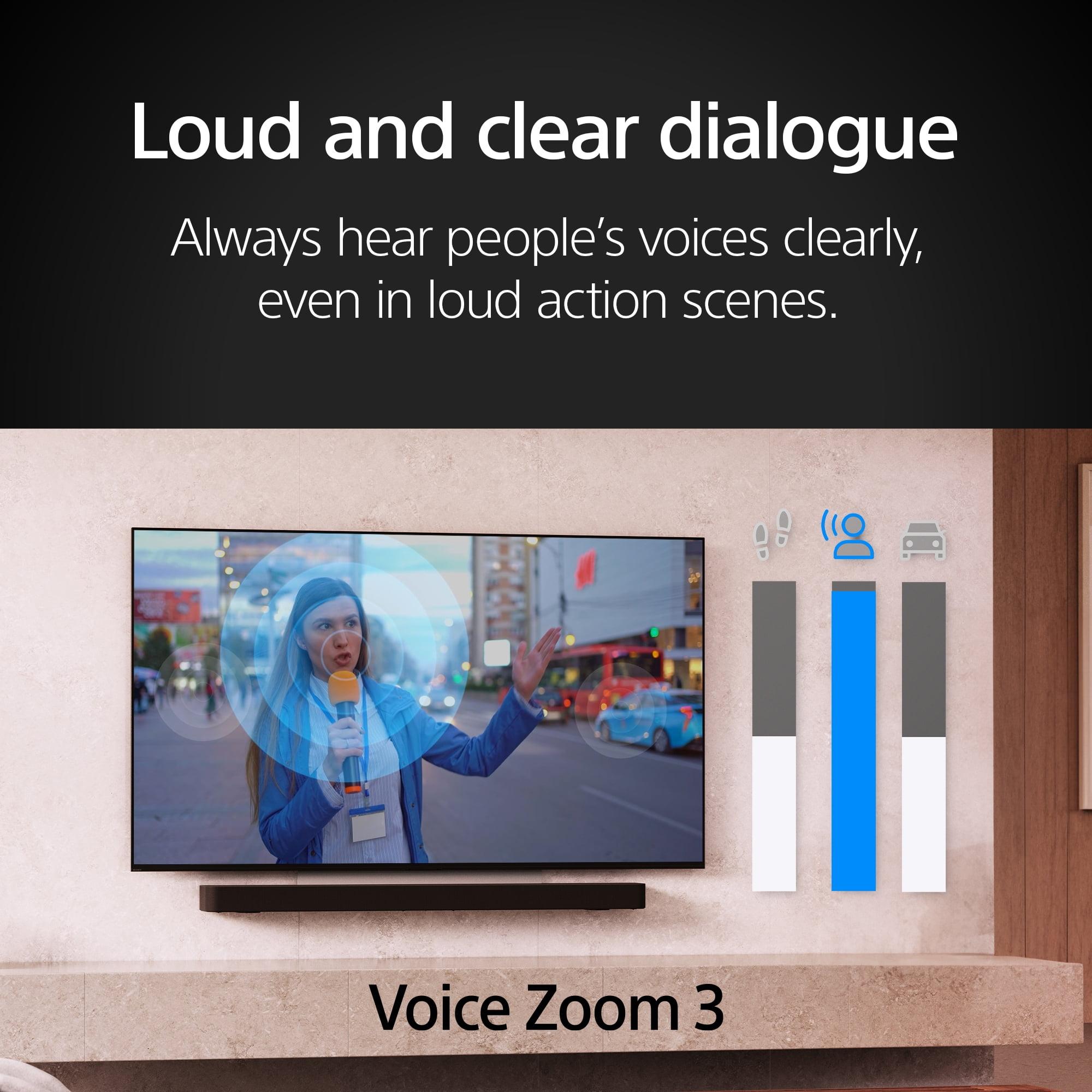
The Sony BRAVIA 5 takes audio much more seriously. It supports Dolby Atmos and DTS formats – premium audio codecs that create immersive surround sound effects using just the TV's built-in speakers. Voice Zoom 3 uses AI to enhance dialogue clarity, while 3D Surround Upscaling creates virtual surround effects from stereo content.
Based on our research into audio-focused reviews, the difference is substantial. The Sony delivers notably clearer dialogue and more immersive sound staging. While neither TV replaces a good soundbar for serious home theater use, the Sony is much more likely to satisfy users who don't want additional audio equipment.
At the time of writing, the Samsung Q6F costs significantly less than the Sony BRAVIA 5 – we're talking about roughly half the price for a larger screen. This creates an interesting value calculation that depends entirely on your priorities and budget constraints.
The Samsung delivers exceptional value if you prioritize screen size and basic picture quality. You're getting QLED color technology, smart TV features, and a massive 75-inch display at a price that was unthinkable just a few years ago. For families focused on casual viewing, this represents outstanding bang for your buck.
The Sony commands a significant premium but delivers meaningfully superior performance in gaming, motion handling, and contrast. The Mini LED technology, 120Hz refresh rate, and advanced processing aren't just spec sheet padding – they create a noticeably better viewing experience for demanding content.
If you're building a dedicated home theater or media room, the choice becomes more nuanced. The Samsung Q6F's larger screen size provides more cinematic impact, but its limited contrast and HDR performance may disappoint in a dark room optimized for movie watching.
The Sony BRAVIA 5 excels in home theater environments where you can control lighting. Its Mini LED technology really shines (pun intended) in dark rooms, delivering the deep blacks and bright highlights that make movies feel immersive. The Dolby Vision support also means you'll get the most out of premium streaming content and 4K Blu-rays.
However, viewing distance becomes crucial with the size difference. The Samsung's 75-inch display requires about 9-12 feet of viewing distance for optimal experience, while the Sony's 65-inch panel works well from 8-10 feet. Many home theaters can't accommodate the larger display properly.
After extensive research into user experiences and professional evaluations, clear patterns emerge for ideal buyers of each model.
Choose the Samsung Q6F if you're a budget-conscious buyer who wants maximum screen impact. Families who primarily watch streaming services, broadcast TV, and sports in well-lit living rooms will appreciate the vibrant colors and impressive size. The straightforward Tizen interface appeals to users who want simplicity over advanced features. Casual gamers who play single-player adventures or sports games won't miss the advanced gaming features.
The Sony BRAVIA 5 makes sense for more demanding users willing to pay a premium for performance. Serious gamers with PlayStation 5 or Xbox Series X consoles will immediately appreciate the 120Hz refresh rate and HDMI 2.1 connectivity. Home theater enthusiasts who watch movies in controlled lighting conditions will love the Mini LED contrast and Dolby Vision support. The Google TV platform appeals to power users who want the latest streaming apps and advanced content discovery.
The fundamental choice comes down to priorities: size and value versus performance and features. Both TVs represent solid options within their respective categories, but they serve different audiences.
If your budget allows for only one of these options and you're torn, consider your primary use case. Will you be gaming regularly on a current-generation console? Do you watch a lot of movies in dark rooms? Do you prioritize having the latest smart TV features? If you answered yes to these questions, the Sony BRAVIA 5 justifies its premium pricing.
However, if you want the biggest possible screen for family viewing, casual entertainment, and don't need cutting-edge gaming features, the Samsung Q6F delivers exceptional value. The size difference is immediately apparent and appreciated by most users, while the picture quality, though not class-leading, is more than adequate for most content.
Both TVs represent the evolution of display technology in 2025, offering features that were premium or unavailable just a few years ago. The Samsung proves that QLED technology has reached mainstream pricing, while the Sony demonstrates how Mini LED and advanced processing can create truly premium viewing experiences. Your choice ultimately depends on which set of trade-offs aligns better with your viewing habits, budget, and performance expectations.
| Samsung 75-Inch QLED Q6F Series 2025 | Sony BRAVIA 5 65" Mini LED 4K Google TV 2025 |
|---|---|
| Screen Size - Bigger screen creates more immersive viewing but requires proper room size | |
| 75 inches (23% more viewing area) | 65 inches (better for most room sizes) |
| Display Technology - Determines contrast, color accuracy, and dark room performance | |
| QLED with Quantum Dot (vibrant colors, bright room friendly) | Mini LED with 384 local dimming zones (superior contrast and blacks) |
| Refresh Rate - Critical for gaming and smooth motion in sports/action content | |
| 60Hz (basic, adequate for casual viewing) | 120Hz (essential for PS5/Xbox Series X gaming) |
| Gaming Connectivity - Determines next-gen console compatibility | |
| No HDMI 2.1 (limited to 60fps gaming) | 2x HDMI 2.1 ports (4K @ 120Hz with VRR support) |
| HDR Support - Affects dynamic range and color depth in premium content | |
| HDR10+ with Quantum HDR (good but limited peak brightness) | HDR10+ and Dolby Vision (superior HDR with better contrast) |
| Smart Platform - Impacts app selection, updates, and user experience | |
| Tizen OS (simple interface, Samsung ecosystem integration) | Google TV (broader app support, frequent updates, better search) |
| Audio Technology - Built-in sound quality without external speakers | |
| 20W, 2-channel with Object Tracking Sound Lite | Dolby Atmos, DTS support, Voice Zoom 3, 3D Surround |
| Picture Processor - Affects upscaling quality and real-time optimization | |
| Q4 Lite Processor (basic 4K upscaling) | XR Processor with AI scene recognition (advanced optimization) |
| Price Category - Value positioning at time of writing | |
| Budget-friendly entry-level QLED | Premium mid-range with advanced features |
| Best For - Primary use cases where each excels | |
| Large family viewing, bright rooms, casual gaming | Home theater, serious gaming, movie enthusiasts |
The Sony BRAVIA 5 is significantly better for gaming, especially with modern consoles. It features a 120Hz refresh rate and two HDMI 2.1 ports that support 4K gaming at 120fps, plus advanced features like G-SYNC and Auto Low Latency Mode. The Samsung Q6F is limited to 60Hz and lacks HDMI 2.1, making it suitable only for casual gaming.
The Samsung Q6F offers a 75-inch display compared to the Sony BRAVIA 5's 65-inch screen. This translates to about 23% more viewing area with the Samsung, providing a more immersive experience if you have adequate room space and viewing distance.
The Sony BRAVIA 5 delivers superior picture quality in dark rooms thanks to its Mini LED technology with 384 local dimming zones. This creates deeper blacks and better contrast compared to the Samsung Q6F's standard LED backlighting, making it ideal for home theater setups.
The Samsung Q6F performs better in bright rooms due to its QLED technology, which produces vibrant colors that remain visible even with ambient light. While the Sony BRAVIA 5 has good brightness, the Samsung's Quantum Dot display is specifically designed to combat glare and maintain color accuracy in well-lit spaces.
The Sony BRAVIA 5 runs Google TV, which offers broader app support, more frequent updates, and superior content discovery across multiple streaming services. The Samsung Q6F's Tizen platform is simpler and more intuitive but has fewer apps and less sophisticated search capabilities.
The Samsung Q6F is significantly more affordable than the Sony BRAVIA 5, offering about double the value per inch. The Samsung prioritizes screen size and basic features at a budget-friendly price, while the Sony commands a premium for advanced gaming and picture processing technology.
For casual movie watching, both TVs perform well, but the choice depends on your environment. The Samsung Q6F excels with its larger screen and vibrant colors for family viewing. The Sony BRAVIA 5 is superior for serious movie enthusiasts who want the best contrast, Dolby Vision support, and accurate color reproduction.
Both the Samsung Q6F and Sony BRAVIA 5 support 4K resolution and HDR content. However, the Sony offers more comprehensive HDR support with both HDR10+ and Dolby Vision, while the Samsung only supports HDR10+ with its Quantum HDR processing.
The Sony BRAVIA 5 has significantly better audio with Dolby Atmos support, DTS compatibility, and Voice Zoom 3 for enhanced dialogue clarity. The Samsung Q6F offers basic 20W audio with Object Tracking Sound Lite, which is adequate but not as immersive as the Sony's advanced audio processing.
Both TVs handle sports content well, but with different strengths. The Samsung Q6F's larger 75-inch screen creates a more stadium-like experience, while the Sony BRAVIA 5's 120Hz refresh rate provides smoother motion during fast-paced action, reducing blur during quick camera movements.
The Samsung Q6F offers exceptional value for budget-conscious buyers who prioritize screen size and basic QLED features. The Sony BRAVIA 5 provides better value for users who need advanced gaming features, superior contrast, and premium processing, justifying its higher cost through performance benefits.
For home theater use, the Sony BRAVIA 5 is the better choice due to its Mini LED technology, superior contrast in dark rooms, Dolby Vision support, and advanced audio processing. However, if you have a large space and prefer maximum screen impact over technical performance, the Samsung Q6F's 75-inch display could be more engaging.
We've done our best to create useful and informative comparisons to help you decide what product to buy. Our research uses advanced automated methods to create this comparison and perfection is not possible - please contact us for corrections or questions. These are the sites we've researched in the creation of this article: youtube.com - rtings.com - cnet.com - youtube.com - rtings.com - samsung.com - bestbuy.com - samsung.com - samsung.com - bestbuy.com - manuals.plus - arrowassociatedstores.com - samsung.com - samsung.com - samsung.com - flatpanelshd.com - device.report - rtings.com - pro.sony - youtube.com - electronics.sony.com - electronics.sony.com - electronics.sony.com - bestbuy.com - electronics.sony.com - youtube.com - bestbuy.com - videoandaudiocenter.com - valueelectronics.com - youtube.com - sony.ca - perpichtv.com - sony.com - displayspecifications.com - pioneertvandappliance.com - flatpanelshd.com

Privacy Policy
Terms and Conditions - Affiliate Policy
Home Security
© Copyright 2008-2026.
11816 Inwood Rd #1211, Dallas, TX 75244