

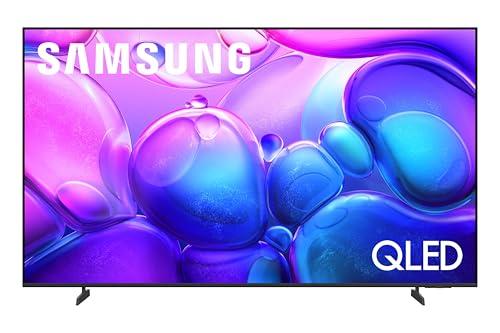
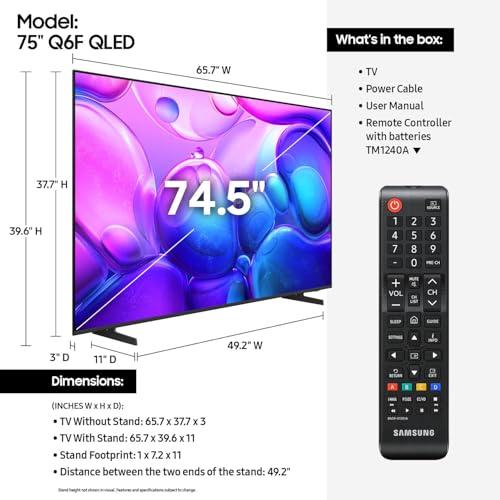
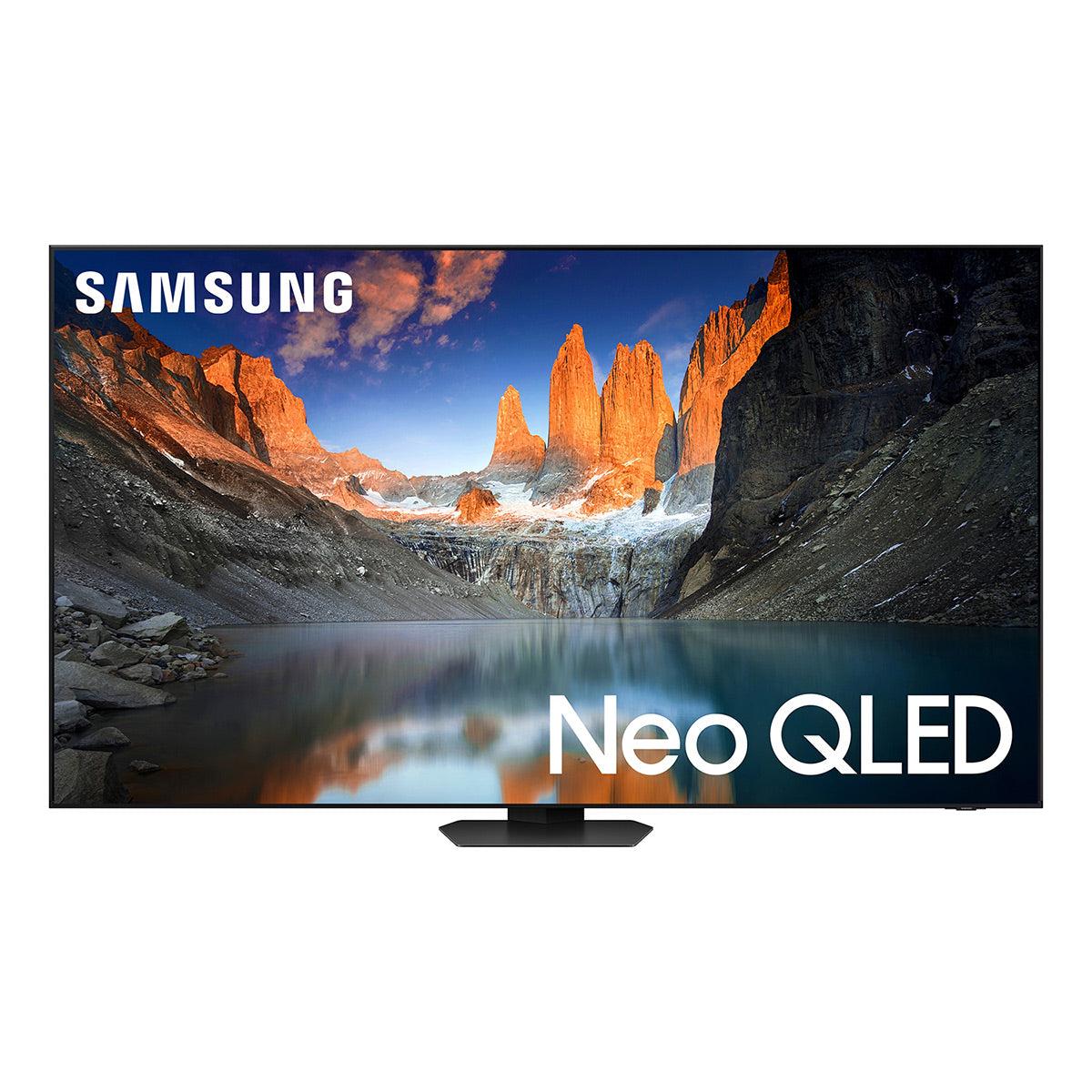
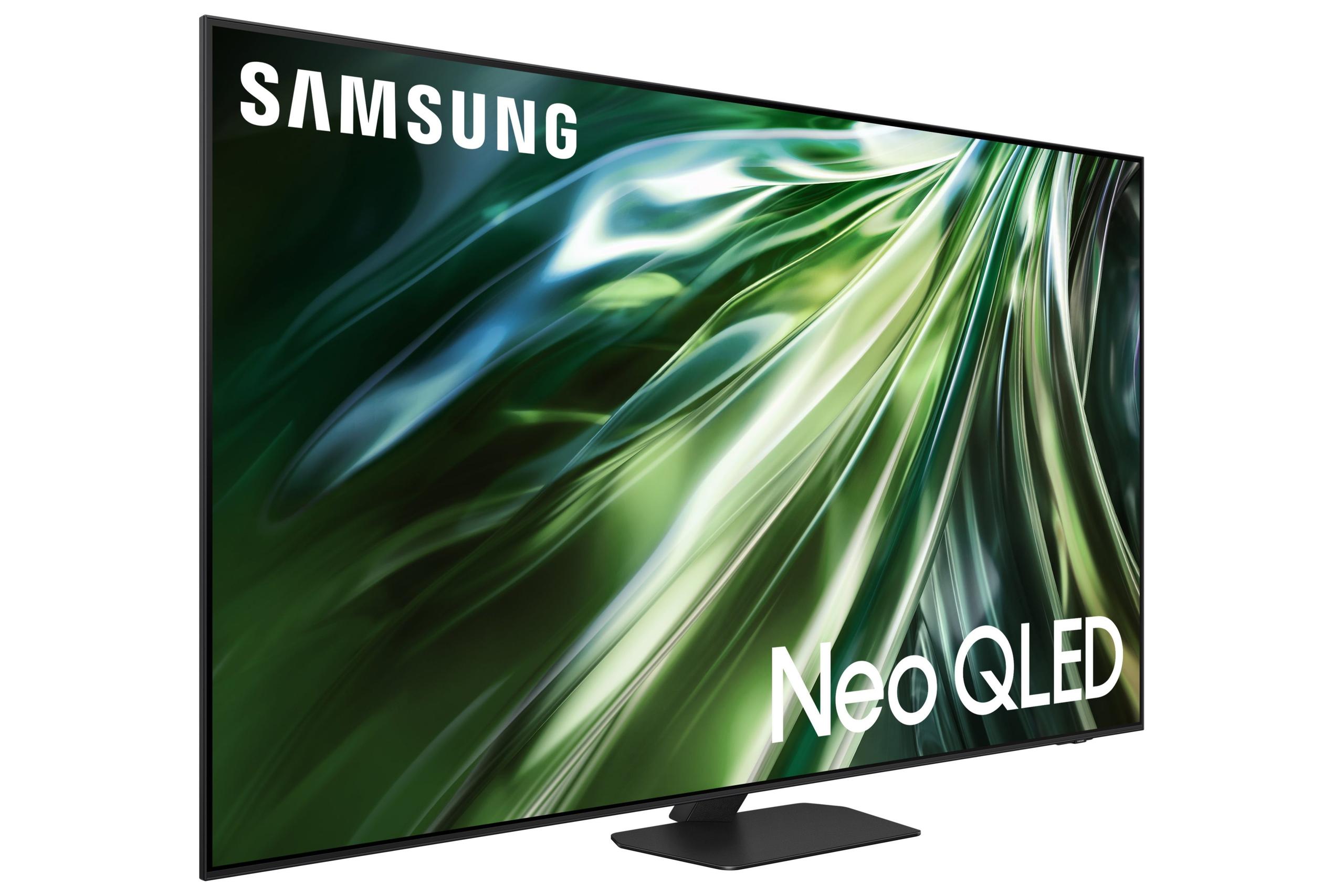
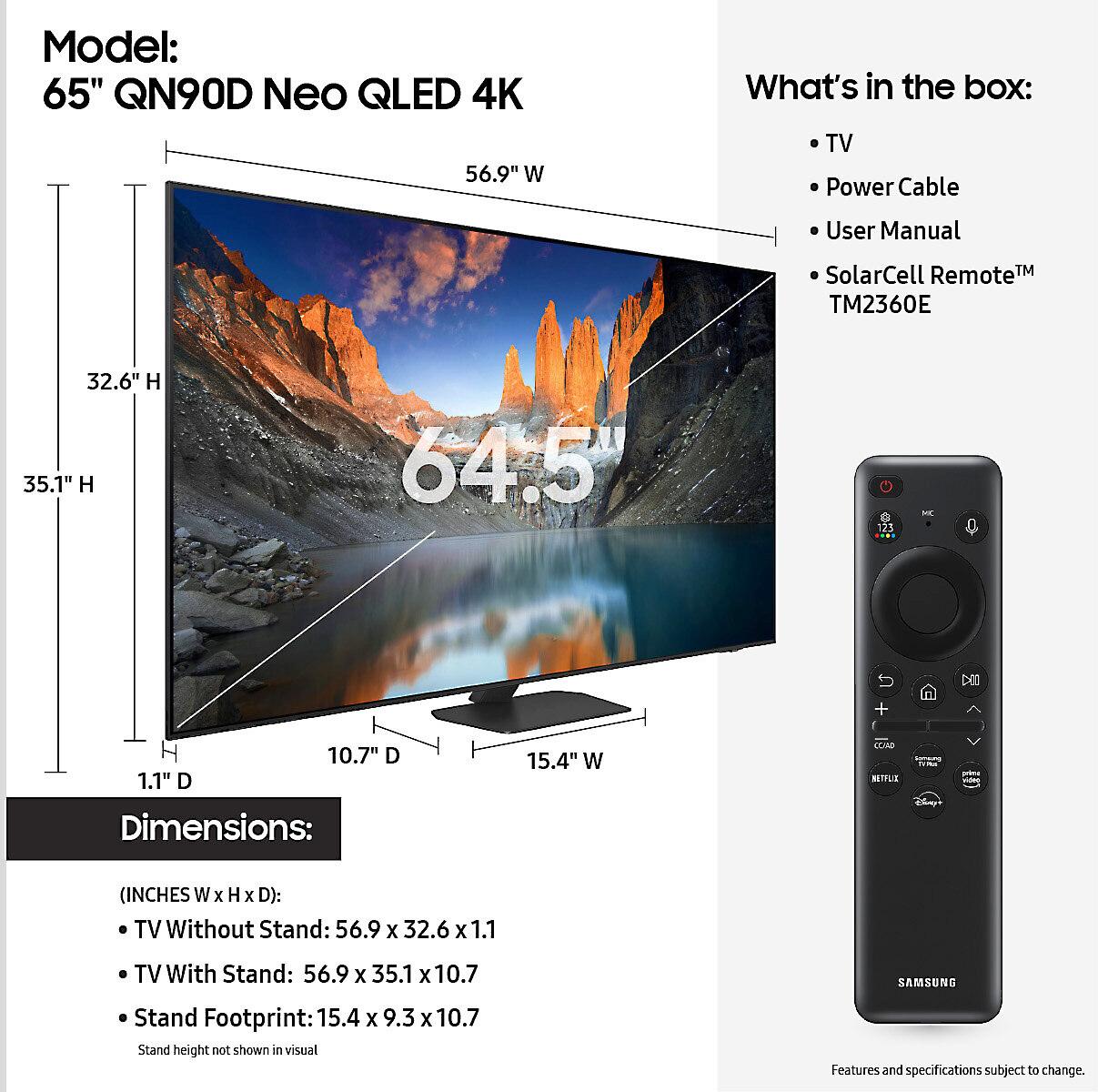
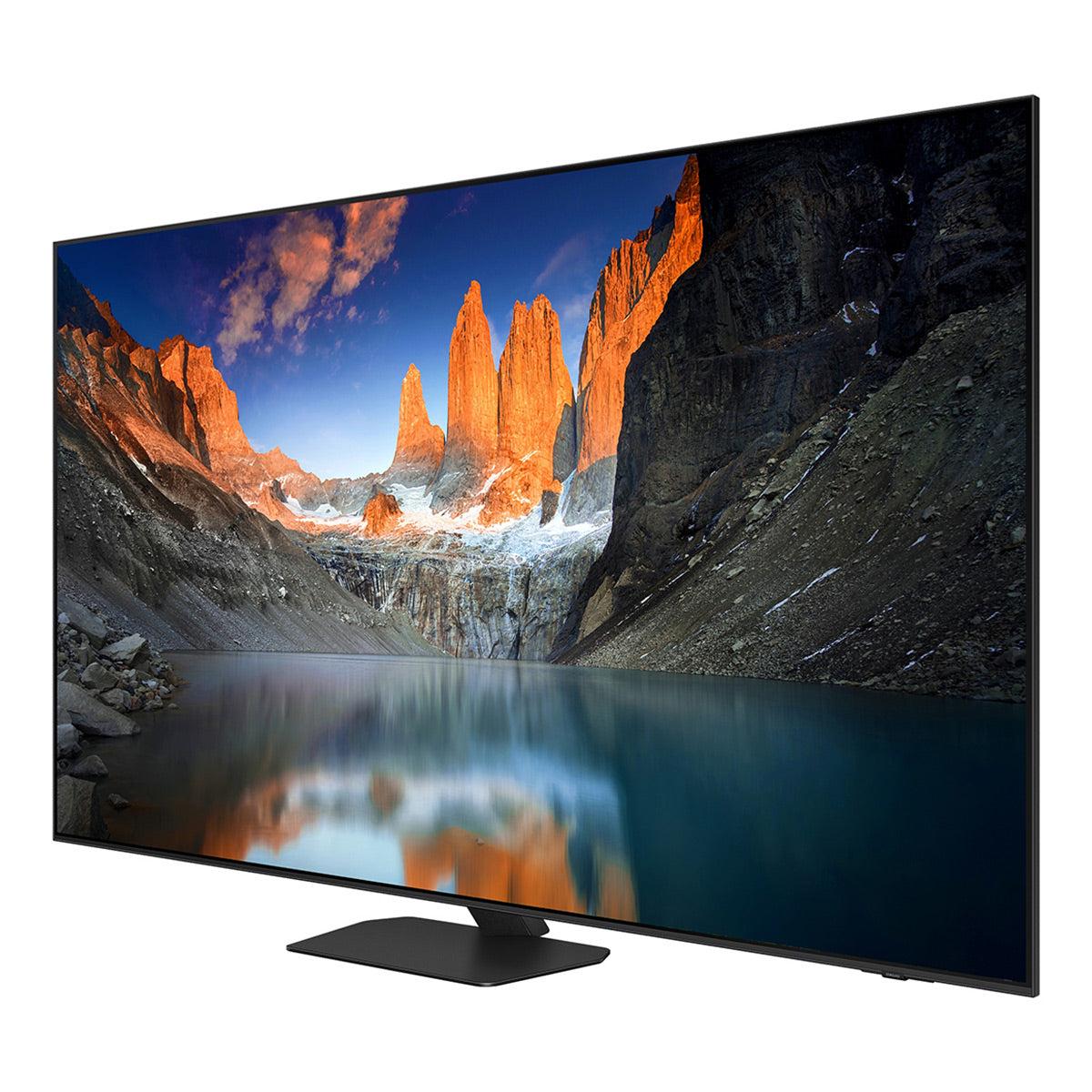
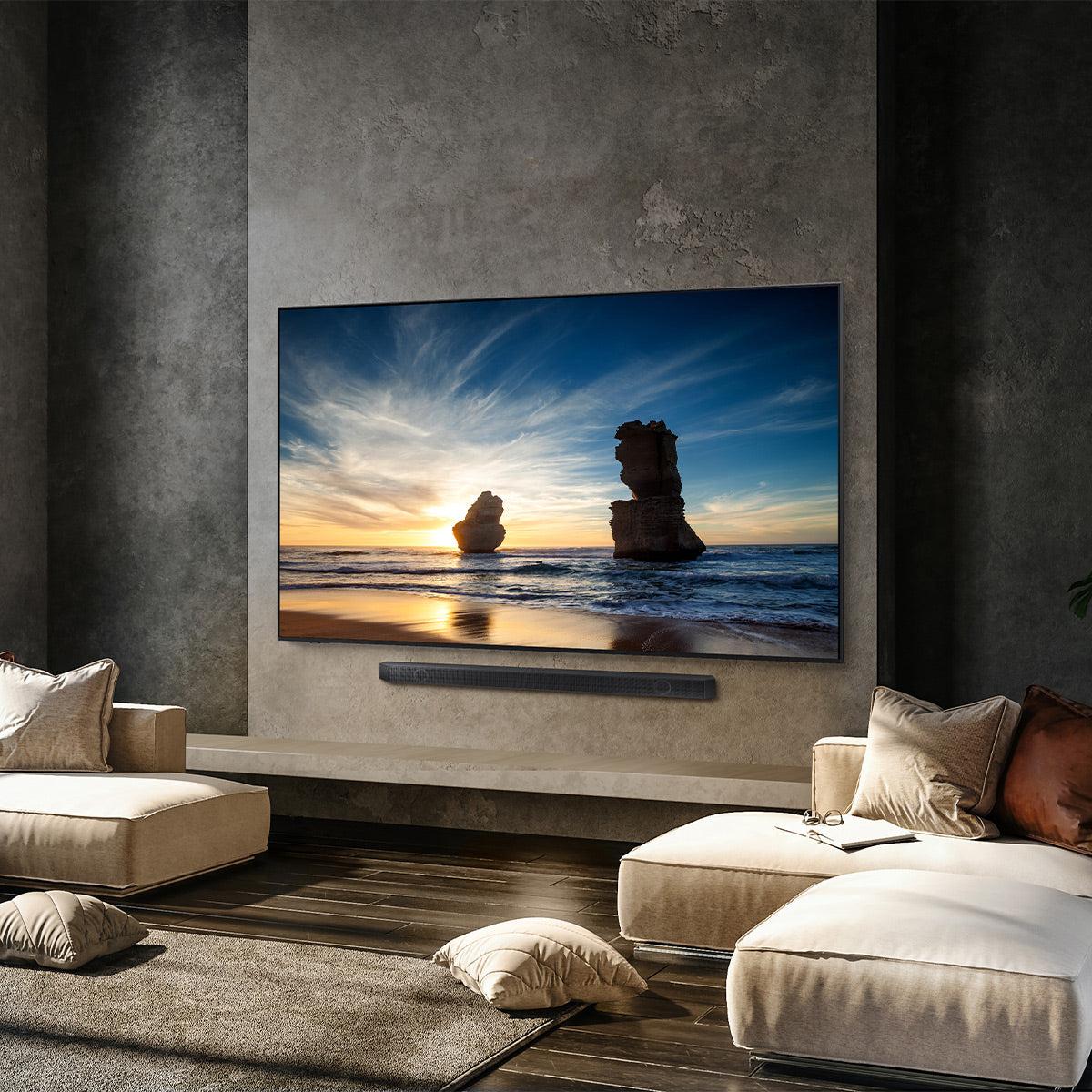
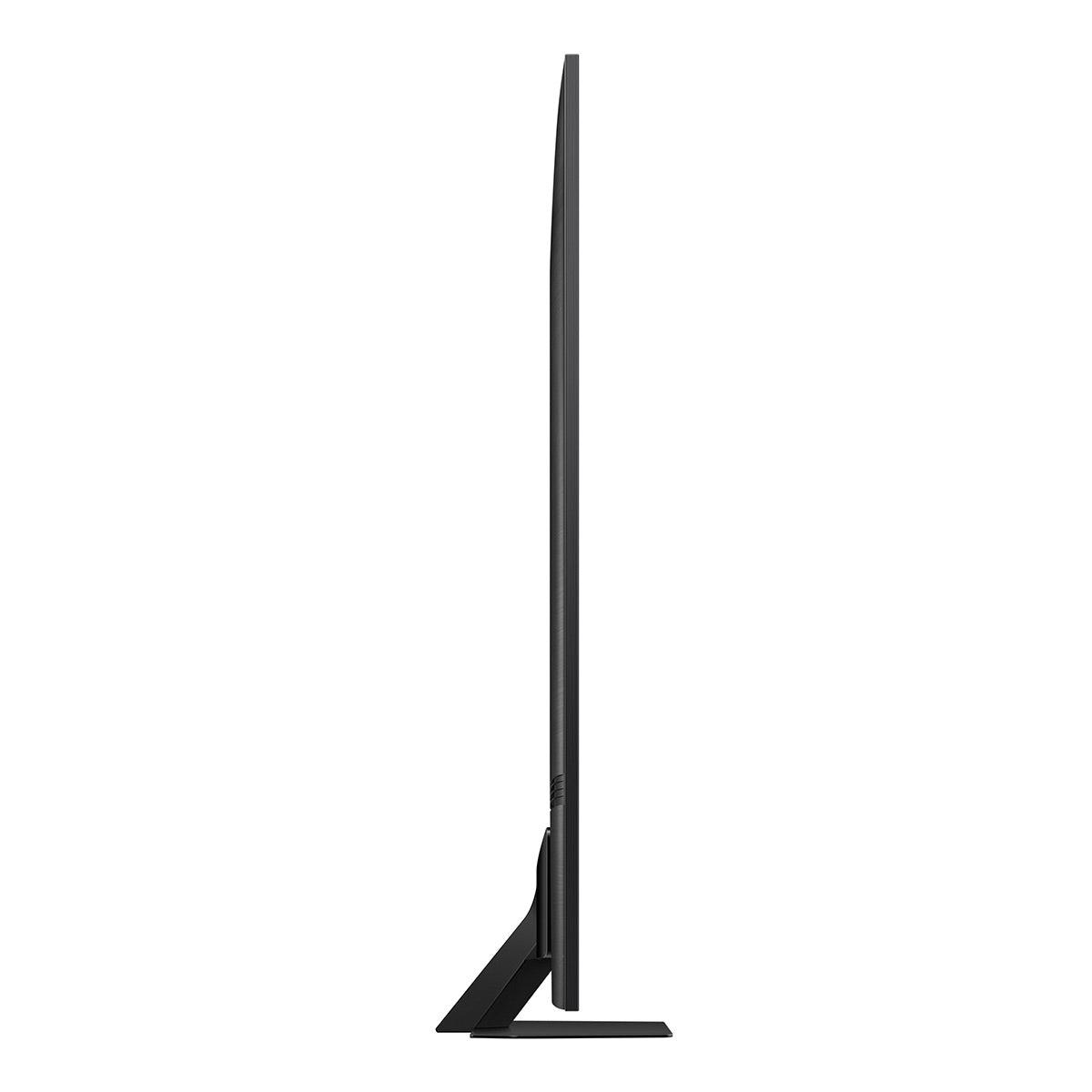
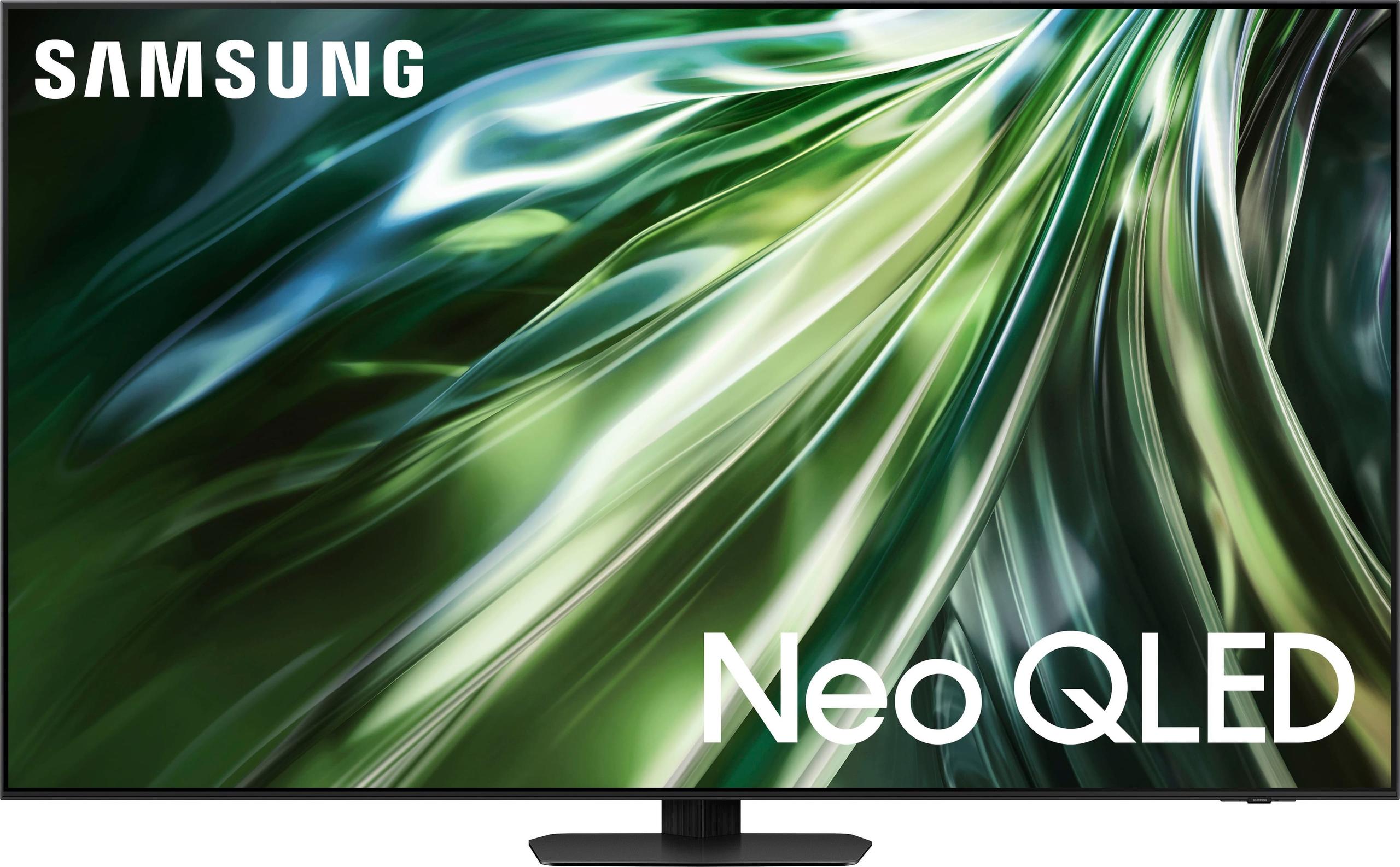

Choosing a new TV shouldn't feel like solving a physics problem, but Samsung's lineup can make it seem that way. The 75-inch Q6F and 65-inch QN90D represent two completely different philosophies: maximum screen real estate versus premium picture quality. Both are solid choices, but they're aimed at entirely different buyers with different priorities.
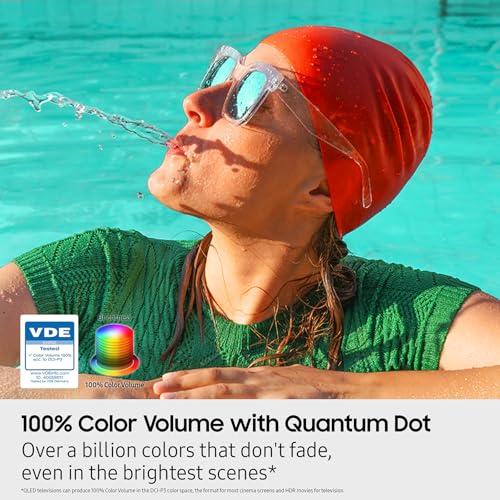
Before diving into specifics, let's clarify what we're dealing with. Both TVs use QLED technology, which stands for Quantum Dot Light Emitting Diode—essentially a layer of microscopic particles that enhance color reproduction when hit by blue LED light. Think of quantum dots as tiny color filters that make reds redder and greens greener while maintaining brightness.
However, not all QLEDs are created equal. The Q6F represents Samsung's entry-level QLED approach from 2025, while the QN90D is a 2024 Neo QLED model—a premium tier that combines quantum dots with advanced Mini LED backlighting.
The key considerations when choosing between QLED tiers boil down to: How important is contrast (the difference between the darkest blacks and brightest whites)? Do you watch a lot of HDR content like Netflix movies or 4K Blu-rays? How much gaming do you do? And honestly, how much are you willing to spend for better picture quality versus just getting a bigger screen?
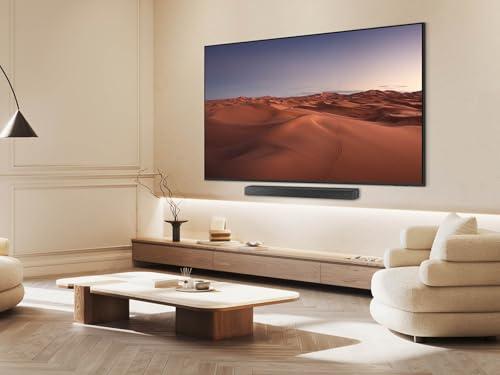
This comparison essentially asks: Would you rather have a massive 75-inch screen with decent picture quality, or a smaller 65-inch screen with exceptional picture quality? At the time of writing, the Q6F costs roughly half what you'd pay for the QN90D, making this decision as much about budget as preferences.
The Q6F delivers about $9.30 worth of screen per inch, while the QN90D costs around $20 per inch. That's not just a price difference—it reflects fundamentally different approaches to TV manufacturing and the technology inside.
Here's where things get technical, but stick with me because this difference affects everything you'll see on screen.
The Q6F uses edge-lit LED backlighting, meaning LED lights sit along the edges of the screen and shine across the entire display. Imagine trying to light a room with flashlights pointing from the corners—you get decent overall illumination, but you can't control specific areas. When a movie shows a bright explosion next to a dark space scene, the entire backlight has to compromise between the two.
The QN90D uses Mini LED technology with local dimming zones—hundreds of tiny LED clusters that can brighten or dim independently. Going back to our room analogy, it's like having individual light switches for every corner, allowing precise control over brightness in each area. When that same explosion appears next to dark space, the Mini LEDs can make the explosion blazingly bright while keeping the space areas truly dark.
This isn't just a minor technical difference. Based on professional reviews and user feedback, the contrast difference is immediately noticeable. The QN90D achieves what reviewers describe as "near-OLED black levels" while maintaining exceptional brightness—something the Q6F simply cannot match due to its edge-lit design.
In our research across multiple professional reviews, the contrast story is clear-cut. The QN90D consistently delivers deep, inky blacks that make dark scenes in movies like "Dune" or "The Batman" appear properly cinematic. Users report being able to see subtle details in dark scenes that would be washed out on edge-lit displays.
The Q6F, while adequate for its price point, shows elevated black levels—meaning dark scenes appear grayish rather than true black, especially when bright elements exist elsewhere on screen. This becomes particularly noticeable during evening viewing sessions when room lighting is low.
For home theater enthusiasts, this difference is crucial. Nothing breaks movie immersion quite like blacks that look gray, and the QN90D simply excels here while the Q6F shows its budget constraints.
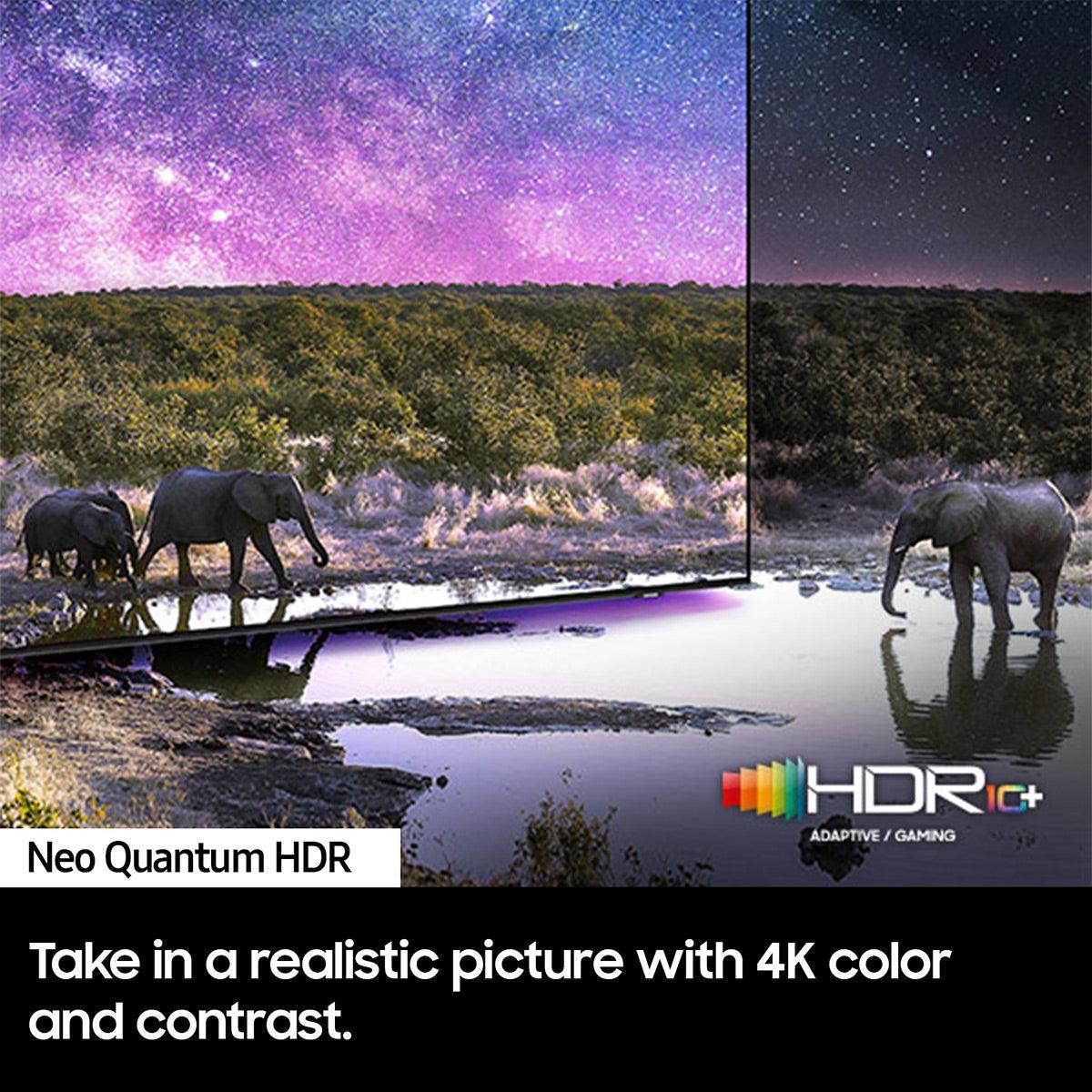
HDR (High Dynamic Range) content is becoming the standard for premium streaming and 4K Blu-rays, making HDR performance increasingly important. HDR essentially allows content creators to use a much wider range of brightness levels—from deep blacks to blazing highlights that can represent actual sunlight or explosions.
Based on measurement data from professional reviews, the QN90D reaches peak brightness levels exceeding 2,000 nits in short bursts, with sustained highlights around 1,000 nits. For context, standard TVs typically max out around 400 nits. This means HDR highlights actually "pop" off the screen—sunsets look brilliant, explosions feel impactful, and metallic surfaces genuinely sparkle.
The Q6F provides decent HDR brightness for its category, but peak levels remain much lower. While HDR content will look better than standard content, it won't deliver the jaw-dropping impact that makes you understand why people get excited about HDR in the first place.
For anyone planning to use their TV as a primary entertainment center, this HDR performance gap is significant and immediately noticeable with premium content.
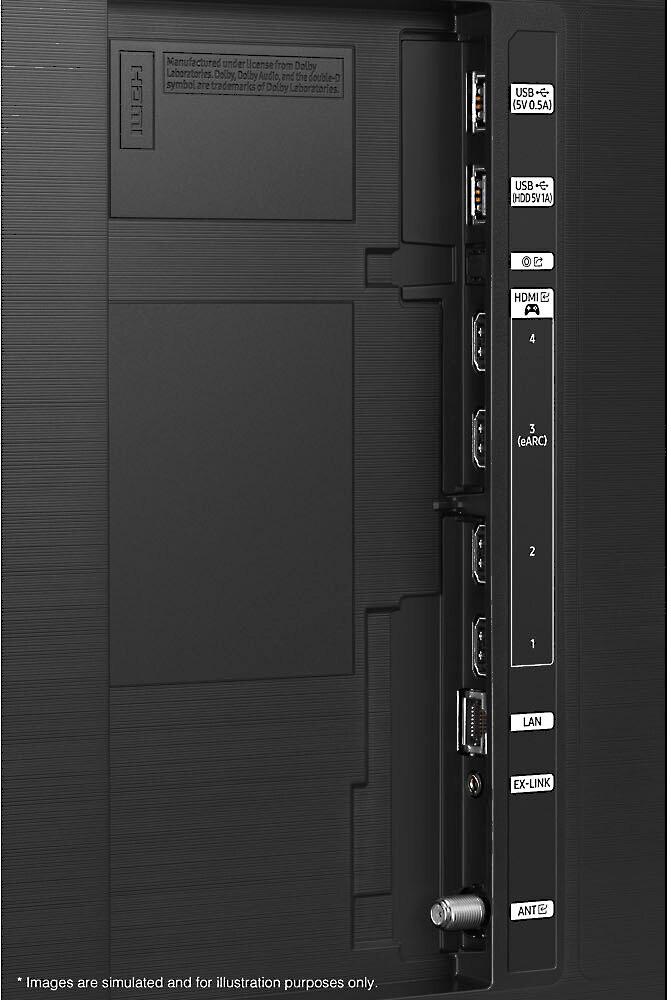
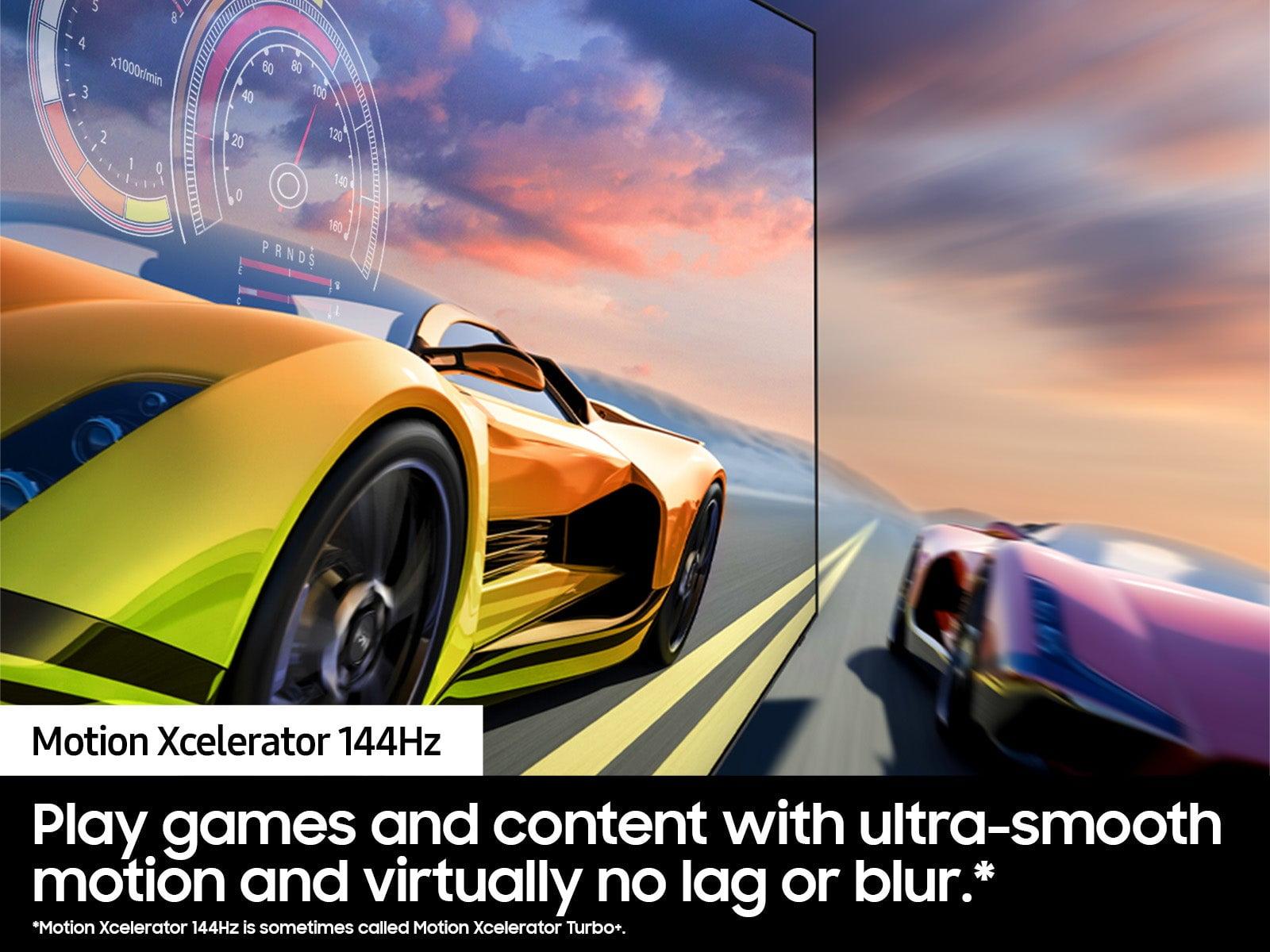
Motion performance reveals interesting trade-offs. The QN90D supports 120Hz refresh rates and includes HDMI 2.1 bandwidth across all ports, enabling smooth gaming up to 4K at 144Hz with Variable Refresh Rate (VRR) support. VRR eliminates screen tearing by syncing the display's refresh rate with the gaming device's frame rate.
However, professional reviewers consistently note that the QN90D suffers from relatively slow pixel transitions for a premium TV. This creates motion blur during fast-paced scenes—particularly problematic for gaming where clarity during quick movements is crucial. It's still vastly superior to 60Hz displays for gaming, but it's not perfect.
The Q6F is limited to 60Hz refresh rates, making it unsuitable for modern gaming beyond casual titles. Sports viewing also suffers, as fast camera pans during football games or hockey matches can appear stuttery compared to higher refresh rate displays.
If gaming is important to you, the QN90D is the clear choice despite its motion blur limitations. If you're a casual viewer who doesn't game, the Q6F's 60Hz limitation becomes less relevant.
The processing power difference between these TVs affects daily use more than you might expect. The QN90D includes Samsung's NQ4 AI Gen2 Processor, which provides sophisticated upscaling that makes lower-resolution content look significantly sharper. Professional reviews consistently praise how well it makes 1080p Netflix shows appear close to 4K quality.
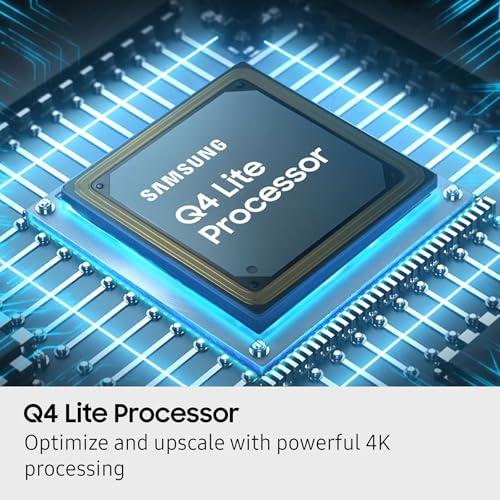
The Q6F uses more basic processing that handles standard upscaling adequately but lacks the AI-driven analysis that can identify faces, objects, and scene types to optimize processing accordingly. While both run Samsung's Tizen operating system equally well, the QN90D simply makes everything look cleaner and more detailed.
Audio performance reveals another substantial gap. The QN90D features a 4.2.2-channel, 60-watt system with Dolby Atmos support and Object Tracking Sound+. Object Tracking Sound+ is genuinely clever—it follows moving objects on screen with audio, so a car driving from left to right actually sounds like it's moving across your room.
The Q6F provides standard TV speakers without spatial audio processing. While perfectly functional for dialogue and basic content, it lacks the immersive qualities that make action movies and gaming more engaging.
For home theater use, neither TV eliminates the need for a dedicated sound system, but the QN90D's built-in audio is substantially more satisfying out of the box.
Value isn't just about the lowest price—it's about getting what matters most to you at a fair cost. The Q6F delivers exceptional screen size value, providing 75 inches of viewing area at roughly half the cost of premium alternatives. For families wanting the biggest possible screen for movie nights, sports viewing, or just making their living room feel more cinematic, the size advantage is immediately obvious and appreciated daily.
However, the QN90D represents a different type of value: investing in an experience that remains satisfying long-term. Based on user feedback, owners consistently report higher satisfaction with picture quality, gaming performance, and overall viewing experience. The superior processing, contrast, and features create a TV that feels premium and modern rather than merely adequate.
At the time of writing, the price difference is substantial but not unreasonable given the performance gap. You're essentially paying double for significantly more than double the performance in most measurable categories.
For dedicated home theater setups, the choice becomes clearer. Home theaters typically prioritize picture quality over screen size, use controlled lighting that emphasizes contrast performance, and often feature premium content where HDR and processing quality matter most.
The QN90D excels in every home theater metric: superior contrast for dark room viewing, excellent HDR performance for premium content, and processing power that makes everything look its best. The smaller screen size is often preferable in home theater setups where viewing distance is optimized anyway.
The Q6F works fine for casual home theater use, but its limitations become more apparent in dedicated viewing environments where picture quality takes priority over size.
Choose the Q6F if you:
Choose the QN90D if you:
The Q6F makes sense for buyers who understand they're getting basic performance but want maximum screen real estate. It's honest about what it provides—a large, colorful display that handles standard content well without pretense of premium performance.
The QN90D justifies its premium through genuinely superior performance across nearly every category. While expensive, it delivers the kind of picture quality that makes you understand why enthusiasts get excited about TV technology.
Both represent solid value within their respective categories, but they serve fundamentally different needs. The key is honestly assessing whether you value size or quality more—and both choices are perfectly valid depending on your priorities, space, and budget.
| Samsung 75-Inch QLED Q6F Series 2025 | Samsung 65" QN90D Series 4K Neo QLED Smart TV |
|---|---|
| Screen Size - Bigger vs premium picture quality trade-off | |
| 75 inches | 65 inches |
| Backlight Technology - Most important factor for picture quality | |
| Edge-lit LED (no local dimming) | Mini LED with hundreds of local dimming zones |
| Refresh Rate - Critical for gaming and smooth sports | |
| 60Hz (basic motion, no modern gaming) | 120Hz (smooth gaming up to 4K@144Hz) |
| Peak Brightness - Determines HDR impact and bright room performance | |
| Limited HDR brightness (adequate for moderately lit rooms) | 2,000+ nits peak (exceptional HDR, excellent for bright rooms) |
| Gaming Features - Essential for console and PC gaming | |
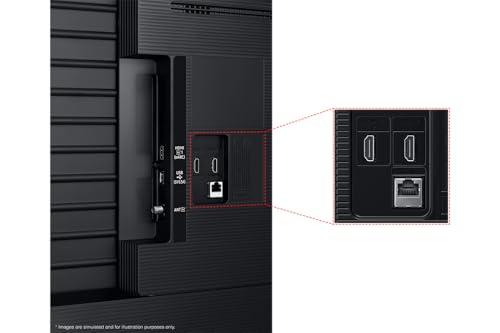
| Basic 60Hz, no VRR or HDMI 2.1 | HDMI 2.1, VRR, ALLM, Gaming Hub (full modern gaming support) |
| Audio System - Built-in sound quality | |
| Basic 2-channel speakers | 60W 4.2.2-channel with Dolby Atmos and Object Tracking Sound+ |
| Picture Processor - Affects upscaling and image optimization | |
| Q4 Lite (basic upscaling) | NQ4 AI Gen2 (advanced AI upscaling and processing) |
| Black Level Performance - Most noticeable difference in dark scenes | |
| Elevated blacks due to edge lighting | Near-OLED blacks with minimal blooming |
| HDR Format Support - Premium streaming and 4K disc compatibility | |
| HDR10, HDR10+ (no Dolby Vision) | HDR10, HDR10+ (no Dolby Vision) |
| Smart Platform - User interface and app performance | |
| Tizen OS (basic implementation) | Tizen OS (premium implementation with better performance) |
| Release Year - Technology generation | |
| 2025 (entry-level current gen) | 2024 (premium previous gen, still excellent) |
| Best For - Ideal buyer profile | |
| Budget-conscious buyers wanting maximum screen size | Quality-focused buyers prioritizing picture performance |
The Samsung QN90D has significantly better picture quality due to its Mini LED backlighting with local dimming zones, which delivers deeper blacks and brighter highlights. The Samsung Q6F uses basic edge-lit LED technology that can't match the contrast performance of the QN90D.
The main difference is backlighting technology and screen size. The Samsung Q6F offers a larger 75-inch screen with basic edge-lit LED backlighting, while the Samsung QN90D features a smaller 65-inch screen but premium Mini LED technology with local dimming for superior picture quality.
The Samsung QN90D is much better for gaming with its 120Hz refresh rate, HDMI 2.1 ports, VRR support, and ability to handle 4K gaming at high frame rates. The Samsung Q6F is limited to 60Hz and lacks modern gaming features, making it unsuitable for serious gaming.
The Samsung Q6F is worth buying if you prioritize screen size over picture quality and have budget constraints. However, if you can afford it, the Samsung QN90D offers dramatically better performance in contrast, HDR, gaming, and overall viewing experience.
The Samsung QN90D is much better for bright rooms due to its superior peak brightness exceeding 2,000 nits and better reflection handling. The Samsung Q6F has adequate brightness for moderately lit rooms but can't compete with the QN90D's performance in very bright environments.
Both the Samsung Q6F and Samsung QN90D support HDR10 and HDR10+ formats. However, the QN90D delivers much more impactful HDR with higher peak brightness and better local dimming, making HDR highlights truly pop compared to the more limited HDR performance of the Q6F.
Both TVs run Samsung's Tizen operating system with the same apps and smart features, but the Samsung QN90D has more powerful processing that makes the interface smoother and faster. The Samsung Q6F handles basic smart TV functions adequately but with less responsive performance.
The Samsung QN90D has significantly better audio with a 60W 4.2.2-channel system, Dolby Atmos support, and Object Tracking Sound+ technology. The Samsung Q6F has basic stereo speakers that are functional but lack the immersive audio capabilities of the QN90D.
For movie watching and premium streaming content, the Samsung QN90D is clearly superior with its exceptional contrast, HDR performance, and better upscaling of lower-resolution content. The Samsung Q6F handles standard streaming adequately but can't deliver the cinematic experience of the QN90D.
The Samsung QN90D is excellent for home theater use with its superior black levels, HDR performance, and immersive audio features. The Samsung Q6F can work in a casual home theater setup but lacks the contrast and premium features that make the QN90D ideal for dedicated viewing rooms.
The Mini LED technology in the Samsung QN90D is dramatically better, offering hundreds of local dimming zones for precise brightness control versus the single-zone edge lighting in the Samsung Q6F. This results in much better contrast, deeper blacks, and more impressive HDR performance on the QN90D.
The Samsung QN90D offers better long-term value with its future-proof gaming features, superior picture quality, and premium build quality that will remain satisfying for years. The Samsung Q6F provides immediate size value but may feel limiting as your expectations and content quality evolve over time.
We've done our best to create useful and informative comparisons to help you decide what product to buy. Our research uses advanced automated methods to create this comparison and perfection is not possible - please contact us for corrections or questions. These are the sites we've researched in the creation of this article: youtube.com - rtings.com - cnet.com - youtube.com - rtings.com - samsung.com - bestbuy.com - samsung.com - samsung.com - bestbuy.com - manuals.plus - arrowassociatedstores.com - samsung.com - samsung.com - samsung.com - flatpanelshd.com - device.report - tomsguide.com - abt.com - youtube.com - youtube.com - rtings.com - samsung.com - samsung.com - standardtvandappliance.com - gerhardsappliance.com - bestbuy.com - image-us.samsung.com - youtube.com - images.samsung.com

Privacy Policy
Terms and Conditions - Affiliate Policy
Home Security
© Copyright 2008-2026.
11816 Inwood Rd #1211, Dallas, TX 75244