

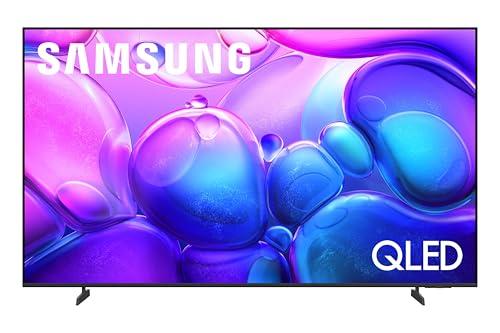
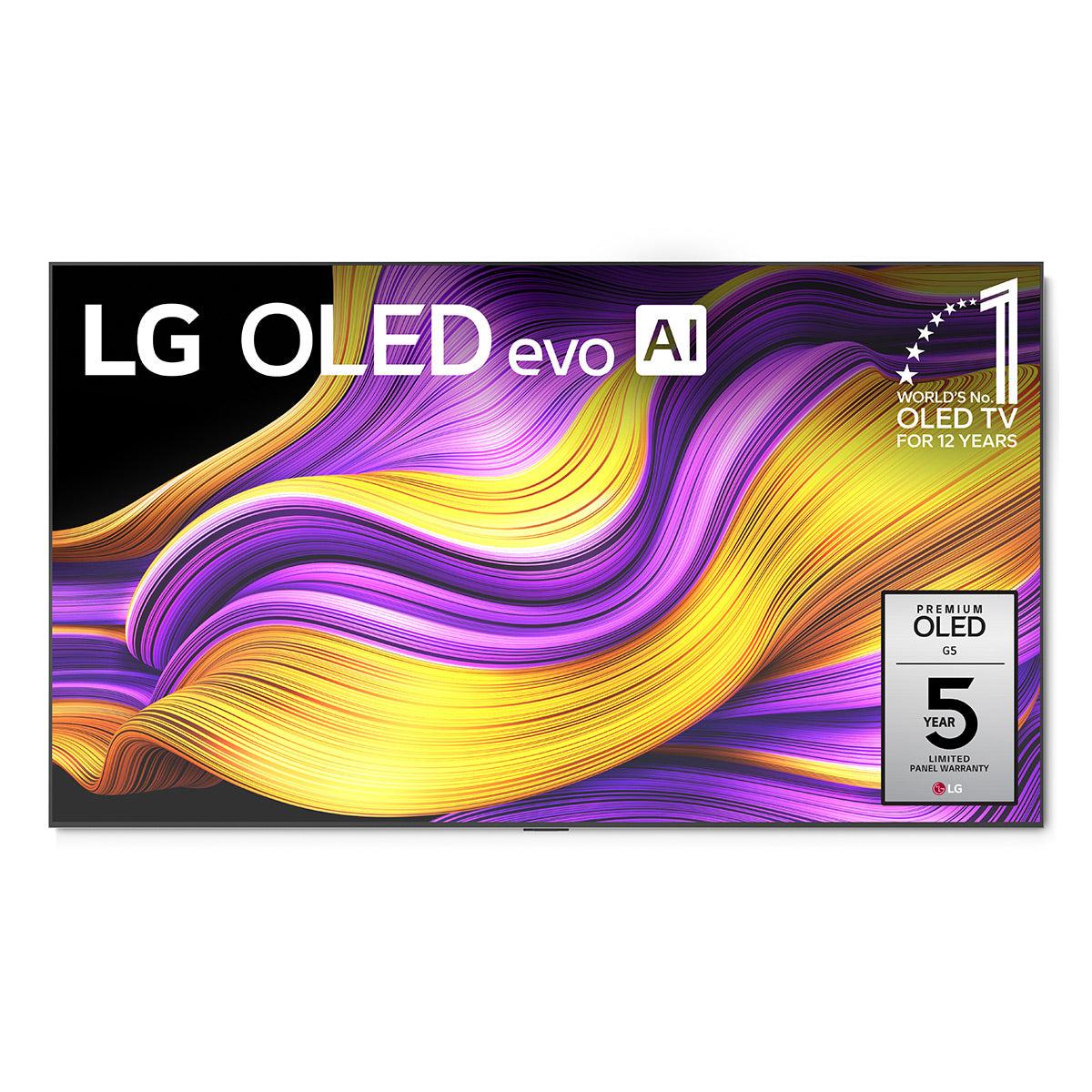
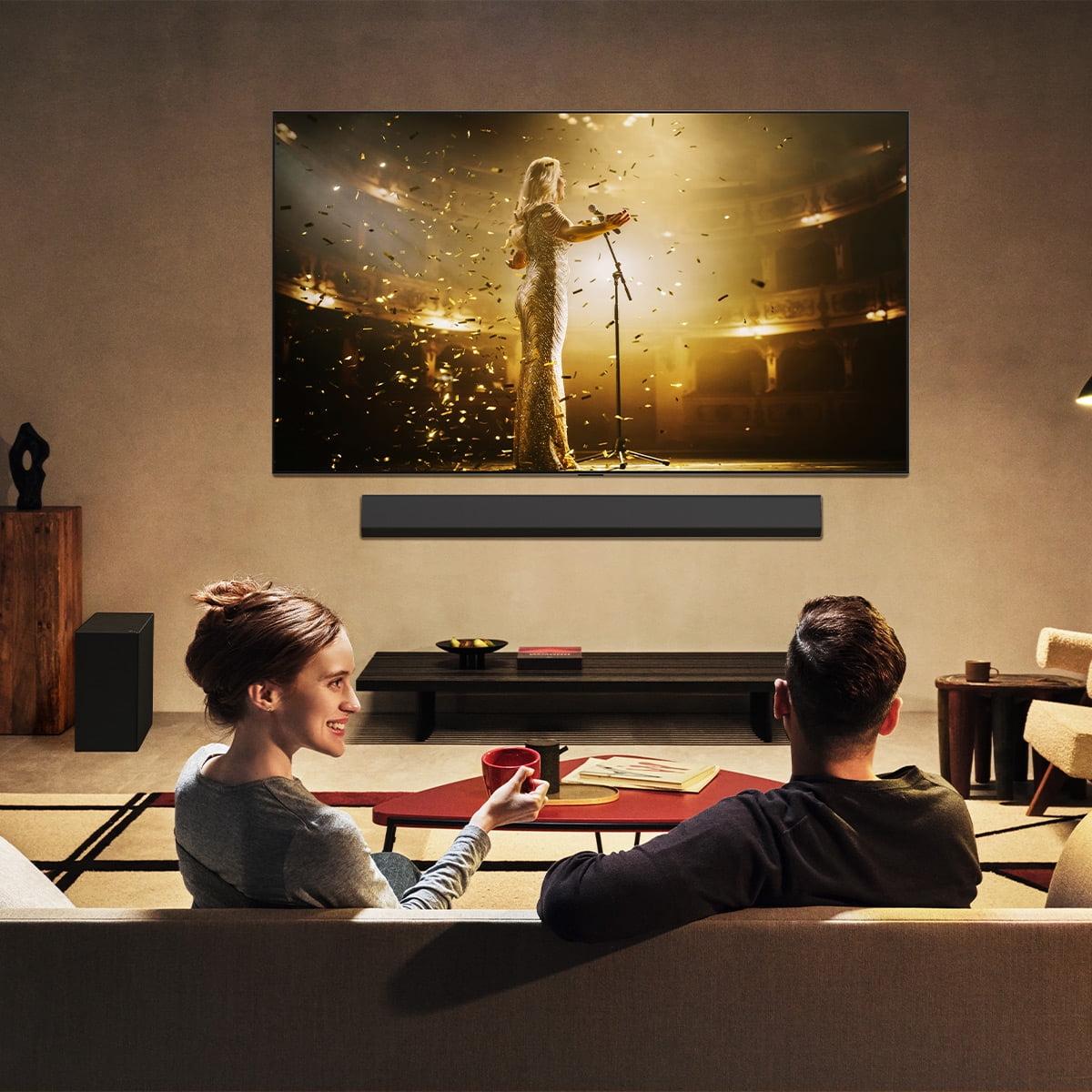
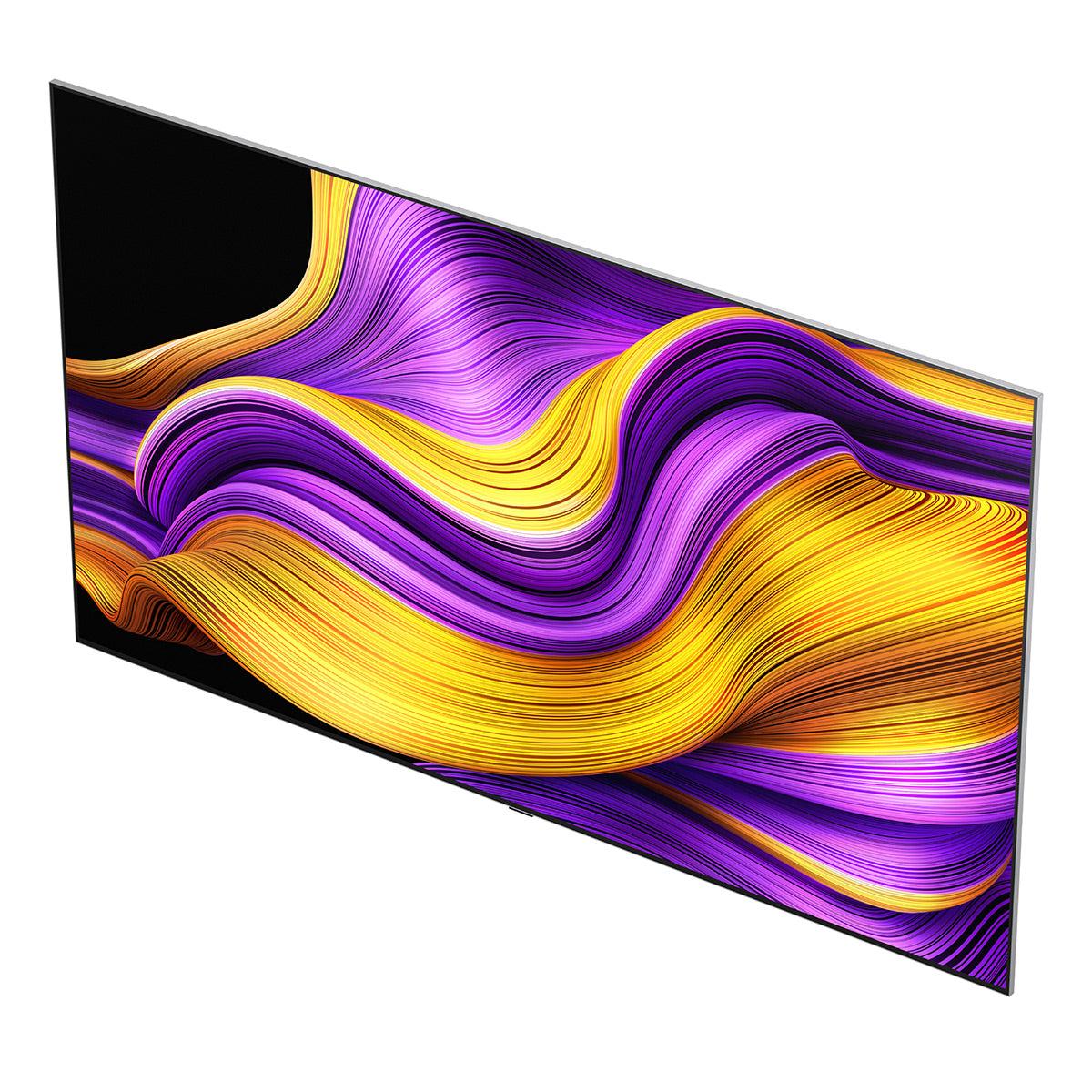
Choosing a large screen TV in 2025 feels overwhelming with so many options, but the decision often comes down to a fundamental question: do you want the biggest screen possible, or the best picture quality available? That's exactly what we're exploring with the Samsung 75-Inch QLED Q6F Series 2025 and the LG OLED evo G5 65" 4K Smart TV 2025.
These televisions represent two completely different philosophies in the large screen TV market. At the time of writing, you're looking at roughly a four-fold price difference between these models, which immediately tells you they're targeting different audiences. But the interesting part isn't just the price gap—it's understanding what you get for that difference and whether it matters for your specific situation.
Before diving into specifics, let's break down the core technologies because they fundamentally shape everything about these TVs.
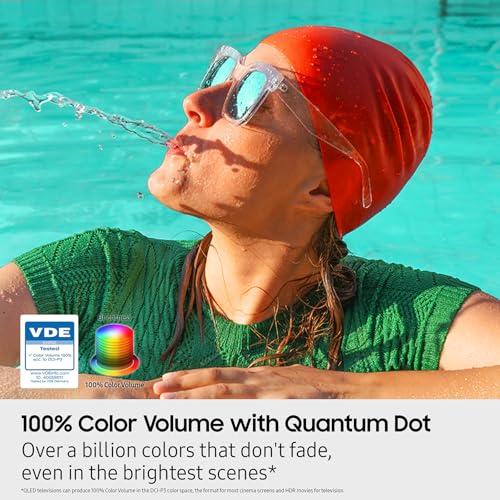
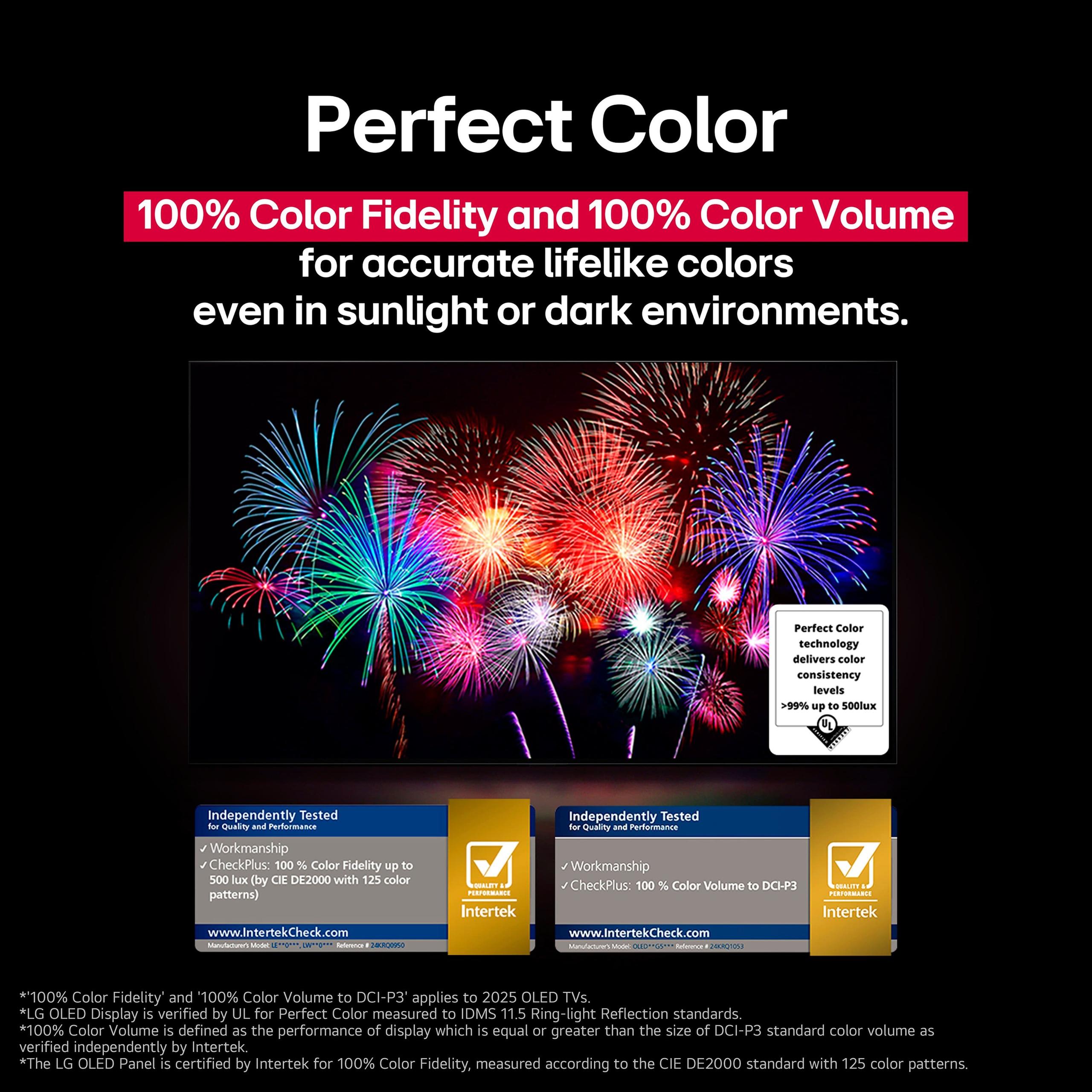
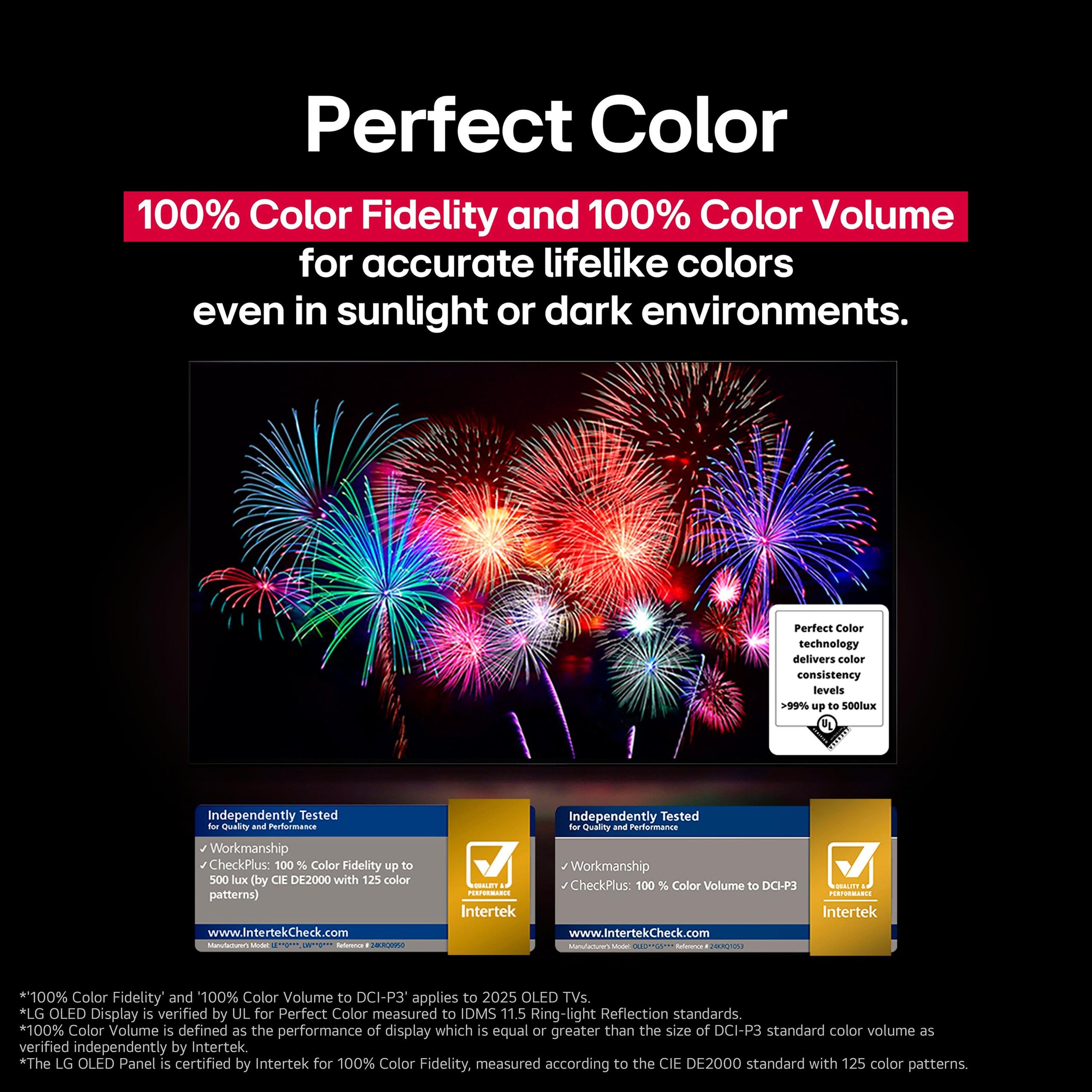
The Samsung Q6F uses QLED technology, which stands for Quantum Dot Light Emitting Diode. Don't let the fancy name fool you—it's still an LED TV at heart. What makes it "quantum" is a layer of microscopic particles called quantum dots that sit between the LED backlight and your screen. When light hits these quantum dots, they emit very precise colors, which is why Samsung can claim "100% Color Volume." Think of quantum dots as incredibly tiny, engineered crystals that act like color filters, making reds redder and blues bluer than traditional LED TVs.
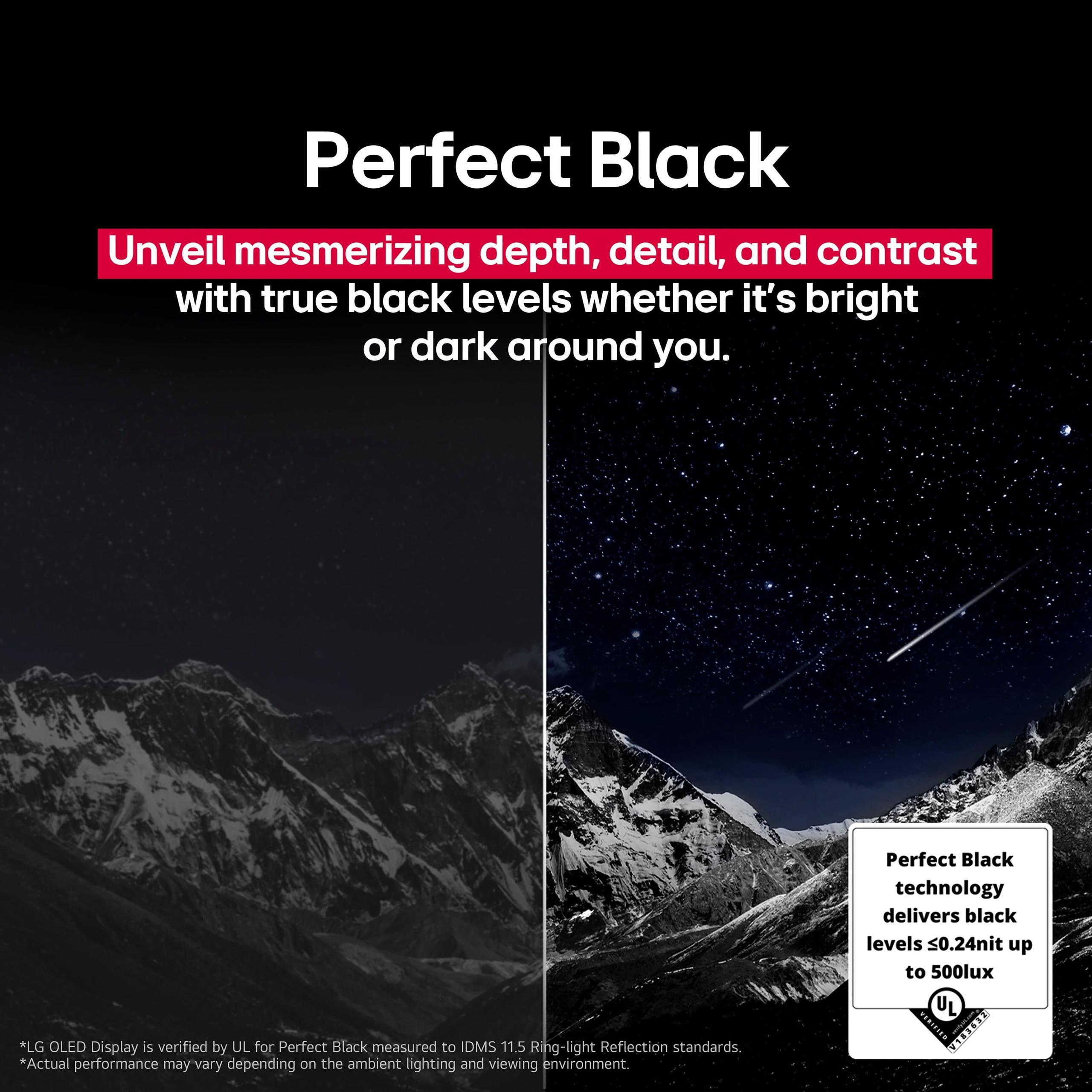
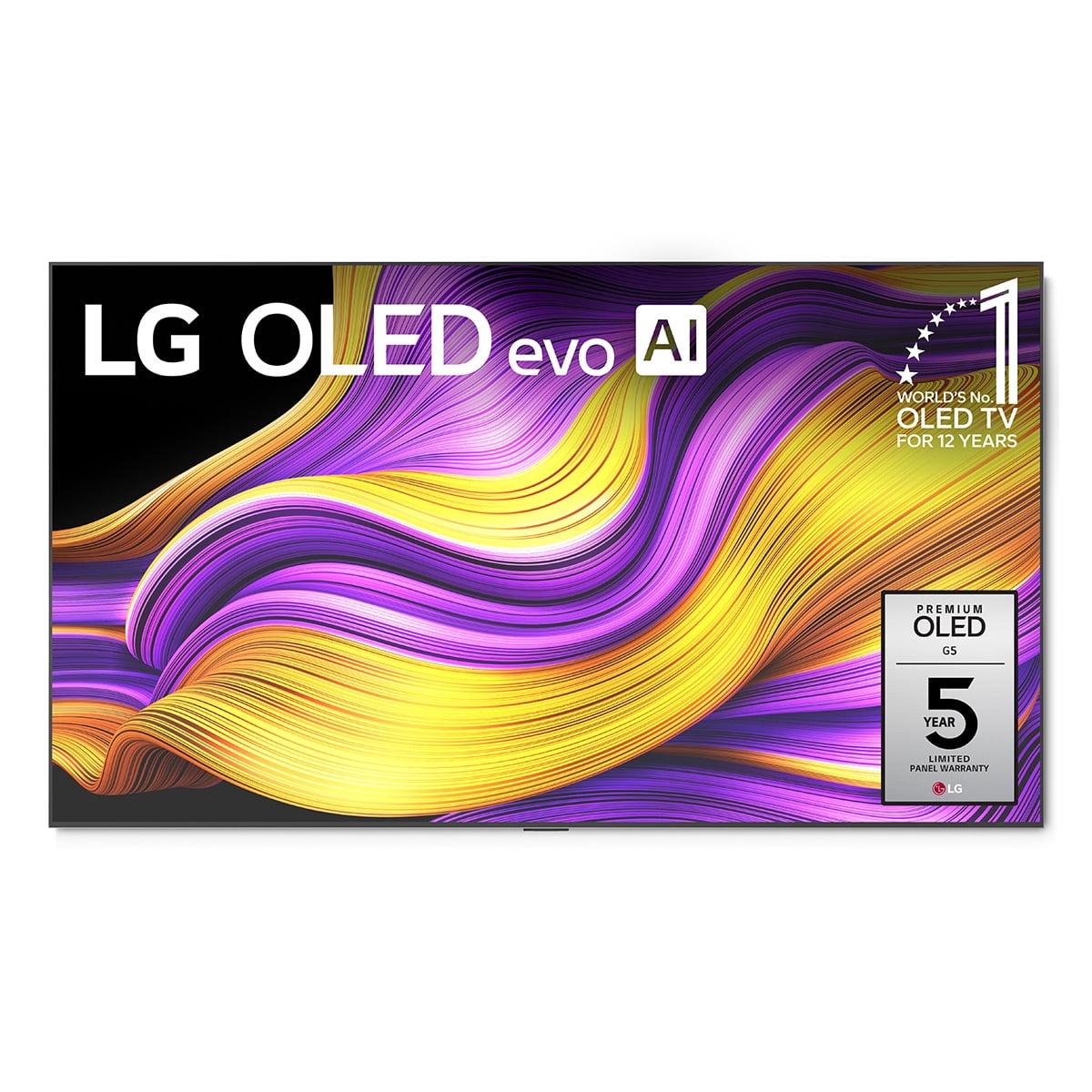
The LG G5, on the other hand, uses OLED technology—Organic Light Emitting Diode. Here's where things get interesting: OLED pixels create their own light. There's no backlight at all. Each of the 8.3 million pixels can turn completely on, completely off, or anywhere in between, independently. When a pixel needs to show black, it simply turns off entirely, creating what we call "perfect blacks."
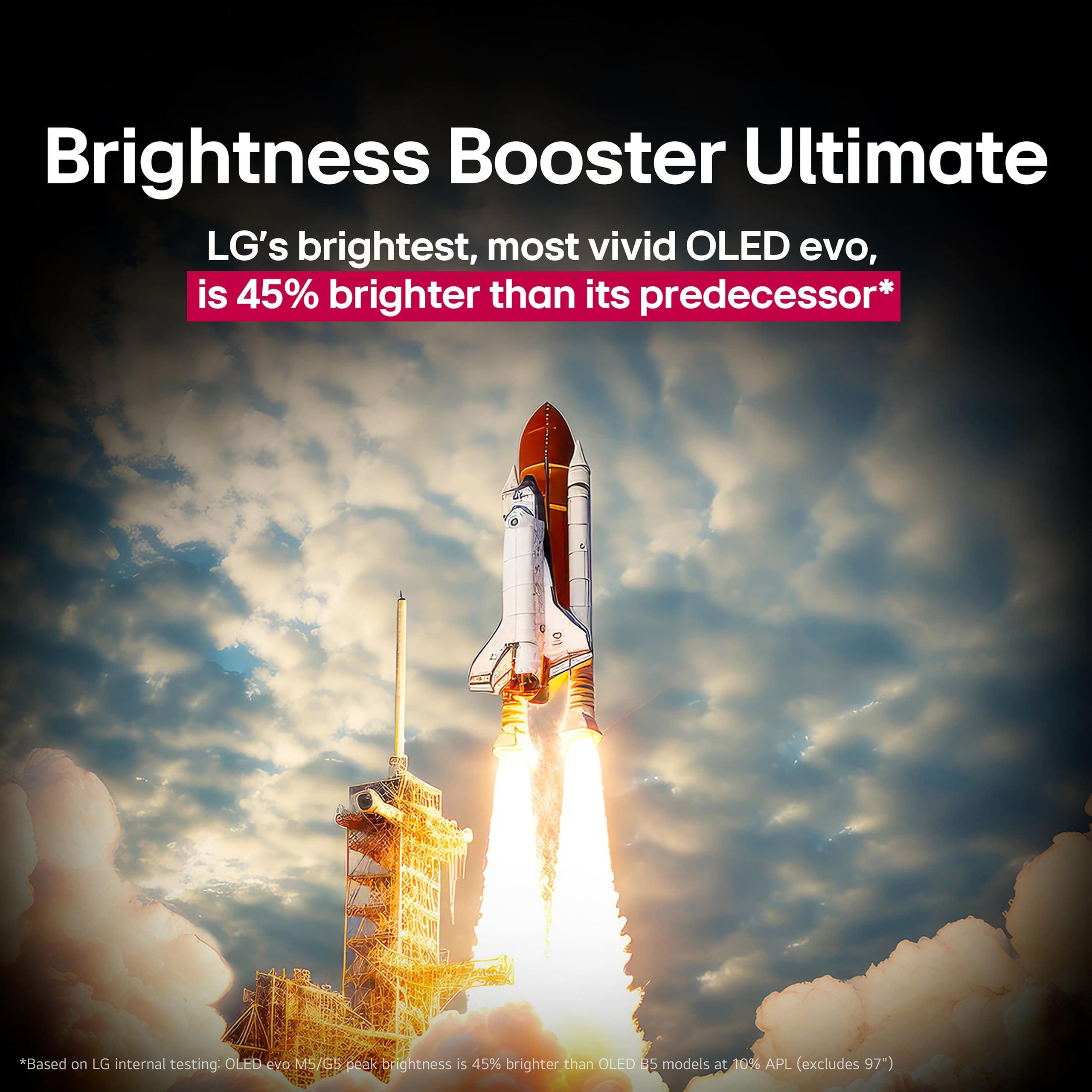
But 2025 brought a major advancement to the LG G5 with something called a "4-Stack RGB Tandem" OLED panel. This is LG's answer to OLED's traditional weakness: brightness. The new panel structure essentially layers multiple light-emitting sections on top of each other, boosting brightness by up to 45% compared to previous OLED models. This was a game-changer because brightness has always been OLED's Achilles heel in bright rooms.
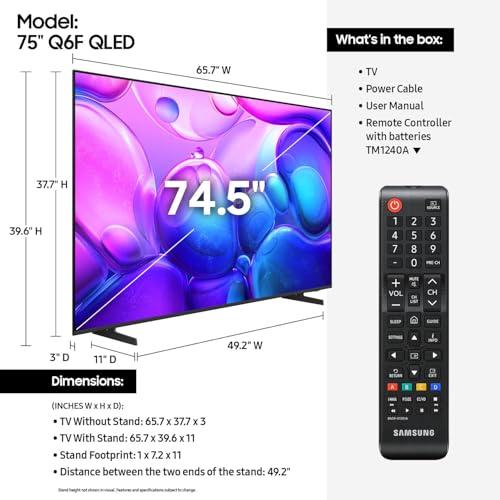
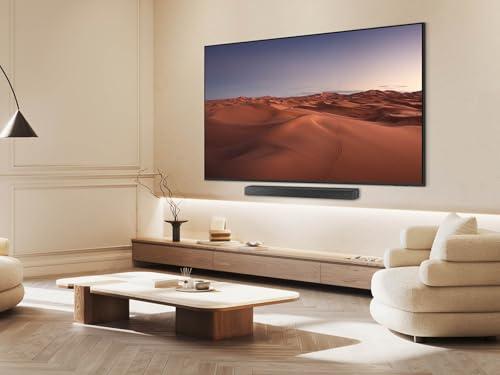
Let's address the obvious: the Samsung Q6F gives you a 75-inch screen while the LG G5 maxes out at 65 inches. That's a significant difference—we're talking about roughly 31% more screen area with the Samsung.

For context, a 75-inch screen measures about 65.3 inches wide and 36.7 inches tall, while a 65-inch screen is about 56.7 inches wide and 31.9 inches tall. In a typical living room setup, that size difference is immediately noticeable. If you're sitting 10-12 feet away, the 75-inch screen creates a more immersive, theater-like experience that can make you feel like you're part of the action.
But here's the trade-off: screen size means nothing if the picture quality doesn't deliver. This is where personal priorities become crucial. Some viewers would rather have a smaller screen with exceptional picture quality than a larger screen with compromises.
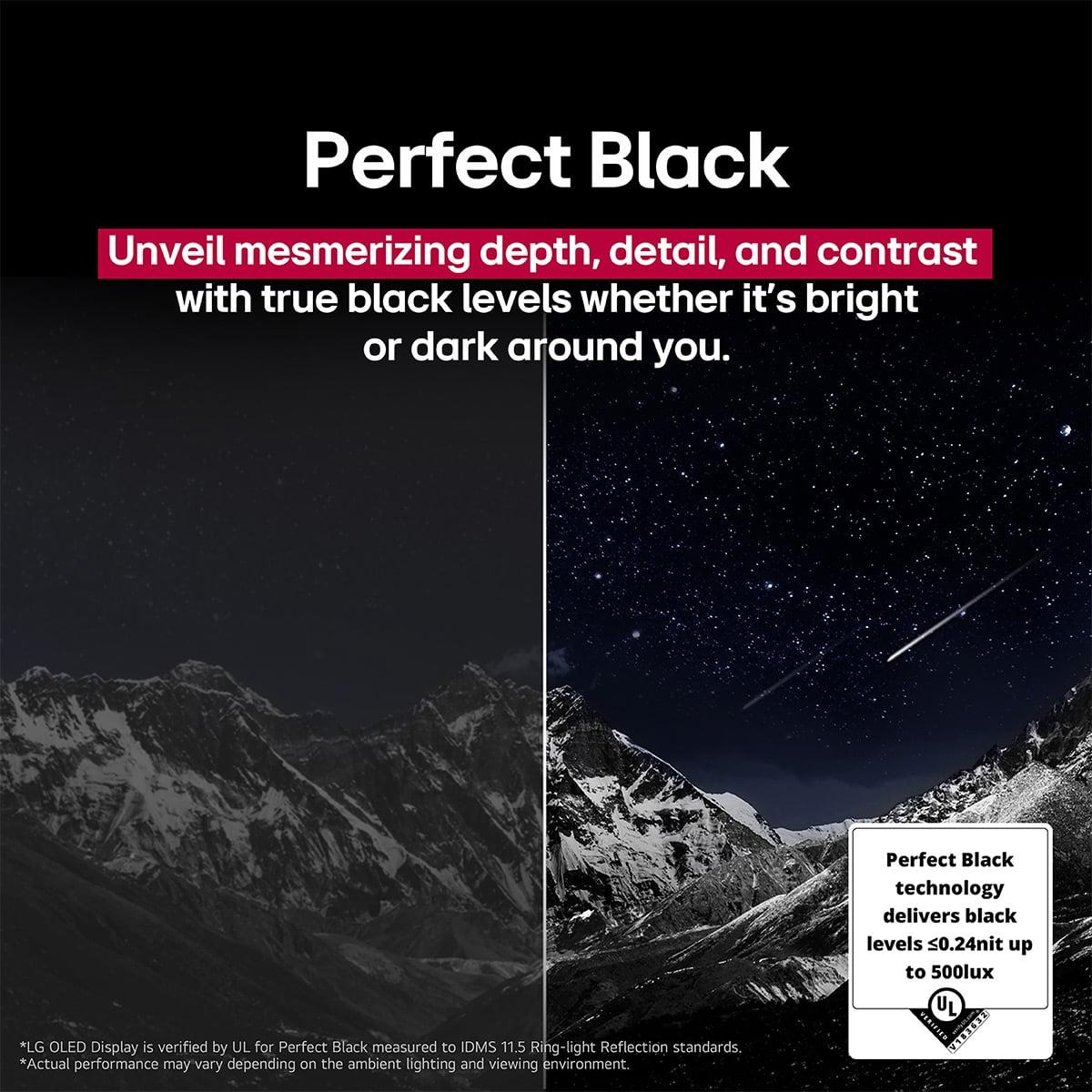
This is where OLED technology shows its biggest advantage. The LG G5 can display true blacks because individual pixels turn completely off. When you're watching a movie with dark scenes—think horror films or space movies—the blacks look genuinely black, not the dark gray you see on most LED TVs.
The Samsung Q6F uses what's called "edge-lit LED" backlighting, meaning LED strips around the edges of the screen light up the entire display. Even with Samsung's "UHD Dimming" technology, which tries to darken areas of the screen that should be black, you still get some light bleeding through. It's not terrible, but side-by-side with OLED, the difference is striking.
Both TVs support HDR (High Dynamic Range), which expands the range of colors and brightness levels your TV can display. However, they handle it very differently.
The Samsung Q6F supports Quantum HDR and HDR10+, and thanks to its quantum dot technology, it can display very vibrant colors. Samsung's "Color Booster" technology pushes saturation, especially in reds and blues, making content pop. However, our research suggests this can sometimes lead to oversaturation—colors that look more vivid than they should be.
The LG G5 takes a more accurate approach. It supports both Dolby Vision and HDR10+, and with its new brightness improvements, HDR content finally has the impact it was meant to have. Dolby Vision is particularly interesting because it includes scene-by-scene metadata that tells the TV exactly how each moment should look, leading to more accurate color reproduction.
This is where 2025 changed the game. Historically, OLED TVs struggled in bright rooms because they couldn't get bright enough to overcome glare and ambient light. The LG G5's new "Brightness Booster Ultimate" technology addresses this head-on.

While the Samsung Q6F can achieve decent brightness levels, it's limited by its entry-level positioning. Professional reviews consistently note that it lacks the peak brightness needed for impactful HDR in well-lit rooms.
The LG G5, meanwhile, represents a breakthrough for OLED brightness. Our research indicates it can now compete with mid-range LED TVs in bright room scenarios while maintaining OLED's superior contrast advantages.
If gaming matters to you, this comparison becomes one-sided quickly.
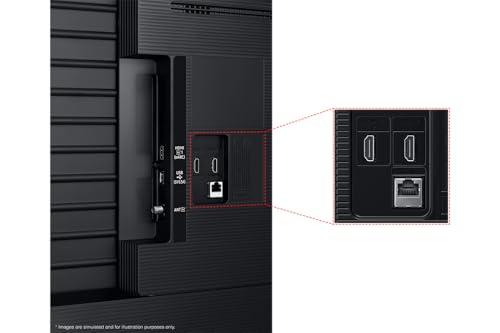
The Samsung Q6F is limited to 60Hz refresh rate, which means it can't take advantage of modern gaming consoles' higher frame rate capabilities. While it includes Auto Game Mode (ALLM), Variable Refresh Rate (VRR), and Gaming Hub access, the 60Hz limitation severely handicaps its gaming potential. For casual gaming, it's adequate, but for competitive gaming or taking advantage of PlayStation 5 or Xbox Series X capabilities, it falls short.
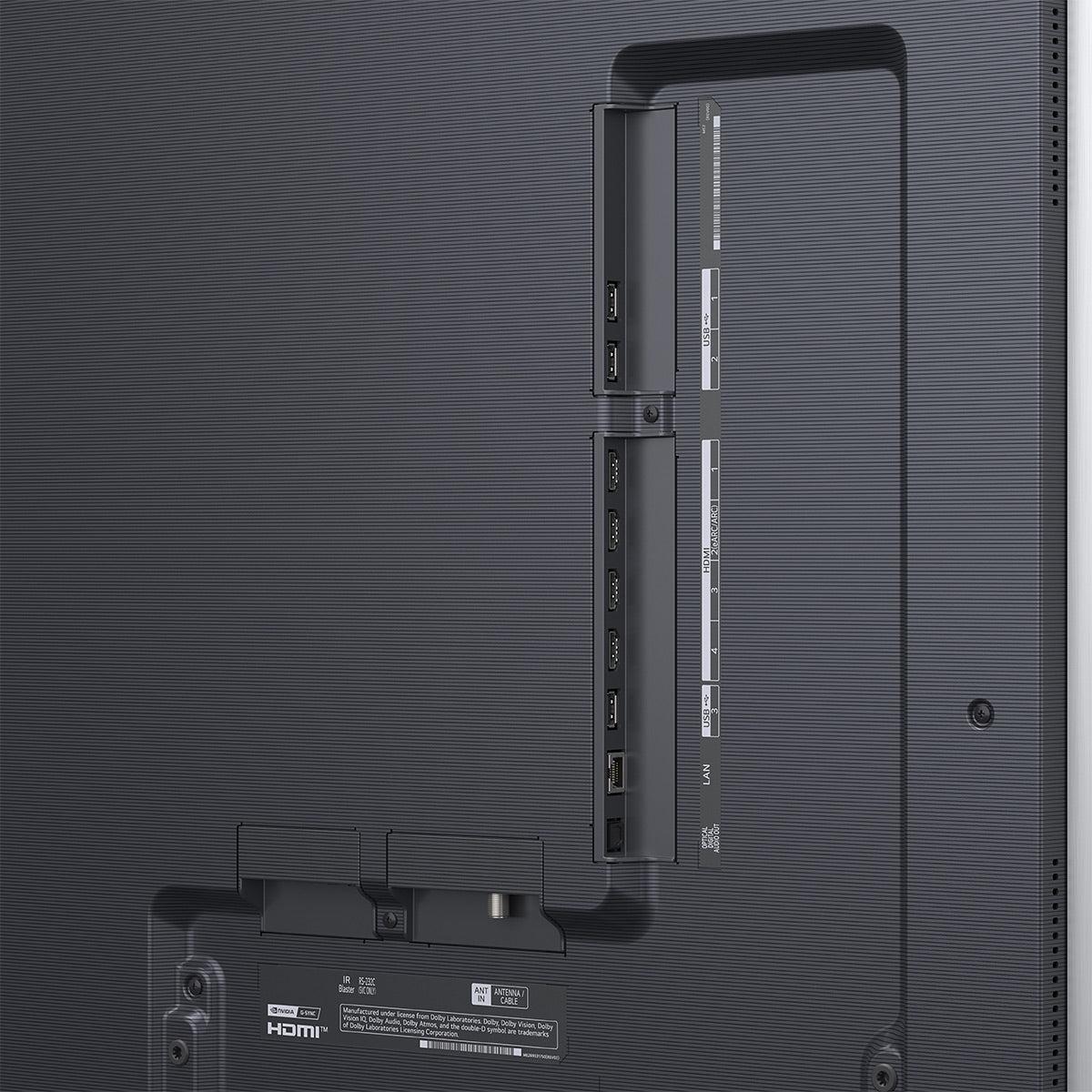
The LG G5 supports 4K gaming at up to 165Hz across all four HDMI 2.1 ports. This is massive for PC gamers with high-end graphics cards or console gamers who want the smoothest possible experience. The TV also supports advanced features like Quick Media Switching (QMS), which eliminates black screens when switching between different frame rates.
From a practical standpoint, if you're serious about gaming, the choice is clear. The Samsung Q6F will limit your gaming experience, while the LG G5 is built for high-performance gaming.
Both TVs offer comprehensive smart TV experiences, but with different approaches and capabilities.
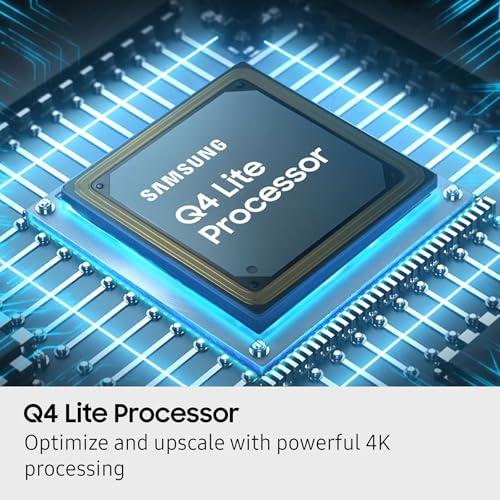
The Samsung Q6F runs Tizen OS and includes Samsung's ecosystem benefits like Samsung TV Plus (offering over 1,200 free channels), SmartThings integration for smart home control, and Samsung Knox security. The Q4 Lite processor handles basic 4K upscaling reasonably well, transforming lower-resolution content to match the 4K display.
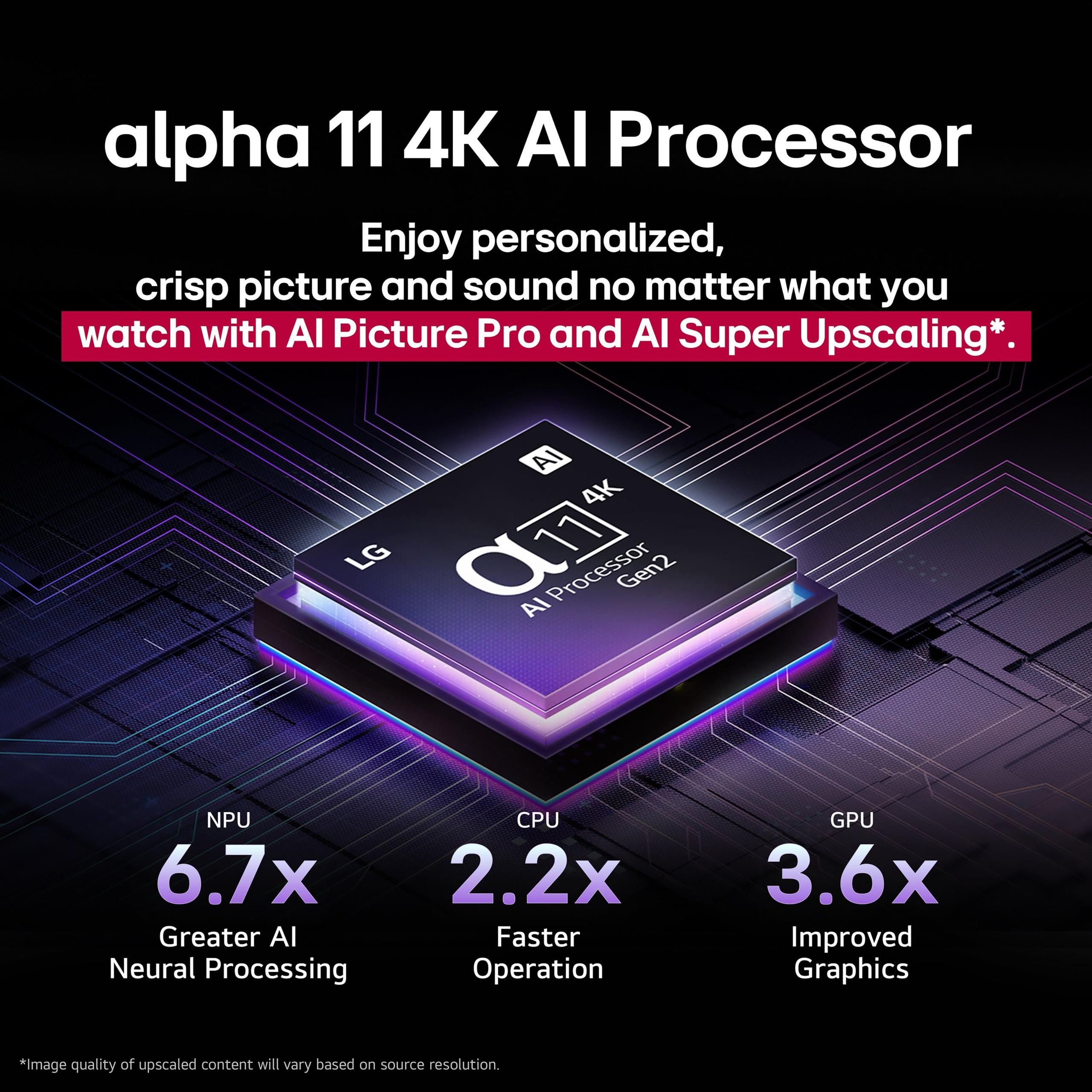
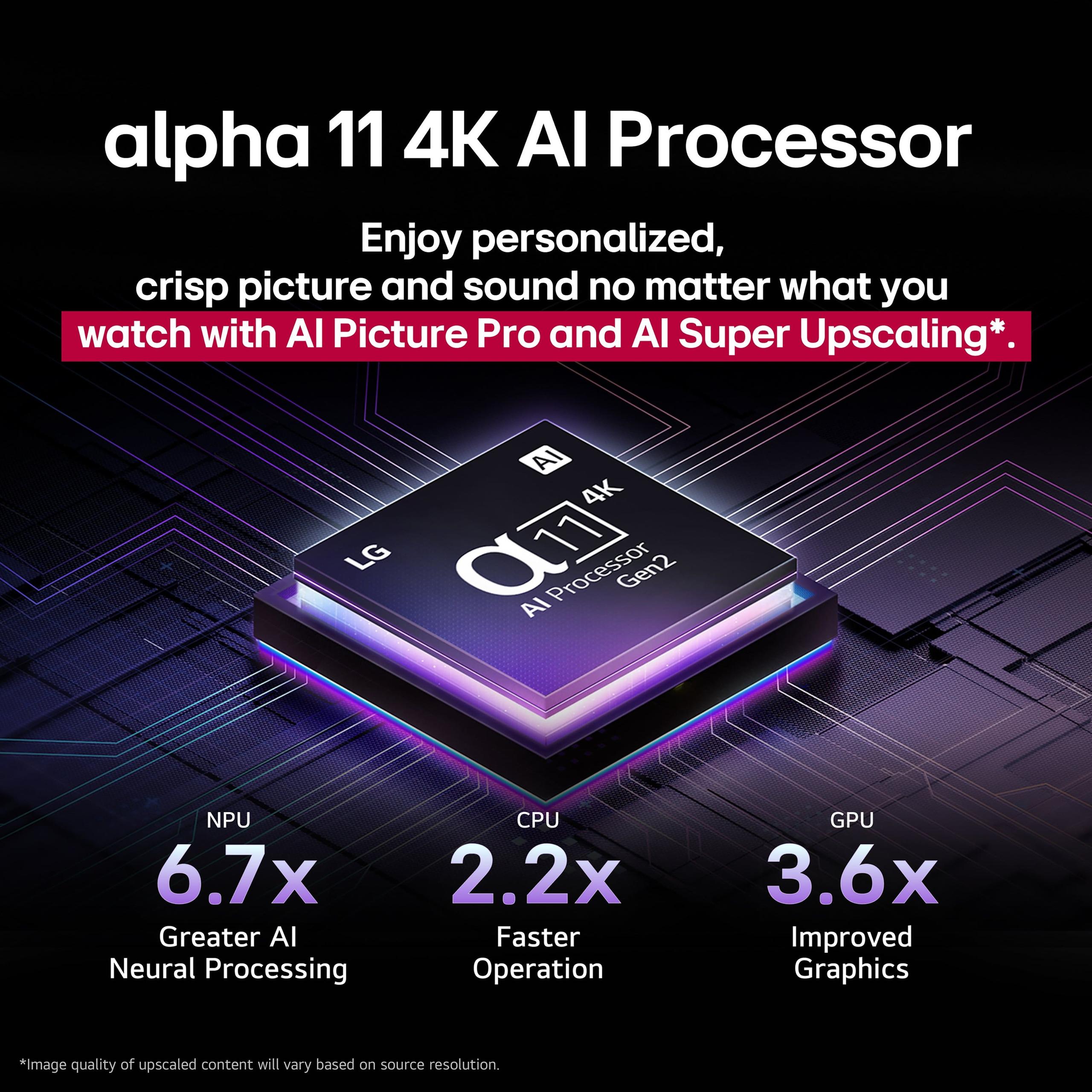
The LG G5 runs webOS 25 with the Alpha 11 AI Processor Gen 2. This is where the premium positioning shows—the processor offers more sophisticated AI-driven picture optimization, personalized settings that adapt to your viewing habits, and generally snappier performance. LG also commits to five years of webOS updates, providing long-term software support.
Both platforms offer access to all major streaming services, but the LG G5's processing power provides a noticeably smoother experience when navigating menus or launching apps.
Neither TV will replace a dedicated sound system, but there are differences worth noting.
The Samsung Q6F includes a basic 20W, 2-channel audio system with Object Tracking Sound Lite (OTS Lite), which tries to move sound around the screen to match on-screen action. It's a nice feature that works moderately well, but the limited power means you'll want external speakers for any serious listening.
The LG G5, as a premium model, typically includes more robust audio processing and Dolby Atmos support. However, like all slim TVs, physics limits what's possible with built-in speakers.
Our recommendation: budget for a soundbar regardless of which TV you choose. The TV speakers serve as a starting point, not the destination.
Your room's lighting characteristics should heavily influence your decision.
Bright Rooms: The 2025 LG G5 finally makes OLED viable in bright rooms thanks to its improved brightness and anti-glare treatments. However, the Samsung Q6F may struggle with reflections and washout in very bright conditions due to its entry-level anti-reflection coatings.
Dark Rooms: This is where OLED truly shines. The LG G5's perfect blacks and infinite contrast create a cinematic experience that the Samsung Q6F simply cannot match. If you have a dedicated home theater room or primarily watch content with lights dimmed, OLED's advantages become overwhelming.
Mixed Lighting: Most living rooms fall into this category. The LG G5's 2025 improvements make it much more versatile than previous OLED generations, while the Samsung Q6F provides consistent (if not exceptional) performance across various lighting conditions.
At the time of writing, you're looking at roughly a 4:1 price ratio between these TVs. Understanding that value equation is crucial.
The Samsung Q6F offers exceptional value if your primary goal is screen size on a budget. You're getting a massive 75-inch 4K display with decent smart features and adequate picture quality for casual viewing. The quantum dot technology does provide more vibrant colors than basic LED TVs in this price range.
The LG G5 commands its premium pricing through cutting-edge display technology, superior gaming features, and flagship-level performance. You're paying for OLED's inherent advantages plus 2025's brightness improvements that address traditional OLED weaknesses.
For dedicated home theater setups, the choice becomes clearer. The LG G5's superior black levels, color accuracy, and contrast make it far better suited for cinematic viewing. Features like Filmmaker Mode ensure you see movies as directors intended, while Dolby Vision support provides the most accurate HDR experience available.
The Samsung Q6F can work in a home theater setting, especially if budget constraints are primary, but you'll be making significant compromises in picture quality that become more apparent during extended viewing sessions.
Choose the Samsung Q6F 75" if:
Choose the LG G5 65" if:
These TVs serve fundamentally different purposes. The Samsung Q6F maximizes screen size while minimizing cost, making premium TV sizes accessible to budget-conscious buyers. The LG G5 maximizes picture quality and performance, representing the current pinnacle of consumer display technology.
Your decision should align with your priorities: size and value versus performance and longevity. Both approaches are valid, but they serve different needs and different viewers. The "wrong" choice would be picking the Samsung when picture quality matters most to you, or choosing the LG when budget constraints make the price difference genuinely painful.
Consider your room, your content, your budget, and your timeline. The right TV is the one that best matches your specific situation, not necessarily the one with the most impressive specifications.
| Samsung 75-Inch QLED Q6F Series 2025 Smart TV | LG OLED evo G5 65" 4K Smart TV 2025 |
|---|---|
| Screen Size - Bigger screen creates more immersive viewing but picture quality matters more | |
| 75 inches (31% more screen area) | 65 inches (premium size for most rooms) |
| Display Technology - OLED delivers superior picture quality, QLED offers value | |
| QLED with Quantum Dots (LED backlight with color enhancement) | OLED with 4-Stack RGB Tandem (self-lit pixels, perfect blacks) |
| Refresh Rate - Critical for gaming and smooth motion | |
| 60Hz (limits modern gaming potential) | Up to 165Hz (future-proof for high-end gaming) |
| Black Levels - Most noticeable difference in dark room viewing | |
| UHD Dimming (gray blacks, some light bleeding) | Perfect blacks (pixels turn completely off) |
| Peak Brightness - Important for bright rooms and HDR impact | |
| Limited brightness (struggles in bright rooms) | Brightness Booster Ultimate (45% brighter than previous OLEDs) |
| HDR Support - Better HDR means more realistic colors and contrast | |
| Quantum HDR, HDR10+ | Dolby Vision, HDR10+ (more accurate scene-by-scene optimization) |
| Gaming Features - Essential for console and PC gaming | |
| Basic VRR, ALLM, 60Hz limit | Full HDMI 2.1, VRR, QMS, 4K@165Hz on all ports |
| Processor - Affects smart TV performance and upscaling quality | |
| Q4 Lite Processor (basic 4K upscaling) | Alpha 11 AI Gen 2 (advanced AI optimization and personalization) |
| Smart TV Platform - Long-term software support and features | |
| Tizen OS (Samsung ecosystem integration) | webOS 25 (5-year update guarantee, AI enhancements) |
| Audio System - Both benefit from external soundbars | |
| 20W 2-channel with OTS Lite (adequate but basic) | Premium audio processing with Dolby Atmos support |
| Best Use Cases - Choose based on your priorities | |
| Budget-focused large screen for casual viewing | Premium home theater and gaming experience |
| Value Proposition - Different approaches to TV buying | |
| Maximum screen size at entry-level pricing | Flagship picture quality with latest OLED technology |
The Samsung 75-Inch QLED Q6F Series 2025 Smart TV offers exceptional value if you prioritize screen size on a budget, giving you a massive 75-inch display with decent picture quality. The LG OLED evo G5 65" 4K Smart TV 2025 costs significantly more but delivers flagship picture quality with perfect blacks and superior color accuracy. Choose the Samsung Q6F for maximum screen size per dollar, or the LG G5 if picture quality justifies the premium price.
The LG OLED evo G5 65" 4K Smart TV 2025 is significantly better for gaming with 4K@165Hz support, full HDMI 2.1 features, and ultra-low input lag. The Samsung 75-Inch QLED Q6F Series 2025 Smart TV is limited to 60Hz refresh rate, which restricts gaming performance on modern consoles and PCs. Serious gamers should choose the LG G5 for future-proof gaming capabilities.
The Samsung Q6F uses QLED technology with quantum dots that enhance LED backlight colors, offering vibrant colors at a lower cost. The LG G5 uses OLED technology where each pixel creates its own light, delivering perfect blacks and infinite contrast. OLED provides superior picture quality, while QLED offers better value and larger screen sizes at budget-friendly prices.
The LG OLED evo G5 65" 4K Smart TV 2025 features new Brightness Booster Ultimate technology that makes it viable in bright rooms for the first time. The Samsung 75-Inch QLED Q6F Series 2025 Smart TV has limited peak brightness and may struggle with reflections in very bright conditions. For bright room viewing, the LG G5 is now competitive despite being OLED.
The Samsung Q6F at 75 inches provides 31% more screen area than the 65-inch LG G5, creating a more immersive experience for larger rooms and farther seating distances. However, screen size means nothing without good picture quality. Choose the 75-inch Samsung if maximum immersion matters most, or the 65-inch LG if you prefer exceptional picture quality in a premium size.
Both TVs offer comprehensive smart platforms, but the LG OLED evo G5 65" 4K Smart TV 2025 includes webOS 25 with AI enhancements and guarantees 5 years of software updates. The Samsung 75-Inch QLED Q6F Series 2025 Smart TV runs Tizen OS with Samsung ecosystem integration and Samsung TV Plus free channels. The LG G5 provides more advanced processing and longer software support.
OLED technology in the LG G5 delivers perfect blacks, superior contrast, and more accurate colors that create a premium viewing experience, especially for movies and dark room viewing. The Samsung Q6F QLED offers good picture quality at a fraction of the cost with a much larger screen. OLED is worth the premium if picture quality is your top priority and budget allows.
The LG OLED evo G5 65" 4K Smart TV 2025 excels in home theater setups with perfect blacks, Dolby Vision support, and Filmmaker Mode for accurate movie reproduction. The Samsung 75-Inch QLED Q6F Series 2025 Smart TV provides a larger, more immersive screen but with compromised black levels and contrast. For dedicated home theater use, the LG G5 delivers superior cinematic picture quality.
Yes, both the Samsung Q6F and LG G5 support 4K resolution and HDR content, but with different approaches. The Samsung supports Quantum HDR and HDR10+, while the LG includes Dolby Vision and HDR10+ for more accurate scene-by-scene optimization. The LG G5 delivers more impactful HDR performance thanks to its superior contrast and brightness capabilities.
The LG OLED evo G5 65" 4K Smart TV 2025 comes with a 5-year panel warranty and premium build quality befitting its flagship status. The Samsung 75-Inch QLED Q6F Series 2025 Smart TV offers standard warranty coverage with solid construction for its price point. The LG G5 provides better long-term protection and premium materials, while the Samsung Q6F offers reliable performance at its budget-focused price.
If budget is your primary constraint and you need a TV now, the Samsung 75-Inch QLED Q6F Series 2025 Smart TV delivers excellent value with its large screen size. If you can wait and save for the LG OLED evo G5 65" 4K Smart TV 2025, you'll get significantly better picture quality and future-proof features. Consider your timeline, budget flexibility, and whether picture quality improvements justify the wait and additional cost.
The LG OLED evo G5 65" 4K Smart TV 2025 is more future-proof with 165Hz gaming support, advanced processing, and 5-year software update guarantee, making it likely to remain relevant longer. The Samsung 75-Inch QLED Q6F Series 2025 Smart TV may feel outdated sooner due to its 60Hz limitation and basic processing. The LG G5 represents a better long-term investment, while the Samsung Q6F offers immediate value with the expectation of upgrading sooner.
We've done our best to create useful and informative comparisons to help you decide what product to buy. Our research uses advanced automated methods to create this comparison and perfection is not possible - please contact us for corrections or questions. These are the sites we've researched in the creation of this article: youtube.com - rtings.com - cnet.com - youtube.com - rtings.com - samsung.com - bestbuy.com - samsung.com - samsung.com - bestbuy.com - manuals.plus - arrowassociatedstores.com - samsung.com - samsung.com - samsung.com - flatpanelshd.com - device.report - bestbuy.com - techradar.com - rtings.com - youtube.com - youtube.com - rtings.com - bestbuy.com - youtube.com - valueelectronics.com - lg.com - audio-videoplus.com - lg.com - lg.com - lg.com

Privacy Policy
Terms and Conditions - Affiliate Policy
Home Security
© Copyright 2008-2026.
11816 Inwood Rd #1211, Dallas, TX 75244