

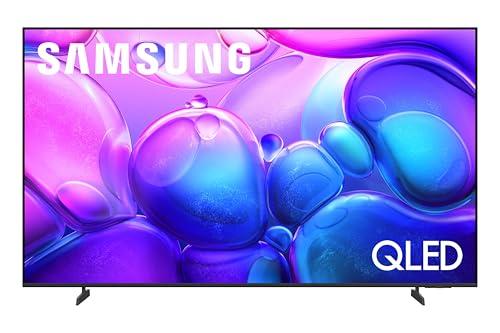

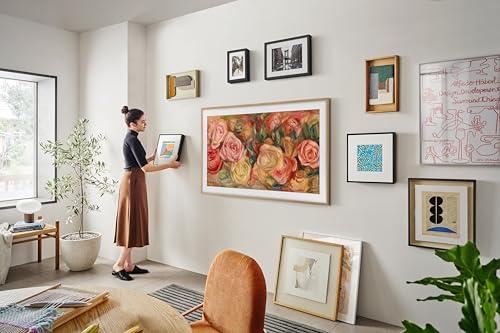
When you walk into a living room, the TV often becomes the focal point—whether you want it to or not. Samsung's approach to this reality has produced two distinctly different television philosophies: the massive-screen-for-your-money Q6F Series 2025 and the when-TV-becomes-art Frame 2024. Both use quantum dot technology to deliver vibrant colors, but they couldn't be more different in their approach to home entertainment.
Before diving into the comparison, it's worth understanding what makes both TVs tick. QLED stands for Quantum Dot Light Emitting Diode—essentially a layer of microscopic particles that convert blue LED backlight into precise colors. Think of quantum dots as incredibly tiny color filters that can produce over a billion different shades. This technology sits between basic LED TVs and premium OLED displays in terms of both performance and price.
The key advantage of QLED is color volume—the ability to maintain color accuracy and saturation at any brightness level. Traditional LCD TVs often struggle with washed-out colors in bright scenes or muddy tones in dark content. Quantum dots solve this by producing more precise, consistent colors regardless of how bright or dim the screen gets.
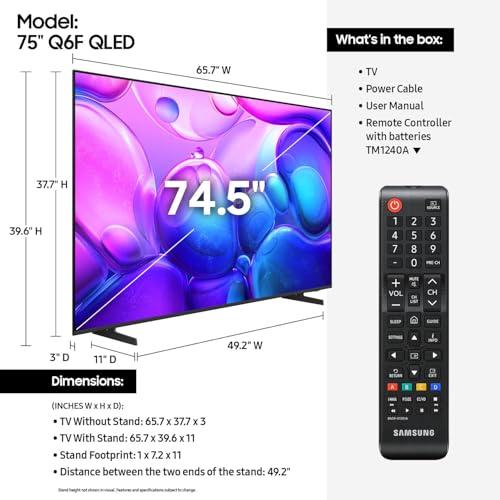
The most obvious difference between the Samsung Q6F and The Frame is screen size: 75 inches versus 65 inches. That 10-inch difference translates to 44% more viewing area—a substantial increase that dramatically changes the viewing experience. For movie nights, sports games, or gaming sessions, that extra real estate creates a more immersive, theater-like experience.
At the time of writing, the Q6F 75-inch model costs significantly less than the 65-inch Frame, making it roughly 75% more cost-effective in terms of screen area per dollar. This represents one of the best value propositions in the large-screen TV market, assuming picture quality meets your needs.
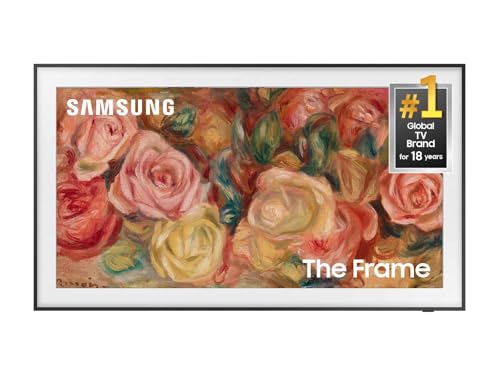
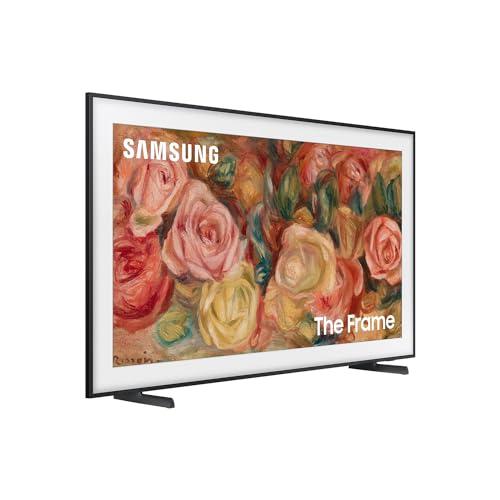
However, The Frame's higher price reflects a completely different set of priorities. Released in 2024 as Samsung's latest lifestyle TV iteration, it includes premium features like anti-glare coating, superior audio hardware, and the signature Art Mode that transforms your TV into a digital art gallery when not in use.
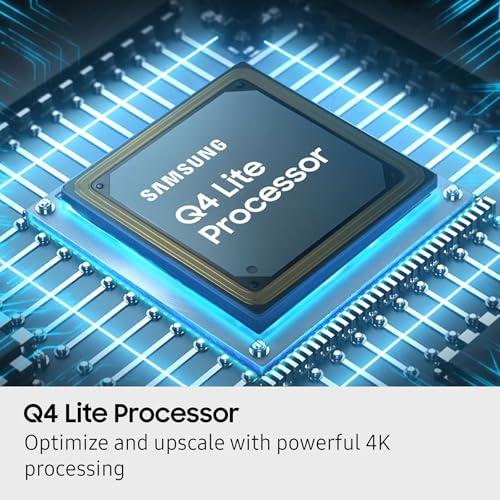
While both TVs use quantum dot technology, their image processing capabilities differ significantly. The Q6F uses Samsung's Q4 Lite processor—essentially the entry-level chip in Samsung's 2025 lineup. This processor handles basic 4K upscaling (converting lower-resolution content to 4K quality) and applies standard color enhancements, but it's designed for efficiency rather than excellence.
The Frame, by contrast, features the Quantum Processor 4K, a more sophisticated chip that employs AI-based upscaling. This means it analyzes content in real-time and applies intelligent enhancement based on scene type—making faces look more natural, landscapes more detailed, and text sharper. In practical terms, older TV shows, streaming content, and even DVD movies look noticeably better on The Frame.
High Dynamic Range (HDR) represents one of the most significant advances in TV technology—it allows displays to show both deeper blacks and brighter whites in the same image, creating more realistic contrast. Both TVs support HDR10+ Adaptive, which adjusts contrast scene-by-scene rather than applying static settings.
However, HDR performance depends heavily on peak brightness—how bright the TV can get in small areas of the screen. Based on our research into expert reviews, the Frame's dual LED system and superior processing achieve higher peak brightness levels (around 590 nits in testing) compared to the Q6F's more basic backlight system. This difference becomes most apparent in bright scenes—sun glinting off water, explosions in action movies, or bright outdoor sports footage—where The Frame can make highlights truly pop while the Q6F tends to look more subdued.
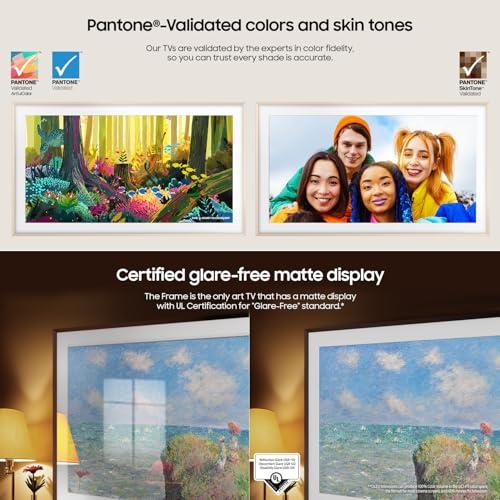
Perhaps The Frame's most distinctive feature is its anti-glare matte display—a premium coating that scatters ambient light to reduce reflections. Traditional glossy TV screens act like mirrors in bright rooms, often forcing you to dim lights or close blinds to see the picture clearly.
The Frame's matte finish represents a significant engineering achievement. Most matte screens sacrifice image sharpness or color vibrancy to reduce glare, but Samsung's implementation maintains picture quality while dramatically improving bright-room viewing. This makes it particularly valuable for living rooms with large windows, open floor plans, or situations where controlling ambient light isn't practical.
The Q6F, like most traditional TVs, uses a glossy screen that provides excellent picture quality in controlled lighting but struggles with reflections in bright environments.
For gaming enthusiasts, the performance gap between these TVs is substantial. The Q6F operates at 60Hz—meaning it can display 60 frames per second—which handles most casual gaming adequately but falls short of what modern consoles can deliver.
The Frame supports 120Hz refresh rates, crucial for next-generation PlayStation 5 and Xbox Series X gaming. More importantly, it includes Variable Refresh Rate (VRR) technology, which synchronizes the TV's display rate with your console's output. This eliminates screen tearing (where parts of different frames appear simultaneously) and stuttering, creating smoother, more responsive gameplay.
Input lag—the delay between pressing a button and seeing the result on screen—measures just 9.2 milliseconds on The Frame according to expert testing. That's approaching professional gaming monitor territory. The Q6F, while decent for casual gaming, can't match this level of responsiveness.
For serious gamers, The Frame's HDMI 2.1 support enables 4K gaming at 120fps, a feature that the Q6F simply cannot deliver. This technology gap will become increasingly important as more games support higher frame rates.
TV audio rarely gets the attention it deserves, but the difference here is dramatic. The Q6F includes a basic 20-watt, 2-channel speaker system with Object Tracking Sound Lite—a feature that attempts to match audio to on-screen action but with limited success given the hardware constraints.
The Frame's 40-watt, 2.0.2-channel system includes actual up-firing speakers for Dolby Atmos support. Dolby Atmos creates three-dimensional sound by bouncing audio off your ceiling, making helicopter sounds actually seem to fly overhead or rain appear to fall around you. The difference is immediately noticeable and reduces the need for an external sound system, at least initially.
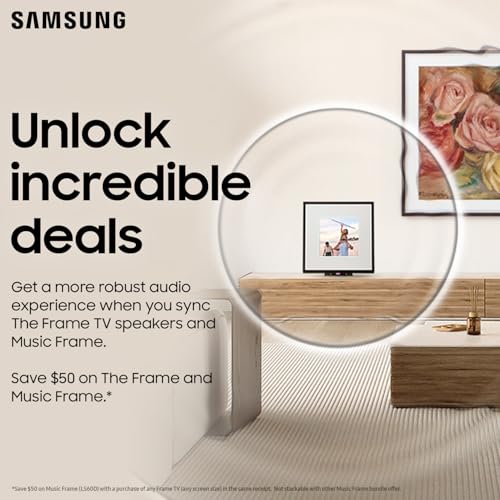
For home theater enthusiasts, both TVs support Q-Symphony, which allows Samsung soundbars to work in harmony with the TV's built-in speakers rather than replacing them entirely. However, The Frame's superior baseline audio means this feature works more effectively.
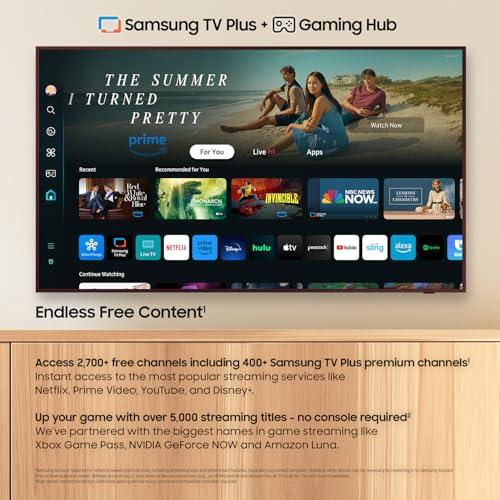
Both TVs run Samsung's Tizen operating system, generally considered one of the better smart TV platforms for its speed and app selection. However, The Frame includes several premium features that enhance the overall experience.
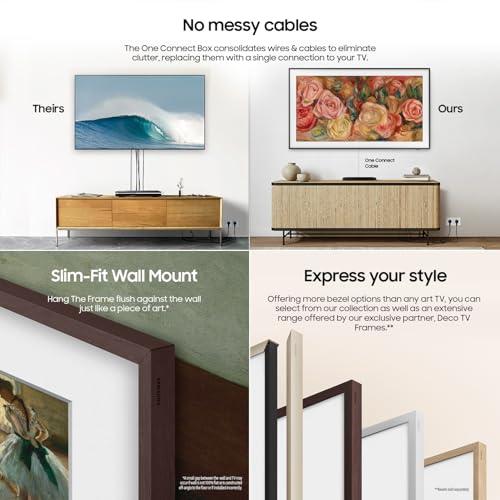
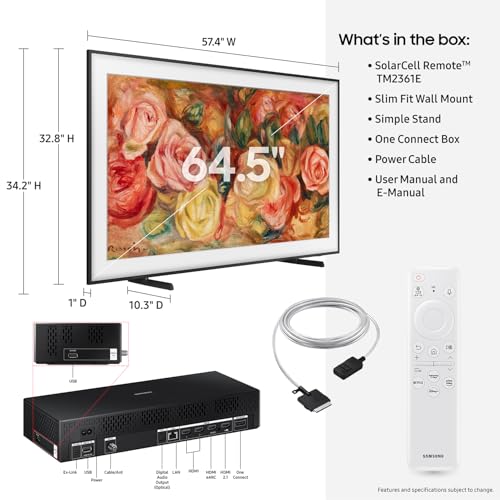
The One Connect Box—an external hub that houses all the TV's connections—is perhaps The Frame's most practical advantage. Instead of plugging devices directly into the TV, everything connects to this separate box, which then sends signals to the TV through a single, nearly invisible cable. This approach enables truly flush wall mounting and makes cable management significantly easier.
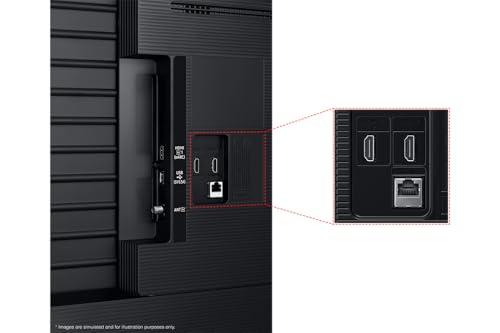
The Q6F uses traditional direct connections, which works fine for entertainment center installations but creates cable clutter for wall-mounted setups.
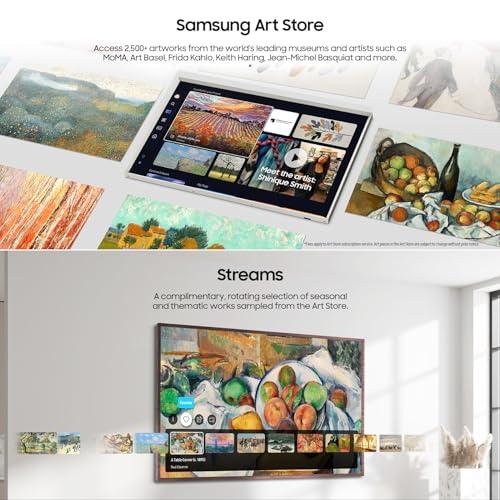
The Frame's signature Art Mode deserves serious consideration, even for those initially skeptical of the concept. When not actively watching TV, the display shows artwork, personal photos, or other images at reduced brightness and refresh rate to save energy.
The motion sensor automatically detects when someone enters the room and brightens the display accordingly. Combined with customizable magnetic bezels (sold separately), The Frame genuinely resembles a framed piece of art when mounted flush to the wall.
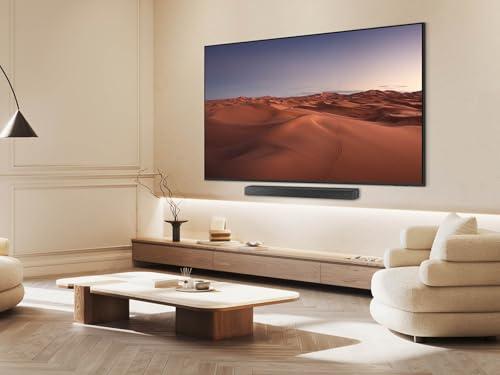
This feature addresses a common complaint about modern TVs: they dominate room aesthetics even when turned off. The Frame essentially disappears into your décor, making it particularly valuable for living rooms, bedrooms, or any space where the TV's visual presence matters.
Samsung's Art Store offers thousands of curated works from museums and galleries, though access requires a subscription after an initial trial period. You can also display personal photos or artwork, and the matte display's texture adds to the realistic art presentation.
For dedicated home theater setups, both TVs have limitations compared to premium models, but they serve different purposes. The Q6F's 75-inch screen provides the immersive scale that makes movie-watching special, and its lower price leaves more budget for audio equipment—a sound investment since audio often makes a bigger difference than video quality improvements.
However, The Frame's superior HDR performance, better motion handling, and anti-glare coating make it more versatile for mixed-use spaces where you might watch movies during the day or with ambient lighting.
Neither TV includes local dimming—the ability to darken specific screen areas independently—which limits their black level performance compared to premium models. This means dark movie scenes won't achieve the deep blacks that make images truly pop, though both handle mixed bright-and-dark scenes reasonably well.
The Q6F Series represents Samsung's 2025 entry-level QLED offering, incorporating lessons learned from previous generations while maintaining aggressive pricing. Samsung has refined the quantum dot manufacturing process and improved power efficiency, though the core technology remains similar to 2024 models.
The Frame 2024 benefits from several years of lifestyle TV development. The anti-glare coating has been significantly improved since the original Frame's 2017 debut, and the Art Mode now includes features like automatic color temperature adjustment and improved motion sensing. The 2024 model also achieved Pantone art certification—ensuring color accuracy for artwork display.
Choose the Samsung Q6F 75-inch if:
The Q6F excels at delivering maximum impact per dollar. That 75-inch screen creates a genuinely different viewing experience compared to 65-inch displays, and for many viewers, size trumps other considerations.
Choose The Frame 65-inch if:
The Frame justifies its premium through superior technology and unique functionality. Its anti-glare display alone can transform the viewing experience in challenging lighting conditions.
These TVs serve fundamentally different needs despite sharing quantum dot technology. The Q6F maximizes entertainment value through sheer size and solid performance, making it ideal for dedicated viewing spaces or budget-conscious buyers who prioritize screen real estate.
The Frame commands a significant premium but delivers meaningfully better performance in gaming, audio, and bright-room viewing while adding unique lifestyle integration. Its higher price reflects genuine technological advantages, not just aesthetic appeal.
For most buyers, the decision comes down to priorities: maximum screen size and value versus premium features and room integration. Both approaches have merit, but they appeal to distinctly different use cases and preferences.
The Q6F represents the classic TV value proposition—bigger screen, lower price, solid performance. The Frame embodies modern lifestyle integration—better technology, unique features, premium experience. Choose based on which philosophy better matches your space, usage patterns, and budget priorities.
| Samsung 75-Inch QLED Q6F Series 2025 Smart TV | Samsung 65" The Frame QLED 4K 2024 TV |
|---|---|
| Screen Size - Dramatically affects viewing immersion and room presence | |
| 75 inches (44% more viewing area) | 65 inches (more manageable for smaller rooms) |
| Display Technology - Core picture quality foundation | |
| QLED with Q4 Lite processor, basic quantum dot | QLED with Quantum Processor 4K, Pantone certified |
| Refresh Rate - Critical for gaming and smooth motion | |
| 60Hz (adequate for casual viewing) | 120Hz (essential for next-gen console gaming) |
| Screen Finish - Determines performance in bright rooms | |
| Glossy (requires controlled lighting) | Anti-glare matte (excellent for bright spaces) |
| HDR Performance - Controls contrast and highlight detail | |
| Basic Quantum HDR with lower peak brightness | Dual LED with higher peak brightness (~590 nits) |
| Gaming Features - Important for console and PC gaming | |
| Basic VRR and Auto Game Mode | Full HDMI 2.1, 4K@120Hz, 9.2ms input lag |
| Audio System - Affects need for external speakers | |
| 20W 2-channel with basic object tracking | 40W 2.0.2-channel with true Dolby Atmos |
| Connectivity - Impacts device connection flexibility | |
| 3 HDMI ports, direct TV connections | One Connect Box with 4 HDMI ports, cable management |
| Special Features - Unique capabilities beyond basic TV use | |
| Standard smart TV functionality only | Art Mode with motion sensor and customizable bezels |
| Installation Options - Affects room integration flexibility | |
| Traditional TV stand or basic wall mount | Slim-Fit Wall Mount included for flush installation |
| Value Proposition - Cost efficiency for different priorities | |
| Maximum screen size per dollar spent | Premium features and lifestyle integration |
| Best For - Target user scenarios | |
| Entertainment-focused, size-prioritized setups | Style-conscious rooms needing bright-room performance |
The Samsung 65" The Frame QLED 4K 2024 TV delivers superior picture quality with its Quantum Processor 4K, dual LED backlighting, and higher peak HDR brightness. While the Samsung 75-Inch QLED Q6F Series 2025 Smart TV offers solid QLED performance, The Frame's advanced processing provides better upscaling of streaming content and more vibrant HDR scenes.
The Samsung 75-Inch QLED Q6F Series 2025 Smart TV provides 44% more screen area than the 65-inch Frame, creating a more immersive viewing experience for movies and sports. Choose the 75-inch if your seating distance is 8-12 feet and you prioritize maximum screen size for entertainment.
The Samsung 65" The Frame QLED 4K 2024 TV is specifically designed for bright rooms with its anti-glare matte display that reduces reflections and maintains picture clarity in direct sunlight. The Q6F Series has a traditional glossy screen that may struggle with glare in bright environments.
The Frame 2024 significantly outperforms the Q6F 2025 for gaming with 120Hz refresh rate, HDMI 2.1 support for 4K@120fps gaming, and ultra-low 9.2ms input lag. The Q6F is limited to 60Hz, making it suitable only for casual gaming.
The Samsung 65" The Frame QLED 4K 2024 TV features superior 40W audio with Dolby Atmos support and up-firing speakers, compared to the Q6F's basic 20W 2-channel system. The Frame provides more immersive sound without requiring an external sound system.
Only the Samsung 65" The Frame QLED 4K 2024 TV includes Art Mode, which transforms the display into a digital art gallery with motion sensors and customizable bezels. The Samsung 75-Inch QLED Q6F Series 2025 Smart TV functions as a standard TV only.
The Samsung 75-Inch QLED Q6F Series 2025 Smart TV provides exceptional value with significantly more screen area at a lower price point. However, the Frame justifies its premium cost with superior technology, gaming features, and unique lifestyle integration.
Both TVs run Samsung's Tizen OS, but the Frame 2024 includes the One Connect Box for better cable management and more HDMI ports. The Q6F 2025 offers standard smart TV functionality with direct device connections and fewer connectivity options.
For dedicated home theaters, the Samsung 75-Inch QLED Q6F Series 2025 Smart TV provides the immersive large-screen experience that enhances movie watching. However, the Frame's superior HDR performance and audio quality make it better for mixed-use spaces where lighting control isn't perfect.
The Samsung 65" The Frame QLED 4K 2024 TV includes a Slim-Fit Wall Mount for flush installation and uses the One Connect Box to minimize cable clutter. The Q6F requires traditional installation with direct cable connections to the TV.
The Frame 2024 handles motion significantly better with its 120Hz refresh rate and Motion Xcelerator technology, providing smoother action sequences and sports viewing. The Q6F 2025 uses 60Hz with basic motion processing, adequate for most content but less smooth for fast-paced scenes.
The Samsung 75-Inch QLED Q6F Series 2025 Smart TV represents Samsung's latest entry-level QLED technology, while the Samsung 65" The Frame QLED 4K 2024 TV is the most recent version of Samsung's premium lifestyle TV line. Choose based on your priorities: the Q6F for maximum screen size and value, or The Frame for premium features and room integration.
We've done our best to create useful and informative comparisons to help you decide what product to buy. Our research uses advanced automated methods to create this comparison and perfection is not possible - please contact us for corrections or questions. These are the sites we've researched in the creation of this article: youtube.com - rtings.com - cnet.com - youtube.com - rtings.com - samsung.com - bestbuy.com - samsung.com - samsung.com - bestbuy.com - manuals.plus - arrowassociatedstores.com - samsung.com - samsung.com - samsung.com - flatpanelshd.com - device.report - tomsguide.com - rtings.com - rtings.com - youtube.com - bestbuy.com - techlicious.com - youtube.com - smalllilystudio.com - theeverymom.com - livingetc.com - pcrichard.com - image-us.samsung.com - samsung.com - images.samsung.com - samsung.com - buydig.com - tvsbook.com - bestbuy.com - samsung.com - samsung.com - flatpanelshd.com

Privacy Policy
Terms and Conditions - Affiliate Policy
Home Security
© Copyright 2008-2026.
11816 Inwood Rd #1211, Dallas, TX 75244