

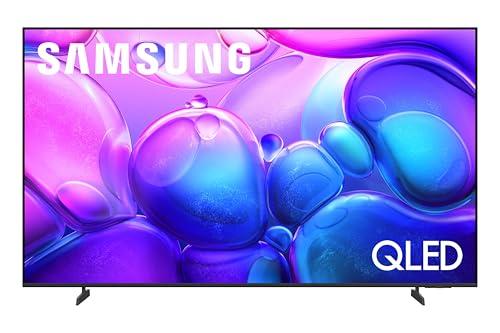
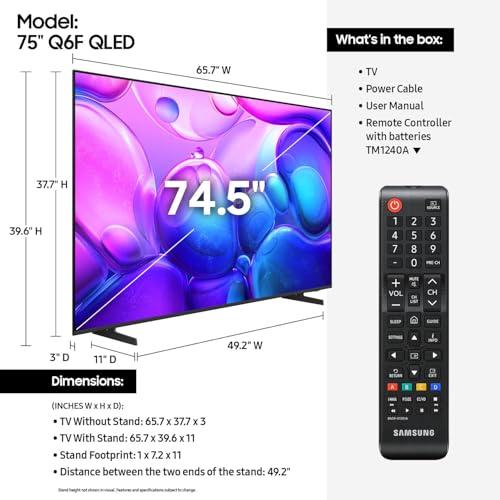
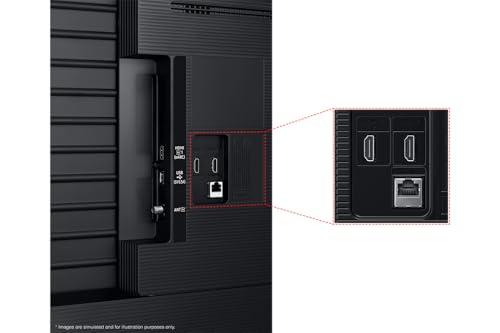
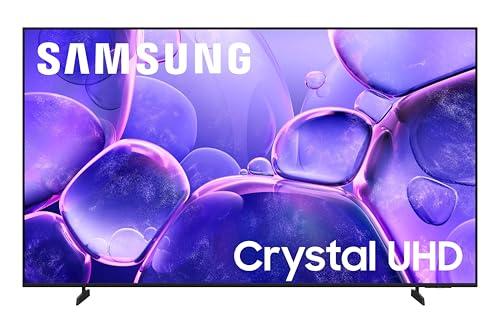
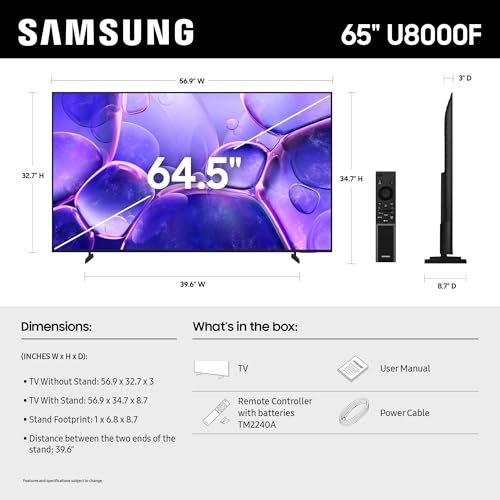
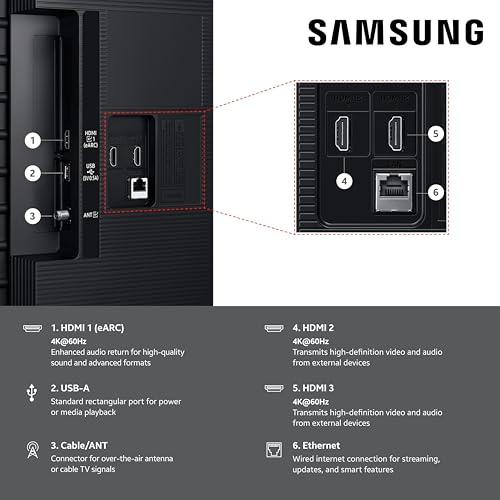
Shopping for a new TV in 2025 can feel overwhelming, especially when you're trying to balance picture quality against your budget. Samsung's two entry-level offerings—the 75-inch QLED Q6F and the 65-inch Crystal UHD U8000F—represent two very different approaches to affordable 4K entertainment. One prioritizes advanced display technology, while the other maximizes screen size for your dollar.
Both TVs launched in 2025 as Samsung's response to increased competition in the budget 4K market. The company redesigned their entry-level lineup to offer clearer distinctions between basic LED and quantum dot technology, making it easier for buyers to understand what they're getting at each price point.
The budget 4K TV market has evolved dramatically since 2020. What used to be a choice between "good enough" picture quality now includes genuinely impressive technology at accessible prices. The key considerations haven't changed much: you want sharp 4K resolution, decent smart TV features, and colors that don't look washed out. But the technology delivering these basics has improved significantly.
Today's entry-level TVs need to handle everything from Netflix streaming to gaming, often in bright living rooms with lots of windows. The most important performance characteristics are brightness (how well the TV performs in daylight), color accuracy (whether skin tones and natural scenes look realistic), contrast (the difference between dark and bright parts of the image), and motion handling (how smooth fast action appears).
Based on our research across professional reviews and thousands of user experiences, brightness and color performance matter most for daily satisfaction. A TV that looks dim or washed out in your living room will disappoint no matter how many smart features it offers.
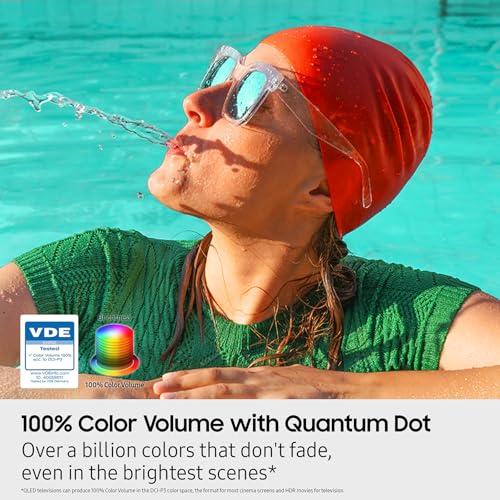
The core difference between the Samsung Q6F QLED and Crystal UHD U8000F lies in their display technology. The Q6F uses quantum dot technology—microscopic nanocrystals that sit between the LED backlight and LCD screen, processing light to produce more vibrant and accurate colors. Think of quantum dots as tiny color filters that can produce over a billion different shades with remarkable precision.
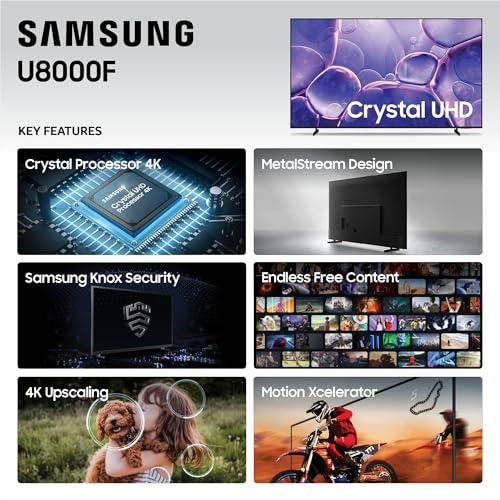
The U8000F, on the other hand, uses Samsung's Dynamic Crystal Color processing with standard LED backlighting. It's still capable of good picture quality, but it works within the natural limitations of LED technology without quantum dot enhancement.
This technological gap translates into real-world differences you'll notice immediately. The Q6F delivers what Samsung calls "100% color volume," meaning colors stay vibrant and accurate even in bright scenes. The U8000F produces pleasant, natural-looking colors but can't match the color range or brightness output of quantum dot technology.
Brightness might be the single most important factor for TV satisfaction, yet it's often overlooked. A TV that looks great in a dark showroom can appear dim and lifeless in a bright living room. The Q6F QLED produces significantly higher peak brightness thanks to its quantum dot layer and advanced processing.
This brightness advantage becomes crucial for HDR (High Dynamic Range) content. HDR is designed to show brighter whites and deeper blacks than standard video, but it only works if your TV can actually produce those brightness levels. The Q6F supports Quantum HDR and HDR10+, delivering noticeably better HDR impact than the U8000F's basic HDR support.
In practical terms, this means HDR movies on Netflix or Amazon Prime will have more dramatic sky scenes, brighter sunlight, and better detail in both dark shadows and bright highlights on the Q6F. The U8000F can display HDR content, but without sufficient brightness, it won't deliver the visual impact HDR content creators intended.
Color performance is where quantum dot technology truly shines. The Q6F can reproduce colors that simply aren't possible with standard LED backlighting. Reds appear richer, blues look deeper, and greens have more natural variation. This isn't just about flashy, oversaturated colors—it's about accuracy.
Professional reviews consistently highlight the Q6F's color accuracy out of the box. Skin tones look natural, nature documentaries display realistic foliage, and animated movies show the vibrant colors animators intended. The quantum dot layer allows the TV to hit color standards that typically require professional calibration on other displays.
The U8000F produces what most users describe as "natural" colors, which is actually quite good for an entry-level TV. However, it lacks the color range to display certain shades accurately, particularly in the red and green spectrum. This limitation becomes most apparent when watching premium content designed for wide color gamut displays.
Neither TV offers local dimming (the ability to individually control backlight zones for deeper blacks), but they handle contrast differently. The Q6F uses Mega Contrast technology combined with its quantum dot processing to create better separation between light and dark areas of the image.
The U8000F relies on contrast enhancer processing, which does help improve perceived depth, but it can't overcome the fundamental limitations of its LED backlight system. In dark movie scenes, you'll notice more of a "grayish" look instead of true black, and bright objects in dark scenes may cause some light bleeding.
For home theater use, the Q6F provides a more cinematic experience with better shadow detail and more dramatic contrast. The U8000F is perfectly adequate for casual viewing but won't satisfy viewers who prioritize movie watching in darker rooms.
Modern TVs need to handle fast-moving content smoothly, whether it's sports, action movies, or video games. Motion handling has become increasingly important as streaming services offer more high-quality sports content and gaming becomes more mainstream.
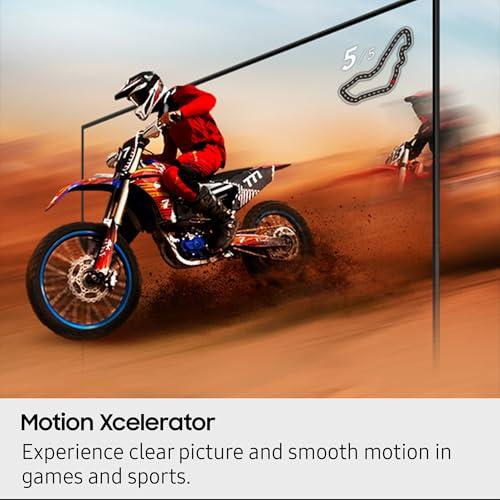
The Q6F QLED includes Motion Xcelerator technology, which predicts and estimates motion between frames to reduce blur and judder. In practice, this means smoother sports viewing and cleaner action sequences in movies. The processing isn't perfect—fast panning shots can still show some artifacts—but it's noticeably better than basic motion handling.
The U8000F struggles more with motion. Professional testing reveals slow response times that create noticeable blur during fast scenes. Sports viewers will find this particularly frustrating, as ball tracking becomes difficult and player movements appear smeared. Gaming performance suffers similarly, with moving objects leaving ghost trails.
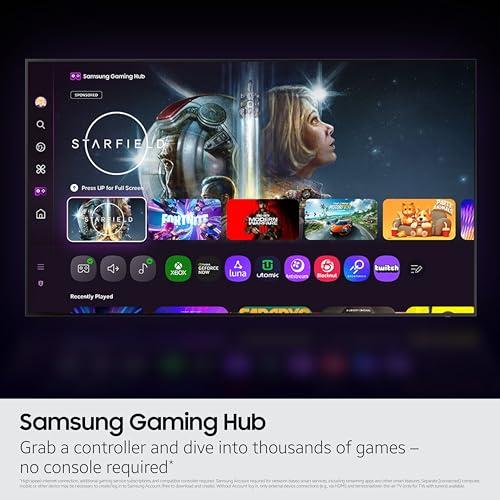
Both TVs support modern gaming features like Auto Low Latency Mode (which reduces input lag when gaming) and Variable Refresh Rate (which matches the TV's refresh rate to your game console's output). However, the Q6F's better motion processing makes it more suitable for competitive gaming or fast-paced titles.
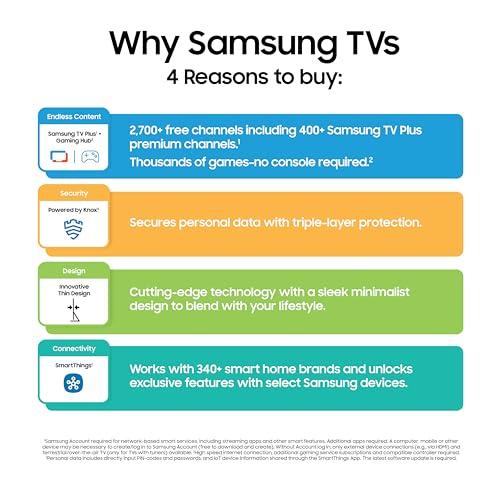
Both TVs run Samsung's Tizen smart platform, which remains one of the best smart TV interfaces available. The system is intuitive, responsive, and offers excellent app selection including all major streaming services. Samsung TV Plus provides hundreds of free streaming channels, which adds significant value at these price points.
Voice control works well through built-in Bixby, with support for Alexa and Google Assistant through external devices or smartphone apps. The interface feels modern and doesn't suffer from the laggy performance that plagued budget smart TVs just a few years ago.
One practical advantage both TVs share is Samsung's SmartThings integration, which allows the TV to act as a hub for smart home devices. This feature has become genuinely useful as more households adopt smart lighting, security systems, and other connected devices.
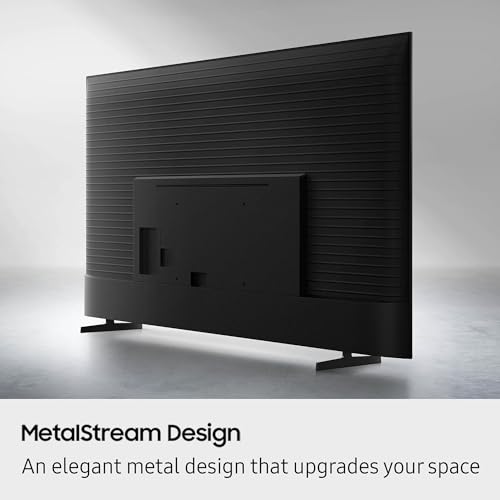
The design philosophy differs significantly between these models. The Q6F features Samsung's metal stream rear panel design, which uses a single metal sheet for the back cover. This isn't just aesthetic—it provides better structural rigidity and heat dissipation than plastic alternatives.
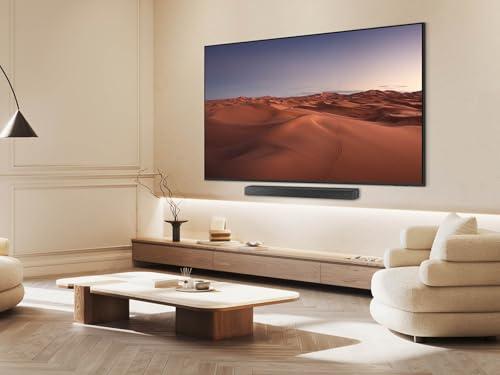
The U8000F prioritizes the AirSlim design, creating an ultra-thin profile that looks elegant on walls. The slim profile comes with trade-offs in build quality, but for wall mounting, it offers a cleaner appearance than thicker TVs.
Both TVs include adjustable stand options, though the Q6F offers more flexibility in positioning. The stands are sturdy enough for typical use, but neither TV feels particularly premium in build quality—which is expected at these price points.
At the time of writing, the price gap between these TVs reflects their technology differences. The Q6F QLED typically costs about 40-50% more than the U8000F, which represents a significant investment jump for budget-conscious buyers.
This price difference is justified by measurable performance improvements. The quantum dot technology isn't marketing fluff—it delivers genuine advantages in brightness, color accuracy, and HDR performance that you'll appreciate daily. However, the value equation depends heavily on your viewing habits and expectations.
For long-term ownership, the Q6F likely offers better value retention. Quantum dot technology ages well, and the superior brightness and color performance will remain advantageous as streaming services continue improving content quality. The U8000F provides excellent immediate value but may feel more dated as 4K content quality continues advancing.
If you're building a dedicated home theater setup, the choice becomes clearer. The Q6F QLED provides significantly better performance for movie watching, particularly in controlled lighting environments where its superior contrast and color accuracy shine.
The U8000F can work in a home theater context, but its limitations become more apparent during critical viewing. Poor black levels make dark movie scenes less immersive, and the limited color range means you won't see films as directors intended.
For casual family movie nights or general entertainment, both TVs perform adequately. But if movie quality matters to you, the technology gap favors the Q6F substantially.
The Q6F QLED makes sense for buyers who prioritize picture quality and plan to keep their TV for many years. If you watch a lot of movies, enjoy HDR content, or have a bright living room, the quantum dot technology provides genuine daily benefits. It's also the better choice for gaming enthusiasts who want smoother motion and better color accuracy.
The U8000F appeals to budget-focused buyers who want the largest possible screen size without breaking their budget. It delivers solid basic performance for streaming services, casual viewing, and general entertainment. The slim design also works well for buyers prioritizing aesthetics over absolute picture quality.
Based on extensive research of professional reviews and user feedback, the Q6F QLED provides better long-term satisfaction despite its higher price. The picture quality improvements are noticeable immediately and become more valuable as you watch higher-quality content over time.
However, the U8000F shouldn't be dismissed. It offers remarkable value for buyers with strict budget constraints, delivering competent 4K performance and excellent smart features at an entry-level price point.
The decision ultimately comes down to whether picture quality improvements justify the price premium for your specific situation. If you're planning to keep the TV for many years, watch content in bright rooms, or prioritize movie watching, the Q6F QLED represents better value. If you need to maximize screen size within a tight budget and primarily use streaming services for casual viewing, the U8000F offers excellent bang for your buck.
Both TVs represent solid choices within their respective market segments. Your choice should align with your viewing habits, budget constraints, and long-term expectations rather than following a one-size-fits-all recommendation.
| Samsung 75-Inch QLED Q6F Series 2025 | Samsung 65-Inch Crystal UHD U8000F 2025 |
|---|---|
| Display Technology - Core difference affecting color and brightness performance | |
| Quantum Dot (QLED) with 100% color volume | Standard LED with Dynamic Crystal Color |
| Screen Size - Affects viewing experience and room placement | |
| 75 inches (ideal for large rooms, 8-12 feet viewing) | 65 inches (suitable for most living rooms, 6-10 feet viewing) |
| Processor - Determines upscaling quality and smart features performance | |
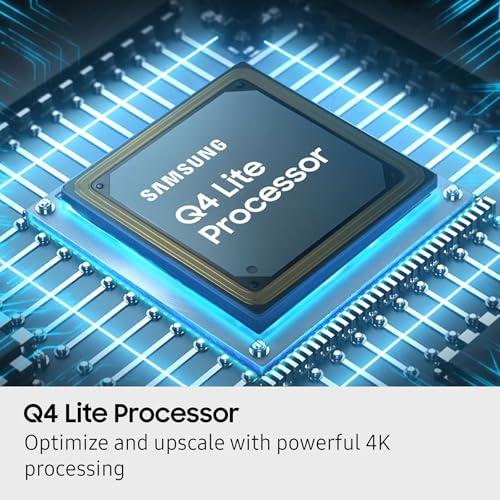
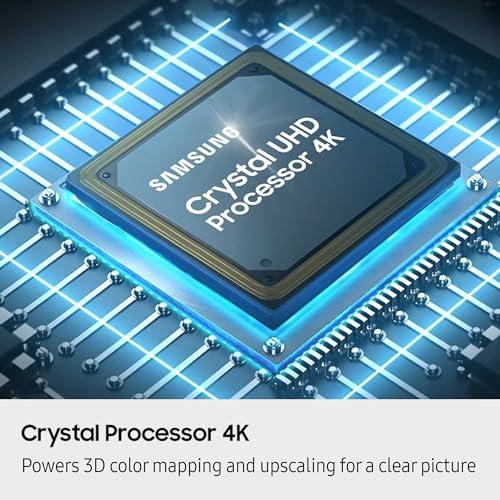
| Q4 Lite Processor (advanced color optimization) | Crystal Processor 4K (basic upscaling and processing) |
| HDR Support - Critical for streaming service picture quality | |
| Quantum HDR, HDR10+, HDR10, HLG (superior brightness for HDR impact) | HDR10, HLG (basic HDR without brightness to deliver full effect) |
| Motion Handling - Important for sports and gaming | |
| Motion Xcelerator (reduces blur in fast scenes) | 60Hz basic motion (poor response time, noticeable blur) |
| Brightness Performance - Most important for bright room viewing | |
| Higher peak brightness suitable for daylight viewing | Low peak brightness, struggles in bright rooms |
| Gaming Features - Matters for console and PC gaming | |
| Gaming Hub, Auto Game Mode, VRR support | Basic Game Mode with limited optimizations |
| Audio Output - Affects whether you need a soundbar | |
| 20W with Object Tracking Sound Lite and Q-Symphony | 20W with OTS Lite (similar audio capabilities) |
| Design and Build Quality - Affects durability and aesthetics | |
| Metal stream rear panel, adjustable stand options | AirSlim ultra-thin profile, basic plastic construction |
| Smart Platform - Both identical for streaming and apps | |
| Tizen OS with Samsung TV Plus, voice control, SmartThings | Tizen OS with Samsung TV Plus, voice control, SmartThings |
| Best For - Target user scenarios | |
| Quality-focused viewers, bright rooms, home theater setups | Budget-conscious buyers prioritizing large screen size |
The key difference is display technology. The Samsung QLED Q6F uses quantum dot technology to produce brighter, more vibrant colors with 100% color volume, while the Samsung Crystal UHD U8000F uses standard LED backlighting with basic color processing. This translates to noticeably better picture quality, especially in bright rooms and HDR content.
The Samsung QLED Q6F is significantly better for bright rooms due to its higher peak brightness and quantum dot technology. The Crystal UHD U8000F struggles in daylight conditions and can appear washed out, making it better suited for darker viewing environments.
Yes, if picture quality matters to you. The QLED Q6F delivers measurably better brightness, color accuracy, and HDR performance that you'll notice daily. However, the Crystal UHD U8000F offers excellent value for casual viewers who prioritize screen size over premium picture features.
The Samsung QLED Q6F is better for gaming due to its Gaming Hub, superior motion handling, and VRR support. The Crystal UHD U8000F has poor motion performance with slow response times that cause noticeable blur during fast-paced games.
Yes, both the Samsung Q6F and U8000F run identical Tizen smart platforms with Samsung TV Plus, voice control, and SmartThings integration. The smart TV experience is essentially the same on both models.
The Samsung QLED Q6F is substantially better for home theater use. Its superior contrast, color accuracy, and HDR performance create a more cinematic experience. The Crystal UHD U8000F works for casual movie watching but lacks the picture quality for dedicated home theater setups.
The 75-inch Q6F is ideal for large rooms with 8-12 feet viewing distance, while the 65-inch U8000F suits most living rooms with 6-10 feet viewing distance. The size difference is significant and affects the immersive viewing experience.
The Samsung QLED Q6F handles HDR much better with Quantum HDR and HDR10+ support, plus the brightness needed for impactful HDR. The Crystal UHD U8000F supports basic HDR but lacks sufficient brightness to deliver the visual improvements HDR content offers.
The Samsung QLED Q6F offers better long-term value despite higher upfront cost. Its quantum dot technology ages well and will remain relevant as streaming content quality improves. The U8000F provides immediate budget value but may feel outdated sooner.
Yes, but differently. The Crystal UHD U8000F has an ultra-thin AirSlim design that looks elegant on walls, while the QLED Q6F has a thicker profile but better build quality with its metal construction.
Choose the Samsung QLED Q6F if you have a bright family room, watch movies regularly, or want the best picture quality for years to come. Pick the Crystal UHD U8000F if you need to maximize screen size within a tight budget and primarily use streaming services for casual viewing.
We've done our best to create useful and informative comparisons to help you decide what product to buy. Our research uses advanced automated methods to create this comparison and perfection is not possible - please contact us for corrections or questions. These are the sites we've researched in the creation of this article: youtube.com - rtings.com - cnet.com - youtube.com - rtings.com - samsung.com - bestbuy.com - samsung.com - samsung.com - bestbuy.com - manuals.plus - arrowassociatedstores.com - samsung.com - samsung.com - samsung.com - flatpanelshd.com - device.report - bestbuy.com - youtube.com - youtube.com - rtings.com - youtube.com - samsung.com - hometechnologyreview.com - samsung.com - displayspecifications.com - samsung.com - displayspecifications.com - walmart.com - billsmith.com - dentonstv.com - samsung.com - samsung.com - samsung.com - youtube.com - bestbuy.com - bestbuy.com - youtube.com - samsung.com - donstv.com

Privacy Policy
Terms and Conditions - Affiliate Policy
Home Security
© Copyright 2008-2026.
11816 Inwood Rd #1211, Dallas, TX 75244