

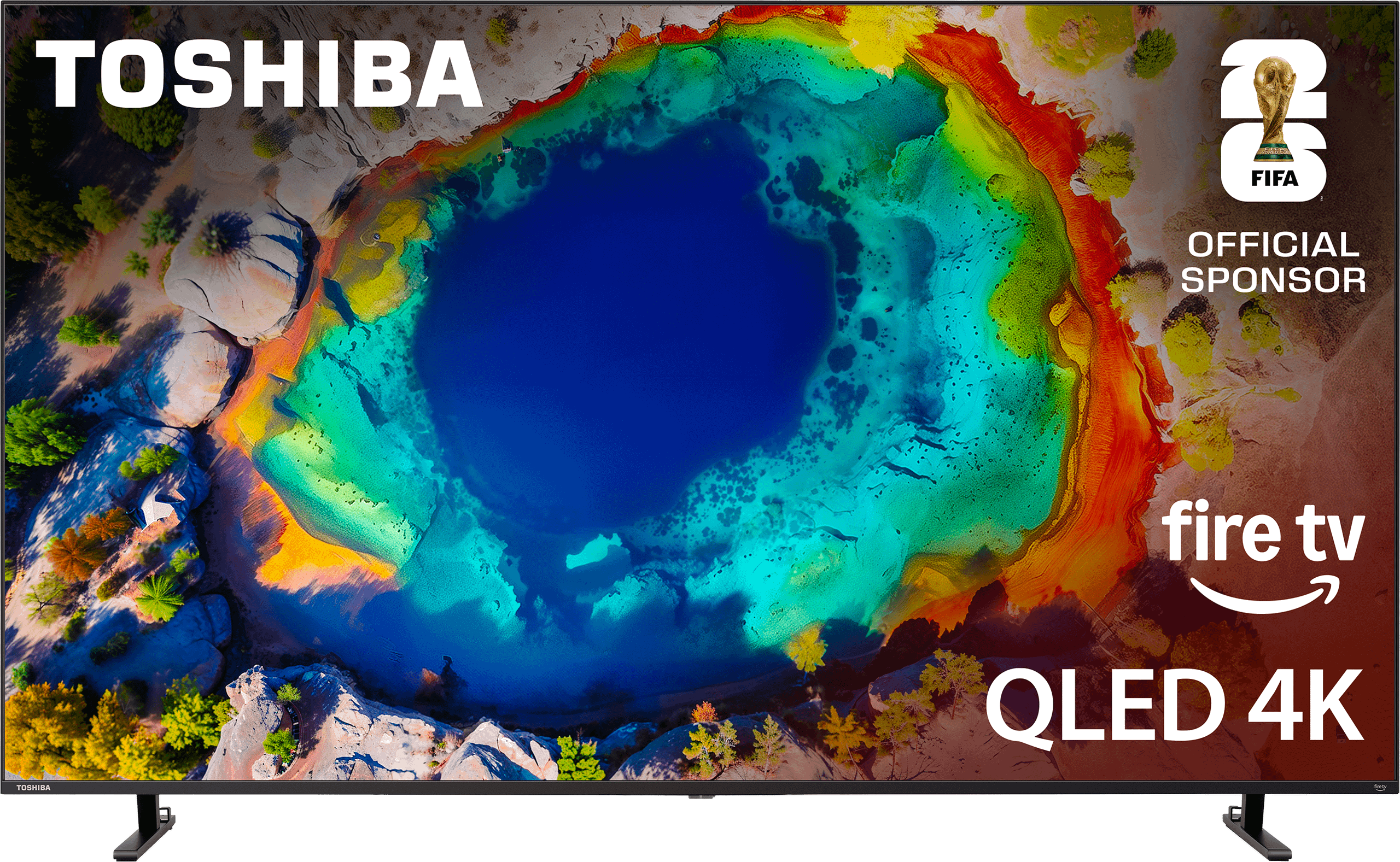
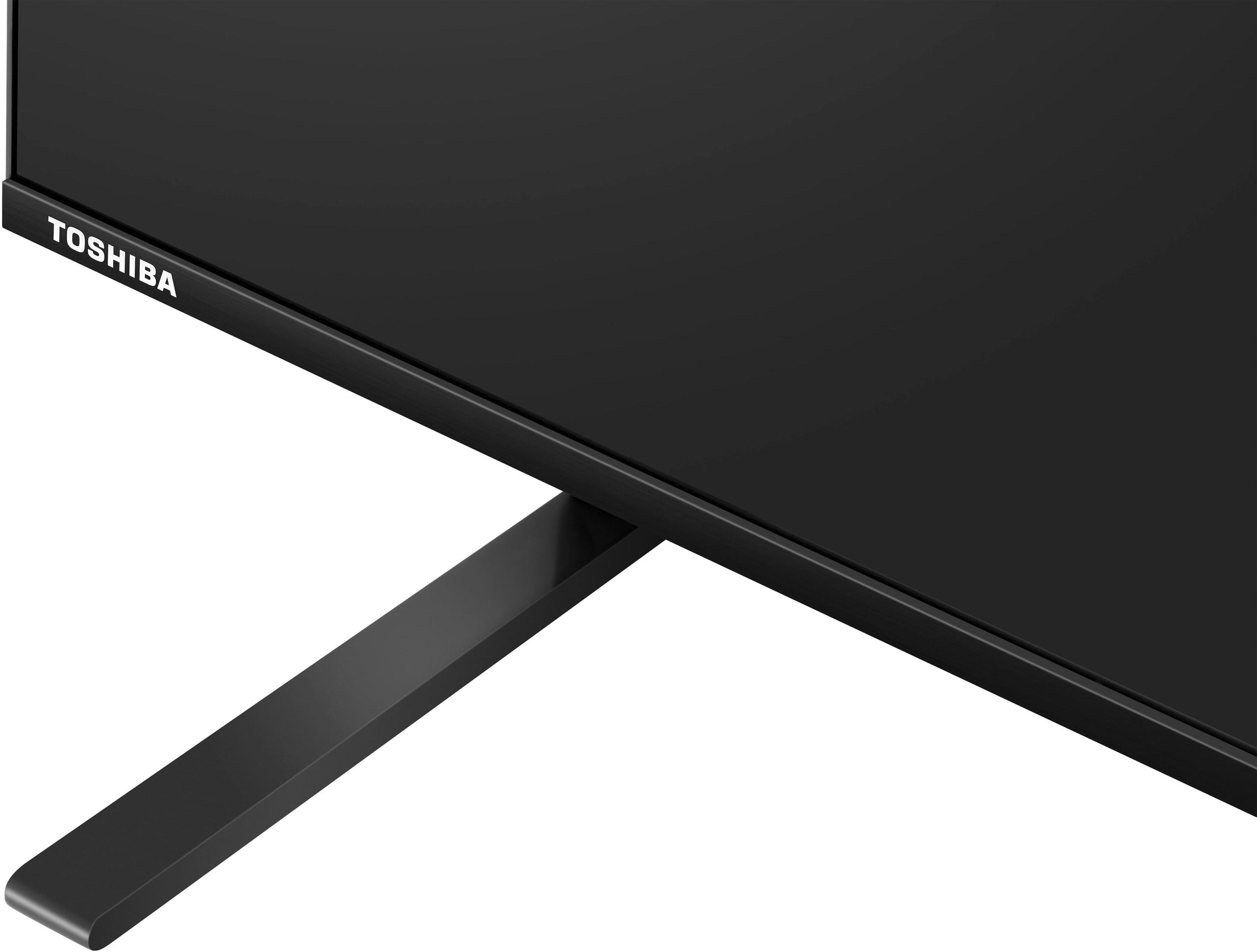
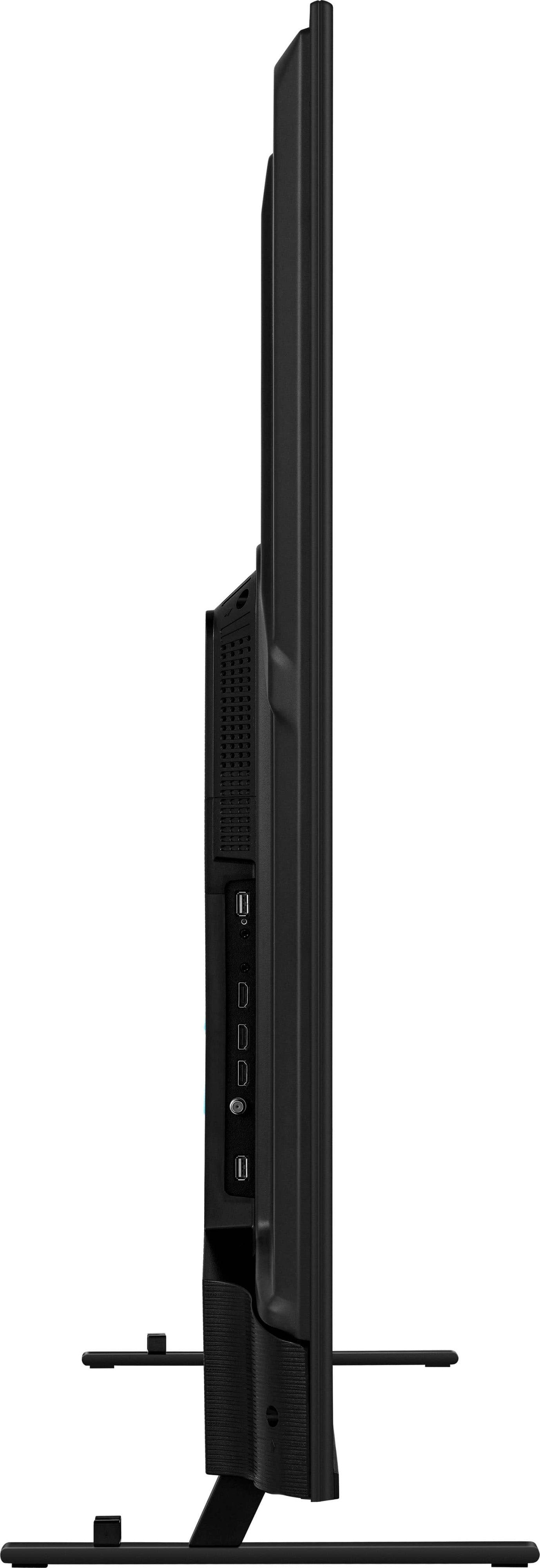
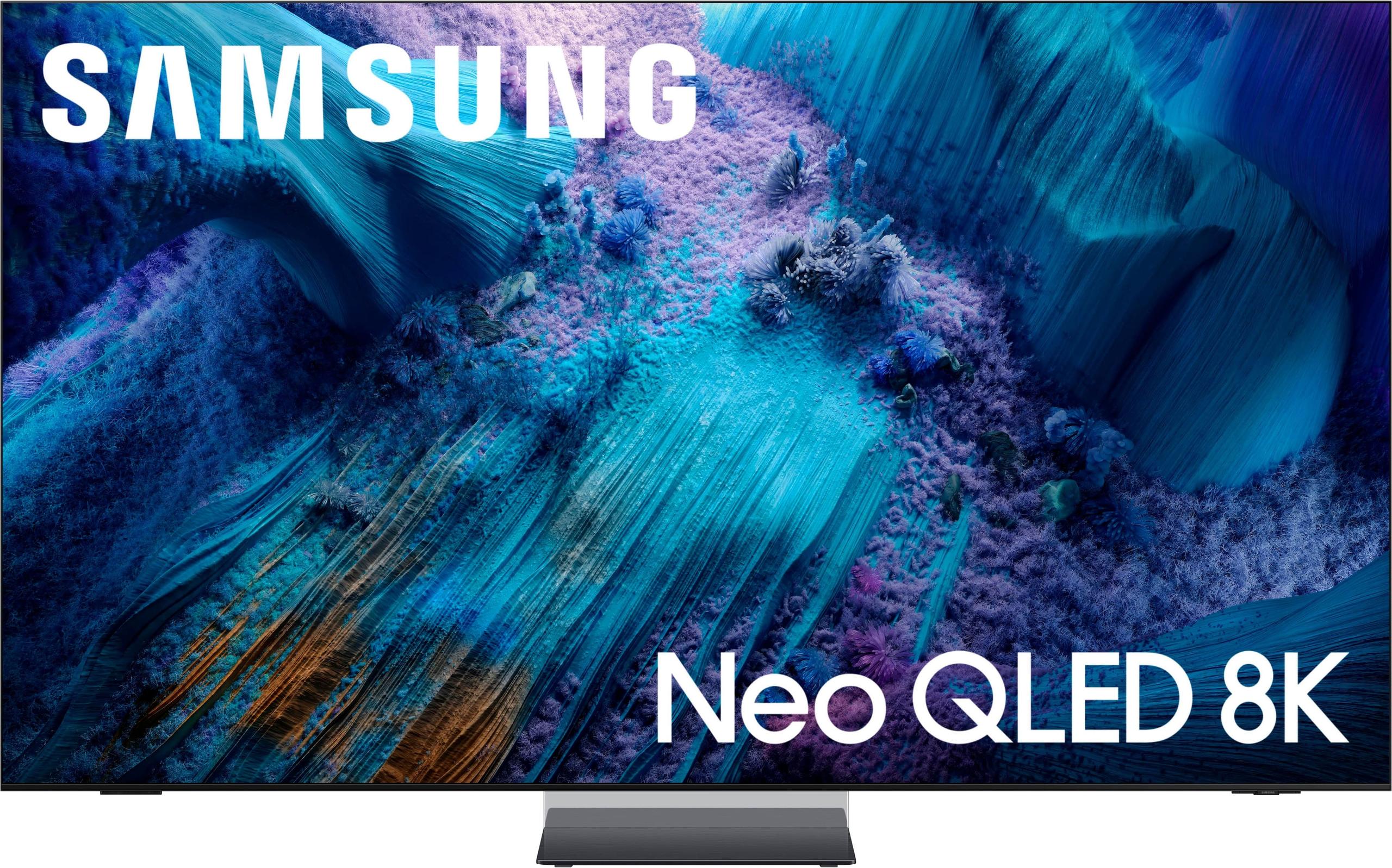
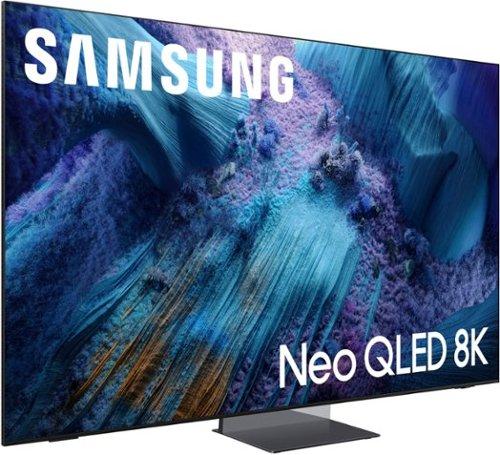
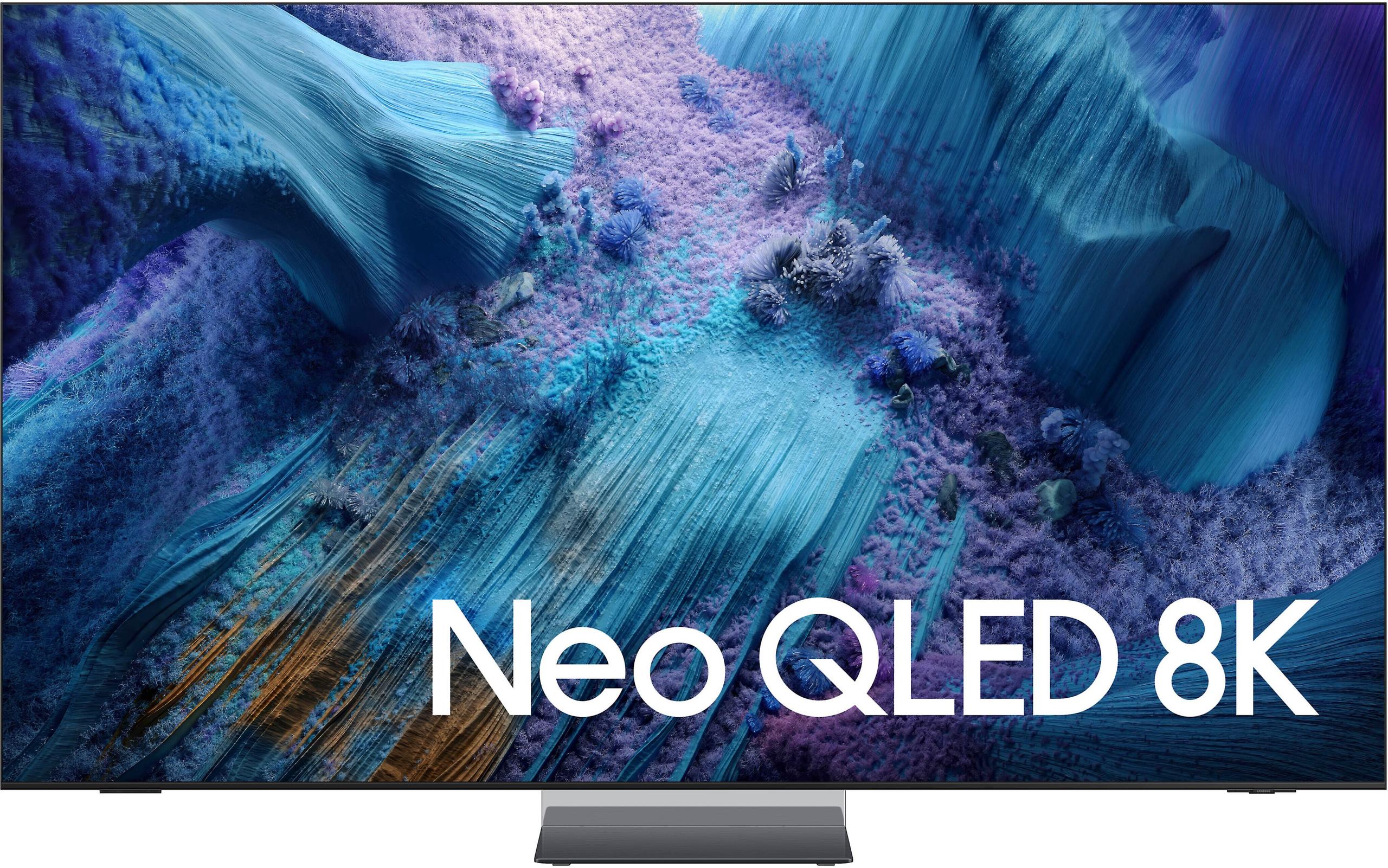
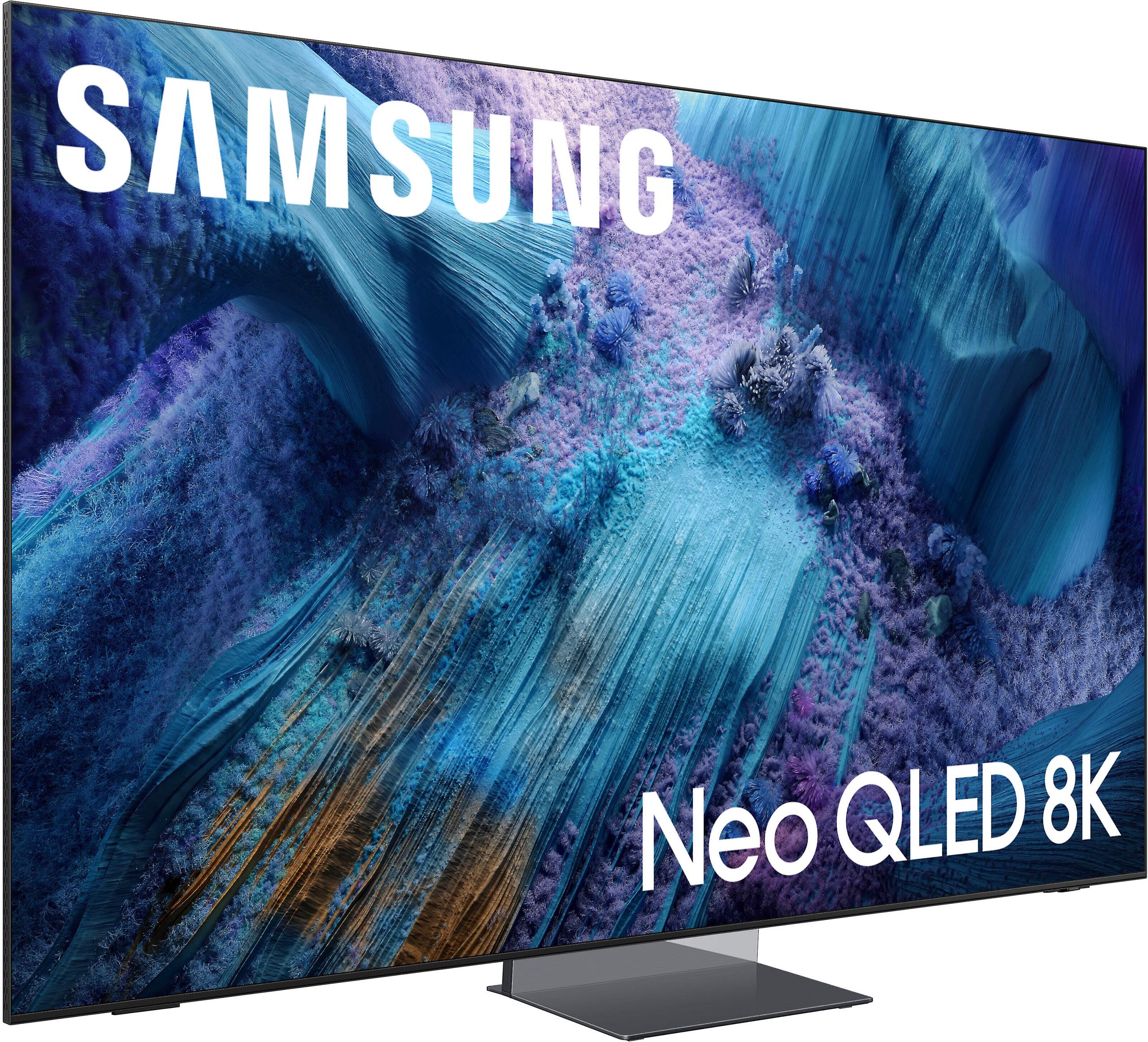
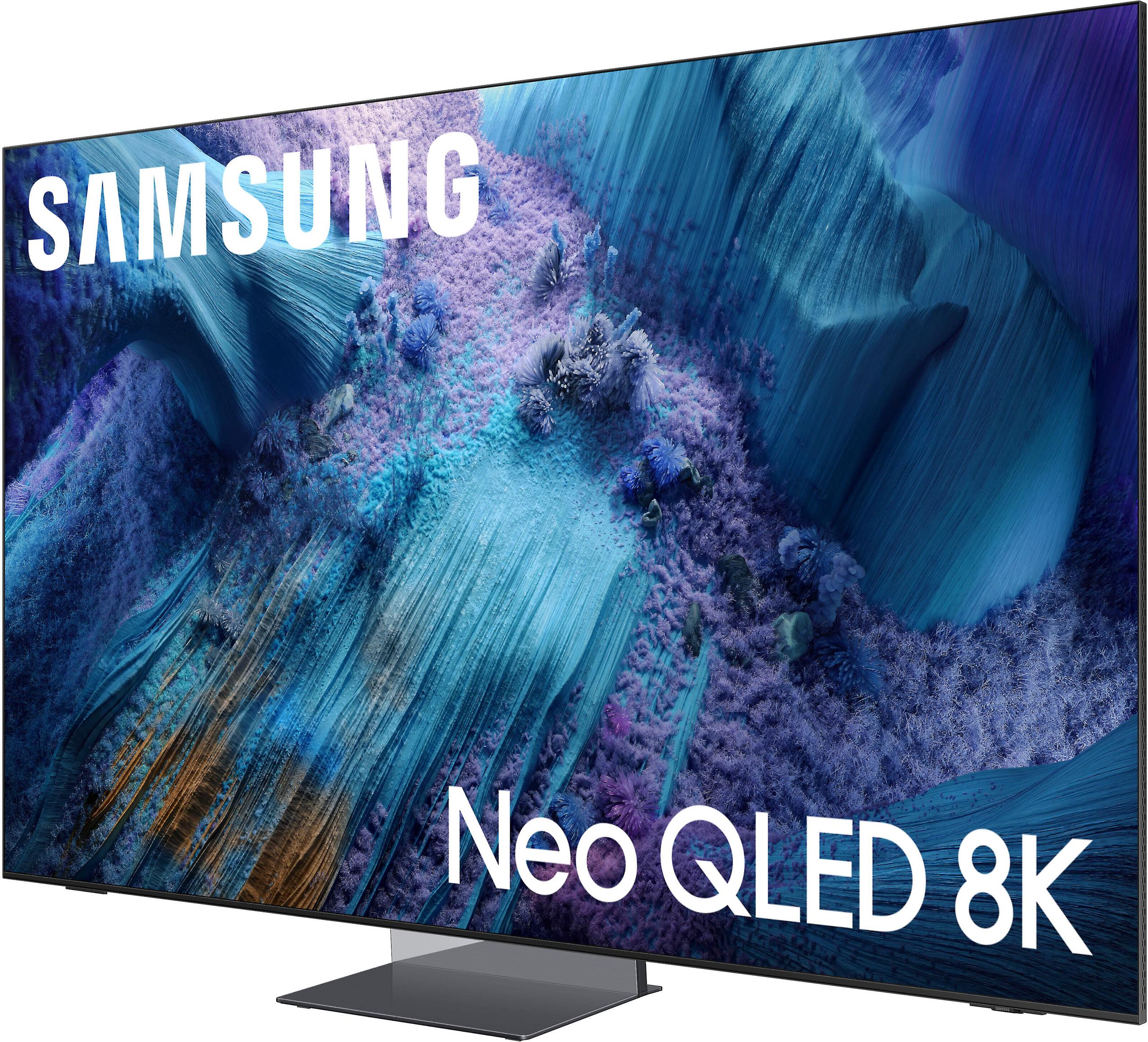
When you're shopping for a 65-inch TV in 2025, you're essentially choosing between two very different philosophies: exceptional value or cutting-edge performance. The Toshiba 65" M550 Series QLED Fire TV represents the budget-friendly approach, while the Samsung 65" Neo QLED QN990F 8K Smart TV embodies premium technology at a flagship price point.
At the time of writing, these TVs sit at opposite ends of the price spectrum – the Toshiba M550 typically sells for under $1,000, while the Samsung QN990F commands over $5,000. That's not just a price difference; it's a technology generation gap that affects everything from picture quality to long-term reliability.
Before diving into specifics, it's worth understanding what makes modern TVs tick. Both displays use QLED technology, which stands for Quantum Dot Light Emitting Diode. Think of quantum dots as tiny crystals that can produce incredibly pure colors when hit with light. This technology sits between traditional LED TVs and the premium OLED displays, offering better color reproduction than basic LED while remaining more affordable than OLED.
The key difference lies in implementation. The Toshiba M550, released in 2025, uses standard QLED with Full Array Local Dimming – essentially a grid of LED zones behind the screen that can brighten or dim independently. The Samsung QN990F, also from 2025, employs Mini-LED technology, which uses thousands of much smaller LEDs for far more precise control over brightness and contrast.
The most obvious spec difference is resolution. The Toshiba M550 delivers 4K (3840x2160 pixels), while the Samsung QN990F pushes 8K (7680x4320 pixels) – that's four times the pixel count. But here's the thing about 8K in 2025: there's still virtually no native 8K content available for consumers. Netflix, Disney+, and other streaming services max out at 4K, and even that requires a premium subscription and excellent internet speeds.
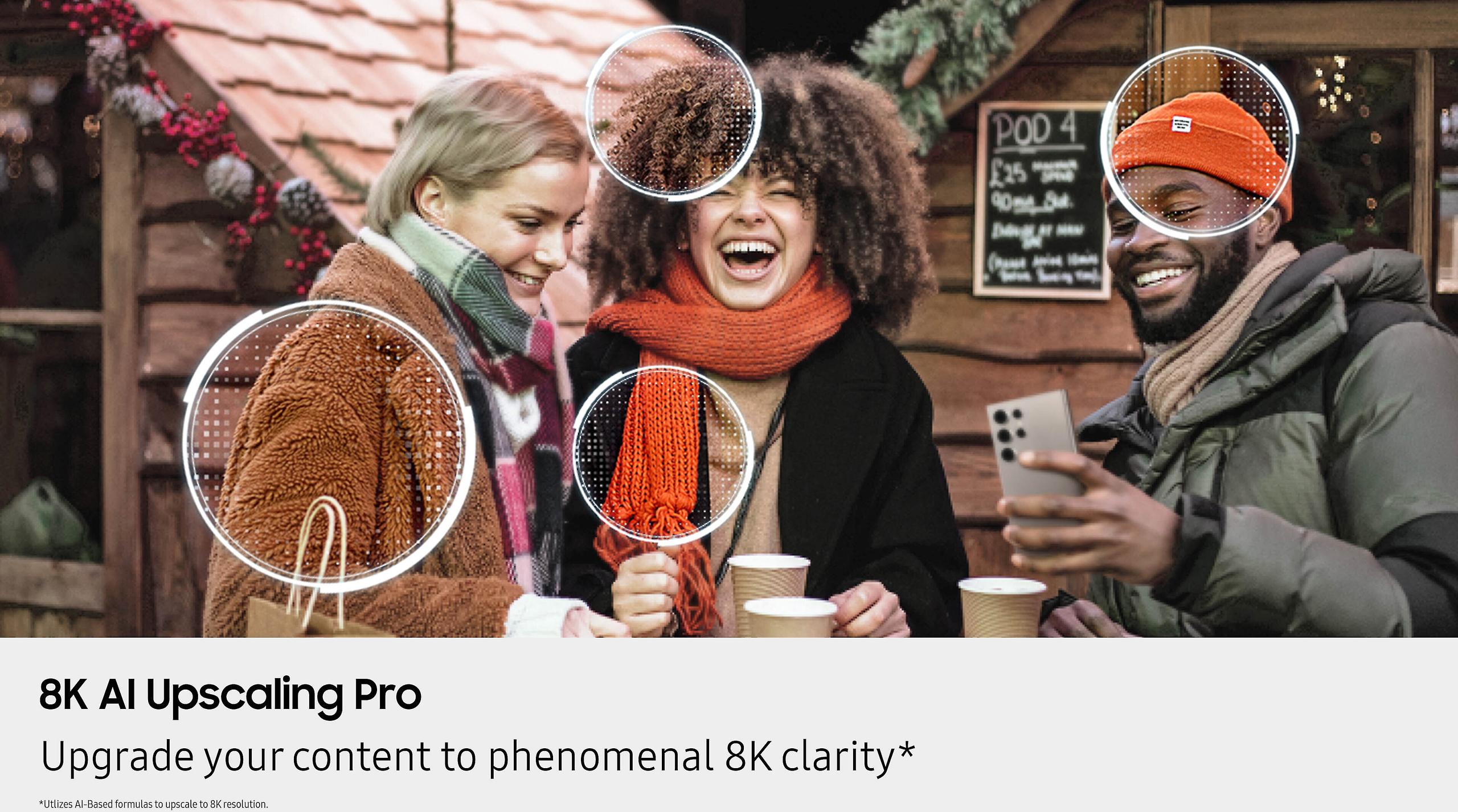
What matters more is upscaling – how well each TV can take lower-resolution content and make it look sharp on a large screen. The Samsung QN990F uses 768 neural networks (essentially AI processing units) to analyze each frame and intelligently fill in missing detail. The Toshiba M550 includes an AI upscaler too, but with significantly less processing power behind it.
From our research into professional reviews and user feedback, the difference is noticeable but perhaps not $4,000+ noticeable for most viewers. The Samsung QN990F definitely produces sharper images, especially with HD content from cable or older streaming shows. But the Toshiba M550 does a respectable job making 4K Netflix content look crisp and detailed.
This is where the technology gap becomes most apparent. The Samsung QN990F's Mini-LED system can control thousands of individual LED zones, creating incredibly precise contrast. When you're watching a movie with a night scene, those deep blacks stay truly black while stars or streetlights pop with brilliant brightness.
The Toshiba M550 uses up to 48 local dimming zones – decent for its price range, but nowhere near the precision of Mini-LED. Professional reviews consistently note that while the Toshiba produces good contrast for a budget TV, black levels remain merely "OK" rather than impressive. You might notice some blooming (unwanted light bleeding around bright objects in dark scenes) that the Samsung largely eliminates.
For home theater enthusiasts who love watching movies in dark rooms, this difference is significant. The Samsung QN990F delivers that cinema-quality contrast that makes you forget you're watching a TV screen.
Both TVs cover over 90% of the DCI-P3 color space (the standard for digital cinema), which means they can display the vibrant colors that filmmakers intended. The quantum dot technology in both displays produces colors that pop without looking oversaturated or artificial.
However, the Samsung QN990F's more advanced processing and calibration result in colors that are not just vibrant but accurate. Professional reviews note that flesh tones look natural, and colors remain consistent across different viewing angles. The Toshiba M550 produces impressive colors for its price point, though not quite at reference-monitor levels.
Gaming has become a crucial TV consideration, especially with PlayStation 5 and Xbox Series X pushing 4K visuals at high frame rates. Here, the performance gap widens considerably.
The Samsung QN990F supports up to 240Hz refresh rate at 4K resolution, which is overkill for current consoles but perfect for high-end PC gaming. It includes Variable Refresh Rate (VRR), Auto Low Latency Mode (ALLM), and sophisticated motion processing that eliminates stuttering and tearing.
The Toshiba M550 offers 120Hz native refresh rate and supports VRR up to 60Hz. While this covers current console gaming needs, our research reveals concerning limitations. Professional reviews note significant input lag and processing delays – sometimes taking 10 seconds just to respond to settings changes. For competitive gaming, these delays are deal-breakers.
More problematic are reports of motion handling issues during fast-paced content. One detailed professional review specifically noted that action scenes suffer from low frame rate jerking and phantom images around moving objects. If gaming is important to you, the Toshiba M550's processing limitations make it difficult to recommend despite its attractive price.
This category reveals perhaps the most frustrating difference between these TVs. The Toshiba M550 runs Amazon's Fire TV platform, which offers excellent app selection and Alexa integration. The interface itself is well-designed and user-friendly.
The problem lies in execution. Professional reviews and user reports consistently highlight severe performance issues with the Toshiba M550's processor. Apps frequently take 30-60 seconds to load from sleep state. The TV can take a full minute to respond after clicking "continue watching" on Netflix. Settings menus lag by 10+ seconds, and the system freezes regularly, sometimes exiting apps unexpectedly.
These aren't minor annoyances – they fundamentally impact daily usability. When you just want to quickly check the weather or switch between streaming services, waiting a minute for responses becomes genuinely frustrating.
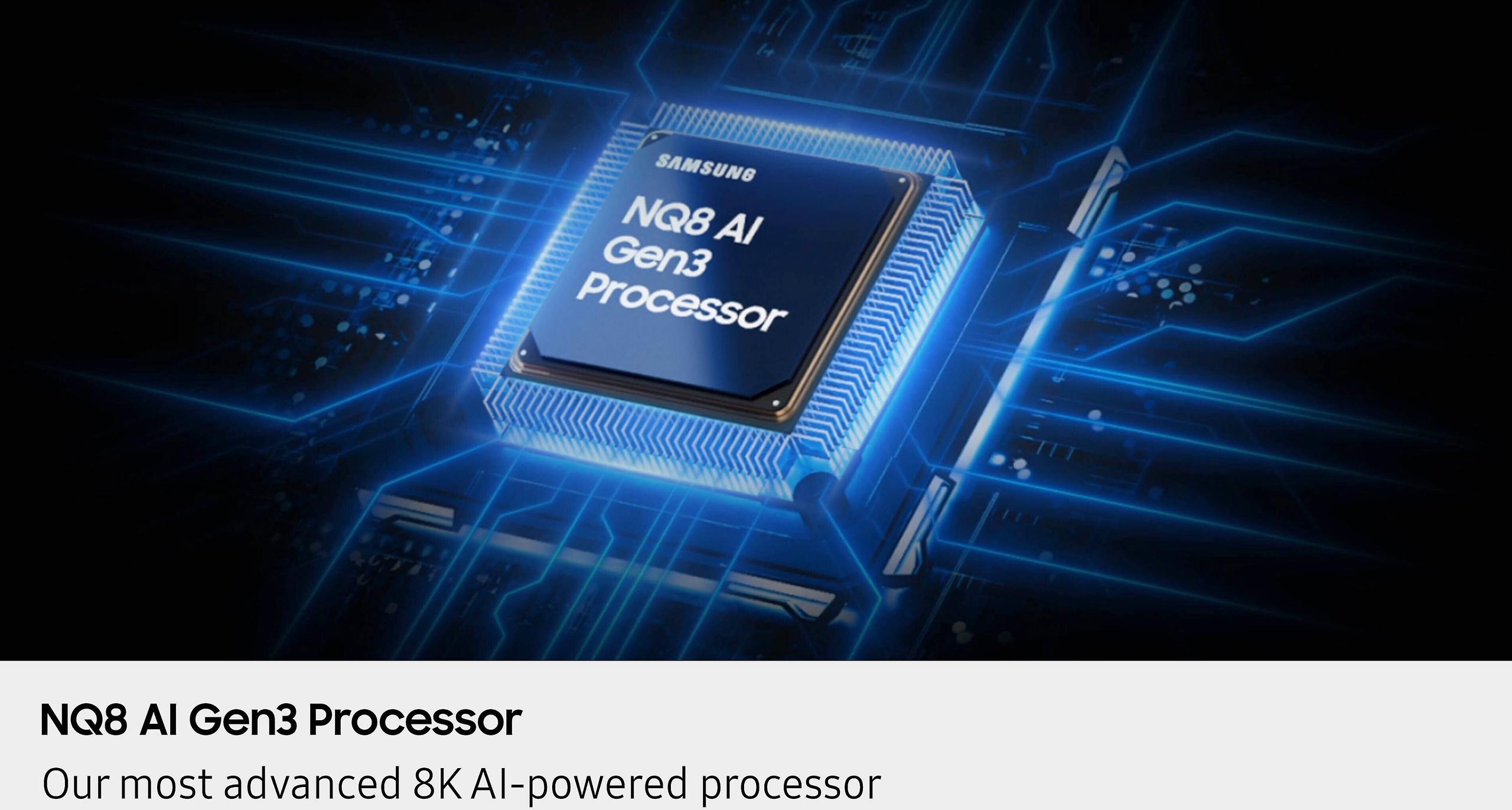
The Samsung QN990F runs Samsung's Tizen operating system with the advanced NQ8 AI Gen3 processor. Our research indicates smooth, responsive performance across all smart TV functions. The Samsung Vision AI automatically optimizes picture and sound settings based on content type and viewing environment.
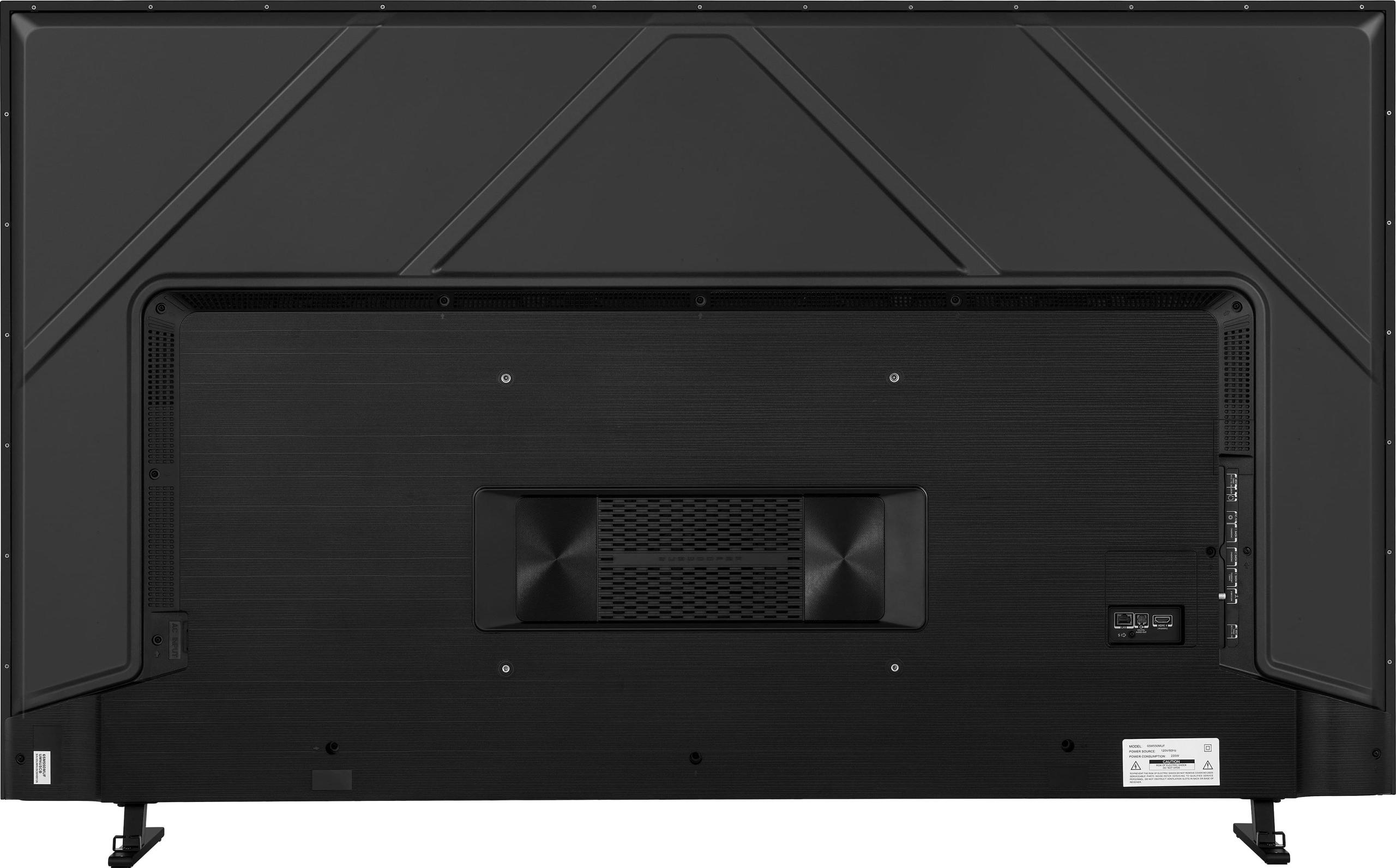
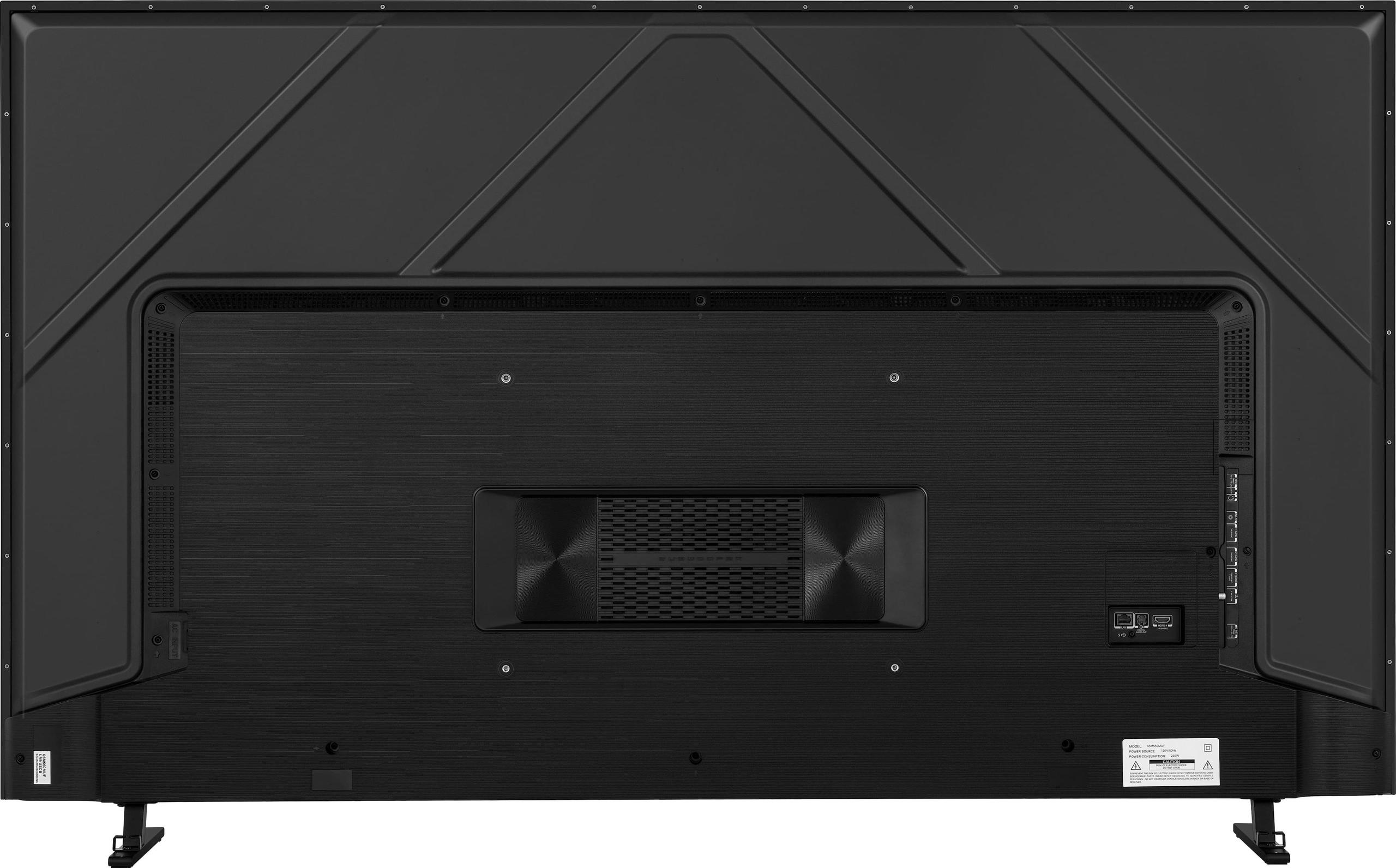
TV audio rarely impresses audiophiles, but both displays make respectable efforts. The Toshiba M550 includes a 40-watt, 2.1-channel system with a built-in subwoofer and Dolby Atmos support. User reviews consistently note that it's surprisingly good for a budget TV – many mention avoiding soundbar purchases thanks to adequate bass response.
The Samsung QN990F features Object Tracking Sound Pro, which uses multiple speakers to move audio effects across the room as objects move on screen. Combined with dedicated top-channel speakers and AI-powered processing, it creates a genuinely immersive audio experience that rivals mid-range soundbars.
Neither TV will satisfy serious audiophiles, but the Samsung's audio system adds genuine value to the viewing experience, especially for action movies and gaming.
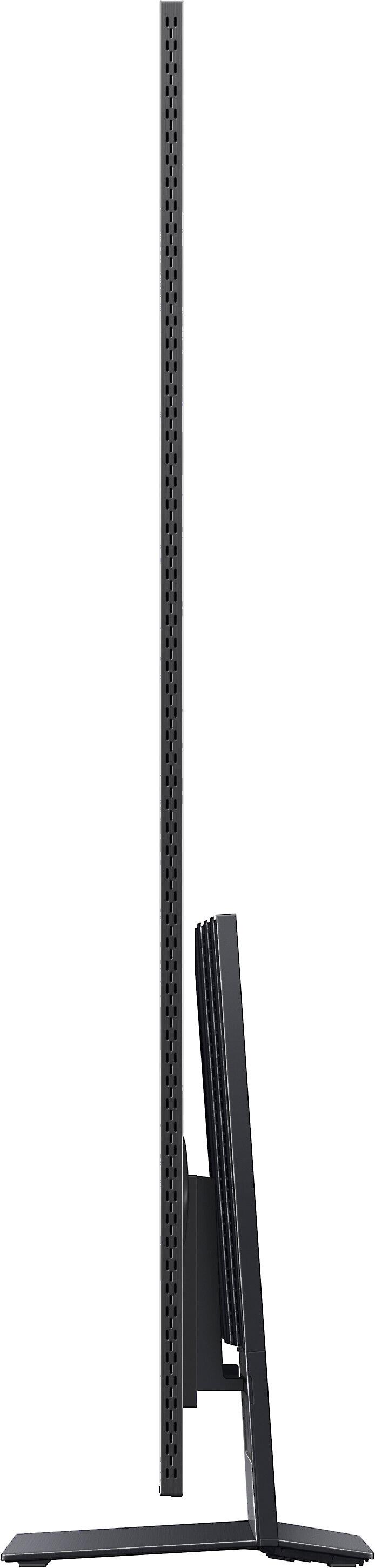
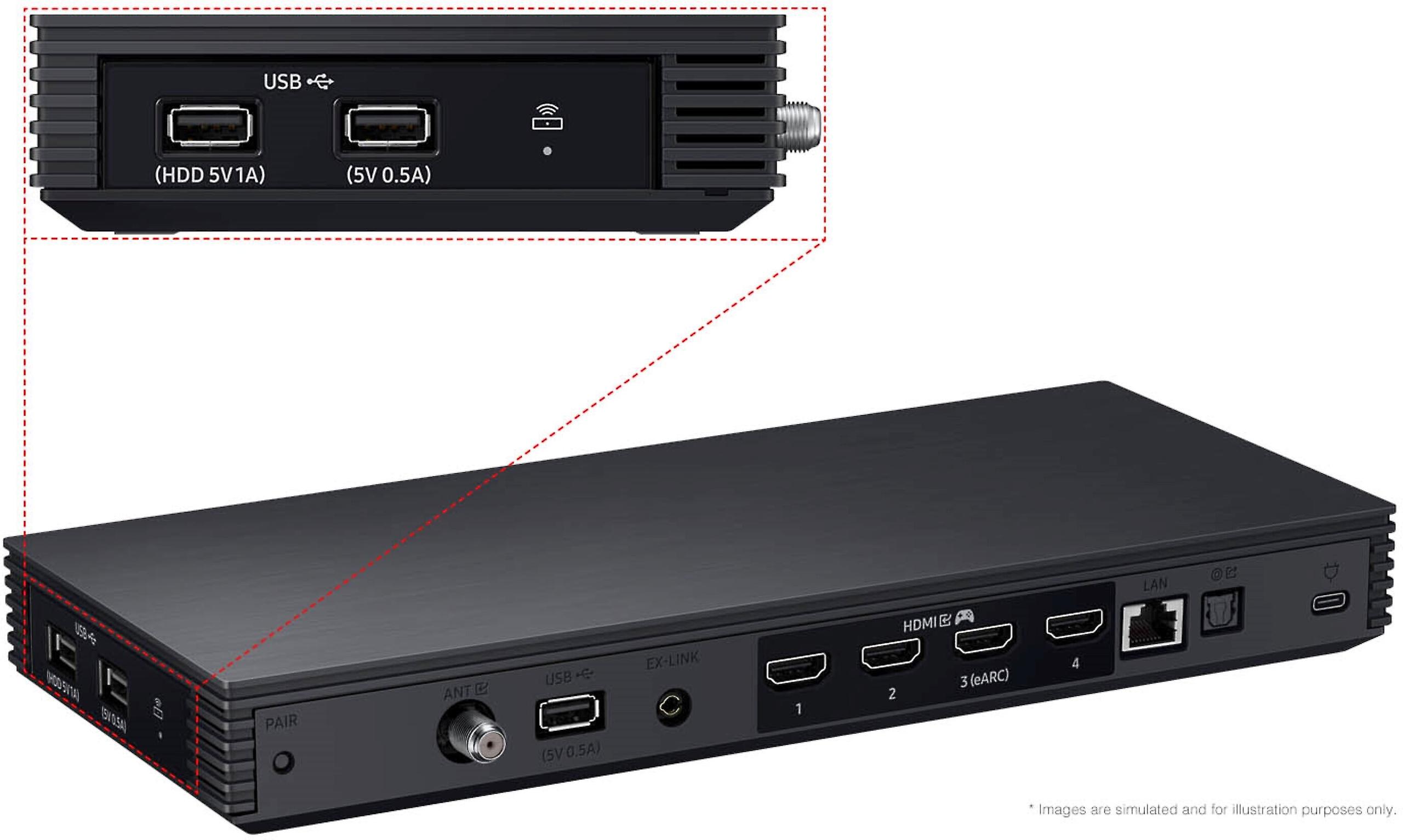
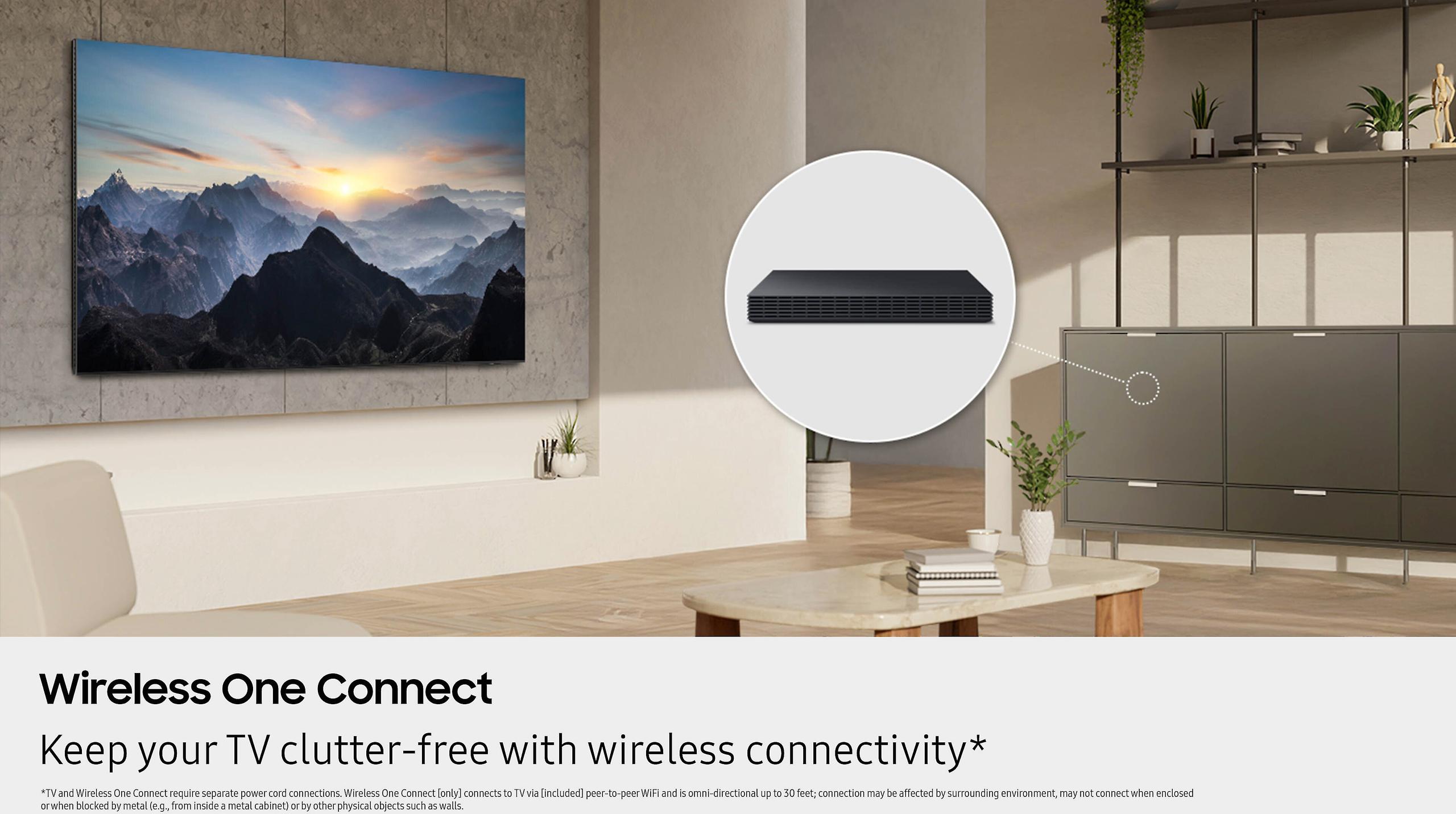
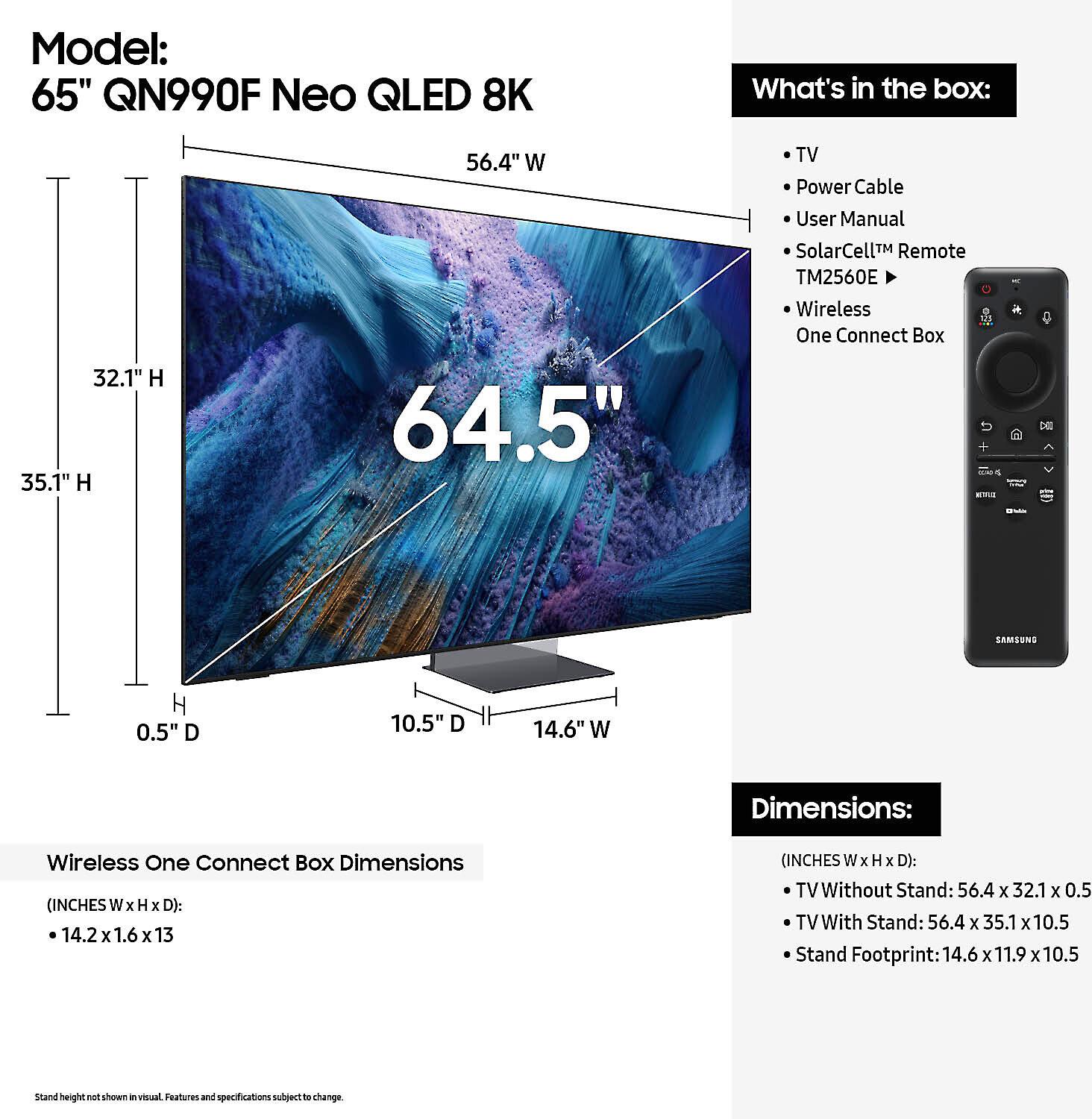
This category highlights why premium TVs command higher prices. The Samsung QN990F features a nearly edgeless design with premium metal construction and innovative Wireless One Connect technology that eliminates cable clutter by connecting devices wirelessly from up to 30 feet away.
The Toshiba M550 offers decent build quality with metal backing and slim bezels, but user reports raise reliability concerns. Multiple reviews mention screen flashing, blue screen problems requiring hard resets, and audio dropouts. Some users report the TV randomly returning to home screen during viewing or refusing to play content on certain apps.
While not every unit experiences these issues, the pattern of reports suggests quality control inconsistencies that you wouldn't expect from premium manufacturers.
At the time of writing, the price difference between these TVs is substantial – often 5-10x more for the Samsung QN990F. This raises the fundamental question: what constitutes good value?
The Toshiba M550 delivers genuine 4K QLED performance with local dimming and comprehensive smart features for under $1,000. That's remarkable value if you can tolerate the performance limitations and reliability concerns. For casual viewing – streaming shows, watching cable TV, occasional movie nights – it provides a big-screen experience that was unimaginable at this price point just a few years ago.
The Samsung QN990F represents the cutting edge of TV technology, with 8K resolution, Mini-LED precision, and processing power that ensures smooth operation for years to come. If you're building a serious home theater, love gaming, or simply want the best available technology, the premium pricing reflects genuine technological advancement.
The Toshiba M550 makes sense if:
The Samsung QN990F is worth considering if:
Consider mid-range alternatives if:
These TVs serve fundamentally different audiences. The Toshiba M550 proves that impressive display technology has become democratized – you can get genuine 4K QLED performance for less than many people spend on a smartphone. However, the processing limitations and reliability concerns mean you're trading convenience and consistency for affordability.
The Samsung QN990F represents what happens when engineering constraints are removed and premium materials meet cutting-edge technology. It's genuinely excellent at everything it does, but that excellence comes with flagship pricing.
For most buyers, the sweet spot probably lies between these extremes. But if you're committed to either maximum value or maximum performance, both TVs deliver on their respective promises – just be prepared for the trade-offs that come with each approach.
The TV market in 2025 offers something for everyone, from budget-conscious families to home theater enthusiasts. Understanding these trade-offs ensures you'll choose the TV that best fits both your needs and expectations.
| Toshiba 65" M550 Series QLED Fire TV | Samsung 65" Neo QLED QN990F 8K Smart TV 2025 |
|---|---|
| Display Resolution - Higher resolution means sharper details, but 8K content is still limited | |
| 4K UHD (3840 x 2160) with AI upscaling | 8K (7680 x 4320) with 768 neural network AI upscaling |
| Backlight Technology - Controls contrast and black levels for better picture quality | |
| Full Array Local Dimming (48 zones) | Quantum Matrix Mini-LED (thousands of zones) |
| Refresh Rate - Critical for smooth gaming and fast-paced content | |
| 120Hz native, supports 120Hz at 1440p | Up to 240Hz at 4K with Motion Xcelerator technology |
| Smart Platform - Affects daily usability and app performance | |
| Fire TV OS with Alexa (reports of significant lag issues) | Tizen OS with Samsung Vision AI (smooth performance) |
| Gaming Features - Important for console and PC gaming performance | |
| VRR up to 60Hz, ALLM, significant input lag reported | VRR, ALLM, 4K 240Hz support, low input lag |
| Processor Power - Determines smart TV responsiveness and overall performance | |
| Underpowered (30-60 second app loading, frequent freezes) | NQ8 AI Gen3 Processor (responsive, reliable operation) |
| Audio System - Built-in sound quality affects whether you need external speakers | |
| 40W 2.1 channel with subwoofer, Dolby Atmos | Object Tracking Sound Pro, multi-dimensional AI audio |
| HDR Support - Enhanced contrast and color for compatible content | |
| Dolby Vision, HDR10, HDR10+, HLG | Dolby Vision, HDR10, HDR10+, advanced processing |
| Build Quality - Affects long-term reliability and premium feel | |
| Metal back panel, reports of screen issues and reliability problems | Nearly edgeless premium design, Wireless One Connect |
| Connectivity - Determines what devices you can connect and how | |
| 4 HDMI 2.0 ports, 2 USB ports, Wi-Fi 5 | Advanced connectivity with wireless device connection |
| Target Buyer - Best use cases based on performance and value | |
| Budget-conscious users prioritizing value over performance | Premium buyers wanting cutting-edge technology and reliability |
The Toshiba 65" M550 Series QLED Fire TV offers exceptional value for budget-conscious buyers, delivering 4K QLED technology with local dimming at a fraction of premium TV costs. However, the Samsung 65" Neo QLED QN990F 8K Smart TV provides superior long-term value for users who prioritize performance, reliability, and cutting-edge features like 8K resolution and Mini-LED technology.
The Toshiba M550 displays 4K resolution (3840x2160 pixels), while the Samsung QN990F features 8K resolution (7680x4320 pixels) - four times more pixels. However, since native 8K content is extremely limited, both TVs rely heavily on upscaling technology to enhance lower-resolution content to their respective native resolutions.
The Samsung QN990F is significantly better for gaming, offering up to 240Hz refresh rate at 4K, low input lag, and advanced gaming features. The Toshiba M550 supports basic gaming with 120Hz capability but suffers from notable input lag and processing delays that can impact competitive gaming performance.
The Toshiba M550 uses Amazon Fire TV with Alexa integration, offering excellent app selection but suffering from slow performance and frequent freezing issues. The Samsung QN990F runs Samsung's Tizen OS with advanced AI processing, providing smooth, responsive operation without the performance bottlenecks found in the budget option.
The Samsung QN990F delivers superior picture quality with Mini-LED technology providing precise contrast control, deeper blacks, and more accurate colors. While the Toshiba M550 offers impressive picture quality for its price range with QLED technology and local dimming, it cannot match the premium model's contrast performance and color accuracy.
Professional reviews and user reports indicate the Samsung QN990F maintains higher build quality and reliability standards typical of premium TVs. The Toshiba M550 has received reports of screen flashing, audio dropouts, and system freezing issues, though not all units experience these problems.
For serious home theater setups, the Samsung QN990F is the clear choice, offering cinema-quality contrast with Mini-LED technology, superior motion handling, and immersive Object Tracking Sound Pro audio. The Toshiba M550 can work for casual home theater use but lacks the contrast precision and reliability needed for reference-quality viewing experiences.
The Toshiba M550 features a surprisingly good 40W 2.1 channel system with built-in subwoofer that many users find adequate without additional speakers. The Samsung QN990F offers Object Tracking Sound Pro with multi-dimensional audio that creates a more immersive experience, rivaling mid-range soundbar performance.
The Samsung QN990F uses the advanced NQ8 AI Gen3 processor with 768 neural networks for smooth operation and intelligent optimization. The Toshiba M550 suffers from significant processing limitations, with apps taking 30-60 seconds to load and frequent system responsiveness issues that impact daily usability.
The Samsung QN990F supports advanced gaming features including 4K at 240Hz, comprehensive VRR implementation, and ALLM with minimal input lag. The Toshiba M550 offers basic gaming support with 120Hz capability and VRR up to 60Hz, but processing limitations create noticeable delays during gameplay.
The Toshiba M550 uses Full Array Local Dimming with up to 48 zones for improved contrast control over standard edge-lit displays. The Samsung QN990F employs Quantum Matrix Mini-LED technology with thousands of individual LED zones, providing dramatically more precise control over brightness and contrast for superior picture quality.
Choose the Toshiba M550 if you prioritize affordability and can accept slower smart TV performance for casual viewing and streaming. Select the Samsung QN990F if you want the best available picture quality, reliable performance, advanced gaming capabilities, or plan to use the TV for serious home theater applications where premium features justify the higher investment.
We've done our best to create useful and informative comparisons to help you decide what product to buy. Our research uses advanced automated methods to create this comparison and perfection is not possible - please contact us for corrections or questions. These are the sites we've researched in the creation of this article: bestbuy.com - bestbuy.com - consumerreports.org - youtube.com - pcvarge.com - tomsguide.com - youtube.com - bestbuy.com - toshibatv-usa.com - marketplace-staging.paytomorrow.com - toshibatv-usa.com - productabout.com - leaseville.com - youtube.com - toshibatv-usa.com - samsung.com - abt.com - bestbuy.com - pcnation.com - samsung.com - videoandaudiocenter.com - exertisalmo.com - displayspecifications.com - theapplianceplug.com - news.samsung.com

Privacy Policy
Terms and Conditions - Affiliate Policy
Home Security
© Copyright 2008-2026.
11816 Inwood Rd #1211, Dallas, TX 75244