

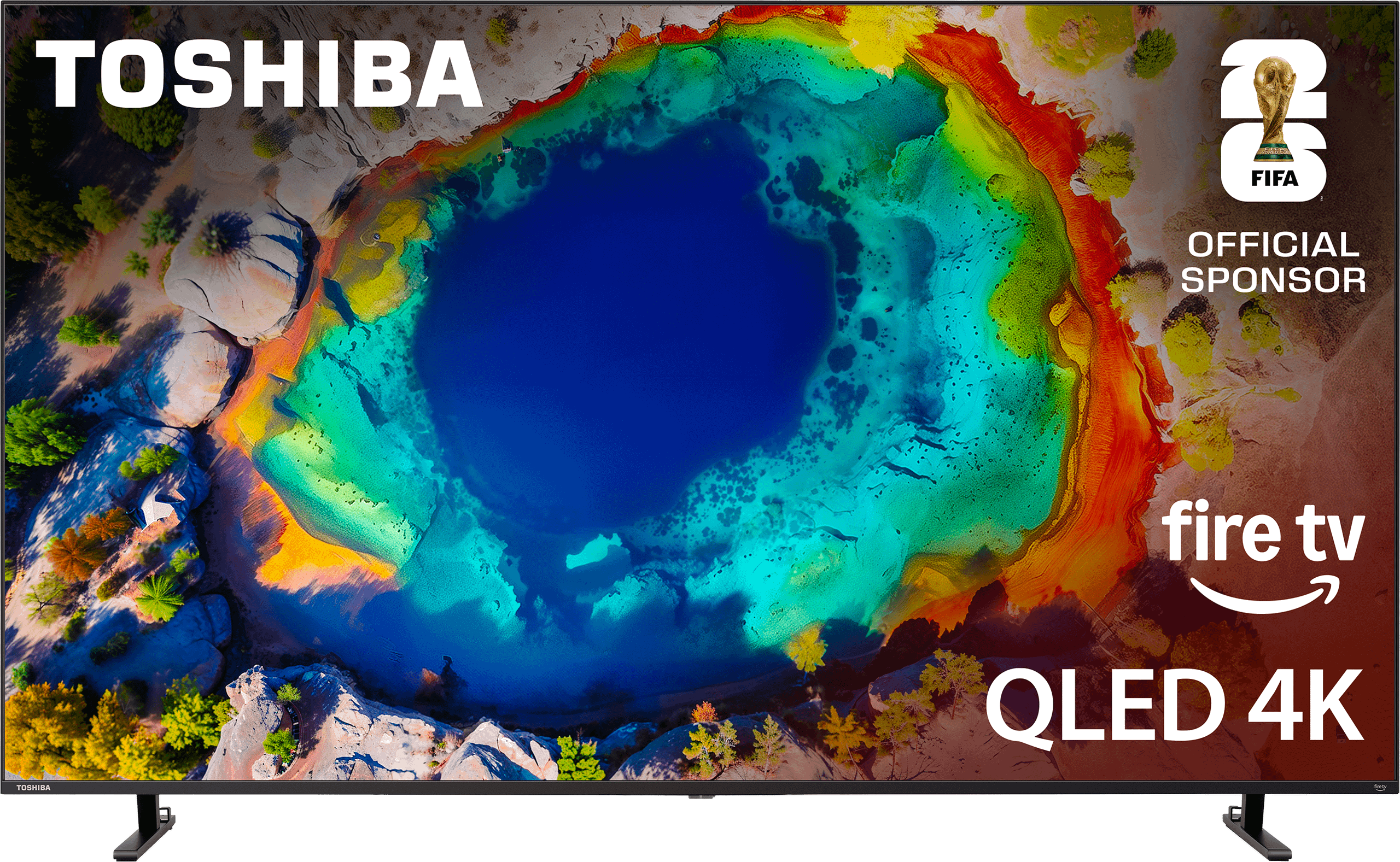
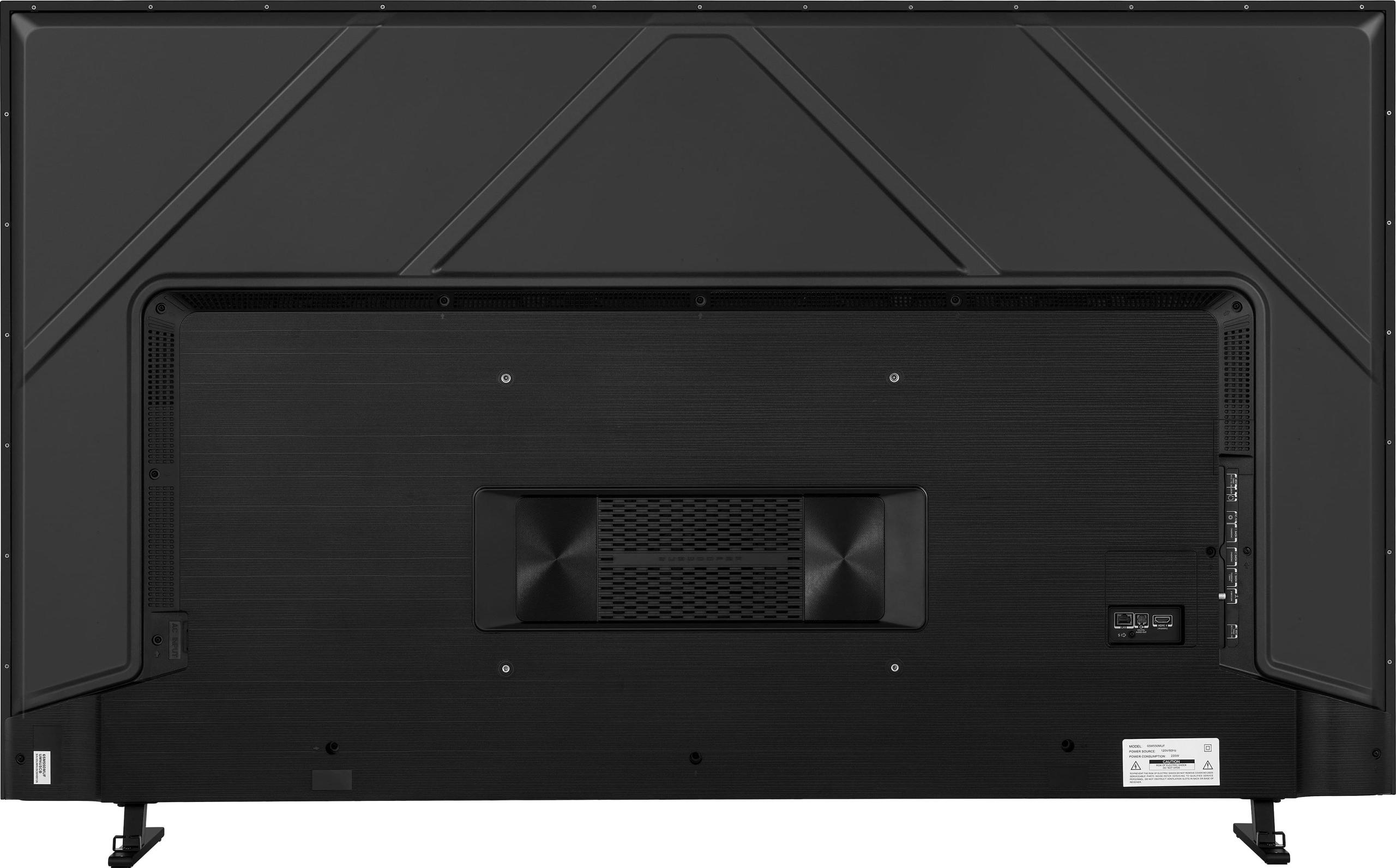
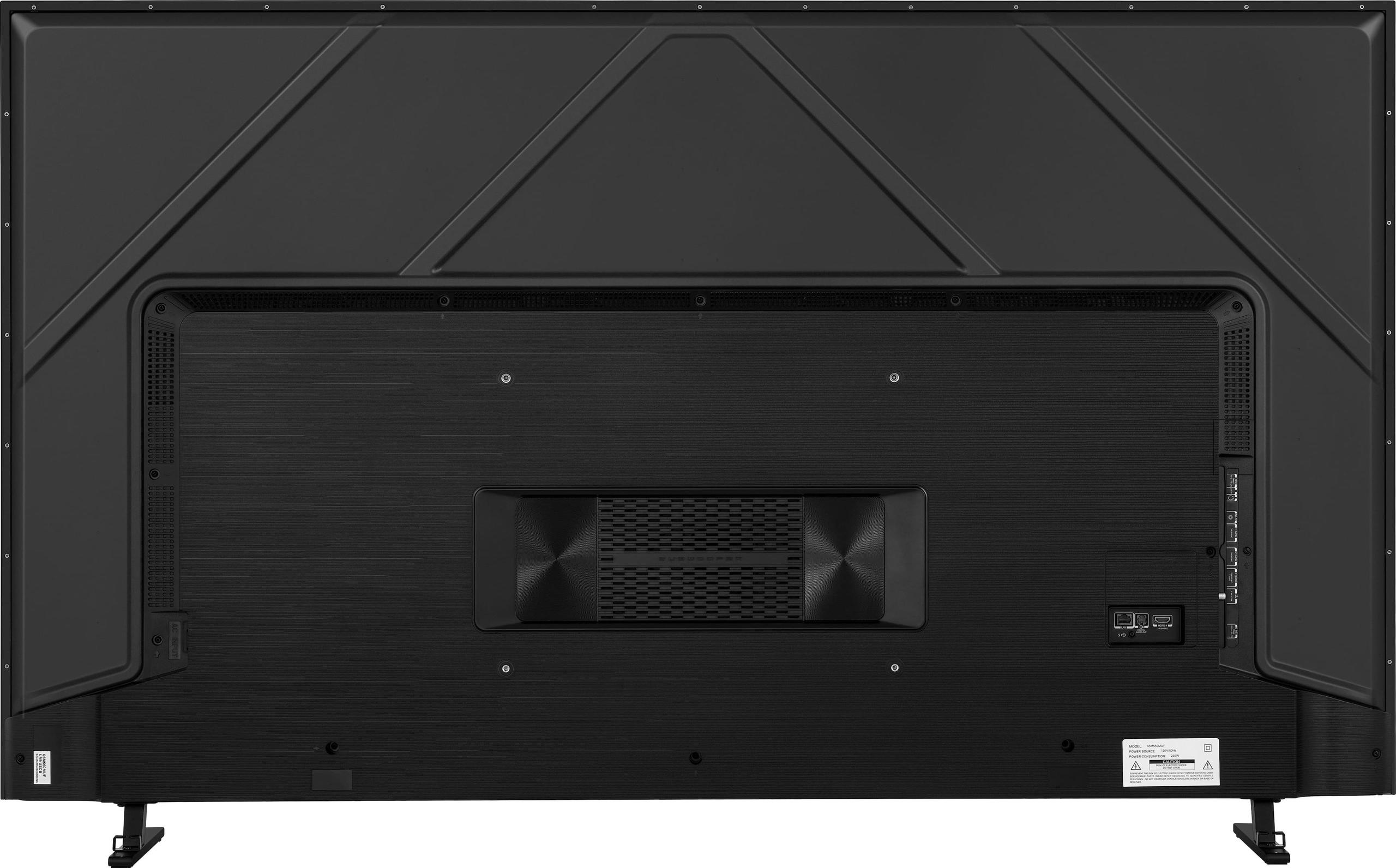
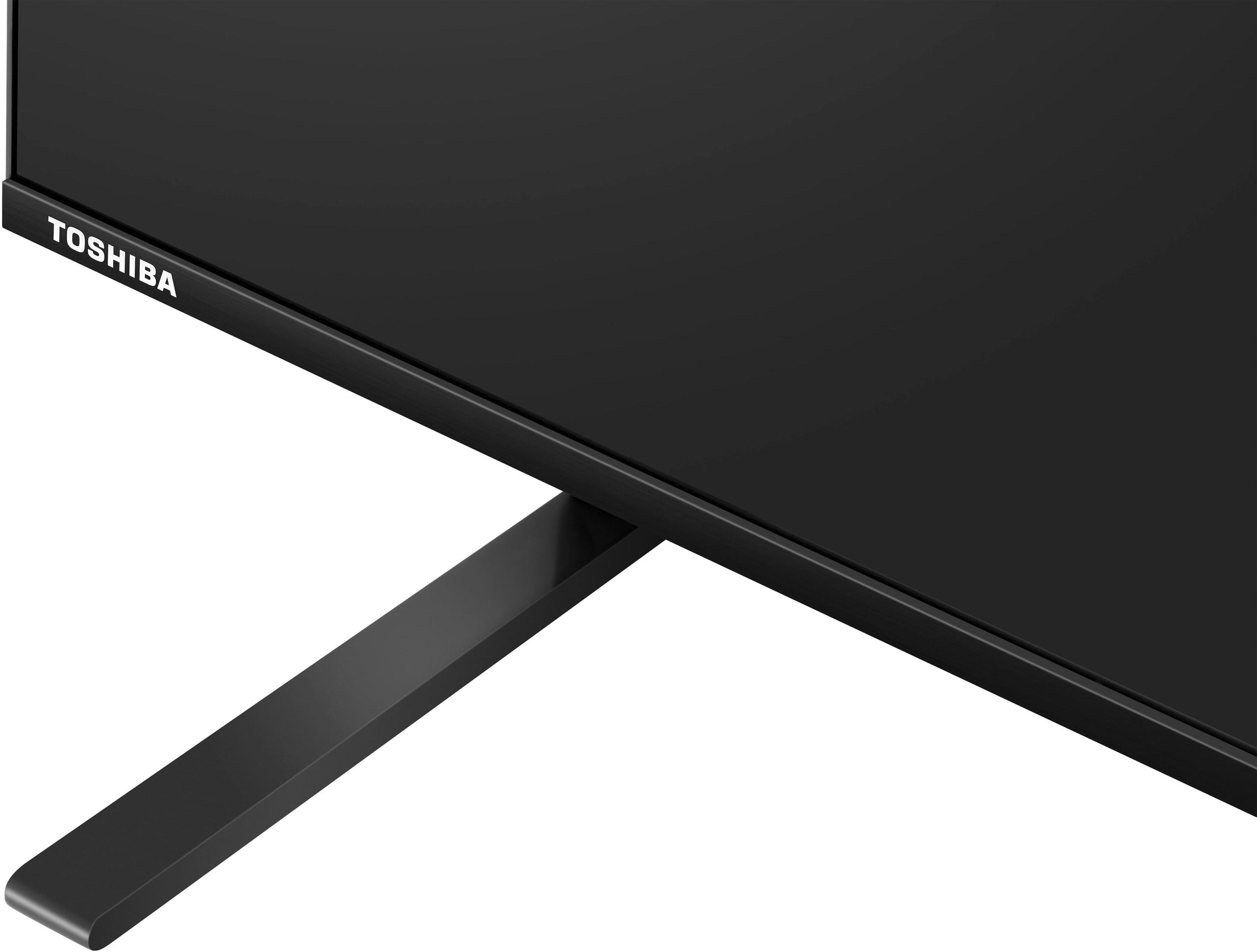
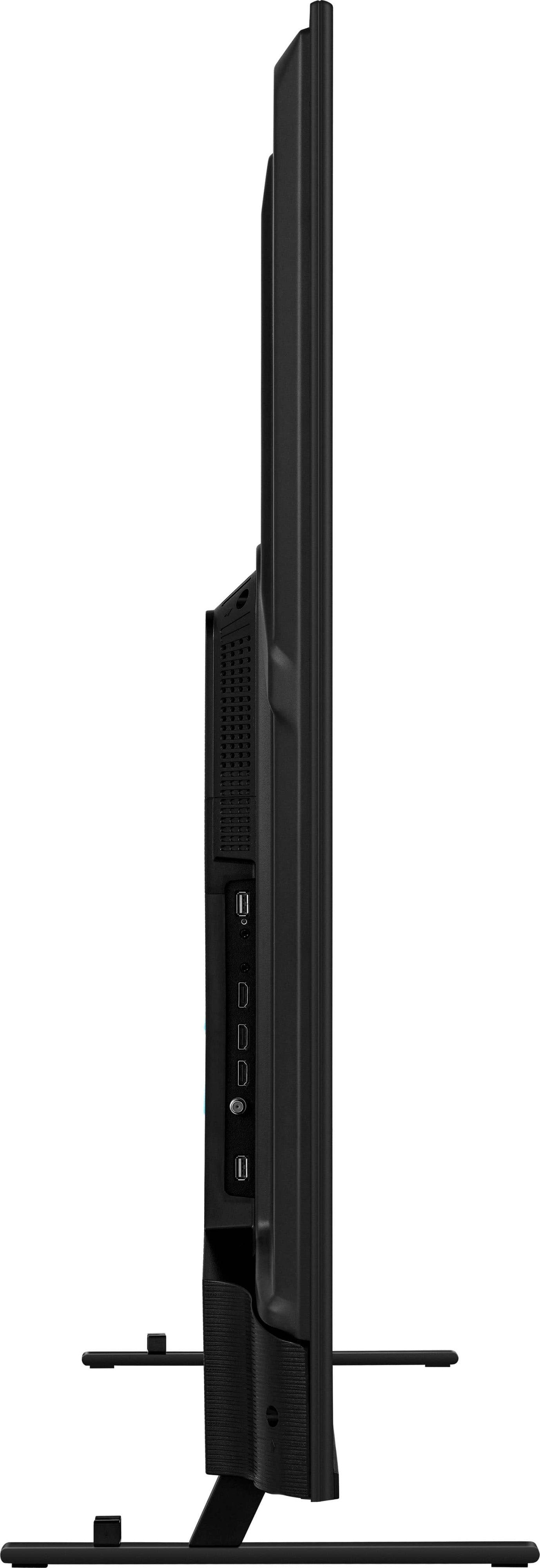
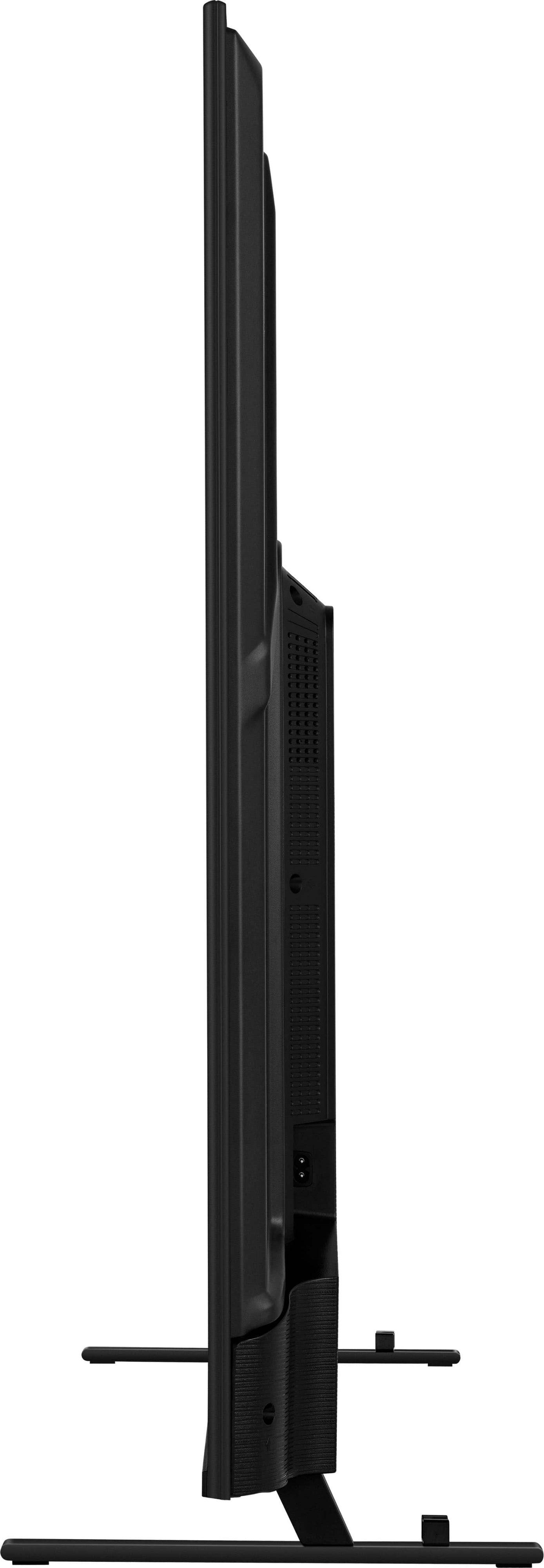
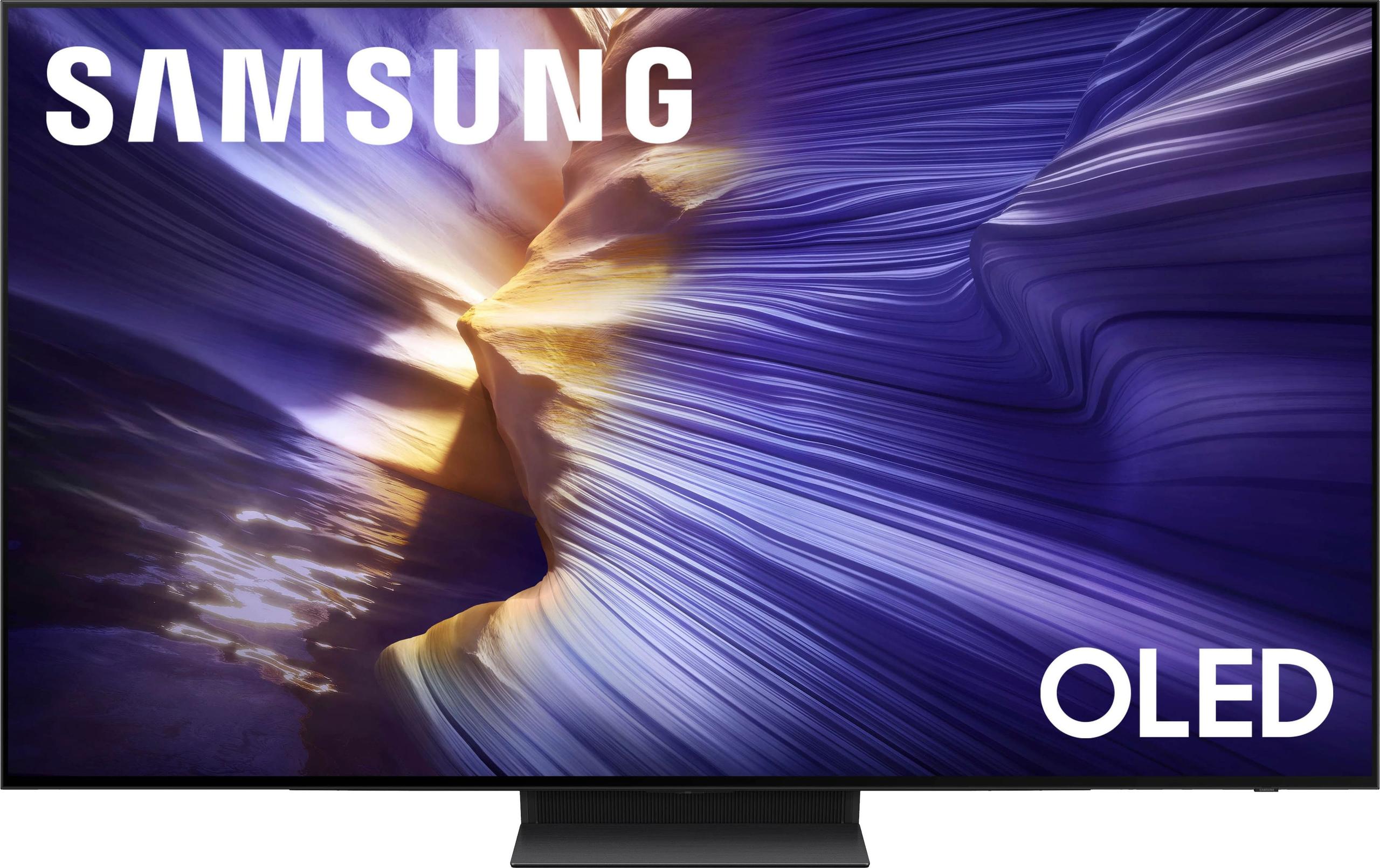
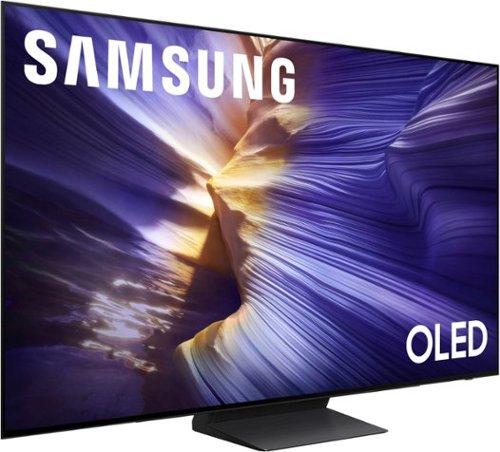
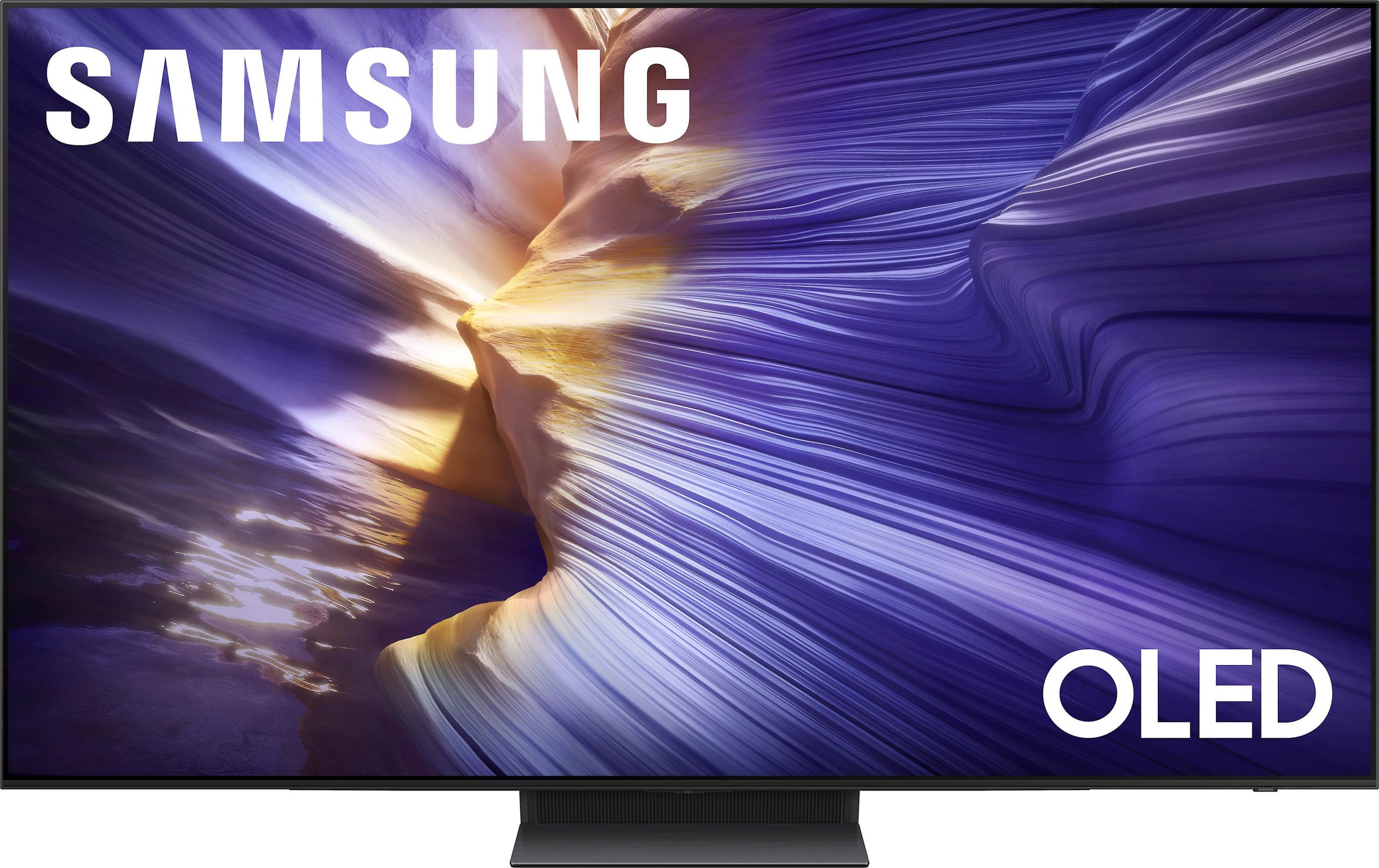
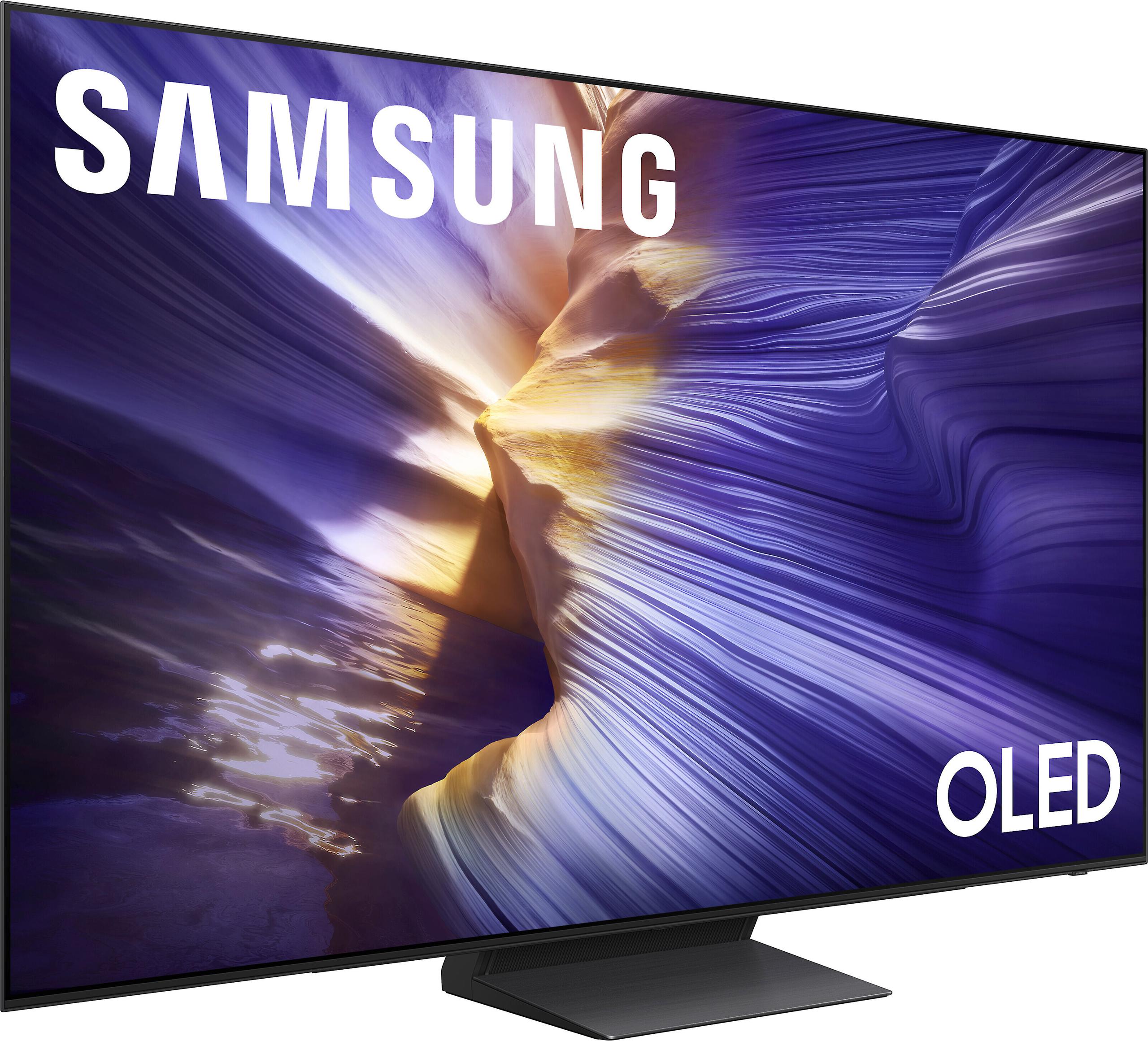
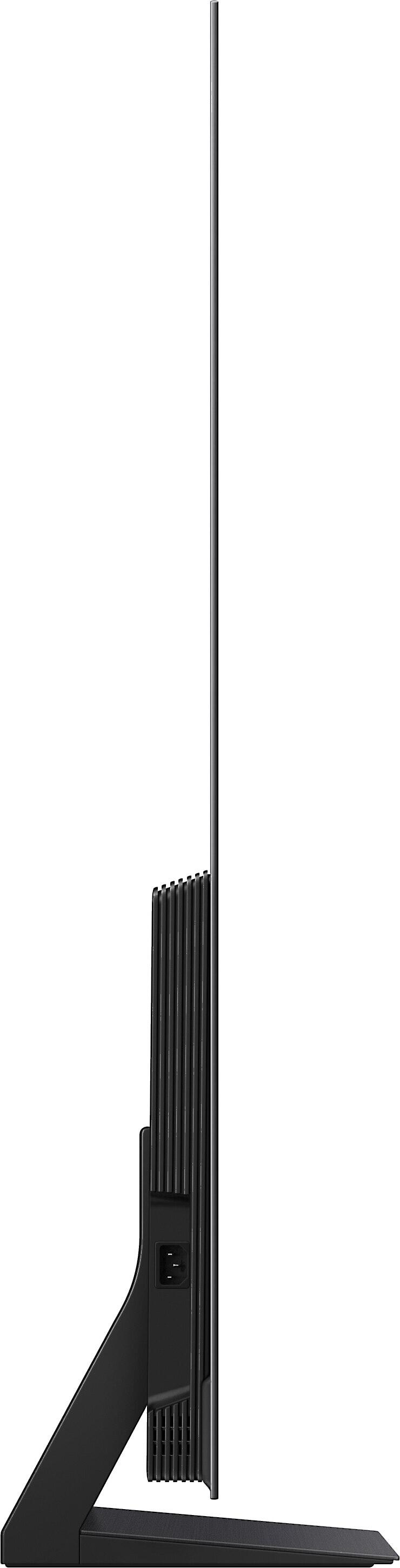
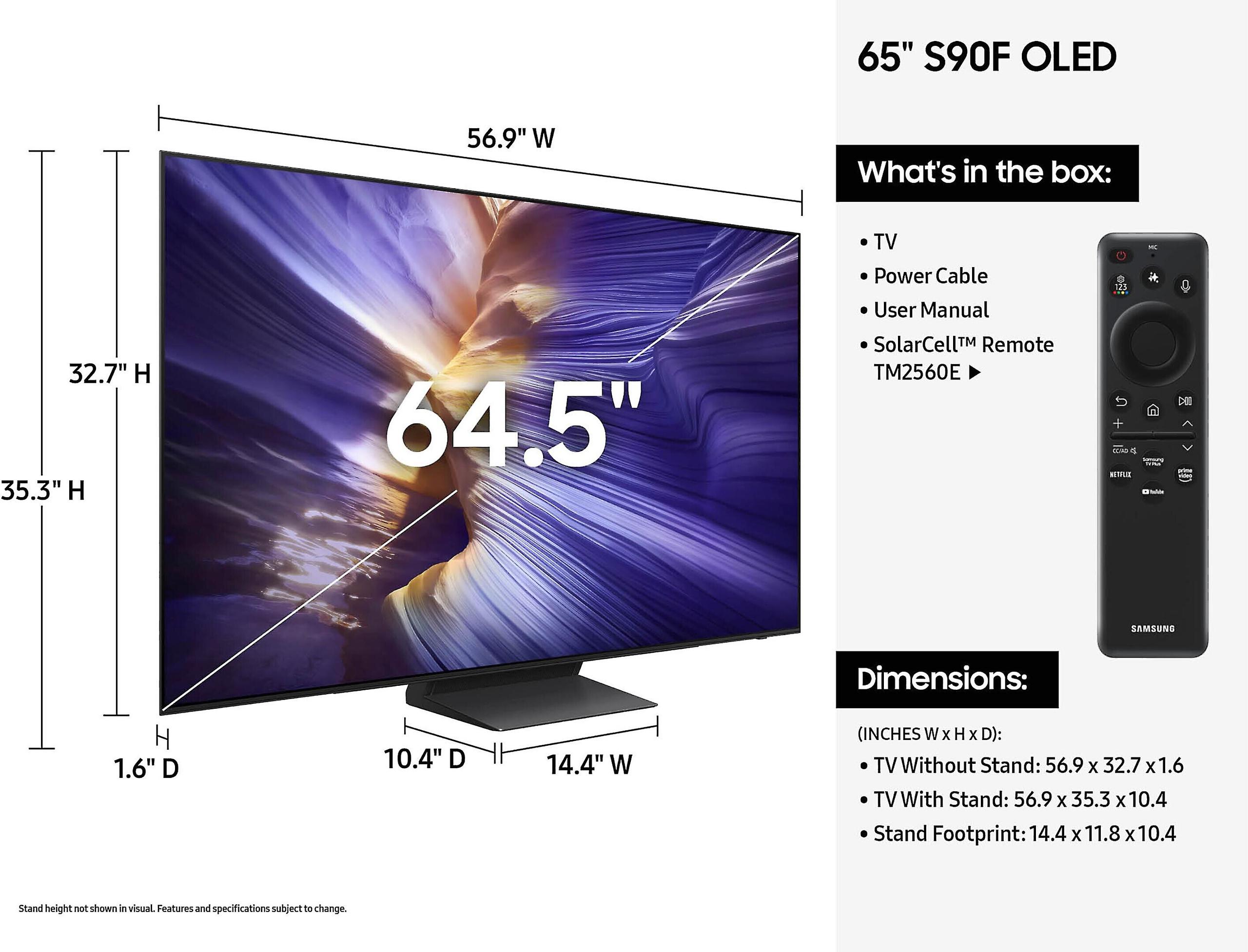

When you're ready to upgrade to a massive 65-inch TV, you'll face a fundamental choice: maximize your screen size on a tight budget or invest in premium technology for the ultimate viewing experience. This dilemma perfectly captures the battle between the Toshiba 65" M550 Series QLED Fire TV and the Samsung 65" S90F OLED 4K Vision AI Smart TV.
At the time of writing, these TVs represent opposite ends of the value spectrum—the Toshiba offering remarkable bang for your buck while the Samsung commands a premium price for cutting-edge OLED technology. Both launched in 2024-2025, incorporating recent advances in processing power and smart TV capabilities, but they take dramatically different approaches to delivering that 65-inch experience you're craving.
Before diving into the specifics, let's establish what really counts when you're shopping for a 65-inch TV. Picture quality dominates everything—after all, you're investing in a centerpiece for your living room or home theater. This breaks down into several key areas: how deep the blacks appear, how vibrant colors look, and how well the TV handles fast-moving scenes without blur or stuttering.
Gaming performance has become increasingly important as consoles like the PlayStation 5 and Xbox Series X push 4K gaming at higher frame rates. If you're serious about gaming, features like variable refresh rate (VRR)—which synchronizes the TV's refresh rate with your console's frame output to eliminate screen tearing—and low input lag become critical.
Smart TV functionality can make or break your daily experience. A sluggish interface that takes forever to load Netflix will frustrate you every single day, regardless of how stunning the picture looks. Processing power determines whether your TV feels snappy or sluggish when switching between apps or adjusting settings.
The core difference between the Toshiba M550 and Samsung S90F lies in their display technology, and this choice affects everything else about your viewing experience.
The Toshiba M550 uses LED-LCD technology enhanced with quantum dot color—essentially microscopic particles that improve color accuracy and brightness when hit by the LED backlight. It includes full array local dimming, which divides the backlight into 48 separate zones that can dim or brighten independently. Think of it like having 48 individual light switches controlling different areas of your screen to create better contrast.
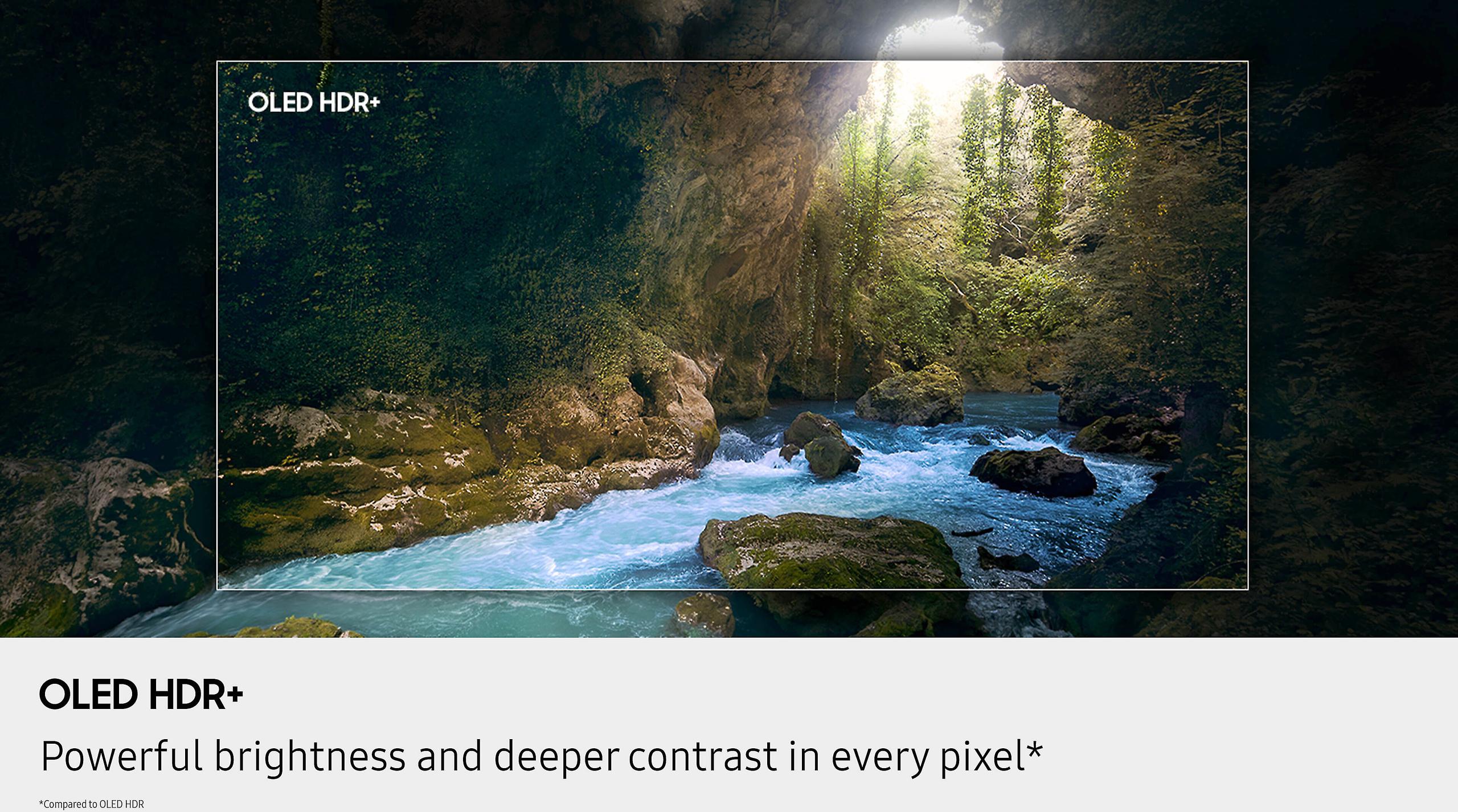
The Samsung S90F takes a completely different approach with OLED technology. Instead of a backlight shining through pixels, each pixel produces its own light. This means individual pixels can turn completely off to create perfect blacks, or shine brightly for vivid colors. It's like having 8.3 million tiny light bulbs that can be controlled individually—a massive leap from the Toshiba's 48 zones.
This technological difference cascades through every aspect of performance, but it also explains why the Samsung costs roughly three times more than the Toshiba at the time of writing.
When evaluating picture quality through professional reviews and user feedback, the differences become immediately apparent. The Samsung S90F delivers what reviewers consistently describe as "next-level" performance, particularly in contrast and black levels.
Black Levels and Contrast
The Samsung's ability to produce perfect blacks transforms the viewing experience, especially in darker rooms. When a scene cuts to space or a dark movie sequence, those black areas disappear entirely rather than appearing as dark gray. This creates an almost three-dimensional depth that makes bright stars or explosions seem to float off the screen.
The Toshiba M550, despite its 48-zone local dimming, simply cannot match this performance. Professional reviews rate its contrast as "Very Good" but note that black levels appear merely "OK." In practical terms, this means dark scenes in movies will look good but won't have that dramatic pop that makes OLED technology so compelling for home theater enthusiasts.
Color Accuracy and Vibrancy
Both TVs excel at color reproduction but through different approaches. The Samsung S90F combines OLED's inherent color accuracy with Pantone validation—the same color standard used by professional designers and printers. The result is colors that look natural and accurate across all content types.
The Toshiba M550 achieves excellent color performance through its quantum dot technology, covering over 90% of the DCI-P3 color space (the standard used for HDR content). Reviews consistently praise its "vivid, lifelike colors," and the quantum dot enhancement ensures colors remain consistent even at different brightness levels.
HDR Performance: Where Processing Power Matters
High Dynamic Range (HDR) content—which includes most modern movies and shows on Netflix, Disney+, and other streaming services—reveals the biggest performance gaps between these TVs.
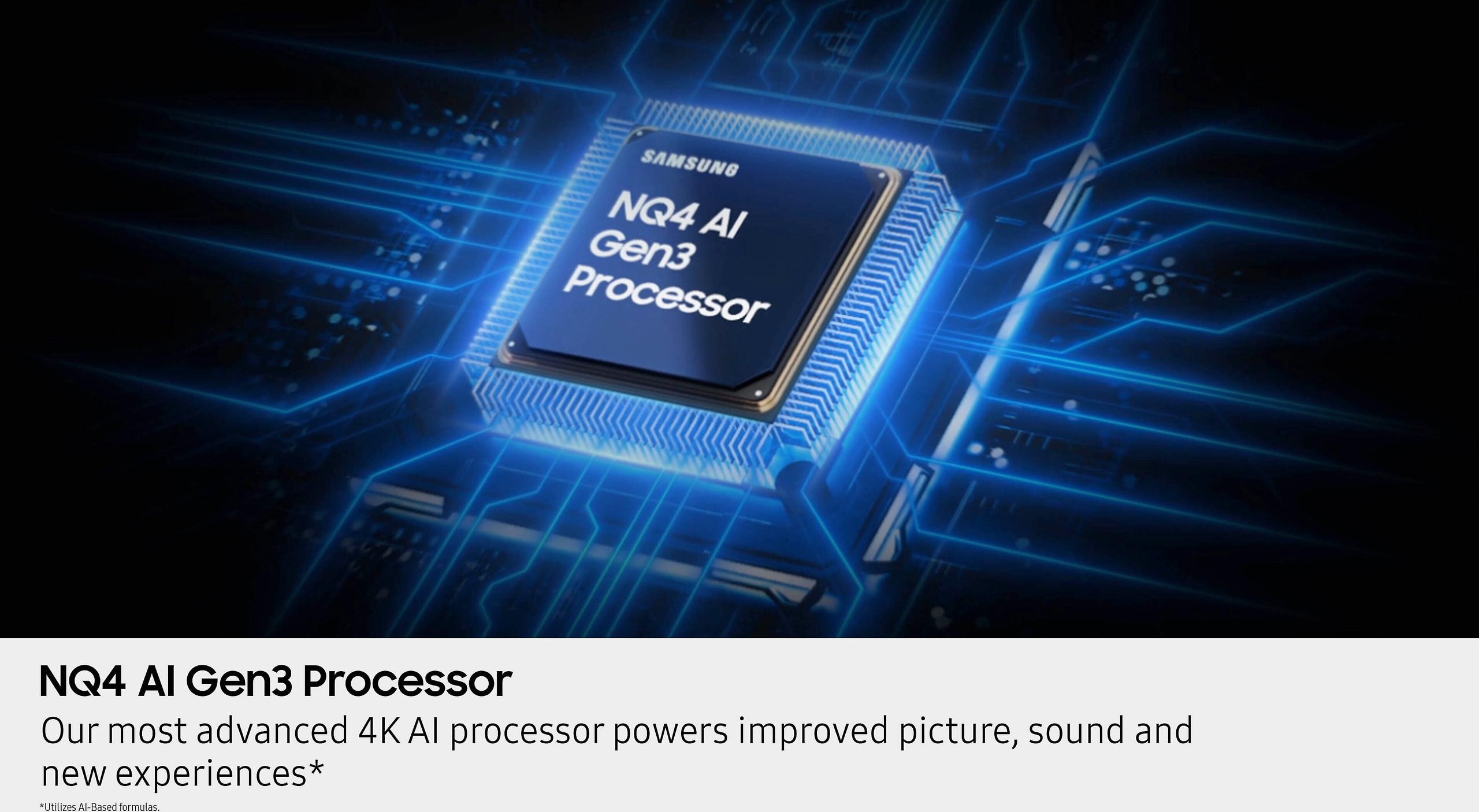
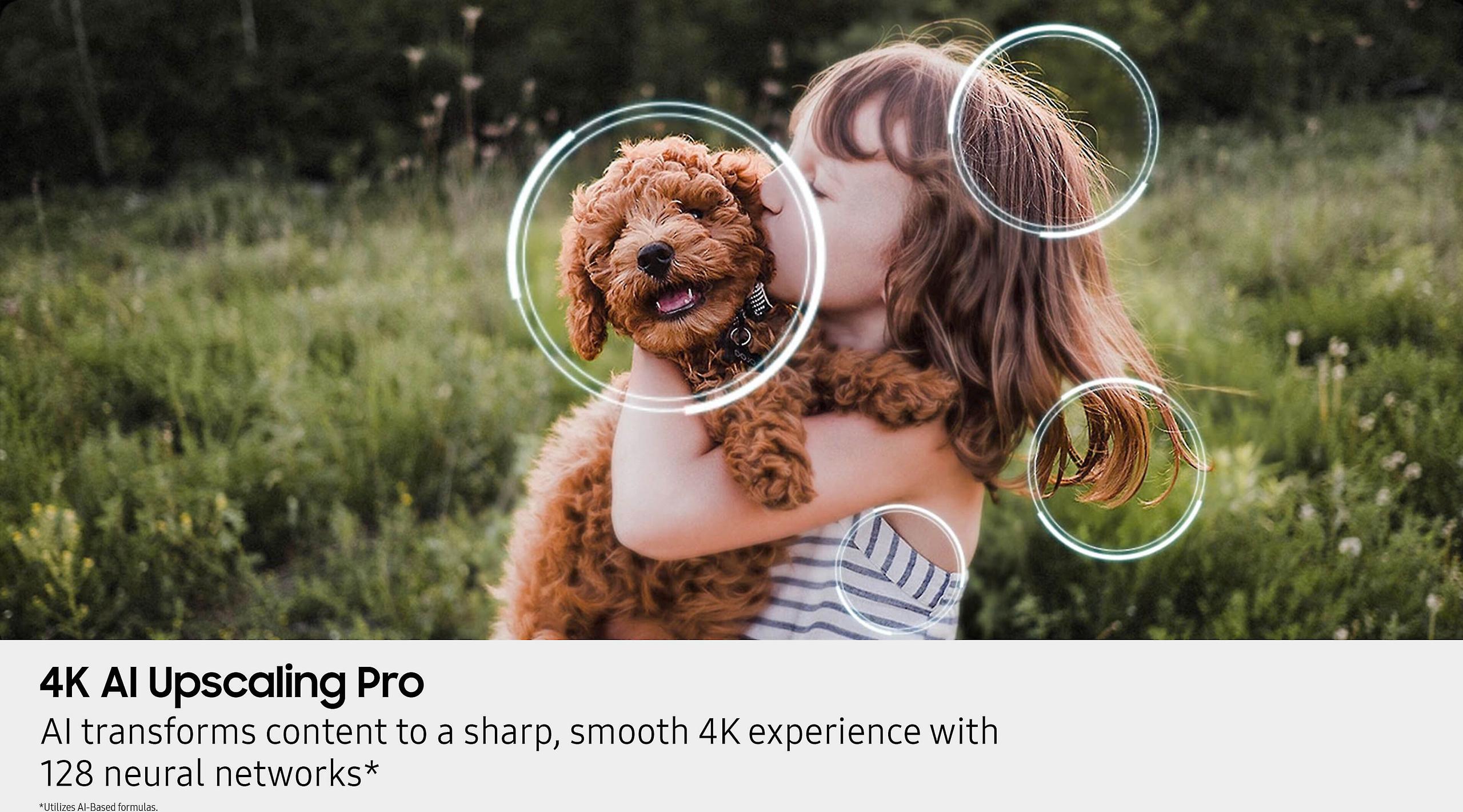
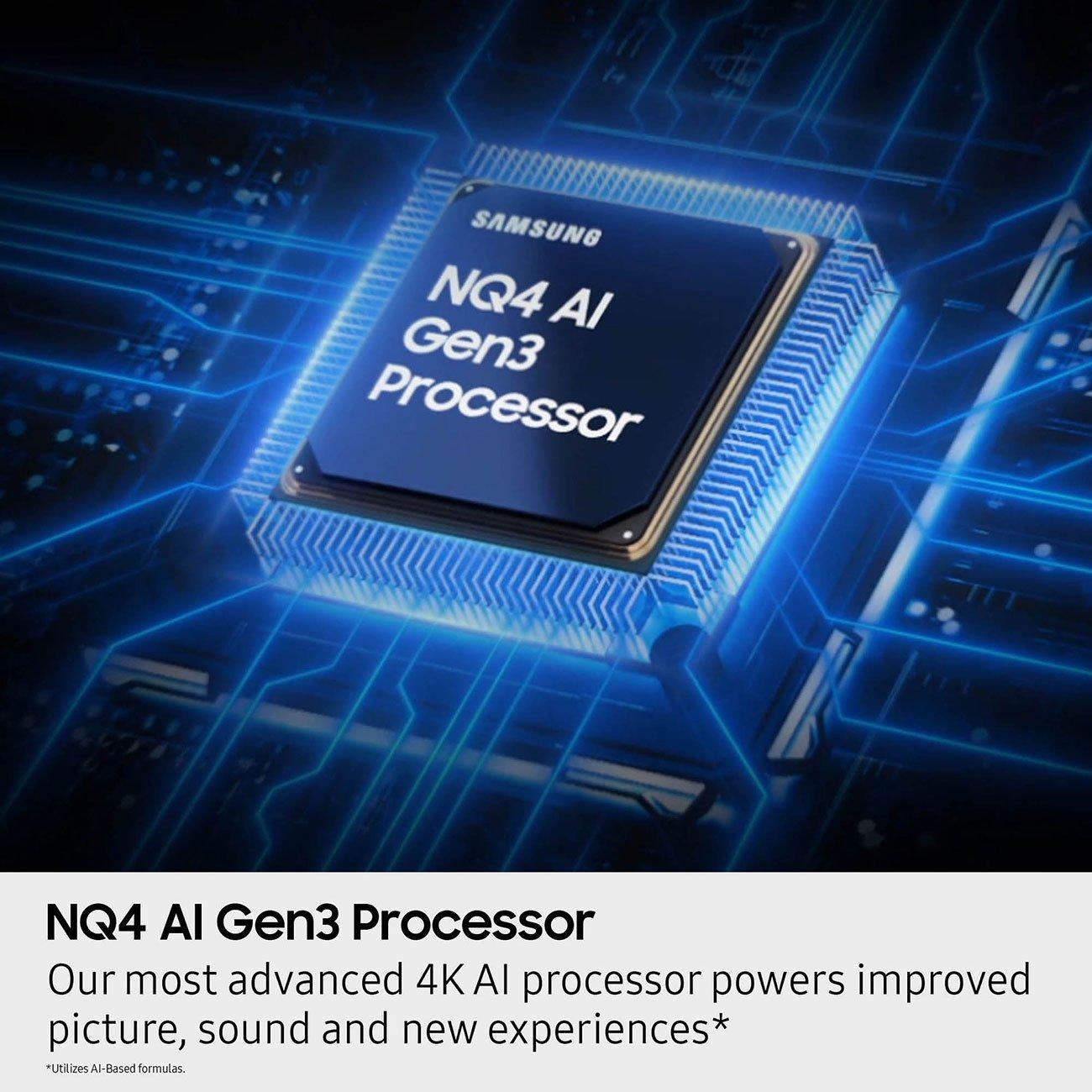
The Samsung S90F includes Auto HDR Remastering, an AI-powered feature that analyzes standard content and enhances it to HDR-like quality. This means even older shows and movies get improved contrast and color vibrancy. The NQ4 AI Gen3 processor, powered by 128 neural networks, constantly optimizes the picture based on what's happening on screen.
The Toshiba M550 supports major HDR formats including Dolby Vision and HDR10+, but lacks the processing power for real-time optimization. Reviews note that while HDR content looks good, the TV struggles during complex scenes with lots of detail or fast motion.
For gaming enthusiasts, the differences between these TVs become stark. The Samsung S90F represents what modern gaming TVs should offer, while the Toshiba M550 provides basic functionality with significant limitations.
Refresh Rates and Response Times
Both TVs advertise high refresh rates, but the implementation differs dramatically. The Samsung S90F delivers true 144Hz performance at 4K resolution through its HDMI 2.1 ports, supporting the latest gaming consoles and high-end PCs at their full potential. Its Motion Xcelerator 144Hz technology ensures smooth gameplay even in fast-paced first-person shooters or racing games.
The Toshiba M550, while featuring a 120Hz panel, can only deliver this refresh rate at lower resolutions. At 4K—the resolution you'll actually want to use—it's limited to 60Hz. This means you won't fully utilize the capabilities of newer gaming consoles that can push certain games beyond 60 frames per second.
Variable Refresh Rate and Gaming Features
VRR support tells the complete story of these TVs' gaming capabilities. The Samsung S90F supports multiple VRR formats including FreeSync Premium Pro, ensuring compatibility with both AMD and NVIDIA graphics cards as well as gaming consoles. This eliminates screen tearing and stuttering across a wide range of frame rates.
The Toshiba M550 technically supports VRR, but only up to 60Hz—effectively neutering this feature for modern gaming. Professional reviews also note significant input lag and processing delays that make competitive gaming frustrating.
The smart TV experience determines how enjoyable your daily interaction with the TV becomes, and here we see one of the most significant practical differences between these models.
Processing Power and Responsiveness
The Samsung S90F runs Samsung's Tizen operating system smoothly, with reviewers noting responsive app loading and seamless navigation. The advanced NQ4 AI Gen3 processor handles multiple tasks without the sluggishness that plagues budget TVs.
The Toshiba M550 presents a more frustrating experience. Despite running Amazon's Fire TV platform—generally considered user-friendly—multiple reviews highlight severe performance issues. Users report 30-60 second delays when opening apps, frequent system freezes, and the TV occasionally exiting apps on its own. One detailed review noted it can take "a full minute to get to a show after clicking continue watching."
Voice Control and AI Features
Both TVs integrate voice assistants, but with different levels of sophistication. The Samsung S90F includes an updated Bixby that can process multiple commands simultaneously and better understand context. It also supports Alexa and Google Assistant for broader smart home integration.
The Toshiba M550 features far-field microphones for hands-free Alexa control, which works well when the system responds properly. However, the processing limitations that affect app performance also impact voice command responsiveness.
While most serious home theater setups include dedicated sound systems, the built-in audio quality affects daily viewing and determines whether you need to invest in a soundbar immediately.
The Samsung S90F includes Adaptive Sound Pro technology that analyzes both the content and your room's acoustics to optimize audio output. The 40-watt speaker system with dedicated processing provides clear dialogue and balanced sound that many users find adequate for casual viewing.
The Toshiba M550 receives mixed reviews for audio performance. Despite including Dolby Atmos support and a built-in subwoofer through its REGZA Power Audio Pro system, user reviews consistently note that audio quality falls short of expectations, with several reviewers recommending immediate soundbar purchases.
Motion processing reveals another significant performance gap that affects specific content types. The Samsung S90F excels at maintaining image clarity during fast-moving scenes, whether you're watching sports, action movies, or gaming. Professional reviews consistently praise its motion handling as "top-notch" with minimal artifacts.
The Toshiba M550 struggles significantly with motion-heavy content. One detailed professional review noted that "action scenes jerk around at low FPS with phantom images forming around moving objects." This makes the TV problematic for sports enthusiasts or action movie fans, despite performing well with slower-paced content.
At the time of writing, the price difference between these TVs reflects their target markets and technological approaches. The Toshiba M550 represents exceptional value for buyers prioritizing screen size and basic 4K functionality. Professional reviewers who test TVs regularly have called it a "standout value option" that competes with TVs costing significantly more.
However, the Samsung S90F justifies its premium pricing through superior performance across virtually every metric. The OLED technology, advanced processing, gaming capabilities, and reliability represent what you get when investing in current-generation premium TV technology.
For dedicated home theater setups, the choice becomes clearer. The Samsung S90F delivers the cinematic experience that home theater enthusiasts seek—perfect blacks, accurate colors, and the processing power to handle whatever content you throw at it. Its off-axis viewing performance also makes it suitable for wider seating arrangements where family members might not sit directly in front of the screen.
The Toshiba M550 can work in a home theater setting, particularly for casual viewing, but its motion handling issues and processing limitations become more apparent when watching high-quality movie content in a dark room.
Choose the Toshiba M550 if you:
Choose the Samsung S90F if you:
The Toshiba M550 succeeds brilliantly at its intended purpose: delivering a massive 65-inch 4K screen with decent picture quality at a budget-friendly price point. It's proof that you don't need to spend premium prices to get a large, functional smart TV.
The Samsung S90F represents the current pinnacle of consumer TV technology, delivering performance that justifies its premium pricing for users who can appreciate and utilize its capabilities.
Your choice ultimately depends on whether you're shopping for a value-focused large screen or investing in a premium home entertainment centerpiece. Both serve their intended markets well, but understanding these fundamental differences ensures you'll be happy with your choice for years to come.
The TV market continues evolving rapidly, with new technologies and features appearing regularly. However, the fundamental divide between budget and premium offerings—exemplified perfectly by these two models—remains constant, making this comparison relevant regardless of when you're shopping.
| Toshiba 65" M550 Series QLED Fire TV | Samsung 65" S90F OLED 4K Vision AI Smart TV 2025 |
|---|---|
| Display Technology - Determines picture quality, especially black levels and contrast | |
| LED-LCD with Quantum Dot and 48-zone local dimming | OLED with self-illuminating pixels for perfect blacks |
| Native Refresh Rate - Critical for gaming and smooth motion in sports | |
| 120Hz (limited to 60Hz at 4K resolution) | 144Hz with full 4K support |
| Gaming Features - Essential for console and PC gaming performance | |
| VRR up to 60Hz, Auto Low Latency Mode | Motion Xcelerator 144Hz, FreeSync Premium Pro, VRR up to 144Hz |
| HDR Format Support - Affects quality of streaming movies and shows | |
| Dolby Vision, HDR10, HDR10+ | Dolby Vision, HDR10, HDR10+ with Auto HDR Remastering |
| Smart Platform - Determines daily usability and app performance | |
| Fire TV (Amazon) with reported performance issues | Tizen OS with smooth, responsive performance |
| AI Processing Power - Impacts upscaling quality and smart features | |
| REGZA Engine ZR with basic AI upscaling | NQ4 AI Gen3 Processor with 128 neural networks |
| HDMI Ports - Important for connecting gaming consoles and devices | |
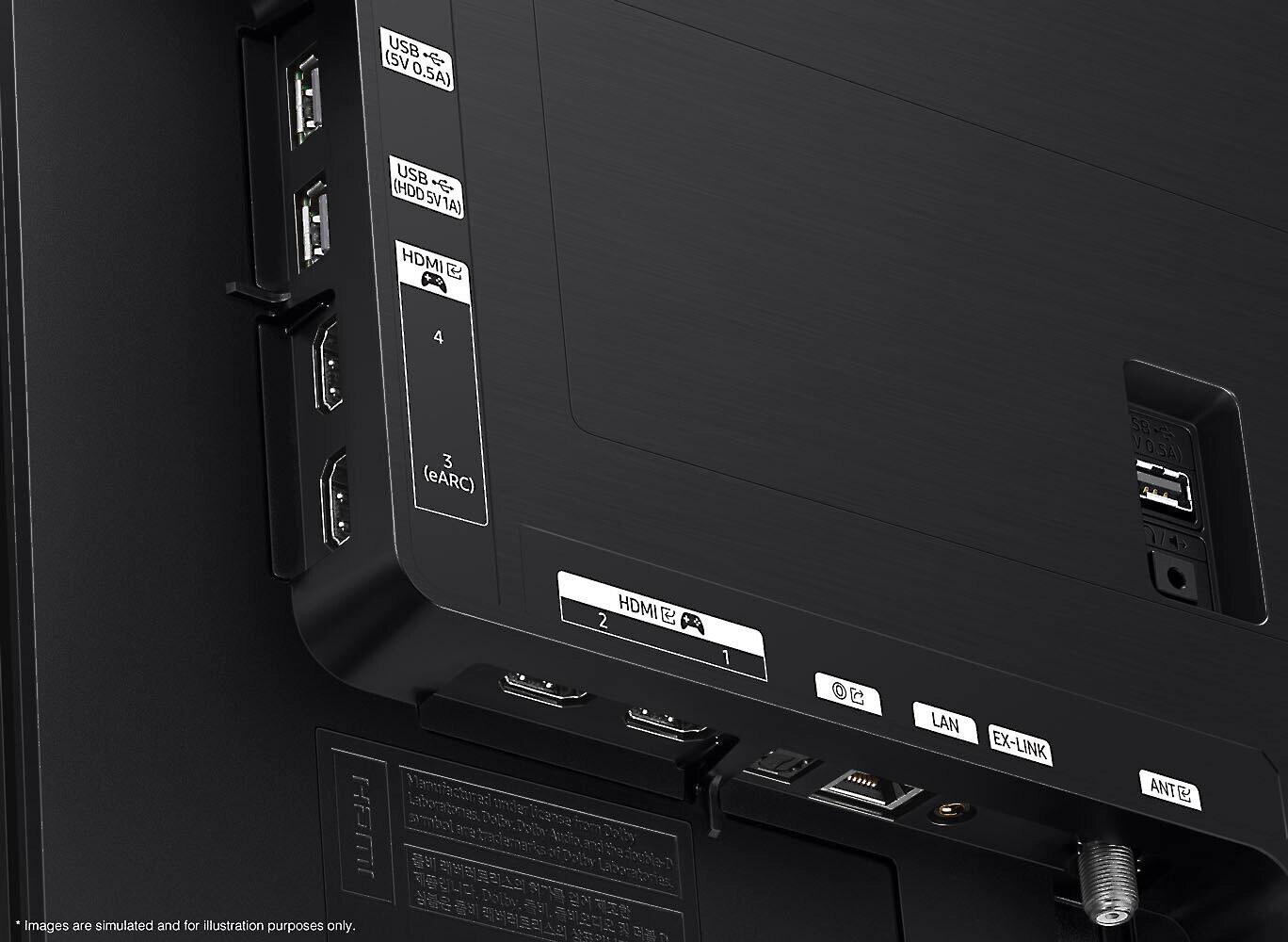
| 4 HDMI ports (HDMI 2.0, one with eARC) | 4 HDMI 2.1 ports with full bandwidth support |
| Audio System - Determines if you need a separate soundbar | |
| REGZA Power Audio Pro with mixed user reviews | Adaptive Sound Pro with 40W system and room optimization |
| Motion Handling - Critical for sports, action movies, and gaming | |
| Struggles with fast-paced content and action scenes | Excellent motion processing with minimal artifacts |
| Voice Control Integration - Affects smart home compatibility | |
| Alexa with far-field microphones | Bixby, Alexa, and Google Assistant support |
| Ideal Use Case - Who should consider each model | |
| Budget-conscious buyers wanting large 4K screen | Premium home theater and serious gaming enthusiasts |
The Samsung S90F OLED delivers superior picture quality with perfect blacks, infinite contrast, and Pantone-validated colors. The Toshiba M550 offers good picture quality for its price range with quantum dot color enhancement, but cannot match OLED's pixel-level control and contrast performance.
The Samsung S90F uses OLED technology where each pixel produces its own light, allowing for perfect blacks and infinite contrast. The Toshiba M550 QLED uses LED backlighting with quantum dot enhancement and local dimming zones to improve colors and contrast, but still relies on a backlight that prevents true black levels.
The Samsung S90F is significantly better for gaming with 144Hz refresh rate at 4K, HDMI 2.1 support, and advanced VRR capabilities. The Toshiba M550 offers basic gaming features but is limited to 60Hz at 4K resolution and has reported input lag issues.
The Samsung S90F runs Tizen OS with smooth, responsive performance and multiple voice assistant support. The Toshiba M550 Fire TV uses Amazon's Fire TV platform but suffers from processing limitations that cause slow app loading and frequent freezing according to user reviews.
The Toshiba M550 provides exceptional value for buyers prioritizing screen size on a budget, offering 65-inch 4K viewing with decent features. The Samsung S90F justifies its higher cost through premium OLED technology, superior performance, and advanced features for discerning viewers.
Yes, the Samsung S90F excels at motion processing with smooth sports and action content handling. The Toshiba M550 struggles with fast-paced scenes, showing jerky motion and phantom imaging during action sequences, making it less suitable for sports enthusiasts.
The Samsung S90F features Adaptive Sound Pro technology that optimizes audio based on content and room acoustics. The Toshiba M550 includes Dolby Atmos support but receives mixed reviews for audio quality, with many users recommending a separate soundbar.
The Samsung S90F OLED is ideal for home theater use with perfect blacks, excellent contrast, and superior motion handling in dark room environments. The Toshiba M550 can work for casual home theater viewing but lacks the picture quality and processing power for premium cinematic experiences.
Both TVs support major HDR formats including Dolby Vision and HDR10+. However, the Samsung S90F includes Auto HDR Remastering that enhances standard content to HDR-like quality using AI processing, while the Toshiba M550 offers basic HDR support without advanced processing.
The Samsung S90F receives consistently positive reviews for reliability and performance. The Toshiba M550 has reported issues with system freezing, slow response times, and processing limitations that affect daily usability, though it offers good value despite these concerns.
The Samsung S90F offers superior connectivity with four HDMI 2.1 ports supporting full 4K 144Hz bandwidth. The Toshiba M550 provides four HDMI ports but uses older HDMI 2.0 standard that limits gaming and high-refresh rate capabilities.
Choose the Toshiba M550 if you need maximum screen size on a budget and primarily watch casual content in bright rooms. Select the Samsung S90F if you prioritize picture quality, game regularly, watch HDR content frequently, or want a premium home entertainment experience with long-term reliability.
We've done our best to create useful and informative comparisons to help you decide what product to buy. Our research uses advanced automated methods to create this comparison and perfection is not possible - please contact us for corrections or questions. These are the sites we've researched in the creation of this article: bestbuy.com - bestbuy.com - consumerreports.org - youtube.com - pcvarge.com - tomsguide.com - youtube.com - bestbuy.com - toshibatv-usa.com - marketplace-staging.paytomorrow.com - toshibatv-usa.com - productabout.com - leaseville.com - youtube.com - toshibatv-usa.com - youtube.com - t3.com - rtings.com - bestbuy.com - stereonet.com - samsung.com - bestbuy.com - flatpanelshd.com - myallsouth.com - pcrichard.com - samsung.com - bestbuy.com - samsung.com - samsung.com - samsung.com

Privacy Policy
Terms and Conditions - Affiliate Policy
Home Security
© Copyright 2008-2026.
11816 Inwood Rd #1211, Dallas, TX 75244