

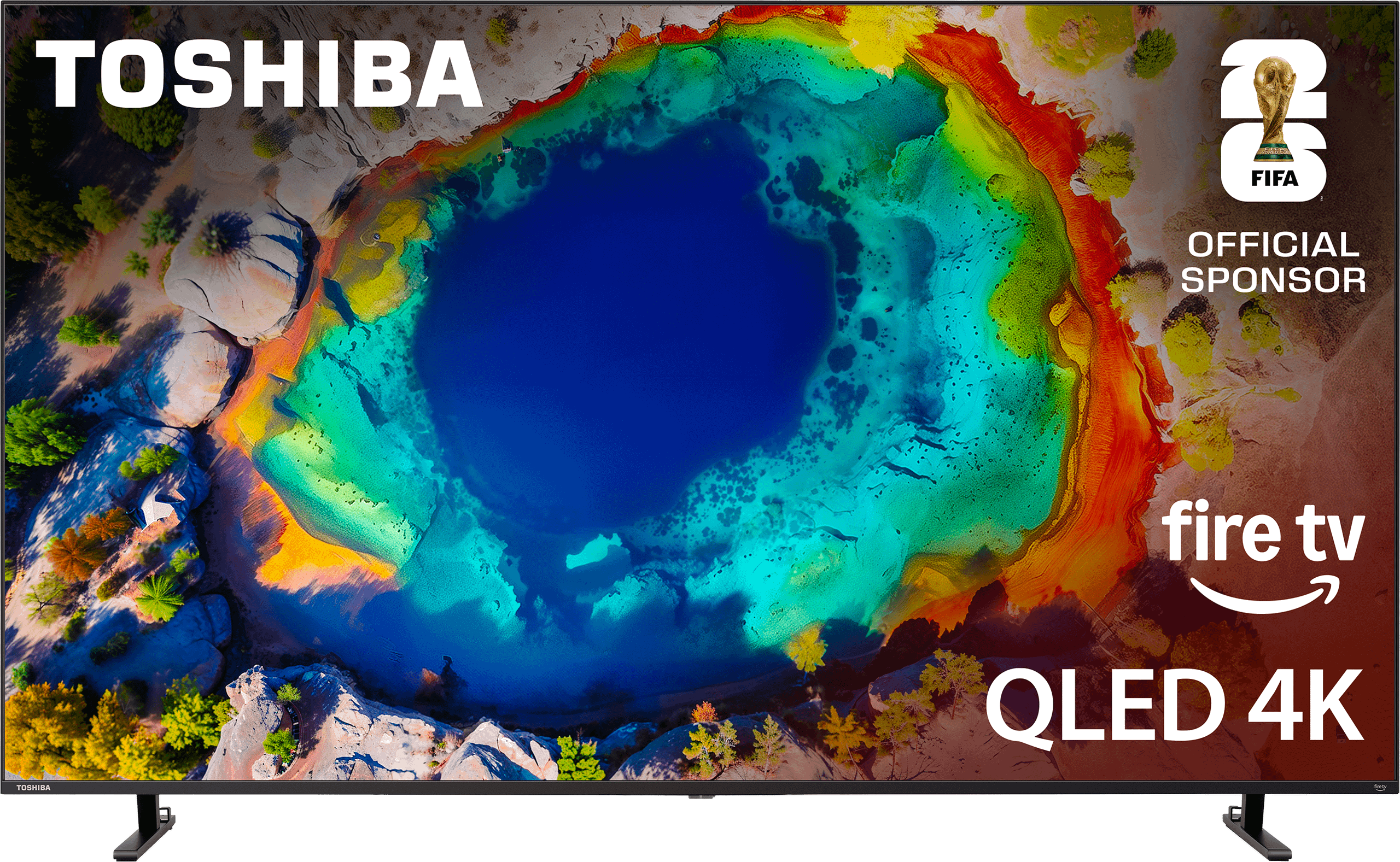
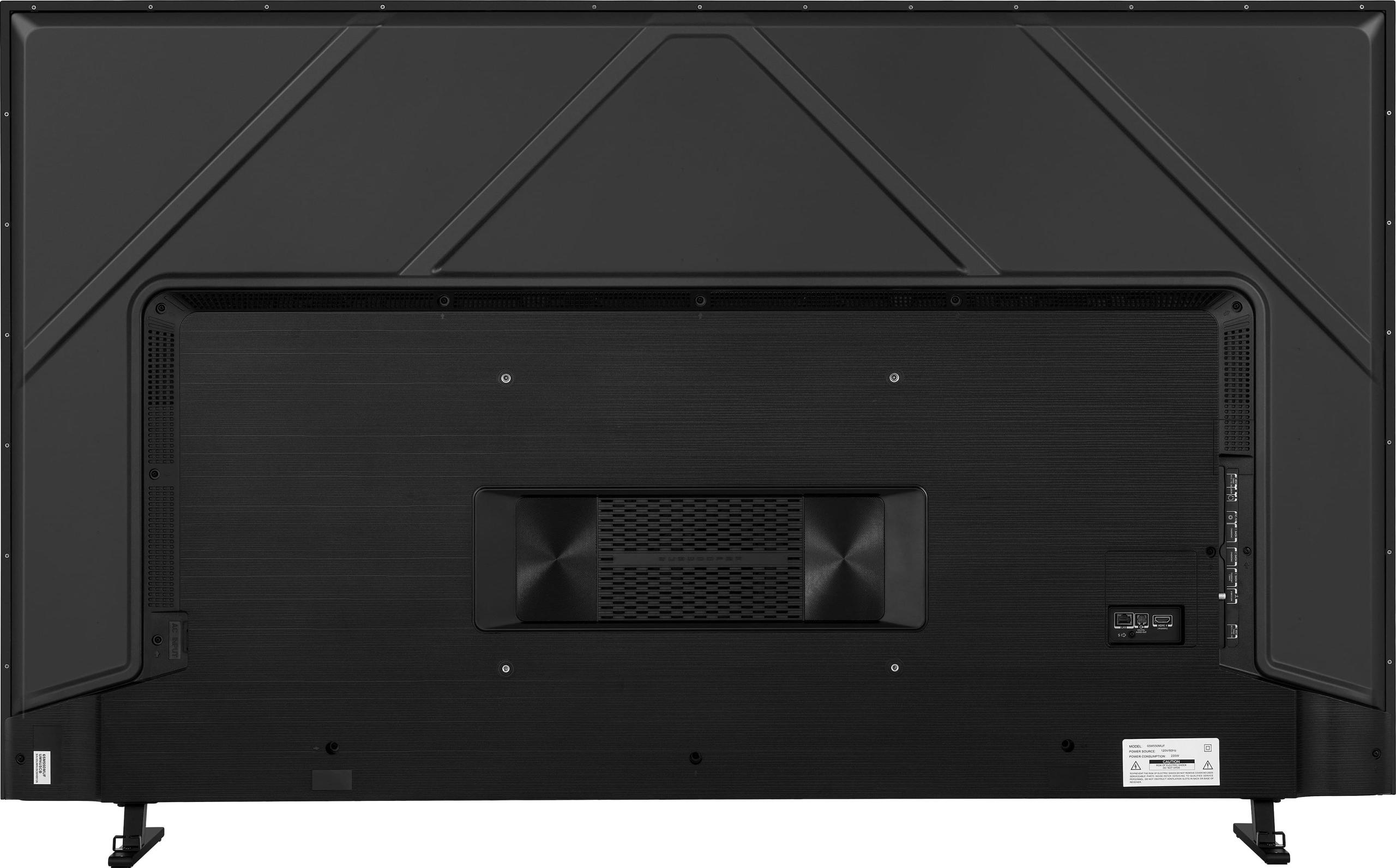
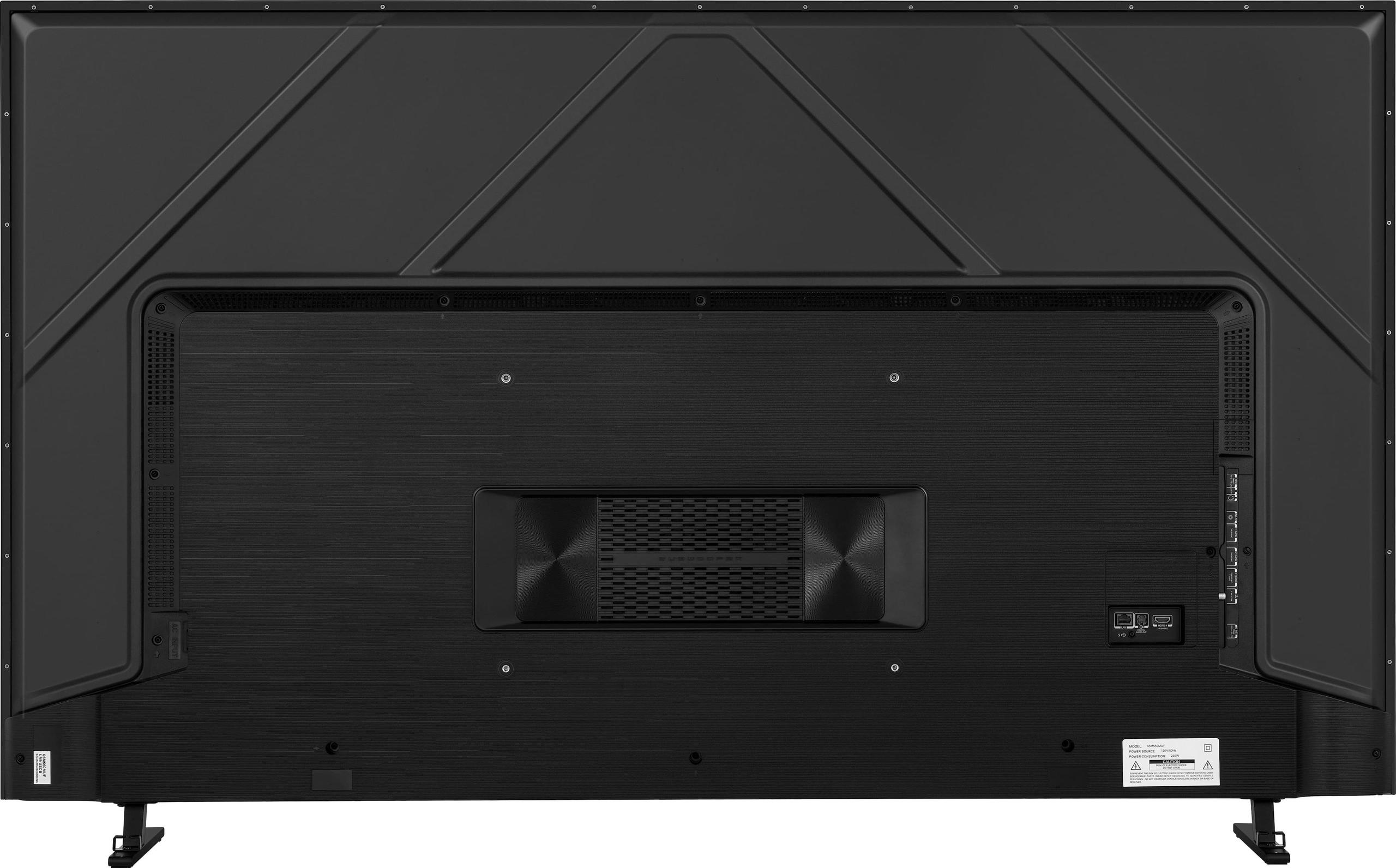
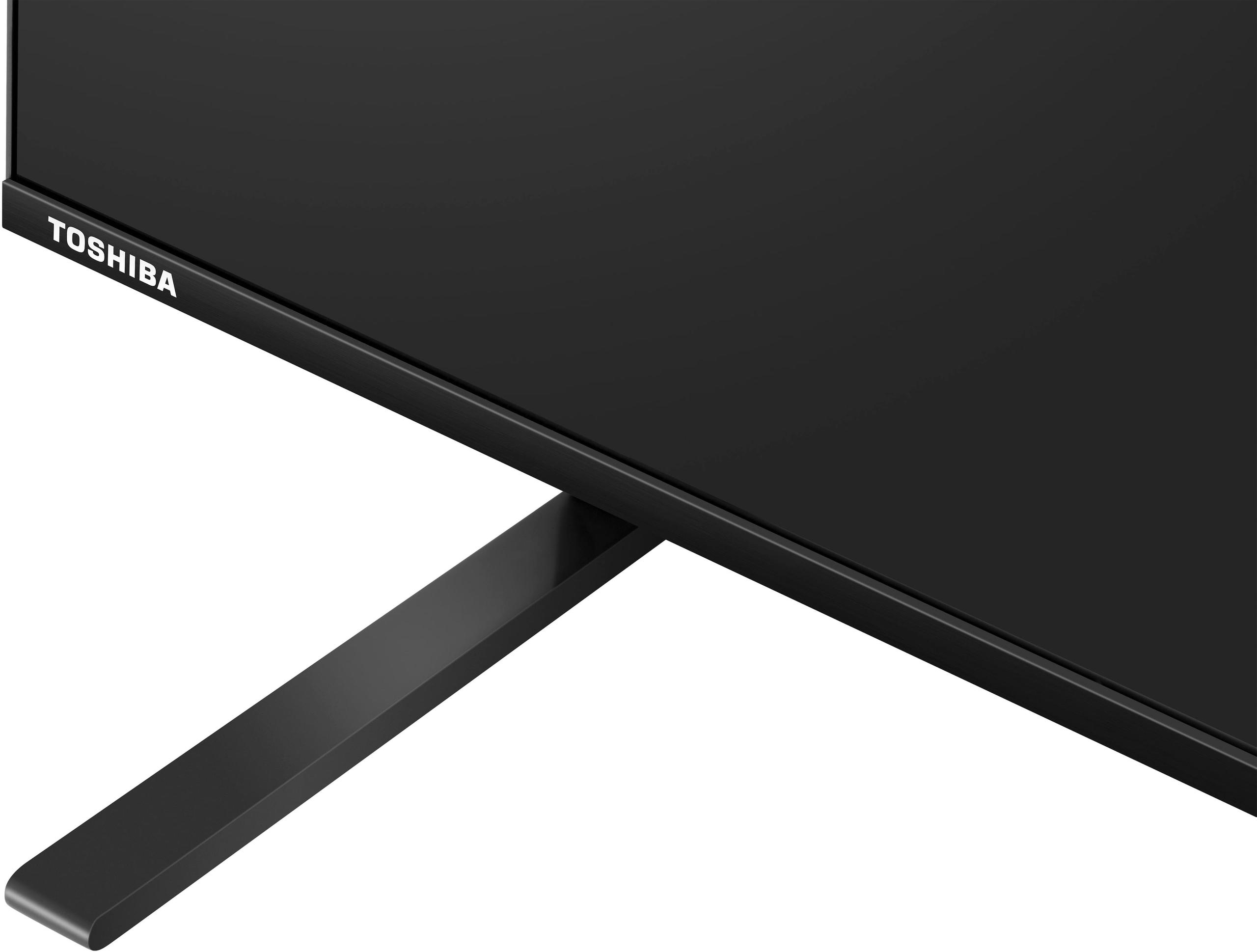
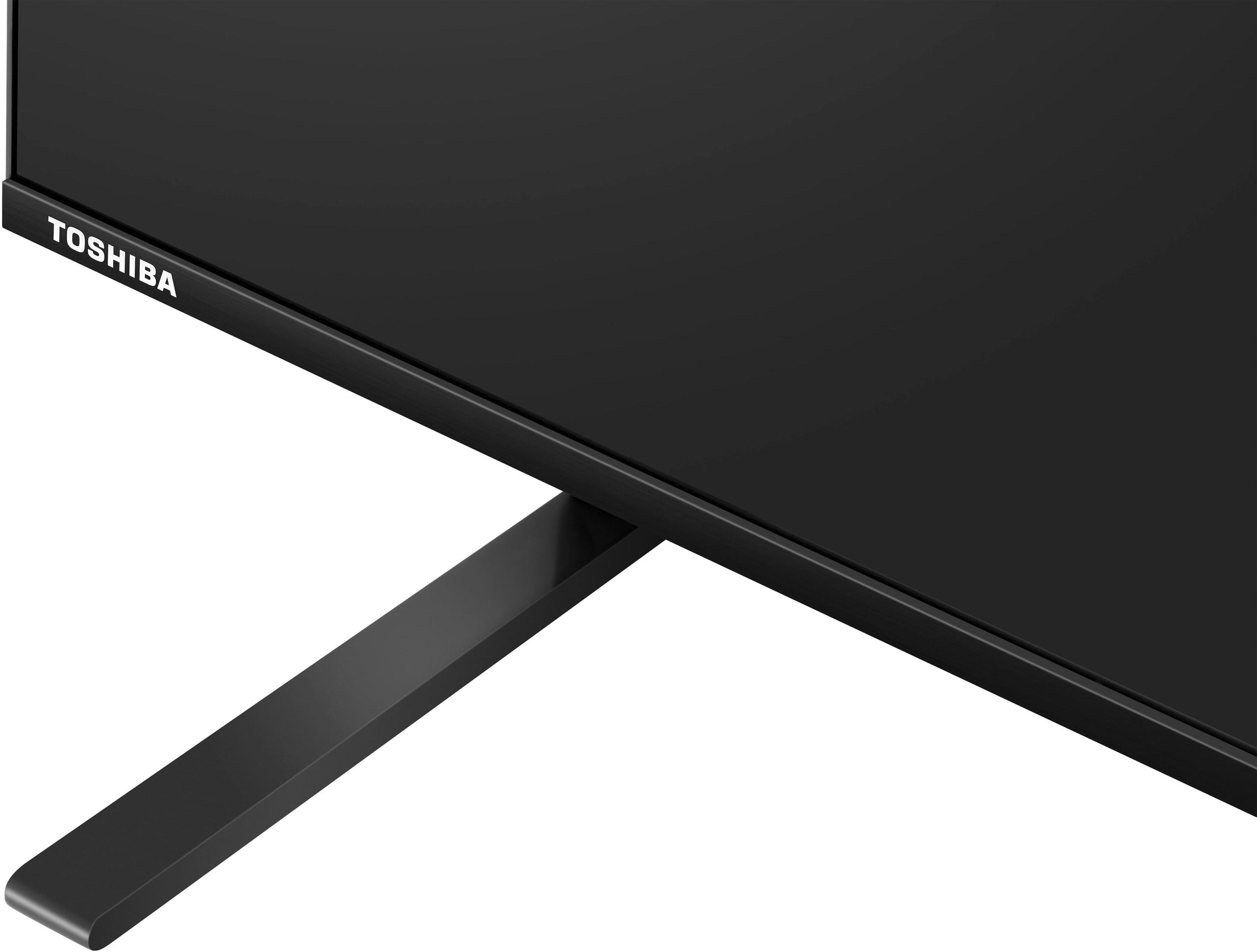
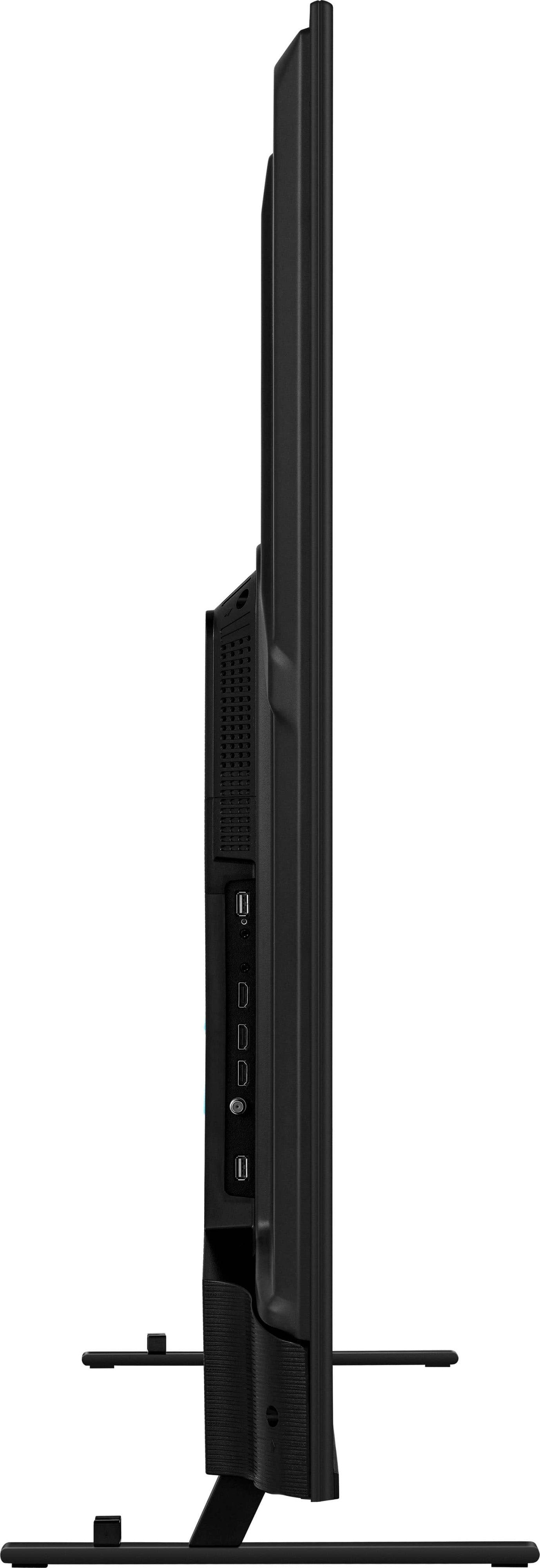
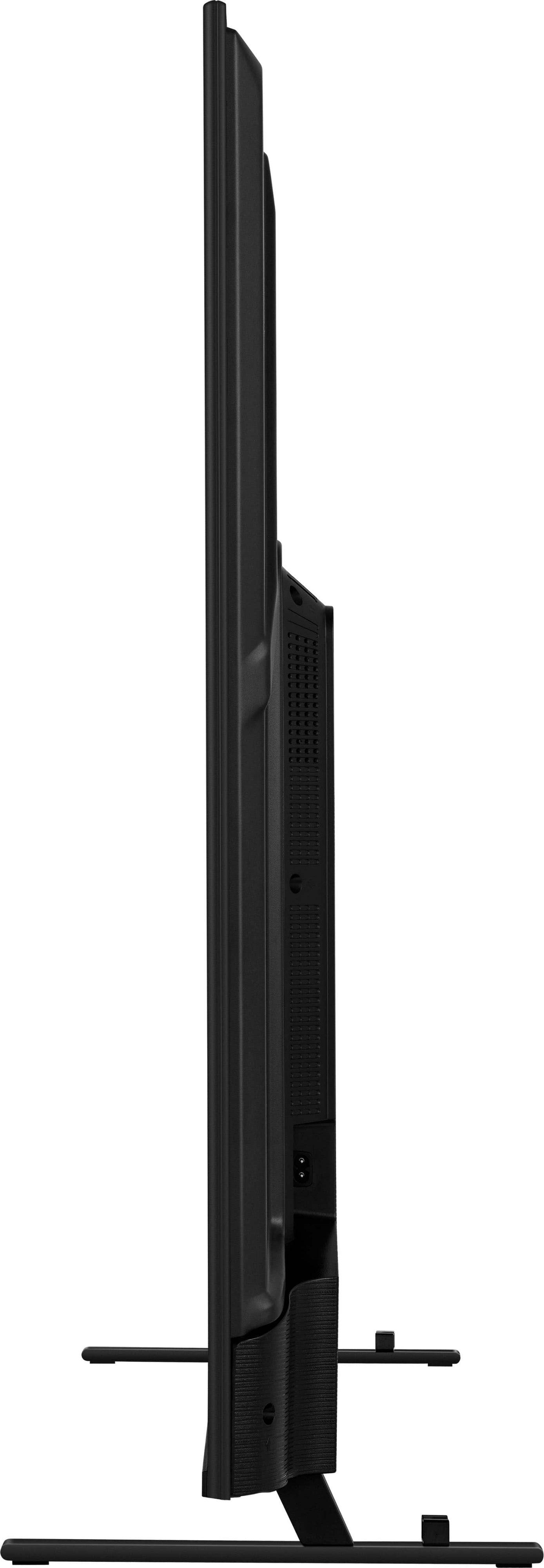
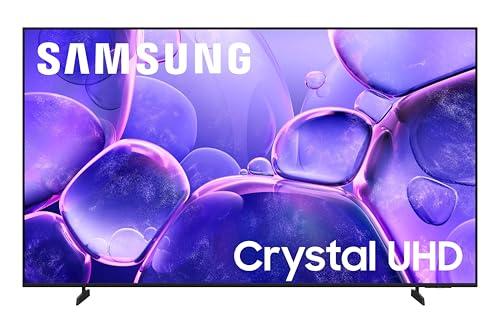
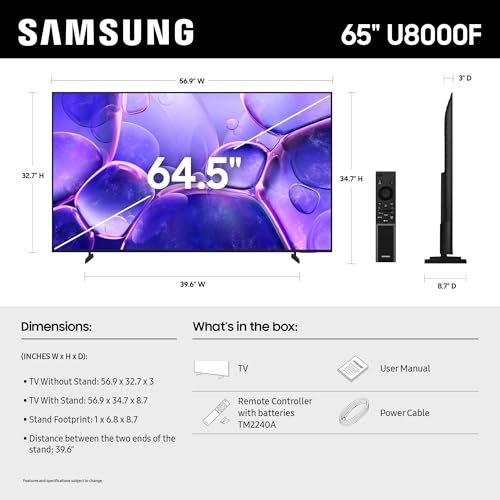
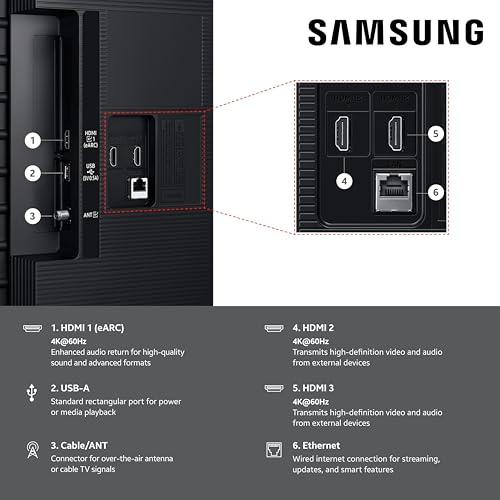
The 65-inch TV market has become incredibly competitive, with manufacturers pushing impressive features into surprisingly affordable price ranges. Two models that perfectly illustrate this trend are the Toshiba 65" M550 Series QLED Fire TV and the Samsung 65-Inch Crystal UHD U8000F 4K Smart TV. Both released in 2025, these TVs represent different philosophies: Toshiba prioritizes premium display technology at budget prices, while Samsung focuses on reliable performance and smart features.
Understanding what separates these models requires diving into the technical details that actually matter for your viewing experience. Let's break down everything you need to know to make the right choice for your home.
When shopping for a 65-inch 4K TV, you're entering the sweet spot of home entertainment. This size offers cinematic immersion without overwhelming most living rooms, but not all 65-inch TVs deliver the same experience.
The most crucial factors are picture quality, gaming performance, smart platform reliability, and audio capabilities. Picture quality encompasses everything from how bright the TV can get to how well it handles fast motion. Gaming performance has become increasingly important as PlayStation 5 and Xbox Series X push higher frame rates. The smart platform determines how smoothly you'll navigate Netflix, Disney+, and other streaming services. Audio quality affects whether you'll need to immediately buy a soundbar.
At the time of writing, both the Toshiba M550 and Samsung U8000F sit in the competitive mid-range segment, but they take dramatically different approaches to delivering value.
The most significant difference between these TVs lies in their display technology. The Toshiba M550 uses QLED (Quantum Dot Light Emitting Diode) technology, while the Samsung U8000F relies on traditional LED backlighting with Crystal UHD processing.
QLED technology places a layer of quantum dots between the LED backlight and the LCD panel. These microscopic particles absorb blue light from LEDs and convert it into precise red and green wavelengths, creating more accurate and vibrant colors. The Toshiba M550 leverages this to produce over one billion color shades, covering more than 90% of the DCI-P3 color space that modern HDR content uses.
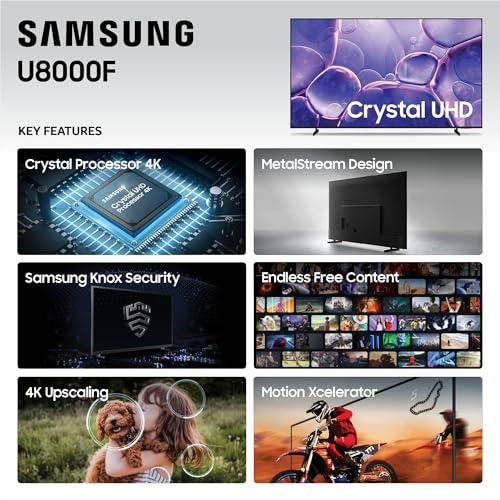
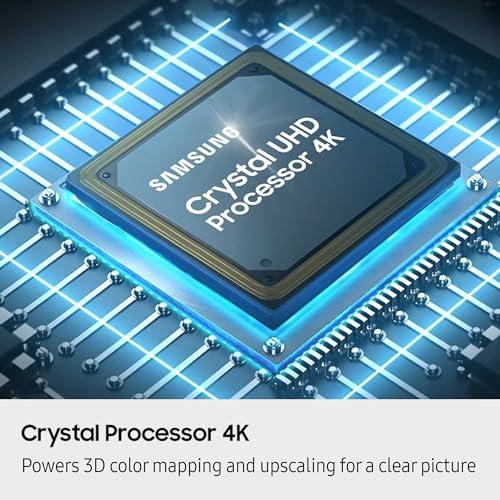
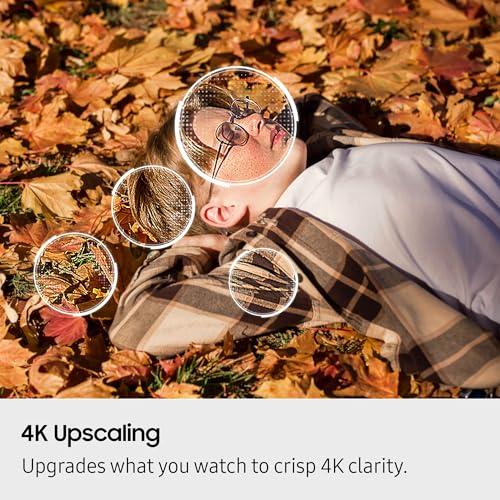
Samsung's Crystal UHD approach focuses on software processing rather than hardware enhancement. The Crystal Processor 4K analyzes incoming content and upscales lower-resolution material while optimizing colors through algorithms. It's less about expanding the color range and more about making whatever colors are available look their best.
In practical terms, the Toshiba M550 will display more vivid, saturated colors, especially in HDR content like Netflix's nature documentaries or Disney+ movies. The Samsung U8000F produces more natural-looking colors that some viewers prefer for regular TV shows and sports.
Here's where the Toshiba M550 pulls significantly ahead. It features full-array local dimming with 48 independent zones. This means the TV can brighten or darken different areas of the screen independently, creating deeper blacks in dark movie scenes while keeping bright elements properly illuminated.
The Samsung U8000F lacks local dimming entirely, relying on global dimming where the entire backlight adjusts uniformly. This creates a noticeable difference when watching movies with dark scenes – the Toshiba can make space scenes truly black while keeping stars bright, while the Samsung will show everything as a grayish wash.
For home theater enthusiasts, this difference is substantial. The Toshiba M550 delivers a more cinematic experience that better matches what filmmakers intended, especially in properly darkened rooms.
High Dynamic Range (HDR) expands the range between the brightest whites and deepest blacks, revealing details that standard dynamic range content masks. Both TVs support HDR, but their implementations vary significantly.
The Toshiba M550 supports Dolby Vision, HDR10, and HDR10+. Dolby Vision is particularly important because it provides scene-by-scene optimization instructions to the TV, ensuring each moment looks exactly as the content creator intended. Combined with the TV's local dimming and quantum dot technology, HDR content truly shines.
The Samsung U8000F supports HDR10 and HDR10+ but lacks Dolby Vision. While HDR10+ provides similar scene-by-scene optimization, less content uses this format compared to Dolby Vision. More critically, without local dimming, the TV struggles to display the dramatic contrast that makes HDR content impressive.
Based on our research of user experiences and expert reviews, the difference becomes apparent when watching HDR movies. The Toshiba M550 makes scenes like sunrise sequences or space battles genuinely dramatic, while the Samsung U8000F improves the image but doesn't deliver the "wow" factor that HDR promises.
Gaming performance has become crucial as modern consoles push 4K resolutions at higher frame rates. The technical specifications here tell an interesting story.
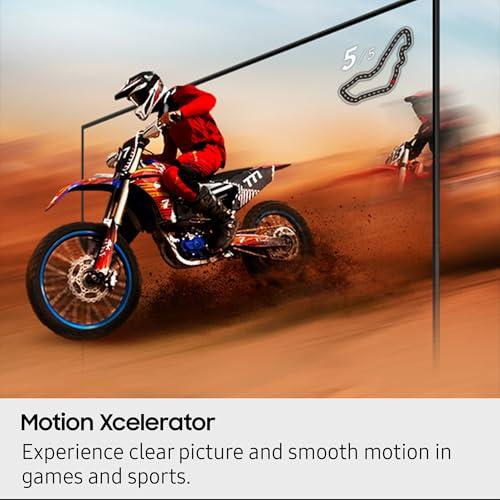
The Toshiba M550 offers a native 120Hz refresh rate, meaning it can display 120 frames per second. This is significant because PlayStation 5 and Xbox Series X games increasingly offer 120fps modes at 1080p or 1440p resolution. The TV also supports Variable Refresh Rate (VRR) up to 60Hz at 4K resolution, which eliminates screen tearing when frame rates fluctuate.
The Samsung U8000F is limited to 60Hz with VRR support, but the VRR becomes less effective on a 60Hz panel. While it includes Auto Low Latency Mode (ALLM) to reduce input lag, the lower refresh rate ceiling limits its gaming potential.
For competitive gamers or those who prioritize the smoothest possible gaming experience, the Toshiba M550 provides a clear advantage. The 120Hz capability future-proofs the TV as more games adopt higher frame rates.
Both TVs offer dedicated game modes that reduce input lag – the delay between pressing a controller button and seeing the action on screen. Based on user reports, both achieve acceptable input lag levels for casual gaming, but the Toshiba M550's higher refresh rate provides more responsive gameplay overall.
The Toshiba M550 also includes Dolby Vision gaming support, which enhances the visual experience in compatible games. As more titles adopt this technology, it provides another future-proofing advantage.
The smart TV platform significantly impacts your daily experience, affecting everything from app loading times to voice control functionality.
The Toshiba M550 runs Fire TV, Amazon's streaming-focused platform. Fire TV excels at content discovery, using algorithms to surface shows and movies across different services. The interface prioritizes streaming content, making it easy to continue watching shows or discover new ones.
Voice control through Alexa works exceptionally well, with far-field microphones built into the TV. You can ask Alexa to change channels, adjust volume, or search for content without touching the remote. For Amazon Prime subscribers, the integration feels seamless.
However, Fire TV can feel advertising-heavy, with promotional content appearing prominently on the home screen. Some users find this intrusive, though others appreciate the content suggestions.
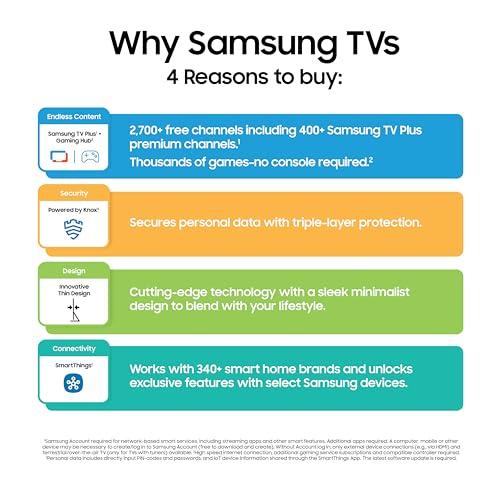
The Samsung U8000F runs Tizen OS with Samsung's One UI interface. This platform emphasizes smart home integration, working as a SmartThings hub to control compatible devices. The interface feels more traditional, resembling smartphone layouts that many users find intuitive.
Tizen OS includes Samsung TV Plus, which provides free streaming channels without requiring additional subscriptions. The platform also supports Apple AirPlay and HomeKit, making it appealing for iPhone users who want to mirror content or integrate the TV into Apple's ecosystem.
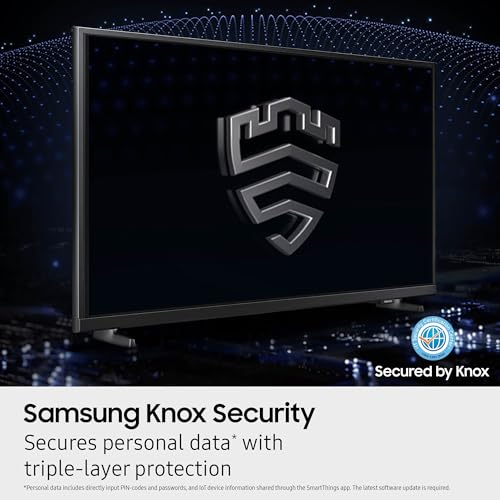
Samsung Knox security provides enterprise-grade protection for personal data, which becomes increasingly important as TVs connect to more smart home devices.
Based on user feedback and expert reviews, the platforms show different strengths. Fire TV on the Toshiba M550 occasionally suffers from performance issues, with some users reporting slow response times when navigating menus or launching apps. The TV's processor appears underpowered for the demands of Fire TV's interface.
Tizen OS on the Samsung U8000F generally provides more stable performance with smoother navigation. Samsung's longer experience with smart TV platforms shows in the polish and reliability of the user experience.
Both TVs attempt to provide decent audio without requiring immediate soundbar purchases, but they take different approaches.
The Toshiba M550 includes REGZA Power Audio Pro with a 25W bass woofer and dual 12W speakers. This configuration provides notably better bass response than typical TV speakers, with users reporting "thick and rich" sound quality. The virtual Dolby Atmos processing creates a sense of height and dimension that enhances movie watching.
The Samsung U8000F offers a more traditional 20W 2-channel system with Object Tracking Sound Lite. While the dialogue clarity is excellent, the system lacks the depth and power of the Toshiba's setup. However, Q-Symphony compatibility allows the TV speakers to work in harmony with Samsung soundbars, creating a more powerful combined system for users who plan audio upgrades.
For users planning to rely primarily on built-in audio, the Toshiba M550 provides a more satisfying experience. For those intending to add a soundbar, the Samsung U8000F's integration capabilities offer long-term advantages.
Reliability often determines long-term satisfaction more than specifications, and the two TVs show different patterns based on user experiences and expert analysis.
The Toshiba M550 features premium materials including a metal back panel and robust construction that feels substantial. However, user reports indicate some reliability concerns, including occasional system freezes, slow menu responses, and rare instances of screen flickering. These issues don't affect all units, but they occur frequently enough to consider.
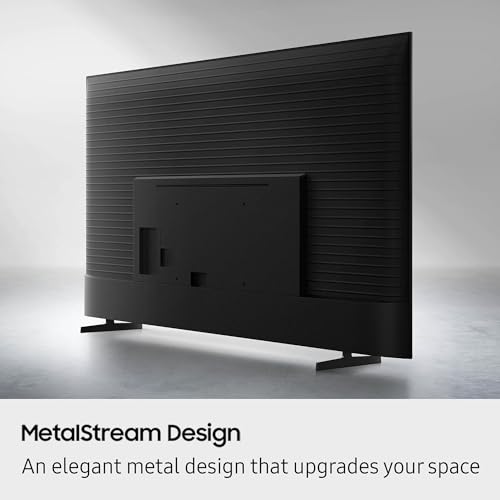
The Samsung U8000F benefits from Samsung's established manufacturing processes and quality control. The MetalStream design provides an attractive, slim profile with consistent build quality across units. Software stability appears superior, with fewer reports of system crashes or performance issues.
Samsung's broader service network and established warranty support also provide advantages for long-term ownership. While both TVs carry standard manufacturer warranties, Samsung's reputation for honoring warranties and providing technical support gives buyers additional confidence.
For dedicated home theater setups, the technical differences between these TVs become more pronounced.
The Toshiba M550 excels in dark room environments where its local dimming and QLED technology shine. The combination of deep blacks, vibrant colors, and Dolby Vision support creates a more cinematic experience that better matches professional displays. The 120Hz capability also benefits movie content through more natural motion handling.
However, the processing issues that some users experience can disrupt the home theater experience. Slow menu responses or occasional system hiccups break immersion during critical viewing moments.
The Samsung U8000F provides more consistent performance but lacks the contrast and color capabilities that make home theater viewing special. In dark rooms, the absence of local dimming becomes particularly noticeable, with dark scenes appearing washed out compared to the Toshiba.
For serious home theater enthusiasts, the Toshiba M550's superior display technology outweighs its reliability concerns. For users who prioritize consistent performance over peak capabilities, the Samsung U8000F provides a more predictable experience.
After extensive research into user experiences, expert reviews, and technical specifications, clear patterns emerge for who should choose each TV.
Choose the Toshiba M550 if you're a gaming enthusiast who needs 120Hz performance, a movie lover who watches primarily in dark rooms, or someone who wants the best possible picture quality at this price point. The QLED technology, local dimming, and comprehensive HDR support create a viewing experience that punches above its price class. However, be prepared for potential software quirks and ensure you're comfortable troubleshooting occasional issues.
Choose the Samsung U8000F if you prioritize reliability and consistent performance, watch TV in bright rooms with lots of ambient light, or prefer integration with Samsung's ecosystem. The superior processing, stable software, and established brand support create a more predictable ownership experience, even if the peak performance doesn't match the Toshiba.
Both TVs represent excellent value at their respective price points as of this writing, but they serve different priorities. The Toshiba M550 maximizes display technology and gaming performance, while the Samsung U8000F emphasizes reliability and user experience. Your choice should align with what matters most for your specific viewing habits and technical comfort level.
The 65-inch TV market continues evolving rapidly, with manufacturers pushing more features into affordable price ranges. Both models showcase this trend, offering capabilities that would have required premium pricing just a few years ago. Whether you prioritize cutting-edge display technology or proven reliability, both options deliver genuine value for different types of users.
| Toshiba 65" M550 Series QLED Fire TV | Samsung 65-Inch Crystal UHD U8000F 4K Smart TV |
|---|---|
| Display Technology - Determines color accuracy and vibrancy | |
| QLED with Quantum Dot technology (over 1 billion colors, 90%+ DCI-P3 coverage) | Crystal UHD with LED backlight (traditional LCD with software enhancement) |
| Local Dimming - Critical for deep blacks and contrast in dark scenes | |
| Full-array local dimming with 48 zones (dramatically better contrast) | No local dimming (global dimming only, washed-out dark scenes) |
| Refresh Rate - Essential for gaming and smooth motion | |
| Native 120Hz (supports 120fps gaming at 1080p/1440p) | 60Hz (limited gaming performance, no 120fps support) |
| HDR Support - Determines how well the TV displays modern streaming content | |
| Dolby Vision, HDR10, HDR10+ (comprehensive support including Netflix/Disney+ optimization) | HDR10, HDR10+ only (missing Dolby Vision used by major streaming services) |
| Gaming Features - Important for PS5/Xbox Series X owners | |
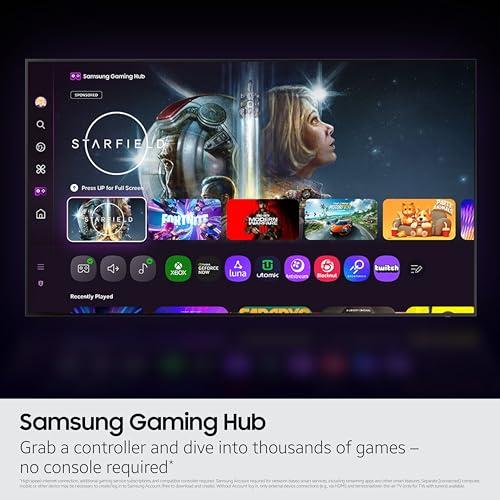
| VRR up to 60Hz at 4K, 120Hz at lower resolutions, ALLM, Game Mode Plus | VRR at 60Hz, ALLM, Gaming Hub (adequate for casual gaming only) |
| Smart Platform - Affects daily usability and app performance | |
| Fire TV with Alexa voice control (content-focused but can be slow) | Tizen OS with One UI (more stable performance, Samsung ecosystem integration) |
| Audio System - Determines if you need a soundbar immediately | |
| REGZA Power Audio Pro: 25W woofer + dual 12W speakers with virtual Dolby Atmos | 20W 2-channel with OTS Lite (clear dialogue but limited bass and depth) |
| Build Quality & Reliability - Impacts long-term satisfaction | |
| Metal construction but reports of software lag and occasional system freezes | MetalStream design with more consistent performance and established support network |
| Smart Home Integration - Important for connected home setups | |
| Amazon Alexa, Fire TV ecosystem, Apple AirPlay | SmartThings Hub, Matter Hub, Apple AirPlay/HomeKit, Samsung Knox security |
| Ideal Use Case - Who should buy this TV | |
| Gaming enthusiasts, home theater setups, dark room viewing, Amazon ecosystem users | Family rooms, bright spaces, reliability-focused buyers, Samsung ecosystem users |
The Toshiba 65" M550 Series QLED Fire TV delivers superior picture quality for movies and streaming content. Its QLED technology with quantum dots produces over one billion colors and supports Dolby Vision HDR, which is used by Netflix, Disney+, and other major streaming services. The full-array local dimming with 48 zones creates deeper blacks and better contrast for cinematic viewing. The Samsung 65-Inch Crystal UHD U8000F offers good color accuracy but lacks the advanced display technologies needed for premium streaming content.
The Toshiba 65" M550 Series QLED Fire TV is significantly better for next-gen console gaming. It features a native 120Hz refresh rate that supports 120fps gaming at 1080p and 1440p resolutions, plus Variable Refresh Rate (VRR) technology to eliminate screen tearing. The Samsung 65-Inch Crystal UHD U8000F is limited to 60Hz with basic VRR support, making it adequate only for casual gaming. For competitive gaming or taking full advantage of PS5/Xbox Series X capabilities, the Toshiba is the clear choice.
Both TVs offer user-friendly smart platforms, but they serve different preferences. The Samsung 65-Inch Crystal UHD U8000F runs Tizen OS, which provides more stable performance, smoother navigation, and better smart home integration with Samsung devices. The Toshiba 65" M550 Series QLED Fire TV uses Amazon's Fire TV platform, which excels at content discovery and Alexa voice control but can experience occasional performance lag. Samsung's platform is generally more reliable for everyday use.
The Toshiba 65" M550 Series QLED Fire TV has notably better built-in audio with its REGZA Power Audio Pro system featuring a 25W bass woofer and dual 12W speakers. Users report "thick and rich" sound with better bass response than typical TV speakers. The Samsung 65-Inch Crystal UHD U8000F has a standard 20W 2-channel system that provides clear dialogue but lacks depth and power. If you plan to rely on built-in speakers, the Toshiba offers a more satisfying audio experience.
The Samsung 65-Inch Crystal UHD U8000F appears more reliable for long-term ownership based on user reports and Samsung's established quality control. It shows fewer software issues and benefits from Samsung's extensive service network. The Toshiba 65" M550 Series QLED Fire TV offers premium display technology but some users report occasional system freezes and slow menu responses. While not universal, these reliability concerns make Samsung the safer choice for users prioritizing consistent performance.
The Samsung 65-Inch Crystal UHD U8000F performs better in bright rooms due to its more consistent brightness levels and better reflection handling. Its Crystal Processor 4K helps maintain image quality across different lighting conditions. The Toshiba 65" M550 Series QLED Fire TV excels in dark rooms where its local dimming and QLED technology shine, but can struggle with reflections in brightly lit environments. For family rooms with lots of natural light, Samsung is the better choice.
Both TVs offer excellent value but for different reasons. The Toshiba 65" M550 Series QLED Fire TV provides exceptional value by offering premium display technologies (QLED, local dimming, 120Hz) typically found in much more expensive TVs. The Samsung 65-Inch Crystal UHD U8000F offers better value in terms of reliability, brand support, and consistent performance. Your choice depends on whether you prioritize cutting-edge display features or proven reliability.
The Toshiba 65" M550 Series QLED Fire TV is superior for home theater use. Its full-array local dimming creates the deep blacks essential for cinematic viewing, while QLED technology and Dolby Vision support deliver the color accuracy and contrast that filmmakers intended. The 120Hz refresh rate also benefits movie content. The Samsung 65-Inch Crystal UHD U8000F lacks the contrast capabilities needed for an immersive home theater experience, particularly in darkened rooms where the differences become most apparent.
The Toshiba 65" M550 Series QLED Fire TV delivers significantly better HDR performance with support for Dolby Vision, HDR10, and HDR10+. Combined with its local dimming and quantum dot technology, HDR content shows dramatic contrast and vibrant colors. The Samsung 65-Inch Crystal UHD U8000F supports HDR10 and HDR10+ but lacks Dolby Vision and local dimming, resulting in less impressive HDR presentation. For Netflix, Disney+, and other premium HDR content, the Toshiba provides a much better experience.
The Toshiba 65" M550 Series QLED Fire TV offers extensive streaming app selection through Amazon's Fire TV platform and superior voice control with built-in Alexa and far-field microphones. You can control the TV hands-free and get excellent content recommendations. The Samsung 65-Inch Crystal UHD U8000F has good app selection through Tizen OS plus Samsung TV Plus for free channels, but voice control requires the remote. For voice control enthusiasts and Amazon ecosystem users, the Toshiba is better.
The Samsung 65-Inch Crystal UHD U8000F is generally easier to set up and use daily due to its more stable software and intuitive Tizen interface. Users report smoother navigation and fewer technical issues. The Toshiba 65" M550 Series QLED Fire TV offers more features but can be slower to respond and occasionally requires troubleshooting. For users who want a "plug and play" experience without technical complications, Samsung provides a more user-friendly daily experience.
For most family rooms, the Samsung 65-Inch Crystal UHD U8000F is the better choice due to its reliability, consistent performance in various lighting conditions, and stable smart platform. It handles daily family use with fewer technical issues. Choose the Toshiba 65" M550 Series QLED Fire TV if your family prioritizes gaming performance, watches lots of movies in darker conditions, or is already invested in Amazon's ecosystem. The Samsung offers a more predictable experience for diverse family viewing needs.
We've done our best to create useful and informative comparisons to help you decide what product to buy. Our research uses advanced automated methods to create this comparison and perfection is not possible - please contact us for corrections or questions. These are the sites we've researched in the creation of this article: bestbuy.com - bestbuy.com - consumerreports.org - youtube.com - pcvarge.com - tomsguide.com - youtube.com - bestbuy.com - toshibatv-usa.com - marketplace-staging.paytomorrow.com - toshibatv-usa.com - productabout.com - leaseville.com - youtube.com - toshibatv-usa.com - bestbuy.com - youtube.com - youtube.com - rtings.com - youtube.com - samsung.com - hometechnologyreview.com - rtings.com - samsung.com - displayspecifications.com - samsung.com - displayspecifications.com - walmart.com - billsmith.com - dentonstv.com - samsung.com - samsung.com - samsung.com - youtube.com - bestbuy.com - bestbuy.com - youtube.com - samsung.com - donstv.com

Privacy Policy
Terms and Conditions - Affiliate Policy
Home Security
© Copyright 2008-2026.
11816 Inwood Rd #1211, Dallas, TX 75244