

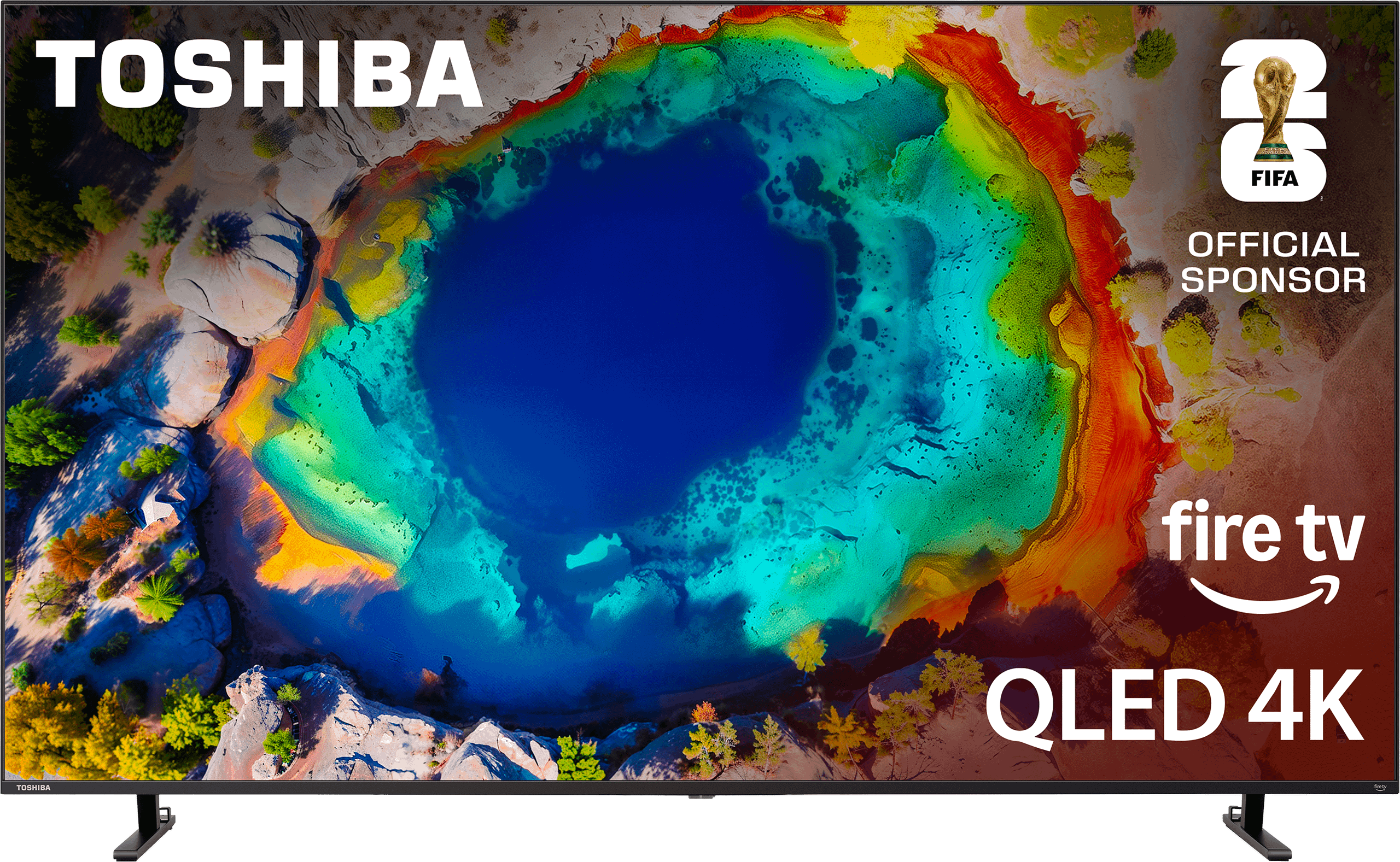
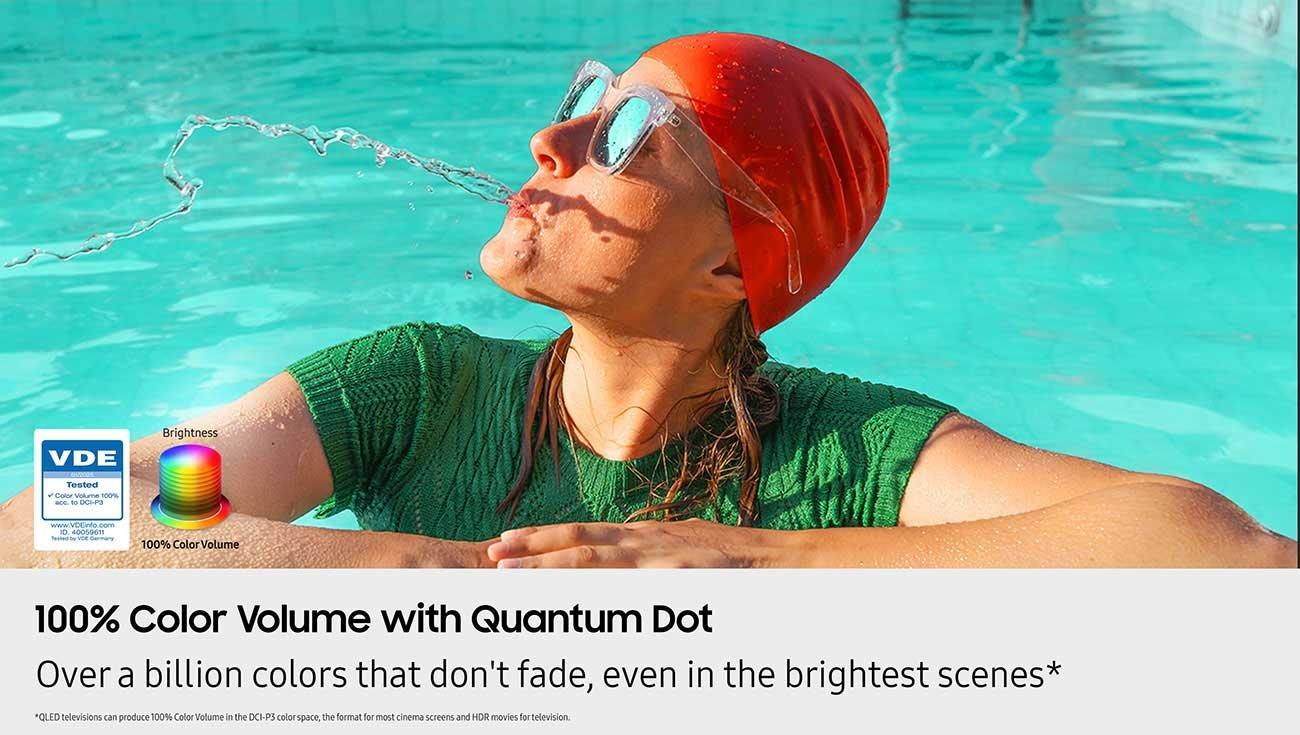
When you're shopping for a premium 65-inch TV, you're making a decision that will shape your home entertainment experience for years to come. The 65-inch size hits that perfect sweet spot—big enough to create a cinematic experience without overwhelming most living rooms. And when you add QLED technology into the mix, you're looking at displays that can produce over a billion different colors with brightness levels that make HDR content truly pop.
QLED stands for Quantum Dot LED, and it's essentially a layer of microscopic crystals that sits between the LED backlight and the screen. These quantum dots convert blue light from the LEDs into precise red and green wavelengths, creating much more accurate and vibrant colors than traditional LED TVs. Think of it as a color translator that helps your TV speak a more nuanced language of hues and saturation.
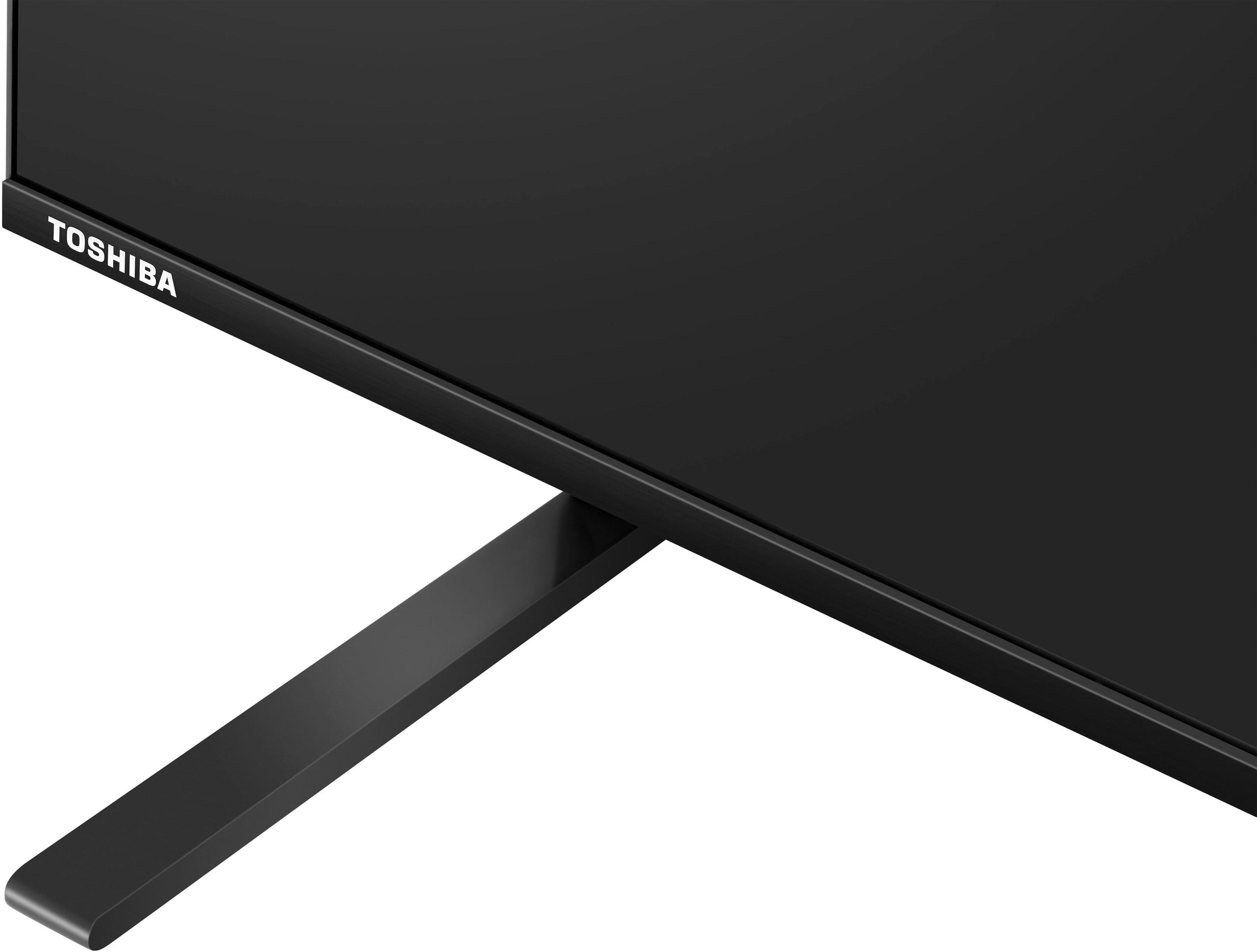
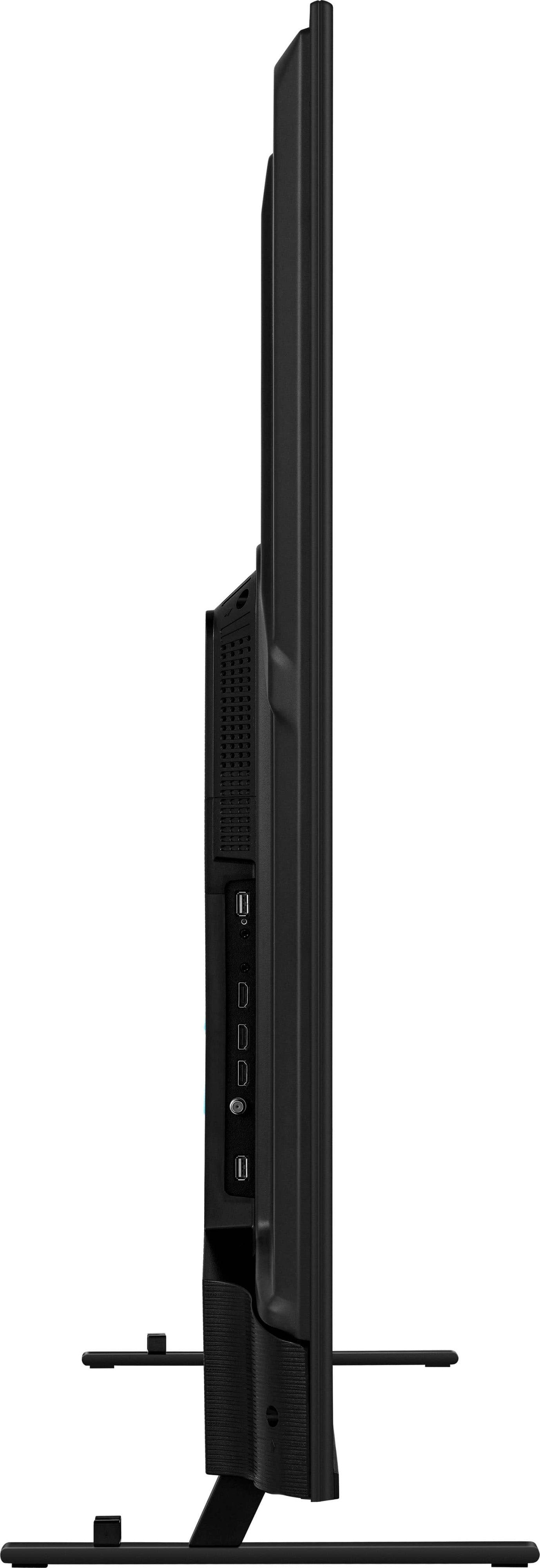
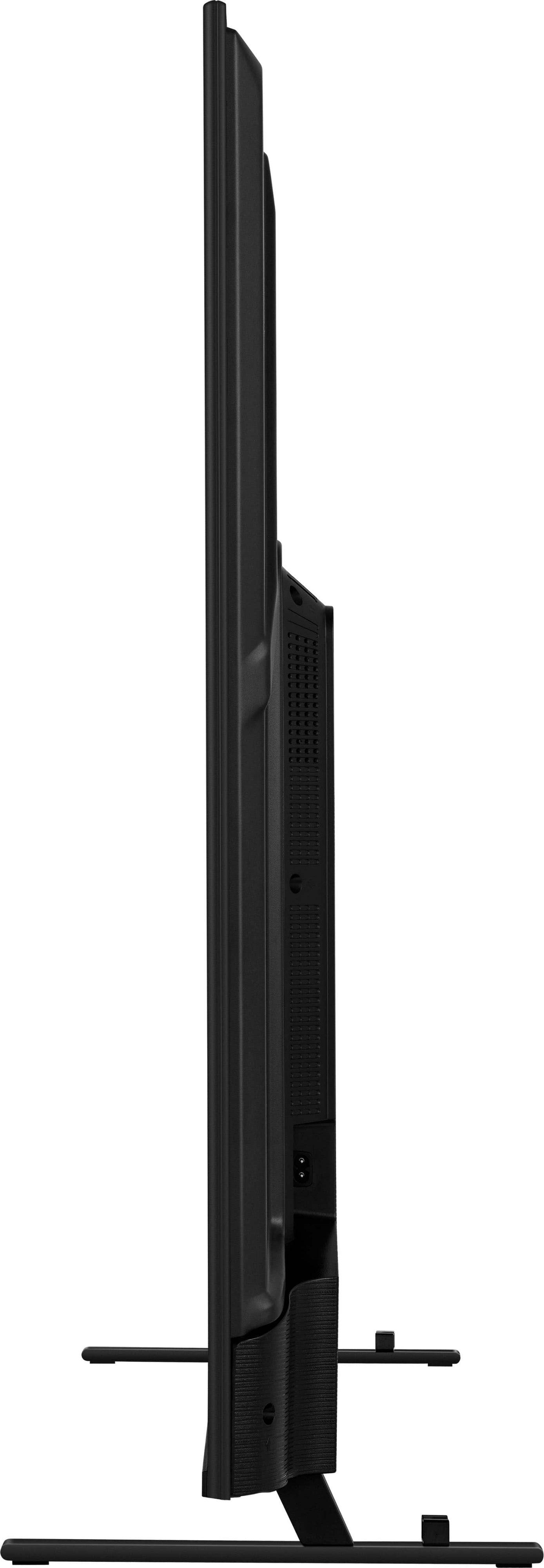
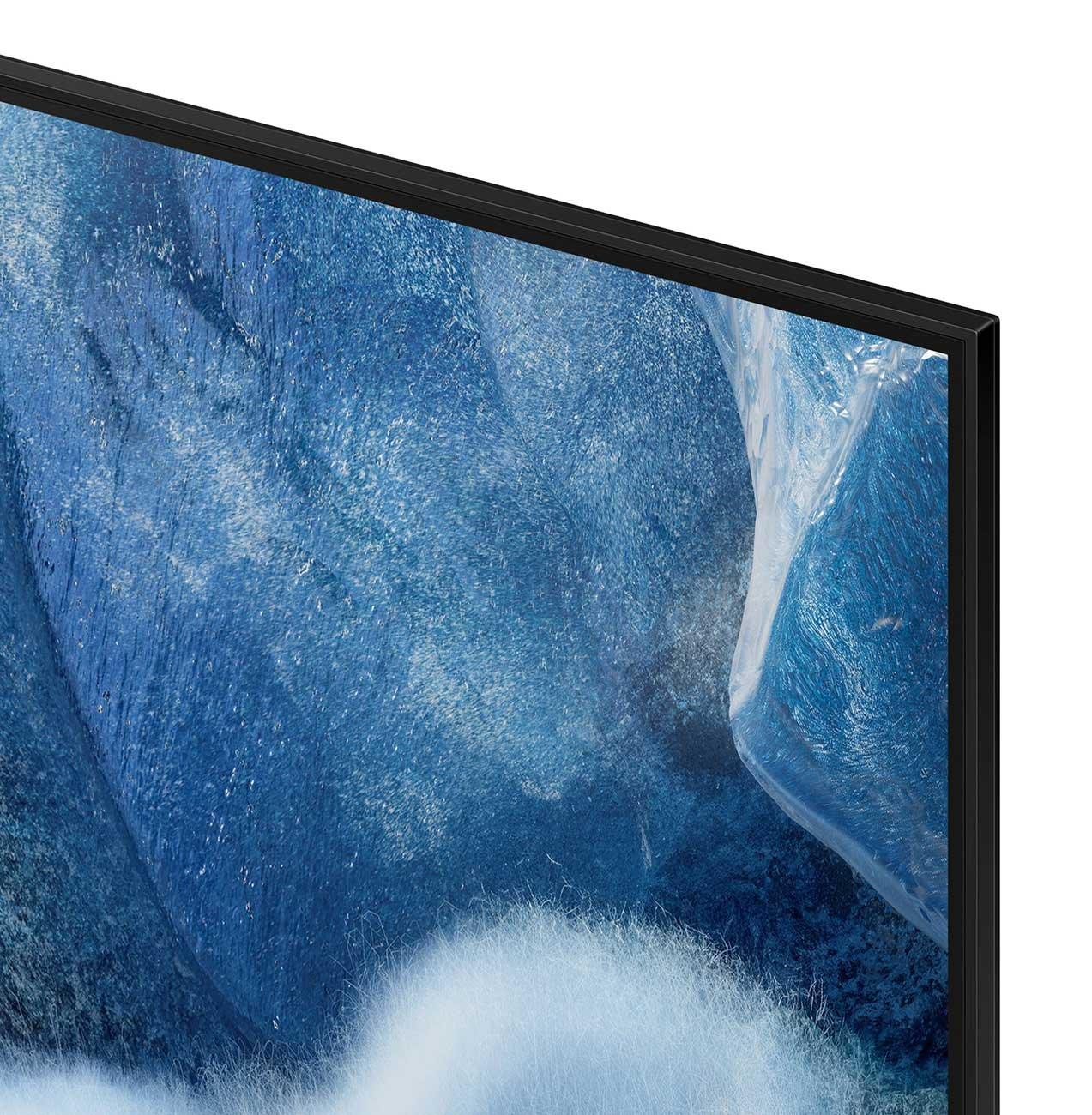
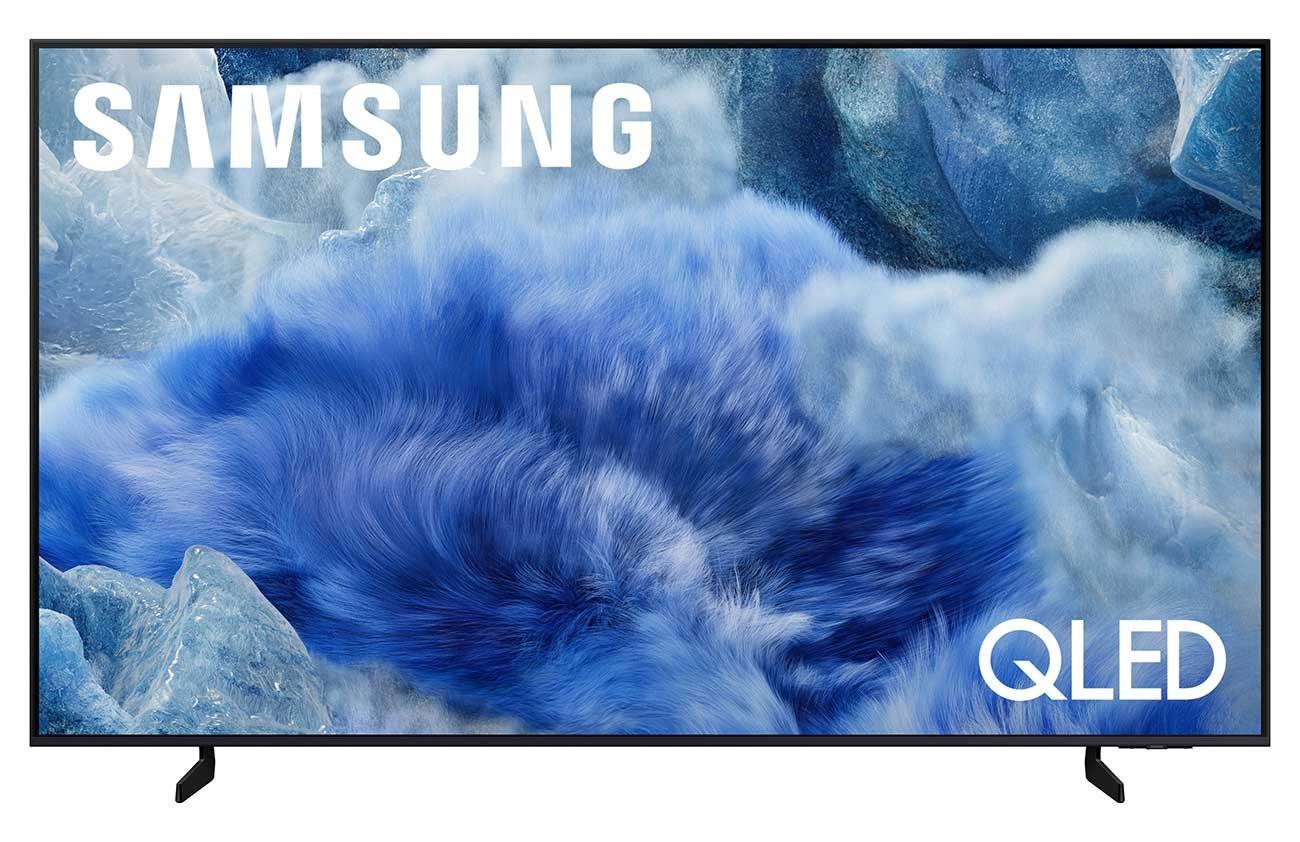
But here's where things get interesting: not all QLED TVs are created equal. The Toshiba M550 Series and Samsung QN8F Series represent two very different approaches to delivering premium picture quality at different price points. The Toshiba launched in 2024 as an aggressive value play, while Samsung's QN8F Series arrived in 2025 with their latest AI-powered processing technology.
The premium 65-inch TV market has evolved dramatically over the past few years. What used to be simple considerations—screen size, resolution, and basic smart features—have expanded into complex decisions involving AI processing, advanced HDR formats, gaming capabilities, and sophisticated audio systems.
The most critical factors you should evaluate include picture processing power, local dimming implementation, smart platform performance, and motion handling capabilities. These aren't just marketing buzzwords; they directly impact how your TV performs with different types of content, from Netflix streaming to PlayStation gaming to 4K Blu-ray movies.
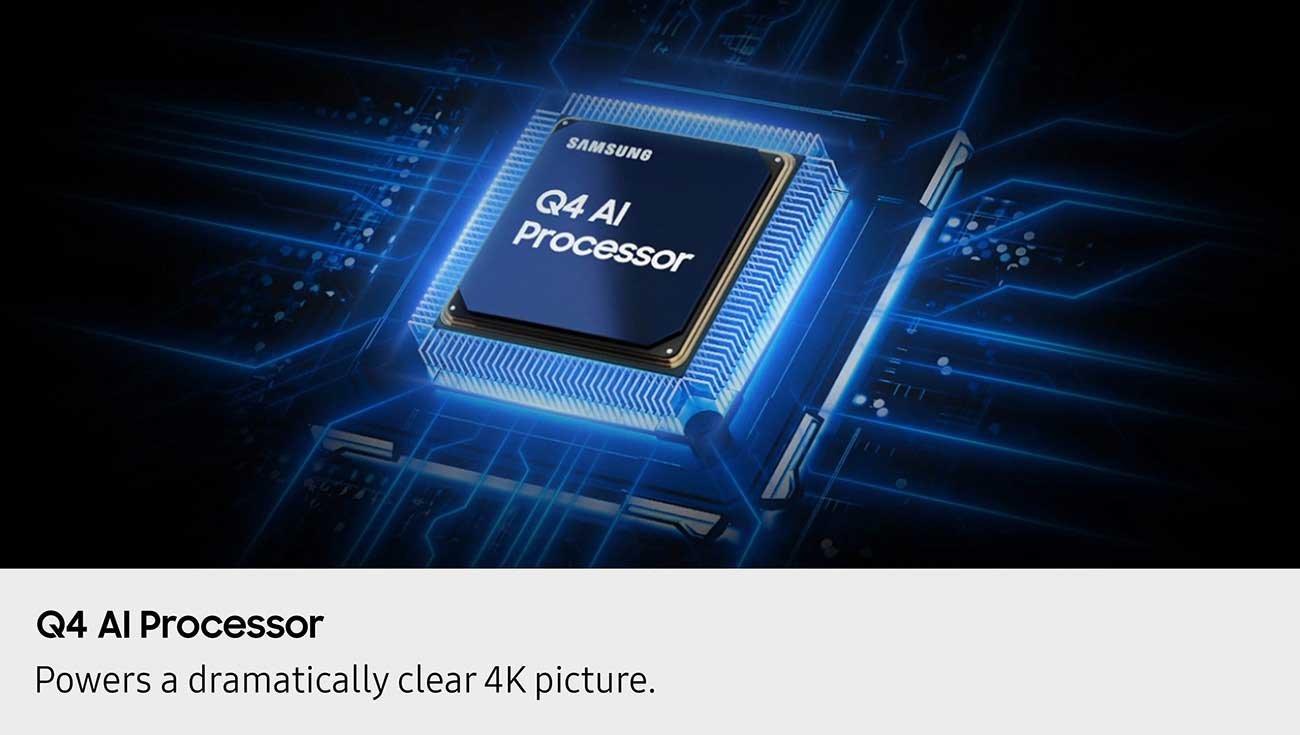
The biggest fundamental difference between the Toshiba M550 and Samsung QN8F lies in their processing capabilities. Samsung's Q4 AI Processor represents their latest generation of image processing technology, using machine learning algorithms to analyze content in real-time and optimize picture settings automatically.
What does this mean in practice? When you're watching a dark, atmospheric scene in a thriller, the Samsung's Vision AI technology identifies the content type and adjusts contrast, color temperature, and detail enhancement to bring out shadow details without washing out the image. It's like having a professional TV calibrator making adjustments scene by scene.
The Toshiba M550, on the other hand, uses their REGZA Engine ZR, which is solid but more traditional in its approach. It handles 4K upscaling well—taking lower resolution content and intelligently adding detail to make it look sharper on the 4K screen—but it lacks the sophisticated real-time analysis that modern AI processors provide.
Here's where things get technically interesting, and it's a perfect example of why specifications don't tell the whole story. The Toshiba M550 features full-array local dimming with 48 individual zones that can brighten or dim independently. This is genuinely impressive technology—imagine your TV's backlight divided into a grid of 48 sections, each capable of adjusting brightness to match what's happening on that part of the screen.
The Samsung QN8F, however, uses dual LED technology, which takes a different approach. Instead of zone-based dimming, it uses LEDs with different color temperatures (cool and warm white) to create contrast. While this might sound less advanced on paper, Samsung's implementation often delivers more consistent results because it's paired with their superior processing power.
In our research of professional reviews and user feedback, the Toshiba's local dimming sometimes creates a "flashlight effect" where you can see the zones turning on and off during transitions between bright and dark scenes. The Samsung's approach tends to be more subtle and natural-looking.
Both TVs support the major HDR formats, but they handle them differently. HDR, or High Dynamic Range, essentially means the TV can display a much wider range of brightness levels and colors—from the deepest blacks to the brightest highlights—more like what your eyes see in real life.
The Toshiba M550 supports Dolby Vision, HDR10, HDR10+, and HLG, which covers virtually all HDR content you'll encounter. Dolby Vision is particularly impressive because it includes scene-by-scene metadata—instructions that tell the TV exactly how to display each moment of a movie for optimal impact.
The Samsung QN8F features Quantum HDR+ with adaptive tone mapping, which means it analyzes your room's lighting conditions and adjusts HDR intensity accordingly. This is brilliant for real-world viewing because HDR content is often mastered for dark theater environments, but most of us watch TV in living rooms with ambient light.
This is where our research uncovered the most significant differences between these TVs, and frankly, it's a deal-breaker for many users.
The Toshiba M550 runs Amazon's Fire TV platform, which should be familiar and user-friendly. In theory, it provides access to all major streaming services, Alexa voice control, and a straightforward interface. Unfortunately, multiple professional reviews and user reports indicate serious performance issues.
The fundamental problem appears to be that Toshiba paired Fire TV with an underpowered processor. Users consistently report that apps take 30-60 seconds to load after turning on the TV. Imagine pressing the Netflix button on your remote and then waiting nearly a minute before the app appears—it's genuinely frustrating for daily use.
Even worse, the TV frequently exits apps unexpectedly, freezes during navigation, and sometimes boots directly to advertisements instead of your last-watched content. These aren't minor annoyances; they're fundamental usability problems that affect every interaction with the TV.
The Samsung QN8F runs Tizen, Samsung's mature smart TV platform that has been refined over several years. Tizen is consistently praised for its responsiveness, intuitive interface, and stability. The 2025 version includes enhanced Bixby voice control that can process multiple commands simultaneously and better understands context.
Samsung's implementation goes beyond basic voice commands. The enhanced Bixby can handle complex requests like "Find action movies from the 2000s with good ratings" and actually deliver useful results. The new Generative Wallpaper feature uses AI to create custom screensavers based on keywords you provide—a nice touch that personalizes your TV experience.
The Toshiba M550's Alexa integration works well when the system is responsive, but the processing delays often make voice commands feel sluggish and unreliable.
TV audio has become surprisingly important as streaming services invest in sophisticated soundtracks and spatial audio. Most people underestimate how much good built-in audio can enhance the viewing experience.
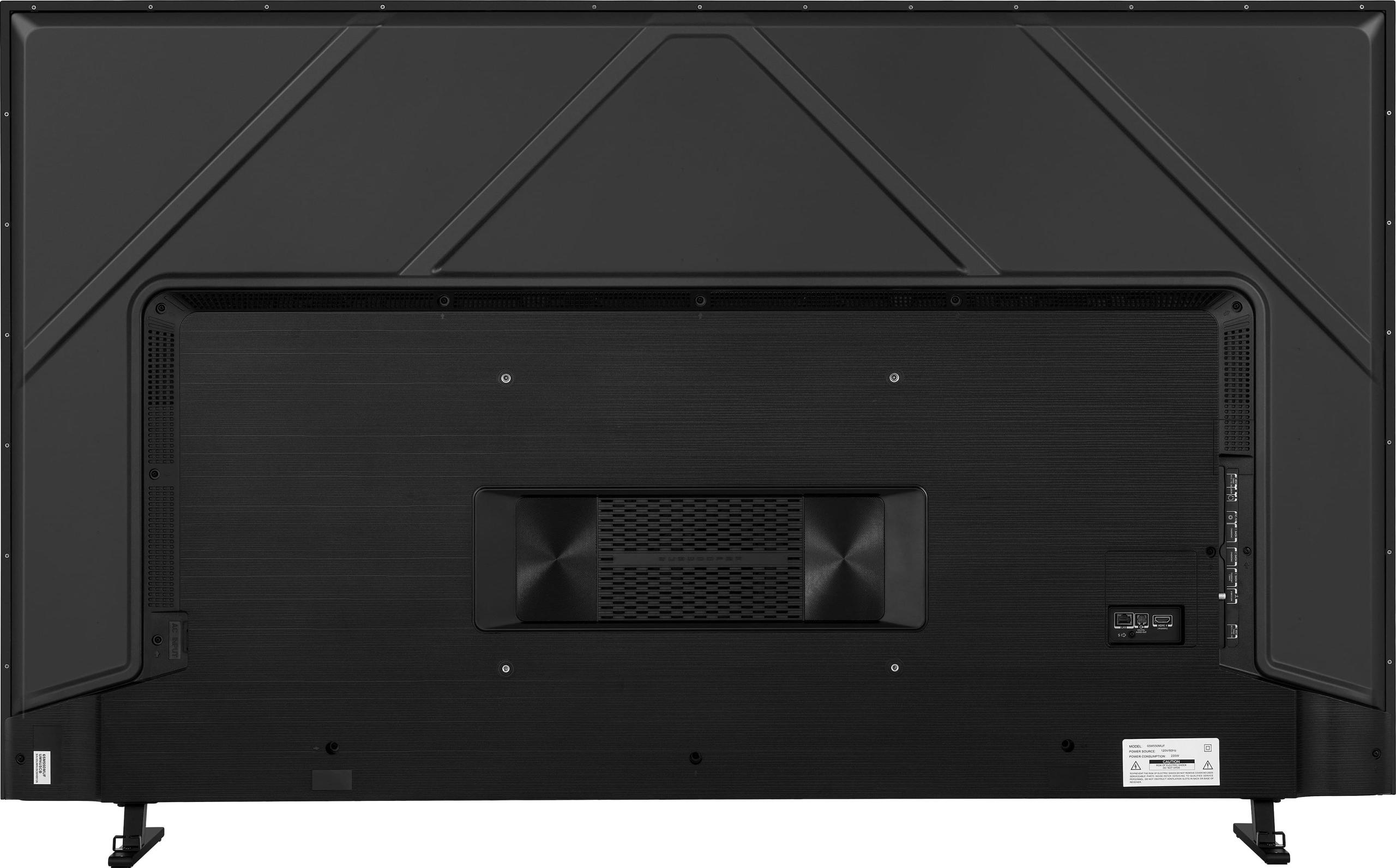
The Toshiba M550 actually shines here with its REGZA Power Audio Pro system. It includes a genuine subwoofer built into the TV—not just larger speakers, but an actual dedicated driver for bass response. The total output reaches 40-49 watts, and user reviews consistently praise the audio quality as exceptional for a built-in system.
This matters more than you might think. A good built-in audio system means you can enjoy movies and shows without immediately needing to purchase a separate soundbar, which can easily add $300-500 to your total investment.
The Samsung QN8F takes a more sophisticated approach with Adaptive Sound+ technology. Instead of just delivering raw power, it analyzes what you're watching and adjusts audio characteristics accordingly. Dialog scenes get clarity enhancements, action sequences get more dynamic range, and the system even adjusts for your room's acoustics.
Samsung's OTS Lite (Object Tracking Sound) creates the illusion that audio follows action across the screen, while Q-Symphony allows coordination with compatible Samsung soundbars for even better performance down the road.
If you game on a PlayStation 5, Xbox Series X, or high-end PC, your TV's gaming performance becomes crucial. Modern games can push visual fidelity that rivals Hollywood movies, but only if your display can keep up.
The Toshiba M550 offers promising specifications on paper: 120Hz refresh rate support at 1440p and 1080p, Variable Refresh Rate (VRR) up to 60Hz at 4K, and Auto Low Latency Mode (ALLM) that automatically switches to game mode when it detects a gaming console.
However, our research revealed significant real-world problems. The same processor limitations that plague the smart TV experience also affect gaming. Input lag—the delay between pressing a button and seeing the result on screen—appears to be problematic due to the underpowered processor. Additionally, the HDMI ports reportedly don't support HDR gaming properly, which is a major limitation for modern consoles.
The Samsung QN8F features Motion Xcelerator 144Hz technology, supporting even higher refresh rates than the Toshiba. More importantly, Samsung's superior processing power should translate to lower input lag and more consistent performance. The Q4 AI processor has enough headroom to handle gaming demands without the stuttering and delays reported with the Toshiba.
This category revealed perhaps the most significant performance difference between these TVs. Professional reviewers consistently noted that the Toshiba M550 struggles with fast-moving content, describing "action scenes jerking around at low FPS with phantom images forming around moving objects."
This is a fundamental problem that affects sports viewing, action movies, and gaming. Despite the 120Hz specification, the TV apparently can't process motion smoothly due to its underpowered processor. One reviewer specifically noted that while slow scenes look great, "the busier the scene gets the worse this TV does."
The Samsung QN8F's Motion Xcelerator 144Hz should provide significantly better motion clarity, backed by the processing power needed to actually deliver smooth performance.
Premium TVs are long-term investments, often lasting 7-10 years in typical households. Build quality and ongoing software support become crucial considerations.
User reports about the Toshiba M550 include concerning reliability issues: screen flashing, color distortion problems, audio dropouts requiring hard resets, and frequent system crashes. While these may affect only some units, they suggest potential quality control issues.
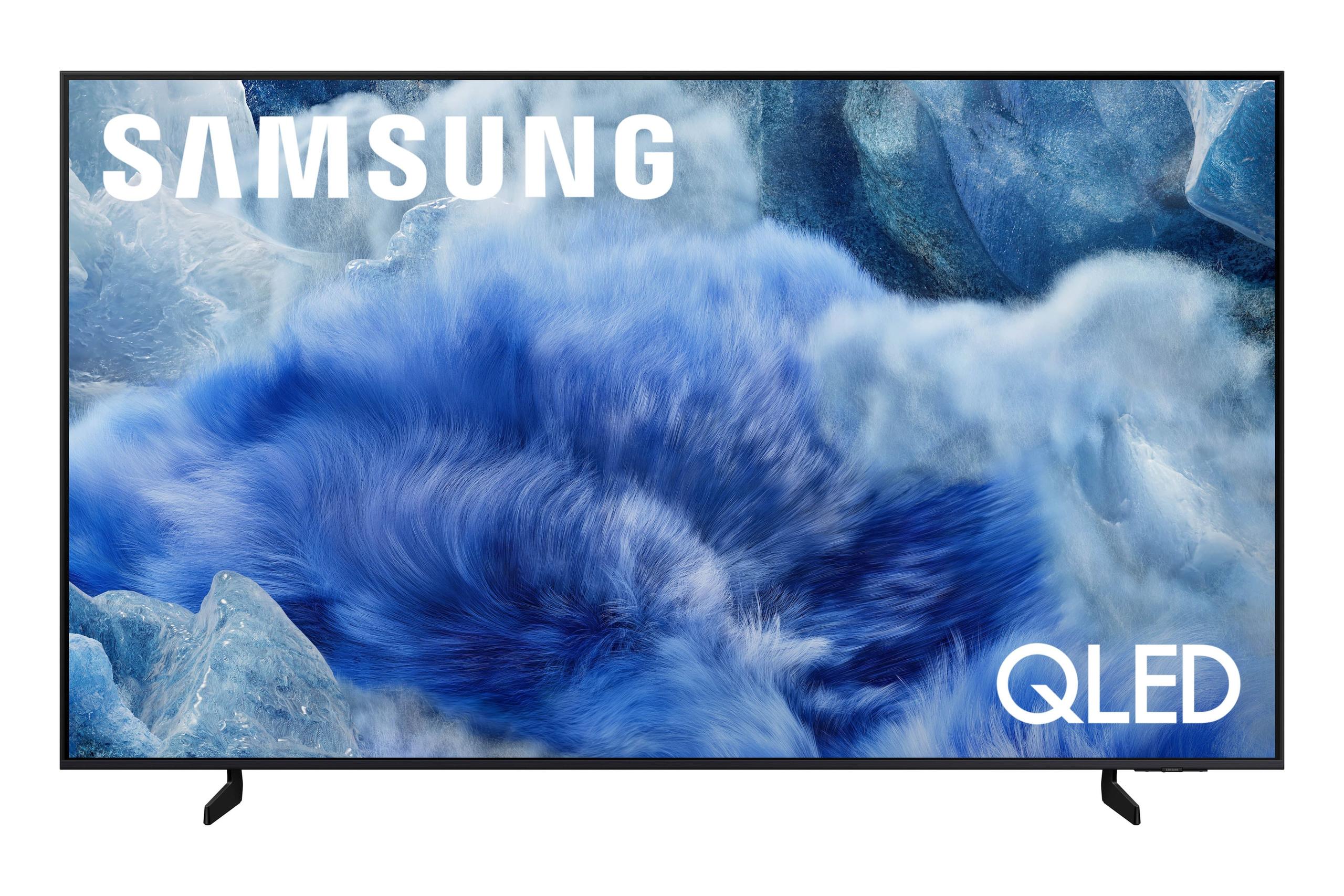
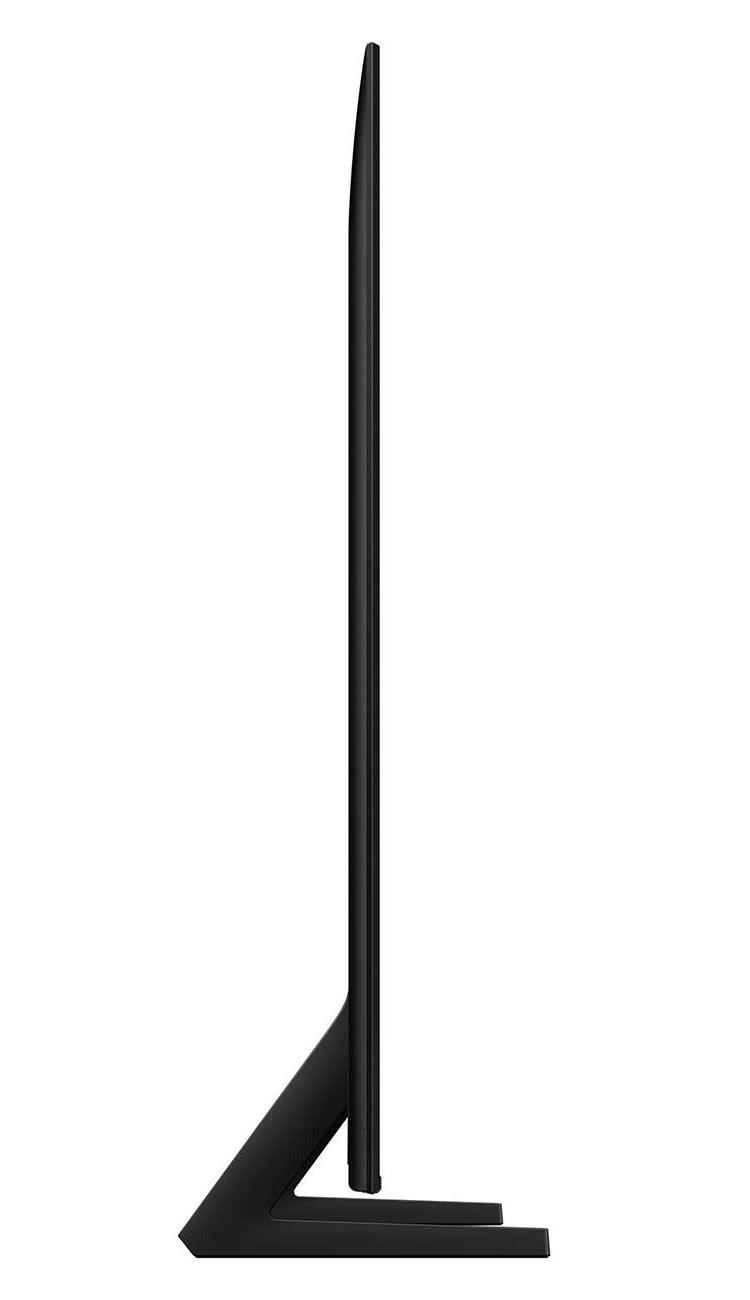
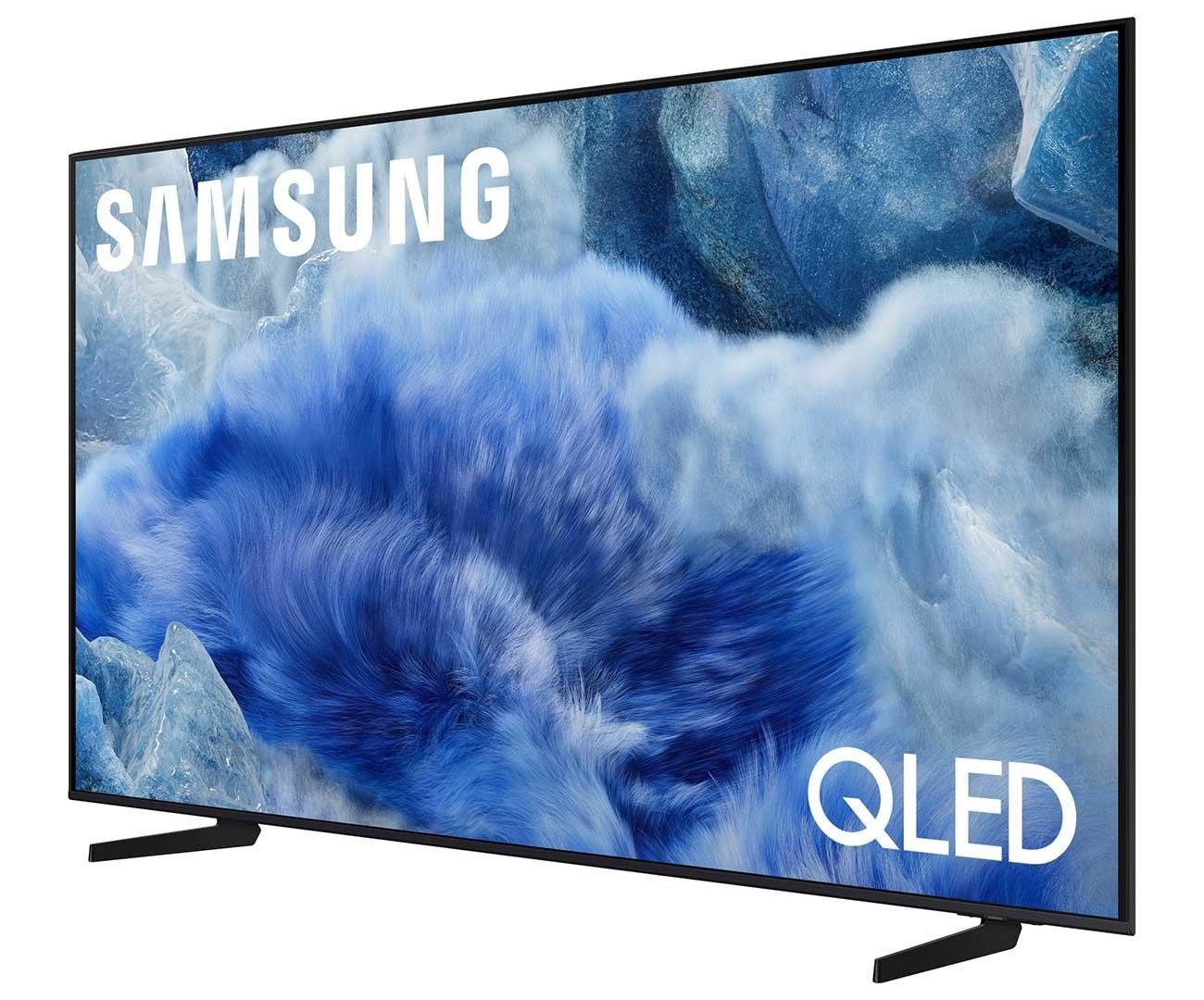
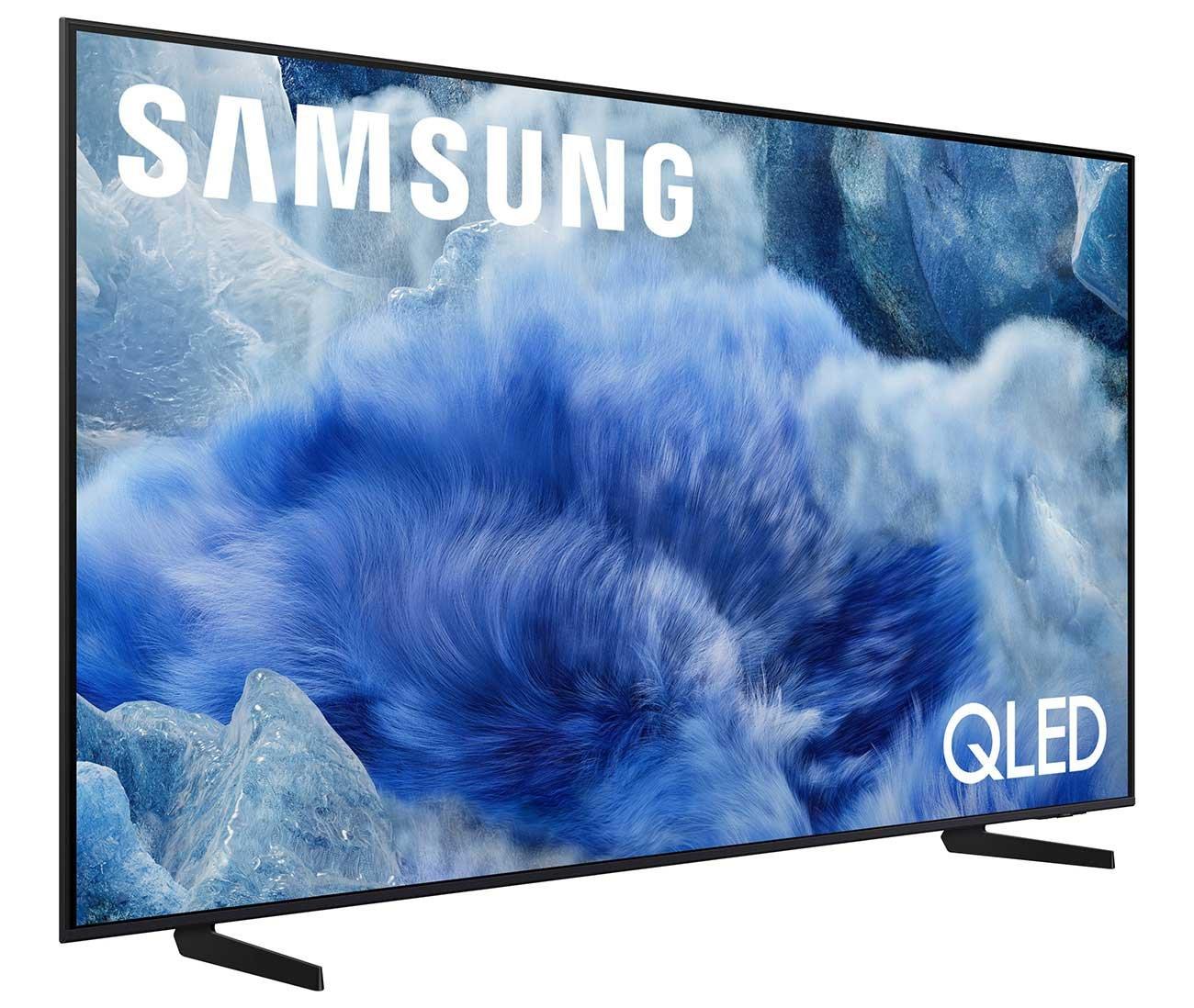
The Samsung QN8F benefits from Samsung's established track record of long-term software support and build quality. Their AirSlim design also provides a more premium aesthetic with better cable management and durability.
At the time of writing, the Toshiba M550 was positioned as an aggressive value option, often priced $300-400 less than comparable Samsung models. For budget-conscious buyers, this price difference might seem compelling, especially given the impressive audio system and full-array local dimming.
However, the value equation becomes complicated when you factor in the performance limitations. A TV that frustrates you daily with slow response times, crashes, and poor motion handling isn't truly a bargain, regardless of the initial price.
The Samsung QN8F commands a premium price but delivers the consistent performance and features you'd expect from a high-end TV. For most users, the additional investment pays dividends in daily usability and long-term satisfaction.
Choose the Toshiba M550 if:
Choose the Samsung QN8F if:
While the Toshiba M550 offers genuine strengths in audio performance and local dimming technology, the fundamental processor limitations and reliability issues significantly undermine its value proposition. The frustrations of waiting a minute for apps to load, dealing with system crashes, and experiencing poor motion handling would likely outweigh any initial savings for most users.
The Samsung QN8F represents a more complete, mature approach to premium TV technology. The superior processing power, stable smart platform, and advanced AI features justify the higher price for most households making this investment.
In home theater applications especially, where picture quality and reliability are paramount, the Samsung's advantages become even more pronounced. The sophisticated processing and motion handling will better showcase your 4K movie collection and gaming experiences.
Unless budget constraints are absolutely paramount, the Samsung QN8F Series offers a more satisfying long-term ownership experience that better justifies the investment in a premium 65-inch QLED TV.
| Toshiba 65" M550 Series QLED Fire TV | Samsung 65" QN8F Series QLED 4K Vision AI Smart TV 2025 |
|---|---|
| Display Technology - Core picture quality foundation | |
| QLED with Full Array Local Dimming (48 zones) | QLED with Dual LED backlight technology |
| Processor - Critical for responsiveness and AI features | |
| REGZA Engine ZR (underpowered for Fire TV) | Q4 AI Processor with Vision AI optimization |
| Refresh Rate - Important for gaming and sports | |
| 120Hz native, supports up to 144Hz at lower resolutions | Motion Xcelerator 144Hz with better processing |
| HDR Support - Essential for modern streaming content | |
| Dolby Vision, HDR10, HDR10+, HLG (comprehensive) | Quantum HDR+ with adaptive tone mapping |
| Smart Platform - Your daily interaction experience | |
| Fire TV with Alexa (significant performance issues) | Tizen OS with enhanced Bixby (stable and responsive) |
| Audio System - Built-in sound quality | |
| REGZA Power Audio Pro with subwoofer (40-49W) | Adaptive Sound+ with OTS Lite (20W, smarter processing) |
| Gaming Features - Console compatibility | |
| VRR up to 60Hz, ALLM, but with input lag issues | Motion Xcelerator 144Hz with better input response |
| Local Dimming - Contrast and black level performance | |
| 48 independent zones (impressive but sometimes visible) | Dual LED system (more subtle, AI-optimized) |
| Motion Handling - Critical for action content | |
| Poor performance with jerky motion and artifacts | Superior processing with smooth motion clarity |
| AI Features - Future-proofing and optimization | |
| Basic AI Auto View Pro for lighting adaptation | Advanced Vision AI with real-time content analysis |
| Build Quality - Long-term reliability | |
| Reports of screen issues and system instability | Premium AirSlim design with Samsung's proven reliability |
| Voice Control - Smart home integration | |
| Alexa integration (when system responds) | Enhanced Bixby with multi-command processing |
| Value Positioning - Price vs performance trade-offs | |
| Budget-friendly but with significant usability limitations | Premium pricing justified by consistent performance |
The Samsung QN8F Series delivers superior overall picture quality thanks to its Q4 AI Processor and Vision AI technology that optimizes images in real-time. While the Toshiba M550 offers impressive full-array local dimming with 48 zones, Samsung's advanced processing and Dual LED technology provide more consistent and natural-looking results across different content types.
The Toshiba M550 runs Fire TV with Alexa integration, but suffers from significant performance issues including 30-60 second app loading times and frequent system crashes. The Samsung QN8F uses Tizen OS, which is much more responsive and stable, offering enhanced Bixby voice control and features like AI-generated wallpapers for a smoother daily experience.
The Samsung QN8F Series is significantly better for gaming despite the Toshiba M550 having competitive specs on paper. While both support high refresh rates, the Toshiba suffers from input lag and processing delays that make gaming frustrating. Samsung's superior processor delivers the responsive performance modern consoles require.
The Toshiba M550 actually excels in audio with its REGZA Power Audio Pro system featuring a built-in subwoofer and 40-49W output that rivals many soundbars. The Samsung QN8F offers 20W with Adaptive Sound+ technology that intelligently adjusts audio based on content, though it's less powerful than the Toshiba's system.
The Samsung QN8F Series handles motion significantly better than the Toshiba M550. Professional reviews note that the Toshiba struggles with fast-moving content, creating jerky motion and phantom images during action scenes. Samsung's Motion Xcelerator 144Hz technology provides smooth, clear motion handling.
Yes, there are notable reliability concerns with the Toshiba M550, including reports of screen flashing, system crashes, and audio dropouts requiring hard resets. The Samsung QN8F benefits from Samsung's established track record of build quality and long-term software support, making it more reliable for daily use.
While the Toshiba M550 costs significantly less upfront, the Samsung QN8F Series offers better long-term value. The Toshiba's performance limitations, smart platform issues, and reliability concerns undermine its initial savings. Samsung's consistent performance and features justify the higher investment for most buyers.
Both TVs support major HDR formats, but handle them differently. The Toshiba M550 supports Dolby Vision, HDR10, HDR10+, and HLG for comprehensive compatibility. The Samsung QN8F features Quantum HDR+ with adaptive tone mapping that adjusts HDR intensity based on your room's lighting conditions for more realistic viewing.
For dedicated home theater use, the Samsung QN8F Series is the clear choice due to its superior motion handling, reliable performance, and advanced processing that better showcases 4K movie collections. While the Toshiba M550 offers excellent audio and local dimming, its motion processing issues make it unsuitable for action-heavy content.
The Samsung QN8F leads significantly in AI capabilities with Vision AI technology that analyzes content in real-time to optimize picture and sound settings automatically. The Toshiba M550 includes basic AI Auto View Pro for lighting adaptation, but lacks the sophisticated machine learning features found in Samsung's system.
The Samsung QN8F Series features Samsung's premium AirSlim design with better cable management and a more refined aesthetic. The Toshiba M550 has a decent build with metal components, but user reports suggest potential quality control issues. Samsung's design and construction feel more premium overall.
For daily streaming and general TV watching, the Samsung QN8F Series is strongly recommended due to its responsive Tizen platform, stable performance, and reliable operation. The Toshiba M550's smart platform issues make basic tasks like launching Netflix frustratingly slow, significantly impacting the daily user experience despite its lower price point.
We've done our best to create useful and informative comparisons to help you decide what product to buy. Our research uses advanced automated methods to create this comparison and perfection is not possible - please contact us for corrections or questions. These are the sites we've researched in the creation of this article: bestbuy.com - bestbuy.com - consumerreports.org - youtube.com - pcvarge.com - tomsguide.com - youtube.com - bestbuy.com - toshibatv-usa.com - marketplace-staging.paytomorrow.com - toshibatv-usa.com - productabout.com - leaseville.com - youtube.com - toshibatv-usa.com - bestbuy.com - samsung.com - rtings.com - youtube.com - samsung.com - pcrichard.com - abt.com - images.samsung.com - cnet.com - news.samsung.com - samsung.com - bestbuy.com

Privacy Policy
Terms and Conditions - Affiliate Policy
Home Security
© Copyright 2008-2026.
11816 Inwood Rd #1211, Dallas, TX 75244