

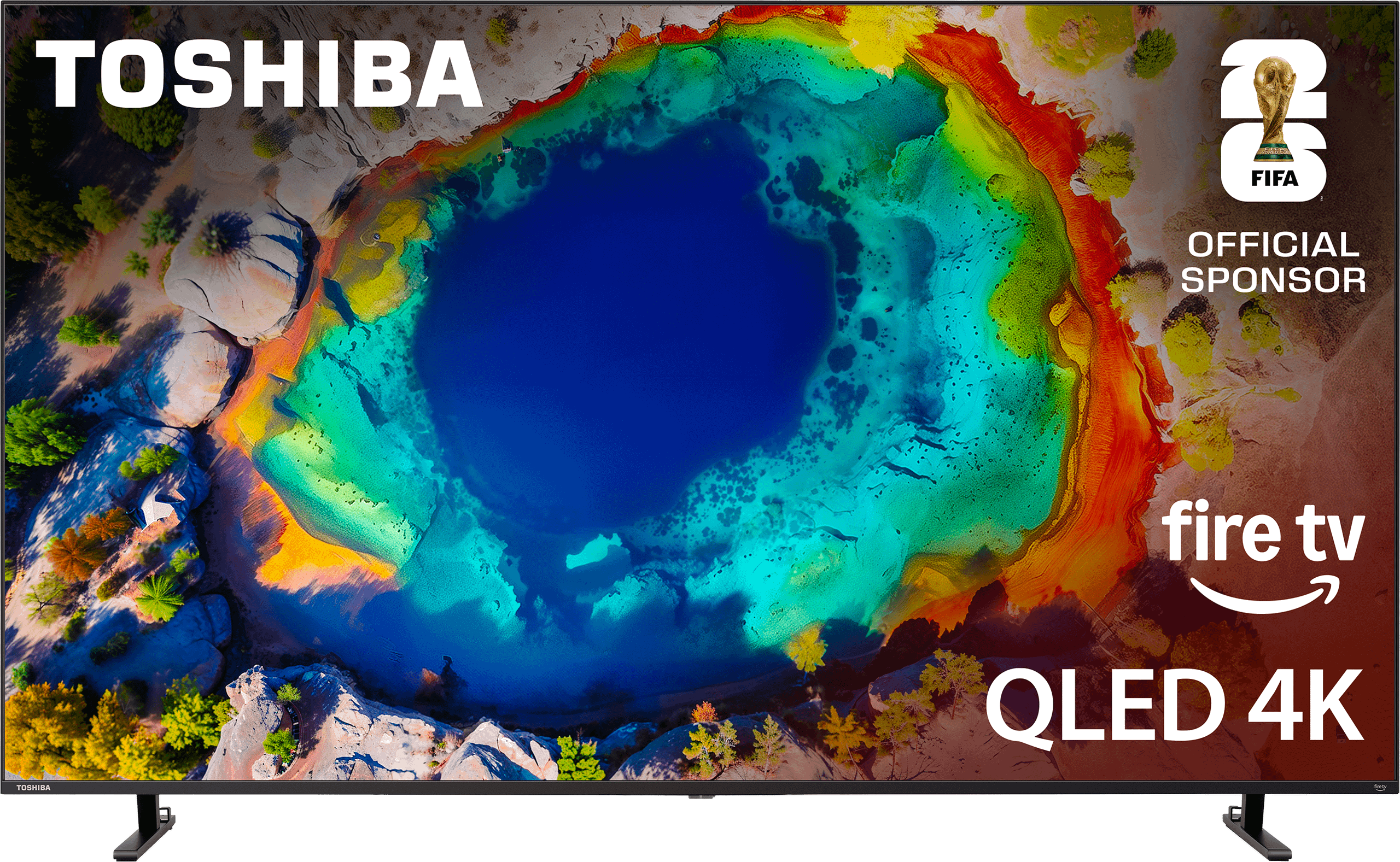
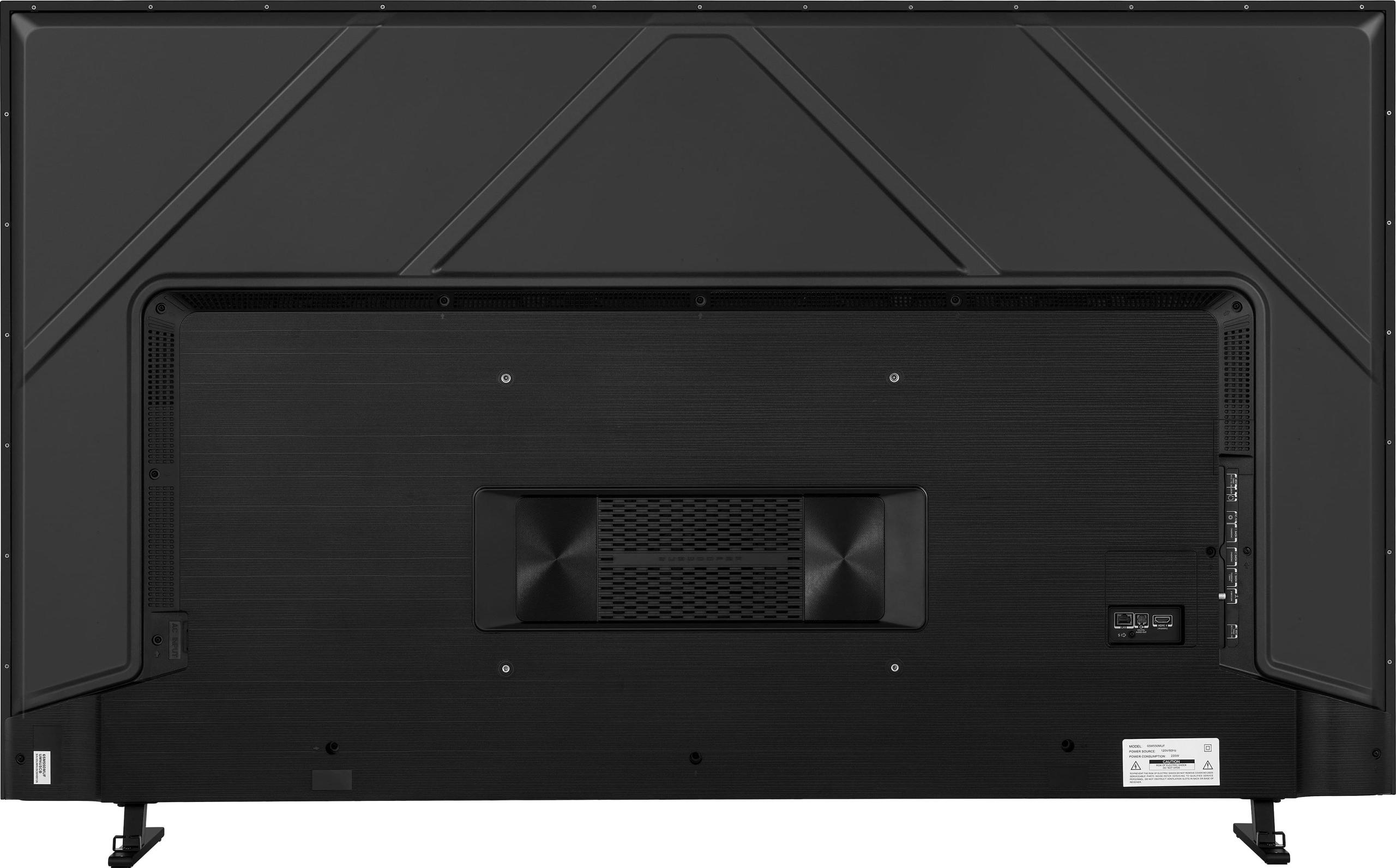
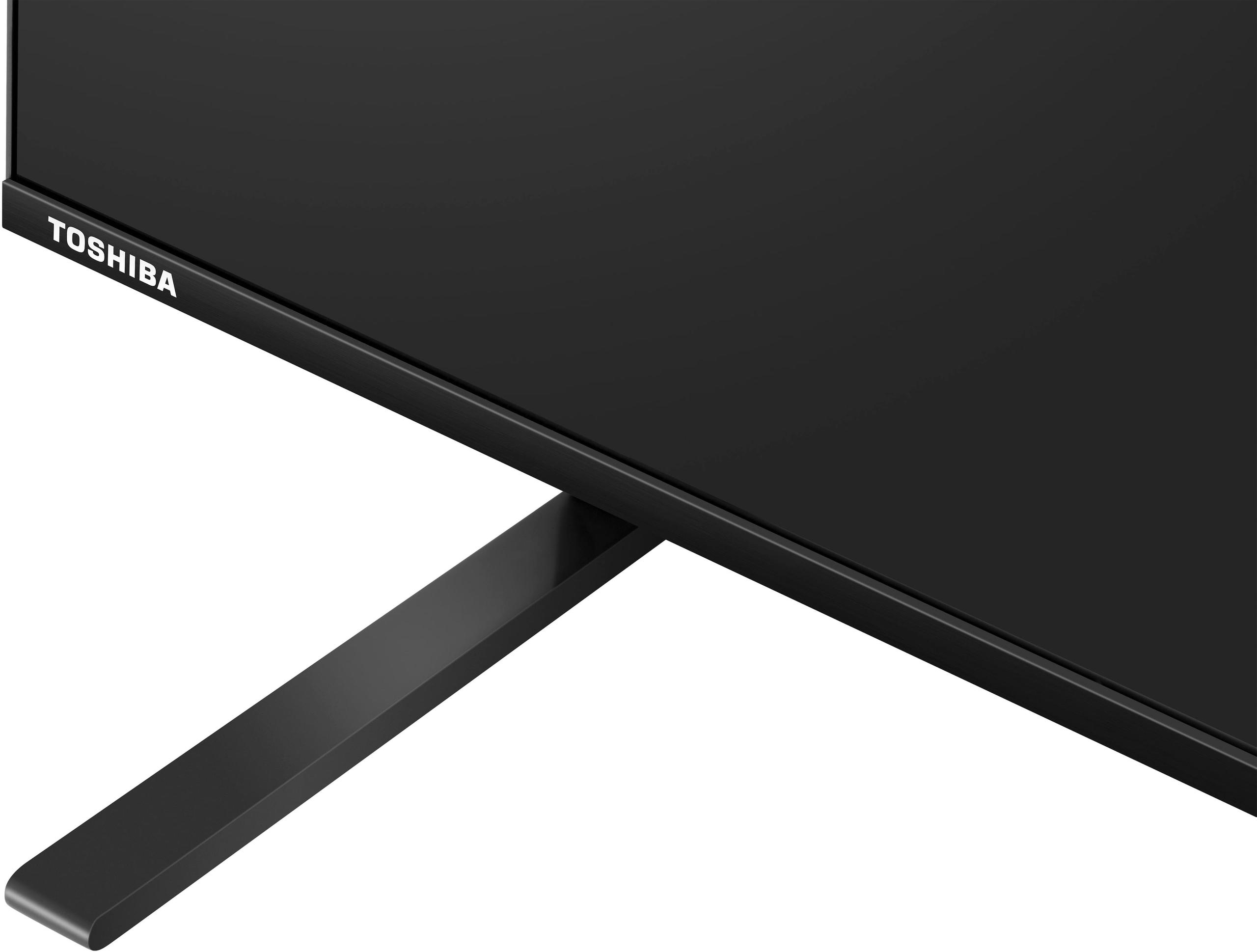
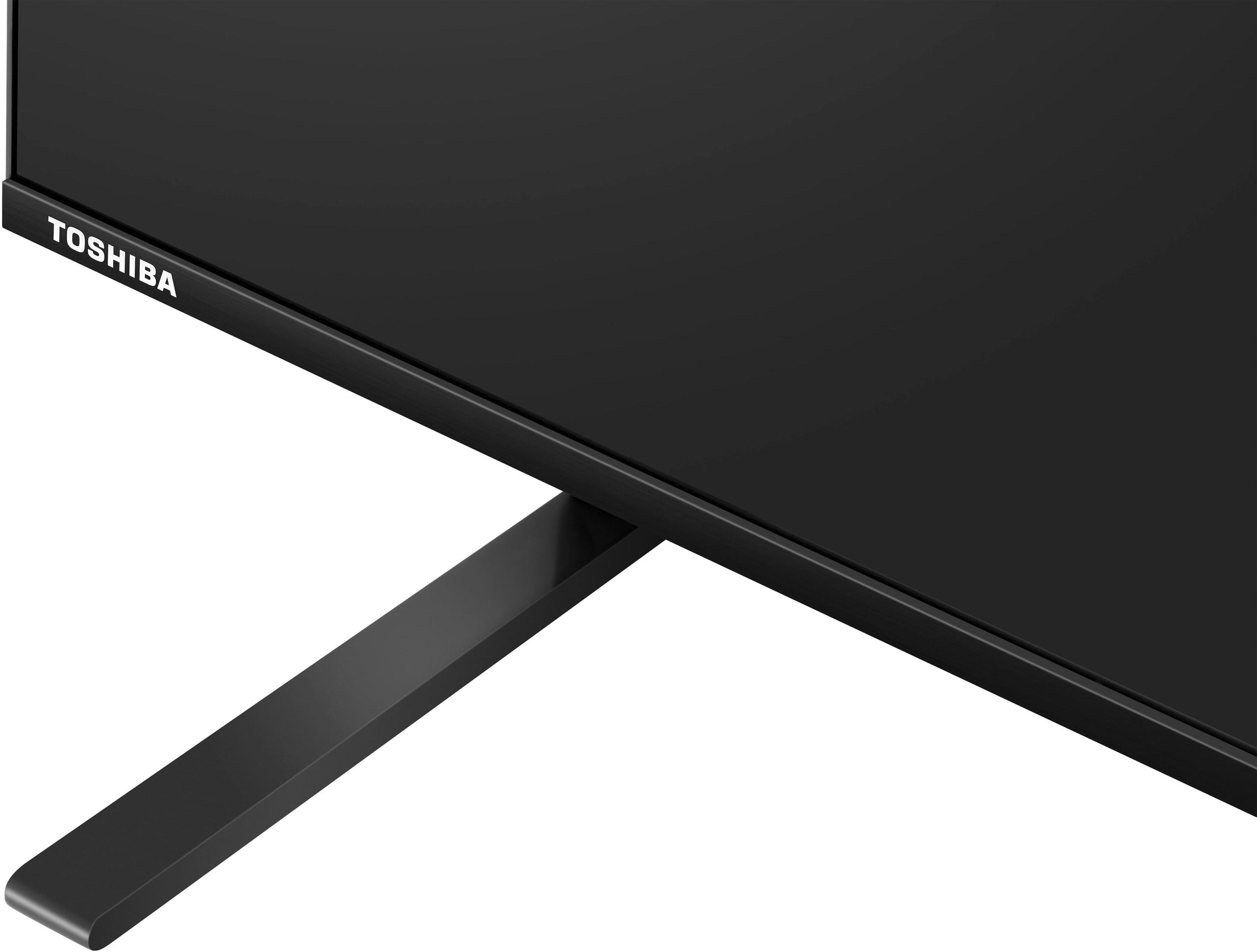
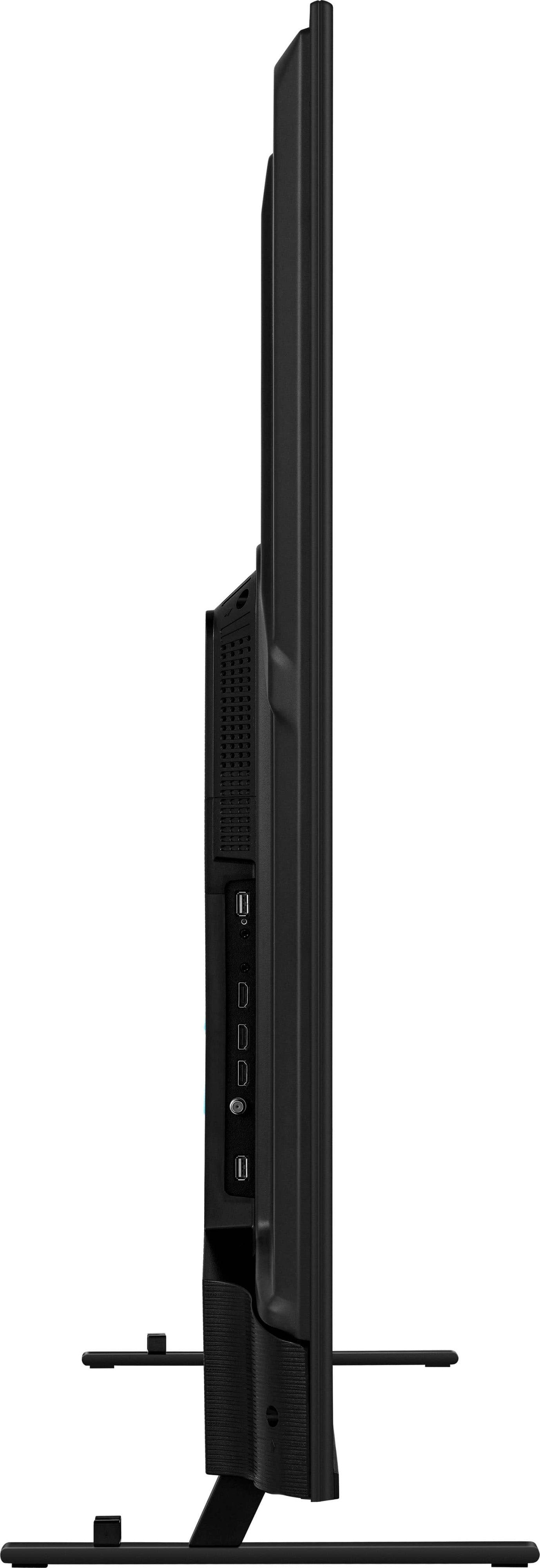
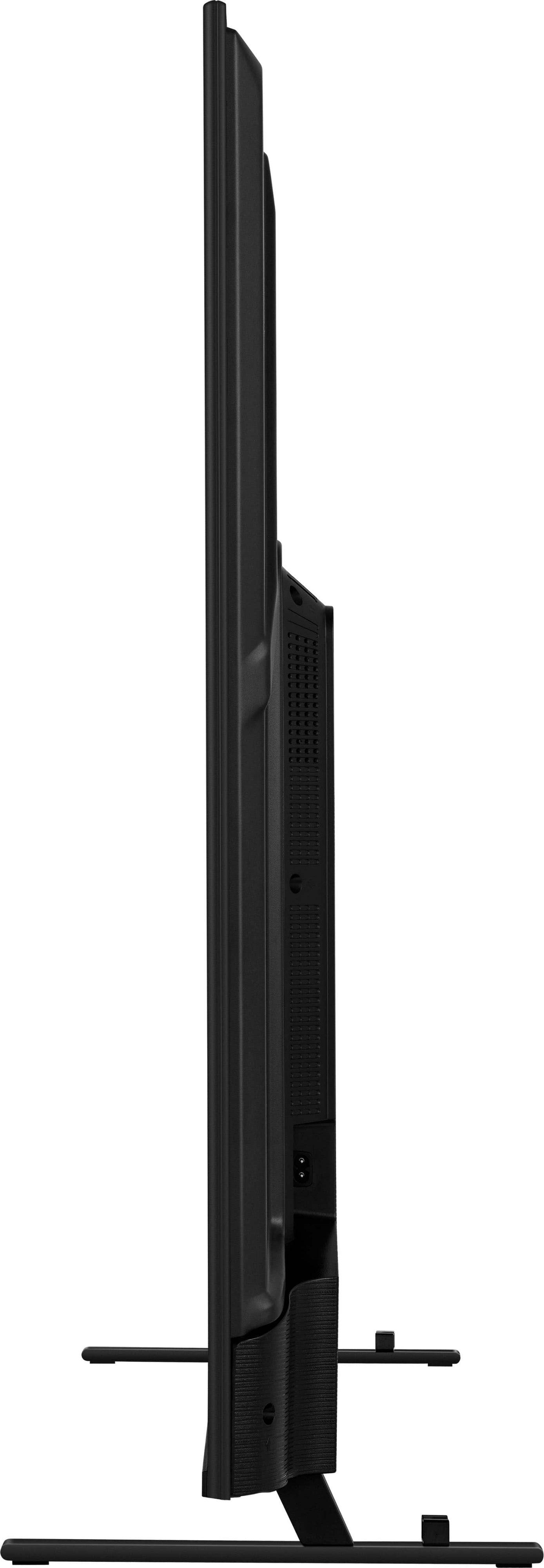
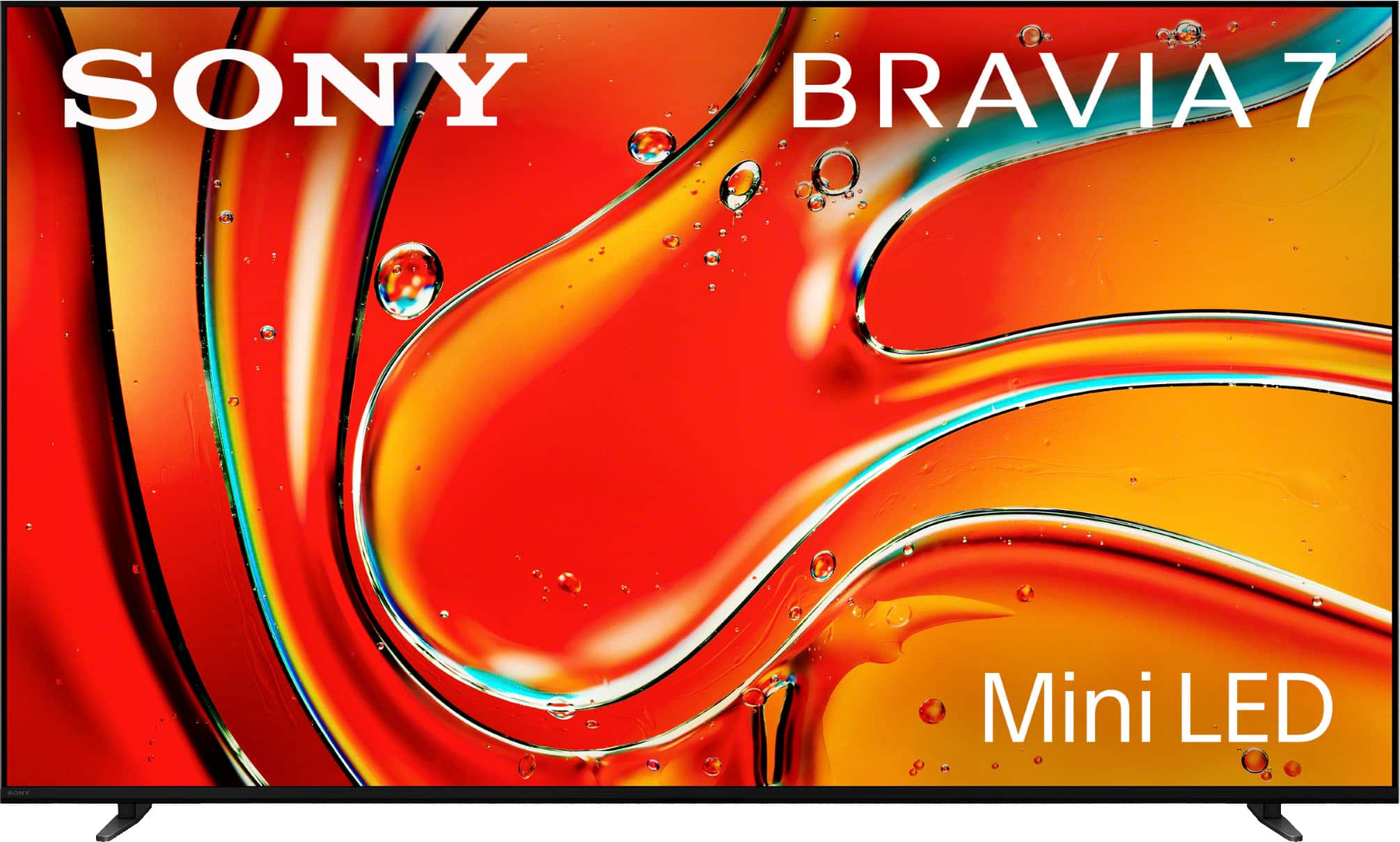
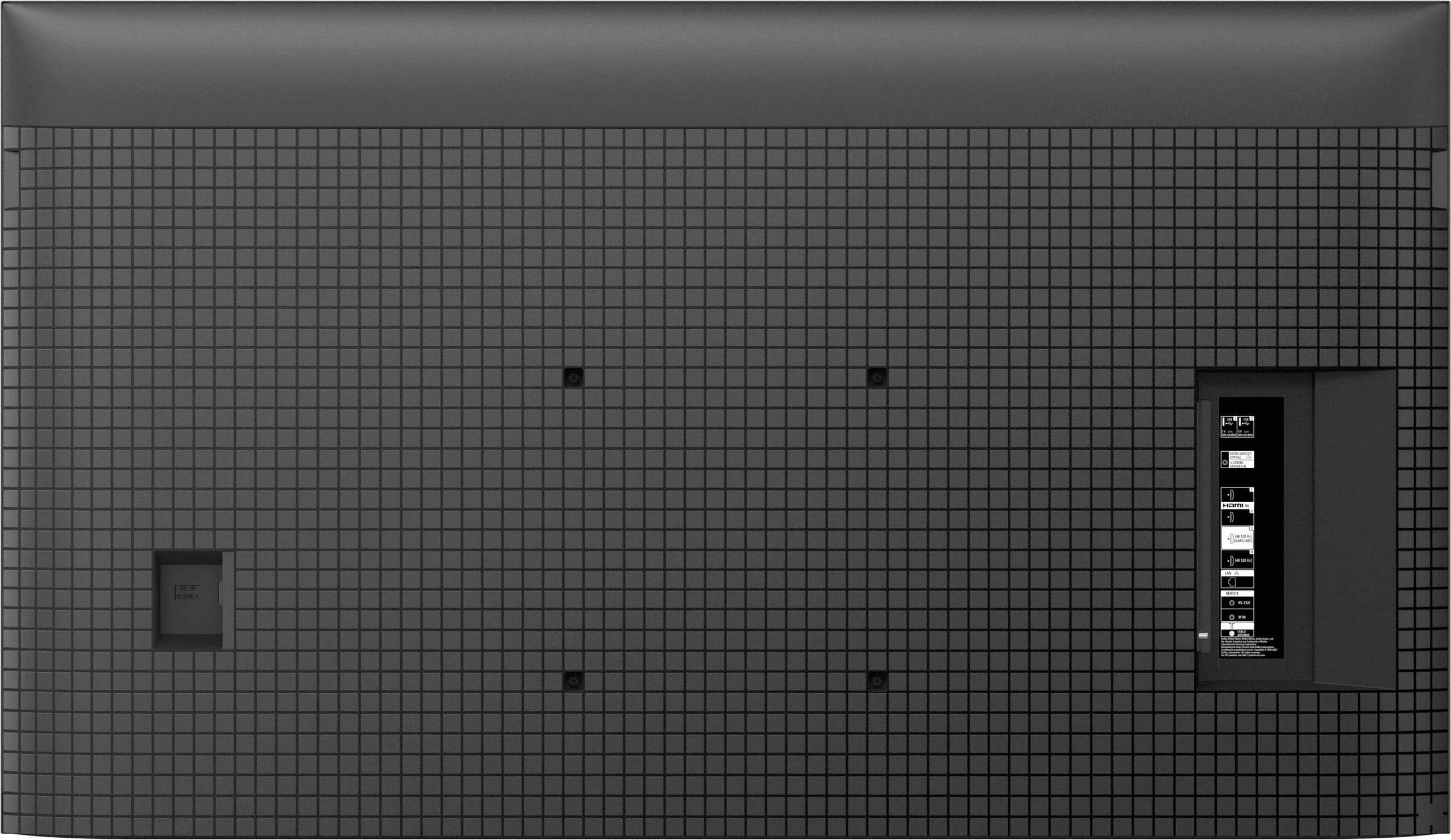
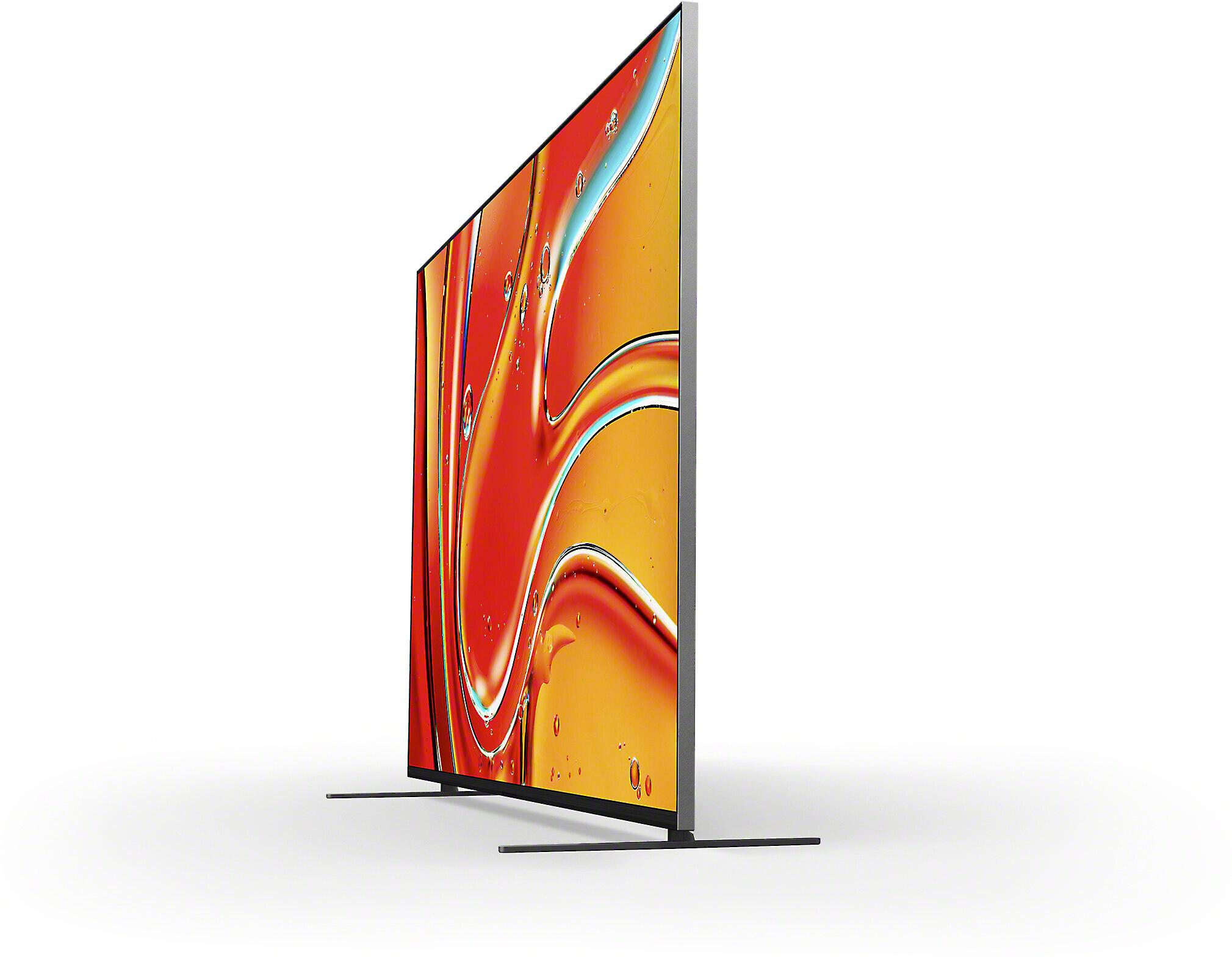
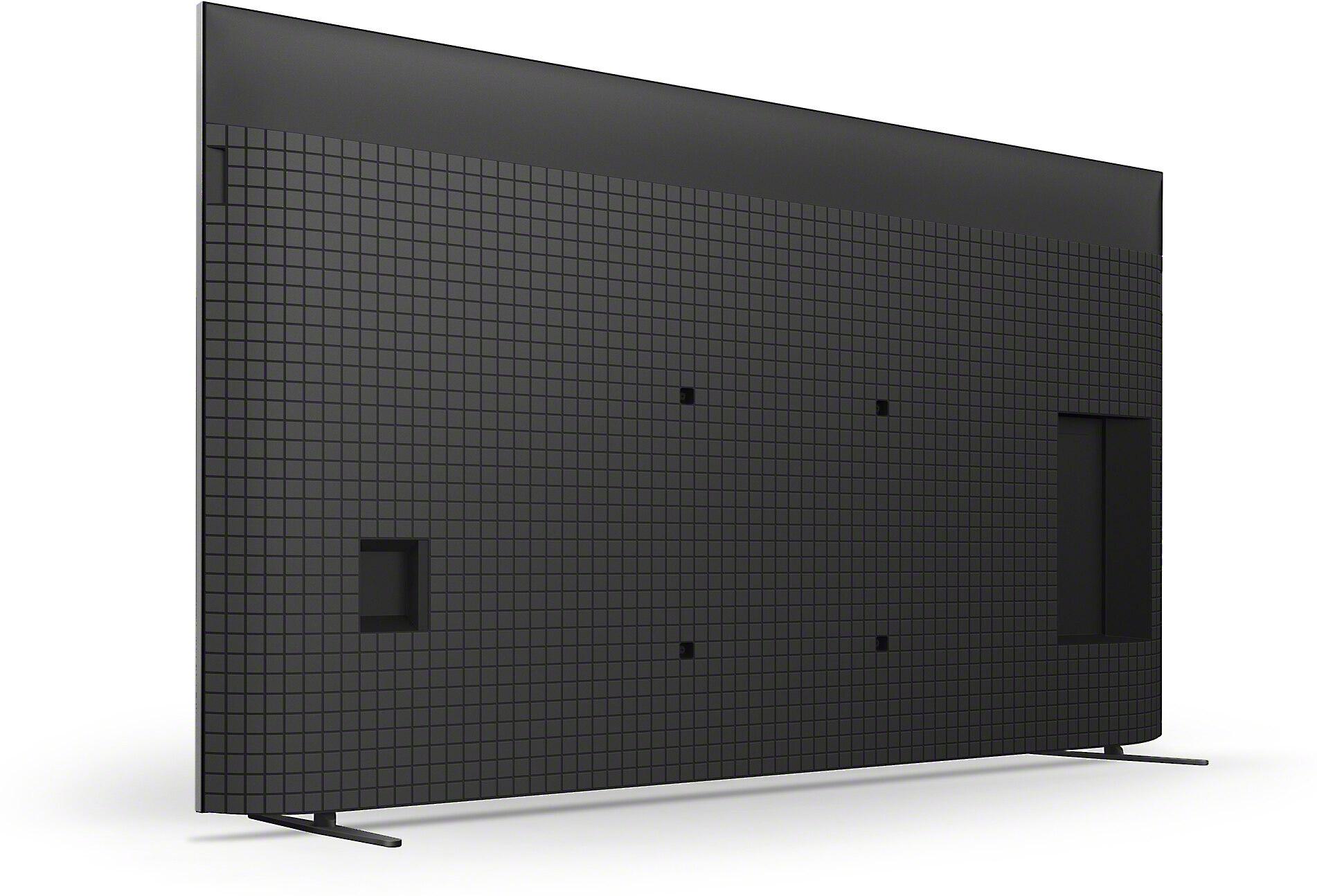
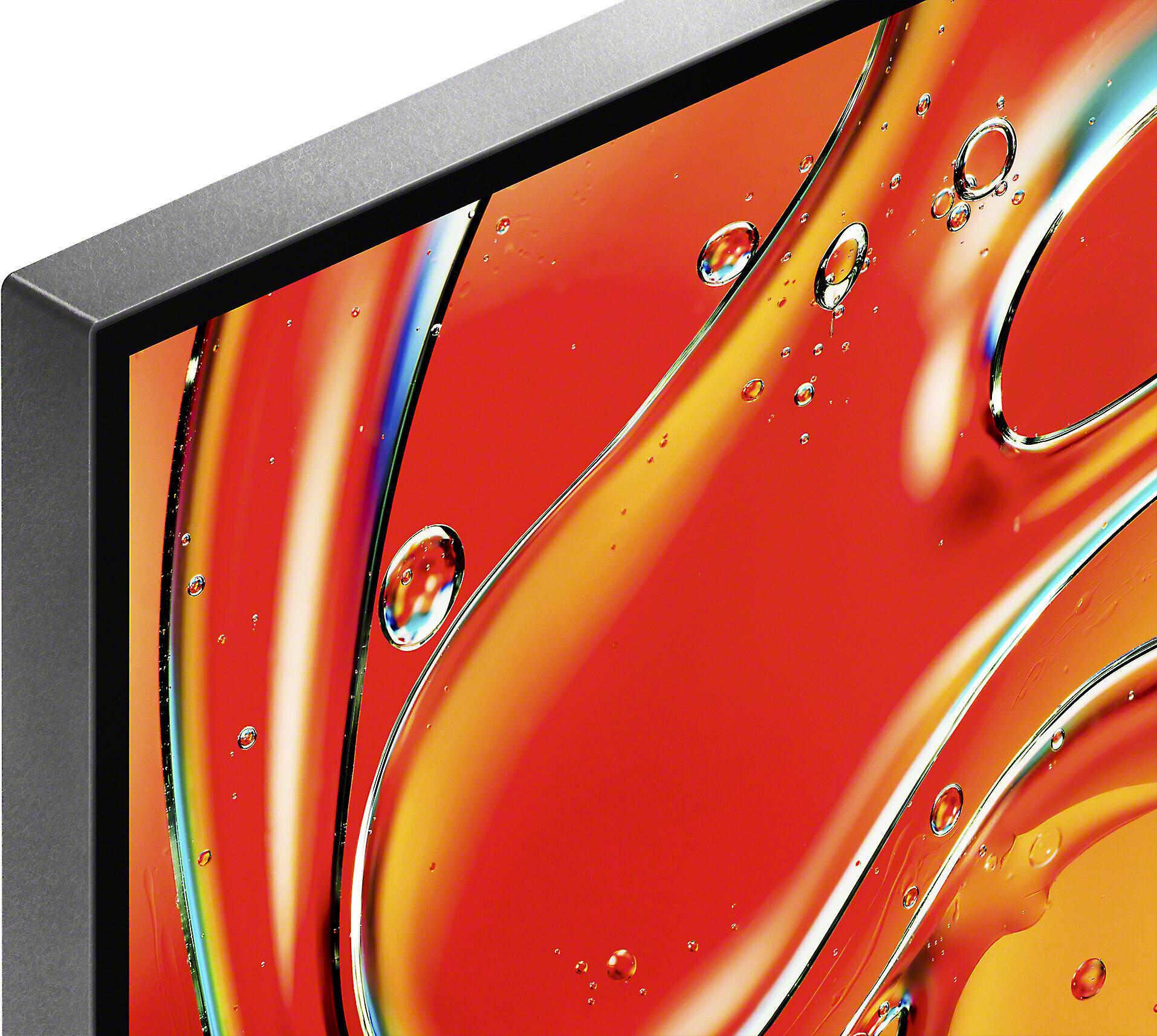
When you're shopping for a 65-inch 4K smart TV, you'll quickly discover that the market splits into two distinct camps: budget options that prioritize screen size over everything else, and premium models that deliver advanced features at significantly higher costs. The Toshiba M550 Series QLED Fire TV and Sony BRAVIA 7 4K UHD Smart Google TV perfectly illustrate this divide, representing choices that can differ by over $1,000 at the time of writing.
Both TVs launched in recent years—the Sony BRAVIA 7 in 2024 and the Toshiba M550 in 2025—but they target completely different buyers despite sharing the same 65-inch screen size. Understanding which approach suits your needs requires diving into the technical details that actually matter for your viewing experience.
The 65-inch 4K smart TV category has exploded in popularity because it hits the sweet spot for most living rooms—large enough to create an immersive experience without overwhelming smaller spaces. However, not all 65-inch TVs are created equal, and the differences extend far beyond the sticker price.
The most critical factors that separate budget from premium models include display technology (how the TV creates light and color), processing power (how quickly it responds and handles complex scenes), gaming capabilities (essential if you own modern consoles), and long-term reliability. These elements directly impact your daily experience, from how vibrant movies look to whether the TV freezes when you're trying to change apps.
At the time of writing, budget 65-inch 4K TVs typically cost under $400, while premium models can exceed $1,500. The question becomes: are the advanced features worth the significant price jump, or should you prioritize getting the biggest screen possible for your money?
The Toshiba M550 represents the "maximum screen for minimum cost" philosophy that dominates the budget TV market. Released in 2025, it incorporates several technologies that were premium features just a few years ago, including QLED color technology and Full Array Local Dimming—both significant improvements over basic LED TVs.
QLED technology uses quantum dots (microscopic particles) to enhance color reproduction, allowing the Toshiba M550 to display over 90% of the DCI-P3 color space. This technical specification translates to more vibrant, accurate colors in movies and shows, particularly noticeable in nature documentaries or animated content where rich colors matter most.
The TV's Full Array Local Dimming system controls 48 separate zones of LED backlights, allowing different areas of the screen to dim independently. This creates better contrast between bright and dark areas within the same scene—imagine watching a campfire scene where the flames appear bright while the surrounding forest stays properly dark.
Toshiba's REGZA Engine ZR serves as the TV's brain, using artificial intelligence to upscale lower-resolution content to near-4K quality. This matters because much of what you watch—older movies, cable TV, streaming content—isn't native 4K. The AI analyzes each scene to enhance texture and detail, making your existing content look better on the larger screen.
However, our research into user reviews reveals consistent concerns about the Toshiba M550's processing power. Multiple reviewers report that the Fire TV operating system feels sluggish, with apps taking 30 seconds to a minute to load and basic functions like pausing sometimes requiring 10-second delays before responding. This suggests the TV's processor, while adequate for displaying content, struggles with the demands of modern smart TV interfaces.
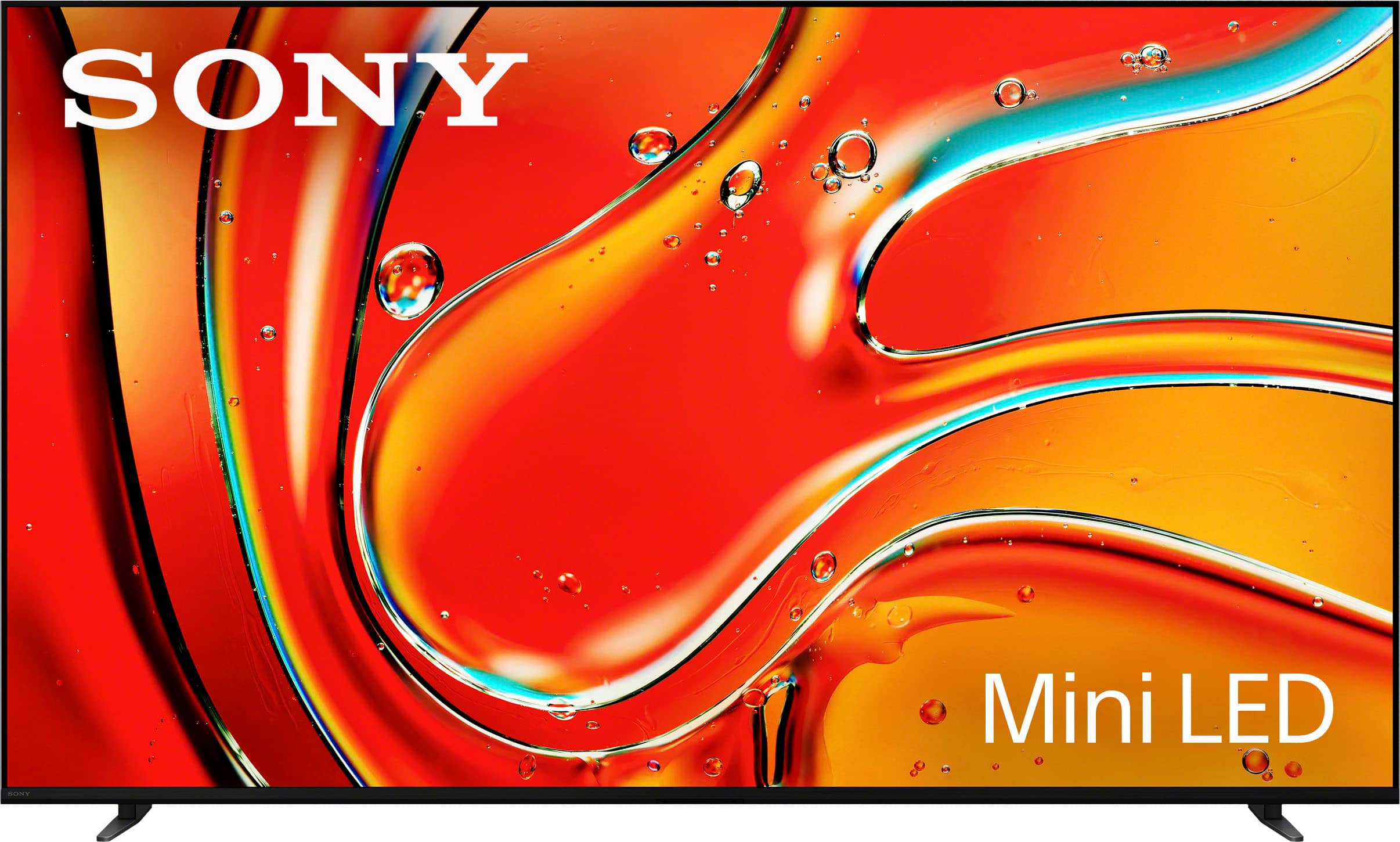
The Sony BRAVIA 7, released in 2024, represents Sony's effort to bring near-flagship performance to a more accessible price point. Its most significant advancement is Mini-LED technology, which uses thousands of tiny LEDs instead of the hundreds found in traditional full-array systems like the Toshiba M550.
Mini-LED backlighting provides dramatically finer control over brightness and contrast. While the Toshiba manages 48 dimming zones, the Sony BRAVIA 7 can control thousands of individual points of light through its XR Backlight Master Drive system. This translates to virtually eliminated "blooming"—the halo effect you might notice around bright objects against dark backgrounds in lesser TVs.
Sony's Cognitive Processor XR represents a significant leap beyond traditional TV processing. Instead of analyzing picture elements separately, it processes everything simultaneously while considering how human eyes and ears work together. This approach results in more natural color gradients, better detail in both bright and dark areas, and improved upscaling of non-4K content.
The XR Triluminos Pro color system extends beyond basic QLED implementation, using Sony's decades of display expertise to reproduce colors as accurately as possible. Combined with support for Dolby Vision (a premium HDR format with scene-by-scene optimization), the Sony BRAVIA 7 can display the full range of brightness and color that filmmakers intended.
One of the most significant performance gaps between these TVs appears in motion handling, particularly important for sports and action movies. The Sony BRAVIA 7 features a true 120Hz refresh rate, meaning it can display 120 individual frames per second. The Toshiba M550 operates at 60Hz with Motion Rate 240 processing—a marketing term that enhances 60Hz content but can't match true 120Hz performance.
This difference becomes immediately apparent when watching fast-paced content. Professional reviews of the Toshiba M550 consistently mention problems with action scenes, describing "jerky motion at low frame rates" and "phantom images around moving objects." These artifacts occur because the TV's processor cannot keep up with complex, fast-moving scenes.
The Sony BRAVIA 7's XR Motion Clarity technology virtually eliminates motion blur while maintaining image brightness—a common problem with motion processing systems that often dim the picture to reduce blur. For sports fans or anyone who enjoys action movies, this represents a substantial upgrade in viewing experience.
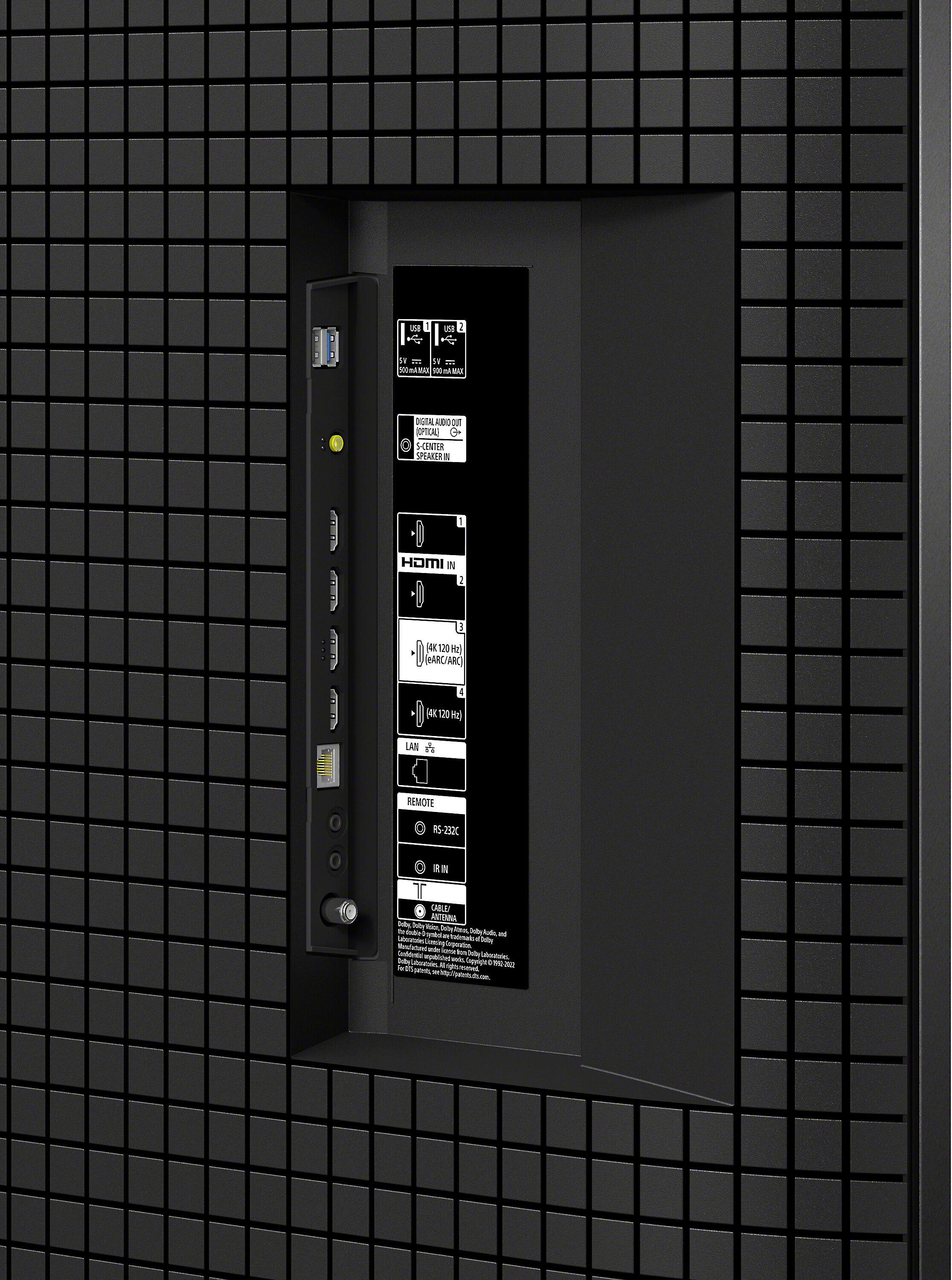
Modern gaming consoles like the PlayStation 5 and Xbox Series X can output 4K content at 120 frames per second, but only with the right TV support. The Sony BRAVIA 7 includes two HDMI 2.1 ports with full 4K/120Hz support, Variable Refresh Rate (VRR), and Auto Low Latency Mode (ALLM)—features essential for competitive gaming and next-generation console experiences.
HDMI 2.1 provides the bandwidth necessary for 4K/120Hz gaming, while VRR eliminates screen tearing by synchronizing the TV's refresh rate with the console's output. ALLM automatically switches the TV to its lowest-latency mode when it detects gaming, reducing input lag to under 8.5 milliseconds on the Sony.
The Toshiba M550 includes only HDMI 2.0 ports, limiting it to 4K/60Hz maximum. More concerning, user reviews consistently report significant input lag during basic TV functions, with some users experiencing 10+ second delays for simple operations. This makes the Toshiba unsuitable for serious gaming, particularly competitive online games where milliseconds matter.
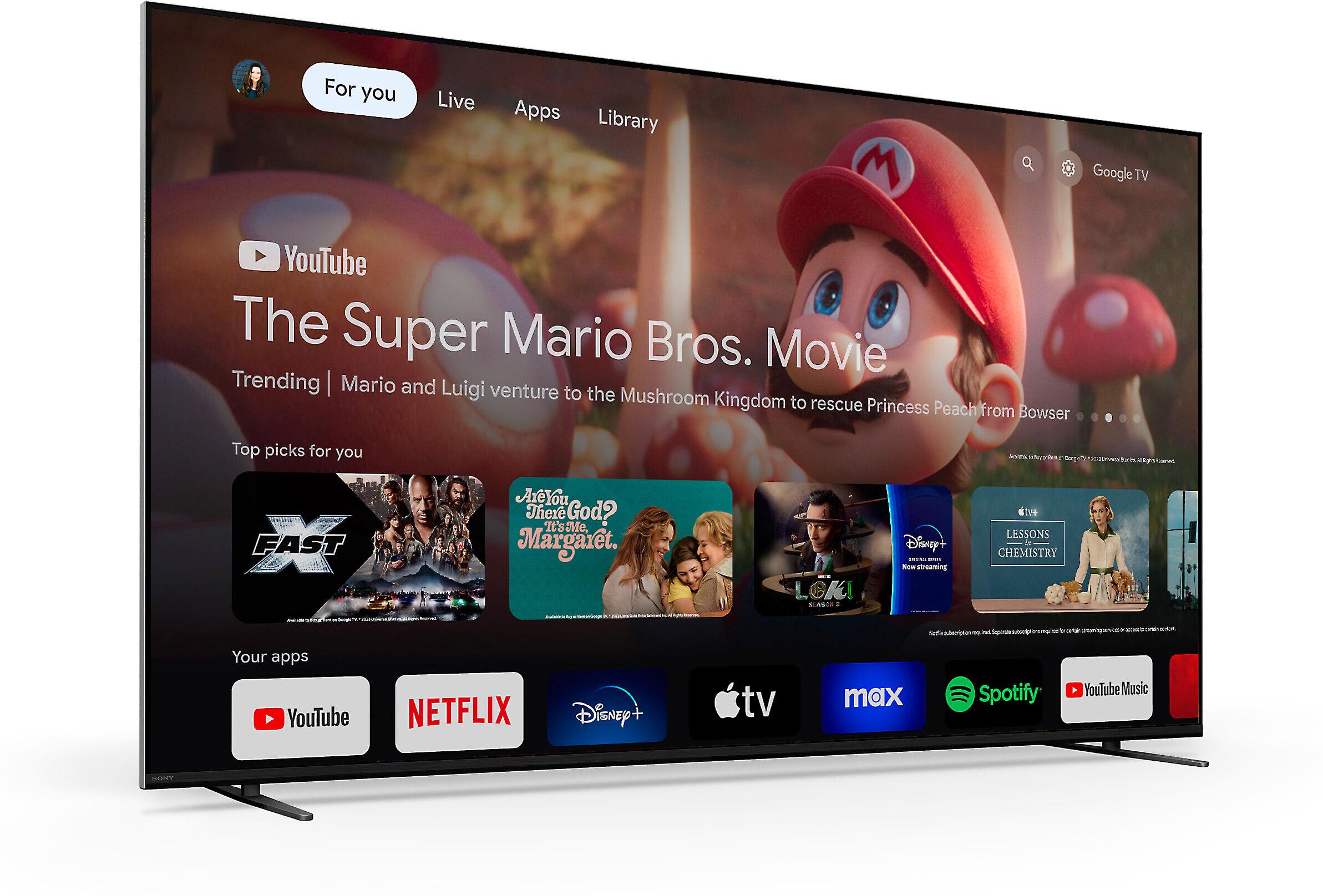
Both TVs run different smart platforms that significantly impact daily usability. The Sony BRAVIA 7 uses Google TV, which integrates Google Assistant, Chromecast built-in, and provides access to the full range of streaming apps. More importantly, Sony paired this platform with sufficient processing power to run smoothly.
The Toshiba M550 runs Amazon Fire TV, which offers excellent app selection and Alexa integration. However, multiple user reviews indicate that Toshiba didn't provide adequate processing power for the platform, resulting in frequent freezes, app crashes, and the TV sometimes returning to the home screen without user input.
This reliability difference extends beyond mere convenience. A smart TV that regularly freezes or crashes transforms what should be relaxing entertainment into a source of frustration, particularly problematic when family members of different technical comfort levels use the TV.
Both TVs claim Dolby Atmos support and 40-watt audio output, but implementation differs significantly. The Sony BRAVIA 7 includes Acoustic Multi-Audio with positioning tweeters that attempt to create directional sound effects matching the on-screen action.
The Toshiba M550 features REGZA Power Audio Pro with a dedicated bass woofer, providing better low-frequency reproduction than many budget TVs. Several users report that the Toshiba's built-in audio eliminates their need for a separate soundbar.
However, both TVs' built-in speakers represent typical TV audio limitations. The thin profile required for modern TV aesthetics doesn't allow space for full-range speakers. While both provide acceptable sound for casual viewing, anyone prioritizing audio quality should budget for a dedicated sound system regardless of which TV they choose.
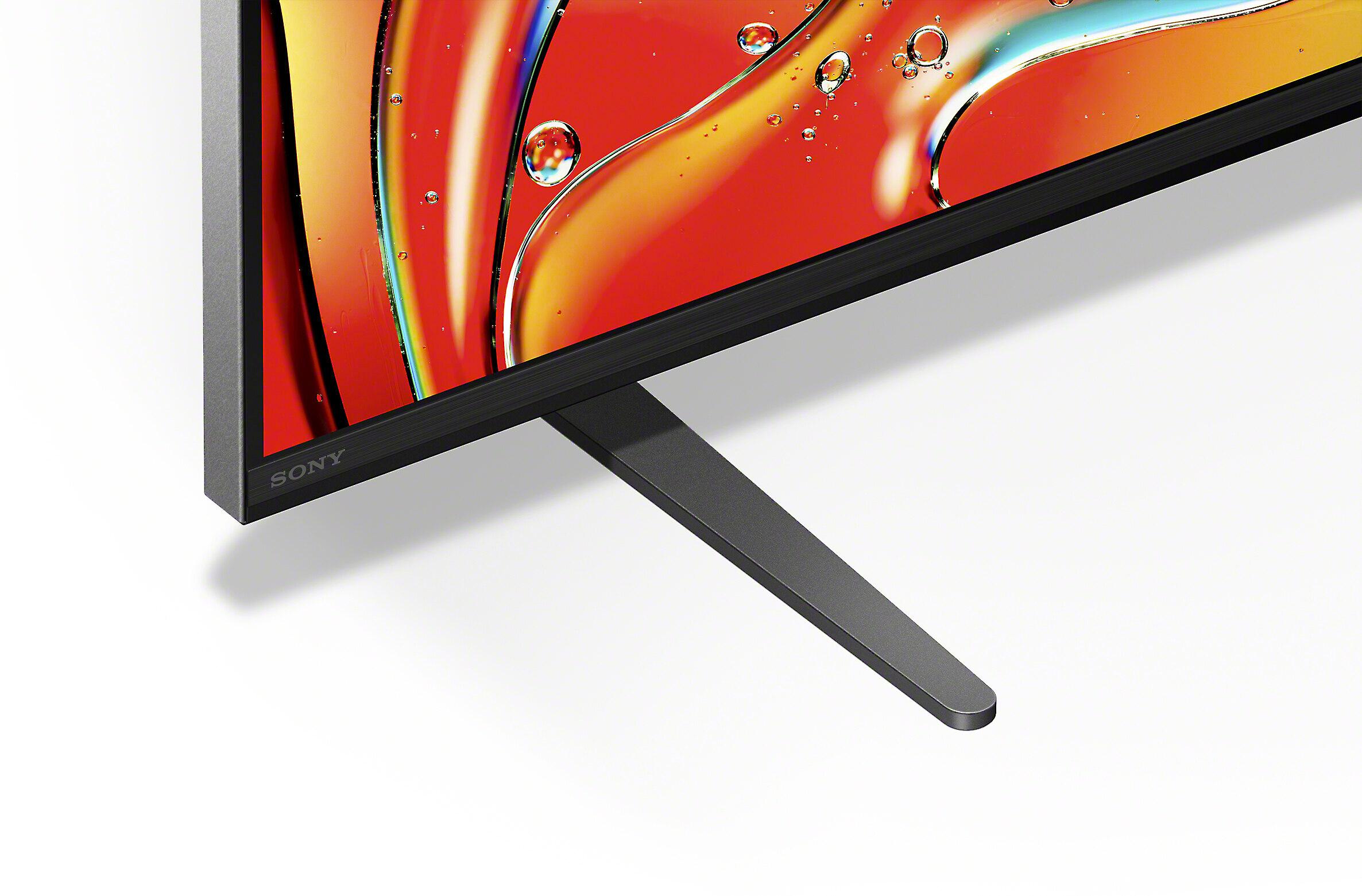
The Sony BRAVIA 7 weighs 62.4 pounds compared to the Toshiba M550's 43.9 pounds—a difference that reflects more than just different component choices. The additional weight in the Sony comes from its Mini-LED backlighting system and more robust construction throughout.
User reviews reveal concerning patterns for the Toshiba M550, including reports of screen flashing, partial screen failures requiring hard resets, and audio dropouts. While not universal, these issues appear frequently enough to suggest potential long-term reliability concerns.
Sony's reputation for TV longevity, combined with the BRAVIA 7's premium construction, suggests better long-term durability. However, both TVs include only one-year warranties, meaning extended reliability remains somewhat speculative.
For dedicated home theater setups, the differences between these TVs become magnified. The Sony BRAVIA 7's IMAX Enhanced certification and studio-calibrated picture modes for Netflix and Prime Video ensure content appears as filmmakers intended. Its superior HDR performance, with higher peak brightness and better local dimming, provides the dynamic range essential for cinematic experiences.
The Toshiba M550 can certainly anchor a budget home theater, and its QLED color reproduction provides vibrant, engaging images. However, the motion handling issues and processing limitations become more noticeable during extended viewing sessions or when watching demanding content like HDR action movies.
The Toshiba M550 makes sense for specific situations: families prioritizing maximum screen size within tight budgets, secondary TVs for bedrooms or guest rooms where premium features aren't essential, or casual viewers whose primary content consists of streaming shows and basic cable TV. If your budget absolutely caps around $400 and you want the largest possible screen, the Toshiba delivers impressive value despite its limitations.
However, the Toshiba M550's processing issues and motion handling problems make it unsuitable for gaming enthusiasts, sports fans, or anyone who watches significant amounts of action content. The smart TV reliability concerns also make it questionable for users who rely heavily on streaming apps and smart features.
The Sony BRAVIA 7 justifies its premium pricing for buyers who want a TV that excels across multiple use cases. Gaming enthusiasts benefit from its HDMI 2.1 ports and low input lag, sports fans appreciate the 120Hz motion handling, and movie buffs enjoy the Mini-LED contrast and HDR performance. Its reliable smart platform and superior build quality suggest better long-term satisfaction.
At the time of writing, these TVs represent fundamentally different value propositions separated by over $1,000. There's no middle-ground option between them—you're choosing between maximum screen size for minimum cost versus paying significantly more for genuinely premium features.
Choose the Toshiba M550 if your priority is getting a 65-inch 4K TV for the lowest possible price, you primarily watch casual content, and you can accept potential reliability trade-offs. Choose the Sony BRAVIA 7 if your budget allows for the premium pricing, you game regularly, watch sports or action movies frequently, or want confidence in long-term performance and reliability.
Both TVs serve their intended markets well, but understanding their limitations prevents disappointment after purchase. The Toshiba excels at delivering big-screen entertainment on a budget, while the Sony provides the advanced features and performance that justify its premium positioning.
| Toshiba 65" M550 Series QLED Fire TV | Sony BRAVIA 7 65" 4K UHD Smart Google TV |
|---|---|
| Display Technology - Determines picture quality and contrast performance | |
| Standard QLED with Full Array Local Dimming (48 zones) | Mini-LED QLED with XR Backlight Master Drive (thousands of zones) |
| Refresh Rate - Critical for sports and gaming smoothness | |
| 60Hz native with Motion Rate 240 processing | True 120Hz with XR Motion Clarity |
| Gaming Features - Essential for modern console compatibility | |
| HDMI 2.0 ports, 4K/60Hz max, significant input lag reported | HDMI 2.1 ports, 4K/120Hz, VRR, ALLM, sub-8.5ms input lag |
| Smart Platform Performance - Affects daily usability and reliability | |
| Fire TV with Alexa (underpowered processor causes freezing/delays) | Google TV with Google Assistant (smooth, responsive operation) |
| HDR Support - Determines color range and brightness in movies | |
| Dolby Vision, HDR10, HDR10+, HLG | Dolby Vision, HDR10, HLG, IMAX Enhanced |
| Audio System - Built-in sound quality without external speakers | |
| REGZA Power Audio Pro, 40W, includes bass woofer | Acoustic Multi-Audio with positioning tweeters, 40W |
| Build Quality - Indicates long-term durability expectations | |
| 43.9 lbs, user reports of screen flashing and system crashes | 62.4 lbs, premium construction, Sony's reputation for reliability |
| Motion Handling - Performance with fast action and sports content | |
| Reported jerky motion and phantom images in action scenes | Blur-free performance with maintained brightness levels |
| Content Integration - Streaming service optimization and extras | |
| Amazon ecosystem focus, standard app selection | Sony Pictures Core included, studio-calibrated Netflix/Prime modes |
| Target Value Proposition - Who this TV is designed for | |
| Maximum 65" screen size for budget-conscious buyers | Near-flagship performance for enthusiasts willing to pay premium |
The Sony BRAVIA 7 delivers superior picture quality with its Mini-LED technology and thousands of local dimming zones, compared to the Toshiba M550's 48-zone Full Array Local Dimming. The Sony's XR Backlight Master Drive provides better contrast, deeper blacks, and reduced blooming around bright objects. For movie enthusiasts, the Sony BRAVIA 7 also includes studio-calibrated modes for Netflix and Prime Video, ensuring content appears as filmmakers intended.
Yes, the Toshiba M550 provides excellent value for casual viewing with its QLED color technology delivering vibrant colors and decent 4K upscaling. However, users should be aware of reported processing issues that can cause slow response times and occasional freezing. For basic streaming and cable TV watching, the Toshiba M550 offers impressive picture quality for its budget-friendly price point.
The Sony BRAVIA 7 is significantly better for modern gaming consoles. It features HDMI 2.1 ports supporting 4K/120Hz, Variable Refresh Rate (VRR), and Auto Low Latency Mode (ALLM) with under 8.5ms input lag. The Toshiba M550 only has HDMI 2.0 ports limited to 4K/60Hz and suffers from reported input lag issues that make it unsuitable for competitive gaming.
The Sony BRAVIA 7 runs Google TV smoothly with reliable performance, Google Assistant integration, and Chromecast built-in. The Toshiba M550 uses Amazon Fire TV with Alexa support, but multiple users report slow response times, app crashes, and freezing issues due to insufficient processing power. The Sony BRAVIA 7 provides a more stable smart TV experience.
The Sony BRAVIA 7 excels at sports and action content with its true 120Hz refresh rate and XR Motion Clarity technology that eliminates blur while maintaining brightness. The Toshiba M550 operates at 60Hz and professional reviews note issues with jerky motion and phantom images during fast-paced scenes, making the Sony BRAVIA 7 the clear winner for sports fans.
Yes, the Sony BRAVIA 7 weighs 62.4 pounds compared to the Toshiba M550's 43.9 pounds, indicating more robust construction. User reviews reveal concerning reliability issues with the Toshiba M550, including screen flashing, system crashes, and audio dropouts. Sony's established reputation for TV longevity suggests the Sony BRAVIA 7 offers better long-term reliability.
This depends on your priorities and budget. The Toshiba M550 offers exceptional value if you prioritize maximum screen size for minimal cost and can accept some performance limitations. The Sony BRAVIA 7 provides better value for buyers who want premium features, gaming capabilities, and reliable performance, justifying its higher price with significantly advanced technology.
Both TVs feature 40-watt audio systems with Dolby Atmos support, but implementation differs. The Toshiba M550 includes REGZA Power Audio Pro with a dedicated bass woofer, while the Sony BRAVIA 7 features Acoustic Multi-Audio with positioning tweeters for directional sound. Both provide adequate built-in audio, though the Sony BRAVIA 7 offers slightly better clarity and soundstage.
The Sony BRAVIA 7 is superior for home theater use with its Mini-LED technology providing better contrast for dark room viewing, IMAX Enhanced certification, and studio-calibrated picture modes. The superior HDR performance and motion handling make it ideal for cinematic experiences. While the Toshiba M550 can work in a budget home theater, its motion issues and processing limitations become more noticeable during extended viewing sessions.
Yes, both the Toshiba M550 and Sony BRAVIA 7 support all major streaming platforms including Netflix, Prime Video, Disney+, YouTube, and more. However, the Sony BRAVIA 7 includes additional benefits like Sony Pictures Core with included movie credits and optimized picture modes for specific services, while the Toshiba M550 may experience app performance issues due to processing limitations.
The Sony BRAVIA 7 provides superior HDR performance with its Mini-LED backlighting delivering higher peak brightness and better local dimming control. Both TVs support Dolby Vision, but the Sony BRAVIA 7 adds IMAX Enhanced support and more sophisticated processing. The Toshiba M550 offers decent HDR for its price point but cannot match the dynamic range and contrast of the Sony BRAVIA 7.
Choose the Toshiba M550 if you prioritize maximum screen size within a tight budget and primarily watch casual content with minimal gaming. Choose the Sony BRAVIA 7 if you want superior picture quality, reliable smart TV performance, gaming capabilities, and long-term durability. The significant price difference means there's no middle ground—you're choosing between basic functionality at budget pricing versus premium performance with advanced features.
We've done our best to create useful and informative comparisons to help you decide what product to buy. Our research uses advanced automated methods to create this comparison and perfection is not possible - please contact us for corrections or questions. These are the sites we've researched in the creation of this article: bestbuy.com - bestbuy.com - consumerreports.org - youtube.com - pcvarge.com - tomsguide.com - youtube.com - bestbuy.com - toshibatv-usa.com - marketplace-staging.paytomorrow.com - toshibatv-usa.com - productabout.com - leaseville.com - youtube.com - toshibatv-usa.com - bestbuy.com - bestbuy.com - avsforum.com - avsforum.com - crutchfield.com - sony.com - rtings.com - schaeferstv.com - youtube.com - displayspecifications.com

Privacy Policy
Terms and Conditions - Affiliate Policy
Home Security
© Copyright 2008-2026.
11816 Inwood Rd #1211, Dallas, TX 75244